
Shelter for Good Bugs: Creating Habitats in Your Garden

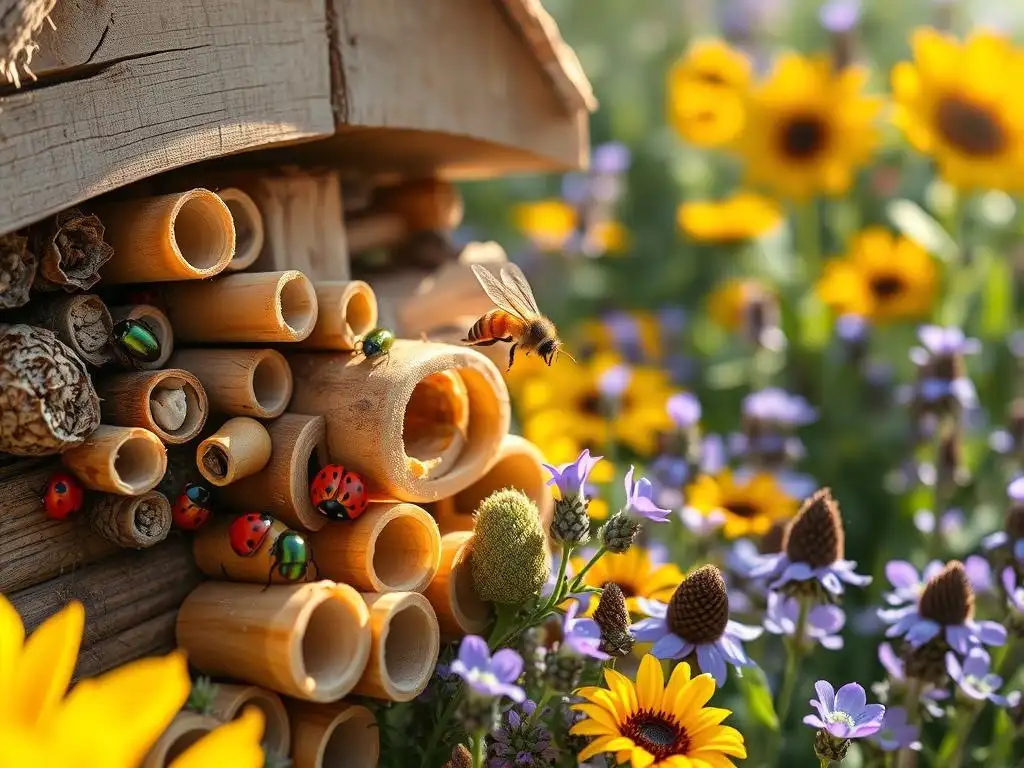
Ready to transform your garden into a thriving ecosystem? At CultivateYourFood, we empower you to grow your own fruits, vegetables, and herbs organically. Discover the secrets to a bountiful harvest, starting with our guide on Attracting Beneficial Garden Insects. Learn how creating the right habitats can naturally protect your plants and boost your yields—a sustainable approach to gardening that's both rewarding and effective. Let's cultivate a healthier, more vibrant garden together!
- Attract Beneficial Garden Insects: Why It Matters
- Creating Habitats to Attract Beneficial Insects: A Step-by-Step Guide
- Maintaining Your Beneficial Insect Habitats
- Boosting Beneficial Insect Populations: Additional Tips
- Frequently Asked Questions
- Final Reflection: Nurturing a Thriving Ecosystem, One Bug at a Time
- Unleash Your Inner Gardener: Attract Beneficial Insects Now!
Attract Beneficial Garden Insects: Why It Matters
Creating a thriving and productive garden often involves more than just nurturing your plants. A healthy garden ecosystem relies heavily on the intricate web of life that exists within it, and a key component of that web is the presence of beneficial insects.
This article explores the vital role these insects play in maintaining a balanced and sustainable garden, focusing on practical strategies to attract them to your space. By understanding the importance of beneficial insects and implementing techniques to encourage their presence, you can significantly reduce your reliance on chemical pesticides, improve pollination rates, and cultivate a more robust and resilient garden overall.
Learning how to attract beneficial garden insects is a cornerstone of sustainable gardening practices, paving the way for a healthier environment and a more bountiful harvest. We'll delve into the specifics of creating inviting habitats, focusing on the ecological benefits and practical steps you can take to make your garden a haven for these essential allies.
The Importance of Biodiversity in a Healthy Garden Ecosystem
A diverse garden ecosystem is a resilient one. Think of it like a finely tuned orchestra – each instrument (plant, insect, microorganism) plays a crucial role. The presence of beneficial insects contributes significantly to this balance. A lack of biodiversity, however, can lead to an imbalance, making your garden more susceptible to pest outbreaks and disease.
Beneficial insects, such as ladybugs, lacewings, and parasitic wasps, help regulate pest populations, preventing them from reaching damaging levels. For example, a single ladybug larva can consume up to 5,000 aphids in its lifetime! Furthermore, pollinators like bees and butterflies are essential for fruit and vegetable production. A healthy ecosystem supports a thriving population of these beneficial insects, leading to a more productive and sustainable garden.
The more diverse your planting choices (including flowers! ), the more diverse the insect population will be. This naturally leads to a self-regulating system that minimizes the need for external interventions.
Beneficial Insects: Natural Pest Control and Pollination
Many beneficial insects act as natural pest control agents, preying on common garden pests like aphids, caterpillars, and mites. For example:
- Ladybugs: Voracious aphid eaters, both as larvae and adults.
- Lacewings: Their larvae are effective predators of aphids, mealybugs, and other soft-bodied insects.
- Parasitic wasps: These tiny wasps lay their eggs in or on pest insects, effectively controlling their populations.
- Hoverflies: The larvae feed on aphids, while the adult flies resemble bees and contribute to pollination.
Beyond pest control, many insects are crucial pollinators. Bees, of course, are essential, but other insects like butterflies, moths, and even some beetles play vital roles in transferring pollen between flowers, ensuring fruit and seed production. Attracting a diverse range of pollinators is crucial for maximizing your harvest. The presence of these beneficial insects not only reduces the need for pesticides but also contributes directly to the yield and quality of your crops. This natural approach to pest management is far more sustainable and environmentally friendly than relying on chemical solutions.
Reducing Reliance on Chemical Pesticides: A Sustainable Approach
The overuse of chemical pesticides can have devastating consequences on beneficial insects, disrupting the delicate balance of your garden ecosystem. These chemicals often kill not only target pests but also beneficial insects, leaving your garden vulnerable to future pest outbreaks. By attracting beneficial insects, you significantly reduce your reliance on these harmful chemicals, creating a healthier environment for yourself, your plants, and the surrounding wildlife.
This sustainable approach promotes long-term garden health and reduces the environmental impact of your gardening practices. Creating a haven for beneficial insects is a proactive and effective way to manage pests naturally, leading to a more sustainable and productive garden. This shift towards natural pest control is not only environmentally responsible but also contributes to a healthier and more rewarding gardening experience.
Creating Habitats to Attract Beneficial Insects: A Step-by-Step Guide
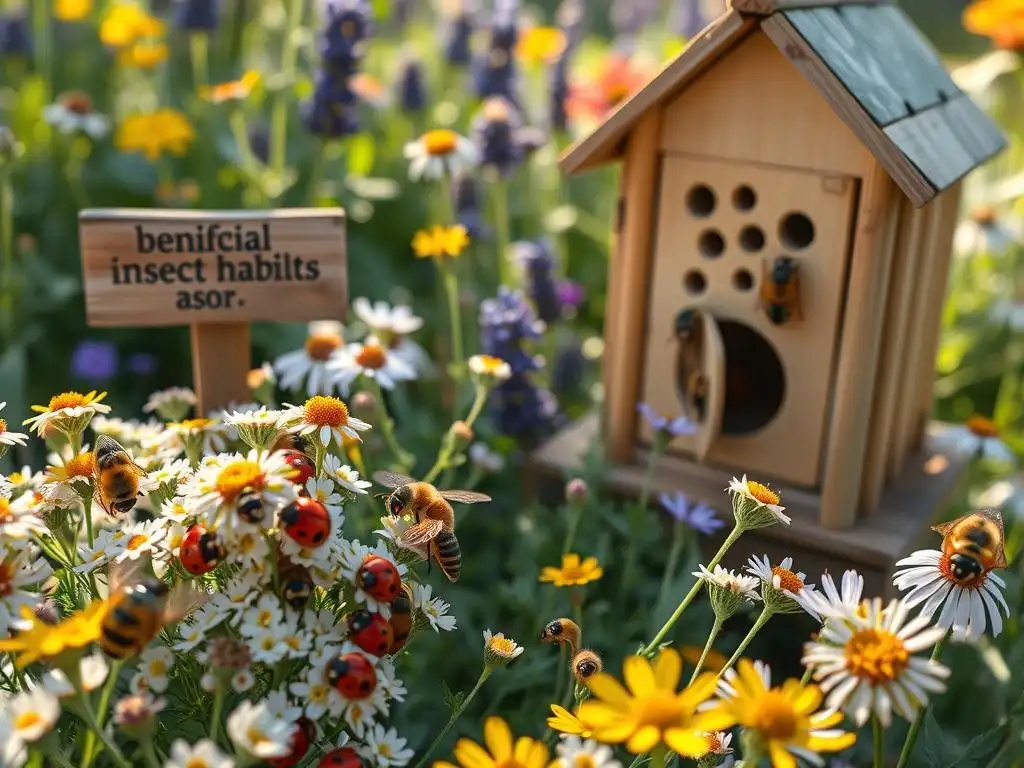
This section details practical methods to attract beneficial insects to your garden, boosting natural pest control and enhancing biodiversity. We'll explore plant selection and the construction of insect hotels, crucial elements in creating thriving habitats for these valuable allies. Remember, attracting beneficial garden insects is a key component of sustainable gardening.
Selecting the Right Plants: Attracting Specific Beneficial Insects
Strategic planting is paramount for attracting specific beneficial insects. Different plants attract different beneficial insects, each playing a vital role in maintaining a healthy ecosystem within your garden. By carefully choosing your plants, you're actively cultivating a natural pest control system.
Choosing Flowers that Attract Ladybugs and Lacewings
Ladybugs and lacewings are voracious aphid predators, significantly reducing the need for chemical pesticides. To attract them, plant flowers rich in pollen and nectar. Consider these options:
- Yarrow ( Achillea millefolium ): Known for its ability to attract a wide range of beneficial insects, including ladybugs and lacewings. Its delicate, feathery foliage adds visual appeal as well.
- Dill (Anethum graveolens): This herb is a favorite among ladybugs and offers a bonus as a culinary herb for your kitchen.
- Cosmos (Cosmos bipinnatus): These vibrant flowers provide ample nectar and pollen, making them irresistible to both ladybugs and lacewings. They come in various colors, adding beauty to your garden.
- Calendula (Calendula officinalis): These cheerful orange and yellow flowers are attractive to ladybugs and also possess insecticidal properties, further boosting your garden's natural defenses.
Planting a variety of these flowers will increase your chances of attracting a diverse population of beneficial insects.
Herbs that Attract Parasitic Wasps and Hoverflies
Parasitic wasps and hoverflies are exceptional natural pest controllers. They target various garden pests, laying their eggs on or near them, ultimately controlling their populations. The following herbs are particularly effective in attracting them:
- Fennel (Foeniculum vulgare): A favorite among hoverflies, its feathery foliage provides shelter and nectar.
- Chamomile (Matricaria chamomilla): Its delicate white flowers attract parasitic wasps and also serve as a soothing tea.
- Cilantro (Coriandrum sativum): This herb attracts hoverflies and also provides a useful culinary addition to your meals.
- Parsley (Petroselinum crispum): A classic herb that attracts hoverflies and provides an attractive visual element in your garden.
Remember, a diverse selection of herbs will contribute to a healthier and more robust ecosystem in your garden, ensuring a greater chance of attracting these beneficial insects.
Plants for Ground Beetles and Praying Mantises
Ground beetles and praying mantises are effective predators of slugs, snails, and other garden pests. While they don't require specific plants for attraction in the same way as other beneficial insects, providing them with suitable habitats is crucial.
- Ground cover plants: These provide shelter and hiding places for ground beetles. Consider low-growing plants like clover or creeping thyme.
- Tall grasses and shrubs: These offer excellent hunting perches for praying mantises. Consider planting native grasses or shrubs to support local biodiversity.
- Avoid excessive pesticide use: This is vital for the survival of all beneficial insects, including ground beetles and praying mantises. Chemical pesticides can significantly harm their populations.
Creating a diverse and structured garden landscape is key to successfully attracting and supporting these beneficial insects.
Building Insect Hotels: Providing Shelter and Nesting Sites
Insect hotels offer shelter and nesting sites for beneficial insects, providing an additional layer of support to your garden's ecosystem. They’re especially helpful during colder months or when natural shelter is scarce. Providing these shelters helps to increase the beneficial insect population in your garden, enhancing your natural pest control efforts.
Designing Effective Insect Hotels: Materials and Construction
Effective insect hotels are designed with different compartments to cater to the diverse needs of various insects. Consider incorporating:
- Hollow stems: These provide shelter for solitary bees and other insects. Use bamboo canes, hollow plant stems (e.g., elderberry), or even drilled wooden blocks.
- Pine cones: These offer nesting sites for ladybugs and other small insects.
- Dry leaves and twigs: These provide shelter and nesting materials for various insects.
- Small pieces of wood: These can be used to create small crevices and hiding places.
- Avoid treated wood: Always use untreated wood to avoid harming beneficial insects.
The size and complexity of your insect hotel will depend on the space available and the variety of insects you wish to attract.
Placement and Maintenance of Insect Hotels
The placement and maintenance of your insect hotel are crucial for its success. Consider these factors:
- Location: Place your insect hotel in a sunny, sheltered location, ideally facing south or southeast, away from strong winds and direct rainfall.
- Height: Place it at a height that is convenient for observation but prevents easy access by predators.
- Maintenance: Regularly check your insect hotel for damage and clean out old nesting materials in the fall or early spring to prevent pest infestations and disease. This will ensure your insect hotel remains a safe and inviting habitat for years to come. Replacing materials as needed will ensure its continued effectiveness in attracting beneficial insects to your garden.
Providing Water Sources: Essential for Insect Hydration
Beneficial insects, like any living creature, require a consistent source of water to survive and thrive. Dehydration can significantly impact their ability to pollinate your plants, prey on pests, and generally contribute to a healthy garden ecosystem. Providing water sources is a crucial step in attracting and supporting these helpful insects.
Many beneficial insects, especially smaller species like ladybugs and lacewings, are particularly vulnerable to dehydration due to their size and metabolic rates. A lack of readily available water can lead to reduced populations and a less effective natural pest control system in your garden. Therefore, strategically placing water sources throughout your garden is an essential aspect of creating a thriving and balanced environment.
Remember, the goal is not to create a large, stagnant pond, but rather several small, accessible water sources that are easily accessible to these tiny creatures. This approach is also more sustainable, requiring less water and minimizing the risk of mosquito breeding.
Creating Simple Water Features for Beneficial Insects
Creating simple water features for beneficial insects doesn't require complex landscaping or expensive materials. A shallow dish filled with pebbles or marbles partially submerged in water is an excellent option. The pebbles provide a landing platform for insects to drink without drowning. You can also use a birdbath, ensuring it's shallow enough for insects to reach the water easily.
Another effective method is to place a damp sponge or piece of cloth in a shallow container. Keep in mind the location of your water sources; place them in sunny spots where insects are most active. Avoid placing them in areas prone to strong winds that might dry them out too quickly. Experiment with different designs and materials to see what works best in your garden.
Consider using terracotta saucers, which are readily available and aesthetically pleasing. Remember to replenish the water regularly, especially during hot and dry periods. The goal is to provide a consistent supply of water, not a one-time solution.
Maintaining Clean Water Sources
Maintaining clean water sources is vital to prevent the growth of harmful bacteria and fungi that could harm beneficial insects. Regularly change the water in your water features, ideally every 2-3 days, to prevent stagnation. Scrub the containers with a mild soap solution once a week to remove any algae or debris. Avoid using harsh chemicals, as these can be harmful to insects.
You can use a simple solution of water and mild dish soap for cleaning. Thoroughly rinse the containers before refilling them with fresh water. If you notice any unusual growth or foul odor, immediately clean the container and replace the water.
Monitoring your water sources regularly is key to ensuring they remain a safe and inviting resource for your beneficial insect allies. Cleanliness is not just about aesthetics, it's about the health and well-being of the insects you're trying to attract and support in your garden. Remember, a healthy water source is a key component of a thriving beneficial insect population.
Maintaining Your Beneficial Insect Habitats
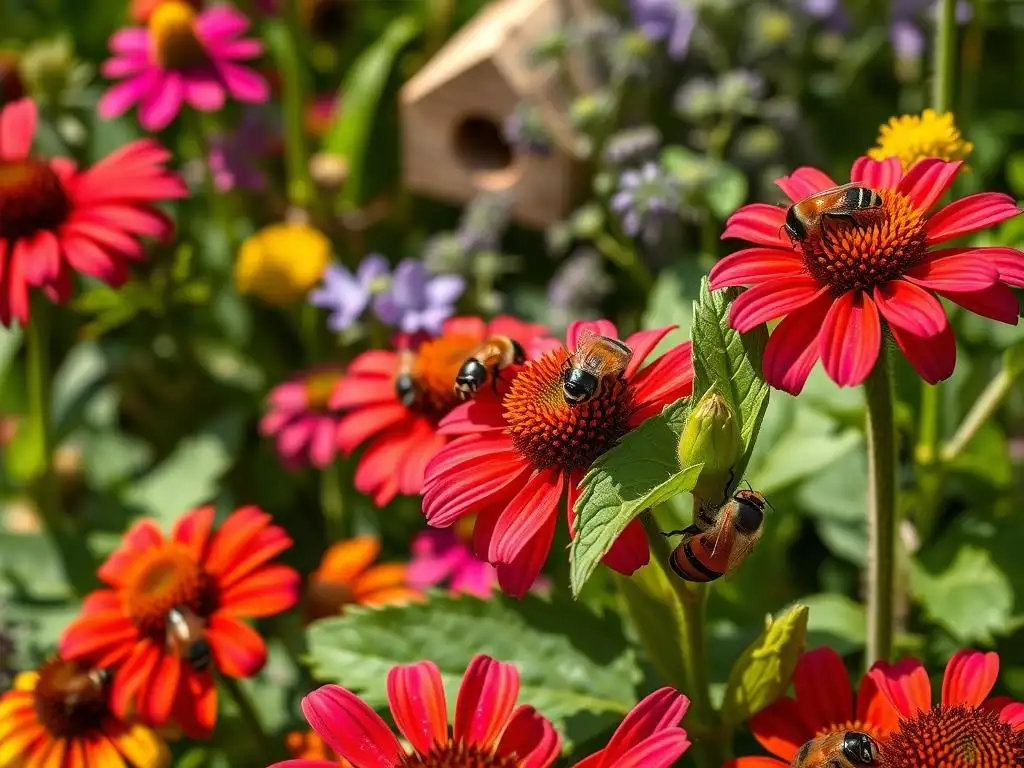
Creating a thriving habitat for beneficial insects requires more than just planting the right flowers. Successful attraction and retention of these crucial garden allies demands ongoing care and attention. Think of it as cultivating a miniature ecosystem—one that needs regular tending to flourish. Consistent maintenance ensures your efforts to attract beneficial garden insects are rewarded with a healthy and productive garden.
Regular Garden Maintenance: Balancing Attracting Insects and Plant Health
Maintaining a healthy balance between attracting beneficial insects and maintaining the overall health of your plants is key. Overgrown or neglected areas can become havens for pests as well as beneficial insects, potentially overwhelming the good bugs. Regular weeding is crucial, not only for plant health but also for improving the visibility and accessibility of your insect habitats. Remove weeds that compete with your beneficial insect plants for resources, and keep pathways clear for easy access to monitor and maintain your habitats.
Consider the following schedule for maintaining your beneficial insect habitats:
- Weekly: Check for weeds, dead or dying plants, and signs of pest infestations. Remove any debris that could harbor pests.
- Bi-weekly: Water deeply and evenly, ensuring your beneficial insect plants receive adequate moisture.
- Monthly: Assess the overall health of your insect habitats and make adjustments as needed. This might include adding more plants, pruning overgrown areas, or replacing any plants that have died.
Remember, a diverse range of plants attracts a greater diversity of insects. This natural biodiversity helps to keep pest populations in check, reducing the need for chemical interventions. The key is to create a balanced ecosystem where beneficial insects thrive alongside your healthy plants. Striking this balance is paramount to attracting beneficial garden insects.
Monitoring Insect Populations: Assessing the Effectiveness of Your Habitats
Monitoring insect populations is a crucial step in determining the effectiveness of your habitats and making necessary adjustments. Regular observation helps you understand which insects are visiting your garden and whether your efforts are successfully attracting the beneficial species you're targeting. This assessment informs your future gardening decisions and allows for timely intervention if pest problems arise.
Effective monitoring involves:
- Visual inspection: Regularly walk through your garden, paying close attention to your insect habitats. Note the presence of beneficial insects such as ladybugs, lacewings, and hoverflies. Count the number of each species you observe, if possible.
- Sticky traps: While generally not recommended for widespread use, strategically placed sticky traps can provide valuable data on specific pest populations, helping you understand the overall balance in your garden.
- Keeping a journal: Record your observations, including dates, insect species identified, and any noticeable changes in plant health. This information will be invaluable in understanding long-term trends and the effectiveness of your strategies for attracting beneficial garden insects.
By consistently monitoring your insect populations, you can fine-tune your approach to creating and maintaining optimal habitats, ensuring your garden is a welcoming and productive environment for beneficial insects. This data-driven approach is crucial for refining your methods and maximizing the positive impact of your efforts.
Avoiding Harmful Practices: Protecting Beneficial Insects from Pesticides
The use of chemical pesticides poses a significant threat to beneficial insects. These chemicals not only kill target pests but can also harm or eliminate beneficial insects, undermining your efforts to create a thriving ecosystem in your garden. Protecting these crucial allies requires a strong commitment to sustainable and organic gardening practices.
Instead of relying on chemical pesticides, consider these alternatives for pest control:
- Natural predators: Encourage the presence of natural predators such as ladybugs, praying mantises, and spiders by providing them with suitable habitats.
- Beneficial nematodes: These microscopic worms are effective against certain soil-dwelling pests and are a safe alternative to chemical pesticides.
- Handpicking: Regularly handpick pests from your plants, especially during early infestations.
- Neem oil: This natural insecticide is effective against a wide range of pests and is less harmful to beneficial insects compared to synthetic pesticides.
Remember, a healthy garden is a balanced garden. By avoiding harmful practices and actively promoting biodiversity, you create a sanctuary for beneficial insects, ensuring a healthy and sustainable yield for your homegrown fruits, vegetables, and herbs. This holistic approach is essential for attracting and retaining beneficial garden insects long-term.
Boosting Beneficial Insect Populations: Additional Tips
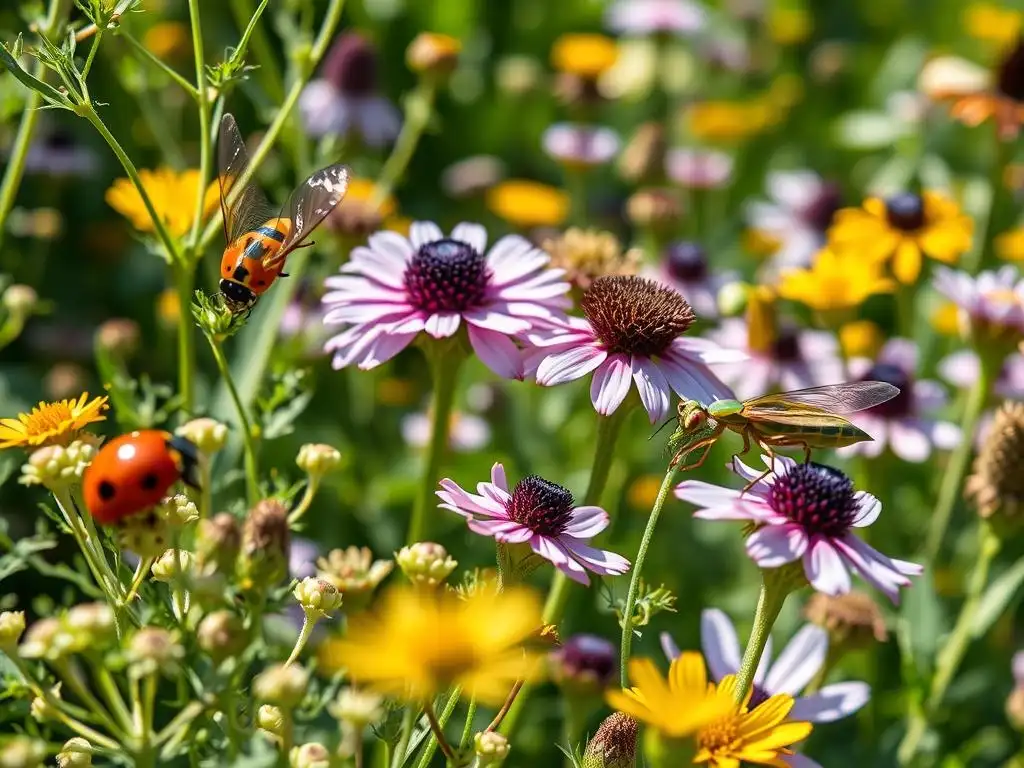
This section focuses on strategies beyond habitat creation to significantly increase the number of beneficial insects in your garden, thereby improving pest control and overall garden health. Attracting beneficial garden insects is a crucial step in sustainable gardening. Remember, a thriving ecosystem relies on a balance of organisms.
Supplementing Habitats with Natural Predators: Introducing Beneficial Insects
While creating ideal habitats is essential, sometimes a helping hand is needed to jumpstart the beneficial insect population. Introducing natural predators can quickly improve pest control and accelerate the establishment of a balanced ecosystem. This can be done by purchasing and releasing beneficial insects like ladybugs ( Coccinellidae), lacewings ( Chrysopidae), and praying mantises ( Mantodea). These insects are voracious predators of common garden pests such as aphids, mealybugs, and whiteflies.
Consider the timing of your introduction. Release beneficial insects when pest populations are high, maximizing their impact. For example, releasing ladybugs during a significant aphid infestation will yield better results than introducing them during a period of low pest activity. Always purchase beneficial insects from reputable suppliers to ensure the health and effectiveness of the organisms.
Improperly sourced insects might be diseased or ineffective, negating your efforts. Furthermore, consider the specific pests plaguing your garden when selecting which beneficial insects to introduce; different insects prey on different pests. Research the life cycle and feeding habits of your chosen insect to ensure a successful integration into your garden ecosystem.
Creating a Diverse Planting Scheme: Maximizing Insect Attraction
Plant diversity is key to attracting a wide range of beneficial insects. Monocultures, while efficient for harvesting, offer limited resources and attract fewer beneficial insects compared to diverse planting schemes. A diverse garden provides varied food sources (pollen and nectar) and shelter throughout the growing season, supporting a broader spectrum of beneficial insects. This approach supports the natural balance, reducing your reliance on synthetic pesticides.
Consider incorporating flowering plants that bloom at different times of the year to ensure a continuous supply of nectar and pollen for beneficial insects. For example, combine early spring bloomers like crocuses and daffodils with summer bloomers like sunflowers and coneflowers, followed by autumn bloomers like asters and goldenrod. This provides a consistent food source throughout the entire season, attracting and sustaining beneficial insect populations.
Furthermore, interplanting herbs and vegetables can also attract beneficial insects. For example, dill and fennel attract beneficial parasitic wasps that control aphids. The strategic placement of these plants within your vegetable patch can create a natural pest control system.
Using Organic Pest Control Methods: Protecting Your Garden from Harmful Pests
While attracting beneficial insects is a crucial step in organic pest control, sometimes additional measures are necessary. Organic pest control methods work in harmony with beneficial insects, protecting both your plants and the beneficial organisms that help you maintain a thriving garden. Using organic methods minimizes the risk of harming beneficial insects while effectively managing pest populations.
Organic pest control options include using insecticidal soaps, neem oil, and diatomaceous earth. These products target specific pests without harming beneficial insects, providing a sustainable way to manage pest infestations. Always follow the instructions carefully when using any organic pest control method to avoid harming plants or beneficial insects. Regular monitoring of your garden for pests is crucial.
Early detection allows for timely intervention, preventing major infestations and reducing the need for more intensive pest management strategies. Remember, a proactive approach is always more effective and sustainable than reactive measures. The key to success lies in combining habitat creation, beneficial insect introduction, and organic pest control methods to create a truly thriving and balanced garden ecosystem.
Frequently Asked Questions
What are beneficial garden insects?
Beneficial insects are predators and pollinators that help keep your garden healthy. They control pest populations and help your plants produce fruit and seeds. Examples include ladybugs, lacewings, and bees.
How do I attract beneficial insects to my garden?
Provide diverse habitats with a variety of plants, including flowering plants for nectar and pollen. Offer shelter such as leaf litter, brush piles, or insect hotels. Avoid using harmful pesticides.
What kind of plants attract beneficial insects?
Many herbs like dill, fennel, and yarrow are highly attractive. Flowering plants like sunflowers, coneflowers, and goldenrod provide nectar and pollen. Include a diversity of plant types and bloom times for continuous attraction.
What is an insect hotel, and why is it beneficial?
An insect hotel is a structure providing safe nesting sites for beneficial insects. It can be as simple as a pile of hollow stems or a more elaborate structure with different compartments. This increases the population of beneficial insects in your garden.
How can I create a sustainable habitat for beneficial insects without using pesticides?
Avoid using any chemical pesticides, as these will harm beneficial insects along with pests. Focus on natural pest control methods, such as companion planting, handpicking pests, and introducing predators. Maintain a healthy soil ecosystem to support a diverse range of beneficial insects.
Final Reflection: Nurturing a Thriving Ecosystem, One Bug at a Time
The health of our gardens, and indeed our planet, is inextricably linked to the biodiversity within them. A vibrant ecosystem teeming with beneficial insects isn't just aesthetically pleasing; it's the cornerstone of a sustainable and productive growing environment. Ignoring this crucial element means sacrificing resilience and relying heavily on potentially harmful chemical interventions.
Creating havens for beneficial insects has profoundly impacted my own gardening practices, shifting my perspective from one of control to one of collaboration. I've witnessed firsthand the remarkable power of nature's own pest control mechanisms, reducing the need for pesticides and fostering a healthier, more balanced garden. The earth laughs in flowers.
– Ralph Waldo Emerson. This quote perfectly encapsulates the joy and abundance that comes from nurturing a thriving ecosystem, where even the smallest creatures play a vital role.
Now, it's your turn to consider the impact you can have. Think about the spaces in your own garden, however small, and how you can transform them into havens for beneficial insects. Plant a diverse range of flowering plants, provide nesting sites, and resist the urge to reach for chemical solutions. By embracing a more holistic approach to gardening, you'll not only attract a wealth of beneficial insects but also cultivate a deeper connection with the natural world, reaping the rewards of a healthier, more resilient, and beautiful garden.
Unleash Your Inner Gardener: Attract Beneficial Insects Now!
Thank you for learning how to create havens for beneficial insects! You now have the knowledge to transform your garden into a vibrant ecosystem teeming with life. Ready to put your new skills to the test?
- Create your first mini-habitat: Start small! A simple log pile or a few strategically placed rocks can make a significant difference. Share photos of your creations!
- Spread the word: Share this article with fellow gardening enthusiasts to help them create more balanced and vibrant gardens.
- Attract a diversity of beneficial insects: Experiment with various plants known to attract different beneficial insects. See how many species you can attract to your garden!
What's your plan for your first beneficial insect habitat, and which plants will you use to attract them? Let's discuss!