
The Benefits of Vertical Gardening: Space, Yield, and Aesthetics

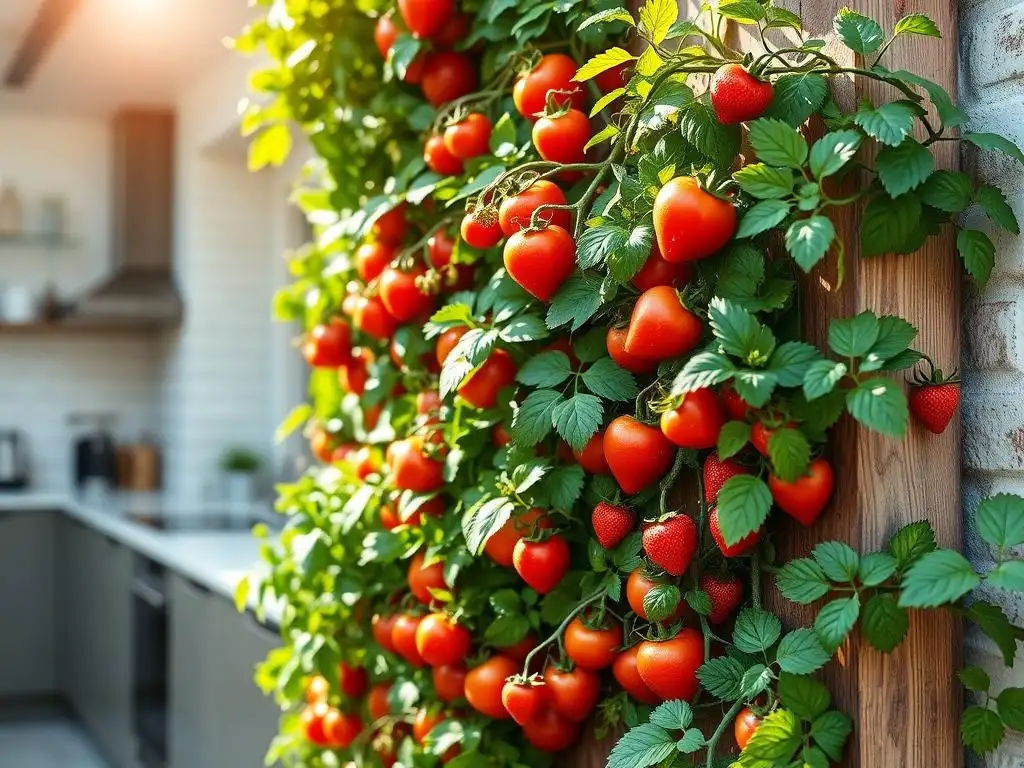
Welcome to CultivateYourFood, your guide to a thriving, sustainable garden, no matter the size of your space! Are you dreaming of fresh, organic produce but limited on land? Discover the incredible space-saving benefits of vertical gardening and unlock the potential of your backyard, balcony, or even windowsill. Learn how to maximize your yield and create a stunning, eco-friendly oasis – let's cultivate your harvest together!
- Maximizing Your Harvest: Vertical Gardening Space Saving Benefits
- Enhanced Aesthetics and Curb Appeal with Vertical Gardens
- Environmental Benefits of Vertical Gardening: Sustainability and Soil Health
- Building Your Vertical Garden: Materials and Methods
- Specific Plant Selection for Vertical Gardening Success
- Frequently Asked Questions
- Final Reflection: Reaching New Heights with Vertical Gardening
- Unleash Your Inner Gardener: Grow Higher, Grow Smarter!
Maximizing Your Harvest: Vertical Gardening Space Saving Benefits
Vertical gardening is a revolutionary approach to home cultivation, particularly beneficial for those with limited outdoor space. This technique allows you to significantly increase your yield without sacrificing precious square footage.
Whether you're an apartment dweller with a tiny balcony or a homeowner looking to maximize their garden's productivity, vertical gardening offers a wealth of advantages, encompassing increased yields, efficient space utilization, and enhanced aesthetics. This article will delve into the space-saving benefits of vertical gardening, exploring how this method allows you to cultivate a thriving garden even in the smallest of spaces, transforming your urban or suburban environment into a productive and beautiful oasis.
We'll examine practical strategies for optimizing your vertical garden design and explore solutions specifically tailored for apartment and balcony gardening. By embracing vertical gardening, you can unlock the potential of your limited space and enjoy the rewards of a bountiful harvest, all while contributing to sustainable and organic food production.
Increased Yields in Limited Spaces: Vertical Gardening for Small Gardens
Traditional gardening often requires extensive horizontal space. Vertical gardening, however, utilizes the third dimension, allowing you to grow significantly more plants in the same footprint. Instead of spreading plants horizontally, you stack them vertically using various methods such as trellises, hanging baskets, and vertical planters. This dramatically increases your planting density.
For example, a single square meter of horizontal garden space might accommodate 4 tomato plants. The same space, using a vertical system like a stacked planter, could easily support 8 or more, leading to a doubling or even tripling of your harvest. This is especially crucial for small gardens, balconies, or patios where space is at a premium.
The increased yield directly translates to more fresh produce for your kitchen, reducing reliance on commercially grown options and allowing you to enjoy the fruits (and vegetables!) of your labor. Furthermore, some plants, such as vining tomatoes and cucumbers, are naturally suited to vertical growth, making them ideal candidates for this method.
Stacking Plants for Maximum Space Utilization: Optimizing Vertical Garden Design
Optimizing your vertical garden design is key to maximizing its efficiency and yield. Careful planning and plant selection are crucial. Consider the mature size of your plants to avoid overcrowding. Use a variety of vertical structures to accommodate different plant needs. For instance:
- Trellises: Ideal for vining plants like beans, peas, and cucumbers.
- Hanging baskets: Perfect for herbs, strawberries, and trailing plants.
- Vertical planters: Offer modularity and flexibility, allowing you to customize your setup based on available space and plant types.
- Wall-mounted planters: Space-saving solutions for walls or fences.
Think strategically about plant placement. Taller plants should be placed at the back or top of your vertical garden to avoid shading smaller plants. Consider companion planting to improve growth and deter pests. Regular pruning and maintenance are also essential to prevent overcrowding and ensure optimal air circulation. Careful planning and thoughtful design can transform your vertical garden into a highly productive and aesthetically pleasing feature. Remember to account for the weight of the plants and the water they require when choosing your structures and location to avoid structural issues.
Vertical Gardening Solutions for Apartments and Balconies: Urban Gardening Techniques
Vertical gardening is particularly well-suited for urban environments where space is often limited. Apartments and balconies present unique challenges but offer ample opportunities for creative vertical gardening. Several solutions cater specifically to these limited spaces:
- Balcony railing planters: These are specifically designed to hang from balcony railings, utilizing otherwise wasted space.
- Stackable planters: These allow you to maximize vertical space by stacking multiple planters on top of each other.
- Wall-mounted herb gardens: These are compact and ideal for small spaces, allowing you to grow fresh herbs within easy reach.
- Self-watering systems: These are especially beneficial for balconies, as they reduce the frequency of watering, a crucial consideration in areas with limited water access.
Remember to consider the weight capacity of your balcony when choosing your planters and the amount of water they'll hold. Choose plants that thrive in containers and are relatively low-maintenance. Regular monitoring of your plants is essential to ensure they receive adequate sunlight, water, and nutrients. With a little planning and creativity, you can transform your small balcony or apartment into a vibrant and productive vertical garden, bringing the benefits of homegrown produce to urban environments. The satisfaction of harvesting your own food, no matter the size of your space, is immeasurable.
Enhanced Aesthetics and Curb Appeal with Vertical Gardens
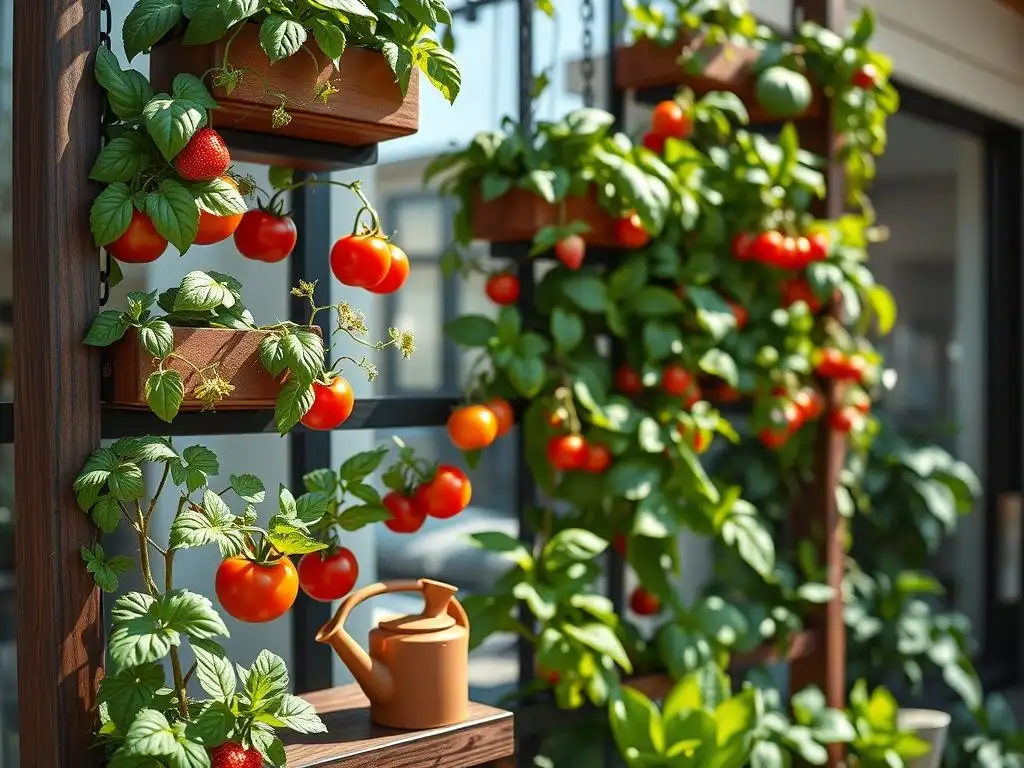
Vertical gardening offers a significant advantage beyond simply maximizing space and yield; it dramatically enhances the aesthetic appeal of your home and garden. A well-designed vertical garden can transform a drab wall or fence into a vibrant, living artwork, increasing your property's curb appeal and creating a welcoming atmosphere. The visual impact of lush greenery cascading down a structure is undeniably attractive, adding a touch of elegance and sophistication to any outdoor space. This section explores how to leverage the aesthetic benefits of vertical gardening to create a stunning and functional outdoor environment.
Creating a Visually Stunning Garden: Design and Style Considerations for Vertical Gardening
The beauty of a vertical garden lies not just in the plants themselves, but also in the overall design and style. Careful consideration of several factors can elevate your vertical garden from functional to breathtaking. Think about the overall color scheme – contrasting colors can create a vibrant and dynamic look, while a monochromatic palette can offer a more serene and sophisticated feel. The arrangement of plants is crucial; consider varying heights and textures to create visual interest. Taller plants can be placed at the back or top, while shorter, trailing plants can cascade down the front.
Experiment with different types of containers and structures. Using reclaimed materials like pallets or repurposed ladders adds a rustic charm, while sleek, modern planters create a contemporary feel. The choice of material also impacts the overall look and feel; materials such as wood, metal, and even upcycled plastic can all contribute to the desired aesthetic.
Remember to consider the surrounding environment; a vertical garden should complement, not clash, with the existing landscape. Incorporating elements like decorative trellises, hanging baskets, or even integrated lighting can further enhance the visual impact. Ultimately, the key is to let your creativity shine and design a vertical garden that reflects your personal style and preferences.
Vertical Gardening and its Impact on Property Value: Attractive and Functional Landscaping
Beyond the immediate aesthetic benefits, a well-maintained vertical garden can significantly increase your property value. Potential buyers are increasingly drawn to homes with attractive and functional landscaping, and a thriving vertical garden ticks both boxes. It showcases a homeowner's commitment to sustainability and environmental consciousness, which are increasingly important factors in today's real estate market. The visual appeal of a lush, vibrant vertical garden adds a unique and desirable feature to a property, setting it apart from others on the market.
Studies have shown a correlation between landscaping improvements and increased property value. While the exact increase varies depending on several factors including location, size, and overall condition of the property, even a relatively small vertical garden can contribute positively to the overall appraisal. Furthermore, vertical gardening demonstrates a commitment to low-maintenance landscaping, a highly desirable trait for potential buyers seeking a balance between beauty and practicality.
The strategic placement of a vertical garden can even help to mask unsightly areas or enhance the overall architectural features of a home, adding further value. Therefore, investing in a vertical garden is not only an investment in your home's beauty but also a smart investment in its long-term value.
Choosing the Right Plants for Vertical Gardening: Aesthetics and Practicality Combined
The selection of plants plays a critical role in both the functionality and aesthetics of your vertical garden. While maximizing yield is important, choosing visually appealing plants ensures that your garden is both productive and beautiful. Consider factors like plant height, color, texture, and flowering periods to create a dynamic and visually interesting display throughout the growing season.
Consider incorporating a mix of plants with different flowering times to ensure continuous color and interest. For example, you might combine early-blooming pansies with later-blooming petunias for a longer display of color. Varying textures also adds depth and visual interest. Combine trailing plants like nasturtiums with upright herbs like rosemary or basil to create layers and visual contrast.
Think about the overall color palette; coordinating colors can create a harmonious and visually pleasing effect. However, don't be afraid to incorporate contrasting colors for a more vibrant and energetic look. Remember to select plants that are suitable for the specific conditions of your vertical garden, such as sunlight exposure and water availability. Choosing the right plants not only maximizes your harvest but also transforms your vertical garden into a visually stunning and rewarding feature.
Environmental Benefits of Vertical Gardening: Sustainability and Soil Health
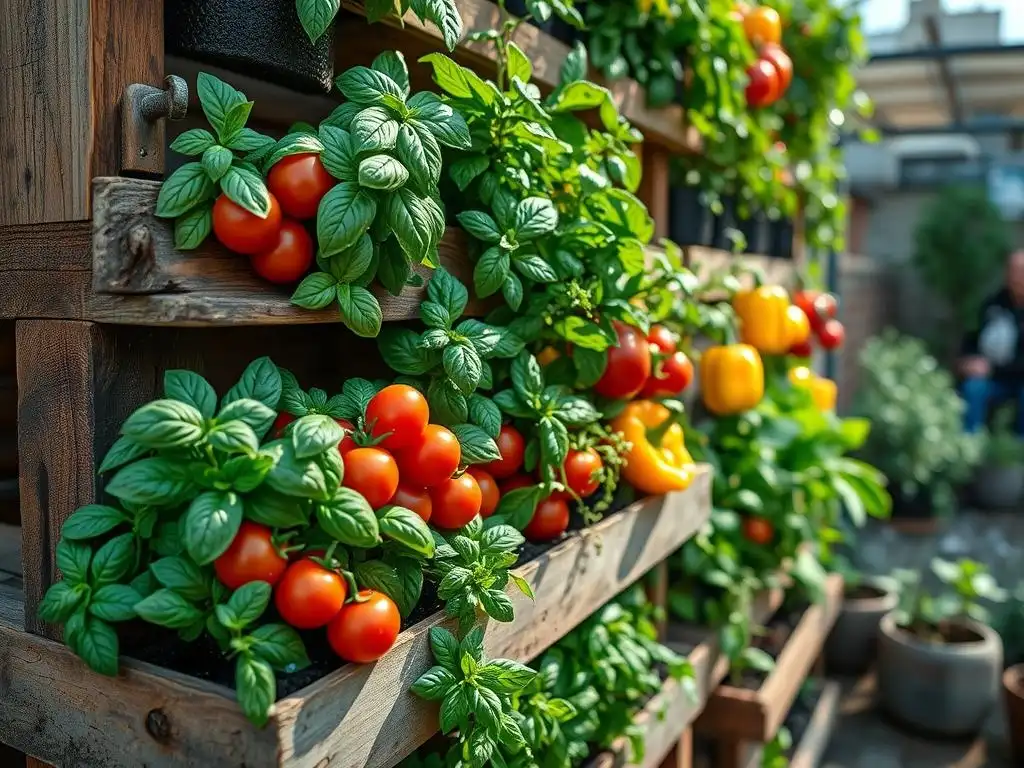
Vertical gardening offers significant advantages beyond simply saving space. It's a remarkably sustainable practice that contributes positively to soil health and minimizes environmental impact. By optimizing space utilization, vertical gardening reduces the overall land area required for food production, thus lessening the pressure on natural ecosystems and reducing the need for extensive land clearing. This directly contributes to carbon sequestration and biodiversity conservation. The reduced need for pesticides and herbicides further enhances the environmental benefits.
Water Conservation with Vertical Gardening: Efficient Irrigation Techniques
One of the most impactful environmental benefits of vertical gardening is its potential for significant water conservation. Traditional gardening methods often lead to water waste through runoff and evaporation. Vertical gardening systems, particularly those utilizing drip irrigation or soaker hoses, allow for more precise and targeted watering. This minimizes water loss and ensures that plants receive the exact amount of moisture they need, reducing overall water consumption by as much as 50% 1 compared to traditional ground-level gardening. The use of water-retaining materials like coco coir or peat moss in vertical garden structures further enhances water efficiency. Furthermore, the close proximity of plants in vertical systems facilitates microclimates that reduce evaporation rates.
1 Note: This percentage is an estimate based on various studies and can vary depending on factors like climate, plant type, and irrigation system efficiency.
Reduced Soil Erosion and Runoff: The Environmental Impact of Vertical Gardening Systems
Vertical gardening plays a crucial role in minimizing soil erosion and runoff, two significant contributors to environmental degradation. Unlike traditional gardening where exposed soil is vulnerable to the elements, vertical systems protect the soil from the impact of rainfall and wind. This protection significantly reduces the amount of topsoil lost to erosion, preserving soil fertility and preventing sedimentation in nearby water bodies.
The reduced runoff also minimizes the leaching of nutrients and pesticides into groundwater, preventing water pollution. The concentrated nature of vertical gardens also means that less fertilizer is needed, reducing the risk of nutrient runoff and its associated environmental consequences. The use of raised beds or containers further minimizes soil compaction and improves drainage, further reducing runoff.
Promoting Biodiversity in Your Vertical Garden: Attracting Pollinators and Beneficial Insects
Vertical gardens can be designed to promote biodiversity by incorporating plants that attract pollinators like bees and butterflies, as well as beneficial insects that help control pests. By creating a diverse ecosystem within your vertical garden, you reduce the need for chemical pesticides, further enhancing its environmental sustainability. Including flowering plants alongside your vegetables and herbs provides a habitat and food source for pollinators, increasing pollination rates and promoting plant health.
Similarly, incorporating plants that attract ladybugs, lacewings, and other beneficial insects can help control pest populations naturally, reducing reliance on harmful chemicals. Careful planning and plant selection are key to creating a thriving, biodiverse vertical garden that supports both your food production and the local ecosystem.
The strategic placement of plants with varying heights and flowering times maximizes the attractiveness of the garden to a wide range of beneficial insects and pollinators. This creates a self-regulating system that enhances both yield and environmental sustainability.
Building Your Vertical Garden: Materials and Methods
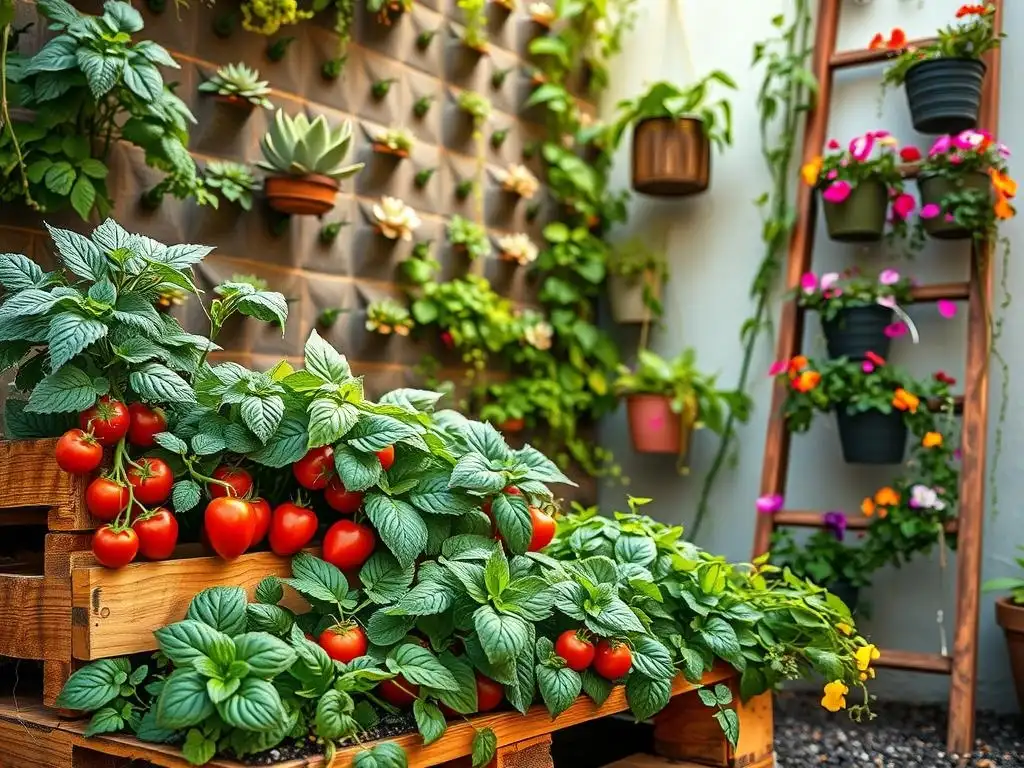
This section dives into the practical aspects of constructing your vertical garden, focusing on material selection and efficient techniques to maximize your yield while minimizing space. We'll explore various systems and DIY options, ensuring you have the knowledge to create a thriving vertical garden tailored to your specific needs and available resources. The key to successful vertical gardening lies in careful planning and execution, and this section will guide you through each crucial step. Remember, optimizing your vertical gardening setup directly impacts the space-saving benefits you'll realize.
Choosing the Right Vertical Gardening System: Trellises, Walls, and Hanging Baskets
The choice of vertical gardening system significantly influences its success and the overall aesthetic appeal. Several popular options cater to different needs and spaces.
- Trellises: These are excellent for climbing plants like tomatoes, cucumbers, and beans. Simple wooden trellises are affordable and easy to build, offering a rustic charm. More elaborate metal trellises provide robust support for heavier plants. Consider the height and width of your trellis based on the mature size of your chosen plants. Proper spacing between plants on the trellis is crucial to ensure adequate sunlight and air circulation, preventing fungal diseases.
- Living Walls: These are more complex systems, often involving specialized planters and irrigation. They are ideal for smaller plants and herbs, creating a visually stunning vertical garden. Living walls require careful planning, ensuring proper drainage and water retention to prevent root rot. The initial investment is higher, but the long-term benefits, including significant space-saving advantages, make it a worthwhile consideration for dedicated gardeners.
- Hanging Baskets: These are perfect for trailing plants like strawberries, petunias, and nasturtiums. Hanging baskets add a unique dimension to your vertical garden, maximizing vertical space, especially on patios or balconies. Choose lightweight, durable baskets with good drainage to prevent waterlogging. Regular watering is crucial, as hanging baskets tend to dry out faster than ground-level planters.
The best system depends on your available space, the types of plants you wish to grow, your budget, and the overall aesthetic you wish to achieve. Careful consideration of these factors will ensure a successful and aesthetically pleasing vertical garden, optimizing the vertical gardening space saving benefits.
DIY Vertical Garden Construction: Simple and Affordable Options
Creating a vertical garden doesn't require expensive materials or specialized skills. Many simple and affordable DIY options exist, allowing you to customize your garden to your exact needs and preferences.
Example 1: Repurposed Pallet Garden: Old wooden pallets, readily available and often free, can be transformed into stunning vertical gardens. Simply attach fabric pockets or plastic containers to the pallet slats, ensuring adequate drainage. This method is inexpensive and environmentally friendly, perfectly illustrating the space saving benefits of vertical gardening.
Example 2: PVC Pipe Planter: PVC pipes are another readily available and inexpensive material. Cut the pipes into desired lengths and drill holes for planting. These can be arranged vertically or horizontally, creating a modular and customizable vertical garden. The lightweight nature of PVC makes it easy to hang or mount on walls.
Example 3: Upcycled Bottle Garden: Plastic bottles, cleaned and cut, can be used to create individual planters that can be combined to form a larger vertical structure. This is a fantastic way to minimize waste and create a unique vertical garden.
Remember to prioritize drainage in all DIY projects to prevent root rot and ensure healthy plant growth. Consider using a mix of soil and compost to provide essential nutrients and enhance water retention. These simple DIY methods dramatically increase the vertical gardening space saving benefits.
Maintaining Your Vertical Garden: Tips for Healthy Growth and Abundant Harvests
Maintaining your vertical garden requires consistent attention, but the rewards – plentiful harvests in minimal space – are well worth the effort. Regular monitoring and proactive maintenance are crucial for optimal growth and yield.
- Watering: Vertical gardens often dry out quicker than traditional gardens. Regular watering, potentially multiple times a day depending on the climate and plant type, is crucial. Consider using a drip irrigation system for efficient and consistent watering.
- Fertilizing: Plants in vertical gardens may require more frequent fertilizing than those in the ground, as the limited soil volume can deplete nutrients rapidly. Use a balanced, organic fertilizer to provide essential nutrients for healthy growth.
- Pest and Disease Control: Regularly inspect your plants for pests and diseases. Address any issues promptly to prevent widespread infestations or infections. Employ organic pest control methods whenever possible.
- Pruning and Training: Pruning and training your plants are essential to maintain their shape and prevent overcrowding. Regularly prune away dead or damaged leaves and stems. Train climbing plants to grow along their supports, ensuring even distribution and maximizing sunlight exposure. These practices help maintain the vertical gardening space saving benefits while ensuring a healthy and productive garden.
By following these maintenance tips, you'll ensure a thriving vertical garden, maximizing its yield and showcasing the substantial vertical gardening space saving benefits and aesthetic appeal.
Specific Plant Selection for Vertical Gardening Success
Choosing the right plants is crucial for maximizing the benefits of vertical gardening, particularly the vertical gardening space saving benefits. Careful selection ensures a bountiful harvest while optimizing the limited space available. Ignoring plant characteristics can lead to overcrowding, reduced yields, and ultimately, a less successful gardening experience. This section will guide you through selecting the best vegetables, herbs, and fruits for your vertical garden.
Best Vegetables for Vertical Gardening: Climbing and Vining Varieties
Many vegetables thrive in vertical gardens, especially those with climbing or vining habits. These plants naturally utilize vertical space, maximizing yield without occupying significant ground area. Here are some top choices:
- Cucumbers: These prolific producers are ideal for vertical gardening. Their vining nature allows them to climb trellises or other support structures, keeping them off the ground and preventing diseases. Choose compact varieties for smaller vertical gardens. Consider spacing plants about 12-18 inches apart for optimal growth.
- Tomatoes: Certain tomato varieties, particularly cherry tomatoes and indeterminate types, excel in vertical systems. Indeterminate tomatoes continue growing throughout the season, requiring sturdy support structures like cages or stakes. Regular pruning and support are crucial for preventing breakage and maximizing fruit production. Remember to provide adequate sunlight and water.
- Beans (pole beans): Pole beans are natural climbers that readily embrace vertical support. Their vigorous growth habit makes them perfect for maximizing vertical space. They require minimal maintenance once established, but ensure adequate soil moisture and fertilization. Expect a high yield of delicious beans if you provide the right conditions.
- Peas: These climbing legumes are another excellent choice for vertical gardens. They are relatively low-maintenance and produce an abundant harvest. Sweet peas offer both edible pods and beautiful flowers, adding an aesthetic element to your vertical garden. Remember to provide support structures like netting or trellises.
- Squash (some varieties): Certain squash varieties, like zucchini or pattypan, can be trained to climb with support. However, they require more space than beans or peas. Carefully consider the mature size of the plant before incorporating it into your vertical system.
Ideal Herbs for Vertical Gardens: Space-Saving Herb Growing Techniques
Herbs are a fantastic addition to any vertical garden. Their compact growth habits and aromatic qualities make them ideal for small spaces. Here are some superb options:
- Basil: Basil is a popular choice for vertical gardens. Its bushy growth habit can be easily managed with regular pruning and pinching. Consider using hanging baskets or vertical planters to maximize space and airflow.
- Mint: Mint is a vigorous grower and should be contained in individual pots within a vertical system to prevent it from overtaking other plants. Vertical planters offer excellent control over mint's expansive root system.
- Chives: Chives are relatively low-maintenance and can be grown in vertical planters or hanging baskets. Their delicate foliage adds a touch of elegance to any vertical garden.
- Parsley: Parsley, while not a climber, benefits from vertical planting. Vertical planters improve air circulation, reducing the risk of fungal diseases.
- Thyme & Rosemary: These woody herbs can be easily incorporated into vertical gardens using pots or specialized vertical herb planters. They require well-drained soil and plenty of sunlight.
Fruiting Plants Suitable for Vertical Gardening: Maximizing Fruit Production in Small Spaces
While challenging, certain fruiting plants can be successfully grown vertically, maximizing fruit yield in limited spaces. Careful plant selection and support are essential.
- Strawberries: Certain strawberry varieties, particularly everbearing types, are well-suited to vertical gardening. Hanging baskets or vertical strawberry planters provide excellent drainage and sunlight exposure.
- Tomatoes (again!): As mentioned previously, certain tomato varieties are ideal for vertical gardening, offering a high yield of fruit in a relatively small footprint. This highlights the versatility of tomatoes in vertical gardening systems.
- Small-scale fruiting vines: Some smaller fruiting vines, such as certain types of grapes or blueberries, can be trained to grow vertically with appropriate support structures. However, this requires more planning and support systems than other options. Thorough research is vital before attempting this.
Remember that proper planning, including choosing the right plant varieties and providing adequate support, is key to success in vertical gardening and reaping the vertical gardening space saving benefits. Careful consideration of the plants' mature size and growth habits will ensure a thriving and productive vertical garden.
Frequently Asked Questions
What are the main space-saving benefits of vertical gardening?
Vertical gardening significantly increases the amount of produce you can grow in a limited space. By growing plants upwards instead of outwards, you maximize your square footage and can cultivate a large yield in a small area, like a balcony or patio.
How does vertical gardening improve the yield of my crops?
While it depends on the plant, vertical gardening can often lead to a higher yield than traditional gardening methods. This is because plants receive more sunlight, and there's better air circulation, reducing the risk of disease.
What types of plants are best suited for vertical gardening?
Many plants thrive in vertical gardens! Vining plants like tomatoes, cucumbers, and beans are ideal, along with herbs and smaller fruiting plants. Choose varieties known for their compact growth habits.
Are there any disadvantages to vertical gardening?
One potential drawback is that vertical gardens can require more frequent watering to prevent the plants from drying out, especially in warmer climates. Careful planning and the right materials are key to success.
What materials are best for building a vertical garden?
Many options exist! You can use DIY methods with repurposed materials like pallets or PVC pipes, or purchase pre-made vertical gardening systems. The best choice depends on your budget, space, and aesthetic preferences.
Final Reflection: Reaching New Heights with Vertical Gardening
The ingenious practice of vertical gardening isn't just a trendy hobby; it's a vital solution for a world grappling with limited space and increasing food demands. This innovative approach to cultivation offers a powerful pathway towards sustainable living, transforming underutilized areas into productive and aesthetically pleasing oases. The benefits extend far beyond simply saving space; they encompass increased yields, enhanced biodiversity, and a renewed connection with nature.
The impact of vertical gardening extends beyond the individual plot, influencing urban landscapes and fostering a sense of community. It's a testament to human ingenuity, proving that even in the most confined environments, we can cultivate life and beauty. The earth laughs in flowers.
– Ralph Waldo Emerson. This quote perfectly encapsulates the joy and abundance that vertical gardening brings, reminding us of the inherent beauty and bounty that can be found even in the smallest of spaces. The movement towards vertical farming, inspired by these principles, is already revolutionizing food production in urban centers worldwide, offering hope for a more sustainable and resilient future.
Consider your own space, your own potential. What small corner, what unused wall, could become a vibrant testament to the power of vertical gardening? I invite you to explore the possibilities, to experiment with different techniques, and to experience the profound satisfaction of nurturing life upwards. Let the lessons learned here inspire you to cultivate not only plants, but also a deeper connection with the natural world and a commitment to sustainable living. The journey to a greener, more bountiful future begins with a single seed, planted vertically.
Unleash Your Inner Gardener: Grow Higher, Grow Smarter!
Thank you for exploring the exciting world of vertical gardening! We hope you've discovered its potential to transform your space, increase your harvest, and enhance your garden's beauty. Now, let's put your new knowledge to work.
- Design your ideal vertical garden: Start by sketching your perfect setup—on paper, using a design app, or even just mentally. Consider the available space, the plants you'll grow, and the desired aesthetic. Let your creativity flow!
- Share your gardening progress: Take photos of your design and post updates on social media using #CultivateYourFood. Let's inspire one another!
- Choose the right vertical gardening method: Research various techniques, such as pallet gardening, hanging planters, or tower gardens, to find the best fit for your space and experience level.
Ready to transform your growing area? What's your first vertical gardening project?