
ColdTolerant Plants for a Resilient Garden

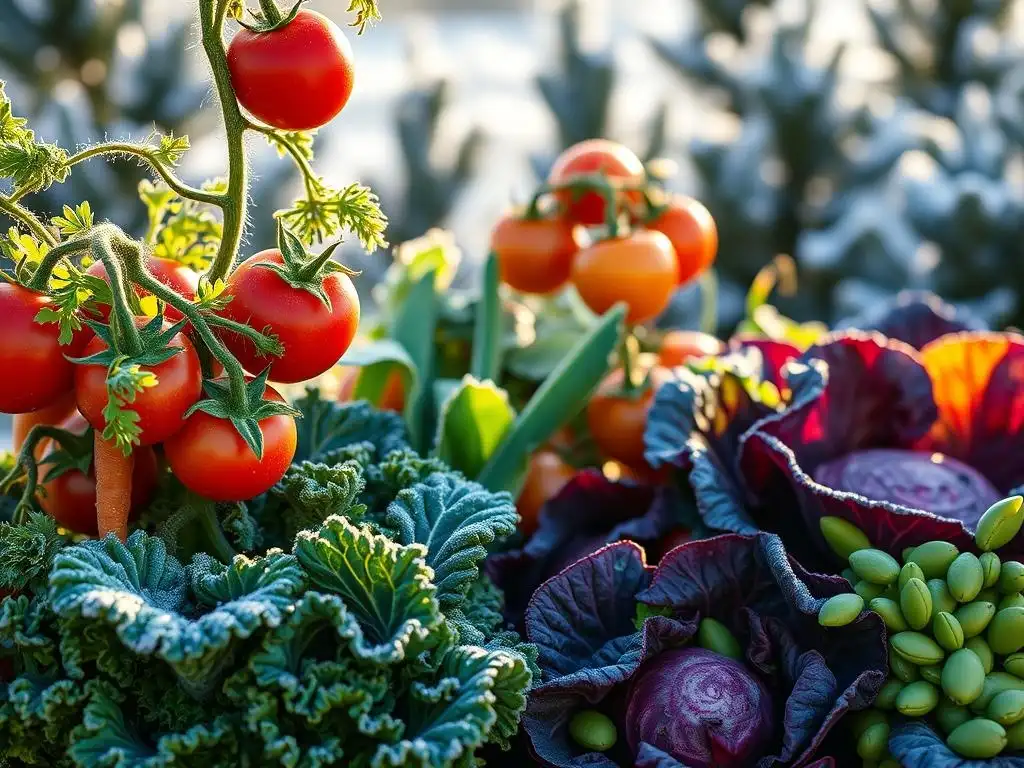
Ready to unlock the secrets of a thriving garden, even in challenging climates? CultivateYourFood is your guide to growing delicious and nutritious fruits, vegetables, and herbs organically. Discover the best cold-hardy vegetables to grow, and learn how to cultivate a resilient garden bursting with life, no matter the season. Let's explore the art of sustainable gardening together – begin your journey to a bountiful harvest now!
- Selecting the Best Cold-Hardy Vegetables to Grow
- Cold-Tolerant Herbs for Year-Round Flavor
- Cold-Tolerant Fruit and Berry Plants for Your Garden
- Preparing Your Garden for Cold-Tolerant Plants
- Maintaining Cold-Tolerant Plants Through Winter
- Harvesting and Storing Cold-Hardy Crops
- Beyond the Basics: Advanced Techniques for Cold Climate Gardening
- Frequently Asked Questions
- Final Reflection: Cultivating Resilience, One Frost-Hardy Plant at a Time
- Unleash Your Garden's Winter Resilience!
Selecting the Best Cold-Hardy Vegetables to Grow
Planning a vibrant and productive garden, even in cooler climates, is entirely achievable with the right selection of plants. This article explores the world of cold-tolerant vegetables, guiding you towards creating a resilient and bountiful harvest, regardless of the chill. We'll delve into understanding hardiness zones, assessing your specific garden microclimate, and finally, highlighting some of the best cold-hardy vegetables to grow, ensuring your garden thrives even during the colder months.
Choosing the right varieties is key to success in sustainable and organic gardening, and this guide provides the essential knowledge to make informed decisions for a flourishing garden. This is particularly important for those seeking to cultivate a resilient food source, even in challenging climatic conditions, and to optimize your yields for the "best coldhardy vegetables to grow".
Understanding Cold Hardiness Zones and Your Local Climate
Understanding your local climate is paramount to successful gardening. The USDA Plant Hardiness Zone Map is an excellent starting point. This map divides North America into zones based on average annual minimum winter temperatures. Knowing your zone helps you select plants likely to survive and thrive in your area.
For example, a plant rated for Zone 5 will likely survive winters in Zone 5 but may struggle or fail in Zone 4. However, remember that microclimates within a zone can vary significantly. A north-facing slope will experience colder temperatures than a south-facing one.
Consult local gardening resources or experienced gardeners in your area for more precise information on your specific microclimate. Don't forget to consider the average first and last frost dates in your region – these dates are crucial for determining when you can safely plant and when you need to protect your plants from frost. Accurate information on these factors will significantly improve your chances of success when choosing the best coldhardy vegetables to grow.
Assessing Your Garden's Microclimate: Sunlight, Soil Drainage, and Wind Protection
Even within a specific hardiness zone, your garden's microclimate can significantly influence plant growth. Several factors play a critical role:
- Sunlight: Cold-hardy vegetables still need adequate sunlight. Most require at least six hours of direct sunlight daily. Observe your garden throughout the day to identify areas receiving the most sun.
- Soil Drainage: Poorly drained soil can lead to root rot, especially during colder months when the ground is often wetter. Amend heavy clay soils with organic matter like compost to improve drainage. Test your soil's drainage by digging a hole and filling it with water. If the water drains slowly, you'll need to improve drainage before planting.
- Wind Protection: Strong winds can desiccate plants, especially during winter. Consider planting cold-hardy vegetables in a sheltered location, perhaps near a fence or wall, or use windbreaks to protect them.
Careful consideration of these microclimatic factors, in addition to understanding your hardiness zone, will greatly increase your chances of successfully growing the best coldhardy vegetables to grow, even in challenging conditions. Remember that a well-prepared garden is the foundation for a successful and resilient harvest.
Choosing Cold-Hardy Vegetables for Fall and Spring Planting
Selecting the right cold-hardy vegetables is crucial for extending your growing season and enjoying fresh produce even when temperatures dip. The key lies in understanding the specific needs of different vegetables and choosing varieties known for their resilience to frost and chilling temperatures. Many vegetables, while not thriving in freezing conditions, can tolerate light frosts and even some snow cover, allowing you to harvest well into autumn or start your garden early in the spring.
Careful planning, including selecting the right planting times and providing some protection against extreme cold, will greatly improve your chances of success. Remember that even cold-hardy vegetables will perform better with adequate sunlight and well-drained soil.
Understanding your local microclimate – areas that might be slightly warmer or colder than the overall average – will also help you optimize your planting strategy. For instance, a south-facing wall can provide extra warmth, extending the growing season for your cold-tolerant crops.
Top Cold-Tolerant Vegetables for Early Spring Planting
Early spring planting requires vegetables that can withstand potential late frosts and chilly nights. These vegetables need to germinate and grow quickly before the warmer weather fully arrives. Some of the best cold-hardy vegetables to grow for early spring include:
- Spinach: A fast-growing leafy green that tolerates light frosts and is ready for harvest relatively quickly.
- Kale: Another hardy leafy green, kale can withstand temperatures well below freezing and provides a nutritious harvest throughout the colder months.
- Lettuce: Many varieties of lettuce are cold-tolerant and can be planted as soon as the ground is workable. Choose loose-leaf varieties for the best results in cooler temperatures.
- Radishes: These root vegetables mature quickly, making them ideal for early spring planting. They tolerate cool temperatures and even some frost.
- Carrots: While slower to mature than radishes, carrots can be sown early in spring and will tolerate cooler conditions better than many other root crops.
Successfully growing these vegetables in early spring often involves using row covers or cloches to protect young seedlings from frost. Careful soil preparation, ensuring good drainage and nutrient-rich soil, is also vital for early spring success.
Best Cold-Hardy Vegetables for Late Fall Harvest
Extending your harvest into late autumn requires selecting vegetables that can tolerate dropping temperatures and even some frost. These vegetables need to be able to mature even as the days get shorter and the nights get colder. Excellent choices for a late fall harvest include:
- Brussels sprouts: These miniature cabbages thrive in cooler weather and often develop the best flavor after a few light frosts.
- Cabbage: Similar to Brussels sprouts, cabbage benefits from cooler temperatures and can often withstand light frosts.
- Kale: As mentioned earlier, kale is exceptionally cold-hardy and continues to produce leaves even after the first frosts.
- Parsnips: These root vegetables actually improve in flavor after a frost, developing a sweeter taste with cooler temperatures.
- Rutabagas: Another root vegetable that benefits from cooler weather, rutabagas store well and provide a late-season harvest.
Planning for a late fall harvest involves selecting early-maturing varieties and possibly providing some protection from extreme cold, especially in regions with harsh winters. Careful timing, understanding your first frost date, and selecting varieties specifically bred for cold tolerance are key factors for success. Remember to harvest before a significant freeze to ensure the best quality and flavor. The late fall harvest provides a rewarding culmination to the growing season, offering a delicious bounty even as winter approaches. 🥕🥬🥦
Cold-Tolerant Herbs for Year-Round Flavor
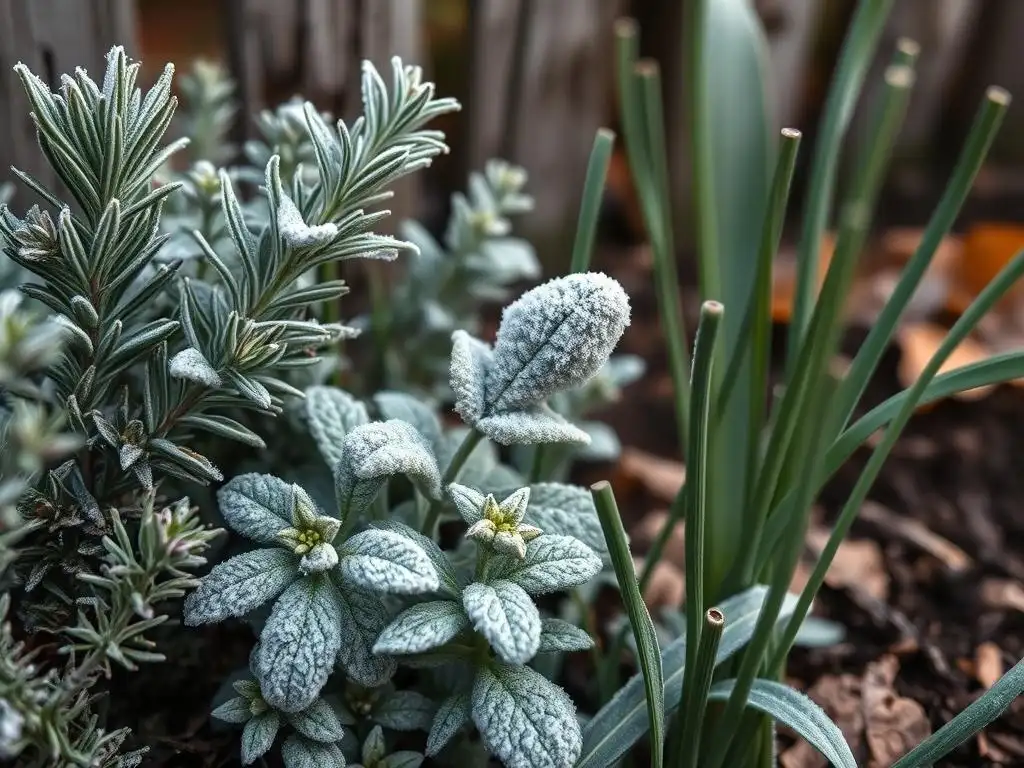
Choosing the best coldhardy vegetables to grow is only half the battle. Don't forget the aromatic and culinary benefits of cold-tolerant herbs! These resilient plants can provide fresh flavor throughout the colder months, extending your gardening season and reducing your reliance on store-bought produce. This section focuses on maximizing the potential of your herb garden even when temperatures plummet.
Hardy Herbs That Thrive in Cooler Temperatures
Many herbs boast impressive cold hardiness, surprising many novice gardeners. Some of the best coldhardy vegetables to grow companions include:
- Rosemary: This woody perennial thrives in colder climates, tolerating temperatures down to 0°F (-18°C) with proper winter protection. Its needle-like leaves retain their flavor even after a frost.
- Thyme: Another incredibly hardy option, thyme can withstand temperatures well below freezing. Its low-growing habit makes it ideal for ground cover, even in winter.
- Sage: Sage plants are known for their resilience and ability to survive harsh winters. They prefer well-drained soil and full sun, but can tolerate some shade.
- Chives: These onion relatives are remarkably cold-hardy, often surviving even under a blanket of snow. They’re easy to grow and provide a constant supply of fresh chives throughout the year.
- Parsley: While some parsley varieties are more tender, others can withstand light frosts. Consider planting a cold-hardy variety for a longer harvest season.
These herbs require minimal care during winter, but proper planting and soil preparation are crucial for their survival. Well-drained soil is key to preventing root rot, a common issue during periods of prolonged cold and moisture. Consider amending your soil with compost to improve drainage and nutrient content, enhancing the plants' overall resilience.
Protecting Herbs During Winter's Harsh Conditions
Even the hardiest herbs can benefit from some winter protection, especially during exceptionally cold spells or when heavy snow is expected. Here are some strategies to ensure your herbs survive the winter and are ready to flourish in the spring:
- Mulching: Applying a layer of organic mulch, such as straw or shredded leaves, around the base of your herb plants helps insulate the roots and protect them from freezing temperatures. This simple technique can significantly improve their chances of survival.
- Cold Frames: Cold frames provide a simple and effective way to protect herbs from harsh weather conditions. These structures create a microclimate that's warmer than the surrounding environment, shielding plants from frost and strong winds.
- Row Covers: Lightweight row covers or fleece can be draped over herbs to provide extra protection during particularly cold nights. These breathable covers prevent frost damage without trapping too much moisture.
- Location, Location, Location: Planting herbs in a sheltered location, away from strong winds and harsh sun, can dramatically improve their winter survival rates. A south-facing wall can provide valuable warmth and protection.
Remember, consistent monitoring of your herbs throughout the winter is crucial. Check for signs of damage or stress and adjust your protection strategies as needed. With proper care and attention, you can enjoy the fresh flavors of your herb garden year-round, even in the coldest climates. This contributes to a more sustainable and resilient approach to home gardening, aligning with the principles of best coldhardy vegetables to grow and maximizing your harvest.
Cold-Tolerant Fruit and Berry Plants for Your Garden
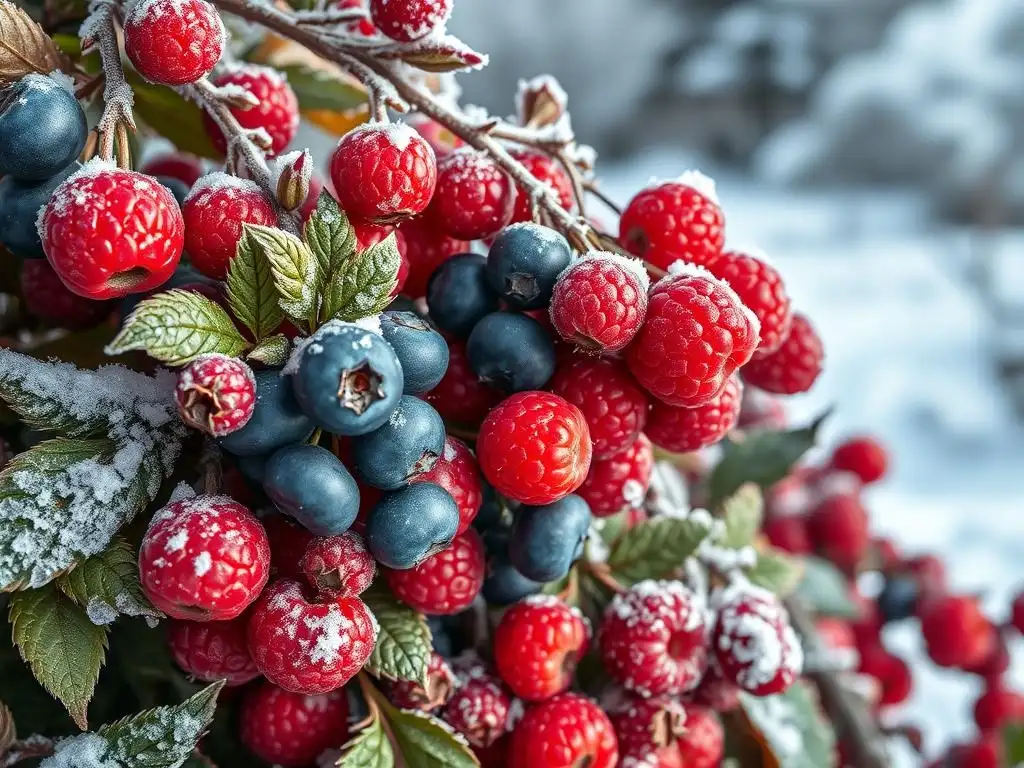
Many gardeners assume that fruit production is limited to warmer climates. However, a surprising variety of delicious fruits and berries thrive even in areas with harsh winters. Choosing the best coldhardy vegetables to grow is only part of the equation for a successful, resilient garden; incorporating cold-tolerant fruit and berries significantly expands your harvest possibilities and contributes to a more diverse and sustainable food system. This section focuses on expanding your garden's bounty with cold-hardy options, maximizing your yield even in challenging weather conditions.
Fruit Trees and Bushes Adapted to Cold Climates
Several fruit trees and bushes possess remarkable cold hardiness, allowing them to withstand freezing temperatures and produce fruit reliably, even in USDA Plant Hardiness Zones 3-5. These resilient plants offer a unique opportunity to cultivate your own fruit, even in colder climates.
Successful cultivation requires careful site selection, providing adequate sunlight and protection from harsh winds. Proper soil preparation, including amending with compost to improve drainage and fertility, is also crucial. Regular pruning helps maintain plant health and optimize fruit production.
Here's a glimpse at some excellent choices:
- Apples: Many apple varieties, especially those grafted onto hardy rootstocks, are remarkably cold-hardy. Look for varieties known for their cold tolerance, such as 'Honeycrisp,' 'Haralson,' and 'Wealthy.' These varieties offer excellent flavor and storage potential.
- Plums: Certain plum varieties, like 'American' plums, are particularly well-suited to colder climates. These plums often possess superior hardiness compared to European varieties.
- Cherries: Sour cherries, such as the 'North Star' variety, are exceptionally cold-tolerant and known for their reliable fruiting even in challenging conditions. They are also versatile, perfect for pies, jams, and preserves.
- Currants and Gooseberries: These berry-producing bushes are incredibly cold-hardy and require minimal care. They are also highly productive, providing abundant harvests of delicious berries. Their tolerance to colder temperatures and diseases makes them excellent choices for beginners.
Cold-Hardy Berries: From Strawberries to Raspberries
Beyond fruit trees, a range of cold-hardy berries provides excellent opportunities for extending your harvest season even in colder climates. These berries are not only delicious but also relatively easy to cultivate, making them ideal for both novice and experienced gardeners. The best coldhardy vegetables to grow often complement these berries in a well-rounded, cold-climate garden.
Consider these cold-hardy berry options:
| Berry Type | Hardiness Zone | Key Features | Considerations |
|---|---|---|---|
| Strawberries | 3-8 | Early and late season varieties available; adaptable | Requires well-drained soil; prone to pests |
| Raspberries | 3-8 | High yield; various colors and flavors available | Requires support; susceptible to diseases |
| Blueberries | 3-7 | Acid-loving; beautiful ornamental value | Requires acidic soil; needs consistent moisture |
| Blackberries | 4-9 | Thorny and thornless varieties available; prolific | Requires support; susceptible to diseases |
| Elderberries | 3-8 | Very cold-hardy; produces abundant berries for jams and wines | Can grow quite tall; spreads easily |
Remember that proper mulching and winter protection can further enhance the cold hardiness of these plants, ensuring a bountiful harvest year after year. Choosing the right varieties and providing appropriate care are key to success in cultivating delicious fruit and berries even in the coldest of climates. 🎂🍓🍎
Preparing Your Garden for Cold-Tolerant Plants
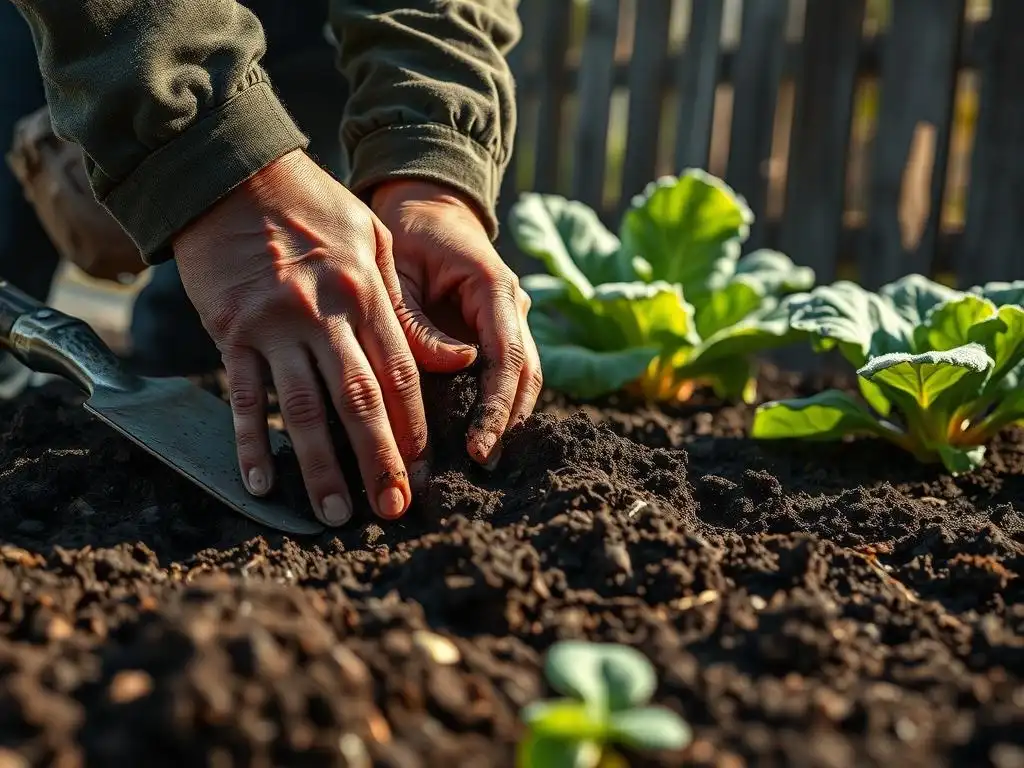
This section focuses on optimizing your garden space for the successful cultivation of cold-hardy vegetables, maximizing their yield and resilience even in challenging climatic conditions. Choosing the best coldhardy vegetables to grow involves more than just seed selection; it requires careful preparation of the soil and proactive measures to protect vulnerable seedlings. A well-prepared garden bed is the foundation for a thriving, frost-resistant crop.
Soil Preparation and Amendment for Cold-Hardy Vegetables
Successful cultivation of cold-tolerant vegetables begins with healthy soil. Cold-hardy plants, while resilient, still need nutrient-rich soil to thrive. Improper soil can lead to stunted growth and increased susceptibility to disease, even in cold-hardy varieties. Therefore, amending your soil before planting is crucial.
First, conduct a soil test to determine its pH and nutrient levels. Many local agricultural extension offices offer affordable soil testing services. This provides valuable data for informed amendment decisions. Ideally, your soil should have a slightly acidic to neutral pH (6.0-7.0) for most cold-hardy vegetables.
Depending on the results, you may need to amend your soil with organic matter like compost, well-rotted manure, or peat moss. These additions improve soil structure, drainage, and water retention – all vital for cold-hardy plants that may experience fluctuating temperatures and moisture levels. Compost, in particular, adds essential nutrients and beneficial microbes that enhance plant health and disease resistance. Aim for at least 2-4 inches of organic matter incorporated into the top layer of your soil. This process can be done several weeks before planting to allow the organic matter to break down and integrate fully.
Consider the specific needs of the vegetables you plan to grow. For example, root vegetables like carrots and parsnips benefit from loose, well-drained soil, while leafy greens prefer soil rich in nitrogen. Tailoring your soil amendments to the specific requirements of each plant ensures optimal growth and maximizes your harvest. Remember, consistent soil monitoring and periodic amendments throughout the growing season are key to maintaining optimal soil health.
Protecting Young Seedlings from Frost and Freezing Temperatures
Even the hardiest vegetables are vulnerable in their early stages of growth. Protecting young seedlings from frost and freezing temperatures is essential for ensuring a successful harvest. Several methods can be employed to shield your precious plants from the damaging effects of cold weather.
One effective technique is using row covers. These lightweight, fabric covers create a microclimate around the plants, providing insulation and protection from frost. They are easily draped over rows of seedlings and allow sunlight and air circulation while preventing frost damage. Remember to remove row covers on warmer days to prevent overheating.
Another option is to build a cold frame. A cold frame is a miniature greenhouse that traps solar heat and provides a warmer environment for seedlings. It can be a simple structure made of wood and plastic or glass, or even repurposed materials. Cold frames are particularly useful for starting seeds indoors and gradually acclimating them to outdoor conditions.
For smaller plants or individual seedlings, consider using cloches or individual plant covers. These small, dome-shaped covers offer focused protection, ideal for plants that are particularly sensitive to frost. They are easily removable and provide excellent protection during cold snaps.
Finally, remember the importance of proper watering. Well-hydrated plants are more resilient to cold stress. Avoid overwatering, which can lead to root rot, but ensure consistent moisture levels, especially during periods of cold weather. Proper soil preparation and proactive protection measures are essential for nurturing the best coldhardy vegetables to grow successfully, even in challenging climates. This ensures a bountiful and resilient harvest, regardless of the weather.
Maintaining Cold-Tolerant Plants Through Winter
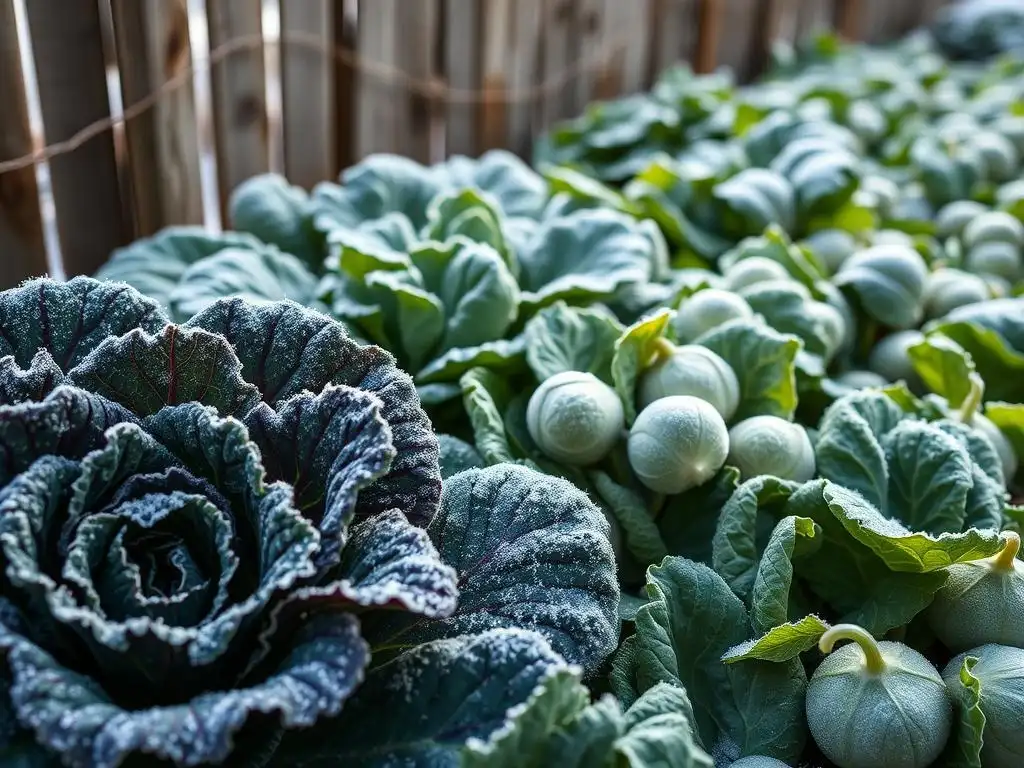
Successfully growing the best coldhardy vegetables to grow requires understanding how to protect them during the winter months. While these plants are designed to withstand freezing temperatures, proper care can significantly improve their survival rate and yield the following spring. This section focuses on crucial winter maintenance techniques to ensure your cold-tolerant plants thrive even in harsh conditions. We'll explore winter mulching and appropriate watering strategies to safeguard your investment.
Winter Mulching Techniques for Cold Protection
Mulching is a crucial step in protecting cold-hardy vegetables from the damaging effects of freezing temperatures and fluctuating winter weather. A good layer of mulch acts as an insulator, moderating soil temperature fluctuations and preventing frost heave (the lifting of plant roots due to freezing and thawing cycles). Different mulching materials offer varying levels of insulation and benefits.
Several options exist, each with its own advantages and disadvantages:
- Straw: A readily available and excellent choice. Provides good insulation and allows for some air circulation. Apply a 4-6 inch layer around plants, avoiding direct contact with the stems to prevent rot.
- Shredded leaves: A free and readily available option, especially if you have deciduous trees. Ensure the leaves are relatively dry to prevent mold growth. A 4-6 inch layer is recommended.
- Pine needles: Offer excellent drainage and insulation. They are slightly acidic, so consider their suitability for your specific plants. A 3-4 inch layer is typically sufficient.
- Wood chips: Provide good insulation but decompose more slowly than other options. They can also alter soil pH, so consider this factor when choosing. A 2-4 inch layer is recommended.
Remember to apply the mulch after the ground has frozen slightly to prevent trapping moisture against the plants. Properly applied mulch will greatly enhance the survival and overall health of your cold-hardy vegetables. Avoid compacting the mulch, allowing for adequate air circulation to prevent fungal diseases. Regularly check for rodent activity, as some mulch types can provide shelter for pests.
Watering Strategies for Cold-Hardy Plants During Winter
While the need for frequent watering is reduced during winter dormancy, neglecting your cold-hardy vegetables entirely can lead to desiccation and winter injury. The frequency of watering depends largely on the weather conditions and the type of mulch used. Overwatering can lead to root rot, while underwatering can lead to wilting and increased vulnerability to frost damage.
Here’s a guide to appropriate winter watering:
- Check soil moisture regularly: Instead of following a strict schedule, monitor soil moisture levels. Probe the soil a few inches deep. If the soil feels dry, it’s time to water. Avoid watering when the ground is frozen solid.
- Water deeply but infrequently: When you do water, provide a deep, thorough soaking to reach the roots. This is more effective than frequent shallow watering.
- Consider the type of mulch: Heavier mulches retain moisture longer, reducing the need for frequent watering. Lighter mulches may require more frequent checks.
- Avoid overhead watering: Overhead watering can lead to ice buildup on plants, which can damage foliage. Water at the base of the plants.
- Protect plants from wind: Wind can dry out the soil more quickly, especially in colder climates. Consider using windbreaks to reduce the drying effect.
By carefully monitoring soil moisture and adapting your watering practices to the specific conditions, you can ensure your cold-hardy vegetables remain adequately hydrated throughout the winter, setting them up for a robust and productive spring. Remember, consistent observation and responsive adjustments are key to success in overwintering your cold-tolerant crops.
Harvesting and Storing Cold-Hardy Crops
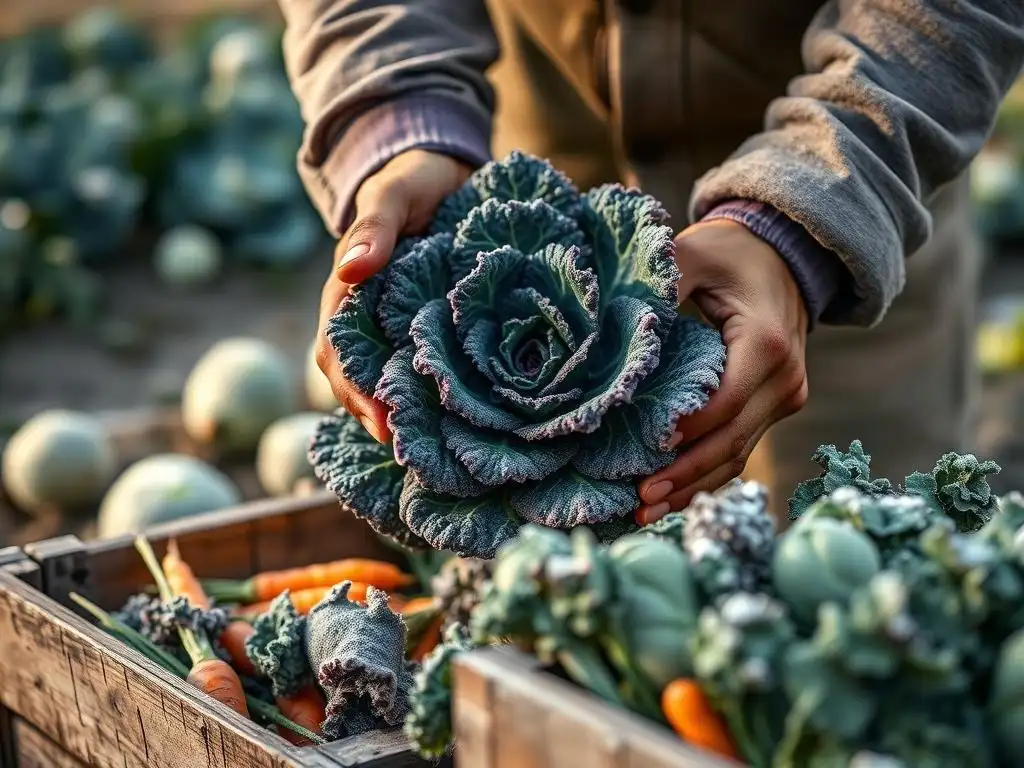
This section focuses on maximizing the yield and quality of your cold-hardy vegetable harvest, and then preserving that bounty for as long as possible. Choosing the best coldhardy vegetables to grow is only half the battle; knowing when and how to harvest and store them is crucial for enjoying a successful and sustainable harvest throughout the colder months.
Optimizing Harvest Timing for Maximum Flavor and Nutrition
The timing of your harvest significantly impacts the flavor and nutritional value of your cold-hardy vegetables. Harvesting too early results in smaller, less flavorful produce, while harvesting too late can lead to overripe, less nutritious, and potentially damaged vegetables. Here's a breakdown:
- Root Vegetables (e.g., carrots, beets, turnips): These are generally ready for harvest in late autumn, after the first frost. The cold actually sweetens many root vegetables, improving their flavor. Look for fully developed roots and avoid harvesting during wet periods to prevent rot. A good rule of thumb is to wait until the soil is workable, but before the ground freezes solid.
- Leafy Greens (e.g., kale, spinach, chard): Many leafy greens actually benefit from a light frost, which can enhance their sweetness. However, prolonged freezing will damage the leaves. Harvest individual leaves as needed, or cut entire plants down close to the ground for a larger harvest. You can often get multiple harvests from a single plant throughout the fall and even early winter, depending on your climate and the specific variety.
- Brassicas (e.g., broccoli, cauliflower, cabbage): Harvesting times vary depending on the specific type of brassica. Broccoli and cauliflower heads should be harvested when they are firm and tightly closed. Cabbage should be harvested when the heads are firm and dense. A light frost can actually improve the flavor of some brassicas.
- Other Cold-Hardy Vegetables: Consider factors like plant maturity and weather conditions. For example, some hardy herbs like rosemary and thyme can be harvested throughout the winter, while others might need protection from harsh weather.
| Vegetable Type | Optimal Harvest Time | Signs of Readiness |
|---|---|---|
| Root Vegetables | Late autumn, after first frost | Fully developed roots, firm texture |
| Leafy Greens | Throughout fall and early winter | Mature leaves, vibrant color |
| Brassicas | Varies by type, autumn/early winter | Firm heads, tightly closed (broccoli, cauliflower) |
| Herbs (e.g., rosemary) | Throughout winter (depending on variety) | Vibrant color, strong aroma |
Remember to always harvest in dry weather to minimize the risk of disease and spoilage. Proper timing is key to achieving the best coldhardy vegetables to grow and enjoy their peak flavor and nutritional content. Careful observation of your plants will help you determine the ideal harvest time for each specific variety.
Proper Storage Techniques for Extending the Shelf Life of Cold-Hardy Produce
Proper storage is crucial for extending the shelf life of your harvest and preventing spoilage. Different cold-hardy vegetables require different storage methods.
- Root Vegetables: Store root vegetables in a cool, dark, and well-ventilated area, such as a root cellar or refrigerator crisper drawer. Avoid storing them in plastic bags, as this can promote moisture buildup and rot. Lightly covering them with sand or sawdust can help maintain moisture levels.
- Leafy Greens: Store leafy greens in a plastic bag or container in the refrigerator crisper drawer. Avoid washing them until just before use, as washing can accelerate spoilage. Some greens can also be successfully frozen for later use.
- Brassicas: Store brassicas in a cool, dry, and well-ventilated area. Avoid storing them in plastic bags, as this can promote moisture buildup and rot.
- Herbs: Many herbs can be dried for long-term storage. Others can be stored in the refrigerator for a shorter period. Proper storage will drastically improve the shelf-life of your best coldhardy vegetables to grow.
Freezing Cold-Hardy Vegetables
Blanching vegetables before freezing helps to preserve their color, texture, and nutritional value. Blanching involves briefly boiling or steaming the vegetables before quickly cooling them in ice water. This process inactivates enzymes that can cause deterioration during freezing.
By following these harvesting and storage tips, you can enjoy the fruits (and vegetables!) of your labor throughout the colder months. Remember, careful planning and execution are key to a successful and bountiful cold-hardy garden.
Beyond the Basics: Advanced Techniques for Cold Climate Gardening
This section delves into sophisticated strategies for maximizing your harvest even in challenging cold climates. We'll move beyond the basics of selecting cold-hardy varieties and explore techniques to extend your growing season and protect your precious plants from frost and harsh winter conditions. Successfully navigating cold-weather gardening often hinges on employing these advanced methods, ensuring a bountiful yield of even the most delicate cold-hardy vegetables. Mastering these techniques transforms you from a beginner gardener to a seasoned expert in cultivating the best coldhardy vegetables to grow.
Using Cold Frames and Row Covers to Extend the Growing Season
Cold frames and row covers are invaluable tools for extending the growing season in colder climates. A cold frame, essentially a miniature greenhouse, creates a microclimate warmer than the surrounding air, allowing for earlier planting in spring and later harvests in autumn. Row covers, lightweight fabrics, offer similar protection, shielding plants from frost and light freezes. Both methods are particularly effective when used in conjunction with the best coldhardy vegetables to grow, providing an extra layer of protection against temperature fluctuations.
The effectiveness of cold frames and row covers depends on several factors. The material used significantly impacts the level of protection offered. Clear plastic offers excellent insulation, trapping solar heat, while spun-bonded polyester allows for better air circulation while still providing frost protection. The size and design of the cold frame are also crucial; larger cold frames tend to maintain more stable temperatures. Proper ventilation is key to preventing excessive humidity and fungal diseases. Regular monitoring of temperature and humidity inside the cold frame or under the row cover is essential for optimal plant growth.
Consider these specific examples: planting lettuce and spinach under row covers in early spring can result in an earlier harvest by several weeks. Similarly, extending the season for brassicas like kale and broccoli into late autumn is achievable with a well-managed cold frame. Careful observation and adjustment of ventilation are critical for preventing overheating during sunny days.
Exploring the Potential of Winter Sowing Techniques
Winter sowing is a remarkably simple yet effective method for growing cold-hardy plants directly outdoors during winter. It involves sowing seeds in containers or directly into the ground, leaving them exposed to the elements throughout the winter. The natural freeze-thaw cycles mimic the stratification process, breaking seed dormancy and promoting germination in the spring. Winter sowing is particularly beneficial for the best coldhardy vegetables to grow, such as peas, lettuce, and spinach, that benefit from a cool germination period.
The success of winter sowing hinges on selecting appropriately cold-hardy seed varieties. It's crucial to choose seeds specifically labeled as suitable for winter sowing. Container materials should be chosen for their ability to withstand freezing temperatures and allow for adequate drainage. Recycled containers like yogurt pots or plastic bottles work well.
The containers should be filled with a well-draining seed-starting mix. While some gardeners sow seeds directly into the ground, containers offer more control over moisture and drainage. Proper labeling of the containers with the seed type and sowing date is crucial for tracking progress.
Remember that monitoring is still essential, and in particularly harsh winters, additional protection with mulch or a layer of straw might be necessary. While seemingly passive, winter sowing requires planning and careful seed selection to ensure a successful spring harvest. This technique significantly reduces the workload in spring and allows for a natural and effective approach to cultivating the best coldhardy vegetables to grow.
Frequently Asked Questions
What are the best cold-hardy vegetables to grow?
Several vegetables thrive in cooler temperatures. Leafy greens like kale, spinach, and lettuce are excellent choices, along with root vegetables such as carrots, radishes, and turnips. Consider also broccoli, cabbage, and Brussels sprouts.
How cold is "cold-hardy"?
"Cold-hardy" refers to plants that can tolerate frost or even freezing temperatures to a certain degree. The exact temperature tolerance varies depending on the specific plant. Always check the individual plant's requirements.
When should I plant cold-hardy vegetables?
The best planting time depends on your location and the specific vegetable, but generally, planting can begin several weeks before the last expected frost. Some cold-hardy vegetables can even be planted in the fall for a harvest in early spring.
Can I grow cold-hardy vegetables in containers?
Yes! Many cold-hardy vegetables do very well in containers, offering greater control over soil conditions and easier protection from extreme weather. Choose containers of adequate size and use well-draining potting mix.
What are some tips for successful cold-hardy vegetable gardening?
Ensure proper soil drainage to prevent rot. Provide adequate sunlight (most need at least 6 hours). Consider using row covers or cloches for extra protection during colder spells, and mulch to retain soil moisture and regulate temperature.
Final Reflection: Cultivating Resilience, One Frost-Hardy Plant at a Time
The ability to grow food, even in challenging climates, is not just a skill; it's a vital act of self-reliance and a crucial step towards a more sustainable future. The increasing unpredictability of weather patterns underscores the importance of understanding and utilizing cold-tolerant plants, ensuring food security even in the face of harsh winters. This knowledge is no longer a niche interest, but a necessary tool for gardeners and communities alike.
The shift towards prioritizing cold-hardy vegetables reflects a growing awareness of our interconnectedness with the environment. We are moving beyond simply seeking the highest yields to considering the resilience and adaptability of our food systems. This resonates deeply with me, as I've witnessed firsthand the satisfaction and profound connection that comes from nurturing life through challenging conditions. The glory of gardening: hands in the dirt, head in the sun, heart with nature. To nurture a garden is to feed not just the body, but the soul.
This quote perfectly encapsulates the deeper meaning behind cultivating a resilient garden.
Now, consider your own garden, your own community. What steps can you take to incorporate more cold-hardy varieties into your planting plans? Perhaps you'll experiment with a new vegetable this year, or share your knowledge with a neighbor. By embracing the principles of resilience and choosing plants that thrive even in challenging conditions, you are not only securing your own food supply but also contributing to a more sustainable and interconnected world. Let's cultivate a future where resilience is not just a goal, but a flourishing reality.
Unleash Your Garden's Winter Resilience!
Thanks for exploring the world of cold-tolerant plants with us! You've gained valuable insights into creating a thriving garden, even during the winter months. Ready to put this knowledge into practice?
- Design your winter garden: Create a planting plan, incorporating cold-hardy varieties like hellebores and winter jasmine, considering sun exposure and soil drainage. This is the first step towards a vibrant winter garden!
- Share your winter gardening plans: Tell us which cold-tolerant plant you're most excited to grow! Let's inspire each other in the comments below.
- Learn more: Research local nurseries for specific varieties that thrive in your local climate. This will ensure the best chance of success.
What exciting cold-hardy plants will you be adding to your garden this season?