
Using a Rain Barrel to Extend the Growing Season

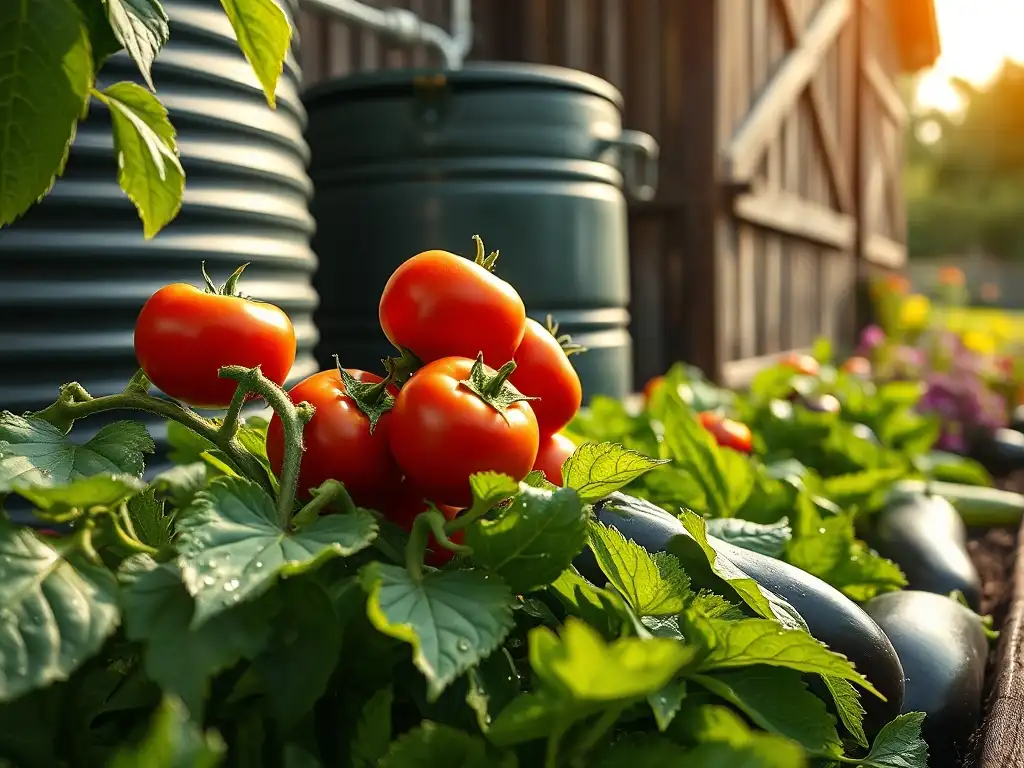
Ready to unlock the secrets to a bountiful harvest, no matter the season? At CultivateYourFood, we empower you to grow your own fruits, vegetables, and herbs organically. Learn how to harness the power of nature with our Advanced Techniques section, starting with our insightful guide on using a rain barrel to extend your growing season. Discover how this simple yet effective method can transform your garden and yield a continuous supply of fresh produce – even during unpredictable weather. Let's dive in!
- Harvesting Rainwater for Extended Gardening: A Sustainable Solution
- Choosing the Right Rain Barrel for Your Garden Needs
- Installing Your Rain Barrel for Optimal Water Collection
- Utilizing Rain Barrel Water for Extended Growing Season Gardening
- Extend Growing Season Rain Barrel: Advanced Techniques for Success
- Troubleshooting Common Issues with Rain Barrel Systems
- The Long-Term Advantages of Rain Barrel Irrigation
- Frequently Asked Questions
- Final Reflection: Harvesting the Rain, Extending the Harvest
- Extend Your Growing Season: Take the Plunge!
Harvesting Rainwater for Extended Gardening: A Sustainable Solution
Extending your growing season is a rewarding endeavor for any home gardener, allowing you to enjoy fresh produce for a longer period and increase your overall yield. This often requires creative solutions to overcome the limitations imposed by seasonal temperature fluctuations and unpredictable rainfall.
One highly effective and environmentally friendly method is utilizing rainwater harvesting, specifically through the implementation of rain barrels. This approach not only provides a supplemental water source for your plants during dry spells but also offers significant advantages in terms of plant health and soil quality, contributing to a more sustainable and productive garden.
This article will explore the practical application of rain barrels in extending your growing season, focusing on the benefits of rainwater for your plants and the techniques for effectively integrating rain barrels into your gardening routine. We'll delve into the specifics of how to maximize the advantages of this sustainable water management system, helping you cultivate a thriving garden year-round.
Understanding the Benefits of Rainwater Harvesting for Plant Health
Rainwater offers several key advantages over tap water for your plants. Firstly, it's naturally soft, meaning it lacks the chlorine and other chemicals often found in municipal water supplies that can harm delicate plant roots and foliage. These chemicals can build up in the soil over time, impacting soil health and potentially harming beneficial microorganisms.
Secondly, rainwater has a slightly acidic pH, typically between 5.6 and 6.5, which is ideal for most plants. This natural acidity helps to unlock nutrients in the soil, making them more readily available for uptake by your plants. Furthermore, rainwater is naturally filtered as it passes through the atmosphere, removing many impurities.
This results in cleaner, healthier water that promotes vigorous growth and reduces the risk of plant diseases. Finally, the temperature of rainwater is usually closer to the ambient temperature, minimizing the shock to plants that can occur with cold tap water, especially during hot weather. Using rainwater consistently leads to healthier plants, richer soil, and ultimately, a more bountiful harvest.
The Role of Rain Barrels in Extending Your Growing Season
Rain barrels play a crucial role in extending your growing season by providing a readily available source of water during periods of drought or low rainfall. This is particularly important during the spring and fall months when temperatures fluctuate and rainfall can be unpredictable.
By collecting rainwater, you create a reservoir that can be used to supplement your plants' water needs, ensuring they receive consistent moisture even when natural rainfall is scarce. The collected water can be used for both watering established plants and for providing supplemental irrigation for seedlings and newly planted crops.
The consistent moisture provided by rain barrels helps to protect plants from the stresses of drought, enabling them to thrive even during periods of low rainfall, effectively extending the growing season well into the autumn and even into early winter in some climates. Proper placement and maintenance of your rain barrel system are essential for maximizing its effectiveness in extending your growing season and ensuring a healthy, thriving garden.
Choosing the Right Rain Barrel for Your Garden Needs
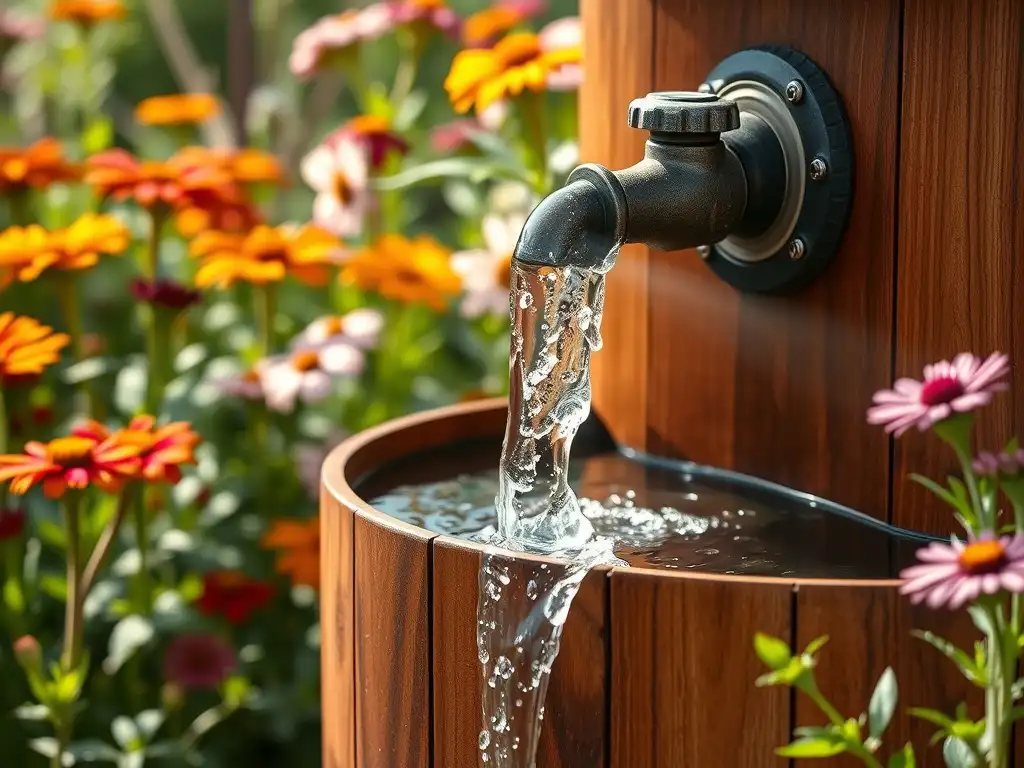
This section focuses on selecting the optimal rain barrel to effectively extend your growing season. Choosing the right barrel is crucial for maximizing water collection and ensuring its suitability for your gardening needs. The wrong barrel can lead to insufficient water storage, potential leaks, or even damage to your plants from inferior materials. Let's delve into the key factors to consider.
Selecting the Appropriate Size and Material for Your Rain Barrel
The size of your rain barrel directly impacts its water storage capacity. Consider the size of your garden and your anticipated water needs. A smaller garden might only need a 50-gallon barrel, while a larger vegetable patch or orchard could benefit from a 100-gallon or even larger capacity.
Remember to factor in the average rainfall in your region and the water requirements of your specific plants when making your decision. Overestimating is better than underestimating, as you can always adjust your watering schedule. Underestimating, however, could leave you short of water during dry spells, hindering your efforts to extend the growing season.
Material choice is equally important. Common materials include plastic, steel, and wood. Plastic barrels are generally the most affordable and lightweight, making them easy to move and install. However, they may not be as durable as steel barrels, which are more resistant to damage but can be heavier and more expensive.
Wooden barrels offer a rustic aesthetic, but require more maintenance and may be susceptible to rot or insect infestation if not properly treated. Consider your budget, aesthetic preferences, and the longevity you desire when selecting your rain barrel's material. For optimal longevity and ease of use, plastic barrels are often the best choice for the average gardener seeking to extend their growing season with rainwater harvesting.
Essential Features to Consider When Purchasing a Rain Barrel
Beyond size and material, several features significantly impact a rain barrel's functionality and effectiveness. These features can directly influence your ability to effectively harvest and utilize rainwater to extend the growing season.
- Overflow Protection: A reliable overflow mechanism is crucial. This prevents water from spilling over and causing damage or flooding. Look for barrels with a properly sized overflow spout that can be connected to a secondary barrel or drainage system. This is especially important during periods of heavy rainfall.
- Filter: A built-in filter helps remove debris like leaves and insects from the collected rainwater, preventing clogging and ensuring cleaner water for your plants. A quality filter is essential for maintaining the health of your plants and extending their lifespan.
- Spigot: A conveniently located spigot allows for easy access to the stored water. Choose a barrel with a spigot that is easy to use and positioned at a height that facilitates comfortable watering. The spigot's placement can significantly improve the ease of use and efficiency of your watering routine, leading to better plant health and a longer growing season.
- Durability: Check for reinforced construction, UV protection, and overall sturdiness. A durable barrel will withstand the elements and provide years of reliable service. Investing in a durable barrel can save you money and effort in the long run, ensuring you can effectively use your rain barrel to extend the growing season year after year.
| Feature | Importance | Impact on Extending Growing Season |
|---|---|---|
| Overflow Protection | Prevents damage and flooding | Ensures consistent water supply without loss, crucial for dry spells. |
| Filter | Removes debris, ensuring clean water for plants | Prevents clogged watering systems and promotes healthier plant growth. |
| Spigot | Enables easy access to stored water | Simplifies watering, improving efficiency and plant health. |
| Durability | Ensures longevity and resistance to damage | Provides reliable water storage for extended periods, vital for dry spells. |
By carefully considering these factors, you can choose a rain barrel that perfectly meets your gardening needs and helps you successfully extend your growing season. Remember, a well-chosen rain barrel is a valuable investment in the health and productivity of your garden. 🌱
Installing Your Rain Barrel for Optimal Water Collection
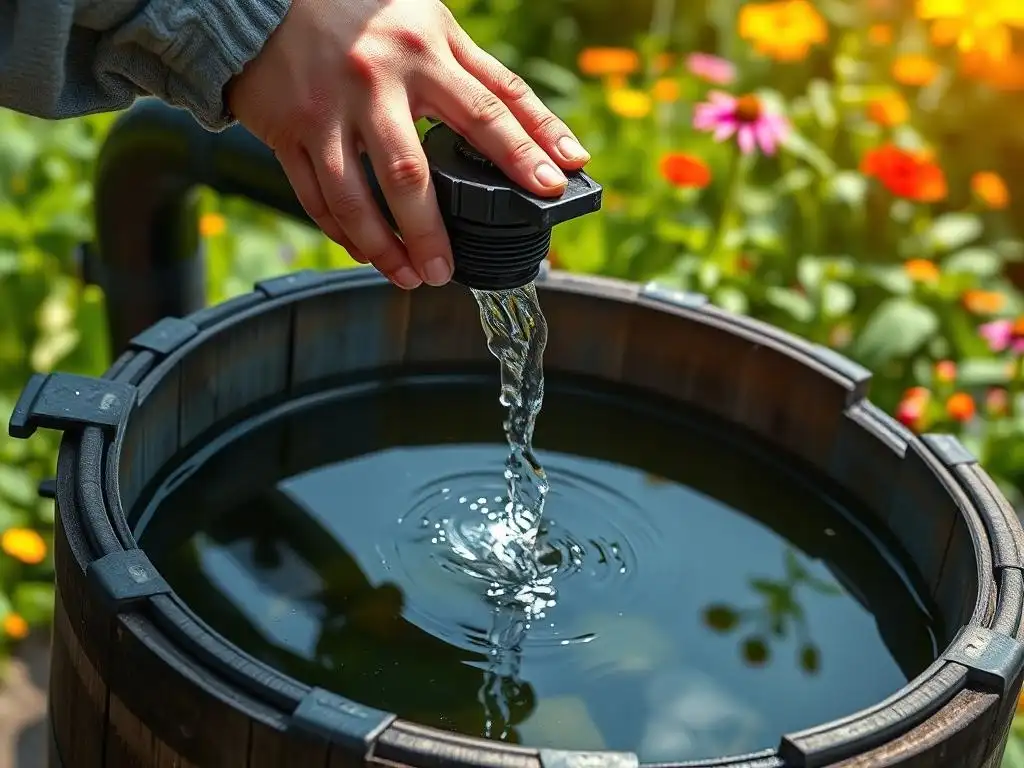
This section details the crucial steps in installing a rain barrel system to effectively extend your growing season. Proper installation maximizes water collection and minimizes potential problems. Remember, a well-placed and properly connected rain barrel is key to successfully leveraging rainwater for your plants. This will help you extend growing season with a reliable, sustainable water source.
Finding the Ideal Location for Your Rain Barrel System
Selecting the right spot for your rain barrel is paramount for efficient water harvesting and ease of use. Several factors need consideration:
- Downspout Proximity: The closer your rain barrel is to a downspout, the less piping you'll need, reducing installation complexity and potential leaks. Aim for a distance that minimizes the length of the downspout extension. Ideally, the downspout should be within a few feet of the barrel's location.
- Accessibility: You'll need regular access to your rain barrel for maintenance, cleaning, and filling watering cans. Choose a location that's easily reachable, but also out of the way of foot traffic. Avoid placing it near walkways or areas where it might be accidentally bumped or damaged.
- Surface Level: Ensure the location is level to prevent the barrel from tilting and impacting proper water flow. A slightly sloped area isn't a deal-breaker, but avoid significant inclines or declines. Using leveling blocks or a sturdy platform can help address minor unevenness.
- Sunlight Exposure: While direct sunlight isn't harmful, excessive sun exposure can lead to algae growth and warmer water temperatures. A partially shaded location can help mitigate these issues, prolonging the water's freshness and preventing excessive evaporation.
- Soil Conditions: The ground should be stable and able to support the weight of a full rain barrel, especially during periods of heavy rainfall. Consider using a gravel base for added stability if the soil is particularly soft or prone to settling.
Connecting Your Rain Barrel to Your Downspout: A Step-by-Step Guide
Connecting your rain barrel to your downspout requires careful execution to ensure a leak-free and efficient system. Here's a step-by-step guide:
- Gather Your Materials: You'll need a rain barrel, a downspout diverter (this is crucial! ), hose clamps, and appropriate-sized tubing or piping. A drill with a suitable bit for drilling holes in the downspout and barrel is also essential.
- Install the Diverter: The diverter is attached to your downspout to redirect a portion of the rainwater into your barrel. Follow the manufacturer's instructions precisely for installation. This often involves attaching the diverter to the downspout using screws or clamps.
- Drill a Hole: Drill a hole in the top of your rain barrel that's the same size as your tubing or piping. This hole will receive the tubing or piping connecting the downspout diverter to the rain barrel.
- Connect the Tubing: Carefully insert the tubing or piping into the hole, securing it with a hose clamp to prevent leaks. Make sure the connection is watertight.
- Test for Leaks: Before filling the barrel, carefully check all connections for leaks. A small leak can quickly escalate into a significant problem. Fill the barrel with water to check for any leaks. Small leaks can often be fixed by tightening the clamps.
- Overflow Protection: Most rain barrels have an overflow spout. Ensure this is properly routed to avoid flooding. This may involve attaching a hose to direct excess water away from your foundation.
Preventing Mosquito Breeding in Your Rain Barrel
Mosquito breeding is a significant concern with rain barrels. Stagnant water is an ideal breeding ground. Here are several effective methods to prevent mosquito infestation:
- Use a Mosquito Dunks: These small, donut-shaped tablets contain Bacillus thuringiensis israelensis (Bti), a naturally occurring bacterium that's lethal to mosquito larvae but harmless to other beneficial insects, pets, and humans. Follow the package instructions for application. Replace the dunk every few months, or as directed on the packaging.
- Install a Screen: Covering the opening of the rain barrel with a fine mesh screen will prevent adult mosquitoes from laying eggs in the water. Make sure the screen is securely fastened and allows for adequate water flow.
- Keep the Water Moving: A small submersible pump, or even a simple bubbler, can help keep the water moving and prevent mosquito larvae from developing. This is particularly effective in barrels that aren’t frequently used.
- Regular Cleaning: Periodically clean your rain barrel to remove debris and stagnant water. This will help prevent mosquito breeding and maintain water quality. Cleaning should be done at least once every few months, or more frequently if needed, especially during warmer months.
By following these steps, you can effectively use a rain barrel to extend growing season while maintaining a healthy and mosquito-free water source for your plants. Remember that proactive measures are key to a successful and sustainable rain barrel system.
Utilizing Rain Barrel Water for Extended Growing Season Gardening
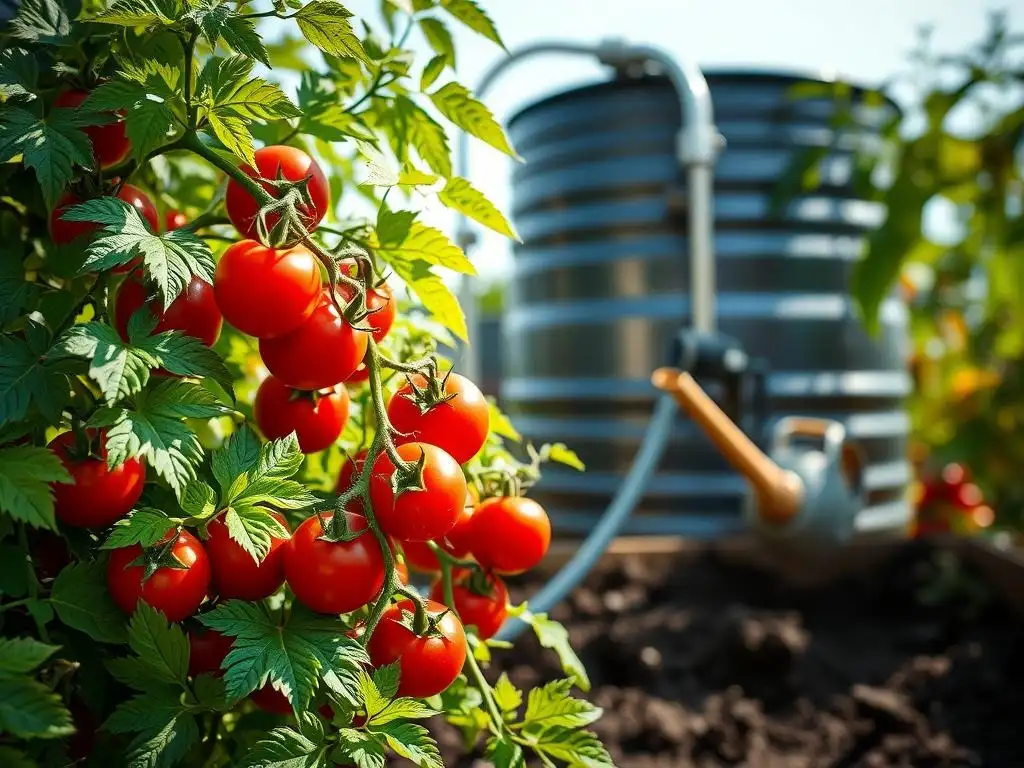
This section focuses on leveraging rainwater harvesting, specifically using a rain barrel, to significantly extend your growing season. Rainwater, naturally soft and free of harsh chemicals found in tap water, provides ideal conditions for healthy plant growth. By collecting rainwater, you create a readily available and sustainable water source, crucial for maintaining consistent moisture levels throughout the extended season, particularly during periods of drought or water restrictions.
This strategy is especially important for extending the growing season because it ensures your plants receive the consistent hydration needed to thrive even as temperatures fluctuate. Using a rain barrel to extend your growing season is a cost-effective and environmentally conscious practice that enhances your yields and contributes to a healthier garden. The benefits extend beyond just watering; the cooler temperature of rainwater can also help protect plants from heat stress, further improving their resilience and productivity.
Watering Techniques for Optimal Plant Growth with Rainwater
Effective watering is paramount when extending the growing season with rainwater. Avoid overwatering, which can lead to root rot and fungal diseases. Instead, opt for deep, infrequent watering. This encourages deep root growth, making your plants more drought-tolerant and better equipped to handle temperature fluctuations.
Consider using a soaker hose or drip irrigation system connected to your rain barrel. These methods deliver water directly to the roots, minimizing evaporation and maximizing water efficiency. Remember to monitor soil moisture levels regularly; a simple finger test can determine if watering is needed. For seedlings and young plants, you might need more frequent, but still gentle, watering.
Observe your plants closely; wilting leaves are a clear sign of thirst. Regularly check your rain barrel for debris and clean it as needed to prevent contamination of the stored water. Implementing these techniques ensures your plants receive the optimal hydration they need to flourish throughout an extended growing season.
Protecting Your Plants from Frost Using Rainwater
Rainwater's unique properties can be beneficial in protecting your plants from frost damage. The specific heat capacity of water is higher than that of air, meaning water cools and heats more slowly. This means that stored rainwater in your barrel will remain slightly warmer than the surrounding air during a frost.
You can use this to your advantage by watering your plants with rainwater before an anticipated frost. The added moisture in the soil, combined with the slightly warmer temperature of the water, can help insulate the roots and stems, mitigating the impact of freezing temperatures. This is particularly effective for sensitive plants or those nearing harvest.
However, it's important to note that this method isn't a foolproof frost protection solution. Severe or prolonged frosts may still cause damage. Combining this rainwater watering technique with other frost protection methods, such as row covers or frost blankets, can offer even greater protection for your plants during the extended growing season.
Managing Water Levels and Maintaining Your Rain Barrel System
Proper maintenance of your rain barrel system is crucial for ensuring a consistent supply of water throughout the extended growing season. Regularly check the water level in your barrel, and ensure that your downspout is correctly directed to maximize collection. Consider adding a mosquito dunk or other natural mosquito control method to prevent mosquito breeding.
Clean your rain barrel at least once a year, or more frequently if necessary, to remove debris, leaves, and sediment. This prevents contamination and ensures the quality of the stored water. Inspect the barrel for cracks or leaks and repair them promptly.
You may also want to consider adding a filter to remove larger debris from the collected rainwater. Proper maintenance of your rain barrel system will ensure that you have a reliable supply of high-quality water for your plants throughout the extended growing season, maximizing your chances of success in extending your harvest. Remember that a well-maintained rain barrel is a key component in successfully using "Extend growing season rain barrel" techniques.
Extend Growing Season Rain Barrel: Advanced Techniques for Success
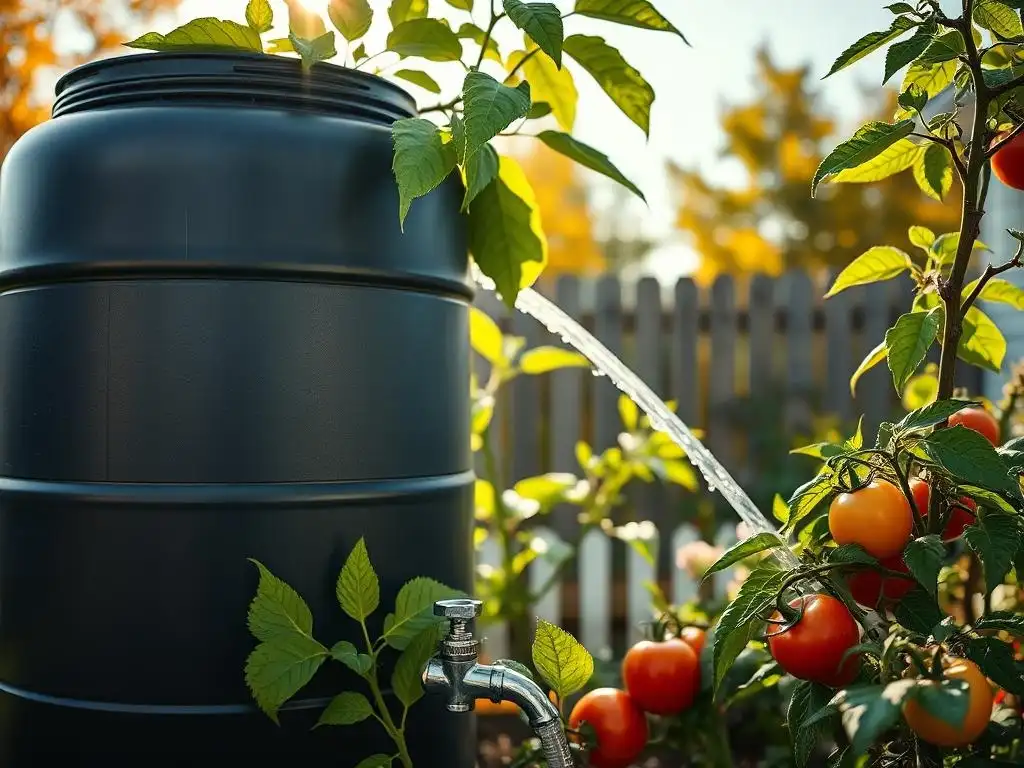
This section delves into the practical application of rain barrels to significantly extend your growing season, focusing on advanced techniques beyond basic rainwater collection. We'll explore how to leverage harvested rainwater for optimal plant health and resilience, ultimately maximizing your yield and enjoyment of homegrown produce. Effective utilization of a rain barrel system for extending the growing season requires careful planning and implementation. Let's examine key strategies for success.
Using Rainwater for Seed Starting and Seedling Protection
Rainwater is uniquely beneficial for seed starting and protecting vulnerable seedlings. Its naturally soft nature, lacking the chlorine and other chemicals often found in tap water, promotes healthy root development and minimizes the risk of root burn. Furthermore, rainwater's temperature tends to fluctuate less than tap water, providing a more stable environment for delicate seedlings.
Consider these practical applications:
- Seed Starting Mix: Use rainwater to thoroughly moisten your seed starting mix. Avoid overwatering, ensuring the mix is evenly damp but not soggy. This promotes consistent germination and reduces the risk of damping-off disease.
- Seedling Watering: Water your seedlings with rainwater, ensuring even moisture throughout the growing medium. Avoid overhead watering, which can lead to fungal diseases. Instead, water gently at the base of the plants.
- Protecting Seedlings from Frost: Rainwater stored in a barrel will remain slightly warmer than the ambient air temperature, particularly in the early spring and late fall. This can provide a crucial buffer against unexpected frost, significantly improving the survival rate of your tender seedlings. Consider using a small, covered container filled with barrel water to protect vulnerable seedlings during chilly nights.
- Nutrient Content: While rainwater is generally low in nutrients, its purity allows for more precise control over fertilization. You can supplement with organic fertilizers tailored to your specific plants' needs without the interference of minerals already present in tap water.
Integrating Rainwater Harvesting with Other Sustainable Gardening Practices
Optimizing the use of a rain barrel for extending your growing season goes hand-in-hand with integrating it into a broader sustainable gardening strategy. Combining rainwater harvesting with other techniques amplifies their individual benefits, creating a synergistic effect.
Here are examples of effective integration:
| Sustainable Practice | Integration with Rain Barrel | Benefits |
|---|---|---|
| Composting | Use composted material to enrich the soil watered with rainwater. | Improved soil structure, nutrient retention, and enhanced plant growth. |
| Mulching | Apply mulch around plants watered with rainwater to retain moisture. | Reduced water evaporation, weed suppression, and improved soil temperature. |
| Crop Rotation | Rotate crops to maintain soil health, supplementing with rainwater. | Prevention of soil depletion and pest buildup. |
| Companion Planting | Use companion plants to deter pests and attract beneficial insects, all while using rainwater. | Natural pest control and improved pollination. |
| Pest Control (Organic) | Use organic pest control methods alongside rainwater irrigation. | Protect plants from pests without harmful chemicals. |
By thoughtfully combining your rain barrel system with these established sustainable gardening practices, you can significantly enhance the overall health and productivity of your garden, extending the growing season with greater efficiency and ecological responsibility. Remember consistent monitoring of water levels and quality within your rain barrel is key to ensuring its effectiveness. Regular cleaning also prevents the growth of harmful bacteria or algae. Careful planning and consistent practice are vital for successful integration and maximum yield.
Troubleshooting Common Issues with Rain Barrel Systems
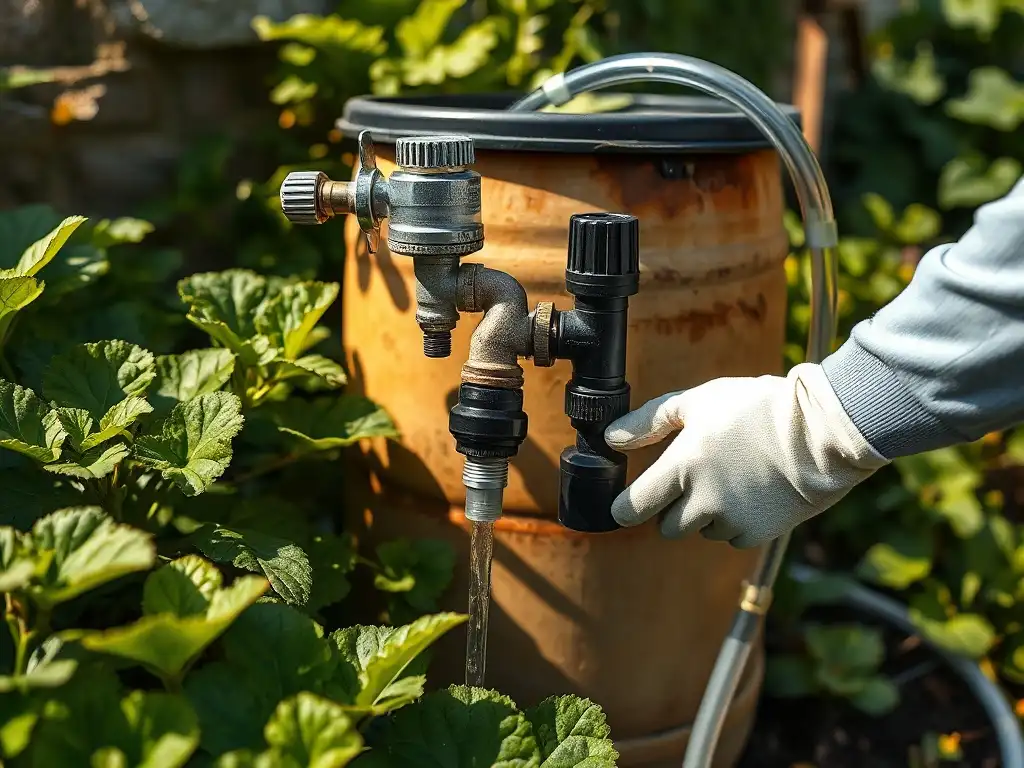
This section addresses common problems encountered when using rain barrels to extend the growing season. Proper maintenance is crucial for ensuring your system functions efficiently and provides a consistent supply of water for your plants. Ignoring these issues can lead to system failure and potentially harm your plants. Let's dive into some frequent challenges and their solutions.
Addressing Issues with Clogged Filters and Overflow
Clogged filters and overflows are two of the most frequent problems with rain barrels. A clogged filter restricts water flow, reducing the amount available for irrigation. Conversely, an overflowing barrel indicates a problem with the system's capacity or drainage. Understanding the causes and implementing preventative measures are key to maintaining a smoothly functioning system.
Several factors can contribute to filter clogging. Debris like leaves, twigs, and insects can accumulate, blocking the filter's pores. Fine sediment from the roof can also build up over time, reducing its effectiveness. Regular cleaning, ideally every 2-4 weeks depending on rainfall and debris levels, is essential. This involves removing the filter, rinsing it thoroughly with water, and scrubbing away any stubborn clogs. Replacing the filter annually is also recommended, ensuring optimal filtration and preventing blockages.
Overflow issues can stem from several sources. A full barrel with no outlet will obviously overflow. This could be due to a faulty spigot, a clogged downspout, or simply inadequate barrel size for the roof area collecting water. To prevent overflow, ensure your downspout is properly connected and free from obstructions.
Check the spigot regularly to ensure it's functioning correctly. Consider installing an overflow system that diverts excess water to a secondary barrel or a designated drainage area. This prevents water wastage and protects your system from damage. Regularly inspect the system's components for any signs of damage or wear and tear.
Remember, proactive maintenance is key to avoiding these issues. By regularly cleaning filters and checking for potential problems, you can ensure your rain barrel system continues to extend your growing season effectively.
Maintaining Water Quality and Preventing Algae Growth
Maintaining water quality in your rain barrel is critical for the health of your plants. Stagnant water can become a breeding ground for algae and mosquitoes, potentially introducing harmful elements to your plants. Preventing algae growth requires a multifaceted approach.
One effective method is to ensure adequate water circulation. A simple solution is to install a submersible pump to circulate the water, preventing stagnation and promoting oxygenation. This helps prevent the growth of algae and keeps the water fresher for longer. Adding a small amount of copper sulfate (following package instructions carefully) can also help inhibit algae growth. However, it's crucial to use this sparingly, as excess copper can be harmful to plants.
Regular cleaning is paramount. Emptying and cleaning the barrel at least once a year, or more frequently if you notice algae growth, is essential. Thoroughly scrub the inside of the barrel to remove any accumulated algae or sediment. Consider using a diluted bleach solution (1 part bleach to 10 parts water) for a more thorough cleaning, but always rinse thoroughly afterward to remove all traces of bleach before refilling. Remember to always follow safety precautions when handling bleach.
Proper screening is essential. Fine mesh screens on your downspout and inlet prevent larger debris from entering the barrel, reducing the likelihood of algae growth. This also minimizes the need for frequent cleaning and ensures cleaner water for your plants. By implementing these strategies, you can successfully maintain water quality, prevent algae growth, and maximize the benefits of your rain barrel for extending your growing season. Regular monitoring is key to early detection and prevention of potential problems, ensuring the long-term success of your system.
The Long-Term Advantages of Rain Barrel Irrigation
This section explores the lasting benefits of integrating rain barrels into your gardening strategy for extending the growing season. While the immediate advantage is readily apparent – a readily available water source for your plants – the long-term implications are even more significant. By strategically employing rainwater harvesting, you're not just extending the growing season; you're investing in the overall health and sustainability of your garden. This translates to significant savings and a reduced environmental footprint over time.
Cost Savings and Environmental Benefits of Using Rainwater
The financial advantages of using a rain barrel to extend the growing season are substantial. Municipal water costs are constantly rising, and relying solely on tap water for irrigation can quickly drain your budget, especially during extended dry spells or periods of intense heat. Rainwater, on the other hand, is free! This immediately reduces your water bill, offering considerable cost savings year after year.
Moreover, using rainwater reduces your reliance on treated water, thus lessening the strain on municipal water supplies. This contributes to water conservation efforts and reduces the energy consumption associated with water treatment and transportation. Consider this: a typical household might use hundreds, even thousands, of gallons of water annually for gardening. A rain barrel system, even a modest one, can significantly reduce that figure, resulting in considerable long-term savings.
This is especially beneficial for larger gardens or those with multiple rain barrels. The initial investment in a rain barrel system is easily offset by the cumulative savings on water bills over time. The environmental benefits are equally significant, contributing to a more sustainable and eco-friendly gardening practice. The reduction in water usage directly translates to a smaller carbon footprint associated with water treatment and distribution.
Improving Soil Health Through Rainwater Irrigation
Rainwater is naturally softer than tap water, often containing fewer minerals and chemicals. This gentler water is less likely to disrupt the delicate balance of your soil's pH and overall microbial ecosystem. Unlike treated water which may contain chlorine or other additives, rainwater is naturally filtered as it passes through the atmosphere, resulting in a healthier soil environment. This improved soil health translates directly to healthier plants, increased yields, and a reduced need for chemical fertilizers.
The absence of harsh chemicals allows beneficial microbes and microorganisms to thrive, improving nutrient uptake and overall plant vitality. Furthermore, rainwater tends to have a lower mineral content, reducing the risk of mineral buildup in the soil over time, a common problem with continuous use of tap water. This contributes to long-term soil health and fertility, creating a more sustainable and productive garden.
The benefits extend beyond just the current growing season; improved soil structure and nutrient content will positively impact future harvests, ensuring a more bountiful and resilient garden for years to come. By choosing rainwater, you're essentially giving your plants the purest and most beneficial form of hydration, contributing to the long-term health and productivity of your garden. This sustainable approach fosters a self-regulating system, reducing your reliance on external inputs and creating a healthier, more resilient environment.
Frequently Asked Questions
How can a rain barrel extend my growing season?
Using a rain barrel provides a reliable water source for your plants, even during dry spells or periods of water restrictions. This consistent moisture helps plants thrive longer into the fall and even start earlier in the spring.
What are the benefits of using rainwater for my plants?
Rainwater is softer than tap water, meaning it's less likely to damage plants with high mineral content. It's also free and helps you conserve municipal water supplies.
Is it difficult to install a rain barrel?
No, installing a rain barrel is relatively easy. Many are available with pre-assembled kits and clear instructions. You'll primarily need to connect it to your downspout and consider the placement for easy access.
What size rain barrel do I need for my garden?
The size of rain barrel you need depends on the size of your garden and rainfall in your area. A smaller barrel (50-100 gallons) is suitable for small gardens, while larger ones are better for extensive planting.
How do I prevent mosquitoes from breeding in my rain barrel?
Keep your rain barrel covered with a tight-fitting lid to prevent mosquito access. Consider adding a mosquito dunks or biological control agent to the water to further deter breeding.
Final Reflection: Harvesting the Rain, Extending the Harvest
The simple act of collecting rainwater, a resource often overlooked, offers a powerful solution to the challenges of a shorter growing season. This seemingly small act of installing a rain barrel can significantly impact our ability to cultivate a more abundant and extended harvest, directly addressing the growing concerns of water scarcity and climate change. It's a practical step towards a more sustainable and resilient future, one drop at a time.
The impact of rain barrels extends beyond the immediate benefit of watering plants; it represents a shift in our relationship with nature, a conscious choice to work with the environment rather than against it. This mindful approach to resource management resonates deeply with the growing movement towards sustainable living. The earth provides enough to satisfy every man's needs but not every man's greed.
- Mahatma Gandhi. This quote perfectly encapsulates the essence of responsible water usage and the potential of simple solutions like rain barrels to address larger ecological concerns.
Consider the possibilities: Imagine the vibrant colors of your extended garden, bursting with life well into the autumn months, all thanks to the carefully collected rainwater stored in your barrel. Think about the satisfaction of nurturing your plants with a resource you've harnessed yourself, contributing to a healthier planet while enjoying the fruits (and vegetables!) of your labor. This isn't just about extending your growing season; it's about extending your connection to the earth and building a more sustainable future, one rain barrel at a time. Will you join us?
Extend Your Growing Season: Take the Plunge!
Congratulations on taking the first step towards a longer growing season with rain barrels! You've already learned how to harness rainwater to nurture your plants, and now it's time to put that knowledge into action.
Here's how to get started:
- Install your rain barrel this weekend! Gather your supplies, follow the simple instructions, and begin collecting rainwater. This is the crucial first step towards enjoying a longer gardening season and healthier plants.
- Share your success with us! Post a picture of your rain barrel setup on our CultivateYourFood community forum. Let's inspire each other and share tips!
- Think about expanding your garden next season. Consider which vegetables or flowers would benefit most from an extended growing season. Experiment with new varieties and see what thrives!
Ready to transform your garden into a thriving oasis? What's the first plant you'll water with your precious rainwater?