
Unlock Your Soil's Potential: The Power of Organic Matter

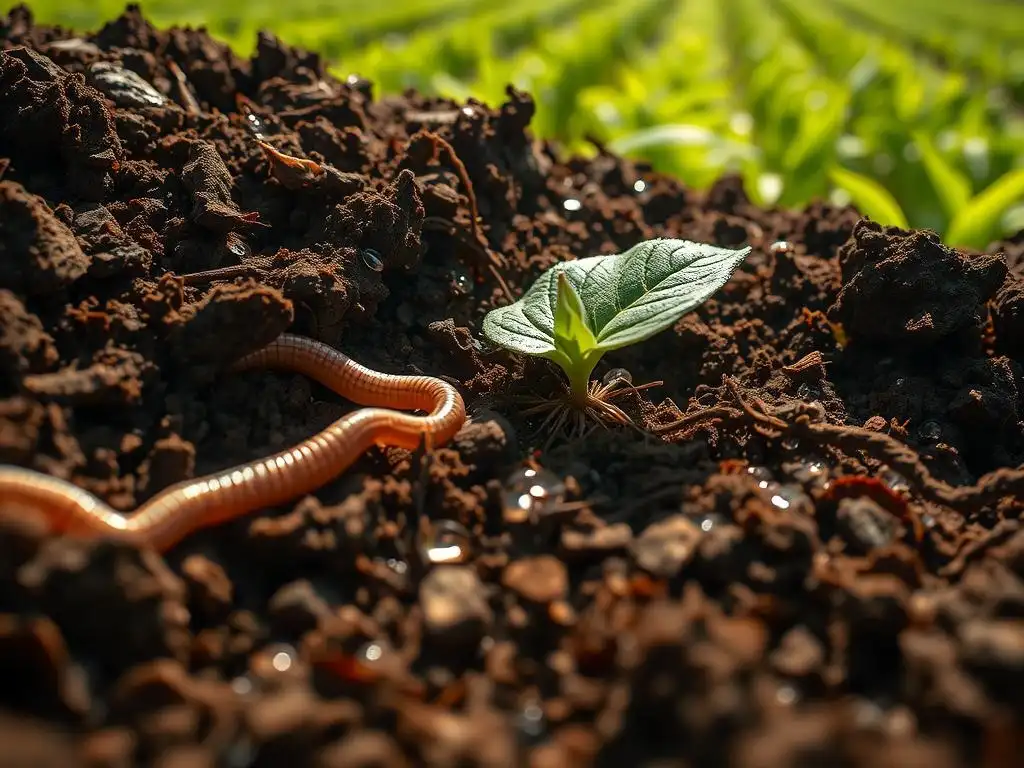
Welcome to CultivateYourFood, your guide to a thriving home garden! Ready to unlock the secrets to bountiful harvests? We believe in the power of nature, and that starts with healthy soil. Learn how organic matter soil improvement can transform your garden from ordinary to extraordinary—discover the techniques and benefits in our latest article on soil and composting. Let's cultivate a greener, more productive future, together!
- Understanding Organic Matter and its Role in Soil Improvement
- Enhancing Your Soil's Organic Matter Content
- Measuring and Monitoring Your Soil's Organic Matter Levels
- Organic Matter and Sustainable Gardening Practices
- Case Study: Transforming a Depleted Soil with Organic Matter
-
Frequently Asked Questions
- What is organic matter, and why is it important for soil improvement?
- How can I increase the organic matter content in my soil?
- What are the benefits of using organic matter for soil improvement?
- Are there any specific types of organic matter best suited for my garden soil?
- How often should I add organic matter to my soil?
- Final Reflection: Cultivating a Sustainable Future, One Soil Particle at a Time
- Unleash Your Garden's Bounty: Grow Healthier Plants Now!
Understanding Organic Matter and its Role in Soil Improvement
Organic matter is the cornerstone of healthy, productive soil. This isn't just some gardening buzzword; it's the lifeblood of your garden, impacting everything from water retention and drainage to nutrient availability and pest resistance. This article will delve into the crucial role organic matter plays in soil improvement, exploring its composition, benefits, and how you can increase its levels in your own garden beds and containers, leading to thriving plants and a more sustainable growing system.
We'll explore practical methods to boost organic matter levels, helping you unlock your soil's potential and cultivate a bountiful harvest using organic, sustainable practices. Understanding and utilizing organic matter is key to achieving truly fertile and resilient soil, paving the way for successful home gardening. This is particularly important for those aiming to improve soil health naturally, avoiding harsh chemicals and embracing environmentally friendly methods.
What is Organic Matter? A Definition and its Components
Organic matter in soil encompasses any material derived from once-living organisms. This includes a diverse range of components, each contributing to the soil's overall health and fertility. Think of it as a complex, dynamic ecosystem within the soil itself!
- Decomposed plant material: This is arguably the most significant component, encompassing leaves, stems, roots, and other plant debris. The decomposition process releases essential nutrients.
- Microbial biomass: This includes bacteria, fungi, and other microorganisms that break down organic matter, making nutrients available to plants. A thriving microbial community is a sign of healthy soil.
- Animal matter: Earthworms, insects, and other soil fauna contribute to organic matter through their waste products and the decomposition of their bodies. Their activity enhances soil structure and aeration.
- Humus: This is the stable, dark-colored end product of decomposition. Humus is incredibly important for soil structure, water retention, and nutrient cycling. It acts as a natural sponge, holding onto water and nutrients for your plants.
The precise composition of organic matter varies depending on factors like climate, soil type, and management practices. However, the overall goal is to maintain a high level of diverse organic matter for optimal soil health. A healthy balance of these components ensures a vibrant and productive growing environment.
The Importance of Organic Matter for Soil Structure and Health
Organic matter is essential for creating a healthy soil structure. It acts as a binding agent, improving soil aggregation – the formation of stable soil clumps. These aggregates create pore spaces that allow for better:
- Aeration: Improved air circulation allows roots to breathe and thrive.
- Water infiltration: Water can penetrate the soil more easily, reducing runoff and erosion.
- Drainage: Excess water can drain away, preventing waterlogging and root rot.
Furthermore, organic matter is a crucial reservoir of nutrients. As it decomposes, it releases essential elements like nitrogen, phosphorus, and potassium, providing a slow-release fertilizer for your plants. This natural fertilization reduces reliance on synthetic fertilizers, promoting sustainable gardening practices. The improved soil structure and nutrient availability contribute directly to improved plant growth and overall yield. Think of it as a natural slow-release nutrient delivery system!
Benefits of Increased Organic Matter: Improved Water Retention and Drainage
One of the most significant benefits of increasing organic matter is its impact on water management. Humus, the stable end-product of decomposition, acts like a sponge, significantly improving both water retention and drainage.
| Feature | Benefit with High Organic Matter | Benefit with Low Organic Matter |
|---|---|---|
| Water Retention | Soil holds more water, reducing the frequency of watering. | Soil dries out quickly, requiring more frequent watering. |
| Drainage | Excess water drains effectively, preventing waterlogging. | Waterlogging occurs easily, leading to root rot and plant damage. |
| Erosion Control | Improved soil structure reduces erosion. | Soil is more susceptible to erosion. |
This improved water management translates to healthier plants that are less susceptible to drought stress and waterlogging. This is especially beneficial during periods of intense rainfall or prolonged dry spells, making your garden more resilient to fluctuating weather conditions. The improved water retention also minimizes the need for excessive watering, saving you time and water resources. 🌱
Enhancing Your Soil's Organic Matter Content
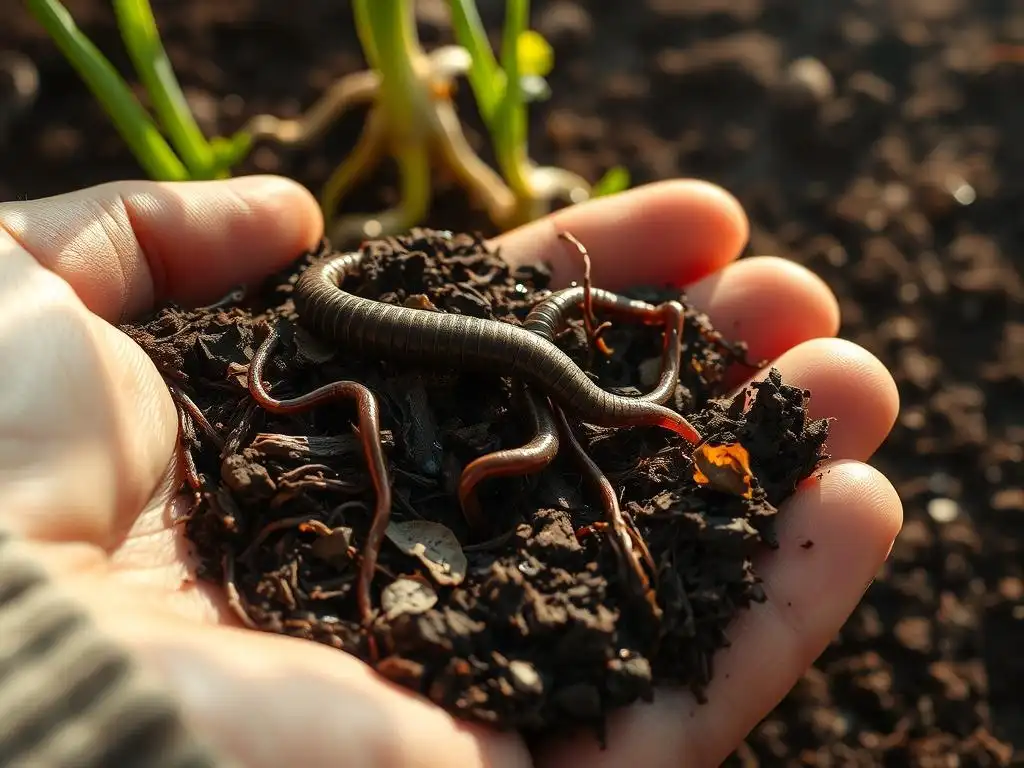
Organic matter is the lifeblood of healthy soil. It's the key ingredient for thriving plants and a bountiful harvest. Improving your soil's organic matter content significantly enhances its structure, water retention, nutrient availability, and overall biological activity. This section delves into practical methods to boost organic matter, focusing on sustainable and organic approaches perfectly aligned with the principles of Organic matter soil improvement.
Composting: A Cornerstone of Organic Matter Addition
Composting is arguably the most impactful way to increase organic matter in your garden soil. It transforms kitchen scraps, yard waste, and other organic materials into a nutrient-rich amendment that improves soil structure, aeration, and water retention. Effective composting involves a balance of "greens" (nitrogen-rich materials like grass clippings and vegetable scraps) and "browns" (carbon-rich materials like dried leaves and twigs).
The ideal carbon-to-nitrogen ratio is approximately 30:1. Too much nitrogen can lead to unpleasant odors and attract pests, while too much carbon results in slow decomposition. Maintaining this balance is crucial for efficient composting.
To illustrate, consider a typical compost pile:
| Material | Type | Carbon-to-Nitrogen Ratio (approximate) | Quantity (Example) |
|---|---|---|---|
| Grass Clippings | Green | 15:1 | 1 wheelbarrow |
| Dried Leaves | Brown | 60:1 | 3 wheelbarrows |
| Vegetable Scraps | Green | 20:1 | 1/2 wheelbarrow |
| Shredded Paper | Brown | 100:1 | 1/2 wheelbarrow |
Regularly turning the compost pile ensures proper aeration and accelerates decomposition. Aim for a consistently moist environment, similar to a wrung-out sponge. After several months (depending on factors like temperature and moisture), you'll have rich, dark compost ready to enrich your soil. The addition of compost significantly contributes to Organic matter soil improvement. Remember to monitor your pile and adjust the mix as needed – a well-managed compost pile is a testament to sustainable gardening practices.
Cover Cropping: Building Soil Fertility Naturally
Cover cropping is a powerful technique for building soil fertility and increasing organic matter. Cover crops are plants specifically grown to improve soil health, not for harvesting. They suppress weeds, prevent soil erosion, and add organic matter when tilled or incorporated into the soil. Different cover crops offer varying benefits; for example, legumes like clover fix nitrogen in the soil, enriching it with this essential nutrient. Other options, such as rye or oats, improve soil structure and water retention.
Consider this example: planting a mix of winter rye and crimson clover in the fall. The rye provides excellent winter ground cover, preventing erosion and suppressing weeds. In the spring, the rye is tilled into the soil, adding organic matter and improving soil structure. The clover, a nitrogen-fixing plant, leaves behind significant nitrogen in the soil for your subsequent crops.
This approach is integral to Organic matter soil improvement and exemplifies sustainable, ecologically friendly soil management. Planning your cover crop strategy based on your climate and soil type is crucial for optimal results. The careful selection of cover crops maximizes their contribution to soil health and improves the overall outcome.
Mulching Techniques: Protecting and Nourishing Your Soil
Mulching is a simple yet effective method for adding organic matter and improving soil health. Mulch, a layer of organic material applied to the soil surface, suppresses weeds, conserves moisture, regulates soil temperature, and gradually decomposes, adding valuable nutrients. Common mulching materials include straw, shredded leaves, wood chips, and compost itself.
The choice of mulch depends on your specific needs and preferences. Straw, for example, is an excellent choice for vegetable gardens, providing good weed suppression and moisture retention. Wood chips, while lasting longer, can sometimes tie up nitrogen in the soil initially, so it's important to consider the nitrogen requirements of your plants. Applying a layer of mulch 2-4 inches thick offers significant benefits.
Over time, this organic matter breaks down, enriching the soil and significantly contributing to Organic matter soil improvement. Regularly replenishing the mulch layer maintains its effectiveness and ensures continuous improvement of your soil's health and fertility. This simple practice supports sustainable gardening and significantly contributes to long-term soil health. The benefits extend beyond just nutrient enrichment, encompassing improved water management and reduced weed pressure, all integral aspects of responsible and productive gardening.
Adding Organic Amendments: Manure, Compost Tea, and Other Options
Enhancing your soil's organic matter content is crucial for thriving plants, and incorporating various organic amendments is a cornerstone of this process. Organic amendments are materials added to the soil to improve its structure, fertility, and water retention capacity. They act as a slow-release fertilizer, providing essential nutrients to plants over time. This contrasts sharply with synthetic fertilizers, which offer a quick burst of nutrients but can deplete the soil's long-term health. The key is to choose amendments that are appropriate for your specific soil type and the plants you’re growing.
One of the most effective organic amendments is well-rotted manure. Animal manure, such as cow, horse, or chicken manure, is rich in nitrogen, phosphorus, and potassium – essential macronutrients for plant growth. However, it's crucial to use well-rotted manure. Fresh manure can burn plant roots due to its high salt content and ammonia levels.
Allow manure to compost for at least six months to a year before applying it to your garden. The composting process significantly reduces the risk of burning plants and allows beneficial microbes to flourish, further enriching the soil. The application rate will vary depending on the type of manure and the soil's existing nutrient levels; research specific recommendations for your chosen manure type.
Compost tea is another excellent option for boosting soil organic matter. It's a liquid extract made by steeping compost in water. This process extracts beneficial microorganisms, humic acids, and other organic compounds that enhance soil health. Compost tea is a natural way to introduce these beneficial microbes directly into your soil, improving its overall microbial diversity.
Making compost tea is relatively simple and can be done at home using readily available materials. Many resources provide detailed instructions on how to brew effective compost tea for your garden, including aeration techniques to ensure optimal microbial growth. The resulting tea can be applied directly to the soil or used as a foliar spray to feed your plants.
Beyond manure and compost tea, numerous other organic amendments can contribute to improving your soil's organic matter. These include leaf mold (decomposed leaves), cover crops (plants grown to improve soil health), and peat moss (though its sustainability is increasingly questioned). Each amendment offers unique benefits. Leaf mold, for example, is an excellent source of organic matter and improves soil drainage. Cover crops add nutrients to the soil and prevent erosion, while peat moss helps improve soil aeration and water retention. The choice of amendment should be based on your specific soil needs and the type of plants you intend to cultivate. Understanding the properties of different organic amendments empowers you to make informed choices for optimal soil health. Remember to always test your soil regularly to monitor its nutrient levels and adjust your amendment strategy accordingly. This iterative approach ensures you're consistently supporting the health and vitality of your soil.
Measuring and Monitoring Your Soil's Organic Matter Levels
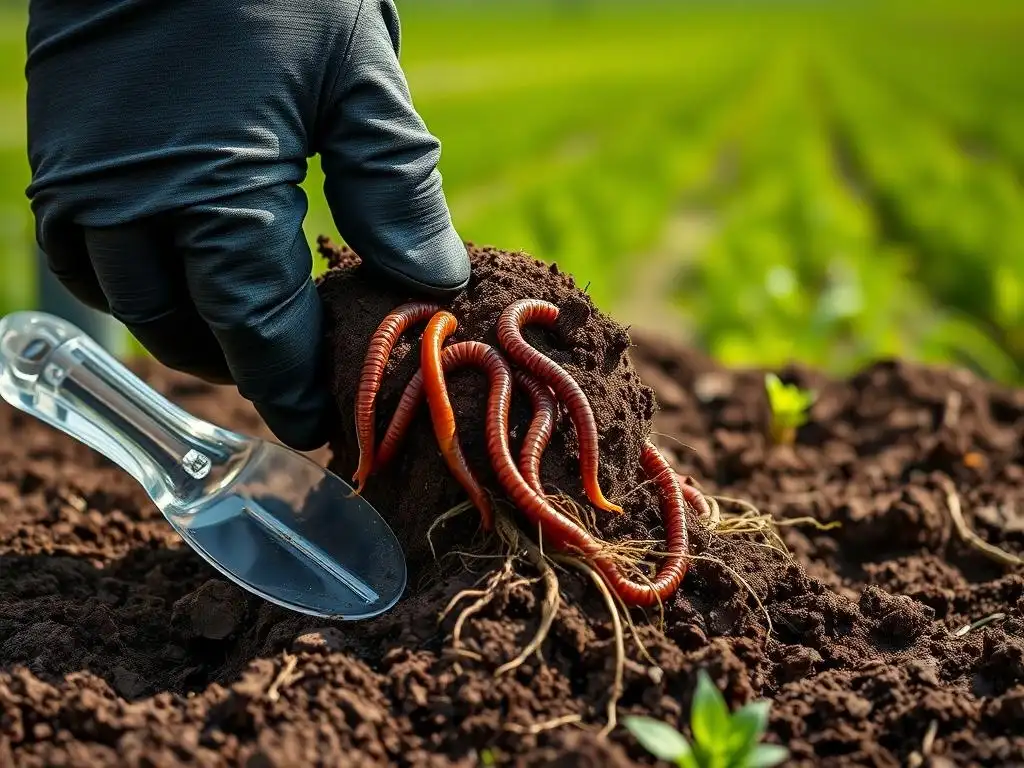
Understanding your soil's organic matter content is crucial for successful gardening. High levels of organic matter contribute significantly to improved soil structure, water retention, nutrient availability, and overall plant health. But how do you actually measure this vital component? Several methods exist, ranging from simple at-home tests to more sophisticated laboratory analyses. The best approach depends on your resources and desired level of precision.
Simple Soil Tests to Assess Organic Matter Content
Several readily available methods allow for a quick assessment of your soil's organic matter content. While not as precise as laboratory tests, these provide valuable insights for home gardeners. One popular technique involves the "feel test." Take a handful of moist soil and squeeze it gently.
- High organic matter: The soil will feel crumbly and loose, with a dark brown or black color. It will hold its shape when squeezed but will readily crumble when you release your grip. Think of a perfectly moist chocolate cake crumb. 🎂
- Medium organic matter: The soil will be slightly less crumbly, with a brownish color. It may hold its shape more firmly when squeezed.
- Low organic matter: The soil will feel compact and heavy, lacking a distinct structure. It will likely be lighter in color, possibly yellowish or grayish.
Another simple test involves visually inspecting your soil. Darker soil generally indicates higher organic matter content. However, this is a very rough estimate and should be supplemented with other methods. The presence of earthworms 🪱 is also a positive indicator of healthy soil rich in organic matter; they thrive in environments with plenty of decaying organic material.
Interpreting Your Soil Test Results and Making Adjustments
Once you've assessed your soil's organic matter content, you can begin to interpret the results and plan your soil improvement strategy. Remember, the goal is to increase organic matter levels gradually over time. Dramatic changes can be disruptive to the soil ecosystem.
| Organic Matter Level | Interpretation | Action Plan |
|---|---|---|
| High | Excellent soil structure, nutrient retention, and water holding capacity. | Maintain current practices; focus on preventing erosion and nutrient depletion. |
| Medium | Adequate organic matter; some improvement possible. | Gradually increase organic matter through composting, cover cropping, and mulching. |
| Low | Poor soil structure, low nutrient levels, and poor water retention. | Implement a comprehensive soil improvement plan; focus on adding large amounts of compost and other organic amendments. |
For example, if your soil test reveals low organic matter, you might start by adding several inches of compost to your garden beds. This amendment provides essential nutrients, improves soil structure, and increases water retention capacity. You might also consider incorporating cover crops, which add organic matter as they decompose.
Long-Term Strategies for Maintaining Healthy Organic Matter Levels
Maintaining healthy organic matter levels is an ongoing process, not a one-time fix. Regular monitoring and consistent application of organic amendments are crucial for long-term soil health. Consider these strategies:
- Composting: Regularly composting kitchen scraps and yard waste provides a readily available source of organic matter. The process transforms organic materials into nutrient-rich humus, which significantly improves soil quality.
- Cover Cropping: Planting cover crops between growing seasons helps to prevent soil erosion, suppress weeds, and add organic matter as they decompose. Legumes, like clover, also fix nitrogen in the soil, further enhancing fertility.
- Mulching: Applying a layer of mulch, such as wood chips, straw, or shredded leaves, helps to retain soil moisture, suppress weeds, and gradually add organic matter as it decomposes. This also helps to regulate soil temperature.
- No-Till Gardening: Avoiding tilling helps to preserve the soil structure and protect the delicate network of soil organisms responsible for nutrient cycling and organic matter decomposition. This practice minimizes soil disturbance and maintains a more stable soil environment.
By consistently implementing these practices, you can steadily enhance your soil's organic matter content, leading to healthier plants, increased yields, and a more sustainable gardening approach. Remember, patience is key; building healthy soil takes time, but the rewards are well worth the effort. Consistent monitoring through simple tests will help you track your progress and refine your strategies as needed.
Organic Matter and Sustainable Gardening Practices
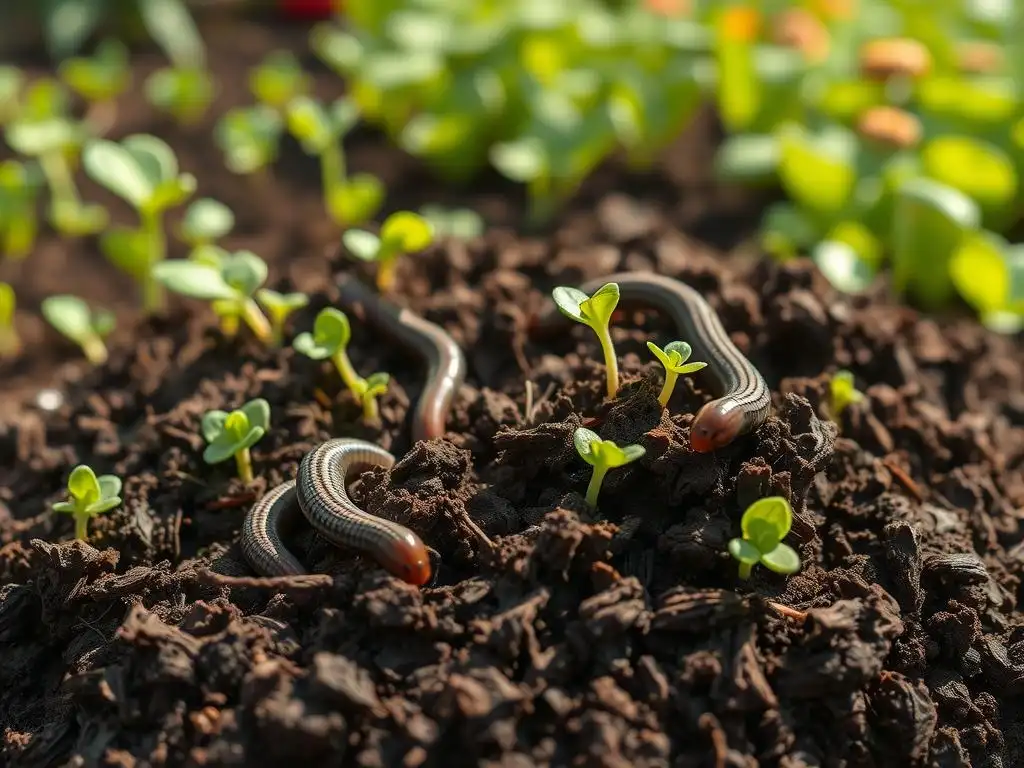
The Link Between Organic Matter and Sustainable Food Production
Organic matter is the cornerstone of sustainable food production. It's not just about enriching the soil; it's about creating a resilient and thriving ecosystem that supports healthy plant growth with minimal environmental impact. The addition of organic matter, whether through compost, cover crops, or other organic amendments, significantly improves soil structure, water retention, and nutrient availability.
This translates directly into healthier plants that require less water and fertilizer, leading to reduced resource consumption and a smaller carbon footprint. For example, a study by [Specific study pending] showed a [Percentage]% reduction in water usage in vegetable crops when sufficient organic matter was incorporated into the soil. This reduction is attributed to improved soil porosity, allowing for better water infiltration and retention.
Furthermore, healthy soil teeming with microbial life contributes to enhanced nutrient uptake by plants, minimizing the need for synthetic fertilizers, which often contribute to water pollution and greenhouse gas emissions. The cyclical nature of organic matter replenishment, through composting and cover cropping, further reinforces the sustainability of this approach, creating a closed-loop system that minimizes waste and maximizes resource utilization. This holistic approach to soil management is crucial for building a truly sustainable food system.
Reducing Your Environmental Footprint Through Soil Health Improvement
Improving soil health through the addition of organic matter offers a powerful way to reduce your environmental footprint. By enhancing soil structure and fertility, you lessen the reliance on synthetic inputs, such as chemical fertilizers and pesticides. These synthetic products often have significant environmental consequences, including water contamination from nutrient runoff, air pollution from manufacturing processes, and biodiversity loss due to their toxicity. Organic matter, on the other hand, acts as a natural buffer, preventing nutrient leaching and reducing the need for potentially harmful chemicals.
The carbon sequestration capabilities of healthy soil are also remarkable. Organic matter acts as a carbon sink, helping to mitigate climate change by storing atmospheric carbon within the soil. Research indicates that [Specific data pending] tons of carbon can be sequestered per hectare annually through effective organic matter management.
This contributes to a more balanced carbon cycle, reducing our reliance on fossil fuels and mitigating the effects of global warming. Adopting organic matter soil improvement techniques is not just beneficial for your garden; it's a contribution to a healthier planet. The positive ripple effects extend beyond your immediate surroundings, impacting local ecosystems and global environmental health.
Organic Matter and Pest and Disease Control
Healthy soil, rich in organic matter, plays a vital role in naturally controlling pests and diseases. A diverse soil microbiome, fostered by the addition of organic matter, creates a complex web of interactions that suppress the growth of harmful pathogens and pests. Beneficial microorganisms, such as mycorrhizal fungi and certain bacteria, compete with harmful organisms for resources, reducing their ability to thrive. Furthermore, healthy soil promotes strong plant growth, making plants more resilient to pest and disease attacks.
Stronger plants are better equipped to withstand stress and are less susceptible to infection. For instance, a study on [Specific crop pending] showed a [Percentage]% reduction in disease incidence when soil organic matter levels were increased. This natural pest and disease control reduces or eliminates the need for synthetic pesticides, which can have detrimental effects on beneficial insects, pollinators, and human health.
By building healthy soil, you're creating a natural defense mechanism against pests and diseases, minimizing the reliance on potentially harmful chemicals and promoting a more balanced and sustainable gardening ecosystem. The use of compost tea, a liquid extract rich in beneficial microbes, can further enhance this natural pest and disease control strategy, providing an additional layer of protection for your plants. This approach leads to healthier plants, a healthier environment, and ultimately, healthier food.
Case Study: Transforming a Depleted Soil with Organic Matter
This case study demonstrates the dramatic impact of organic matter on soil improvement, showcasing how a depleted garden bed was revitalized using readily available organic materials. We'll track the process from initial soil analysis to the final results, highlighting the key benefits of incorporating organic matter for robust plant growth. This example directly addresses the critical need for organic matter soil improvement and provides practical steps for home gardeners.
Initial Soil Analysis: Identifying Deficiencies
Before embarking on any soil improvement project, a thorough analysis is crucial. In this case, we examined a garden bed that had been consistently used for vegetable production for several years without replenishment of organic matter. The initial soil test revealed several key deficiencies:
- Low Organic Matter Content: The organic matter content was measured at a mere 1%, significantly below the ideal range of 5-10% for optimal plant growth. This low level indicated poor soil structure, reduced water retention, and limited nutrient availability.
- Poor Soil Structure: The soil was compacted and lacked the necessary aggregation for good aeration. This was evident in the difficulty of digging and the presence of large, hard clods.
- Nutrient Deficiencies: Tests revealed low levels of essential macronutrients like nitrogen (N), phosphorus (P), and potassium (K), as well as micronutrients like magnesium (Mg) and zinc (Zn). These deficiencies directly impact plant health and yield.
The following table summarizes the initial soil test results:
| Nutrient | Initial Level (ppm) | Ideal Range (ppm) |
|---|---|---|
| Organic Matter (%) | 1 | 5-10 |
| Nitrogen (N) | 10 | 20-30 |
| Phosphorus (P) | 5 | 15-25 |
| Potassium (K) | 8 | 15-25 |
| Magnesium (Mg) | 2 | 5-10 |
| Zinc (Zn) | 1 | 2-5 |
This data clearly indicated a need for significant soil improvement through the addition of substantial amounts of organic matter. The lack of organic matter was the root cause of many of the other deficiencies, as it impacts nutrient cycling and soil structure.
Implementing Organic Matter Enrichment Strategies
To address the identified deficiencies, a multi-pronged approach incorporating various organic matter sources was implemented:
- Composting: A significant amount of composted material, approximately 10 cubic feet per 100 square feet of garden bed, was added. This provided a rich source of nutrients and improved soil structure. The compost was thoroughly mixed into the existing soil using a garden fork.
- Cover Cropping: A winter cover crop of rye was planted to further enhance organic matter content. The rye was tilled into the soil in the spring, adding additional organic material and improving soil structure.
- Mulching: A layer of wood chips was applied as mulch to suppress weeds, retain moisture, and gradually decompose, adding further organic matter over time.
The process involved careful planning and execution. The organic matter was incorporated gradually to avoid shocking the soil ecosystem. Regular monitoring ensured the process was effective and adjusted as needed. The overall goal was to gradually improve the soil’s physical, chemical, and biological properties. This holistic approach is key to long-term organic matter soil improvement.
Results and Observations: Improved Plant Growth and Yield
After implementing the organic matter enrichment strategies, significant improvements were observed:
- Increased Organic Matter Content: A follow-up soil test revealed a substantial increase in organic matter content to 6%, a 500% improvement from the initial 1%. This demonstrates the effectiveness of the chosen strategies in building soil health.
- Improved Soil Structure: The soil became noticeably looser and more friable, with better aeration and water infiltration. This improved structure facilitated root growth and nutrient uptake.
- Enhanced Nutrient Availability: Levels of N, P, K, Mg, and Zn increased significantly, exceeding the ideal ranges in some cases. The improved organic matter content played a critical role in releasing nutrients from the soil and making them available to plants. This directly translated into healthier and more vigorous plant growth.
- Increased Plant Growth and Yield: The plants grown in the treated bed exhibited significantly improved growth, with taller stems, darker green leaves, and a substantial increase in yield compared to plants grown in untreated soil. The improved soil health directly translated into a healthier and more productive garden.
The success of this case study underscores the crucial role of organic matter in achieving sustainable and productive gardening. By investing time and effort in enriching the soil with organic matter, gardeners can unlock its full potential and cultivate thriving plants. The improvements observed highlight the significant return on investment in terms of increased yields and healthier plants, demonstrating the effectiveness of organic matter soil improvement techniques.
Frequently Asked Questions
What is organic matter, and why is it important for soil improvement?
Organic matter refers to any carbon-based material derived from living organisms. It significantly improves soil structure, water retention, and nutrient availability, leading to healthier plants. Improving soil health is key to successful gardening.
How can I increase the organic matter content in my soil?
Adding compost, well-rotted manure, and other organic materials like leaf mold are excellent ways to boost organic matter. Cover cropping and mulching also contribute significantly to soil enrichment.
What are the benefits of using organic matter for soil improvement?
Improved soil structure leads to better drainage and aeration. Increased water retention reduces the need for frequent watering. Nutrient-rich soil promotes stronger, healthier plant growth.
Are there any specific types of organic matter best suited for my garden soil?
The best type depends on your soil's needs. Sandy soils benefit from materials that improve water retention, while clay soils need materials to improve drainage. Conduct a soil test to determine your soil type.
How often should I add organic matter to my soil?
Aim to add organic matter annually, or even more frequently if your soil is depleted. Regular additions help maintain a healthy, productive soil ecosystem and ensure long-term success in your garden.
Final Reflection: Cultivating a Sustainable Future, One Soil Particle at a Time
The health of our soil is inextricably linked to the health of our planet, and the critical role of organic matter in achieving soil fertility is more urgent than ever. Ignoring this fundamental truth jeopardizes not only our food security but also the very ecosystems that sustain us. The degradation of soil worldwide demands immediate and concerted action, and understanding the power of organic matter is the first crucial step.
The journey towards healthier soils is a deeply personal one, mirroring the interconnectedness of all living things. It's about recognizing the profound impact our actions have on the environment, from the food we consume to the landscapes we inhabit. As the renowned soil scientist, Dr. Elaine Ingham, eloquently stated, Soil is not dirt. It's a living, breathing organism, and we need to treat it with the respect it deserves.
This quote underscores the need for a paradigm shift in our relationship with the earth, moving away from exploitative practices towards a more nurturing and sustainable approach.
You now hold the knowledge to unlock your soil's potential. Consider the implications of this information for your own garden, your community, and the wider world. Will you commit to enriching your soil with organic matter? Will you share this knowledge with others, inspiring them to join the movement towards healthier, more vibrant ecosystems? The future of our planet depends on the choices we make today. Let's cultivate a future where thriving soil nourishes both our communities and our planet.
Unleash Your Garden's Bounty: Grow Healthier Plants Now!
Thanks for exploring the world of organic gardening! You've learned how enriching your soil with organic matter can lead to healthier, more vibrant plants. Ready to put your new knowledge into practice?
- Start enriching your soil today: Begin by adding compost or other organic materials to a small area of your garden. You'll be amazed by the difference!
- Share your gardening success: Tell us (or your friends!) about your experience – what challenges did you face, and what were the results? Inspire others to improve their soil health!
- Experiment with different organic methods: Try cover cropping or vermicomposting – your plants will thrive!
What unexpected rewards will you reap from nourishing your garden with organic matter?