
The Impact of Artificial Light: Protecting Nighttime Wildlife in Your Garden

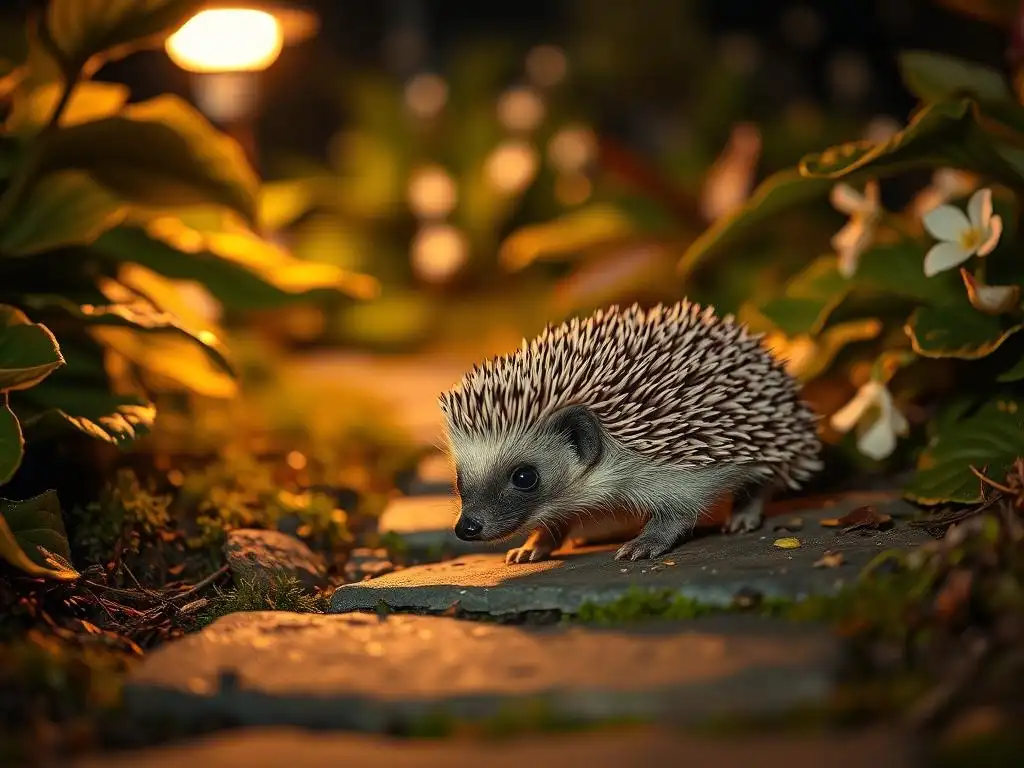
Ready to transform your backyard into a thriving, eco-friendly oasis? At CultivateYourFood, we guide you through every step of growing your own fruits, vegetables, and herbs organically. But have you considered the hidden impact of your garden lighting? Learn how even seemingly harmless nighttime illumination can disrupt delicate ecosystems in our latest article on Protect garden wildlife nighttime lighting, a crucial aspect of truly sustainable gardening. Discover how to create a haven for beneficial wildlife while still enjoying the beauty of your garden after dark. Let's cultivate a brighter future, together.
- Understanding the Effects of Nighttime Lighting on Garden Wildlife
- Minimizing Light Pollution in Your Garden for Wildlife Protection
- Creating a Dark-Sky Garden Haven for Nocturnal Creatures
- Practical Steps to Protect Garden Wildlife from Nighttime Lighting
- Long-Term Strategies for Sustainable Nighttime Garden Lighting
-
Frequently Asked Questions
- How does nighttime lighting affect garden wildlife?
- What types of lighting are least harmful to garden wildlife?
- Are there any benefits to using nighttime lighting in the garden?
- How can I create a wildlife-friendly lighting plan for my garden?
- What are some alternatives to artificial lighting for garden security?
- Final Reflection: Reclaiming the Night: A Brighter Future for Garden Wildlife
- Unveil Your Night Garden: A Haven for Wildlife
Understanding the Effects of Nighttime Lighting on Garden Wildlife
Creating a thriving, biodiverse garden often involves considering the needs of a wide range of creatures, not just the plants themselves. While we strive for bountiful harvests and vibrant blooms, it’s crucial to remember the nocturnal inhabitants that share our green spaces.
This article explores the significant impact of artificial nighttime lighting on garden wildlife, offering practical strategies to minimize disruption and foster a truly wildlife-friendly environment. We’ll delve into the specific ways light pollution affects nocturnal animals, examining the effects of different light types and intensities to help you cultivate a garden that supports both your harvest and the delicate balance of the nighttime ecosystem.
Protecting garden wildlife nighttime lighting is not just about preserving biodiversity; it’s about creating a harmonious coexistence between human activity and the natural world. By understanding the subtle yet profound effects of our lighting choices, we can make informed decisions to create a truly sustainable and welcoming garden for all.
Light Pollution and its Disruptive Impact on Nocturnal Animals
Light pollution, the excessive or obtrusive artificial light, profoundly impacts nocturnal animals in several ways. Many creatures rely on darkness for essential activities like foraging, mating, and predator avoidance. The sudden introduction of bright lights disrupts their natural rhythms and behaviors.
For example, studies have shown that increased light levels can significantly reduce the foraging efficiency of nocturnal insects like moths and beetles, impacting their survival and reproduction rates. Furthermore, the artificial illumination can mask the natural light cues that many animals use for navigation, leading to disorientation and increased vulnerability to predation. This disruption extends beyond insects; it affects amphibians, reptiles, birds, and mammals, each with unique sensitivities to light.
The intensity and duration of artificial light are key factors—longer exposure to brighter light generally has more severe consequences. Consider the plight of owls, whose hunting success is directly linked to darkness; even low levels of light can drastically reduce their ability to locate prey. The consequences of this disruption ripple through the entire food web, potentially causing imbalances and impacting the overall health of the garden ecosystem.
Artificial light sources can significantly impair the navigational abilities of numerous nocturnal species. Many insects, for instance, use the moon and stars for orientation during their nocturnal flights. Artificial lights can confuse these natural navigation systems, causing them to become disoriented and fly in circles around light sources, often exhausting themselves to death.
This is particularly detrimental to pollinating insects, which are crucial for the health of our gardens and wider ecosystems. Furthermore, the presence of artificial light can alter the foraging behavior of nocturnal animals. Predators, for example, may be attracted to areas with artificial light, leading to an increased predation rate on nocturnal prey.
Conversely, prey animals may avoid brightly lit areas, reducing their access to food resources. The disruption of natural foraging patterns can have cascading effects, leading to population declines and imbalances within the garden's ecosystem. Data shows a direct correlation between increased light levels near water sources and decreased amphibian populations, as the light disrupts their breeding and foraging behaviors.
The Impact of Different Light Colors and Intensities on Wildlife Behavior
The impact of artificial light on wildlife isn't simply a matter of brightness; the color of the light also plays a significant role. Studies indicate that different wavelengths of light have varying effects on different species. For example, while some animals are less sensitive to amber or red light, others are highly sensitive to blue and white light. Therefore, choosing appropriate light colors is crucial for minimizing disruption.
Using lower intensity lights also significantly reduces the negative impact on wildlife. The intensity of the light should be carefully considered based on the specific needs of the area and the surrounding environment. For example, pathway lighting should be designed to only illuminate the path itself, rather than casting a wide, bright glow across the garden.
Implementing motion-sensor lights can also help to minimize light pollution by only activating the lights when needed. By carefully considering both the color and intensity of artificial lighting, we can create a more wildlife-friendly environment without sacrificing safety or convenience. The careful selection of lighting is a crucial aspect of protecting garden wildlife nighttime lighting.
Specific Examples: How Light Affects Bees, Bats, and Other Garden Invertebrates
Light pollution significantly impacts the nocturnal behaviors of many beneficial garden invertebrates. Bees, for example, while primarily diurnal, are sensitive to light levels even at night. Artificial light can disrupt their crucial nighttime rest periods, affecting their foraging efficiency and overall health the following day. Studies have shown that prolonged exposure to artificial light at night can lead to reduced honey production and impaired navigation in honeybees. This is particularly concerning given the already precarious state of bee populations globally. Protecting nighttime bee habitats by minimizing light pollution is therefore crucial for supporting these vital pollinators.
Bats, crucial for natural pest control in gardens, are profoundly affected by artificial lighting. Bright lights can disorient bats, making it harder for them to navigate and find food. Their foraging patterns are altered, leading to reduced insect consumption and potentially impacting the overall balance of the garden ecosystem.
Furthermore, the attraction of insects to light sources can create a "light trap," drawing them away from areas where bats normally hunt, thus reducing the bats' hunting success. Specifically, research indicates that certain bat species exhibit a significant avoidance of areas with intense artificial lighting, directly impacting their ability to effectively regulate insect populations.
Beyond bees and bats, countless other invertebrates rely on natural light cycles for their survival. Night-flying moths, essential pollinators, are easily attracted to artificial lights, often leading to their death through exhaustion or predation. Ground beetles, vital for soil health and pest control, are also negatively affected by light pollution, exhibiting altered activity patterns and reduced foraging success.
These are just a few examples of the wide-ranging negative consequences of light pollution on the intricate web of life within a garden ecosystem. Implementing strategies to minimize light pollution is essential for protecting the biodiversity and health of your garden. Even small changes, like using low-intensity, shielded lights, can make a noticeable difference in the well-being of these critical garden inhabitants.
Minimizing Light Pollution in Your Garden for Wildlife Protection
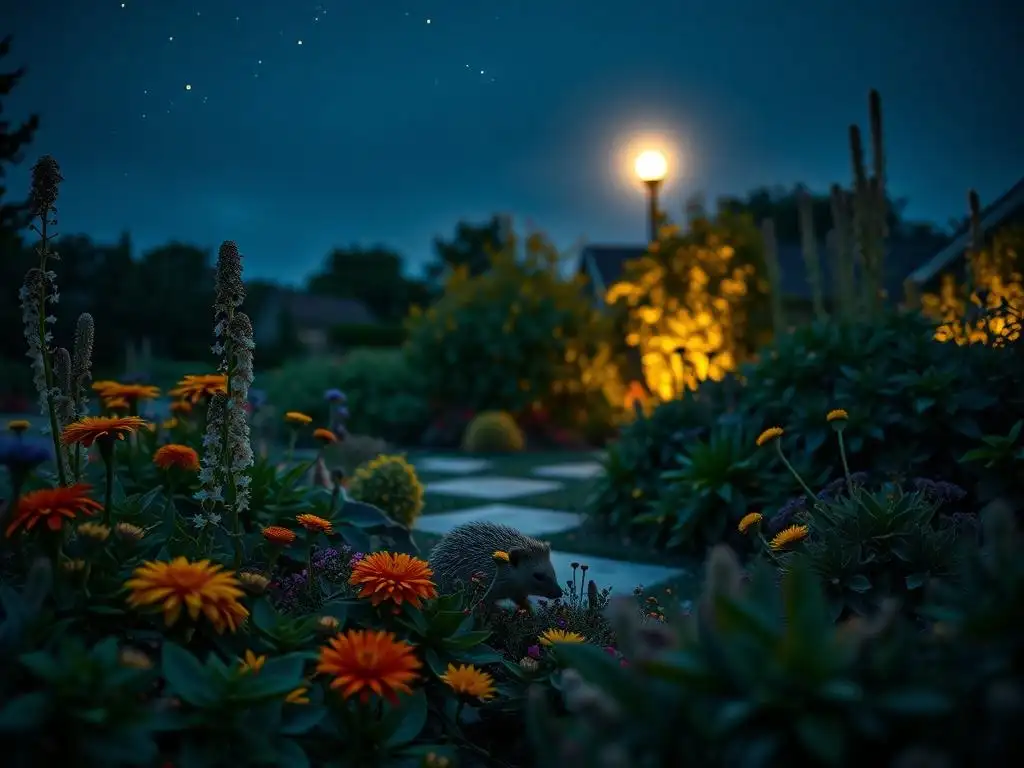
Protecting garden wildlife, especially at night, requires a conscious effort to mitigate the negative effects of artificial lighting. Light pollution significantly disrupts nocturnal ecosystems, impacting everything from insect populations to larger mammals. Understanding the scope of this impact is crucial for implementing effective solutions to protect nighttime wildlife in your garden. The intensity, duration, and spectral composition of light all play a crucial role in how it affects wildlife.
For instance, high-intensity lights can disorient nocturnal pollinators like moths and bats, hindering their foraging and reproductive cycles. Similarly, prolonged exposure to artificial light can suppress melatonin production in birds and mammals, disrupting their natural sleep patterns and impacting their overall health. Choosing the right lighting solutions is a critical step in creating a truly wildlife-friendly garden.
Choosing Wildlife-Friendly Outdoor Lighting Options
When selecting outdoor lighting, prioritize fixtures that minimize light pollution. This means looking for options with specific characteristics. Specifically, aim for:
- Low-intensity lighting: Opt for lights with lower lumens (a measure of brightness). While adequate illumination for safety is important, excessive brightness is unnecessary and harmful. Aim for the lowest light intensity that still meets your security needs.
- Warm-colored light: Amber or yellow light (around 2700K-3000K) is less disruptive to wildlife than cool-white or blue light. Cooler light wavelengths have a more significant impact on nocturnal animals' natural behaviors.
- Shielded fixtures: Choose lights with shades or diffusers that direct light downwards, preventing it from spilling into the surrounding environment. This prevents light trespass and minimizes the area affected by artificial illumination. Downward-facing lights are far less likely to attract insects and disorient animals.
- LED technology: LED lights are generally more energy-efficient than traditional incandescent or halogen bulbs, reducing your environmental impact and lowering overall light output, even at the same brightness level. Consider the specific color temperature of the LED bulb carefully when making your purchase.
Optimizing Light Placement and Direction to Reduce Impact
The strategic placement of outdoor lighting is equally important in protecting nighttime wildlife. Simply choosing the right light bulb isn't enough; where and how you use it matters.
Consider these points for optimal placement:
- Target specific areas: Instead of broadly illuminating the entire garden, focus lights on specific areas where illumination is truly necessary, such as pathways or entrances. This approach minimizes light spread, confining its impact to a smaller area.
- Direct light downwards: Always direct the light downwards to minimize upward spill and reduce the impact on the sky and nocturnal animals. This reduces light pollution significantly and prevents the disorientation of animals navigating the area.
- Avoid placing lights near water sources: Nocturnal animals often rely on water sources, and bright lights near these areas can disrupt their access and foraging behavior. Consider alternative placement options to minimize the impact on these crucial habitats.
- Use lower mounting heights: Lower mounted lights tend to have a more focused beam, reducing light spill compared to lights mounted high above the ground. This focused beam minimizes the overall area affected by artificial lighting, protecting a wider range of wildlife.
Utilizing Motion-Sensor Lights for Reduced Light Exposure
Motion-sensor lights offer a significant advantage in wildlife protection by only activating when motion is detected. This minimizes the duration of light exposure, reducing the overall impact on nocturnal animals.
However, even with motion sensors, several considerations remain critical:
- Sensitivity settings: Adjust the sensitivity settings to avoid unnecessary activations from natural movements, like swaying branches or rustling leaves. Overly sensitive sensors can lead to frequent light bursts, negating the benefit of reduced light exposure.
- Light intensity and color: Even with motion-sensor lights, remember to prioritize lower intensity, warmer-colored light to minimize the impact on wildlife when the lights do activate.
- Placement strategy: Strategic placement remains crucial even with motion sensors. Focus on illuminating only necessary areas to minimize unnecessary light spread and disruption.
- Consider alternatives in low-traffic areas: In areas with minimal foot traffic, consider alternative solutions entirely, such as solar-powered path lights with very low-intensity illumination, or eliminating lighting altogether.
By implementing these strategies, you can significantly reduce the impact of your outdoor lighting on wildlife, creating a more welcoming and sustainable environment in your garden. Remember, even small changes can make a big difference in protecting nighttime wildlife and fostering a thriving ecosystem. Protecting garden wildlife through careful nighttime lighting choices is a vital aspect of sustainable gardening. 🌱
Selecting Appropriate Light Intensity and Color Temperature for Nighttime Wildlife
Protecting nighttime wildlife in your garden requires careful consideration of both the intensity and color temperature of any artificial lighting you use. Intense light, even from seemingly harmless sources, can disrupt the natural behaviors of nocturnal animals. For example, bright security lights can disorient moths and other insects, impacting their ability to navigate and find food sources.
This disruption can have cascading effects throughout the food web, affecting the animals that rely on these insects for sustenance. Bats, crucial for pest control in many gardens, are particularly sensitive to light pollution, as it interferes with their echolocation abilities, making it harder for them to hunt effectively. Birds, too, can be negatively impacted; artificial light can confuse their migratory patterns and disrupt their sleep cycles, leading to stress and reduced reproductive success.
The color temperature of your lighting is equally important. While warmer-toned lights (around 2700K-3000K, mimicking the soft glow of incandescent bulbs) are generally less disruptive than cooler-toned lights (5000K and above, typical of many LEDs), even these can still have an impact, particularly if they are very bright. Cooler lights, often appearing bluer, are far more disruptive to nocturnal wildlife because they penetrate further into the environment and significantly alter the natural darkness crucial for many species.
Research suggests that insects are less attracted to warmer-toned lights, reducing the overall light pollution impact on their behavior and the wider ecosystem. Therefore, opting for lower-intensity, warmer-toned lighting is a crucial step in creating a more wildlife-friendly outdoor space. Remember to direct the light downwards, focusing it only on the necessary areas, minimizing its overall reach and impact on the surrounding environment.
Consider using motion-sensor lights to further reduce the overall light pollution and energy consumption. This ensures the lights are only active when needed, minimizing their effect on nocturnal animals and preserving the natural darkness of your garden. Even small changes can make a significant difference in protecting your garden's nighttime wildlife.
Creating a Dark-Sky Garden Haven for Nocturnal Creatures
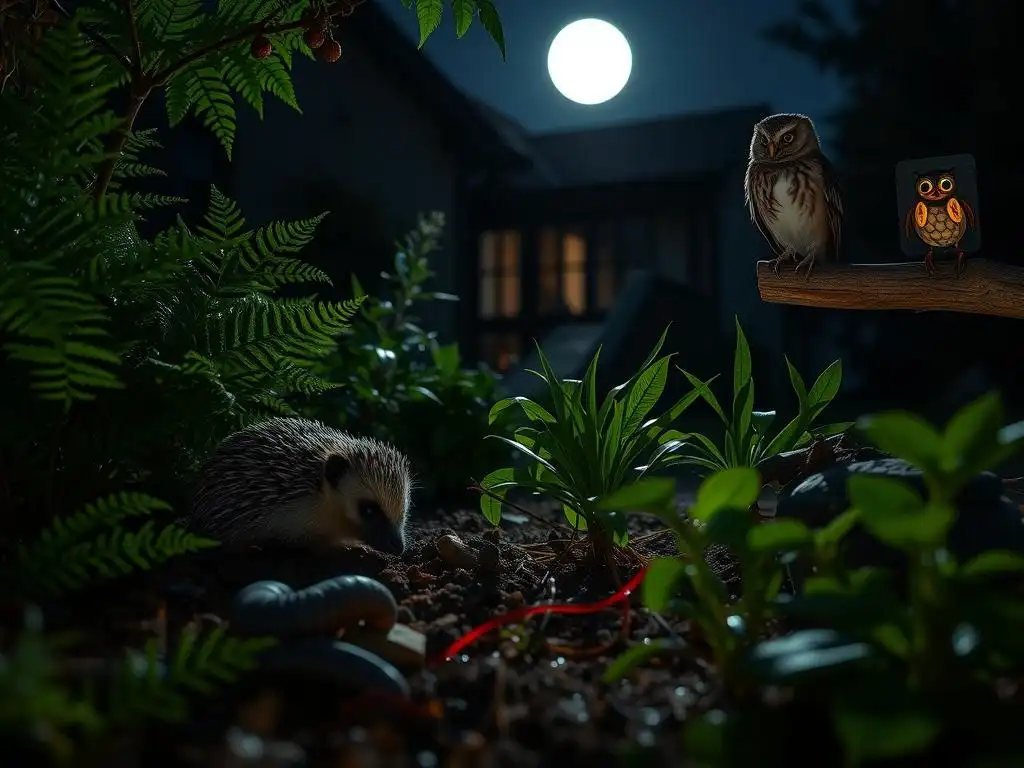
Protecting garden wildlife, particularly nocturnal species, requires a mindful approach to nighttime lighting. The pervasive glow of artificial lights disrupts the natural rhythms of many creatures, impacting their foraging, mating, and migration patterns. Creating a "dark-sky garden" – a haven minimizing light pollution – is crucial for protecting these vital components of a thriving ecosystem.
This involves understanding the specific needs of nocturnal wildlife and implementing strategies to minimize the negative effects of artificial lighting while still ensuring garden security and visibility. This section will explore practical steps to create a more wildlife-friendly environment at night, focusing on the benefits of reducing light pollution and protecting the delicate balance of your garden's nocturnal ecosystem. Remember, even small changes can make a significant difference in protecting these often overlooked creatures.
Planting Native Species that Attract Nocturnal Pollinators
Nocturnal pollinators, such as moths and bats, are essential for the reproduction of many plants. Attracting these beneficial creatures requires planting native species that bloom at night and offer a rich source of nectar. These plants often have pale or white flowers, which are more visible in low-light conditions. For example, the night-blooming jasmine (Cestrum nocturnum), with its intensely fragrant white flowers, is a favorite among moths. Similarly, various species of moonflowers (Ipomoea alba) attract a variety of pollinators with their large, white blossoms that open at dusk.
Choosing native plants is crucial because they are adapted to the local climate and soil conditions, requiring less water and fertilizer, aligning perfectly with sustainable gardening practices. Consider creating a dedicated "moon garden" with these plants, strategically placed to maximize their visibility to nocturnal pollinators. A diverse range of flowering plants will ensure a continuous supply of nectar throughout the night, supporting a robust population of these essential garden helpers. Implementing this strategy directly contributes to protecting garden wildlife and enhancing biodiversity.
Providing Shelter and Safe Habitats for Nighttime Animals
Many nocturnal animals require safe havens from predators and harsh weather conditions. Providing suitable shelter in your garden is a vital step in protecting garden wildlife. This can be achieved through several methods. Creating brush piles using pruned branches and leaves offers excellent cover for hedgehogs, toads, and other small mammals. Leaving areas of long grass or wildflowers provides refuge for insects and ground-dwelling creatures. Installing bat boxes, strategically placed away from bright lights, provides safe roosting sites for these beneficial insectivores. Likewise, stone piles or rock gardens can provide shelter for reptiles and amphibians.
Remember, the goal is to create a variety of microhabitats, catering to the diverse needs of different species. Avoid using materials that could harm wildlife, such as treated wood or sharp objects. Regularly inspect the shelters to ensure they remain safe and suitable. By providing these essential habitats, you are actively contributing to the survival and thriving of your garden's nocturnal community. This simple act significantly contributes to "Protect garden wildlife nighttime lighting" efforts.
Reducing Pesticide Use to Protect Nocturnal Insect Populations
Pesticides, even those marketed as "organic," can have devastating effects on nocturnal insects, which form the base of the food web for many nocturnal animals. Reducing or eliminating pesticide use is crucial for protecting garden wildlife. Instead of relying on chemical controls, consider implementing integrated pest management (IPM) strategies. This approach involves monitoring pest populations, using natural predators (like ladybugs for aphids), and employing physical barriers (like netting) to control pests. Employing companion planting, where certain plants repel pests, is another effective, environmentally friendly method.
Implementing IPM reduces the reliance on harmful chemicals, protecting not only nocturnal insects but also other beneficial organisms in your garden. This holistic approach fosters a healthier, more balanced ecosystem, supporting a thriving population of nocturnal wildlife. Remember, a healthy insect population is vital for the overall health of your garden and its inhabitants. By prioritizing IPM, you actively contribute to "Protect garden wildlife nighttime lighting" by reducing the need for artificial lights often used to monitor pest infestations. This sustainable practice supports a thriving, natural balance in your garden.
Water Sources for Nocturnal Animals: Fountains and Bird Baths
Providing a reliable water source is crucial for supporting nocturnal wildlife in your garden, especially during dry spells. Many creatures, such as hedgehogs, frogs, and insects, rely on readily available water for drinking and bathing. Simply leaving a shallow dish of water isn't always sufficient; it can become stagnant quickly, breeding mosquitoes and becoming a breeding ground for harmful bacteria. Therefore, choosing the right type of water source is key to providing safe and clean hydration for your nighttime visitors.
Fountains, with their constant flow of fresh water, offer a superior alternative to stagnant bowls. The movement of the water not only keeps it oxygenated and cleaner but also attracts animals with its gentle sound. Consider a small, solar-powered fountain that doesn't require a constant power supply, aligning with sustainable gardening practices. The gentle trickle of water can provide a soothing soundscape for your garden at night, adding to the overall tranquility of your dark-sky haven. Remember to choose a fountain with shallow edges to prevent animals from becoming trapped.
Bird baths, while primarily designed for avian visitors during the day, can also serve as a valuable water source for nocturnal animals. A shallow bird bath, placed in a sheltered location away from bright lights, can offer a safe drinking spot for hedgehogs, insects, and other creatures. Clean the bird bath regularly to prevent the buildup of algae and bacteria, ensuring the water remains fresh and safe.
Consider placing rocks or pebbles in the bird bath to provide easy access for smaller animals and to prevent them from drowning. Positioning the bird bath near other vegetation provides cover and a sense of security, encouraging its use by shy nocturnal visitors. Regular cleaning and maintenance are crucial to preventing disease and keeping your water source a safe haven.
Practical Steps to Protect Garden Wildlife from Nighttime Lighting
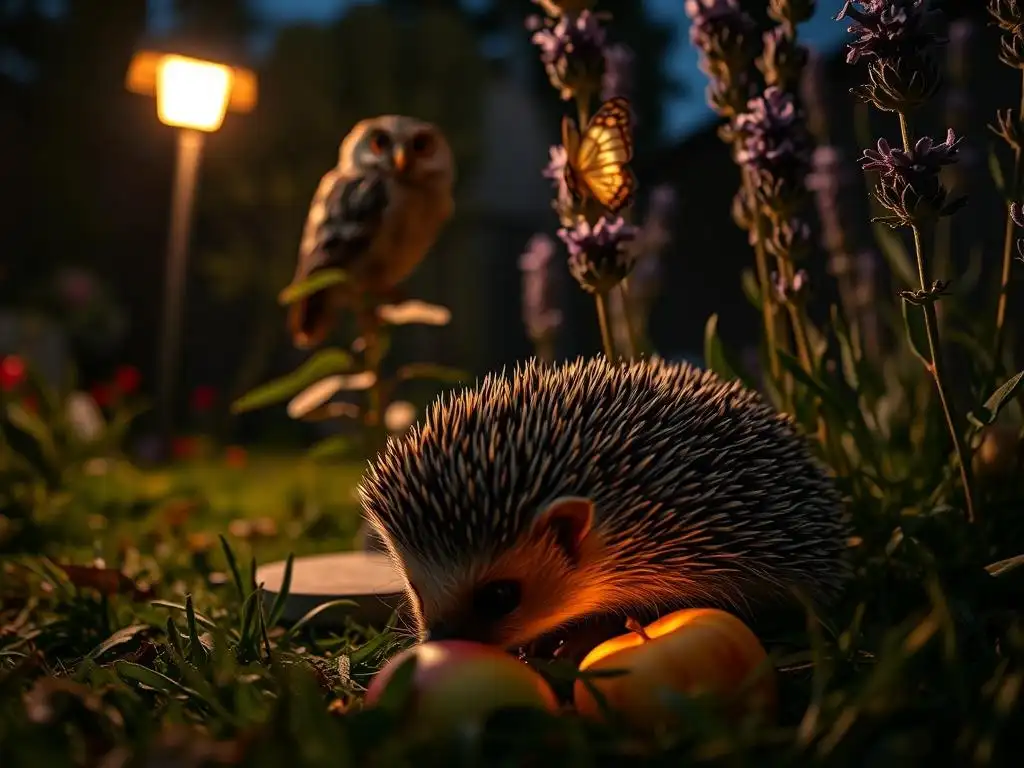
This section details practical actions you can take to minimize the negative impacts of artificial light on nocturnal wildlife in your garden, while still maintaining adequate illumination for your needs. Protecting garden wildlife from nighttime lighting requires a thoughtful approach, balancing safety and the well-being of your garden's ecosystem. We'll explore how to assess your current lighting, plan for wildlife-friendly alternatives, and implement changes gradually.
Assessing Your Current Lighting and Its Impact
Before making any changes, it's crucial to understand your current lighting setup and its potential effects on wildlife. Begin by taking inventory of all exterior lights: path lights, security lights, porch lights, and any landscape lighting. Note the type of bulb (incandescent, fluorescent, LED, etc. ), wattage, color temperature (measured in Kelvin), and the direction the light is cast. Higher wattage and brighter lights, particularly those emitting blue-rich white light (higher Kelvin values), are far more disruptive to nocturnal creatures.
Consider the following questions:
- How many hours per night are your lights on? Reducing the duration of lighting can significantly reduce its impact.
- What species of wildlife are present in your garden? Knowing your local fauna helps you tailor your lighting solutions to their specific needs. For example, moths are particularly sensitive to bright lights.
- Where are your lights positioned? Lights directed upwards contribute significantly to light pollution, affecting a wider area than those directed downwards.
- Are there areas of your garden that don't require lighting? Switching off unnecessary lights immediately reduces the overall impact.
Let's illustrate with an example: Imagine you have three 100-watt incandescent porch lights running all night. These lights cast a wide, bright glow, attracting insects and disrupting the natural behaviours of nocturnal animals like hedgehogs and owls. Switching to low-wattage LED lights with a warm color temperature (2700K or lower) and using motion sensors would significantly reduce the impact.
Creating a Lighting Plan that Prioritizes Wildlife Protection
Developing a wildlife-friendly lighting plan involves several key considerations. The goal is to provide adequate illumination for safety and security while minimizing light pollution. Here's a structured approach:
- Identify essential lighting areas: Focus on illuminating only the areas absolutely necessary, such as pathways and entrances. Avoid unnecessary lighting of open areas.
- Choose the right type of bulb: Opt for low-wattage LED bulbs with a warm color temperature (2700K or lower). These emit less blue light, which is particularly harmful to wildlife. Consider amber or red LEDs as they are less disruptive.
- Utilize motion sensors: Motion-activated lights only illuminate when needed, reducing light pollution significantly. This is particularly effective for security lighting.
- Shield your lights: Use light shields or shades to direct light downwards and prevent it from spilling into unwanted areas. This minimizes upward light spill and reduces overall light pollution.
- Consider alternative lighting: Explore options like solar-powered path lights or strategically placed low-level lighting to guide your way without harsh illumination.
The following table summarizes the key differences in lighting choices:
| Light Type | Wattage | Color Temperature (K) | Wildlife Impact |
|---|---|---|---|
| Incandescent | High | 2700-3000 | High |
| Fluorescent | Medium | 2700-6500 | Medium |
| LED (Cool White) | Low | 5000-6500 | Medium-High |
| LED (Warm White) | Low | 2700-3000 | Low |
| LED (Amber/Red) | Low | <2700 | Very Low |
Implementing these strategies creates a more harmonious balance between human needs and the well-being of nocturnal wildlife.
Implementing Gradual Changes to Reduce Light Pollution
Don't feel overwhelmed by the prospect of completely overhauling your lighting system overnight. A phased approach is more manageable and allows you to assess the impact of each change.
- Start with the easiest adjustments: Begin by turning off unnecessary lights, reducing the duration of lighting, and replacing incandescent bulbs with energy-efficient LEDs.
- Prioritize high-impact areas: Focus on areas where lighting has the most significant impact on wildlife, such as brightly lit open spaces.
- Monitor the results: Observe the changes in your garden's nocturnal visitors. You might notice an increase in insect activity or the return of shy creatures. Document your observations to track the effectiveness of your efforts.
- Seek expert advice: If you have specific concerns or complex lighting needs, consult with a lighting professional experienced in wildlife-friendly lighting design.
By taking these steps, you'll contribute to a healthier, more biodiverse garden that thrives both day and night. Remember, even small changes can make a significant difference in protecting garden wildlife from the harmful effects of nighttime lighting. Protecting your garden's nocturnal inhabitants is a rewarding and sustainable practice that enriches your overall gardening experience.
Monitoring the Effects of Your Changes on Garden Wildlife
Implementing changes to your nighttime garden lighting requires ongoing observation to ensure their effectiveness in protecting wildlife. Regular monitoring allows you to assess the impact of your adjustments and make further refinements as needed. This isn't just about observing the immediate effects; it's about understanding long-term trends in wildlife behavior and abundance.
One effective method is to maintain a wildlife journal. This journal should record your observations of various species, noting their activity levels before and after implementing lighting changes. Include details like the time of observation, the species observed, their behavior (e.g., foraging, resting, moving), and the location within the garden. Photographs, if possible, can be incredibly helpful in documenting your findings. Remember to be discreet in your observations to avoid disturbing the animals.
Consider using motion-activated cameras strategically placed throughout your garden. These cameras can provide valuable data on nocturnal wildlife activity without requiring constant human monitoring. Analyze the footage to identify patterns in animal movement and behavior, particularly in areas with different lighting levels. The data collected can reveal which areas are most affected by your lighting choices and highlight any unintended consequences. Remember to check local regulations regarding wildlife camera usage.
Beyond direct observation, you can also use indirect indicators to assess the impact of your lighting changes. For example, monitor the presence of scat or tracks, which can provide evidence of wildlife activity even if you don't directly observe the animals. A decrease in the amount or variety of scat or tracks in areas with previously high wildlife activity could indicate a negative impact from your lighting.
Conversely, an increase in these indicators in areas with reduced lighting could suggest that your adjustments are having a positive effect. Remember to consult field guides to learn how to identify different scat and track types.
Analyzing the data collected through these various methods is crucial. Compare the data collected before and after implementing your lighting adjustments to identify any significant changes in wildlife behavior or abundance. If you notice negative impacts, don't hesitate to further refine your lighting strategies. This might involve using lower-wattage bulbs, adjusting the direction of your lights, or even eliminating certain light sources altogether.
The goal is to create a nighttime environment that supports a thriving ecosystem within your garden. Consistent monitoring is key to achieving this goal and ensuring that your garden remains a haven for wildlife. Remember, protecting garden wildlife is an ongoing process, not a one-time fix.
Long-Term Strategies for Sustainable Nighttime Garden Lighting
Protecting garden wildlife from the harmful effects of nighttime lighting requires a long-term commitment to sustainable practices. Simply switching off lights isn't always enough; a proactive approach encompassing several strategies is crucial for truly minimizing light pollution's impact on nocturnal creatures. This section focuses on developing a plan for sustainable nighttime garden lighting that balances the need for illumination with the well-being of your garden's wildlife.
Investing in Energy-Efficient and Wildlife-Friendly Lighting
Choosing the right lighting is paramount. Instead of relying on bright, broad-spectrum lights, consider these alternatives to protect garden wildlife nighttime lighting:
- Motion-activated lights: These only illuminate when triggered by movement, minimizing unnecessary light pollution. They are particularly effective in deterring unwanted visitors while preserving the darkness crucial for nocturnal animals. Consider the sensitivity settings; overly sensitive lights might trigger frequently, negating the benefits.
- Low-intensity LED lights: LEDs consume significantly less energy than traditional incandescent bulbs and can be dimmed to reduce their impact on wildlife. Look for warm-toned LEDs (2700K-3000K) as these are less disruptive to nocturnal animals than cooler-toned lights. The color temperature significantly impacts the disruption caused to wildlife.
- Shielded lights: Lights with downward-facing shields prevent light from spilling upwards into the sky and surrounding areas, reducing light pollution and focusing illumination where needed. This targeted approach minimizes the impact on wildlife navigating your garden. Proper shielding is crucial for effective light pollution reduction.
- Red or amber lights: These wavelengths are less disruptive to nocturnal animals' vision than white or blue light. While they might not provide the same level of visibility as brighter lights, they offer a compromise between safety and wildlife protection. Research suggests that these colors have a lower impact on the natural behaviors of many species.
| Light Type | Energy Efficiency | Wildlife Impact | Cost |
|---|---|---|---|
| Incandescent | Low | High | Low |
| Halogen | Moderate | Moderate | Moderate |
| CFL | Moderate | Moderate | Moderate |
| LED (Warm-toned, shielded) | High | Low | High |
| Motion-activated LED | High | Low | High |
Remember, even energy-efficient lights can negatively impact wildlife if used improperly. Careful placement and minimal use are key to successful wildlife protection. Consider using timer switches to further limit the duration of illumination.
Community Engagement and Advocacy for Dark Skies
Protecting garden wildlife nighttime lighting extends beyond individual actions. Engaging with your community and advocating for dark skies initiatives is crucial for creating a larger impact. This involves:
- Educating neighbors: Sharing information about the impact of light pollution on wildlife can encourage others to adopt wildlife-friendly lighting practices. A collaborative approach can significantly increase the area protected from excessive light.
- Participating in local initiatives: Many communities have programs aimed at reducing light pollution. Joining these efforts can provide opportunities for collective action and increased awareness. Look for local astronomy clubs or environmental organizations that may be involved in such initiatives.
- Supporting dark sky legislation: Advocating for policies that promote responsible outdoor lighting can create lasting change at a broader level. This includes supporting legislation that mandates the use of shielded and energy-efficient lights in public spaces.
The collective effort of a community significantly increases the positive impact on wildlife habitats. Even small changes made by many individuals can lead to substantial improvements in the nighttime environment.
Continuing Education and Awareness Regarding Light Pollution
Light pollution is a growing concern, and ongoing education is essential for developing effective strategies to protect garden wildlife nighttime lighting. Staying informed about the latest research and best practices is crucial for refining your approach.
- Following scientific research: New studies continually reveal more about the effects of different types of light on various species. Staying updated on this research allows for more informed decision-making.
- Attending workshops and seminars: These events offer valuable opportunities to learn from experts and network with other individuals passionate about wildlife conservation. Look for relevant workshops offered by local universities, environmental organizations, or wildlife sanctuaries.
- Sharing knowledge: Educating others about the importance of protecting nocturnal wildlife from light pollution helps spread awareness and encourages broader adoption of sustainable practices. This can involve informal discussions with neighbors, presentations at community events, or contributing to online forums.
By continuously learning and adapting your practices, you can ensure that your efforts to protect nocturnal wildlife remain effective and contribute to a healthier environment for years to come. Consistent engagement and education are key to long-term success.
Supporting Research on the Effects of Artificial Light on Wildlife
Numerous studies highlight the detrimental effects of artificial light at night (ALAN) on various wildlife species. Research consistently demonstrates that ALAN disrupts crucial biological processes, impacting everything from foraging and breeding behaviors to migration patterns and predator-prey dynamics. For instance, studies on nocturnal insects have shown significant declines in populations near brightly lit areas. These insects are vital components of the food web, serving as a primary food source for many birds, bats, and other animals. The reduction in insect populations directly impacts the survival and reproductive success of these higher-level consumers.
One particularly compelling area of research focuses on the impact of ALAN on bird migration. Many migratory birds rely on celestial cues, such as the position of the stars and moon, for navigation. Artificial light can mask these natural cues, causing birds to become disoriented and lose their way, leading to increased mortality rates. Studies have shown a strong correlation between increased light pollution and higher rates of bird collisions with buildings and other structures. This is a significant concern for the conservation of many bird species, particularly those with already dwindling populations.
Furthermore, research into the effects of ALAN on amphibians and reptiles reveals similar negative consequences. These ectothermic animals rely on ambient temperatures for thermoregulation. Artificial light can alter microclimates, leading to changes in temperature and humidity that negatively affect their survival and reproduction. Additionally, ALAN can disrupt their natural behaviors, such as foraging and mating, leading to population declines. Detailed studies on specific amphibian and reptile species near urban areas with significant light pollution have shown a noticeable decrease in their numbers compared to areas with minimal light intrusion.
The cumulative effect of these studies paints a clear picture: uncontrolled artificial light significantly harms nighttime wildlife. Protecting garden wildlife requires a comprehensive understanding of these impacts and the implementation of strategies to mitigate them. The long-term health and biodiversity of our gardens, and indeed larger ecosystems, depend on it. Ignoring these findings could lead to the degradation of our natural world and the loss of valuable species. The need for sustainable nighttime lighting solutions is therefore paramount.
Frequently Asked Questions
How does nighttime lighting affect garden wildlife?
Artificial light at night can disrupt wildlife's natural behaviors, including foraging, mating, and migration. It can also attract predators or disorient prey animals, leading to increased mortality rates.
What types of lighting are least harmful to garden wildlife?
Motion-sensor lights and lights with low intensity and warm color temperatures (amber or red) are less disruptive than bright, constantly-on white lights. Consider using minimal lighting only where absolutely necessary.
Are there any benefits to using nighttime lighting in the garden?
While security is a common reason, the benefits of nighttime lighting are often outweighed by the negative impacts on wildlife. Careful planning can minimize harm while still achieving your security goals.
How can I create a wildlife-friendly lighting plan for my garden?
Focus on reducing light pollution by using shielded fixtures that direct light downward. Consider using moonlight-mimicking lighting that is less intense and more natural in color.
What are some alternatives to artificial lighting for garden security?
Explore natural deterrents like thorny bushes or strategically placed reflective objects. Consider using security cameras instead of relying solely on lighting for security.
Final Reflection: Reclaiming the Night: A Brighter Future for Garden Wildlife
The pervasive glow of artificial light is not just a modern convenience; it's a significant threat to the delicate balance of our nighttime ecosystems. The consequences of light pollution extend far beyond simple aesthetics, impacting the survival and well-being of countless nocturnal creatures that share our gardens. We must actively choose to mitigate its effects.
The shift in our understanding of nighttime wildlife and their vulnerability to artificial light has been profound. We've moved from a time of unawareness to a growing recognition of the crucial role darkness plays in their survival. This journey of understanding underscores the interconnectedness of our actions and the natural world. The night is for the stars, and the stars are for the night. Let us not dim their light.
This simple sentiment encapsulates the responsibility we bear to protect the nocturnal wonders around us. Our gardens, small as they may seem, are vital habitats, and our choices regarding lighting directly impact the creatures that call them home.
Consider the simple steps outlined in this article: choosing lower-wattage bulbs, shielding lights, and opting for motion-activated systems. These are not mere suggestions; they are opportunities. You have the power to transform your garden into a sanctuary, a haven where the delicate dance of life under the stars can continue uninterrupted. Make a conscious choice tonight – choose darkness, choose wildlife, choose a brighter future for the creatures sharing your space.
Unveil Your Night Garden: A Haven for Wildlife
Thank you for exploring the fascinating world of nighttime wildlife and the impact of artificial light! You've learned how simple changes can dramatically improve their habitat. Ready to take action?
- Reduce light pollution: This is the single most effective step you can take to protect nocturnal creatures in your garden. Use low-wattage, amber-colored bulbs and direct the light downwards, avoiding unnecessary illumination.
- Create a moonlit garden: Plant fragrant night-blooming flowers like moonflowers or evening primroses to attract moths and other pollinators, providing a natural light source and a haven for wildlife.
- Spread the word: Share your newfound knowledge with friends and neighbors, encouraging them to create wildlife-friendly gardens.
Ready to transform your garden into a haven for nighttime wildlife? What's the first step you'll take to reduce light pollution?