
Planning Your Small Space Garden Layout: Make the Most of Limited Space

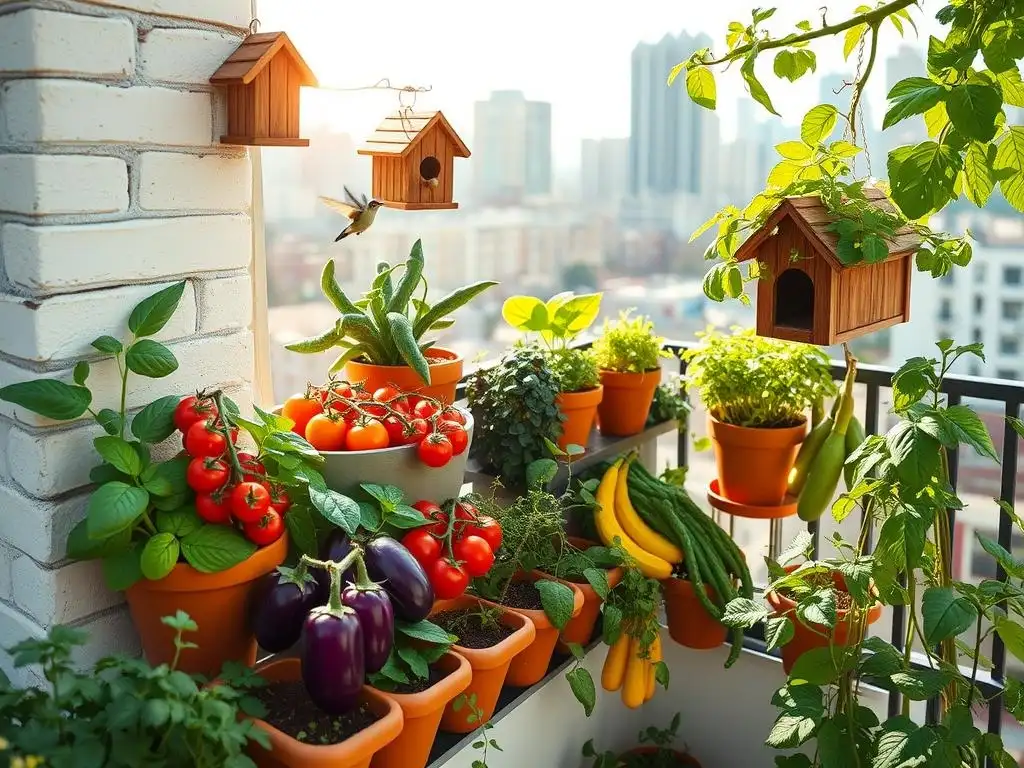
Welcome to CultivateYourFood, your guide to a thriving home garden! Are you dreaming of fresh, organic produce but think your space is too limited? Think again! Discover ingenious Small space garden layout ideas that will transform even the smallest balcony or backyard into a bountiful oasis. We'll show you how to maximize your yield using sustainable practices, from planting and harvesting to composting and natural pest control. Let's cultivate your food, together!
- Maximizing Your Small Space Garden Design: Key Considerations
- Small Space Garden Layout Ideas: Design Strategies for Limited Areas
- Optimizing Your Small Space Garden Layout for Maximum Yield
- Maintaining Your Small Space Garden: Tips for Ongoing Success
- Small Space Garden Design Examples: Inspiration and Ideas
- Planning Your Small Space Garden: A Step-by-Step Guide
- Frequently Asked Questions
- Final Reflection: Cultivating Abundance in Confined Spaces
- Unleash Your Green Thumb: Design Your Dream Garden Today!
Maximizing Your Small Space Garden Design: Key Considerations
Creating a thriving garden in a small space requires careful planning and a strategic approach. This article provides a comprehensive guide to designing your small space garden layout, maximizing yield and beauty even with limited square footage. We'll explore key considerations for successful small-space gardening, from assessing your available space and sunlight to selecting the right plants and employing essential tools.
Whether you have a balcony, patio, or a tiny backyard, this guide will empower you to cultivate a bountiful and sustainable harvest, regardless of size limitations. We'll focus on practical "small space garden layout ideas" to help you make the most of your limited area, embracing organic and sustainable practices throughout the process. Let's get started on transforming your small space into a flourishing oasis!
Assessing Your Space: Sunlight, Soil, and Accessibility
Before even thinking about plants, understanding your space is crucial. This involves a thorough assessment of three key factors: sunlight, soil, and accessibility.
Sunlight is paramount. Different plants have different sunlight requirements. Some thrive in full sun (at least 6 hours of direct sunlight daily), while others prefer partial shade (2-6 hours) or even full shade (less than 2 hours). Carefully observe your space throughout the day to determine how much sunlight each area receives. Consider using a sun chart or app to track sunlight patterns. Accurate sun assessment is critical for selecting suitable plants that will flourish in your specific conditions.
Next, evaluate your soil. Is it fertile and well-draining, or does it need improvement? Poor soil can significantly impact plant growth. Consider testing your soil's pH level and nutrient content. Amend the soil as needed with compost, aged manure, or other organic matter to improve its structure and fertility. This will provide a healthy foundation for your plants to thrive. Remember, healthy soil is the basis of a successful garden, no matter the size.
Finally, think about accessibility. Will you be able to easily reach all areas of your garden for watering, weeding, and harvesting? Consider the placement of pathways and ensure there is sufficient space to move around comfortably. Poor accessibility can make gardening more difficult and less enjoyable. Plan your layout to maximize ease of access and minimize frustration. Consider raised beds or vertical gardening structures for easier reach to plants.
Choosing the Right Plants for a Small Garden: Vertical Gardening and Compact Varieties
Smart plant selection is key to maximizing your small space garden's potential. Vertical gardening techniques and compact plant varieties are your best allies.
Vertical gardening maximizes space by growing plants upwards, instead of outwards. This can be achieved using a variety of methods, including trellises, hanging baskets, wall-mounted planters, and stacked planters. Vertical gardening is especially effective for vining plants like tomatoes, cucumbers, and beans, as well as herbs and strawberries. It allows you to grow a significant quantity of plants in a small footprint. Consider the height of your structures and the climbing habits of the plants you choose.
Opt for compact or dwarf varieties of your favorite fruits, vegetables, and herbs. Many plant breeders now offer smaller versions of traditional plants, specifically designed for containers and small gardens. These compact varieties produce a good yield without taking up excessive space. Research compact varieties of your preferred plants to find the best fit for your space. For example, instead of a large tomato plant, choose a determinate variety that stays relatively small and bushy.
Don't forget about companion planting! Strategic planting of certain plants together can improve growth and deter pests. Research companion planting combinations to optimize your space and plant health. For example, basil planted near tomatoes can repel certain pests and improve tomato flavor.
Essential Tools for Small Space Garden Planning
Having the right tools can significantly simplify the process of planning and maintaining your small space garden. Investing in a few essential tools will make your gardening experience more efficient and enjoyable.
A good quality measuring tape is essential for accurate planning and layout. You'll need to measure your space precisely to determine the optimal placement of plants and structures. A garden notebook or digital planning tool can also be helpful for recording plant measurements, sunlight exposure, and planting schedules.
Consider using small, lightweight hand tools suitable for working in confined spaces. Compact trowels, hand rakes, and cultivators are ideal for small-scale gardening. These tools allow for precise planting and weeding without taking up excessive space.
Finally, invest in high-quality pots and containers appropriate for your chosen plants. Choose pots with drainage holes to prevent root rot. Consider using self-watering pots or containers to simplify watering, especially if you're busy or frequently travel. Proper containers are crucial for supporting plant growth and ensuring a healthy harvest. Remember that the right tools make all the difference in creating and maintaining a successful small space garden.
Small Space Garden Layout Ideas: Design Strategies for Limited Areas
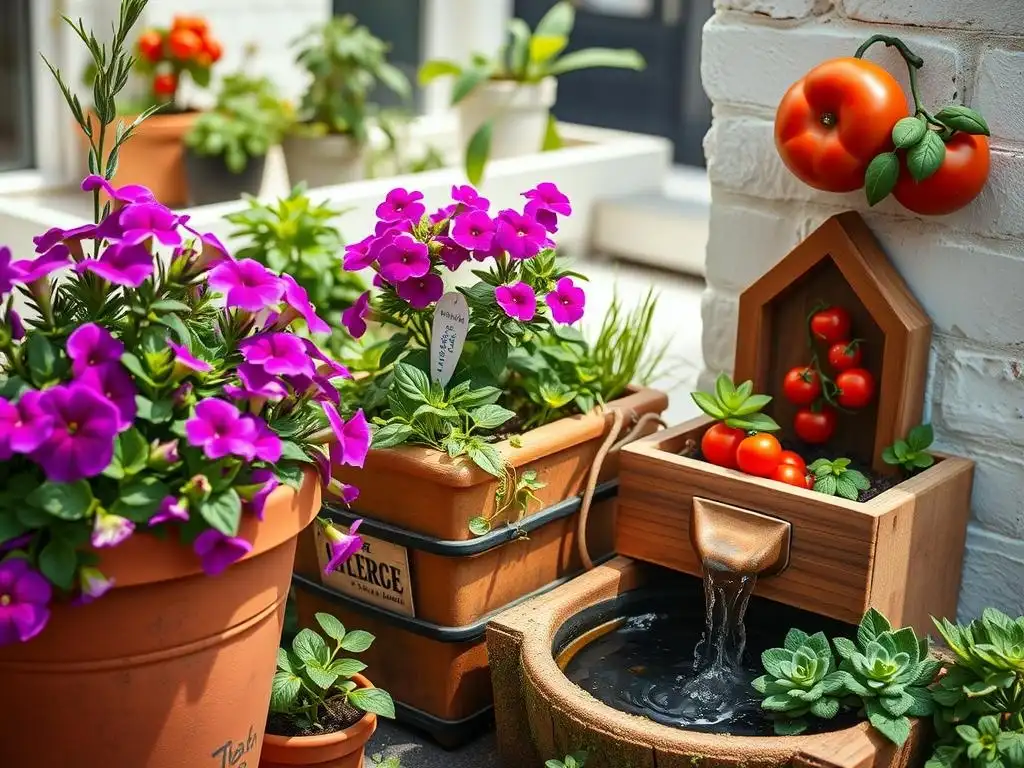
This section delves into practical strategies for maximizing yield and aesthetic appeal in small-scale gardens. We'll explore effective layout techniques that transform limited spaces into thriving, productive oases. Remember, even a balcony or a tiny backyard can become a vibrant garden with careful planning and the right approach.
The key is to think vertically and utilize every inch of available space creatively. Successful small space garden layout hinges on efficient space management and thoughtful plant selection, ensuring a bountiful harvest despite the size constraints. This is crucial for achieving the dream of a flourishing garden, even with limited square footage.
Vertical Gardening Techniques for Small Spaces: Trellises, Walls, and Hanging Baskets
Vertical gardening is a game-changer for small space gardeners. It allows you to significantly increase your planting area without expanding your footprint. Several techniques offer diverse options depending on your space and preferences.
Trellises: These provide excellent support for climbing plants like beans, peas, cucumbers, and tomatoes. A simple trellis can be constructed from readily available materials like bamboo poles or repurposed wood. Consider the height and width needed for your chosen plants. For example, a vigorous tomato variety might require a taller, sturdier trellis than a smaller bush bean.
Walls: Vertical walls can be transformed into living green spaces using wall-mounted planters or vertical gardening systems. These systems often utilize pockets or troughs to hold soil and plants. Consider herbs, strawberries, or smaller leafy greens for this approach. Ensure adequate watering and drainage for plants on walls to prevent root rot.
Hanging Baskets: Hanging baskets offer a charming and space-saving solution for growing trailing plants such as strawberries, petunias, or nasturtiums. Choose lightweight containers to avoid stressing your supports. Remember to regularly water hanging baskets, as they can dry out quickly.
Here's a simple table summarizing the pros and cons of each vertical gardening method:
| Method | Pros | Cons |
|---|---|---|
| Trellises | Easy to build, versatile, good air circulation | Requires sturdy support, plant selection limited |
| Wall-mounted | Space-saving, aesthetically pleasing | Can be expensive, requires wall mounting |
| Hanging Baskets | Charming, space-saving | Requires frequent watering, weight limitations |
Choosing the right vertical gardening technique depends on your specific needs and preferences. Consider factors such as the amount of sunlight your space receives, the type of plants you want to grow, and the aesthetic you’re aiming for.
Utilizing Raised Beds and Containers for Efficient Space Management
Raised beds and containers offer exceptional control over soil composition and drainage, crucial for small spaces where soil quality might be less than ideal. They also allow for better organization and efficient use of space.
Raised Beds: Constructing raised beds, even small ones, allows you to improve soil drainage and fertility. You can tailor the soil mix to your plants' needs. Consider the dimensions carefully; deeper beds accommodate larger plants with deeper root systems. For small spaces, consider narrow, elongated beds to maximize space utilization.
Containers: Pots, planters, and troughs are versatile and readily available. Choose containers with adequate drainage holes to prevent root rot. Consider the size of the container relative to the plant's mature size. Overcrowding can lead to stunted growth and reduced yields. Using a variety of container sizes and heights can add visual interest to your small space garden. Think about stacking containers or using tiered stands to further optimize vertical space.
Remember to select appropriate containers for the plants you are growing. Some plants, like tomatoes, require larger containers than herbs or smaller leafy greens.
Creating Pathways and Zones in a Compact Garden
Even a small garden benefits from thoughtful zoning and pathways. This improves accessibility and enhances the overall aesthetic appeal.
Pathways: Creating narrow pathways between planting areas allows for easy access for watering, weeding, and harvesting. Use gravel, stepping stones, or even pavers to create pathways. Keep pathways narrow to maximize planting space.
Zoning: Divide your garden into zones based on sun exposure, water needs, and plant types. This allows you to group plants with similar requirements together, simplifying care. For example, place sun-loving plants in areas with maximum sunlight and shade-tolerant plants in shadier areas. Consider a "herb garden" zone, a "vegetable garden" zone, and even a small flower garden to add visual appeal.
Careful planning and organization are essential for creating a functional and visually appealing small space garden. By utilizing vertical gardening techniques, raised beds, and containers, and implementing a well-defined layout with pathways and zones, you can transform even the smallest area into a productive and aesthetically pleasing garden. Remember, success in small space gardening lies in thoughtful planning and efficient use of available resources. 🌱
Optimizing Your Small Space Garden Layout for Maximum Yield
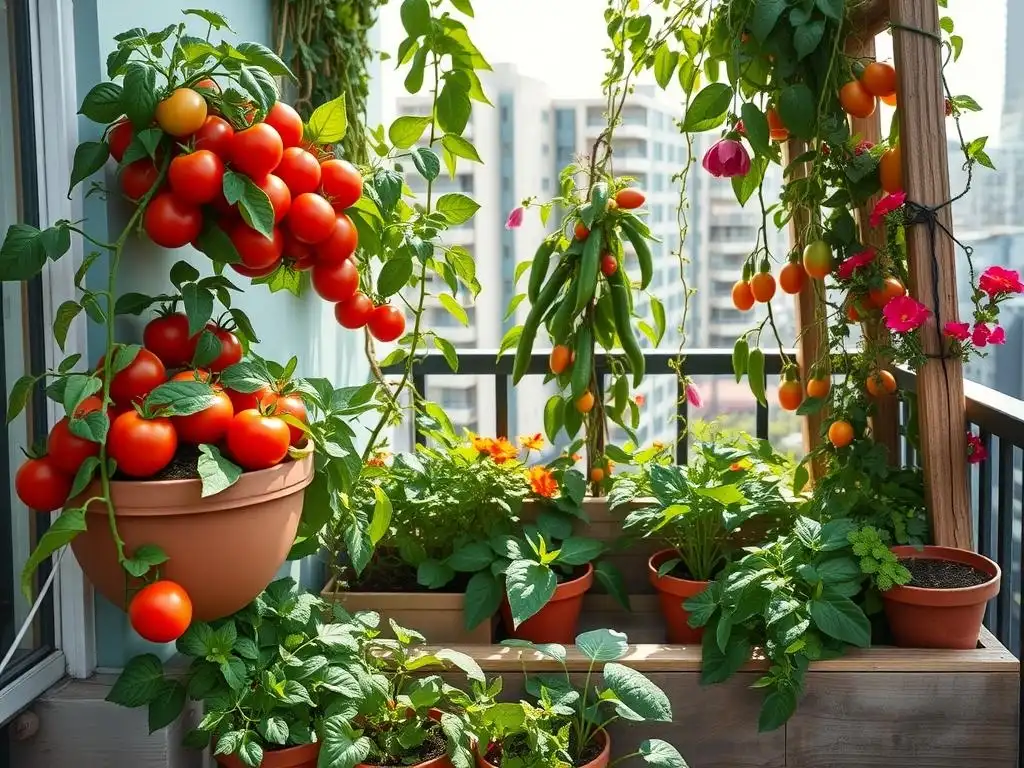
This section focuses on maximizing the productivity of your small space garden through strategic planning and layout design. We'll explore techniques to ensure you get the most out of every square inch. Efficient use of vertical space, careful plant selection based on mature size, and optimized sunlight exposure are key elements in achieving a bountiful harvest in a small area. Remember, even a small garden can produce an impressive amount of food with the right approach. Let's dive into the details.
Companion Planting for Small Gardens: Synergistic Plant Combinations
Companion planting is a cornerstone of successful small space gardening. By strategically placing plants that benefit each other, you can improve growth, deter pests, and even enhance the flavor of your produce. This synergistic approach maximizes space utilization and minimizes the need for chemical interventions.
For instance, planting basil near tomatoes is a classic example. Basil repels tomato hornworms, a common pest, while the tomatoes provide shade for the basil, keeping it cool and thriving. Similarly, marigolds planted amongst vegetables act as a natural pest deterrent, releasing compounds that repel nematodes and other harmful insects. Their vibrant color also adds visual appeal to your small garden.
Here's a table illustrating some effective companion plant pairings:
| Plant 1 | Plant 2 | Benefits |
|---|---|---|
| Tomatoes | Basil | Basil repels tomato hornworms; tomatoes provide shade for basil. |
| Carrots | Onions | Onions deter carrot root flies; carrots improve onion growth. |
| Lettuce | Radishes | Radishes are quick-growing and leave space for slower lettuce. |
| Peppers | Chives | Chives deter pests that affect peppers. |
| Strawberries | Garlic | Garlic deters pests and diseases affecting strawberries. |
Remember to research specific companion planting combinations for your chosen plants, as some combinations may not be beneficial or could even be detrimental. Careful planning is crucial for optimal results. The internet offers numerous resources to help you discover the best companion plants for your small space garden layout.
Efficient Watering Systems for Small Spaces: Drip Irrigation and Soaker Hoses
Efficient watering is crucial in small space gardens, where every drop counts. Traditional methods like overhead sprinklers can lead to water wastage through evaporation and runoff, especially in sunny conditions. Therefore, opting for more efficient watering systems is essential for conserving water and ensuring your plants receive the hydration they need.
Drip irrigation and soaker hoses are excellent choices for small gardens. Drip irrigation delivers water directly to the roots of your plants, minimizing evaporation and ensuring targeted hydration. Soaker hoses, on the other hand, provide a gentle, continuous release of water along their length. Both methods significantly reduce water waste compared to traditional sprinklers.
Consider factors like water pressure and the layout of your garden when choosing between drip irrigation and soaker hoses. Drip irrigation offers more precise control, while soaker hoses are simpler to install and maintain. Properly designed systems ensure your plants receive consistent moisture without overwatering, promoting healthy growth and a bountiful harvest. Proper maintenance, including checking for leaks and ensuring proper water pressure, is also crucial for maximizing efficiency.
Pest and Disease Control in Compact Gardens: Organic Solutions
In small space gardens, pest and disease control requires a different strategy than in larger areas. The close proximity of plants makes them more vulnerable to outbreaks. Organic methods are generally preferred in these spaces, as chemical pesticides can harm beneficial insects and contaminate your produce.
Several organic approaches can effectively manage pests and diseases in your compact garden. These include:
- Beneficial Insects: Introducing ladybugs, lacewings, and other beneficial insects can help control aphids, mites, and other common garden pests.
- Crop Rotation: Rotating your crops annually helps break pest and disease cycles, preventing buildup in the soil.
- Natural Pesticides: Neem oil, insecticidal soap, and diatomaceous earth are effective organic solutions for controlling various pests.
- Healthy Soil: Maintaining healthy soil rich in organic matter strengthens your plants' natural defenses against diseases.
- Regular Inspection: Regularly inspecting your plants allows for early detection and treatment of problems, minimizing their impact.
Remember, prevention is key. By maintaining a healthy garden environment through proper soil preparation, companion planting, and regular monitoring, you can significantly reduce the risk of pest and disease outbreaks. Early identification and prompt action using organic methods are crucial for maintaining the health and productivity of your small space garden. The use of organic methods not only protects your plants but also ensures the safety and quality of your homegrown produce.
Maintaining Your Small Space Garden: Tips for Ongoing Success
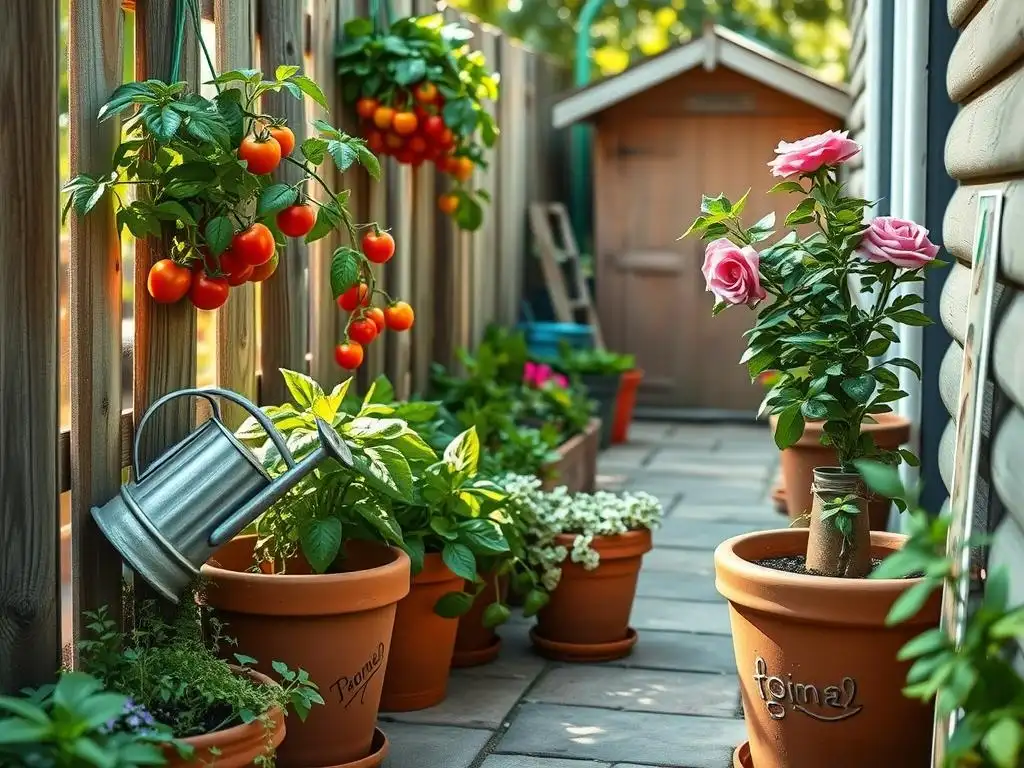
Maintaining a thriving small space garden requires consistent effort and attention to detail. Unlike larger gardens, the limited space intensifies the impact of neglect. Careful planning and diligent maintenance are key to maximizing yields and ensuring healthy plant growth. This section provides practical strategies for keeping your small space garden flourishing.
Regular Pruning and Harvesting in Small Gardens
Regular pruning and harvesting are not merely optional tasks; they are crucial for the health and productivity of your small space garden. Pruning encourages bushier growth, improves air circulation (reducing disease risk), and prevents overcrowding. Harvesting regularly prevents plants from becoming overly mature, which can lead to a decline in quality and yield.
For example, consider tomatoes. Regularly removing suckers (small shoots that grow between the main stem and branches) redirects the plant's energy to fruit production, leading to larger, more flavorful tomatoes. Similarly, consistent harvesting of herbs like basil encourages continuous new growth, providing a longer harvest season. Neglecting these practices in a small space garden can quickly lead to a decline in the overall health and productivity of your plants. Think of it like this: in a small space, every inch counts!
Here's a simple table outlining a basic pruning and harvesting schedule for common small space garden plants:
| Plant Type | Pruning Frequency | Harvesting Frequency | Notes |
|---|---|---|---|
| Tomatoes | Weekly | As fruits ripen | Remove suckers regularly. |
| Basil | Pinch back regularly | As needed, frequently | Encourages bushier growth. |
| Peppers | Minimal, remove dead leaves | As fruits ripen | Focus on removing diseased or damaged parts. |
| Strawberries | Remove runners as needed | As berries ripen | Prevents overcrowding and maximizes yield. |
| Lettuce and Spinach | Minimal, remove dead leaves | Regularly, before bolting | Harvest outer leaves first. |
Remember to always use clean, sharp pruning shears to prevent the spread of disease.
Composting and Soil Enrichment for Small Spaces
Composting is particularly vital in small space gardening. Because you're working with limited soil volume, nutrient depletion happens faster. Composting allows you to recycle kitchen and garden waste, creating nutrient-rich compost to replenish your soil. This reduces your reliance on commercial fertilizers, promoting sustainable and organic practices. Furthermore, compost improves soil structure, drainage, and water retention – all crucial factors in small space gardening where soil conditions can quickly become problematic.
Consider a worm composting bin – these are compact and ideal for apartment dwellers or those with limited outdoor space. Worms efficiently break down organic matter, creating a nutrient-rich "worm tea" and castings (worm excrement) that are excellent soil amendments. Alternatively, a small compost tumbler can be very effective in a backyard setting, even in a limited space.
The benefits are numerous: Improved soil fertility leads to healthier plants, increased yields, and reduced need for chemical fertilizers. This aligns perfectly with the sustainable and organic principles of our website. By enriching your soil with compost, you're creating a self-sustaining ecosystem in your small space garden, contributing to its long-term health and productivity.
Dealing with Limited Space Challenges: Overcrowding and Root Competition
Overcrowding is a significant challenge in small space gardening. Plants compete for essential resources like sunlight, water, and nutrients. This competition can lead to stunted growth, reduced yields, and increased susceptibility to pests and diseases. Careful planning during the initial layout phase is crucial, but ongoing monitoring and adjustments are also necessary.
Root competition is a hidden enemy. Even if plants appear spaced adequately above ground, their roots can intertwine and compete underground. This is particularly relevant for plants with extensive root systems. Selecting compact varieties and using vertical gardening techniques can help mitigate this issue.
Here are some strategies to address overcrowding and root competition:
- Thinning: Remove weaker or overcrowded seedlings early on to give the remaining plants more space to thrive.
- Vertical Gardening: Utilize trellises, hanging baskets, or vertical planters to maximize vertical space and reduce ground-level competition.
- Companion Planting: Strategically choose plants with compatible root systems and growth habits to minimize competition.
- Regular Monitoring: Closely observe your plants for signs of stress, such as yellowing leaves or stunted growth, which can indicate overcrowding or root competition. Address these issues promptly by thinning or adjusting plant spacing.
Addressing these challenges proactively ensures a healthy and productive small space garden, maximizing your yield and enjoyment within the confines of your limited space. Remember, a little planning and consistent attention can make all the difference. 🌱
Small Space Garden Design Examples: Inspiration and Ideas
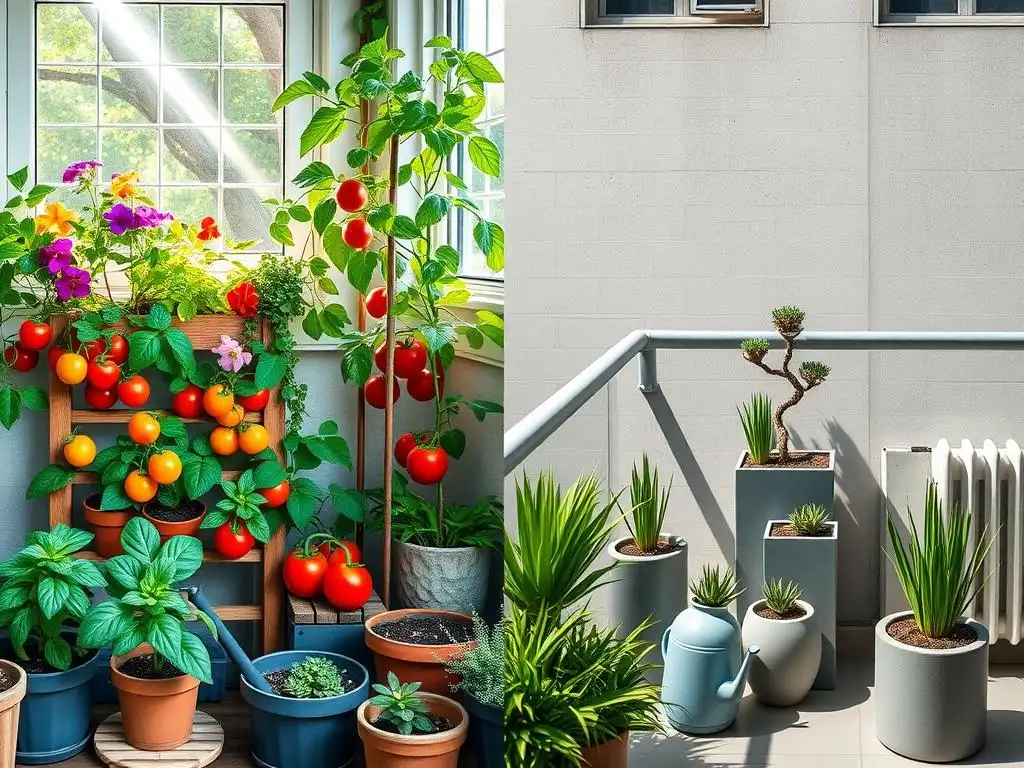
This section provides practical examples of small space garden layouts, showcasing how to maximize yield and aesthetic appeal in limited areas. We'll explore different design approaches, highlighting the key principles of efficient space utilization and plant selection for optimal growth. Remember, even the smallest space can be transformed into a thriving, productive garden with careful planning. The right "small space garden layout ideas" can make all the difference.
Balcony Garden Design: Maximizing Vertical Space
Balconies, often overlooked as gardening spaces, present fantastic opportunities for vertical gardening. By utilizing hanging planters, wall-mounted trellises, and stacked containers, you can significantly increase your growing area without sacrificing valuable floor space. Consider the following:
- Vertical Trellises: These are ideal for climbing plants like tomatoes, cucumbers, and beans. A single trellis can support numerous plants, maximizing your yield in a minimal footprint. Choose sturdy trellises capable of withstanding the weight of mature plants.
- Hanging Baskets and Planters: These are perfect for herbs, strawberries, and trailing flowers. Their hanging nature frees up valuable ground space, allowing you to create layers of greenery. Opt for lightweight, yet durable, materials to avoid stressing your balcony structure.
- Stacked Planters: These space-saving solutions allow you to grow multiple plants vertically in a single footprint. Ensure adequate drainage to prevent root rot. Consider using different sized planters to create visual interest.
- Plant Selection: Choose compact varieties of vegetables and herbs that are suitable for container growing. Dwarf varieties of tomatoes, peppers, and zucchini are excellent choices for small balconies. Trailing herbs like thyme and oregano can spill over the edges of planters, adding a touch of beauty.
Consider the orientation of your balcony in relation to sunlight. South-facing balconies receive the most sun, while north-facing balconies receive the least. Choose plants accordingly to ensure optimal growth. For example, sun-loving tomatoes will thrive on a south-facing balcony, while shade-tolerant lettuce might be a better option for a north-facing one.
Patio Garden Design: Creating an Outdoor Oasis
Patios offer a slightly larger canvas for gardening compared to balconies, allowing for more creative layout options. However, efficient space management remains crucial. Here are some ideas to consider for your patio garden:
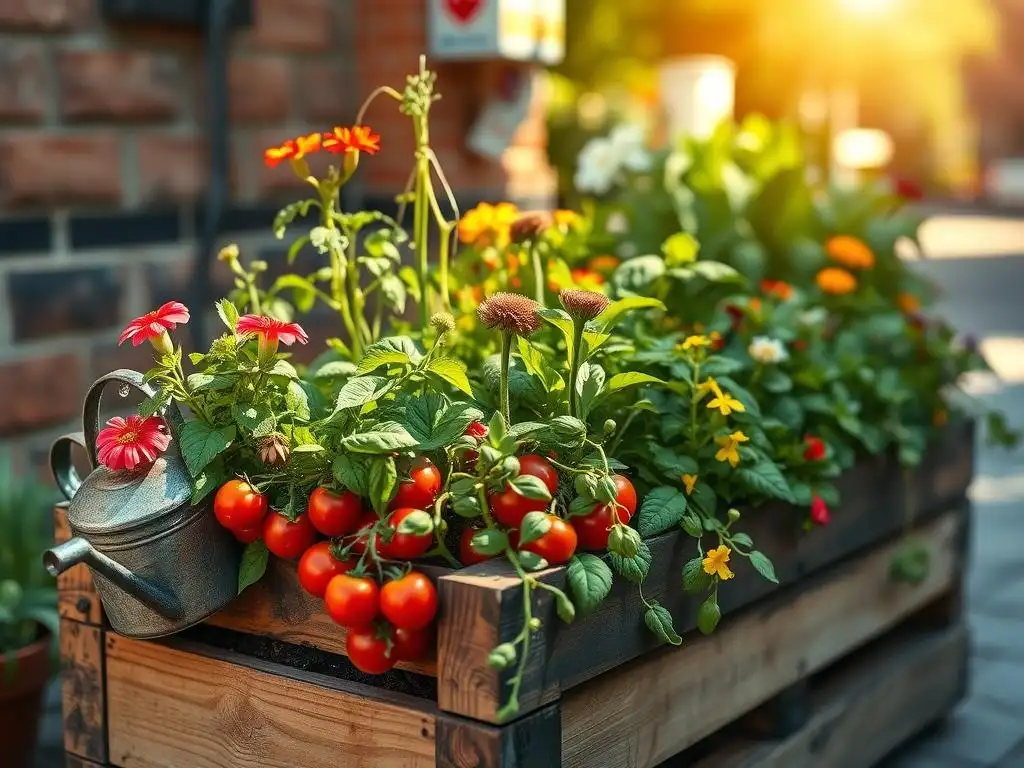
- Raised Garden Beds: These are an excellent choice for patios, as they allow for better soil drainage and can be customized to fit your space. Constructing your own raised beds allows you to control the soil composition and depth, ensuring optimal growing conditions. Consider using reclaimed wood or other sustainable materials.
- Modular Gardening Systems: These pre-fabricated systems offer flexibility and ease of assembly. They are ideal for smaller patios and can be easily rearranged as your needs change. Many modular systems incorporate vertical elements, maximizing space utilization.
- In-Ground Planting (If Permitted): If your patio allows for in-ground planting, consider creating a small, well-defined garden bed. This allows for deeper root penetration and can result in healthier plants. Ensure adequate drainage to prevent waterlogging.
- Potted Plants: Combine raised beds or modular systems with strategically placed potted plants to add color and variety. Use a mix of heights and textures to create visual interest. Choose plants that complement each other in terms of size, color, and growth habit.
Careful consideration of sunlight and water access is essential for patio gardens. Ensure that your plants receive adequate sunlight and that you have easy access to water. Consider installing a drip irrigation system to save time and water. The key is to create a functional and aesthetically pleasing space that maximizes your growing potential without overwhelming the area.
Window Box Garden Design: Adding Greenery to Your Home
Window boxes are a simple yet effective way to bring the beauty of nature indoors and add a touch of green to your home. They are particularly well-suited to herbs, flowers, and small, compact vegetables.
- Plant Selection: Choose plants that thrive in the amount of sunlight your window receives. South-facing windows receive the most sunlight, while north-facing windows receive the least. Select plants accordingly. Consider trailing plants to create a cascading effect.
- Container Selection: Choose window boxes that are appropriately sized for your window and the number of plants you wish to grow. Ensure that the boxes have adequate drainage holes to prevent waterlogging. Consider the material of the window box; wood, plastic, and metal are all viable options.
- Soil and Maintenance: Use a high-quality potting mix that provides good drainage and aeration. Regular watering and fertilization are crucial for healthy plant growth. Monitor your plants regularly for pests and diseases.
- Aesthetic Considerations: Choose plants with complementary colors and textures to create a visually appealing display. Consider the overall style of your home and select plants that complement its aesthetic. Window boxes can dramatically enhance the curb appeal of your home, adding a welcoming and vibrant touch. A well-planned window box is a small detail that can make a big difference in the overall ambiance of your home. Remember to choose plants that are easy to care for and will thrive in your specific conditions.
Planning Your Small Space Garden: A Step-by-Step Guide
Step 1: Measure and Assess Your Space
Before even thinking about which vibrant zucchini or fragrant basil to plant, you must accurately measure your available space. This isn't just about the overall area; it's about understanding the nuances. Think sunlight! Is your space fully sunny (6+ hours of direct sunlight), partially sunny (4-6 hours), or mostly shady (less than 4 hours)? Different plants thrive under different conditions. A south-facing balcony will receive significantly more sun than a north-facing patio.
Consider the dimensions carefully. Measure the length, width, and height of your planting area. Note any obstacles, such as walls, fences, or existing structures. Sketch a simple diagram of your space, including these elements. This will be your blueprint for your small space garden layout. Don't forget to account for walkways – you need room to move around your plants! A cramped space makes tending to your garden a chore rather than a joy.
For example, a 6ft x 4ft balcony might seem spacious at first, but after accounting for a 2ft wide walkway, your actual planting area shrinks considerably. Accurate measurements are crucial for efficient small space garden layout ideas. Remember to account for the mature size of your chosen plants to avoid overcrowding.
Step 2: Choose Your Plants
Now for the fun part: selecting your plants! But choosing wisely is key for small space gardening. Opt for compact varieties, vertical growers, and plants that can thrive in containers or raised beds. Avoid sprawling plants that need extensive space to spread out. Here are some excellent choices for small spaces:
- Vertical Herbs: Basil, mint, oregano, and thyme all grow well vertically, saving valuable horizontal space. Consider hanging baskets or trellises.
- Compact Vegetables: Cherry tomatoes, bush beans, and dwarf varieties of peppers and cucumbers are ideal for limited areas.
- Salad Greens: Lettuce, spinach, and arugula are compact and quick-growing, perfect for frequent harvests.
- Strawberries: Certain varieties of strawberries are perfect for hanging baskets or small containers.
Remember to consider the plant's mature size and its sunlight requirements. A detailed plant chart can be incredibly helpful in this stage. Consider staggering planting times for continuous harvests throughout the growing season. For instance, you could plant a fast-growing lettuce crop alongside slower-growing tomatoes.
Example Plant Chart
This is a sample chart; adjust based on your chosen plants and space:
| Plant | Mature Size | Sunlight | Container Size |
|---|---|---|---|
| Cherry Tomatoes | 1-2 ft | 6+ hours | 5-gallon pot |
| Basil | 1-2 ft | 6+ hours | Hanging basket |
Step 3: Select Your Containers or Raised Beds
The choice between containers and raised beds depends on several factors, including your space, budget, and personal preference. Containers offer flexibility and portability. Raised beds provide more soil volume and can be customized to fit your space.
- Containers: Choose pots made of durable materials like plastic, ceramic, or wood. Ensure they have adequate drainage holes to prevent root rot. Consider the size carefully – choose pots large enough to accommodate the mature size of your plants. A variety of sizes and shapes can add visual interest to your small space garden layout.
- Raised Beds: Raised beds are ideal for maximizing growing space in a small area. They can be built from wood, stone, or other materials. The height of the bed should be comfortable for you to work with. Ensure the bed has adequate drainage. Consider adding a layer of landscape fabric to prevent weeds.
Remember that even with smaller spaces, proper soil preparation is vital. Use high-quality potting mix or soil blend appropriate for your chosen plants. This will significantly impact your yield and the overall health of your garden. Proper drainage is crucial, regardless of your choice of containers or raised beds, to avoid waterlogging and root rot. Consider adding a layer of gravel or rocks at the bottom for better drainage.
Step 4: Plan Your Layout
Once you've selected your plants, it's time to meticulously plan their arrangement. This is where maximizing your small space truly comes into play. Consider the mature size of each plant—don't overcrowd! Overcrowding leads to competition for resources like sunlight, water, and nutrients, ultimately hindering growth and potentially inviting pests and diseases. Refer back to your plant profiles; many provide information on mature size and spacing requirements. For example, tomatoes, known for their sprawling vines, need significantly more space than compact herbs like basil or thyme.
Think vertically! Vertical gardening is your best friend in a small space. Trellises, hanging baskets, and stacked planters are excellent ways to add significant growing area without increasing your footprint. Consider the sun exposure of your space: sun-loving plants like peppers and tomatoes should get at least six hours of direct sunlight daily, while shade-tolerant plants like lettuce and spinach can thrive with less. Arrange your plants accordingly, placing taller plants towards the north (if in the Northern Hemisphere) to avoid shading smaller ones.
Another important aspect is accessibility. Plan your layout so you can easily reach all your plants for watering, harvesting, and pest control. Avoid creating narrow pathways that make tending to your plants difficult. A well-thought-out layout will save you time and effort in the long run, making gardening a more enjoyable experience. Remember, flexibility is key; don't be afraid to adjust your plan as you go based on your plants' actual growth patterns. A well-organized layout, even in a small space, can significantly increase your yield and overall gardening satisfaction.
Step 5: Plant and Maintain Your Garden
With your meticulously planned layout, it's time to bring your small space garden to life! Planting carefully, according to your plan, is crucial. Gently loosen the soil before planting to ensure proper root establishment. Follow the planting instructions on your seed packets or plant labels, paying close attention to planting depth and spacing. Water thoroughly after planting, ensuring the soil is evenly moist but not waterlogged.
Maintaining your small space garden requires consistent attention. Regular watering is essential, particularly during dry spells. Monitor the soil moisture and adjust your watering schedule accordingly. Avoid overwatering, which can lead to root rot. Consider using a watering can with a rose head for gentle, even watering. Mulching helps retain moisture, suppress weeds, and regulate soil temperature. Use organic mulch like straw or shredded leaves for a sustainable approach.
Regular fertilization is vital to ensure healthy plant growth. Choose an organic fertilizer specifically formulated for vegetables or herbs. Follow the package instructions carefully, avoiding over-fertilization, which can harm your plants. Finally, pest and disease control is crucial. Regularly inspect your plants for signs of pests or diseases. Employ organic pest control methods such as companion planting, introducing beneficial insects, or using insecticidal soap. Early detection and intervention are key to preventing widespread problems. Remember, patience and consistent care are essential for a thriving small space garden. Enjoy the process and the delicious rewards of your hard work!
Frequently Asked Questions
What are some space-saving gardening techniques for small spaces?
Vertical gardening, using trellis systems or hanging planters, is a great way to maximize space. Consider compact plant varieties and utilizing raised beds or containers strategically. Efficient layout planning is key.
How do I choose the right plants for a small garden?
Select dwarf or compact varieties of your favorite fruits, vegetables, and herbs. Consider plants with vertical growth habits to save ground space. Prioritize high-yield plants to get the most from your limited area.
What is the best layout for a small garden to maximize sunlight?
Orient your garden to receive maximum sunlight, ideally at least 6 hours per day. Arrange taller plants to the north to avoid shading shorter plants. Use mirrors or reflective surfaces to boost light in low-light areas.
How can I incorporate composting into a small space garden?
Use a compact composting bin or consider worm composting (vermicomposting), which requires minimal space. Compost tea can be made from your compost and used to feed your plants. Recycle kitchen scraps effectively to reduce waste and improve soil health.
What are some essential tools for a small space garden?
Essential tools include small hand tools like trowels and hand rakes, watering can with a rose head, and small secateurs. Consider a lightweight wheelbarrow for moving soil and supplies, even in a small area. Gloves are also essential for protecting your hands.
Final Reflection: Cultivating Abundance in Confined Spaces
The art of small space gardening isn't just about squeezing plants into tiny plots; it's about maximizing potential and nurturing a vibrant connection with nature, even when resources are limited. This is more relevant than ever in a world grappling with urbanization and a growing desire for sustainable living. The principles explored in this article—strategic planning, vertical gardening, and thoughtful plant selection—offer a pathway to creating beautiful and productive gardens, regardless of the size of your outdoor space.
The impact of small-space gardening extends beyond the aesthetic. It fosters a sense of accomplishment, a deeper appreciation for the natural world, and a tangible link to our food sources. It's a powerful reminder that even in the smallest of spaces, we can cultivate abundance. The glory of gardening: hands in the dirt, head in the sun, heart with nature. To nurture a garden is to feed not just the body, but the soul.
This quote perfectly encapsulates the transformative power of gardening, regardless of scale.
Now, consider your own space. What limitations are you facing? What possibilities exist within those constraints? I encourage you to take the ideas presented here and adapt them to your unique circumstances. Start small, experiment with different techniques, and most importantly, enjoy the process of creating your own personal oasis, no matter how small. Let your garden be a testament to the power of intention and the beauty of mindful cultivation.
Unleash Your Green Thumb: Design Your Dream Garden Today!
Thank you for exploring the art of small-space gardening with us! We hope you've gained valuable insights into maximizing your growing potential, even with limited space. Now it's time to put your knowledge into practice.
- Sketch your dream garden: Grab a pen and paper, or use your favorite digital design tool, to plan your ideal small-space garden. Consider sunlight, plant needs, and your personal style.
- Share your garden plan on social media and tag us @CultivateYourFood! Let's inspire each other and share tips.
- Explore creative growing methods: Consider vertical gardening, hanging planters, or repurposed containers to maximize your space.
Ready to transform your outdoor space into a thriving oasis? What creative solution will you use to unlock your small garden's full potential?