
The Best Time to Thin Carrots: CultivateYourFood's Expert Tips

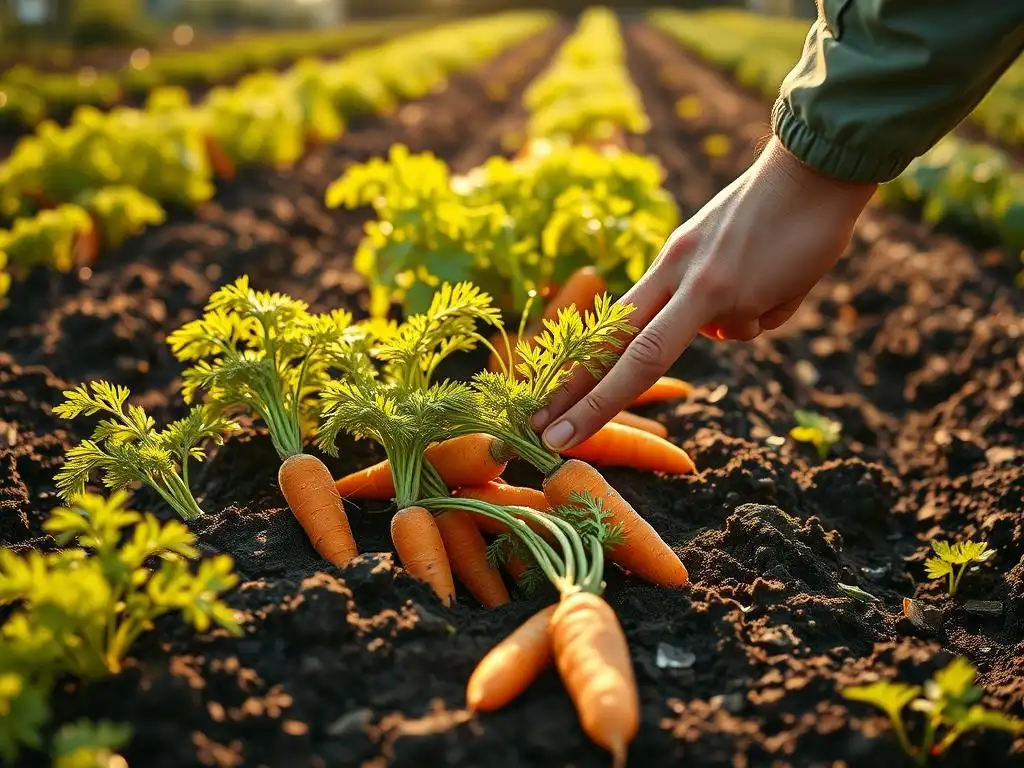
Ready to unlock the secrets to a bountiful carrot harvest? At CultivateYourFood, we're passionate about helping you grow your own organic fruits, vegetables, and herbs. This website is your guide to sustainable gardening, from seed to harvest. But first, let's tackle a crucial step: discovering the best time to thin carrots organically, and ensure a thriving yield. Dive in and learn the techniques that will transform your garden into a flourishing ecosystem!
- Understanding the Importance of Thinning Carrots
- Determining the Ideal Time to Thin Carrots
- Organic Thinning Techniques for Carrots
- Optimizing Your Carrot Harvest After Thinning
- Troubleshooting Common Thinning Issues
- Frequently Asked Questions About Thinning Carrots Organically
- Frequently Asked Questions
- Final Reflection: Harvesting the Bounty of Timing and Intention
- Unlock Your Carrot Harvest: Grow Bigger, Better Carrots!
Understanding the Importance of Thinning Carrots
Thinning carrots is a crucial step in organic carrot cultivation, often overlooked by beginner gardeners. It's not simply about removing excess plants; it's a fundamental practice that directly impacts the size, shape, and overall health of your carrot harvest. This guide, created by CultivateYourFood, will delve into the optimal timing for thinning carrots organically, ensuring you maximize your yield and cultivate healthy, delicious roots.
We'll explore the reasons behind thinning, the ideal spacing for various carrot varieties, and practical techniques to ensure a successful harvest. Understanding the best time to thin carrots organically is key to achieving a bumper crop of perfectly formed, disease-resistant carrots, significantly impacting the overall success of your root vegetable garden. This practice contributes significantly to the overall sustainability of your homegrown produce, aligning perfectly with CultivateYourFood's commitment to organic and sustainable gardening practices.
Why Thinning Carrots is Crucial for Optimal Growth
Carrots need space to develop their long taproots. If left overcrowded, the roots will compete for limited resources like water and nutrients, resulting in stunted growth and misshapen carrots. Think of it like this: each carrot needs its own "personal space" to thrive. Overcrowding leads to smaller, thinner, and often forked carrots, significantly reducing your yield and the quality of your harvest.
Furthermore, densely packed carrots are more susceptible to fungal diseases, such as root rot, which can wipe out a significant portion of your crop. Proper thinning allows for better air circulation around the plants, reducing the humidity that encourages fungal growth. This is especially critical in organic gardening, where we rely on natural pest and disease control methods. The spacing between carrots should also be considered according to the variety planted, ensuring each plant has adequate space to reach its genetic potential.
Preventing Carrot Crowding and Disease
Crowding isn't just about smaller carrots; it's a significant factor in disease outbreaks. Closely packed carrots create a humid microclimate ideal for fungal pathogens to thrive. These pathogens can easily spread from one infected carrot to another in a dense planting, leading to widespread root rot and significant crop loss. Thinning reduces this risk by improving air circulation and reducing the overall humidity around the plants. This is particularly important for organic gardening, where synthetic fungicides are avoided.
By thinning correctly and providing adequate spacing, you are proactively protecting your crop from disease and bolstering its natural resilience. This preventative measure is a cornerstone of sustainable and organic gardening practices, leading to healthier plants and a higher-quality harvest. Remember, a healthy plant is a productive plant! 🥕
The Relationship Between Thinning and Carrot Size and Shape
The size and shape of your carrots are directly influenced by the spacing between plants. Adequate spacing allows each carrot to develop its full potential, resulting in long, straight, and uniformly sized roots. Overcrowding, on the other hand, leads to stunted growth, misshapen roots (often forked or branched), and smaller overall yield. The ideal spacing varies depending on the carrot variety, with some varieties requiring more space than others.
However, a general guideline is to aim for at least 1-2 inches between individual carrots. Careful planning and diligent thinning are essential to achieving the perfect carrot—a testament to the power of attentive organic gardening. The resulting beautiful, uniform carrots will not only be visually appealing but also a delicious reward for your efforts.
Thinning for Improved Air Circulation and Sunlight Penetration
Proper spacing between carrot plants is crucial for their healthy development. Overcrowding leads to competition for resources, hindering the growth of individual carrots. Thinning allows for improved air circulation, preventing the build-up of humidity which can foster fungal diseases like leaf blight and root rot. These diseases thrive in damp, poorly ventilated conditions, and thinning significantly reduces this risk, leading to healthier, more vigorous plants. A well-ventilated environment also helps to prevent the spread of pests and diseases between plants.
Furthermore, thinning ensures that each carrot receives adequate sunlight. Sunlight is essential for photosynthesis, the process by which plants convert light energy into chemical energy for growth. When carrots are overcrowded, the inner plants are shaded by their outer neighbors, resulting in stunted growth, pale coloration, and smaller root vegetables. By thinning, you ensure that each carrot receives sufficient sunlight for optimal photosynthesis, leading to larger, healthier, and more vibrantly colored carrots.
Think of it like giving each carrot its own personal sunbath! The difference in size and quality between thinned and unthinned carrots can be quite dramatic, often resulting in a significant increase in yield and overall quality. This improved sunlight penetration also contributes to a higher sugar content in the carrots, resulting in a sweeter, more flavorful harvest.
Determining the Ideal Time to Thin Carrots
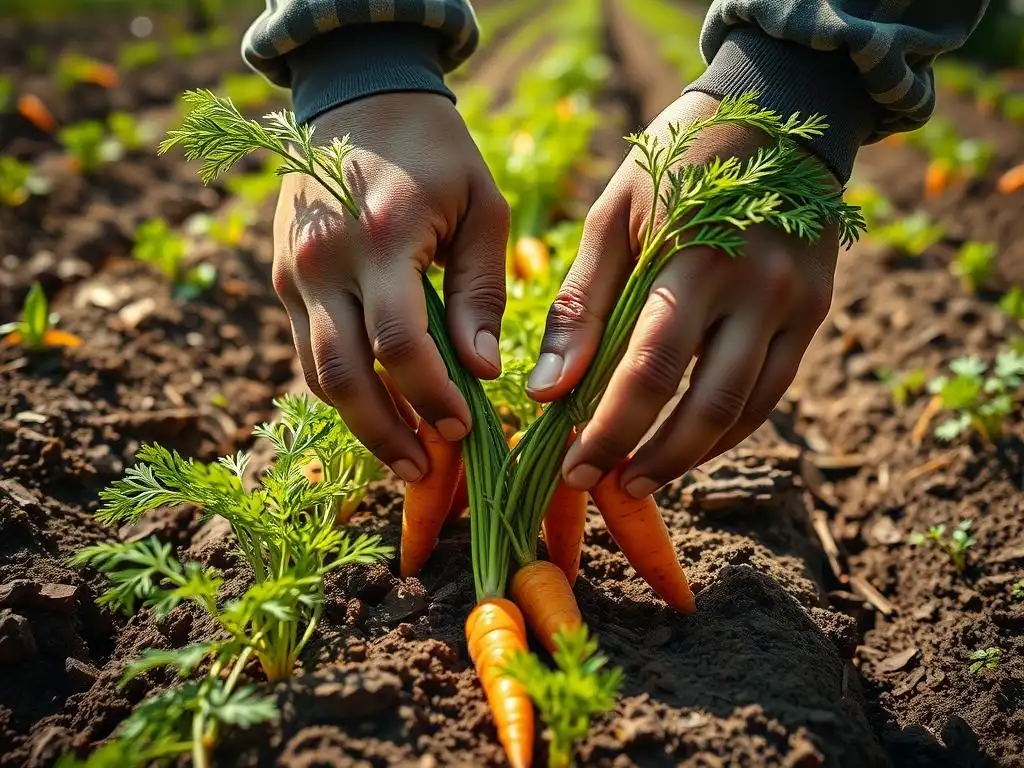
Thinning carrots is a crucial step in organic carrot cultivation, ensuring each root vegetable has enough space to develop fully. Getting the timing right is key to maximizing yield and producing plump, healthy carrots. This section will guide you through the process, focusing on identifying the optimal moment to thin your carrot seedlings organically. Ignoring this step can lead to stunted growth, misshapen roots, and a significantly reduced harvest. Finding the best time to thin carrots organically requires careful observation and understanding of your plants' needs.
Assessing Carrot Seedling Development: Identifying the Right Stage
The most reliable indicator for when to thin your carrots is the development of the seedlings themselves. Don't wait until the carrots are large; early thinning allows for optimal growth. Aim to thin when the seedlings have developed their first true leaves – these are the leaves that appear after the initial cotyledons (seed leaves). These first true leaves are usually a distinct, feathery shape, different from the rounded cotyledons.
At this stage, the seedlings are small enough that thinning won't cause significant damage to the remaining plants. You'll be able to easily remove them without disturbing the root systems of the ones you're keeping. Delaying past this stage risks damaging the roots of the remaining plants during thinning.
Here's a helpful visual guide:
| Stage | Description | Action |
|---|---|---|
| Cotyledon Stage | Only seed leaves present; small, rounded leaves. | Do not thin yet. |
| First True Leaves | First true, feathery leaves visible above the cotyledons. | This is the ideal time to thin. |
| Multiple True Leaves | Several true leaves present; plants are becoming more crowded. | Thin immediately if overcrowding is evident. |
Remember, consistent monitoring is key. Check your carrot patch regularly—even daily—to ensure you don't miss the optimal window for thinning. This is especially important if you're dealing with fast-growing varieties.
Considering Environmental Factors: Temperature and Soil Conditions
While seedling development is the primary indicator, environmental factors also play a role in determining the best time to thin carrots organically. Ideal soil temperatures for carrot germination and early growth generally range from 50-65°F (10-18°C). Warmer temperatures can accelerate growth, potentially necessitating earlier thinning. Conversely, cooler temperatures might delay the process.
Soil moisture is also crucial. Well-drained soil is essential for preventing root rot and promoting healthy growth. Overly wet soil can slow growth, delaying the ideal time for thinning. Ensure consistent moisture levels but avoid waterlogging. This delicate balance ensures optimal growth conditions, influencing the timing of your thinning efforts. Remember to adjust your thinning schedule based on your specific climate and soil conditions.
Recognizing Signs of Overcrowding: A Visual Guide for Home Gardeners
Even with careful timing, sometimes overcrowding becomes apparent before the ideal leaf stage. This is especially true if you've over-seeded or if germination rates were exceptionally high. Recognizing signs of overcrowding is crucial for successful thinning.
Look for these visual cues:
- Pale, weak seedlings: Overcrowding leads to competition for resources, resulting in pale, weak seedlings. These plants will likely struggle to grow, even after thinning.
- Stunted growth: If the seedlings are noticeably smaller than they should be at their age, overcrowding is likely a contributing factor.
- Thin, spindly leaves: Instead of robust, healthy leaves, overcrowded seedlings will often have thin, spindly foliage.
- Yellowing leaves: Yellowing leaves indicate nutrient deficiencies, often exacerbated by overcrowding.
If you observe any of these signs, don't hesitate to thin your carrots, even if they haven't reached the ideal leaf stage. It's better to thin early and prevent further stress on the plants than to wait and risk losing a significant portion of your crop. Remember, proactive thinning is a key element of successful organic carrot cultivation, leading to a bountiful harvest.
The Best Time to Thin Carrots Organically: A Practical Timeline
Thinning carrots organically is crucial for maximizing yield and producing healthy, well-shaped roots. The ideal time isn't fixed to a specific date on the calendar, but rather depends on several factors, primarily the germination rate and the growth stage of your carrot seedlings. Generally, you should aim to thin your carrots when they reach approximately 2-3 inches tall, and have developed their first few true leaves.
This usually occurs 4-6 weeks after sowing, depending on the variety of carrot, soil temperature, and weather conditions. Early thinning prevents overcrowding, allowing ample space for each carrot to develop fully. Delaying thinning can lead to stunted growth, misshapen roots, and reduced yield.
Remember that consistent monitoring is key. Don't rely solely on the timeframe; instead, regularly inspect your carrot patch. Look for signs of overcrowding, such as leaves competing for sunlight and space. If you notice the seedlings are becoming too crowded before the 4-6 week mark, don't hesitate to thin them early. Conversely, if germination is slow due to cool weather or other factors, you may need to wait a little longer before thinning.
The goal is to provide each carrot plant with sufficient space and resources to thrive. This ensures that the energy from the soil is directed towards root growth and not wasted on competing plants. Organic practices emphasize working with nature, so flexibility and careful observation are paramount. Think of it as a conversation with your plants; learn to listen to their needs.
The process of thinning should be gentle to avoid damaging the remaining plants. Use a small trowel or your fingers to carefully remove the smaller, weaker seedlings, leaving the strongest and most evenly spaced ones behind. Avoid pulling up the plants you are keeping; instead, carefully loosen the soil around the base and gently lift out the unwanted plants. This minimizes disturbance to the root systems of the plants you intend to keep, ensuring their continued healthy growth.
This careful approach aligns with organic principles of minimizing soil disruption and preserving soil health. Observe your plants during this stage and make notes of what worked well and where you might adapt your technique next time. This process of continual learning and improvement is a cornerstone of successful organic gardening.
Organic Thinning Techniques for Carrots
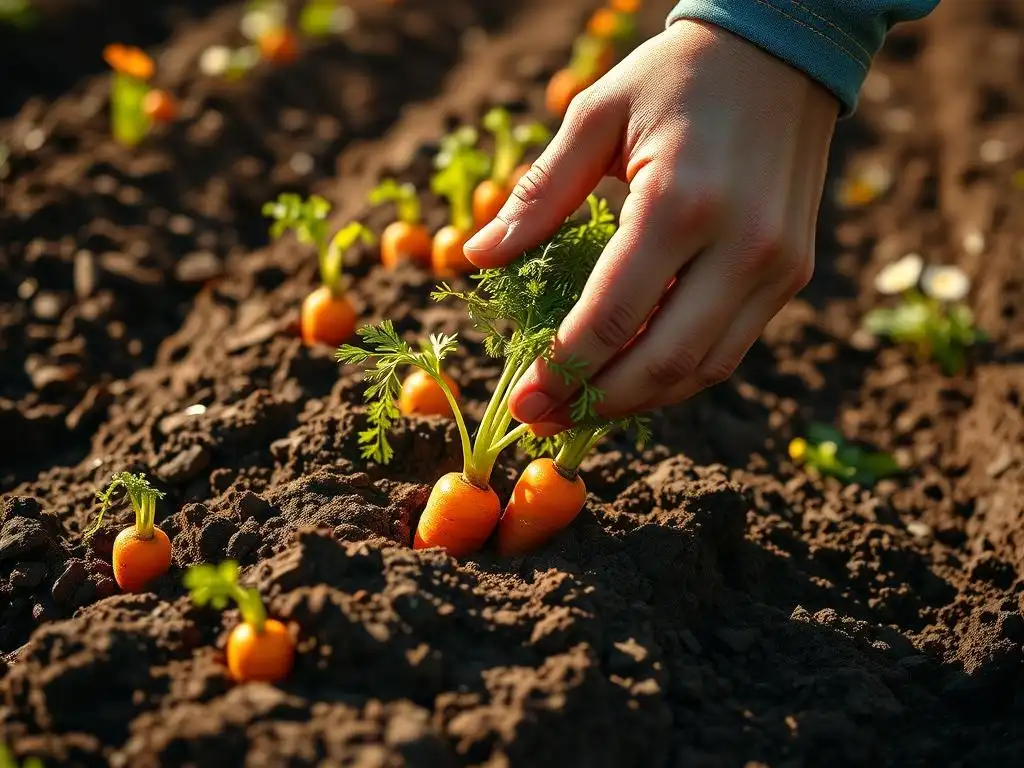
Thinning carrots organically requires a delicate touch to avoid damaging the remaining plants and to maintain soil health. The goal is to create optimal spacing for robust root development, maximizing yield and minimizing competition for resources. This section explores several organic thinning methods, emphasizing minimal disruption to the carrot patch and the overall ecosystem. Finding the best time to thin carrots organically is just the first step; the method you choose is equally crucial for success.
The Gentle Hand-Pulling Method: Minimizing Root Disturbance
The hand-pulling method is ideal for smaller carrot patches and early thinning. It's the most gentle approach, minimizing root disturbance and soil compaction. The key is to work when the soil is moist but not overly saturated. This makes the soil easier to work with and reduces the risk of snapping delicate carrot roots.
Begin by carefully inspecting your carrot rows. Identify the smallest, weakest, or most overcrowded seedlings. Gently loosen the soil around the selected seedling using your fingers or a small trowel. Avoid digging too deeply, as this can damage the roots of neighboring plants. Once loosened, carefully pull the seedling straight up, ensuring you remove the entire root. This prevents regrowth and potential competition.
Remember, consistent watering after thinning is crucial. This helps the remaining carrots establish themselves and recover from the minor soil disturbance. Regular weeding also helps prevent competition from other plants. Using a hand-held hoe or cultivating tool between the rows will improve air circulation and reduce moisture loss, crucial for healthy carrot growth.
This method works best when thinning is done early, before the carrots become too large and their roots intertwine significantly. Early thinning minimizes stress on the remaining plants and allows for maximum growth potential.
Using Thinning Shears: A Precise Approach for Dense Plantings
For denser plantings or larger carrots, thinning shears provide a more precise approach. These specialized shears allow for clean cuts close to the soil surface, minimizing damage to neighboring roots. This method is particularly useful when dealing with larger seedlings that are difficult to pull without disturbing the surrounding plants.
Before using thinning shears, ensure they are sharp and clean to prevent the spread of diseases. Select the seedlings to be removed and carefully cut them at the soil level. Avoid tugging or pulling on the cut seedling, as this can damage nearby roots. The clean cut reduces the risk of infection compared to pulling, which can leave open wounds.
This method requires a bit more practice to master, but with a steady hand, it can be highly effective. It offers greater precision than hand-pulling, particularly beneficial in areas where carrots are densely packed. Proper use of thinning shears helps maintain the integrity of the soil structure and minimizes the risk of compaction.
Choosing the right thinning shears is important. Look for shears with comfortable handles and sharp blades designed specifically for delicate root vegetables. Regular sharpening will ensure clean cuts and prevent damage to the remaining carrots.
Avoiding Root Damage During the Thinning Process
The most significant challenge in organic carrot thinning is avoiding root damage. Damaged roots can lead to stunted growth, susceptibility to disease, and reduced yield. Therefore, careful technique and proper timing are paramount.
- Soil Moisture: Thinning when the soil is too dry can lead to breakage. Conversely, excessively wet soil makes it difficult to work without causing compaction. Aim for moist, workable soil.
- Timing: The best time to thin carrots organically is generally when seedlings are 2-3 inches tall and easily identifiable. Early thinning is less stressful on the plants.
- Proper Tools: Using the right tools – fingers, a small trowel, or thinning shears – is crucial. Avoid using large, heavy tools that can cause significant damage.
- Gentle Handling: Always handle seedlings gently. Avoid pulling or tugging on them. Instead, loosen the soil around the base of the plant before removing it.
- Post-Thinning Care: After thinning, water gently to settle the soil and reduce stress on the remaining plants. Regular weeding will also help prevent competition and improve air circulation, crucial for healthy carrot growth.
By employing these techniques and focusing on the "best time to thin carrots organically," you can cultivate a thriving carrot patch while adhering to sustainable, organic practices. Remember, patience and a delicate touch are key to success!
Post-Thinning Care: Tips for Healthy Carrot Growth
After thinning your carrots, providing the right care is crucial for maximizing yield and ensuring healthy, vibrant root vegetables. This involves several key steps that support robust growth and minimize the risk of disease or pest infestation. Neglecting post-thinning care can lead to stunted growth, reduced yields, and increased susceptibility to problems.
One of the most important aspects of post-thinning care is consistent watering. Carrots have deep taproots and require consistent moisture, especially during dry spells. Aim for deeply watering the soil regularly, ensuring the water penetrates to the root zone. Avoid overhead watering, which can lead to fungal diseases.
Instead, opt for drip irrigation or soaker hoses for more efficient and targeted watering. Remember, the frequency of watering will depend on your climate and soil type; adjust your watering schedule accordingly based on the soil's moisture level. Overwatering can lead to root rot, while underwatering results in stunted growth and cracked roots. Finding the right balance is key to successful carrot cultivation.
Proper weed control is another vital element of post-thinning care. Weeds compete with carrots for nutrients, water, and sunlight. Regular weeding, whether by hand or using mulch, is essential to prevent weed pressure and maintain optimal growing conditions. Mulching with organic materials like straw or compost helps suppress weed growth, retain soil moisture, and regulate soil temperature. This also helps to prevent soil erosion and keeps the carrots clean. Consistent weed removal throughout the growing season will substantially improve your carrot harvest.
Finally, monitoring for pests and diseases is crucial. Regularly inspect your carrot plants for signs of pests or diseases. Early detection allows for timely intervention, preventing widespread damage. Organic pest control methods, such as introducing beneficial insects or using insecticidal soap, are ideal for maintaining a healthy and sustainable carrot patch. Addressing pest and disease issues promptly will safeguard your crop and ensure a bountiful harvest. Remember to keep a close eye on your carrots throughout the growing season, as a healthy crop starts with healthy practices.
Optimizing Your Carrot Harvest After Thinning
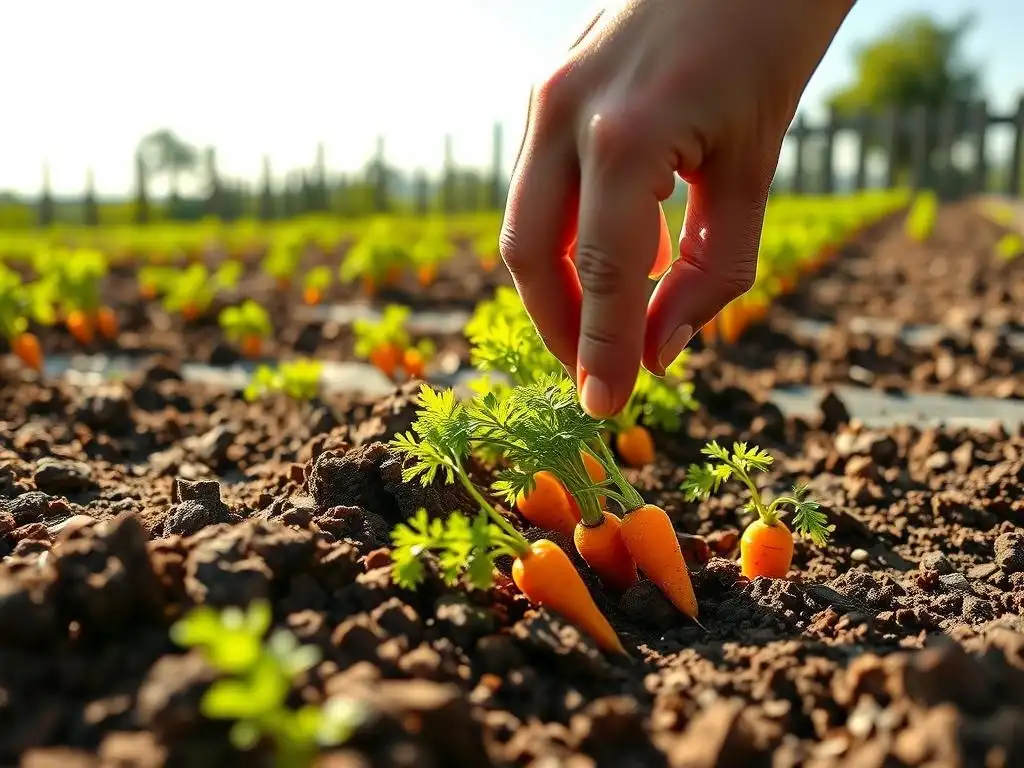
Thinning carrots is crucial for maximizing yield and ensuring the development of large, well-shaped roots. However, the work doesn't stop there. Post-thinning care significantly impacts the final harvest. Proper spacing, consistent watering, and pest management are key to reaping a bountiful crop of healthy, organic carrots. This section focuses on optimizing your carrot harvest after you've completed the thinning process. Let's dive in!
Spacing Recommendations for Maximum Yield
The ideal spacing between carrots directly influences their size and overall yield. Overcrowding leads to small, stunted roots competing for limited resources. Conversely, excessively wide spacing can result in wasted space and reduced overall harvest. The best time to thin carrots organically is when they're about 2 inches tall, and this is when precise spacing becomes paramount.
We recommend aiming for approximately 1-2 inches between individual carrots. This allows for sufficient root development and minimizes competition for nutrients and water. To achieve optimal spacing:
- Careful Initial Planting: Start with a well-prepared seedbed, ensuring even seed distribution. This minimizes the need for aggressive thinning later on.
- Staggered Planting: Consider staggering your rows slightly to facilitate easier and more precise thinning.
- Gentle Removal: Use a small trowel or your fingers to carefully remove excess seedlings, ensuring not to disturb the roots of the remaining plants.
Here's a table illustrating the impact of spacing on carrot yield:
| Spacing (inches) | Average Carrot Weight (grams) | Estimated Yield per Square Foot (carrots) |
|---|---|---|
| <1 | 20-30 | 15-20 |
| 1-2 | 50-70 | 8-12 |
| >2 | 70-90 | 5-7 |
Remember, consistent spacing throughout the row is essential for even growth and optimal resource utilization. Uneven spacing can lead to uneven development and reduced overall yield. Achieving the best time to thin carrots organically also involves precision in your spacing.
Watering and Soil Management Post-Thinning
Consistent moisture is essential for robust carrot growth, especially after thinning. The removal of seedlings disrupts the soil structure, potentially leading to increased evaporation. Therefore, it's crucial to adjust your watering strategy after thinning.
- Regular Watering: Aim for consistent moisture, keeping the soil evenly moist but not waterlogged. Water deeply and less frequently, encouraging deep root penetration. Avoid overhead watering, which can lead to fungal diseases.
- Mulching: Applying a layer of organic mulch (such as straw or compost) helps retain soil moisture, suppress weeds, and regulate soil temperature. This is particularly beneficial during hot and dry periods.
- Soil Aeration: After thinning, gently loosen the soil surface around the remaining carrots to improve aeration and water penetration. Avoid disturbing the roots themselves. This helps prevent compaction and ensures adequate oxygen supply to the roots.
Proper soil management is a key component of organic carrot cultivation. By maintaining adequate moisture and aeration, you'll promote healthy root development and maximize your harvest. This is a crucial step in ensuring you've truly achieved the best time to thin carrots organically.
Protecting Thinned Carrots from Pests and Diseases
Following thinning, carrots are more vulnerable to pests and diseases. The removal of neighboring plants can disrupt the natural balance of the ecosystem, potentially increasing the risk of infestations.
- Pest Monitoring: Regularly inspect your carrot patch for signs of pests such as carrot root flies, aphids, and slugs. Early detection is crucial for effective control.
- Organic Pest Control: Employ organic pest control methods such as row covers, beneficial insects (e.g., ladybugs), and natural pest repellents (e.g., neem oil). Avoid harsh chemicals, which are detrimental to both the environment and your organic certification.
- Disease Prevention: Ensure good air circulation by avoiding overcrowding and providing adequate spacing between plants. This helps prevent fungal diseases such as leaf blight and root rot. Proper watering techniques also play a crucial role in disease prevention.
Implementing these preventative measures helps to safeguard your crop and ensure a healthy, bountiful harvest. Remember, the best time to thin carrots organically is not just about the timing, but also about the subsequent care you provide to your plants. A proactive approach to pest and disease management is vital for achieving the highest quality organic carrot yield.
Harvesting Your Bountiful Crop: A Guide to Timing and Techniques
Thinning your carrots strategically, as discussed earlier, is crucial for maximizing yield and quality. But the work doesn't stop there! Knowing the optimal time to harvest your carrots is just as important as the thinning process itself. Harvesting too early results in small, underdeveloped roots, while waiting too long can lead to woody, tough carrots that are less palatable.
The ideal time to harvest carrots depends largely on the variety you've planted. Check the seed packet or plant tag for an estimated maturity date. This date provides a good starting point, but visual cues are equally important.
Look for carrots that have reached the desired size and shape specified for your particular variety. Generally, carrots are ready for harvest when they are firm to the touch and their shoulders (the top portion near the leaves) are slightly above ground. Avoid harvesting during periods of heavy rain, as the soil will be too wet and you risk damaging the roots.
Different carrot varieties mature at different rates. Some "baby" carrots are ready for harvest in as little as 50-60 days, while larger varieties may require 70-80 days or even longer. Observing the plants closely is key. As the carrots mature, the foliage will begin to turn a yellowish-green or even brown. This is a natural sign of the plant's life cycle completing, signaling that the roots are likely fully developed.
Once you've determined the carrots are ready, carefully loosen the soil around the roots with a garden fork or trowel. Avoid pulling or yanking on the carrots, as this can break them. Instead, gently lift them from the ground, ensuring you remove the entire root without damaging it. Any broken carrots should be consumed first, before they spoil.
Proper harvesting is crucial not just for the quality of your carrots, but also for the health of the soil. Leaving carrot tops in the garden after harvest provides valuable organic matter for composting, enriching your soil for future planting seasons. This aligns perfectly with the sustainable and organic practices advocated by CultivateYourFood. Remember, a successful carrot harvest is the culmination of careful planning, diligent thinning, and attentive observation. Enjoy the fruits – or rather, roots – of your labor!
Troubleshooting Common Thinning Issues
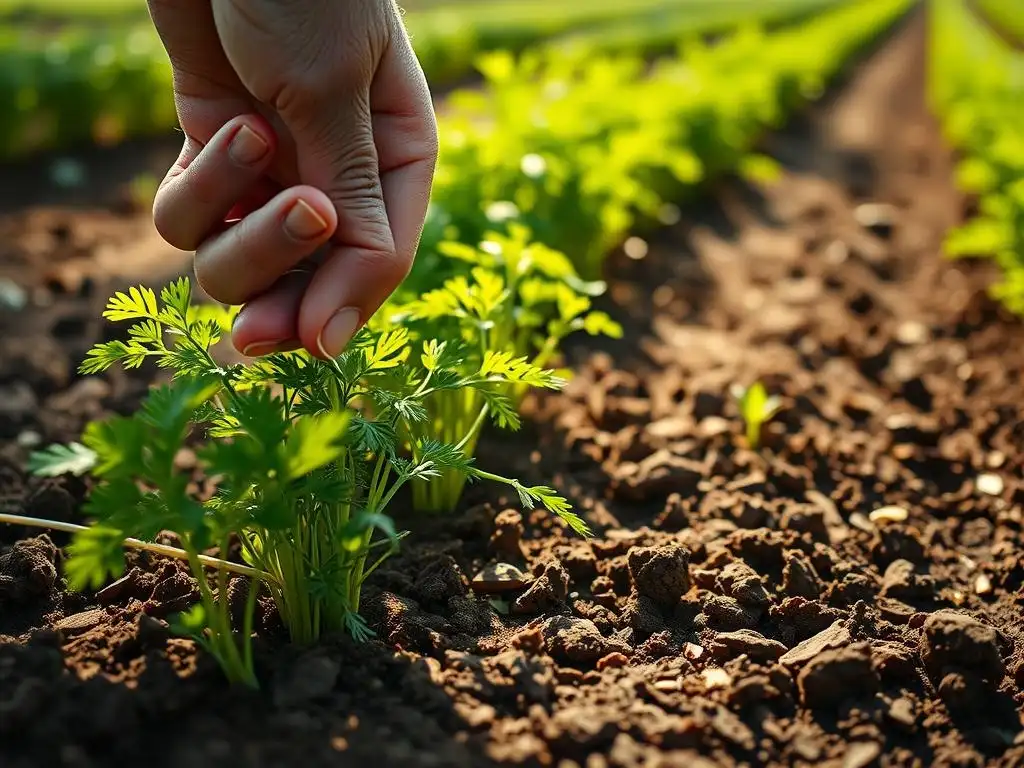
Thinning carrots, while seemingly straightforward, can present several challenges. Mastering the art of thinning ensures healthy, well-formed roots, maximizing your harvest. This section addresses common problems encountered during the thinning process and provides practical solutions for organic gardening. The best time to thin carrots organically is when they reach approximately 1-2 inches in height, but even with perfect timing, issues can arise.
Dealing with Uneven Germination and Sparse Rows
Uneven germination is a frequent frustration for carrot growers. Several factors contribute to this, including inconsistent seed distribution, soil compaction, and fluctuating soil moisture. Sparse rows result in fewer carrots overall, reducing your yield.
To mitigate uneven germination, consider these strategies:
- Improve Soil Preparation: Thoroughly loosen and amend your soil before sowing. Compacted soil hinders seed-to-soil contact and germination. Adding compost improves soil structure and drainage, promoting consistent germination.
- Precise Seed Sowing: Use a seed tape or sow seeds individually with appropriate spacing to ensure even distribution. Avoid clumping seeds together, as this leads to competition and uneven growth.
- Consistent Moisture: Maintain consistent soil moisture during germination. Dry conditions can inhibit germination, while excessively wet soil can lead to rotting. Use a watering can with a gentle rose to avoid disturbing the seeds.
- Seed Quality: Opt for high-quality, fresh seeds from a reputable supplier. Old or damaged seeds are less likely to germinate successfully.
Addressing these issues proactively increases the chances of achieving a uniform stand of carrots, making thinning easier and more efficient. Remember, patience is key; don't rush the process of thinning until the seedlings are clearly visible and large enough to handle.
Even with careful planting, thinning carrots can lead to unexpected problems. Here are some common issues and their solutions:
| Problem | Description | Solution |
|---|---|---|
| Damaged Roots During Thinning | Accidentally injuring the roots of remaining carrots while removing others. | Use a small, sharp trowel or your fingers to carefully remove unwanted seedlings. Avoid pulling forcefully. |
| Gaps in the Row | Uneven thinning leaves large gaps between remaining carrots. | Reseed the gaps immediately with new carrot seeds and ensure consistent watering. |
| Stunted Growth After Thinning | Some carrots fail to recover after thinning, resulting in smaller roots. | Ensure adequate watering and fertilization after thinning to support the remaining plants. |
| Pest Infestation After Thinning | Thinning can sometimes expose the remaining carrots to pests. | Monitor closely for pests and implement organic pest control measures as needed. |
Remember that thinning is a crucial step in organic carrot cultivation. By addressing these potential issues, you can maximize your yield and cultivate strong, healthy carrots. The best time to thin carrots organically is a critical factor, but equally important is the method of thinning.
Preventing Common Carrot Diseases After Thinning
Thinning creates small wounds on the remaining plants, potentially increasing susceptibility to diseases. Practicing proper sanitation and providing optimal growing conditions are essential to prevent disease outbreaks after thinning.
- Sanitation: Sterilize your thinning tools (trowel, scissors) with rubbing alcohol or a diluted bleach solution between uses to prevent the spread of pathogens. Remove and dispose of any diseased or damaged plants immediately.
- Watering: Water carefully at the base of plants to avoid splashing water onto the leaves, which can spread fungal diseases. Avoid overhead watering, especially in humid conditions.
- Air Circulation: Ensure adequate air circulation around the plants. This helps to prevent the buildup of humidity, which favors the development of many fungal diseases. Avoid overcrowding plants during thinning.
- Soil Health: Maintain healthy soil through regular composting and organic fertilization. Healthy soil strengthens plant immunity, making them more resistant to diseases.
By following these preventative measures, you significantly reduce the risk of disease outbreaks and ensure a successful carrot harvest. Careful thinning, combined with proactive disease prevention, guarantees a bountiful yield of organically grown carrots.
When to Replant After Thinning
Replanting after thinning carrots is not always necessary, especially if you've achieved the desired spacing and the remaining plants are healthy and vigorous. However, if you've experienced significant losses due to poor germination, disease, or pest damage, replanting can help maximize your yield. The best time to replant is immediately after thinning, while the soil is still moist and warm. This allows the new seedlings a head start before the weather changes or competing weeds establish themselves.
Consider the time of year. If you're thinning early in the growing season, you have more leeway; the carrots will have ample time to mature before the first frost. However, replanting later in the season might be less successful, as the shorter days and cooler temperatures may hinder growth. In warmer climates, you may have a longer window for successful replanting. Always refer to your local frost dates to guide your decision.
Choose a sunny location with well-drained soil, just as you did for your initial planting. Prepare the soil by loosening it with a garden fork or cultivator, ensuring it's free of any large clods. This will provide the new seedlings with optimal conditions for root development. Remember to incorporate compost or other organic matter to enrich the soil and provide essential nutrients. This step is crucial for successful organic carrot cultivation.
When selecting new carrot seeds, choose a variety suitable for your climate and the remaining time in the growing season. Some varieties mature faster than others, so choosing a fast-maturing variety is crucial if you're replanting later in the season. Sow the seeds according to the package instructions, ensuring proper depth and spacing. Gently water the newly sown seeds, taking care not to disturb the soil or wash away the seeds.
Consistent watering is vital for successful germination and growth. Regular weeding will also help ensure the new seedlings have the best chance of thriving. Remember, successful replanting hinges on mimicking the ideal conditions you created for your initial planting.
Frequently Asked Questions About Thinning Carrots Organically
This section addresses common queries regarding the organic thinning of carrots, a crucial step in ensuring a bountiful harvest of healthy, well-formed roots. We'll delve into the frequency of thinning, what to do with the extra carrots, and the potential consequences of delayed thinning.
How Often Should I Thin My Carrots?
The frequency of thinning carrots depends largely on the initial seeding density and the variety of carrot you're growing. Generally, you'll need to thin your carrots at least twice. The first thinning occurs when seedlings are about 1-2 inches tall, and the second thinning happens when they're around 3-4 inches tall. This staggered approach allows for gradual spacing, minimizing stress on the remaining plants.
Think of it like this: imagine your carrot seedlings as a crowded apartment building. The first thinning is like moving some tenants out to give everyone more space to grow. The second thinning provides even more elbow room, allowing the remaining carrots to reach their full potential.
Here's a more detailed breakdown:
- First Thinning (1-2 inches tall): This initial thinning aims to reduce overcrowding and give each seedling ample space to develop its taproot. Thin to approximately 1 inch apart. This step is crucial for preventing stunted growth and improving air circulation, thereby reducing the risk of fungal diseases.
- Second Thinning (3-4 inches tall): This second thinning is about ensuring optimal spacing for mature root development. Thin to approximately 2-3 inches apart, depending on the variety. Larger carrot varieties will require more space.
Remember, consistent monitoring is key. If you notice overcrowding even after the second thinning, a third, more selective thinning might be necessary. Always use gentle, careful hand-weeding to avoid damaging the remaining plants. 🥕
What Should I Do With the Thinned Carrots?
Don't discard those baby carrots! They're perfectly edible and delicious. Thinned carrots are tender and sweet, perfect for:
- Snacking: Simply wash and enjoy them raw.
- Salads: Add them to your favorite salad for a fresh, crunchy element.
- Soups and stews: Their delicate flavor complements many dishes.
- Sautéing: Quickly sauté them with other vegetables for a tasty side dish.
- Pickling: Preserve them for later enjoyment.
Thinning carrots organically allows you to harvest a small crop of delicious baby carrots alongside your main harvest. It's a win-win situation! This sustainable practice minimizes waste and maximizes your yield.
Can I Thin Carrots Too Late?
Yes, thinning carrots too late can significantly hinder their growth and overall yield. Delayed thinning leads to competition for resources, resulting in smaller, misshapen carrots. The crowded roots struggle to access sufficient water and nutrients, leading to stunted growth and potentially impacting the sweetness of the mature carrots. Moreover, poor air circulation increases the risk of fungal diseases.
While it's still possible to thin carrots even after they reach a larger size (say, 4-5 inches), the impact on the quality and size of the harvest will be considerable. It's far better to err on the side of caution and thin early and often. Think of it as a preventative measure to ensure a successful harvest of plump, healthy carrots. The best time to thin carrots organically is proactively, before problems arise. Early and consistent thinning is the key to maximizing your organic carrot yield.
What Are the Signs of Over-Thinning?
Over-thinning your carrots can lead to several undesirable outcomes, hindering the overall yield and quality of your harvest. One of the most obvious signs is a significant reduction in the number of mature carrots. Instead of a bountiful harvest, you might find yourself with only a sparse few, leaving you with a disappointing yield. This is because you've removed too many seedlings, leaving insufficient plants to fully utilize the available resources in the soil.
Another key indicator of over-thinning is the presence of excessively large, disproportionately developed carrots. While larger carrots might seem desirable, this often signifies that the remaining plants have too much space and resources to themselves. This can result in uneven growth, with some carrots becoming overly large and potentially coarse or woody in texture, while others remain underdeveloped due to the uneven distribution of nutrients. The ideal is to have a consistent size among your harvested carrots.
Finally, over-thinning can also leave your carrot patch vulnerable to weed infestation. With fewer carrot plants occupying the space, weeds have a much easier time establishing themselves and competing for resources like water and nutrients. This increased weed pressure can further stress the remaining carrot plants, impacting their growth and overall health, ultimately affecting the quality and quantity of your harvest. Regular monitoring for weed growth is crucial after thinning to prevent this issue. Remember, a carefully thinned carrot patch maintains a balance between sufficient plant density for optimal yield and enough space to prevent overcrowding. 🥕
Frequently Asked Questions
When is the best time to thin carrots organically?
The best time to thin carrots is when they're about 1-2 inches tall and easily visible. This usually happens 3-4 weeks after planting. Thinning allows for proper spacing and prevents overcrowding.
Why is thinning carrots important?
Thinning carrots is crucial for optimal root development. Overcrowded carrots will be stunted, small, and misshapen. It also improves air circulation, reducing the risk of disease.
How do I thin carrots organically?
Use your fingers or small trowel to carefully remove smaller, weaker seedlings, leaving the strongest plants spaced appropriately. Avoid disturbing the roots of the remaining plants as much as possible. Do not pull the weeds.
What is the ideal spacing for thinned carrots?
The ideal spacing depends on the carrot variety, but generally, you should aim for 1-2 inches between each carrot. Check the seed packet for specific spacing recommendations for your chosen variety.
What should I do with the thinned carrots?
Don't waste them! The thinned carrots can be eaten raw in salads or lightly cooked. They're also a great addition to soups or stir-fries. You can also add them to your compost.
Final Reflection: Harvesting the Bounty of Timing and Intention
The optimal time to thin carrots, as detailed in this guide, is not merely a horticultural detail; it's a microcosm of mindful cultivation and the profound impact of timing on achieving abundance. Ignoring this crucial step can lead to stunted growth and a diminished harvest, mirroring how neglecting key moments in other aspects of life can hinder our own potential for growth and fulfillment.
The act of carefully thinning carrots, ensuring each plant has sufficient space to thrive, resonated deeply with me. It's a practice that speaks to the interconnectedness of all things, a delicate balance between nurturing individual growth and fostering the overall health of the system. The best things in life are worth waiting for, but the best things in life also require tending.
This quote, though not directly about carrots, captures the essence of patient cultivation and the rewards that come from mindful action. The process of thinning, while seemingly small, reflects a larger principle of sustainable living – understanding the needs of the individual within the context of the whole.
Consider the lessons learned here. Don't just plant your "carrots" – be they literal vegetables or metaphorical goals – and forget about them. Take the time to assess, to nurture, and to make the necessary adjustments along the way. Examine your own life: where are you neglecting the crucial act of "thinning," allowing less important elements to overshadow your true potential? Take a moment to identify those areas and commit to making the necessary changes, cultivating a life as rich and abundant as a perfectly thinned carrot patch.
Unlock Your Carrot Harvest: Grow Bigger, Better Carrots!
Thanks for learning about the optimal time to thin your carrots! You now have the knowledge to cultivate a bountiful harvest. Ready to put your new skills to the test?
- Thin your carrots today! Check your rows and carefully remove any overcrowded seedlings. You'll be amazed by the difference.
- Share your before-and-after photos on social media using #CultivateYourCarrots—let's inspire other gardeners!
- Explore more articles on CultivateYourFood for additional tips on growing amazing vegetables.
What kind of growth increase do you anticipate seeing in your carrot patch after thinning?