
How to Choose the Right Fertilizer for Your Vegetable Garden

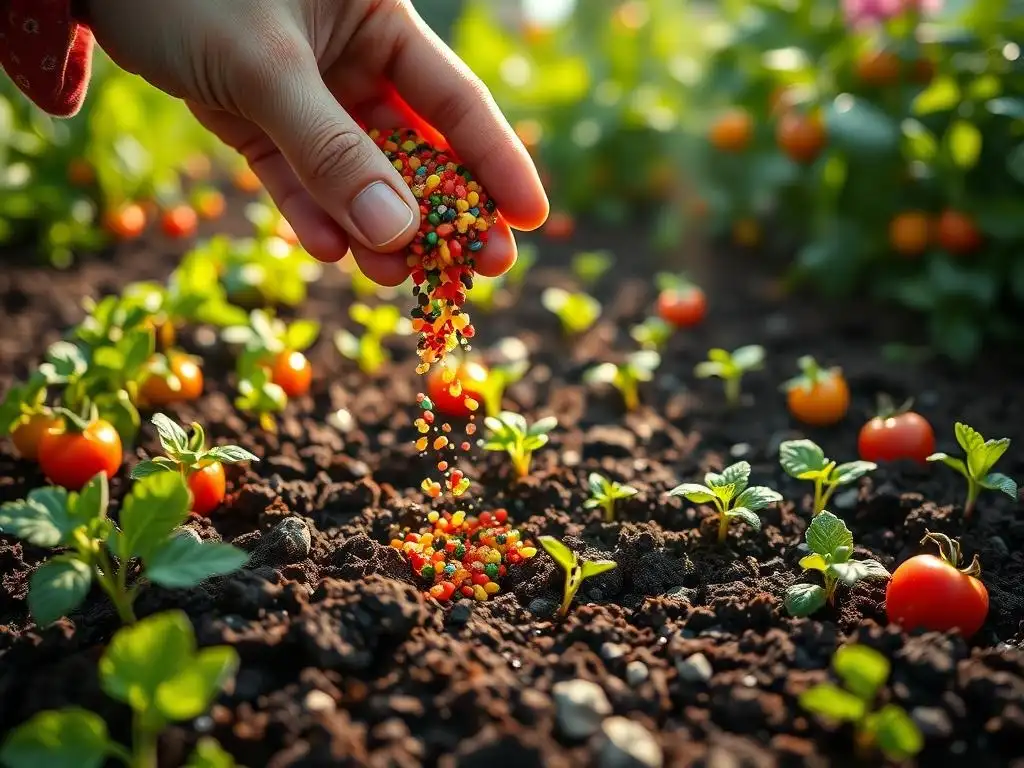
Ready to unlock the secrets to a thriving, organic vegetable garden bursting with flavor? At CultivateYourFood, we're passionate about helping you grow your own food sustainably. Finding the best fertilizer is key, and our guide on choosing the right one for your needs will transform your harvest. Discover the surprising impact of soil nutrition and learn how to cultivate abundance – let's get growing!
- Understanding Your Soil's Needs: The Foundation for Healthy Vegetables
-
Choosing the Best Fertilizer for Your Vegetable Garden: Organic Options
- Organic Compost: A Natural and Sustainable Fertilizer Choice
- Worm Castings: Nature's Gold for Rich Soil and Abundant Vegetables
- Manure: Providing Essential Nutrients for Vegetable Growth
- Seaweed Fertilizer: A Natural Source of Micronutrients for Healthy Plants
- Cover Crops: Improving Soil Health and Reducing Fertilizer Needs
- Applying Organic Fertilizers Effectively
-
Selecting Organic Fertilizers Based on Vegetable Type
- Best Fertilizers for Leafy Greens: Maximizing Nutrient Uptake
- Best Fertilizers for Root Vegetables: Promoting Strong Root Development
- Best Fertilizers for Fruiting Vegetables: Supporting Fruit Production and Quality
- Best Fertilizers for Vining Vegetables: Encouraging Healthy Growth and Abundant Yields
- Maintaining Soil Health for Long-Term Vegetable Success
- Frequently Asked Questions
- Final Reflection: Nurturing Growth, One Garden at a Time
- Unlock Your Garden's Potential: Grow Bigger, Healthier Vegetables!
Understanding Your Soil's Needs: The Foundation for Healthy Vegetables
Choosing the best fertilizer for your vegetable garden is crucial for a bountiful harvest. But before you even think about purchasing fertilizer, you need to understand the foundation of successful gardening: your soil. A healthy, nutrient-rich soil is the key to thriving vegetables, regardless of the fertilizer you choose. This article will guide you through the process of assessing your soil's health, identifying its specific needs, and ultimately selecting the optimal fertilizer to support vigorous growth and maximize your yield.
We'll explore organic options, focusing on sustainable and environmentally friendly practices aligned with the CultivateYourFood ethos. Ignoring your soil's unique characteristics can lead to wasted resources and disappointing results, so let's dive into the essential steps to ensure your vegetable garden thrives. Remember, the "best" fertilizer is the one that best meets your soil's specific requirements.
Soil Testing: A Crucial First Step for Best Fertilizer Selection
Before you even consider buying a single bag of fertilizer, a soil test is your most powerful tool. It provides invaluable data on your soil's composition, revealing its strengths and weaknesses. A comprehensive soil test will analyze several key factors:
- Nutrient Levels: This identifies deficiencies or excesses of essential macronutrients (nitrogen, phosphorus, potassium) and micronutrients (iron, zinc, manganese, etc.). Knowing these levels allows you to choose a fertilizer that targets specific needs, avoiding unnecessary additions. For example, a soil test might reveal a high nitrogen level, suggesting you don't need a nitrogen-rich fertilizer and could instead focus on phosphorus or potassium.
- Soil pH: The pH level indicates the soil's acidity or alkalinity. This is crucial because nutrient availability is heavily influenced by pH. Optimal pH ranges vary slightly depending on the specific plant, but most vegetables prefer a slightly acidic to neutral pH (around 6.0-7.0). A soil test will pinpoint your pH, guiding you towards amendments to adjust it if necessary.
- Organic Matter Content: The amount of organic matter in your soil directly impacts its structure, drainage, and nutrient retention. High organic matter content generally indicates a healthier soil. The test reveals whether you need to incorporate more compost, aged manure, or other organic materials to improve soil structure and fertility.
The results of your soil test will be your roadmap to choosing the right fertilizer. Don't skip this critical step! Many local agricultural extension offices or garden centers offer affordable soil testing services.
Identifying Nutrient Deficiencies: Recognizing Signs in Your Plants
Even without a formal soil test, you can often identify nutrient deficiencies by observing your plants. Visual clues can indicate specific nutrient shortages. Here are some common examples:
| Nutrient Deficiency | Symptoms |
|---|---|
| Nitrogen (N) | Stunted growth, pale green or yellow leaves |
| Phosphorus (P) | Dark green leaves, stunted growth, poor flowering |
| Potassium (K) | Yellowing or browning leaf margins |
| Magnesium (Mg) | Yellowing between leaf veins |
| Iron (Fe) | Yellowing of new leaves (chlorosis) |
Click to expand for more detailed examples
For example, nitrogen deficiency often manifests as pale green or yellow leaves, particularly on older leaves. Phosphorus deficiency might show up as stunted growth and poor flowering, while potassium deficiency often leads to yellowing or browning at the edges of leaves. Recognizing these visual cues can help you pinpoint potential nutrient imbalances and inform your fertilizer choices.
While these visual cues are helpful, they are not a substitute for a proper soil test. A soil test provides quantitative data, offering a more accurate assessment of your soil's nutrient levels.
Understanding Soil pH and its Impact on Nutrient Uptake
Soil pH significantly influences the availability of nutrients to your plants. If the pH is too high (alkaline) or too low (acidic), certain nutrients become less accessible, even if they are present in the soil. For instance, iron is less available in alkaline soils, leading to iron chlorosis (yellowing leaves). Similarly, phosphorus availability can be reduced in both highly acidic and highly alkaline soils.
Maintaining the optimal pH range for your vegetables is essential for nutrient uptake. Amendments like lime (to raise pH) or sulfur (to lower pH) can be used to adjust soil pH. Your soil test will provide the necessary information to determine whether pH adjustment is needed and the appropriate amendment to use. Remember to always follow the product instructions carefully when applying soil amendments. The goal is to create a balanced environment where your plants can readily access the nutrients they need for healthy growth, leading to a successful and rewarding harvest. 🥕🍅🌶️
Choosing the Best Fertilizer for Your Vegetable Garden: Organic Options
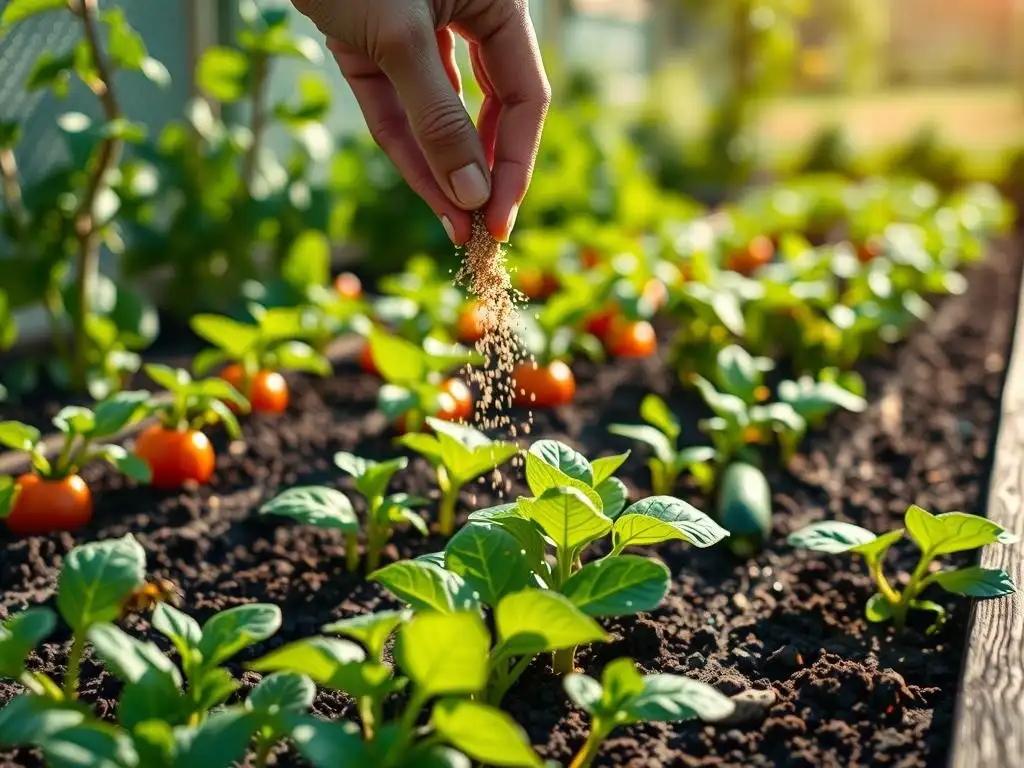
This section focuses on selecting the best fertilizer for your vegetable garden using organic methods, crucial for achieving a bountiful and healthy harvest while minimizing environmental impact. We'll explore several top-performing organic options, detailing their benefits and how to effectively incorporate them into your gardening routine. Remember, choosing the right fertilizer is key to maximizing your vegetable yield and ensuring nutrient-rich produce. The best fertilizer for your vegetable garden will depend on your specific soil conditions and the types of vegetables you're growing.
Organic Compost: A Natural and Sustainable Fertilizer Choice
Organic compost is arguably the cornerstone of sustainable gardening. It's a readily available, cost-effective, and environmentally friendly way to enrich your soil and provide essential nutrients for thriving vegetables. Compost improves soil structure, aeration, and water retention – all vital factors for healthy plant growth. The nutrient profile of compost is highly variable, depending on the source materials. However, it generally provides a balanced mix of nitrogen (N), phosphorus (P), and potassium (K), along with beneficial microorganisms that enhance soil health.
Composting at home is a rewarding process, allowing you to recycle kitchen scraps and yard waste while creating a valuable resource for your garden. You can build a simple compost bin using readily available materials, or purchase a pre-made bin. The key is to maintain a balanced mix of "green" (nitrogen-rich) and "brown" (carbon-rich) materials. Green materials include grass clippings, fruit and vegetable scraps, and coffee grounds. Brown materials include dried leaves, shredded paper, and small twigs. Regularly turning the compost pile helps to aerate it and speed up the decomposition process.
Using compost as a fertilizer is straightforward. Simply incorporate it into the soil before planting or as a top dressing around your plants. The amount of compost you use will depend on your soil's condition and the needs of your plants. A general guideline is to add 2-4 inches of compost to the top layer of soil. Remember, consistent application of compost over time yields the best results, gradually building the health and fertility of your soil. This approach contributes significantly to achieving the best fertilizer results for your vegetable garden.
Worm Castings: Nature's Gold for Rich Soil and Abundant Vegetables
Worm castings, the excrement of earthworms, are a highly concentrated and nutrient-rich organic fertilizer. Often referred to as "worm tea" when diluted in water, they're an excellent source of readily available nutrients, including nitrogen, phosphorus, and potassium. However, their real value extends beyond just these macronutrients. Worm castings are teeming with beneficial microorganisms that enhance soil structure, improve drainage, and boost overall soil health. This makes them one of the top choices for gardeners seeking the best fertilizer for their vegetable garden, especially those prioritizing organic practices.
Unlike compost, worm castings are a more refined product, resulting in a finer texture that mixes easily into the soil. Their high nutrient concentration means you need to use less compared to compost. This is particularly beneficial for container gardening or smaller vegetable plots where space is limited. Worm castings can be applied as a soil amendment before planting, mixed into potting mixes, or used as a top dressing.
They can also be brewed into a liquid fertilizer ("worm tea") by steeping castings in water. This "tea" can be applied directly to the soil or foliage, providing a readily available nutrient boost to your plants. The use of worm castings contributes greatly to obtaining the best fertilizer results for your vegetable garden.
Manure: Providing Essential Nutrients for Vegetable Growth
Animal manure, another excellent organic fertilizer, provides a significant boost of nutrients to your vegetable garden. The nutrient content varies depending on the animal source (cow, horse, chicken, etc.) and the composting process. Well-composted manure is safer to use than fresh manure, as it reduces the risk of burning plants and minimizes the presence of harmful pathogens.
Composting also helps to stabilize the nutrient content, providing a more consistent and reliable source of plant food. Choosing the right manure depends on your specific needs and available resources. For instance, chicken manure is higher in nitrogen, making it suitable for leafy greens, while cow manure is more balanced and suitable for a wider range of vegetables.
When using manure as a fertilizer, it's crucial to understand its potential drawbacks. Fresh manure can contain weed seeds and harmful pathogens, so composting is strongly recommended before use. Additionally, the high nitrogen content in some manures can burn plants if applied directly in large quantities. Always follow recommended application rates and incorporate the manure into the soil thoroughly.
Over-application of manure can lead to nutrient imbalances and potentially harm your plants. Therefore, understanding your soil's current nutrient levels and the specific requirements of your vegetables is key to achieving the best fertilizer results for your vegetable garden. Using manure effectively contributes significantly to obtaining the best fertilizer results for your vegetable garden.
Seaweed Fertilizer: A Natural Source of Micronutrients for Healthy Plants
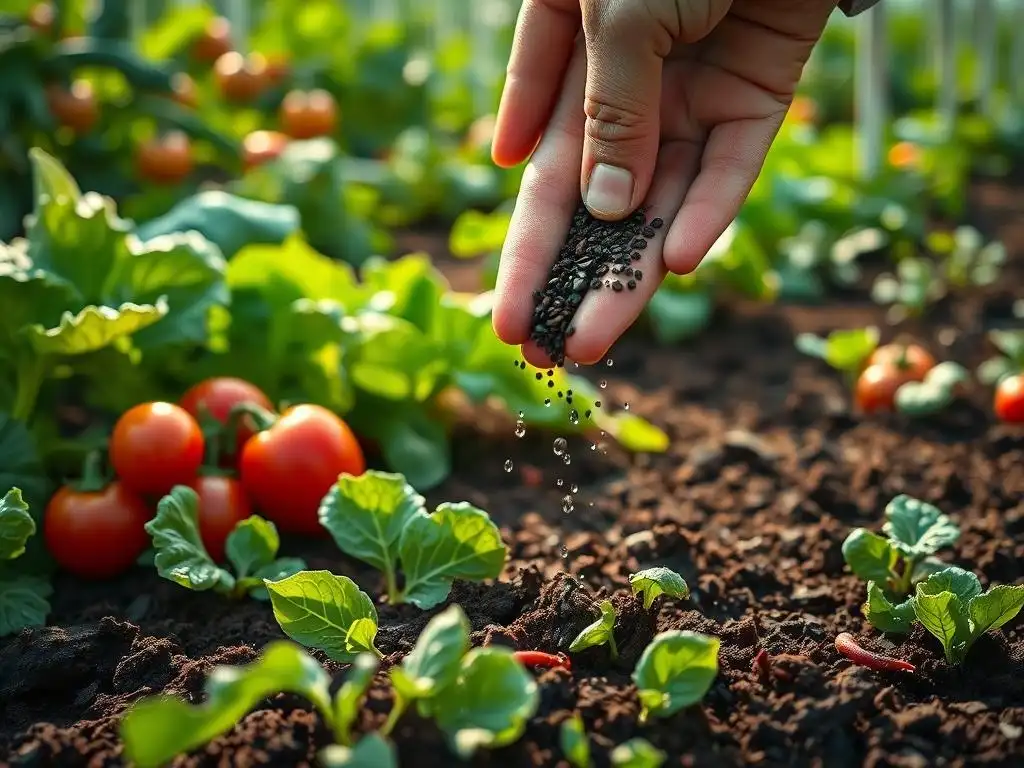
Seaweed fertilizer, derived from various types of seaweed, is a fantastic organic option for boosting the health and vitality of your vegetable garden. Unlike synthetic fertilizers that primarily focus on macronutrients like nitrogen, phosphorus, and potassium, seaweed is rich in a diverse array of micronutrients. These micronutrients, often overlooked, play crucial roles in plant growth and development. They act as catalysts for various enzymatic processes, improving nutrient uptake and overall plant vigor. Think of them as the essential vitamins and minerals for your plants!
The benefits extend beyond simply providing nutrients. Seaweed extracts contain growth hormones, like cytokinins and auxins, which stimulate cell division and elongation, leading to faster growth and increased yields. Additionally, seaweed fertilizer can enhance a plant's natural defenses against pests and diseases, reducing your reliance on chemical pesticides.
This is achieved through the stimulation of the plant's immune system and the creation of a healthier, more resilient plant. Specific examples include increased resistance to fungal infections and improved tolerance to drought stress. This natural boost to your plants' resilience makes seaweed fertilizer a valuable asset in promoting sustainable gardening practices.
The application methods are relatively straightforward, often involving diluting the seaweed extract in water and applying it as a foliar spray or soil drench. Remember to follow the manufacturer's instructions for optimal results. You'll find that using seaweed fertilizer consistently can result in healthier, more productive plants, contributing to a bountiful harvest.
Cover Crops: Improving Soil Health and Reducing Fertilizer Needs
Cover crops are a cornerstone of sustainable and organic gardening, offering a powerful way to improve soil health and minimize the need for fertilizers. These plants, grown specifically to enhance soil conditions rather than for harvest, act as natural soil conditioners. By planting cover crops such as legumes (like clover or beans), grasses (like rye or oats), or brassicas (like mustard or radish), you can address several key soil challenges.
Legumes, for instance, are nitrogen-fixing plants. They have a symbiotic relationship with soil bacteria that convert atmospheric nitrogen into a form usable by plants. This significantly reduces or even eliminates the need for nitrogen-based fertilizers, a major contributor to environmental concerns. The addition of nitrogen to the soil through cover crops supports the growth of your vegetable plants without impacting the environment. Grasses, on the other hand, excel at preventing soil erosion and improving soil structure.
Their extensive root systems help bind the soil together, preventing nutrient runoff and improving water infiltration. Additionally, the decaying matter from these plants adds organic matter to the soil, enhancing its fertility and water-holding capacity. Brassicas, with their allelopathic properties, can suppress weed growth, reducing competition for nutrients and water. The decomposition of their biomass also enhances soil fertility and microbial activity.
The choice of cover crop depends on your specific soil conditions and climate. For example, a sandy soil might benefit from a deep-rooted grass cover crop to improve water retention, while a clay soil might benefit from a legume to improve aeration and drainage. Proper planning and implementation of cover crops require some understanding of your soil and local climate conditions.
However, the rewards of healthier soil and reduced fertilizer use make the effort well worthwhile, aligning with the principles of sustainable and organic gardening practices. This practice contributes significantly to a more environmentally friendly and productive vegetable garden while reducing your reliance on external fertilizers.
Applying Organic Fertilizers Effectively
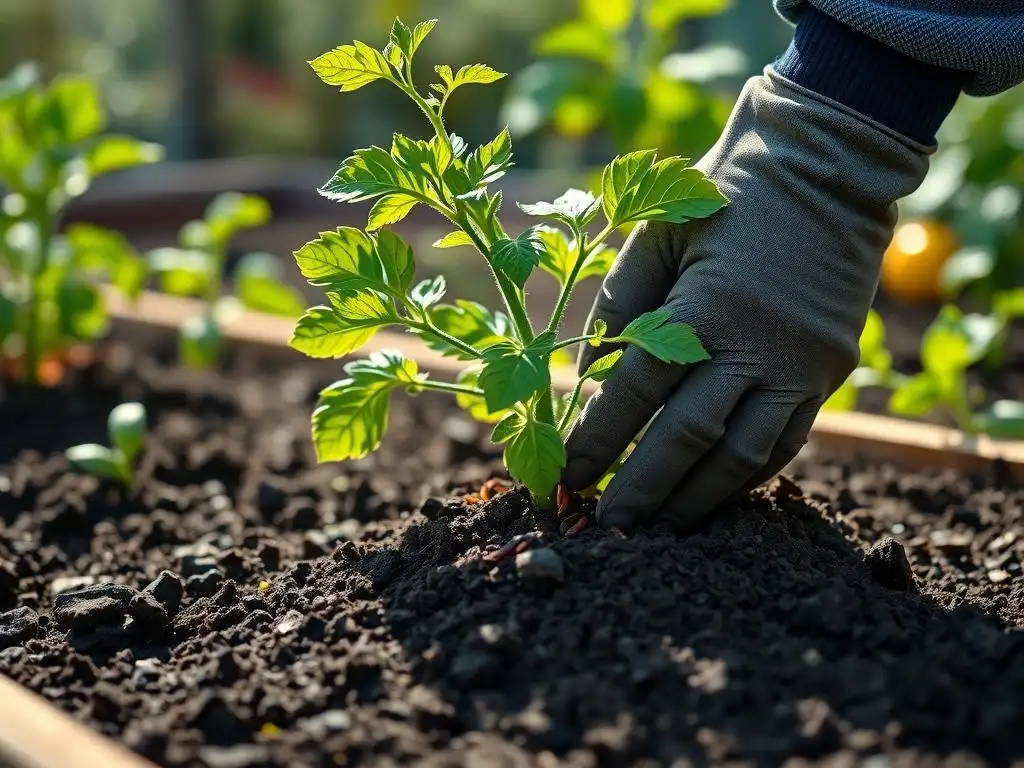
This section focuses on the practical application of organic fertilizers, ensuring you maximize their benefits for your vegetable garden while minimizing any negative impacts. Choosing the best fertilizer for your vegetable garden is only half the battle; proper application is crucial for healthy plant growth. We'll explore the optimal timing, various application methods, and strategies to prevent over-fertilization.
Timing Your Fertilizer Applications for Optimal Results
The timing of your fertilizer applications significantly impacts their effectiveness. Different vegetables have varying nutrient needs throughout their growth cycle. For example, leafy greens like lettuce and spinach require a consistent supply of nitrogen throughout their growth, while fruiting vegetables like tomatoes and peppers need a balanced NPK ratio (Nitrogen, Phosphorus, Potassium) with a higher emphasis on phosphorus during flowering and fruiting.
Applying fertilizer too early can lead to wasted nutrients, as they may leach into the soil before the plants can absorb them. Applying too late might not provide sufficient time for the plants to utilize the nutrients before harvest.
Here's a general guideline:
- Early Spring: Incorporate a slow-release organic fertilizer like compost or aged manure into the soil before planting. This provides a foundational boost of nutrients.
- Mid-Season: Side-dress or top-dress with a fast-acting fertilizer like liquid seaweed or fish emulsion to supplement nutrients as the plants grow vigorously. This is particularly important for heavy feeders.
- Late Season: Avoid heavy fertilization close to harvest. Excess nitrogen late in the season can compromise flavor and make the vegetables less appealing.
Remember to always check the specific needs of your chosen vegetables. Detailed information on individual plant requirements can be found in seed packets or gardening guides. Careful observation of your plants is also key; if they show signs of nutrient deficiency (yellowing leaves, stunted growth), you may need to adjust your fertilization schedule.
Methods of Application: Spreading, Side-Dressing, and Top-Dressing
The method you choose to apply your organic fertilizer will impact its effectiveness and efficiency. Three common methods are:
- Spreading: This involves evenly distributing the fertilizer over the entire garden bed before planting. This is ideal for slow-release fertilizers like compost or aged manure, providing a consistent nutrient supply throughout the growing season. Ensure even distribution to avoid hotspots of concentrated nutrients.
- Side-Dressing: This technique involves applying fertilizer along the sides of the plant rows, a few inches away from the stems. This is particularly useful for supplementing nutrients during the growing season, especially for nitrogen-hungry vegetables. It minimizes the risk of burning the plants' delicate stems and roots.
- Top-Dressing: This method involves applying a thin layer of fertilizer directly onto the surface of the soil around the plants. It's suitable for fast-acting fertilizers like liquid seaweed or fish emulsion, providing a quick boost of nutrients. Avoid piling the fertilizer directly on the plant stems.
| Method | Fertilizer Type | Timing | Advantages | Disadvantages |
|---|---|---|---|---|
| Spreading | Compost, aged manure | Before planting | Even nutrient distribution, long-lasting effect | Requires more initial effort, less precise |
| Side-Dressing | Liquid fertilizers | Mid-season | Targeted nutrient delivery, minimizes burning | Requires more frequent applications |
| Top-Dressing | Liquid fertilizers | Mid-season | Quick nutrient uptake, easy application | Can be less efficient than other methods |
Avoiding Over-Fertilization: Protecting Your Plants and the Environment
Over-fertilizing can be detrimental to your plants and the environment. Excess nutrients can burn plant roots, leading to stunted growth or even plant death. Runoff from over-fertilized soil can contaminate waterways, harming aquatic life. Therefore, it's crucial to follow the recommended application rates on fertilizer packaging and adjust based on your soil test results.
Symptoms of over-fertilization include:
- Burnt leaf tips and edges 🥵
- Excessive vegetative growth at the expense of flowering and fruiting 🌱
- Leaf discoloration (often dark green or yellowing) 🍂
- Stunted growth despite ample nutrients 🤔
To avoid over-fertilization:
- Conduct a soil test: Determine your soil's nutrient levels before applying any fertilizer. This allows for targeted fertilization based on your soil's specific needs.
- Follow package instructions carefully: Never exceed the recommended application rates.
- Use slow-release fertilizers: These release nutrients gradually, minimizing the risk of nutrient burn.
- Water thoroughly after fertilization: This helps to prevent nutrient burn and allows for better absorption by the plant roots.
- Monitor your plants regularly: Observe your plants for any signs of over-fertilization and adjust your application accordingly. Prevention is better than cure!
Remember, sustainable gardening practices prioritize the health of your plants, your soil, and the environment. By carefully selecting and applying your organic fertilizers, you can cultivate a thriving and productive vegetable garden.
Monitoring Your Plants' Growth and Adjusting Fertilizer Application
Regularly monitoring your plants' growth is crucial for determining the effectiveness of your fertilizer application and making necessary adjustments. Healthy plants are the best indicator of a well-nourished garden. Look for vibrant green leaves, strong stems, and consistent fruit or vegetable production. Stunted growth, yellowing leaves (chlorosis), or a lack of flowering/fruiting are all signs that something might be amiss with your fertilization strategy.
You should be conducting regular visual inspections of your plants, ideally once a week, paying close attention to detail. Take notes on the overall appearance of your plants, noting any changes from week to week. Photographs can be incredibly helpful in tracking progress and identifying subtle changes that might otherwise go unnoticed. Consider creating a simple chart to record your observations, including the date, plant type, notes on growth, and the type and amount of fertilizer applied.
Remember that different plants have different nutrient needs. A heavy feeder like tomatoes will require more frequent fertilization than a lighter feeder like lettuce. Observe the specific needs of each plant in your garden and adjust your fertilizer application accordingly. For instance, if your tomato plants show signs of nitrogen deficiency (yellowing lower leaves), you might need to supplement with a nitrogen-rich organic fertilizer. However, excessive nitrogen can lead to lush foliage at the expense of fruit production, so maintaining balance is key.
Beyond visual cues, consider soil testing. A soil test can provide valuable insights into the nutrient levels in your soil, helping you pinpoint any deficiencies and tailor your fertilization strategy to address specific needs. Soil tests are particularly useful when starting a new garden or when experiencing consistent issues with plant growth despite your fertilization efforts. This scientific approach will eliminate guesswork and allow for more precise fertilizer application, ultimately leading to a more bountiful harvest.
Many local agricultural extension offices offer affordable soil testing services. Don't hesitate to utilize this valuable resource to optimize your organic gardening practices. Remember, consistent monitoring and adjustments are essential for maximizing the benefits of organic fertilization and achieving a thriving vegetable garden. 🌱
Selecting Organic Fertilizers Based on Vegetable Type
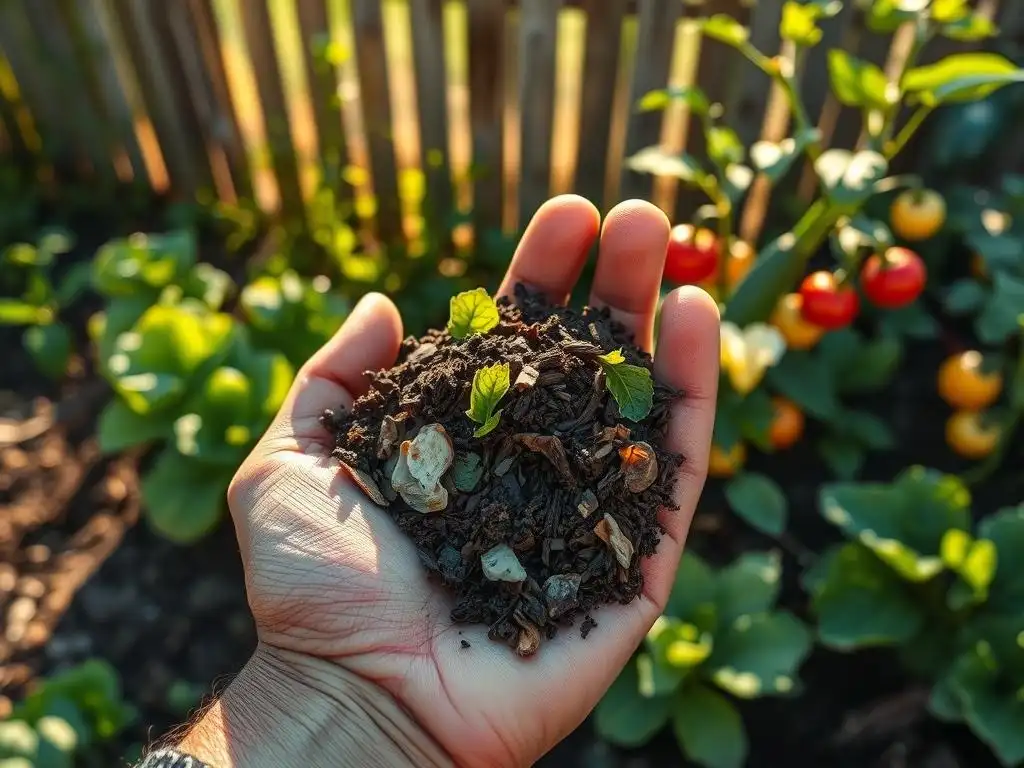
Choosing the best fertilizer for your vegetable garden isn't a one-size-fits-all proposition. Different vegetables have varying nutrient requirements throughout their growth cycle. Understanding these needs allows you to optimize your fertilization strategy, leading to healthier plants and higher yields. This section will guide you through selecting the appropriate organic fertilizer based on the type of vegetable you're growing. Remember, always follow the fertilizer's instructions carefully and avoid over-fertilizing, which can harm your plants.
Best Fertilizers for Leafy Greens: Maximizing Nutrient Uptake
Leafy greens like spinach, kale, lettuce, and chard are heavy feeders, requiring ample nitrogen for vigorous growth. Nitrogen is crucial for leaf development and vibrant green color. Therefore, fertilizers high in nitrogen are ideal. Compost tea, a liquid fertilizer rich in readily available nitrogen, is an excellent choice. It's easy to make at home and provides a gentle, sustained release of nutrients.
Another great option is a balanced organic fertilizer with a higher nitrogen content, such as a 5-3-3 or 4-4-2 formulation. The numbers represent the ratio of Nitrogen (N), Phosphorus (P), and Potassium (K). However, always check the specific nutrient content listed on the packaging as formulations can vary between brands.
For example, a well-rotted manure, particularly chicken or sheep manure, can significantly boost nitrogen levels in your soil. Just ensure it's fully composted to avoid burning your delicate seedlings. Remember to regularly test your soil's pH to ensure it's within the optimal range for your chosen leafy greens. A soil test kit can provide valuable insights into your soil's nutrient composition and pH level.
Best Fertilizers for Root Vegetables: Promoting Strong Root Development
Root vegetables like carrots, potatoes, beets, and turnips prioritize root development. While nitrogen is still important for overall plant health, phosphorus plays a crucial role in root growth and strong, healthy root systems. Therefore, fertilizers higher in phosphorus are beneficial for these plants.
Bone meal, a natural source of phosphorus, is a popular choice amongst organic gardeners. It provides a slow-release source of phosphorus, promoting strong root development over time. However, it's important to note that bone meal is not a quick-acting fertilizer; its effects are more gradual.
Another effective strategy is using compost enriched with rock phosphate. Rock phosphate is a naturally occurring mineral that slowly releases phosphorus into the soil. This method provides a sustainable and environmentally friendly approach to fertilizing root vegetables. Avoid excessive nitrogen, as it can encourage leafy growth at the expense of root development.
Best Fertilizers for Fruiting Vegetables: Supporting Fruit Production and Quality
Fruiting vegetables like tomatoes, peppers, cucumbers, and squash need a balanced approach to fertilization. While nitrogen supports vegetative growth, phosphorus aids in flowering and fruit set, and potassium is essential for fruit development, size, and quality. A balanced organic fertilizer with a ratio like 4-4-4 or 5-5-5 is generally suitable.
Seaweed extract is an excellent organic fertilizer for fruiting vegetables. It's rich in micronutrients, supporting overall plant health and enhancing fruit production. It also acts as a natural biostimulant, boosting the plant's natural defenses against diseases.
Using a well-balanced compost is also crucial. Compost provides a complete range of nutrients and improves soil structure, leading to better water retention and aeration – essential factors for healthy fruit development. Remember to monitor your plants closely and adjust your fertilization strategy based on their growth and development. Observing signs of nutrient deficiencies, such as yellowing leaves or stunted growth, can help you fine-tune your fertilization program. This approach helps you optimize your fertilization strategy and get the best results from your vegetable garden. Remember that consistent monitoring and adjusting is key to successful organic gardening.
Best Fertilizers for Vining Vegetables: Encouraging Healthy Growth and Abundant Yields
Vining vegetables, such as cucumbers, squash, melons, and pumpkins, are heavy feeders, demanding significant nutrients to support their vigorous growth and abundant fruit production. Their sprawling nature necessitates a fertilizer that promotes robust vine development and plentiful blossoms, ultimately leading to a bountiful harvest. Choosing the right fertilizer is crucial for maximizing yields and ensuring healthy plants.
One excellent option for vining vegetables is a balanced organic fertilizer, providing a good ratio of nitrogen (N), phosphorus (P), and potassium (K). A common recommendation is a 5-10-10 or even a 4-8-8 formulation. The nitrogen supports lush foliage and strong vine growth, while phosphorus aids in root development and flowering, and potassium contributes to overall plant health and fruit production. Remember, always follow the package instructions for application rates to avoid over-fertilizing, which can harm your plants.
Compost tea is another fantastic organic choice, offering a slow-release nutrient source that feeds the soil microbiome. This, in turn, improves nutrient availability for your vining vegetables. The rich organic matter in compost tea also enhances soil structure, improving drainage and aeration, both crucial for the healthy growth of these sprawling plants. You can supplement compost tea with additional nutrients, such as fish emulsion or seaweed extract, for an added boost. These supplements provide readily available nitrogen and other micronutrients.
For those seeking a more targeted approach, consider using a fertilizer specifically formulated for vining vegetables. These often contain a higher proportion of potassium, crucial for fruit set and development. Look for organic options that avoid synthetic chemicals and prioritize sustainable practices. Always check the ingredients to ensure they align with your organic gardening goals. Remember to consider the specific needs of each vining vegetable; some, like pumpkins, require more phosphorus during the fruiting stage.
Finally, remember that soil testing is essential to determine the specific nutrient needs of your garden. A soil test can identify any deficiencies, allowing you to tailor your fertilization strategy accordingly. This approach ensures you're not over-supplying nutrients the soil already has in abundance, maximizing the effectiveness of your fertilization efforts and minimizing waste. Regular soil testing, combined with careful observation of your plants, is key to achieving optimal growth and maximum yields from your vining vegetables. Happy gardening!
Maintaining Soil Health for Long-Term Vegetable Success
Even with the best fertilizer vegetable garden options, achieving optimal yields and robust plant health requires a holistic approach to soil management. Simply adding fertilizer isn't enough; maintaining healthy soil is crucial for long-term success in your vegetable garden. This involves a combination of practices that enhance soil structure, boost nutrient levels, and improve water retention. Ignoring these fundamental aspects can lead to reduced yields, increased susceptibility to pests and diseases, and ultimately, a less productive garden. Let's examine key strategies for building and maintaining healthy soil.
Composting: Recycling Kitchen and Garden Waste into Valuable Fertilizer
Composting is a cornerstone of sustainable gardening and a fantastic way to create a nutrient-rich soil amendment. It's the process of decomposing organic matter, such as kitchen scraps (fruit and vegetable peels, coffee grounds, eggshells), yard waste (grass clippings, leaves), and even some types of paper, into a dark, crumbly material known as compost. This compost acts as a natural fertilizer, improving soil structure, aeration, and water retention. It also introduces beneficial microorganisms that enhance nutrient availability to your plants.
Composting can be done in various ways, from simple backyard piles to sophisticated compost bins. The key is to maintain a balance of "greens" (nitrogen-rich materials like grass clippings) and "browns" (carbon-rich materials like dried leaves) to ensure proper decomposition. Regular turning of the pile helps to aerate the material and speed up the process. A well-managed compost pile will produce rich, dark brown compost within several months.
This compost can then be incorporated into your vegetable garden beds before planting or used as a top-dressing throughout the growing season. The benefits are numerous: improved soil drainage, increased water retention, enhanced nutrient content, and a healthier, more vibrant garden overall. Using compost helps reduce your reliance on synthetic fertilizers, aligning perfectly with organic gardening principles and contributing to a more sustainable gardening practice.
Mulching: Protecting Soil and Suppressing Weeds
Mulching involves covering the soil surface with a layer of organic material such as straw, shredded leaves, wood chips, or even grass clippings. This practice offers several advantages for your vegetable garden, contributing significantly to long-term soil health and reducing the need for excessive fertilization.
Mulch acts as a protective barrier, shielding the soil from the harsh effects of sun and wind, preventing excessive evaporation and keeping the soil cooler and more consistently moist. This reduces the frequency of watering, saving you time and water resources. Furthermore, mulch suppresses weed growth by blocking sunlight, reducing competition for nutrients and water between your vegetables and unwanted plants. As the mulch decomposes, it gradually releases nutrients into the soil, enriching it naturally.
This slow-release fertilization reduces the need for frequent applications of synthetic fertilizers and promotes sustainable nutrient cycling. Different types of mulch decompose at different rates, so choose one that suits your needs and the specific plants you are growing. For example, straw breaks down relatively quickly, whereas wood chips can last for several years. The selection of mulch should also consider its effect on soil pH and the potential introduction of weeds or pests.
Crop Rotation: Improving Soil Fertility and Preventing Nutrient Depletion
Crop rotation is a crucial technique for maintaining long-term soil health and reducing the risk of pest and disease buildup. It involves planting different types of vegetables in a specific sequence in the same garden bed each year. This practice helps prevent nutrient depletion, as different plants have different nutrient requirements. For instance, heavy feeders like tomatoes and peppers deplete certain nutrients more than others. Rotating crops allows the soil to replenish these nutrients naturally, improving soil fertility over time.
Beyond nutrient management, crop rotation also helps break pest and disease cycles. Many pests and diseases are specific to certain types of plants. By rotating your crops, you disrupt the life cycle of these organisms, reducing their populations and minimizing the risk of infestation in subsequent years. A well-planned crop rotation schedule considers the nutrient needs of different plant families, their susceptibility to pests and diseases, and their overall growth habits.
Planning a rotation requires some research, but the long-term benefits for soil health and crop productivity are significant. Careful planning and execution of crop rotation contribute to a healthier, more resilient, and ultimately more productive vegetable garden, minimizing the need for excessive fertilization and pest control measures. 🌱
Sustainable Practices: Minimizing Environmental Impact and Maximizing Yields
Choosing the right fertilizer is a cornerstone of sustainable gardening. Sustainable practices go beyond simply selecting an organic fertilizer; they encompass a holistic approach to soil health and environmental stewardship. By minimizing our environmental footprint, we can maximize yields and ensure the long-term health of our gardens and the planet. This involves careful consideration of several key factors.
One crucial aspect is reducing reliance on synthetic fertilizers. These often contain harmful chemicals that can leach into groundwater, harming aquatic life and potentially contaminating our drinking water. Furthermore, their production is energy-intensive, contributing to greenhouse gas emissions. Organic fertilizers, on the other hand, are derived from natural sources and promote biodiversity in the soil, fostering a healthier ecosystem. Composting kitchen scraps and yard waste is a fantastic way to create your own nutrient-rich fertilizer, reducing waste and lowering your carbon footprint.
Beyond fertilizer choice, sustainable practices also involve optimizing water usage. Efficient irrigation techniques, such as drip irrigation or soaker hoses, minimize water waste and prevent runoff, which can carry fertilizers and other pollutants into waterways. Mulching also plays a crucial role; it helps retain soil moisture, reducing the need for frequent watering and suppressing weed growth, thus reducing the need for herbicides. Choosing drought-tolerant vegetable varieties can further minimize water consumption.
Furthermore, integrating cover crops into your gardening rotation is a highly effective sustainable practice. Cover crops, such as legumes or rye, improve soil structure, prevent erosion, and fix nitrogen in the soil, reducing the need for nitrogen-based fertilizers. They also suppress weeds, minimizing the need for herbicides. The decomposition of cover crops adds valuable organic matter, enriching the soil and improving its overall health.
Planning your garden layout to maximize sunlight exposure and airflow can also contribute to healthier plants and higher yields, reducing the need for supplemental inputs. By adopting these sustainable practices, you can cultivate a thriving vegetable garden while minimizing your impact on the environment. The benefits extend beyond a bountiful harvest; they contribute to a healthier planet for generations to come. Remember, sustainable gardening is a journey, not a destination – each small change you make contributes to a larger, positive impact.
Frequently Asked Questions
What is the best fertilizer for a vegetable garden?
There's no single "best" fertilizer, as the ideal choice depends on your soil's needs and the specific vegetables you're growing. Soil testing is crucial to determine nutrient deficiencies. Consider using a balanced fertilizer or one tailored to your vegetables' requirements.
How often should I fertilize my vegetable garden?
The frequency depends on the type of fertilizer, soil conditions, and vegetable growth stage. Follow the fertilizer's instructions carefully. Generally, you'll fertilize during planting, mid-season, and potentially again later in the growing season.
What are the different types of fertilizers available?
Common types include organic fertilizers (compost, manure) and synthetic fertilizers (NPK blends). Organic options release nutrients slowly, while synthetics provide a quicker boost. Consider your gardening philosophy and soil type when choosing.
Can I use household items as fertilizer for my vegetable garden?
Yes, many household items can be composted to create nutrient-rich organic fertilizer. Coffee grounds, banana peels, and eggshells are examples. However, avoid items that could introduce pests or diseases.
How do I know if my vegetable garden needs fertilizer?
Look for signs of nutrient deficiency such as yellowing leaves, stunted growth, or poor yields. A soil test will provide a definitive answer and identify specific nutrient needs. Observing your plants' health is crucial for timely intervention.
Final Reflection: Nurturing Growth, One Garden at a Time
Choosing the right fertilizer is not merely about bigger vegetables; it's about cultivating a thriving ecosystem that nourishes both the plants and the planet. The information presented in this article highlights the crucial role of understanding your soil's needs and selecting the appropriate fertilizer to maximize yield and health. This isn't just about achieving a bountiful harvest; it's about building a sustainable gardening practice that benefits both you and the environment.
The impact of informed fertilizer choices extends far beyond the individual garden. It influences the broader conversation around sustainable agriculture and responsible resource management. By understanding the nuances of different fertilizer types and their effects on soil health, we can make conscious choices that contribute to a healthier planet. The land is what gives us our food, our homes, and our identity. We must treat it with respect.
– Unknown. This simple truth underscores the importance of mindful gardening practices, starting with the selection of the right fertilizer.
Now, consider your own garden. What steps will you take to ensure you're providing your plants with the optimal nutrients they need to flourish? Will you conduct a soil test to understand its composition? Will you explore organic options to minimize your environmental footprint? Take the knowledge gained from this article and apply it to your own gardening journey. Embrace the opportunity to nurture growth, not just in your vegetable patch, but also in your understanding of sustainable practices and the profound connection between our actions and the health of our planet.
Unlock Your Garden's Potential: Grow Bigger, Healthier Vegetables!
Thank you for learning about choosing the right fertilizer! We hope you feel confident in nurturing your vegetable garden to its fullest potential. Ready to put your knowledge into practice?
- Craft your perfect fertilizer blend: Based on what you've learned, plan the ideal fertilizer mix for your specific plants and soil conditions. Experiment—your vegetables will thank you!
- Share your gardening experiences: Let's build a thriving community! Share your fertilizer choices and results in the comments below. We love hearing from fellow gardeners.
- Keep a detailed gardening journal: Track your progress and refine your approach over time. This will help you optimize your gardening techniques for even better results next season.
What exciting changes will you see in your vegetable garden this season with optimized fertilization?