
The Soil Food Web and Leaf Health: The Connection Between Soil and Foliage

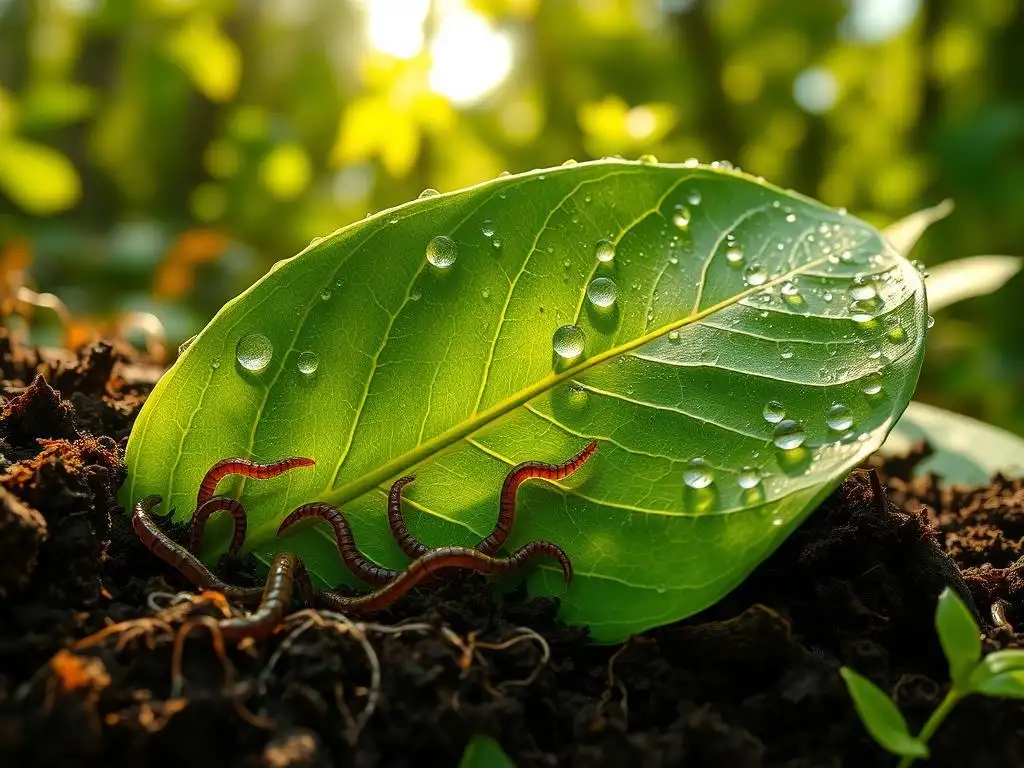
Welcome to CultivateYourFood, your guide to growing a thriving garden using sustainable and organic methods! Are you ready to unlock the secrets to lush foliage and bountiful harvests? We believe the key lies in healthy soil, and in this article, we delve into the fascinating world of the soil food web and its crucial connection to vibrant plant life. Discover how nurturing your soil directly translates to healthier, more resilient plants. Let's explore the path to a truly flourishing garden – read on to learn more!
- Understanding the Soil Food Web: The Foundation of Healthy Soil, Lush Foliage
- The Link Between Soil Health and Leaf Health: A Symbiotic Relationship
- Practical Steps for Building a Thriving Soil Food Web for Lush Foliage
- Diagnosing Leaf Problems Through Soil Analysis: Identifying Deficiencies in Soil and Foliage
- Case Study: Improving Leaf Health Through Soil Food Web Enhancement
- Maintaining Healthy Soil, Lush Foliage: Long-Term Strategies
- Frequently Asked Questions
- Final Reflection: Cultivating a Thriving Ecosystem from the Ground Up
- Unleash Your Garden's Potential: Nurture Thriving Plants from the Ground Up
Understanding the Soil Food Web: The Foundation of Healthy Soil, Lush Foliage
Cultivating a thriving garden, bursting with vibrant, healthy plants, starts beneath the surface. The secret lies not just in the nutrients you add, but in the complex and dynamic ecosystem thriving within your soil: the soil food web.
This intricate network of organisms—from microscopic bacteria to larger insects—works together in a delicate balance to create fertile ground that supports robust plant growth. Understanding this interconnectedness is key to achieving truly “healthy soil, lush foliage.” This article explores the vital connection between a healthy soil food web and the vibrant health of your plants' leaves, providing practical insights for organic gardeners seeking to cultivate abundant harvests.
We'll delve into the key players within the soil food web, explaining their roles and how their interactions contribute to the overall health and productivity of your garden. By nurturing this underground community, you'll not only improve your soil's fertility but also enhance the health and resilience of your plants, leading to significantly improved yields and a more sustainable gardening practice.
The Microbial Community: Bacteria, Fungi, and More
The soil food web's foundation is its microbial community. This diverse group includes bacteria, fungi, actinomycetes, and algae, each playing a crucial role in nutrient cycling and plant health. Bacteria, for example, are essential for nitrogen fixation, converting atmospheric nitrogen into forms usable by plants. This process is vital for plant growth, especially for nitrogen-demanding crops like legumes.
Fungi, on the other hand, excel at breaking down complex organic matter, releasing nutrients that are readily available to plant roots. Mycorrhizal fungi, a specific type of beneficial fungi, form symbiotic relationships with plant roots, extending their reach into the soil and enhancing nutrient and water uptake. The intricate interactions between these different microbial groups create a synergistic effect, maximizing nutrient availability and promoting overall soil health.
Maintaining a balanced microbial community is paramount for achieving healthy soil, lush foliage, and a bountiful harvest. Ignoring this crucial aspect often leads to nutrient deficiencies and susceptibility to diseases. Specific soil testing can reveal imbalances, guiding the application of beneficial microbes or amendments to restore equilibrium.
The Role of Beneficial Nematodes and Protozoa
Beyond the microbial world, larger organisms like nematodes and protozoa also play significant roles in the soil food web. Beneficial nematodes, microscopic roundworms, are predatory, feeding on harmful nematodes and other soil pests. This natural pest control helps to prevent infestations and reduces the need for chemical pesticides. Protozoa, single-celled organisms, are primary consumers in the soil food web, feeding on bacteria and fungi.
This grazing action helps to regulate microbial populations, preventing any single group from dominating and disrupting the delicate balance. Their waste products also release nutrients back into the soil, making them readily available to plants. The presence of these beneficial organisms indicates a healthy and active soil ecosystem, contributing significantly to the overall health and vitality of your plants. Maintaining a diverse and balanced population of these organisms is crucial for a thriving soil food web and subsequently, lush foliage.
Decomposers: Breaking Down Organic Matter for Plant Nutrition
Decomposers, including bacteria, fungi, and earthworms, are the essential recyclers of the soil food web. They break down organic matter—dead plants, leaves, and other organic materials—into simpler compounds that plants can easily absorb. This process releases vital nutrients like nitrogen, phosphorus, and potassium, enriching the soil and promoting healthy plant growth.
Earthworms, often called "nature's plow," play a crucial role in this decomposition process, improving soil structure and aeration. Their castings, or excrement, are rich in nutrients and beneficial microbes, further enhancing soil fertility. By adding compost and other organic materials to your garden, you're essentially feeding the decomposers, stimulating their activity and enriching the soil with readily available nutrients.
This natural process is far more sustainable and effective than relying solely on chemical fertilizers, resulting in healthier plants and a more vibrant garden. A thriving population of decomposers is a strong indicator of a healthy soil food web, leading to the desired "healthy soil, lush foliage" outcome.
Nutrient Cycling: How Soil Organisms Provide Plant Nutrients
The health and vigor of your plants are intrinsically linked to the bustling activity within the soil food web. A thriving soil ecosystem is not merely dirt; it's a complex network of organisms working together to unlock nutrients and make them available for your plants. This process, known as nutrient cycling, is a cornerstone of healthy soil, lush foliage. The key players here are bacteria, fungi, and other microorganisms.
Bacteria, for example, are crucial in the nitrogen cycle. Atmospheric nitrogen, which plants can't directly utilize, is converted into usable forms like ammonia and nitrates by nitrogen-fixing bacteria. These bacteria, often found in symbiotic relationships with plant roots (think legumes! ), directly supply the plants with this essential nutrient. Other bacteria break down organic matter, releasing nutrients locked within dead plants and other organic materials back into the soil. This decomposition process is essential for replenishing nutrient stores and preventing nutrient depletion.
Fungi play a different but equally vital role. Mycorrhizal fungi form symbiotic relationships with plant roots, extending their reach into the soil and increasing the surface area for nutrient absorption. These fungi are particularly adept at accessing phosphorus, a nutrient often unavailable to plants in its raw form. By connecting to the roots, they act as nutrient transporters, delivering phosphorus and other minerals directly to the plant. Furthermore, fungal networks enhance soil structure, improving aeration and water retention, both crucial for healthy root systems and overall plant health.
Beyond bacteria and fungi, a wide array of other soil organisms contribute to nutrient cycling. Earthworms, for instance, ingest organic matter and excrete nutrient-rich castings, improving soil structure and fertility. Protozoa and nematodes feed on bacteria and fungi, regulating their populations and further releasing nutrients in the process. This complex interplay of organisms ensures a constant supply of nutrients to your plants, promoting robust growth and vibrant foliage.
Understanding this intricate process is key to cultivating healthy soil, lush foliage, and ultimately, a bountiful harvest. Ignoring this intricate web leads to nutrient deficiencies and unhealthy plants, highlighting the importance of fostering a diverse and active soil food web. Healthy soil, lush foliage is a direct result of this complex biological interaction.
The Link Between Soil Health and Leaf Health: A Symbiotic Relationship
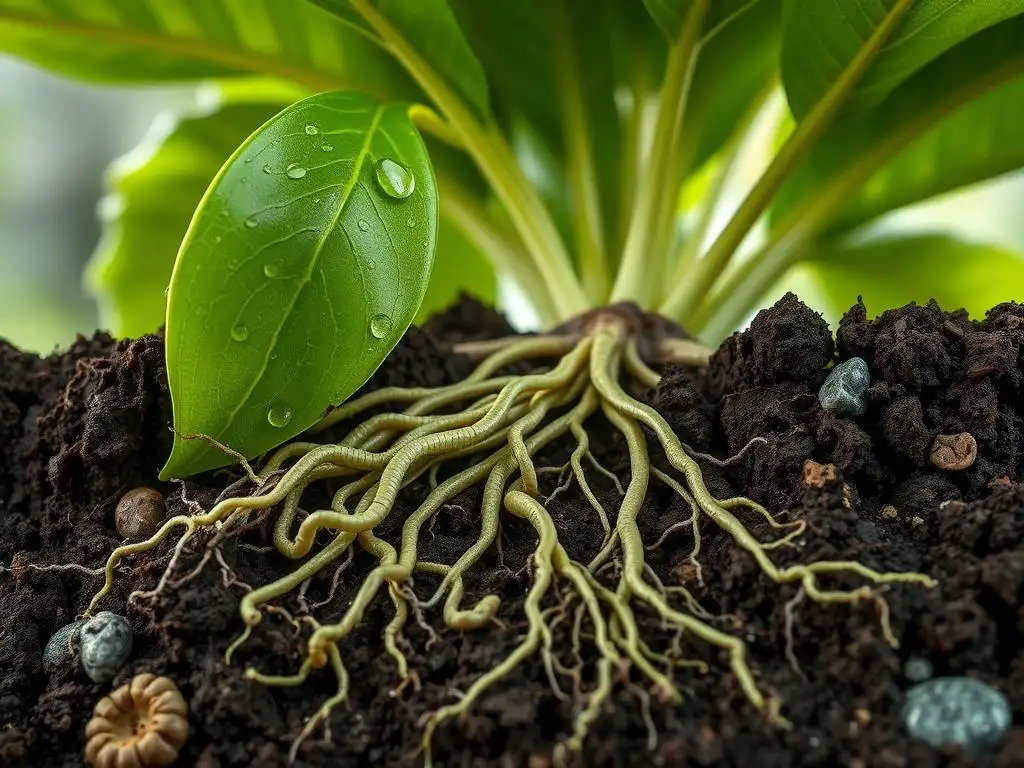
The expression "healthy soil, lush foliage" isn't just a catchy phrase; it's a fundamental truth in organic gardening. A vibrant, thriving plant with healthy, robust leaves is a direct reflection of the soil it grows in. This isn't a matter of simple correlation; it's a symbiotic relationship where the health of the soil directly impacts the health of the leaves, and vice versa.
Understanding this connection is crucial for achieving bountiful harvests using sustainable methods. We'll explore this vital link, examining the intricate processes that connect the subterranean world of the soil food web to the visible splendor of healthy foliage. This understanding will empower you to cultivate robust plants through soil enrichment and organic practices.
Healthy Roots, Healthy Leaves: Nutrient Uptake and Transportation
The foundation of lush foliage lies in healthy roots. A robust root system, fostered by a thriving soil food web, is essential for efficient nutrient uptake. Beneficial microbes, such as mycorrhizal fungi, extend the reach of the roots, acting as an extension of the plant's own absorptive system. These fungi form symbiotic relationships with plant roots, enhancing the uptake of essential nutrients like phosphorus and micronutrients often unavailable to plants otherwise.
Consider this: a plant in poor, compacted soil will struggle to develop an extensive root system. Limited root growth directly translates to restricted nutrient access. Consequently, the plant will exhibit symptoms of nutrient deficiency, such as yellowing leaves (chlorosis), stunted growth, and reduced overall vigor. Conversely, a soil rich in organic matter and teeming with beneficial microbes creates an ideal environment for robust root development.
This leads to increased nutrient absorption, resulting in strong, vibrant leaves. The efficiency of nutrient transport from the roots to the leaves is also crucial. A healthy plant effectively transports the absorbed nutrients throughout its system, ensuring all parts receive the necessary building blocks for growth and development. This efficient translocation is further facilitated by the presence of beneficial soil microorganisms.
Soil Structure and Water Retention: Impact on Leaf Hydration
Soil structure plays a critical role in leaf health, primarily through its influence on water retention and aeration. Healthy soil, characterized by a good balance of sand, silt, and clay, along with ample organic matter, possesses excellent water-holding capacity. This is crucial for maintaining adequate leaf hydration. Well-structured soil allows for both efficient water infiltration and retention, preventing both waterlogging and drought stress.
Imagine a plant growing in compacted clay soil. Waterlogging can occur, leading to oxygen deprivation at the roots, hindering nutrient uptake and ultimately impacting leaf hydration and function. The leaves might appear wilted or even exhibit signs of disease. On the other hand, sandy soil, while well-aerated, may lack sufficient water retention capacity, leading to frequent drought stress.
This can manifest as leaf scorch, wilting, and premature leaf drop, significantly reducing the plant's overall health and productivity. Optimizing soil structure through the addition of organic matter, such as compost and mulch, improves water retention, aeration, and overall soil health, leading to consistently well-hydrated and healthy leaves. This translates directly to increased photosynthetic efficiency and overall plant vigor.
Microbial Influence on Leaf Immunity and Pest Resistance
The soil food web isn't just about nutrient availability; it's also a crucial factor in plant immunity and pest resistance. Beneficial microbes produce various compounds that directly enhance a plant's defense mechanisms. These microbes can act as biocontrol agents, suppressing the growth of plant pathogens and reducing the incidence of pests and diseases. Moreover, a healthy soil food web can promote the growth of beneficial insects and other organisms that help control pest populations naturally.
For example, certain bacteria and fungi produce antibiotics that inhibit the growth of harmful fungi that cause leaf diseases. Similarly, some microbes enhance the production of plant defense compounds, making the leaves less susceptible to attack by pests. These naturally occurring interactions within the soil food web contribute to robust plant health and significantly reduce the need for chemical pesticides.
The presence of these beneficial microbes is directly correlated with healthier leaves, less susceptibility to disease, and a reduced need for external interventions. Promoting a diverse and thriving soil food web is, therefore, a key strategy for achieving truly sustainable and healthy plant growth, leading to that coveted "healthy soil, lush foliage" outcome.
The Role of Mycorrhizae in Enhancing Nutrient and Water Availability to Leaves
Mycorrhizae, a symbiotic relationship between plant roots and fungi, play a crucial role in delivering essential nutrients and water directly to the leaves, significantly impacting their health and vigor. These beneficial fungi essentially extend the root system's reach, accessing nutrients and water that the roots alone couldn't tap into. This expanded access translates to a more robust supply of vital elements for leaf growth and function. Think of mycorrhizae as a natural, underground highway system, efficiently transporting resources from the soil to the plant's foliage.
The mechanism behind this nutrient and water transport is fascinating. Mycorrhizal fungi form a vast network of hyphae (thread-like structures) that explore the soil far beyond the reach of the plant's roots. These hyphae absorb nutrients like phosphorus, nitrogen, potassium, and micronutrients from the soil particles and then transfer them directly to the plant's roots.
This is particularly important for phosphorus, a nutrient often immobile in the soil and difficult for plants to access without the help of mycorrhizal fungi. Furthermore, the extensive network of hyphae increases the surface area for water absorption, improving the plant's drought tolerance and ensuring consistent hydration, even under stressful conditions.
The impact on leaf health is readily apparent. Plants with well-established mycorrhizal networks exhibit darker green, more vibrant foliage, indicative of improved nutrient uptake. Leaves are larger, thicker, and more resistant to diseases and pests, leading to increased photosynthetic efficiency and overall plant productivity. This translates to healthier, more abundant harvests, reinforcing the importance of cultivating a thriving soil food web rich in these beneficial fungi.
In essence, healthy soil, rich in mycorrhizae, directly contributes to lush foliage and robust plant growth—a perfect illustration of the symbiotic relationship between soil health and leaf health. Neglecting the soil food web, and specifically mycorrhizae, can lead to nutrient deficiencies and water stress, resulting in pale, weak, and susceptible leaves. Therefore, fostering a healthy soil environment is paramount for achieving optimal leaf health and maximizing crop yields. 🌱
Practical Steps for Building a Thriving Soil Food Web for Lush Foliage
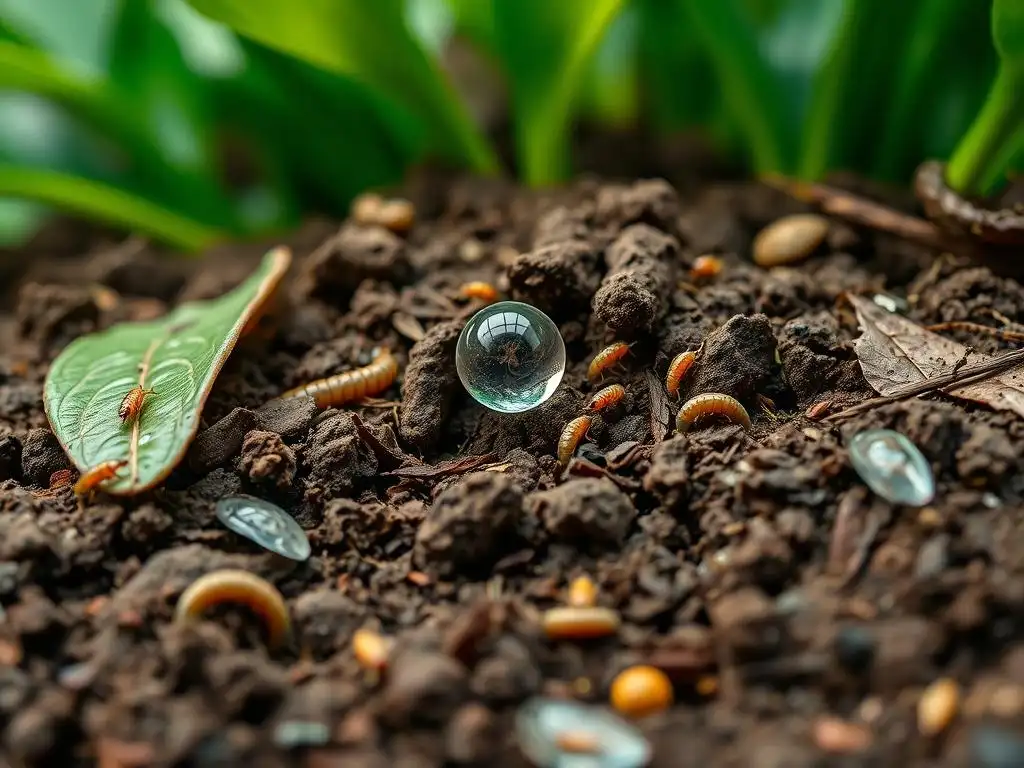
This section details practical, actionable steps you can take to cultivate a vibrant soil food web, directly impacting the health and vibrancy of your plants' foliage. Remember, healthy soil is the foundation for lush foliage; a thriving ecosystem below ground translates to thriving plants above ground. We'll explore key strategies, focusing on organic methods to achieve that "healthy soil, lush foliage" ideal.
Organic Matter Addition: Compost, Mulch, and Cover Crops
Adding organic matter is paramount to building a robust soil food web. This provides food for beneficial microorganisms, improves soil structure, and increases water retention – all crucial for healthy plant growth. Let's delve into the specifics:
- Compost: Composting kitchen scraps and yard waste creates a rich, nutrient-dense amendment. A mature compost teeming with microbial life is like a buffet for your soil organisms. Aim for a compost that's dark brown and crumbly, indicating a complete decomposition process. Regularly incorporating compost into your garden beds significantly enhances soil fertility and microbial activity, leading to healthier plants and more vibrant foliage. Consider layering your compost with other organic materials for even better results.
- Mulch: Mulching, the application of organic materials like wood chips, straw, or shredded leaves, acts as a protective layer on the soil surface. It suppresses weeds, retains moisture, regulates soil temperature, and gradually decomposes, enriching the soil over time. Different mulches offer varying benefits; for example, wood chips break down more slowly than straw, providing a longer-lasting effect. Choose a mulch appropriate for your specific plants and climate.
- Cover Crops: Planting cover crops like legumes (peas, beans, clover), grasses, or brassicas between main crops or during fallow periods significantly improves soil health. These plants add organic matter to the soil through their roots and leaves, improving soil structure and suppressing weeds. Legumes are particularly beneficial as they fix nitrogen from the air, enriching the soil with this essential plant nutrient. The decomposition of cover crops further nourishes the soil food web, creating a positive feedback loop that promotes healthy plant growth and vibrant foliage.
Avoiding Harmful Practices: Chemical Pesticides and Fertilizers
Chemical pesticides and fertilizers disrupt the delicate balance of the soil food web, harming beneficial microorganisms and potentially leading to weaker, less resilient plants. The use of these chemicals can severely compromise the soil's ability to support healthy plant growth and lead to a decline in the overall health of your plants. Avoiding these harmful practices is critical for achieving that "healthy soil, lush foliage" ideal.
The overuse of chemical fertilizers can lead to nutrient imbalances, soil compaction, and a decrease in beneficial soil organisms. These imbalances can weaken plants, making them more susceptible to pests and diseases. Similarly, chemical pesticides indiscriminately kill both harmful and beneficial insects, disrupting the natural predator-prey relationships that maintain a balanced ecosystem within your soil.
The resulting imbalance can lead to pest outbreaks in the long run. Instead, opt for natural pest control methods and organic fertilizers to maintain a healthy soil food web. The shift to organic practices may initially require more effort, but the long-term benefits for your soil and your plants are undeniable.
Soil Testing and Amendments: Tailoring Your Approach
Regular soil testing is crucial for understanding your soil's composition and nutrient levels. This allows you to tailor your approach to building a healthy soil food web and address any deficiencies proactively. Soil testing provides valuable insights into your soil’s pH, nutrient content (nitrogen, phosphorus, potassium, and micronutrients), and organic matter levels. Armed with this information, you can make informed decisions about the type and amount of amendments needed to optimize your soil's health and support vigorous plant growth.
For example, if your soil test reveals a low pH, you may need to add lime to raise the pH to an optimal range for your chosen plants. Similarly, if your soil is deficient in specific nutrients, you can use organic fertilizers to address these deficiencies. Remember, a balanced approach is key. Avoid over-amendment, as this can also negatively impact the soil food web.
A comprehensive soil test provides a roadmap for building a thriving soil ecosystem that will support healthy, lush foliage. Regular testing and adjustments based on the results allow you to continually fine-tune your soil management practices for optimal results. This iterative approach is crucial for long-term soil health and sustained plant vitality.
Observing Your Plants: Signs of Healthy and Unhealthy Soil
Observing your plants is the first and most crucial step in understanding the health of your soil and its impact on your foliage. A thriving soil food web directly translates to vibrant, healthy plants. Conversely, problems below ground quickly manifest above ground. Learning to recognize these visual cues is key to maintaining "healthy soil, lush foliage."
Healthy plants, indicative of a robust soil food web, display several key characteristics. Look for deep green, vibrant leaves. These leaves should be firm to the touch, not brittle or wilting. The growth should be consistent and vigorous, with new leaves emerging regularly and exhibiting strong stems.
Furthermore, healthy plants typically exhibit a high level of resilience to common pests and diseases. Their strong root systems, fueled by a rich soil environment, allow them to withstand environmental stresses more effectively. For example, a tomato plant with dark green, healthy leaves and many ripe, plump tomatoes is a clear indicator of a flourishing soil food web. This contrasts sharply with a plant struggling with yellowing leaves, few or small fruits, and an overall weak appearance.
On the other hand, unhealthy plants are often a clear sign of problems in the soil. Signs of unhealthy soil include pale, yellowing leaves, indicating nutrient deficiencies. This can stem from a lack of essential nutrients or from an imbalance in the soil's pH, preventing nutrient uptake.
Wilting leaves, even when watered adequately, suggest problems with root health, possibly due to compacted soil or pathogenic organisms hindering root function. Brittle, easily broken leaves are also a warning sign, suggesting a lack of essential minerals and overall plant stress. The presence of pests and diseases is another indicator, often exacerbated by poor soil health and an imbalanced soil food web.
For instance, a pepper plant with stunted growth, yellowing leaves, and signs of aphid infestation likely reflects an underlying soil issue needing attention. Addressing the soil health will usually improve the plant's overall health and resilience against pests and diseases. Remember, a proactive approach to soil health significantly reduces the need for chemical interventions later on.
Diagnosing Leaf Problems Through Soil Analysis: Identifying Deficiencies in Soil and Foliage

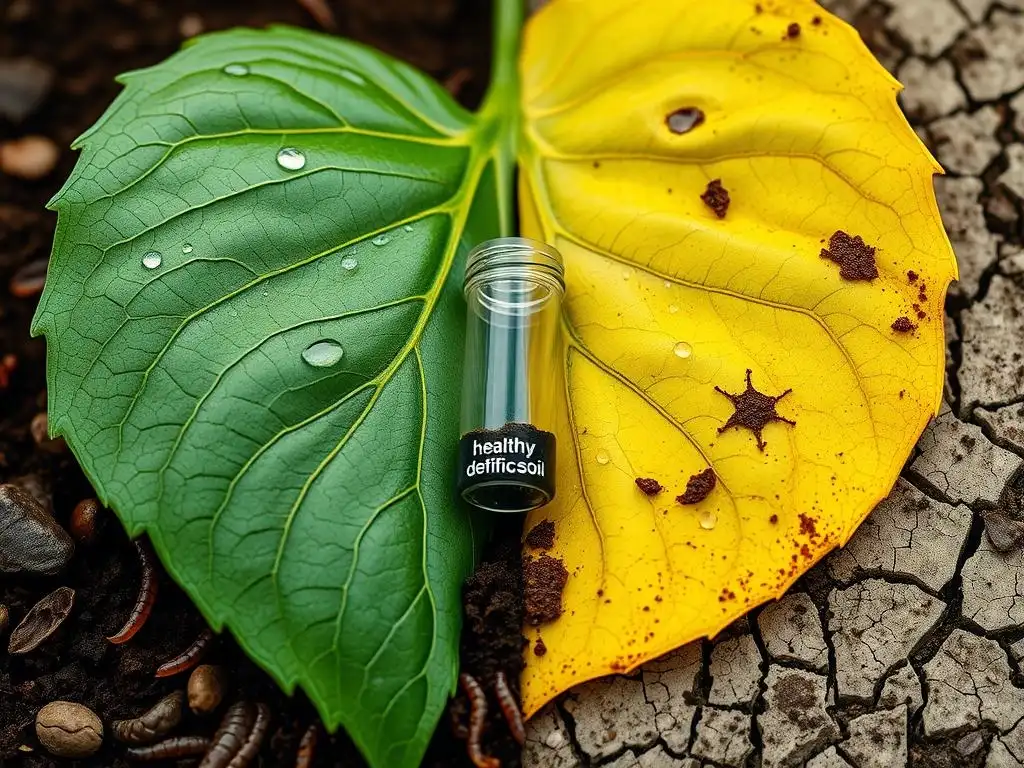
Leaf health is a direct reflection of soil health. A vibrant, lush garden thrives on a rich, balanced soil teeming with life – the soil food web. Understanding this connection is crucial for organic gardeners aiming for "healthy soil, lush foliage."
Often, visible signs of distress in your plants, manifesting as leaf problems, are actually symptoms of underlying soil deficiencies. By analyzing your soil, you can pinpoint these deficiencies and take corrective action, fostering healthy growth and abundant harvests. This section delves into diagnosing leaf problems by examining the soil, providing you with tools to nurture your plants from the ground up.
Common Leaf Deficiency Symptoms and Their Soil Connections
Leaf discoloration is a common indicator of nutrient imbalances. Chlorosis, the yellowing of leaves, frequently points to deficiencies in essential elements like nitrogen (N), iron (Fe), or magnesium (Mg). For example, nitrogen deficiency often presents as a general yellowing, starting with older leaves. Iron deficiency, however, typically manifests as yellowing between the leaf veins, leaving the veins themselves green. Magnesium deficiency, on the other hand, often causes yellowing between the veins of older leaves, similar to iron deficiency but potentially with reddish or purple hues.
Necrosis, or the death of plant tissue, indicated by brown or black spots or edges, can be caused by several factors, including nutrient deficiencies, especially potassium (K) and phosphorus (P). Potassium deficiency often shows up as browning and scorching of leaf margins, while phosphorus deficiency might lead to stunted growth and dark green or purplish coloration of foliage.
Here's a simplified table summarizing common leaf symptoms and their likely soil nutrient deficiencies:
| Leaf Symptom | Likely Nutrient Deficiency | Additional Symptoms |
|---|---|---|
| General Yellowing | Nitrogen (N) | Stunted growth, pale green leaves |
| Yellowing between veins | Iron (Fe) or Magnesium (Mg) | Iron: Veins remain green; Magnesium: Older leaves affected, potentially reddish/purple hues |
| Browning/Scorching | Potassium (K) | Leaf margins affected, wilting |
| Stunted Growth, Dark Green/Purple Leaves | Phosphorus (P) | Delayed maturity |
Remember, these are general guidelines. Accurate diagnosis requires a comprehensive approach, combining visual observation with soil testing. The presence of pests or diseases can also mimic nutrient deficiency symptoms, highlighting the importance of thorough investigation.
Using Soil Tests to Identify Nutrient Imbalances
Soil testing is an invaluable tool for organic gardeners striving for "healthy soil, lush foliage." It provides quantitative data on the levels of various nutrients in your soil, allowing for precise diagnosis and targeted amendments. There are different types of soil tests available, including home testing kits and professional laboratory analyses. Home kits offer a quick and convenient way to assess basic nutrient levels, while professional labs provide more detailed analysis, including pH levels, organic matter content, and the presence of potentially harmful substances.
The results of a soil test will typically provide levels of essential macronutrients (nitrogen, phosphorus, potassium) and micronutrients (iron, manganese, zinc, boron, etc.). By comparing these levels to optimal ranges for your specific plants, you can identify any significant deficiencies or excesses. For instance, a result indicating low levels of phosphorus would suggest a need for phosphorus-rich amendments.
Similarly, high levels of salinity might indicate a need for soil improvement practices. Accurate interpretation of soil test results is vital for effective soil management and optimal plant health. Always follow the instructions provided with your chosen testing kit or laboratory analysis report.
Correcting Nutrient Deficiencies Through Targeted Soil Amendments
Once you've identified nutrient deficiencies through soil testing and leaf observation, you can address them with targeted soil amendments. Avoid using synthetic fertilizers; instead, opt for organic solutions that improve soil health in the long term. Compost is a fantastic all-around amendment, rich in organic matter and a wide array of nutrients. Other options include:
- Nitrogen-rich amendments: Well-rotted manure, cover crops (legumes like clover or alfalfa), and blood meal.
- Phosphorus-rich amendments: Rock phosphate, bone meal, and composted poultry manure.
- Potassium-rich amendments: Wood ash (use sparingly, as it can also raise pH), kelp meal, and greensand.
- Iron-rich amendments: Chelated iron supplements (ensure they're organic), and compost tea.
- Magnesium-rich amendments: Epsom salts (magnesium sulfate), dolomite lime (contains magnesium and calcium).
The application method and amount of amendment will vary depending on the specific nutrient deficiency, the severity of the problem, and the type of amendment used. Always follow the instructions on the product packaging and consider consulting with local agricultural extension services for personalized recommendations. Remember that soil improvement is an ongoing process. Regular soil testing and appropriate amendments ensure "healthy soil, lush foliage," year after year. Consistent application of organic matter will also enhance the soil structure, drainage, and overall fertility, creating a thriving environment for your plants and the soil food web.
Preventing Future Problems Through Proactive Soil Management
Proactive soil management is key to achieving and maintaining healthy soil, lush foliage. Reactive measures, while sometimes necessary, are far less effective and often more costly in the long run. By understanding the intricacies of the soil food web and its impact on plant health, we can implement preventative strategies that minimize the risk of nutrient deficiencies and other soil-related issues. This approach shifts the focus from treating problems to preventing them, leading to healthier plants and a more sustainable gardening practice.
One crucial aspect of proactive soil management involves regular soil testing. Annual soil tests provide a snapshot of the soil's current nutrient levels, pH balance, and overall health. This data is invaluable in making informed decisions about fertilization and amendment needs, preventing deficiencies before they manifest as visible symptoms in the leaves. Knowing your soil’s baseline allows you to adjust your practices accordingly, ensuring your plants receive the precise nutrients they require for optimal growth. Don't rely on guesswork; consistent testing is an investment in the long-term health of your garden.
Beyond testing, building and maintaining soil organic matter is paramount. Organic matter acts like a sponge, improving water retention and aeration, while also providing a slow-release source of nutrients. Composting kitchen scraps, yard waste, and cover crops significantly increases organic matter content.
Adding compost regularly enriches the soil, fostering a thriving soil food web teeming with beneficial microbes that unlock nutrients for your plants. This creates a self-sustaining system where the soil continuously replenishes itself, reducing the need for synthetic fertilizers and promoting resilient plant growth. The increased microbial activity also enhances nutrient cycling, making nutrients more readily available to plants.
Furthermore, crop rotation is another powerful tool for proactive soil management. Rotating crops helps prevent the depletion of specific nutrients and reduces the buildup of pests and diseases. Different plant families have varying nutrient requirements, and rotating them ensures a more balanced nutrient uptake from the soil. This prevents the depletion of essential nutrients in the soil, leading to healthier plants and reduces the need for supplemental fertilizers. A well-planned crop rotation strategy is a simple yet highly effective way to maintain soil health and prevent future problems. Consider a three or four-year rotation plan to maximize the benefits.
Finally, practicing sustainable pest and disease control is essential. Avoid the overuse of chemical pesticides and herbicides, which can disrupt the soil food web and harm beneficial organisms. Instead, prioritize integrated pest management (IPM) techniques, which combine biological, cultural, and mechanical methods to control pests and diseases.
This approach focuses on creating a balanced ecosystem where pests are kept in check naturally, without harming the soil or the beneficial organisms that contribute to healthy plant growth. A healthy soil food web is your first line of defense against pests and diseases, reducing the likelihood of future problems. By taking these proactive steps, you'll create a robust and resilient garden that thrives year after year.
Case Study: Improving Leaf Health Through Soil Food Web Enhancement

This case study demonstrates the direct correlation between a healthy soil food web and vibrant, disease-resistant foliage. We'll examine a real-world example of how improving soil health led to a significant enhancement in leaf health, showcasing the power of organic gardening practices to achieve "healthy soil, lush foliage".
Initial Soil and Leaf Analysis: Identifying the Problem
A small-scale vegetable garden, exhibiting poor leaf health, served as the focus of this study. Initial soil analysis revealed several key issues impacting the soil food web and consequently, plant health. The soil was compacted, with low organic matter content (only 2%). Furthermore, testing indicated a deficiency in essential nutrients like nitrogen and potassium, crucial for robust leaf development.
Microscopic examination of the soil samples showed a significantly reduced population of beneficial microorganisms, including earthworms, mycorrhizal fungi, and nitrogen-fixing bacteria. These deficiencies directly manifested in the plants' leaves. Leaves displayed chlorosis (yellowing), indicating nutrient deficiencies, and exhibited signs of fungal infections, particularly powdery mildew, resulting in stunted growth and reduced yields.
The leaf tissue analysis confirmed the nutrient deficiencies identified in the soil test. Specifically, the nitrogen levels were critically low, further supporting the visual observations of chlorosis. We also observed significantly reduced chlorophyll levels, a direct consequence of nutrient imbalance and stress.
Implementation of Soil Improvement Strategies
To address the identified problems and promote a thriving soil food web, several organic soil improvement strategies were implemented. These included:
- Composting: Regular addition of compost, rich in organic matter and beneficial microbes, significantly improved soil structure and fertility. We used a mix of green and brown materials, ensuring a balanced carbon-to-nitrogen ratio for optimal decomposition.
- Cover Cropping: Planting winter rye as a cover crop helped to improve soil structure, suppress weeds, and add organic matter back into the soil. The rye was then tilled into the soil to further enhance organic matter.
- Soil Aeration: Regular tilling and the addition of compost helped to improve soil aeration, allowing for better root growth and microbial activity.
- Nutrient Supplementation: Organic fertilizers, such as composted manure and bone meal, were applied to address the identified nutrient deficiencies. These provided a slow-release source of essential nutrients for the plants.
- Beneficial Microbe Introduction: We introduced beneficial microorganisms such as Bacillus subtilis and Trichoderma harzianum known for their ability to suppress plant diseases and improve nutrient uptake.
The implementation of these strategies aimed to create a balanced environment fostering a vibrant soil food web, ultimately leading to healthier plants and lush foliage. Careful monitoring of soil conditions was maintained throughout the process.
Results: Improved Leaf Health and Plant Vigor
Following the implementation of these soil improvement strategies, a marked improvement in leaf health and overall plant vigor was observed. Subsequent soil analysis revealed a substantial increase in organic matter content (to 8%), a significant rise in the population of beneficial microorganisms, and improved nutrient levels. The leaves displayed a deep, healthy green color, indicating adequate nutrient uptake. The incidence of fungal diseases significantly decreased, and plant growth was noticeably accelerated. Yields increased by approximately 40% compared to the previous growing season.
The improved leaf health was directly correlated with the enhanced soil food web activity, confirming the crucial link between healthy soil and lush foliage. This case study underscores the importance of holistic soil management practices for achieving sustainable and productive organic gardening, leading to vibrant, healthy plants and bountiful harvests. The success demonstrates the power of nurturing a "healthy soil, lush foliage" ecosystem.
Long-Term Sustainability: Maintaining a Healthy Soil Food Web
Maintaining a thriving soil food web isn't a one-time fix; it's an ongoing commitment to nurturing the complex ecosystem beneath your plants. Think of it like tending a garden, but instead of visible plants, you're cultivating microscopic life. Consistent practices are key to ensuring the long-term health and productivity of your soil, resulting in vibrant, healthy foliage. Neglecting the soil food web can lead to a decline in beneficial microorganisms, making your plants more susceptible to diseases and pests, ultimately impacting the quality and quantity of your harvest.
One crucial aspect of long-term sustainability is regular soil testing. This helps you monitor the health of your soil food web and identify any imbalances. Testing reveals crucial information about nutrient levels, pH balance, and the presence of beneficial and harmful organisms.
Armed with this data, you can make informed decisions about amending your soil with compost, cover crops, or other organic matter to maintain a balanced ecosystem. Regular testing acts as an early warning system, allowing you to address potential problems before they significantly impact plant health and yield. Ignoring this crucial step can lead to a gradual deterioration of soil health, resulting in less vigorous plants and lower yields over time.
Another critical element is diversifying your planting practices. Monoculture, the practice of planting the same crop repeatedly in the same area, depletes specific nutrients and can disrupt the balance of the soil food web. Rotating crops helps prevent this depletion and encourages a more diverse community of microorganisms. Think of it as offering a varied menu to the soil's inhabitants.
By introducing different plant species with varying root systems and nutrient requirements, you create a richer, more resilient soil ecosystem. This diversity enhances the overall health of the soil food web, leading to healthier plants and stronger resistance to pests and diseases. The benefits of crop rotation extend beyond immediate plant health; it’s a cornerstone of long-term soil fertility and sustainability.
Finally, avoiding the use of synthetic pesticides and fertilizers is paramount. These chemicals can disrupt the delicate balance of the soil food web, killing beneficial microorganisms along with harmful ones. This leaves your plants vulnerable and weakens the overall resilience of your soil. Opting for organic pest control methods and natural fertilizers allows the soil food web to thrive, creating a natural defense system against pests and diseases.
This holistic approach ensures that the soil's natural processes are supported, leading to healthier plants and a more sustainable gardening practice. Building a resilient soil food web through organic practices is an investment in the long-term health of your garden and the environment. 🌱
Maintaining Healthy Soil, Lush Foliage: Long-Term Strategies
This section focuses on establishing long-term strategies to maintain healthy soil and, consequently, lush foliage. Achieving vibrant plant growth isn't a one-time event; it requires consistent effort and a holistic approach to soil management. Think of your garden soil as a living ecosystem – the more you nurture it, the more it will reward you. Remember, healthy soil, lush foliage is a symbiotic relationship.
Regular Soil Testing and Monitoring
Regular soil testing is paramount to understanding the nutritional needs of your plants and maintaining a thriving soil food web. Simply observing the appearance of your plants isn't enough; a comprehensive soil test provides objective data on essential nutrients like nitrogen (N), phosphorus (P), and potassium (K), as well as pH levels and the presence of potential contaminants.
Consider testing your soil at least once a year, ideally in the spring before planting. Different soil types require different frequencies; sandy soils, for instance, may require more frequent testing due to their faster nutrient depletion rates. The results will guide you in adjusting your fertilization and amendment strategies, ensuring your plants receive the precise nutrients they need for optimal growth.
You can choose from various testing methods: home testing kits offer a convenient, albeit less precise, option. Sending samples to a professional soil testing laboratory provides more detailed and reliable results, though this method usually involves a small cost. Regardless of the method, consistent monitoring is key to identifying trends and proactively addressing any imbalances before they negatively affect your plants' health and the overall soil ecosystem. This proactive approach is crucial for achieving and maintaining healthy soil, lush foliage.
Continued Organic Matter Addition
Organic matter is the cornerstone of healthy soil. It acts as a sponge, improving water retention and drainage; it feeds beneficial microbes, fostering a vibrant soil food web; and it provides essential nutrients for plant growth. The continuous addition of organic matter is therefore critical for long-term soil health and vibrant foliage.
But what constitutes "continued" addition? It's not a one-off event. Aim for regular additions throughout the growing season and even during the dormant period. This can involve several strategies:
- Composting: Regular composting of kitchen scraps, yard waste, and other organic materials provides a readily available source of nutrient-rich organic matter.
- Cover Cropping: Planting cover crops like clover or rye during fallow periods adds organic matter while suppressing weeds and preventing soil erosion.
- Mulching: Applying a layer of mulch (wood chips, straw, etc.) around plants helps retain moisture, suppress weeds, and gradually decompose, adding organic matter to the soil. This also helps regulate soil temperature, benefiting plant roots.
- Manure Application: Well-rotted manure is a rich source of organic matter and essential nutrients. Ensure it's properly composted to avoid burning your plants.
Regularly replenishing organic matter is crucial for building a robust soil structure and supporting a diverse microbial community, which directly contributes to healthy soil, lush foliage. Consider the long-term benefits; the effort invested in continuous organic matter addition translates to healthier plants and less need for chemical fertilizers.
Crop Rotation and Diversification
Crop rotation is a powerful technique for improving soil health and preventing pest and disease buildup. Rotating crops prevents the depletion of specific nutrients and reduces the risk of soilborne diseases and pest infestations associated with monoculture farming. Diversification further enhances this effect.
Consider a rotation plan that incorporates different plant families. For example:
| Year | Crop Family | Example Crops | Nutrient Needs |
|---|---|---|---|
| 1 | Legumes | Peas, beans, clover | Nitrogen-fixing |
| 2 | Brassicas | Cabbage, broccoli, kale | Moderate nutrients |
| 3 | Solanaceae | Tomatoes, peppers | Potassium-heavy |
| 4 | Grasses | Corn, oats | Moderate nutrients |
This plan ensures that different nutrients are drawn from the soil each year, preventing depletion and promoting balanced soil fertility. The diversity also disrupts pest and disease cycles, reducing the need for pesticides and promoting a resilient ecosystem. This sustainable practice contributes significantly to achieving and maintaining healthy soil, lush foliage. Remember, a diverse and healthy soil food web is the foundation for thriving plants. 🌱
Pest and Disease Management Through Soil Health
A vibrant soil food web is your first line of defense against pests and diseases. A healthy soil teeming with beneficial microbes, fungi, and other organisms creates a robust ecosystem that outcompetes many plant pathogens and pests. These beneficial organisms directly attack harmful pests or indirectly improve plant health, making them more resistant to infestation. For example, certain fungi produce antibiotics that inhibit the growth of harmful bacteria and fungi in the soil, preventing root diseases from taking hold.
Similarly, predatory nematodes feed on other nematodes that may damage plant roots. A diverse microbial community also enhances nutrient uptake by plants, leading to stronger, healthier plants less susceptible to attack. This is a crucial aspect of achieving healthy soil, lush foliage.
Think of it like this: a weakened plant, struggling to access nutrients due to poor soil health, is much more vulnerable to pests and diseases than a robust plant with access to a complete nutrient profile. By fostering a thriving soil food web, you're not just improving the soil's physical structure and nutrient content; you're also building a natural defense system for your plants.
This proactive approach significantly reduces the need for chemical pesticides and fungicides, aligning perfectly with sustainable and organic gardening practices. The resulting healthy soil, lush foliage will be a testament to the power of this natural approach.
Specific examples abound. For instance, the presence of mycorrhizal fungi significantly improves a plant's drought tolerance and nutrient uptake, reducing susceptibility to stress-related diseases. Similarly, the presence of beneficial bacteria in the rhizosphere (the soil surrounding plant roots) can suppress the growth of soilborne pathogens, protecting plant roots from rot and other diseases.
Investing in soil health is, therefore, an investment in long-term pest and disease management, a cornerstone of sustainable gardening. This translates directly to healthy soil, lush foliage, year after year. The reduced reliance on external interventions allows for a more sustainable and environmentally friendly approach to gardening.
Frequently Asked Questions
What is the connection between soil health and plant leaf health?
The health of your plants' leaves is directly tied to the health of your soil. Healthy soil teeming with beneficial microbes provides essential nutrients and supports strong root systems, leading to vibrant, disease-resistant foliage. A lack of soil health often shows up as unhealthy leaves.
How does healthy soil contribute to lush foliage?
Nutrient-rich soil provides plants with the building blocks they need for robust growth. A diverse community of soil organisms improves nutrient availability and water retention, resulting in lush, green foliage. This also promotes strong growth and disease resistance.
What are some signs of unhealthy soil impacting leaf health?
Yellowing leaves (chlorosis), stunted growth, and leaf spots can all indicate problems with your soil. Nutrient deficiencies, compacted soil, and the presence of harmful pathogens can all negatively impact leaf health and cause poor foliage.
What are some practices to improve soil health for better leaf health?
Employing organic practices like composting, cover cropping, and avoiding chemical pesticides significantly improves soil health. Regular soil testing helps identify deficiencies while adding organic matter enriches the soil and supports beneficial microbes.
Can I improve my soil and foliage health quickly?
While building healthy soil takes time, you can see improvements relatively quickly by addressing immediate issues. Adding compost, improving drainage, and ensuring proper watering will show results in the short term, while long-term strategies will create even healthier soil and foliage.
Final Reflection: Cultivating a Thriving Ecosystem from the Ground Up
The health of our planet, and indeed our own well-being, is inextricably linked to the unseen world beneath our feet. A vibrant soil food web is not merely a scientific concept; it's the foundation upon which lush, resilient foliage thrives, and ultimately, a healthier future for all. Ignoring this fundamental connection is akin to building a house on shifting sand – unsustainable and ultimately doomed to failure.
The intricate dance between healthy soil and vibrant foliage has profoundly impacted my understanding of ecological interconnectedness. Witnessing the transformative power of a thriving soil food web, seeing the stark contrast between sickly, nutrient-deficient plants and those flourishing in rich, biodiverse soil, has been a deeply moving experience. The land is what gives us life, and we must treat it with respect.
This simple truth underscores the urgency of understanding and actively participating in the cultivation of healthy soil.
Now, consider your own garden, your local park, even the sidewalk cracks where a tenacious weed finds purchase. What can you do to nurture the soil food web? Perhaps it's as simple as reducing chemical inputs, incorporating compost, or planting diverse cover crops. Every small action, every conscious choice to support soil health, contributes to a larger, more resilient ecosystem. Let us all commit to cultivating a future where healthy soil and lush foliage are not just aspirations, but a vibrant reality.
Unleash Your Garden's Potential: Nurture Thriving Plants from the Ground Up
Thank you for exploring the fascinating world of soil health and its impact on plant growth! You've discovered a key to vibrant, healthy plants. Ready to put this knowledge into practice?
- Assess your soil: Begin by observing your soil's texture, color, and drainage. This provides a baseline for future improvements.
- Boost soil life: Experiment with bokashi or worm composting to enrich your soil with beneficial microbes.
- Share your knowledge: Discuss your observations and experiments with other gardeners online or in your community – let's learn and grow together!
What small step will you take today to improve your soil's health and, in turn, the health of your plants?