
Square Foot Gardening: A Precise System for Growing More in Less Space

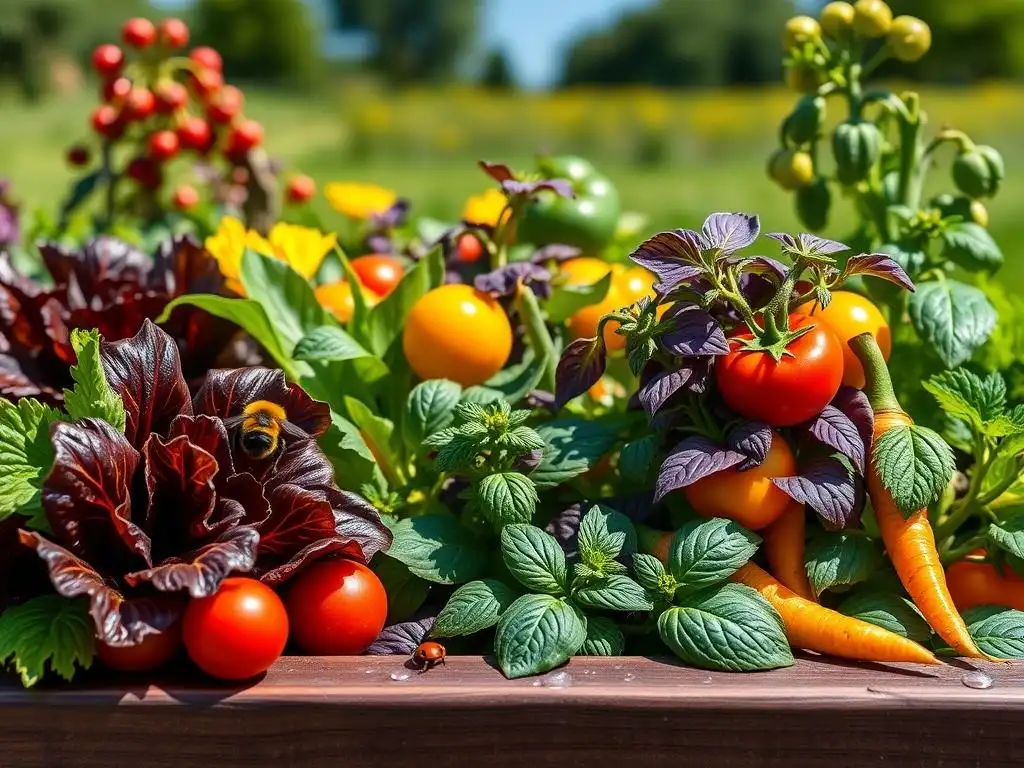
Welcome to CultivateYourFood, your guide to a thriving, sustainable garden, no matter the size of your space! Are you dreaming of fresh, organic produce but limited on land? Then our Square Foot Gardening guide is your key to unlocking abundant harvests. Discover how this precise system maximizes yield in minimal area, transforming even the smallest balcony or backyard into a productive oasis. Learn the secrets to success and prepare to be amazed by what you can grow!
- Understanding the Square Foot Gardening Method: A Comprehensive Guide
- Planning Your Square Foot Garden: Design and Preparation
-
Planting Your Square Foot Garden: A Step-by-Step Approach
- Selecting the Right Plants for Square Foot Gardening: Choosing High-Yield Varieties
- Calculating Plant Spacing in Square Foot Gardening: Optimizing Density
- Planting Techniques for Square Foot Gardening: Direct Seeding and Transplanting
- Companion Planting in Square Foot Gardens: Boosting Growth and Pest Control
- Maintaining Your Square Foot Garden: Care and Harvesting
-
Advanced Square Foot Gardening Techniques: Improving Your Results
- Vertical Square Foot Gardening: Expanding Your Growing Space Upwards
- Square Foot Gardening in Containers: Adapting the Method for Small Spaces
- Year-Round Square Foot Gardening: Extending the Growing Season
- Troubleshooting Common Square Foot Gardening Problems: Addressing Issues and Finding Solutions
- Square Foot Gardening: Frequently Asked Questions (FAQ)
- Frequently Asked Questions
- Final Reflection: Harvesting Abundance, Cultivating Sustainability
- Unleash Your Inner Gardener: Grow More, Worry Less!
Understanding the Square Foot Gardening Method: A Comprehensive Guide
Square foot gardening (SFG) is a highly efficient and sustainable gardening method ideal for maximizing yields in limited spaces. This guide will delve into the core principles of SFG, outlining its advantages over traditional row planting and providing practical advice to help you implement this space-saving technique in your own garden, whether it's a balcony, patio, or small backyard. We'll explore how careful planning and precise planting arrangements allow you to cultivate a bountiful harvest even with minimal square footage.
This method is particularly well-suited for beginners and experienced gardeners alike, offering a structured approach to gardening that promotes healthy plant growth and reduces waste. By the end of this guide, you'll possess the knowledge and confidence to transform your small space into a thriving and productive garden using the principles of square foot gardening, making it a truly effective "square foot gardening guide" for your needs.
What is Square Foot Gardening? Defining the Principles
Square foot gardening is a highly intensive planting method that maximizes yields in a small area. Instead of planting in long rows, SFG utilizes 4' x 4' raised beds divided into one-foot squares. Each square is carefully planned to optimize the planting density and spacing of different plants. The key principles include:
- Raised Beds: Utilizing raised beds improves drainage and soil warming, crucial for optimal plant growth. The height of the bed can be adjusted based on your needs and physical capabilities.
- Soil Mix: A rich and well-draining soil mix is essential. A common recipe includes equal parts compost, peat moss, and vermiculite. This blend ensures proper aeration and water retention.
- Precise Planting: The number of plants per square foot is determined by the mature size of the plant. Smaller plants, like herbs, can be planted more densely than larger plants like tomatoes.
- Careful Planning: A detailed planting plan is crucial to ensure efficient use of space and to prevent overcrowding. Consider companion planting to maximize yields and deter pests.
- Sustainable Practices: SFG inherently encourages sustainable practices, such as composting and water conservation, due to its intensive nature and focus on efficient resource utilization.
Benefits of Square Foot Gardening: Maximizing Yields in Minimal Space
The advantages of square foot gardening are numerous, making it a popular choice for urban and suburban gardeners:
- Increased Yields: By optimizing planting density and spacing, SFG allows you to grow significantly more food in a smaller area compared to traditional row planting.
- Reduced Weeding: The intensive planting strategy minimizes weed growth, saving you time and effort.
- Improved Water Management: The raised beds and well-draining soil improve water retention, reducing the frequency of watering.
- Easy Access: The compact nature of SFG beds makes harvesting and tending to plants easier, even for individuals with mobility limitations.
- Enhanced Soil Health: The use of a rich soil mix improves soil health and promotes vigorous plant growth. The intensive planting also helps to improve soil structure over time.
- Versatility: SFG can be adapted to grow a wide variety of plants, from vegetables and herbs to flowers. Careful planning allows for the cultivation of different crops in the same bed.
Comparing Square Foot Gardening to Traditional Row Planting
Traditional row planting, while a common method, often leads to wasted space and inefficient resource utilization. Here's a comparison:
| Feature | Square Foot Gardening | Traditional Row Planting |
|---|---|---|
| Space Efficiency | High | Low |
| Weeding | Significantly Reduced | More Time-Consuming |
| Water Usage | Optimized | Often Excessive |
| Planting Density | High, Optimized for each plant type | Often Inconsistent, leading to overcrowding or underplanting |
| Accessibility | Excellent, easy access to all plants | Can be difficult to access plants in the middle of rows |
| Initial Setup | Requires building raised beds | Less initial setup, but often less efficient in the long run |
The table above clearly demonstrates that square foot gardening offers several key advantages over traditional methods, particularly for those with limited space. It's a system that prioritizes efficiency and productivity, leading to a rewarding gardening experience even in small gardens. The upfront work of building raised beds is more than offset by the long-term benefits in terms of time saved, increased yields, and reduced resource consumption.
Planning Your Square Foot Garden: Design and Preparation
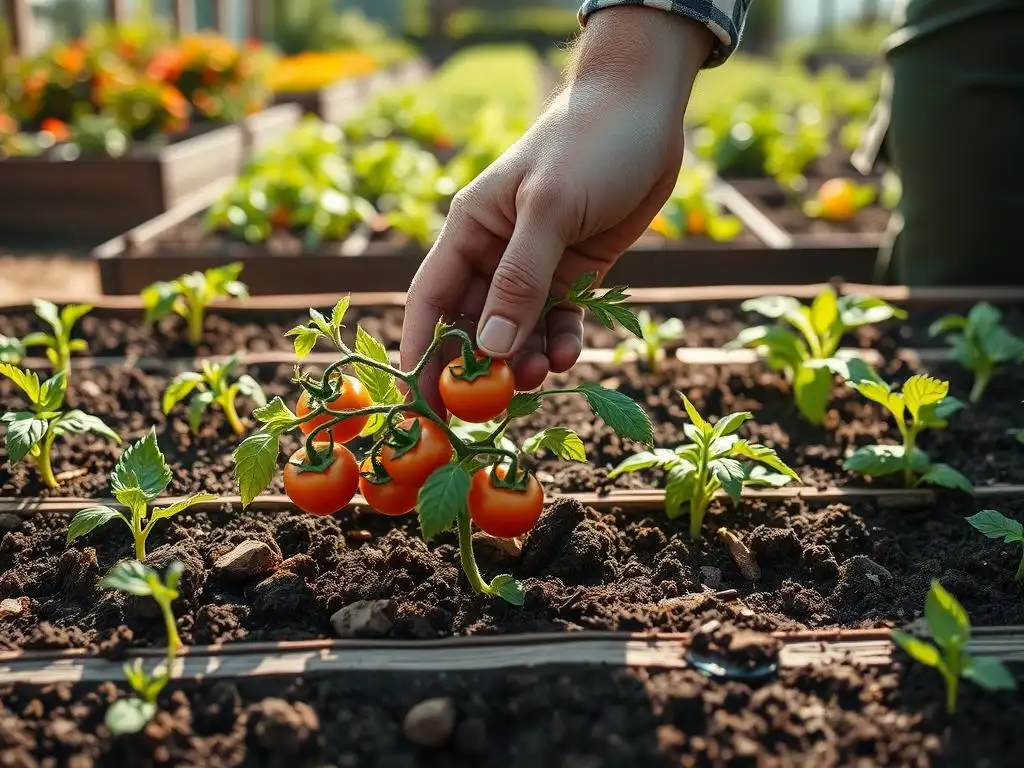
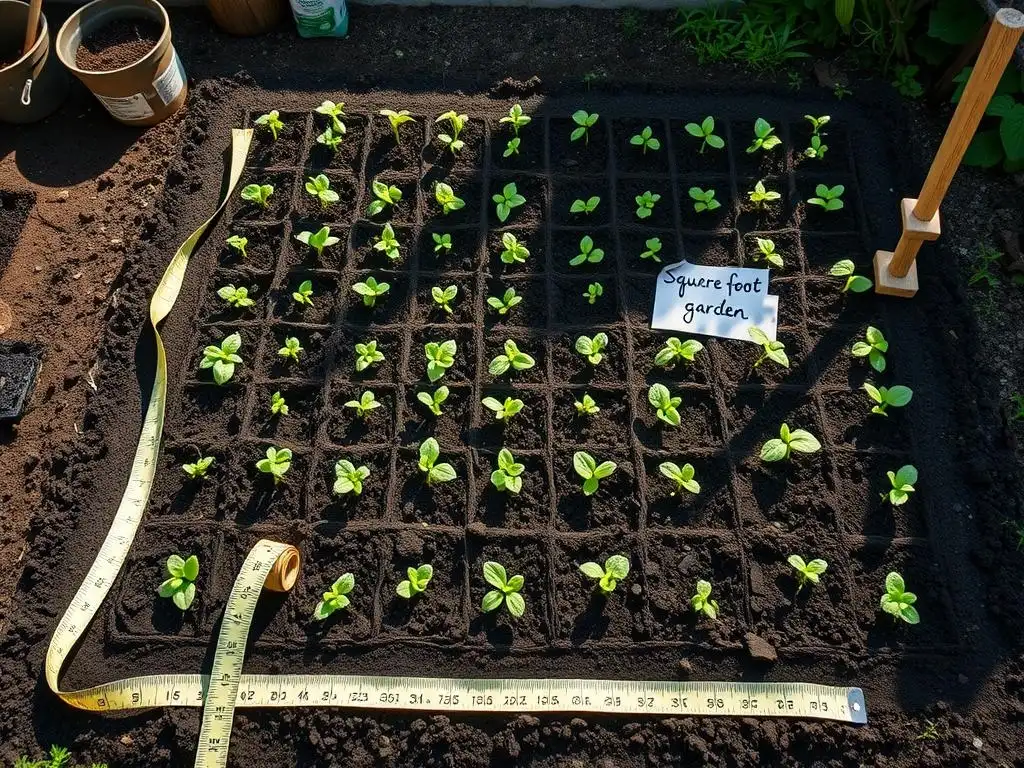
This section delves into the crucial initial steps of establishing a thriving square foot garden. Careful planning ensures maximum yield and minimizes wasted effort. We'll cover selecting the ideal location, constructing your beds, and strategically designing your planting layout – all key elements of a successful square foot gardening guide.
Choosing the Right Location for Your Square Foot Garden
Sunlight is paramount for successful square foot gardening. Your chosen location needs at least six to eight hours of direct sunlight daily. Consider the sun's path throughout the day; morning sun is generally preferred, as it helps dry dew, reducing fungal diseases. Observe your yard for several days, noting where the sun falls at different times. A south-facing location (in the Northern Hemisphere) is typically ideal. Avoid areas with significant shade from trees or buildings.
Additionally, proximity to a water source is beneficial for efficient watering. Easy access for maintenance is also crucial; you’ll be tending to your garden regularly. Finally, consider drainage. Poorly drained soil can lead to root rot and stunted growth. Amend heavy clay soil with organic matter to improve drainage.
Building Your Square Foot Garden Beds: Materials and Construction
Constructing your square foot garden beds is a straightforward process. You can use readily available materials. The most common approach is using untreated lumber (cedar or redwood are excellent choices due to their rot resistance), creating a frame of the desired dimensions (typically 4ft x 4ft). The depth should be approximately 8-12 inches.
To prevent soil erosion and improve drainage, consider lining the bottom of the bed with landscape fabric. Alternatively, you can build raised beds from other materials such as concrete blocks or even repurposed pallets (ensure they are untreated and safe for food production). Remember to assemble the frame tightly to prevent soil from escaping. The key here is to create a well-defined, contained space for your plants.
Once the frame is ready, fill it with a high-quality soil mix. A good mix typically includes compost, peat moss, and vermiculite to ensure proper drainage and aeration. This step is crucial for optimal plant growth and is a key component of any comprehensive square foot gardening guide.
Designing Your Garden Layout: Planning for Efficient Space Utilization
Efficient space utilization is the heart of square foot gardening. The system relies on planting individual plants at precise intervals within a grid system, typically using one-foot squares. Before planting, create a detailed plan on paper. Consider the mature size of each plant and its spacing requirements. Use a grid to assign each square foot to a specific plant. For example:
| Square Foot | Plant | Square Foot | Plant |
|---|---|---|---|
| 1 | Tomato | 5 | Lettuce |
| 2 | Pepper | 6 | Basil |
| 3 | Cucumber | 7 | Carrot |
| 4 | Strawberry | 8 | Radish |
This table illustrates a simple layout. You can adapt it based on your chosen plants and their growth habits. Consider companion planting – strategically placing plants that benefit each other to maximize growth and deter pests. For instance, basil can help repel insects that attack tomatoes.
Remember to rotate your crops annually to prevent soil depletion and pest build-up. Proper planning, detailed in your square foot gardening guide, ensures a productive and efficient garden. Careful consideration of plant spacing and companion planting are crucial for maximizing yield within the confined space of a square foot garden. Remember to account for taller plants potentially shading smaller ones.
Soil Preparation for Square Foot Gardening: Essential Nutrients and Drainage
Square foot gardening relies heavily on the quality of your soil. Unlike traditional gardening methods where you might amend larger areas, the concentrated nature of this technique demands a rich, well-draining soil mix right from the start. Preparing the soil correctly is the cornerstone of a successful square foot garden, maximizing yield and minimizing potential problems.
The ideal soil mix for square foot gardening should be light and airy, allowing for excellent drainage while still retaining enough moisture to keep your plants thriving. Poor drainage leads to root rot, a common issue that can quickly decimate your harvest. Conversely, soil that's too dry will stress your plants and hinder their growth. A good balance is key. A common recommendation is a mix of equal parts compost, peat moss, and vermiculite. This blend provides a perfect combination of organic matter, water retention, and aeration.
Compost is crucial; it introduces a wealth of beneficial microorganisms, essential nutrients, and improves soil structure. High-quality compost acts as a slow-release fertilizer, providing a steady supply of nutrients throughout the growing season. Avoid using garden soil directly from your yard, as it may contain weed seeds, compacted soil, or diseases that can negatively impact your plants. Instead, focus on creating a fresh, clean, and nutrient-rich growing medium specifically for your square foot garden.
The importance of proper drainage cannot be overstated. If water sits in your garden beds, roots will suffocate, leading to stunted growth and disease. Amend heavy clay soils with generous amounts of compost and other organic matter to improve drainage and aeration. Consider adding perlite or coarse sand to further enhance drainage if necessary. Before planting, test your soil mix to ensure it drains properly.
Fill a container with the mix and add water; if the water drains away relatively quickly (within a few minutes), your drainage is adequate. If it sits for an extended period, you will need to amend your soil mix further. Remember, well-drained soil is the foundation of a healthy and productive square foot garden. Investing the time and effort in preparing your soil correctly will pay dividends throughout the growing season.
Planting Your Square Foot Garden: A Step-by-Step Approach
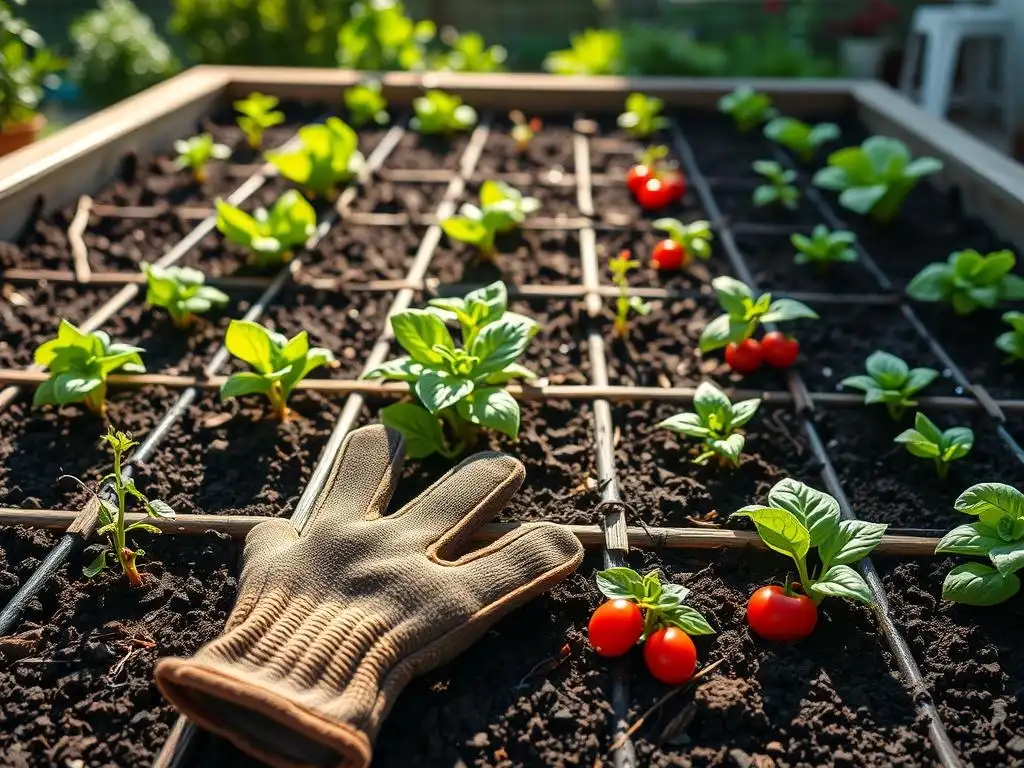
This section provides a detailed, practical guide to planting your square foot garden, focusing on maximizing yield within the confines of your designated square foot plots. We'll cover plant selection, spacing calculations, and efficient planting techniques to ensure a thriving and productive garden. Remember, successful square foot gardening hinges on careful planning and execution. This guide will equip you with the knowledge to achieve optimal results.
Selecting the Right Plants for Square Foot Gardening: Choosing High-Yield Varieties
Choosing the right plants is paramount in square foot gardening. The goal is to maximize yield per square foot, so selecting compact, high-yielding varieties is crucial. Avoid sprawling plants unless you're specifically designing for ground cover or a particular aesthetic. Instead, prioritize varieties bred for container or compact growth.
Consider these high-yielding options for your square foot garden:
- Vegetables: Bush beans (e.g., 'Contender' or 'Blue Lake'), determinate tomatoes (e.g., 'Patio' or 'Roma'), compact peppers (e.g., 'Sweet 100' or 'Jalapeño'), zucchini (bush varieties), and leafy greens like lettuce and spinach (choose loose-leaf varieties).
- Herbs: Basil (compact varieties), chives, parsley (curly or flat-leaf), and thyme.
- Flowers (for pollinators and aesthetics): Dwarf zinnias, calendula, and nasturtiums.
Remember to check the mature size of each plant variety before planting to ensure adequate spacing. A well-planned planting scheme considers both the mature size and the growth habit of each plant. This will prevent overcrowding and competition for resources. Careful plant selection is the cornerstone of a successful square foot garden. Don't underestimate the importance of choosing compact, high-yielding varieties.
Calculating Plant Spacing in Square Foot Gardening: Optimizing Density
Efficient spacing is the key to maximizing yield in square foot gardening. The standard square foot garden uses a 1-foot x 1-foot grid. The number of plants per square foot depends on the mature size of the plant. Larger plants will require more space, while smaller plants can be planted more densely.
Here's a simplified guide to plant spacing:
| Plant Type | Plants per Square Foot | Notes |
|---|---|---|
| Lettuce/Spinach | 9-16 | Depending on variety; smaller varieties can be more densely planted. |
| Bush Beans | 9 | Allow for adequate space for vine growth. |
| Peppers/Tomatoes | 1-4 | Larger plants need more space; consider dwarf or compact varieties. |
| Carrots/Radishes | 16-25 | Plant seeds close together, thinning later as needed. |
| Herbs (small) | 4-9 | Depends on mature size of the plant. |
Remember to always consult the plant's seed packet or plant tag for specific spacing recommendations. Overcrowding can lead to stunted growth, disease, and reduced yield. Conversely, under-planting leaves unused space and reduces overall productivity. Accurate spacing calculations are essential for optimizing your square foot garden's output. Careful consideration and planning will lead to a more productive and efficient use of your space.
Planting Techniques for Square Foot Gardening: Direct Seeding and Transplanting
Square foot gardening allows for both direct seeding and transplanting, each with its own advantages and disadvantages.
- Direct Seeding: This method involves sowing seeds directly into the prepared square foot garden bed. It's ideal for fast-growing plants like lettuce, radishes, and carrots. Direct seeding saves time and money compared to buying transplants. However, germination success can be affected by weather conditions and soil quality. Careful soil preparation is essential for successful direct seeding.
- Transplanting: Transplanting involves starting seeds indoors or purchasing seedlings and then transferring them to your square foot garden. This method is ideal for slower-growing plants like tomatoes, peppers, and herbs. Transplanting offers better control over germination and seedling establishment. It also allows you to start plants earlier in the season, extending your growing season. However, it requires more upfront effort and cost.
The best approach often depends on the specific plant and your gardening preferences. Consider the climate, the plant's growth rate, and your available resources when deciding between direct seeding and transplanting. Regardless of your chosen method, ensure the soil is properly prepared and adequately watered to maximize success. Planning your planting method carefully will enhance the efficiency of your square foot gardening efforts. 🌱
Companion Planting in Square Foot Gardens: Boosting Growth and Pest Control
Companion planting, a cornerstone of organic gardening, is particularly effective in the precise environment of a square foot garden. By strategically placing certain plant species together, you can enhance growth, deter pests, and improve overall yields. This technique leverages the synergistic relationships between plants, maximizing the limited space available. Understanding these relationships is key to successfully implementing companion planting in your square foot garden.
For example, planting basil alongside tomatoes is a classic companion planting strategy. Basil is known to repel tomato hornworms and other common tomato pests, while the tomatoes provide shade for the basil, preventing it from wilting under intense sun. This mutually beneficial relationship contributes to healthier and more productive plants within the confined space of a single square foot.
Another excellent example involves the pairing of carrots and onions. The strong scent of onions repels the carrot rust fly, a common pest that can decimate carrot crops. Conversely, carrots help to improve the soil for onions, leading to larger and more flavorful bulbs. This combination is a testament to how companion planting can improve both the quality and quantity of your harvest in a small space.
Careful planning is essential for successful companion planting. Researching plant combinations beforehand is crucial. Consider factors like plant height, root depth, and sunlight requirements to ensure that your chosen companions don't compete for resources or negatively impact each other's growth.
Many online resources and gardening books offer detailed companion planting charts that can guide you in selecting the optimal pairings for your square foot garden. Remember, the goal is to create a thriving ecosystem within each square foot, maximizing yield and minimizing pest problems. Experimentation is encouraged, but starting with well-researched combinations will increase your chances of success.
This attention to detail will ultimately contribute to a bountiful harvest in your compact square foot garden. It's a great example of how efficient space utilization can lead to impressive gardening results, especially valuable for those with limited outdoor space. This method directly addresses the challenges of small-space gardening, offering a practical solution for maximizing your yield.
Maintaining Your Square Foot Garden: Care and Harvesting
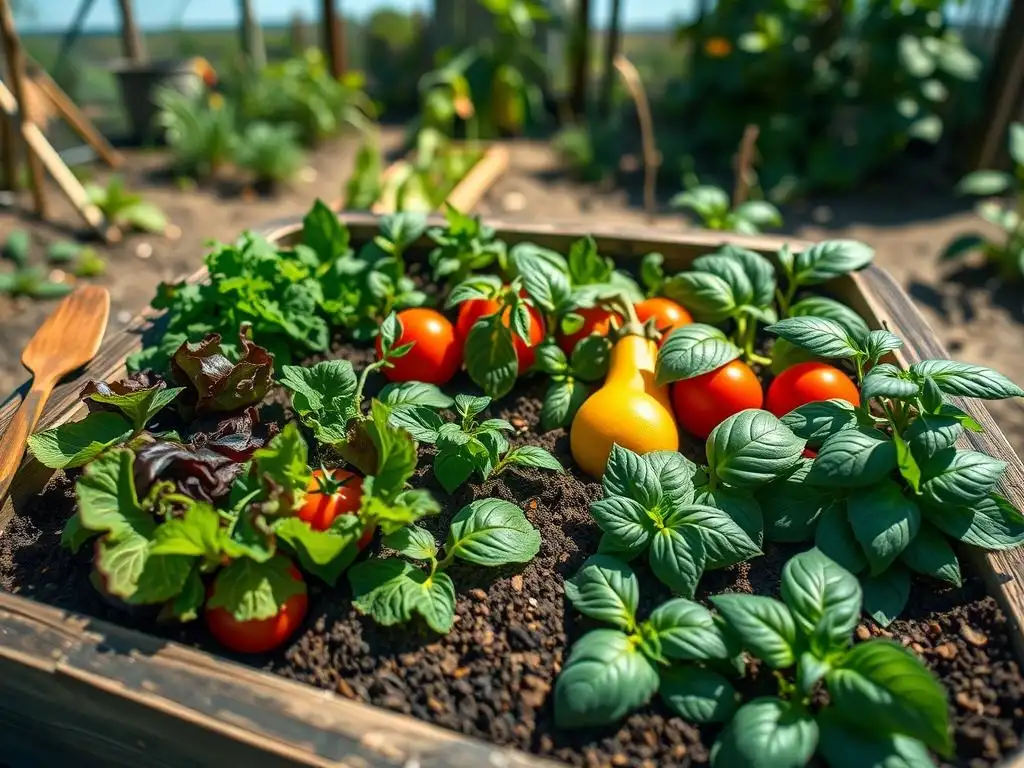
This section delves into the ongoing care and eventual harvesting of your thriving square foot garden. Remember, consistent attention to detail is key to maximizing yields and maintaining healthy plants. This guide will help you master the techniques necessary for a bountiful harvest, all while adhering to sustainable and organic principles. We'll explore efficient watering, nutrient management, and organic pest control strategies specifically tailored for the square foot gardening method. This is your comprehensive guide to square foot gardening maintenance.
Watering Your Square Foot Garden: Efficient Irrigation Techniques
Efficient watering is crucial in square foot gardening, preventing both underwatering and overwatering. Overwatering leads to root rot, while underwatering stunts growth. The key is to water deeply but infrequently. Instead of relying on a sprinkler system which can lead to wasted water and uneven distribution, consider these strategies:
- Deep Watering: Water thoroughly until moisture penetrates the entire root zone of your plants. This usually means watering until you see water draining from the bottom of your raised bed or container. The frequency depends on your climate, soil type, and the plants themselves. A moisture meter can be a valuable tool for assessing soil moisture levels.
- Soaker Hoses: These are highly effective for delivering water directly to the roots, minimizing evaporation and runoff. Place the soaker hose gently along the sides of the square foot garden bed.
- Drip Irrigation: Similar to soaker hoses, drip irrigation systems provide targeted watering, conserving water and nutrients. This is particularly beneficial for larger square foot gardens.
- Watering Can: For smaller gardens, a watering can with a rose head provides gentle, even watering. Avoid overhead watering, which can spread diseases and damage delicate plants.
Remember to adjust your watering schedule according to the weather conditions. During hot, dry periods, you may need to water more frequently. Conversely, during cooler, wetter periods, you may need to water less often. Always check the soil moisture before watering to avoid overwatering. Observing your plants for signs of wilting or stress is also crucial.
Fertilizing Your Square Foot Gardening: Nutrient Management Strategies
Nutrient management is vital for maintaining the productivity of your square foot garden. While you initially amend your soil with compost, ongoing fertilization is needed to replenish nutrients depleted by your growing plants. Here are some organic fertilization strategies:
- Compost Tea: Brewing a compost tea provides a liquid fertilizer rich in beneficial microorganisms that enhance soil health and nutrient availability. This is a sustainable and effective way to boost nutrient levels.
- Side-Dressing with Compost: Adding a small amount of compost around the base of your plants provides a slow-release source of nutrients. Avoid piling the compost directly against the stems to prevent rot.
- Fish Emulsion: A liquid fertilizer derived from fish, fish emulsion is a rich source of nitrogen, phosphorus, and potassium, essential nutrients for plant growth. Use as directed on the product label.
- Seaweed Extract: Seaweed extract is a natural fertilizer packed with micronutrients that promote healthy growth and disease resistance. It's a great addition to your regular fertilization regimen.
Remember to always follow the instructions on the fertilizer packaging. Over-fertilizing can be harmful to your plants and the environment. Regular soil testing can help determine nutrient deficiencies and guide your fertilization strategy. This ensures your plants receive the precise nutrients they need for optimal growth.
Pest and Disease Control in Square Foot Gardens: Organic Solutions
Maintaining a healthy square foot garden requires proactive pest and disease management. The compact nature of square foot gardening can make pest infestations more likely, so implementing preventative measures is crucial. Prioritize organic solutions to protect beneficial insects and maintain soil health. Here are some strategies:
- Beneficial Insects: Introduce beneficial insects like ladybugs and lacewings to your garden. These natural predators feed on common garden pests, reducing the need for chemical pesticides.
- Companion Planting: Strategically planting certain plants together can deter pests and attract beneficial insects. For example, basil repels aphids, while marigolds deter nematodes.
- Neem Oil: Neem oil is a natural insecticide derived from the neem tree. It's effective against a wide range of pests, including aphids, whiteflies, and spider mites. Always dilute according to the instructions.
- Diatomaceous Earth: Diatomaceous earth is a natural powder made from fossilized algae. It acts as an abrasive, damaging the exoskeletons of insects and dehydrating them. Apply as a dust around the base of plants.
- Crop Rotation: Rotating your crops annually helps break pest and disease cycles, preventing the buildup of pathogens in the soil.
Regularly inspect your plants for signs of pests or diseases. Early detection is key to effective management. Remember that organic pest control often requires a multi-pronged approach, combining various techniques for optimal results. A healthy, well-maintained square foot garden is less susceptible to pest problems. This proactive approach ensures a successful and sustainable harvest.
Harvesting Your Square Foot Garden: Maximizing Yields and Freshness
Harvesting in a square foot garden requires a slightly different approach than traditional gardening. The close proximity of plants means careful attention to avoid damaging neighboring crops. The key is regular, smaller harvests rather than one large one. This prevents overcrowding, encourages continuous growth, and ensures the freshest produce possible.
For example, instead of waiting for all the lettuce to mature fully, harvest outer leaves as they reach their prime, leaving the inner leaves to continue growing. This "succession planting" technique ensures a constant supply of fresh lettuce throughout the growing season. Similarly, with bush beans, harvest regularly, picking only the pods that are ready, leaving the smaller ones to mature. This prevents the plant from diverting energy to over-mature pods, and promotes the development of more beans.
Regular harvesting also plays a significant role in pest control. Removing mature fruits and vegetables promptly prevents them from becoming breeding grounds for pests or attracting unwanted insects. For instance, promptly harvesting ripe tomatoes prevents the fruit from rotting on the vine, which can attract fruit flies and other pests that may damage other plants. This proactive approach helps maintain the overall health and productivity of your square foot garden. Furthermore, consistent harvesting keeps plants producing, maximizing your yield and extending the growing season.
Don't be afraid to harvest often; your plants will reward you with a bountiful supply of fresh produce. Remember to use sharp, clean tools to avoid damaging the plants during harvesting. This minimizes stress on your plants and promotes healthy regrowth. A sharp knife or harvesting shears are ideal for cleanly removing produce, preventing the spread of disease.
Remember to always harvest in the morning after the dew has dried to avoid spreading diseases. This also allows the harvested produce to cool slightly before storage. Proper harvesting techniques are crucial for maximizing yields and maintaining the quality of your produce, leading to a more successful square foot gardening experience. Consider the specific needs of each plant when harvesting; some plants, like zucchini, need to be harvested frequently to prevent overgrowth, while others, like root vegetables, may require a longer growing period.
Observe your plants closely and learn their individual cues for optimal harvesting times. This attentive approach will significantly contribute to the success and productivity of your square foot garden. Happy harvesting!
Advanced Square Foot Gardening Techniques: Improving Your Results
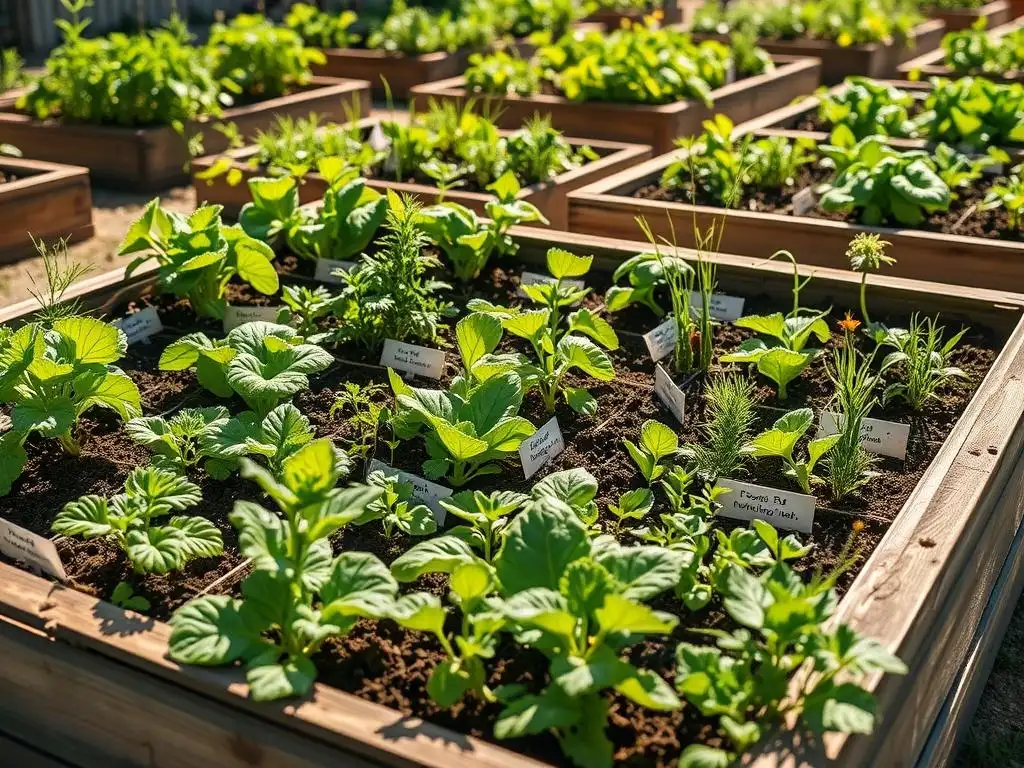
This section delves into advanced techniques to optimize your square foot gardening (SFG) yields and efficiency, building upon the fundamental principles already established. We'll explore ways to maximize space utilization and extend your growing season, transforming your small garden into a productive powerhouse. Mastering these techniques will elevate your SFG game and allow you to harvest an abundance of fruits, vegetables, and herbs even in limited areas. Remember, successful square foot gardening is all about thoughtful planning and precise execution.
Vertical Square Foot Gardening: Expanding Your Growing Space Upwards
Vertical square foot gardening is a game-changer for maximizing yield in limited spaces. Instead of relying solely on horizontal planting, you leverage vertical structures to create multiple layers of growing area. This technique is particularly beneficial for vining plants like cucumbers, tomatoes, and beans. Imagine a trellis or a series of stacked containers—each acting as an independent square-foot garden.
Consider these practical applications:
- Trellises: Construct sturdy trellises made from readily available materials like bamboo, PVC pipes, or even repurposed wood pallets. These provide support for climbing plants, allowing them to grow upwards and preventing overcrowding.
- Stacked Planters: Utilize tiered planters or create your own using readily available containers of varying sizes. Ensure proper drainage in each level to prevent root rot. Smaller plants can be placed on higher levels, maximizing sunlight exposure.
- Vertical Hanging Baskets: Hanging baskets offer a unique vertical growing solution, ideal for herbs, strawberries, or trailing plants. Choose containers with adequate drainage and consider the weight when hanging them.
By incorporating vertical elements into your SFG design, you can substantially increase your growing capacity without expanding your footprint. This innovative approach is a key component of any comprehensive square foot gardening guide. Careful plant selection is crucial for successful vertical gardening; choose varieties that are compact and suited to vertical growth.
Square Foot Gardening in Containers: Adapting the Method for Small Spaces
Container square foot gardening adapts the principles of SFG to suit balconies, patios, or even windowsills. It's perfect for those with limited outdoor space or those who want the convenience of easily movable gardens. The key is selecting appropriate containers and ensuring proper drainage and soil composition.
Here's a breakdown of essential considerations:
- Container Selection: Choose containers that are at least 12 inches deep to provide sufficient root space. Consider materials like wood, plastic, or even repurposed buckets. Ensure the containers have drainage holes to prevent waterlogging.
- Soil Mix: Use a well-draining potting mix specifically designed for containers. Avoid using garden soil directly, as it can become compacted and hinder root development.
- Plant Spacing: Maintain the same precise spacing as in traditional SFG, ensuring each plant has enough room to grow. Smaller containers may require adjusting the number of plants per square foot.
This method allows for a highly customized and flexible approach to SFG. You can arrange your container gardens to suit your space and preferences, creating a vibrant and productive oasis even in the smallest of areas. Remember to regularly monitor moisture levels in your containers, as they dry out faster than in-ground gardens. This adaptability makes container SFG an excellent option highlighted in any comprehensive square foot gardening guide.
Year-Round Square Foot Gardening: Extending the Growing Season
Extending your growing season through year-round square foot gardening requires strategic planning and the use of protective structures and techniques. This allows you to harvest fresh produce even during colder months, significantly increasing your annual yield.
Let's explore some effective strategies:
- Cold Frames: Cold frames provide a simple and affordable way to extend the growing season. They act as miniature greenhouses, trapping heat and protecting plants from frost. Constructing a cold frame is a relatively easy DIY project.
- Row Covers: Row covers, also known as floating row covers, are lightweight fabrics that protect plants from frost and cold winds. They allow sunlight and air to reach the plants while providing insulation.
- Greenhouse: For a more ambitious approach, consider investing in or building a small greenhouse. This provides optimal temperature control and protection from the elements, allowing you to grow a wider variety of plants year-round. Proper ventilation is crucial to prevent overheating.
- Indoor Gardening: Supplement your outdoor SFG with indoor gardening. Choose plants suitable for indoor growing conditions, and provide adequate light using grow lights if necessary.
Careful consideration of plant hardiness zones and microclimates is essential for successful year-round SFG. By implementing these techniques, you can significantly increase the productivity of your square-foot garden, regardless of the season. A well-structured square foot gardening guide will emphasize the importance of these strategies for maximizing harvests throughout the year.
Troubleshooting Common Square Foot Gardening Problems: Addressing Issues and Finding Solutions
Square foot gardening, while efficient, isn't without its challenges. Understanding and addressing common problems proactively is crucial for maximizing yields and enjoying a successful harvest. Let's delve into some frequent issues and explore effective solutions.
One common problem is poor drainage. If your square foot garden beds are consistently waterlogged, your plants will suffer from root rot and other fungal diseases. The solution lies in ensuring proper drainage from the outset. This involves using well-draining soil mixes, incorporating amendments like perlite or vermiculite to improve aeration, and ensuring your raised beds have adequate drainage holes if you're using containers. Regularly checking the soil moisture levels with your finger is also crucial; only water when the top inch of soil feels dry. Overwatering is a major culprit in many square foot gardening failures.
Another frequent issue is pest infestations. The concentrated nature of square foot gardening can make your plants more susceptible to pest attacks. Implementing preventative measures is key. This includes companion planting, utilizing beneficial insects like ladybugs to control aphids, and using organic pest control methods like neem oil or insecticidal soap.
Regularly inspecting your plants for signs of pests and promptly addressing any infestations is critical. Early detection can prevent a minor problem from escalating into a major yield loss. Remember to always identify the pest correctly before applying any treatment to ensure you're using the most effective and least harmful method.
Nutrient deficiencies are another potential hurdle. While square foot gardening allows for precise nutrient application, imbalances can still occur. Regular soil testing can help identify deficiencies in essential nutrients like nitrogen, phosphorus, or potassium. Amendments like compost, worm castings, and bone meal can provide a natural boost. Using a balanced organic fertilizer according to package instructions will also help prevent nutrient deficiencies. Observe your plants carefully. Yellowing leaves, stunted growth, or unusual discoloration can be indicative of nutrient problems, prompting you to investigate further.
Finally, weed control remains a persistent challenge. Regular weeding is essential to prevent weeds from competing with your plants for resources. Mulching with organic materials like straw or shredded leaves can significantly reduce weed growth by suppressing sunlight and moisture. Careful planting and ensuring proper spacing also helps minimize weed competition. Consistent monitoring and prompt removal of any emerging weeds will keep your square foot garden thriving. Ignoring weeds can quickly lead to a diminished harvest. Remember, prevention is key in all these areas; proactive management will yield the best results.
Square Foot Gardening: Frequently Asked Questions (FAQ)
This section addresses common questions about square foot gardening, helping you get started with this efficient and sustainable method. We'll cover startup costs, ideal plants for beginners, and the space requirements for a productive garden.
How much does it cost to start a square foot garden?
The initial investment for a square foot garden is surprisingly low, making it an accessible option for many gardeners, especially those with limited space or budgets. The cost largely depends on what materials you already have on hand and whether you choose to build your own beds or purchase pre-made ones.
Let's break down the potential expenses:
| Item | Cost Range | Notes |
|---|---|---|
| Raised Garden Bed: | $20 - $100+ | Prices vary greatly depending on size, material (wood, plastic, metal), and whether you build it yourself or buy a pre-made one. You can even repurpose materials you already have! |
| Soil Mix: | $10 - $30 | This depends on the quantity needed and the specific components of your soil mix. Using your own compost significantly lowers this cost. |
| Plants (seeds/seedlings): | $5 - $50+ | This is highly variable, depending on the number and type of plants you select. Starting from seeds is generally cheaper than buying seedlings. |
| Tools (if needed): | $10 - $50+ | You might need a trowel, measuring tape, and gardening gloves. Many gardeners already own these tools. |
Therefore, a basic square foot garden can be started for as little as $45-$130, potentially even less if you utilize recycled materials and existing tools. The cost will increase with the size of your garden and the number of plants you choose to cultivate. Remember, investing in high-quality soil and compost will pay off in the long run with healthier plants and a more bountiful harvest. Think of this as an investment in delicious, homegrown food! 🥕
What are the best plants for beginners using this method?
Choosing the right plants is crucial for a successful square foot garden, particularly for beginners. Opt for easy-to-grow, fast-maturing varieties that are less demanding in terms of care and maintenance. Here are some excellent choices:
- Lettuce: Various types of lettuce are incredibly beginner-friendly, offering quick results and a satisfying harvest. They’re also very adaptable to different conditions.
- Radishes: These root vegetables mature quickly, providing a rewarding early harvest. Their compact growth habit makes them perfect for square foot gardening.
- Bush Beans: These beans are compact and produce a good yield in a small space. Choose varieties specifically suited to shorter growing seasons.
- Spinach: Similar to lettuce, spinach is a hardy and fast-growing leafy green that thrives in square foot gardens.
- Strawberries: Compact strawberry varieties are a delightful addition, offering delicious fruit.
Remember to consider the spacing requirements for each plant, ensuring proper air circulation and sunlight access. Always check the seed packet or plant tag for specific spacing recommendations. Careful planning and selection will maximize your yield and minimize frustration. Don't be afraid to experiment! 🎉
How much space do I need for a productive square foot garden?
The beauty of square foot gardening lies in its adaptability to various spaces. Even a small balcony or patio can accommodate a productive garden. The amount of space you need depends entirely on your gardening goals and the number of plants you want to grow.
A single 4x4 foot (16 square foot) bed can provide a substantial harvest for a single person or a small family, especially if you carefully plan the layout and plant selection. This size allows for a diverse range of plants, enabling you to grow a variety of vegetables, herbs, and even some low-growing fruits. Larger gardens can be created by adding more 4x4 foot beds, or by creating larger, custom-sized beds.
Remember that you can also use vertical gardening techniques to maximize the space within your square foot garden beds. Even a small space, efficiently utilized, can yield a surprising amount of fresh produce. 🍅
Can I use this method in different climates?
Yes, the square foot gardening method is remarkably adaptable to various climates, though modifications may be necessary depending on your specific location. The core principle—maximizing space and optimizing plant placement—remains consistent. However, the timing of planting and the types of plants you choose will vary significantly.
For example, in warmer climates with longer growing seasons, you can plant a wider array of heat-tolerant vegetables and herbs, potentially extending your growing period throughout the year. You might even consider succession planting, where you plant new crops as others finish their cycle, maximizing the yield from your square foot plots. Conversely, in colder climates with shorter growing seasons, you'll need to select cold-hardy varieties, prioritize fast-maturing plants, and potentially utilize cold frames or row covers to extend the growing season.
Understanding your local frost dates is crucial. This information, readily available from local agricultural extension offices or online weather resources, will inform when you can safely plant outdoors. You'll also need to consider the average temperature and rainfall in your region to select suitable plants and adjust watering schedules accordingly. For instance, arid climates will require more frequent watering, potentially necessitating drip irrigation systems for efficient water management within your square foot garden. Conversely, areas with high rainfall might need better drainage to prevent root rot.
Furthermore, the materials you use can also be adapted to suit the climate. In extremely hot climates, you might consider using lighter-colored materials for your raised beds to reflect sunlight and prevent overheating of the soil. In colder climates, darker materials might be beneficial to absorb more heat.
Always remember that adapting your square foot garden to your specific climate is key to success. Careful observation and adjustments based on your local conditions will lead to thriving plants and a bountiful harvest, regardless of your climate. Consider consulting local gardening resources and experienced gardeners in your area for further climate-specific advice.
Frequently Asked Questions
What is square foot gardening?
Square foot gardening is a highly efficient method of gardening where you plant directly into a raised bed divided into one-foot squares. This allows for precise planting density and maximizes yield in a small space. It's perfect for small gardens or patios.
What are the benefits of square foot gardening?
Benefits include increased yields, reduced weeding, better water management, and simplified pest control. It's also ideal for beginners due to its structured approach and ease of planning.
What materials do I need to start a square foot garden?
You'll need raised bed materials (wood, concrete, etc.), soil mix (a blend of compost, peat moss, and vermiculite), and seeds or seedlings. Don't forget measuring tools for accurate planting.
How do I plan my square foot garden layout?
Carefully consider the size and growth habits of your chosen plants. Use a grid to plan the placement of each plant within its square, ensuring sufficient space for growth. Refer to a square foot gardening planting chart for guidance.
How do I maintain a square foot garden?
Regular watering and fertilizing are key. Weed regularly to prevent competition for resources. Monitor for pests and diseases and take appropriate action as needed. Harvest regularly to encourage continued production.
Final Reflection: Harvesting Abundance, Cultivating Sustainability
The principles of square foot gardening, once a niche practice, are now more relevant than ever. In a world grappling with climate change, food insecurity, and shrinking urban green spaces, maximizing yield in minimal areas is no longer a luxury but a necessity. This efficient and intensely productive method offers a powerful solution to these pressing challenges, proving that even the smallest space can yield a bountiful harvest.
The impact of square foot gardening extends beyond the individual plot; it fosters a deeper connection with the food we consume and the environment that sustains us. It encourages mindful cultivation, reducing reliance on large-scale, often unsustainable, agricultural practices. As the renowned gardener, Ruth Stout, once said: Gardening is not a matter of what you do, but what you don't do.
This philosophy, perfectly embodied in the efficient design of square foot gardening, challenges us to reconsider our relationship with nature and the resources we utilize. The simplicity and effectiveness of the method empower individuals to take control of their food sources, fostering a sense of self-sufficiency and resilience.
Now, consider your own space. Do you have a balcony, a small backyard, or even just a sunny windowsill? Imagine the possibilities. Square foot gardening isn't just a technique; it's a pathway to self-reliance, a connection to nature, and a contribution to a more sustainable future. Take the lessons learned here, adapt them to your unique circumstances, and begin cultivating your own abundant harvest. The journey begins with a single square foot, but the rewards extend far beyond.
Unleash Your Inner Gardener: Grow More, Worry Less!
Thank you for exploring the world of square foot gardening! We hope you've discovered valuable techniques for maximizing your harvest in a small space. Now it's time to put your knowledge into practice.
Here's how to get started:
- Begin planning your square foot garden bed today! Sketch a design, considering sunlight, soil type, and the vegetables you most want to grow. This is the crucial first step toward a plentiful harvest.
- Experiment with companion planting: Research which plants benefit from being grown together—you might be surprised by the positive results! It's a rewarding way to expand your gardening expertise.
- Share your square foot gardening journey with us! Tell us about your experiences, successes, and challenges—we'd love to hear from you in the comments below.
Ready to transform a small space into a thriving garden? What's the first vegetable you'll plant?