
The Ultimate Checklist for Setting Up Your Grow Lights

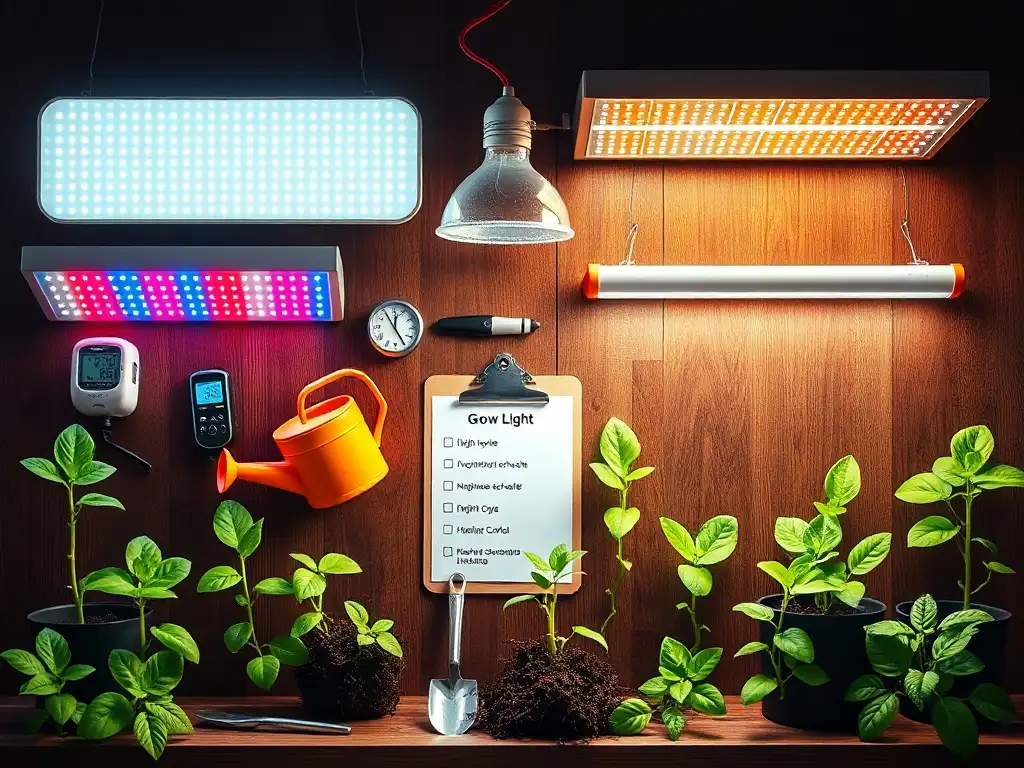
Ready to unlock the secrets to a bountiful harvest, no matter the season? At CultivateYourFood, we're passionate about empowering you to grow your own fruits, vegetables, and herbs organically. This journey starts with the right tools, and that's why we've created the ultimate grow light setup checklist. Discover the essential steps to ensure optimal plant growth and avoid common pitfalls. Let's get started on your path to a thriving, sustainable garden!
- Planning Your Indoor Garden Lighting: A Step-by-Step Guide
- Choosing the Right Grow Lights for Your Indoor Garden
- Setting Up Your Grow Lights: A Detailed Checklist
- Monitoring and Adjusting Your Grow Light Setup: Optimization for Maximum Yield
- Maintaining Your Grow Lights: Extending Lifespan and Efficiency
- Frequently Asked Questions
- Final Reflection: Illuminating the Path to Indoor Gardening Success
- Unleash Your Inner Gardener: Grow Brighter!
Planning Your Indoor Garden Lighting: A Step-by-Step Guide
Cultivating a thriving indoor garden requires careful planning, and choosing the right grow lights is a crucial first step. This comprehensive checklist will guide you through setting up your grow lights effectively, ensuring your plants receive the optimal light intensity and spectrum for healthy growth. Whether you're a seasoned gardener or a beginner, this guide will equip you with the knowledge and tools to create a flourishing indoor oasis, maximizing your yield and minimizing potential problems.
We'll cover everything from assessing your space and plant needs to choosing the right equipment and troubleshooting common issues, all while emphasizing sustainable and organic practices. This checklist focuses on providing a practical, step-by-step approach to mastering your grow light setup, helping you achieve the best possible results from your indoor garden. Let's get started on building your perfect indoor growing environment!
Assessing Your Space and Plant Needs: Light Intensity and Spectrum for Optimal Growth
Before purchasing any grow lights, carefully analyze your growing space and the specific needs of your chosen plants. Different plants require different light intensities and spectral compositions. For example, leafy greens generally need less intense light than flowering plants or fruiting vegetables. Consider these key factors:
- Space Dimensions: Measure the length, width, and height of your grow area. This will determine the size and number of grow lights you need. Accurate measurements are crucial for efficient light coverage and prevent wasted energy.
- Plant Light Requirements: Research the specific light requirements (intensity and spectrum – measured in PPFD (Photosynthetic Photon Flux Density) and PAR (Photosynthetically Active Radiation)) of the plants you plan to grow. This information is usually available on seed packets or from reputable gardening resources. A lack of understanding of these requirements can lead to stunted growth or poor yields.
- Light Intensity: PPFD is a critical factor. It measures the number of photons hitting a surface area per second. Different plants thrive under different PPFD levels. You'll need to choose grow lights that can deliver the appropriate intensity for your chosen plants. Aim for consistent PPFD across the entire growing area.
- Light Spectrum: The spectral composition of your grow lights is equally important. Plants require specific wavelengths of light for photosynthesis and healthy growth. Full-spectrum grow lights mimic natural sunlight, providing a balance of red, blue, and other wavelengths. Understanding the specific spectral needs of your plants will help you select the most appropriate grow lights.
- Plant Height and Growth Habit: Consider how tall your plants will grow. You'll need to adjust the height of your grow lights accordingly to avoid light burn or insufficient light penetration. Also, account for the plant's growth habit – some plants grow wider than others, requiring adjustment of light placement to ensure even coverage.
We will continue this detailed checklist in the following sections, covering essential aspects of selecting the right grow lights, installation, and ongoing maintenance. Stay tuned for more insightful information to help you create a successful indoor garden!
Choosing the Right Grow Lights for Your Indoor Garden
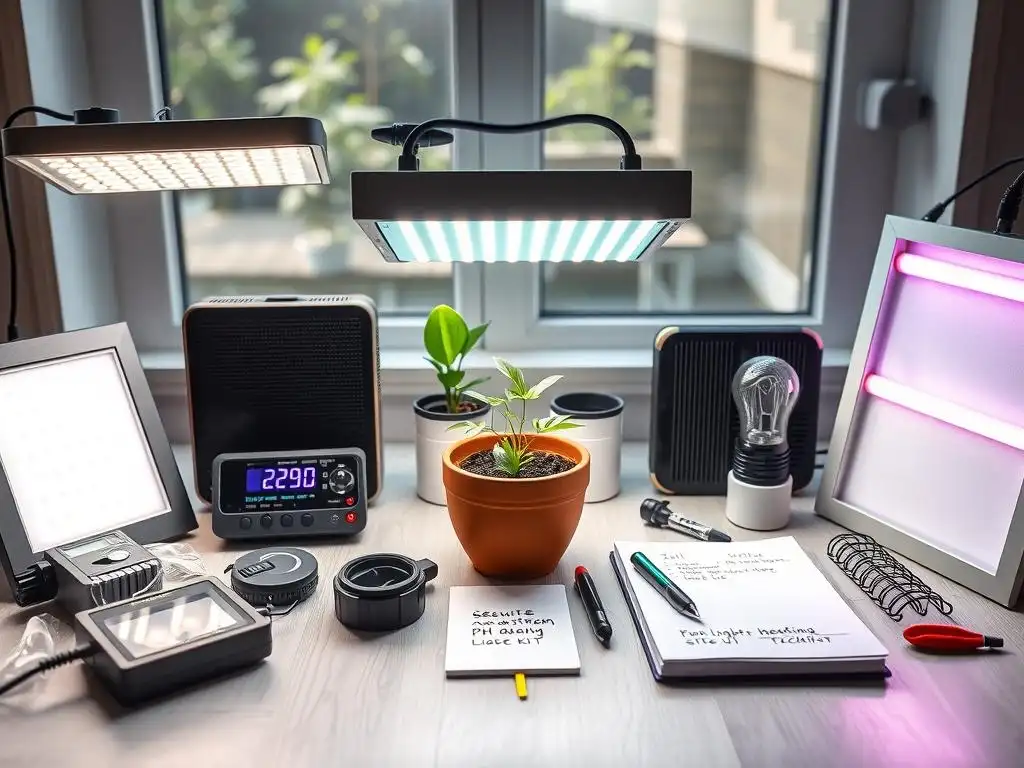
This section focuses on selecting the optimal grow lights for your indoor gardening needs. Successfully cultivating fruits, vegetables, and herbs indoors hinges on providing the right spectrum and intensity of light. The choice depends on several factors including the type of plants you're growing, the available space, and your budget. We'll explore these factors to help you make an informed decision and avoid common pitfalls in your grow light setup checklist.
Remember, proper lighting is crucial for healthy plant growth, maximizing yields, and ensuring a successful harvest. Choosing the wrong grow lights can lead to stunted growth, poor flowering, and ultimately, a disappointing yield. Let's dive into the details to help you avoid such issues.
Types of Grow Lights: LED, Fluorescent, HID, and Their Pros and Cons
Grow lights come in various types, each with its advantages and disadvantages. Understanding these differences is essential when creating your grow light setup checklist. The most common types include LED, fluorescent, and High-Intensity Discharge (HID) lights.
| Grow Light Type | Pros | Cons | Energy Efficiency | Initial Cost | Lifespan |
|---|---|---|---|---|---|
| LED | Long lifespan, low energy consumption, cool operation, various spectrums available | Higher initial cost, can be less powerful than HID for same wattage | Very High | High | Very Long |
| Fluorescent | Relatively inexpensive, easy to install, readily available | Shorter lifespan than LEDs, can generate heat, less efficient than LEDs | Medium | Low | Medium |
| HID (HPS/MH) | High light output, suitable for large areas | High energy consumption, generate significant heat, shorter lifespan than LEDs | Low | Medium | Short |
Let's break down the specifics of each type:
LED Grow Lights: LEDs (Light Emitting Diodes) are quickly becoming the preferred choice for indoor gardening due to their energy efficiency and long lifespan. They offer various spectrums tailored to different growth stages (vegetative and flowering). They produce less heat than other types, making them safer for plants and easier to manage in enclosed spaces. However, the higher initial investment is a factor to consider. The long-term savings in energy consumption often outweigh this initial cost, especially for larger setups.
Fluorescent Grow Lights: Fluorescent lights are a more budget-friendly option, making them a popular choice for beginners. They are relatively easy to install and readily available. However, they have a shorter lifespan compared to LEDs and are less energy-efficient. They also generate more heat than LEDs, which can be detrimental to plants, especially in warmer environments. Their light output is generally lower, making them suitable for smaller setups or supplementing other light sources.
HID Grow Lights (High-Intensity Discharge): HID lights, including High-Pressure Sodium (HPS) and Metal Halide (MH) lamps, offer high light output, making them suitable for large grow areas. However, they consume significant amounts of energy, generate substantial heat, and have a relatively short lifespan compared to LEDs. They require specialized ballasts and fixtures, adding to the overall cost and complexity of the setup. Proper ventilation is essential when using HID grow lights to prevent overheating.
Choosing the right grow light type depends on your specific needs and budget. Consider the size of your grow area, the types of plants you're growing, and your energy consumption preferences when making your decision. A well-planned grow light setup checklist will help ensure a successful and productive indoor garden. Remember to factor in the spectrum, intensity, and overall cost-effectiveness when making your selection. Careful consideration of these factors will contribute significantly to your grow light setup checklist.
Setting Up Your Grow Lights: A Detailed Checklist
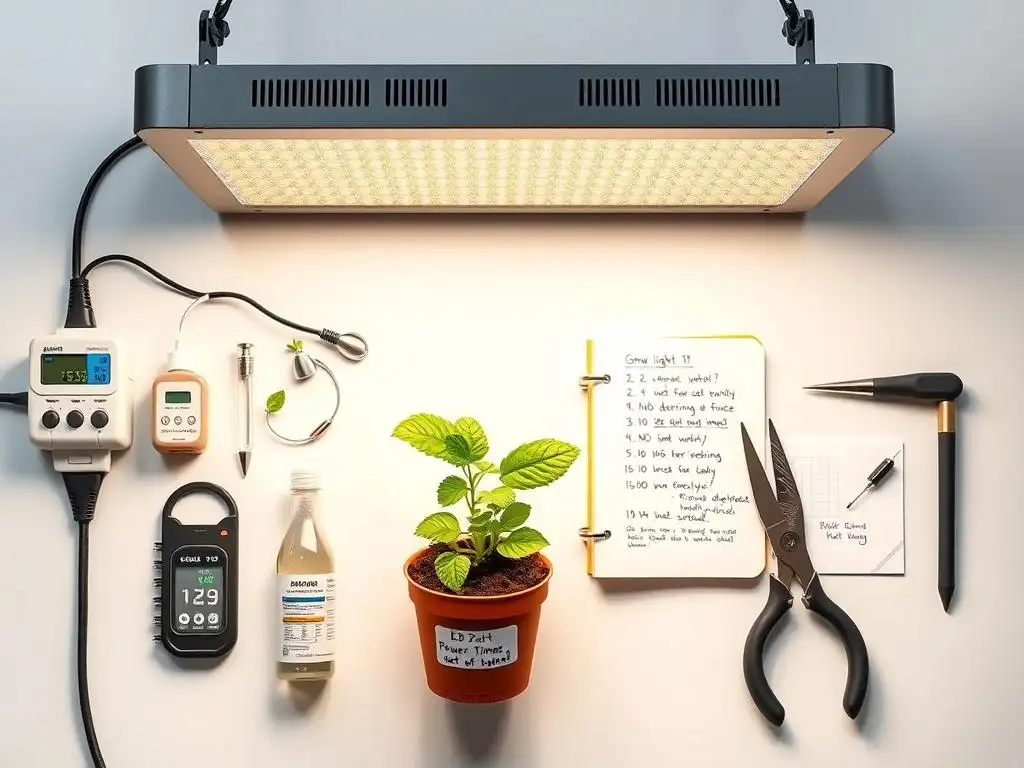
This section provides a comprehensive checklist to ensure a safe and effective grow light setup for your indoor garden. Following these steps will maximize your plants' growth and minimize potential problems. Remember, proper setup is crucial for successful indoor gardening, regardless of whether you're growing tomatoes, basil, or delicate orchids. This checklist focuses specifically on optimizing your "grow light setup," ensuring you get the best results from your investment.
Mounting and Positioning Your Grow Lights: Optimizing Light Distribution and Preventing Damage
Proper mounting and positioning of your grow lights are critical for healthy plant growth. Incorrect placement can lead to uneven light distribution, resulting in stunted growth or burned foliage. Consider these factors:
- Distance from Plants: The distance between your grow lights and plants is paramount. It varies depending on the type of light (LED, fluorescent, HID) and its wattage. Too close, and you risk scorching your plants; too far, and they won't receive sufficient light for photosynthesis. Always consult the manufacturer's instructions for recommended distances. Observe your plants closely; if they show signs of stress (wilting, leaf burn), adjust the height accordingly.
- Light Coverage: Ensure your grow lights adequately cover your entire growing area. For larger setups, you might need multiple lights strategically positioned to provide even illumination. Avoid placing lights directly above the plant's center; aim for a slightly offset position to prevent overexposure to a single point.
- Mounting Hardware: Use sturdy and appropriate mounting hardware to secure your grow lights. This is especially important for heavier lights, such as high-intensity discharge (HID) systems. Ensure the mounting system is stable and can support the weight of the lights, preventing accidental falls and damage. Consider using safety chains or straps as an added precaution, especially in areas prone to vibrations or movement.
- Heat Dissipation: Grow lights, particularly HID and some LED types, generate significant heat. Proper ventilation is essential to prevent overheating, which can damage your plants and create a fire hazard. Ensure sufficient airflow around your lights and plants, using fans or an active ventilation system. Regularly check the temperature in your grow area to ensure it remains within the optimal range for your plants.
Electrical Connections and Safety Precautions: Avoiding Electrical Hazards in Your Grow Room
Electrical safety is a paramount concern when setting up grow lights. Improper connections can lead to electrical shocks, fires, and equipment damage. Follow these guidelines meticulously:
- Proper Wiring: Use appropriately sized wiring and connectors for your grow lights. Overloading circuits can cause overheating and fire hazards. Consult a qualified electrician if you are unsure about the electrical requirements of your setup or if you need to modify your existing wiring. Never use damaged or frayed wires.
- Grounded Outlets: Ensure all your grow lights are plugged into grounded outlets. This provides a safe path for stray electricity, reducing the risk of electric shock. Regularly inspect your outlets and ensure they are functioning correctly.
- Surge Protection: A surge protector is highly recommended to safeguard your grow lights and other equipment from power surges, which can cause significant damage. Choose a surge protector with sufficient capacity for your setup.
- Regular Inspection: Regularly inspect your grow lights, wiring, and connections for any signs of damage, such as frayed wires, loose connections, or overheating. Address any issues immediately to prevent accidents. A proactive approach to safety is crucial in minimizing risks within your grow room environment. Remember, preventing problems is always easier and safer than dealing with the consequences of a malfunction.
This detailed checklist addresses crucial aspects of "grow light setup," highlighting the importance of safety and efficiency in your indoor gardening endeavors. Remember to always prioritize safety and consult professional help when needed.
Monitoring and Adjusting Your Grow Light Setup: Optimization for Maximum Yield
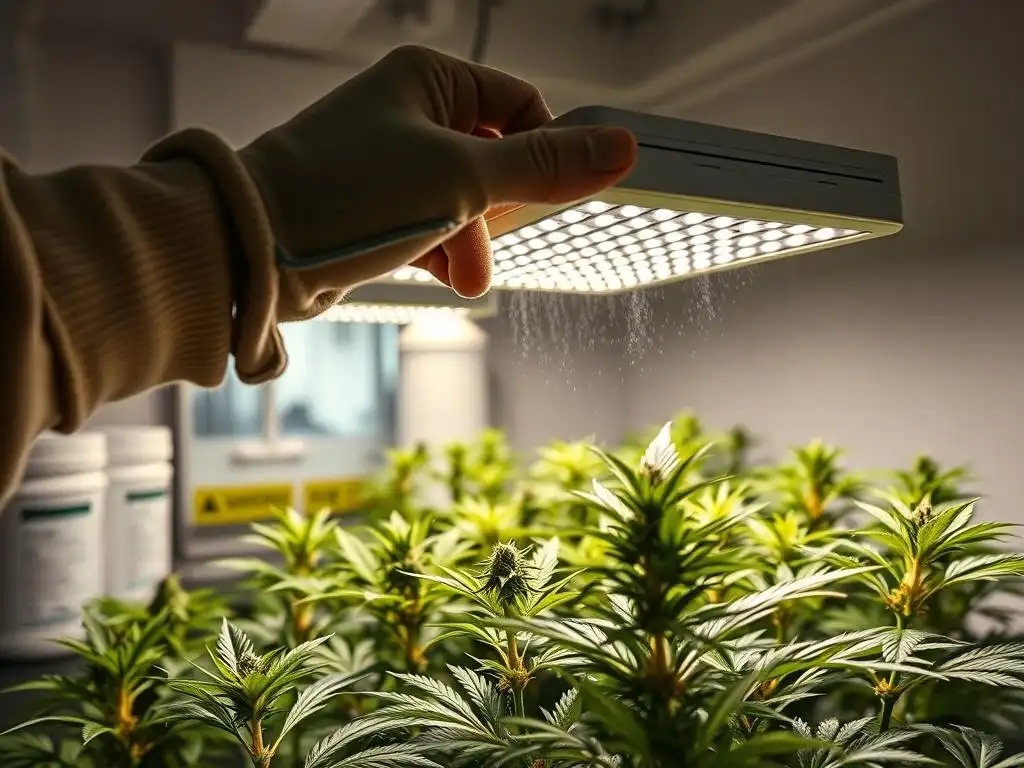
This section focuses on the crucial post-installation phase of your grow light setup: ongoing monitoring and adjustments for optimal plant health and maximum yield. A well-planned grow light setup is only half the battle; consistent observation and timely adjustments are key to success. Think of it as the fine-tuning process that transforms a good setup into a great one. Remember, even the best grow lights need careful management to ensure your plants thrive.
Monitoring Light Intensity and Plant Response: Identifying Signs of Light Stress or Deficiency
Regularly monitoring light intensity is paramount. You should measure the PPFD (Photosynthetic Photon Flux Density) using a PAR meter at various points under your grow lights, ensuring consistent coverage across your plants. Ideally, you'll want to measure PPFD at the canopy level of your plants. Different plants have different light requirements; researching your specific plant's needs is crucial. For example, leafy greens generally require lower PPFD levels (around 200-400 µmol/m²/s), while flowering plants often need higher levels (400-800 µmol/m²/s or even more).
Pay close attention to your plants' visual cues. Light stress manifests in various ways:
- Leaf scorching or bleaching: Indicates excessive light intensity. Leaves may appear pale, yellowed, or even brown and crispy, especially at the tips and edges.
- Etiolation (leggy growth): Suggests insufficient light. Plants stretch towards the light source, resulting in weak stems and pale foliage.
- Chlorosis (yellowing of leaves): Can be a sign of nutrient deficiencies or light stress. Careful observation and soil testing are necessary to pinpoint the cause.
- Reduced growth rate: A general sign of a problem, which could be light related or something else.
Maintaining a detailed grow journal, including daily observations and PPFD measurements, will assist in identifying trends and making informed adjustments. Don't hesitate to adjust your light intensity, height, or even the type of grow light if necessary. A slight adjustment can make a significant difference.
Adjusting Light Cycles: Optimizing Photoperiods for Different Plant Types
Light cycles, or photoperiods, significantly influence plant growth and flowering. Different plants require different photoperiods to thrive. Understanding these requirements is crucial for maximizing yields. For example:
| Plant Type | Photoperiod (Hours of Light) | Notes |
|---|---|---|
| Leafy Greens | 14-16 | Longer photoperiods promote vegetative growth |
| Flowering Plants | 12-14 (vegetative), 10-12 (flowering) | Adjust photoperiod to trigger flowering |
| Herbs | 12-16 | Varies depending on the specific herb |
Precise adjustments to your light cycles can be achieved using timers. Ensure your timer is set accurately to deliver the correct photoperiod consistently. Many timers offer programmable settings, allowing you to adjust the light cycle easily as your plants mature. Remember to account for any sunrise/sunset simulation if your grow lights support it. This gradual increase and decrease in light intensity mimics natural conditions and can improve plant health and yield.
Furthermore, consider the effects of seasonal changes on your plants' light requirements. You may need to adjust your light cycles throughout the year to mimic natural changes in daylight hours. This attention to detail, combined with careful monitoring, will significantly improve your grow operation. Remember, consistency is key! 🌱
Maintaining Your Grow Lights: Extending Lifespan and Efficiency
Proper maintenance is crucial for maximizing the lifespan and efficiency of your grow lights, ensuring your plants receive optimal illumination for healthy growth. Neglecting maintenance can lead to reduced light output, shorter lifespan, and ultimately, a diminished harvest. This section will guide you through essential maintenance practices to keep your grow lights performing at their peak.
Regular upkeep not only saves you money in the long run by extending the life of your equipment but also ensures consistent, high-quality light for your plants, contributing to a bountiful harvest. This is a key aspect of any successful grow light setup checklist.
Cleaning and Maintaining Your Grow Lights: Removing Dust and Debris for Optimal Performance
Dust and debris accumulation significantly reduce the light output of your grow lights. Think of it like this: a dusty window lets in less sunlight. The same principle applies to your grow lights. Over time, dust buildup acts as a barrier, preventing light from reaching your plants effectively. This impacts photosynthesis and can hinder plant growth.
Regular cleaning is vital. How often you clean depends on your environment. A dusty environment requires more frequent cleaning, perhaps weekly or bi-weekly. A cleaner environment might only need monthly cleaning.
Here's a step-by-step guide:
- Safety First: Always unplug your grow lights before cleaning. This is paramount to avoid electrical shock.
- Gather Supplies: You'll need a soft, lint-free cloth (microfiber is ideal), distilled water, and optionally, a gentle cleaning solution (avoid harsh chemicals).
- Gentle Cleaning: Wipe the light fixtures gently with the damp cloth. For stubborn dirt, lightly dampen the cloth with distilled water. Avoid spraying water directly onto the lights.
- Air Drying: Allow the lights to air dry completely before plugging them back in. Never use a hairdryer or other heat source to dry the lights.
- Inspect for Damage: During cleaning, inspect the lights for any damage to the bulbs, wiring, or fixtures. Report any issues immediately.
Remember, consistent cleaning is a simple yet effective step in your grow light setup checklist, significantly impacting the longevity and performance of your lighting system. This proactive approach ensures optimal light penetration, boosting plant health and yield. This translates directly into a healthier, more productive garden.
Troubleshooting Common Grow Light Problems: Identifying and Solving Issues Quickly
Even with regular maintenance, problems can arise with your grow lights. Knowing how to quickly identify and solve these issues is essential for maintaining a productive growing environment. This section outlines common problems and their solutions, helping you keep your grow light setup checklist running smoothly.
Here's a table summarizing common grow light issues and their solutions:
| Problem | Possible Cause(s) | Solution |
|---|---|---|
| Flickering Lights | Loose wiring, faulty ballast, failing bulb | Check wiring, replace ballast or bulb |
| Dim or Reduced Light Output | Dust accumulation, failing bulb, aging components | Clean lights, replace bulb, consider replacing aging components |
| No Light Output | Power outage, tripped breaker, faulty wiring, dead bulb | Check power source, reset breaker, inspect wiring, replace bulb |
| Overheating | Poor ventilation, inadequate cooling system | Improve ventilation, install a cooling system |
| Uneven Light Distribution | Improper light placement or reflector design | Adjust light placement, consider using a more efficient reflector design |
| Buzzing or Humming Sounds | Faulty ballast, loose components | Replace ballast, tighten loose components |
Addressing these issues promptly is crucial. Ignoring problems can lead to reduced yields, plant damage, and even equipment failure. Regular inspections and prompt attention to any abnormalities are key components of a robust grow light setup checklist. Early detection and intervention can save time, money, and your precious plants. Remember, a well-maintained grow light system is a cornerstone of successful indoor or greenhouse gardening.
Frequently Asked Questions
What is the most important factor to consider when setting up grow lights?
The most important factor is light intensity and spectrum. You need to choose lights that provide the correct amount of light for your plants' specific needs and growth stage, as well as the appropriate spectrum (e.g., blue for vegetative growth, red for flowering). Insufficient or incorrect lighting will hinder growth.
How high should I place my grow lights above my plants?
The ideal height depends on the type of light and the plant's growth stage. Keep the lights high enough to avoid burning the leaves, but close enough to provide sufficient light. Always check the manufacturer’s recommendations and adjust as needed.
What type of grow lights are best for beginners?
For beginners, LED grow lights are a great option. They are energy-efficient, produce less heat, and are generally easier to use and maintain than other types of grow lights, such as fluorescent or HID lights.
How much time should my plants spend under grow lights?
The required daily light cycle varies depending on the plant species. Research your specific plant's needs; most plants need 12-18 hours of light per day during their vegetative stage, and then a different cycle during the flowering stage.
What about ventilation when using grow lights?
Adequate ventilation is crucial to prevent overheating and humidity issues, especially when using high-intensity grow lights. Ensure proper airflow around your plants to maintain a healthy growing environment. Consider fans to improve air circulation.
Final Reflection: Illuminating the Path to Indoor Gardening Success
The meticulous setup of grow lights is no longer a niche hobbyist pursuit; it's a crucial element for sustainable food production and vibrant indoor spaces. The increasing popularity of indoor gardening, driven by factors like climate change and a desire for fresher, healthier food, underscores the importance of mastering this essential skill. A well-lit indoor garden isn't just aesthetically pleasing; it's a testament to mindful resource management and a commitment to self-sufficiency.
The journey from seed to harvest, especially indoors, is deeply rewarding. It's a process that connects us to the natural world, even within the confines of our homes. The glory of gardening: hands in the dirt, head in the sun, heart with nature. To nurture a garden is to feed not just the body, but the soul.
This quote beautifully captures the essence of what we've explored – the careful attention to detail, the patient nurturing, and the profound satisfaction that comes with successfully cultivating life under artificial light. The checklist provided serves as a roadmap, but the true journey lies in the experience itself, the learning, and the growth.
Now, consider your own indoor space. Do you have a sunny windowsill begging to be transformed? A corner yearning for a burst of vibrant green? This checklist isn't just a guide; it's an invitation. Take the first step, choose your plants, gather your materials, and illuminate your path to a thriving indoor garden. The rewards – both tangible and intangible – await. Let the light guide you.
Unleash Your Inner Gardener: Grow Brighter!
Thank you for learning about optimizing your grow lights! We hope this checklist empowers you to cultivate healthier, happier plants. Now, let's put that knowledge into action.
- Prioritize your lighting setup: Review your current grow light setup and identify one area for immediate improvement. Even a small adjustment, such as adjusting the height or replacing a burned-out bulb, can significantly impact your plants' health.
- Share your success (or challenges!): Tell us about your experience setting up your grow lights in the comments below. Let's build a supportive community of growers! We'd love to hear about your wins and learn from any difficulties you encountered.
- Explore further: Consider researching different types of grow lights to find the best option for your specific plants and growing space. Factors like the type of plant, the size of your grow area, and your budget will all influence your choice.
What's one small change you'll make today to improve your grow light setup?