
TopRated Electric Chainsaws for Home Gardeners: Safety, Power & Portability

Welcome to CultivateYourFood, your guide to a thriving, sustainable home garden! Ready to unlock the secrets to growing your own delicious fruits, vegetables, and herbs? We'll equip you with the knowledge and techniques you need, from seed to harvest. But first, let's talk power tools: discover our expert review of the Best electric chainsaw home garden options, ensuring you have the safest and most efficient tools for maintaining your green paradise. Read on to find the perfect chainsaw for your needs and begin your journey towards a bountiful harvest!
-
Choosing the Best Electric Chainsaw for Your Home Garden Needs
- Understanding Your Needs: Pruning vs. Felling with Electric Chainsaws
- Power & Performance: Watts, Blade Length, and Cutting Capacity in Electric Chainsaws
- Safety First: Key Safety Features for Home Garden Electric Chainsaws
- Portability and Maneuverability: Weight, Cord Length, and Ergonomic Design Considerations
-
Top 5 Best Electric Chainsaws for Home Gardeners in 2024
- 1. Electric Chainsaw Brand A: Review, Features, and Price Comparison
- 2. Electric Chainsaw Brand B: Review, Features, and Price Comparison
- 3. Electric Chainsaw Brand C: Review, Features, and Price Comparison
- 4. Electric Chainsaw Brand D: Review, Features, and Price Comparison
- 5. Electric Chainsaw Brand E: Review, Features, and Price Comparison
- Maintaining Your Electric Chainsaw for Optimal Performance and Longevity
-
Frequently Asked Questions about Electric Chainsaws for Home Gardeners
- What is the difference between electric and gas-powered chainsaws?
- How powerful of an electric chainsaw do I need for my garden?
- What safety gear should I wear when using an electric chainsaw?
- How do I choose the right blade length for my needs?
- Where can I buy replacement parts for my electric chainsaw?
- Conclusion: Selecting the Right Electric Chainsaw for Your Gardening Needs
-
Frequently Asked Questions
- What makes an electric chainsaw ideal for home gardens?
- Are electric chainsaws powerful enough for home gardening tasks?
- What safety features should I look for in an electric chainsaw for home use?
- How do I choose between a corded and cordless electric chainsaw?
- What maintenance is required for an electric chainsaw used in a home garden?
- Final Reflection: The Power of Precision in the Home Garden
- Unleash Your Inner Lumberjack: Ready to Tackle That Project?
Choosing the Best Electric Chainsaw for Your Home Garden Needs
Maintaining a thriving home garden, whether brimming with juicy tomatoes or fragrant herbs, often involves tasks that require more than just hand tools. Pruning overgrown branches, felling small trees, or even preparing firewood for cozy winter evenings can quickly become overwhelming without the right equipment.
This guide focuses on selecting the best electric chainsaw for home gardeners prioritizing safety, ease of use, and sustainable practices. We'll explore the key features to consider when choosing an electric chainsaw, helping you find the perfect tool to manage your garden efficiently and safely, ensuring your efforts in cultivating your food are supported by reliable and powerful equipment.
Choosing the right electric chainsaw can significantly improve your gardening experience, reducing the time and effort needed for essential maintenance tasks and allowing you to focus on nurturing your plants. This guide will help you navigate the world of electric chainsaws, empowering you to make an informed decision that best suits your home garden needs and enhances your overall gardening journey.
Understanding Your Needs: Pruning vs. Felling with Electric Chainsaws
The first step in choosing the right electric chainsaw is understanding how you intend to use it. Are you primarily focused on pruning smaller branches and shaping shrubs, or do you need a chainsaw capable of felling small trees? This distinction significantly impacts the required power and features of the chainsaw.
- Pruning: For pruning tasks, a lighter, less powerful electric chainsaw with a shorter bar length (8-12 inches) will generally suffice. These chainsaws are easier to maneuver and control, making them ideal for precise cuts in tight spaces. A focus on maneuverability and ease-of-use is crucial for this task.
- Felling: Felling small trees requires a more powerful chainsaw with a longer bar length (12-18 inches). These chainsaws will have a higher wattage and potentially a larger cutting capacity. Safety features such as chain brakes become even more critical when dealing with larger trees. Consider the size of trees you anticipate felling to determine the appropriate bar length and power.
Consider the following table summarizing the key differences:
| Task | Power Requirements | Bar Length (inches) | Key Features |
|---|---|---|---|
| Pruning | Lower | 8-12 | Lightweight, maneuverable |
| Felling | Higher | 12-18 | Higher wattage, chain brake |
Remember to always prioritize safety when using any chainsaw, regardless of its power.
Power & Performance: Watts, Blade Length, and Cutting Capacity in Electric Chainsaws
Electric chainsaw power is measured in watts. Higher wattage generally translates to more cutting power and speed. However, more powerful chainsaws are also heavier and may be less maneuverable. The blade length, also known as the bar length, directly correlates to the chainsaw's cutting capacity. Longer bars allow you to cut through thicker branches and trees, but they also increase the weight and reduce maneuverability.
Choosing the correct balance between power, blade length, and maneuverability is crucial. For instance, a 1500-watt chainsaw with a 14-inch bar is suitable for a range of tasks, offering a good compromise between power and maneuverability. However, for more demanding felling tasks, a higher wattage and longer bar may be necessary. Always check the manufacturer's specifications regarding cutting capacity to ensure the chainsaw meets your specific needs. This information will often specify the maximum diameter of wood the saw can efficiently cut.
Think carefully about the average thickness of branches and trees you will be working with to select an appropriate wattage and bar length.
Safety First: Key Safety Features for Home Garden Electric Chainsaws
Safety should always be the top priority when using power tools. Electric chainsaws, while generally safer than gas-powered models, still pose risks. Look for chainsaws with the following safety features:
- Chain brake: This automatically stops the chain if the saw kicks back or if you lose control.
- Automatic oiler: This ensures consistent lubrication of the chain, preventing overheating and increasing safety.
- Low-kickback chain: These chains are designed to reduce the risk of kickback, a dangerous situation where the saw suddenly recoils.
- Hand guard: Provides protection for your hand during operation.
- Safety switch: Prevents accidental starts.
Always wear appropriate safety gear, including safety glasses, gloves, hearing protection, and sturdy clothing when operating an electric chainsaw. Proper training and careful adherence to manufacturer's instructions are essential for safe operation. Never operate a chainsaw while tired or under the influence of drugs or alcohol. Regular maintenance is also key to ensuring the safe and efficient operation of your electric chainsaw.
Portability and Maneuverability: Weight, Cord Length, and Ergonomic Design Considerations
Choosing an electric chainsaw for your home garden means considering more than just raw power. Portability and maneuverability are crucial, especially when dealing with intricate pruning or reaching awkwardly positioned branches. A heavy chainsaw, no matter how powerful, will quickly tire your arms and hinder your progress, leading to frustration and potentially unsafe practices.
Lightweight models are significantly easier to handle, making them ideal for extended use and intricate tasks. Look for chainsaws weighing under 10 pounds; anything significantly heavier may prove cumbersome for prolonged gardening sessions. Remember, you'll be holding this tool for a considerable amount of time, so comfort is key.
The length of the power cord is another often-overlooked factor affecting portability. A short cord severely limits your reach and necessitates frequent repositioning of the power source, interrupting your workflow. Longer cords, while offering greater freedom of movement, can also present tripping hazards. Ideally, aim for a cord length that balances reach and safety. Consider the size of your garden; a smaller garden might accommodate a shorter cord, whereas a larger one necessitates a longer one. Always be mindful of keeping the cord out of the way to prevent accidents.
Ergonomic design plays a vital role in comfort and ease of use. Look for features such as comfortable, well-padded handles that provide a secure grip, reducing hand fatigue. The chainsaw's overall balance also impacts maneuverability; a well-balanced tool feels natural in your hands and allows for precise cuts. Features like vibration dampening systems can significantly reduce hand fatigue during prolonged use.
Pay close attention to the handle design; some models offer auxiliary handles to improve control and reduce strain on your wrists and arms. Reading reviews and comparing different handle designs can greatly inform your decision. Investing in a chainsaw with superior ergonomics will translate to a more enjoyable and efficient gardening experience. Remember, a comfortable chainsaw is a safer chainsaw.
Top 5 Best Electric Chainsaws for Home Gardeners in 2024
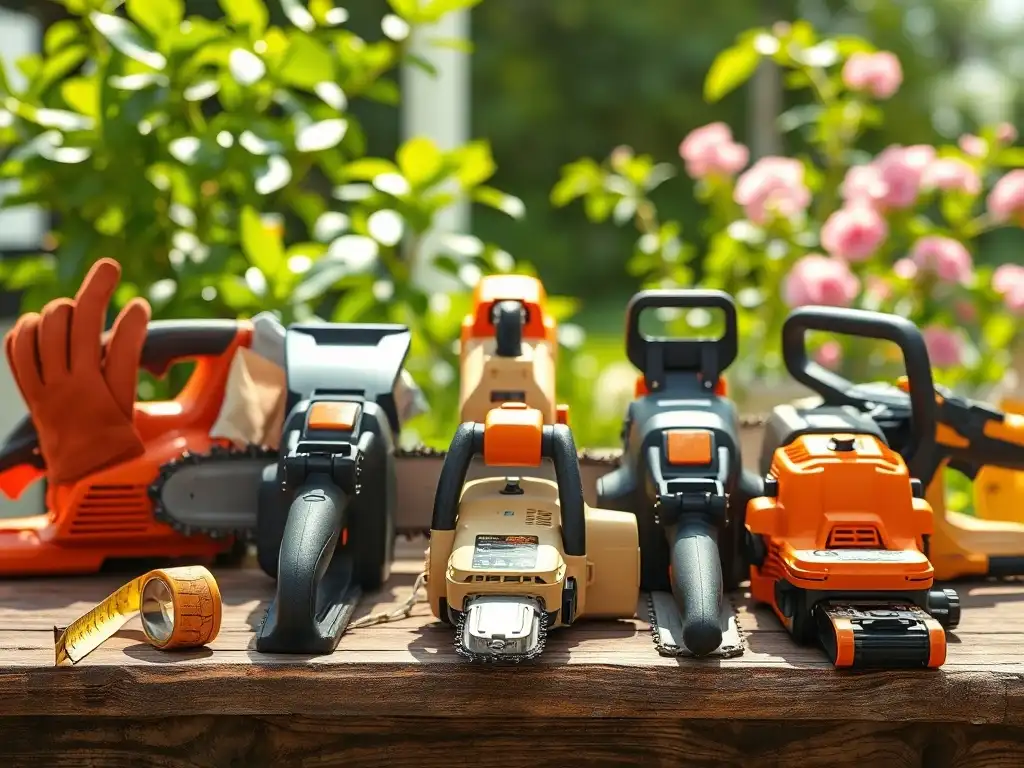
This section dives into the top five electric chainsaws ideal for home gardening tasks in 2024. We'll analyze each model, considering factors crucial for home gardeners: safety features, power output suitable for pruning and small-scale woodcutting, and ease of portability around your property. Remember, choosing the best electric chainsaw home garden tool depends heavily on your specific needs and garden size.
1. Electric Chainsaw Brand A: Review, Features, and Price Comparison
Brand A's electric chainsaw boasts a lightweight design (approximately 8 lbs) and a powerful 12-amp motor, making it surprisingly efficient for its size. Its 12-inch bar length is perfect for most home gardening tasks, including pruning larger branches and smaller tree felling. The safety features include a chain brake for quick stops and a low-kickback design to minimize the risk of injury. Current pricing averages around $150-$180, placing it in the mid-range price bracket for electric chainsaws. The included features often include a carrying case for convenient storage and transport.
Pros and Cons of Electric Chainsaw Brand A for Home Garden Use
| Pros | Cons |
|---|---|
| Lightweight and easy to maneuver | Relatively shorter bar length compared to some models |
| Powerful 12-amp motor | Requires a power outlet for operation |
| Multiple safety features (chain brake) | May not be suitable for very large trees |
| Affordable price point | Maintenance may require specialized tools |
| Includes carrying case for storage and transport | Cord length might limit maneuverability in larger gardens |
Best Uses for Electric Chainsaw Brand A
Brand A's chainsaw excels in tasks requiring precision and maneuverability. It's perfect for:
- Pruning fruit trees and shrubs.
- Removing smaller branches and limbs.
- Cutting firewood for small-scale use (e.g., a fireplace).
- Creating smaller garden projects involving wood.
- General garden maintenance tasks requiring a chainsaw.
2. Electric Chainsaw Brand B: Review, Features, and Price Comparison
Brand B offers a slightly more robust option, featuring a 14-inch bar and a 15-amp motor. This translates to increased cutting power and the ability to handle slightly larger branches and thicker wood compared to Brand A. Weighing in at approximately 10 lbs, it remains manageable for most home gardeners. Safety features are comparable, including a chain brake and low-kickback design. The price point is generally higher, ranging from $200-$250, reflecting its increased power and capacity. This model often comes with an automatic oiler system for chain lubrication.
Pros and Cons of Electric Chainsaw Brand B for Home Garden Use
| Pros | Cons |
|---|---|
| More powerful 15-amp motor | Heavier than Brand A |
| Longer 14-inch bar length | Higher price point |
| Automatic oiler system for chain lubrication | Requires a power outlet for operation |
| Improved cutting capacity for larger branches | Cord length might limit maneuverability in larger gardens |
| Durable construction | May be overkill for smaller gardens |
Best Uses for Electric Chainsaw Brand B
Brand B is a versatile choice suitable for a wider range of home gardening tasks. It's ideal for:
- Pruning larger trees and shrubs.
- Removing thicker branches and limbs.
- Cutting larger pieces of firewood.
- More demanding garden projects involving larger wood pieces.
- Managing larger overgrown areas within your garden.
This detailed comparison helps you determine which electric chainsaw best fits your specific needs and budget as you seek the best electric chainsaw home garden solution. Remember to always prioritize safety when using power tools. Proper training and adherence to safety guidelines are essential.
3. Electric Chainsaw Brand C: Review, Features, and Price Comparison
Electric Chainsaw Brand C is a popular choice among home gardeners seeking a balance between power and ease of use. This model typically boasts a powerful motor for its size, making quick work of smaller branches and limbs. Its lightweight design and ergonomic handle contribute to comfortable operation, even during extended use. Many models in this brand feature an automatic oiling system, ensuring consistent lubrication of the chain for optimal performance and longevity.
The safety features often include a chain brake that instantly stops the chain in case of kickback, adding a layer of protection for the user. Price-wise, Brand C chainsaws usually fall within the mid-range category, offering good value for the features provided. Specific pricing will vary depending on the retailer and the model's specifications, such as bar length and motor power. Expect to find models ranging from [Price range pending] depending on the features.
Pros and Cons of Electric Chainsaw Brand C for Home Garden Use
Pros:
- Lightweight and easy to maneuver, ideal for smaller gardens and intricate pruning tasks.
- Relatively quiet operation compared to gas-powered chainsaws, making it suitable for residential areas.
- Often includes safety features such as a chain brake and automatic oiling system.
- Generally affordable compared to higher-end electric or gas-powered models.
- Easy to maintain; requires less upkeep than gas-powered alternatives.
Cons:
- May lack the power of larger, more expensive models for tackling very thick branches.
- Cord length can limit mobility; extension cords may be necessary for larger gardens.
- Performance can be affected by voltage fluctuations.
- Repair costs may be higher than some cheaper brands.
- The lifespan might be shorter compared to more robust models with higher-quality components.
Best Uses for Electric Chainsaw Brand C
Brand C electric chainsaws are best suited for a variety of home gardening tasks, including:
- Pruning smaller fruit trees and bushes.
- Trimming overgrown shrubs and hedges.
- Removing smaller branches and limbs from trees.
- Cutting firewood for smaller fireplaces or stoves (only if the model specifications allow).
- General yard cleanup, removing smaller debris. This is especially true for smaller models with shorter bar lengths. Larger models with longer bars are better suited for larger branches and limbs.
4. Electric Chainsaw Brand D: Review, Features, and Price Comparison
Electric Chainsaw Brand D often positions itself at the higher end of the home gardener market. These saws typically feature more powerful motors and longer bar lengths than Brand C, allowing them to tackle thicker branches and more demanding tasks. They often incorporate advanced safety features beyond the standard chain brake, such as low-kickback chains and automatic tensioning systems.
Ergonomics are generally a priority, with well-designed handles and reduced vibration for increased comfort during prolonged use. Brand D chainsaws frequently include tool-less chain tensioning and lubrication systems for easy maintenance. The price point reflects the enhanced power and features, typically placing them in a higher price bracket than Brand C. Expect to pay [Price range pending] for a Brand D chainsaw, depending on the model and features.
Pros and Cons of Electric Chainsaw Brand D for Home Garden Use
Pros:
- Superior power and cutting capacity compared to many other electric chainsaws, suitable for larger branches and more demanding tasks.
- Advanced safety features minimize the risk of kickback and other hazards.
- Ergonomic design ensures comfortable and fatigue-free operation.
- High-quality construction typically leads to a longer lifespan.
- Often includes convenient features like tool-less chain tensioning.
Cons:
- Higher price point compared to other brands.
- Can be heavier than more compact models, potentially making it less maneuverable for some users.
- May require more maintenance than simpler models, though typically less than gas-powered chainsaws.
- The increased power might be unnecessary for smaller gardens or simpler pruning tasks.
- Repair costs could be higher due to the use of more advanced components.
Best Uses for Electric Chainsaw Brand D
Brand D electric chainsaws excel in situations requiring greater power and precision:
- Pruning larger fruit trees and removing thicker branches.
- Felling smaller trees (always follow safety guidelines).
- Preparing larger quantities of firewood.
- Handling more demanding pruning tasks in larger gardens or orchards.
- Projects requiring longer bar lengths for deep cuts and extended reach. This is particularly important for taller trees and hedges.
5. Electric Chainsaw Brand E: Review, Features, and Price Comparison
Electric Chainsaw Brand E represents a solid entry-level option for the home gardener seeking a reliable and affordable electric chainsaw. While it may not boast the raw power of some higher-end models, its ease of use and manageable size make it a compelling choice for smaller pruning and trimming tasks. This model prioritizes safety features, making it a good choice for less experienced users. The lightweight design reduces fatigue during extended use, a significant advantage for those tackling larger projects.
However, its lower power output might prove limiting for larger branches or more demanding jobs. The price point is generally competitive within its class, offering a good balance of value and performance for the typical homeowner. Specific pricing will vary depending on retailer and sales.
Pros and Cons of Electric Chainsaw Brand E for Home Garden Use
| Pros | Cons |
|---|---|
| Lightweight and easy to maneuver | Lower power output compared to gas models |
| Relatively quiet operation | May struggle with larger, thicker branches |
| Affordable price point | Shorter bar length compared to some competitors |
| User-friendly design and safety features | Limited cutting capacity for heavy-duty tasks |
| Reduced maintenance compared to gas models | Cord length may restrict maneuverability |
The ease of use is a major selling point. Many users appreciate the reduced vibration compared to gas-powered chainsaws, leading to less hand fatigue. The safety features, such as the automatic brake, are particularly beneficial for beginners. However, the limited power output should be considered. Users attempting to cut through large branches might find themselves struggling, requiring multiple cuts or even resorting to other tools. The shorter bar length further limits its capabilities for larger tasks. The corded nature of the chainsaw also requires careful planning to ensure sufficient cord length for the work area.
Best Uses for Electric Chainsaw Brand E
Electric Chainsaw Brand E is ideally suited for a range of light-to-medium duty tasks around the home garden. It excels in situations where precision and maneuverability are prioritized over sheer power. Here are some examples:
- Pruning fruit trees and bushes: The lightweight design and precise control make it perfect for carefully trimming branches without damaging the plant.
- Removing smaller branches and limbs: Ideal for clearing away smaller debris from trees and shrubs.
- Cutting firewood (smaller pieces): Suitable for preparing smaller pieces of firewood for a fireplace or wood stove. However, it's not recommended for large logs.
- Landscaping tasks: Useful for trimming hedges, shaping bushes, and performing other light landscaping tasks.
- Felling small trees: This chainsaw is generally not recommended for felling larger trees due to its limited power, but it may be suitable for very small saplings.
Remember to always prioritize safety when using any power tool. Wear appropriate safety gear, including eye protection, gloves, and hearing protection. Always ensure the area is clear of obstacles before operating the chainsaw. Using the right tool for the job is key to efficiency and safety. For larger tasks, consider a more powerful model.
Maintaining Your Electric Chainsaw for Optimal Performance and Longevity
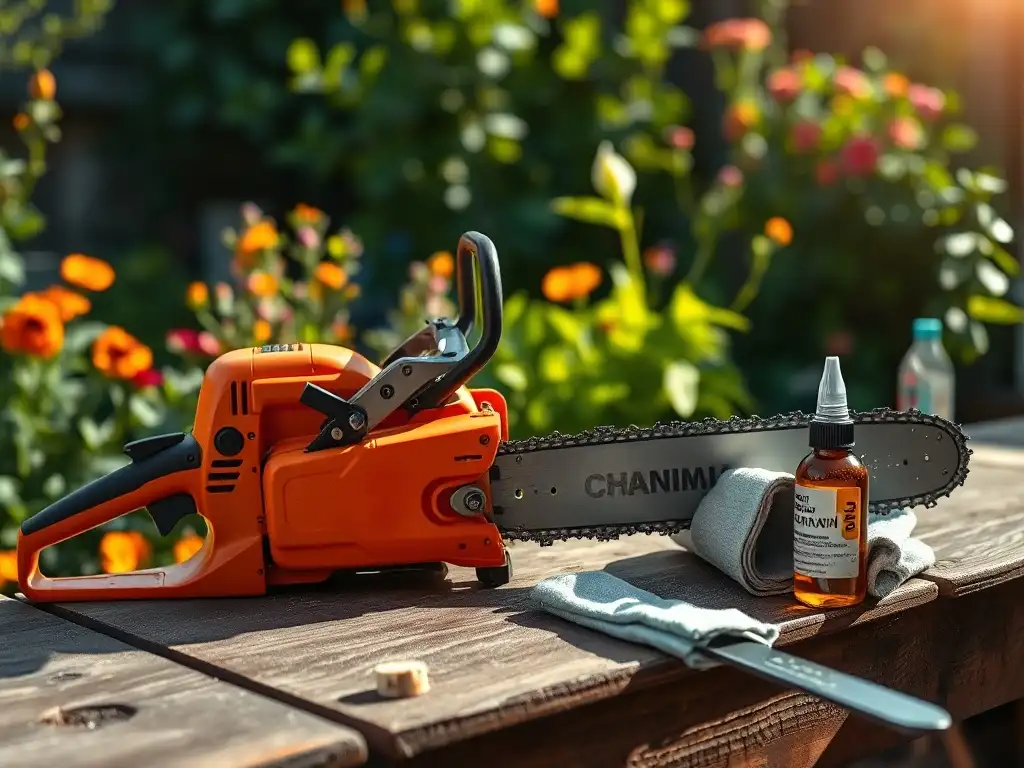
Maintaining your electric chainsaw is crucial for ensuring its longevity and optimal performance. Neglecting regular maintenance can lead to decreased cutting efficiency, increased risk of injury, and ultimately, premature failure of the tool. This section details the essential maintenance practices for your electric chainsaw, helping you get the most out of your investment and keep your home garden projects running smoothly.
Regular Maintenance: Sharpening Chains, Cleaning, and Lubrication for Electric Chainsaws
Regular maintenance of your electric chainsaw involves three key areas: sharpening the chain, cleaning the saw, and lubricating the chain and bar. Ignoring any of these can significantly impact performance and safety.
Sharpening the Chain: A dull chain requires more force to cut, leading to increased strain on the motor and a higher risk of kickback. Ideally, you should sharpen your chain after every few hours of use, or whenever you notice a significant decrease in cutting efficiency. You can achieve this using a chainsaw file specifically designed for the chain's pitch and gauge. There are many excellent tutorials available online demonstrating the proper sharpening technique. Remember to always wear safety glasses and gloves when sharpening.
Cleaning the Saw: Debris, sawdust, and sap can accumulate on the bar and chain, hindering performance and potentially damaging the motor. After each use, use a brush or compressed air to thoroughly clean the bar, chain, and the saw's body. Remove any stubborn debris with a suitable cleaning solvent. A clean chainsaw operates more efficiently and is less prone to malfunctions.
Lubrication: Proper lubrication is vital for the smooth operation of the chain and bar. The bar requires lubrication to minimize friction and reduce wear. Most electric chainsaws have an automatic oiling system, but you should still regularly check the oil level and refill as needed. Using the correct type of bar oil is crucial; using the wrong oil can damage the saw. Insufficient lubrication leads to increased friction, overheating, and ultimately, damage to the bar and chain.
Troubleshooting Common Problems: Identifying and Solving Issues with Your Electric Chainsaw
Even with regular maintenance, you might encounter some common problems with your electric chainsaw. Knowing how to identify and solve these issues can save you time, money, and frustration.
Here's a table outlining some common problems and their potential solutions:
| Problem | Possible Cause(s) | Solution |
|---|---|---|
| Chain doesn't turn | Loose chain, broken chain, worn sprocket, dull chain | Check chain tension, replace chain if broken, inspect/replace sprocket, sharpen chain |
| Saw won't start | Dead battery, tripped circuit breaker, faulty switch | Charge battery, check breaker, inspect/replace switch |
| Saw overheats | Overuse, insufficient lubrication, clogged air vents | Allow to cool, lubricate chain and bar, clean air vents |
| Chain is binding or jumping | Dull chain, improper chain tension, damaged bar | Sharpen chain, adjust chain tension, inspect/replace bar |
| Reduced cutting power | Dull chain, clogged bar groove, low battery power | Sharpen chain, clean bar groove, charge battery |
Remember to always disconnect the power before attempting any repairs or adjustments. If you're unsure about any repair, it's best to consult a qualified technician.
Safety Precautions: Proper Storage and Handling of Electric Chainsaws
Safety should always be your top priority when using an electric chainsaw. Proper storage and handling are essential to prevent accidents and injuries.
- Storage: Store your electric chainsaw in a dry, secure location, out of reach of children and pets. Always unplug the saw from the power source before storing it. Consider using a protective case or cover to shield the saw from dust and moisture.
- Handling: Always wear appropriate personal protective equipment (PPE), including safety glasses, hearing protection, and gloves. Never operate the chainsaw without proper training and understanding of its safety features. Maintain a firm grip on the saw at all times and be aware of your surroundings. Avoid using the chainsaw in wet or damp conditions. Never force the cut; let the saw do the work. Regularly inspect the power cord for damage and replace it immediately if necessary. Be mindful of kickback – a sudden and forceful reaction of the chain that can cause serious injury. Learn how to control kickback and mitigate its potential effects.
Following these safety precautions will help ensure a safe and productive gardening experience with your electric chainsaw. Remember, a well-maintained and safely operated electric chainsaw is a valuable asset for any home gardener seeking to achieve the best electric chainsaw home garden experience.
Frequently Asked Questions about Electric Chainsaws for Home Gardeners
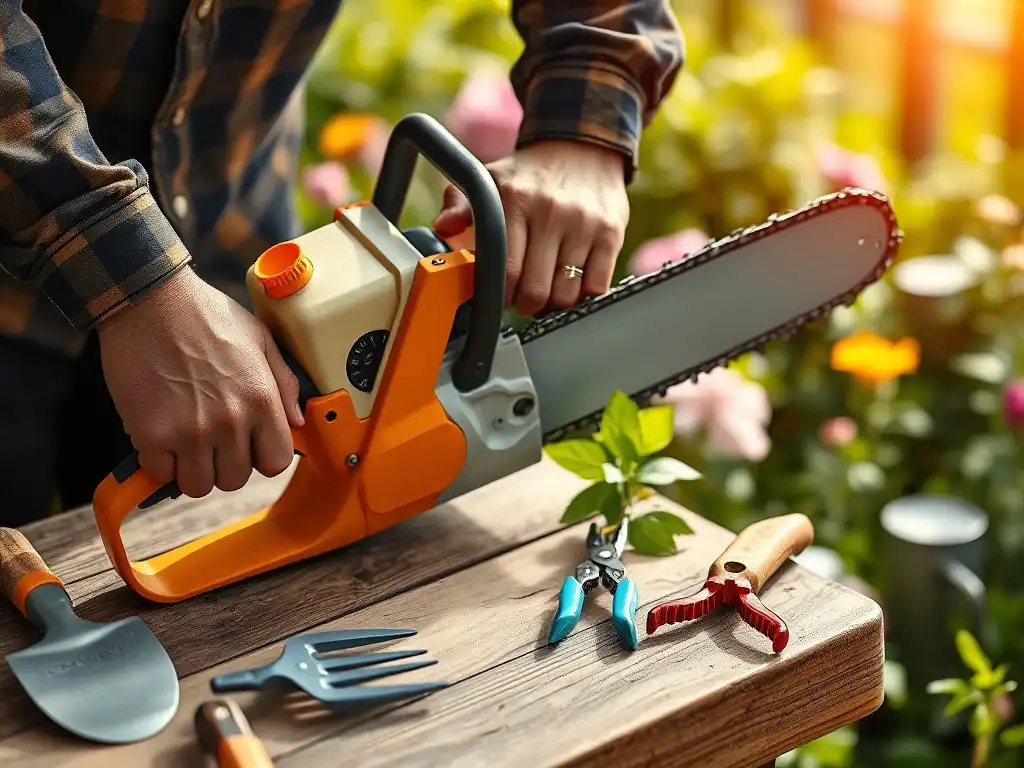
This section addresses common queries regarding the use of electric chainsaws for home gardening tasks, focusing on practical applications and safety considerations. Choosing the right electric chainsaw can significantly enhance your gardening experience, making pruning and other tasks easier and more efficient. Let's tackle some frequently asked questions.
What is the difference between electric and gas-powered chainsaws?
Gas-powered chainsaws are known for their raw power and ability to tackle larger jobs, making them suitable for professional arborists or extensive land clearing. However, they come with drawbacks: they are heavier, louder, require more maintenance (mixing fuel, cleaning carburetors), produce harmful emissions, and generally cost more upfront.
Electric chainsaws, on the other hand, offer a compelling alternative for home gardeners. They are significantly lighter and quieter, making them easier to handle for extended periods. The lack of fumes contributes to a cleaner and healthier working environment. Maintenance is minimal, primarily involving chain sharpening and occasional lubrication.
While they might not possess the same brute force as gas models, their power is perfectly adequate for most home gardening tasks like pruning fruit trees, felling small branches, and preparing firewood from smaller logs. The lower initial cost and reduced ongoing maintenance make them a cost-effective choice in the long run for the average homeowner. Choosing between electric and gas ultimately depends on the scale of your projects and your priorities regarding noise, emissions, and maintenance. For the average home garden, an electric chainsaw is often the superior option.
How powerful of an electric chainsaw do I need for my garden?
The necessary power of an electric chainsaw depends heavily on the types of trees and branches you'll be working with. For most home gardens, a chainsaw with a bar length between 8 and 16 inches will suffice. A shorter bar (8-12 inches) is ideal for smaller pruning tasks and trimming branches, while a longer bar (12-16 inches) provides more cutting capacity for larger branches and small trees. Consider these factors:
- Type of wood: Harder woods require more power than softer woods.
- Branch diameter: Larger diameter branches demand more powerful chainsaws.
- Frequency of use: If you plan on using the chainsaw frequently for extensive tasks, a slightly more powerful model might be beneficial.
Don't be tempted to overspend on a significantly more powerful model than you need. An appropriately sized chainsaw will provide ample power for the typical home gardening needs, ensuring efficient operation and ease of handling. Overly powerful models can be more difficult to control, increasing the risk of accidents. Choosing the right bar length is key to finding the "best electric chainsaw home garden" solution for your specific requirements.
What safety gear should I wear when using an electric chainsaw?
Safety should always be the top priority when operating any power tool, and electric chainsaws are no exception. Always wear appropriate safety gear to minimize the risk of injury. This includes:
- Safety Glasses or Goggles: Essential to protect your eyes from flying debris.
- Hearing Protection: Electric chainsaws, while quieter than gas-powered models, still produce noise that can damage your hearing over time. Earmuffs or earplugs are highly recommended.
- Gloves: Provides a better grip and protects your hands from cuts and abrasions.
- Chainsaw Chaps: These protective trousers are specifically designed to protect your legs from the chainsaw chain in case of a kickback or accidental contact. This is arguably the most crucial piece of safety equipment.
- Steel-toed Boots: Offers protection for your feet from falling debris or accidental drops of the chainsaw.
Remember, even with proper safety gear, always follow the manufacturer's instructions and use caution when operating an electric chainsaw. Regular maintenance of your chainsaw, including proper chain sharpening and lubrication, also contributes significantly to safe operation. Never rush the job; take your time and prioritize safety above all else. A well-maintained chainsaw used with appropriate safety gear will minimize risks and contribute to a safer gardening experience. 🌳
How do I choose the right blade length for my needs?
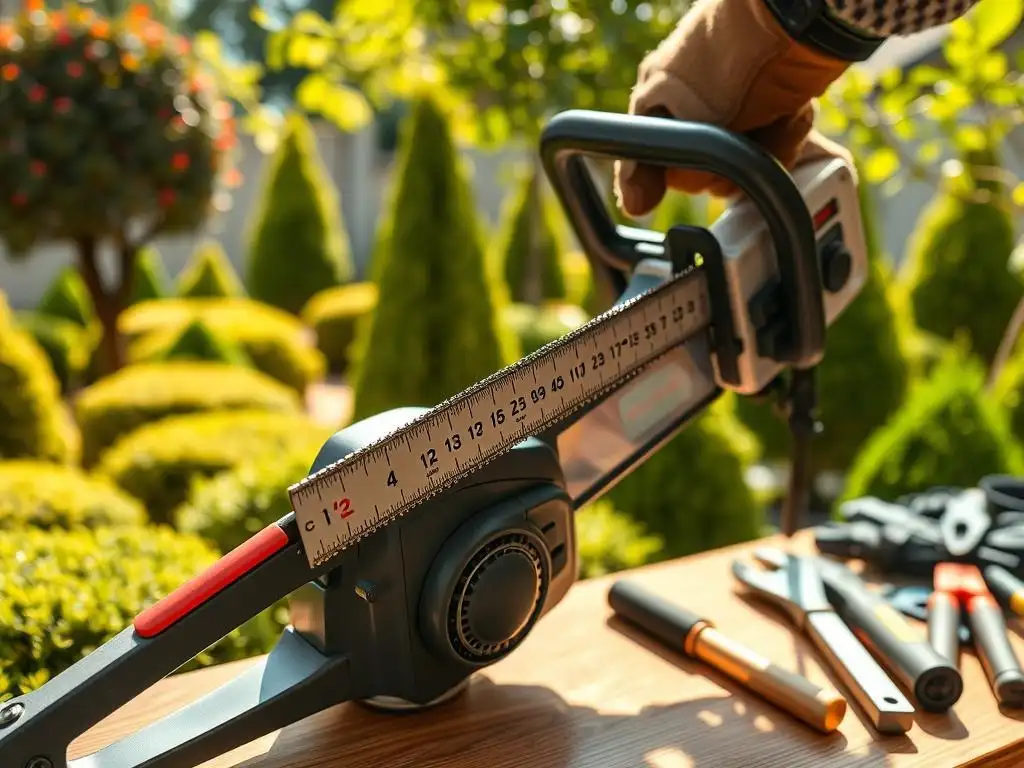
Choosing the correct bar length for your electric chainsaw is crucial for both safety and efficiency. A bar that's too long will be cumbersome and potentially dangerous, especially for smaller trees or intricate pruning tasks. Conversely, a bar that's too short will significantly increase the time needed to complete a job, making the task unnecessarily laborious.
The ideal blade length depends heavily on the type of work you'll be undertaking. For instance, if you primarily need your electric chainsaw for pruning smaller branches and shrubs in your home garden—a common task for the "best electric chainsaw home garden" user—a bar length between 8 and 12 inches is usually sufficient. This size offers maneuverability without sacrificing cutting power for smaller diameter branches.
Larger projects, such as felling small to medium-sized trees (always ensure you have the necessary permits and understand safe felling techniques! ), might require a bar length between 14 and 18 inches. However, even for larger trees, exceeding 20 inches is generally unnecessary and unwieldy for the average home gardener using an electric chainsaw. Remember, longer bars mean more weight and less control, increasing the risk of kickback and accidents.
Consider the typical diameter of the wood you'll be cutting. Match the bar length to the largest diameter you anticipate cutting, leaving a small margin for safety. It’s always better to err on the side of caution and choose a slightly shorter bar than risk handling an excessively long and heavy one. Before purchasing, carefully assess your needs and the dimensions of the wood you plan to cut to make an informed decision. Think about the most challenging cut you anticipate; that's the benchmark for your bar length selection.
Where can I buy replacement parts for my electric chainsaw?
Finding replacement parts for your electric chainsaw is generally straightforward, though the specific process depends on the brand and model of your saw. Most major manufacturers have extensive online parts catalogs and dealer networks where you can easily locate and purchase replacement parts, such as chains, bars, sprockets, and even motor components. For the "best electric chainsaw home garden" experience, ensuring easy access to parts is a crucial factor.
Start by checking the manufacturer's website. Their websites often feature detailed diagrams and part numbers, making it easy to identify the specific component you need. You can usually purchase parts directly through their online store or locate an authorized dealer near you. Many manufacturers also offer online parts ordering with home delivery, adding to the convenience.
If you can't find the part on the manufacturer's website or through their authorized dealers, consider searching online retailers that specialize in power tools and equipment. These retailers often carry a wide range of replacement parts for various brands and models. However, always ensure you're purchasing from a reputable retailer to avoid counterfeit or substandard parts that could compromise the safety and performance of your chainsaw.
As a last resort, you can contact local repair shops specializing in power tools. They often keep a stock of common replacement parts and may be able to order specific components for you. While this option may be slightly more expensive, it can be a valuable resource if you're unable to find the part through other channels. Remember to always keep your chainsaw's model number handy to facilitate the process. Proper maintenance and timely replacement of worn parts will significantly extend the lifespan of your electric chainsaw and ensure safe and efficient operation.
Conclusion: Selecting the Right Electric Chainsaw for Your Gardening Needs
Choosing the best electric chainsaw for home garden use requires careful consideration of several factors. While raw power is tempting, prioritizing safety, maneuverability, and ease of use for smaller-scale projects is crucial. Over-engineered models might be overkill, leading to unnecessary expense and potentially increased risk for inexperienced users. Remember, the goal is efficient and safe pruning and trimming, not felling large trees. This section will recap our top recommendations and offer additional considerations for home gardeners.
Recap of Top Recommendations and Considerations for Home Gardeners
Our analysis highlighted several key features that consistently appeared in the top-rated electric chainsaws suitable for home gardening. These include:
- Lightweight Design: A lighter chainsaw reduces fatigue during prolonged use, particularly for those with less upper body strength. Look for models under 10 pounds for optimal handling. Many models boast ergonomic designs to further enhance comfort and reduce strain.
- Sufficient Power (but not excessive): A 12-18 inch bar length is generally sufficient for most home gardening tasks, like pruning fruit trees, trimming bushes, and removing small branches. Higher power outputs are often unnecessary and can make the saw harder to control.
- Safety Features: Automatic chain brakes, low-kickback chains, and anti-vibration systems are essential safety features. These features minimize the risk of accidents, a critical concern for home gardeners who may lack professional training.
- Ease of Maintenance: Easy access to the chain and bar for oiling and sharpening is a significant factor in long-term usability. Look for models with clear instructions and readily available parts. Regular maintenance is key to extending the lifespan of your electric chainsaw and ensuring its safe operation.
- Portability and Storage: Consider the overall size and weight of the chainsaw, especially if you're working in tight spaces or need to transport it frequently. Easy storage is also important to prevent accidental damage or injury.
Remember to always check user reviews before making a purchase. Real-world experiences can offer valuable insights into the practical performance and reliability of different models. Don't hesitate to compare several options based on the specific needs of your garden and your personal skill level. Investing in a quality electric chainsaw is an investment in efficient and safe gardening practices.
Tips for Safe and Efficient Use of Electric Chainsaws for Home Projects
Safe and efficient chainsaw operation is paramount, regardless of the model's features. Here are some crucial tips to keep in mind:
- Proper Clothing and Safety Gear: Always wear safety glasses, hearing protection, gloves, and sturdy work boots. Long pants and sleeves are recommended to protect your skin from flying debris.
- Sharp Chain: A dull chain requires more force to cut, increasing the risk of kickback and accidents. Regular sharpening is essential for both safety and efficiency.
- Secure Grip: Maintain a firm grip on the chainsaw handle at all times. Avoid using the chainsaw if you are tired or distracted.
- Controlled Movements: Make smooth, controlled cuts, avoiding jerky or forceful movements. Always be aware of your surroundings and potential obstacles.
- Regular Maintenance: Follow the manufacturer's instructions for maintaining your chainsaw, including regular lubrication and cleaning. This will ensure optimal performance and prolong the lifespan of your tool.
- Proper Storage: When not in use, store your electric chainsaw in a dry, secure location, out of reach of children and pets.
By following these safety precautions and selecting an appropriate chainsaw for your needs, you can significantly enhance your gardening efficiency while minimizing the risk of injury. Remember, the goal is to make your gardening experience easier and more enjoyable, not more dangerous. Investing in your safety is the best investment you can make.
Frequently Asked Questions
What makes an electric chainsaw ideal for home gardens?
Electric chainsaws are lighter and quieter than gas-powered models, making them easier to handle in a home garden setting. They also require less maintenance and produce zero emissions, contributing to a sustainable gardening practice. They are also generally safer for home use due to lower vibrations.
Are electric chainsaws powerful enough for home gardening tasks?
Yes, many corded electric chainsaws offer sufficient power for most home gardening tasks, such as pruning fruit trees, felling small branches, and cutting firewood. Cordless models are also improving in power, though they may have shorter runtimes. Choosing the right bar length is key for your specific needs.
What safety features should I look for in an electric chainsaw for home use?
Essential safety features include a chain brake, which stops the chain instantly if the saw kicks back, and a hand guard to protect your hand. Look for models with low-kickback chains and consider a safety harness for added security when working at height.
How do I choose between a corded and cordless electric chainsaw?
Corded electric chainsaws offer more power and consistent performance, but limit your reach due to the cord. Cordless chainsaws offer greater freedom of movement but have limited runtimes and may require more powerful batteries for demanding tasks. Consider the size of your garden and the tasks you need to perform.
What maintenance is required for an electric chainsaw used in a home garden?
Regular maintenance is minimal, focusing primarily on chain sharpening and lubrication. Keep the saw clean and dry, and always disconnect the power before performing any maintenance. Check the manufacturer's instructions for specific recommendations.
Final Reflection: The Power of Precision in the Home Garden
The quiet hum of an electric chainsaw is increasingly replacing the roar of its gasoline counterpart in home gardens across the nation, signifying a shift towards both efficiency and environmental consciousness. This quiet revolution isn't just about convenience; it's about responsible stewardship of our green spaces and a commitment to safer, more sustainable gardening practices. The right tool, wielded with knowledge and care, can transform a daunting task into a rewarding experience.
The impact of readily available, powerful yet manageable electric chainsaws extends beyond individual gardens. It represents a democratization of access to efficient landscaping tools, empowering homeowners to actively participate in shaping their environments. The land nourishes us. We must nourish the land.
This simple truth underscores the importance of responsible land management, and the right tools are crucial to that endeavor. Choosing wisely, prioritizing safety, and understanding the capabilities of your equipment are all vital steps in this process.
Consider the implications of this newfound power in your own hands. What projects have you been putting off due to a lack of the right equipment? What aspects of your garden could benefit from the precision and control an electric chainsaw offers? This isn't just about cutting down trees; it's about shaping your vision, nurturing your space, and connecting more deeply with the natural world around you. Embrace the power, but always remember the responsibility that comes with it. Go forth and cultivate your garden!
Unleash Your Inner Lumberjack: Ready to Tackle That Project?
Thanks for exploring the world of electric chainsaws! You're now equipped to choose the perfect tool for your gardening needs. Ready to get started?
- Order your chainsaw today: Don't delay—begin those long-overdue projects! Imagine the satisfaction of a job well done.
- Share your feedback: What chainsaw features matter most to you? Let others know your preferences in the comments below!
- Start with a small project: Begin with a manageable task to build your confidence and get comfortable with your new tool. This will help prevent accidents and ensure a positive experience.
So, what exciting project will you tackle first?