
The Interactive Roles of Light and Water: A Gardener's Perspective

Welcome to CultivateYourFood, your guide to a thriving, sustainable garden! Are you ready to unlock the secrets to bountiful harvests? We delve into the fascinating interplay between nature and nurture, exploring the crucial relationship between light and water in plant growth. Our comprehensive light water plant growth guide will equip you with the knowledge to cultivate vibrant fruits, vegetables, and herbs, regardless of your experience level. Discover the science behind successful gardening and begin your journey towards a greener, healthier lifestyle today!
- Understanding the Light Water Plant Growth Guide: Basic Principles
- Optimizing Light Exposure for Optimal Plant Growth
- Mastering Water Management for Healthy Plants
- The Interplay of Light and Water: A Synergistic Relationship
- Practical Applications: A Light Water Plant Growth Guide for Your Garden
- Frequently Asked Questions
- Final Reflection: Cultivating Life's Essential Harmony
- Unveil Your Garden's Potential: Light & Water Harmony
Understanding the Light Water Plant Growth Guide: Basic Principles
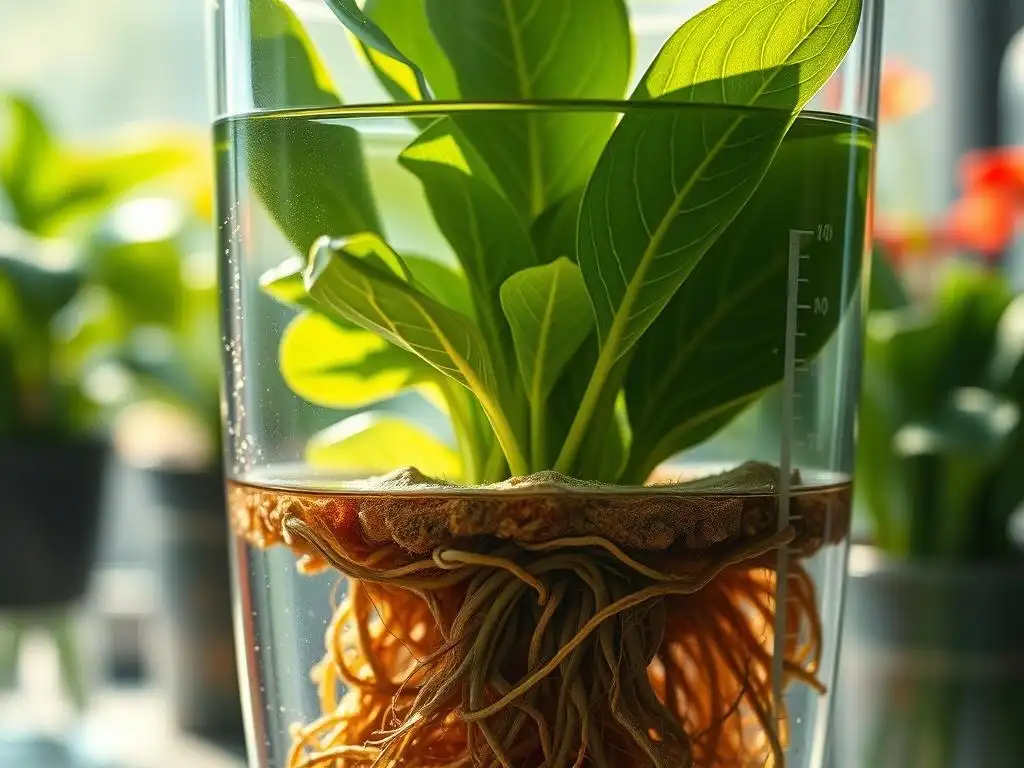
Growing thriving plants, whether vibrant tomatoes bursting with flavor or fragrant herbs for your kitchen, hinges on understanding the intricate dance between light and water. This "light water plant growth guide" will delve into the fundamental principles governing plant development, exploring how these two essential elements interact to fuel growth and overall plant health. We'll unravel the complexities of photosynthesis, examine the impact of light intensity on plant development, and investigate water's critical role in nutrient uptake and the photosynthetic process itself. This guide provides a foundational understanding for sustainable and organic gardening practices, empowering you to cultivate a bountiful and healthy harvest.
Mastering the interplay of light and water is key to unlocking your garden's full potential, fostering robust growth, and ultimately, enjoying the fruits (and vegetables!) of your labor. 🌱
Photosynthesis: The Engine of Plant Growth Driven by Light and Water
Photosynthesis, the remarkable process by which plants convert light energy into chemical energy, is the cornerstone of plant growth. This process, occurring primarily in the leaves, requires both light and water as crucial ingredients. Light provides the energy needed to drive the chemical reactions, while water serves as a reactant, providing electrons and hydrogen ions essential for the formation of glucose, the plant's primary source of energy. The process can be summarized as follows:
Simplified Photosynthesis Equation: 6CO₂ + 6H₂O + Light Energy → C₆H₁₂O₆ + 6O₂
- Carbon Dioxide (CO₂): Absorbed from the atmosphere through tiny pores called stomata on the leaves.
- Water (H₂O): Absorbed through the roots and transported to the leaves.
- Light Energy: Captured by chlorophyll, the green pigment in plant cells.
- Glucose (C₆H₁₂O₆): The sugar produced, providing energy for plant growth and development.
- Oxygen (O₂): A byproduct released into the atmosphere.
Understanding the intricacies of photosynthesis helps gardeners optimize light exposure and water availability to maximize plant productivity. Insufficient light leads to weak growth and pale leaves, while insufficient water limits the process entirely.
The Role of Light Intensity in Plant Development and Light Water Requirements
Different plants have varying light requirements. Some thrive in full sun (6-8 hours of direct sunlight daily), while others prefer partial shade (2-4 hours) or even full shade (less than 2 hours). Light intensity directly impacts photosynthesis rates. Higher light intensity generally leads to faster growth, but excessive light can cause sunscald or stress. The intensity of light, coupled with the duration of light exposure (photoperiod), influences flowering, fruiting, and overall plant morphology. For example, many flowering plants require a specific photoperiod to initiate flowering.
The following table demonstrates the general light requirements of different plant types:
| Plant Type | Light Requirement |
|---|---|
| Sunflowers | Full Sun |
| Tomatoes | Full Sun |
| Lettuce | Partial Shade |
| Ferns | Full Shade |
| Shade-tolerant herbs | Partial Shade |
Careful observation of your plants is crucial. Signs of insufficient light include etiolation (leggy growth), pale leaves, and stunted growth. Conversely, signs of excessive light include scorched or wilted leaves. Adjusting plant placement or providing shade can mitigate these issues. The optimal light water requirements for each plant should be researched and tailored to individual species and environmental conditions.
Water's Crucial Role in Nutrient Uptake and Photosynthesis
Water isn't just a reactant in photosynthesis; it's the lifeblood of the plant, acting as the solvent for nutrient uptake and a crucial component in various physiological processes. Water, absorbed through the roots, transports essential nutrients from the soil to all parts of the plant. This nutrient solution, containing minerals like nitrogen, phosphorus, and potassium, is vital for growth, development, and overall plant health. Furthermore, water helps maintain turgor pressure, keeping the plant cells firm and preventing wilting. Water also plays a critical role in regulating plant temperature through transpiration (evaporation of water from leaves).
Insufficient water leads to wilting, stunted growth, and reduced photosynthetic activity. Overwatering, however, can lead to root rot and other diseases. Consistent monitoring of soil moisture is crucial, ensuring that plants receive the appropriate amount of water without oversaturation. The frequency and amount of watering will vary depending on factors such as climate, soil type, and plant species. Observing the soil moisture level and the plant's overall appearance are key indicators of its hydration needs. A well-watered plant will appear healthy, with firm leaves and vibrant color.
Optimizing Light Exposure for Optimal Plant Growth
This section delves into the crucial role of light in plant growth, offering a practical light water plant growth guide. Plants, as photosynthetic organisms, require light to convert carbon dioxide and water into energy—a process vital for their survival and productivity. Understanding the specific light requirements of your plants is paramount for achieving optimal yields and healthy growth. Insufficient light leads to etiolation (leggy growth), weak stems, and reduced flowering and fruiting, while excessive light can cause sunscald and stress.
Choosing the Right Location Based on Sunlight Exposure: A Light Water Plant Growth Guide
Selecting the appropriate location for your plants is the cornerstone of successful cultivation. Consider these factors when choosing a spot:
- Sunlight Hours: Most vegetables, fruits, and herbs thrive in at least 6-8 hours of direct sunlight daily. However, certain varieties, like lettuce and spinach, prefer partial shade (4-6 hours). Accurately assessing the sunlight your garden receives throughout the day is crucial. Observe the area at different times – morning, midday, and afternoon – to determine the duration and intensity of sunlight. A simple sun chart, noting the sun's path across your garden, can be invaluable.
- Orientation: South-facing locations (in the Northern Hemisphere) generally receive the most direct sunlight. East-facing locations get morning sun, ideal for plants that prefer less intense light in the afternoon. West-facing areas receive afternoon sun, which can be beneficial for heat-loving plants. North-facing locations often receive the least sunlight and are best suited for shade-loving plants.
- Obstacles: Trees, buildings, and other structures can cast significant shadows, reducing the amount of sunlight reaching your plants. Carefully consider the potential impact of such obstacles on sunlight exposure. A detailed analysis of your garden's layout, taking into account existing structures and potential shading, is a key part of any light water plant growth guide.
Sunlight Needs for Different Plant Types: Vegetables, Fruits, and Herbs
Different plant species have varying sunlight requirements. This table provides a general guideline:
| Plant Type | Sunlight Requirement | Notes |
|---|---|---|
| Tomatoes | 6-8 hours of direct sunlight | Full sun is essential for optimal fruit production. |
| Peppers | 6-8 hours of direct sunlight | Similar to tomatoes, they need plenty of sun for healthy growth. |
| Lettuce | 4-6 hours of partial shade | Too much sun can cause bolting (premature flowering). |
| Spinach | 4-6 hours of partial shade | Similar to lettuce, prefers cooler temperatures and less intense sun. |
| Strawberries | 6-8 hours of direct sunlight | Full sun promotes abundant fruit production. |
| Basil | 6-8 hours of direct sunlight | Thrives in warm, sunny conditions. |
| Mint | 4-6 hours of partial shade | Can tolerate full sun but prefers some shade during the hottest hours. |
This information provides a basic framework. Always consult specific plant care instructions for precise sunlight needs. Remember that even within a species, different cultivars can have slightly different light preferences. Careful observation and adjustment based on your plant's response is vital.
Supplemental Lighting Techniques for Low-Light Environments
For indoor gardening or areas with limited sunlight, supplemental lighting is essential. Several techniques can enhance light availability:
- Grow Lights: LED grow lights are increasingly popular due to their energy efficiency and spectrum customization. Different wavelengths of light (red and blue being particularly important) influence different aspects of plant growth. Choosing a grow light with a spectrum suited to your plant's needs is crucial. The light intensity and duration should be carefully controlled to avoid damaging the plants.
- Reflective Surfaces: Using reflective materials, like aluminum foil or white paint, can help redirect and amplify available sunlight. Strategically placing these materials around your plants can significantly improve light levels.
- Light Placement: The position of your light source is critical. Ensure even light distribution to avoid uneven growth. Regularly monitor your plants' response to the supplemental lighting and adjust the setup accordingly. This meticulous approach is key to successfully supplementing natural sunlight in your light water plant growth guide. Remember that consistent monitoring and adjustments are crucial for optimizing plant health and yield, regardless of the lighting method employed.
Mastering Water Management for Healthy Plants
Water is a crucial element in the light water plant growth guide, playing a vital role alongside light in driving photosynthesis and overall plant health. Efficient water management directly impacts plant vigor, yield, and resilience to pests and diseases. Understanding your plant's specific water needs is paramount to success. This section provides a detailed approach to optimizing water usage for optimal plant growth, aligning with sustainable and organic gardening principles.
Understanding Watering Frequency and Soil Moisture: A Light Water Plant Growth Guide
Determining the appropriate watering frequency depends on several factors: plant type, soil type, climate, and season. For instance, succulents, known for their drought tolerance, require significantly less frequent watering than thirsty vegetables like lettuce. Clay soils retain more moisture than sandy soils, requiring less frequent watering. Hot, dry climates demand more frequent watering than cooler, humid ones. Seasonal changes also play a crucial role; plants generally require more water during the hot summer months than in the cooler spring and autumn.
A simple yet effective method for assessing soil moisture is the "finger test." Insert your finger about an inch into the soil. If it feels dry, it's time to water. If it feels moist, wait a day or two before checking again. This method allows for a personalized approach to watering, avoiding both overwatering and underwatering. Avoid relying solely on a schedule; instead, adapt your watering routine based on the specific needs of your plants and environmental conditions. This personalized approach is key to a successful light water plant growth guide.
Signs of Overwatering and Underwater: Identifying Issues
Recognizing the signs of overwatering and underwatering is crucial for timely intervention. Overwatering manifests as yellowing leaves, wilting (despite moist soil), and root rot, often accompanied by a foul odor emanating from the soil. The plant may exhibit stunted growth and eventually die. Underwatering, on the other hand, shows as wilting leaves that don't recover after watering, dry and crispy leaf edges, and stunted growth. The soil will be noticeably dry to the touch.
| Symptom | Overwatering | Underwater |
|---|---|---|
| Leaves | Yellowing, wilting, drooping | Wilting, dry and crispy edges, brown tips |
| Soil | Soggy, waterlogged | Dry, crumbly |
| Growth | Stunted, slow | Stunted, slow |
| Odor | Foul odor from soil | Usually no distinctive odor |
| Root Condition | Root rot, dark and mushy | Dry, brittle roots |
Understanding these visual cues allows for quick identification of watering issues and prompt corrective action, leading to healthier, more productive plants. Early detection is essential to prevent irreversible damage.
Effective Watering Techniques: Drip Irrigation, Soaker Hoses, and Hand Watering
Choosing the right watering technique significantly impacts water efficiency and plant health. Drip irrigation delivers water directly to the roots, minimizing water loss through evaporation and runoff. This method is particularly beneficial for established plants and larger gardens. Soaker hoses provide a gentler, more consistent watering method, ideal for smaller gardens and delicate seedlings. Hand watering, using a watering can or hose with a rose attachment, offers the most control, allowing for targeted watering based on individual plant needs. However, it's crucial to avoid wetting the foliage to prevent fungal diseases.
Choosing the most appropriate method depends on the size of your garden, the type of plants you're growing, and your personal preferences. Remember to water deeply and less frequently, encouraging deep root growth and drought tolerance. Consistent moisture at the root zone is key to healthy plant development, making efficient watering techniques a cornerstone of the light water plant growth guide. Consider experimenting with different methods to determine the most effective approach for your specific gardening setup.
The Interplay of Light and Water: A Synergistic Relationship
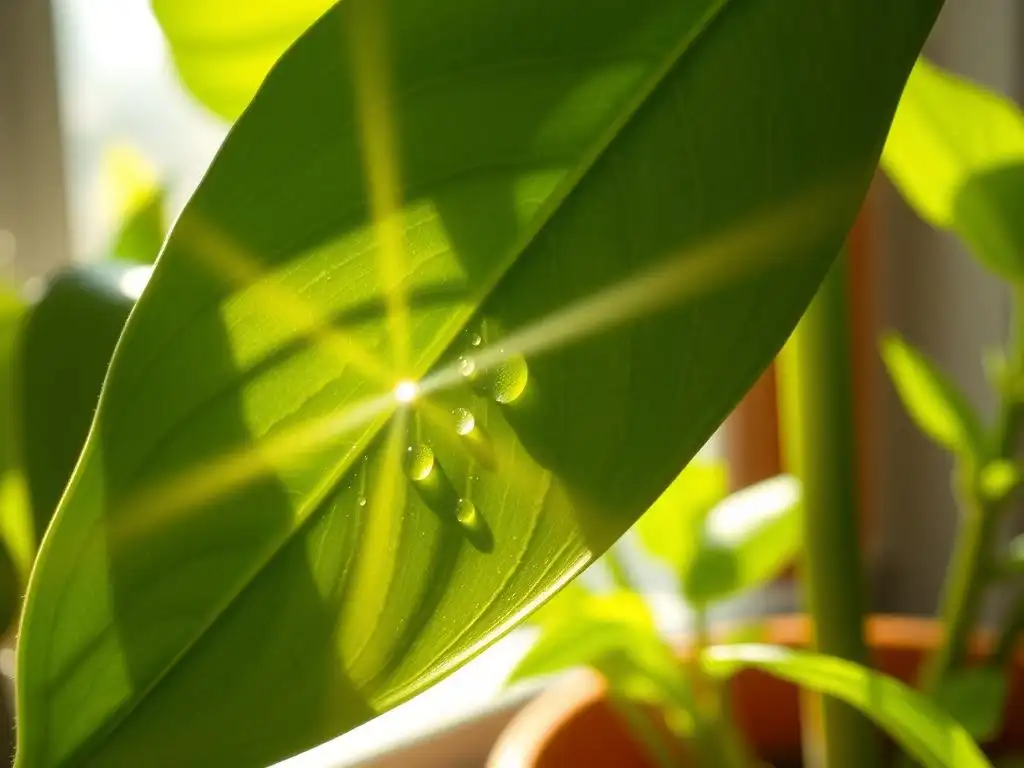
Light and water are not independent factors in plant growth; instead, they engage in a complex, synergistic dance that significantly influences a plant's overall health and productivity. Understanding this interplay is crucial for optimizing your gardening efforts and achieving bountiful harvests. This section will explore the intricate ways light and water interact to shape plant development, providing a deeper understanding for your light water plant growth guide. Think of it as a detailed look at the hidden mechanisms driving successful cultivation.
How Light Intensity Affects Water Absorption and Transpiration
Light intensity directly impacts a plant's water requirements. Higher light levels increase the rate of transpiration – the process by which plants lose water through their leaves. This is because increased light energy boosts the opening of stomata, tiny pores on leaves that facilitate gas exchange (taking in carbon dioxide for photosynthesis and releasing oxygen). Open stomata allow for more efficient photosynthesis but also lead to increased water loss.
This heightened transpiration necessitates a corresponding increase in water absorption from the soil. Plants with inadequate water supply under high light conditions will exhibit wilting, reduced growth, and potentially even irreversible damage. Conversely, under low light conditions, transpiration rates decrease, reducing the plant's water demand. This is why shade-tolerant plants often require less frequent watering than sun-loving varieties.
Consider this example: A tomato plant (a sun-loving species) grown in full sun will transpire significantly more water than the same plant grown in partial shade. The full-sun plant will require more frequent and potentially more abundant watering to prevent water stress. This illustrates the crucial balance between light exposure and watering frequency. Careful monitoring of soil moisture and adjustment of watering schedules based on light intensity are key components of a successful light water plant growth guide.
The Impact of Water Stress on Photosynthesis and Light Utilization
Water stress, or insufficient water availability, severely impacts a plant's ability to utilize light effectively. When plants are dehydrated, their stomata close to conserve water. This closure, however, limits the intake of carbon dioxide, a vital component of photosynthesis. Reduced carbon dioxide uptake directly translates to decreased photosynthetic rates, hindering growth and yield.
Furthermore, water stress can damage the photosynthetic machinery within the plant's cells. This damage can manifest as chlorosis (yellowing of leaves) and reduced chlorophyll production, further compromising the plant's ability to absorb and utilize light energy. The overall effect is a significant reduction in biomass accumulation and fruit/vegetable production. Even temporary water stress can have lasting negative consequences on plant health and productivity. Therefore, consistent and appropriate watering is crucial for maximizing light utilization and achieving optimal yields, as outlined in any comprehensive light water plant growth guide.
Balancing Light and Water for Maximum Yield and Quality
Optimizing both light and water availability is key to maximizing yield and ensuring high-quality produce. This requires a nuanced understanding of your specific plants' light and water requirements, as well as careful monitoring of environmental conditions. Different plant species have varying tolerances to both light intensity and water stress. Some thrive in full sun and require frequent watering, while others prefer shade and infrequent watering.
The following table summarizes the general relationship between light and water requirements:
| Plant Type | Light Requirement | Water Requirement |
|---|---|---|
| Sun-loving (e.g., tomatoes, peppers) | High | High |
| Shade-tolerant (e.g., lettuce, spinach) | Low | Moderate |
| Drought-tolerant (e.g., succulents) | Varies | Low |
Careful observation of your plants is crucial. Signs of water stress (wilting, leaf curling) indicate a need for increased watering. Conversely, overly saturated soil can lead to root rot and other problems. Striking the right balance between light exposure and watering, tailored to your specific plants and environment, is the ultimate goal in your light water plant growth guide. Remember, consistent monitoring and adjustments are vital to success. 🌱
Practical Applications: A Light Water Plant Growth Guide for Your Garden
This section translates the theoretical understanding of light and water's interaction into practical, actionable steps for your home garden. We'll explore how to optimize these crucial elements for different plant types and climates, providing a comprehensive light water plant growth guide for successful cultivation. Remember, consistent monitoring and adjustment are key to achieving optimal results. Success in gardening often lies in careful observation and adaptation to specific conditions.
Case Study 1: Optimizing Light and Water for Tomato Production
Tomatoes, beloved for their juicy fruits, are sun-worshippers. They thrive in at least six to eight hours of direct sunlight daily. Water requirements, however, are nuanced. Overwatering leads to fungal diseases like blossom-end rot, while underwatering results in stunted growth and fewer fruits. A good rule of thumb is to water deeply but infrequently, allowing the soil to dry slightly between waterings. The best approach is to monitor the soil moisture regularly, using your finger to check the top few inches. If it feels dry, it's time to water.
Here's a table summarizing ideal conditions for tomato cultivation:
| Factor | Ideal Condition | Negative Consequence of Deficiency | Negative Consequence of Excess |
|---|---|---|---|
| Sunlight | 6-8 hours direct sunlight daily | Stunted growth, fewer fruits | Sunburn, leaf scorching |
| Watering | Deep watering, allowing soil to dry slightly | Stunted growth, wilting, fruit drop | Fungal diseases, root rot |
| Soil Type | Well-draining, rich in organic matter | Poor drainage, nutrient deficiency | Waterlogging, root asphyxiation |
Consider using drip irrigation or soaker hoses to deliver water directly to the roots, minimizing water loss through evaporation. Mulching around the plants helps retain soil moisture and suppress weeds, further optimizing water use. Regular fertilization with a balanced organic fertilizer supports vigorous growth and fruit production. Remember, a happy tomato plant is a productive tomato plant! 🍅
Case Study 2: Managing Light and Water for Leafy Greens
Leafy greens, such as lettuce, spinach, and kale, have different light and water needs compared to tomatoes. While they still need sunlight, they tolerate partial shade better and are more susceptible to bolting (premature flowering) in intense heat. Aim for four to six hours of sunlight daily, especially during cooler months.
These plants prefer consistently moist soil, but not soggy conditions. Overwatering can lead to root rot and fungal diseases, while underwatering results in wilting and poor growth. Regular watering, especially during dry spells, is crucial. Consider using a watering can with a rose to gently distribute water over the leaves, avoiding splashing and potential disease spread.
The optimal balance between light and water for leafy greens is crucial for maximizing yield and flavor. Consistent soil moisture is key. You can monitor soil moisture using a moisture meter or simply by feeling the soil. If the top inch feels dry, it's time to water. Remember, consistent watering is more important than infrequent deep watering for leafy greens.
Case Study 3: Adapting Light and Water Strategies to Different Climates
Climate plays a significant role in determining the optimal light and water management strategies. In hot, arid climates, plants may require more frequent watering, possibly utilizing techniques like mulching and drip irrigation to conserve water. Shade cloth can also protect plants from intense sunlight.
Conversely, in cooler, humid climates, plants may need less frequent watering to prevent root rot. Good air circulation is important to reduce humidity, preventing fungal diseases. The amount of sunlight required might also be adjusted, perhaps needing supplemental lighting in shady areas during winter months.
Adapting your gardening practices to your specific climate is crucial for success. Understanding the typical weather patterns—temperature, rainfall, and sunlight hours—in your region will help you fine-tune your watering and light management strategies. Consider consulting local gardening resources or experienced gardeners for region-specific advice. This tailored approach ensures your plants receive the perfect balance of light and water, regardless of your location. Remember, a thriving garden is a testament to understanding and adapting to your environment! 🌍
Frequently Asked Questions
How much light do my plants need for optimal growth?
The amount of light your plants need depends on the specific species. Generally, sun-loving plants require at least 6 hours of direct sunlight daily, while shade-tolerant plants thrive in partial shade or filtered sunlight. Refer to plant-specific guides for precise requirements.
What is the best way to water my plants?
The ideal watering method involves deep, infrequent watering rather than frequent shallow watering. This encourages strong root development. Always check soil moisture before watering to avoid overwatering.
How can I tell if my plants are getting too much or too little water?
Wilting leaves can indicate both underwatering and overwatering. Underwatering causes wilting due to lack of moisture, while overwatering can lead to root rot, which also causes wilting. Check the soil moisture and adjust your watering accordingly.
What is the relationship between light and water in plant growth?
Light and water are interdependent factors crucial for plant growth. Light drives photosynthesis, producing energy for growth, while water is essential for nutrient transport and overall plant function. Insufficient light or water can severely hinder growth.
What are some sustainable watering practices I can adopt?
Consider using rainwater harvesting to conserve water. Employ mulching to retain soil moisture and reduce evaporation. Also, opt for drip irrigation for efficient and targeted watering, minimizing water waste.
Final Reflection: Cultivating Life's Essential Harmony
The interplay of light and water isn't merely a scientific equation; it's the very heartbeat of life itself, a dynamic dance crucial to the flourishing of our gardens and, by extension, our world. Understanding this intricate relationship, as explored throughout this guide, is not just a matter of academic interest but a practical necessity for anyone seeking to nurture life, whether in a small herb garden or a sprawling landscape. The principles discussed here are fundamental to sustainable practices and responsible stewardship of our environment.
The profound impact of light and water on plant growth has shaped human civilization from the earliest agricultural societies to our modern, technologically advanced world. Our understanding of these elements has evolved, yet the core principles remain unchanged. The simple act of providing the right balance of sunlight and hydration unlocks incredible potential, transforming a seed into a vibrant, life-giving plant. The glory of gardening: hands in the dirt, head in the sun, heart with nature. To nurture a garden is to feed not just the body, but the soul.
This quote perfectly encapsulates the deeply satisfying connection between humans and the natural world, a connection forged through the careful tending of life.
Consider the lessons learned within these pages. Reflect on the specific needs of your own plants, and observe how they respond to changes in light and watering schedules. You are now equipped to become a more conscious and effective gardener, a steward of life, capable of nurturing growth and beauty in your own unique space. Embrace the challenge, experiment with different techniques, and watch as your garden thrives, mirroring the vibrant harmony of light and water that sustains all life.
Unveil Your Garden's Potential: Light & Water Harmony
Thank you for exploring the fascinating interplay of light and water in your garden! We hope you've gained valuable insights to help your plants thrive. Now let's put that knowledge into practice.
Here's how to proceed:
- Design your ideal watering schedule: Consider your plants' individual needs and the amount of sunlight your garden receives. Create a detailed weekly schedule, noting watering times and amounts for optimal growth. This is key to healthier plants.
- Experiment with different watering methods: Try drip irrigation, soaker hoses, or hand-watering at various times of day. Observe which method works best in your garden.
- Share your experiences: Let's build a thriving community! Share your watering schedule and insights in the comments below—your tips could help other gardeners unlock their garden's full potential.
What innovative watering solution will you try first to improve your garden's health?