
Weed Control in Raised Beds: Specific Strategies for Container Gardens

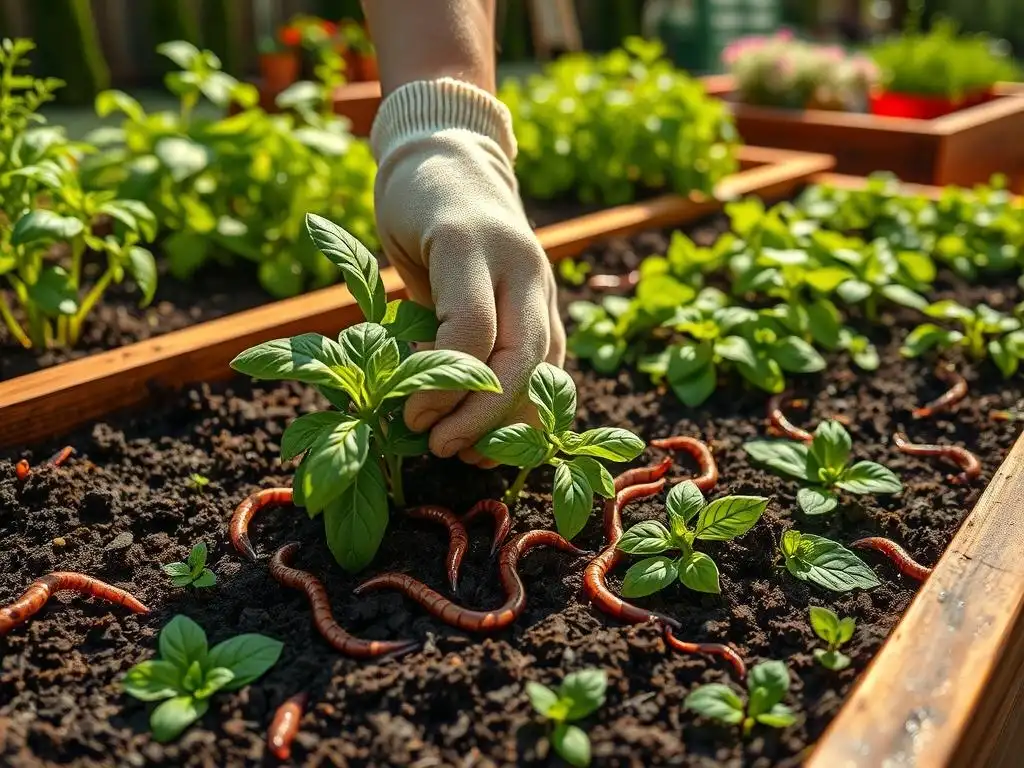
Ready to unlock the secrets of a bountiful, organic harvest? At CultivateYourFood, we empower you to grow your own fruits, vegetables, and herbs using sustainable methods. But what about those pesky weeds? Learn how to conquer unwanted growth and achieve thriving plants with our expert guide on organic weed control in raised beds, specifically tailored for container gardening. Discover the techniques that will transform your garden from a weed-infested struggle to a flourishing paradise – let's get growing!
- Understanding Organic Weed Control in Raised Beds
- Effective Organic Weed Control Methods for Raised Beds
- Advanced Organic Weed Control Strategies for Container Gardens
- Maintaining Weed-Free Raised Beds: Long-Term Strategies
- Specific Weed Control for Different Raised Bed Crops
- Troubleshooting Common Weed Control Problems in Raised Beds
- Frequently Asked Questions
- Final Reflection: Cultivating a Weed-Free Eden: The Ongoing Quest for Organic Gardening
- Unleash Your Garden's Potential: Conquer Those Weeds!
Understanding Organic Weed Control in Raised Beds
Maintaining a thriving raised bed garden, brimming with healthy fruits, vegetables, and herbs, requires diligent weed control. This is especially crucial when employing organic and sustainable practices, as chemical herbicides are off the table. This article focuses on specific, effective strategies for organic weed control within the confines of raised beds, paying particular attention to the unique challenges and opportunities presented by container gardening.
We'll explore methods to prevent weeds from establishing themselves in the first place, as well as techniques to manage those that inevitably appear. By understanding the lifecycle of weeds and utilizing natural methods, you can cultivate a bountiful harvest while minimizing your environmental impact and maximizing your yield. This guide will empower you to effectively manage weeds in your raised beds using organic techniques, ensuring a healthy and productive garden year after year.
The principles discussed are applicable to a wide range of raised bed designs, from simple wooden structures to more elaborate systems. This holistic approach to organic weed control in raised beds will help you achieve a flourishing garden that's both beautiful and productive.
Identifying Common Weeds in Raised Bed Gardens
Successfully combating weeds begins with accurate identification. Knowing your enemy allows for targeted, effective control. Common weeds found in raised beds often depend on your geographic location and the surrounding environment. However, some persistent offenders appear across various regions. These include:
- Lamb's Quarters: A fast-growing broadleaf weed with distinctive diamond-shaped leaves.
- Dandelions: Easily recognized by their bright yellow flowers and deep taproots.
- Chickweed: A low-growing weed with small, white flowers, often found in cooler months.
- Crabgrass: A warm-season grass weed that spreads rapidly, especially in disturbed soil.
- Purslane: A succulent weed with thick, fleshy leaves and yellow flowers, known for its resilience.
Understanding the life cycle of these weeds—their germination period, growth rate, and seed production—is crucial for effective control. For instance, knowing that dandelion seeds are easily dispersed by wind helps inform strategies to prevent their spread. Regular monitoring and prompt removal of weeds before they go to seed significantly reduces their population in subsequent seasons. Accurate identification also allows you to employ the most effective and targeted organic control methods. For example, hand-weeding is most effective for small infestations while mulching is better suited for larger areas.
Preventing Weed Seeds from Entering Your Raised Beds
Prevention is key to successful organic weed control. Taking proactive steps to prevent weed seeds from entering your raised beds significantly reduces the effort required for weed management later in the season. This involves several crucial steps:
- Soil Sterilization (Solarization): Covering the soil with clear plastic for several weeks during the hottest part of the summer can effectively kill weed seeds and soil-borne pathogens. This is a particularly effective method for raised beds made from materials that can withstand high temperatures.
- Careful Sourcing of Soil and Compost: Ensure that the soil and compost you use are free from weed seeds. Composting your own materials allows for greater control over the process, reducing the risk of introducing weed seeds.
- Thorough Cleaning of Tools and Equipment: Always clean your gardening tools and equipment before and after use to prevent the spread of weed seeds.
- Mulching: Applying a thick layer of mulch, such as straw, wood chips, or shredded leaves, acts as a physical barrier, preventing weed seeds from germinating and reaching sunlight. This also helps retain soil moisture and regulate soil temperature.
- Regular Weeding: Even with preventative measures, some weeds may still appear. Regular, diligent weeding, especially before weeds go to seed, is crucial for preventing their spread.
Choosing the Right Soil Mix for Weed Suppression
The composition of your soil mix plays a significant role in weed suppression. A well-structured soil that drains well and provides optimal growing conditions for your plants can help to naturally inhibit weed growth. Consider these factors:
- Soil Texture: A balanced mix of sand, silt, and clay promotes good drainage and aeration, making it less hospitable to weeds. Avoid soils that are excessively compacted or prone to waterlogging.
- Organic Matter: The addition of ample organic matter, such as compost and well-rotted manure, improves soil structure, water retention, and nutrient availability, creating a healthy environment that favors desirable plants over weeds.
- Nutrient Levels: Ensuring your soil has the appropriate balance of nutrients promotes healthy plant growth, allowing your crops to outcompete weeds for resources. Regular soil testing can help you determine your soil's nutrient levels.
- Selecting Appropriate Raised Bed Materials: Certain materials used to construct raised beds can inadvertently encourage weed growth if not properly prepared. For example, untreated wood may contain weed seeds. Choosing appropriate, weed-free materials is a crucial first step.
By paying close attention to these details, you can significantly reduce weed pressure in your raised beds and create a thriving environment for your plants. Remember, consistent effort and attention to detail are key to achieving a weed-free, organic raised bed garden.
Effective Organic Weed Control Methods for Raised Beds
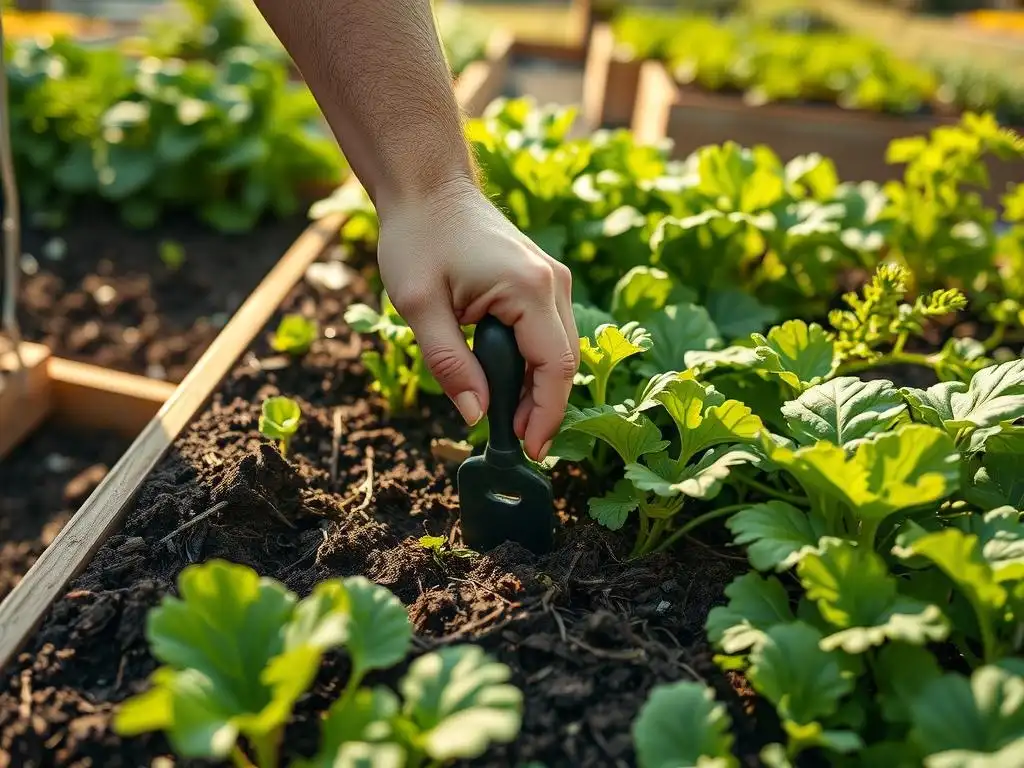
Organic weed control in raised beds offers a sustainable and environmentally friendly approach to maintaining healthy, productive container gardens. Unlike chemical herbicides which can harm beneficial insects and contaminate soil, organic methods focus on preventing weed growth and removing existing weeds without resorting to harmful chemicals. This section explores several effective strategies for achieving optimal weed control in your raised bed vegetable garden while adhering to organic principles. Successful organic weed control requires a multi-pronged approach, combining preventative measures with proactive weed removal techniques.
The key is to create an environment where weeds struggle to thrive while your desired plants flourish. This strategy minimizes the need for intensive weeding and promotes a healthy ecosystem within your raised beds. Remember, consistent effort is key to long-term success in organic weed management.
Mulching Techniques for Weed Control in Container Gardens
Mulching is a cornerstone of organic weed control in raised beds. A thick layer of mulch acts as a physical barrier, preventing weed seeds from germinating and reaching sunlight. Furthermore, it helps retain soil moisture, reducing the need for frequent watering which can inadvertently encourage weed growth. Effective mulch materials include:
- Straw: A readily available and inexpensive option that decomposes over time, enriching the soil.
- Wood chips: Provide excellent weed suppression and improve soil structure. Opt for smaller chips for better weed control.
- Shredded leaves: A free and readily available option, especially in the fall. Ensure they are fully decomposed to avoid attracting pests.
- Compost: A nutrient-rich mulch that suppresses weeds and improves soil fertility.
The ideal mulch depth is generally 2-4 inches, depending on the material and the severity of the weed problem. Regularly replenishing the mulch layer as it breaks down is crucial for maintaining its effectiveness throughout the growing season. Proper mulching significantly reduces weed pressure, minimizing the need for hand-weeding and making organic weed control more manageable.
Consider using different mulch types in different parts of your raised beds to experiment and find what works best for your specific plants and conditions. For example, straw might be ideal for leafy greens, while wood chips might be better suited for more robust plants.
Hand-Weeding: A Sustainable Approach to Weed Removal
Hand-weeding, while labor-intensive, is an essential component of organic weed control. It's most effective when weeds are young and small, before they have a chance to establish a strong root system. Regular hand-weeding, ideally once a week or more frequently during periods of rapid weed growth, prevents weeds from going to seed and spreading. This diligent approach is crucial, particularly in the early stages of establishing a raised bed garden.
Several tools can aid in efficient hand-weeding:
- Hand trowel: Ideal for removing weeds with deeper roots.
- Hula hoe: Excellent for quickly slicing through surface weeds.
- Weed fork: Useful for removing weeds from between closely spaced plants.
Remember to remove the entire weed, including the roots, to prevent regrowth. Composting the removed weeds is a sustainable way to recycle plant material and enrich your garden soil. However, avoid composting weeds that have gone to seed to prevent spreading unwanted plants. Consistent hand-weeding is a crucial element of a successful organic weed control strategy, ensuring that weed pressure remains manageable and supporting the overall health of your raised bed garden. The effort invested in consistent hand-weeding will pay off in a healthier and more productive garden.
Beneficial Plants for Natural Weed Suppression in Raised Beds
Integrating beneficial plants into your raised beds offers a natural and effective way to suppress weed growth. These plants, often referred to as "companion plants," compete with weeds for resources like sunlight, water, and nutrients. Some excellent examples include:
- Chamomile: Its dense foliage effectively shades out weeds.
- Nasturtiums: Their vigorous growth outcompetes many weeds. They also attract beneficial insects.
- Calendula: Known for its ability to repel certain pests and improve soil health.
Careful planning and strategic placement of these companion plants are crucial. Consider the growth habits and mature sizes of both your desired plants and the chosen weed-suppressing companions. Proper spacing is essential to allow all plants to thrive without overcrowding.
By strategically incorporating beneficial plants into your raised bed design, you can create a more resilient and balanced ecosystem, naturally reducing weed pressure and enhancing the overall health of your garden. This approach aligns perfectly with the principles of organic gardening, fostering biodiversity and minimizing reliance on external interventions. Experimentation is key – observe which combinations work best in your specific environment and adjust your planting strategy accordingly.
Advanced Organic Weed Control Strategies for Container Gardens
This section delves into sophisticated organic weed control methods specifically tailored for raised bed container gardens. We'll explore techniques that go beyond simple hand-weeding, offering sustainable and effective solutions for maintaining healthy, weed-free growing spaces. Remember, consistent effort is key to long-term weed suppression, regardless of the method employed. The goal is to minimize weed seeds and rhizomes, creating an environment where your desired plants thrive.
Using Weed Barriers in Raised Bed Construction
Proactive weed control begins with the construction of your raised beds. Integrating weed barriers during the initial build significantly reduces future weeding efforts. This is particularly crucial for container gardens where weeds can easily invade from the surrounding soil. Several effective barrier options exist, each with its own set of pros and cons.
- Cardboard: A readily available and biodegradable option. Layering several sheets of cardboard, overlapping the edges, creates a substantial barrier. Ensure the cardboard is completely covered with at least several inches of soil to prevent it from drying out and becoming ineffective. This method is budget-friendly but may decompose more quickly than other options, requiring eventual replacement.
- Landscape Fabric: A more durable and longer-lasting choice compared to cardboard. However, it's crucial to choose a permeable fabric that allows for proper water drainage and air circulation. Non-permeable fabrics can create anaerobic conditions, harming plant roots. Proper installation, ensuring it's securely fastened and covered with soil, is vital to prevent weeds from pushing through.
- Wood Planks: While not a barrier in the same sense as cardboard or fabric, using tightly fitted wood planks in the construction of your raised bed creates a physical barrier to weed encroachment. Ensure there are no gaps for weeds to exploit. This method is aesthetically pleasing but can be more expensive than other options.
The effectiveness of any weed barrier is directly related to its proper installation. Careful attention to detail during construction is crucial for maximizing its long-term benefits and minimizing the need for frequent weeding.
Solarization: A Natural Method for Soil Sterilization
Solarization is a powerful, eco-friendly technique for eliminating weed seeds and soilborne pathogens before planting. This method harnesses the sun's energy to heat the soil to temperatures lethal to many weed seeds and harmful organisms. It's particularly effective in warmer climates with ample sunlight.
The process involves covering the soil with clear plastic sheeting during the hottest months of the year. The plastic traps solar radiation, causing the soil temperature to rise dramatically. This intense heat kills weed seeds, weed roots, and many soilborne diseases. The duration of solarization depends on factors such as the ambient temperature, soil type, and the desired level of sterilization. Generally, a period of 4-6 weeks is recommended.
To maximize the effectiveness of solarization:
- Prepare the soil: Remove any visible weeds and debris before covering the soil with plastic.
- Use clear plastic: The plastic must be transparent to allow maximum solar radiation to penetrate.
- Secure the edges: Properly secure the plastic to prevent gaps where heat can escape.
- Water the soil: Lightly watering the soil before covering it helps to retain moisture and increase the effectiveness of solarization.
Solarization offers a natural and sustainable approach to weed control, reducing reliance on chemical herbicides. However, it requires careful planning and execution to achieve optimal results. It's not suitable for all climates or soil types.
Crop Rotation to Reduce Weed Pressure in Raised Beds
Crop rotation is a cornerstone of sustainable gardening practices, and it plays a significant role in minimizing weed pressure in raised beds. Rotating crops strategically disrupts the life cycle of many weeds, preventing them from establishing themselves. Some weeds thrive in specific conditions, while others have specific host plants.
By rotating crops with different growth habits and nutrient requirements, you deprive weeds of their preferred conditions. For example, planting legumes (like beans or peas) one year can improve soil fertility and suppress some weed species. Following this with a heavy feeder (like tomatoes or squash) the next year can further disrupt weed populations. This strategy is particularly effective against weeds with persistent seed banks or extensive root systems.
Careful planning is essential for effective crop rotation. Consider the following factors:
- Weed prevalence: Identify the dominant weed species in your garden to tailor your rotation accordingly.
- Nutrient requirements: Choose crops with diverse nutrient needs to prevent depletion of specific nutrients that might favor certain weeds.
- Growth habits: Select crops with different growth habits (e.g., ground cover vs. tall plants) to further disrupt weed establishment.
Implementing a well-planned crop rotation scheme is a long-term strategy but significantly contributes to reducing the need for intensive weed control methods over time. It's a natural and sustainable approach to managing weeds in your raised bed container garden, promoting a healthier and more productive growing environment.
Maintaining Weed-Free Raised Beds: Long-Term Strategies
This section focuses on establishing long-term, sustainable practices for organic weed control in your raised beds, minimizing the need for constant intervention. Effective weed management isn't just about immediate removal; it's about creating an environment where weeds struggle to thrive. This involves proactive measures and consistent attention to detail. Think of it as a holistic approach to organic weed control raised beds.
Regular Monitoring and Maintenance of Your Raised Beds
Regular monitoring is paramount in preventing weeds from establishing themselves. Aim for weekly inspections, especially during the growing season. Early detection is key; a small weed is far easier to remove than a large, established one. Pay close attention to the edges of your raised beds, as this is a common entry point for weeds. Use a small hand trowel or weeding fork to remove weeds before they go to seed, disrupting their reproductive cycle. This consistent effort significantly reduces the weed population over time, making your organic weed control raised beds more efficient.
Consider using a layer of mulch around your plants. Mulch acts as a physical barrier, preventing weed seeds from germinating and reaching sunlight. Organic mulches like straw, shredded leaves, or wood chips are ideal choices for raised beds. They also help retain soil moisture, reducing the need for frequent watering. Remember to replenish the mulch layer as it decomposes.
Here's a sample schedule for monitoring and maintenance:
| Day of the Week | Activity | Notes |
|---|---|---|
| Monday | Inspect raised beds for weeds | Focus on edges and areas between plants. |
| Wednesday | Remove any identified weeds | Use a small trowel or weeding fork; remove roots completely. |
| Saturday | Check mulch layer | Replenish as needed; maintain a depth of 2-4 inches. |
This routine, while seemingly simple, contributes significantly to successful organic weed control in raised beds. The consistent effort minimizes weed pressure and improves the overall health of your plants.
Composting Weed-Free Plant Material: A Sustainable Cycle
Composting weed-free plant material is a crucial component of sustainable organic gardening. Instead of discarding plant debris, which could contain weed seeds, use it to enrich your soil. This closed-loop system reduces waste and provides valuable nutrients for your raised beds.
Before composting, ensure the plant material is free from weed seeds. This is particularly important with aggressive weeds. Allowing weeds to mature and produce seeds before composting can inadvertently spread them throughout your garden. Composting weed-free plants helps to avoid this issue.
The composting process itself helps to eliminate weed seeds. The heat generated during decomposition kills most weed seeds, making the compost safe to use in your raised beds. However, be cautious with particularly persistent weeds, as some seeds may survive the composting process. Turning the compost regularly accelerates decomposition and increases the temperature, further reducing weed seed viability.
Proper composting ensures your organic weed control raised beds are nourished sustainably. The nutrients in the decomposed material improve soil health and reduce the need for synthetic fertilizers, further strengthening your commitment to organic gardening practices.
Adapting Your Weed Control Strategy Based on Seasonal Changes
Your weed control strategy should adapt to the changing seasons. The types and prevalence of weeds vary throughout the year. Understanding these seasonal shifts is crucial for effective organic weed control in raised beds.
During spring, focus on preventing weed germination. Use a pre-emergent mulch to prevent seeds from sprouting. Regular weeding is essential to catch weeds early. Summer brings a surge in weed growth. Consistent monitoring and removal are crucial, along with keeping the mulch layer well-maintained.
In autumn, focus on removing weeds before they go to seed, preventing future infestations. Clean up fallen leaves and other debris to prevent weed seeds from overwintering. Winter, while seemingly inactive, requires attention to prevent weed seeds from settling into your soil. A protective layer of mulch can help prevent seed germination during the winter months.
This seasonal approach ensures that your organic weed control raised beds remain effective throughout the year. Adapting your strategy to seasonal changes allows for a proactive and efficient approach to weed management, minimizing weed pressure and maximizing the health and productivity of your raised beds. Remember consistent monitoring is key regardless of the season.
Specific Weed Control for Different Raised Bed Crops
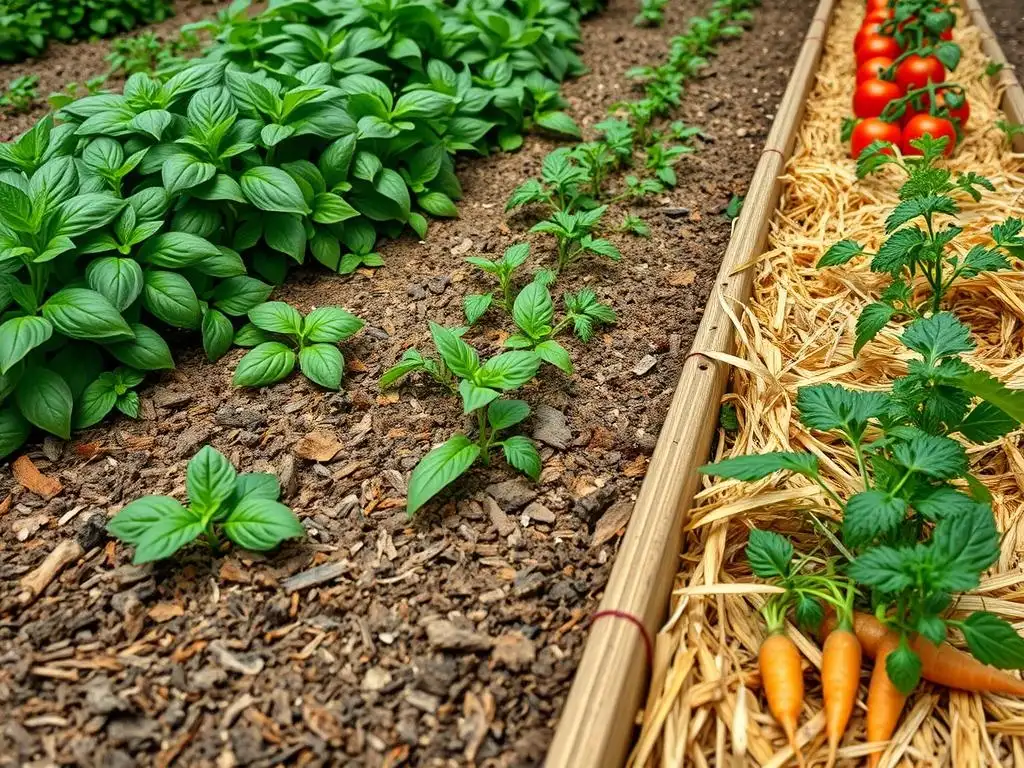
This section delves into tailored weed control strategies for various crops commonly grown in raised beds, focusing on organic and sustainable methods. Effective weed management depends heavily on the specific plant's growth habit and susceptibility to competition. Remember, consistent vigilance is key to successful organic weed control in raised beds.
Weed Control in Vegetable Raised Beds
Vegetable raised beds often require more intensive weed control due to the rapid growth of many vegetables and their vulnerability to weed competition for nutrients and water. The best approach is a multi-pronged strategy combining preventative measures with targeted intervention.
Preventative measures are paramount. Before planting, thoroughly remove existing weeds and their roots. This can be achieved through diligent hand-weeding or, for larger areas, a solarization technique. Solarization involves covering the soil with clear plastic for several weeks during the hottest part of the summer to kill weeds through heat. Mulching with organic materials like straw, wood chips, or shredded leaves helps suppress weed growth by blocking sunlight. Choose mulches appropriate for your vegetable types; for example, avoid heavy mulches that might smother low-growing plants.
Regular weeding is essential. Hand-weeding is the most effective organic method, especially for young seedlings. Focus on removing weeds before they go to seed. A hoe can be used to effectively cut down weeds between rows, but be careful not to damage your vegetable plants. Consider the timing of your weeding; weeding after a rain softens the soil, making removal easier.
For persistent weeds, consider using targeted organic herbicides like vinegar or solutions made with boiling water. Remember to test these on a small area first to ensure they won't harm your vegetables. Regular monitoring and prompt action are crucial to preventing weeds from overwhelming your vegetable raised beds.
Weed Control in Herb Raised Beds
Herb raised beds present unique challenges because many herbs are slow-growing and can be easily choked by aggressive weeds. The delicate nature of many herbs necessitates a gentle approach to weed control.
Similar to vegetable beds, preventative measures are crucial. Careful soil preparation before planting is vital. Remove all existing weeds and their roots to minimize future problems. Mulching is highly effective in herb beds, but choose a mulch that allows for good air circulation around the delicate herb plants. Avoid heavy mulches that might trap moisture and lead to fungal diseases.
Hand-weeding remains the most effective method. Regular, careful hand-weeding prevents weeds from becoming established and outcompeting your herbs. A small hand trowel or cultivator can be used to gently remove weeds without disturbing the herb roots. Pay close attention to the spaces between plants, as this is where weeds often thrive. Regular inspections and prompt removal of any emerging weeds are critical for maintaining a healthy herb bed. Using a small weeding fork is also helpful in removing weeds without damaging the roots of your herbs.
Weed Control in Fruit Raised Beds (e.g., strawberries, berries)
Fruit raised beds, particularly those containing strawberries and berries, require a slightly different approach to weed control due to the low-growing nature of the plants and the potential for damage to their delicate foliage.
Preventing weeds before they become a problem is key. Thorough soil preparation before planting is essential. Remove all weeds and their roots to prevent future problems. Mulching is extremely effective in fruit beds, preventing weed seeds from germinating and reducing the need for frequent weeding. Use organic mulches like straw, wood chips, or aged compost, ensuring that the mulch does not smother the plants.
Careful hand-weeding is necessary, particularly around the plants. Avoid using hoes or other tools that could damage the delicate roots and stems of the fruit plants. A small hand cultivator or weeding fork is ideal for removing weeds between plants without causing harm. Regular monitoring is essential to prevent weeds from becoming established and competing with your fruit plants for resources.
Consider using floating row covers to suppress weed growth and protect your plants from pests. This is particularly effective in early spring before the fruit plants have fully established. 🍓 This will help maintain a healthy and productive fruit bed.
Troubleshooting Common Weed Control Problems in Raised Beds
Organic weed control in raised beds requires a multifaceted approach, understanding the unique challenges presented by these contained growing environments. While raised beds offer advantages like improved drainage and soil control, they're not immune to weed problems. This section delves into specific issues and provides practical, organic solutions. Effective weed management hinges on proactive measures and consistent monitoring. Ignoring early signs of weed growth can lead to significant infestations, requiring more intensive (and potentially less organic) interventions later.
Dealing with Persistent Weeds in Container Gardens
Persistent weeds, particularly those with deep taproots or aggressive spreading mechanisms, pose a significant challenge in raised beds. These weeds often outcompete desirable plants for resources like water and nutrients. For example, bindweed (Convolvulus arvensis) and field bindweed are notorious for their tenacious roots that can extend far beyond the confines of the raised bed. Simply pulling them up often leaves fragments behind, leading to regrowth.
To address persistent weeds, a combination of strategies is necessary. Hand-weeding remains crucial, but should be done meticulously to remove the entire root system. For particularly stubborn weeds, consider using a weeding fork to loosen the soil around the roots before pulling.
Following hand-weeding, applying a thick layer of organic mulch, such as straw or wood chips, helps suppress weed germination and prevents sunlight from reaching weed seeds already present in the soil. This mulch layer also helps retain moisture and regulate soil temperature, benefiting your desired plants. Regular monitoring and prompt removal of any emerging weeds are paramount to preventing them from establishing themselves.
Addressing Weed Infestations in Established Raised Beds
Dealing with a significant weed infestation in an established raised bed requires a more strategic approach. Ignoring a small infestation can quickly escalate into a major problem, impacting the health and yield of your crops. A heavy infestation might necessitate a more intensive approach. One effective method is solarization. This involves covering the infested area with clear plastic sheeting during the hottest part of the summer. The trapped heat kills weed seeds and existing weeds. However, this method requires careful planning and execution to avoid harming beneficial soil microorganisms.
Another option, particularly suitable for smaller infestations, involves carefully removing the weeds and replacing the affected soil with fresh, weed-free compost. This is labor-intensive but highly effective. Always ensure the compost you use is properly composted and free from weed seeds.
Before adding new soil, it's advisable to loosen the existing soil to a depth of at least 6 inches to remove any remaining weed roots. The addition of beneficial microbes to the new soil will aid in suppressing weed growth. Remember to avoid using chemical herbicides; they are harmful to the environment and your health, contradicting the principles of organic gardening.
Preventing Weed Re-growth After Harvesting
After harvesting, raised beds are particularly vulnerable to weed invasion. The exposed soil provides ideal conditions for weed seeds to germinate. Preventing weed regrowth after harvest is crucial for maintaining a weed-free environment for the next planting season. One effective strategy is to immediately cover the exposed soil with a thick layer of organic mulch. This helps suppress weed growth and retains soil moisture.
Another effective technique is to plant a cover crop. Cover crops, such as clover or rye, help suppress weeds, improve soil health, and prevent soil erosion. These crops can be planted immediately after harvesting and then tilled under before the next planting season. This adds organic matter to the soil, improving its structure and fertility.
The cover crop also helps to outcompete weeds, reducing the need for other weed control methods. Regular monitoring and prompt removal of any emerging weeds remain crucial even with these preventive measures. This proactive approach minimizes the likelihood of future weed infestations, allowing you to maintain healthy and productive raised beds.
Frequently Asked Questions
What is the best way to prevent weeds in my raised beds?
The most effective method is to start with clean soil, free of weed seeds. Use a weed barrier fabric under your planting medium and mulch heavily around plants to suppress weed growth.
Are there organic weed control methods for raised beds?
Yes! Mulching with materials like straw or wood chips is highly effective. Hand weeding regularly prevents weeds from establishing themselves. You can also use organic weed killers, like vinegar or boiling water (carefully!).
How does using raised beds help with weed control?
Raised beds offer a contained environment, making weed control easier. You have better access to the soil, allowing for efficient hand weeding and easier application of mulch.
What are some organic weed killers suitable for raised beds?
Consider using vinegar (5% acetic acid or higher) or boiling water to spot-treat weeds. Remember to be careful not to damage your desired plants. Compost tea can also suppress weeds.
Can I use pre-emergent herbicides in my raised beds organically?
No, most pre-emergent herbicides are not considered organic. Focus on preventative methods like thorough soil preparation and consistent mulching for organic weed control in your raised beds.
Final Reflection: Cultivating a Weed-Free Eden: The Ongoing Quest for Organic Gardening
The battle against weeds in raised beds is far from over, but the fight for organic solutions is gaining momentum. This article highlighted the crucial role of preventative measures and targeted, natural interventions in maintaining healthy, weed-free container gardens. The increasing awareness of the harmful effects of chemical herbicides underscores the urgency of embracing sustainable practices, not just for our plants, but for the environment and our own well-being.
The journey towards mastering organic weed control in raised beds is a continuous learning process, a testament to the enduring connection between humans and nature. It's a journey I've personally embraced, finding immense satisfaction in nurturing my plants without resorting to harsh chemicals. The glory of gardening: hands in the dirt, head in the sun, heart with nature. To nurture a garden is to feed not just the body, but the soul.
This quote perfectly encapsulates the profound impact of tending to a garden organically, fostering a deeper appreciation for the delicate balance of the ecosystem.
Now, it's your turn. Consider the strategies discussed – from careful soil preparation to diligent mulching and the strategic use of companion planting – and apply them to your own raised bed gardening endeavors. Embrace the challenge, celebrate the small victories, and remember that every weed pulled, every seed sown with intention, contributes to a healthier, more vibrant garden – and a healthier planet. Let's cultivate a future where organic gardening flourishes, one weed-free raised bed at a time.
Unleash Your Garden's Potential: Conquer Those Weeds!
Thanks for learning about weed control in your raised beds! We hope you feel empowered to create a thriving, weed-free garden for your plants. Ready to put your knowledge into action?
- Prioritize prevention: Implement weed control strategies like mulching, using landscape fabric, or diligent hand-weeding to prevent future problems. This is key to long-term success.
- Share your experiences: Let's build a community! Share your favorite weed control tips and challenges in the comments below. What unexpected solutions have you discovered?
- Experiment with different techniques: Try a new approach this week, perhaps a different type of mulch. Small changes can make a big difference.
So, what's your next step in creating the raised bed garden of your dreams?