
LongTerm Soil Health: Building Resilience in Your Garden

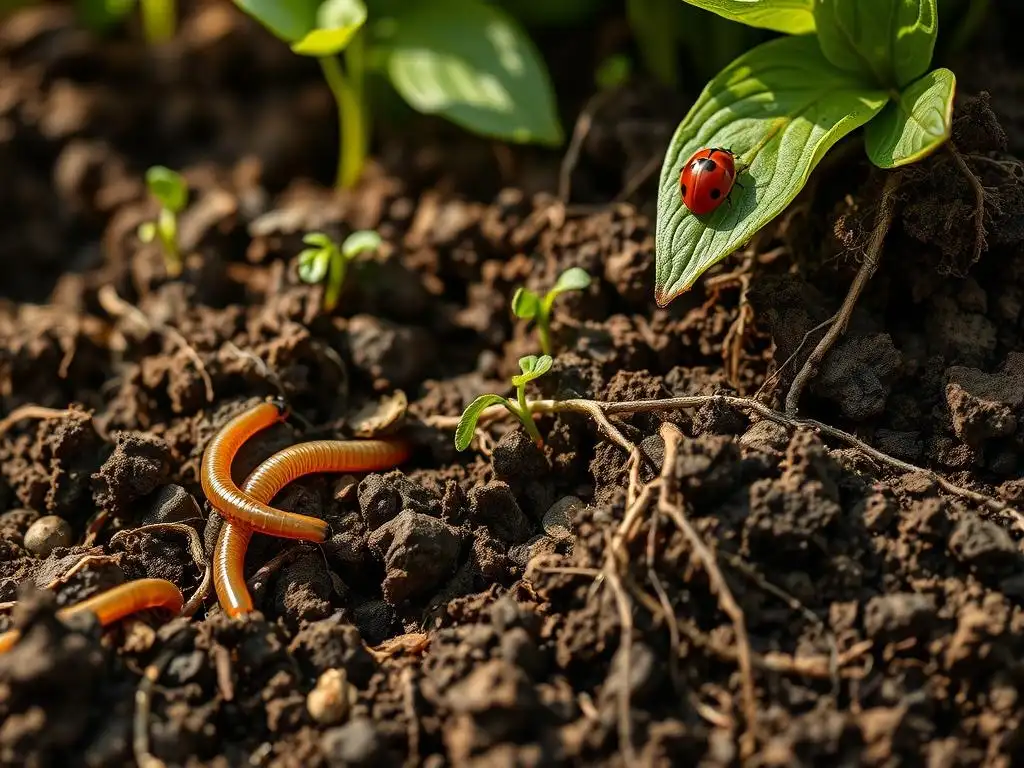
Ready to unlock the secrets to a thriving, sustainable garden? CultivateYourFood is your guide to growing delicious fruits, vegetables, and herbs at home. Learn how to build a resilient ecosystem in your backyard, starting with the foundation of it all: improving garden soil health long-term. Discover practical, organic techniques to transform your soil and nurture abundant harvests for years to come. Let's get growing!
- Understanding the Fundamentals of Long-Term Soil Health Improvement
- Assessing Your Current Soil Health: A Practical Guide
- Building Soil Fertility for Long-Term Success
- Sustainable Practices for Long-Term Soil Health Improvement
- Monitoring and Maintaining Long-Term Soil Health
- Maintaining Soil Health Through the Seasons
- Frequently Asked Questions
- Final Reflection: Cultivating a Legacy of Healthy Soil
- Unlock Your Soil's Potential: Grow a Thriving Garden!
Understanding the Fundamentals of Long-Term Soil Health Improvement
Improving garden soil health long-term is the cornerstone of successful, sustainable gardening. It's not just about getting a good harvest this year; it's about building a resilient ecosystem in your garden that will yield bountiful harvests for years to come. This involves understanding the complex interplay of physical, chemical, and biological factors that contribute to fertile soil.
By focusing on these elements, you'll create a thriving environment for your plants, minimizing the need for chemical fertilizers and pesticides while maximizing the health and productivity of your garden. This article will explore key strategies for building and maintaining long-term soil health, empowering you to cultivate a vibrant and productive garden using organic and sustainable practices.
We'll delve into the intricacies of soil composition, the importance of biodiversity, and the essential nutrients that fuel plant growth, providing you with the knowledge to nurture your soil and reap the rewards of healthy, thriving plants. Let's begin our journey towards cultivating a truly resilient garden!
Soil Composition and its Impact on Plant Growth
Soil isn't just dirt; it's a complex living system composed of several key components that interact to support plant life. Understanding these components is crucial for improving long-term soil health. The ideal soil structure is a balanced mix of:
- Mineral Matter: This forms the bulk of the soil, providing essential minerals and influencing its texture. The size and type of mineral particles (sand, silt, and clay) determine soil drainage and water retention. A balanced mix is key – too much clay can lead to compaction and poor drainage, while too much sand results in poor water retention.
- Organic Matter: This includes decomposed plant and animal material (humus), which is vital for improving soil structure, water retention, nutrient availability, and overall soil health. Adding compost, leaf mold, and other organic materials significantly enhances the soil's ability to support plant growth.
- Water: Water is essential for nutrient transport within the soil and for plant uptake. Good soil structure ensures proper drainage and prevents waterlogging, while maintaining sufficient moisture for plant growth.
- Air: Soil needs air for the respiration of beneficial microorganisms and plant roots. Compacted soil lacks adequate aeration, leading to poor root growth and reduced plant health.
The ratio of these components significantly impacts plant growth. For example, clay soils, while nutrient-rich, can become compacted, hindering root growth and oxygen availability. Sandy soils, on the other hand, drain quickly, leading to nutrient leaching and water stress. The goal is to achieve a balanced soil structure with optimal proportions of each component to create a thriving environment for your plants. Amendments like compost and other organic matter can significantly improve the structure and fertility of less-than-ideal soil types.
The Role of Soil Biodiversity in Sustainable Gardening
A diverse and thriving soil ecosystem is essential for long-term soil health. The soil teems with countless microorganisms, including bacteria, fungi, and other beneficial organisms that play crucial roles in nutrient cycling, disease suppression, and overall soil fertility. These organisms break down organic matter, releasing essential nutrients for plant uptake and improving soil structure. A healthy soil food web enhances the soil's resilience to pests and diseases, reducing the need for chemical interventions.
Promoting soil biodiversity involves a variety of practices:
- Minimizing soil disturbance: Tilling can disrupt the soil's delicate ecosystem, harming beneficial organisms. No-till gardening or minimal tillage techniques are preferred.
- Adding diverse organic matter: Different types of organic matter support a wider range of organisms. Compost, leaf mold, cover crops, and other organic materials contribute to a rich and diverse soil ecosystem.
- Avoiding chemical pesticides and fertilizers: These can harm beneficial soil organisms, disrupting the delicate balance of the soil food web. Organic practices are crucial for maintaining soil biodiversity.
Essential Nutrients for Thriving Plants: A Comprehensive Overview
Plants require a range of essential nutrients for healthy growth and development. These nutrients are broadly categorized into macronutrients (needed in larger amounts) and micronutrients (needed in smaller amounts). Understanding the role of these nutrients is crucial for providing your plants with the necessary resources for optimal health and yield.
Macronutrients include:
- Nitrogen (N): Essential for leaf growth and overall plant vigor. Deficiency leads to stunted growth and yellowing leaves.
- Phosphorus (P): Crucial for root development, flowering, and fruiting. Deficiency can result in poor root growth and reduced yields.
- Potassium (K): Important for disease resistance, water regulation, and overall plant health. Deficiency can lead to weak stems and reduced fruit quality.
Micronutrients, although needed in smaller quantities, are equally crucial for plant health. These include iron, manganese, zinc, copper, boron, molybdenum, and chlorine. Deficiencies can manifest in various ways, depending on the specific nutrient and plant species. Regular soil testing can help identify nutrient deficiencies and guide appropriate fertilization strategies. Organic amendments like compost and well-rotted manure provide a balanced supply of both macro and micronutrients, promoting long-term soil health and reducing reliance on synthetic fertilizers. Remember, a healthy soil teeming with life is the best fertilizer! 🌱
Assessing Your Current Soil Health: A Practical Guide
Improving garden soil health long-term is a cornerstone of successful organic gardening. Before you can implement strategies to improve your soil, you need to understand its current condition. This section provides practical guidance on assessing your soil's health, empowering you to make informed decisions for a thriving garden. The first step is performing some simple tests to gauge the major characteristics of your soil.
Simple Soil Tests for Home Gardeners
Several easy-to-perform tests can provide valuable insights into your soil's health. These tests don't require specialized equipment and can be done at home. Let's explore a few:
- Texture Test: This helps determine the proportion of sand, silt, and clay in your soil. Take a handful of moist soil, add a little water, and try to roll it into a ball. If it crumbles easily, it's sandy. If it forms a ball but cracks easily, it's loamy. If it forms a strong, smooth ball, it's clayey. Knowing your soil texture is crucial for determining appropriate watering and fertilization techniques. For instance, sandy soils drain quickly and require more frequent watering, while clayey soils retain water and can become waterlogged.
- Visual Inspection: A simple observation can reveal a lot. Look for the color of your soil. Dark brown or black soil generally indicates high organic matter content, while light-colored soil might be low in organic matter. Examine the soil structure – are there clumps or is it loose and powdery? Good soil structure promotes healthy root growth and water infiltration. Also, check for the presence of rocks, debris, and signs of pests or diseases.
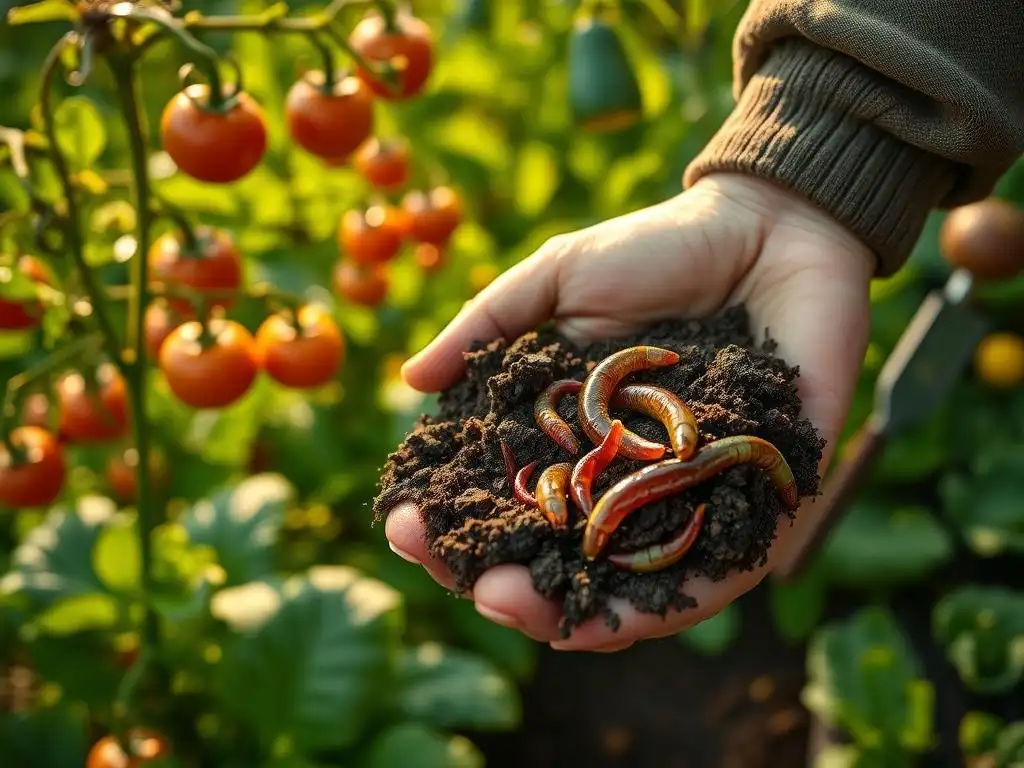
- The "Worm Test": A surprisingly effective indicator! Healthy soil teeming with earthworms is a good sign. Earthworms are excellent soil engineers, improving aeration and drainage. The presence of a healthy worm population suggests good soil structure and nutrient content. Conversely, a lack of worms could signal soil compaction or other problems.
- pH Test: Soil pH measures the acidity or alkalinity of your soil. Most plants prefer a slightly acidic to neutral pH (6.0-7.0). You can purchase inexpensive soil pH test kits at most garden centers. These kits typically involve adding a soil sample to a solution and comparing the resulting color to a chart. Accurate pH testing is crucial because nutrient availability is heavily influenced by pH.
Interpreting Your Soil Test Results: Identifying Deficiencies
Once you've conducted your soil tests, it's time to interpret the results. Understanding what your tests reveal is key to developing a tailored soil improvement plan. For example:
| Test Result | Indication | Action |
|---|---|---|
| Sandy soil texture | Poor water retention, low nutrient holding capacity | Amend with organic matter like compost to improve structure and water retention. |
| Clayey soil texture | Poor drainage, potential for compaction | Amend with organic matter to improve drainage and aeration. |
| Light soil color | Low organic matter | Add compost, aged manure, or other organic matter to enrich the soil. |
| Low pH (below 6.0) | Nutrient deficiencies, potential for toxicity | Apply lime to raise the pH. |
| High pH (above 7.0) | Nutrient deficiencies | Apply sulfur or other soil acidifiers to lower the pH. |
| Few or no earthworms | Poor soil structure, compaction, or other issues | Address compaction, improve aeration, and add organic matter. |
Remember, these are general guidelines. Specific nutrient deficiencies might require more detailed testing, potentially through a professional soil testing laboratory. These labs can provide a comprehensive analysis of your soil's nutrient content, allowing for more precise amendments.
Addressing Common Soil Problems: Compaction, Erosion, and More
Many common soil problems can be addressed through sustainable practices. Let's examine some of the most prevalent issues and their solutions.
- Soil Compaction: Compacted soil restricts root growth and water infiltration. This is often caused by heavy machinery, foot traffic, or lack of organic matter. Addressing compaction involves improving soil structure through the addition of organic matter and avoiding heavy traffic on the soil. Techniques like cover cropping and no-till gardening can also help prevent compaction.
- Soil Erosion: Erosion is the loss of topsoil due to wind or water. This leads to nutrient depletion and reduced soil fertility. Strategies to combat erosion include using cover crops, mulching, and terracing sloped areas. Planting windbreaks can also reduce wind erosion.
- Nutrient Deficiencies: Deficiencies in essential nutrients like nitrogen, phosphorus, and potassium can severely impact plant growth. Soil testing helps identify these deficiencies, allowing for targeted amendments. Organic fertilizers such as compost, aged manure, and bone meal provide nutrients slowly and improve soil health over time.
- Poor Drainage: Poor drainage can lead to waterlogging, root rot, and nutrient leaching. Improving drainage involves amending clay soils with organic matter to enhance aeration and permeability. Consider installing drainage systems in excessively wet areas.
By understanding your soil's condition and addressing any problems proactively, you can cultivate a healthy and resilient garden that thrives for years to come. Remember, consistent soil improvement is an ongoing process, not a one-time fix. Regular soil testing and the implementation of sustainable practices are crucial for long-term success in improving garden soil health. 🌱
Building Soil Fertility for Long-Term Success
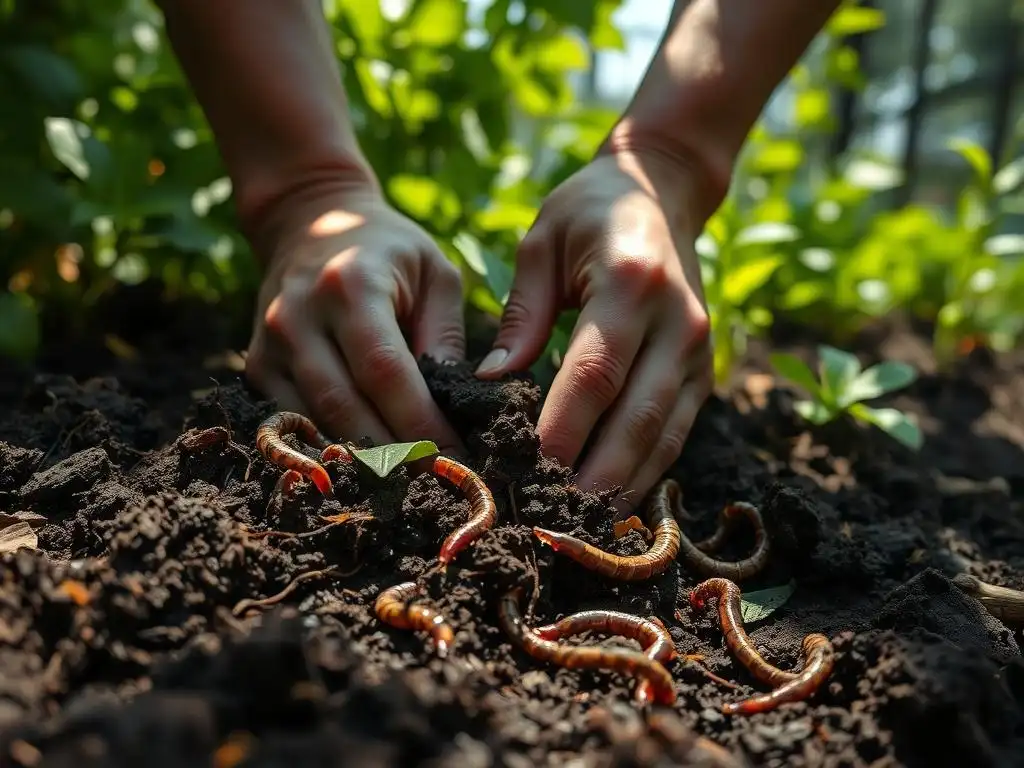
Improving garden soil health long-term requires a proactive approach focused on building and maintaining soil fertility. This isn't a one-time fix; it's an ongoing process that rewards consistent effort with healthier plants, increased yields, and a more resilient garden ecosystem. The key lies in understanding the interconnectedness of soil biology, structure, and nutrient availability. By focusing on these interconnected aspects, you can significantly improve your soil's capacity to support thriving plant life for years to come. This section will explore several key strategies for building and sustaining soil fertility, contributing to a vibrant and productive garden.
Implementing Effective Compost Strategies for Soil Enrichment
Compost is the cornerstone of sustainable gardening, offering a potent blend of nutrients and beneficial microbes crucial for healthy soil. Effective composting involves creating an environment where organic matter decomposes efficiently, producing a dark, crumbly material rich in humus. Humus improves soil structure, water retention, and nutrient availability.
To maximize the benefits of composting, consider these points:
- Maintaining a balanced carbon-to-nitrogen ratio: A ratio of roughly 30:1 is ideal for efficient decomposition. Brown materials (leaves, twigs) provide carbon, while green materials (grass clippings, vegetable scraps) provide nitrogen. Monitor your pile and adjust the ratio as needed.
- Ensuring adequate moisture and aeration: The compost pile should be consistently moist, like a wrung-out sponge. Regular turning aerates the pile, promoting microbial activity and decomposition.
- Choosing the right location: Select a shaded area with good drainage to prevent the pile from becoming waterlogged or overly dry.
- Adding beneficial microbes: Introducing compost starters or worm castings can accelerate the decomposition process and enhance the nutrient content of the finished compost.
A well-managed compost system isn't just about creating soil amendment; it's about actively participating in the natural cycle of decomposition, effectively recycling organic waste and creating a valuable resource for your garden. This process directly addresses the need to improve garden soil health long-term. The rich, nutrient-dense compost you create will dramatically improve your soil's fertility and contribute to thriving plants.
Utilizing Cover Crops to Improve Soil Structure and Fertility
Cover crops are plants grown specifically to improve soil health, not for harvest. They play a vital role in building soil structure, preventing erosion, suppressing weeds, and fixing nitrogen. Different cover crops offer unique benefits, allowing you to tailor your approach based on your soil's specific needs.
Consider these cover crop options:
| Cover Crop | Key Benefits | Soil Type Suitability |
|---|---|---|
| Legumes (e.g., clover) | Nitrogen fixation, erosion control | Most soil types |
| Rye | Improved soil structure, weed suppression | Wide range of soil types |
| Oats | Soil erosion control, nutrient scavenging | Well-drained to moderately wet |
| Buckwheat | Improves soil structure, suppresses weeds | Wide range of soil types |
Planting a diverse mix of cover crops can further enhance the benefits. For instance, combining a nitrogen-fixing legume with a fast-growing cereal grain can provide both improved nitrogen levels and enhanced soil structure. Remember to incorporate the cover crops back into the soil by tilling them under or using a no-till method, releasing their nutrients and improving soil health. This practice is critical to improving garden soil health long-term.
Choosing the Right Organic Amendments: Manure, Mulch, and Beyond
Beyond composting and cover crops, various organic amendments can significantly enhance soil health. These materials improve soil structure, water retention, and nutrient content. However, it's crucial to choose amendments appropriate for your soil type and plant needs.
- Manure: Well-composted manure provides a rich source of nutrients and organic matter. However, using raw manure can introduce weed seeds and pathogens, so composting is crucial. Different animal manures have varying nutrient compositions, so research the best option for your garden.
- Mulch: Mulch, such as wood chips, straw, or shredded leaves, suppresses weeds, retains moisture, and regulates soil temperature. It also contributes organic matter over time, improving soil structure and fertility. Choose a mulch that decomposes at a rate appropriate for your needs. For example, wood chips decompose slower than straw.
- Other Amendments: Other organic amendments, such as bone meal, rock phosphate, and kelp meal, provide specific nutrients to supplement your soil. Research the nutrient content of different amendments to select those appropriate for your plants and soil conditions. Using a balanced approach that includes several organic amendments can lead to better long-term results. Remember, selecting the right organic amendments is key to improving garden soil health long-term. Careful consideration of your soil's specific needs will lead to the most effective results.
Sustainable Practices for Long-Term Soil Health Improvement
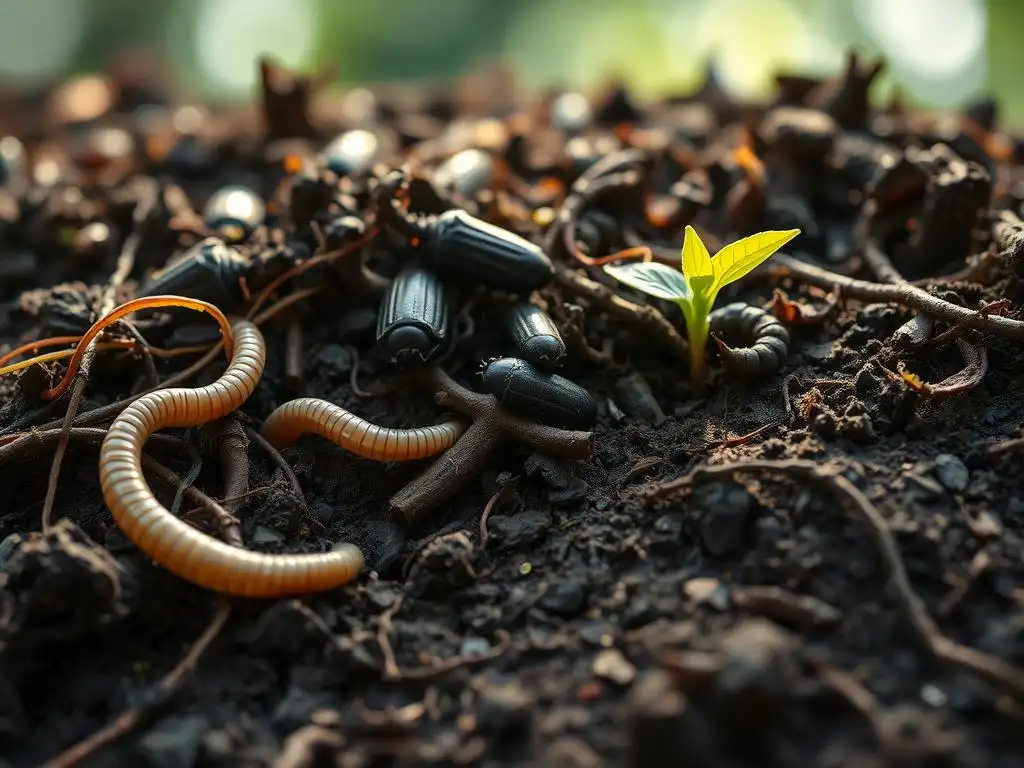
Improving garden soil health long-term requires a holistic approach that prioritizes sustainable practices. This means moving beyond simply adding fertilizers and instead focusing on building a thriving soil ecosystem. A healthy soil is a living soil, teeming with beneficial microorganisms that contribute to nutrient cycling, water retention, and disease suppression. Ignoring these fundamental principles will lead to soil degradation and ultimately, poor plant health and reduced yields. This section will delve into specific techniques to achieve lasting soil health improvements.
Water Management Techniques for Healthy Soil
Efficient water management is crucial for improving garden soil health long-term. Overwatering leads to compaction, reducing oxygen availability to roots and fostering anaerobic conditions that harm beneficial microorganisms. Conversely, underwatering stresses plants, making them more susceptible to pests and diseases. The key is to strike a balance.
Several techniques can optimize water use and improve soil structure. Consider implementing drip irrigation or soaker hoses to deliver water directly to the roots, minimizing evaporation and runoff. Mulching with organic materials like straw, wood chips, or compost helps retain soil moisture, reduces weed growth, and protects the soil from erosion. The type of mulch you choose will impact the soil in different ways; for example, wood chips can lower the soil pH over time. Regular soil testing can help determine your soil's water retention capacity and guide irrigation decisions.
Furthermore, understanding your soil type is paramount. Sandy soils drain quickly, requiring more frequent watering but in smaller amounts. Clay soils retain water, making them prone to overwatering. Adjust your watering schedule accordingly. Consider building raised beds for better drainage in clay soils, or adding organic matter to sandy soils to improve their water retention capabilities. A well-structured soil, rich in organic matter, will act like a sponge, absorbing and releasing water efficiently.
A simple visual test can help determine if you are overwatering. Dig a small hole and observe the soil's moisture level. If it's consistently soggy, you’re likely overwatering.
Pest and Disease Control: Organic Methods for Soil Protection
Protecting your soil from pests and diseases is essential for long-term health. Chemical pesticides and fertilizers harm beneficial soil organisms, disrupting the delicate balance of the soil ecosystem. Organic methods offer a safer and more sustainable alternative.
Implementing a robust composting system is a cornerstone of organic pest and disease control. Compost provides nutrients, improves soil structure, and introduces beneficial microorganisms that compete with harmful pathogens. Regularly adding compost to your garden beds helps create a healthy soil environment that is less susceptible to disease.
Crop rotation is another powerful tool. Rotating crops helps break pest and disease cycles, preventing the buildup of pathogens in the soil. For instance, planting a nitrogen-fixing crop like legumes one year followed by a heavy feeder like tomatoes the next helps restore soil fertility and reduce the need for synthetic fertilizers.
Other effective organic pest control methods include companion planting (planting certain plants together to deter pests), handpicking pests, using beneficial insects like ladybugs to control aphids, and creating physical barriers to prevent pests from accessing plants. These methods not only protect your plants but also contribute to a healthier soil environment. Remember that prevention is key; a healthy soil is better equipped to resist pests and diseases. Early detection and intervention are crucial to minimizing their impact. Regularly inspecting your plants for signs of infestation or disease will allow for prompt action, preventing widespread damage.
Implementing Crop Rotation for Enhanced Soil Health
Crop rotation is a crucial sustainable practice for improving garden soil health long-term. It involves planting different types of crops in a planned sequence, rotating their positions in the garden from year to year. This simple yet powerful technique offers numerous benefits that contribute to a more resilient and fertile soil.
- Nutrient replenishment: Different plants have different nutrient requirements. Rotating crops helps prevent the depletion of specific nutrients from the soil. For example, heavy feeders like tomatoes deplete soil nutrients, while legumes like beans and peas add nitrogen back into the soil.
- Pest and disease control: Rotating crops prevents the buildup of pests and diseases associated with specific plants. By changing the plant species in a given area, you disrupt the life cycle of many common garden pests and reduce the risk of soilborne diseases.
- Improved soil structure: Different plants have different root systems. Rotating crops with varying root structures helps improve soil aeration, drainage, and overall structure. Deep-rooted plants help break up compacted soil, while shallow-rooted plants improve surface structure.
- Weed management: Crop rotation can help control weeds. Some crops naturally suppress weed growth, while others compete with weeds for resources, reducing their impact.
- Increased biodiversity: Crop rotation encourages biodiversity in the soil, promoting a healthier ecosystem. A diverse soil microbiome is more resilient to stress and better able to support plant growth.
A typical rotation might involve a heavy feeder (e.g., tomatoes), a light feeder (e.g., lettuce), a nitrogen-fixing legume (e.g., beans), and a root crop (e.g., carrots). This sequence helps to balance nutrient uptake and improve overall soil health. Planning your crop rotation carefully, considering the specific needs of your crops and the characteristics of your soil, is essential for maximizing its benefits. Careful planning can ensure a continuous cycle of improved soil health and increased yields. Remember to keep detailed records of your crop rotation to track its effectiveness and make adjustments as needed.
Monitoring and Maintaining Long-Term Soil Health
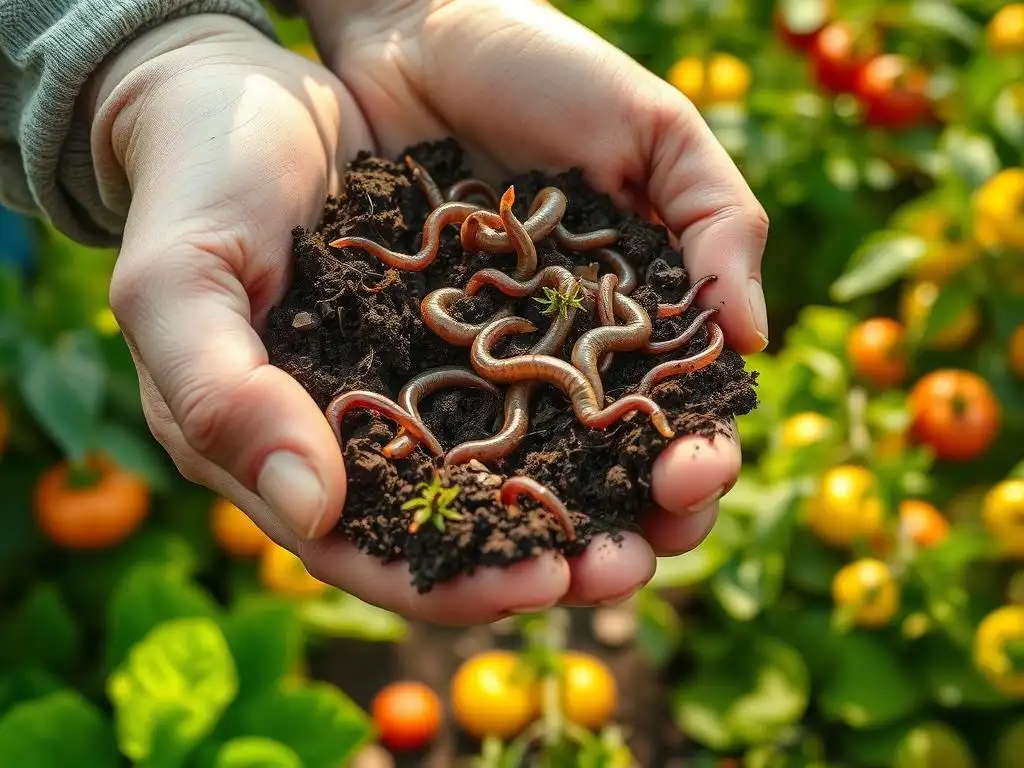
Improving garden soil health long-term requires consistent monitoring and proactive adjustments. It's not a one-time fix, but rather an ongoing process of observation, analysis, and adaptation. Think of it as a long-term relationship with your soil – one that requires nurturing and attention to thrive. The key to success lies in understanding your soil's current condition and making informed decisions based on regular assessments. This section will delve into the practical steps you can take to ensure your soil remains fertile and productive for years to come.
Ongoing Soil Testing and Adjustments
Regular soil testing is paramount for understanding the nutrient levels and pH balance in your garden. Aim for at least annual testing, and more frequently if you notice significant changes in your plants' health or growth. Home soil testing kits offer a convenient and affordable option for basic analysis, providing insights into essential nutrients like nitrogen (N), phosphorus (P), and potassium (K) – often referred to as NPK. More comprehensive lab tests can offer a deeper understanding of your soil's composition, including micronutrient levels and potential toxicities.
The results of your soil tests will guide your fertilization strategy. Avoid over-fertilizing, as this can harm beneficial soil organisms and lead to nutrient runoff. Instead, amend your soil with organic matter based on the specific needs identified by your testing. This might involve adding compost, aged manure, or other organic amendments to replenish depleted nutrients. Remember that soil health isn't just about nutrients; it's also about the soil's structure and biological activity.
Recognizing Signs of Soil Degradation and Taking Corrective Action
Even with regular testing, it's crucial to be observant of visual cues that indicate potential soil degradation. Poor plant growth, despite adequate watering and fertilization, is a significant red flag. Yellowing leaves (chlorosis) might suggest nutrient deficiencies, while stunted growth could point to compacted soil or poor drainage. Other warning signs include:
- Compaction: Soil that's difficult to dig or feels hard and dense.
- Erosion: Loss of topsoil due to wind or water.
- Crusting: A hard layer forming on the soil surface, hindering water infiltration.
- Weed infestation: An overabundance of weeds can indicate nutrient imbalances or poor soil structure.
- Pest and disease outbreaks: Healthy soil supports a balanced ecosystem, making plants more resistant to pests and diseases. Frequent outbreaks could indicate soil issues.
Addressing these issues requires a multi-pronged approach. Compaction can be remedied through tilling (carefully, to avoid disturbing beneficial soil organisms) or by incorporating organic matter to improve soil structure. Erosion can be minimized with cover crops or mulching. Crusting can often be addressed by improving soil drainage and adding organic matter. Addressing weed infestations requires a combination of cultural practices (such as hand-weeding) and potentially adjusting your nutrient management strategy.
The Long-Term Benefits of Healthy Soil: Increased Yields and Resilience
Investing in long-term soil health translates to numerous benefits, far beyond simply improved yields. Healthy soil acts as a reservoir for water and nutrients, reducing the need for frequent watering and fertilization. This leads to increased efficiency and cost savings. Moreover, healthy soil is more resilient to environmental stresses, such as drought or extreme temperatures. The strong soil structure and abundant microbial life help plants withstand these challenges.
The improved water retention capacity of healthy soil means your plants are less susceptible to drought stress, leading to more consistent yields even during dry periods. A healthy soil microbiome also enhances nutrient uptake, allowing plants to access nutrients more efficiently. This results in healthier, more vigorous plants with higher yields and improved quality.
Furthermore, healthy soil sequesters carbon, contributing to environmental sustainability and mitigating climate change. The long-term benefits of investing in your soil’s health are undeniable; it's a fundamental step towards creating a thriving and sustainable garden. 🌱 Improved garden soil health long-term is an investment in the future of your garden, ensuring bountiful harvests and a resilient ecosystem for years to come.
Maintaining Soil Health Through the Seasons
This section focuses on the practical application of long-term soil health strategies throughout the year. Improving garden soil health long-term requires consistent effort, adapting your practices to the changing seasons. We'll explore key techniques for spring, summer, and autumn to ensure your soil remains fertile and resilient.
Preparing Your Soil for Spring Planting
Spring marks the beginning of the growing season, and preparing your soil is crucial for a successful harvest. After the winter's dormancy, the soil may be compacted and lacking in essential nutrients. Here's how to revitalize it:
First, conduct a soil test. This inexpensive test provides invaluable information about your soil's pH, nutrient levels (nitrogen, phosphorus, potassium), and overall composition. Knowing these specifics allows for targeted amendments. For example, if your soil test reveals a low pH (acidic), you can amend it with lime to raise the pH to the optimal range for your chosen plants. Conversely, if your soil is alkaline, you might add sulfur.
Next, gently loosen the soil with a garden fork or cultivator, avoiding excessive tilling which can damage soil structure. Then, incorporate compost. Compost is a goldmine of organic matter, improving soil structure, aeration, water retention, and nutrient content. Aim for at least 2-4 inches of well-rotted compost spread evenly over the garden bed. This is a fundamental step in improving garden soil health long-term.
Finally, consider cover cropping. Planting a cover crop like clover or rye before your main crops helps prevent erosion, suppress weeds, and add organic matter to the soil. These "green manure" crops are then tilled into the soil before planting, enriching it further. Remember to choose a cover crop appropriate for your climate and soil type.
Summer Soil Care: Mulching, Watering, and Weed Control
Summer presents unique challenges to soil health, primarily heat stress, water loss, and weed competition. Maintaining healthy soil during this period requires diligent attention to mulching, watering, and weed control.
Mulching is a cornerstone of summer soil care. A layer of organic mulch—such as straw, wood chips, or shredded leaves—helps retain soil moisture, suppress weeds, and regulate soil temperature. It also gradually decomposes, adding valuable organic matter to the soil, improving its structure and fertility over time. Aim for a 2-4 inch layer of mulch around your plants, ensuring it doesn't directly contact the plant stems.
Proper watering is equally vital. Deep, infrequent watering encourages strong root development, making plants more resilient to drought. Avoid frequent, shallow watering, which can lead to shallow roots and increased weed growth. Use a soaker hose or drip irrigation to deliver water directly to the roots, minimizing evaporation. Consider using rainwater harvesting techniques to reduce your reliance on treated tap water.
Weed control is essential for maintaining soil health. Weeds compete with your plants for nutrients, water, and sunlight. Regular weeding, ideally by hand, prevents weeds from going to seed and depleting your soil's resources. Mulching helps significantly reduce weed growth.
Autumn Soil Preparation for Winter Dormancy
Autumn is a crucial time for preparing your soil for winter dormancy and the following growing season. The goal is to protect the soil from erosion and nutrient loss, and to build its organic matter content for a more fertile spring.
Begin by harvesting your remaining crops and clearing away any plant debris. However, instead of discarding the plant debris, consider adding it to your compost pile. This valuable organic material will break down over the winter and become rich compost, ready to be incorporated back into the garden in spring. This is a key aspect of improving garden soil health long-term and exemplifies sustainable gardening practices.
Next, add a layer of compost or other organic matter to the soil surface. This will help protect the soil from erosion during the winter months and provide a slow-release source of nutrients for the coming spring. Consider adding a cover crop to protect the soil from erosion and add organic matter. Rye and winter wheat are good options for many climates.
Finally, consider a light tilling or top-dressing to incorporate the organic matter. This step is optional, depending on your soil type and the amount of organic matter added. Avoid deep tilling, as this can damage the soil structure. By following these steps, you ensure your soil enters winter well-nourished and protected, ready to provide a bountiful harvest in the spring. Remember that consistency in these practices is key to achieving long-term soil health and improving garden soil health long-term.
Frequently Asked Questions
How can I improve my garden soil health long-term?
Improving long-term soil health requires a holistic approach. Focus on building soil organic matter through composting, cover cropping, and mulching. Regular soil testing will help you understand your soil's needs and adjust your practices accordingly.
What is the importance of organic matter in soil health?
Organic matter is crucial for improving soil structure, water retention, and nutrient availability. It also supports a thriving soil ecosystem of beneficial microorganisms which are vital for plant growth. Healthy soil leads to healthy plants.
How can I improve soil drainage in my garden?
Poor drainage can be addressed by amending heavy clay soils with organic matter like compost. Consider raised beds or improving soil structure through no-till gardening techniques. Good drainage is essential to prevent root rot.
What role do cover crops play in improving long-term soil health?
Cover crops like legumes or clover are planted to improve soil fertility, suppress weeds, and prevent erosion. Their roots help improve soil structure and add organic matter when tilled under or left to decompose.
How often should I test my garden soil?
Regular soil testing (ideally annually) is vital to monitor nutrient levels and pH. Knowing your soil's composition allows you to tailor fertilization and amend soil effectively for optimal plant health and long-term soil improvement.
Final Reflection: Cultivating a Legacy of Healthy Soil
The health of our soil is not merely a gardening concern; it's a cornerstone of our future food security and environmental resilience. Ignoring the long-term needs of our soil is akin to neglecting the foundation of a house – eventually, the entire structure will suffer. The practices discussed in this article, from composting and cover cropping to mindful irrigation, are not just techniques; they are investments in a sustainable future.
The journey towards improving soil health is a continuous process of learning, adapting, and observing. It's a deeply rewarding experience, witnessing the transformation of lifeless earth into a vibrant ecosystem teeming with life. The land is what gives us our identity. It is our history, our culture, our very being.
This quote speaks to the profound connection between our soil and our well-being, a connection often overlooked in our fast-paced modern lives.
Now, consider your own garden, your own patch of earth. What steps can you take today to nurture its health? Will you commit to enriching your soil with compost, to protecting it from erosion, to understanding its unique needs? The choices you make today will not only benefit your garden but will contribute to a larger movement towards a healthier planet. Let's cultivate a legacy of fertile soil, one garden at a time.
Unlock Your Soil's Potential: Grow a Thriving Garden!
Thank you for learning about building long-term soil health! You've gained valuable knowledge to create a resilient garden. Ready to put this knowledge into practice?
- Begin your soil-building journey today! Start by assessing your soil type and identifying its needs. A soil testing kit is a worthwhile investment.
- Share your successes and challenges with our community in the comments below. Let's learn from one another.
- Try at least one new soil-improving technique this season; even small changes yield significant results.
What small step will you take to improve your soil health this week?