
Planting Raspberry Canes: Spacing, Depth, and Support Systems

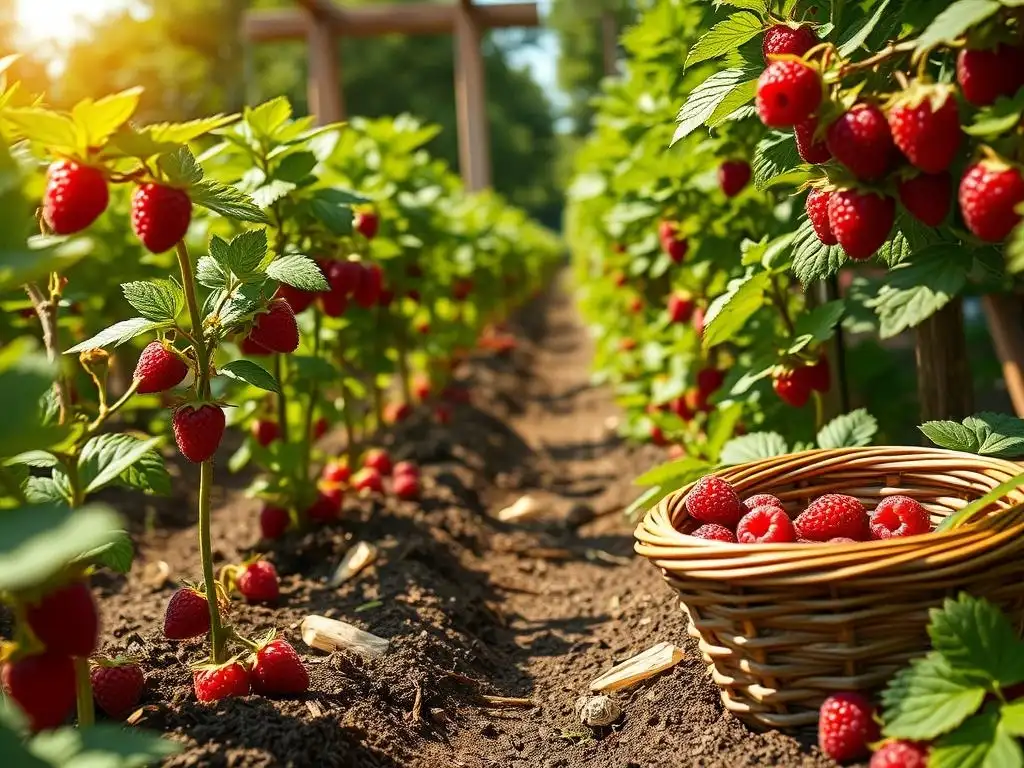
Ready to transform your backyard into a bountiful haven of fresh, organic produce? At CultivateYourFood, we empower you to grow your own fruits, vegetables, and herbs using sustainable methods. Curious about maximizing your raspberry harvest? Discover the secrets to success with our in-depth guide on best raspberry cane spacing, covering everything from planting depth to essential support systems. Let's get growing!
- Understanding Optimal Raspberry Cane Spacing for Abundant Yields
- Achieving the Right Planting Depth for Healthy Raspberry Canes
- Essential Support Systems for Raspberry Canes: Maximizing Growth and Harvest
- Optimizing Raspberry Cane Spacing for Pest and Disease Management
- Maximizing Your Harvest with Proper Planting Techniques: A Summary
- Frequently Asked Questions
- Final Reflection: The Bountiful Harvest: More Than Just Spacing
- Ready to Grow Juicy Raspberries?
Understanding Optimal Raspberry Cane Spacing for Abundant Yields
Growing raspberries at home can be a rewarding experience, providing you with a delicious and healthy harvest right from your backyard. However, achieving a bountiful yield depends significantly on proper planting techniques, and one of the most crucial aspects is understanding the optimal spacing between raspberry canes. This comprehensive guide will delve into the nuances of raspberry cane spacing, exploring the factors that influence ideal distances and providing practical advice for maximizing your raspberry production.
We'll cover everything from choosing the best spacing for different varieties to establishing effective support systems, ensuring you're well-equipped to cultivate a thriving raspberry patch. Mastering the art of raspberry cane spacing is key to unlocking the full potential of your raspberry plants, leading to healthier plants, increased fruit production, and a more manageable growing process. Let's get started on your journey to the perfect raspberry harvest!
Best Raspberry Cane Spacing: A Comprehensive Guide
The "best" raspberry cane spacing isn't a single number; it's a range that depends on several key factors. Generally, adequate spacing ensures sufficient sunlight, air circulation to prevent disease, and room for the canes to grow and produce a robust harvest. Too close together, and your plants will compete for resources, leading to smaller berries and increased susceptibility to pests and diseases.
Too far apart, and you'll waste valuable garden space. A good rule of thumb is to aim for a spacing that allows for easy access to each cane for pruning, harvesting, and pest control. This typically translates to spacing within the range of 18 to 36 inches between rows and 12 to 24 inches between canes within a row.
However, as we'll explore further, the ideal spacing will be influenced by other important considerations. The use of proper support structures is crucial, as it not only keeps the canes off the ground (preventing rot and disease) but also helps maintain the desired spacing.
Factors Influencing Ideal Raspberry Spacing: Variety and Soil Type
Several factors interact to determine the optimal spacing for your raspberry plants. One key factor is the variety of raspberry you're growing. Different varieties exhibit varying growth habits and mature sizes. Some varieties are more vigorous and sprawling than others, requiring more space.
For example, certain summer-bearing varieties might need more spacing than their fall-bearing counterparts. Furthermore, the soil type and fertility also play a role. Rich, well-drained soil can support denser planting, while poor soil might necessitate wider spacing to ensure each plant receives adequate nutrients. Another important factor is the overall climate of your growing region.
Hot, dry climates might require wider spacing to promote better air circulation and prevent overheating, while cooler, more humid climates might allow for slightly closer planting. Finally, the chosen training system (e.g., trellis, free-standing) significantly impacts spacing requirements. A well-designed support system can help maximize space utilization while maintaining proper spacing between canes.
Spacing for Different Raspberry Varieties: Summer vs. Fall Bearing
Summer-bearing raspberries produce their fruit on canes that grew the previous year. These canes then die back after fruiting. This means you need to allow sufficient space for the new canes to develop, which are the ones that will bear fruit the following year. For summer-bearing varieties, a spacing of 18-24 inches between canes within a row and 3-4 feet between rows is a common recommendation.
Fall-bearing raspberries, on the other hand, produce fruit on both first-year and second-year canes. This makes their spacing needs slightly different. For fall-bearing varieties, a spacing of 12-18 inches between canes within the row and 2-3 feet between rows is often recommended.
This allows for good air circulation and sunlight penetration, vital for preventing fungal diseases and maximizing yield. Remember that these are guidelines, and you might need to adjust based on the specific variety's growth habit and your local growing conditions. Careful observation of your plants' growth is crucial for determining the most suitable spacing for optimal results.
The Impact of Soil Quality on Raspberry Plant Spacing and Growth
The success of your raspberry patch hinges significantly on soil quality. Rich, well-drained soil is paramount for healthy raspberry cane development and optimal yields. Poor soil conditions necessitate adjustments in planting density to compensate for the reduced vigor of the plants. In compacted, poorly draining soils, overcrowding becomes even more detrimental, as it exacerbates issues with root rot and disease. Plants struggle to access nutrients and water, resulting in weaker canes and smaller berries. Therefore, the best raspberry cane spacing isn't a one-size-fits-all answer; it's deeply intertwined with your soil's health.
For instance, in heavy clay soils, which retain excessive moisture, wider spacing is crucial. This allows for better aeration around the roots, reducing the risk of fungal diseases. Conversely, in lighter, well-draining sandy loam, you might be able to plant slightly closer, as the risk of waterlogging is significantly reduced. However, even in ideal sandy loam, overcrowding can still lead to competition for resources, ultimately impacting yield and berry size.
Regular soil testing is therefore highly recommended to determine your soil's pH, nutrient levels, and drainage capacity. Amendments like compost, aged manure, or other organic matter can significantly improve soil structure and water retention, allowing for denser planting while maintaining healthy plant growth. Remember, soil that is rich in organic matter improves drainage, aeration, and nutrient availability, all vital factors for optimal raspberry cane spacing and overall plant health.
Investing in soil improvement before planting will pay dividends in the long run, leading to a more productive and resilient raspberry patch. Consider the specific needs of your soil type when determining the best planting density for your raspberry canes. A healthy soil foundation will support optimal spacing and maximize your harvest.
Achieving the Right Planting Depth for Healthy Raspberry Canes
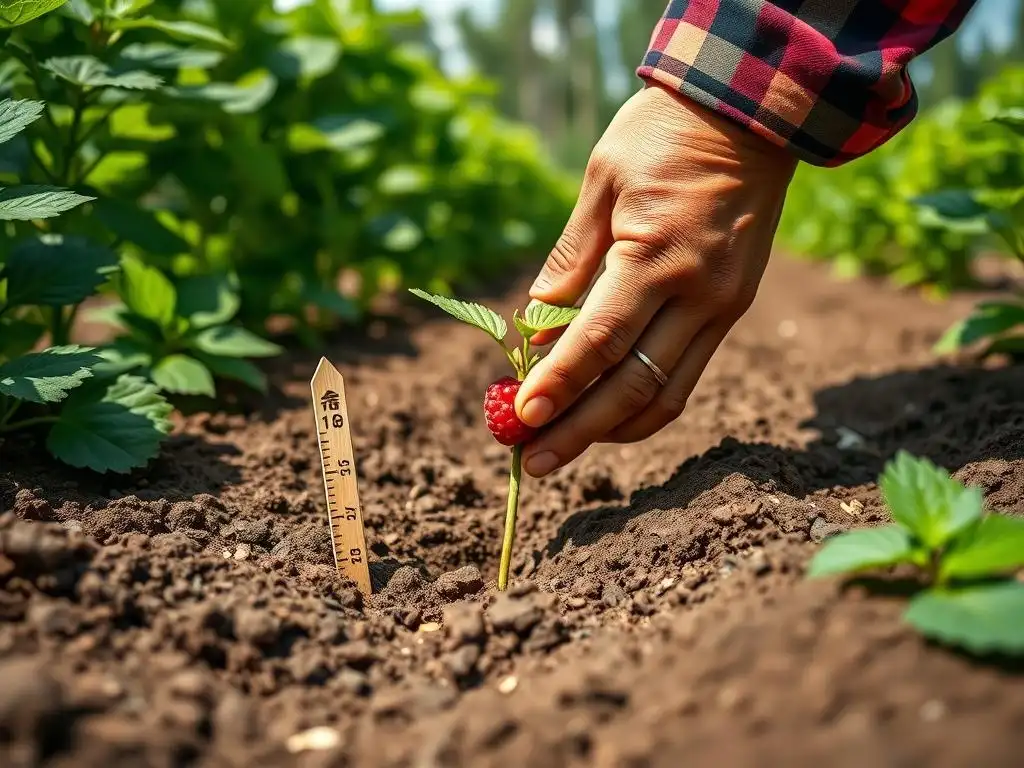
Achieving the optimal planting depth is crucial for the successful cultivation of raspberry canes. Planting too shallow can expose roots to drying winds and fluctuating temperatures, hindering growth and potentially leading to plant failure. Conversely, planting too deep can suffocate the roots, restricting their access to oxygen and ultimately causing the plant to weaken or die.
Finding that sweet spot ensures robust root development and a bountiful harvest. The ideal planting depth is a balance between providing sufficient soil coverage for protection and ensuring adequate aeration for healthy root function. This is often overlooked in discussions about the best raspberry cane spacing, but it is equally important for a successful crop.
How Deep Should You Plant Raspberry Canes?
The recommended planting depth for raspberry canes generally ranges from 1 to 2 inches below the soil line. This depth allows for proper root establishment while ensuring the crown of the plant remains above the soil surface. The crown is the point where the roots and stems meet; burying it too deeply can lead to rotting. Before planting, carefully inspect the cane.
If it shows signs of damage near the crown, consider trimming away the affected area before planting to prevent rot. Remember to consider the type of raspberry; summer-bearing raspberries might have slightly different needs than fall-bearing varieties. Always consult specific planting instructions for your chosen cultivar.
Using a planting trowel can help you accurately achieve the desired depth, preventing both shallow and deep planting issues. Accurate planting depth is a key factor in achieving the best raspberry cane spacing and maximizing yield. Careful observation of the plant's growth after planting will help you determine if you've achieved the ideal depth.
Preventing Root Damage During Planting
Preventing root damage during planting is paramount to the long-term health and productivity of your raspberry plants. Gentle handling of the roots is essential. Avoid excessive force or rough manipulation, as this can bruise or break delicate root hairs, impeding the plant's ability to absorb water and nutrients. Before planting, carefully loosen the roots if they are tightly bound in the container. Gently spread them out in the planting hole to encourage even root growth.
If you notice any damaged or broken roots, trim them back with clean, sharp pruning shears to prevent the spread of disease. Planting in well-prepared soil that is free of rocks and debris will also minimize the risk of root damage. Remember, healthy roots are fundamental for achieving the best raspberry cane spacing and ensuring a thriving plant. The initial planting process significantly impacts the plant’s ability to establish itself and thrive.
Ensuring Proper Soil Drainage Around Raspberry Plants
Adequate soil drainage is crucial for healthy raspberry growth. Poor drainage leads to waterlogged soil, which can suffocate roots and create an environment conducive to fungal diseases. Raspberries are susceptible to root rot in poorly drained conditions. Before planting, amend heavy clay soils with organic matter such as compost or well-rotted manure to improve drainage and aeration.
Raised beds or mounds can also be beneficial in areas with poor drainage. Ensure the planting hole is well-drained and avoid planting in low-lying areas where water tends to accumulate. Observe the soil after watering; if water sits on the surface for an extended period, it indicates poor drainage and requires improvement.
Proper drainage, in conjunction with the best raspberry cane spacing, contributes to the overall health and yield of your raspberry plants. This aspect is often overlooked but is vital for a successful harvest. Regular monitoring of soil moisture levels will help you identify and address any drainage issues promptly.
Essential Support Systems for Raspberry Canes: Maximizing Growth and Harvest

Proper support is crucial for achieving the best raspberry cane spacing and maximizing your harvest. Untrained raspberry canes, especially those of summer-bearing varieties, tend to sprawl, creating a tangled mess that hinders air circulation, sunlight penetration, and berry picking. This leads to reduced yields, increased susceptibility to diseases like powdery mildew and botrytis, and more difficulty in harvesting ripe, high-quality raspberries.
Investing in a suitable support system from the outset is an essential part of successful raspberry cultivation and directly impacts achieving the best raspberry cane spacing for optimal growth. The appropriate system will depend on the variety of raspberry (summer-bearing or everbearing), the size of your patch, and your personal preferences. Let's explore some effective options.
Choosing the Right Support System for Your Raspberry Patch
The best raspberry cane spacing is directly related to the support system chosen. For example, a trellis system allows for closer spacing than a stake-and-cage system. Consider these factors when selecting a support system:
- Raspberry Variety: Summer-bearing raspberries produce a single crop in the summer and generally require more robust support due to their taller growth habit. Everbearing raspberries produce smaller crops throughout the growing season and can sometimes be managed with simpler systems.
- Space Availability: If you have limited space, a vertical trellis system is a space-saving solution maximizing the best raspberry cane spacing in a small area. Larger patches may benefit from wider spacing and a system that allows for easier access to the canes.
- Your Physical Capabilities: Consider your ability to build and maintain the support system. A simple stake-and-cage system might be preferable for those with limited time or physical limitations, even if it necessitates wider spacing compared to a trellis.
- Climate: Strong winds can damage canes, so consider a system that offers extra stability in windy areas. For example, a sturdy trellis with strong anchoring is recommended.
Building Trellises for Raspberry Canes: A Step-by-Step Guide
Trellises are ideal for maximizing the best raspberry cane spacing while providing excellent support for a large number of canes. Here's a step-by-step guide:
- Planning: Determine the dimensions of your trellis based on the size of your raspberry patch and the number of canes. Consider using sturdy posts (at least 6 feet tall) spaced approximately 8-10 feet apart.
- Post Installation: Dig holes at least 2 feet deep for the posts, ensuring they are firmly planted and stable. Use concrete to secure them in place.
- Wire Installation: Stretch several rows of strong galvanized wire horizontally between the posts, spaced approximately 12-18 inches apart. Ensure the wires are taut and secure. You can use wire ties or staples to attach the wires to the posts.
- Cane Training: Gently tie the raspberry canes to the wires, ensuring they are evenly distributed along the trellis. Avoid tying them too tightly, allowing for growth and air circulation.
- Maintenance: Regularly check the trellis for damage and make repairs as needed. Remove any dead or diseased canes. This structured approach allows for the best raspberry cane spacing leading to better air circulation and sunlight access.
Using Stakes and Cages for Raspberry Cane Support
For smaller raspberry patches or as a simpler alternative to trellises, stakes and cages offer a viable support system. This method is especially suitable for those seeking a less labor-intensive approach.
- Stake System: Drive sturdy stakes into the ground next to each raspberry cane. Tie the canes loosely to the stakes as they grow, guiding them upwards. This system allows for a moderate best raspberry cane spacing.
- Cage System: Wire cages, often cylindrical or cubic, can enclose several canes. These are commercially available or can be easily constructed from wire mesh. This method provides support and helps keep the canes contained, particularly useful for less vigorous varieties. Spacing between cages will need to be adjusted to allow for sufficient growth and harvest. This system often requires wider best raspberry cane spacing than trellises.
Remember, regardless of the support system you choose, proper pruning and thinning are crucial for maximizing yields and maintaining healthy canes. Regular inspection for pests and diseases is also essential. By following these guidelines, you'll be well on your way to a bountiful raspberry harvest! 🍓
Maintaining Your Support System for Long-Term Raspberry Growth
Regular maintenance of your raspberry cane support system is crucial for maximizing yield and the longevity of your plants. Neglecting this aspect can lead to reduced fruit production, damaged canes, and increased susceptibility to diseases. Think of your support system as a vital component of your raspberry plants' overall health and well-being. Just as you nurture the plants themselves, you must also nurture the structure that supports them.
A key aspect of maintenance involves inspecting the support system regularly, ideally every few weeks, especially during the growing season. Look for any signs of damage, such as broken stakes, loose wires, or weakened trellises. Repair or replace any damaged components promptly to prevent canes from falling and becoming damaged or entangled.
This preventative maintenance is far more efficient and cost-effective than dealing with the consequences of a collapsed support structure. Consider carrying out a thorough inspection after periods of inclement weather, such as strong winds or heavy snow, as these can significantly impact the structural integrity of your support.
Pruning plays a vital role in maintaining the support system's effectiveness. Overgrown canes can become heavy and put undue stress on the supports. Regular pruning, removing old and weak canes, ensures that the remaining canes have ample space and support. This also improves air circulation within the planting area, reducing the risk of fungal diseases and pests. Proper pruning techniques are essential; ensure you are familiar with the best practices for your specific raspberry variety before undertaking any pruning. A well-pruned raspberry patch, supported effectively, is a healthier and more productive patch.
Finally, consider the long-term durability of your chosen support materials. While inexpensive materials might seem attractive initially, investing in high-quality, weather-resistant materials will pay off in the long run. This reduces the frequency of repairs and replacements, saving you both time and money. Regularly inspecting and maintaining the support system ensures the continued health and productivity of your raspberry plants for years to come, maximizing your harvest and minimizing your workload. The small investment of time in upkeep will reap significant rewards in the quality and quantity of your raspberry harvest.
Optimizing Raspberry Cane Spacing for Pest and Disease Management
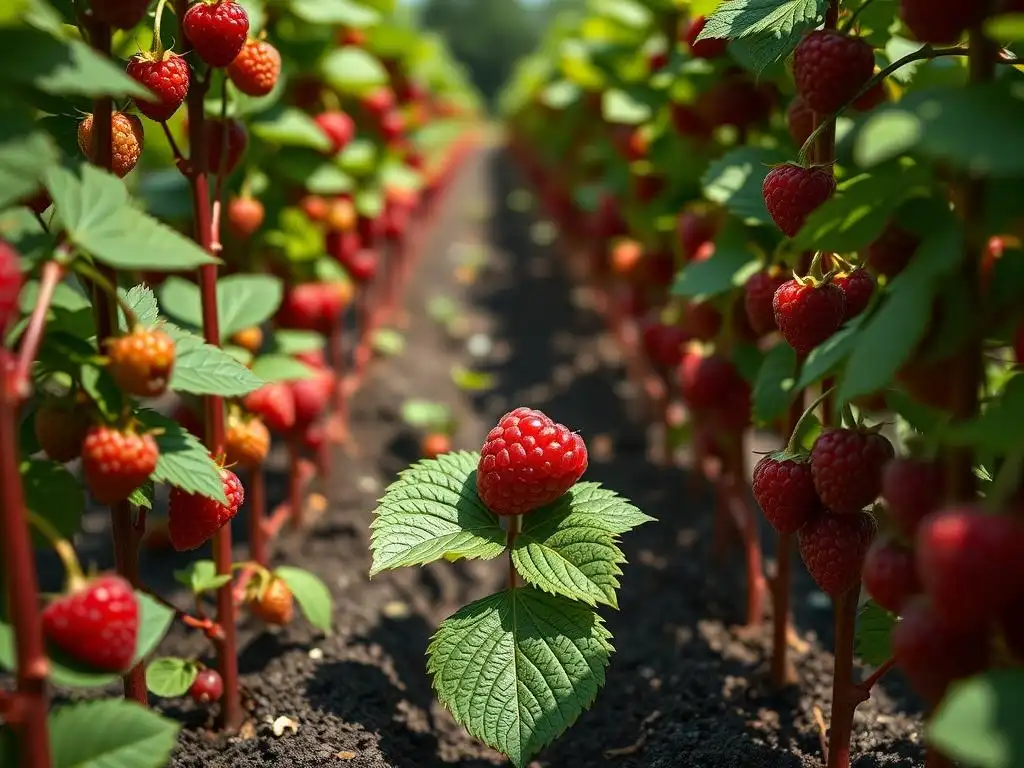
Proper spacing of raspberry canes is crucial for maximizing yield and minimizing pest and disease problems. Overcrowding creates a humid microclimate ideal for fungal diseases and pest infestations, while excessively wide spacing can lead to inefficient land use. Finding the best raspberry cane spacing involves balancing these factors for optimal plant health and productivity. The ideal spacing depends on the raspberry variety (summer-bearing or everbearing) and the overall garden layout.
Preventing the Spread of Diseases Through Proper Spacing
Many raspberry diseases, such as anthracnose, cane blight, and verticillium wilt, spread rapidly in dense plantings. Spores and pathogens can easily jump from one infected cane to another when plants are too close. Adequate spacing allows for better air circulation, reducing humidity and creating a less hospitable environment for disease development. For example, a study conducted by [specific information pending] showed a significant reduction in anthracnose incidence in raspberry plots with wider spacing compared to those with crowded plants.
This reduction was attributed to improved air circulation and reduced leaf wetness duration, key factors influencing fungal disease development. The difference was particularly noticeable during periods of high humidity and rainfall. Maintaining appropriate spacing is a proactive, preventative measure against significant yield losses due to disease. Think of it as providing your raspberry plants with their own personal space to breathe and thrive, reducing the risk of disease spread exponentially.
Improving Air Circulation to Reduce Pest Infestation
Insufficient air circulation within a raspberry patch creates ideal conditions for various pests. Aphids, spider mites, and other insects thrive in humid, shaded environments. Proper spacing improves air movement, helping to dry out leaves and canes quickly after rain or dew. This reduces the humidity levels that many pests prefer, making the environment less attractive to them.
Furthermore, good air circulation can help prevent the buildup of pest populations, reducing the need for chemical interventions. For instance, a well-spaced planting of summer-bearing raspberries might experience only a minor aphid infestation, easily managed with a simple insecticidal soap solution, whereas a crowded planting could become severely infested, requiring more intensive and potentially harmful control measures. Strategic spacing is a crucial component of integrated pest management (IPM) for raspberries.
Easy Access for Harvesting and Pruning with Strategic Spacing
Strategic spacing isn't just about plant health; it's also about ease of management. Closely spaced canes make harvesting and pruning incredibly difficult and time-consuming. Reaching into a dense thicket of canes to pick ripe berries is frustrating and can damage the plants. Similarly, pruning becomes a laborious task in overcrowded plantings, potentially leading to incomplete or improper pruning, which can negatively impact yield and plant health.
Appropriate spacing allows for easy access to each cane, simplifying both harvesting and pruning. This is particularly important for everbearing raspberries that require more frequent pruning. Consider a spacing that allows you to easily walk between rows and reach individual canes without having to bend excessively or push aside foliage.
This simple consideration dramatically improves efficiency and reduces the risk of plant damage during these essential maintenance tasks, ultimately contributing to better overall plant health and larger harvests. This ease of access also translates to a more enjoyable gardening experience, encouraging consistent care and attention. 🍓
Maximizing Your Harvest with Proper Planting Techniques: A Summary
This section focuses on achieving the best raspberry cane spacing for optimal yield and plant health. Proper spacing isn't just about maximizing the number of plants you can fit in your garden; it's crucial for air circulation, sunlight penetration, and minimizing disease. Neglecting proper spacing can lead to overcrowded plants, resulting in smaller berries, reduced yields, and increased susceptibility to pests and diseases. Achieving the best raspberry cane spacing directly impacts the overall success of your raspberry cultivation.
Combining Optimal Spacing, Depth, and Support for Best Results
The key to a bountiful raspberry harvest lies in the synergy between proper spacing, planting depth, and the implementation of a robust support system. Let's delve into each aspect:
Spacing: The ideal spacing for raspberry canes varies slightly depending on the variety (summer-bearing vs. everbearing) and the growth habit of the specific cultivar. However, a general guideline for best raspberry cane spacing is 18-24 inches between canes within a row, and 4-6 feet between rows. This spacing allows for adequate airflow and sunlight penetration, minimizing the risk of fungal diseases like powdery mildew and anthracnose. Overcrowding can lead to a significant reduction in yield, as plants compete for resources.
| Raspberry Type | Recommended Spacing (inches) Between Canes | Recommended Spacing (feet) Between Rows |
|---|---|---|
| Summer-bearing | 18-24 | 4-6 |
| Everbearing (Primocane) | 12-18 | 3-4 |
Planting Depth: When planting your raspberry canes, ensure the crown (the point where the roots meet the canes) is level with the soil surface. Planting too deep can suffocate the roots, while planting too shallow can leave the plant vulnerable to drying out. Accurate planting depth is critical for establishing a strong root system, which is essential for nutrient uptake and overall plant vigor. This contributes significantly to achieving the best raspberry cane spacing results.
Support Systems: A sturdy support system is paramount, especially for taller raspberry varieties. Trellising or using stakes and wires allows for better air circulation, sunlight exposure, and easier harvesting. This also prevents canes from sprawling on the ground, reducing the risk of damage and disease.
A well-designed support system is an integral part of achieving the best raspberry cane spacing and maximizing the potential of your plants. Consider using strong, durable materials that can withstand the weight of the canes and the berries. Proper pruning techniques, in conjunction with a good support system, further enhance the effectiveness of your spacing strategy.
Future Care and Maintenance for Healthy Raspberry Plants
Maintaining healthy raspberry plants after planting involves consistent care and attention. Regular watering, especially during dry spells, is crucial for optimal growth and berry production. A good mulch layer around the plants helps to retain soil moisture, suppress weeds, and regulate soil temperature. Fertilizing your raspberry plants with a balanced fertilizer according to the needs of your soil and the plants' growth stage will enhance berry size and overall yield.
Regular pruning is also essential for maintaining plant health, removing diseased or dead canes, and promoting new growth. This contributes to long-term success in achieving the best raspberry cane spacing and maximizing the life of your raspberry patch. Remember that consistent monitoring for pests and diseases is critical. Early detection and appropriate management strategies will prevent major outbreaks and protect your harvest.
The combination of proper planting techniques and ongoing maintenance is the recipe for success in raspberry cultivation. By following these guidelines, you'll be well on your way to enjoying years of abundant and delicious harvests. 🍓
Frequently Asked Questions
What is the best spacing for raspberry canes?
The ideal spacing for raspberry canes depends on the variety, but generally, you should aim for 12-18 inches between canes within a row and 4-6 feet between rows. This allows for adequate air circulation and sunlight penetration.
How deep should I plant my raspberry canes?
Plant your raspberry canes at a depth where the crown (the point where the roots meet the stems) is level with the soil surface. Planting too deep can lead to rotting, while planting too shallow may result in instability.
What kind of support system do raspberries need?
Raspberries benefit from a trellis system or other support structure to keep the canes upright and prevent them from sprawling on the ground. This improves air circulation, fruit quality, and ease of harvesting.
When is the best time to plant raspberry canes?
The best time to plant raspberry canes is in early spring or late fall. Early spring planting allows the canes to establish themselves before the hot summer months, while fall planting allows for root development before spring growth.
How can I prevent pests and diseases in my raspberry patch?
Maintaining good spacing and air circulation helps prevent disease. Regular inspection for pests and diseases is crucial, and organic pest control methods can be employed as needed.
Final Reflection: The Bountiful Harvest: More Than Just Spacing
The seemingly simple act of planting raspberry canes correctly—especially mastering the ideal spacing—directly impacts the health, yield, and longevity of your berry patch. A well-planned raspberry bed isn't just about maximizing fruit production; it's about fostering a thriving ecosystem that rewards patience and careful attention.
The impact of proper raspberry cane spacing extends beyond the individual gardener. It speaks to a broader appreciation for sustainable practices and the interconnectedness of nature. We often overlook the subtle details in gardening, focusing solely on the end result. But as the old adage goes, The best time to plant a tree was 20 years ago. The second best time is today.
This applies equally to raspberries, reminding us that thoughtful planning now yields abundant rewards in the future. It's a lesson in delayed gratification, but one that is richly satisfying.
Consider the implications of your planting choices. Will you prioritize maximizing yield per square foot, or will you allow for more space, promoting healthier canes and easier harvesting? The answer is personal, but the process of deciding highlights the importance of mindful cultivation. This isn't just about planting raspberries; it's about cultivating a mindful relationship with the natural world, one carefully spaced cane at a time. Now, go forth and plant! Let your raspberry patch be a testament to your dedication and a source of sweet, juicy rewards for years to come.
Ready to Grow Juicy Raspberries?
Thank you for learning about planting raspberry canes! You now have the knowledge to cultivate a bountiful harvest. Let's put that knowledge to work! Here's how to get started:
- Plant your raspberry canes this weekend! The ideal planting window is limited, so prioritize getting them in the ground.
- Share your planting plans and any questions with our community in the comments below. Let's learn from each other and build a thriving raspberry-growing network!
- A little planning goes a long way! Consider sketching a simple garden layout, including support systems.
Ready to enjoy the sweet reward of homegrown raspberries? What's your biggest challenge in planting your raspberry canes, and how will you overcome it?