
From Seed to Table: The Journey of Homegrown Produce

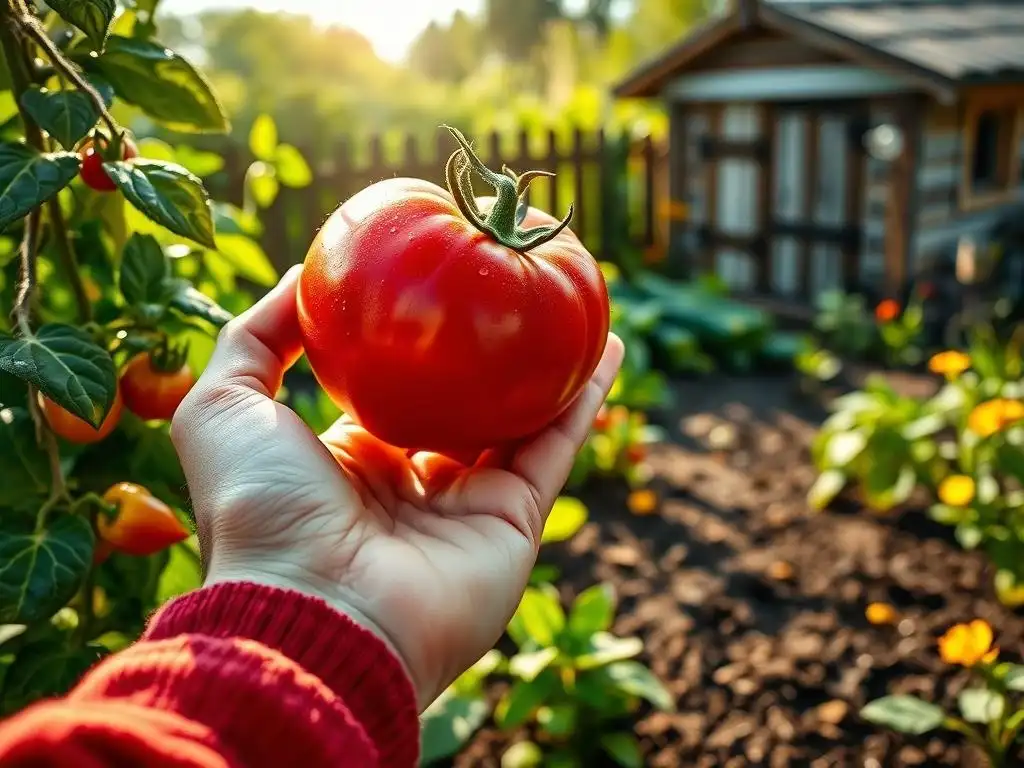
Welcome to CultivateYourFood, your guide to a bountiful and sustainable harvest! Are you ready to transform your backyard into a thriving oasis of flavor? We'll show you how. Discover the secrets to growing organic vegetables at home, from selecting the perfect seeds to harvesting your own delicious, chemical-free produce. Embark on this journey with us, and unlock the rewarding experience of cultivating your own food – one seed at a time. Let's get started!
- Grow Organic Vegetables at Home: Planning Your Garden
- Planting and Nurturing Your Organic Vegetables
- Growing Organic Vegetables at Home: Pest and Disease Management
- Harvesting and Preserving Your Homegrown Bounty
- The Environmental Benefits of Home Gardening: Reducing Your Carbon Footprint
- Grow Organic Vegetables at Home: Year-Round Gardening
-
Frequently Asked Questions
- What are the benefits of growing organic vegetables at home?
- What is the best way to start growing organic vegetables at home?
- How can I ensure my homegrown vegetables remain organic?
- What are some common challenges faced when growing organic vegetables at home?
- What is the best time of year to start growing organic vegetables at home?
- Final Reflection: Cultivating a Greener Future, One Seed at a Time
- Unleash Your Inner Gardener: Grow Your Own Deliciousness!
Grow Organic Vegetables at Home: Planning Your Garden
Growing your own organic vegetables is a rewarding experience, offering fresh, healthy produce while contributing to a more sustainable lifestyle. This comprehensive guide will walk you through the process of cultivating your own organic vegetable garden, from selecting the right seeds to harvesting your bountiful crop. We'll explore the environmental benefits of home gardening, focusing on how you can minimize your environmental impact while maximizing your yield.
This journey, from seed to table, not only provides nutritious food but also fosters a deeper connection with nature and the food cycle. Learn how to grow organic vegetables at home and reap the rewards of a healthier, more sustainable approach to food production. This guide will cover key aspects of planning your garden, ensuring your success in growing organic vegetables at home and contributing to a more environmentally friendly future.
Selecting the Right Organic Seeds and Seedlings for Your Climate
Choosing the right seeds or seedlings is crucial for a successful organic vegetable garden. Consider your local climate and growing season when making your selections. Different vegetables have varying needs regarding sunlight, temperature, and soil conditions. For example, tomatoes thrive in warm, sunny locations, while leafy greens prefer cooler temperatures and partial shade.
Before purchasing, research the specific requirements of each vegetable you plan to grow. Look for organic seeds and seedlings certified by reputable organizations. This ensures that the seeds and seedlings have been grown without the use of synthetic pesticides or fertilizers. Consider starting some seeds indoors several weeks before the last expected frost to give them a head start. This is especially beneficial for vegetables with longer growing seasons.
It's also important to diversify your crops. Planting a variety of vegetables not only provides nutritional diversity but also helps to maintain soil health and reduce the risk of pest infestations. A diverse garden is a resilient garden! Consider using companion planting techniques, where certain plants benefit each other's growth. For example, basil is known to repel insects that can harm tomatoes.
Preparing Your Soil: Essential Steps for Healthy Organic Growth
Healthy soil is the foundation of any successful organic garden. Organic gardening emphasizes soil health, as fertile soil is essential for vigorous plant growth. Before planting, conduct a soil test to determine its pH level and nutrient content. This will help you amend the soil accordingly.
Improving your soil's structure is key. Adding organic matter like compost, aged manure, or leaf mold improves soil drainage, aeration, and water retention. These materials also provide essential nutrients for your plants. Aim for a soil that is rich in organic matter, well-drained, and has a slightly acidic to neutral pH.
Regular soil testing and amendment are crucial for maintaining soil health throughout the growing season. Avoid using chemical fertilizers, as these can harm beneficial soil organisms and disrupt the delicate balance of your soil ecosystem. Instead, rely on natural fertilizers like compost tea or worm castings to provide your plants with the nutrients they need.
Designing Your Garden Layout: Optimizing Space and Sunlight for Maximum Yield
Careful garden design is essential for maximizing yield and minimizing wasted space. Consider the amount of sunlight your garden receives throughout the day. Most vegetables require at least six hours of direct sunlight daily. Plan your layout to ensure that all your plants receive adequate sunlight.
When designing your garden layout, consider the mature size of each plant. Allow sufficient spacing between plants to prevent overcrowding and competition for resources. Overcrowded plants are more susceptible to diseases and pests. A well-spaced garden promotes good air circulation, reducing the risk of fungal diseases.
Consider using raised beds or vertical gardening techniques to optimize space, especially if you have a limited area. Raised beds provide excellent drainage and soil warming, while vertical gardening allows you to grow more plants in a smaller space. A thoughtfully designed layout will ensure that your garden is both productive and aesthetically pleasing. Remember to leave pathways for easy access to your plants for watering, weeding, and harvesting.
Building Raised Beds or Utilizing Existing Space for Home Vegetable Gardening
Building raised beds offers numerous advantages for growing organic vegetables at home. Raised beds provide excellent drainage, crucial for preventing root rot, a common problem for many vegetables. This is especially beneficial in areas with heavy clay soils that retain too much water. Furthermore, raised beds allow for better soil control.
You can create a custom soil blend perfectly suited to your chosen vegetables, ensuring optimal nutrient availability and a healthy growing environment. This is a significant advantage when growing organically, as you're not relying on the existing soil's often unpredictable composition. The elevated height also makes gardening more ergonomic, reducing strain on your back and knees, especially beneficial for those with mobility concerns. Finally, raised beds can be aesthetically pleasing, adding a structured and attractive element to your garden.
Consider the dimensions carefully when building raised beds. A standard size of 4 feet wide by 8 feet long is manageable for most gardeners, allowing easy access to all plants. However, you can adjust the size based on your available space and the number of plants you intend to grow. The height should be around 12-18 inches, depending on the type of soil you'll be using and the depth of your vegetable's root systems.
Use untreated lumber, such as cedar or redwood, which are naturally rot-resistant. Alternatively, you can utilize recycled materials, such as repurposed pallets (ensure they are free of harmful chemicals), to create cost-effective and environmentally friendly raised beds. Remember to line the interior with landscape fabric to prevent soil from leaking out and to hinder weed growth.
Alternatively, if you lack the space or resources to construct raised beds, you can utilize existing space creatively. Even small balconies or patios can be transformed into thriving vegetable gardens with the use of containers. Choose large pots or containers, at least 12 inches in diameter, to provide sufficient root space. Use a well-draining potting mix specifically designed for containers, as this will prevent waterlogging.
Consider vertical gardening techniques, such as hanging baskets or wall-mounted planters, to maximize space utilization. These methods are particularly useful for vining vegetables like cucumbers or tomatoes. Remember to choose vegetables suitable for container gardening; compact varieties are usually the best option for limited space. Growing organic vegetables in containers requires more frequent watering and fertilization compared to raised beds or in-ground gardening due to the limited soil volume.
However, the rewards of fresh, homegrown produce are well worth the effort. Careful planning and selection of appropriate containers and vegetables will ensure a successful harvest even in limited spaces. Remember to consider sunlight exposure when choosing a location for your container garden. Most vegetables require at least six hours of direct sunlight daily.
Planting and Nurturing Your Organic Vegetables
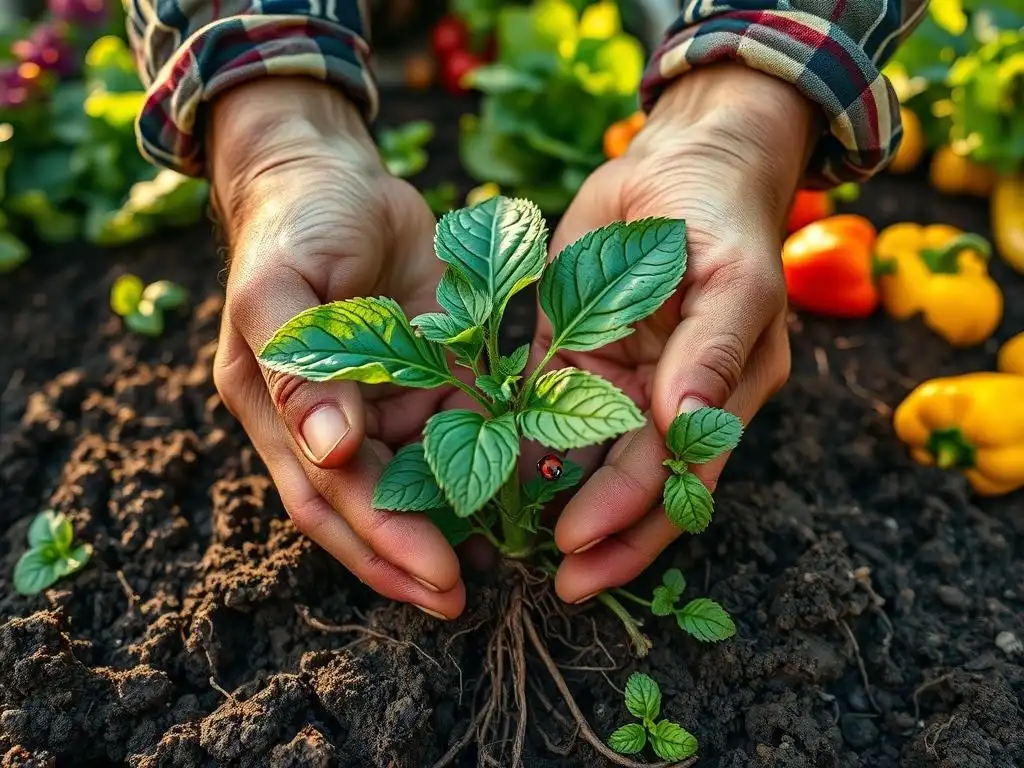
This section delves into the practical aspects of growing organic vegetables at home, focusing on techniques that maximize yield while minimizing environmental impact. We'll explore the crucial steps from sowing seeds to nurturing healthy seedlings, ensuring your homegrown produce flourishes. Remember, the key to successfully growing organic vegetables at home lies in understanding the needs of your plants and providing them with the optimal conditions.
Getting Your Hands Dirty: The Art of Sowing Seeds and Transplanting Seedlings
Successfully growing organic vegetables at home begins with the right planting techniques. Direct sowing seeds into the ground and transplanting seedlings both have their advantages, depending on the vegetable and the climate.
Direct sowing, ideal for hardy vegetables like carrots and peas, involves planting seeds directly into your prepared garden bed. This method avoids the transplant shock that seedlings can experience. However, it requires careful attention to seed spacing and depth, as well as consistent soil moisture.
Direct Sowing Tips
- Choose high-quality organic seeds.
- Follow the seed packet instructions for depth and spacing.
- Maintain consistent soil moisture, using a watering can with a gentle rose.
- Thin seedlings as needed to prevent overcrowding.
Transplanting seedlings, on the other hand, allows for a head start. You start seeds indoors in seed trays or pots, nurturing them until they are robust enough to be transplanted outdoors. This method is particularly beneficial for delicate vegetables like tomatoes and peppers, giving them a better chance of survival.
Transplanting Tips
- Harden off seedlings gradually before transplanting.
- Dig holes slightly larger than the root ball.
- Gently remove seedlings from their containers, avoiding root damage.
- Water thoroughly after transplanting.
Careful observation and attention to detail are paramount, whether you choose direct sowing or transplanting. Regularly inspect your plants for signs of disease or pests, and take appropriate action using organic pest control methods. This proactive approach ensures healthy growth and a bountiful harvest.
Watering Wisely: Maintaining Optimal Moisture Levels for Thriving Plants
Consistent and appropriate watering is vital for thriving organic vegetables. Underwatering leads to wilting and stunted growth, while overwatering can suffocate roots and promote fungal diseases. The key is to maintain consistently moist, but not waterlogged, soil.
The frequency of watering depends on several factors, including climate, soil type, and plant type. Sandy soils drain quickly and require more frequent watering than clay soils, which retain moisture longer. Vegetables with shallow root systems, like lettuce, need more frequent watering than those with deep root systems, like carrots.
A good rule of thumb is to water deeply and less frequently, encouraging deep root growth. Use a watering can with a gentle rose or a soaker hose to avoid splashing and ensure even moisture distribution. Avoid watering during the hottest part of the day to minimize evaporation.
Consider using mulch to help retain soil moisture and suppress weeds. Organic mulches, such as straw or shredded leaves, also improve soil health and fertility. Monitoring soil moisture with a moisture meter can be helpful, particularly for beginners. This ensures you water only when necessary, preventing both under and overwatering.
Organic Fertilization Techniques: Nourishing Your Plants Naturally
Organic fertilization provides essential nutrients to your plants without harming the environment. Avoid synthetic fertilizers, which can contaminate soil and water. Instead, focus on enriching your soil with natural organic matter.
Several methods can provide the nutrients your vegetables need:
- Composting: Composting kitchen scraps and yard waste creates a rich, nutrient-rich soil amendment. It improves soil structure, water retention, and fertility.
- Compost Tea: Brewing compost into a liquid tea provides plants with a readily available source of nutrients.
- Cover Crops: Planting nitrogen-fixing cover crops like clover or beans adds nitrogen to the soil, improving fertility for subsequent vegetable crops.
- Manure: Well-rotted animal manure, such as cow or horse manure, provides a slow-release source of nutrients. Ensure it is well-composted to avoid burning your plants.
- Seaweed: Seaweed is a natural source of micronutrients, enhancing plant growth and disease resistance.
Regular soil testing can help determine nutrient deficiencies and guide your fertilization strategy. By using these organic methods, you can ensure your vegetables receive the nutrients they need to grow strong and healthy, while contributing to a healthier environment. Remember that building healthy soil is the foundation for growing thriving organic vegetables. 🌱
Protecting Your Plants: Natural Pest Control and Disease Prevention
Growing organic vegetables at home means committing to natural pest and disease management. This is crucial, not only for the health of your plants and the purity of your harvest, but also for the environment. Synthetic pesticides can harm beneficial insects, contaminate soil and water, and ultimately, impact your own health. Fortunately, there are many effective, environmentally friendly methods to protect your precious plants.
One of the most important preventative measures is to select disease-resistant varieties of vegetables. Many seed catalogs and nurseries clearly indicate which varieties are known for their resilience to common diseases in your region. Investing a little extra time in researching these options upfront can save you considerable heartache and effort later on. For example, certain tomato varieties exhibit a natural resistance to blight, a devastating fungal disease. Similarly, choosing disease-resistant squash varieties can significantly reduce the risk of powdery mildew.
Beyond choosing resilient varieties, proper spacing and good air circulation are key. Overcrowded plants are more susceptible to fungal diseases as they create a humid environment ideal for pathogen growth. Ensuring adequate spacing allows for better airflow, reducing humidity and the risk of disease outbreaks. This is particularly important for leafy greens and fruiting vegetables. Proper spacing also reduces competition for resources, resulting in healthier, more vigorous plants.
Natural pest control strategies are equally important. Companion planting is a powerful technique that leverages the natural repellent properties of certain plants. For instance, planting basil near tomatoes can deter tomato hornworms, while marigolds can repel many common garden pests. Researching beneficial companion plants for your specific crops can significantly reduce your reliance on chemical interventions.
Regular inspection is crucial. Early detection of pests or diseases allows for prompt action, preventing widespread damage. Look for signs of insect infestations, such as chewed leaves, holes in fruits, or the presence of insects themselves. Check for signs of disease, such as wilting, discoloration, or unusual spots on leaves. Early intervention is key to successful organic pest management.
In addition to companion planting, you can employ other natural pest control methods. Introducing beneficial insects, such as ladybugs, lacewings, and praying mantises, can help control pest populations naturally. These insects prey on many common garden pests, reducing the need for chemical intervention. Similarly, using organic insecticidal soaps or neem oil can effectively control certain pests without harming beneficial insects or the environment. Always follow the instructions carefully and apply sparingly. Remember that these methods often require repeated applications for optimal effectiveness.
Finally, maintaining soil health is paramount. Healthy soil supports healthy plants, making them more resistant to pests and diseases. Regular composting, crop rotation, and the use of organic fertilizers improve soil structure, nutrient content, and microbial diversity. A vibrant soil ecosystem is your first line of defense against garden challenges. By integrating these natural pest control and disease prevention strategies into your gardening practices, you can successfully grow healthy, organic vegetables at home while protecting the environment.
Growing Organic Vegetables at Home: Pest and Disease Management
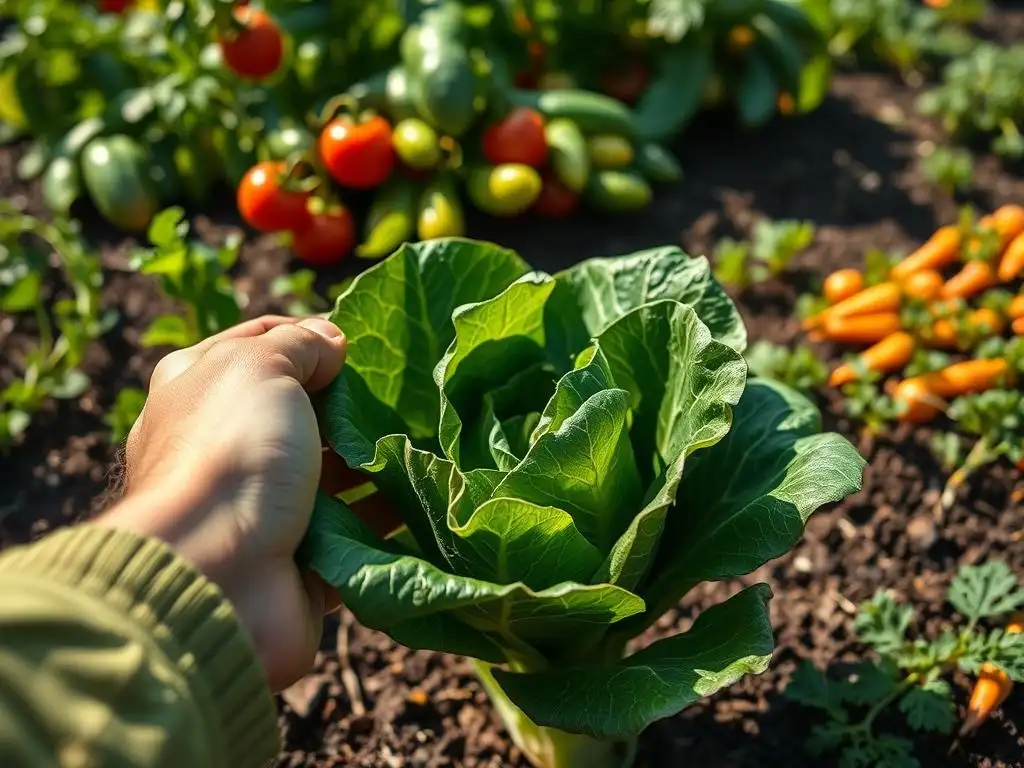
Growing organic vegetables at home offers numerous rewards, including fresher, tastier produce and a reduced environmental footprint. However, successfully cultivating a thriving organic garden requires vigilance in managing pests and diseases. This section delves into effective strategies for identifying and addressing common threats, ensuring a bountiful harvest while upholding organic principles. Successfully growing organic vegetables at home requires a proactive approach to pest and disease management.
Identifying Common Garden Pests and Diseases
Identifying the culprits behind wilting leaves or nibbled vegetables is the first step towards effective pest and disease control. Many common garden pests and diseases exhibit specific symptoms. For instance, aphids, tiny sap-sucking insects, often cluster on the undersides of leaves, causing yellowing and stunted growth. Similarly, slugs and snails leave characteristic slime trails and irregular holes in foliage. Among diseases, powdery mildew manifests as a white, powdery coating on leaves, while fungal leaf spots appear as brown or black spots with irregular margins. Early detection is crucial; a quick identification allows for timely intervention, minimizing damage.
Here's a table summarizing some common garden pests and diseases, along with their typical symptoms:
| Pest/Disease | Symptoms | Organic Control Methods |
|---|---|---|
| Aphids | Yellowing leaves, stunted growth, sticky honeydew | Insecticidal soap, neem oil, ladybugs |
| Slugs & Snails | Slime trails, irregular holes in leaves | Beer traps, diatomaceous earth, handpicking |
| Powdery Mildew | White powdery coating on leaves | Baking soda spray, neem oil, sulfur |
| Leaf Spot Diseases | Brown or black spots on leaves | Improve air circulation, remove infected leaves |
| Cabbage White Butterfly | Holes in cabbage and similar leaves; Caterpillars | Handpicking, row covers, Bacillus thuringiensis (Bt) |
Remember to regularly inspect your plants, looking for unusual spots, holes, or insects. Taking photos can help in identifying unknown pests or diseases, and consulting with local gardening experts or online resources can provide further assistance. Early identification is key to preventing widespread infestation or infection. The earlier you catch a problem, the easier it is to manage organically.
Implementing Organic Pest Control Strategies: Natural Repellents and Beneficial Insects
Once you've identified the problem, organic pest control offers several effective solutions. Avoid synthetic pesticides, opting instead for natural alternatives that protect beneficial insects and the environment. Natural repellents can deter pests without harming beneficial insects. For example, neem oil acts as a natural insecticide and fungicide, disrupting the life cycle of many pests. Insecticidal soap effectively controls soft-bodied insects like aphids and mealybugs. These solutions are readily available at most garden centers.
Introducing beneficial insects into your garden can provide a natural form of biological pest control. Ladybugs are voracious aphid predators, while lacewings feed on a variety of pests. Attracting these beneficial insects involves planting flowers that provide nectar and pollen, creating a welcoming habitat. Consider planting herbs like dill, fennel, and yarrow, known to attract beneficial insects. The use of companion planting is also a great strategy to deter pests organically.
Preventing Disease Through Healthy Soil and Plant Practices
Proactive measures are just as important as reactive ones. A healthy garden is less susceptible to diseases. This begins with healthy soil. Organic matter, such as compost and well-rotted manure, enriches the soil, improving its drainage and providing essential nutrients. Well-drained soil reduces the risk of fungal diseases. Regular soil testing helps determine nutrient deficiencies, allowing for targeted amendments to bolster plant health and resilience against disease.
Proper plant spacing allows for good air circulation, reducing humidity and the risk of fungal diseases. Avoid overhead watering, which can spread fungal spores. Instead, water at the base of plants. Rotating crops annually helps break pest and disease cycles, preventing the build-up of pathogens in the soil.
This simple practice can significantly reduce the risk of recurring problems in subsequent seasons. Finally, promptly remove and dispose of infected plant material to prevent the spread of disease. Remember, a healthy plant is a resilient plant, less likely to succumb to pests and diseases. Prioritizing soil health and proper plant care is fundamental to growing organic vegetables at home successfully.
Harvesting and Preserving Your Homegrown Bounty
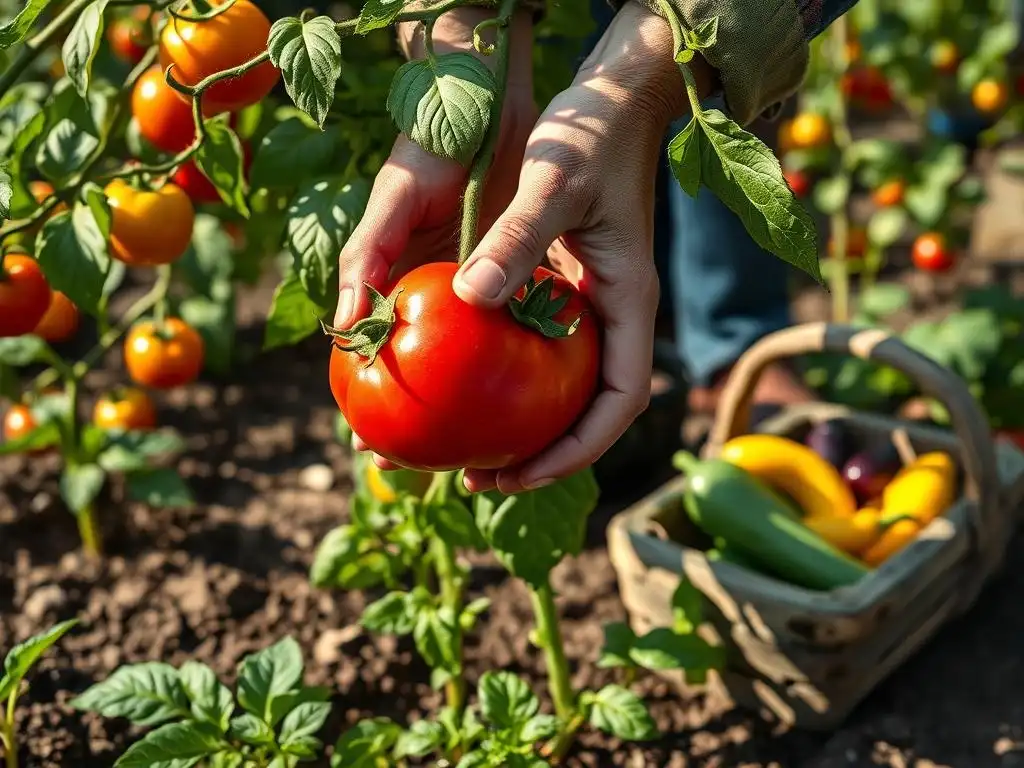
This section delves into the crucial final stages of growing your organic vegetables at home: harvesting and preservation. Successfully cultivating your produce is only half the battle; understanding how to harvest and store your bounty ensures you can enjoy the fruits (and vegetables!) of your labor for as long as possible. Proper techniques minimize waste and maximize the nutritional value and flavor of your homegrown goodness.
Knowing When to Harvest: Recognizing Signs of Ripeness in Your Vegetables
Knowing precisely when to harvest your vegetables is critical for optimal flavor and nutritional content. Harvesting too early results in bland, underdeveloped produce, while harvesting too late can lead to tough, bitter, or even spoiled vegetables. Each vegetable exhibits unique signs of ripeness.
For example, tomatoes should be harvested when they exhibit a deep, rich color characteristic of their variety and yield slightly to gentle pressure. Avoid harvesting green tomatoes unless you plan to ripen them artificially. Cucumbers are typically ready for harvest when they've reached their mature size and have a firm, smooth skin. Squash, on the other hand, is ready when its skin is hard and its color is deep and vibrant. The stems should also be dry.
Here's a table summarizing key ripeness indicators for some common vegetables:
| Vegetable | Sign of Ripeness | Notes |
|---|---|---|
| Tomatoes | Deep, rich color; yields slightly to gentle pressure | Avoid green tomatoes unless for artificial ripening. |
| Cucumbers | Mature size; firm, smooth skin | Harvest regularly to encourage continued production. |
| Squash | Hard skin; deep, vibrant color; dry stems | Different squash varieties have different maturity indicators. |
| Peppers | Full size; vibrant color; firm skin | Color is a key indicator of ripeness. |
| Leafy Greens | Leaves are fully developed and firm; avoid bolting. | Harvest outer leaves first to encourage continued growth. |
| Root Vegetables | Mature size; firm; easily pulled from the ground | Avoid harvesting during periods of extreme heat or drought. |
Careful observation and a little experience will help you master the art of recognizing ripeness in your organic vegetables. Remember, it's better to slightly under-harvest than over-harvest.
Proper Harvesting Techniques: Minimizing Damage and Maximizing Shelf Life
Gentle harvesting techniques are essential to preserve the quality and longevity of your produce. Rough handling can bruise, damage, or even destroy your hard work.
For many vegetables, using sharp, clean tools like pruning shears or knives is recommended. This allows for a clean cut, minimizing damage to the plant and reducing the risk of disease. Avoid pulling or yanking vegetables from the ground, which can damage the roots and surrounding plants.
When harvesting fruits, such as tomatoes, gently twist them from the vine. For root vegetables, carefully loosen the soil around the root before gently lifting it out. After harvesting, handle your produce carefully, avoiding bumps and bruises. Proper handling significantly extends shelf life and reduces spoilage.
Preserving Your Harvest: Methods for Storing and Enjoying Your Produce Year-Round
Preserving your homegrown bounty allows you to enjoy the fruits (and vegetables) of your labor long after the harvest season ends. Several methods extend the shelf life of your produce, each with its own advantages and disadvantages.
- Refrigeration: Many vegetables, such as leafy greens and root vegetables, store well in the refrigerator. Proper storage techniques, such as storing vegetables in airtight containers or plastic bags, will help maintain freshness and prevent spoilage.
- Freezing: Freezing is an excellent method for preserving many vegetables, including peas, beans, and corn. Blanching vegetables (briefly boiling them in water) before freezing helps to maintain their color, texture, and nutritional value.
- Canning: Canning is a more involved process but allows for long-term storage of vegetables. Proper canning techniques are crucial to prevent spoilage and ensure food safety. It's a great way to preserve tomatoes, pickles, and jams.
- Dehydration: Dehydration is a simple method for preserving herbs and some vegetables. Dried herbs and vegetables can be stored in airtight containers for several months.
Choosing the right preservation method depends on the type of vegetable, your available resources, and your personal preferences. Experiment with different methods to find what works best for you and your garden's output. Successfully preserving your harvest allows you to enjoy the delicious and nutritious results of your efforts throughout the year, further emphasizing the rewards of growing organic vegetables at home. 🎉
The Environmental Benefits of Home Gardening: Reducing Your Carbon Footprint
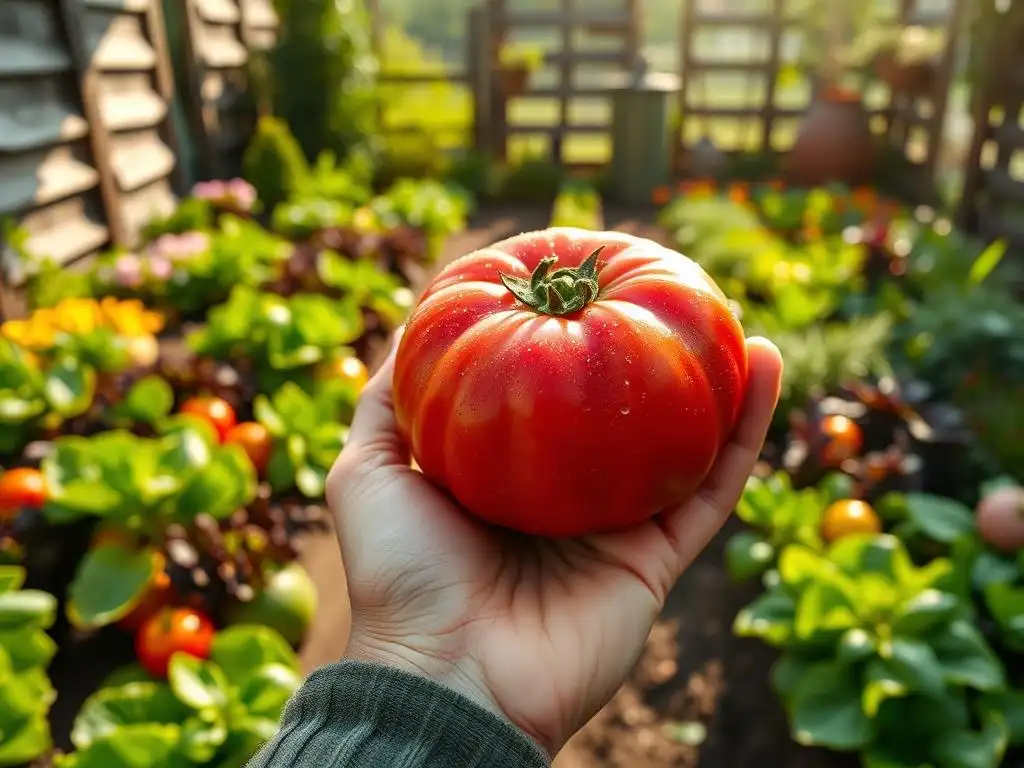
Growing your own organic vegetables at home offers a multitude of environmental advantages, significantly contributing to a more sustainable lifestyle. This section focuses on the key ways home gardening reduces your carbon footprint, minimizes resource consumption, and promotes biodiversity. Let's delve into the specifics.
Lowering Transportation Emissions: The Impact of Locally Grown Food
One of the most significant environmental benefits of growing your own food is the reduction in transportation emissions. Commercially grown produce often travels thousands of miles from farm to supermarket shelf, contributing substantially to greenhouse gas emissions from trucks, ships, and airplanes. By growing your vegetables at home, you eliminate this transportation-related carbon footprint entirely.
Consider this: a single head of lettuce might travel over 1,500 miles from a large-scale farm to your local grocery store. That journey consumes significant fuel and generates considerable CO2 emissions. Growing that same lettuce in your backyard eliminates that entire journey and its associated pollution. This is especially impactful when considering the cumulative effect of all the produce you consume throughout the year. The more you grow yourself, the more you reduce your reliance on long-distance transportation of food, directly impacting your personal carbon footprint. This translates to a healthier planet and a smaller impact on global warming.
Reducing Water Consumption: Efficient Irrigation Techniques for Home Gardens
While it might seem counterintuitive, home gardening can actually reduce overall water consumption compared to large-scale agriculture. This is achieved through the implementation of efficient irrigation techniques tailored to the specific needs of your garden.
Large-scale farms often rely on extensive irrigation systems that can waste significant amounts of water through evaporation and runoff. Home gardeners, on the other hand, can utilize methods like:
- Drip irrigation: This method delivers water directly to the roots of plants, minimizing water loss through evaporation.
- Soaker hoses: Similar to drip irrigation, soaker hoses gently release water, ensuring efficient water uptake by the plants.
- Rainwater harvesting: Collecting rainwater in barrels or other containers provides a sustainable source of water for your garden, reducing your reliance on municipal water supplies.
- Mulching: Applying mulch around your plants helps retain soil moisture, reducing the frequency of watering needed.
By employing these techniques, home gardeners can cultivate healthy, thriving plants while conserving precious water resources. The mindful use of water in home gardening stands in stark contrast to the often wasteful practices of industrial agriculture, making it a more sustainable choice for the environment.
Minimizing Pesticide Use: The Environmental Advantages of Organic Gardening
Growing organic vegetables at home significantly reduces pesticide use, a major contributor to environmental pollution. Conventional farming practices often rely heavily on synthetic pesticides, which can harm beneficial insects, contaminate soil and water, and negatively impact human health.
Organic gardening, on the other hand, emphasizes natural pest control methods such as:
- Beneficial insects: Introducing ladybugs, lacewings, and other beneficial insects to your garden helps control pest populations naturally.
- Companion planting: Strategically planting certain plant species together can deter pests and improve overall plant health.
- Natural pesticides: Utilizing natural substances like neem oil or insecticidal soap provides effective pest control without the harmful effects of synthetic chemicals.
- Crop rotation: Rotating crops annually helps break pest cycles and improve soil health.
By choosing organic methods, home gardeners contribute to cleaner water sources, healthier ecosystems, and a reduction in the environmental impact associated with synthetic pesticide use. The commitment to organic practices directly supports the preservation of biodiversity and protects the delicate balance of the natural world. This makes growing organic vegetables at home a truly sustainable and environmentally responsible choice.
Composting Your Garden Waste: A Sustainable Approach to Waste Management
Composting is a cornerstone of sustainable gardening and a crucial element in reducing your carbon footprint when growing organic vegetables at home. Instead of sending your garden waste – grass clippings, leaves, vegetable scraps, and even coffee grounds – to landfills, where they decompose anaerobically (without oxygen) and release methane, a potent greenhouse gas, you can transform them into nutrient-rich compost. This process mimics the natural decomposition cycle, creating a valuable soil amendment that reduces your reliance on synthetic fertilizers.
The benefits extend beyond greenhouse gas reduction. Composting significantly reduces the amount of waste sent to landfills, contributing to a cleaner environment and lessening the strain on our waste management systems. Landfills are often overflowing, contributing to pollution and habitat destruction. By composting at home, you actively participate in minimizing this environmental burden. You're not just growing organic vegetables; you're actively managing waste in an eco-friendly manner.
Creating a compost pile is surprisingly simple. You can use a variety of methods, from a simple heap in your backyard to a more sophisticated composting bin. The key is balancing "greens" (nitrogen-rich materials like grass clippings and vegetable scraps) and "browns" (carbon-rich materials like dried leaves and twigs). A proper balance ensures efficient decomposition and prevents unpleasant odors.
Regular turning of the compost pile also accelerates the process. The resulting compost is dark, crumbly, and smells earthy – a testament to the natural process of decomposition and a valuable resource for your garden. Using this compost reduces your need for commercially produced fertilizers, which often have significant environmental impacts associated with their production and transportation. This closed-loop system of waste management enhances the sustainability of your homegrown organic vegetables.
Moreover, the use of compost improves soil health significantly. It enhances water retention, improves soil structure, and provides essential nutrients to your plants, reducing the need for chemical fertilizers and pesticides. This holistic approach to gardening, integrating composting with organic vegetable cultivation, showcases a truly sustainable and environmentally responsible way to "grow organic vegetables at home." The reduction in landfill waste, the avoidance of synthetic fertilizers, and the improvement in soil health all contribute to a smaller carbon footprint and a healthier planet. Consider the long-term impact: you're not just feeding your family; you're contributing to a healthier ecosystem.
Grow Organic Vegetables at Home: Year-Round Gardening
Growing your own organic vegetables offers a multitude of benefits, from fresher, tastier produce to a reduced environmental footprint. But the dream of a continuous harvest, of enjoying homegrown goodness throughout the year, requires strategic planning and a deeper understanding of your local climate. This section explores techniques to extend your growing season, allowing you to enjoy the fruits (and vegetables!) of your labor for longer.
Extending Your Growing Season: Utilizing Cold Frames and Greenhouses
Extending your growing season significantly increases the amount of organic vegetables you can grow at home. Two crucial tools for achieving this are cold frames and greenhouses. Cold frames are low-cost, simple structures that offer protection from frost and harsh weather, extending the growing season by several weeks in both spring and autumn. They're essentially miniature greenhouses, perfect for starting seeds early or protecting tender seedlings from unexpected temperature drops. Think of them as a stepping stone to a full greenhouse.
Greenhouses, on the other hand, provide a much more controlled environment, allowing you to grow vegetables year-round, regardless of the external climate. They offer protection from frost, wind, and even pests, creating ideal conditions for optimal growth. While the initial investment is higher than a cold frame, the potential for continuous harvests makes it a worthwhile investment for serious home gardeners committed to growing organic vegetables at home. The ability to regulate temperature and humidity in a greenhouse allows you to grow a wider variety of vegetables, including those that wouldn't typically survive your local winters.
Consider these factors when choosing between a cold frame and a greenhouse:
| Feature | Cold Frame | Greenhouse |
|---|---|---|
| Cost | Low | High |
| Size | Small | Varied, can be large |
| Level of Control | Limited, primarily temperature | High, temperature and humidity |
| Suitability | Extending spring/autumn seasons | Year-round growing |
Choosing the right structure depends on your budget, available space, and gardening goals. Even a small cold frame can significantly enhance your ability to grow organic vegetables at home throughout more of the year.
Choosing the Right Vegetables for Different Seasons
Knowing which vegetables thrive in different seasons is crucial for maximizing your yield and ensuring a continuous supply of fresh produce. Not all vegetables are created equal when it comes to cold hardiness. For example, leafy greens like spinach and kale are relatively cold-hardy and can often tolerate light frosts, making them ideal for early spring and late autumn planting. Conversely, heat-loving vegetables such as tomatoes and peppers require warmer temperatures and longer growing seasons, best suited for summer months.
Here's a seasonal guide to help you plan your organic vegetable garden:
- Spring: Leafy greens (spinach, lettuce, kale), root vegetables (radishes, carrots), peas, onions.
- Summer: Tomatoes, peppers, cucumbers, zucchini, beans, corn.
- Autumn: Leafy greens (again! ), root vegetables (beets, turnips), broccoli, cauliflower.
Careful planning, taking into account the specific microclimate of your garden (sun exposure, soil type, etc. ), will allow you to optimize your harvests. Succession planting – planting new crops as others finish – is a key strategy for maintaining a consistent supply of organic vegetables throughout the year.
Overwintering Your Vegetables: Protecting Plants During Cold Months
Overwintering vegetables allows you to extend the harvest of certain hardy crops into the colder months. This involves protecting your plants from freezing temperatures and harsh winter conditions. Methods include:
- Row Covers: Lightweight fabric covers provide protection from frost and light freezes. They allow sunlight and air circulation while shielding plants from the worst of the cold.
- Cold Frames (again!): As mentioned earlier, cold frames are invaluable for extending the growing season into the winter months. They provide a more substantial barrier against the cold than row covers.
- Mulching: Applying a thick layer of organic mulch around plants helps insulate the soil and protect roots from freezing.
- Indoor Overwintering: Some vegetables, particularly herbs like rosemary and thyme, can be successfully overwintered indoors in pots. This requires a sunny location and careful attention to watering.
By implementing these techniques, you can significantly increase your chances of successfully overwintering certain vegetables, ensuring you can continue to enjoy fresh, homegrown, organic produce even during the coldest months. Remember to research the specific cold-hardiness of the vegetables you are growing to determine the best overwintering strategy. Careful planning and a little extra effort can yield a bountiful harvest throughout the year, making your dream of growing organic vegetables at home a reality. 🌱
Frequently Asked Questions
What are the benefits of growing organic vegetables at home?
Growing your own organic vegetables offers numerous benefits, including fresher produce, reduced exposure to pesticides, and the satisfaction of nurturing plants from seed to harvest. It also promotes sustainability and reduces your carbon footprint.
What is the best way to start growing organic vegetables at home?
Begin by selecting easy-to-grow vegetables like lettuce, radishes, or beans. Start seeds indoors or directly sow them outdoors, depending on the vegetable and climate. Ensure you use organic soil and compost to promote healthy growth.
How can I ensure my homegrown vegetables remain organic?
Avoid using any chemical fertilizers or pesticides. Instead, rely on natural pest control methods like companion planting and introducing beneficial insects. Use organic compost and mulch to enrich the soil.
What are some common challenges faced when growing organic vegetables at home?
Pest infestations and diseases are common challenges. Proper soil preparation, consistent watering, and monitoring for pests are crucial. Learning to identify and address problems early is key to success.
What is the best time of year to start growing organic vegetables at home?
The best time depends on your climate and the specific vegetables you are growing. Consult a planting guide for your region to determine the ideal planting times for your chosen vegetables. Many vegetables can be started indoors earlier than their outdoor planting date.
Final Reflection: Cultivating a Greener Future, One Seed at a Time
The resurgence of homegrown food isn't just a trend; it's a vital step towards reclaiming our connection with nature and building a more sustainable food system. From seed selection to the final harvest, the journey of nurturing organic vegetables at home offers a profound experience that transcends mere sustenance. It's a powerful act of self-sufficiency and a tangible contribution to a healthier planet.
The impact of growing our own food extends far beyond our dinner plates. It fosters a deeper appreciation for the land, the seasons, and the intricate processes that bring food to our tables. This intimate connection with the natural world cultivates a sense of responsibility and respect for the environment, reminding us of our interconnectedness. The best way to find yourself is to lose yourself in the service of others.
– Mahatma Gandhi. This quote, while not directly about gardening, speaks to the inherent selflessness in nurturing life, whether it's a plant or a community. The act of growing food connects us to a larger purpose, enriching our lives in ways that go beyond the simple act of eating.
Now, consider your own space, your own potential. Do you have a sunny windowsill, a balcony, or even a small patch of land? Imagine the satisfaction of nurturing a seed into a vibrant plant, the joy of harvesting your own organic vegetables, and the pride in sharing the bounty with loved ones. Take the first step today. Start small, learn as you go, and experience the transformative power of growing your own food. The journey from seed to table is a journey of self-discovery, environmental stewardship, and the creation of a more sustainable and fulfilling life.
Unleash Your Inner Gardener: Grow Your Own Deliciousness!
Thank you for joining us on this journey from seed to table! We hope you've gained valuable insights into the rewarding world of homegrown produce. Now it's time to put your new knowledge into practice. Ready to get your hands dirty?
- Start a small herb garden: Even a few herbs in a sunny spot can transform your cooking, providing fresh, flavorful ingredients. This is the perfect way to begin your gardening adventure!
- Share your gardening experiences: Connect with our community on social media and inspire others with your journey. Let's grow together! Share both your successes and challenges—we're all learning!
- Experiment with diverse seed varieties: Discover the joy of growing unusual or heirloom varieties to add excitement and variety to your harvest.
What delicious homegrown treat will you cultivate first?