
DIY Greenhouse Pest Control: Keeping Your Plants Safe Naturally

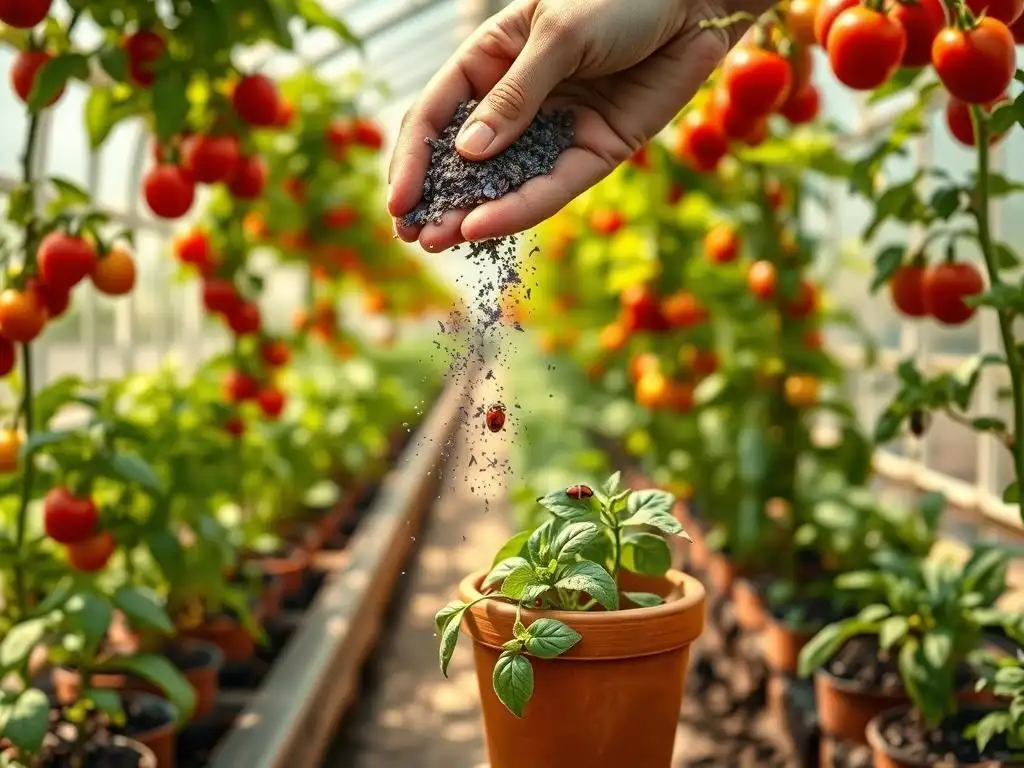
Welcome to CultivateYourFood, your guide to a thriving home garden! Are you ready to unlock the secrets to a bountiful harvest without harmful chemicals? We believe in the power of nature, and that's why we're diving deep into the world of natural greenhouse pest control. Discover effective, sustainable methods to protect your precious fruits, vegetables, and herbs, ensuring a healthy and vibrant garden. Learn how to keep your plants safe and flourishing – let's cultivate a greener future, together!
- Understanding Common Greenhouse Pests
- Natural Pest Control Strategies for Your Greenhouse
- Preventing Greenhouse Pest Infestations
- Organic Greenhouse Pest Control: DIY Solutions
- Monitoring and Evaluating Your Pest Control Efforts
- Maintaining a Healthy Greenhouse Ecosystem for Sustainable Pest Control
- Frequently Asked Questions
- Final Reflection: Cultivating a Healthier Future, Naturally
- Unleash Your Inner Green Thumb: Protect Your Plants!
Understanding Common Greenhouse Pests
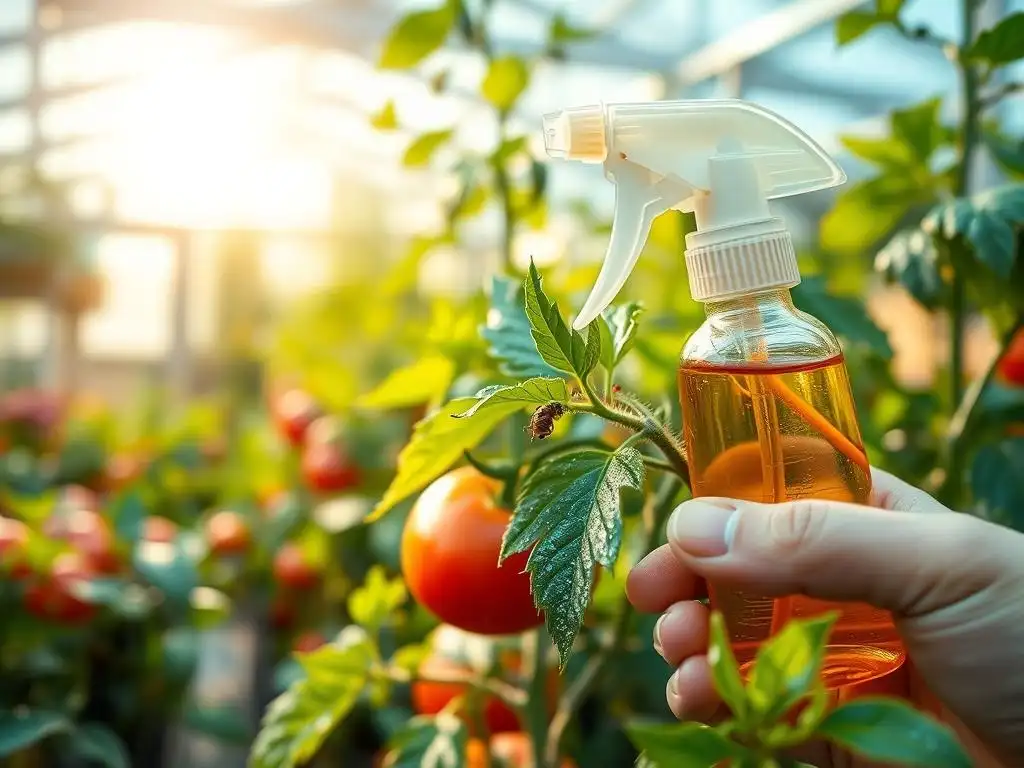
Cultivating your own fruits, vegetables, and herbs in a greenhouse offers unparalleled satisfaction and control over the growing process. However, the enclosed environment of a greenhouse can also create ideal conditions for various pests to thrive, potentially jeopardizing your harvest. This article focuses on implementing effective natural greenhouse pest control strategies to protect your precious plants without resorting to harmful chemicals. We will explore common greenhouse pests, their identification, the damage they inflict, and most importantly, the natural methods to combat them and maintain a thriving, healthy, and organic growing space.
We'll delve into practical, sustainable solutions that will keep your plants flourishing and your harvest abundant. This guide is crucial for anyone aiming to build a resilient and productive DIY greenhouse or cold frame, prioritizing ecological balance and organic practices. Let’s get started on protecting your investment and ensuring a bountiful harvest!
Identifying Aphids and Their Impact on Greenhouse Plants
Aphids, tiny, soft-bodied insects, are common greenhouse pests. They typically cluster on the undersides of leaves and stems, sucking sap from the plants. This sap-sucking activity weakens plants, leading to stunted growth, yellowing leaves, and curled foliage. Heavy infestations can even cause plant death.
Identifying aphids is relatively straightforward: they are pear-shaped, ranging in color from green to black, and are often found in large colonies. You might also notice honeydew, a sticky, sweet substance excreted by aphids, on leaves and surrounding surfaces. This honeydew can attract other pests, like ants and sooty mold, further complicating the problem. The presence of ants is a strong indicator of an aphid infestation, as ants "farm" aphids for the honeydew.
Several natural methods effectively control aphids. Strong jets of water can dislodge them from plants. Introducing beneficial insects like ladybugs, lacewings, or hoverflies into your greenhouse can significantly reduce aphid populations. These natural predators feed on aphids, offering a sustainable and environmentally friendly control method. Furthermore, insecticidal soaps are a relatively safe and effective option for controlling aphids, but always follow the instructions carefully. Regular monitoring and early detection are key to preventing large-scale infestations.
Recognizing Whiteflies and Their Damage
Whiteflies, another common greenhouse pest, are tiny, winged insects that resemble miniature moths. They typically congregate on the undersides of leaves, much like aphids. Their feeding habits cause similar damage: leaf yellowing, stunted growth, and reduced plant vigor. However, whiteflies also transmit plant viruses, making them a more serious threat than aphids in some cases. Recognizing whiteflies is easy due to their characteristic white color and tendency to fly up in a cloud when disturbed. Their presence often leaves a sticky residue on the leaves, similar to the honeydew produced by aphids.
Natural control strategies for whiteflies include sticky traps, which attract and capture the insects. Introducing beneficial insects like parasitic wasps that prey on whiteflies is another effective biological control method. Insecticidal soaps can be used, but again, careful application is crucial to avoid harming beneficial insects. Regularly monitoring your plants and removing infested leaves promptly can also help to minimize the whitefly population. Remember, preventative measures, such as ensuring good air circulation within the greenhouse, can discourage whitefly infestations.
Spotting Spider Mites and Their Webs
Spider mites are minuscule arachnids that are difficult to see with the naked eye. Their presence is often revealed by fine webbing on leaves and the presence of tiny, moving dots. These mites pierce plant cells to suck out their contents, causing stippling (tiny dots) on leaves, leaf yellowing, and eventually, leaf drop. Severe infestations can severely damage or even kill plants.
Unlike aphids and whiteflies, spider mites are not easily visible to the naked eye. You may notice fine webbing, especially on the undersides of leaves, as a primary sign of their presence. A magnifying glass can help in identifying these tiny pests.
Natural control methods for spider mites include increasing humidity in the greenhouse, as mites prefer dry conditions. Regularly misting plants can help to control their populations. Beneficial insects such as predatory mites can effectively control spider mite infestations. Neem oil is also an effective natural insecticide against spider mites, but again, correct application is paramount. Thoroughly cleaning the greenhouse and removing infested leaves can help to prevent future infestations. Maintaining good air circulation is crucial in preventing infestations as this helps to reduce humidity and create less favorable living conditions for spider mites.
Dealing with Fungus Gnats and Their Larvae
Fungus gnats are tiny, flying insects that are a common nuisance in greenhouses, especially those with overly moist soil. Their larvae, the real culprits, feed on decaying organic matter in the soil, but can also damage plant roots, hindering growth and potentially leading to plant death. Effective natural greenhouse pest control for fungus gnats requires a multi-pronged approach focusing on both the adult flies and the larvae.
One crucial step is to reduce soil moisture. Overwatering is a primary cause of fungus gnat infestations. Allow the top inch or two of soil to dry out between waterings. Improving soil drainage is also essential; consider adding perlite or vermiculite to your potting mix to increase aeration. These amendments help the soil retain the necessary moisture without becoming waterlogged, a breeding ground for fungus gnat larvae.
For adult control, sticky traps are remarkably effective. These inexpensive traps attract and capture the adult gnats, reducing their numbers and preventing further reproduction. Place several traps strategically throughout your greenhouse to maximize their effectiveness. Another natural method involves the use of nematodes, microscopic worms that prey on fungus gnat larvae.
These beneficial nematodes can be purchased online or at garden centers and applied directly to the soil. They are environmentally friendly and highly effective in controlling the larval stage. Remember to follow the instructions carefully for optimal results. Finally, consistent cleaning and removal of decaying organic matter from the greenhouse floor and plant surfaces will help reduce the overall population.
Identifying and Managing Greenhouse Thrips
Greenhouse thrips are tiny, slender insects that can cause significant damage to plants. These pests suck sap from leaves, flowers, and fruit, leading to stunted growth, discoloration, and even plant death. Identifying thrips early is critical for effective natural greenhouse pest control, as they can quickly multiply and spread throughout your greenhouse.
Adult thrips are usually less than 2mm long, with fringed wings and a slender body. They can be various colors, from yellow to black, depending on the species. However, the most noticeable damage is often the silver stippling or scarring on leaves caused by their feeding. Closely examine your plants regularly, paying close attention to the undersides of leaves and flower buds. A magnifying glass can be very helpful in identifying these small pests. Also, look for the presence of thrips' black fecal spots on the leaves.
Several natural methods can effectively manage greenhouse thrips. Sticky traps, again, prove to be a useful tool for monitoring and controlling adult populations. Regularly inspecting and removing infested leaves can help prevent the spread of thrips. Introducing beneficial insects like predatory mites or minute pirate bugs into your greenhouse can provide biological control, as these insects feed on thrips. These beneficial insects can be purchased from specialized suppliers.
Neem oil, a natural insecticide derived from the neem tree, is another effective option for controlling thrips. Always dilute neem oil according to the manufacturer's instructions before applying it to your plants. Maintaining good greenhouse hygiene, including regularly cleaning and disinfecting surfaces, is an essential aspect of preventing and controlling thrips infestations. This helps disrupt their life cycle and reduces their overall numbers.
Natural Pest Control Strategies for Your Greenhouse
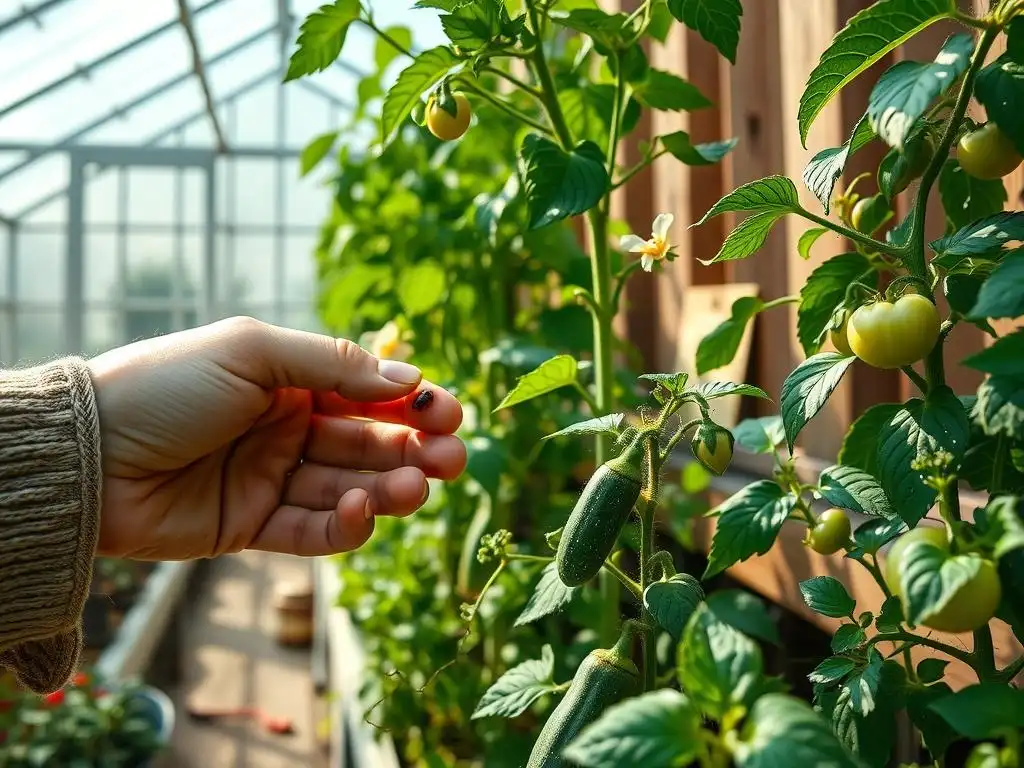
This section delves into effective, natural methods for managing pests within your DIY greenhouse, ensuring a healthy and thriving environment for your plants while minimizing harmful chemical interventions. We’ll explore beneficial insects, natural repellents, and other sustainable pest control strategies. Remember, early detection is key to successful natural pest control. Regularly inspect your plants for signs of infestation. Proactive measures are far more effective than reactive ones when it comes to natural greenhouse pest control.
Utilizing Beneficial Insects for Pest Control
Introducing beneficial insects into your greenhouse ecosystem is a cornerstone of effective and sustainable pest management. These natural predators help control pest populations without the need for harmful chemicals, promoting a balanced and healthy growing environment. Several species are particularly effective against common greenhouse pests.
Introducing Ladybugs for Aphid Control
Ladybugs are voracious aphid predators. A single ladybug can consume hundreds of aphids during its lifetime. Introducing ladybugs to your greenhouse can significantly reduce aphid infestations, protecting your plants from these sap-sucking pests. You can purchase ladybug larvae or adults from many online retailers or garden centers specializing in beneficial insects.
Release them in the evening when they are less active and more likely to stay within your greenhouse. Providing a water source, such as a shallow dish with pebbles, will help them to thrive. Remember to monitor aphid populations to assess the effectiveness of the ladybug introduction. You may need to introduce additional ladybugs if the aphid population remains high.
Employing Lacewings to Combat Whiteflies and Other Pests
Lacewings are another beneficial insect with a wide-ranging diet. Both the larvae and adult stages of lacewings are predatory, effectively controlling whiteflies, aphids, spider mites, and other small greenhouse pests. Lacewing larvae are particularly effective, consuming a large number of pests throughout their development. Similar to ladybugs, you can purchase lacewing eggs or larvae from specialized suppliers. Strategic placement of these beneficial insects within your greenhouse will ensure broad coverage and effective pest control. Consider the type of pests present when choosing between lacewing species; some are more effective against specific pests than others.
Using Praying Mantises for Broad Pest Control
Praying mantises are generalist predators, meaning they feed on a wide variety of insects, including many common greenhouse pests. Their voracious appetite and effective hunting skills make them valuable allies in the fight against pests. However, because they are also cannibalistic, introducing multiple mantises at once might be counterproductive. Introducing only a few adult praying mantises might prove more effective. They are less effective against smaller pests like aphids, but significantly impact larger insects such as caterpillars and grasshoppers. Their presence alone can serve as a deterrent to many pests.
Implementing Natural Repellents
Natural repellents offer an effective and environmentally friendly alternative to chemical pesticides in your greenhouse. These methods leverage the natural properties of certain plants and substances to deter pests without harming beneficial insects or your plants.
Using Neem Oil for Pest Management
Neem oil, derived from the neem tree, is a versatile natural insecticide with proven effectiveness against a wide range of greenhouse pests, including aphids, whiteflies, and mites. It acts as both a repellent and a disruptor of the pest's life cycle. Apply neem oil as a foliar spray, following the manufacturer's instructions carefully. Remember that neem oil can damage some plants, so test it on a small area first. Consistent application is key to maintaining effective pest control. Regular monitoring of pest populations is crucial to determine the effectiveness of your neem oil treatment.
Applying Insecticidal Soap for Effective Control
Insecticidal soap is a gentler alternative to chemical pesticides, effective against soft-bodied insects such as aphids, mealybugs, and spider mites. It works by disrupting the cell membranes of these pests, leading to their death. Apply insecticidal soap as a foliar spray, ensuring thorough coverage of the plant surfaces. Avoid using insecticidal soap on plants during hot, sunny days, as it can damage the foliage. Always follow the manufacturer's instructions for dilution and application. Repeat applications may be necessary, depending on the severity of the infestation.
Leveraging Garlic and Onion Sprays as Natural Deterrents
Garlic and onion sprays are simple, homemade repellents that can deter various pests. The strong odor of garlic and onion disrupts the feeding and reproductive behavior of many insects. To make a spray, blend garlic or onion cloves with water and a bit of dish soap. Strain the mixture and apply it to your plants as a foliar spray.
While not as potent as neem oil or insecticidal soap, this method provides a simple, readily available, and environmentally sound approach to pest control. Regular application may be necessary for optimal effectiveness. The effectiveness of garlic and onion sprays can vary, depending on the pest species and environmental conditions.
Maintaining Proper Greenhouse Hygiene
Maintaining a clean and sanitary greenhouse environment is paramount for effective natural pest control. A cluttered greenhouse provides ample hiding places for pests, making eradication difficult. Regular cleaning not only removes existing pests but also eliminates the conditions that attract them in the first place.
This proactive approach is far more effective than reactive measures, minimizing the need for harsh chemicals and maximizing the health of your plants. Think of it as preventative medicine for your plants – a small investment of time and effort yields significant returns in terms of plant health and yield. Neglecting hygiene can lead to a rapid escalation of pest problems, requiring more drastic (and potentially harmful) interventions later on.
Importance of Regular Cleaning and Sanitation
Regular cleaning and sanitation are fundamental aspects of natural greenhouse pest control. This involves more than just sweeping the floor; it requires a thorough cleaning of all surfaces, including benches, walls, and the greenhouse frame itself. Remove all plant debris, fallen leaves, and dead plants promptly. These materials can harbor pests and diseases, creating breeding grounds for future infestations. Consider using a mild soap solution for cleaning, followed by a thorough rinsing with clean water.
Avoid using harsh chemicals, as these can harm beneficial insects and disrupt the natural balance of your greenhouse ecosystem. For particularly stubborn infestations, a solution of diluted white vinegar can be effective. Remember, consistency is key; regular, thorough cleaning minimizes the risk of pest buildup and reduces the likelihood of severe infestations. A schedule of weekly cleaning during peak growing seasons is recommended, with less frequent cleaning during the off-season.
Removing Infested Plants Promptly
Prompt removal of infested plants is critical in preventing the spread of pests within your greenhouse. Delaying removal allows pests to multiply and infest neighboring plants, making the problem exponentially worse. When removing an infested plant, be sure to remove the entire plant, including the roots. Dispose of the infested plant material properly; do not compost it, as this can spread the infestation.
Instead, bag the plant material securely and dispose of it in the trash or a designated area away from your greenhouse. In some cases, burning the plant material may be necessary, depending on local regulations and the severity of the infestation. Remember, quick action is essential when dealing with plant infestations to prevent wider damage and protect your other plants. Early detection and immediate removal are crucial for maintaining a healthy greenhouse.
Preventing Pest Entry Through Proper Ventilation
Proper ventilation plays a crucial role in preventing pest entry into your greenhouse. Good airflow helps to regulate temperature and humidity, creating an environment less hospitable to many common greenhouse pests. Many pests are attracted to stagnant air and damp conditions. By ensuring adequate ventilation, you disrupt their preferred habitat and make it more difficult for them to establish themselves. This includes opening vents and windows regularly, especially during warmer months.
Consider using fans to circulate air within the greenhouse, further deterring pests and promoting healthy plant growth. Inspect screens and vents regularly for any tears or gaps that may allow pests to enter. Repairing these promptly will help to maintain a pest-free environment. Proper ventilation is not only beneficial for pest control but also essential for the overall health and productivity of your plants. It helps to prevent the buildup of diseases and promotes strong, vigorous growth.
Preventing Greenhouse Pest Infestations
Preventing pest infestations in your greenhouse is far more effective—and less stressful—than dealing with a full-blown infestation. Proactive measures significantly reduce the likelihood of encountering common greenhouse pests and the need for intervention. This section focuses on preventative strategies for achieving natural greenhouse pest control.
Choosing Pest-Resistant Plant Varieties
Selecting pest-resistant plant varieties is a cornerstone of natural pest control. Many plants possess inherent resistance to certain pests. For example, certain tomato varieties exhibit resistance to tomato hornworms and other common tomato pests. Similarly, some pepper varieties show resistance to aphids and other sucking insects. Before planting, research varieties known for their resilience.
Look for descriptions mentioning resistance to specific pests relevant to your region and greenhouse environment. Investing a little time upfront in selecting strong, resilient plants can save you significant time and effort down the line. This proactive approach reduces the need for pesticides and promotes a healthier, more sustainable greenhouse ecosystem. Consider consulting with local nurseries or experienced gardeners for recommendations tailored to your specific climate and growing conditions. They can offer invaluable insights into varieties known for their robustness in your area.
Maintaining Optimal Greenhouse Conditions
Maintaining the right environmental conditions within your greenhouse is crucial for preventing pest infestations. Pests thrive in environments that are stressful for plants, making healthy, vigorous plants less susceptible. This involves carefully managing several key factors.
Ensuring Proper Ventilation and Air Circulation
Good air circulation is paramount. Stagnant air can create ideal breeding grounds for pests, fungi, and diseases. Adequate ventilation helps to regulate temperature and humidity, deterring many pests that prefer humid, still environments. Ensure your greenhouse has sufficient vents and fans to promote consistent airflow. Consider strategically placing fans to create gentle breezes throughout the greenhouse. Regularly open and close vents depending on the weather conditions to optimize air circulation. Proper ventilation also helps prevent the build-up of moisture, which can lead to fungal diseases that weaken plants and make them more vulnerable to pests.
Regulating Temperature and Humidity Levels
Temperature and humidity levels directly impact plant health and pest susceptibility. Most greenhouse pests thrive within specific temperature and humidity ranges. Maintaining optimal levels for your chosen plants disrupts their preferred environment, making it harder for them to establish themselves. Invest in a reliable thermometer and hygrometer to monitor these conditions regularly. Adjust ventilation and heating/cooling systems as needed to maintain the ideal range for your plants. Regular monitoring is vital, especially during seasonal changes. Consistent monitoring allows for prompt adjustments, minimizing any fluctuations that could favor pest development.
Monitoring Soil Moisture and Drainage
Overwatering creates a damp environment, ideal for fungal growth and pest proliferation. Conversely, underwatering stresses plants, making them more vulnerable to pests. Maintain consistently moist but well-drained soil. Use a moisture meter to check soil moisture before watering. Ensure your greenhouse has adequate drainage to prevent waterlogging. Proper drainage prevents the accumulation of excess water, which can lead to root rot and other problems that weaken plants and make them more susceptible to pests. Regularly inspect your soil for signs of compaction or poor drainage. Amend the soil as necessary to improve its structure and drainage capabilities.
Implementing Physical Barriers Against Pests
Physical barriers are your first line of defense in natural greenhouse pest control. By preventing pests from entering your greenhouse in the first place, you significantly reduce the risk of infestations and the need for more intensive control methods. This proactive approach minimizes the use of pesticides and promotes a healthier environment for your plants. A multi-layered approach, combining several barrier types, is often the most effective strategy.
Remember to regularly inspect your barriers for damage or gaps, as pests are persistent and will exploit any weakness they find. Regular maintenance ensures the ongoing effectiveness of your physical defenses. This is crucial for maintaining a healthy and thriving greenhouse environment. Investing time in robust physical barriers is a worthwhile investment in the long-term health of your plants and the overall success of your greenhouse cultivation.
Using Insect Screens and Mesh
Insect screens and mesh are readily available and relatively inexpensive ways to keep many common greenhouse pests out. Fine mesh netting, with appropriately small apertures to exclude even smaller insects, can be used to cover vents, doors, and other openings in your greenhouse structure. Ensure a tight seal around all edges to prevent pests from squeezing through.
Consider using heavier-duty mesh for larger openings or areas where more robust protection is required. Regular cleaning of the mesh is essential to prevent the buildup of debris that could impede airflow or create hiding places for pests. When choosing mesh, consider the specific pests prevalent in your region to select a mesh with an appropriate pore size.
For example, finer mesh is needed for tiny aphids, while coarser mesh might suffice for larger insects like whiteflies. Remember to check the mesh frequently for tears or holes that need repairing. A well-maintained mesh system forms a crucial part of your natural greenhouse pest control strategy.
Employing Sticky Traps to Catch Flying Insects
Sticky traps are a simple and effective method for monitoring and controlling flying insects like whiteflies, fungus gnats, and thrips within your greenhouse. These traps typically consist of a sticky surface, often yellow or blue in color (as these colors are particularly attractive to many flying insects), placed strategically throughout the greenhouse. The traps attract the insects, which then become stuck and are prevented from breeding or further damaging your plants.
While sticky traps don't eliminate the root cause of an infestation, they can significantly reduce the population of flying insects, thereby minimizing damage to your plants. Regularly inspect and replace sticky traps as they become full. Overcrowded traps can lose their effectiveness and may even hinder the trapping of other insects.
Consider placing traps near plants that are particularly susceptible to pest damage or in areas where you've observed higher pest activity. This targeted approach maximizes the effectiveness of the traps and helps monitor potential infestation hotspots. Sticky traps are a valuable tool in your arsenal of natural greenhouse pest control methods.
Organic Greenhouse Pest Control: DIY Solutions
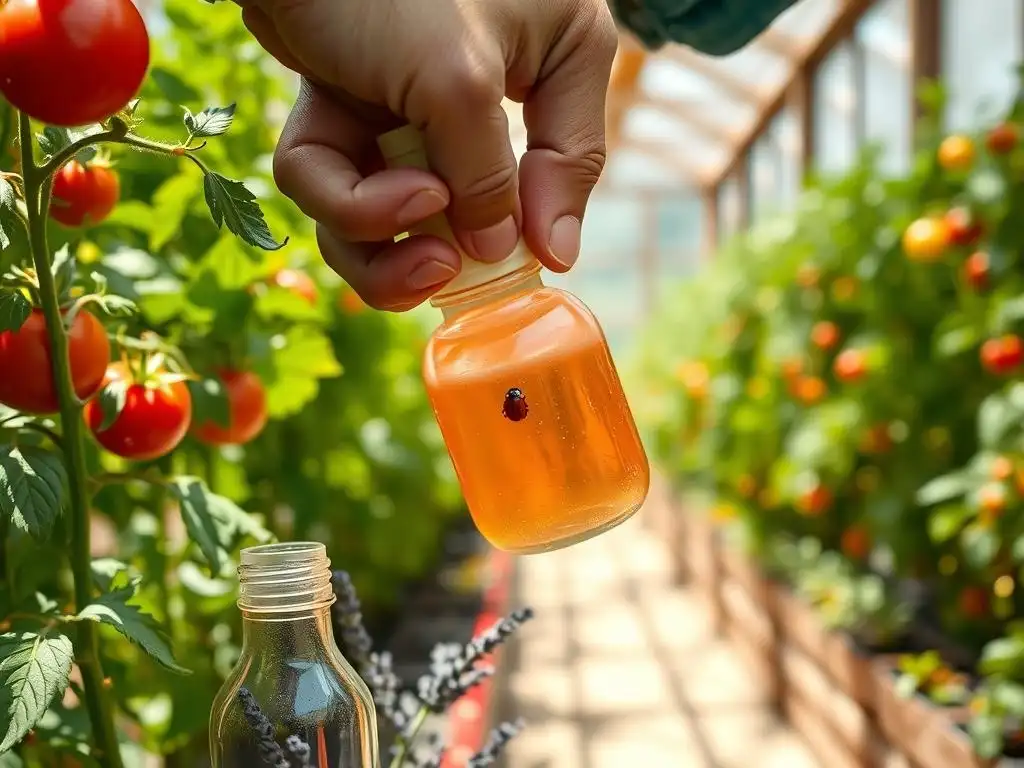
This section details several effective and sustainable DIY pest control methods perfectly suited for your home greenhouse. These natural solutions offer a safe and eco-friendly alternative to harsh chemicals, protecting both your plants and the environment. Remember to always test any spray on a small area of your plants first to ensure there are no adverse reactions. Regular monitoring of your plants is key to early pest detection and prevention of large infestations. The goal of natural greenhouse pest control is to create a balanced ecosystem where pests are minimized without harming beneficial insects or your plants.
Creating a Homemade Neem Oil Spray
Neem oil, derived from the neem tree, is a powerful natural insecticide with fungicidal and miticide properties. It disrupts the life cycle of many common greenhouse pests, including aphids, whiteflies, and spider mites. Creating your own neem oil spray is simple and cost-effective.
Here's a recipe for a potent neem oil solution:
- Ingredients:
- 1 tablespoon neem oil
- 1 teaspoon liquid dish soap (avoid detergents with harsh chemicals)
- 1 quart of water
- Instructions:
- Combine the neem oil and dish soap in a small container and mix thoroughly.
- Add the water and mix again until a milky emulsion forms. Shake well before each use.
- Pour the mixture into a spray bottle.
- Apply directly to affected plants, ensuring to coat both the upper and lower surfaces of leaves.
- Repeat application as needed, usually every 7-10 days, or according to the severity of the infestation.
Important Considerations: Neem oil can be phytotoxic (harmful to plants) if used in high concentrations or under direct sunlight. Always dilute according to instructions and avoid spraying during the hottest part of the day. Proper ventilation is also crucial when using neem oil sprays in an enclosed greenhouse.
Preparing an Effective Insecticidal Soap Solution
Insecticidal soap is another readily available and effective natural pest control option. It works by disrupting the cell membranes of soft-bodied insects, leading to their dehydration and death. This method is particularly effective against aphids, mealybugs, and whiteflies. Commercial insecticidal soaps are available, but making your own is easy and allows you to control the ingredients.
Here's how to make a basic insecticidal soap solution:
- Ingredients:
- 1 tablespoon liquid potassium soap (or pure castile soap)
- 1 quart of water
- Instructions:
- Mix the soap and water thoroughly in a spray bottle.
- Apply to plants, focusing on areas with visible pests. Thorough coverage is essential.
- Reapply every 2-3 days as needed, but be mindful of over-application which can harm your plants.
Remember to always test a small area first before a full application. Insecticidal soaps are generally safe for beneficial insects, but using them judiciously helps avoid harming them. The key to successful natural greenhouse pest control with insecticidal soap is consistent application.
Making a Garlic and Onion Pest Repellent Spray
Garlic and onions possess strong, pungent odors that many insects find repellent. This makes them excellent ingredients for a natural pest repellent spray. This spray won't kill existing pests but can deter them from infesting your plants in the first place. It's a great preventative measure and a useful addition to your overall natural greenhouse pest control strategy.
To make this spray:
- Ingredients:
- 4 cloves of garlic, minced
- 1 small onion, minced
- 1 quart of water
- Instructions:
- Combine the minced garlic and onion with the water in a saucepan.
- Bring to a boil, then reduce heat and simmer for 30 minutes.
- Allow the mixture to cool completely.
- Strain the mixture through a cheesecloth or fine-mesh sieve to remove the solids.
- Pour the liquid into a spray bottle.
- Spray liberally on plants, paying close attention to areas where pests are likely to congregate. Reapply every few days, especially after rain.
This spray’s effectiveness is largely due to its pungent smell; it acts as a deterrent rather than a direct kill. For optimal results, combine this spray with other natural pest control methods for a comprehensive approach. Remember that consistent application is key to maintaining its repellent effect.
Utilizing Diatomaceous Earth for Pest Control
Diatomaceous earth (DE) is a naturally occurring sedimentary rock composed of fossilized diatoms. Its microscopic, sharp edges make it an effective and environmentally friendly insecticide. For greenhouse pest control, DE works by physically damaging the exoskeletons of insects like aphids, whiteflies, and spider mites, leading to dehydration and death. It's a non-toxic option, safe for beneficial insects and pollinators when used correctly. However, it's crucial to use food-grade DE, as other grades may contain harmful chemicals.
Applying DE is straightforward. Simply dust the affected plants thoroughly, ensuring even coverage on leaves and stems. Focus on areas where pests congregate. Reapplication may be necessary after watering or heavy rainfall, as DE can be washed away.
While DE is generally considered safe, it's advisable to wear a dust mask during application to avoid inhaling the fine particles. Remember to thoroughly clean any surfaces where you've used DE to avoid accidental ingestion by pets or children. The effectiveness of DE can be enhanced by combining it with other natural pest control methods. For instance, using DE in conjunction with neem oil can provide broader protection against a wider range of pests.
This integrated approach leverages the strengths of both methods, resulting in more robust pest management. Always check the label of any DE product to ensure it's suitable for use around edible plants. Improper use of DE, though rare, could lead to contamination issues. Always follow manufacturer instructions carefully.
Employing Neem Oil for Greenhouse Pest Management
Neem oil, extracted from the neem tree, is a versatile natural pesticide with insecticidal, fungicidal, and even nematocidal properties. Its effectiveness stems from its disruption of insect life cycles, acting as both a repellent and a contact insecticide. In greenhouses, neem oil proves particularly useful against aphids, mealybugs, whiteflies, and various other soft-bodied insects. It's a relatively safe option for beneficial insects and pollinators when applied correctly, although excessive use might negatively impact some beneficial species.
The application of neem oil requires careful consideration. It's crucial to dilute the neem oil according to the manufacturer's instructions, as undiluted neem oil can damage plants. Thorough coverage of the affected plants is essential for optimal effectiveness.
Neem oil works best as a preventative measure, applied before a significant infestation occurs. However, it can also be used to control existing infestations, although multiple applications might be necessary to fully eradicate the pests. Always test the neem oil solution on a small area of the plant first to ensure it doesn't cause any adverse reactions before applying it to the entire plant.
Furthermore, avoid applying neem oil during the hottest part of the day, as this can increase the risk of leaf burn. Consider the weather conditions; avoid applying when rain is expected, as it will wash away the oil. Remember that neem oil is effective against various pests, but its effectiveness varies depending on the pest species and the stage of its life cycle.
Harnessing the Power of Insecticidal Soap
Insecticidal soap is another effective natural pest control solution for greenhouses. This soap solution disrupts the cell membranes of soft-bodied insects, leading to dehydration and death. It's particularly effective against aphids, spider mites, whiteflies, and mealybugs. The benefit of insecticidal soap is its relative safety for beneficial insects and pollinators, unlike some chemical pesticides. It's biodegradable and leaves minimal environmental impact.
When using insecticidal soap, it's important to follow the manufacturer's instructions regarding dilution. Incorrect dilution can lead to ineffective pest control or damage to plants. Thorough coverage of the affected plants is crucial, paying close attention to the undersides of leaves where pests often hide. Reapplication may be necessary, depending on the severity of the infestation and weather conditions. Insecticidal soap is generally most effective against immature insects, and multiple applications might be required to completely eliminate a pest population.
The soap's effectiveness can be influenced by factors such as temperature and humidity. For optimal results, apply the soap on cooler days and avoid applying during periods of high heat or direct sunlight. Always check the label for appropriate use on edible plants and follow the instructions precisely. Improper use could lead to plant damage.
Monitoring and Evaluating Your Pest Control Efforts
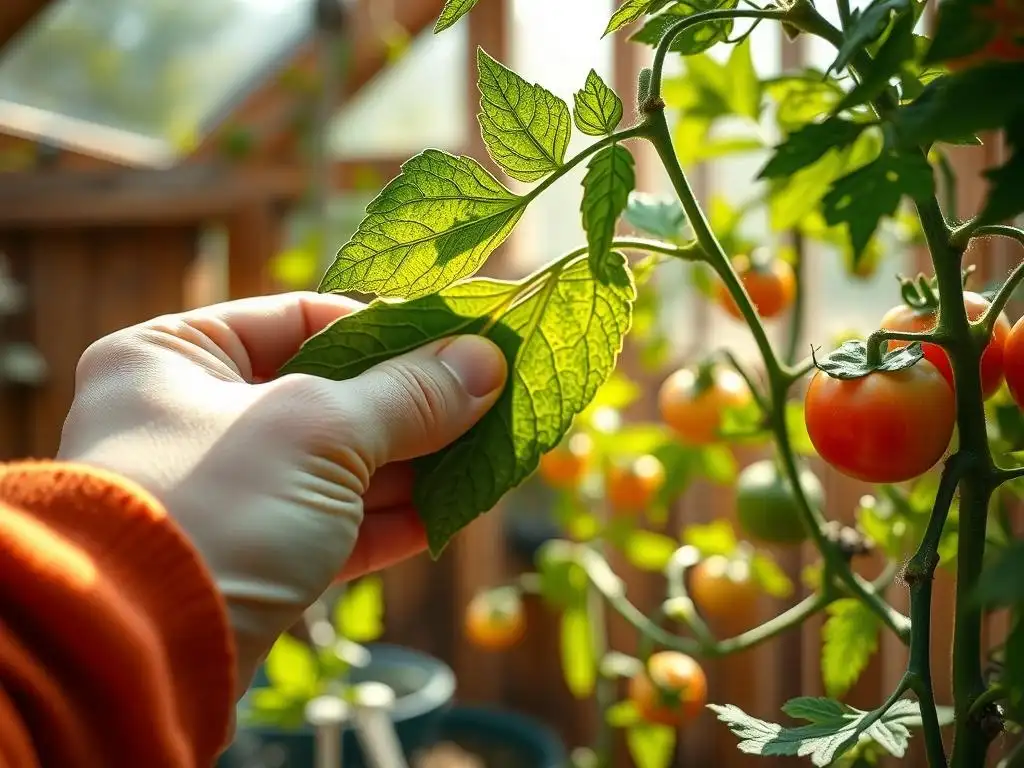
Effective natural greenhouse pest control relies heavily on consistent monitoring and evaluation. Ignoring early signs of infestation can quickly lead to significant crop damage, rendering your efforts ineffective. Regularly assessing your plants and adapting your strategies is crucial for long-term success and maintaining a healthy, thriving greenhouse environment. This proactive approach minimizes the need for stronger, potentially harmful interventions later on. Remember, the goal of natural greenhouse pest control is to create a balanced ecosystem where pests are kept in check without harming beneficial insects or your plants.
Regularly Inspecting Plants for Pest Signs
Regular visual inspections are the cornerstone of effective natural pest control. Aim for daily or at least every other day checks, particularly during periods of warm weather when pest activity is typically higher. Look closely at all parts of your plants—leaves (both upper and lower surfaces), stems, buds, and fruits. Pay attention to these key signs:
- Visible Pests: Look for insects themselves, including aphids, whiteflies, spider mites, caterpillars, and slugs. Their size and coloration can help with identification.
- Damage to Plants: Examine leaves for holes, discoloration (yellowing, browning), webbing, or stippling. Check stems for wilting or unusual growth patterns. Inspect fruits for blemishes, punctures, or decay.
- Feces or Eggs: Look for small black or brown spots (insect feces) on leaves or other plant parts. Also check for egg masses, which often appear as clusters of small, round objects.
Consider using a magnifying glass to help spot smaller pests or their eggs. Keep a detailed record of your observations, noting the date, the specific plant affected, the type of pest or damage observed, and the severity of the infestation. This record will be invaluable for tracking pest populations and adjusting your control strategies. Early detection allows for prompt and targeted interventions, minimizing the spread and impact of infestations. This approach is much more effective than reacting only after a significant problem has developed.
Tracking Pest Populations and Their Impact
Consistent tracking of pest populations provides crucial data for evaluating the effectiveness of your natural pest control strategies. Creating a simple chart or spreadsheet can help you monitor changes in pest numbers over time. Consider these factors:
| Date | Plant Affected | Pest Type | Population Level (Low, Medium, High) | Damage Level (None, Minor, Moderate, Severe) | Control Method Used | Notes |
|---|---|---|---|---|---|---|
| 2024-07-26 | Tomatoes | Aphids | Medium | Minor | Neem oil spray | Applied to affected leaves only. |
| 2024-07-28 | Cucumbers | Spider mites | Low | None | Introduced ladybugs | Observed increased ladybug activity. |
| 2024-07-30 | Peppers | Whiteflies | High | Moderate | Yellow sticky traps | Traps collected numerous whiteflies. |
Regularly updating this chart will allow you to visualize trends and assess the impact of your chosen methods. For instance, a decrease in pest numbers after introducing beneficial insects indicates a successful strategy. Conversely, a persistent or increasing pest population might require a modification to your approach. Remember to include notes about the weather conditions, as these can significantly influence pest activity.
Adjusting Your Pest Control Strategy as Needed
Your initial pest control strategy might not always be perfectly effective. Pests can develop resistance, or environmental factors might influence their populations. Therefore, regularly reviewing your data and adjusting your approach is crucial. If a specific pest continues to thrive despite your efforts, consider these options:
- Diversify your methods: If neem oil isn't working against aphids, try introducing lacewings, known aphid predators.
- Enhance preventative measures: Improve greenhouse ventilation to discourage fungal diseases that can attract pests.
- Strengthen beneficial insect populations: Supplement your existing beneficial insect population by introducing more.
- Consider crop rotation: Rotating crops can disrupt pest life cycles and reduce infestations in subsequent seasons.
- Consult resources: Seek advice from experienced gardeners or agricultural experts if you are struggling to control a particular pest.
Remember, patience and persistence are key to successful natural greenhouse pest control. Regular monitoring, careful tracking, and adaptive strategies will significantly increase your chances of maintaining a healthy and productive greenhouse without resorting to harmful chemicals. The key is to learn from your observations and refine your approach over time to achieve sustainable pest management.
Maintaining a Healthy Greenhouse Ecosystem for Sustainable Pest Control
This section focuses on establishing a robust and balanced greenhouse environment that naturally discourages pest infestations. A healthy ecosystem is the cornerstone of effective natural greenhouse pest control, minimizing the need for harsh chemicals. By fostering biodiversity and supporting beneficial organisms, you can create a self-regulating system that protects your plants. This proactive approach is crucial for maintaining the integrity of your organic gardening practices.
Promoting Biodiversity in Your Greenhouse
Biodiversity is key to a thriving and pest-resistant greenhouse. A monoculture, where only one type of plant is grown, is highly susceptible to widespread pest outbreaks. Introducing plant diversity breaks the cycle. Consider interplanting different species of vegetables, herbs, and flowers. For example, planting marigolds amongst your tomatoes can repel certain pests. Similarly, basil can deter aphids and whiteflies.
The variety of scents and textures disrupts pest life cycles and makes it harder for them to establish large populations. Consider rotating your crops annually to further prevent pest build-up in the soil. This diversification strengthens the overall resilience of your greenhouse ecosystem. The more diverse your plant life, the less likely you are to experience widespread pest problems. Remember to research companion planting – some plants synergistically improve the health of others while simultaneously deterring pests.
The benefits extend beyond pest control. A diverse range of plants supports a variety of pollinators, further enhancing the overall health and productivity of your greenhouse. Think of it as creating a mini-ecosystem, where different organisms rely on each other, creating a natural balance. This approach reduces reliance on external interventions and promotes long-term sustainability. Detailed planning, accounting for plant spacing and growth habits, is crucial for successful implementation of this strategy.
Encouraging Natural Predators and Beneficial Organisms
Introducing beneficial insects and other organisms into your greenhouse is a powerful, natural method of pest control. These natural predators help keep pest populations in check, preventing them from reaching damaging levels. Ladybugs, lacewings, and praying mantises are all excellent examples of beneficial insects that feed on common greenhouse pests like aphids, mealybugs, and whiteflies. You can purchase these beneficial insects from various suppliers, introducing them strategically to your greenhouse. However, creating a welcoming environment is just as important.
Providing habitat for these beneficial organisms is crucial for their survival and effectiveness. This includes offering shelter in the form of plants with dense foliage, small rocks, or even small wooden structures. Avoid using broad-spectrum pesticides, as these can kill both harmful and beneficial insects. Consider providing a water source, such as a shallow dish with pebbles to prevent drowning, to ensure their hydration.
Regular monitoring of your greenhouse will allow you to assess the effectiveness of your natural predators and make adjustments as needed. This could involve introducing additional beneficial insects if pest populations remain high, or adjusting the habitat to better support their survival. Remember, patience is key; it may take time for beneficial insects to establish themselves and effectively manage pest populations.
Utilizing Compost Tea to Improve Soil Health and Plant Resistance
Compost tea is a liquid extract made from compost, rich in beneficial microorganisms that enhance soil health and improve plant resistance to pests and diseases. These microorganisms compete with harmful pathogens for resources, reducing the likelihood of infection. Stronger, healthier plants are naturally more resistant to pest infestations. Preparing compost tea involves steeping compost in water for a period of time, allowing the beneficial microbes to multiply. The resulting tea is then diluted and applied to the soil around your plants, providing a potent boost to their immune system.
The benefits of compost tea extend beyond pest resistance. It enriches the soil with essential nutrients, improving overall plant growth and yield. It also improves soil structure, enhancing water retention and aeration, promoting healthier root systems. Regular applications of compost tea can significantly reduce the need for chemical fertilizers and pesticides.
The exact brewing method and application rate will vary depending on the type of compost and the specific needs of your plants. It's essential to research the appropriate techniques to ensure you're creating a high-quality, effective compost tea. Monitoring your plants' health and the condition of your soil will provide valuable feedback, allowing you to adjust your compost tea regimen as needed. This natural approach promotes a healthy, vibrant greenhouse environment, minimizing the risk of pest problems while contributing to sustainable gardening practices.
Frequently Asked Questions
What are some common greenhouse pests?
Common greenhouse pests include aphids, whiteflies, spider mites, and fungus gnats. These pests can significantly damage your plants if left unchecked.
How can I prevent pests from entering my greenhouse?
Prevention is key! Regular cleaning and sanitizing of your greenhouse, using sticky traps, and screening vents can help keep pests out.
What are some natural methods for controlling greenhouse pests?
Beneficial insects like ladybugs and lacewings can prey on pests. Neem oil and insecticidal soap are also effective natural controls. Diatomaceous earth can also help.
Are there any natural ways to deter pests without using chemicals?
Yes! Companion planting with herbs like basil or rosemary can repel some pests. Maintaining good air circulation and consistent watering helps prevent many pest problems.
How often should I inspect my greenhouse for pests?
Regular inspection is crucial! Daily or every other day checks will allow for early detection and prevent major infestations. Early detection is key to successful natural pest control.
Final Reflection: Cultivating a Healthier Future, Naturally
The quest for natural greenhouse pest control is not merely a gardening pursuit; it's a vital step towards a more sustainable and resilient food system. The impact of synthetic pesticides on our environment and health is undeniable, making the shift towards eco-friendly alternatives not just desirable, but essential for the future of agriculture and our well-being.
The journey towards understanding and implementing natural pest control methods has been deeply rewarding, revealing the intricate balance within a thriving ecosystem. It's a reminder that nature provides its own solutions, often more effective and sustainable than artificial interventions. The best gardener is one who works with nature, not against it.
This simple truth underscores the importance of observing, understanding, and respecting the delicate interplay of life within our greenhouses. This understanding extends beyond our personal gardens, influencing our broader approach to environmental stewardship.
Now, consider your own gardening practices. What steps can you take today to integrate more natural pest control methods into your routine? Will you experiment with companion planting, introduce beneficial insects, or refine your greenhouse hygiene? The choices you make, however small, contribute to a larger movement towards a healthier, more sustainable future for all. Embrace the challenge, and let your garden flourish naturally.
Unleash Your Inner Green Thumb: Protect Your Plants!
Thank you for learning about natural pest control for your greenhouse! We hope you found valuable information on protecting your plants without harmful chemicals. Now it's time to put your new knowledge into practice!
- Start by implementing at least one natural pest control method from the article. Even a small change can make a big difference!
- Share your successes (and challenges!) with our community in the comments below. We can all learn from each other's experiences!
- Consider documenting your pest control journey – a photo journal of your plants' progress can be incredibly rewarding.
Ready to cultivate a thriving, pest-free greenhouse? Which natural method will you try first?