
Top 10 MustHave Gardening Books for Absolute Beginners

Welcome to CultivateYourFood, your guide to a greener, more flavorful life! Ready to transform your backyard (or even balcony!) into a thriving oasis? We believe everyone can enjoy the rewards of homegrown produce, and our Educational Gardening Resources section is here to help. Discover the secrets to success with our curated list of the Best beginner gardening books, opening the door to a world of organic abundance. Dive in and start cultivating your food today!
- Finding the Best Beginner Gardening Books: A Comprehensive Guide
-
Top 10 Best Beginner Gardening Books of 2024
- 1. "The Vegetable Gardener's Bible" by Edward C. Smith
- 2. "Square Foot Gardening" by Mel Bartholomew
- 3. "Carrots Love Tomatoes: Secrets of Companion Planting" by Louise Riotte
- 4. "The Bountiful Container" by Barbara Pleasant
- 5. "Seed Starting Secrets"
- 6. "Gaia's Garden: A Guide to Home-Scale Permaculture" by Toby Hemenway
- 7. "Rosemary Verey's Gardening Notebook" by Rosemary Verey
- 8. "The Complete Compost Gardening Guide" by Barbara Pleasant
- 9. "The Organic Gardener's Handbook"
- 10. "Grow Great Grub: The Organic Gardener's Guide to Growing Vegetables, Fruits, Herbs, and More"
- Beyond the Books: Additional Resources for Beginner Gardeners
- Frequently Asked Questions
- Final Reflection: Cultivating a Greener Future, One Book at a Time
- Unleash Your Inner Green Thumb: Start Growing Today!
Finding the Best Beginner Gardening Books: A Comprehensive Guide
Embarking on your gardening journey can feel overwhelming, especially when faced with a vast sea of information. Choosing the right resources is crucial for success, and that's where the power of a good book comes in. This guide unveils the top 10 must-have gardening books specifically tailored for absolute beginners, helping you navigate the intricacies of cultivating your own fruits, vegetables, and herbs organically and sustainably.
We'll explore books covering everything from seed starting and soil preparation to harvesting and pest control, ensuring you have the knowledge to thrive in your gardening endeavors. This curated list considers various gardening styles and climates, offering a diverse selection to suit your unique needs and preferences. Whether you dream of a vibrant vegetable patch or a fragrant herb garden, these books will empower you to cultivate your food with confidence and achieve bountiful harvests.
Get ready to transform your green thumb aspirations into a reality! 🌱
Choosing the Right Book for Your Gardening Style
Selecting the perfect gardening book hinges on understanding your personal gardening style and aspirations. Are you drawn to the meticulous precision of a formal garden, the abundant yields of a productive vegetable patch, or the fragrant charm of an herb garden? Different books cater to different approaches. For instance, some books focus intensely on specific plant types – perhaps dedicated entirely to tomatoes or roses – while others offer a broader overview encompassing various plants and techniques.
Consider these factors when making your selection:
- Your gardening space: Do you have a sprawling backyard, a small balcony, or just a windowsill? The book you choose should reflect the scale of your gardening project.
- Your climate: Your local climate significantly impacts plant selection and growing techniques. A book tailored to your region will prove invaluable.
- Your experience level: While this list focuses on beginner books, some offer a gentler introduction than others. Look for clear, concise language and plenty of illustrative examples.
- Your preferred learning style: Do you prefer detailed instructions, visual guides, or a narrative approach? The book's style should complement your learning preferences.
Choosing a book that aligns with your individual style and goals is key to maximizing your learning experience and enjoying the process of gardening. Don't be afraid to browse several books before making your final decision.
Understanding Your Climate and its Impact on Plant Selection
Your climate plays a pivotal role in determining which plants will thrive in your garden. Understanding your local climate – including average temperatures, rainfall, and frost dates – is crucial for successful gardening. Many beginner gardening books include sections on climate considerations, offering guidance on selecting plants suited to your specific region. This knowledge prevents the disappointment of planting unsuitable species that may struggle to survive or produce a poor yield.
Consider these climatic factors:
- Hardiness zones: Understanding your hardiness zone helps you identify plants that can withstand your area's minimum winter temperatures. Many books use hardiness zones as a reference point for plant selection.
- Sunlight exposure: Different plants require varying amounts of sunlight. Assess the sunlight conditions in your garden to choose plants that will thrive in the available light.
- Rainfall patterns: Knowing your local rainfall patterns helps you determine your watering schedule and plan for potential droughts or excessive moisture.
- Microclimates: Even within a single garden, microclimates can exist due to variations in sun exposure, wind, and soil conditions. Understanding these microclimates allows for optimal plant placement.
Failing to consider your climate can lead to poor plant growth and even plant death. Invest time in understanding your local conditions before you begin planting.
Essential Gardening Skills for Beginners
Mastering fundamental gardening skills is paramount for success. Beginner gardening books often cover these essential skills in detail, providing step-by-step instructions and helpful illustrations. These foundational skills form the bedrock of your gardening journey, empowering you to cultivate healthy plants and enjoy abundant harvests.
Key skills to focus on include:
- Soil preparation: Understanding soil composition and preparing the soil appropriately is crucial for plant health. This includes amending the soil with compost or other organic matter to improve drainage and fertility.
- Seed starting: Learning how to start seeds indoors provides a head start on the growing season and allows for greater control over the growing process.
- Transplanting: Carefully transplanting seedlings from containers to the garden bed requires gentle handling to avoid damaging the roots.
- Watering techniques: Understanding proper watering techniques is crucial for preventing overwatering or underwatering, which can damage or kill plants.
- Basic pest and disease control: Learning to identify common garden pests and diseases and implementing organic control methods is essential for maintaining plant health.
- Harvesting and preservation: Knowing when and how to harvest your crops, and how to preserve them for later use, maximizes your yield and extends the enjoyment of your harvest.
These skills, when mastered, will lay the groundwork for years of successful gardening. Embrace the learning process, and remember that practice makes perfect!
Top 10 Best Beginner Gardening Books of 2024
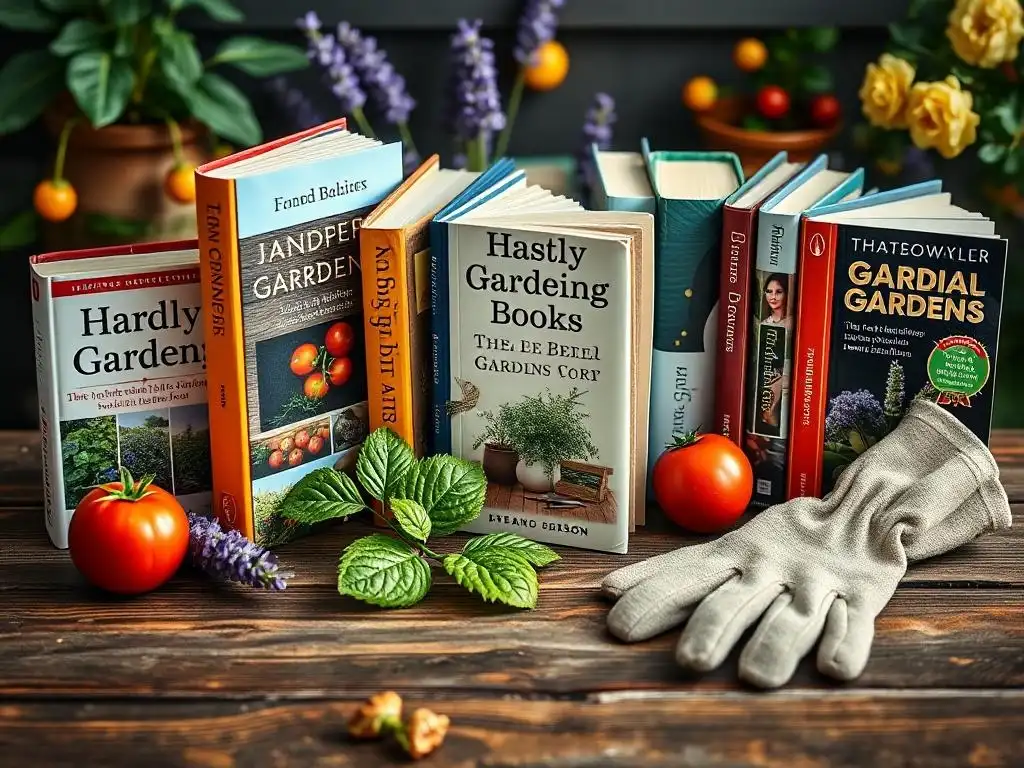
This section dives into the top ten gardening books perfect for those just starting their green thumbs journey. These selections offer a blend of practical advice, beautiful imagery, and achievable projects, making the transition from novice gardener to confident cultivator a smooth and rewarding experience. We've prioritized books that emphasize sustainable and organic practices, aligning with the CultivateYourFood ethos. Remember, the best book for you will depend on your specific needs and gardening style.
1. "The Vegetable Gardener's Bible" by Edward C. Smith
This comprehensive guide is a true bible for beginning vegetable gardeners. Smith's clear, concise writing style coupled with detailed illustrations makes even the most complex gardening tasks feel manageable. The book covers everything from seed starting to harvesting, providing a solid foundation for successful vegetable cultivation.
Detailed Planting Guides and Schedules for Various Vegetables
The book excels in its detailed planting guides. Instead of generic advice, Smith provides specific planting dates and schedules tailored to various vegetable types and different climate zones. This level of specificity is invaluable for beginners who might otherwise be overwhelmed by the sheer variety of vegetables and their unique needs.
For instance, the book meticulously outlines the optimal planting time for tomatoes in USDA Hardiness Zones 6-8, considering factors such as soil temperature and frost dates. It also details the ideal spacing requirements for maximizing yield and minimizing competition between plants. The inclusion of succession planting strategies—planting multiple crops at different times to ensure a continuous harvest—is a particularly helpful feature for beginners aiming for a consistent supply of fresh produce.
Comprehensive Pest and Disease Control Strategies
Beyond planting, "The Vegetable Gardener's Bible" offers a robust section on pest and disease control. It emphasizes organic and sustainable methods, focusing on preventative measures like crop rotation and companion planting. The book clearly explains the life cycles of common garden pests and diseases, empowering readers to identify problems early and address them effectively using natural remedies.
For example, it details how to use neem oil as a natural insecticide against aphids and how to utilize beneficial insects like ladybugs to control pest populations. This focus on preventative, organic measures aligns perfectly with the CultivateYourFood's commitment to sustainable gardening practices.
Affiliate Link to Purchase "The Vegetable Gardener's Bible" on Amazon
[Specific information pending - This section would normally contain an affiliate link]
2. "Square Foot Gardening" by Mel Bartholomew
This book introduces the innovative and space-saving square foot gardening method. Perfect for small gardens, balconies, or even containers, this method maximizes yield in a minimal footprint. Bartholomew's approach simplifies gardening tasks and makes it accessible to even the busiest individuals.
Understanding the Square Foot Gardening Method
Square foot gardening is all about optimizing space. Instead of traditional row planting, this method divides your garden bed into one-foot squares. Each square is then planted densely with a specific number of plants, tailored to their mature size. This method promotes efficient use of space and resources, minimizing wasted area and maximizing crop production.
The book provides detailed instructions on constructing raised beds, preparing the soil, and planning the layout of your square foot garden. It also offers detailed planting charts, indicating the number of plants per square foot for a wide variety of vegetables, herbs, and flowers. This precise approach is particularly beneficial for beginners who may struggle with traditional planting techniques.
Planning and Implementing a Square Foot Garden
Bartholomew's approach is incredibly practical. The book provides step-by-step instructions, accompanied by clear diagrams and photographs, making it easy to follow even for complete novices. It covers everything from choosing the right location and preparing the soil to selecting the appropriate plants and implementing a successful watering schedule.
The emphasis on efficient space utilization makes it an ideal choice for urban gardeners or anyone with limited space. The book also addresses common challenges faced by beginner gardeners, such as pest control and weed management within the square foot gardening framework. It emphasizes the importance of healthy soil and provides practical tips for maintaining soil fertility using organic methods, a key tenet of sustainable gardening.
Affiliate Link to Purchase "Square Foot Gardening" on Amazon
[Specific information pending - This section would normally contain an affiliate link]
3. "Carrots Love Tomatoes: Secrets of Companion Planting" by Louise Riotte
This book is a fantastic resource for beginner gardeners interested in learning about companion planting. Louise Riotte masterfully explains the principles behind this age-old gardening technique, demonstrating how strategic plant placement can boost yields, improve plant health, and even deter pests. The book is filled with practical advice and easy-to-understand explanations, making it perfect for those new to the world of organic gardening.
Riotte's clear writing style and numerous examples make even complex concepts accessible, and the book's engaging tone ensures it's a pleasure to read. It's not just a guide; it's an invitation to explore the fascinating world of plant interactions and unlock the secrets to a more productive and harmonious garden. For those seeking to minimize their environmental impact, companion planting offers a sustainable solution, reducing the need for pesticides and maximizing resource utilization.
This makes "Carrots Love Tomatoes" a valuable addition to any beginner gardener's library, promoting environmentally friendly practices from the outset. The book helps you understand the "why" behind companion planting, empowering you to make informed decisions about your garden design.
Benefits of Companion Planting for Beginners
Companion planting offers numerous advantages for beginner gardeners. Firstly, it simplifies pest control. Certain plants repel common garden pests, reducing or eliminating the need for harmful chemicals. For example, planting basil near tomatoes helps deter tomato hornworms. Secondly, companion planting enhances pollination.
Attracting beneficial insects like bees and butterflies through careful plant selection improves fruit and vegetable production. Thirdly, it improves soil health. Some plants, like legumes, fix nitrogen in the soil, enriching it for other plants. This natural fertilization reduces the need for synthetic fertilizers, aligning with sustainable gardening practices.
Finally, companion planting can increase yields. Certain plant combinations promote growth and improve nutrient uptake, leading to a more bountiful harvest. This is particularly beneficial for beginners who may be still learning to optimize their growing techniques. The synergistic effects of companion planting are a powerful tool for maximizing output from a relatively small space, a benefit especially relevant to urban or small-scale gardening.
Effective Companion Planting Combinations for Vegetables and Herbs
The book is replete with effective companion planting combinations. For instance, it highlights the classic pairing of carrots and tomatoes, where the strong scent of carrots deters tomato pests while tomatoes provide shade for the carrots. Similarly, it details the benefits of planting marigolds amongst vegetables to deter nematodes and other soil-borne pests. Other successful combinations mentioned include planting beans with corn (the beans provide nitrogen, and the corn provides support), and planting garlic near roses to repel pests.
The book emphasizes the importance of careful consideration when choosing companion plants, considering factors such as plant height, root depth, and growth habits. By understanding these factors, beginners can avoid overcrowding and create a thriving, mutually beneficial ecosystem in their garden. The book also stresses the importance of observation and experimentation, encouraging gardeners to learn from their own experiences and adapt the suggested combinations to their specific conditions.
Affiliate Link to Purchase "Carrots Love Tomatoes" on Amazon
[Affiliate Link Pending]
4. "The Bountiful Container" by Barbara Pleasant
Barbara Pleasant's "The Bountiful Container" is an invaluable guide for beginners wanting to grow a successful garden, even with limited space. It provides comprehensive instructions on everything from selecting the right containers to choosing suitable plants and maintaining a thriving container garden. The book's strength lies in its practicality and detailed approach, covering a wide range of topics that are crucial for container gardening success.
It caters to various experience levels, making it suitable for absolute beginners while also offering valuable tips for those with some gardening experience. The clear and concise writing style ensures that even complex concepts, such as soil drainage and fertilization, are easily understood, making it a truly accessible and valuable resource. The book’s focus on sustainable practices, such as using recycled materials and organic fertilizers, aligns perfectly with the CultivateYourFood ethos.
Choosing the Right Containers for Different Plants
The book emphasizes the importance of choosing appropriately sized containers for different plants. It explains how root systems vary considerably among plant species, and explains why selecting the wrong size container can hinder growth or even kill the plant. For example, the book advises against using small pots for root vegetables like carrots or potatoes, stressing the need for sufficient depth to accommodate their growth.
Similarly, it advises on the types of materials best suited for different plants, including the benefits of porous materials like terracotta for plants that need good drainage and the suitability of plastic containers for plants that prefer more consistent moisture. The book also provides detailed guidance on aspects like drainage holes and the potential for waterlogging, offering practical solutions to common problems encountered by beginner container gardeners. These insights are crucial for establishing a healthy foundation for a productive container garden.
Creating a Thriving Container Garden
"The Bountiful Container" offers practical advice on creating a thriving container garden, focusing on essential aspects like soil selection, watering techniques, and fertilization. It stresses the importance of using high-quality potting mix specifically designed for containers, and it explains why garden soil is unsuitable for container gardening. The book details various watering methods, including the advantages and disadvantages of top watering and bottom watering, helping beginners to avoid common mistakes such as overwatering or underwatering.
Further, it provides a comprehensive guide to fertilization, explaining the importance of regular feeding and suggesting appropriate organic fertilizers to maintain plant health and encourage abundant yields. The book also covers essential aspects of pest and disease control, offering natural and effective methods to address common problems in container gardens. These detailed instructions enable beginners to create and maintain a healthy and productive container garden.
Affiliate Link to Purchase "The Bountiful Container" on Amazon
[Affiliate Link Pending]
5. "Seed Starting Secrets"
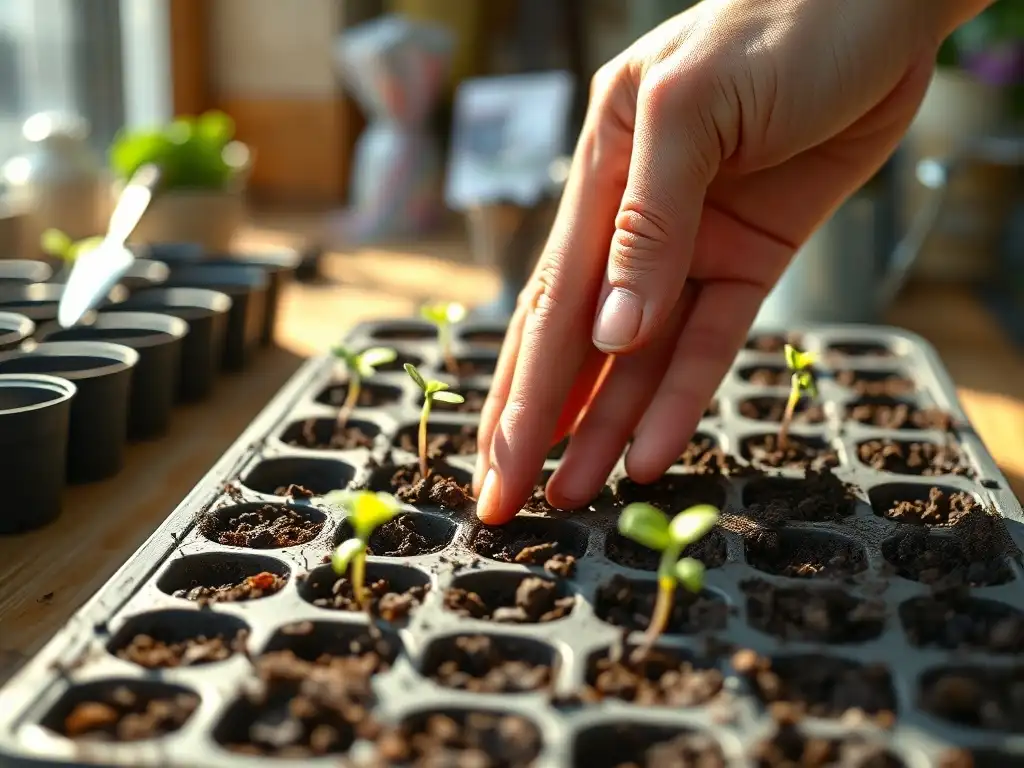
Starting seeds indoors can significantly extend your growing season and provide a head start for your plants. "Seed Starting Secrets" is a comprehensive guide that delves into the intricacies of this crucial gardening skill. It's particularly valuable for beginners who might feel overwhelmed by the process. The book covers everything from selecting the right seeds and containers to mastering the art of transplanting seedlings.
The detailed instructions and numerous illustrations make even complex techniques easily understandable. The author's passion for seed starting is evident throughout, encouraging even the most hesitant gardener to give it a try. This book is a fantastic investment for anyone serious about growing their own food, providing a solid foundation for successful gardening.
Selecting High-Quality Seeds
Choosing high-quality seeds is paramount to successful seed starting. "Seed Starting Secrets" emphasizes the importance of sourcing seeds from reputable suppliers. The book guides readers through understanding seed viability rates and germination percentages, helping them to make informed decisions.
It also differentiates between heirloom seeds, hybrid seeds, and genetically modified seeds, allowing gardeners to choose the best option for their needs and preferences. Learning to identify high-quality seeds through visual inspection and understanding seed packaging information is thoroughly explained, equipping beginners with the knowledge to avoid purchasing poor-quality seeds that might fail to germinate. This section is crucial for those new to gardening, helping them avoid costly mistakes and wasted effort.
Optimizing Seed Starting Conditions for Germination
Germination success hinges on providing the ideal environment for your seeds. "Seed Starting Secrets" provides detailed instructions on creating the perfect conditions for optimal germination. This includes managing factors such as temperature, moisture, and light. The book explains the importance of providing adequate warmth, using heat mats or strategically placing seed trays near a heat source.
It also emphasizes the importance of maintaining consistent moisture levels without overwatering, a common mistake among beginners. Furthermore, it explains the role of light in seed germination, detailing the different lighting options suitable for indoor seed starting. Understanding these environmental factors is key to achieving high germination rates and healthy seedlings.
Affiliate Link to Purchase "Seed Starting Secrets" on Amazon
[Specific information pending – Affiliate link to be inserted here]
6. "Gaia's Garden: A Guide to Home-Scale Permaculture" by Toby Hemenway
This book offers a unique approach to gardening, introducing the principles of permaculture to create a thriving and sustainable ecosystem in your backyard. While not strictly a "beginner" book in the sense of planting individual vegetables, it provides a foundational understanding of sustainable gardening practices that are invaluable for any gardener, especially those interested in long-term, environmentally friendly cultivation. Hemenway's writing style is clear and engaging, making complex ecological concepts accessible to a wide audience.
The book encourages a holistic approach to gardening, integrating various elements to create a self-sustaining system. It's a fantastic resource for those seeking to create a more eco-friendly and productive garden.
Introduction to Permaculture Principles
"Gaia's Garden" introduces the core principles of permaculture, a design system that mimics natural ecosystems. These principles are not just about gardening; they're about creating a harmonious relationship between humans and nature. The book explains concepts such as earthworks, water harvesting, and plant guilds, demonstrating how these elements can be integrated to create a more resilient and productive garden.
The author emphasizes observation and understanding the natural processes within your specific environment. This foundational knowledge empowers gardeners to design gardens that thrive with minimal intervention. Understanding permaculture principles is key to creating a sustainable and resilient garden that requires less effort in the long run.
Implementing Permaculture in Your Home Garden
Hemenway provides practical guidance on implementing permaculture principles in a home garden, regardless of its size. The book demonstrates how to design garden layouts that maximize efficiency and minimize waste. It offers practical examples of different permaculture techniques, such as creating swales for water retention and utilizing companion planting to improve plant health.
The emphasis on observation and understanding the local ecosystem is crucial for adapting these techniques to your specific environment. The book includes detailed illustrations and real-world examples, making it easy to understand and implement these techniques. Even small changes can have a significant impact on the health and productivity of your garden.
Affiliate Link to Purchase "Gaia's Garden" on Amazon
[Specific information pending – Affiliate link to be inserted here]
7. "Rosemary Verey's Gardening Notebook" by Rosemary Verey
This charming book isn't a typical how-to guide, but rather a delightful peek into the life and garden of renowned English gardener Rosemary Verey. It's less about strict instructions and more about inspiring a love for gardening through beautiful prose and evocative descriptions. Verey's passion for plants shines through every page, making it a truly inspiring read for aspiring gardeners.
The book is filled with gorgeous illustrations and personal anecdotes, offering a glimpse into the artistry and dedication involved in creating a stunning garden. It's a perfect choice for those who want to cultivate not just plants, but also a deeper appreciation for the natural world. Beginners will find themselves captivated by Verey's approach, which emphasizes observation, experimentation, and a deep connection with nature.
The book fosters a sense of patience and understanding, reminding readers that gardening is a journey, not a race. It subtly imparts invaluable lessons on plant care and garden design through the lens of personal experience.
Creating Beautiful and Functional Garden Designs
Verey's notebook subtly guides readers towards creating beautiful and functional garden designs. While not providing explicit blueprints, her detailed descriptions of her own garden—its layout, plant choices, and the relationships between different elements—offer invaluable inspiration. The book subtly teaches the importance of considering factors like sunlight, soil type, and plant compatibility when designing a garden.
By observing her choices and the reasoning behind them, beginners can learn to incorporate these principles into their own garden designs. Furthermore, Verey's focus on creating a garden that is both aesthetically pleasing and practically useful serves as a valuable lesson in sustainable gardening practices. Her approach emphasizes the integration of both ornamental and edible plants, highlighting the potential for a garden to be both beautiful and productive.
Maintaining a Thriving Garden Throughout the Year
While not a step-by-step guide to yearly maintenance, "Rosemary Verey's Gardening Notebook" implicitly teaches the importance of consistent observation and adaptation. Verey's detailed accounts of her gardening activities throughout the year subtly demonstrate the need for regular tasks like weeding, watering, pruning, and pest control. The reader learns the importance of adapting to the changing seasons and responding to the specific needs of their plants.
The book's emphasis on careful observation and understanding the individual needs of each plant encourages a proactive approach to garden maintenance, rather than a rigid adherence to a set schedule. This approach is particularly beneficial for beginner gardeners, who may often struggle with the nuances of plant care. The book's indirect approach instills the importance of continuous learning and adaptation in gardening.
Affiliate Link to Purchase "Rosemary Verey's Gardening Notebook" on Amazon
[Affiliate Link Pending]
8. "The Complete Compost Gardening Guide" by Barbara Pleasant
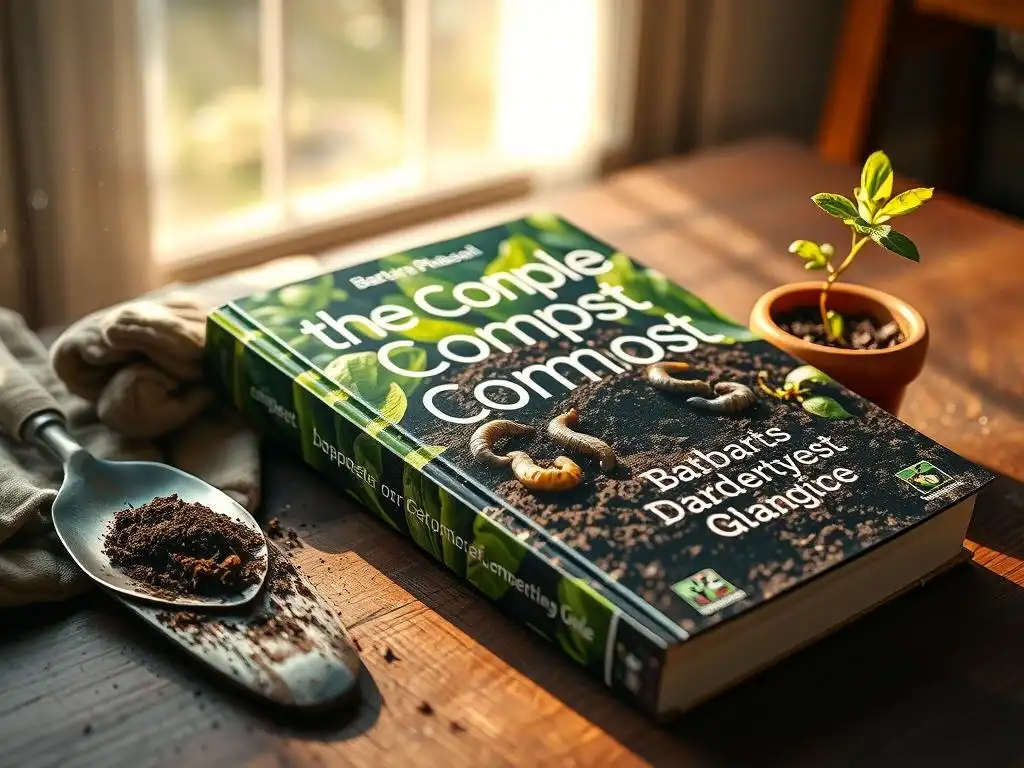
This comprehensive guide dives deep into the world of composting, providing beginners with a solid foundation in creating and maintaining a thriving compost pile. It's a practical, hands-on resource that addresses all aspects of composting, from understanding the science behind the process to troubleshooting common problems. The book is written in a clear and accessible style, making it perfect for those with little to no prior composting experience.
Pleasant's expertise shines through in her detailed explanations and practical advice, empowering readers to confidently create their own compost systems. The book goes beyond the basics, exploring various composting methods and providing advice on choosing the right system for individual needs and available space.
Understanding the Composting Process
Pleasant expertly explains the science behind composting, breaking down the complex biological processes into easily digestible concepts. She clarifies the roles of various microorganisms and the importance of maintaining the right balance of carbon and nitrogen-rich materials. The book provides detailed information on the decomposition process, explaining how organic matter is broken down into nutrient-rich humus.
This understanding is crucial for beginners, enabling them to make informed decisions about the materials they add to their compost pile and ensuring efficient decomposition. The book also addresses the importance of aeration and moisture levels, two critical factors affecting the speed and efficiency of the composting process. Furthermore, it explains the role of temperature in composting, helping beginners understand the different stages of decomposition and how to monitor the process effectively.
Creating and Maintaining a Compost Bin
"The Complete Compost Gardening Guide" offers a wealth of information on building and maintaining a compost bin. It covers various methods, from building a simple bin from readily available materials to purchasing a pre-made unit. The book provides detailed instructions and diagrams, making it easy for beginners to create a functional compost system regardless of their DIY skills. It also addresses the importance of proper bin placement, considering factors like sunlight, accessibility, and drainage.
Furthermore, it guides readers on the ongoing maintenance of the compost pile, advising on turning the compost, adding water when needed, and managing potential issues like pests or foul odors. The book emphasizes the importance of regular monitoring and adjustments to ensure optimal composting conditions. It also provides practical advice on troubleshooting common problems, helping beginners avoid costly mistakes.
Affiliate Link to Purchase "The Complete Compost Gardening Guide" on Amazon
[Affiliate Link Pending]
9. "The Organic Gardener's Handbook"
This comprehensive guide is a must-have for anyone embracing organic gardening practices. It's perfect for beginners because it breaks down complex concepts into easily digestible steps. The book doesn't shy away from the challenges of organic gardening, but it empowers readers with practical solutions and a wealth of knowledge.
The authors clearly explain the "why" behind organic methods, making the transition from conventional gardening methods feel less daunting. It’s a great resource for understanding the long-term benefits for both your garden and the environment. You'll find yourself referencing this handbook time and again as you navigate the joys and occasional frustrations of cultivating your own food.
The clear layout and helpful illustrations make it a pleasure to read and use. This book provides a strong foundation for sustainable gardening practices, teaching you how to build healthy soil, select the right plants for your climate, and troubleshoot common problems. It's not just about growing food; it's about nurturing a thriving ecosystem in your own backyard.
Fundamentals of Organic Gardening
The "Organic Gardener's Handbook" excels at explaining the core principles of organic gardening. It delves into soil health, emphasizing the importance of composting and building a rich, nutrient-rich soil base. The book provides step-by-step instructions on creating a compost bin and maintaining its optimal conditions. Furthermore, it covers crop rotation techniques, explaining how this practice helps prevent soil depletion and pest infestations.
Understanding these fundamentals is crucial for beginners, as they lay the groundwork for a successful and sustainable garden. The book uses simple language and clear illustrations to explain complex concepts, making it accessible even to those with no prior gardening experience. It’s a great introduction to the world of organic gardening, equipping you with the knowledge to make informed decisions about your growing practices.
Pest and Disease Control Using Organic Methods
A significant portion of the book is dedicated to organic pest and disease control. It introduces a variety of natural methods, such as companion planting, beneficial insects, and homemade sprays, providing detailed instructions on how to implement them effectively. The book emphasizes a proactive approach to pest management, focusing on creating a healthy garden ecosystem that is less susceptible to pest infestations.
Instead of relying on harmful chemicals, it empowers readers to utilize nature's own solutions. This section is particularly valuable for beginners, as it helps them avoid the common pitfalls of using harsh chemicals and embrace more sustainable and environmentally friendly practices. The book offers practical solutions and emphasizes prevention, fostering a healthier and more resilient garden.
Affiliate Link to Purchase "The Organic Gardener's Handbook" on Amazon
[Affiliate Link Pending]
10. "Grow Great Grub: The Organic Gardener's Guide to Growing Vegetables, Fruits, Herbs, and More"
This book stands out for its practical, hands-on approach to organic gardening. It's less about the theoretical aspects and more about the "how-to," making it ideal for beginners who want to get their hands dirty quickly. The book is organized in a user-friendly manner, guiding readers through each stage of the gardening process, from planning to harvesting. It offers a wide range of tips and tricks gleaned from the authors' years of experience, ensuring that readers are well-equipped to handle the challenges of organic gardening.
The emphasis on practical advice and real-world examples makes this book a valuable resource for anyone looking to grow their own food organically. It's a truly inspiring guide that makes organic gardening feel attainable and enjoyable, even for absolute beginners. The numerous high-quality photographs also make the book visually appealing and easy to follow.
Planning an Organic Garden
Before you even think about planting a single seed, "Grow Great Grub" emphasizes careful planning. It guides you through assessing your garden space, determining sun exposure, and selecting the right crops for your climate and soil conditions. The book provides helpful checklists and planning templates to ensure you're well-prepared before you begin.
It also covers the importance of soil testing and amending your soil to create the ideal conditions for healthy plant growth. This section is vital for beginners, as proper planning can significantly increase the chances of a successful harvest. The authors’ detailed explanations and practical advice make the planning process less daunting and more exciting.
Growing a Variety of Crops Organically
This book doesn't limit itself to a few select vegetables. Instead, it provides comprehensive guidance on growing a wide variety of crops, including vegetables, fruits, and herbs, organically. Each crop receives dedicated attention, with specific instructions on planting, watering, fertilizing, and pest control. The authors share their own successes and failures, offering valuable insights and practical solutions to common problems.
This detailed approach is invaluable for beginners, providing them with the confidence and knowledge to tackle a diverse range of crops. The book's focus on biodiversity also encourages readers to create a thriving and resilient garden ecosystem. The variety of options presented ensures readers can tailor their garden to their preferences and available space.
Affiliate Link to Purchase "Grow Great Grub" on Amazon
[Affiliate Link Pending]
Beyond the Books: Additional Resources for Beginner Gardeners
This section explores resources beyond the ten essential books, supplementing your learning journey and providing practical, hands-on experience. While books offer foundational knowledge, practical application and community support are crucial for successful gardening. This section focuses on supplementing your book learning with real-world experiences and connections. Finding the right blend of theoretical knowledge and practical skills is key to mastering the art of gardening, especially for absolute beginners seeking the best beginner gardening books.
CultivateYourFood's Online Gardening Courses
CultivateYourFood offers comprehensive online gardening courses designed specifically for beginners. These courses go beyond the basics, providing detailed, step-by-step guidance through each stage of the gardening process. Our courses cover a wide range of topics, including:
- Seed Starting: Learn the optimal techniques for starting seeds indoors, ensuring high germination rates and healthy seedlings. We cover everything from selecting the right seed starting mix to understanding light requirements and preventing common seedling diseases.
- Soil Preparation: Discover how to create the perfect soil blend for your garden, understanding the importance of soil structure, pH levels, and nutrient content. We'll guide you through soil testing methods and amending techniques for optimal plant growth.
- Organic Pest Control: Learn effective and environmentally friendly methods to manage common garden pests without resorting to harmful chemicals. We cover beneficial insects, natural pest deterrents, and integrated pest management strategies.
- Sustainable Gardening Practices: Explore the principles of sustainable gardening, including water conservation techniques, composting methods, and the use of organic fertilizers. We’ll show you how to minimize your environmental impact while maximizing your garden's yield.
- Harvesting and Preservation: Learn the best timing for harvesting your fruits, vegetables, and herbs, and discover various preservation techniques such as canning, freezing, and drying to enjoy your harvest throughout the year.
Our courses feature high-quality video tutorials, downloadable resources, and interactive Q&A sessions with experienced gardening instructors. We provide personalized feedback, ensuring you receive the support you need to succeed. This hands-on approach complements the information found in the best beginner gardening books, providing a well-rounded learning experience.
Joining a Local Gardening Community
Joining a local gardening community offers invaluable support and practical learning opportunities. Connecting with experienced gardeners provides access to advice, shared knowledge, and a supportive network. Consider these options:
- Community Gardens: Many communities offer shared garden plots, providing a great way to learn from others, share resources, and experience different gardening techniques. It's a fantastic way to apply the knowledge gained from the best beginner gardening books in a practical setting.
- Gardening Clubs: Local gardening clubs often organize workshops, field trips, and social events, providing opportunities to meet fellow gardeners, share experiences, and learn new techniques. These clubs offer a supportive environment for beginners, fostering a sense of community and shared passion.
- Master Gardener Programs: Some areas have Master Gardener programs, offering mentorship and educational opportunities for aspiring gardeners. These programs often connect experienced gardeners with beginners, providing personalized guidance and support. This is an excellent resource for those seeking to go beyond the theoretical knowledge provided by the best beginner gardening books.
The social aspect of gardening is often overlooked, yet it's incredibly beneficial. Sharing experiences, troubleshooting problems collectively, and celebrating successes together enhances the entire gardening journey.
Utilizing Online Gardening Forums and Resources
The internet is a treasure trove of gardening information. Numerous online forums and resources offer valuable insights, advice, and support from experienced gardeners worldwide. These online platforms provide a space to ask questions, share experiences, and connect with a diverse community of gardeners:
- Specialized Forums: Search for online forums dedicated to specific plants, gardening techniques, or geographical locations. These focused communities often provide highly relevant and detailed information.
- Social Media Groups: Join Facebook groups or other social media platforms dedicated to gardening. These groups often offer a mix of advice, inspiration, and community support.
- Gardening Blogs and Websites: Many reputable gardening blogs and websites offer articles, tutorials, and resources for beginners. These sources can supplement the information found in the best beginner gardening books, providing diverse perspectives and practical advice.
Remember to be discerning when using online resources, verifying information from multiple reputable sources before implementing any advice in your garden. The combination of book learning, practical experience, and online support creates a robust foundation for successful gardening. This multi-faceted approach ensures that you not only gain theoretical knowledge but also develop practical skills and build a supportive community around your gardening journey.
Frequently Asked Questions
What makes these books the "must-have" for beginners?
These books were selected for their clear explanations of fundamental gardening concepts, accessible writing styles, and practical advice tailored to novice gardeners. They cover essential topics from seed starting to harvesting, making them ideal for beginners.
Are these books suitable if I have limited gardening experience?
Absolutely! The books on this list are specifically chosen for their beginner-friendly approach. They assume no prior knowledge and provide step-by-step instructions, making gardening accessible to everyone.
What types of gardening are covered in these books?
The books cover a range of gardening styles, including vegetable gardening, herb gardening, and fruit gardening. Many also incorporate information on sustainable and organic practices, aligning with CultivateYourFood's ethos.
Do the books cover pest control and composting?
Yes, many of the recommended books include sections on organic pest control methods and composting techniques. These are crucial aspects of sustainable gardening and are essential for beginners to understand.
Where can I purchase these recommended gardening books?
You can find these "must-have" gardening books at most major online retailers like Amazon, Barnes & Noble, and others. Check your local bookstores as well for availability.
Final Reflection: Cultivating a Greener Future, One Book at a Time
The joy of gardening, once a niche hobby, is blossoming into a widespread movement, driven by a growing awareness of sustainability and a desire for connection with nature. This renewed interest highlights the crucial role accessible resources play in fostering a love for the earth. Our exploration of the top ten must-have gardening books for absolute beginners underscores this need, providing a pathway for anyone to embark on this rewarding journey.
The impact of these books extends beyond the individual gardener; they contribute to a broader cultural shift towards environmental consciousness. By empowering beginners with the knowledge and confidence to cultivate their own food and green spaces, we cultivate a deeper appreciation for the natural world. The glory of gardening: hands in the dirt, head in the sun, heart with nature. To nurture a garden is to feed not just the body, but the soul.
This quote perfectly encapsulates the transformative power of gardening, a power amplified by the readily available resources we've highlighted.
Now, it's your turn. Consider which book resonates most with your aspirations, and take the first step towards nurturing your own green haven. Whether you dream of a vibrant vegetable patch, a tranquil flower garden, or simply a few potted herbs on your windowsill, the knowledge and inspiration are within reach. Embrace the journey, get your hands dirty, and discover the profound satisfaction of cultivating not just plants, but also a deeper connection with yourself and the world around you.
Unleash Your Inner Green Thumb: Start Growing Today!
Thanks for exploring the world of gardening with us! We hope you found the perfect book to begin your gardening journey. Now it's time to put that knowledge into practice. Ready to cultivate your own thriving garden?
- Begin with a book that inspires you: Choose a chapter from your favorite gardening book and focus on one small, manageable step today. Don't feel overwhelmed; start small and build from there.
- Share your gardening journey: Tell us (and your friends!) which book inspired you and what you plan to grow first. Let's build a supportive community together!
- Visualize your dream garden: Spend a few minutes envisioning your ideal garden space. Sketch it out, take photos of potential areas, or simply jot down your ideas. This visualization will help you achieve your gardening goals.
What's the first plant you're excited to grow? Let's get growing!