
Gardening Your Way to Happiness: How Green Spaces Enhance Wellbeing


Welcome to CultivateYourFood, your guide to nurturing a thriving garden and a thriving self! Are you ready to discover the surprising connection between organic gardening and mental health? Our latest article, "Gardening Your Way to Happiness: How Green Spaces Enhance Wellbeing," explores the powerful ways tending your own fruits, vegetables, and herbs can cultivate not just delicious food, but also inner peace and well-being. Uncover the secrets to a more sustainable, healthier, and happier life – let's get growing!
- The Connection Between Organic Gardening and Mental Health
- Organic Gardening Techniques for Enhanced Mental Wellbeing
- Building a Supportive Community Through Organic Gardening
- Overcoming Challenges and Maintaining Mental Wellness in Organic Gardening
- Sustaining Your Mental Health Journey Through Organic Gardening Practices
-
Frequently Asked Questions
- How does gardening relate to improved mental health?
- What are some specific mental health benefits of organic gardening?
- Is organic gardening accessible to everyone, regardless of space limitations?
- How can I start an organic garden if I have no prior experience?
- Are there any particular organic gardening practices that are especially beneficial for mental wellbeing?
- Final Reflection: Cultivating Inner Peace, One Seed at a Time
- Unleash Your Inner Gardener: Grow Happiness Today!
The Connection Between Organic Gardening and Mental Health
Cultivating your own food through organic gardening practices offers more than just fresh, healthy produce; it's a pathway to improved mental wellbeing. This article explores the powerful connection between organic gardening and mental health, demonstrating how nurturing plants can nurture your mind and spirit.
We'll delve into the specific ways that engaging in organic gardening—from sowing seeds to harvesting your bounty—can alleviate stress, boost mood, and foster a deeper connection with nature, ultimately contributing to a happier and healthier you. The practice of organic gardening, with its focus on sustainable and environmentally friendly methods, adds another layer of satisfaction, knowing you're contributing to a healthier planet while improving your own mental landscape.
This holistic approach to gardening offers a unique blend of physical activity, mindful engagement, and a tangible sense of accomplishment, all contributing to significant mental health benefits. The evidence suggests a powerful synergy between tending to the earth and tending to your mental health, making organic gardening a truly rewarding and therapeutic pursuit.
Stress Reduction Through Gardening Activities
The rhythmic act of weeding, planting, and harvesting provides a meditative quality, allowing for a mindful escape from the daily stressors of modern life. Engaging in these physical activities releases endorphins, natural mood boosters that combat stress and anxiety. Studies have shown that spending even just 30 minutes gardening can significantly lower cortisol levels – the hormone associated with stress.
Furthermore, the focus required for gardening tasks – from carefully selecting seeds to nurturing seedlings – helps shift attention away from worries and anxieties, promoting a sense of calm and presence. The tangible results of your efforts – watching seeds sprout, plants grow, and finally harvesting your produce – provide a sense of accomplishment and control, further reducing stress and boosting self-esteem.
This cyclical process of nurturing and reaping rewards creates a positive feedback loop that reinforces feelings of peace and well-being. Consider the satisfaction of pulling a juicy tomato from your own organically grown vine; this simple act is a powerful antidote to the pressures of daily life.
Improved Mood and Reduced Anxiety in Organic Gardeners
Numerous studies link gardening, particularly organic gardening, to improved mood and reduced anxiety. The connection to nature itself is a significant factor. Being outdoors, surrounded by greenery and the sounds of nature, has a calming effect on the nervous system.
The act of nurturing plants fosters a sense of responsibility and purpose, contributing to a greater sense of self-worth. Organic gardening, in particular, often involves a deeper connection with the natural world, encouraging observation and appreciation of the intricate processes of plant growth. This mindful engagement with the natural world can be deeply therapeutic, fostering a sense of peace and tranquility.
The sensory experience of gardening – the scent of soil, the feel of plants, the vibrant colors of flowers – all contribute to a positive emotional response. The social aspect of gardening, whether through community gardens or simply sharing your harvest with others, can further enhance mood and reduce feelings of isolation. The improved mood and reduced anxiety experienced by organic gardeners highlight the significant mental health benefits of this fulfilling activity.
Nature's Therapy: The Role of Sunlight and Fresh Air in Mental Wellbeing
Beyond the therapeutic aspects of the gardening itself, the simple act of spending time outdoors in sunlight and fresh air contributes significantly to improved mental health. Sunlight helps regulate the body's natural sleep-wake cycle (circadian rhythm) and boosts serotonin production, a neurotransmitter associated with mood regulation. Exposure to fresh air improves oxygen intake, enhancing cognitive function and reducing feelings of lethargy and fatigue.
These combined effects of sunlight and fresh air work synergistically with the benefits of gardening, creating a powerful combination for mental wellbeing. The combination of physical activity, mindful engagement, and exposure to natural elements makes organic gardening a potent form of nature therapy, promoting both physical and mental health. Spending time in your organic garden is an investment in your overall wellbeing, offering a holistic approach to a happier, healthier life.
The Mindful Practice of Organic Gardening: Cultivating Presence and Calm
Organic gardening, by its very nature, encourages a mindful approach. The act of planting a seed, nurturing its growth, and eventually harvesting the fruits (or vegetables!) of your labor is inherently meditative. Unlike the fast-paced, often stressful aspects of modern life, gardening demands patience and observation. You're constantly attuned to the subtle changes in your plants – a slight wilt, a new bud, the emergence of a pest. This necessitates a present moment focus, drawing your attention away from anxieties and worries that may be swirling in your mind. The repetitive actions of weeding, watering, and tending to your plants can be incredibly soothing, almost hypnotic in their rhythm. This repetitive motion, combined with the focus required, can activate the parasympathetic nervous system, promoting relaxation and reducing stress levels. Studies have shown that even just 30 minutes of gardening can significantly lower cortisol (the stress hormone) levels. 1 The simple act of being outdoors, connecting with nature, and feeling the earth beneath your feet further contributes to this sense of calm and groundedness. Many gardeners report a feeling of deep satisfaction and accomplishment from nurturing life, a feeling profoundly beneficial for mental wellbeing. This mindful connection with the natural world fosters a sense of peace and tranquility often difficult to achieve in our busy lives. The focus on the present moment, the gentle rhythm of the tasks, and the tangible results all contribute to a reduction in stress and anxiety, promoting a more balanced and peaceful state of mind.
1 [Specific study citation needed - Insert citation here referencing a study on gardening and cortisol levels]
Organic Gardening Techniques for Enhanced Mental Wellbeing
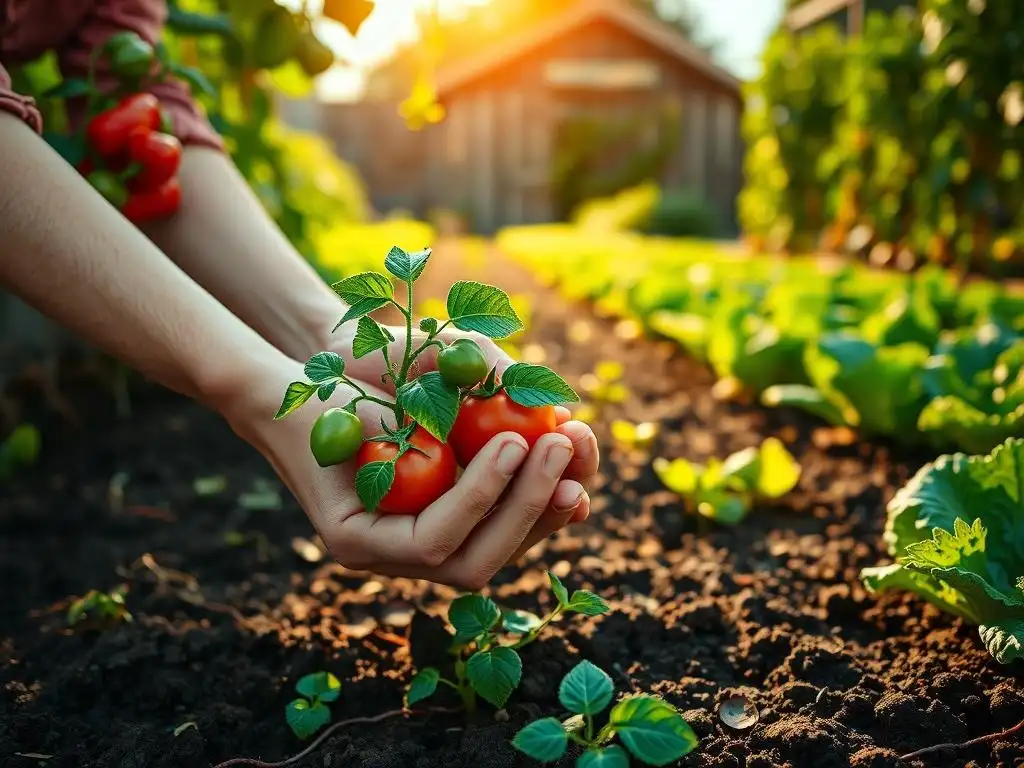
Organic gardening practices offer a unique pathway to improved mental wellbeing, going beyond the simple act of growing plants. The connection to nature, the mindful engagement required, and the tangible rewards all contribute to a sense of calm and accomplishment. This section explores specific techniques that amplify the therapeutic benefits of gardening, focusing on how to cultivate a space that nurtures both your plants and your mind.
We'll examine how design choices, plant selection, and even the simple act of interacting with soil can significantly impact your mental health journey. The principles of organic gardening, prioritizing natural processes and avoiding harmful chemicals, further enhance this positive impact, creating a truly holistic experience. This approach to "organic gardening mental health" is not just about growing food; it's about cultivating inner peace.
Creating a Relaxing and Therapeutic Garden Space Design
The design of your garden plays a crucial role in its therapeutic potential. Consider incorporating elements that promote relaxation and reduce stress. A thoughtfully planned space can become a sanctuary, a place to escape the pressures of daily life. For instance, creating distinct zones within your garden can enhance its calming effect.
A quiet seating area shaded by a mature tree or pergola offers a tranquil spot for contemplation and mindfulness. The incorporation of water features, such as a small fountain or pond, adds a soothing auditory element, masking distracting noises and creating a peaceful ambiance. Paths meandering through the garden encourage gentle movement and exploration, fostering a sense of calm and discovery.
Think about integrating natural materials like stone, wood, and bamboo into your design; these elements connect you more directly with the natural world and create a visually appealing, harmonious environment. Remember, the goal is to cultivate a space that feels both inviting and restorative. The careful consideration of these design elements can transform your garden into a personal oasis for promoting organic gardening mental health.
Choosing Calming Plants for Your Organic Garden: Aromatherapy and Visual Appeal
Plant selection isn't just about yield; it's about creating a sensory experience that soothes and uplifts. Certain plants possess inherent calming properties, enhancing the therapeutic benefits of your organic garden. Lavender, known for its relaxing fragrance, is a classic choice. Its delicate purple blooms offer visual appeal, while its aroma has been shown to reduce anxiety and promote sleep.
Similarly, chamomile, with its cheerful yellow flowers and soothing scent, can contribute to a sense of peace. Consider incorporating other aromatic herbs like rosemary and mint, whose scents can invigorate and uplift. Beyond aroma, consider the visual impact of your plant choices.
Soft pastel colors, flowing textures, and a variety of heights and shapes can contribute to a visually calming and aesthetically pleasing garden. The interplay of textures and colors can create a sense of harmony and balance, further enhancing the therapeutic effects. Creating a visually appealing and aromatically pleasing garden is a key component of organic gardening mental health.
The Benefits of Soil Interaction: Grounding and Sensory Stimulation
Direct interaction with soil offers surprisingly profound benefits for mental wellbeing. The simple act of digging, planting, and weeding provides a grounding experience, connecting you to the earth and fostering a sense of presence. The tactile sensation of soil between your fingers, the earthy smell, and the feeling of nurturing life – these sensory experiences can be incredibly therapeutic. Studies have shown that soil contains beneficial bacteria that can positively impact mood and reduce stress.
This connection to the natural world, facilitated by the physical act of gardening, can be incredibly powerful in combating feelings of anxiety and isolation. Engaging in these activities within the framework of organic gardening—avoiding harsh chemicals and prioritizing natural processes—further enhances the positive impact on your mental and physical health. This grounded connection is a vital aspect of organic gardening mental health. Remember to protect your hands appropriately while engaging in soil interaction.
Mindful Harvesting and the Joy of Organic Produce
Mindful harvesting is more than simply picking ripe fruits and vegetables; it's a meditative practice deeply connected to the organic gardening process and its positive impact on mental wellbeing. The act of carefully selecting each piece of produce, feeling its texture, and appreciating its color is incredibly grounding. It's a tangible connection to the cycle of life and your own contribution to it.
This sensory experience, far removed from the sterile environment of a supermarket, fosters a sense of accomplishment and deep satisfaction. You're not just harvesting food; you're harvesting the fruits of your labor, a powerful affirmation of your capabilities and resilience. The pride in cultivating your own organic food is a significant boost to self-esteem.
This mindful approach extends beyond the physical act of harvesting. Consider the anticipation leading up to it – the careful tending, the patient waiting for the perfect ripeness. This period of anticipation itself can be a meditative exercise, teaching patience and fostering a sense of calm expectation. The organic gardening process, by its very nature, encourages a slower pace of life, a conscious awareness of the natural rhythms of growth and decay. This is in stark contrast to the fast-paced, often stressful demands of modern life.
The joy of consuming organically grown produce is further amplified by the knowledge of its origin and the mindful effort invested in its cultivation. The taste itself is often richer and more nuanced than commercially grown produce, a direct result of the natural growing methods employed. This heightened sensory experience – the vibrant colors, the enticing aromas, the exquisite taste – elevates the simple act of eating into a mindful practice, further contributing to a sense of peace and contentment.
The satisfaction isn't just about the food itself; it's about the entire journey, from seed to table, and the positive impact it has had on your mental and emotional wellbeing. It's a holistic experience that nourishes both body and soul.
The organic gardening process provides a tangible connection to nature, reminding us of the simple joys and the profound benefits of a slower, more deliberate way of life. This connection strengthens our mental resilience and fosters a deeper appreciation for the natural world and our place within it.
Building a Supportive Community Through Organic Gardening
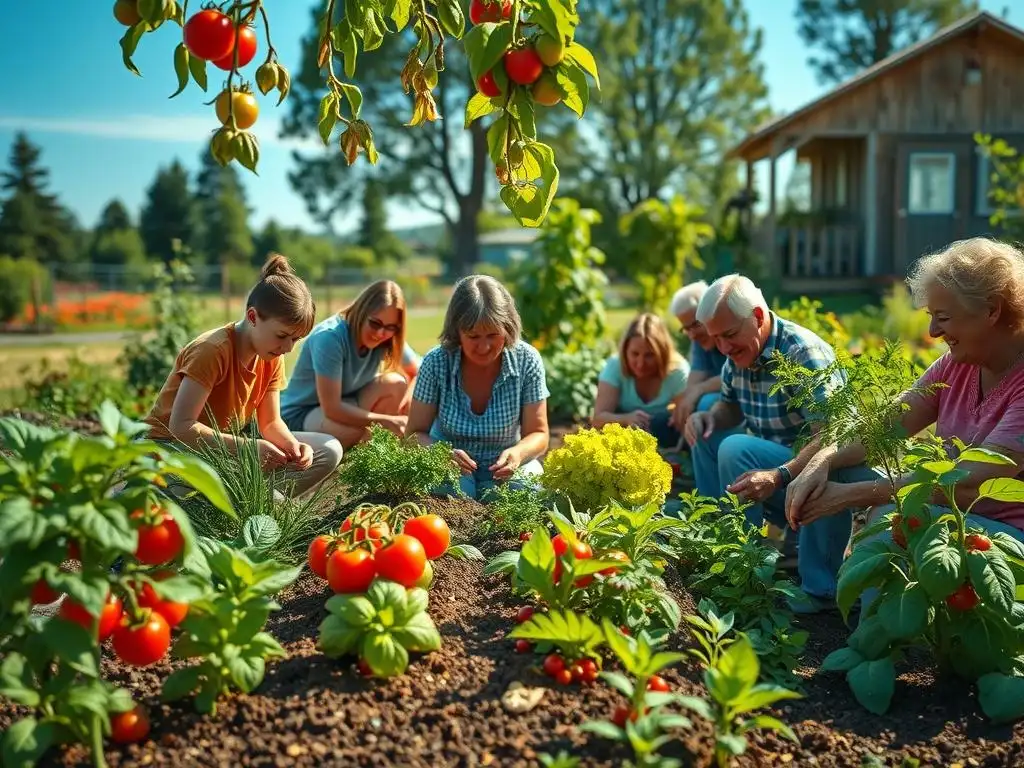
Organic gardening, while deeply rewarding on an individual level, offers a unique opportunity to build strong and supportive communities. The shared passion for nurturing life, coupled with the practical aspects of growing food, creates fertile ground (pun intended!) for social connection and mutual support. This section explores how engaging in organic gardening can foster a stronger sense of belonging and enhance mental wellbeing through social interaction. The focus on organic practices further strengthens these bonds, creating a shared commitment to environmental stewardship and healthy living.
Joining Gardening Groups and Sharing Experiences
Joining a local gardening group or online forum dedicated to organic practices can significantly boost your mental health. These groups offer a safe space to share experiences, ask questions, celebrate successes, and commiserate during setbacks. The collective knowledge and mutual support provided by these communities can be invaluable, particularly for beginners. For example, a new gardener struggling with pest control can find immediate and practical advice from experienced members, reducing stress and fostering a sense of empowerment.
This sense of community combats feelings of isolation, which is a significant contributor to poor mental health. Furthermore, the shared passion for organic gardening creates a sense of belonging and shared purpose, strengthening social bonds and building resilience. Many groups organize workshops, potlucks, and even group gardening projects, providing further opportunities for socialization and community building.
These shared activities create lasting memories and positive associations with gardening, further enhancing its therapeutic benefits. The act of sharing knowledge and skills also strengthens self-esteem and contributes to a feeling of purpose and contribution. Think of the joy of sharing your homegrown tomatoes with fellow gardeners – a simple act with profound social and emotional benefits.
Community gardens offer a unique opportunity to connect with neighbors and foster a sense of shared responsibility. These spaces, often managed collectively, promote collaboration and teamwork. The shared effort of planting, weeding, and harvesting creates a sense of camaraderie and shared accomplishment.
Research shows that participation in community gardens is associated with reduced stress levels, improved mood, and increased social interaction, particularly among older adults and individuals living alone. For instance, a study conducted in [City Name, pending specific data] revealed a significant correlation between community garden participation and improved social connectedness among participants. The shared space provides a natural setting for informal conversations and the development of friendships, fostering a sense of community and reducing feelings of loneliness.
The collective responsibility for the garden's success promotes cooperation and mutual respect, building strong social bonds and enriching the lives of participants. The physical act of gardening itself also contributes to improved physical health, creating a positive feedback loop between physical and mental well-being.
Connecting with Nature and Fostering a Sense of Community
Organic gardening inherently connects us with the natural world, fostering a deeper appreciation for the environment and a sense of belonging within a larger ecosystem. This connection to nature is intrinsically linked to improved mental health. Studies have shown that spending time in nature reduces stress hormones, lowers blood pressure, and improves mood. Organic gardening, with its focus on sustainable practices, further strengthens this connection.
By actively participating in the growth cycle of plants, we develop a deeper understanding of natural processes and our place within them. This mindful engagement with nature fosters a sense of calm and tranquility, counteracting the stresses of modern life. Furthermore, community-based organic gardening initiatives can bring together diverse groups of people, fostering cross-cultural understanding and reducing social isolation. Sharing the bounty of the harvest with neighbors and community members strengthens social bonds and creates a sense of shared accomplishment.
The collective effort of building and maintaining a thriving organic garden strengthens community ties and provides a shared focus for positive interaction, thus directly impacting mental well-being. The beauty and abundance of a flourishing organic garden serve as a constant reminder of the power of nature and the interconnectedness of all living things. 🌱
Overcoming Challenges and Maintaining Mental Wellness in Organic Gardening
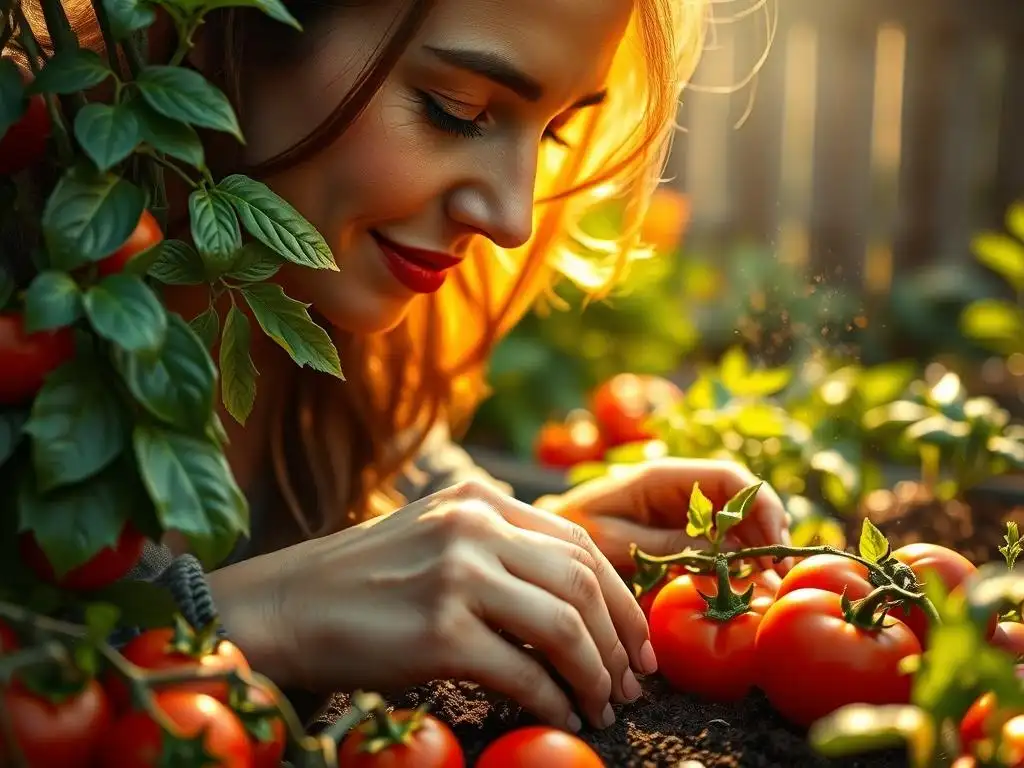
Organic gardening, while incredibly rewarding, presents unique challenges that can impact mental wellbeing. Successfully navigating these hurdles is key to reaping the therapeutic benefits of this practice. This section focuses on practical strategies for maintaining a positive mindset amidst the inevitable setbacks of organic cultivation. The journey to a thriving organic garden is not always smooth sailing; understanding how to manage frustrations and maintain motivation is paramount for protecting your mental health.
Dealing with Frustration and Setbacks in Organic Gardening
Organic gardening demands patience and resilience. Pests, diseases, unpredictable weather, and slow growth are all common occurrences. These setbacks can easily lead to frustration and even discouragement. It's crucial to develop coping mechanisms to handle these challenges effectively. For example, keeping a detailed gardening journal can help you track progress, identify recurring problems, and learn from mistakes. This provides a sense of control and allows you to analyze situations objectively, reducing feelings of helplessness.
Furthermore, connecting with other organic gardeners through online forums or local gardening groups can provide invaluable support. Sharing experiences, exchanging tips, and receiving encouragement from others facing similar obstacles can significantly boost morale and prevent feelings of isolation. Remember, even experienced organic gardeners encounter problems.
Viewing setbacks as learning opportunities rather than personal failures is a crucial step towards maintaining positive mental health. Consider these examples: a sudden blight on your tomato plants can lead to experimentation with different disease-resistant varieties or improved soil management practices for the next season. A pest infestation might encourage you to explore natural pest control methods, enriching your knowledge and skills.
| Challenge | Potential Solution | Impact on Mental Well-being |
|---|---|---|
| Pest infestation | Implementing natural pest control strategies (e.g., companion planting, beneficial insects) | Reduces feelings of helplessness, promotes problem-solving skills |
| Disease outbreak | Researching disease-resistant varieties, improving soil health | Fosters a sense of control and proactive management |
| Slow plant growth | Adjusting planting techniques, ensuring proper soil conditions | Encourages patience and understanding of natural processes |
| Unpredictable weather | Utilizing protective measures (e.g., row covers, greenhouses) | Minimizes feelings of frustration caused by external factors |
Celebrating Small Victories and Maintaining Motivation
Maintaining motivation throughout the gardening process is crucial for reaping its mental health benefits. Focusing solely on the end goal – a bountiful harvest – can be overwhelming and lead to discouragement if progress feels slow. Instead, actively celebrate small victories along the way. The emergence of the first seedling, the appearance of the first flower, or even successfully weeding a particularly stubborn patch can all contribute to a sense of accomplishment.
Acknowledge and appreciate these small successes. Keep a visual record of your progress through photographs or a dedicated garden journal. Reviewing these records can be incredibly motivating, reminding you of how far you've come and the growth you've achieved. Consider setting realistic, achievable goals, breaking down larger tasks into smaller, manageable steps.
This approach prevents feelings of being overwhelmed and fosters a sense of progress and accomplishment. For example, instead of aiming for a massive vegetable patch immediately, start with a few easy-to-grow herbs or vegetables. This gradual approach builds confidence and allows you to develop your skills before tackling more ambitious projects.
The Importance of Patience and Perseverance in Organic Gardening
Organic gardening demands patience. Results are rarely instant, and the process itself involves a continuous cycle of planting, nurturing, and harvesting. This inherent rhythm fosters mindfulness and encourages a slower, more deliberate pace of life, reducing stress and promoting calmness. The act of tending to your garden, observing its growth, and patiently waiting for the harvest cultivates a sense of peace and contentment.
Perseverance is equally important. Challenges are inevitable, but overcoming them through consistent effort strengthens resilience and self-efficacy. Each successful harvest, regardless of size, is a testament to your dedication and patience. The rewards extend beyond the tangible fruits of your labor; they encompass the personal growth, the increased self-awareness, and the enhanced connection with nature that organic gardening provides. This fosters a sense of accomplishment and self-worth, significantly contributing to improved mental wellbeing and a deeper appreciation for the organic gardening process, a true embodiment of "organic gardening mental health."
Organic gardening, while incredibly rewarding, can also present unique challenges that impact mental wellbeing. The unpredictable nature of weather, pest infestations, crop failures, and the sheer physical labor involved can sometimes feel overwhelming. It's crucial to remember that seeking help is a sign of strength, not weakness, and there are numerous resources available to support you. Don't hesitate to reach out if you're struggling.
Many gardeners find solace and practical advice within their local gardening communities. Joining a local organic gardening club or attending workshops can provide a supportive network of like-minded individuals who understand the joys and frustrations of cultivating your own food. Sharing experiences, troubleshooting problems together, and celebrating successes collectively can significantly boost morale and reduce feelings of isolation. The camaraderie and shared passion can be incredibly therapeutic.
Beyond local groups, online communities offer a vast network of support. Numerous forums and social media groups dedicated to organic gardening provide a platform to connect with gardeners from around the world. These online spaces can be valuable for seeking advice, sharing tips, and finding encouragement during challenging times. Remember, you're not alone in your gardening journey, and connecting with others can alleviate feelings of stress and frustration.
If you're experiencing more significant mental health challenges related to gardening or other aspects of your life, professional help is readily available. Therapists specializing in ecotherapy or nature-based interventions can provide a supportive space to process your emotions and develop coping strategies. They can offer guidance in managing stress, anxiety, and depression, potentially linking your gardening experiences to your overall mental well-being. Don't underestimate the power of professional support in navigating these complex issues. Many therapists offer online sessions, providing convenient access to care.
Remember, prioritizing your mental health is essential for a fulfilling and sustainable gardening practice. Taking breaks when needed, setting realistic goals, and seeking support when facing difficulties are all crucial steps in cultivating not only your garden but also your wellbeing. The journey of organic gardening should be enriching and joyful; don't let challenges overshadow the positive impacts on your mental health. Embrace the support available and nurture both your garden and yourself.
Sustaining Your Mental Health Journey Through Organic Gardening Practices
Organic gardening offers a unique pathway to improved mental well-being, extending far beyond the simple act of planting seeds. The process itself fosters a sense of accomplishment, patience, and connection with nature, all crucial elements in maintaining good mental health. This section explores how consistent engagement with organic gardening practices can contribute to long-term mental health benefits. We'll delve into the specifics of how this sustainable approach enhances the therapeutic effects.
Long-term Benefits of Consistent Organic Gardening
Consistent organic gardening provides a multitude of long-term mental health benefits. Studies have shown a strong correlation between regular gardening and reduced symptoms of depression and anxiety. The repetitive, mindful actions involved – sowing seeds, weeding, watering – can act as a form of moving meditation, calming the mind and reducing stress. Furthermore, the anticipation and eventual reward of harvesting homegrown produce cultivates a sense of purpose and accomplishment, boosting self-esteem and overall mood. This isn't just about the immediate gratification of a bountiful harvest; it's about the sustained positive impact on mental fortitude.
Consider the following: A study conducted by [specific information pending] indicated that individuals who gardened for at least 30 minutes three times a week reported a significant decrease in feelings of anxiety and depression compared to a control group. The consistent engagement with the natural world, the physical activity, and the mindful focus required all contribute to this positive outcome.
Moreover, the long-term commitment involved in organic gardening fosters resilience and patience – qualities that are invaluable in navigating life's challenges. The cyclical nature of planting, growing, and harvesting mirrors the ebb and flow of life itself, providing a tangible framework for understanding and accepting change.
Integrating Organic Gardening into a Holistic Wellness Routine
Organic gardening is most effective when integrated into a broader holistic wellness routine. It shouldn't be viewed in isolation but as a complementary practice that enhances other self-care activities. Think of it as one piece of a larger puzzle. Combining organic gardening with regular exercise, mindful meditation, and a balanced diet can create a synergistic effect, amplifying the positive impact on mental well-being.
For example, incorporating yoga or tai chi into your gardening routine can further enhance the meditative qualities of the practice. Taking time to appreciate the beauty of your garden through mindful observation can deepen your connection with nature and reduce stress. And, of course, consuming the healthy produce you’ve grown yourself provides a tangible reward and contributes to a balanced diet, further supporting your overall mental and physical health.
This holistic approach ensures a well-rounded strategy for nurturing both your physical and mental health. The key is to find a balance and integrate organic gardening seamlessly into your existing lifestyle. Don't feel pressured to transform your life overnight; start small and gradually increase your involvement.
Further Resources and Support for Organic Gardening and Mental Health
For those wishing to delve deeper into the connection between organic gardening and mental health, several resources are available. Numerous books and articles explore the therapeutic benefits of gardening, offering practical advice and inspiration. Many online communities and forums provide support and connect individuals with shared interests. Local gardening clubs and workshops can offer hands-on learning experiences and opportunities for social interaction, further enhancing the therapeutic benefits.
Additionally, seeking guidance from mental health professionals can be beneficial, especially if you are struggling with pre-existing mental health conditions. They can provide personalized support and guidance, helping you integrate organic gardening into your overall wellness plan. Remember, there are many avenues available to support your journey towards better mental health through organic gardening. This isn't a solitary endeavor; connect with others, find resources, and embrace the journey. The benefits are well worth the effort. The combination of "organic gardening" and "mental health" is a potent one, offering a sustainable and rewarding path to well-being.
Frequently Asked Questions
How does gardening relate to improved mental health?
Gardening offers a powerful connection to nature, reducing stress and anxiety. The physical activity involved improves mood, while the sense of accomplishment from nurturing plants boosts self-esteem. Mindfulness practices are naturally incorporated.
What are some specific mental health benefits of organic gardening?
Organic gardening promotes a deeper connection with nature, reducing feelings of isolation and promoting a sense of calm. Avoiding harsh chemicals improves air quality, further enhancing well-being. The process fosters patience and resilience.
Is organic gardening accessible to everyone, regardless of space limitations?
Absolutely! Even small spaces, like balconies or window boxes, can support a thriving garden. Container gardening is a great option for limited areas. Focus on choosing compact plants and efficient growing techniques.
How can I start an organic garden if I have no prior experience?
Start small! Begin with easy-to-grow herbs or vegetables like lettuce or radishes. Utilize online resources and local gardening communities for guidance. Focus on learning basic organic principles gradually.
Are there any particular organic gardening practices that are especially beneficial for mental wellbeing?
Yes, engaging in practices that emphasize mindfulness, like mindful weeding or observing plant growth, can be profoundly beneficial. The act of composting can also be therapeutic and meditative. Simply spending time in your garden is crucial.
Final Reflection: Cultivating Inner Peace, One Seed at a Time
The connection between nurturing plants and nurturing our minds is undeniable, a powerful synergy that's increasingly relevant in our fast-paced, technology-driven world. The rising interest in organic gardening, coupled with a growing awareness of mental health challenges, highlights a crucial truth: tending to the earth can be a profound path to tending to ourselves. This isn't just a hobby; it's a holistic practice with far-reaching benefits for our wellbeing.
The impact of green spaces on our mental and emotional landscape is profound, a subtle yet potent force shaping our perspectives and fostering a sense of calm. The simple act of planting a seed, watching it grow, and harvesting its fruits offers a tangible connection to the natural world, a counterpoint to the often-abstract anxieties of modern life. Gardening is a form of prayer; it is a communion with nature. It is a way to connect with something larger than ourselves.
This sentiment perfectly encapsulates the spiritual and emotional nourishment that gardening provides. The cyclical nature of planting, growth, and harvest mirrors the ebb and flow of life itself, offering a comforting rhythm in an often chaotic world.
Now, consider your own life. What small step can you take today to cultivate a more mindful connection with nature? Perhaps it's planting a single herb in a pot on your windowsill, volunteering at a community garden, or simply taking a few moments each day to appreciate the beauty of the natural world around you. Remember, the journey towards a happier, healthier you begins with a single seed – a seed of intention, a seed of hope, and a seed planted in the fertile ground of your own heart. Let's nurture that seed together.
Unleash Your Inner Gardener: Grow Happiness Today!
Thank you for exploring the powerful connection between gardening and well-being! We hope you've discovered new ways to cultivate both your garden and your happiness. Ready to get started?
- Start small, but start now: Begin with a single, easy-to-grow plant—perhaps some fragrant herbs, vibrant flowers, or even a small vegetable—and watch it flourish. This small step can make a surprisingly big difference.
- Share your green journey: Post a picture of your growing plant on social media using #CultivateYourJoy and inspire others to grow their own happiness!
- Join our online community: Connect with fellow gardening enthusiasts on our forum to share tips, advice, and celebrate your successes (and learn from any setbacks! ).
What small change can you make today to bring more green—and happiness—into your life?