
Planting Fruit Trees in the Fall: Benefits and Considerations

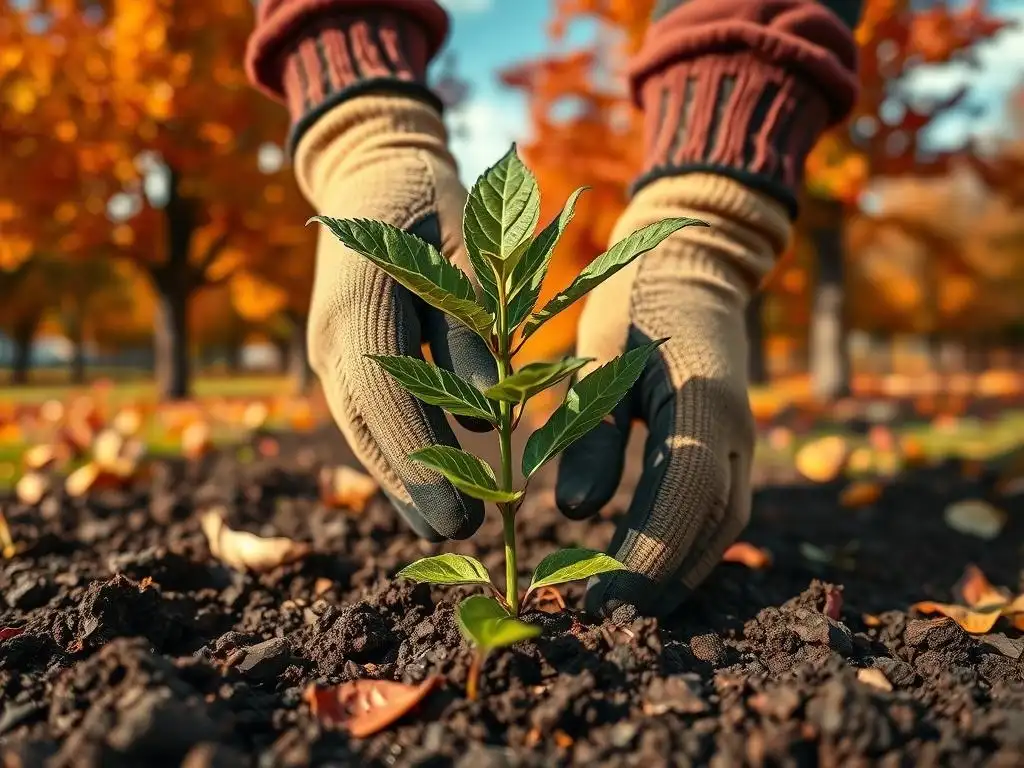
Ready to transform your backyard into a bountiful orchard? CultivateYourFood is your guide to growing delicious fruits, vegetables, and herbs organically. Discover the secrets to a thriving garden with sustainable practices, from planting to pest control. But first, let's unlock the potential of autumn with our comprehensive Fall fruit tree planting guide – learn why now is the perfect time to cultivate your dream harvest. Dive in and discover the benefits and considerations for planting your own fruit trees this fall!
- Fall Fruit Tree Planting Guide: Why Autumn is Ideal
-
Preparing for Fall Fruit Tree Planting: Site Selection and Soil Preparation
- Choosing the Right Location for Your Fruit Trees: Sunlight, Drainage, and Wind Protection
- Assessing Your Soil: Testing, Amendment, and Improvement for Optimal Growth
- Preparing the Planting Hole: Size, Depth, and Soil Enrichment
- Selecting Healthy Fruit Tree Saplings: Choosing the Right Variety for Your Climate and Space
- Planting Your Fruit Trees: A Step-by-Step Guide
- Post-Planting Care for Fall-Planted Fruit Trees
- Long-Term Care and Maintenance of Fall-Planted Fruit Trees
- Common Mistakes to Avoid When Planting Fruit Trees in the Fall
-
Frequently Asked Questions
- What are the benefits of planting fruit trees in the fall?
- When is the best time to plant fruit trees in the fall?
- What types of fruit trees are best suited for fall planting?
- What preparation is needed before planting a fruit tree in the fall?
- How do I care for newly planted fruit trees over the winter?
- Final Reflection: Harvesting the Future: A Legacy in Every Sapling
- Unleash Your Inner Orchard: Plant Your Fall Harvest Today!
Fall Fruit Tree Planting Guide: Why Autumn is Ideal
Planting fruit trees in the fall offers a multitude of advantages over spring planting, making it a preferred choice for many seasoned and novice gardeners alike. This comprehensive guide will delve into the specific benefits of autumn planting, focusing on optimal timing, soil conditions, and strategies to mitigate potential stress on your newly planted trees.
We'll explore why fall provides the perfect conditions for successful root establishment, leading to healthier, more productive fruit trees in the years to come. Choosing to plant in the fall can significantly boost your chances of a thriving orchard, yielding sweeter fruits and a more bountiful harvest.
This guide serves as your complete resource for understanding and successfully executing a fall fruit tree planting project, covering everything from selecting the right sapling to ensuring its long-term health. We’ll equip you with the knowledge to transform your backyard into a flourishing fruit paradise using sustainable and organic methods.
Optimal Timing for Fall Fruit Tree Planting
The ideal window for planting fruit trees in the fall varies slightly depending on your specific geographic location and the type of fruit tree. Generally, the best time is after the leaves have fallen but before the ground freezes solid. This typically falls between early October and mid-November in many temperate zones. However, it’s crucial to check your local frost dates to avoid planting too late and risking damage to the young tree's roots.
Monitoring soil temperature is also key; aim for a soil temperature consistently above freezing but below 50°F (10°C). Planting too early could stimulate premature growth, leaving the tree vulnerable to winter damage, while planting too late can hinder root establishment before the ground freezes. Careful observation of your local climate and soil conditions is paramount for success.
Remember to consider the specific needs of the fruit tree variety you've chosen; some varieties might have slightly different optimal planting windows. A little research into your specific region and chosen fruit tree will ensure optimal results. 🍎
Soil Temperature and Root Establishment in Autumn
Cooler soil temperatures in the fall are actually beneficial for fruit tree root development. Unlike spring planting, where the tree may expend energy on above-ground growth before its root system is fully established, fall planting allows the roots to focus on expanding and anchoring themselves before the onset of winter. This leads to a more robust and resilient root system by spring, better equipped to absorb water and nutrients. The cooler temperatures also slow down the rate of transpiration (water loss through leaves), reducing the stress on the newly planted tree. This is vital for the tree's survival and future productivity.
Furthermore, the fall often brings increased rainfall, providing much-needed moisture for root growth. Ensuring proper soil drainage is still crucial, however, to prevent root rot. Well-drained soil allows for optimal oxygen flow to the roots, promoting healthy growth. 🍂
Avoiding Late-Season Stress on Newly Planted Trees
While fall planting offers significant advantages, it's important to take steps to protect your newly planted trees from late-season stresses. Mulching around the base of the tree helps to insulate the roots, protecting them from extreme temperature fluctuations and preventing the ground from drying out. A layer of 2-4 inches of organic mulch, such as wood chips or shredded bark, is ideal. Additionally, consider wrapping the trunk of the tree with tree wrap or burlap to protect the bark from sunscald and rodent damage.
This is especially important during periods of fluctuating temperatures and heavy snowfall. Finally, water deeply before the ground freezes to ensure adequate moisture reserves for the tree throughout the winter. Proper watering and protection during the initial weeks and months after planting are critical for the tree's survival and future success. 🌳
The Advantages of Fall Planting Over Spring Planting
Planting fruit trees in the fall offers several key advantages over spring planting, making it a preferred choice for many seasoned and novice gardeners alike. One significant benefit is the cooler soil temperatures. During fall, the ground is generally cooler than in the spring, which allows the tree's roots to establish themselves more effectively before the intense heat of summer arrives.
This slower, more gradual root development leads to stronger, more resilient root systems, better equipped to withstand drought and other environmental stresses. Spring planting, on the other hand, often means the roots must contend with rapidly rising temperatures and potential water scarcity, hindering their ability to fully establish themselves.
Another compelling reason to opt for fall planting is the increased availability of moisture. Autumn frequently brings periods of rain, providing the newly planted tree with the consistent hydration it needs for successful establishment. This natural watering system reduces the need for frequent supplemental irrigation, saving you time and water resources. Conversely, spring planting can often coincide with periods of drought, requiring more diligent watering to ensure the survival of young trees. This increased water demand can be particularly challenging for new gardeners who may not have the experience or resources for consistent watering.
Furthermore, fall planting allows trees to benefit from the dormant period. During the winter months, the tree's metabolic processes slow down, focusing its energy on root development rather than top growth. This concentrated effort on root establishment results in a more robust and healthier tree by the time spring arrives, ready to burst into active growth and fruit production. Spring planting, by contrast, often results in the tree diverting energy to leaf and stem growth before its roots are fully established, potentially leading to weaker overall growth.
Finally, fall planting often gives you a wider selection of healthy trees. Nurseries often have a larger inventory of fruit trees in the fall, allowing you to choose from a greater variety of cultivars and rootstocks. This broader selection ensures you can find the perfect fruit tree to suit your specific needs and growing conditions. Spring inventories can sometimes be limited, particularly for popular varieties, potentially restricting your choices. Therefore, choosing to plant in the fall offers a wider selection and a higher likelihood of finding the exact tree you've been searching for to complete your orchard. 🌳
Preparing for Fall Fruit Tree Planting: Site Selection and Soil Preparation
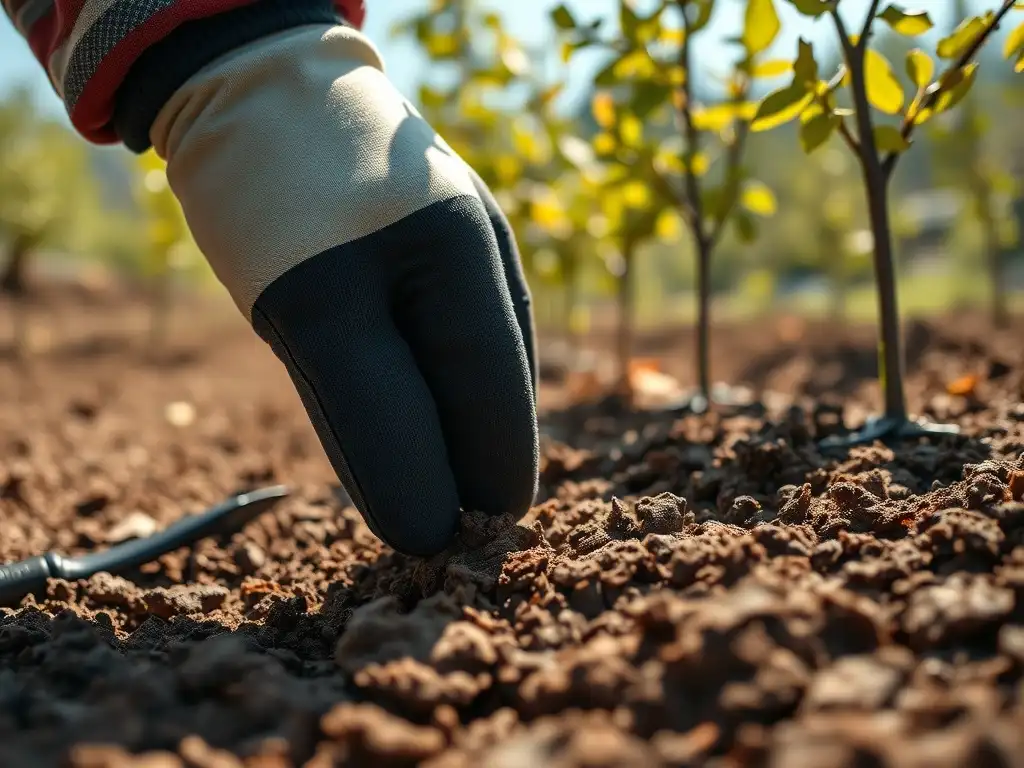
This section delves into the crucial pre-planting steps for successful fall fruit tree planting. Proper site selection and soil preparation are paramount for establishing healthy, productive trees. Ignoring these steps can lead to stunted growth, reduced yields, and increased susceptibility to pests and diseases. This comprehensive guide will equip you with the knowledge to optimize your planting process, maximizing your chances of a bountiful harvest. Remember, a little extra work upfront translates to years of enjoyment from your fruit trees. This is key to your fall fruit tree planting guide.
Choosing the Right Location for Your Fruit Trees: Sunlight, Drainage, and Wind Protection
Selecting the ideal location is the cornerstone of successful fruit tree cultivation. Fruit trees, especially those bearing stone fruit (like peaches and plums), require ample sunlight for optimal photosynthesis and fruit production. Aim for at least 6-8 hours of direct sunlight per day. Consider the sun's path throughout the year; avoid areas shaded by buildings or tall trees, especially in the afternoon.
Proper drainage is equally crucial. Standing water around the tree's roots can lead to root rot, a devastating condition that can kill your tree. Choose a location with well-drained soil, or amend heavy clay soils to improve drainage (see below). Observe the area after rainfall; if water pools for extended periods, it's not suitable for planting.
Wind protection is another important factor. Strong winds can damage young trees, especially during winter storms. Plant your trees in a sheltered location, perhaps near a fence or a natural windbreak like a hedge. This protection will help the trees establish themselves and minimize damage. Consider the prevailing winds in your area when making your selection. A microclimate analysis can be beneficial for optimal placement.
Assessing Your Soil: Testing, Amendment, and Improvement for Optimal Growth
Soil testing is a fundamental step in preparing for planting. A soil test reveals the pH level and nutrient content of your soil, providing valuable insights into its suitability for fruit tree cultivation. Most fruit trees thrive in slightly acidic to neutral soil (pH 6.0-7.0), although specific requirements vary by species. Your local agricultural extension office or garden center can provide soil testing services and recommendations based on your results. This is a crucial part of any fall fruit tree planting guide.
Based on the soil test results, you may need to amend your soil to improve its structure and nutrient content. Amendments such as compost, aged manure, or peat moss can enhance drainage, aeration, and nutrient availability. Heavy clay soils often benefit from the addition of organic matter to improve their structure and prevent compaction. Sandy soils, on the other hand, may need the addition of organic matter to retain moisture. The amount and type of amendment will depend on your soil’s specific needs.
Improving soil health is an ongoing process. Regular additions of organic matter, such as compost from your home composting system, will enrich your soil over time, promoting healthy growth and increased yields. This long-term approach is essential for sustainable fruit tree cultivation.
Preparing the Planting Hole: Size, Depth, and Soil Enrichment
The size and depth of the planting hole are crucial for successful root establishment. Dig a hole significantly larger than the root ball of your fruit tree sapling. The hole should be twice as wide and as deep as the root ball. This allows the roots to spread out easily and establish themselves without restriction. Avoid planting the tree too deep; the graft union (the point where the scion and rootstock are joined) should be visible above the ground.
Enriching the soil in the planting hole is another important step. Mix the excavated soil with compost or other organic amendments before backfilling the hole. This creates a nutrient-rich environment that encourages healthy root growth. Avoid using chemical fertilizers directly in the planting hole; they can burn the delicate roots.
Once the hole is prepared, gently place the sapling in the hole, ensuring the root flare (where the trunk widens at the base) is slightly above the soil level. Backfill the hole with the amended soil, gently firming it around the roots to eliminate air pockets. Water thoroughly after planting to help settle the soil and encourage root contact. Proper hole preparation is a vital aspect of your fall fruit tree planting guide.
Selecting Healthy Fruit Tree Saplings: Choosing the Right Variety for Your Climate and Space
Choosing the right fruit tree sapling is paramount for a successful harvest. A healthy sapling, appropriately selected for your specific climate and available space, significantly increases your chances of a thriving fruit tree. Ignoring this crucial step can lead to disappointment, wasted effort, and ultimately, a fruitless endeavor (pun intended!). Let's delve into the key factors to consider.
First and foremost, climate compatibility is non-negotiable. Different fruit trees have varying chill hour requirements – the number of hours of temperatures below 45°F (7°C) needed for proper dormancy and subsequent fruiting. If you plant a variety that needs more chill hours than your region provides, it may not flower or fruit properly, or it might even die.
Research your local climate zone and choose varieties specifically suited to it. Local nurseries are invaluable resources in this regard; their staff can advise you on the best options for your area. For example, a peach tree variety thriving in a warmer climate might struggle in a colder one, failing to produce a bountiful harvest.
Next, consider the size and maturity of the sapling. While larger trees might seem appealing, smaller, younger saplings often acclimate better and are easier to manage, especially for beginners. Look for trees with a strong, straight trunk, a well-developed root system (check for circling roots, which can hinder growth), and no signs of disease or pest infestation. Avoid trees with damaged bark, broken branches, or wilted leaves. Inspect the sapling carefully before purchasing to ensure its health and vigor. A robust root system is especially important for successful establishment, ensuring the tree can access water and nutrients efficiently.
Finally, space constraints are a significant factor. Different fruit trees grow to varying sizes. Dwarf and semi-dwarf varieties are excellent choices for smaller gardens or yards, offering a manageable size and a good yield. Before you buy, carefully measure your planting area and research the mature size of the tree variety you've chosen. Overcrowding can lead to competition for resources, resulting in reduced fruit production and increased susceptibility to diseases.
Consider the tree's ultimate spread and height to ensure it will fit comfortably in your space without hindering other plants. Planning ahead prevents future problems and allows for optimal growth. Remember, a well-planned planting is a successful planting! 🍎
Planting Your Fruit Trees: A Step-by-Step Guide
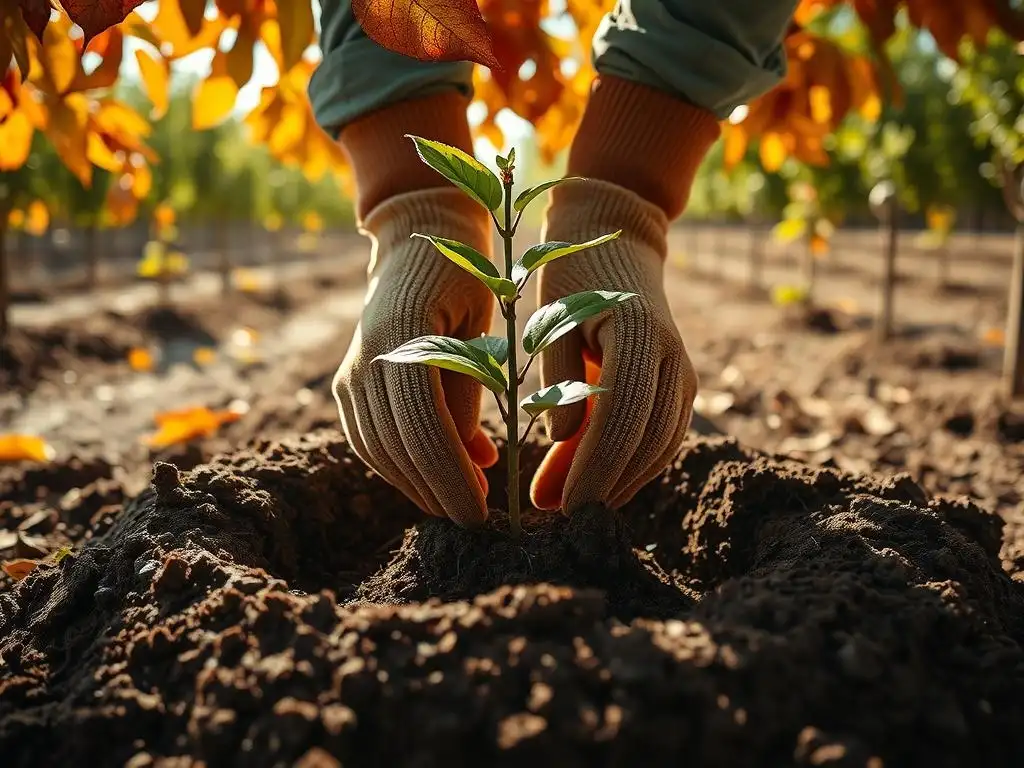
This section provides a detailed, practical guide for planting fruit trees in the fall. Following these steps will maximize your chances of success and contribute to a thriving orchard in your backyard. Remember, proper planting is crucial for the long-term health and productivity of your fruit trees. This comprehensive Fall fruit tree planting guide will walk you through the process.
Step 1: Digging the Planting Hole
The success of your fruit tree planting hinges on proper hole preparation. Don't rush this crucial first step! Digging a hole that's too small can restrict root growth, while one that's too large can lead to the tree settling unevenly. Aim for a hole significantly larger than the root ball.
A good rule of thumb is to dig a hole twice as wide as the root ball and just as deep. For example, if your tree's root ball measures 12 inches in diameter, your planting hole should be approximately 24 inches wide. Depth is equally important; the hole should be deep enough to accommodate the entire root ball without burying the graft union (the point where the scion is grafted onto the rootstock – usually visible as a slight swelling on the trunk).
The type of soil also influences hole size. Well-draining sandy loam requires less modification than heavy clay soil, which might need amending to improve drainage. Consider adding organic matter like compost to improve soil structure and water retention regardless of soil type. This amendment will significantly benefit your tree's early growth.
Before planting, thoroughly loosen the soil at the bottom of the hole to allow roots to penetrate easily. Avoid compacting the soil around the roots, which can hinder their development. Remember, a well-prepared hole provides the foundation for a healthy, productive fruit tree. Consider using a garden spade or a specialized tree planting tool for optimal results.
Step 2: Preparing the Tree for Planting
Before placing your fruit tree in the hole, take a moment to inspect the root system. Gently remove any circling or damaged roots. These can impede water and nutrient uptake. Use clean pruning shears to make precise cuts, ensuring a clean cut to minimize the risk of disease. Avoid tearing the roots, as this can cause stress to the tree.
Soaking the root ball before planting can be beneficial, particularly for bare-root trees or those that have been slightly dried out during transport. This helps to rehydrate the roots and encourages vigorous growth. Submerge the root ball in a bucket of water for 30-60 minutes. However, be cautious not to over-soak, which could lead to root rot. For container-grown trees, gently loosen the roots around the edges of the root ball to encourage outward growth. This is crucial, as roots often circle within the container. This process helps the roots to naturally explore the surrounding soil.
Step 3: Positioning the Tree in the Hole
Carefully place the tree in the center of the planting hole, ensuring the graft union remains above the soil line. This is essential to prevent the scion from rooting and potentially compromising the tree's desired characteristics. Once positioned, begin backfilling the hole with the amended soil, gently working it around the roots to eliminate air pockets. Avoid compacting the soil, as this can damage delicate roots.
As you fill the hole, periodically water the soil to settle it around the roots. This helps to ensure good soil-to-root contact, crucial for water and nutrient absorption. After filling the hole, create a shallow basin around the base of the tree to help retain water. This basin should be about a foot in diameter.
A final, thorough watering will settle the soil and provide the tree with the moisture it needs to establish itself. Mulching around the base of the tree (but not directly touching the trunk) will help retain moisture, suppress weeds, and regulate soil temperature, further enhancing the tree's chances of survival and growth. This careful placement and watering ensures a strong start for your newly planted fruit tree.
Step 4: Backfilling and Watering
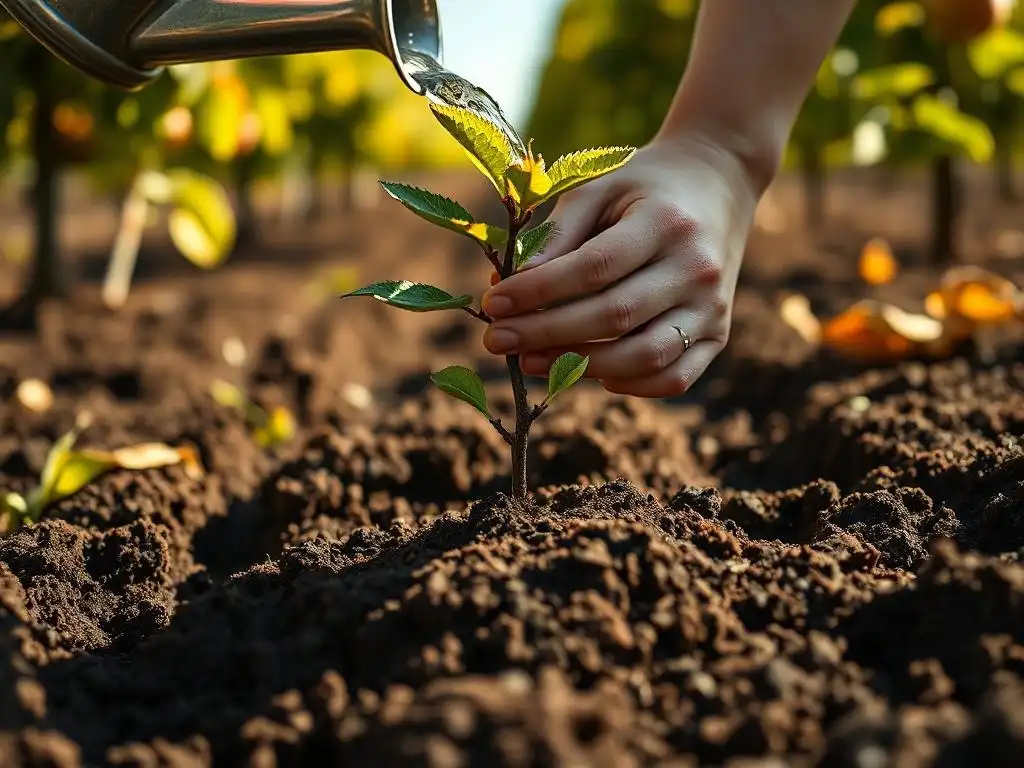
Once you've carefully positioned your fruit tree in the hole, begin backfilling with the soil you removed earlier. Don't pack the soil down too tightly; instead, gently work it in around the roots. Loose soil allows for better root penetration and water absorption. As you backfill, periodically water the area to help settle the soil and eliminate air pockets. This process ensures the roots make good contact with the surrounding earth, crucial for successful establishment.
Avoid burying the graft union (the point where the scion—the desired fruit-bearing part—is grafted onto the rootstock). This union should be visible above the soil line. A properly backfilled hole will leave the soil level with the surrounding ground. Water thoroughly after backfilling, ensuring the water soaks deeply into the soil.
This initial deep watering helps the roots to settle and begin absorbing moisture. The amount of water will depend on soil type and the size of the tree; sandy soils will require more frequent watering than clay soils. Observe the soil moisture over the next few days and water again if the top inch or two feels dry. Consistent moisture is key in the initial weeks after planting.
Step 5: Mulching and Protecting Your Newly Planted Tree
Mulching your newly planted fruit tree offers several significant benefits. A 2-4 inch layer of organic mulch, such as wood chips, shredded bark, or straw, helps retain soil moisture, suppressing weeds that compete with your tree for nutrients and water. This mulch layer also helps regulate soil temperature, protecting the roots from extreme heat in summer and cold in winter. Furthermore, as the mulch decomposes, it enriches the soil with valuable organic matter, improving soil structure and fertility.
Be sure to keep the mulch a few inches away from the tree trunk to prevent rot. In areas prone to harsh winters, consider providing additional protection for your young tree. This could involve wrapping the trunk with tree wrap to protect against sunscald and rodent damage. You might also use a tree guard or a small snow fence to shield the tree from strong winds or heavy snow.
Remember, a healthy, protected tree is more likely to thrive and bear fruit in the years to come. Protecting your investment with appropriate mulching and winter protection techniques will significantly increase your chances of a successful harvest. The specific type of protection will depend on your local climate and the hardiness of your chosen fruit tree variety. Consulting with your local nursery or agricultural extension office can provide tailored advice for your region.
Post-Planting Care for Fall-Planted Fruit Trees
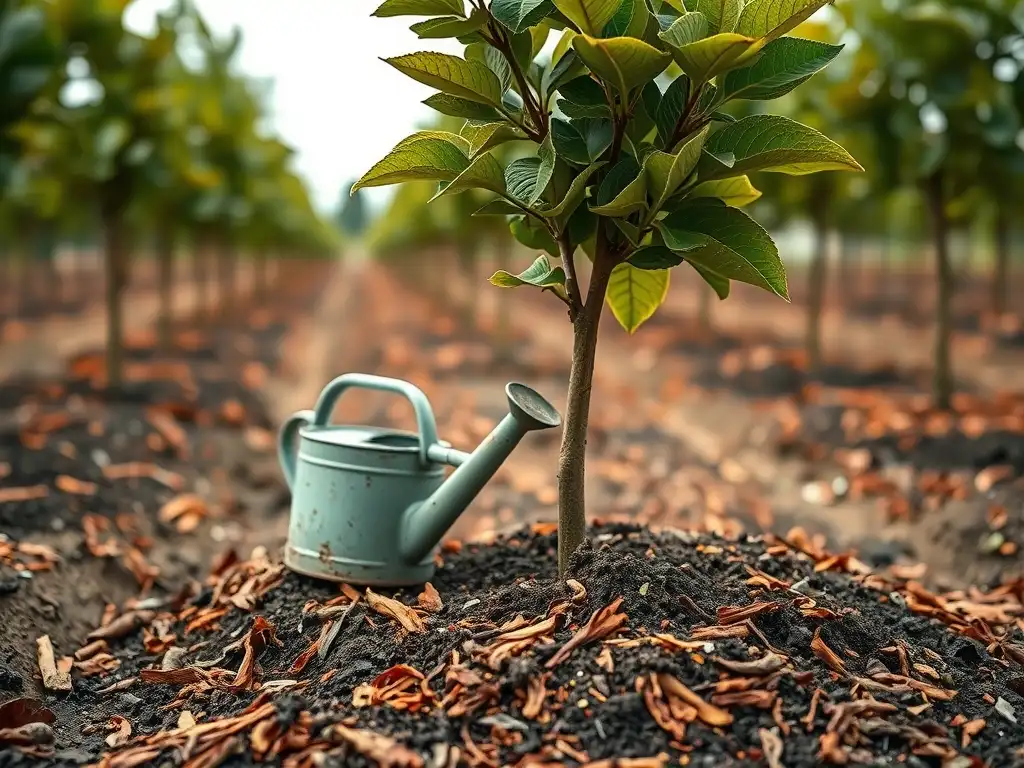
Fall planting offers several advantages for fruit trees, but proper post-planting care is crucial for their establishment and survival through the winter months. Neglecting these steps can significantly impact the tree's health and future fruit production. This section details essential post-planting tasks to ensure your newly planted fruit trees thrive. This comprehensive Fall fruit tree planting guide will help you through the process.
Watering Your Newly Planted Fruit Trees: Frequency and Depth
Consistent watering is vital, especially during the establishment phase. The frequency and depth depend on several factors including soil type, rainfall, and temperature. Clay soils retain moisture longer than sandy soils, requiring less frequent watering. Conversely, sandy soils need more frequent but less deep watering to prevent runoff.
Remember that the goal is to keep the root ball consistently moist, not waterlogged. Overwatering can lead to root rot, a serious issue that can kill your young tree. Underwatering, on the other hand, stresses the tree and hinders its ability to establish a strong root system.
Here's a general guideline:
- Initial Watering: Thoroughly water immediately after planting to settle the soil around the roots. Aim for a deep, slow watering that soaks the root ball completely.
- Frequency: During the fall, check the soil moisture regularly. If the top few inches feel dry, it's time to water. Avoid watering during periods of heavy rainfall.
- Depth: Water deeply, encouraging roots to grow downwards. A slow, deep watering is better than shallow, frequent watering. Use a soaker hose or drip irrigation for optimal water distribution.
Consider using a moisture meter to monitor soil moisture levels accurately. This will help you avoid both overwatering and underwatering, optimizing your watering schedule. Consistent monitoring is key to healthy root development during this crucial phase.
Mulching to Protect and Insulate Tree Roots
Applying mulch around the base of your newly planted fruit trees offers several significant benefits, particularly during the fall and winter months. Mulch acts as an insulating layer, protecting the roots from extreme temperature fluctuations. It also helps retain soil moisture, reducing the need for frequent watering. Furthermore, mulch suppresses weeds, minimizing competition for nutrients and water.
The ideal mulch should be organic, such as wood chips, shredded bark, or straw. Avoid using mulch that contains weed seeds or that could compact easily. Apply a layer of mulch 2-4 inches deep, keeping it a few inches away from the trunk to prevent pest problems and fungal diseases.
The benefits of mulching extend beyond winter protection. During spring and summer, mulch helps regulate soil temperature, keeping the roots cool during hot weather. This promotes healthier root growth and contributes to overall tree vigor. Regularly replenish the mulch layer as it decomposes over time, maintaining its protective and insulating properties. Proper mulching is a vital step in your Fall fruit tree planting guide.
Protecting Young Trees from Winter Damage: Wrapping and Shielding
Young fruit trees are particularly vulnerable to winter damage, especially from harsh winds, freezing temperatures, and sunscald. Protecting them is essential for their survival and future growth. Several methods can effectively mitigate winter damage:
- Tree Wrapping: Wrapping the trunk of the tree with tree wrap protects the bark from sunscald and rodent damage. Sunscald occurs when the sun warms the bark during the day, causing it to expand, and then freezes at night, resulting in cracking and damage. Rodents can also gnaw on the bark, causing significant damage. Ensure the wrap is breathable and remove it in the spring to prevent overheating.
- Windbreaks: In areas with strong winds, consider installing a windbreak to protect your young trees from windburn. Windbreaks can be made from various materials, including burlap, snow fencing, or even strategically planted evergreens. These barriers reduce the impact of harsh winds on the delicate branches and trunk.
- Winter Protection for Exposed Roots: In colder climates, consider adding an extra layer of mulch or covering the base of the tree with burlap or other protective material to shield the exposed roots from freezing temperatures. This added insulation helps prevent root damage during harsh winters.
Remember, the specific level of protection needed will depend on your local climate and the hardiness of the fruit tree species you've planted. Consult with your local nursery or agricultural extension office for specific recommendations tailored to your region and the trees you've chosen. This is a vital part of following a successful Fall fruit tree planting guide.
Monitoring for Pests and Diseases: Early Detection and Prevention
Regular inspection is crucial for successful fall fruit tree planting. A fall planting guide wouldn't be complete without emphasizing the importance of proactive pest and disease management. Early detection significantly increases the chances of successful treatment and minimizes long-term damage to your young trees. Start your monitoring routine immediately after planting. Look for signs of common pests like aphids, scale insects, spider mites, and borers.
Aphids, for example, often cluster on new growth, sucking sap and causing leaf curling and stunted growth. Scale insects appear as small, hard bumps on branches and twigs, while spider mites create fine webbing on leaves. Borers, on the other hand, tunnel into the wood, weakening the tree and potentially causing it to die. Regular visual checks, ideally weekly, are essential to catch these infestations early.
Beyond insects, be vigilant for fungal diseases like powdery mildew, leaf spot, and fire blight. Powdery mildew manifests as a white, powdery coating on leaves and stems, while leaf spot appears as discolored spots on the foliage. Fire blight, a more serious bacterial disease, causes wilting and browning of blossoms, leaves, and twigs. Knowing the specific diseases prevalent in your region is invaluable in preparing for potential threats. This information is often readily available from local agricultural extension offices or experienced gardeners in your community. They can offer tailored advice on common regional issues and recommend suitable preventative measures.
Prevention is always better than cure. Practicing good sanitation, such as removing fallen leaves and fruit promptly, can significantly reduce the risk of disease. Ensure proper spacing between trees to allow for good air circulation, which helps to prevent fungal diseases. Consider using organic pest control methods like insecticidal soap or neem oil for minor infestations.
For more severe problems, consult a certified arborist or your local agricultural extension office for professional advice on appropriate treatments. Remember, timely intervention is key to protecting your investment and ensuring the healthy growth of your newly planted fruit trees. The success of your fall fruit tree planting hinges on your diligence in monitoring and addressing potential problems.
Don't underestimate the power of regular observation in maintaining a thriving orchard. Even seemingly minor issues, if left unchecked, can escalate and compromise the health of your trees. Therefore, consistent monitoring and prompt action are paramount to ensuring a bountiful harvest in the years to come.
Long-Term Care and Maintenance of Fall-Planted Fruit Trees
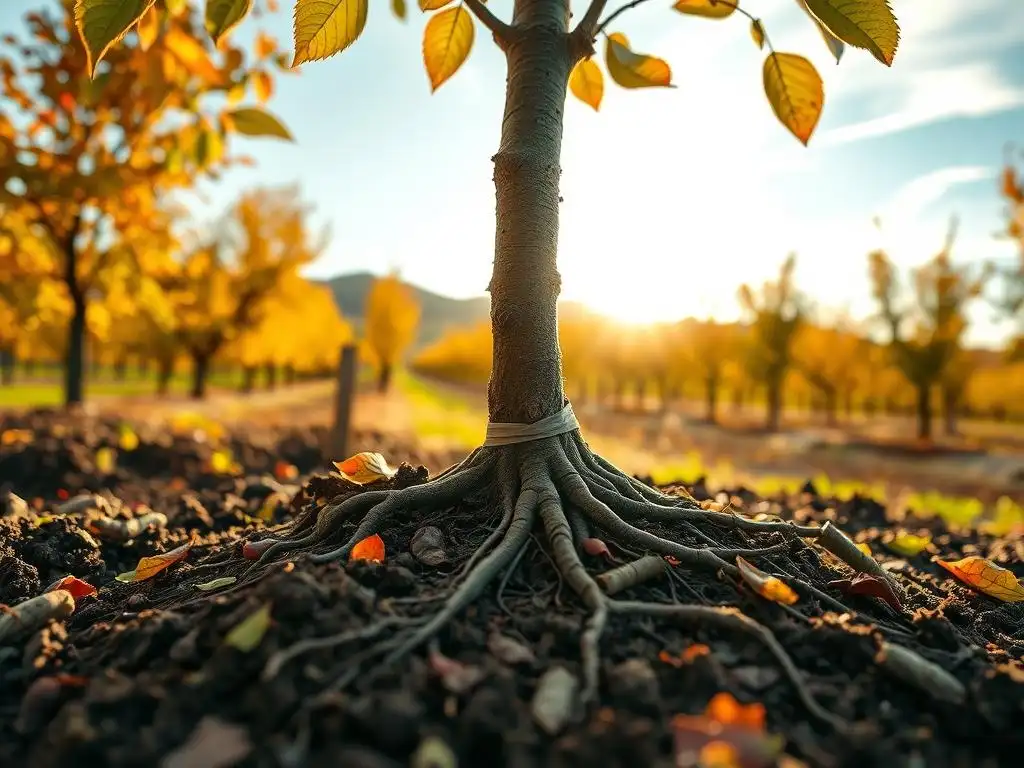
Fall planting offers several advantages for fruit trees, but successful establishment requires diligent care beyond the initial planting. A comprehensive long-term maintenance plan ensures healthy growth, abundant yields, and a thriving orchard for years to come. This section details crucial aspects of caring for your fall-planted fruit trees, focusing on pruning, fertilization, and pest control.
Understanding these practices is key to maximizing your harvest and enjoying the fruits (pun intended!) of your labor. This guide will help you become a true expert in fall fruit tree planting and care, providing a solid foundation for your "Fall fruit tree planting guide".
Pruning Techniques for Young Fruit Trees
Pruning young fruit trees planted in the fall is crucial for establishing a strong framework and promoting healthy growth. The goal is to create an open vase or central leader structure, allowing sunlight to penetrate the canopy and preventing disease. Avoid heavy pruning in the first year; focus instead on removing any damaged, diseased, or crossing branches.
This initial pruning should be done in late winter or early spring, before new growth begins. Use sharp, clean pruning shears to make clean cuts just above a bud or branch collar. For young trees, you might only need to remove a few branches, aiming for a balanced structure.
As the tree matures, yearly pruning becomes essential. This involves removing suckers (vertical shoots growing from the base), water sprouts (vertical shoots growing from branches), and any branches that are crowded, diseased, or crossing. Proper pruning encourages the development of strong fruiting spurs, leading to increased yields. Remember, less is often more, especially when dealing with young trees. Over-pruning can weaken the tree and negatively impact its growth.
Fertilization Schedule for Healthy Growth
Proper fertilization is essential for the healthy growth and fruiting of your fall-planted fruit trees. The specific needs vary depending on the type of fruit tree, soil conditions, and existing nutrient levels. However, a general guideline involves a soil test before planting to determine the existing nutrient levels and then applying a balanced fertilizer in early spring, after the danger of frost has passed.
A balanced fertilizer, such as a 10-10-10 formula, provides a good ratio of nitrogen (N), phosphorus (P), and potassium (K), crucial for leaf growth, root development, and fruit production. Avoid over-fertilizing, as this can damage the roots and lead to excessive vegetative growth at the expense of fruit production.
Here's a sample fertilization schedule:
| Year | Season | Fertilizer Type | Application Rate | Notes |
|---|---|---|---|---|
| 1 | Spring | Balanced (10-10-10) | [Specific information pending, dependent on soil test results] | Apply evenly around the drip line (the outer edge of the canopy). |
| 2 | Spring | Balanced (10-10-10) | [Specific information pending, dependent on soil test results and tree growth] | Adjust application rate based on tree size and soil test results. |
| 3+ | Spring & Summer | [Specific information pending, dependent on fruit tree type and soil test results] | [Specific information pending] | Consider using a fertilizer specifically formulated for fruit trees. |
Regular soil testing every 2-3 years will help you adjust your fertilization strategy based on your trees' needs and soil conditions, ensuring optimal growth and fruit production. This proactive approach is a key element of any successful "Fall fruit tree planting guide".
Disease and Pest Control Strategies for Fall-Planted Trees
While fall planting offers advantages, it's important to be vigilant against potential diseases and pests. Fall-planted trees may be more susceptible to certain issues, especially if they don't fully establish their root systems before winter. A proactive approach to disease and pest management is crucial.
Preventive measures are key. This includes selecting disease-resistant varieties, ensuring proper spacing between trees for good air circulation, and maintaining a clean orchard. Regularly inspect your trees for signs of disease or pest infestation. Early detection is critical for effective treatment.
Common diseases include fire blight, powdery mildew, and various fungal infections. Pest infestations can include aphids, scale insects, borers, and spider mites. Organic pest control methods, such as introducing beneficial insects, using insecticidal soaps, or employing horticultural oils, are often preferred in sustainable gardening practices. For severe infestations or diseases, consult with a local arborist or agricultural extension office for advice on appropriate treatments. Remember, a healthy tree is a productive tree, emphasizing the importance of this aspect in your "Fall fruit tree planting guide".
Harvesting Your Fruit: Timing and Techniques
Harvesting your fruit is the culmination of your hard work and a rewarding experience. Timing is crucial for optimal flavor and quality. Different fruits ripen at different rates, and even within a single tree, some fruits will mature earlier than others. Overripe fruit will be less flavorful and may be susceptible to pests and diseases. Underripe fruit, on the other hand, will lack sweetness and desirable texture.
A good rule of thumb is to check your fruit regularly, starting a few weeks before the expected harvest time for your specific variety. Gently squeeze the fruit; if it yields slightly to pressure, it's likely ripe. The color of the fruit is another important indicator. Look for the characteristic color change that signals ripeness—this varies greatly depending on the type of fruit. For example, apples often transition from green to a deeper shade of red or yellow, while pears may soften and become slightly translucent. Consult a reliable guide specific to your fruit type for precise color cues.
Beyond visual and tactile cues, consider the aroma. Ripe fruit often emits a fragrant scent. This is a particularly useful indicator for fruits like peaches and plums. Finally, taste testing a single fruit from a branch can provide the most definitive answer. If it's sweet and flavorful, you're ready for a full harvest.
Harvesting techniques also impact fruit quality. Use sharp pruning shears or clippers to avoid bruising the fruit or damaging the tree. Gently twist the fruit until it separates from the branch. Avoid pulling or yanking, as this can harm the tree. Once harvested, handle your fruit carefully to prevent bruising.
Store your harvest appropriately to maintain its freshness and extend its shelf life. Proper storage techniques also vary depending on the fruit; some fruits benefit from cold storage, while others prefer room temperature. Remember to research the best storage methods for your specific fruit variety. 🍎 This careful approach ensures you maximize the yield and enjoyment of your fall-planted fruit trees.
Common Mistakes to Avoid When Planting Fruit Trees in the Fall
Planting fruit trees in the fall offers several advantages, including a longer period for root establishment before the next growing season. However, even experienced gardeners can fall prey to common mistakes that can hinder the success of their fall plantings. This section highlights crucial aspects of fall fruit tree planting, focusing on common pitfalls and providing practical solutions to ensure your trees thrive. This comprehensive fall fruit tree planting guide will help you avoid these mistakes.
Overwatering or Underwatering Young Trees
One of the most frequent errors made by novice and experienced gardeners alike is improper watering. Newly planted fruit trees are particularly vulnerable to both overwatering and underwatering. Overwatering leads to root rot, suffocating the roots and preventing them from absorbing essential nutrients. Conversely, underwatering stresses the tree, hindering its ability to establish itself and increasing its susceptibility to pests and diseases.
The key is to maintain consistently moist, but not soggy, soil. The best approach is to water deeply and infrequently, allowing the soil to dry slightly between waterings. The frequency will depend on several factors, including soil type, weather conditions, and the size of the tree. Clay soils retain moisture longer than sandy soils, requiring less frequent watering. Hot, dry weather necessitates more frequent watering than cool, humid weather.
Consider using a soil moisture meter to gauge the soil's moisture level. Remember, a well-drained soil is crucial for healthy root development. Avoid letting the soil become completely dry, especially during the crucial establishment phase. Regular monitoring and adjusting your watering schedule based on the specific needs of your trees and environmental conditions is paramount for success.
Planting Too Deep or Too Shallow
Another critical aspect of successful fall fruit tree planting is proper planting depth. Planting too deep buries the graft union (the point where the rootstock and scion are joined), which can lead to the death of the tree. The graft union should be visible above the soil line. Planting too shallow, on the other hand, leaves the roots exposed and vulnerable to drying out, potentially stunting the tree's growth.
Before planting, carefully examine the root ball. The root flare, where the roots emerge from the trunk, should be at or slightly above the soil surface. Avoid burying this area. Planting depth is crucial for the long-term health and productivity of the tree. Take time to ensure the planting depth is correct; this simple step significantly contributes to a successful planting and avoids costly mistakes later on. Use a measuring tape to ensure the graft union is at the proper height. A correctly planted tree will establish a strong root system and thrive for many years.
Neglecting Soil Preparation
Proper soil preparation is fundamental for successful fruit tree planting, particularly in the fall. Compacted soil restricts root growth and limits the tree's access to water and nutrients. This is especially crucial for a fall fruit tree planting guide, as the tree needs to establish itself before the cold months.
Before planting, amend the soil with organic matter such as compost or well-rotted manure to improve drainage, aeration, and fertility. This improves the soil structure, creating a more hospitable environment for root development. The addition of organic matter also helps retain moisture, reducing the need for frequent watering. Conduct a soil test to determine its pH and nutrient levels.
Amend the soil accordingly to meet the specific needs of your chosen fruit tree species. Avoid planting in areas with poor drainage, as waterlogged soil can lead to root rot. Well-prepared soil provides a strong foundation for healthy growth and a bountiful harvest. A soil test is a small investment with a significant return on investment in the health of your trees.
Failing to Protect Young Trees from Winter Conditions
Planting fruit trees in the fall offers many advantages, but it also presents unique challenges related to the upcoming winter. Newly planted trees, still establishing their root systems, are particularly vulnerable to winter's harsh conditions. The most significant threat is desiccation, the loss of moisture from the leaves and branches. This can occur through a combination of cold, drying winds and the sun's reflective glare off snow. Desiccation can severely weaken or even kill a young tree before it has a chance to properly root.
Protecting your newly planted fruit trees from these harsh conditions is crucial for their survival. This doesn't necessarily mean wrapping the entire tree in burlap – while this can be helpful in some cases, it's not always the most effective or necessary method. A more effective approach involves a combination of strategies. Consider using a tree wrap, but only on the trunk to protect against sunscald and rodent damage.
Avoid wrapping the branches, as this can trap moisture and promote fungal growth. Instead, focus on windbreaks. Planting evergreens or using physical barriers like snow fencing on the windward side of the tree can significantly reduce the drying effects of winter winds.
Another crucial aspect is watering. While you might think that watering is less important during the dormant season, it's essential to ensure the soil remains adequately moist to prevent the tree from drying out. Deep, infrequent watering is preferred to shallow, frequent watering, encouraging deep root growth.
Mulching around the base of the tree with organic materials like wood chips or straw helps retain soil moisture and insulates the roots from extreme temperature fluctuations. The mulch layer should be several inches deep, extending beyond the drip line of the tree's branches. Remember that the amount of water and mulch required will depend on your specific climate and soil type; research your local conditions for optimal management.
By taking proactive steps to protect your young fruit trees from the rigors of winter, you significantly increase their chances of thriving and producing a bountiful harvest in the years to come. Neglecting this crucial step can lead to significant losses and ultimately undermine your efforts in establishing a thriving orchard.
Frequently Asked Questions
What are the benefits of planting fruit trees in the fall?
Planting in the fall allows trees to establish strong root systems over the winter, leading to better growth in the spring. The cooler temperatures and increased soil moisture are also beneficial for young trees.
When is the best time to plant fruit trees in the fall?
The ideal time is usually after leaf drop but before the ground freezes, typically between late October and early December, depending on your climate. Check your local frost dates.
What types of fruit trees are best suited for fall planting?
Most deciduous fruit trees, such as apples, pears, plums, and cherries, thrive when planted in the fall. However, always choose varieties suitable for your specific climate and soil conditions.
What preparation is needed before planting a fruit tree in the fall?
Prepare the planting hole properly, ensuring it's large enough to accommodate the roots without crowding. Amend the soil with organic matter to improve drainage and fertility.
How do I care for newly planted fruit trees over the winter?
Water deeply before the ground freezes. Mulch around the base of the tree to protect the roots from extreme temperatures and retain soil moisture. Protect against animal damage if necessary.
Final Reflection: Harvesting the Future: A Legacy in Every Sapling
Planting fruit trees in the fall offers more than just a bountiful harvest; it's an investment in the future, a tangible connection to the cyclical rhythms of nature, and a legacy for generations to come. The seemingly simple act of placing a sapling in the earth becomes a powerful symbol of hope, resilience, and the enduring rewards of patience and careful planning. This act, repeated across countless gardens and orchards, contributes to a healthier planet and a more sustainable food system.
The quiet act of planting a tree resonates deeply, connecting us to a timeless tradition that transcends mere horticulture. It's a practice that has shaped civilizations, fueled economies, and nourished communities for millennia. The best time to plant a tree was 20 years ago. The second best time is today.
This proverb perfectly encapsulates the enduring relevance of fruit tree planting, reminding us that even a small action today can yield significant rewards in the years to come. The legacy we create through these plantings extends beyond our own lifetimes, offering shade, sustenance, and beauty to those who follow.
Now, consider your own space. Do you have room for a fruit tree? Perhaps a small dwarf variety would fit perfectly in your backyard, or maybe a community orchard project near you needs a helping hand. Imagine the joy of harvesting your own fruit, the satisfaction of nurturing life from a tiny sapling, and the lasting impact of contributing to a greener, more fruitful world. Take a moment to reflect on the possibilities, and let the seeds of this knowledge inspire you to plant your own harvest of the future.
Unleash Your Inner Orchard: Plant Your Fall Harvest Today!
Thank you for learning about the joys of fall fruit tree planting! You've gained valuable insights into cultivating a bountiful harvest in the coming years. Ready to put your knowledge to the test?
- Plant your fruit tree this weekend! Follow the steps in the article for optimal success. This is your chance to create a lasting legacy in your garden.
- Share your planting experience (and any funny mishaps!) on our CultivateYourFood community forum. Connect with fellow gardeners and learn from their expertise.
- Explore other fall gardening projects on our website – from planting bulbs to winter preparations, we have many resources available!
Will you be adding a fruit tree to your landscape this autumn? Let us know in the comments below!