
Boost Your Garden's Bounty: Effective Natural Soil Amendments

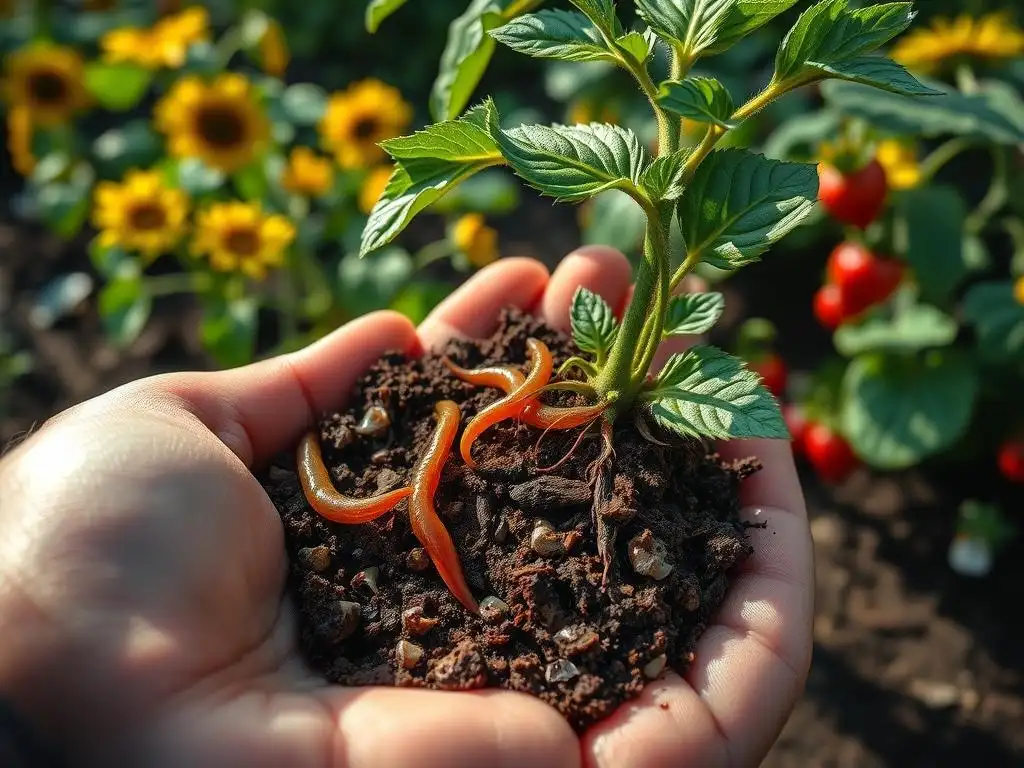
Welcome to CultivateYourFood, your guide to a thriving, sustainable garden! Are you ready to unlock the secrets to bountiful harvests? We believe everyone can cultivate their own delicious fruits, vegetables, and herbs. Discover how choosing the best natural soil amendments can dramatically transform your garden's health and productivity. Dive into our "Soil and Composting" section and learn the techniques to nurture your plants organically, from seed to harvest. Let's cultivate a greener future, together!
- Understanding the Importance of Soil Amendments for Abundant Harvests
- Top Best Natural Soil Amendments for a Thriving Garden
- How to Effectively Apply Natural Soil Amendments
- Maintaining Soil Health with Ongoing Practices
-
Frequently Asked Questions
- What are the best natural soil amendments for my garden?
- How do I improve soil drainage with natural amendments?
- What are the benefits of using natural soil amendments over chemical fertilizers?
- How often should I apply natural soil amendments to my garden?
- Where can I find high-quality natural soil amendments?
- Final Reflection: Cultivating a Richer Harvest, Inside and Out
- Unlock Your Garden's Potential: Grow Abundantly!
Understanding the Importance of Soil Amendments for Abundant Harvests
Healthy soil is the cornerstone of any thriving garden, whether you're cultivating juicy tomatoes, fragrant herbs, or vibrant flowers. The quality of your soil directly impacts the health, yield, and overall success of your plants. This article explores the power of natural soil amendments – those organic materials that improve soil structure, fertility, and water retention – as a key strategy for achieving a bountiful harvest using sustainable practices.
We will delve into identifying soil deficiencies, understanding the advantages of natural amendments over chemical fertilizers, and ultimately, helping you cultivate the "best natural soil amendments" for your specific garden needs. Choosing the right amendments can transform your garden from struggling to thriving, leading to healthier plants and a more abundant harvest. Let's explore how to nurture your soil and, in turn, nurture your plants.
Why Healthy Soil is Crucial for Fruit, Vegetable, and Herb Growth
Healthy soil acts as a dynamic ecosystem, providing essential nutrients and a supportive environment for plant roots. Plants require a balanced diet of macronutrients like nitrogen (N), phosphorus (P), and potassium (K), as well as micronutrients like iron, zinc, and manganese. These nutrients are absorbed by the roots, fueling the plant's growth, flowering, and fruiting processes.
Poor soil, lacking in organic matter and essential nutrients, leads to stunted growth, reduced yields, and increased susceptibility to pests and diseases. Imagine trying to build a strong house with weak foundations – the result is instability and potential collapse. Similarly, plants grown in unhealthy soil are vulnerable and will struggle to reach their full potential.
A rich, well-structured soil, on the other hand, provides the ideal environment for strong root development, efficient nutrient uptake, and robust plant growth. This translates directly into healthier, more productive plants and a more abundant harvest. This is why understanding the importance of soil health is crucial for any gardener aiming for success.
Recognizing Nutrient Deficiencies in Your Garden Soil
Identifying nutrient deficiencies early is critical for taking corrective action. Several visual clues can indicate a problem. For example:
- Yellowing leaves (Chlorosis): Often indicates a nitrogen deficiency, though it can also signal iron or magnesium deficiencies depending on the pattern and leaf location.
- Stunted growth: Can be a symptom of several nutrient deficiencies, including phosphorus and potassium.
- Purple coloration on leaves: May indicate a phosphorus deficiency.
- Brown leaf margins: Could point to potassium deficiency.
Beyond visual cues, a soil test provides the most accurate assessment. A professional soil test will analyze the pH level and the concentration of various nutrients, providing precise data to guide your amendment choices. Knowing your soil's specific needs allows you to tailor your amendment strategy for optimal results. Don't rely solely on guesswork; a soil test is an invaluable tool for understanding your garden's unique requirements. Addressing deficiencies proactively prevents further damage and maximizes your chances of a successful harvest.
The Benefits of Using Natural Soil Amendments over Chemical Fertilizers
While chemical fertilizers provide a quick boost of nutrients, they often come with drawbacks. They can disrupt soil's natural balance, harming beneficial microorganisms, and leading to nutrient runoff which pollutes water sources. Furthermore, overuse can lead to soil degradation and dependence on these artificial inputs.
Natural soil amendments, conversely, offer a holistic approach to soil improvement. They enhance soil structure, improve water retention, and feed beneficial microbes, creating a vibrant and healthy soil ecosystem. Examples of excellent natural amendments include:
- Compost: A rich source of organic matter, improving soil structure and fertility.
- Worm castings: Nutrient-rich excrement from earthworms, providing a slow-release fertilizer.
- Aged manure: Provides essential nutrients and improves soil structure, but must be properly composted to avoid burning plants.
- Seaweed: A natural source of micronutrients and growth hormones.
Using natural amendments leads to healthier plants, improved yields, and a more environmentally friendly gardening practice. It's a sustainable choice that benefits both your garden and the planet. By choosing the "best natural soil amendments," you're investing in the long-term health and productivity of your garden. 🌱
Top Best Natural Soil Amendments for a Thriving Garden

This section explores some of the best natural soil amendments to dramatically improve your garden's health and yield, leading to a bountiful harvest. We'll delve into the specifics of each amendment, highlighting their unique benefits and how to best incorporate them into your soil. Choosing the right amendment depends on your soil's specific needs and the type of plants you're growing. Remember, healthy soil is the foundation of a successful garden!
Compost: The King of Natural Soil Amendments
Compost, the product of decomposing organic matter, reigns supreme among natural soil amendments. It's a powerhouse of nutrients, improving soil structure, water retention, and aeration. Composting transforms kitchen scraps, yard waste, and other organic materials into a dark, crumbly substance teeming with beneficial microbes. These microbes unlock nutrients, making them readily available to your plants.
The benefits extend beyond nutrient provision. Compost acts like a sponge, increasing the soil's ability to hold water, reducing the frequency of watering. Its improved structure allows for better aeration, vital for healthy root growth. Furthermore, compost helps suppress soilborne diseases and pests, promoting a healthier garden ecosystem.
Consider the composition of your compost. A balanced mix of "greens" (nitrogen-rich materials like grass clippings and vegetable scraps) and "browns" (carbon-rich materials like leaves and twigs) ensures optimal decomposition. Avoid adding diseased plants, meat, dairy products, or oily foods to your compost pile.
A well-maintained compost pile can significantly reduce the need for chemical fertilizers, aligning perfectly with sustainable gardening practices. The improvement in soil health translates directly to healthier, more vigorous plants and a higher yield of fruits, vegetables, and herbs. Using compost is truly one of the best ways to achieve a thriving garden using only the best natural soil amendments.
Worm Castings: Nature's Rich Soil Enhancer
Worm castings, the excrement of earthworms, are a remarkable soil amendment often referred to as "worm poop." These castings are incredibly rich in nutrients, boasting higher levels of nitrogen, phosphorus, potassium, and other micronutrients than typical garden soil. They also possess beneficial microorganisms that enhance soil fertility and plant growth.
Unlike compost, worm castings are readily available in a more concentrated form, making them a convenient and powerful addition to your garden. They are particularly beneficial for seedlings and young plants, providing a readily available source of nutrients for early growth. Their fine texture makes them easy to incorporate into the soil without clumping.
The improved soil structure resulting from the addition of worm castings leads to better drainage and aeration, promoting stronger root systems. The high concentration of beneficial microbes further enhances soil health, increasing the plant's resilience to diseases and pests. Worm castings are a fantastic way to provide a significant boost to your garden, making them a key component among the best natural soil amendments available.
Aged Manure: Providing Essential Nutrients and Improving Soil Structure
Aged manure, properly composted animal manure, offers a valuable source of nutrients and organic matter for your garden. Different types of manure offer varying nutrient profiles; for example, chicken manure is higher in nitrogen than cow manure. However, it’s crucial to use aged manure, as fresh manure can contain harmful pathogens and burn plant roots. Properly aged manure has undergone decomposition, rendering it safe and beneficial for your plants.
The addition of aged manure improves soil structure, increasing water retention and aeration. It also introduces beneficial microbes into the soil, improving overall soil health and fertility. The slow release of nutrients ensures a steady supply of essential elements for plant growth throughout the growing season.
When incorporating aged manure, ensure it's well-mixed into the soil. Applying it directly to plants can cause burning. It's recommended to incorporate aged manure into the soil several weeks before planting to allow for proper decomposition and nutrient release. This is a simple yet effective method for improving your soil and ensuring a more fruitful harvest, reinforcing its position as one of the best natural soil amendments. Remember to choose a manure source that adheres to organic and sustainable practices. The choice of animal manure (cow, horse, chicken, etc.) will depend on availability and personal preference.
Cover Crops: Building Soil Health and Suppressing Weeds
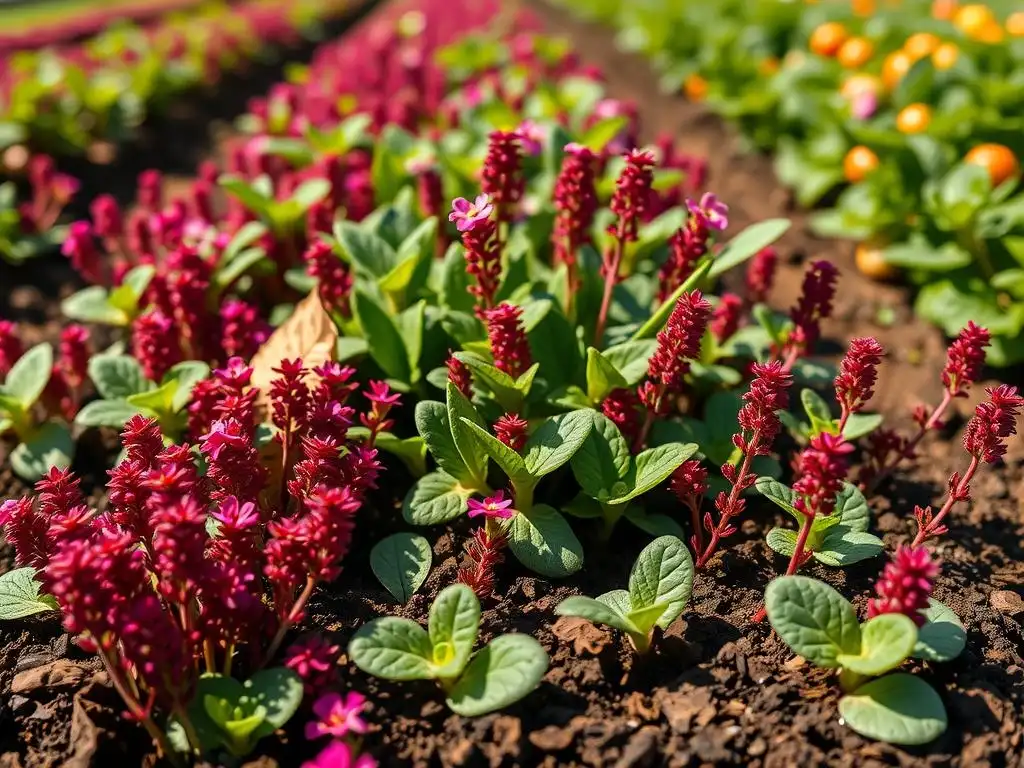
Cover cropping is a powerful technique to improve soil structure and fertility naturally. Planting cover crops, such as legumes (like clover and alfalfa), grasses (like rye and oats), or a mix of both, between main crops or during fallow periods offers numerous benefits. These plants aren't harvested for food; instead, their contribution lies in enriching the soil. Their extensive root systems break up compacted soil, improving aeration and water infiltration.
This enhanced drainage is crucial for healthy root growth of your subsequent crops. Furthermore, as the cover crops decompose, they add significant organic matter, increasing the soil's water-holding capacity and nutrient content. This organic matter acts like a sponge, retaining moisture during dry spells and releasing nutrients gradually throughout the growing season.
The benefits extend beyond improved soil structure and fertility. Cover crops also act as natural weed suppressors, significantly reducing competition for resources from unwanted plants. Their dense growth shades the soil, preventing weed seeds from germinating.
Their vigorous root systems compete with weeds for water and nutrients, further hindering their growth. Choosing the right cover crop for your specific needs is important, considering factors such as climate, soil type, and the following crops you plan to cultivate. For example, legumes are particularly beneficial because they fix nitrogen from the atmosphere, reducing the need for nitrogen-based fertilizers.
Careful planning and implementation of a cover cropping strategy can significantly enhance the overall health and productivity of your garden. This approach is a cornerstone of sustainable gardening practices, promoting long-term soil health without the reliance on synthetic inputs. Properly managed cover crops are among the best natural soil amendments available to the home gardener.
Wood Ash: A Source of Potassium and Other Minerals (with Cautions)
Wood ash, a byproduct of burning hardwood (avoid treated lumber! ), is a valuable source of potassium, a crucial nutrient for strong plant growth and fruit production. It also contains calcium, magnesium, and phosphorus, although in varying amounts depending on the type of wood burned.
Adding wood ash to your garden can help to balance the soil's nutrient profile, particularly beneficial if your soil is deficient in potassium. Potassium is essential for various plant functions, including disease resistance and overall vigor. A noticeable improvement in plant health and yield can often be observed after incorporating wood ash into the soil.
However, it's crucial to use wood ash cautiously. Overapplication can significantly raise the soil's pH, making it more alkaline. This can create an environment unfavorable for many plants that prefer slightly acidic or neutral conditions. Before using wood ash, it's highly recommended to test your soil's pH.
If your soil is already alkaline, adding wood ash could exacerbate the problem. It's best to incorporate wood ash sparingly, starting with small amounts and observing the effects on your plants. Always spread wood ash evenly across the soil surface and mix it in gently. Avoid direct contact with plant roots, as concentrated ash can burn tender tissues.
Remember, wood ash is not a complete fertilizer; it's essential to continue using other organic amendments to provide a balanced nutrient supply for optimal plant growth. Proper use of wood ash, combined with careful monitoring of your soil's pH, can be a valuable part of your natural soil improvement strategy. Always prioritize responsible and informed application to avoid potential harm to your plants and soil ecosystem.
How to Effectively Apply Natural Soil Amendments
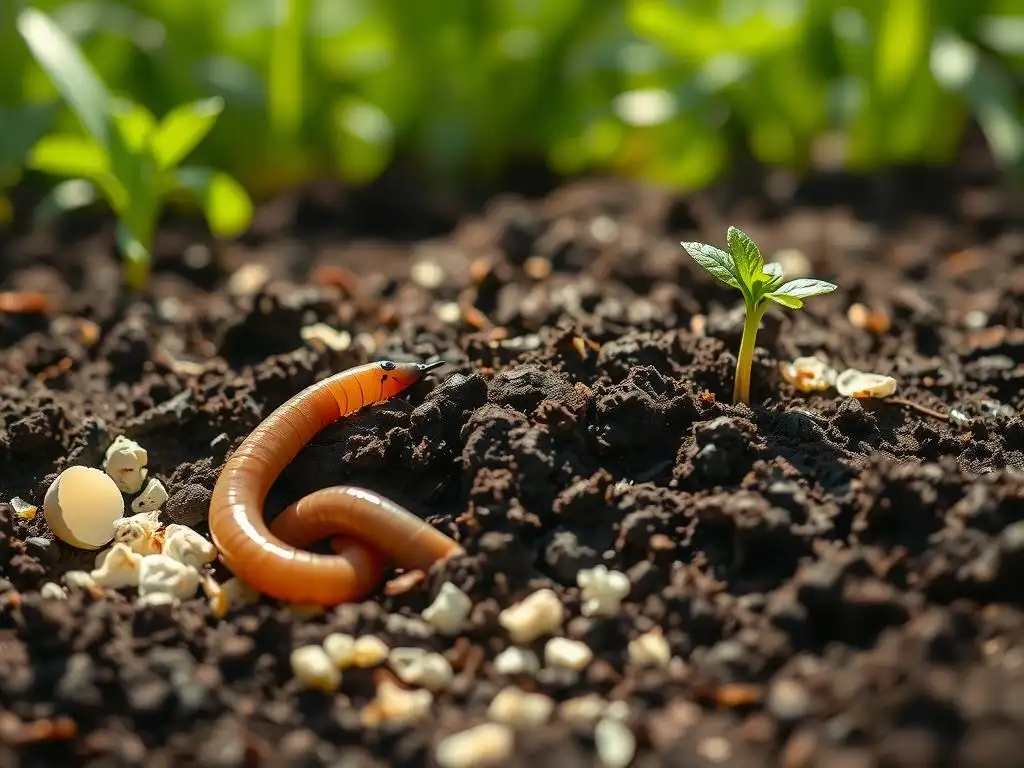
This section delves into the practical application of natural soil amendments, ensuring you maximize their benefits and achieve a thriving garden. We'll cover everything from pre-amendment soil testing to the best techniques for incorporating various amendments. Remember, consistent soil improvement is key to achieving the best natural soil amendments results year after year. Your efforts in improving soil structure and nutrient content will directly translate to healthier, more productive plants.
Soil Testing: Understanding Your Soil's Needs Before Amendment
Before you even think about adding amendments, understanding your soil's current condition is crucial. A soil test provides invaluable information about its pH level, nutrient content (nitrogen, phosphorus, potassium – NPK), and overall composition. This information guides your amendment choices, preventing unnecessary additions and ensuring you address specific deficiencies. For example, a soil test revealing low phosphorus might indicate the need for bone meal or rock phosphate, while acidic soil might benefit from lime.
Knowing your soil's pH is paramount. Most plants thrive within a specific pH range (generally 6.0-7.0, but this varies by plant). Amendments like compost can help buffer pH, while others, like lime or sulfur, directly adjust it. Ignoring your soil's pH can lead to nutrient deficiencies, even if you've added plenty of other amendments. The best natural soil amendments are those tailored to your specific soil's needs.
Consider using a professional soil testing service for comprehensive results or a home testing kit for a quicker, less detailed assessment. Regardless of the method, carefully follow the instructions provided to ensure accurate readings. The results will empower you to make informed decisions, leading to a more effective and efficient amendment strategy. Don't skip this vital step; it's the foundation of successful soil improvement. Think of it as a personalized prescription for your garden's health! 🌱
Preparing the Soil for Amendment Application
Effective amendment application begins with proper soil preparation. This involves clearing the area of weeds, rocks, and debris. A well-tilled soil allows for better amendment incorporation, promoting even distribution and optimal root penetration. For larger areas, consider using a garden tiller or rototiller, but for smaller gardens, a hand cultivator or garden fork works perfectly.
The depth of tillage depends on the type of amendment. For example, incorporating compost might only require a few inches of tilling, while amending with larger materials like wood chips may require deeper tilling. Generally, aiming for 6-8 inches of tilled soil provides sufficient depth for most amendments. Remember to avoid over-tilling, as this can damage soil structure and harm beneficial microorganisms.
Before applying amendments, loosen the soil thoroughly. This improves aeration and water drainage. If your soil is compacted, consider using a broadfork to break up the compacted layers without fully turning the soil. This helps preserve the soil structure and the beneficial organisms already present. This preparatory work ensures the amendments are effectively integrated and readily available to your plants.
Application Techniques for Different Amendments
Different amendments require different application methods. Compost, for instance, can be spread evenly over the soil surface and then lightly tilled in. However, granular amendments like bone meal or rock phosphate are best worked into the soil more thoroughly to ensure proper contact with the roots.
| Amendment Type | Application Technique | Considerations |
|---|---|---|
| Compost | Spread evenly, lightly till in. | Ensure it's well-rotted to avoid burning plants. |
| Bone Meal | Incorporate into the soil during tilling. | Use sparingly, as excessive amounts can tie up other nutrients. |
| Rock Phosphate | Incorporate into the soil during tilling. | Slow-releasing, so plan ahead. |
| Wood Chips | Spread as a mulch layer, avoiding direct contact with plants | Improves soil structure and moisture retention over time. |
| Epsom Salts (Magnesium) | Dissolve in water and apply as a foliar spray or drench. | Use cautiously and follow package instructions. |
Remember, the "best" natural soil amendments are the ones that best address your soil's specific needs. Regular soil testing and careful application techniques are crucial for building and maintaining healthy, productive soil. Consistent effort in this area will yield a bountiful harvest! 🍅🥕🍆
Timing Your Soil Amendment Application for Optimal Results
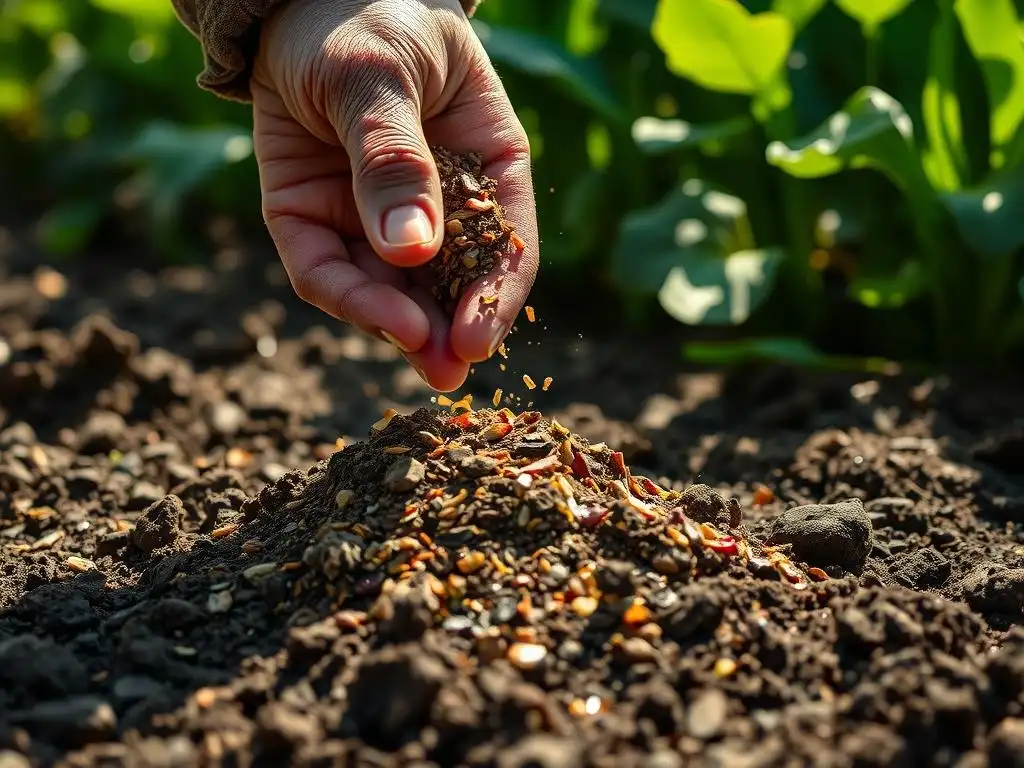
The timing of your soil amendment application significantly impacts its effectiveness. Applying amendments at the wrong time can lead to nutrient loss, reduced plant growth, or even harm to your plants. Understanding your local climate and the specific needs of your plants is crucial.
For example, incorporating compost into your garden beds in the fall provides a slow-release nutrient source throughout the winter, improving soil structure and enriching it before spring planting. This preemptive approach allows beneficial microorganisms to break down the organic matter, making nutrients readily available when your plants need them most. Conversely, applying amendments directly before planting might tie up nutrients, delaying their availability to young seedlings.
Spring is another ideal time for amendment application, especially for quick-release fertilizers like aged manure. This ensures that the nutrients are readily available as plants begin their active growing season. However, avoid applying amendments immediately before a heavy rainfall, as this could lead to nutrient runoff. Similarly, avoid amending during periods of extreme heat or drought, as this can stress plants and reduce the effectiveness of the amendments.
The best practice is to amend your soil during cooler, moist periods, allowing sufficient time for the amendments to integrate into the soil before planting or sowing seeds. Observe your local weather patterns and adjust your application schedule accordingly. Different plants have different nutrient requirements and growth cycles, so research the specific needs of your chosen plants for optimal results. For instance, heavy feeders like tomatoes benefit from a richer soil amendment application compared to lighter feeders.
Combining Different Amendments for Synergistic Effects
Using a blend of natural soil amendments often yields better results than relying on a single type. This synergistic approach leverages the unique properties of each amendment to create a soil environment that is rich in nutrients, improves soil structure, and promotes healthy plant growth. For instance, combining compost (providing a wide range of nutrients and improving soil structure) with aged manure (adding nitrogen and other vital nutrients) creates a powerful combination. The compost improves water retention and aeration, while the manure provides a significant boost of readily available nitrogen, crucial for leafy green growth.
Another effective combination involves using rock dust (providing essential minerals like calcium, magnesium, and potassium) alongside compost and other organic matter. Rock dust offers long-term soil improvement by supplying micronutrients often lacking in organic amendments. This approach helps to balance the nutrient profile of your soil and address any deficiencies. The key is to understand the strengths and weaknesses of each amendment.
For example, while compost is excellent for overall soil health, it might be deficient in specific micronutrients. Supplementing it with a source rich in these micronutrients creates a more balanced and complete soil profile. Always consider a soil test to determine specific deficiencies before applying amendments.
This tailored approach ensures that you are not wasting resources and that your amendments are used effectively to support your plants' specific needs. The “best” combination will vary depending on your soil type, climate, and the plants you are growing. Experimentation and observation are key to finding the perfect blend for your garden.
Maintaining Soil Health with Ongoing Practices
Maintaining the benefits of natural soil amendments requires consistent effort beyond the initial application. Think of it as a long-term investment in your garden's fertility and overall health. The best natural soil amendments are only part of the equation; ongoing practices are crucial for maximizing their impact and achieving a thriving, bountiful garden. This section focuses on key strategies to ensure your soil remains fertile and productive year after year. We'll explore methods that not only preserve the positive effects of your amendments but also actively improve soil structure and nutrient levels.
Regular Soil Testing and Monitoring
Regular soil testing is paramount for understanding your soil's current condition and identifying any nutrient deficiencies. This allows you to tailor your amendment strategies to your specific needs, maximizing their effectiveness. Don't just assume your soil is healthy; get the facts! Testing provides objective data on pH levels, nutrient content (nitrogen, phosphorus, potassium, etc. ), and organic matter levels. This information is invaluable in determining the type and amount of amendments needed to optimize your garden's potential.
Consider testing at least once a year, ideally in the fall or early spring before planting. You can conduct home soil tests using readily available kits, or you can send a sample to a professional soil testing laboratory for more comprehensive analysis. The results will guide your decisions regarding future amendments, ensuring you're using the best natural soil amendments for your specific soil type and plant needs. Think of it as a check-up for your garden—preventative maintenance is key!
For example, consistently low levels of phosphorus might indicate a need for bone meal or rock phosphate, while low nitrogen could suggest the addition of compost tea or cover crops. Regular monitoring allows you to catch imbalances early, preventing more serious problems down the line. This proactive approach ensures your garden thrives and yields abundant harvests.
Mulching: Protecting and Enriching Your Soil
Mulching is a crucial practice for maintaining soil health and maximizing the benefits of natural soil amendments. A good mulch layer acts as a protective blanket, shielding the soil from harsh weather conditions, reducing water evaporation, and suppressing weed growth. Beyond this, mulching contributes significantly to soil improvement over time.
Organic mulches, such as wood chips, straw, shredded leaves, or compost, gradually decompose, adding organic matter to the soil. This organic matter improves soil structure, aeration, and water retention—all vital components for healthy plant growth. The slow decomposition process also provides a steady release of nutrients, enriching the soil naturally and prolonging the benefits of your initial amendments. Think of it as a slow-release fertilizer that keeps on giving!
The type of mulch you choose depends on your specific needs and preferences. For example, wood chips offer excellent weed suppression and long-term soil improvement, while straw provides good insulation and moisture retention. However, it's essential to use appropriate mulching techniques to avoid smothering plants or creating other issues. Maintaining a consistent mulch layer throughout the growing season is key to reaping its numerous benefits. This ongoing practice complements the use of natural soil amendments, creating a synergistic effect for optimal soil health.
Crop Rotation: Preventing Nutrient Depletion and Pest Buildup
Crop rotation is a powerful technique that enhances the effectiveness of natural soil amendments and contributes to long-term soil health. By rotating different plant families in your garden each year, you prevent nutrient depletion and reduce pest and disease buildup. Different plant types have varying nutrient requirements and vulnerabilities to pests. Rotating crops prevents the depletion of specific nutrients in the soil and disrupts the life cycles of many common garden pests.
For example, heavy feeders like tomatoes and peppers should not be planted in the same location year after year, as this can deplete soil nutrients. Rotating them with legumes (like beans or peas), which fix nitrogen in the soil, helps replenish nitrogen levels. This practice significantly reduces the need for nitrogen-based fertilizers, aligning with the principles of sustainable and organic gardening and making your initial investment in the best natural soil amendments more efficient.
Implementing a well-planned crop rotation schedule ensures that your soil remains healthy and productive. This is a low-cost, environmentally friendly approach to preventing nutrient deficiencies and pest problems, increasing yields, and maximizing the effectiveness of your soil amendments. It's a simple yet powerful strategy that benefits your garden and the environment. Consider creating a rotation plan that includes diverse plant families and incorporates cover crops to further enhance soil health. This long-term strategy contributes significantly to your garden's overall success.
Sustainable Gardening Practices for Long-Term Soil Health
Sustainable gardening isn't just a trend; it's a crucial aspect of maintaining healthy soil for years to come. The best natural soil amendments are only part of the equation; consistent, thoughtful practices are key to maximizing their effectiveness and building a thriving ecosystem in your garden. Think of it like this: amendments are like vitamins, providing a boost, but a healthy diet—sustainable practices—is what ensures robust, long-term growth.
One cornerstone of sustainable gardening is crop rotation. Rotating different plant families each year helps prevent the depletion of specific nutrients and reduces the risk of pest and disease buildup. For example, heavy feeders like tomatoes and peppers shouldn't follow each other; instead, consider planting legumes (peas, beans) the following year to replenish nitrogen in the soil. This natural approach avoids the need for excessive chemical fertilizers, a key component of achieving the best natural soil amendments strategy.
Another vital practice is cover cropping. Planting cover crops like clover, rye, or buckwheat during fallow periods prevents soil erosion, suppresses weeds, and adds organic matter. These plants, when tilled back into the soil, act as a natural form of the best natural soil amendments, improving soil structure and fertility. The benefits extend beyond nutrient addition; cover crops also improve water retention and reduce the need for irrigation, contributing to a more sustainable and environmentally friendly garden.
Furthermore, mulching plays a significant role in maintaining soil health. Organic mulches like straw, wood chips, or shredded leaves protect the soil from sun and wind erosion, regulate soil temperature, and suppress weeds. As the mulch decomposes, it gradually releases nutrients, enriching the soil naturally. This is a low-maintenance way to improve soil structure and water retention, making your amendments work more effectively. Choosing the right mulch depends on your climate and the specific needs of your plants. For instance, a heavier mulch might be better suited for colder climates to provide insulation.
Finally, composting is the cornerstone of any truly sustainable garden. By composting kitchen scraps and yard waste, you create a rich, nutrient-rich amendment that feeds your soil naturally and reduces waste. Compost improves soil drainage, aeration, and water retention, creating the perfect environment for plant roots to thrive. The addition of well-rotted compost acts synergistically with other soil amendments, boosting their overall effectiveness and promoting a healthier, more fertile soil. The regular application of compost is arguably one of the most impactful sustainable practices for achieving the long-term benefits of the best natural soil amendments.
Frequently Asked Questions
What are the best natural soil amendments for my garden?
The best natural soil amendments depend on your soil's needs. Generally, compost, worm castings, and aged manure are excellent choices, improving soil structure, drainage, and nutrient content. Consider a soil test to identify specific deficiencies.
How do I improve soil drainage with natural amendments?
Amend heavy clay soils with coarse materials like sand or perlite to improve drainage. Adding compost also helps create air pockets, allowing water to drain more easily. Avoid over-watering to prevent waterlogging.
What are the benefits of using natural soil amendments over chemical fertilizers?
Natural amendments improve soil health and structure over time, fostering a thriving ecosystem for your plants. They provide slow-release nutrients, reducing the risk of nutrient burn and promoting sustainable growth, unlike the quick-release of chemical fertilizers.
How often should I apply natural soil amendments to my garden?
The frequency depends on your soil type and plants' needs. A general guideline is to amend your soil annually in the fall or spring, incorporating compost or other amendments into the top few inches of soil.
Where can I find high-quality natural soil amendments?
Many sources offer high-quality natural soil amendments. You can find them at local garden centers, compost facilities, or even create your own compost at home using kitchen scraps and yard waste. Consider sourcing locally for best results and reduced environmental impact.
Final Reflection: Cultivating a Richer Harvest, Inside and Out
The quest for healthy, vibrant soil isn't just about bigger tomatoes; it's about nurturing the very foundation of our food systems and our connection to the natural world. The methods explored in this article – from composting to cover cropping – are more relevant than ever in a time of increasing environmental awareness and a growing demand for sustainable food production. We are witnessing a global shift towards responsible gardening practices, and understanding the power of natural soil amendments is a crucial step in that journey.
The impact of healthy soil extends far beyond the bountiful harvest it produces. It's about fostering biodiversity, reducing our reliance on synthetic fertilizers, and contributing to a more resilient ecosystem. The land is what gives us our identity.
This simple statement speaks volumes about the deep connection between our well-being and the health of the soil beneath our feet. As we improve our gardens, we are also improving our relationship with the earth, fostering a sense of stewardship and responsibility that extends to all aspects of our lives.
Now, consider your own garden, whether it's a sprawling backyard oasis or a single pot on a balcony. What steps can you take today to enrich your soil naturally? Start small, perhaps with a compost bin or by incorporating cover crops into your planting schedule. Every act, no matter how small, contributes to a larger movement towards sustainable and enriching gardening practices. Embrace the journey, celebrate the small victories, and watch as your garden – and your understanding of the natural world – flourishes.
Unlock Your Garden's Potential: Grow Abundantly!
Thank you for exploring the world of natural soil amendments with us! We hope you've gained valuable insights into nurturing healthier, more productive plants. Now it's time to put that knowledge into practice.
- Start your soil-enriching journey today! Begin by assessing your garden's soil to understand its specific needs. A soil test can reveal nutrient deficiencies, helping you develop the most effective amendment plan.
- Share your experiences with soil amendments – what worked well, what didn't, and what you plan to try next! We'd love to hear from you in the comments below.
- This season, challenge yourself to try a new natural soil amendment. Keep track of your progress and share your results!
Ready to transform your garden into a thriving ecosystem? What's the first step you'll take to improve your soil's health?