
Espalier Fruit Trees: The Best Time to Start Your Training

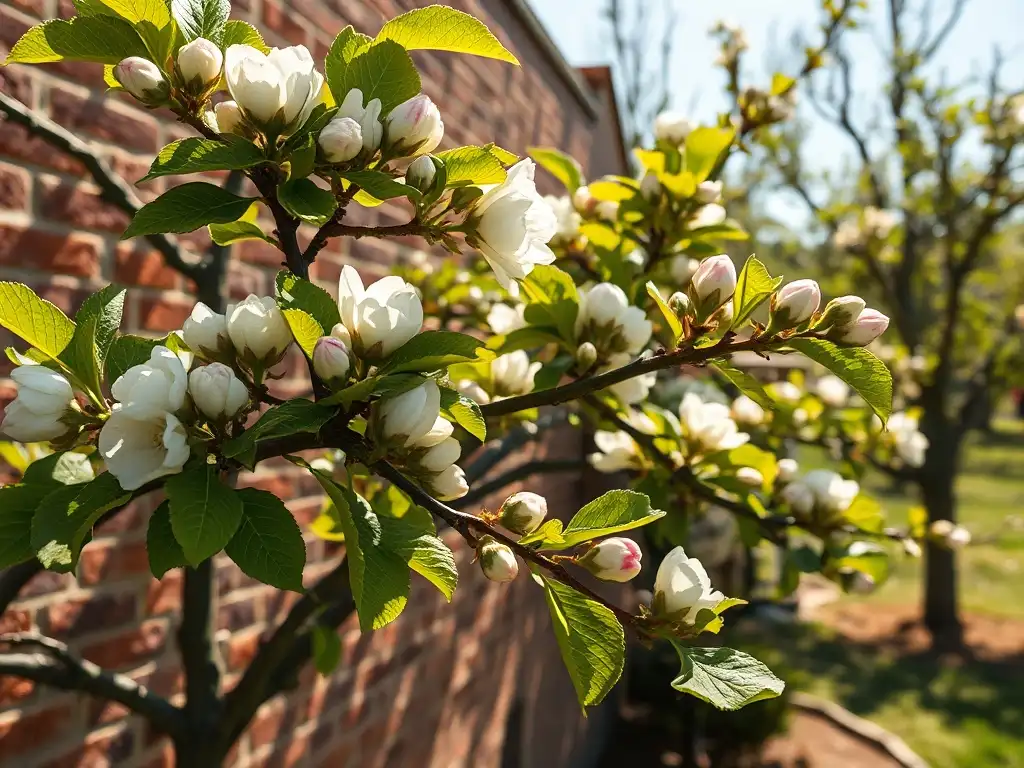
Ready to transform your backyard into a thriving orchard? CultivateYourFood is your guide to growing delicious and healthy fruits, vegetables, and herbs organically. But when's the perfect moment to begin? Discover the secrets to successful espalier fruit tree cultivation, and learn the best time to start your training in our expert guide on Fruit Tree Care. Uncover the techniques that will lead to bountiful harvests and a truly rewarding gardening experience. Let's get growing!
- Understanding the Ideal Time for Espalier Training
- Factors Influencing the Best Time to Espalier
-
Step-by-Step Guide to Starting Your Espalier Project at the Optimal Time
- Selecting the Right Time Based on Your Location and Tree Type
- Preparing Your Chosen Fruit Tree for Espalier Training
- Essential Tools and Materials for Successful Espalier Training
- Initial Training Techniques: Establishing the Framework of Your Espalier
- Ongoing Maintenance and Adjustments Throughout the Growing Season
- Maintaining Your Espalier Fruit Trees Year-Round
- Harvesting Your Espalier Fruit Trees: Timing and Techniques
- Troubleshooting Common Espalier Problems
- Frequently Asked Questions
- Final Reflection: Shaping the Future, One Branch at a Time
- Unleash Your Orchard: Start Training Your Espalier Today!
Understanding the Ideal Time for Espalier Training
Espalier, the art of training fruit trees to grow flat against a wall or trellis, offers a stunning visual element to any garden while maximizing space and sunlight exposure. But achieving that elegant, two-dimensional growth requires careful planning and timing. The success of your espalier project hinges significantly on when you begin the training process.
This article will explore the optimal times of year to start training your espalier fruit trees, weighing the advantages and challenges of spring, summer, and autumn approaches. Understanding these seasonal nuances will allow you to cultivate healthy, productive, and beautifully shaped espalier trees, ensuring the best possible results for your homegrown harvest. We'll delve into the specifics of each season, providing practical advice to help you determine the best time to begin your espalier journey and achieve the "Best time espalier fruit trees" results.
Spring Training: Advantages and Considerations for Espalier Fruit Trees
Spring, with its burgeoning life and renewed growth, presents several advantages for beginning espalier training. The awakening of the trees from dormancy provides a crucial window to manipulate new growth effectively. New shoots are pliable and readily respond to guiding and shaping. This makes spring an excellent time to establish the initial framework of your espalier, particularly for younger trees.
However, springtime also presents some considerations. Rapid growth can sometimes outpace your training efforts, requiring more frequent adjustments. Additionally, late spring frosts can damage newly formed shoots, potentially setting back your progress. Careful monitoring of weather conditions and regular, gentle adjustments are key to successful spring espalier training. The ideal time within spring is often after the last expected frost but before the tree experiences a significant burst of growth. This timing allows you to establish your framework before the tree’s energy is fully focused on leaf and fruit production.
Summer Training: A Balanced Approach to Espalier Development
Summer training offers a more moderate approach to espalier development. While the initial framework may already be established in spring, summer allows you to refine the shape and manage the growth of your espalier. The warm temperatures promote vigorous growth, but the rate is generally slower than in spring, allowing for more controlled adjustments.
Summer training focuses on maintaining the desired shape, removing excess shoots, and ensuring even distribution of foliage. This involves regular pinching, pruning, and tying of branches to maintain the espalier's form. Careful observation is crucial to identify and address any imbalances in growth. Summer training is ideal for fine-tuning the espalier and ensuring a well-balanced, productive tree. Regular watering and fertilization are also vital during this period to support healthy growth.
Autumn Training: Preparing Your Espalier for Winter Dormancy
Autumn provides an opportunity for final adjustments and preparations before winter dormancy. While significant shaping is generally avoided in autumn, this period is valuable for removing any dead or diseased branches and securing the framework for winter protection. This preventative maintenance helps protect your espalier from winter damage and ensures a healthy start to the following growing season.
Autumn training also involves assessing the overall health and structure of your espalier. This allows you to identify areas that might need extra attention in the following spring. Protecting your espalier from harsh winter conditions is paramount. This may involve wrapping vulnerable branches or providing other forms of protection depending on your climate. A well-maintained espalier going into winter is more likely to thrive and produce a bountiful harvest in the following year. Therefore, autumn training is crucial for long-term espalier health and productivity.
Winter Training: Pruning and Shaping for Optimal Growth in Spring
Winter dormancy offers the ideal window for shaping your espalier fruit trees. The tree is at rest, making it easier to see the underlying structure and plan your pruning cuts without the distraction of leaves. This period, typically from late autumn after leaf drop to early spring before bud break, provides the best conditions for wound healing. Proper winter pruning helps prevent disease and encourages the development of strong, fruit-bearing spurs along the espalier's framework. Avoid pruning during periods of extreme cold or frost, as this can damage the tree and hinder healing. The best time within this window depends on your specific climate and the hardiness of your fruit tree variety; consult local gardening resources for precise timing recommendations.
For example, in milder climates, you might begin pruning slightly earlier than in areas with harsher winters. Remember that proper sanitation is key; sterilize your pruning tools between cuts to prevent the spread of diseases. This involves wiping them down with rubbing alcohol or a suitable disinfectant. Accurate cuts are crucial; use sharp, clean pruning shears to make precise cuts to avoid tearing or damaging the bark. This minimizes the risk of infection and promotes faster healing.
Consider the overall shape and balance of your tree, removing any crossing branches, deadwood, or shoots that grow outside the desired espalier pattern. Proper winter pruning sets the stage for a bountiful harvest in the following growing season. By strategically removing unwanted growth during dormancy, you encourage the tree to focus its energy on producing fruit rather than excessive vegetative growth. This careful winter training translates directly into a healthier, more productive espalier in the spring and summer months. The time invested in winter pruning is a crucial step in ensuring the long-term health and productivity of your espalier fruit trees, maximizing your yield and enhancing the aesthetic appeal of your trained trees.
Factors Influencing the Best Time to Espalier
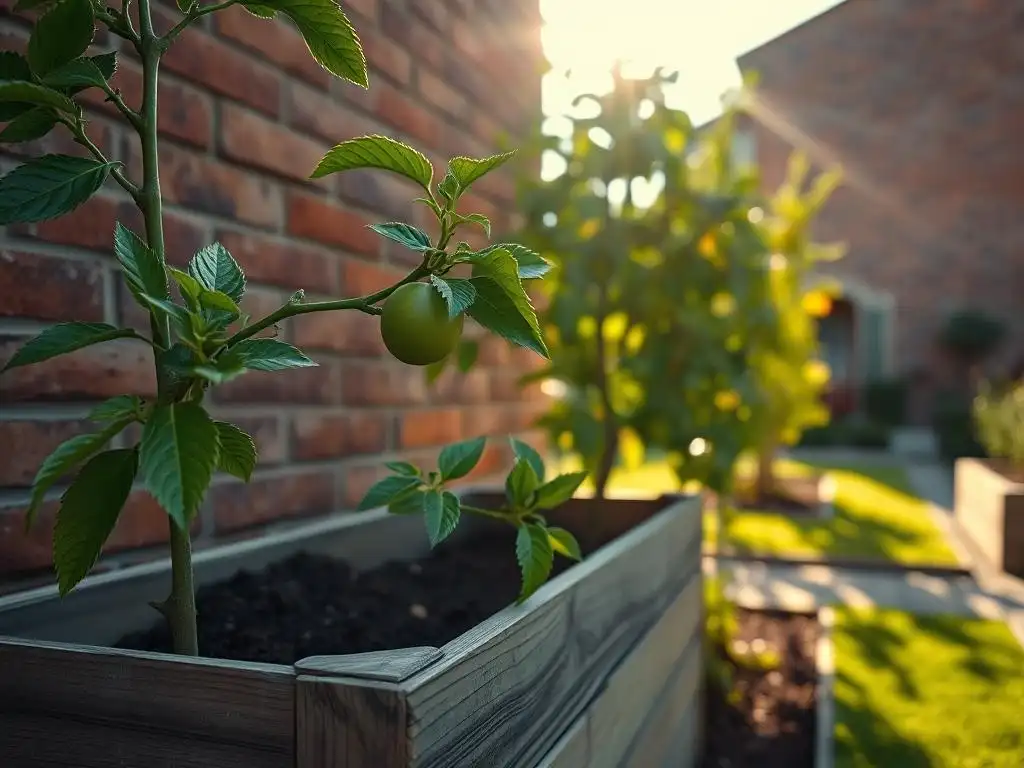
Choosing the best time to begin espalier training for your fruit trees is crucial for their success. It's not a one-size-fits-all answer; several factors significantly influence the optimal starting point. Understanding these nuances will allow you to maximize your chances of creating a thriving and productive espalier. Ignoring these factors could lead to stunted growth, reduced fruit yield, or even tree death. This section delves into the key elements that determine the ideal espalier training schedule for your specific circumstances. Remember, patience and observation are key to successful espalier fruit tree cultivation.
Climate and Microclimate: Adapting Your Espalier Schedule
The climate plays a dominant role in determining the best time to begin espalier training. Temperatures that are too extreme – either excessively hot or freezing – can stress young trees and hinder their ability to heal after pruning and training. A warm, consistently mild climate with minimal frost risk is ideal.
For instance, in regions with mild winters like those found in coastal California or parts of the Mediterranean, you might begin training your espalier in late winter or early spring, before the trees break dormancy. This allows the trees to adjust to their new form gradually as they begin to grow.
Conversely, in areas with harsh winters, like the northern United States or Canada, it's best to wait until late spring or early summer after the last frost. This ensures that newly pruned branches have sufficient time to heal before facing freezing temperatures. The risk of frost damage is significantly reduced, improving the tree's chances of survival and successful espalier development.
Microclimates also matter. A south-facing wall, for example, will provide warmer temperatures and more sunlight than a north-facing one, allowing for earlier training. Consider the specific conditions of your planting location when determining your schedule. Monitoring daily temperature fluctuations is key to understanding your microclimate and adapting your training schedule accordingly. Remember, a stressed tree is less likely to thrive, so careful consideration of climate is paramount for long-term success.
Tree Species and Variety: Optimal Training Periods for Different Fruits
Different fruit tree species and varieties exhibit varying growth patterns and hardiness levels. This directly impacts the ideal time for espalier training. Some species are more tolerant of pruning and training during the growing season than others.
For example, apples are generally more tolerant of pruning throughout the growing season than peaches. Apples can often withstand more aggressive training techniques without significant negative impacts, while peaches are more susceptible to damage and disease if pruned aggressively during their active growth phase. Therefore, early spring pruning is often preferred for peaches, whereas apples might tolerate mid-summer adjustments.
The table below illustrates the general guideline for optimal training periods based on common fruit tree species:
| Fruit Tree Species | Optimal Training Period | Considerations |
|---|---|---|
| Apple | Late winter/early spring or mid-summer | Tolerates more aggressive pruning |
| Peach | Early spring | More susceptible to damage during active growth |
| Pear | Late winter/early spring | Similar to apples, but may require more gradual training |
| Plum | Late winter/early spring | Similar to peaches, moderate pruning is key |
| Cherry | Late winter/early spring | Requires careful pruning to avoid damage |
This is a general guideline; consult specific information for your chosen variety for the most accurate timing. Always prioritize the health and well-being of your tree.
Your Specific Espalier Technique: Timing Considerations for Different Methods
The specific espalier technique you choose also influences the best time to start training. Different methods involve varying degrees of pruning and shaping, impacting the tree's response and recovery time.
For example, the U-shaped espalier, which involves a more significant amount of pruning and shaping compared to a simple cordon, may require an earlier start in the growing season to allow sufficient time for healing and growth. Conversely, a simple cordon might be successfully started later as it involves less drastic pruning.
Furthermore, the Belgian Fence technique might require staged training throughout the growing season, with less aggressive pruning in the initial stages to avoid shocking the tree. The Palm technique, with its central trunk and radiating branches, might benefit from a late winter/early spring start when the tree is dormant, allowing for the initial structure to be established before active growth begins. Careful planning and attention to detail are crucial for any chosen technique.
Remember, the goal is to guide the tree's growth, not to overwhelm it. Observe your tree's growth patterns and adapt your training schedule accordingly. Patience and regular monitoring are key to a successful espalier.
Step-by-Step Guide to Starting Your Espalier Project at the Optimal Time
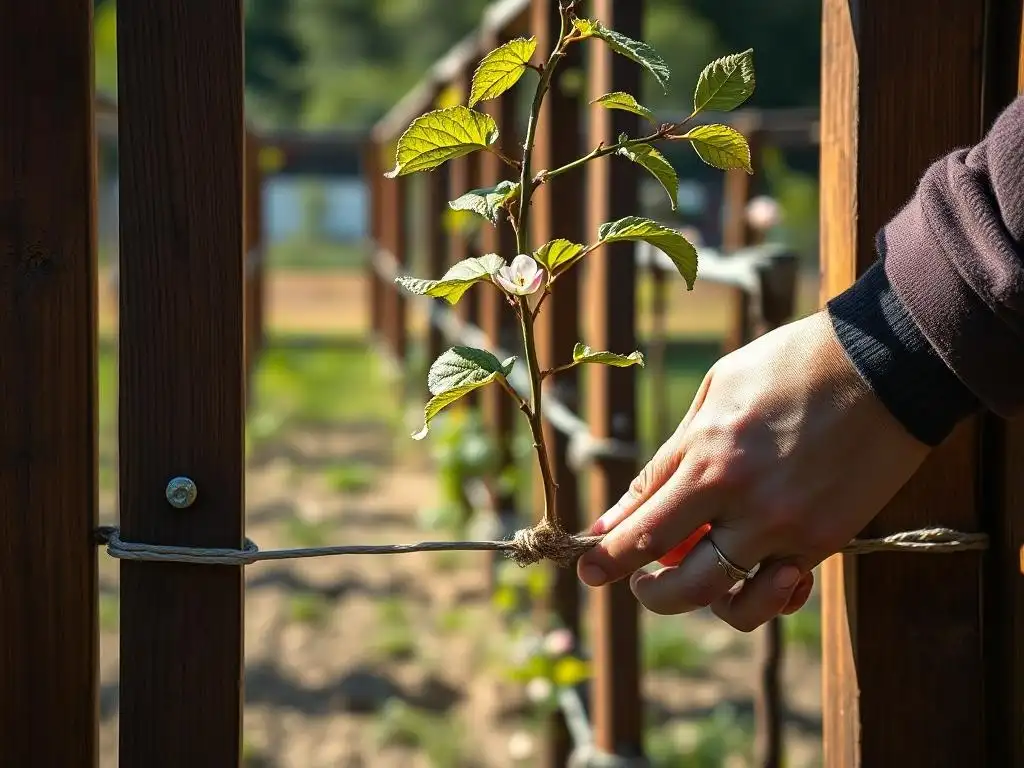
This section provides a practical, step-by-step guide to starting your espalier fruit tree project at the best time, maximizing your chances of success. Remember, the "best time" is highly dependent on several factors, and understanding these is crucial for achieving optimal growth and fruit production. This guide will help you navigate those considerations.
Selecting the Right Time Based on Your Location and Tree Type
The ideal time to begin espalier training significantly depends on your geographical location and the specific fruit tree species you've chosen. Timing is everything when it comes to the best time espalier fruit trees. For instance, starting too early could expose young, vulnerable branches to frost damage, while starting too late might hinder growth and fruiting for the season.
Generally, dormant season (late winter or early spring, before bud break) is the preferred time for many fruit tree varieties. This allows you to easily see the branch structure and make precise cuts without interfering with active growth. However, some warmer climates might allow for training later in the spring or even early summer, provided the tree is young and hasn't undergone significant new growth.
Let's examine this with some examples:
| Fruit Tree Type | Ideal Starting Time (Northern Hemisphere) | Considerations |
|---|---|---|
| Apples & Pears | Late winter/early spring (before bud break) | Avoid training during periods of extreme cold or frost. |
| Peaches & Nectarines | Late winter/early spring (before bud break) | These are more susceptible to frost damage, so carefully monitor weather forecasts. |
| Plums & Cherries | Late winter/early spring (before bud break) | Young trees benefit from early training for establishing a strong framework. |
| Figs | Late winter/early spring or early summer (depending on climate) | Figs are more tolerant of warmer temperatures, allowing for some flexibility in training. |
The microclimate of your specific location also plays a role. If you live in a frost-prone area, even a late winter start might be too early. Conversely, in warmer regions, you might have more leeway. Always prioritize avoiding frost damage to newly pruned branches. Consult local gardening resources or experienced arborists for advice tailored to your specific area and tree type for the best time espalier fruit trees.
Preparing Your Chosen Fruit Tree for Espalier Training
Before you begin the actual training process, adequate preparation of your chosen fruit tree is essential. This involves selecting a healthy, young tree (ideally 1-3 years old) that is free from diseases and pests. The best time espalier fruit trees also involves assessing the tree's overall health.
- Examine the Root System: Ensure the root system is well-established and capable of supporting the espalier structure. A strong root system is crucial for the tree's overall health and resilience.
- Assess Branch Structure: Identify strong, well-spaced branches that can be easily trained into your desired espalier pattern. Remove any weak, damaged, or crossing branches. This pruning is a crucial part of preparing your tree for espalier training.
- Soil Preparation: Ensure your soil is well-draining and rich in nutrients. Amend the soil with compost or other organic matter to improve its structure and fertility. This will support strong root growth and overall tree health.
- Watering: Water your tree deeply before and after training to minimize stress. Proper hydration is essential for successful espalier training.
Remember to be gentle during the preparation phase. Avoid causing unnecessary damage to the tree's bark or branches. Proper preparation will greatly improve the chances of successful espalier growth.
Essential Tools and Materials for Successful Espalier Training
Having the right tools and materials on hand is crucial for efficient and effective espalier training. Investing in high-quality equipment will make the process smoother and less stressful for both you and the tree.
Here’s a checklist of essentials:
- Sharp Pruning Shears: Essential for clean, precise cuts to avoid damaging the tree.
- Loppers: For removing larger branches if necessary.
- Espalier Trellis: Choose a sturdy and durable trellis system designed to support the weight of your fruit tree as it grows. The type of trellis will depend on the chosen espalier pattern (e.g., U-shape, fan, cordon).
- Tree Ties: Flexible but strong ties are needed to secure branches to the trellis without causing constriction or damage. Avoid using wire, as it can cut into the bark.
- Gloves: Protect your hands from thorns and sharp branches.
- Pruning Saw: For larger branches that require more powerful cutting.
- Measuring Tape: Accurately measure branch spacing.
Having all these tools readily available will ensure a more efficient and effective espalier training process. Remember, the best time espalier fruit trees is useless without the right tools to perform the task. A well-equipped gardener is a successful gardener!
Initial Training Techniques: Establishing the Framework of Your Espalier
The initial training of your espalier fruit tree is crucial for its long-term health and productivity. The best time to begin this process is during the dormant season, typically late winter or early spring, before new growth emerges. This allows you to work with the tree's structure more easily and minimizes stress on the plant. Several techniques exist, depending on the desired espalier style (e.g., cordon, palmette, U-shaped). However, the fundamental principles remain the same: careful selection and placement of branches, and the use of appropriate training aids.
For example, let's consider a common cordon espalier. You'll start by selecting a strong central leader, which will form the main vertical stem of your espalier. This leader should be free from significant damage or disease. Then, you'll select 2-3 lateral branches evenly spaced along the leader that will become the fruiting spurs.
These branches are carefully tied to a support system (typically wires stretched along a wall or fence) using soft, flexible ties to prevent girdling. The angle of the tie is important – too tight and you risk damaging the bark; too loose and the branch won't stay in place. It's a delicate balance, and experience helps greatly. Remember to prune away any competing branches or shoots that deviate from your desired espalier form.
This initial pruning is critical to ensure the tree's energy is directed towards the selected branches, promoting vigorous growth in the desired pattern. Proper pruning also helps prevent overcrowding and improves air circulation, reducing the risk of disease. Tools such as sharp pruning shears and specialized espalier ties are essential for clean cuts and secure fastening. Improper tools can lead to ragged cuts, making the tree more susceptible to diseases and pests.
Careful consideration of your chosen espalier style is paramount at this stage. Different styles require different pruning approaches and branch selection. Researching the specific requirements of your chosen style will ensure you establish the right framework for your espalier from the outset. This initial commitment to proper technique will pay dividends in the years to come, resulting in a healthier, more productive tree.
Ongoing Maintenance and Adjustments Throughout the Growing Season
Once the initial framework is established, ongoing maintenance is key to the success of your espalier fruit tree. This involves regular monitoring and adjustments throughout the growing season. Regular inspections are crucial for identifying any issues early on, such as pests, diseases, or branches growing out of place. Early detection and treatment can prevent significant problems later in the season.
During the growing season, you'll need to continue training new growth to maintain the desired espalier shape. This typically involves tying in new shoots to the support wires, ensuring they grow in the correct direction. This process, often referred to as "summer pruning," is less drastic than winter pruning, focusing on directing new growth rather than removing large branches. Regularly check for any suckers or water sprouts that emerge from the trunk or roots, as these can disrupt the espalier's form and compete for resources. These should be promptly removed.
The frequency of maintenance will depend on the growth rate of your tree and the specific espalier style. However, weekly or bi-weekly inspections are generally recommended during the active growing season. Additionally, fertilization and watering practices should be tailored to the specific needs of your tree and the local climate. Using organic fertilizers and practicing water conservation techniques are in line with sustainable growing practices. Note that the best time for pruning is typically after the main flush of new growth in early summer, or in the dormant season.
Remember, patience and consistency are crucial for successful espalier training. It's a process that requires ongoing attention and adjustments, but the rewards of a beautifully trained, productive fruit tree make it worthwhile. Regular monitoring and timely intervention will ensure your espalier thrives and produces abundant fruit for years to come. Proper maintenance and adjustments throughout the growing season are vital to maintain the tree's shape, health, and fruit production, ensuring a successful and aesthetically pleasing espalier.
Maintaining Your Espalier Fruit Trees Year-Round
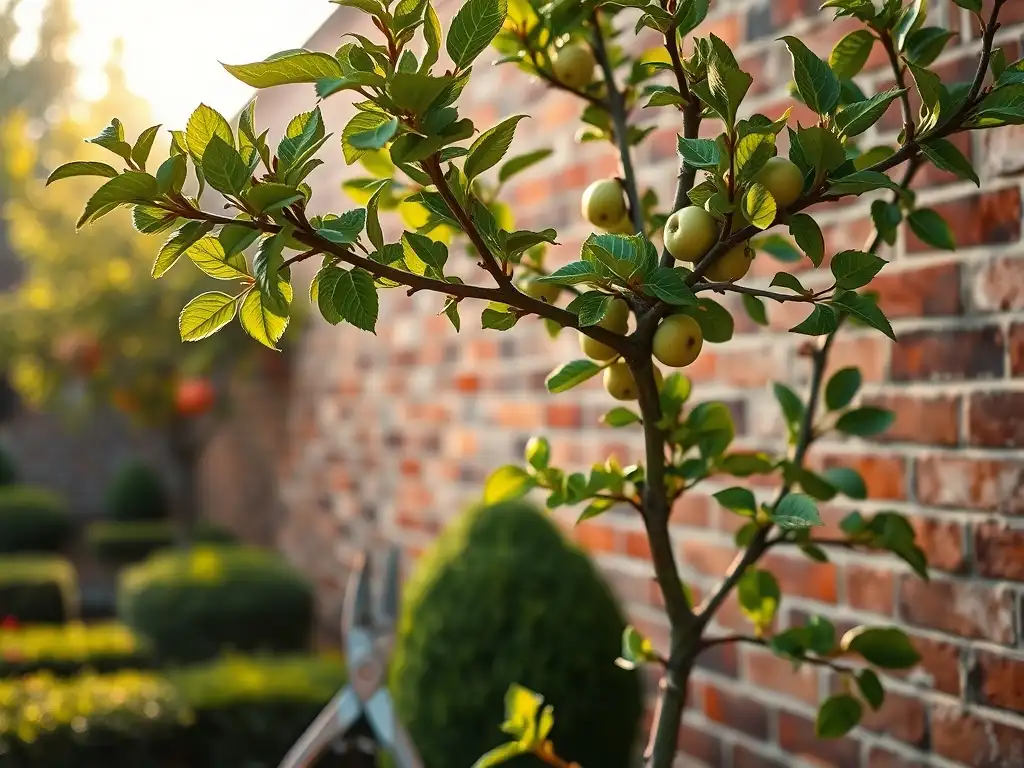
This section delves into the ongoing care required to maintain healthy and productive espalier fruit trees throughout the year. Remember, consistent attention is key to maximizing fruit yield and longevity of your trained trees. The best time to start espalier training may be spring, but year-round care ensures its success.
Spring Pruning and Shaping for Maximizing Fruit Production
Spring, following the last frost, is the ideal time for significant pruning and shaping of your espalier fruit trees. This crucial step directly impacts fruit production for the season. The goal is to maintain the desired espalier form while encouraging strong, fruiting wood.
During spring pruning, focus on removing any dead, damaged, or diseased branches. These not only detract from the tree's aesthetic appeal but also consume energy that could be directed towards fruit production. Use sharp, clean pruning shears to make precise cuts, avoiding ragged edges that can invite disease.
Next, thin out any overcrowded branches to improve air circulation and sunlight penetration. This helps prevent fungal diseases and ensures even ripening of fruit. Remember, the more sunlight your fruiting spurs receive, the more fruit you'll harvest. For example, a classic cordon espalier benefits from careful removal of shoots that grow too densely along the main branches, leaving only a few well-spaced fruiting spurs.
Finally, lightly prune back the tips of the remaining branches to encourage branching and the development of more fruiting spurs. This technique, known as heading back, stimulates growth and ensures a balanced tree structure. The ideal extent of pruning depends on the age and variety of your tree; consult a guide specific to your chosen variety for detailed instructions. Proper spring pruning is a critical component of maximizing fruit production in your espalier.
Summer Care: Watering, Fertilizing, and Pest Control for Espalier Trees
Summer care for espalier fruit trees focuses on maintaining optimal growing conditions and protecting them from pests and diseases. Consistent watering is essential, especially during dry spells. Shallow, frequent watering encourages a robust root system near the surface, ideal for espalier trees. Avoid overwatering, as this can lead to root rot. Monitor the soil moisture regularly; a moisture meter can be a helpful tool.
Fertilizing is also crucial during the summer months. Use a balanced, organic fertilizer specifically formulated for fruit trees. Follow the package instructions carefully, avoiding over-fertilization which can harm your trees. Apply fertilizer around the root zone, taking care not to damage the delicate roots near the surface.
Regular pest and disease monitoring is critical. Inspect your trees regularly for signs of common pests such as aphids, spider mites, or scale insects. Early detection and prompt treatment are crucial to prevent major infestations. Consider using organic pest control methods such as insecticidal soap or neem oil. Regularly remove any diseased or damaged fruits and leaves to prevent the spread of diseases.
Consistent summer care, encompassing proper watering, fertilization, and pest control, is vital for maximizing the yield and health of your espalier fruit trees. Remember, prevention is better than cure.
Fall Preparations: Protecting Your Espalier from Winter Damage
As autumn arrives, preparing your espalier fruit trees for winter is crucial for their survival and future productivity. The best time to initiate this process is before the first frost. This involves several key steps to protect your trees from winter's harsh conditions.
First, thoroughly clean up any fallen leaves and debris around the base of the tree. This removes potential overwintering sites for pests and diseases. Proper sanitation reduces the risk of infection the following spring.
Next, consider providing winter protection, especially for younger trees. This can involve wrapping the trunks with burlap or other protective material to safeguard against frost damage and rodent gnawing. For particularly harsh winters or vulnerable varieties, you might even need to build a small windbreak using straw bales or other materials.
Finally, water your trees deeply before the ground freezes. This helps them to establish deep roots and store enough moisture to survive the winter months. This deep watering is particularly important for newly planted trees. Taking these steps will ensure your espalier fruit trees are well-prepared to withstand the winter and thrive in the upcoming growing season. Remember, a well-prepared tree is a healthy tree, ready to bear fruit in the spring.
Winter Protection: Safeguarding Your Espalier Through the Cold Months
Winter presents unique challenges for espaliered fruit trees, as their two-dimensional growth habit exposes them to harsher conditions than their free-standing counterparts. The lack of insulating snow cover and increased wind exposure can lead to significant damage, particularly for younger, less established trees. Therefore, winter protection is crucial for ensuring the long-term health and productivity of your espalier.
One of the most effective methods involves wrapping the trees with burlap or horticultural fleece. This creates an insulating barrier that protects the delicate branches and trunk from freezing temperatures and harsh winds. Ensure the wrapping is snug but not constricting, allowing for some air circulation to prevent fungal growth.
Remember to remove the wrapping in late winter or early spring, as soon as the threat of frost has passed, to avoid overheating and hindering growth. Failing to remove the wrapping can lead to moisture build-up and potential disease. Different materials have varying levels of breathability, so research the specific needs of your chosen material to prevent issues.
Another important aspect of winter protection is mulching the base of the tree. A thick layer of organic mulch, such as straw, wood chips, or shredded leaves, insulates the roots and protects them from frost heave, which can damage the root system. This mulch layer should be several inches deep and extended several feet beyond the drip line of the tree.
It's important to note that the type of mulch used can affect soil drainage, so consider this factor when selecting your mulch. For example, clay soils might benefit from a more porous mulch, while sandy soils might tolerate a denser layer.
Finally, consider the placement of your espalier in relation to prevailing winds. If possible, plant your trees in a sheltered location, perhaps near a wall or fence that can provide some natural protection from the elements. If this isn't feasible, consider erecting a temporary windbreak using burlap or other suitable materials during particularly harsh weather. Observing local weather patterns and adjusting your protection strategies accordingly is crucial for maximizing the chances of your espalier surviving the winter unscathed.
Regularly checking your trees throughout the winter for signs of damage, such as broken branches or frost cracks, is also crucial for timely intervention. Early detection of problems will allow you to address them quickly and effectively, minimizing potential long-term damage. 🌳
Harvesting Your Espalier Fruit Trees: Timing and Techniques
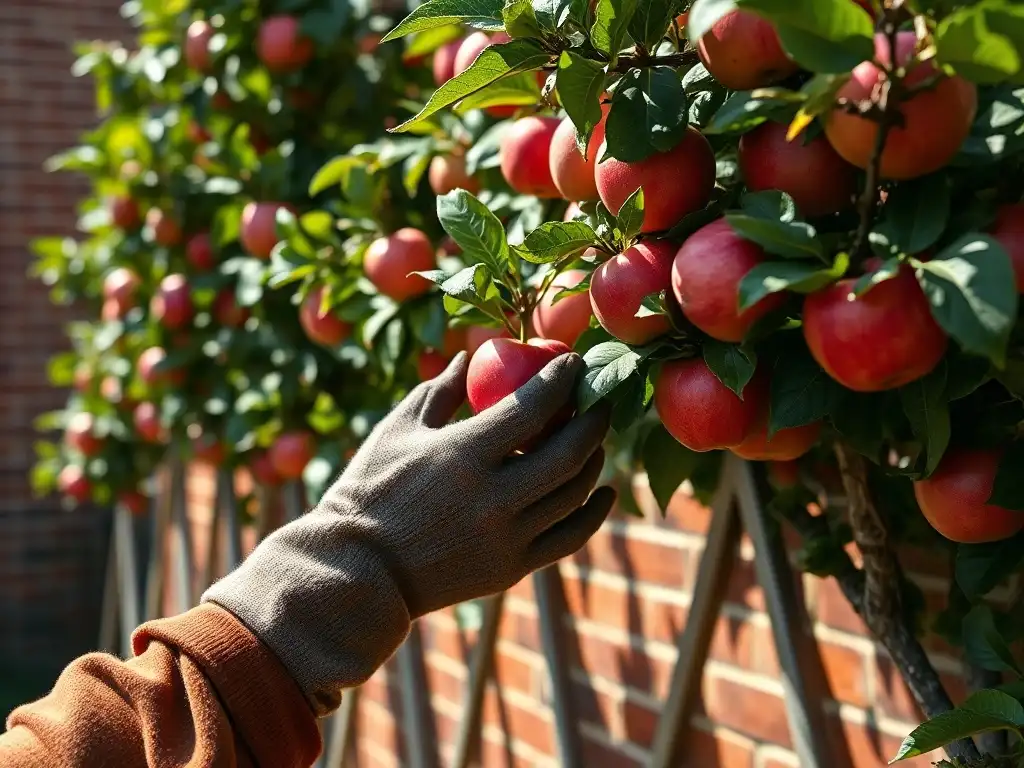
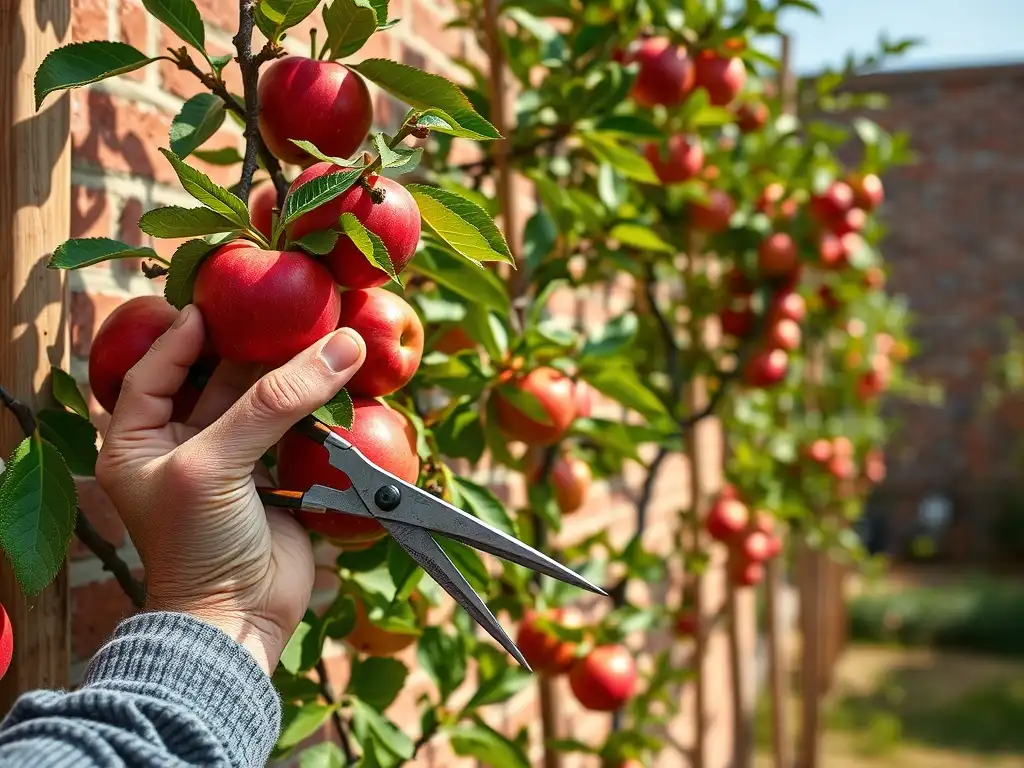
This section focuses on the crucial aspect of harvesting your espalier fruit trees, ensuring you get the best quality fruit while maintaining the health of your trees. Knowing when and how to harvest is key to maximizing your yield and enjoying the fruits of your labor (pun intended!). The best time to harvest espalier fruit trees is highly dependent on the variety of fruit and your specific climate. However, understanding the signs of ripeness and employing proper harvesting techniques are universally important. This information will help you achieve optimal results with your espalier fruit trees, no matter the variety.
Recognizing the Signs of Ripeness in Your Espalier Fruit
Determining the perfect moment to harvest your espalier fruit is crucial for achieving the best flavor and texture. Unlike conventionally grown fruit, the accessibility of espalier fruit often makes individual fruit assessment easier. Look for these key indicators:
- Color Change: Most fruits will exhibit a color change as they ripen. For example, apples will transition from green to a characteristic red, yellow, or a blend depending on the cultivar. Peaches will show a rich, deep color, and plums will shift from green to their mature purple or red hues. However, color alone isn't always a definitive sign; you need to consider other factors.
- Feel and Texture: Gently squeeze the fruit. Ripe fruit will often yield slightly to gentle pressure, indicating softness. Avoid bruising the fruit by being too forceful. Overripe fruit will be excessively soft and may even feel mushy.
- Aroma: Ripe fruit will often have a more pronounced and pleasant aroma. This is particularly noticeable with stone fruits like peaches and plums. Sniff the fruit gently near the stem; a sweet, fruity scent is a good indicator.
- Taste Test (Sampling): The ultimate test! Harvest a few fruits from less-accessible areas and taste them. This allows you to accurately gauge the ripeness and adjust your harvesting schedule accordingly. Remember to only sample a small amount to avoid significant loss.
Here's a table summarizing typical ripeness indicators for some common espalier fruits:
| Fruit Type | Color Change | Texture/Feel | Aroma |
|---|---|---|---|
| Apples | Green to red, yellow, or bi-colored | Slightly yielding | Sweet, fruity |
| Pears | Green to yellow or reddish-brown | Slightly yielding | Sweet, slightly perfumy |
| Peaches | Green to deep red, orange, or yellow | Soft, yielding | Sweet, intense fruity |
| Plums | Green to purple, red, or blue | Soft, yielding | Sweet, slightly tart |
| Cherries | Green to deep red or black | Firm but slightly yielding | Sweet, slightly tart |
Harvesting Methods for Optimal Fruit Quality and Tree Health
Proper harvesting techniques are crucial for maintaining the health of your espalier fruit trees and ensuring you get the best quality fruit. These methods minimize damage and promote future harvests.
- Use Sharp Pruning Shears or Secateurs: This prevents tearing or crushing the fruit and stem. Clean your tools regularly to prevent the spread of diseases.
- Harvest in the Morning: The cooler morning temperatures reduce the risk of bruising and help maintain fruit quality. Avoid harvesting during the hottest part of the day.
- Gently Twist or Cut: If twisting, gently turn the fruit until it separates from the branch. If cutting, make a clean cut close to the stem, avoiding damaging the surrounding branches.
- Handle with Care: Avoid dropping or bumping the fruit. Use soft containers lined with padding to transport the fruit carefully.
- Regular Thinning: While not strictly harvesting, regular thinning of fruits during the growing season helps improve the size and quality of the remaining fruits by reducing competition for resources.
Storing and Preserving Your Harvested Espalier Fruits
Once harvested, proper storage and preservation are essential to prolong the enjoyment of your espalier fruits.
- Immediate Cooling: After harvesting, quickly cool the fruit to slow down ripening and prevent spoilage. Refrigeration is ideal.
- Proper Storage: Store fruit in a single layer in shallow containers to prevent bruising. Avoid stacking fruits on top of each other.
- Preservation Techniques: Consider preserving your excess harvest through methods like canning, freezing, or making jams and jellies. This allows you to enjoy the fruits of your labor throughout the year. Proper food safety practices are essential during these processes.
Remember, the best time to harvest your espalier fruit trees is when the fruit shows all the signs of ripeness. By following these harvesting and preservation techniques, you can ensure a bountiful and delicious harvest year after year. 🍎🍐🍑🍒
Troubleshooting Common Espalier Problems
Espalier, while rewarding, presents unique challenges. Understanding and proactively addressing these issues is crucial for a successful harvest. The best time to address many of these problems is during regular pruning and maintenance, ideally during the dormant season (late winter or early spring) before new growth begins. However, some issues require immediate attention regardless of the season. Let's delve into some common problems and their solutions.
Addressing Growth Issues in Your Espalier Fruit Trees
Uneven growth is a frequent concern in espalier. One side might grow vigorously while the other lags, compromising the aesthetic balance and fruit production. This often stems from insufficient sunlight exposure on one side, or from inconsistent watering. To remedy this:
- Ensure even sunlight: Regularly assess the sunlight reaching all parts of your espalier. Adjust the tree's orientation or prune overhanging branches from neighboring plants to ensure balanced sunlight exposure. A south-facing wall is generally ideal in the Northern Hemisphere.
- Consistent watering: Water deeply and evenly, avoiding both overwatering and underwatering. Use a soaker hose or drip irrigation system to provide consistent moisture to the root zone. Overwatering can lead to root rot and stunted growth, while underwatering leads to wilting and reduced fruit production.
- Proper fertilization: Apply a balanced fertilizer specifically formulated for fruit trees according to package instructions. Avoid over-fertilizing, as this can stimulate excessive vegetative growth at the expense of fruit production. Consider a soil test to determine nutrient deficiencies. Organic fertilizers, like composted manure, are ideal for sustainable gardening.
- Pruning techniques: Careful pruning is essential for maintaining balance. During dormant pruning, remove any excessively vigorous shoots to encourage growth on weaker sides. Regularly remove suckers and water sprouts to maintain the espalier's shape. Consider using techniques like pinching or tip pruning to control growth during the growing season.
Example: Let's say you have a pear tree espaliered against a west-facing wall. The east side is growing much slower. You should prioritize increasing sunlight exposure on that side by pruning any competing plants or branches that shade it. You might also consider a slightly more vigorous watering schedule for that side to encourage growth, while closely monitoring to avoid overwatering.
Dealing with Pests and Diseases Specific to Espalier Trees
The close proximity of branches in espalier can increase the risk of pest and disease infestations. Early detection and prompt action are vital to prevent widespread damage. Common issues include:
- Aphids: These tiny insects suck sap from leaves and shoots, causing stunted growth and leaf curl. Regularly inspect your espalier for aphids and use insecticidal soap or neem oil to control infestations. Encourage beneficial insects, like ladybugs, to help with natural pest control.
- Powdery mildew: This fungal disease appears as a white powdery coating on leaves and stems. It thrives in humid conditions. Improve air circulation around your espalier by pruning overcrowded branches. Organic fungicides, such as baking soda solution, can help control powdery mildew.
- Scale insects: These small, armored insects attach themselves to branches and suck sap. They can be difficult to control. Scrape off visible scale insects with a brush or use horticultural oil to suffocate them. Regular pruning and good sanitation practices help prevent infestations.
Remember, preventative measures are key. Maintaining a healthy tree through proper fertilization, watering, and pruning reduces vulnerability to pests and diseases. Regular inspection is crucial for early detection and prompt treatment. Organic pest and disease control methods are preferred for sustainable espalier gardening.
Correcting Mistakes in Espalier Training and Shaping
Mistakes during the initial training and shaping of your espalier can have long-term consequences. However, many mistakes can be corrected, albeit sometimes with a delay in fruiting.
- Improper branch selection: If you initially chose poor leader branches or failed to select sufficient fruiting spurs, you might need to retrain branches or graft new ones. This is a more advanced technique and requires careful planning and execution.
- Uneven spacing of branches: If branches are too close together, causing overcrowding, prune to improve air circulation and light penetration. If branches are too far apart, you might need to encourage more lateral growth through pinching or other pruning techniques.
- Incorrect angles: If branches are not at the ideal angle, you can gently bend them into the desired position using ties or supports. However, be careful not to damage the branches. This is best done during the growing season when the wood is more pliable. Use soft, flexible ties to avoid girdling.
Correcting mistakes often requires patience and persistence. It's crucial to avoid drastic measures that could harm the tree. Focus on gradual adjustments and regular maintenance to guide the tree towards the desired espalier shape and ensure a healthy, productive tree. Remember, the goal of espalier is to create a beautiful and productive tree, so don't be afraid to experiment and learn from your mistakes.
Frequently Asked Questions
What is espalier?
Espalier is a fruit tree training method that involves growing the tree flat against a wall, trellis, or fence. This creates a two-dimensional structure, maximizing space and sunlight exposure. It also results in beautiful and functional garden features.
What are the benefits of espalier fruit trees?
Espalier offers several advantages: increased yields in smaller spaces, easier harvesting, better sun exposure leading to riper fruit, and a unique aesthetic appeal for your garden. It also allows for better pest and disease management.
What is the best time to start espalier training?
The best time to begin espalier training is during the dormant season, typically late winter or early spring, before new growth begins. This minimizes stress on the young tree.
What types of fruit trees are best suited for espalier?
Many fruit trees work well, but smaller varieties of apples, pears, plums, and peaches are particularly well-suited for espalier. Choose varieties known for their compact growth habits.
What tools do I need for espalier training?
You'll need basic gardening tools including pruning shears or loppers, sturdy ties or fasteners (such as twine or clips), and possibly a trellis or support structure depending on your chosen method. Consider investing in high-quality tools for a clean cut.
Final Reflection: Shaping the Future, One Branch at a Time
The art of espalier, far from being a relic of the past, offers a powerful metaphor for mindful cultivation and patient growth, both in our gardens and in our lives. The precise timing of training, as detailed in this article, is crucial for success, mirroring the importance of seizing opportune moments for personal development and achieving our goals. The seemingly small act of shaping a young tree branch translates into a larger narrative of intentionality and careful planning.
The enduring appeal of espalier lies not just in its aesthetic beauty, but in the deep connection it fosters between the gardener and the growing thing. It's a testament to the power of human intervention working in harmony with nature's rhythms. This meticulous process of shaping and guiding reminds me of the words of Henry David Thoreau: Go confidently in the direction of your dreams. Live the life you've imagined.
The deliberate training of an espalier tree reflects our own journey of self-discovery and the careful cultivation of our aspirations.
Consider the lessons learned here. Don't just plant a tree; shape your future. Take the time to understand the optimal conditions for growth, whether it's the best time of year to prune your fruit tree or the ideal moment to pursue a new opportunity. Embrace the process, celebrate the small victories, and remember that even the most ambitious goals are achieved one carefully placed branch at a time. The rewards, both aesthetically pleasing and deeply satisfying, will far outweigh the effort.
Unleash Your Orchard: Start Training Your Espalier Today!
Thank you for exploring the world of espalier fruit trees! You're now equipped to cultivate a stunning and productive garden. Ready to put your knowledge into practice?
- Begin your espalier journey: Choose a young fruit tree and a training method that suits your space and aesthetic preferences. This is the first step towards a bountiful harvest!
- Share your progress: Post a picture of your chosen tree and training plan on social media using #EspalierChallenge to connect with other espalier enthusiasts!
- Expand your knowledge: Explore different espalier techniques and fruit varieties to find the perfect fit for your environment and goals.
Ready to transform your garden into a thriving, vertical orchard? What unique espalier design will you create?