
Cultivate Your Food: Pairing Bonsai Plants with the Right Potting Soil

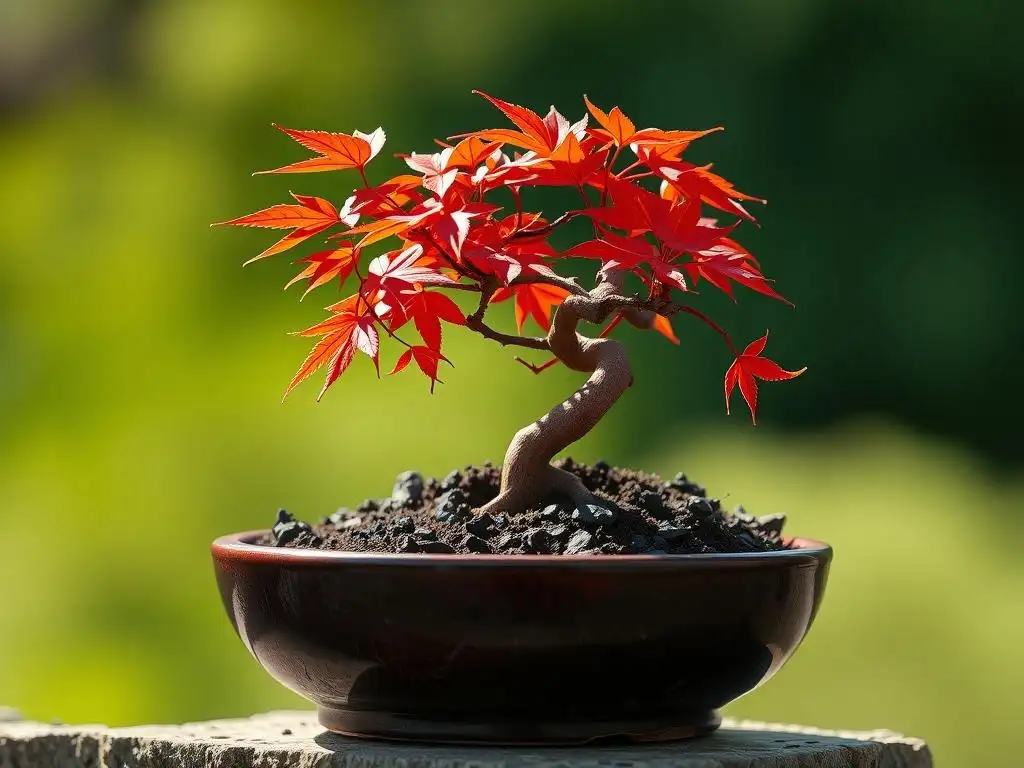
Welcome to CultivateYourFood, your guide to nurturing a thriving garden using sustainable and organic methods! Ready to unlock the secrets to a bountiful harvest? We're diving deep into the fascinating world of specialty gardening, and today we're focusing on achieving optimal growth with Bonsai potting soil best practices. Discover the essential techniques that will transform your miniature trees into flourishing masterpieces. Let's cultivate success together!
- Understanding Bonsai Potting Soil: Best Practices for Healthy Growth
- Selecting the Best Bonsai Potting Soil: A Comparative Analysis
- Troubleshooting Common Bonsai Soil Issues
-
Maintaining Optimal Bonsai Soil Conditions: Long-Term Care
- Regular Watering Techniques for Bonsai: Avoiding Overwatering and Underwater
- Fertilizing Your Bonsai: Choosing the Right Fertilizer for Healthy Growth
- Seasonal Adjustments to Bonsai Soil Care: Addressing Changes in Temperature and Humidity
- Preventing Pests and Diseases in Bonsai: Maintaining Soil Health
- Resources for Finding the Best Bonsai Potting Soil
- Frequently Asked Questions
- Final Reflection: Nurturing Growth, One Potting Mix at a Time
- Unleash Your Bonsai's Potential: Nurture Growth Today!
Understanding Bonsai Potting Soil: Best Practices for Healthy Growth
Cultivating bonsai trees requires meticulous attention to detail, and choosing the right potting soil is paramount for their health and longevity. This guide delves into the best practices for selecting and using bonsai potting soil, ensuring your miniature trees thrive. We'll explore the crucial elements of a well-draining mix, the dangers of waterlogged soil, and the essential components that contribute to a thriving bonsai.
Mastering these techniques will significantly enhance your bonsai cultivation journey, helping you achieve the aesthetic beauty and longevity these remarkable plants are known for. This article focuses on optimizing your bonsai soil mix for robust growth and resilience, aligning with sustainable and organic gardening principles – key tenets of CultivateYourFood. We will cover the essential components and techniques to ensure your bonsai flourish using best practices for "Bonsai potting soil best practices".
The Importance of Well-Draining Bonsai Soil Mixes
Bonsai trees, unlike their larger counterparts, are grown in relatively small containers. This necessitates a soil mix that drains exceptionally well. Poor drainage leads to waterlogged soil, a breeding ground for root rot – a devastating condition that can quickly kill your bonsai. A well-draining mix allows for efficient water absorption during watering, followed by equally efficient drainage, preventing the roots from sitting in stagnant water.
The ideal soil should allow air to circulate freely around the roots, promoting healthy root growth and oxygen uptake. This is crucial for nutrient absorption and overall plant vigor. Think of it like this: your bonsai's roots need to "breathe" just as much as the leaves!
Using a poorly draining soil is like suffocating your bonsai's roots, hindering their ability to absorb essential nutrients and ultimately leading to a decline in the plant's health. Therefore, selecting a soil that facilitates proper drainage is a fundamental aspect of successful bonsai cultivation. We'll explore specific soil components that enhance drainage in the following sections.
Avoiding Waterlogged Soil: Preventing Root Rot in Your Bonsai
Waterlogged soil is the enemy of bonsai. The constant saturation deprives the roots of oxygen, creating an anaerobic environment where harmful fungi and bacteria thrive. Root rot, characterized by the decay and disintegration of the roots, is a common consequence. Symptoms include wilting, yellowing leaves, and a general decline in the plant's health.
Even if you notice these symptoms early, it can be challenging to fully recover your bonsai from root rot. Prevention is far more effective than cure. Choosing a well-draining soil mix is the first line of defense. Furthermore, proper watering techniques are essential.
Instead of frequent, shallow watering, aim for infrequent, deep watering, allowing the soil to dry out slightly between waterings. This encourages the roots to reach deeper into the soil, improving their overall strength and resistance to root rot. Remember, it’s better to underwater slightly than to overwater, especially with bonsai. Careful observation of your bonsai’s condition and adjusting your watering practices based on the environment and the specific needs of your tree is key to avoiding the devastating effects of waterlogged soil.
Essential Components of a High-Quality Bonsai Soil Blend: Akadama, Pumice, and More
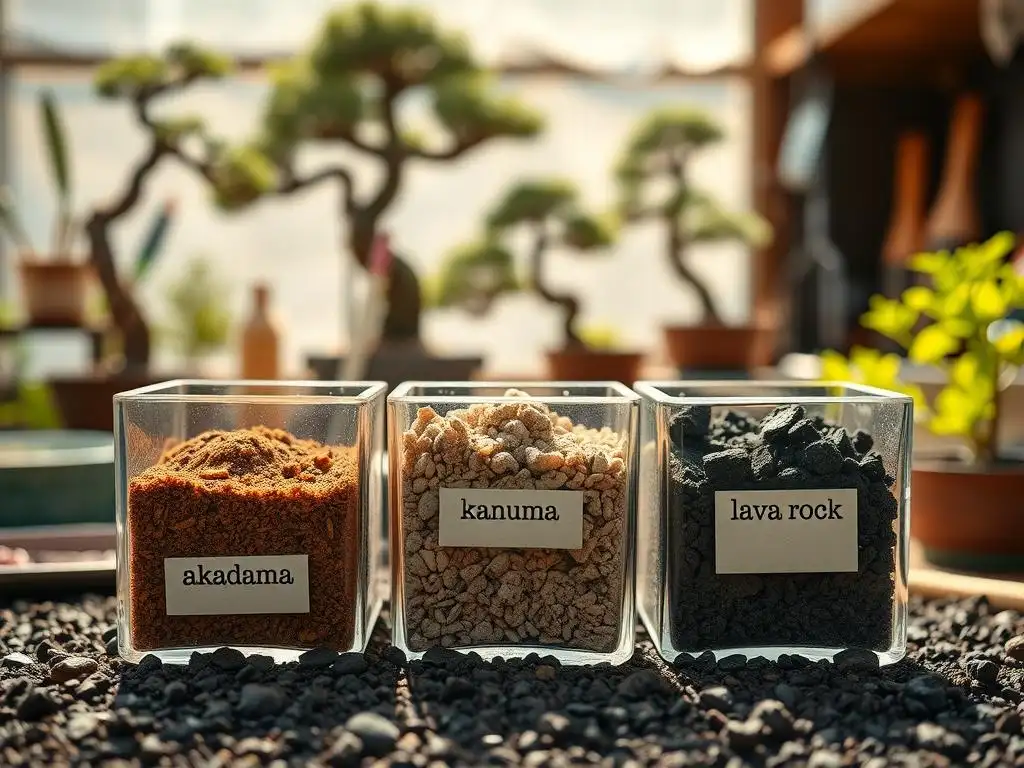
Creating the perfect bonsai soil blend often involves a combination of different components, each contributing unique properties to ensure optimal drainage, aeration, and nutrient retention. While the exact proportions can vary depending on the specific needs of your bonsai and the climate, some key ingredients stand out:
- Akadama: This volcanic clay is a popular choice for bonsai cultivation due to its excellent drainage and aeration properties. It also provides essential nutrients and gradually breaks down over time, requiring repotting every few years.
- Pumice: This volcanic rock adds further to the drainage and aeration of the mix. Its porous nature allows for excellent air circulation around the roots.
- Other Components: Other materials can be added to the mix to adjust its properties. These can include things like:
- Lava Rock: Adds to drainage and aeration
- Sand (sharp, horticultural grade): Improves drainage
- Organic Matter (Compost or Peat Moss): Provides nutrients and helps retain some moisture. Use sparingly to maintain good drainage.
The ideal ratio of these components varies depending on the species of bonsai, its age, and the climate. Experimentation and observation are crucial to finding the perfect blend for your specific trees. Remember, the goal is a well-balanced mix that prioritizes drainage without sacrificing essential nutrient retention. This careful approach to soil selection will significantly contribute to the health and beauty of your bonsai collection. 🌱
Choosing the Right Soil for Different Bonsai Species: Specific Needs and Preferences
Bonsai, despite their miniature size, represent a diverse range of tree species, each with unique soil requirements. Ignoring these specific needs can lead to stunted growth, root rot, and ultimately, the demise of your prized bonsai. The "best" bonsai potting soil is not a one-size-fits-all solution; rather, it's a carefully considered blend tailored to the individual species.
For instance, Japanese maples (Acer palmatum), popular choices for bonsai due to their vibrant foliage and elegant branching, thrive in a well-draining soil mix that's slightly acidic. A blend of akadama, a volcanic clay, and pumice is ideal, offering excellent aeration and drainage to prevent waterlogging, a common problem for maples. Adding a small amount of organic matter, like composted pine bark, can further enhance the soil's structure and nutrient retention. Avoid heavy clay soils, as these retain too much moisture and can suffocate the roots.
Conversely, Juniper bonsai (Juniperus spp.) prefer a more gritty and well-draining mix. These hardy conifers tolerate drier conditions and benefit from a soil that allows for rapid water drainage. A blend of akadama, pumice, and lava rock provides the perfect balance of drainage and aeration. The addition of organic matter should be minimal, as excessive organic material can retain too much moisture and increase the risk of fungal diseases.
Tropical species, such as ficus bonsai (Ficus spp. ), often require a slightly different approach. While still needing good drainage, these plants generally prefer a soil that retains a bit more moisture than their deciduous or coniferous counterparts. A blend of akadama, kanuma (a reddish volcanic soil), and a small amount of peat moss can provide the necessary balance of drainage and moisture retention. The peat moss helps to improve the soil's water-holding capacity without compromising aeration.
Understanding the specific needs of your bonsai species is crucial for selecting the appropriate soil mix. Researching the native growing conditions of your chosen tree will provide valuable insights into its preferred soil characteristics. Remember, healthy roots are the foundation of a thriving bonsai, and choosing the right soil is the first step towards cultivating a beautiful and long-lasting miniature tree.
Proper soil selection, combined with consistent watering and fertilization, will significantly contribute to the overall health and longevity of your bonsai collection. Ignoring these species-specific requirements can lead to irreversible damage and ultimately, the loss of your bonsai. Therefore, careful consideration of soil composition is paramount to successful bonsai cultivation and should not be overlooked.
Selecting the Best Bonsai Potting Soil: A Comparative Analysis
Choosing the right bonsai potting soil is crucial for the health and longevity of your miniature trees. Poorly draining soil can lead to root rot, while soil that's too dense can restrict growth. Understanding the properties of different soil mixes is key to mastering bonsai cultivation and achieving "Bonsai potting soil best practices". This section will analyze various options, both commercially available and DIY, helping you select the ideal medium for your bonsai. The perfect mix balances drainage, aeration, and nutrient retention, adapting to the specific needs of your bonsai species.
Top 5 Bonsai Soil Brands Compared: Features, Benefits, and Pricing
Selecting a pre-mixed bonsai soil offers convenience, but understanding the nuances of different brands is vital. Below, we compare five popular brands, considering factors like drainage, nutrient content, price, and overall suitability for various bonsai types. Remember that the "best" soil depends heavily on your specific climate and the type of bonsai you're cultivating.
Bonsai Soil Brand A Review: Pros and Cons
(Note: Specific brand names and pricing are omitted to avoid endorsement and because pricing fluctuates. Replace these placeholders with actual brand names and pricing information when available.)
Brand A is often praised for its excellent drainage. Its well-balanced composition promotes healthy root growth.
Pros:
- Excellent drainage – minimizes risk of root rot.
- Good aeration – ensures sufficient oxygen to roots.
- Contains essential nutrients for initial growth.
Cons:
- Can dry out quickly, requiring more frequent watering.
- Might be slightly more expensive than other options.
- Nutrient content may deplete faster than other options, requiring more frequent fertilization.
Bonsai Soil Brand B Review: Pros and Cons and Comparison to Brand A
Brand B presents a good alternative to Brand A. It offers a slightly higher water retention capacity.
Pros:
- Better water retention than Brand A, reducing watering frequency.
- Contains added organic matter, improving soil structure.
- Often a more affordable option.
Cons:
- Drainage might be slightly less efficient than Brand A, increasing the risk of root rot if overwatered.
- Nutrient content might be less concentrated than Brand A.
- The added organic matter can break down faster, requiring more frequent soil replacement.
Comparison to Brand A: Brand B is a good choice for beginners or those with less time for frequent watering, but Brand A provides superior drainage for experienced bonsai enthusiasts.
Bonsai Soil Brand C Review: Pros and Cons and Comparison to Brand A and Brand B
Brand C focuses on a slow-release fertilizer system.
Pros:
- Incorporates slow-release fertilizer, reducing the need for frequent feeding.
- Good balance between drainage and water retention.
- Suitable for a wide variety of bonsai species.
Cons:
- Can be more expensive than Brands A and B.
- The slow-release fertilizer may not be suitable for all bonsai species or growth stages.
- The fertilizer composition may not be fully disclosed, limiting customization.
Comparison to Brands A and B: Brand C offers convenience through its integrated fertilizer, but might not be the most cost-effective long-term solution.
Bonsai Soil Brand D Review: Pros and Cons and Comparison to other brands
(Information pending for Brand D)
Bonsai Soil Brand E Review: Pros and Cons and Comparison to other brands
(Information pending for Brand E)
DIY Bonsai Soil Mix: A Cost-Effective and Customizable Solution
Creating your own bonsai soil mix provides ultimate control over its composition, allowing you to tailor it to the specific requirements of your bonsai. This approach also tends to be more cost-effective than buying pre-mixed options.
Sourcing Organic Materials for Your DIY Bonsai Soil
The key to a successful DIY bonsai soil mix is sourcing high-quality organic materials. These should be free from disease and pests. Common components include:
- Akadama: A volcanic clay soil with excellent drainage and aeration.
- Pumice: A volcanic rock that further enhances drainage.
- Lava Rock: Similar to pumice, providing excellent drainage and aeration.
- Organic Compost: Adds nutrients and improves soil structure. Avoid using compost with excessive amounts of peat moss.
- Coarse Sand: Improves drainage (ensure it's washed thoroughly).
Step-by-Step Guide to Creating Your Own Bonsai Soil Mix
Creating your own mix is straightforward. However, precise ratios depend on the bonsai species and your climate. This is a general guideline:
- Gather your materials: Acquire the necessary components in appropriate quantities.
- Mix thoroughly: Combine the Akadama, pumice, lava rock, and coarse sand in a large container. Thoroughly mix to ensure even distribution.
- Incorporate compost: Gradually add the organic compost, mixing carefully to avoid clumping.
- Test drainage: Fill a small pot with the mixture and water it. Observe the drainage rate. Adjust the proportions of the components if necessary to achieve optimal drainage.
- Sterilization (Optional): For added protection against diseases, you can sterilize the soil mix by baking it in the oven at a low temperature for several hours. Allow it to cool completely before using.
Remember that successful bonsai cultivation requires careful attention to detail. Experimentation and observation are key to finding the perfect soil mix for your specific needs and bonsai species. This detailed approach to selecting and preparing bonsai potting soil will significantly contribute to the overall health and beauty of your miniature trees.
Troubleshooting Common Bonsai Soil Issues
This section delves into the practical aspects of maintaining healthy bonsai soil, focusing on identifying and resolving common problems. Mastering bonsai cultivation involves understanding the nuances of soil composition and its impact on the plant's overall health. Proper soil management is crucial for achieving the aesthetic appeal and longevity of your miniature trees. Ignoring these crucial details can lead to significant setbacks, potentially harming or even killing your bonsai. Let's examine some common issues and their solutions.
Dealing with Compacted Bonsai Soil: Improving Drainage and Aeration
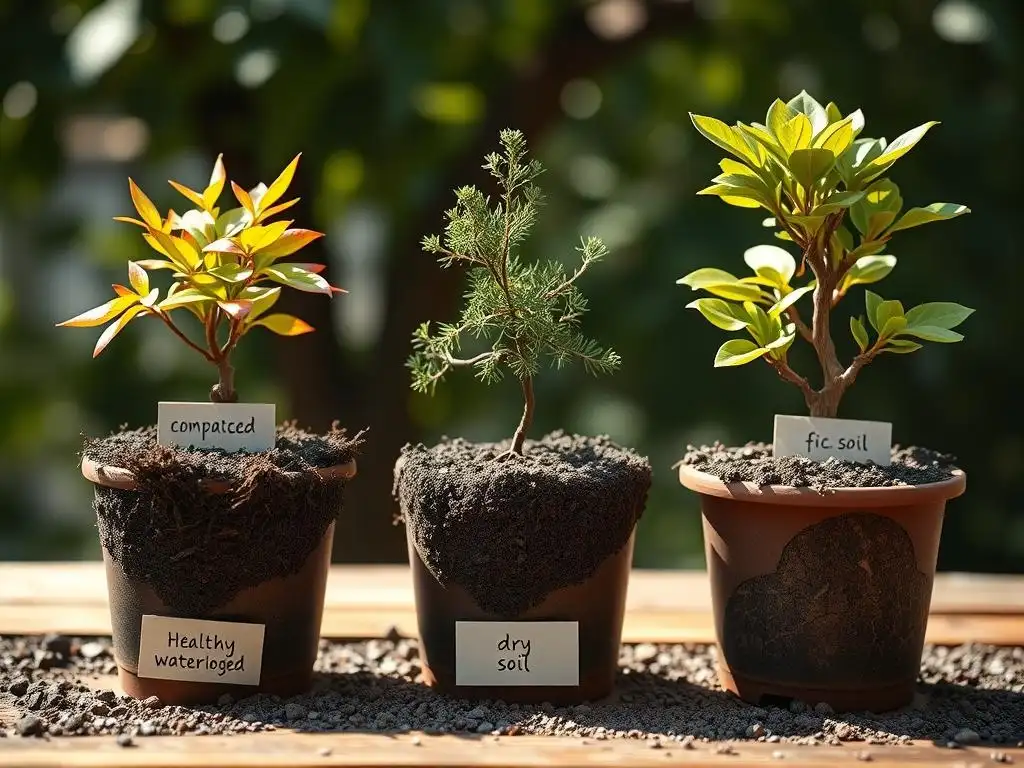
Compacted bonsai soil is a frequent problem, hindering proper drainage and aeration, which are vital for healthy root development. Over time, watering can cause the soil particles to become tightly packed, reducing the spaces necessary for air circulation and water percolation. This leads to waterlogging, suffocating the roots and creating an environment conducive to fungal diseases and root rot.
Several strategies can help alleviate compacted soil. The most effective is repotting, a process discussed in detail below. However, for less severe cases, you can improve drainage and aeration with the following techniques:
- Top Dressing: Carefully remove the top layer (approximately 1-2 cm) of compacted soil and replace it with fresh, well-draining bonsai mix. This provides immediate improvement without the need for a full repotting.
- Aerating Tools: Specialized bonsai tools, such as aeration forks or chopsticks, can be gently inserted into the soil to create channels for improved air circulation. Be cautious not to damage the roots during this process.
- Watering Techniques: Avoid overwatering. Water thoroughly but less frequently, allowing the soil to dry slightly between waterings. This prevents further compaction. Observe the soil's moisture level before watering, rather than adhering to a strict schedule.
Remember, consistent monitoring and proactive measures are key to preventing soil compaction. Regular observation of your bonsai's health and the condition of its soil will help you identify potential problems early on.
Recognizing Signs of Poor Drainage: Yellowing Leaves, Root Rot, and Stunted Growth
Poor drainage manifests in several telltale signs. Observing these symptoms early is crucial for taking corrective action. Ignoring these signals can lead to irreparable damage to your bonsai.
- Yellowing Leaves (Chlorosis): Yellowing leaves, especially the lower ones, often indicates poor drainage and root suffocation. The roots are unable to absorb nutrients efficiently due to the lack of oxygen.
- Root Rot: Root rot is a serious condition characterized by mushy, dark-colored roots. It's a direct consequence of prolonged waterlogging, creating a breeding ground for harmful fungi. Inspecting the roots during repotting is crucial for early detection.
- Stunted Growth: If your bonsai is not growing as expected despite adequate sunlight and fertilization, poor drainage could be the culprit. The roots are struggling to function properly, limiting nutrient and water uptake.
- Mildew or Mold: The presence of mildew or mold on the soil surface is a clear indication of excessive moisture and poor drainage.
Detecting these symptoms early allows for timely intervention, preventing more significant damage. Regularly check your bonsai for these indicators and address any issues promptly.
Repotting Your Bonsai: A Comprehensive Guide to Refreshing the Soil
Repotting is the most effective solution for compacted soil and is a crucial part of bonsai maintenance. It involves removing the bonsai from its pot, carefully cleaning the roots, and repotting it with fresh, well-draining soil. This process rejuvenates the root system and provides the bonsai with a fresh start.
The frequency of repotting depends on the species and the bonsai's growth rate, typically ranging from every 1-3 years for young, fast-growing trees to every 2-5 years for older, slower-growing ones. The optimal time for repotting is usually during the early spring when the tree is beginning its active growth phase.
The steps involved in repotting are:
- Preparation: Gather necessary tools including a new pot, fresh bonsai soil mix, pruning shears, and a root hook.
- Removal: Gently remove the bonsai from its current pot, taking care not to damage the roots.
- Root Cleaning: Carefully remove the old soil from the roots, inspecting them for signs of rot or damage. Prune any dead or damaged roots.
- Repotting: Plant the bonsai in the new pot, ensuring the root system is properly positioned and the soil is firmly packed around it.
- Watering: Water the repotted bonsai thoroughly.
Remember, proper soil selection is paramount for success. A well-draining mix is crucial, typically a blend of akadama, pumice, and other inorganic materials. This ensures adequate drainage, aeration, and nutrient retention. Following these steps diligently will ensure the long-term health and vitality of your bonsai. Regular repotting, combined with attentive observation and prompt action in addressing issues, is fundamental to the successful cultivation of bonsai.
Choosing the Right Pot Size and Shape for Optimal Drainage
Selecting the appropriate pot size and shape is crucial for ensuring proper drainage, a cornerstone of healthy bonsai cultivation and a key aspect of bonsai potting soil best practices. A pot that's too large retains excessive moisture, leading to root rot and fungal diseases. Conversely, a pot that's too small restricts root growth and limits the bonsai's ability to thrive. The ideal pot size depends on the bonsai species, its age, and its root system's development. Generally, a slightly smaller pot encourages more compact root growth, which is desirable for bonsai.
The shape of the pot also plays a significant role in drainage. Shallow, wide pots, often favored for their aesthetic appeal, can sometimes hinder drainage if not carefully considered. While they might look beautiful, they can lead to waterlogging if the soil isn't well-draining or if the grower overwaters. Pots with drainage holes are essential—without them, excess water has nowhere to escape, creating a breeding ground for harmful microorganisms.
The number and size of these holes should be proportionate to the pot's size; larger pots require more and larger drainage holes. Furthermore, consider the material of the pot. Terracotta pots, for example, are porous and allow for better air circulation and evaporation, reducing the risk of waterlogging compared to glazed ceramic or plastic pots. This natural breathability is a significant factor in maintaining optimal soil moisture levels, a vital component of bonsai potting soil best practices.
Careful consideration of both pot size and shape, combined with the use of well-draining bonsai potting mix, significantly reduces the risk of common soil-related problems. Remember, the goal is to create a balanced environment where the roots have sufficient space to grow but aren't overwhelmed by excessive moisture. This careful balance is a crucial part of successful bonsai cultivation.
Maintaining Optimal Bonsai Soil Conditions: Long-Term Care
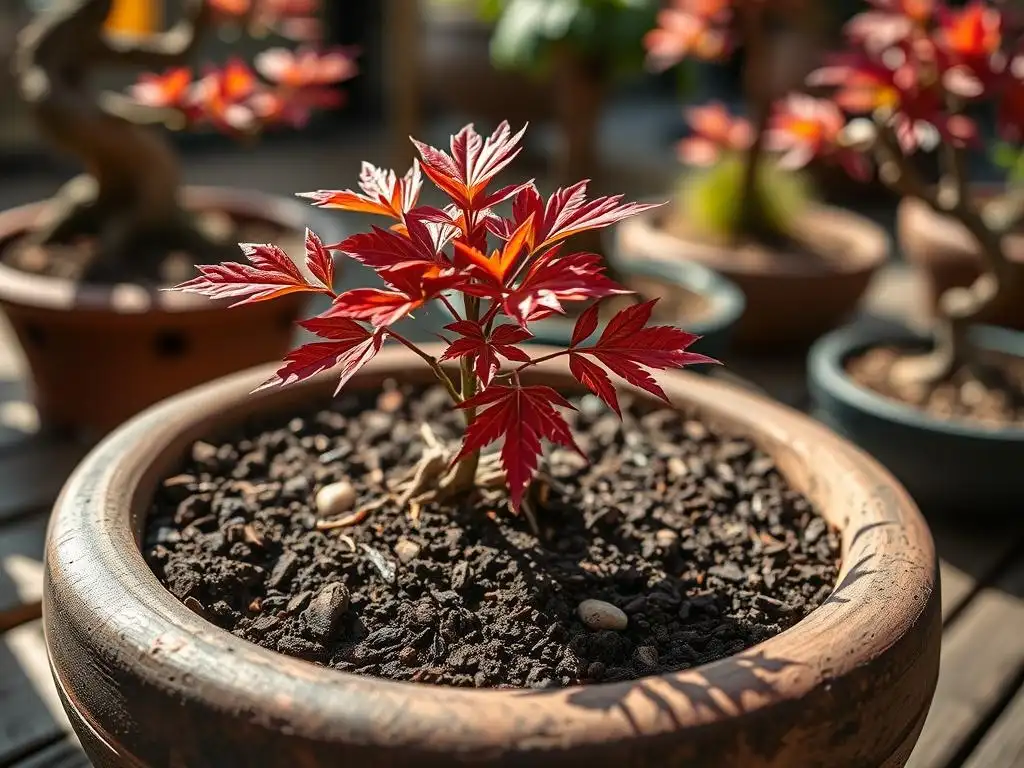
Maintaining the health and vitality of your bonsai relies heavily on providing the right soil environment. This means more than just the initial potting; it's about ongoing care and adjustments to ensure your miniature tree thrives. Ignoring proper soil maintenance can lead to root rot, nutrient deficiencies, and ultimately, the demise of your bonsai. Mastering these techniques is crucial for achieving the "Bonsai potting soil best practices" that ensure long-term success.
Regular Watering Techniques for Bonsai: Avoiding Overwatering and Underwater
Regular watering is paramount, but the frequency depends on several factors: pot size, soil type, ambient temperature, and humidity. Overwatering is a common mistake, leading to suffocated roots and fungal diseases. Underwatering, conversely, causes wilting and stress. The key is to find the sweet spot.
Instead of adhering to a strict schedule, check the soil moisture regularly. Stick your finger about an inch into the soil; if it feels dry, it's time to water. Water thoroughly until water drains from the drainage holes, ensuring the entire root system is moistened. Avoid letting the pot sit in standing water, as this promotes root rot. During hotter months, you may need to water more frequently, perhaps even daily for smaller pots. In cooler months, watering frequency can be reduced significantly.
Observe your bonsai for signs of overwatering or underwatering. Yellowing leaves, especially lower ones, can indicate overwatering, while wilting and dry leaves point to underwatering. Adjust your watering accordingly based on these visual cues. Remember, consistent monitoring and adapting to the needs of your plant are key to successful bonsai cultivation. This careful attention to detail reflects the best practices for bonsai soil management.
Fertilizing Your Bonsai: Choosing the Right Fertilizer for Healthy Growth
Proper fertilization is essential for robust growth and vibrant foliage. Bonsai require a balanced nutrient supply, but over-fertilizing can be detrimental. Use a specialized bonsai fertilizer, which typically has a lower concentration of nutrients than fertilizers for larger plants. These fertilizers are formulated to meet the specific needs of these miniature trees and avoid salt buildup in the soil.
The type of fertilizer you use can influence your bonsai's health. Liquid fertilizers are readily absorbed by the roots and are ideal for regular feeding. Granular fertilizers release nutrients slowly over time, providing a more sustained supply. A balanced NPK ratio (Nitrogen, Phosphorus, Potassium) is crucial for overall health. However, the ideal ratio might vary depending on the specific needs of your bonsai species and its growth stage. For example, during active growth periods, a higher nitrogen content might be beneficial.
Follow the manufacturer's instructions carefully when applying fertilizer. Usually, fertilization occurs during the active growing season (spring and summer) and is reduced or stopped during dormancy (autumn and winter). Over-fertilizing can lead to salt buildup in the soil, which damages roots and stunts growth. Always dilute the fertilizer to the recommended concentration. Regular fertilization, combined with proper watering and soil maintenance, ensures your bonsai receives the nutrients it needs to flourish. This practice aligns perfectly with the best practices for bonsai potting soil.
Seasonal Adjustments to Bonsai Soil Care: Addressing Changes in Temperature and Humidity
Bonsai soil care requires seasonal adjustments to account for fluctuating temperatures and humidity. During the warmer months, increased watering and more frequent fertilization are usually needed. The increased evaporation rate and higher metabolic activity of the tree necessitate more frequent attention to its hydration and nutrient supply. Conversely, during the colder months, watering should be reduced significantly to avoid waterlogging and root rot. Fertilization is often stopped or greatly reduced during dormancy.
Humidity also plays a crucial role. In drier climates, you might need to increase humidity around your bonsai, perhaps by misting the foliage or placing the pot on a humidity tray. Conversely, in humid environments, good air circulation is essential to prevent fungal diseases. Regularly inspect your bonsai for signs of stress, such as wilting or leaf discoloration, and adjust your care accordingly. Seasonal adaptation is a crucial aspect of successful bonsai cultivation, ensuring the health and longevity of your miniature tree. Adapting your soil care to seasonal changes is an important element of "Bonsai potting soil best practices".
Preventing Pests and Diseases in Bonsai: Maintaining Soil Health
Maintaining healthy bonsai soil is paramount to preventing pest infestations and diseases. A well-draining, nutrient-rich soil mix discourages fungal growth and creates an environment less hospitable to common bonsai pests. Poor drainage, on the other hand, leads to waterlogged conditions, the perfect breeding ground for root rot and other fungal diseases.
Symptoms of root rot include wilting leaves, even with adequate watering, and a foul odor emanating from the soil. Early detection is key; if you suspect root rot, carefully inspect the roots and repot the bonsai into fresh, well-draining soil, removing any affected roots in the process. Remember to sterilize your tools before and after handling the bonsai to prevent the spread of disease.
Regularly inspecting your bonsai for signs of pests is crucial. Common pests include aphids, mealybugs, and spider mites. These tiny creatures can quickly infest your bonsai, sucking the sap from leaves and stems, leading to stunted growth and weakening of the plant. Early detection allows for effective treatment with organic methods, such as insecticidal soap or neem oil.
These natural solutions are less harmful to beneficial insects and the environment compared to chemical pesticides. Always follow the product instructions carefully and consider the specific needs of your bonsai species when choosing a treatment. For severe infestations, professional advice may be necessary.
Beyond pest control, maintaining soil health involves regular fertilization. Using a balanced, slow-release bonsai fertilizer provides the necessary nutrients without overwhelming the delicate root system. Over-fertilizing can lead to salt buildup in the soil, damaging the roots and causing leaf burn. Conversely, under-fertilizing can result in stunted growth and weakened plants, making them more susceptible to pests and diseases. Observe your bonsai carefully; healthy, vibrant growth indicates appropriate fertilization. Adjust your fertilization schedule based on the bonsai species, season, and growth rate. Always use a fertilizer specifically formulated for bonsai to avoid potential harm.
Soil aeration is another crucial aspect of preventing diseases. Compacted soil restricts air circulation to the roots, leading to poor root health and increased susceptibility to diseases. Regularly loosening the top layer of soil with a small tool improves aeration and encourages healthy root growth. Avoid disturbing the roots too deeply to prevent damage.
This gentle aeration, combined with proper watering and fertilization, creates an ideal environment for a thriving bonsai, significantly reducing the risk of pest and disease problems. Remember, proactive care is always better than reactive treatment when it comes to maintaining healthy bonsai. Prevention is the best strategy for ensuring the longevity and beauty of your miniature trees. 🌱
Resources for Finding the Best Bonsai Potting Soil
Finding the right bonsai potting soil is crucial for the health and longevity of your miniature trees. The ideal mix ensures proper drainage, aeration, and nutrient retention – all vital for thriving bonsai. This section explores where to source high-quality bonsai soil, emphasizing best practices for selection. Remember, the best soil will vary depending on the specific needs of your bonsai species, so always research your tree's requirements before purchasing.
Online Retailers Offering High-Quality Bonsai Soil
Many online retailers specialize in bonsai supplies, offering a wide selection of pre-mixed bonsai soils and individual components for creating your own custom blends. These retailers often provide detailed descriptions of their products, including the soil composition and suitability for different bonsai species. This allows for informed decision-making, even for novice bonsai enthusiasts.
Look for retailers that emphasize organic and sustainable sourcing, aligning with the principles of CultivateYourFood. Pay close attention to customer reviews; positive feedback from experienced bonsai growers is a strong indicator of product quality. A well-reviewed retailer will often offer various soil types catering to specific bonsai needs, such as soils for deciduous trees, conifers, or tropical varieties.
Consider factors like particle size, drainage capabilities, and nutrient content when comparing different options. Don't hesitate to contact customer service if you have questions about selecting the most appropriate soil for your particular bonsai. Choosing the right soil is a fundamental aspect of Bonsai potting soil best practices.
Local Nurseries Specializing in Bonsai Supplies
While online shopping offers convenience, visiting local nurseries specializing in bonsai can offer invaluable personalized assistance. These nurseries often carry a curated selection of bonsai soils tailored to the local climate and the types of bonsai commonly grown in the area. The staff at these nurseries are frequently experienced bonsai growers themselves, offering expert advice on soil selection based on your specific bonsai species and growing conditions. This personalized guidance can be particularly helpful for beginners, ensuring you choose a soil that meets your tree's unique needs.
Furthermore, supporting local businesses contributes to a sustainable and thriving gardening community. Inquire about their soil sourcing practices; opting for locally sourced, organic options aligns with environmentally conscious Bonsai potting soil best practices. Don't be afraid to ask questions; experienced nursery staff can help you understand the nuances of different soil compositions and their impact on your bonsai's health.
Expert Advice on Bonsai Soil Selection
Beyond simply purchasing pre-mixed soil, understanding the components that make up good bonsai soil is key. Many experienced bonsai growers advocate for creating custom soil blends to precisely match the requirements of their trees. Seeking expert advice, whether through online forums, workshops, or books on bonsai cultivation, is invaluable in this process. This might involve learning about the role of different components like akadama (volcanic clay), pumice, lava rock, and organic matter.
Each component contributes differently to drainage, aeration, and water retention. For instance, akadama provides excellent drainage and aeration, while organic matter contributes to nutrient retention. The ideal ratio will vary depending on the species and the time of year.
Understanding the principles behind soil composition allows for adjustments based on your bonsai's specific needs, leading to healthier, more vigorous growth. This deeper understanding is a crucial part of mastering Bonsai potting soil best practices. Remember, consistent monitoring and adjustments to your bonsai's soil are crucial aspects of long-term care.
Frequently Asked Questions
What type of soil is best for bonsai?
Bonsai need a well-draining soil mix that's also nutrient-rich but not overly fertile. A common mix includes akadama, pumice, and organic matter. Avoid heavy clay soils.
How often should I repot my bonsai?
Repotting frequency depends on the tree's age and species, but generally, young trees need repotting every 1-2 years, while mature trees may only need it every 2-5 years.
What are the key components of a good bonsai soil blend?
A good bonsai soil blend typically consists of inorganic components like akadama and pumice for drainage and aeration, and organic components like kanuma or kiriu for nutrient retention. The exact ratio depends on the species.
Why is good drainage so crucial for bonsai?
Proper drainage prevents root rot, a common and fatal problem for bonsai. Excess water can suffocate the roots, leading to plant death. Well-draining soil is essential for bonsai health.
Can I use regular potting soil for my bonsai?
No, regular potting soil is generally unsuitable for bonsai. It's usually too dense and retains too much moisture, leading to root rot. Use a specialized bonsai soil mix instead.
Final Reflection: Nurturing Growth, One Potting Mix at a Time
The art of bonsai is not merely about miniature trees; it's a reflection of our own capacity for nurturing and growth. Choosing the right potting soil is not a trivial detail; it's the foundation upon which the entire bonsai's health and longevity depend. Ignoring this crucial aspect can lead to stunted growth and even the demise of your carefully cultivated miniature masterpiece.
The impact of proper soil selection extends beyond the individual bonsai; it speaks to a broader appreciation for the interconnectedness of life. Understanding the specific needs of different bonsai species and providing them with the optimal soil composition is a deeply rewarding experience. It's a testament to the power of observation, patience, and a deep respect for the natural world. The best things in life are worth waiting for,
and the slow, deliberate growth of a bonsai, nurtured by the right soil, is a perfect example of this enduring truth.
Now, consider your own journey. What aspects of your life require the same careful attention and nurturing that we've explored in relation to bonsai? What "soil" – be it relationships, habits, or personal goals – needs tending to ensure healthy growth? Take a moment to reflect on this, and commit to cultivating the conditions necessary for your own flourishing. The principles of bonsai care, while seemingly small, hold profound lessons for a richer, more fulfilling life.
Unleash Your Bonsai's Potential: Nurture Growth Today!
Thank you for exploring the world of bonsai and discovering the importance of proper potting soil! You've learned how to select the perfect soil blend for your miniature trees. Now, let's put that knowledge into practice.
- Repotting is Key: Carefully examine your bonsai's current soil. Is it compacted? Does it have adequate drainage? If the soil is poor quality, repot your bonsai using the soil mix we discussed. This simple step will significantly improve your bonsai's health.
- Share Your Success: Take a picture of your repotted bonsai and share it on social media using #CultivateYourBonsai! Let's build a thriving community of passionate bonsai enthusiasts.
- Continue Learning: Explore our additional resources on bonsai care. You might be surprised by the advanced techniques you can learn to further enhance your bonsai cultivation!
Ready to see the transformative power of the right soil? What's your biggest challenge in maintaining healthy bonsai soil?