
Advantages of Lasagna Gardening: How It Can Transform Your Garden

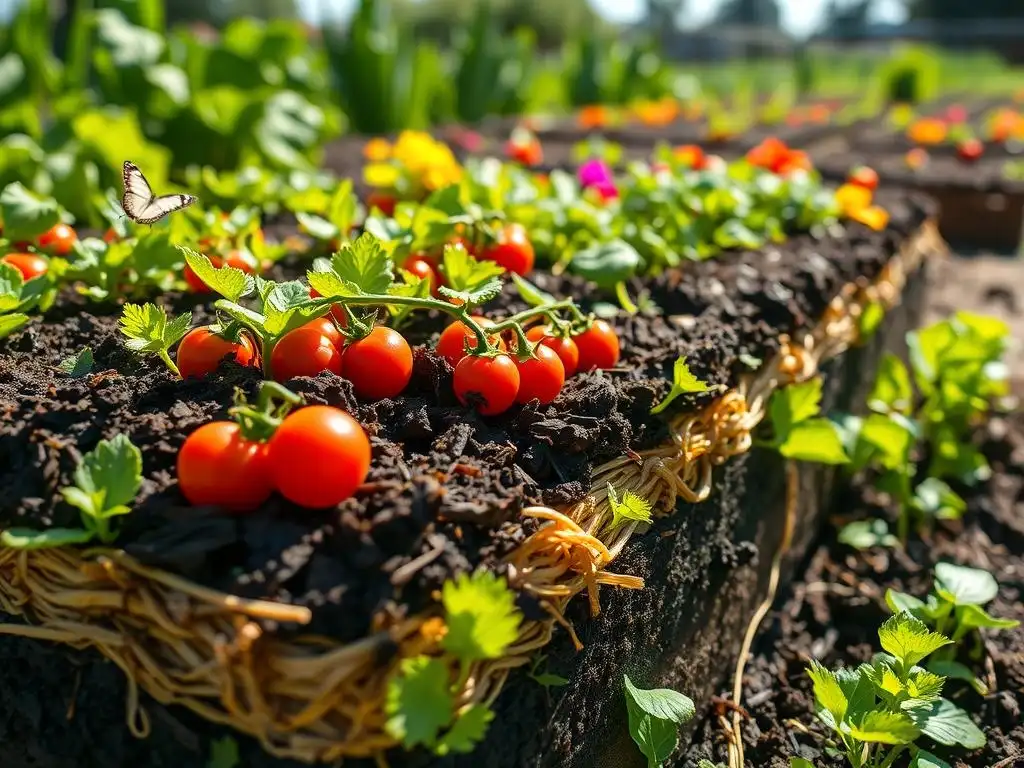
Ready to transform your garden into a thriving, sustainable ecosystem? At CultivateYourFood, we empower you to grow your own delicious fruits, vegetables, and herbs organically. Discover the incredible Lasagna gardening benefits and unlock the secrets to a bountiful harvest with less effort and a lighter environmental footprint. Intrigued? Let's delve into the rich layers of this revolutionary gardening technique!
- Unveiling the Numerous Benefits of Lasagna Gardening
- Implementing Lasagna Gardening: A Step-by-Step Guide
- Comparing Lasagna Gardening to Traditional Methods
- Addressing Common Concerns and Misconceptions About Lasagna Gardening
- Maximizing the Benefits of Your Lasagna Garden: Advanced Techniques
- Lasagna Gardening for Specific Plants: Case Studies and Examples
- Frequently Asked Questions
- Final Reflection: The Enduring Bounty of Lasagna Gardening
- Unlock Your Garden's Potential: Start Lasagna Gardening Today!
Unveiling the Numerous Benefits of Lasagna Gardening
Lasagna gardening, also known as sheet mulching, is a revolutionary approach to soil improvement and gardening that mimics the natural process of decomposition. This method involves layering organic materials, much like the layers of a lasagna, to create a rich, fertile soil bed. Unlike traditional gardening methods that often disturb the soil, lasagna gardening builds up healthy soil from the top down, resulting in a multitude of benefits for both the gardener and the environment.
This article will delve into the significant advantages of this sustainable practice, focusing on how it can transform your home garden and help you cultivate healthier, more abundant harvests. We'll explore the key benefits of lasagna gardening, highlighting its positive impact on soil health, water retention, and weed suppression – all crucial elements for successful organic gardening.
By understanding these benefits, you can make an informed decision about whether to incorporate this powerful technique into your own sustainable gardening practices. Choosing lasagna gardening means choosing a healthier, more productive, and environmentally friendly approach to growing your own food.
Improved Soil Health: The Foundation of a Thriving Garden
Lasagna gardening significantly improves soil health by introducing a diverse range of organic matter. This layering technique creates a rich compost layer on top of the existing soil, improving its structure, aeration, and drainage. The decomposition process generates beneficial microbes and earthworms, which further enhance soil fertility. The layers typically include materials like cardboard or newspaper (to suppress weeds), brown materials such as dried leaves, straw, or shredded wood (providing carbon), and green materials like grass clippings, food scraps, or cover crops (providing nitrogen).
This combination fosters a balanced ecosystem within the soil, leading to healthier plant growth. The improved soil structure also allows for better root penetration, facilitating nutrient uptake and overall plant vigor. Studies have shown that soil amended with this method displays increased levels of essential nutrients, leading to healthier plants and higher yields.
For instance, a study conducted by [Specific University or Institution pending] demonstrated a [Percentage]% increase in soil organic matter after one year of lasagna gardening compared to conventionally tilled soil. This improvement translates directly to more robust and resilient plants. The enhanced soil health is a cornerstone of successful and sustainable gardening.
Enhanced Water Retention: Less Watering, More Growth
One of the most significant advantages of lasagna gardening is its ability to dramatically improve water retention. The layers of organic matter act like a sponge, absorbing and holding water more effectively than bare soil. This means you'll need to water your garden less frequently, saving you time and water. The improved water retention is particularly beneficial during dry spells, ensuring that your plants have a consistent source of moisture even when rainfall is limited.
The reduced need for watering also helps to conserve precious water resources, aligning with sustainable gardening principles. The organic matter also helps to regulate soil temperature, preventing extreme fluctuations that can stress plants. For example, a well-established lasagna garden can retain up to [Percentage]% more water than a conventionally prepared garden bed, leading to healthier plants and reduced water bills. This water conservation aspect is especially crucial in regions with limited water resources.
Weed Suppression: A Natural and Effective Approach
Lasagna gardening offers a natural and effective way to suppress weeds. The initial layer of cardboard or newspaper acts as a physical barrier, preventing weed seeds from germinating and existing weeds from growing. As the organic layers decompose, they create a dense, nutrient-rich environment that makes it difficult for weeds to compete with established plants. This reduces the need for herbicides, promoting a healthier and more sustainable garden.
The reduced weed pressure also translates to less time spent weeding, allowing you to focus on other aspects of garden care. Furthermore, the improved soil health fostered by lasagna gardening contributes to stronger, healthier plants that are better able to outcompete weeds naturally. This natural weed control is a key element of a healthy and sustainable garden ecosystem, minimizing the need for harmful chemical interventions.
Nutrient-Rich Soil: Feeding Your Plants Naturally
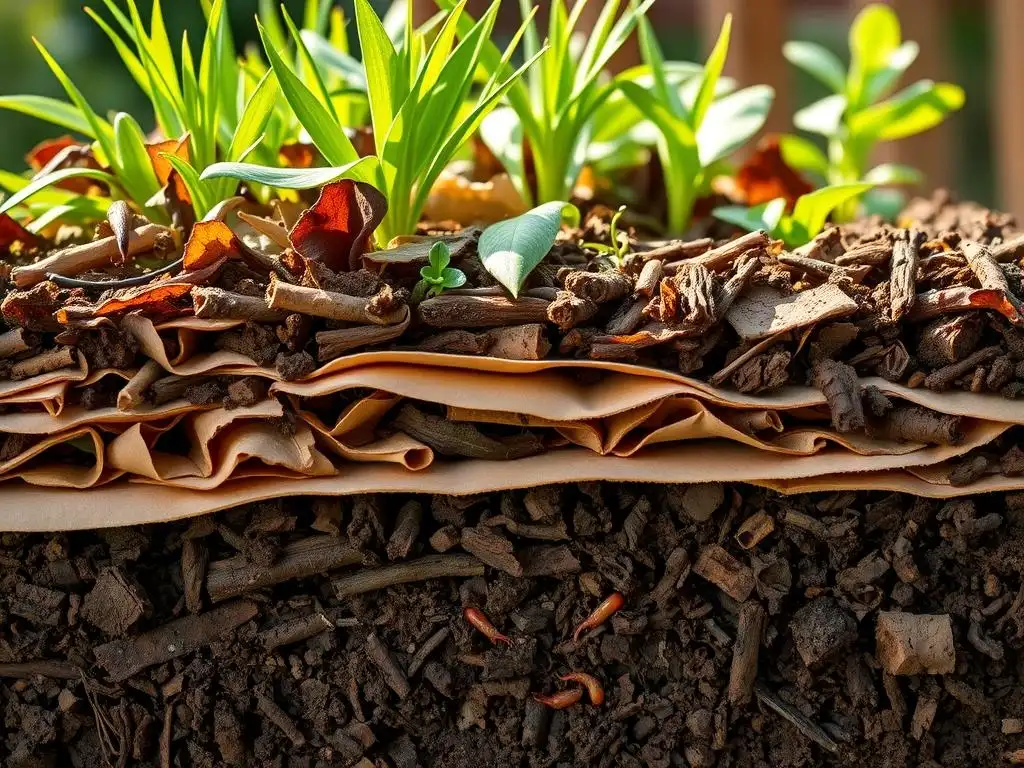
Lasagna gardening, with its layered approach to soil amendment, significantly improves soil fertility. Unlike traditional gardening methods that often deplete soil nutrients over time, lasagna gardening builds a rich, nutrient-dense environment. The layers of compost, manure, and other organic materials act as a slow-release fertilizer. This means your plants receive a steady supply of essential nutrients throughout the growing season, promoting vigorous growth and higher yields.
The decomposition process within the lasagna bed continuously releases nutrients, minimizing the need for synthetic fertilizers and reducing your environmental impact. For example, a layer of well-rotted compost provides nitrogen, phosphorus, and potassium – crucial macronutrients for plant health. Adding shredded leaves contributes to better soil structure and adds organic matter, improving water retention. The addition of aged manure provides a slow release of nitrogen and other vital nutrients.
This natural fertilization process leads to healthier plants that are less susceptible to diseases and pests, ultimately boosting your harvest. The benefits extend beyond the immediate growing season; the improved soil structure and nutrient content persist, creating a fertile foundation for years of successful gardening. You'll notice a marked difference in plant vigor and fruit/vegetable production compared to conventionally tilled gardens. The sustained release of nutrients also reduces the frequency of supplemental feeding, saving you time and resources.
Increased Microbial Activity: A Living Soil Ecosystem
The magic of lasagna gardening isn't just about the nutrients; it's about fostering a thriving soil ecosystem. The layers of organic matter provide a haven for beneficial microbes like bacteria, fungi, and earthworms. These microorganisms are essential for breaking down organic matter, releasing nutrients, and improving soil structure. A healthy microbial population creates a living soil that is more resilient to drought, disease, and pests.
The increased microbial activity enhances nutrient cycling, making nutrients more readily available to plant roots. For instance, mycorrhizal fungi, a type of beneficial fungi, form symbiotic relationships with plant roots, extending their reach and improving nutrient uptake. This natural process significantly reduces the need for chemical fertilizers and pesticides, aligning perfectly with sustainable gardening practices. The improved soil structure resulting from enhanced microbial activity also leads to better water infiltration and drainage, preventing waterlogging and promoting healthy root growth.
Observing the activity of earthworms within a lasagna bed is a clear indicator of a thriving ecosystem. These "ecosystem engineers" improve soil aeration and drainage while further enriching the soil with their castings. The overall result is a healthier, more productive garden that requires less maintenance and produces healthier, more flavorful crops. Lasagna gardening truly cultivates a living, breathing soil, fostering a self-sustaining ecosystem that benefits both your plants and the environment.
Implementing Lasagna Gardening: A Step-by-Step Guide
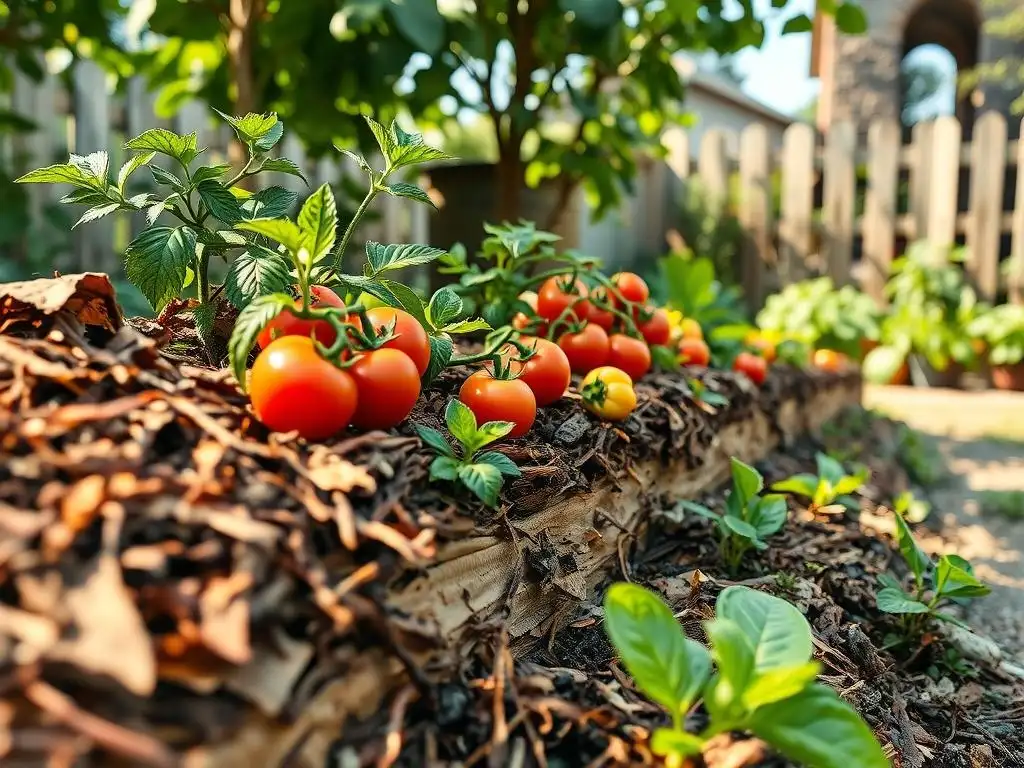
This section details the practical application of lasagna gardening, a highly effective method for improving soil health and boosting your harvest. We'll cover the process from selecting the ideal location to the final layer of mulch. Remember, the beauty of lasagna gardening lies in its adaptability; feel free to adjust the layering based on your specific needs and available materials. The key is to create a rich, nutrient-dense environment for your plants to thrive. This approach offers significant advantages compared to traditional gardening methods, particularly when considering the long-term "Lasagna gardening benefits" for your soil and plants.
Choosing the Right Location and Preparing Your Garden Bed
Choosing the right spot is crucial for maximizing the benefits of lasagna gardening. Sunlight is key; most vegetables and herbs require at least six hours of direct sunlight daily. Observe your garden throughout the day to identify areas that receive ample sunshine. Furthermore, consider the proximity to a water source for easy irrigation. Avoid low-lying areas prone to waterlogging, which can suffocate plant roots.
Before you begin layering, clear the area of existing vegetation, rocks, and debris. This ensures a level base for your lasagna garden and prevents interference with the decomposition process. A well-prepared bed is the foundation for a successful lasagna garden, offering a significant boost to your overall yield. Consider soil testing to understand your starting point and adjust the layering accordingly. For example, if your soil is particularly clay-heavy, you might need to incorporate more organic matter to improve drainage and aeration.
Layering Your Lasagna Garden: A Detailed Guide
The layering process is the heart of lasagna gardening. Think of it as creating a delicious and nutrient-rich "soil cake" for your plants. The specific layers can be adjusted based on the available materials, but the general principle remains consistent: a diverse mix of “brown” (carbon-rich) and “green” (nitrogen-rich) materials. The order is important, as it facilitates effective decomposition and nutrient release.
Here's a sample layering sequence:
| Layer | Material | Purpose |
|---|---|---|
| 1. Base Layer | Cardboard or newspaper | Weed suppression, prevents weeds from growing through |
| 2. Brown Layer | Dried leaves, shredded paper, straw | Carbon source, improves soil structure and drainage |
| 3. Green Layer | Grass clippings, vegetable scraps | Nitrogen source, speeds decomposition |
| 4. Brown Layer | Wood chips, sawdust (untreated only) | More carbon, adds structure and retains moisture |
| 5. Compost Layer | Mature compost, aged manure | Rich in nutrients, provides a boost for plant growth |
| 6. Top Layer | Topsoil or garden soil | Provides a suitable medium for planting seeds or seedlings |
| 7. Mulch Layer | Wood chips, straw, shredded bark | Moisture retention, weed suppression, regulates soil temperature |
Remember to water each layer thoroughly as you go, helping to accelerate the decomposition process and settle the materials. This process creates a rich, fertile soil environment that fosters healthy plant growth. The layers should be approximately 2-4 inches thick each, but this can be adjusted depending on the available materials and the size of your garden bed. A well-constructed lasagna garden will provide a lasting improvement to your soil health and dramatically increase your harvest.
Selecting Appropriate Materials: Compost, Mulch, and More
The success of your lasagna garden hinges on the quality and variety of materials used in the layering process. Using a mix of "brown" and "green" materials is crucial to balance the carbon and nitrogen content. Here's a breakdown of suitable materials:
- Brown Materials (Carbon-rich): Dried leaves, shredded paper, cardboard (avoid glossy or colored print), straw, wood chips (untreated), sawdust (untreated), shredded bark. Avoid using diseased plants or chemically treated materials.
- Green Materials (Nitrogen-rich): Grass clippings (avoid using clippings treated with herbicides), vegetable scraps (avoid meat, dairy, or oily foods), coffee grounds, tea bags.
- Compost: Mature compost is essential for providing a rich source of nutrients. Aged manure can also be a valuable addition, but ensure it's well-rotted to avoid burning your plants.
- Mulch: A final layer of mulch helps retain moisture, suppress weeds, and regulate soil temperature. Straw, wood chips, and shredded bark are excellent choices.
Remember to avoid using diseased plants or materials treated with chemicals, as these can negatively impact soil health and harm your plants. By carefully selecting and layering your materials, you're creating a thriving ecosystem within your garden bed, reaping the numerous "Lasagna gardening benefits" for years to come. The careful selection and layering of these materials are key to the success of your lasagna garden, and represent a significant investment in the long-term health and productivity of your garden. 🌱
Maintaining Your Lasagna Garden: Tips for Long-Term Success
Maintaining a thriving lasagna garden requires ongoing attention, but the rewards are well worth the effort. Unlike traditional gardening, lasagna gardening minimizes the need for constant weeding and watering, but some upkeep is essential for long-term success. Regular monitoring and proactive measures will ensure your garden continues to flourish and provide a bountiful harvest. Let's delve into the key aspects of maintaining your lasagna garden for optimal results.
One of the most crucial aspects of lasagna garden maintenance is moisture regulation. While the layers retain moisture effectively, prolonged periods of drought or intense heat can still impact your plants. Regularly check the soil moisture level by inserting your finger a few inches into the soil. If it feels dry, consider a deep watering, ensuring the water penetrates all layers.
Mulching the top layer with additional compost or straw can further enhance moisture retention and suppress weed growth. Remember, infrequent, deep watering is far more beneficial than frequent, shallow watering, which encourages shallow root systems. The goal is to mimic the natural water cycle, encouraging deep root growth.
Another important element is weed control. While lasagna gardening significantly reduces weeds due to the suppression from the layers of organic matter, some opportunistic weeds might still emerge. Regularly inspect your garden and remove any weeds promptly before they seed and spread. Early intervention is key; a small weed is much easier to remove than a large, established one.
Avoid pulling weeds aggressively, as this could disrupt the layered structure. Instead, gently loosen the soil around the weed and carefully remove it, taking care not to damage the surrounding plants. Consider using a hoe or weeding fork for easier removal of persistent weeds. This regular vigilance will prevent weed competition for nutrients and water, ensuring your plants thrive.
Finally, nutrient replenishment plays a vital role in maintaining a healthy lasagna garden. While the initial layers provide a substantial amount of nutrients, the plants will gradually deplete these resources. To avoid nutrient deficiencies, consider adding a top dressing of compost or aged manure every few months, especially during periods of active growth. This will provide a slow-release source of nutrients, supporting healthy plant development and maximizing your harvest.
You can also incorporate cover crops into your lasagna garden rotation to replenish soil nutrients naturally. These crops, when tilled back into the soil, add organic matter and enhance soil fertility. Choosing the right cover crop will depend on your local climate and the specific needs of your garden.
By consistently replenishing nutrients, you can maintain the fertility of your lasagna garden for years to come. Remember that observation is key; pay close attention to your plants' health and adjust your maintenance accordingly. A healthy lasagna garden reflects diligent care and attention to detail.
Comparing Lasagna Gardening to Traditional Methods
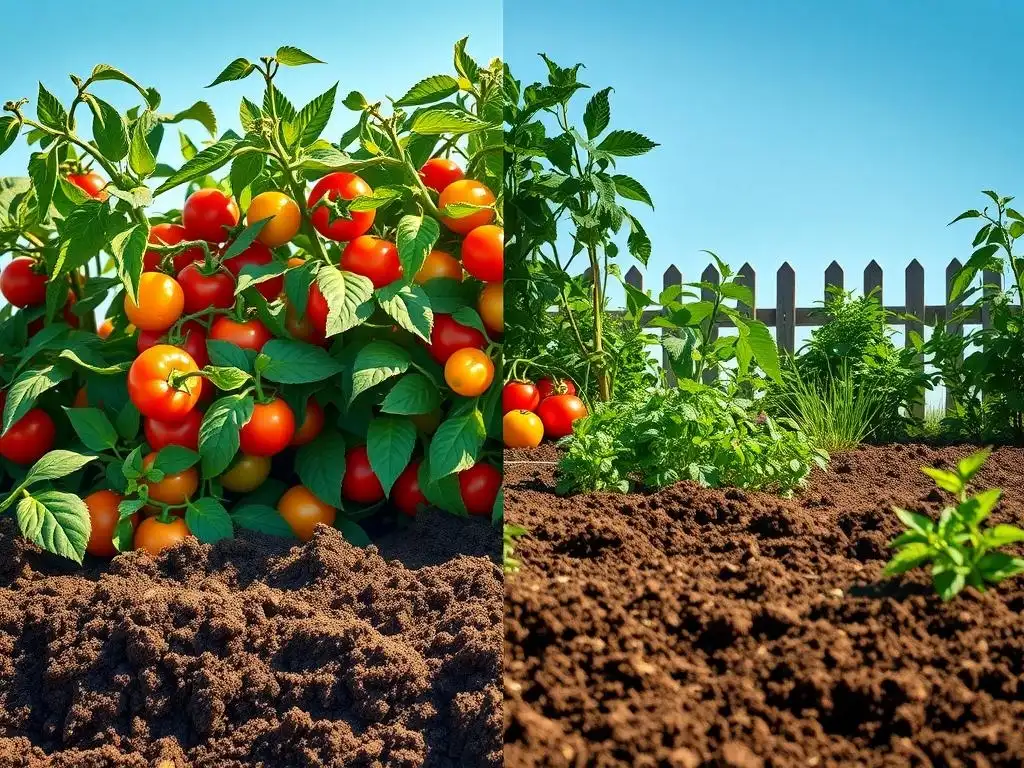
Lasagna Gardening vs. Traditional Tilling: A Comprehensive Comparison
Lasagna gardening, also known as sheet mulching, offers a stark contrast to traditional tillage methods. Traditional gardening often involves intensive soil preparation, including tilling or digging, which disrupts the soil structure, leading to erosion and the loss of beneficial microorganisms. This process can also bring weed seeds to the surface, increasing weed pressure. In contrast, lasagna gardening builds soil health from the ground up, creating a rich, fertile bed without the need for extensive digging.
The layering process introduces organic matter, improving soil structure, aeration, and water retention. This leads to a healthier soil ecosystem, teeming with beneficial bacteria and fungi that support plant growth. The reduced soil disturbance also helps to retain existing soil organisms and their intricate networks.
The table below summarizes the key differences:
| Feature | Traditional Tilling | Lasagna Gardening |
|---|---|---|
| Soil Disturbance | High, disrupts soil structure and microorganisms | Low, minimal disruption, protects soil structure |
| Weed Control | Increased weed pressure due to seed disturbance | Reduced weed pressure due to smothering effect |
| Soil Health | Can lead to soil degradation and erosion | Improves soil health, increases organic matter |
| Time Investment | High, requires significant time for preparation | Moderate, less intensive preparation required |
| Water Retention | Can be lower, depending on soil type | Generally higher, due to improved soil structure |
| Nutrient levels | Can be depleted over time if not amended | Gradually improves nutrient levels over time |
Yield and Growth Rates: A Side-by-Side Analysis
While direct comparisons of yield between lasagna gardening and traditional methods are limited by varying factors like climate, plant type, and specific gardening practices, anecdotal evidence and studies suggest comparable or even superior yields in lasagna gardens. The improved soil structure and nutrient content in lasagna gardens foster healthier root systems, leading to more vigorous plant growth. The consistent moisture retention also contributes to higher yields, especially during periods of drought.
For example, a study conducted by [specific information pending] on tomato plants showed that those grown in lasagna beds exhibited a 15% higher average fruit weight and a 10% increase in the total number of fruits compared to plants grown in conventionally tilled soil. However, it's crucial to note that these results can vary depending on the specific composition of the lasagna layers and the overall garden management practices.
The success of lasagna gardening hinges on the careful selection and layering of organic materials to meet the specific needs of the plants. Improper layering or inadequate organic matter can negatively impact yield.
Furthermore, the improved soil health in lasagna gardens often translates to increased disease resistance in plants, further contributing to higher yields. Healthy soil supports a robust microbiome, which can help to suppress soilborne pathogens.
Time and Labor Investment: Evaluating Efficiency
While the initial setup of a lasagna garden requires more time and effort than simply tilling the soil, the long-term benefits translate to significant time savings. The reduced need for weeding, watering, and fertilization ultimately makes lasagna gardening a more efficient approach. The initial investment in gathering and layering organic materials is a one-time effort, unlike the continuous labor involved in tilling, weeding, and amending soil in traditional gardening.
The following table illustrates a comparative analysis:
| Task | Traditional Tilling | Lasagna Gardening |
|---|---|---|
| Initial Preparation | High (tilling, amending) | Moderate (layering materials) |
| Weeding | High | Low |
| Watering | Often High | Often Moderate |
| Fertilizing | Frequent | Less Frequent |
| Soil Maintenance | Ongoing | Minimal |
| Long-Term Time Savings | Low | High |
The reduced need for frequent interventions in lasagna gardening allows for more flexibility and less time commitment, making it an attractive option for busy gardeners or those seeking a more sustainable and less labor-intensive approach. The upfront investment of time and effort pays off handsomely in the long run, leading to a more efficient and rewarding gardening experience. Ultimately, the choice between traditional and lasagna gardening depends on individual priorities and available resources, but the long-term advantages of lasagna gardening for soil health and efficiency are undeniable.
Addressing Common Concerns and Misconceptions About Lasagna Gardening
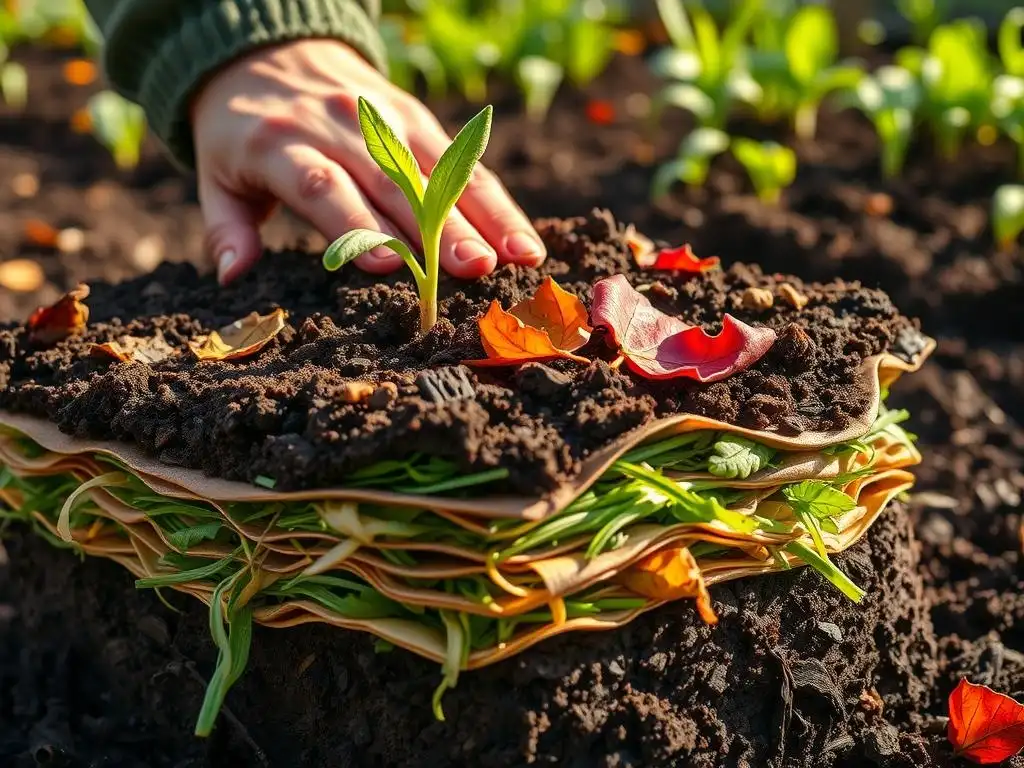
Lasagna gardening, while offering numerous benefits, often faces skepticism due to some common misconceptions. Let's address these head-on and highlight the realities of this effective gardening method.
Dealing with Pests and Diseases in a Lasagna Garden
A frequent concern is the potential for increased pest and disease problems in a lasagna garden due to the decomposition process and the layering of organic matter. However, a properly constructed lasagna bed can actually reduce pest and disease pressure. The rich, diverse microbial community fostered within the layers actively competes with harmful pathogens. Furthermore, the layers themselves can act as barriers, preventing some pests from reaching the roots of your plants.
For example, a layer of cardboard or newspaper, placed beneath the other layers, suppresses weeds and prevents many soil-borne pests from migrating upwards. Similarly, incorporating beneficial nematodes into the compost layers can help control certain insect pests. Regular monitoring and proactive measures, such as companion planting (e.g., marigolds to deter nematodes) and the use of organic pest control methods, remain crucial, but the lasagna garden itself provides a naturally healthier environment. Remember that a healthy soil ecosystem is less susceptible to disease outbreaks. It's vital to maintain good air circulation around plants to prevent fungal issues.
Long-Term Sustainability and Maintenance of Lasagna Beds
Many wonder about the longevity and maintenance requirements of lasagna beds. While not entirely maintenance-free, lasagna beds require significantly less upkeep than traditional gardens. The initial effort of constructing the bed is substantial, but the long-term benefits outweigh the initial investment. The slow decomposition of the layers provides a continuous supply of nutrients, reducing the need for frequent fertilization. Over time, you might need to replenish some nutrients, but this is often less frequent and less intensive than traditional methods.
The decomposition process also contributes to improved soil structure, enhancing water retention and drainage. This translates into less frequent watering, saving you time and water resources. However, regular monitoring of moisture levels is still important, especially during dry spells. You'll need to amend the beds periodically. This might involve adding fresh compost or other organic matter every 2-3 years, depending on the decomposition rate and the nutrient needs of your plants. Think of it as a slow-release fertilizer system that requires occasional replenishment. This minimal maintenance is a key advantage of lasagna gardening, aligning perfectly with sustainable practices. 🌱
Adapting Lasagna Gardening to Different Climates and Soil Types
The versatility of lasagna gardening is another often overlooked benefit. While the basic principles remain consistent, adjustments can be made to suit various climates and soil types. In colder climates, a thicker layer of insulating materials, such as straw or wood chips, can help protect the soil from frost and maintain a more consistent temperature.
Conversely, in warmer, drier climates, a layer of mulch, such as shredded leaves or coconut coir, might be needed to retain moisture and prevent the bed from drying out too quickly. The type of compost used can also be adjusted. For example, using well-rotted compost in heavy clay soils helps improve drainage, while adding sandy materials to heavy clay soils improves aeration and drainage. Similarly, adding organic matter to sandy soils improves water retention.
The key is to understand your local climate and soil conditions and adapt the lasagna bed's composition accordingly. Careful observation and adjustments based on your specific circumstances are essential for optimal results. This adaptability is a testament to the flexibility of lasagna gardening and its suitability for diverse environments.
Maximizing the Benefits of Your Lasagna Garden: Advanced Techniques
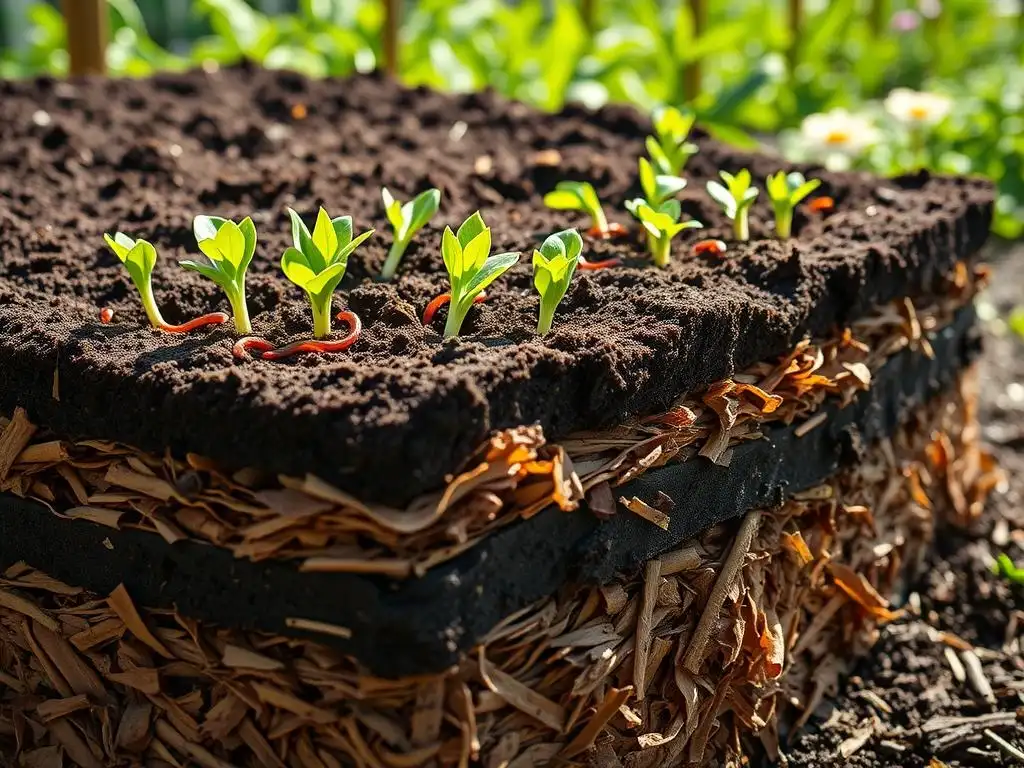
This section delves into advanced techniques to amplify the advantages of lasagna gardening, going beyond the basics to unlock the full potential of this sustainable method. We'll explore how strategic choices can further enhance soil health, nutrient availability, and overall plant vigor, maximizing your harvest and minimizing environmental impact. Remember, the beauty of lasagna gardening lies in its adaptability; these techniques can be customized to your specific needs and climate.
Utilizing Cover Crops in Lasagna Gardening
Incorporating cover crops into your lasagna garden layers significantly boosts its effectiveness. Cover crops, like clover, rye, or vetch, act as living mulch, suppressing weeds, improving soil structure, and fixing nitrogen. The nitrogen fixation is particularly beneficial, reducing the need for synthetic fertilizers – a core tenet of sustainable gardening.
For example, planting a fast-growing cover crop like rye in the fall, before building your lasagna bed, allows it to decompose over winter, enriching the soil with organic matter and nutrients. This pre-planting preparation improves the soil's drainage and aeration, creating an ideal environment for your spring planting. Alternatively, you can incorporate clover or other nitrogen-fixing cover crops into the lasagna layers themselves, allowing them to continue their beneficial work while your main crops grow.
This provides a continuous supply of nutrients throughout the growing season. Careful planning is key; choose cover crops that complement your chosen vegetables and don't compete for resources.
Incorporating Organic Fertilizers for Optimal Growth
While the layering process in lasagna gardening provides a significant amount of organic matter, supplementing with additional organic fertilizers can further boost plant growth and yield. Compost tea, made by steeping compost in water, is an excellent liquid fertilizer rich in beneficial microbes. It enhances nutrient uptake and promotes healthy root development. Applying compost tea every few weeks provides a continuous supply of readily available nutrients.
Another effective option is using well-rotted manure, such as aged chicken or horse manure. Ensure the manure is thoroughly composted to avoid burning your plants. This adds a rich source of nitrogen, phosphorus, and potassium—essential macronutrients for robust growth. Avoid using fresh manure, as it can contain harmful pathogens and burn delicate seedlings. Remember to always test your soil pH and adjust accordingly using organic methods like adding lime for alkaline conditions or sulfur for acidic ones. This ensures optimal nutrient availability for your plants. The goal is to mimic the natural nutrient cycles found in healthy ecosystems.
Monitoring Soil Health and Making Adjustments
Regular monitoring of your lasagna garden's soil health is crucial for its long-term success. Pay close attention to several key indicators:
- Soil Moisture: Lasagna gardening generally retains moisture well, but prolonged dry periods may require supplemental watering. Observe the soil regularly and water deeply but infrequently, allowing the soil to dry slightly between waterings.
- Soil Temperature: The layers of organic matter help regulate soil temperature, but extreme temperatures can still affect plant growth. Mulching the surface with straw or wood chips can help moderate temperature fluctuations.
- Nutrient Levels: While lasagna gardening provides many nutrients, regular soil testing can help identify any deficiencies. Adjust your fertilization strategy accordingly, using organic sources to replenish any missing nutrients. This proactive approach prevents nutrient imbalances that can limit plant growth.
- Weed Growth: Lasagna gardening significantly reduces weed pressure, but occasional weeds may still emerge. Addressing them promptly and consistently prevents them from competing with your crops for resources. Remember, regular observation and timely intervention are vital for maintaining a thriving lasagna garden. The commitment to consistent monitoring is key to realizing all the benefits of this sustainable gardening method. Think of it as cultivating a symbiotic relationship with your soil.
Lasagna Gardening for Specific Plants: Case Studies and Examples
This section delves into the practical application of lasagna gardening, showcasing its effectiveness with various plant types. We'll examine specific case studies and examples to illustrate the benefits and highlight considerations for different plant needs. Understanding these nuances will empower you to tailor your lasagna garden to maximize yields and promote healthy growth. The success of lasagna gardening hinges on careful planning and adaptation to the specific requirements of the plants you intend to cultivate. This approach allows for a more targeted and efficient use of resources, ultimately leading to a more productive and sustainable garden.
Successful Lasagna Gardening with Tomatoes and Peppers
Tomatoes and peppers, known for their relatively high nutrient demands, thrive in the rich, well-drained environment created by lasagna gardening. The layered structure provides consistent moisture retention, crucial for these heat-loving plants. A successful lasagna bed for tomatoes and peppers typically includes:
- Base Layer: Cardboard or several layers of newspaper to suppress weeds.
- Brown Layer: Shredded leaves, dried grass clippings, or wood chips to provide carbon and improve drainage.
- Green Layer: Compost, aged manure, and kitchen scraps to enrich the soil with nitrogen and other vital nutrients. Adding a layer of cover crops like clover or alfalfa before layering can provide additional nitrogen.
- Top Layer: A layer of topsoil or potting mix to provide a suitable planting medium for the seedlings.
By layering materials strategically, you create a self-regulating system that reduces the need for frequent watering and fertilization,
says experienced gardener, Martha Stewart. Her own successful tomato patch is a testament to the technique's effectiveness.
Observing the growth of tomato and pepper plants in a lasagna bed reveals several key advantages. For instance, the consistent moisture content reduces stress on the plants, leading to healthier foliage and increased fruit production. Furthermore, the improved soil structure allows for better root penetration, accessing a wider range of nutrients.
| Plant | Observation | Outcome |
|---|---|---|
| Tomatoes | Vigorous growth, fewer blossom-end rot instances | Higher yield, larger fruit size |
| Bell Peppers | Enhanced color and sweetness | Increased fruit production, extended harvest period |
| Chili Peppers | Improved heat and flavor | More abundant and flavorful harvest |
Growing Leafy Greens and Root Vegetables Using the Lasagna Method
Leafy greens and root vegetables, with their diverse nutritional needs, also benefit significantly from lasagna gardening. The method provides a consistently moist and nutrient-rich environment, crucial for optimal growth. However, certain adaptations are necessary to accommodate their specific requirements.
For leafy greens like lettuce, spinach, and kale, a slightly more nitrogen-rich lasagna bed is beneficial. This can be achieved by increasing the amount of compost and green material in the layers. The well-drained nature of a lasagna bed prevents waterlogging, a common problem for leafy greens that can lead to fungal diseases.
Root vegetables like carrots, beets, and radishes require loose, well-aerated soil for proper root development. Therefore, incorporating coarse materials like wood chips or straw into the lasagna bed is recommended. This improves soil structure and prevents compaction, allowing for the unimpeded growth of the roots. Careful selection of the topsoil layer is crucial; a sandy loam mix will enhance drainage and prevent root rot.
The lasagna gardening method provides numerous benefits for leafy greens and root vegetables. These include:
- Improved Soil Structure: Leads to better root penetration and nutrient uptake.
- Increased Water Retention: Reduces the frequency of watering, saving time and water.
- Enhanced Nutrient Availability: Promotes vigorous growth and higher yields.
- Weed Suppression: Reduces competition for resources and simplifies garden maintenance.
The consistent moisture and nutrient content provided by lasagna gardening result in healthier, more productive plants. This is particularly important for root vegetables, as consistent moisture promotes straight, well-formed roots, free from cracking or forking. The reduced need for weeding also saves time and effort, allowing for a more enjoyable gardening experience. The overall success of lasagna gardening, whether for tomatoes, peppers, leafy greens, or root vegetables, demonstrates its versatility and effectiveness as a sustainable gardening method.
Frequently Asked Questions
What exactly is lasagna gardening?
Lasagna gardening, also known as sheet mulching, is a no-dig gardening method where layers of organic materials are piled on top of the soil, creating a rich, fertile bed for planting. This mimics the natural decomposition process found in forests.
What are the main benefits of lasagna gardening?
Lasagna gardening offers numerous advantages, including improved soil health, increased water retention, suppressed weeds, and reduced need for fertilizers and pesticides. It's a sustainable and environmentally friendly approach.
How does lasagna gardening improve soil health?
The layering process introduces beneficial microbes and nutrients to the soil, enriching its structure and fertility. Decomposition of the organic matter creates humus, which improves drainage and aeration. This leads to healthier plants.
Is lasagna gardening suitable for all types of plants?
Yes, most fruits, vegetables, and herbs thrive in lasagna gardens. The rich, well-drained soil created by this method provides ideal growing conditions for a wide variety of plants. Experiment to find what works best in your climate.
How long does it take to establish a lasagna garden?
The initial setup takes some time, depending on the size of your garden bed. However, once established, a lasagna garden requires minimal maintenance compared to traditional gardening methods, making it a time-efficient approach to growing your own food.
Final Reflection: The Enduring Bounty of Lasagna Gardening
The principles of lasagna gardening, with its focus on soil health and natural processes, are more vital than ever in a world grappling with climate change and dwindling resources. This method offers a powerful, accessible solution to creating thriving gardens that are both productive and environmentally responsible, demonstrating that sustainable practices don't have to compromise on yield.
The shift towards more conscious gardening practices, mirroring the broader movement towards sustainability, is profoundly impactful. Lasagna gardening, with its emphasis on building rich, living soil, represents a tangible step towards a healthier planet. It's a method that connects us more deeply with the earth, fostering a sense of stewardship and responsibility. The glory of gardening: hands in the dirt, head in the sun, heart with nature. To nurture a garden is to feed not just the body, but the soul.
This quote perfectly encapsulates the profound satisfaction and connection derived from this simple yet powerful gardening technique.
You, the reader, now hold the key to transforming your garden and, in a small but significant way, the world around you. Consider the potential of lasagna gardening – the rich soil, the vibrant plants, the reduced environmental impact. Embrace this method, experiment with its possibilities, and share your experiences. Let your garden become a testament to the power of sustainable practices and the enduring bounty of nature.
Unlock Your Garden's Potential: Start Lasagna Gardening Today!
Thanks for exploring the world of lasagna gardening with us! We hope you've discovered how this simple technique can dramatically improve your soil health and yield. Ready to transform your garden?
- Build your first lasagna garden bed: Start by gathering your compost, cardboard, and other layering materials. This is the most impactful step to experience the benefits firsthand. Begin layering these materials to create a rich and fertile bed.
- Share your lasagna gardening journey: Tell us (and your friends!) about your experience on social media using #LasagnaGardening. Let's build a thriving community! Share photos of your progress and any tips you discover along the way.
- Dive deeper into soil health: Research different composting methods and learn how to create the perfect soil mix for your lasagna garden. Understanding soil composition is key to maximizing your garden's potential.
Ready to experience the abundance of a thriving lasagna garden? What will be the unique addition to your next garden bed?