
Winter Wonders: Planting ColdTolerant Fruits for YearRound Enjoyment

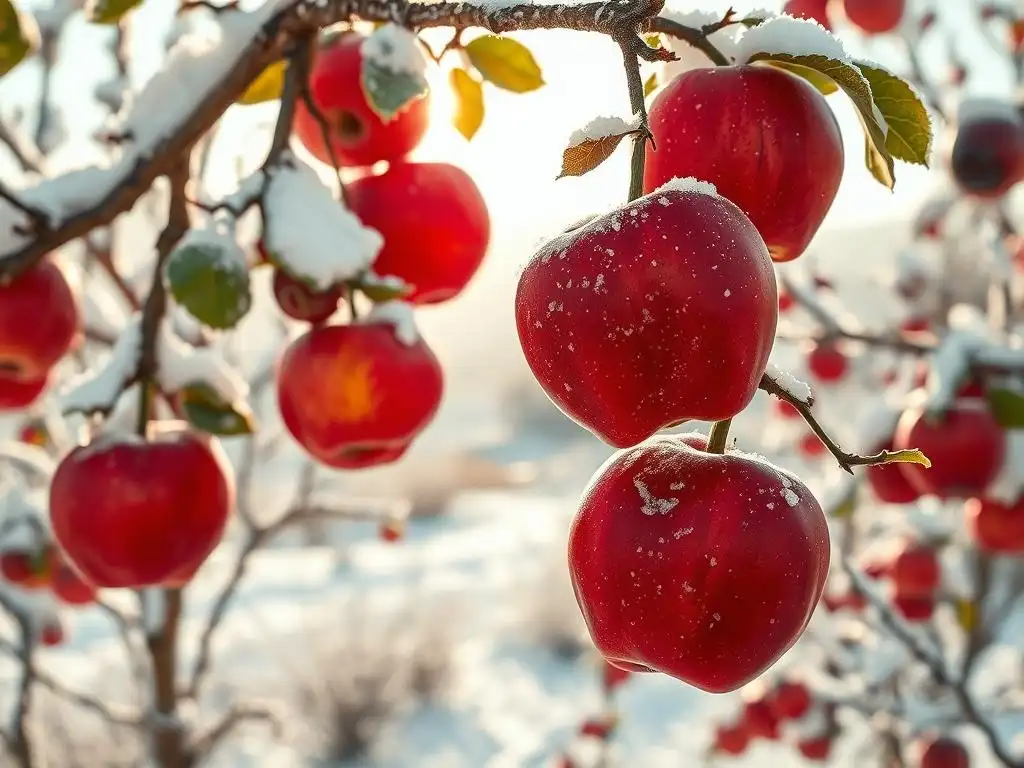
Welcome to CultivateYourFood, your guide to a thriving, sustainable garden! Ready to enjoy the sweet taste of homegrown fruit even in the chilliest months? Our Coldhardy fruit planting guide unlocks the secrets to successfully cultivating delicious, cold-tolerant varieties, no matter your climate. Discover how to transform your backyard into a year-round harvest haven – let's get growing!
- Understanding Cold-Hardy Fruit Trees and Bushes
- A Cold-Hardy Fruit Planting Guide: Step-by-Step Instructions
- Essential Cold-Hardy Fruit Tree Care
- Harvesting and Preserving Your Cold-Hardy Fruit
- Recommended Cold-Hardy Fruit Varieties for Home Gardens
- Maximizing Your Winter Harvest: Tips and Tricks
- Frequently Asked Questions
- Final Reflection: Harvesting the Bounty of Resilience
- Unleash Your Inner Gardener: Grow a Year-Round Fruit Paradise!
Understanding Cold-Hardy Fruit Trees and Bushes
Embark on a journey into the rewarding world of year-round fruit harvests, even in challenging climates! This comprehensive guide delves into the art of planting cold-hardy fruits, empowering you to cultivate a bountiful orchard regardless of winter's chill. We'll explore the crucial aspects of selecting the right varieties, understanding hardiness zones, and choosing appropriate rootstocks – all crucial steps in ensuring your success. This "Coldhardy fruit planting guide" will equip you with the knowledge to transform your garden into a vibrant, productive space, providing delicious fruits throughout the year.
From the initial selection process to the nuances of rootstock compatibility, we aim to demystify the process and make cold-climate fruit cultivation accessible to everyone. Let's unlock the secrets to a thriving winter garden! 🍎
Defining Cold Hardiness Zones and Their Impact on Fruit Selection
Understanding your USDA Plant Hardiness Zone is paramount when selecting cold-tolerant fruit varieties. These zones, based on average annual minimum winter temperatures, directly influence which plants can survive and thrive in your specific location. For instance, Zone 5 might support different fruit varieties compared to Zone 3.
Failing to consider your hardiness zone can lead to significant losses, as plants not suited for the cold may suffer winter damage or even die. Therefore, before even considering specific fruit types, consult a reliable USDA Plant Hardiness Zone map to pinpoint your region's classification. This seemingly simple step is the cornerstone of successful cold-hardy fruit cultivation.
Choosing plants within or slightly above your zone ensures greater chances of survival and a healthy, productive orchard. Remember to check the specific hardiness requirements for each individual fruit variety, as variations can exist even within the same species. Don't underestimate the power of precise information – it's the key to a successful harvest.
Identifying Cold-Tolerant Fruit Varieties for Your Region
Once you've determined your hardiness zone, the next step is choosing fruit varieties known for their resilience to cold temperatures. Numerous options exist, each with unique characteristics and preferences. For example, some varieties of apples, such as ‘Honeycrisp’ or ‘Haralson’, are renowned for their hardiness and ability to withstand significant cold snaps. Similarly, certain plum varieties, like ‘Methley’ or ‘Shiro’, exhibit excellent cold tolerance.
Beyond apples and plums, consider exploring cold-hardy pears, cherries, and even some berries like hardy raspberries or gooseberries. The key is researching varieties specifically recommended for your particular hardiness zone. Local nurseries and agricultural extension offices are invaluable resources, providing guidance on suitable varieties that have proven successful in your region.
Don't be afraid to ask for recommendations! Experienced gardeners and nursery staff can offer personalized advice based on their local expertise. Remember that successful fruit cultivation is a blend of knowledge and experience, so take advantage of the wisdom available around you.
Selecting the Right Rootstock for Cold Climates
The rootstock, the base upon which your fruit tree or bush is grafted, plays a crucial role in its cold hardiness and overall performance. Choosing the right rootstock is often overlooked but is just as important as selecting the right variety. Different rootstocks offer varying degrees of cold tolerance, disease resistance, and even influence the size of the mature tree.
For example, some rootstocks are known for their dwarfing effect, resulting in smaller trees better suited for smaller gardens or colder microclimates. Others are selected for their exceptional cold hardiness, ensuring the survival of the grafted variety even during severe winters. Before making a purchase, thoroughly research the specific cold hardiness of the rootstock being offered with each variety.
This information is usually readily available from reputable nurseries or online databases. Selecting a rootstock poorly adapted to your climate can negate the cold hardiness of the fruit variety itself, leading to poor performance or even plant death. Careful consideration of both the fruit variety and the rootstock is essential for long-term success in cold-climate fruit growing.
A Cold-Hardy Fruit Planting Guide: Step-by-Step Instructions
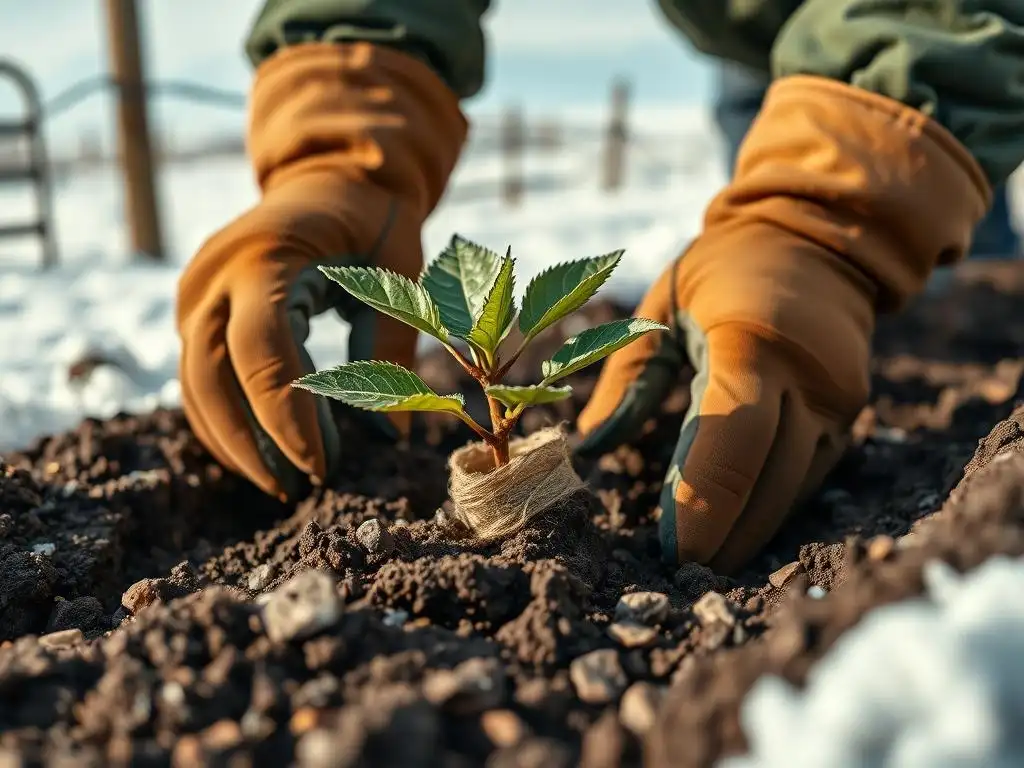
This section provides a comprehensive guide for successfully planting cold-hardy fruit trees and bushes, ensuring a bountiful harvest even during the harshest winter months. This guide will help you navigate the nuances of cold-hardy fruit planting, transforming your winter garden into a vibrant source of fresh produce. We'll cover everything from selecting the right location and preparing the soil to employing effective planting techniques and providing crucial winter protection.
Remember, a little extra care during planting significantly impacts the long-term health and productivity of your fruit trees. This guide focuses on practical steps for achieving a successful cold-hardy fruit planting strategy.
Site Selection and Soil Preparation for Winter Fruit Production
Choosing the right location is paramount for successful cold-hardy fruit planting. Sunlight exposure is critical; most cold-hardy fruits require at least 6-8 hours of direct sunlight daily. However, avoid areas exposed to strong, drying winds, which can significantly damage young plants, especially during winter. Consider the mature size of the fruit tree or bush; ensure sufficient space for growth and future expansion. Overcrowding can lead to poor air circulation, increasing susceptibility to diseases and pests.
Soil preparation is equally crucial. Cold-hardy fruits thrive in well-drained soil rich in organic matter. Before planting, conduct a soil test to determine its pH and nutrient levels. Amend the soil as needed with compost or other organic materials to improve drainage and fertility.
A healthy soil structure ensures proper root development, vital for the plant's ability to withstand harsh winter conditions. For example, sandy loam is ideal for many cold-hardy fruits due to its excellent drainage. Conversely, clay soils, prone to waterlogging, should be amended with significant amounts of organic matter like composted manure to improve drainage and aeration.
Planting Techniques for Optimal Growth in Cold Conditions
Planting techniques significantly influence a plant's ability to establish itself and survive the winter. When planting bare-root trees or bushes, soak the roots in water for several hours before planting to rehydrate them. Dig a hole twice as wide and as deep as the root ball. Gently loosen the roots to encourage outward growth.
Avoid planting too deep; the graft union (the point where the scion is grafted onto the rootstock) should be above the soil line. After planting, fill the hole with soil, gently firming it around the roots. Water thoroughly after planting to settle the soil and provide the plant with essential moisture.
For container-grown plants, the process is slightly simpler. Remove the plant from its container, gently loosen the roots if they are circling, and plant as described above. Mulching around the base of the plant helps to retain moisture, regulate soil temperature, and suppress weeds.
Use a 2-4 inch layer of organic mulch, such as straw, wood chips, or shredded leaves, keeping it a few inches away from the trunk to prevent rot. Proper planting ensures that the roots are well-established before winter sets in, enhancing their survival rate. Remember, proper spacing between plants is key for optimal growth and air circulation, crucial in preventing fungal diseases.
Providing Essential Winter Protection for Young Plants
Young cold-hardy fruit plants are particularly vulnerable to winter damage. Providing adequate winter protection is essential for their survival and future productivity. One effective method is to build a windbreak using burlap or other protective materials around the plant. This helps to reduce the impact of harsh winds and protect against desiccation. Another crucial step is to mulch heavily around the base of the plant, extending the mulch further out than you would during the growing season. A thick layer of mulch insulates the roots, protecting them from freezing temperatures.
In extremely cold climates, consider wrapping the trunk and branches with horticultural fleece or other breathable winter protection fabric. This protects the bark from damage caused by fluctuating temperatures and sunscald, a common problem in winter. For smaller plants, you can even create a miniature "snow fence" using stakes and burlap to break the wind and reduce exposure to extreme cold.
Remember, the level of protection needed depends on the specific hardiness of the plant and the severity of your winter climate. Regular monitoring of the plants during winter is crucial to identify and address any signs of stress or damage promptly. Early intervention can often prevent significant losses.
Essential Cold-Hardy Fruit Tree Care
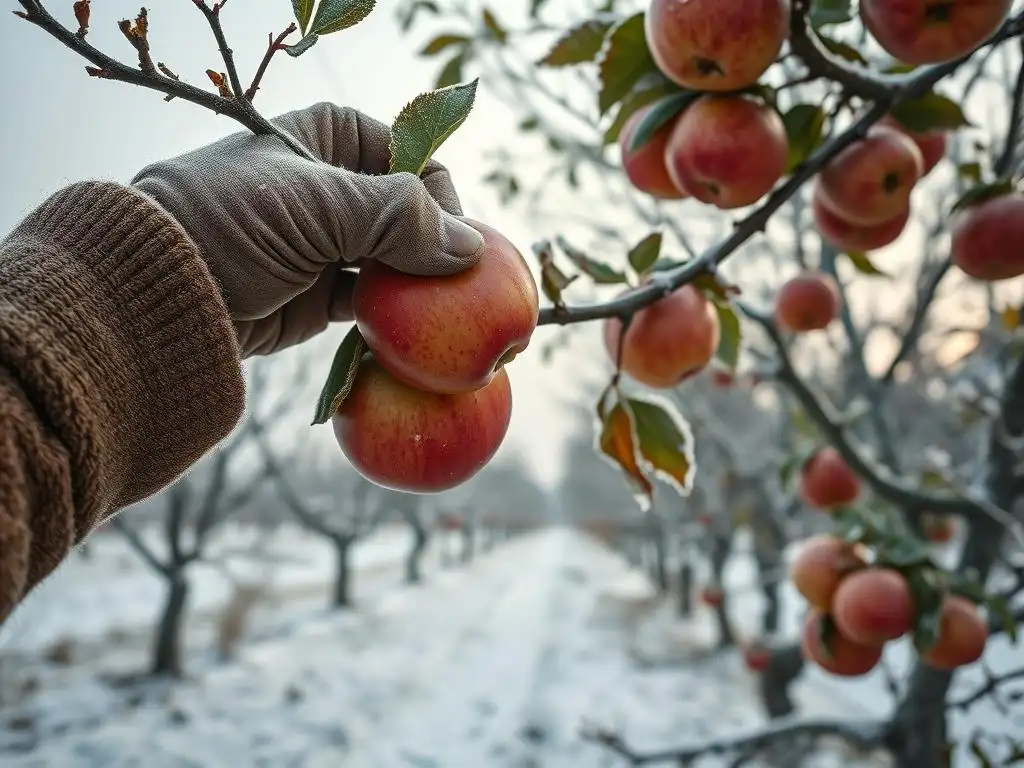
This section delves into the specifics of caring for cold-hardy fruit trees, ensuring a bountiful harvest even in challenging winter conditions. Proper care is crucial for maximizing yield and maintaining the health of your trees, making them resilient against harsh weather and pests. This guide will equip you with the knowledge to nurture your cold-hardy fruit trees through the winter months and beyond, ensuring a successful "Coldhardy fruit planting guide" for your garden.
Watering and Fertilizing Cold-Tolerant Fruit Trees
Watering requirements for cold-hardy fruit trees change significantly with the seasons. During winter dormancy, the need for frequent watering decreases dramatically. Overwatering can lead to root rot, a serious problem exacerbated by cold, wet soil. Instead of frequent watering, focus on deep, infrequent watering sessions only when the soil is visibly dry. Check the soil moisture at least a few inches below the surface before watering. A moisture meter can be helpful for this task.
Fertilizing, too, requires careful consideration. Avoid fertilizing during the coldest months (typically late fall and winter) as the trees are largely inactive and cannot effectively utilize the nutrients. Instead, a late winter or early spring application of a balanced, slow-release fertilizer is recommended. This provides a gentle nutrient boost as the trees begin their growing cycle.
The specific fertilizer type and amount will depend on the variety of fruit tree and the soil conditions; always refer to the instructions on the fertilizer packaging. Consider conducting a soil test to determine the specific needs of your soil before fertilizing. Healthy soil is the foundation for healthy fruit trees.
Remember, less is often more during the winter months. Over-fertilizing can lead to vigorous growth that is susceptible to winter damage. A balanced approach to watering and fertilizing is key to maintaining the health and resilience of your cold-hardy fruit trees.
Pruning Techniques for Cold Climates
Pruning cold-hardy fruit trees in cold climates requires a slightly different approach than in warmer regions. The ideal time to prune is typically during late winter or early spring, before new growth begins. This minimizes the risk of frost damage to freshly cut branches and allows the tree to heal before the active growing season.
The goals of winter pruning are threefold:
- Removing dead or diseased wood: This prevents the spread of disease and improves air circulation within the tree canopy. Look for branches that are brittle, cracked, or showing signs of disease.
- Thinning the canopy: This improves sunlight penetration to all parts of the tree, leading to better fruit production and reduced susceptibility to fungal diseases. Aim for an open, well-ventilated canopy.
- Shaping the tree: This ensures the tree maintains a healthy structure, making it more resilient to strong winds and heavy snow. Consider the natural growth habit of your specific fruit tree variety when shaping it.
When pruning, use sharp, clean pruning shears or saws to make clean cuts. Avoid ragged cuts, which can be more susceptible to disease. Proper pruning techniques are essential for maintaining the health and productivity of your cold-hardy fruit trees. A well-maintained tree is better equipped to withstand the rigors of a cold winter.
Pest and Disease Management in Winter Months
While pest activity is generally reduced during winter, proactive measures are still crucial. Many pests overwinter in the soil or in protected areas around the tree. Therefore, removing fallen leaves and debris around the base of the tree is essential. This reduces overwintering sites for pests and diseases.
Monitoring for signs of disease or pest infestation is also important. Inspect the branches and bark for any signs of damage, unusual growths, or insect activity. Early detection can prevent larger problems in the spring.
Consider using horticultural oils or dormant sprays as a preventative measure in late winter or early spring, before the buds begin to swell. These sprays help control overwintering pests and diseases. Always follow the instructions on the product label carefully. Remember to choose products specifically designed for use on fruit trees and appropriate for your climate. A proactive approach to pest and disease management is crucial for ensuring the health and longevity of your cold-hardy fruit trees. A healthy tree is a productive tree, even in the harshest winter conditions. 🍎
Harvesting and Preserving Your Cold-Hardy Fruit
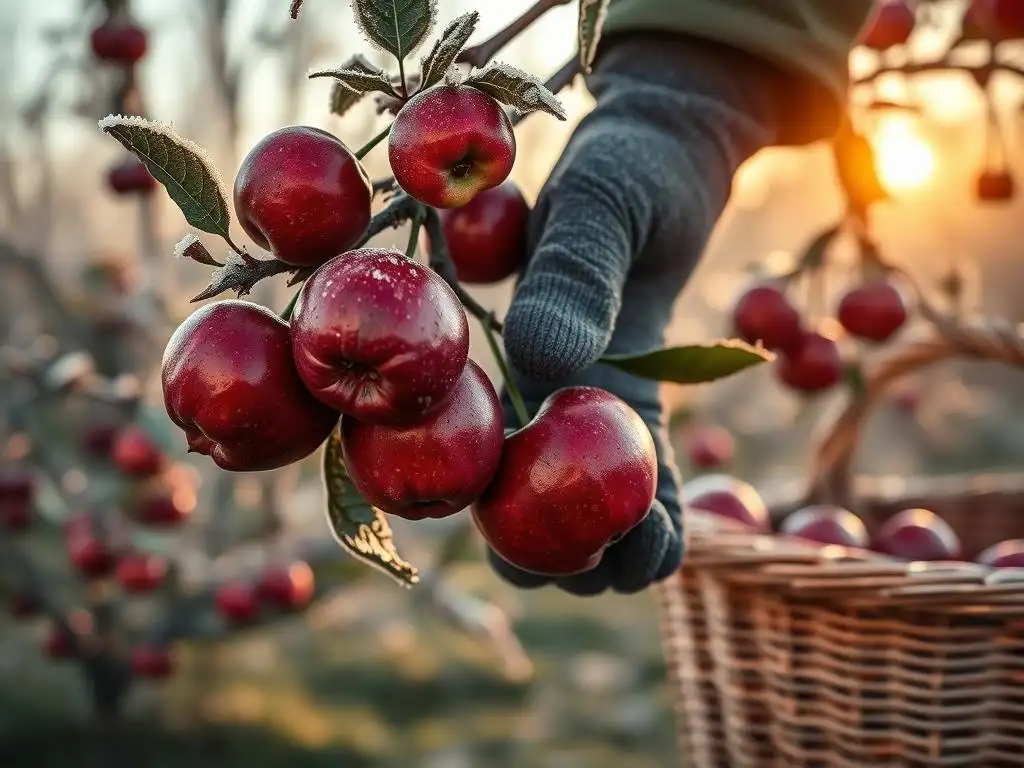
This section delves into the crucial aspects of harvesting and preserving your cold-hardy fruit bounty, ensuring you can enjoy the fruits of your labor throughout the year. Proper harvesting techniques maximize flavor and shelf life, while effective preservation methods extend the enjoyment of your winter harvest well beyond the growing season. This guide will transform you from a simple grower into a skillful preserver, maximizing the yield from your cold-hardy fruit planting.
Recognizing the Signs of Fruit Ripeness
Determining the optimal harvest time for your cold-hardy fruits is paramount. Rushing the process can result in bland, under-developed fruit, while waiting too long leads to overripe, damaged produce. The signs of ripeness vary depending on the specific fruit, but some general indicators include:
- Color Change: Many fruits undergo a distinct color shift as they ripen. For example, apples will transition from green to shades of red or yellow depending on the variety, while blueberries change from green to a deep, vibrant blue.
- Feel and Texture: A ripe fruit will often feel slightly soft to the touch, but not mushy. Avoid fruits that are excessively firm or have bruises.
- Aroma: A fragrant aroma is often a strong indicator of ripeness. Smell the fruit gently – a sweet, inviting scent usually signals readiness for harvest.
- Taste Test: The ultimate test! Gently pick a single fruit and taste it. This allows you to assess the sweetness and overall flavor profile. Remember to only taste-test a small sample and leave the rest on the plant until the whole batch is ready.
It's important to note that some cold-hardy fruits, like crabapples, might be harvested slightly underripe if intended for processing like making jams or jellies. Their tartness will balance the sweetness of the sugar added during processing. Always refer to specific guidelines for your chosen varieties. A good "Coldhardy fruit planting guide" will often include detailed information on the specific ripeness indicators for each fruit.
Methods for Harvesting Cold-Tolerant Fruits
The harvesting method also plays a crucial role in preserving the fruit's quality. Gentle handling is key to avoid bruising or damaging the delicate skin. Here are some best practices:
- Use appropriate tools: For fruits like apples and pears, use hand pruners or shears to cleanly sever the fruit from the branch. This prevents tearing and minimizes damage to the tree.
- Harvest in the cool morning: Morning harvesting minimizes sun exposure and helps to maintain the fruit's moisture content. Avoid harvesting during the hottest part of the day, as this can lead to faster spoilage.
- Handle with care: Place harvested fruits gently into containers lined with soft material, such as straw or bubble wrap, to prevent bruising. Avoid piling fruits on top of each other.
- Sort and inspect: Immediately after harvesting, sort the fruits, discarding any damaged, bruised, or diseased specimens. This prevents spoilage from spreading to the rest of the harvest.
Proper harvesting techniques are essential to ensure the longevity of your cold-hardy fruit harvest. These practices directly impact the success of your preservation efforts. Pay attention to detail!
Preserving Your Harvest for Year-Round Enjoyment
Preserving your cold-hardy fruit harvest allows you to savor its flavor long after the growing season ends. Several methods offer varying degrees of preservation and ease of use:
- Freezing: This is a simple and effective method for many fruits. Wash, sort, and prepare fruits by removing stems and pits. Blanching some fruits (briefly submerging in boiling water) helps preserve their color and texture. Package the prepared fruit in freezer-safe containers or bags, leaving some headspace for expansion.
- Canning: Canning is a more involved process, but it offers long-term preservation. This method involves sterilizing jars and lids, processing the fruit in a boiling water bath or pressure canner, and sealing the jars properly. Proper canning techniques are crucial to prevent spoilage. Many online resources and books provide detailed instructions on safe canning practices.
- Drying: Drying is a traditional preservation method that works well for fruits like apples and pears. Fruits can be sun-dried, oven-dried, or dehydrated using a food dehydrator. Proper drying techniques are essential to prevent mold and spoilage.
- Making jams, jellies, and preserves: This is a delicious way to use excess fruit. These methods combine fruits with sugar and pectin to create long-lasting spreads. Numerous recipes are available online and in cookbooks.
Choosing the right preservation method depends on your available resources, the type of fruit, and your personal preferences. Properly preserved cold-hardy fruits provide a delicious and nutritious addition to your diet throughout the year, maximizing the reward of your cold-hardy fruit planting. Remember, a well-planned preservation strategy is a key component of successful cold-hardy fruit gardening.
Recommended Cold-Hardy Fruit Varieties for Home Gardens
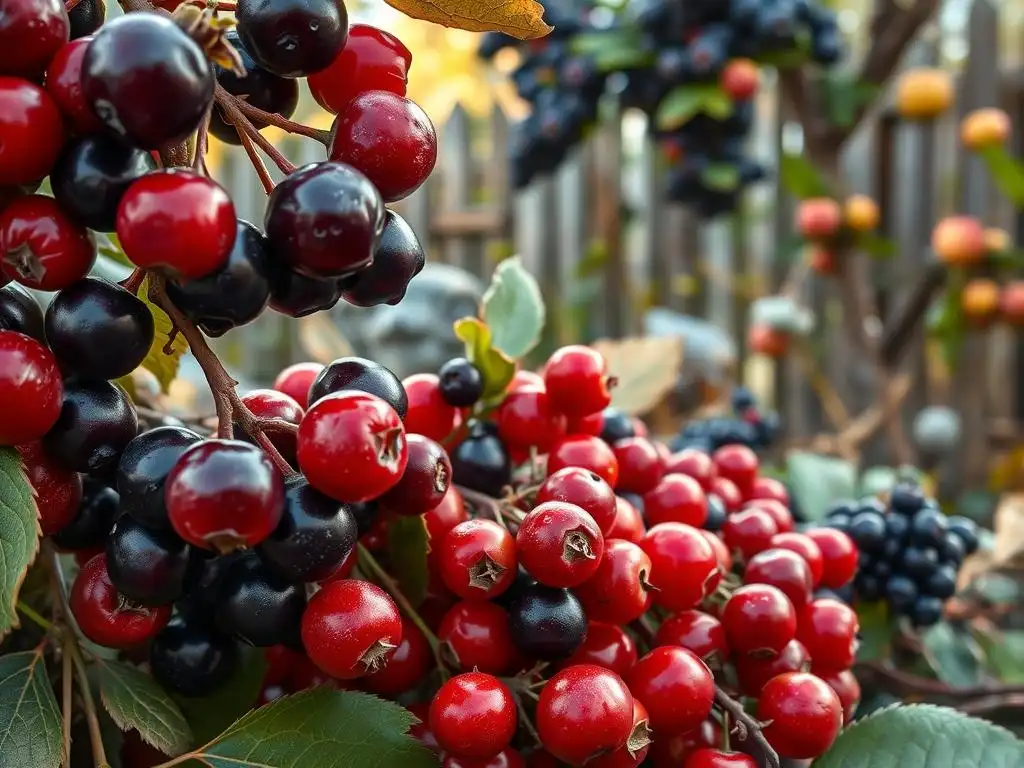
This section provides a comprehensive guide to selecting and planting cold-hardy fruit trees and bushes for your home garden, fulfilling your needs for a robust Coldhardy fruit planting guide. Success in cultivating fruit in colder climates hinges on choosing the right varieties. We'll explore several options, focusing on their hardiness, yield, and ease of cultivation. Remember to always check the specific hardiness zones for your region before making any purchases.
Apples
Apples are a quintessential cold-hardy fruit, thriving in many regions with harsh winters. The key is selecting varieties known for their resilience to freezing temperatures and late frosts. Here are some excellent choices for home gardeners:
- Honeycrisp: Known for its exceptionally crisp texture and sweet-tart flavor, Honeycrisp is a popular choice, though it might require some extra protection in extremely cold areas. It typically requires at least 600 chill hours. 1
- Fuji: A reliable producer of large, firm, and sweet apples, Fuji trees are relatively hardy and disease-resistant, making them a good option for beginner gardeners. They also demonstrate a high tolerance for cold.
- Braeburn: This variety is prized for its balanced sweetness and tartness, and its firm flesh makes it ideal for storing. Braeburn apples are known for their cold hardiness and adaptability.
- Arctic Apple: Specifically bred for cold climates, Arctic apples are exceptionally hardy and can withstand temperatures far below zero. These are a great option for growers in particularly harsh climates.
Choosing the right rootstock is crucial for apple tree success. Dwarfing rootstocks are ideal for smaller gardens, offering manageable tree sizes while still producing a bountiful harvest. Consider factors like your soil type and available space when making your selection. Proper pruning is also essential for maintaining the health and productivity of your apple trees.
Berries
Berries, with their diverse range of species, offer many cold-hardy options for your winter garden. These low-maintenance plants often require less space than fruit trees and can be incorporated into smaller gardens or even containers.
- Raspberries: Many raspberry varieties, particularly those classified as hardy or winter-hardy, can tolerate significant cold. These vigorous plants produce abundant crops of sweet berries. Consider varieties like ‘Autumn Bliss’ or ‘Himbotop’ for their cold tolerance.
- Blueberries: While some blueberry varieties prefer warmer climates, many are quite cold-hardy. Choose varieties suited to your specific hardiness zone. Ensure your soil is acidic enough to provide optimal growing conditions for blueberries.
- Strawberries: Everbearing strawberry varieties are particularly well-suited for colder climates, producing fruit over a longer period. Protect your plants from harsh winter winds with mulch or other appropriate coverings.
- Cranberries: For those with a really cold climate and acidic soil, consider growing cranberries. These bog-loving plants thrive in cold, wet conditions and provide a unique harvest.
Remember that proper mulching and winter protection can significantly improve berry plant survival and yield in harsh winters. This helps to insulate the roots and protect them from freezing temperatures and frost heaving.
Other Cold-Tolerant Fruits
Beyond apples and berries, several other fruits can thrive even in colder climates with careful selection and preparation.
- Plums: Certain plum varieties, such as the hardy ‘Methley’ plum, are known for their cold tolerance. These offer a delicious and versatile harvest.
- Cherries: Sour cherries, generally, exhibit better cold hardiness than sweet cherries. Consider varieties specifically bred for colder climates.
- Pears: Some pear varieties, particularly those on dwarfing rootstock, are relatively cold-hardy and can be successfully grown in colder regions. Again, careful selection based on your specific hardiness zone is crucial.
- Grapes: While not all grapes are cold-hardy, some varieties, particularly those bred for cooler climates, can be successfully grown in colder regions with proper winter protection.
These are just a few examples; many other cold-hardy fruit varieties exist. Always research your specific region's climate and soil conditions to choose the best options for your home garden. With careful planning and selection, you can enjoy a bountiful harvest of delicious fruit year-round, even in colder climates. This comprehensive Coldhardy fruit planting guide should help you in your journey to a successful harvest.
1 Chill hours refer to the number of hours a tree needs to experience temperatures between 0°C and 7°C during the winter dormancy period for proper bud development.
Maximizing Your Winter Harvest: Tips and Tricks
This section delves into practical strategies for maximizing your fruit yield even during the coldest months. Successfully navigating winter gardening requires careful planning and proactive measures to protect your cold-hardy fruit plants from harsh weather conditions. This guide focuses on optimizing your cold-hardy fruit planting for a bountiful winter harvest, providing a comprehensive approach to Coldhardy fruit planting.
Utilizing Cold Frames and Row Covers
Cold frames and row covers are invaluable tools for extending the growing season and protecting your cold-tolerant fruit plants from frost and freezing temperatures. A cold frame acts as a miniature greenhouse, trapping solar heat and providing insulation. This significantly raises the temperature inside, creating a microclimate ideal for delicate plants. For example, a well-constructed cold frame can easily maintain a temperature 10-15°F warmer than the ambient air temperature, even on frigid nights.
Row covers, on the other hand, are lightweight fabrics that drape over your plants, providing protection from frost and wind chill. They allow sunlight and air circulation while acting as a barrier against extreme temperatures. Different materials offer varying degrees of protection; choose a fabric appropriate for your climate and the specific needs of your fruit plants. For instance, heavier weight row covers are better suited for harsh winters, while lighter fabrics are suitable for milder conditions or frost protection.
Proper installation is crucial. Ensure the cold frame or row cover is securely fastened to prevent wind damage and maintain an effective seal. Regularly monitor the temperature inside the cold frame and adjust ventilation as needed to prevent overheating or excessive moisture buildup. Remember to remove the covers on warmer days to allow for proper pollination and plant growth. Careful management of cold frames and row covers is key to successful Coldhardy fruit planting.
Implementing Frost Protection Strategies
Frost can severely damage or even kill your fruit plants. Proactive frost protection is essential, especially in areas prone to late-season or early-season frosts. Several strategies can be employed to minimize frost damage.
One effective method is watering your plants deeply before a predicted frost. The water releases heat as it freezes, providing a layer of insulation around the plant's roots and stems. Another technique involves using frost blankets or burlap sacks to cover individual plants. This creates an insulating layer, preventing the plant's temperature from dropping too low.
Furthermore, consider using a sprinkler system to create a thin layer of ice on the plants. This ice acts as an insulating layer, protecting the plant from further temperature drops. The key is to start the sprinkler before the temperature drops below freezing and to continue it until the temperature rises above freezing. This method is particularly effective for protecting delicate blossoms and young fruits.
Careful observation of weather forecasts is critical. Being prepared for frost events allows you to implement these protective measures effectively, safeguarding your investment and ensuring a successful harvest. Regular monitoring of your plants’ health and responsiveness to these protection strategies is crucial for optimizing your Coldhardy fruit planting efforts.
Optimizing Sunlight Exposure During Winter Months
Winter sunlight is less intense and the days are shorter. Maximizing sunlight exposure is crucial for encouraging healthy growth and fruit production in your cold-hardy fruit plants. Strategic planting and pruning are key strategies to achieve this.
Firstly, choose a location with maximum sun exposure. South-facing slopes are ideal, as they receive the most sunlight during the winter months. Secondly, prune your plants to improve air circulation and sunlight penetration. Overgrown branches can shade lower branches, reducing overall sunlight access. Careful pruning encourages balanced growth and maximizes sunlight capture by each part of the plant.
Consider using reflective materials, such as aluminum foil or white plastic sheeting, to increase the amount of sunlight reaching your plants. These materials reflect sunlight onto the plants, boosting photosynthesis and promoting growth. This supplementary sunlight can be particularly beneficial during cloudy or overcast winter days. Proper site selection and strategic pruning, coupled with reflective materials, are essential for optimizing sunlight exposure and achieving a successful Coldhardy fruit planting experience. Remember, diligent attention to these details is fundamental to a successful winter harvest.
Frequently Asked Questions
What fruits are considered cold-hardy?
Many fruits can tolerate cold temperatures! Some cold-hardy options include apples, pears, plums, cherries, and certain berries like elderberries and goji berries. The specific hardiness varies by cultivar.
When is the best time to plant cold-hardy fruit trees?
The ideal planting time for most cold-hardy fruit trees is during the dormant season, typically late fall or early spring, before new growth begins. This allows the roots to establish before the next growing season.
How do I prepare the soil for cold-hardy fruit planting?
Prepare well-draining soil rich in organic matter. Amend heavy clay soils with compost and sand, and improve sandy soils with peat moss or other organic amendments. Soil testing is recommended to determine nutrient needs.
What are some common pests and diseases affecting cold-hardy fruits?
Common issues include apple scab, codling moths, and various fungal diseases. Preventive measures like proper spacing, pruning, and sanitation are crucial. Consider using organic pest control methods.
Where can I find cold-hardy fruit tree saplings?
You can often purchase cold-hardy fruit tree saplings from local nurseries, online retailers specializing in fruit trees, or even through mail-order catalogs. Check for varieties suitable for your specific climate zone.
Final Reflection: Harvesting the Bounty of Resilience
The pursuit of year-round fruit enjoyment, even in the harshest climates, is not merely a horticultural hobby; it's a testament to human ingenuity and our enduring connection to the land. This guide has explored the fascinating world of cold-hardy fruits, showcasing their resilience and the surprising diversity available to even the most frost-prone regions. We've learned that successful harvests aren't solely dependent on sunshine and warmth, but also on careful planning, thoughtful selection, and a deep understanding of the unique challenges and rewards of colder climates.
The impact of embracing cold-hardy fruit cultivation extends far beyond the simple pleasure of a fresh, homegrown apple in January. It represents a shift in our relationship with nature, a move away from dependence on fragile, climate-sensitive crops towards a more sustainable and resilient food system. This resonates deeply with the growing awareness of climate change and the importance of local, seasonal food production. The best time to plant a tree was 20 years ago. The second best time is today.
– Chinese Proverb. This timeless wisdom applies perfectly to the rewarding journey of cultivating cold-hardy fruits; the benefits are cumulative, and the rewards extend far beyond a single season.
Now, consider your own landscape. What possibilities await? Perhaps a sun-drenched corner of your garden is yearning for a hardy plum tree, or a sheltered south-facing wall could become home to a thriving espaliered apple. This isn't just about planting a tree; it's about investing in a future where the bounty of nature is accessible to all, regardless of climate. Take the time to research the varieties best suited to your specific region, and begin your own journey towards a more resilient and fruitful future. The rewards – both tangible and intangible – are well worth the effort.
Unleash Your Inner Gardener: Grow a Year-Round Fruit Paradise!
Thanks for joining us on this journey into the world of cold-tolerant fruits! We hope you've discovered exciting new possibilities for extending your harvest. Now it's time to put your knowledge into practice.
- Your first step: Select a cold-hardy fruit variety that appeals to you from the article and incorporate it into your next gardening plan. Research local nurseries or online suppliers to find a healthy sapling.
- Share your experience! Tell us which fruit you chose and why – your insights could inspire other readers. Let's build a thriving community of cold-climate fruit enthusiasts!
- Take a picture! Document your progress, from planting to harvest, and share it on social media using #CultivateYourFood.
Ready to transform your garden into a year-round fruit haven? What will you do first to get started?