
Conquering the Heat: Essential Tips for Thriving Southeast Gardens

Welcome to CultivateYourFood, your guide to a bountiful and sustainable home garden! Are you ready to unlock the secrets to a thriving harvest, even in the scorching Southeast summer heat? Our Southeast garden summer survival guide provides the essential know-how to conquer the challenges of this season, from smart planting strategies to effective pest control. Discover the techniques that will transform your garden from wilting to winning—let's cultivate success together!
- Southeast Garden Summer Survival: Understanding the Challenges
- Optimizing Your Southeast Garden for Summer Heat
- Southeast Garden Summer Survival: Pest and Disease Management
- Protecting Your Southeast Garden from Intense Sunlight
- Harvesting and Preserving Your Southeast Summer Bounty
- Southeast Garden Summer Survival: Sustainable Practices
-
Frequently Asked Questions
- What are the biggest challenges for Southeast gardens during summer?
- How can I protect my plants from the intense summer sun?
- What are some effective pest control strategies for a Southeast summer garden?
- How often should I water my plants during the hot summer months?
- What are the best vegetables to grow in the Southeast during the summer?
- Final Reflection: A Legacy of Lush Gardens in the Southern Heat
- Unlock Your Garden's Summer Potential!
Southeast Garden Summer Survival: Understanding the Challenges
The humid, scorching summers of the Southeast present unique challenges for even the most seasoned gardeners. Successfully cultivating a thriving garden in this region during the peak heat requires a strategic approach, incorporating techniques that mitigate the effects of intense sunlight, high temperatures, and increased pest pressure. This guide provides essential tips and strategies for helping your Southeast garden not just survive, but flourish, even during the hottest months. We'll explore the key challenges faced by Southeast gardens in summer and offer practical solutions for maintaining healthy and productive plants throughout the season.
Mastering these techniques will significantly improve your chances of reaping a bountiful harvest, despite the summer heat. This guide focuses on sustainable and organic practices, ensuring your garden thrives while minimizing environmental impact. Let's delve into the specifics of conquering the heat and ensuring your Southeast garden's summer survival.
High Temperatures and Their Impact on Southeast Plants
High temperatures in the Southeast can significantly stress plants, leading to wilting, reduced growth, and even death. The intense heat causes rapid water loss through transpiration, leaving plants vulnerable to dehydration. Different plants have varying tolerances to heat; some thrive in full sun, while others require shade during the hottest parts of the day. Understanding your plants' specific needs is crucial.
For example, heat-sensitive vegetables like lettuce and spinach may benefit from afternoon shade provided by taller plants or shade cloth. Heat stress can also reduce flowering and fruiting, impacting the overall yield. To mitigate the effects of high temperatures, consider these strategies:
- Mulching: Applying a thick layer of organic mulch (straw, wood chips, etc.) around plants helps retain soil moisture, regulate soil temperature, and suppress weed growth. This creates a cooler, more stable root environment.
- Strategic Planting: Choose plant varieties known for their heat tolerance. Many heirloom varieties are well-adapted to the Southeast climate.
- Watering Techniques: Water deeply and less frequently, encouraging deep root growth. Avoid shallow watering, which only wets the surface and doesn't reach the roots. Early morning watering is best, minimizing water loss through evaporation.
- Shade Structures: Utilize shade cloth or strategically placed taller plants to provide afternoon shade for heat-sensitive crops.
Water Stress and Drought Management in Hot Climates
Water stress is a major concern for Southeast gardens during summer. Prolonged periods of high temperatures and low rainfall can lead to severe dehydration, impacting plant health and yield. Effective drought management is essential for ensuring the survival of your plants. Consider these strategies:
- Water Wisely: Implement a consistent watering schedule, adjusting it based on weather conditions and plant needs. Use a soil moisture meter to monitor soil moisture levels before watering.
- Rainwater Harvesting: Collect rainwater through rain barrels or other methods to supplement your irrigation system. Rainwater is a free and environmentally friendly source of water.
- Drip Irrigation: This efficient method delivers water directly to the roots, minimizing water loss through evaporation. It's particularly effective during hot and dry periods.
- Xeriscaping: Incorporate drought-tolerant plants into your garden design. These plants require less watering and are well-suited to the Southeast's hot and dry summers. Research native and adapted varieties for optimal success.
Common Pests and Diseases Thriving in Summer Heat
Summer heat often creates ideal conditions for various pests and diseases to thrive. Increased temperatures and humidity can accelerate the life cycles of insects and fungal pathogens, leading to increased damage to plants. Early detection and proactive management are crucial. Consider these strategies:
- Pest Monitoring: Regularly inspect your plants for signs of pests and diseases. Early detection allows for timely intervention, minimizing the damage.
- Natural Pest Control: Utilize organic pest control methods such as insecticidal soap, neem oil, or beneficial insects to manage pest populations. Avoid harsh chemical pesticides that can harm beneficial insects and the environment.
- Disease Prevention: Ensure good air circulation around plants by spacing them appropriately. Avoid overhead watering, which can promote fungal diseases. Remove and destroy infected plant material promptly.
- Crop Rotation: Rotating crops annually helps break pest and disease cycles, reducing the risk of infestations. This practice is a cornerstone of sustainable gardening.
The combination of these strategies will significantly improve your chances of a successful and bountiful Southeast garden, even during the hottest summer months. Remember, consistent observation and proactive management are key to conquering the heat and ensuring your garden's survival. 🌱
Optimizing Your Southeast Garden for Summer Heat
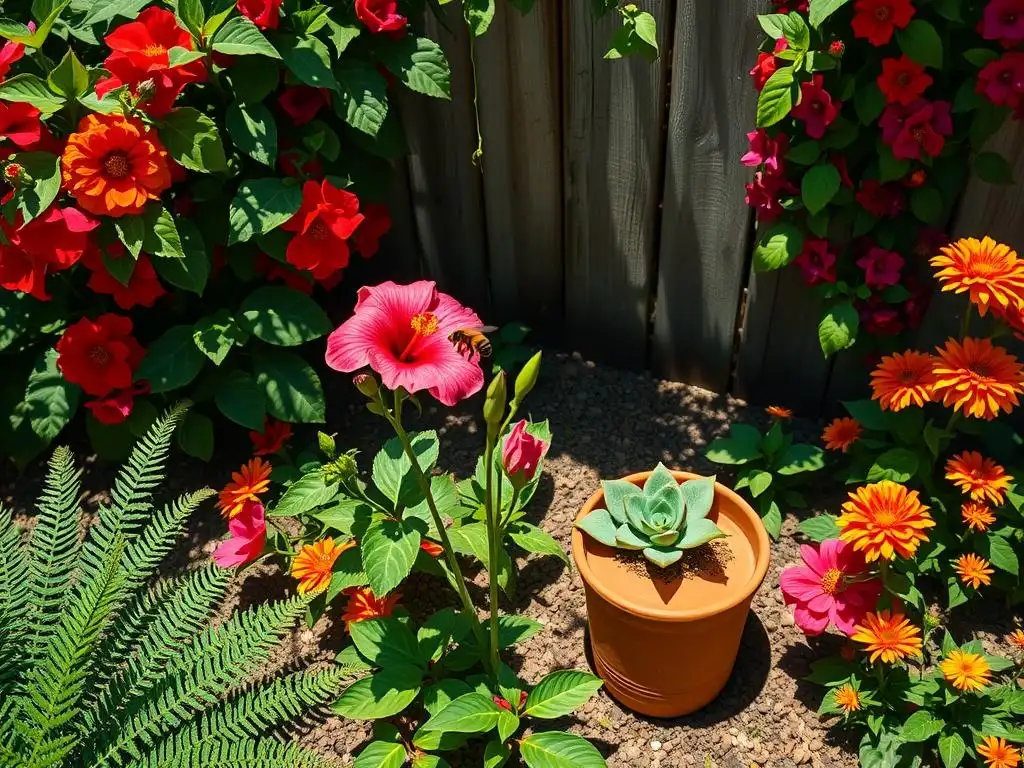
The Southeast's summer heat presents unique challenges for even the most experienced gardener. High temperatures, humidity, and intense sunlight can quickly stress plants, leading to reduced yields and wilting. However, with careful planning and the right techniques, you can cultivate a thriving Southeast garden even during the hottest months. This section focuses on optimizing your garden's resilience to summer heat, ensuring a bountiful harvest despite the challenging conditions. Successfully navigating these challenges hinges on plant selection, efficient watering, and effective mulching strategies – all crucial elements of Southeast garden summer survival.
Selecting Heat-Tolerant Plants for Your Southeast Garden
Choosing the right plants is the cornerstone of a successful summer garden in the Southeast. Opting for varieties known for their heat tolerance is paramount. Many vegetables and herbs thrive in these conditions. Consider these examples:
- Vegetables: Okra, Southern peas (black-eyed peas, crowder peas), peppers (especially jalapeños and habaneros), tomatoes (choose heat-tolerant varieties like 'Celebrity' or 'Sun Gold'), and squash (butternut, acorn).
- Herbs: Basil (especially Genovese basil), oregano, thyme, rosemary, and chives.
Remember to check plant tags or seed packets for heat tolerance ratings. Look for specific mentions of suitability for hot, humid climates. Don't be afraid to experiment with different varieties to find what works best in your specific microclimate and soil type. A little research can go a long way in ensuring your garden's success. For example, some tomato varieties are specifically bred for high-heat environments and will produce far better yields than those not suited to the conditions. This careful selection is key to Southeast garden summer survival.
Smart Watering Techniques for Southeast Gardens: Deep Watering vs Frequent Watering
Water management is critical during the summer months in the Southeast. Frequent, shallow watering encourages shallow root growth, making plants more vulnerable to heat stress. Instead, prioritize deep watering less frequently. This encourages roots to grow deeper, accessing moisture reserves even during dry spells.
| Watering Method | Advantages | Disadvantages |
|---|---|---|
| Deep Watering | Encourages deep root growth, drought tolerance | Requires more water per session, may be less convenient |
| Frequent, Shallow | Easy, convenient | Encourages shallow roots, increased vulnerability to heat stress |
Aim to water deeply once or twice a week, allowing the water to penetrate several inches into the soil. The best time to water is in the early morning, minimizing evaporation and allowing plants to absorb moisture before the hottest part of the day. Monitor soil moisture regularly using your finger – if the top inch or two feels dry, it's time to water. This adjusted watering schedule is crucial for Southeast garden summer survival.
Mulching Strategies for Southeast Gardens: Protecting Soil Moisture and Suppressing Weeds
Mulching plays a vital role in protecting your Southeast garden from the summer heat. A layer of mulch helps retain soil moisture, reducing the frequency of watering and keeping the soil cooler. It also suppresses weed growth, reducing competition for resources and saving you time and effort.
There are many types of mulch to choose from, each with its own advantages and disadvantages. Common choices include:
- Straw: Inexpensive and readily available, but can harbor pests if not properly managed.
- Wood chips: Provide excellent weed suppression and soil improvement over time.
- Shredded leaves: A readily available and natural option, particularly useful in fall and winter.
- Black plastic: Effective at retaining moisture and suppressing weeds, but can overheat the soil if not used carefully.
The optimal mulch layer is typically 2-4 inches thick. Apply mulch around plants, leaving a small gap between the mulch and the plant stems to prevent rot. Regularly replenish the mulch layer as it breaks down, maintaining its effectiveness throughout the summer. Remember, choosing the right mulch and applying it correctly are vital components of Southeast garden summer survival. The right mulch can significantly improve your garden's health and productivity.
Southeast Garden Summer Survival: Pest and Disease Management
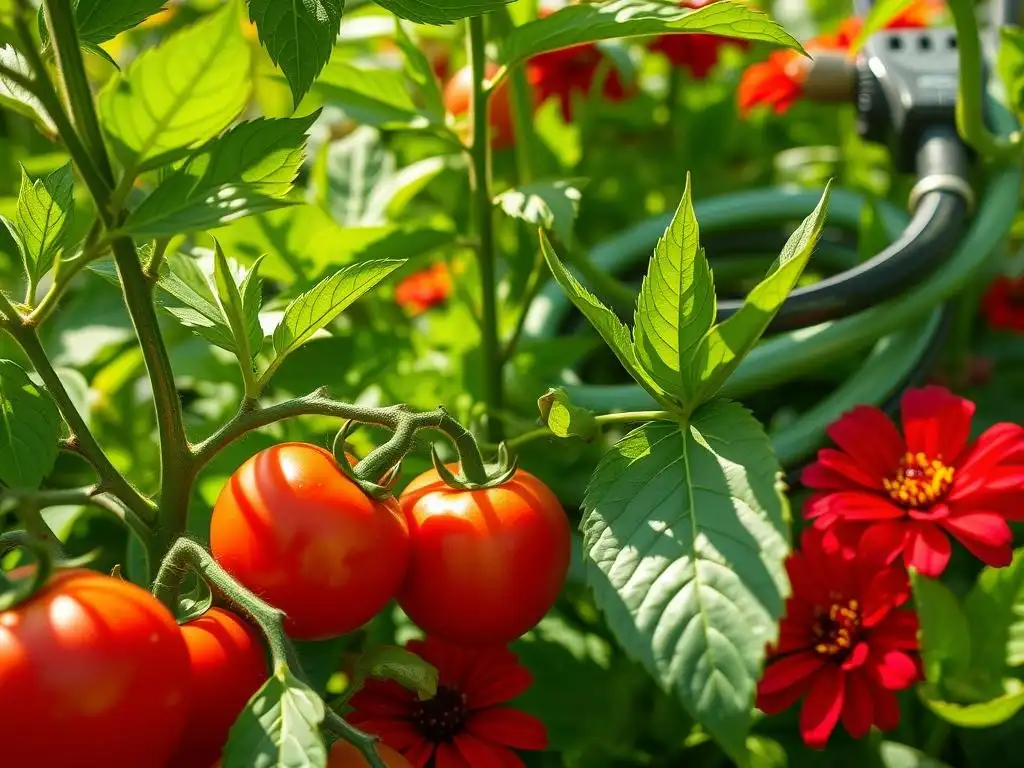
The Southeast's hot, humid summers present unique challenges for gardeners. High temperatures and abundant moisture create ideal breeding grounds for pests and diseases, potentially decimating your carefully cultivated fruits, vegetables, and herbs. Successful "Southeast garden summer survival" hinges on proactive pest and disease management. This section details strategies for identifying, preventing, and controlling common problems, emphasizing organic and sustainable methods.
Identifying and Addressing Common Summer Pests in the Southeast
Summer in the Southeast brings a plethora of pests eager to feast on your garden bounty. Accurate identification is the first step in effective pest control. Let's explore some common culprits and how to deal with them:
- Aphids: These tiny, soft-bodied insects suck sap from plants, causing stunted growth and leaf curl. Look for clusters of aphids on the undersides of leaves. Organic control: Strong blasts of water can dislodge them. Introduce ladybugs, lacewings, or other beneficial insects that prey on aphids. Neem oil is also an effective organic insecticide.
- Spider mites: These microscopic pests create fine webbing on leaves and cause stippling (tiny yellow or white spots). Organic control: Regularly misting plants increases humidity, making it harder for them to thrive. Introduce predatory mites. Neem oil can also be used.
- Tomato hornworms: These large caterpillars can quickly defoliate tomato plants. Organic control: Handpicking is effective for smaller infestations. Bacillus thuringiensis (Bt) is a naturally occurring bacterium that kills hornworms.
- Whiteflies: These tiny, winged insects cluster on the undersides of leaves, causing yellowing and wilting. Organic control: Sticky traps can catch adult whiteflies. Neem oil is effective in controlling both adults and nymphs.
- Flea beetles: These small, jumping beetles chew holes in leaves, particularly on brassicas (cabbage, broccoli, etc. ). Organic control: Row covers protect young plants. Diatomaceous earth can help control adult beetles.
| Pest | Symptoms | Organic Control Methods |
|---|---|---|
| Aphids | Stunted growth, leaf curl | Water spray, beneficial insects, neem oil |
| Spider mites | Fine webbing, stippling | Misting, predatory mites, neem oil |
| Hornworms | Defoliation | Handpicking, Bacillus thuringiensis (Bt) |
| Whiteflies | Yellowing, wilting | Sticky traps, neem oil |
| Flea beetles | Holes in leaves | Row covers, diatomaceous earth |
Remember to regularly inspect your plants for signs of infestation. Early detection is key to preventing widespread damage. Careful observation and prompt action are crucial for "Southeast garden summer survival."
Organic Pest Control Methods for Southeast Gardens
Organic pest control focuses on preventing and managing pests without using synthetic pesticides. This approach protects beneficial insects, pollinators, and the environment. Several effective organic methods can be employed for Southeast garden summer survival:
- Beneficial insects: Introducing natural predators like ladybugs, lacewings, praying mantises, and parasitic wasps can significantly reduce pest populations.
- Neem oil: Derived from the neem tree, this oil disrupts the life cycle of many insects. It's effective against aphids, spider mites, whiteflies, and other soft-bodied insects. Always follow label instructions carefully.
- Insecticidal soap: This soap solution disrupts the cell membranes of insects, leading to their death. It's effective against many soft-bodied insects but needs to be reapplied frequently.
- Diatomaceous earth: This naturally occurring sedimentary rock contains microscopic particles that cut into the exoskeletons of insects, causing dehydration and death. It's effective against crawling insects like slugs and snails.
- Companion planting: Certain plants repel pests or attract beneficial insects. For example, marigolds repel nematodes and some other insects. Basil planted near tomatoes can deter tomato hornworms.
Implementing these organic methods requires consistent monitoring and may necessitate a multi-pronged approach. The goal is not complete eradication, but rather maintaining pest populations at manageable levels.
Disease Prevention and Treatment in Hot and Humid Climates
The Southeast's hot, humid climate fosters fungal diseases. Prevention is paramount for "Southeast garden summer survival." Here are some key strategies:
- Proper watering: Avoid overhead watering, which promotes fungal growth. Water deeply at the base of plants, allowing the soil to dry slightly between waterings.
- Good air circulation: Space plants adequately to allow for good air circulation, reducing humidity around foliage. Prune plants to improve airflow.
- Crop rotation: Rotate crops annually to disrupt disease cycles. Don't plant the same species in the same location year after year.
- Disease-resistant varieties: Choose plant varieties known for their resistance to common diseases in your region.
- Sanitation: Remove and destroy infected plant material promptly to prevent the spread of disease. Clean garden tools regularly.
Fungal diseases like blight, powdery mildew, and leaf spots are common in the Southeast. If disease occurs, organic fungicides containing copper or sulfur can be used, but always follow label instructions carefully. Remember, proactive disease prevention is far more effective than treatment. By following these strategies, you can significantly reduce the risk of disease and ensure a thriving garden even during the hottest months.
Protecting Your Southeast Garden from Intense Sunlight
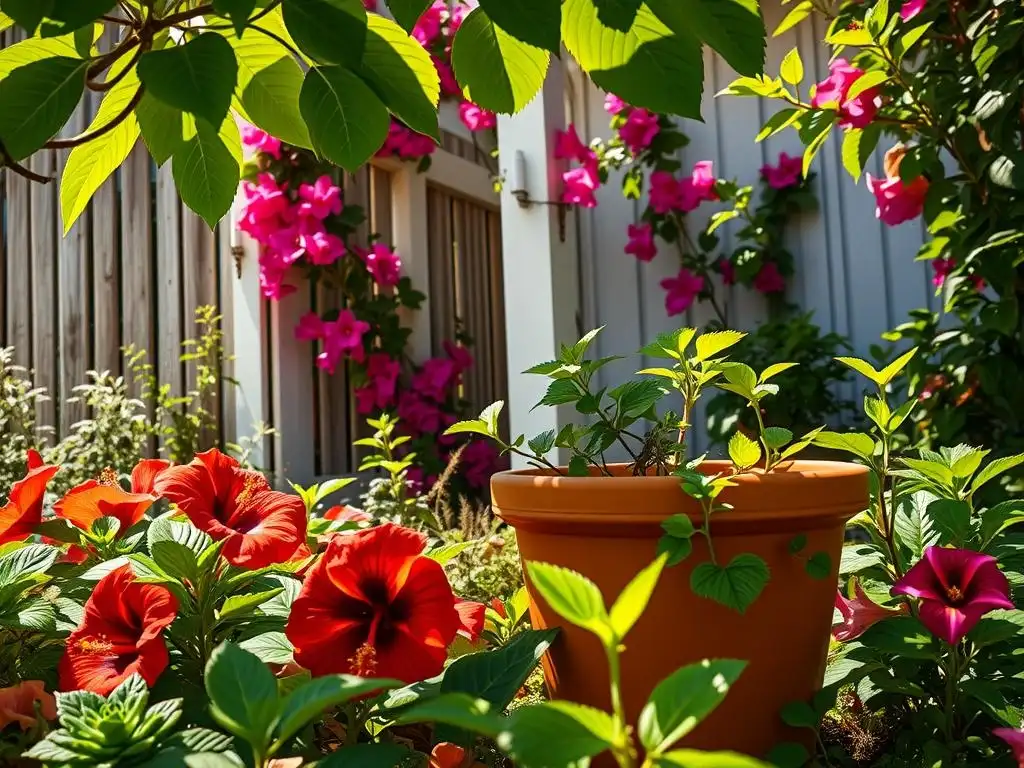
The Southeast's summer heat can be brutal, posing a significant challenge to even the hardiest plants. Successfully navigating this intense sunlight is crucial for a thriving Southeast garden, demanding proactive strategies to mitigate sun stress and maintain optimal growing conditions. This section focuses on practical techniques to shield your plants from the sun's scorching rays and ensure their survival during the peak summer months.
Understanding the specific needs of your plants and employing the right sun protection methods is key to achieving a bountiful harvest, even in the face of extreme heat. This is particularly important for "Southeast garden summer survival."
Utilizing Shade Cloths and Other Sun Protection Methods
Shade cloths offer a simple yet highly effective method for reducing sun exposure. These lightweight fabrics, available in various densities, allow you to filter sunlight while still providing adequate airflow. The percentage of shade provided varies depending on the cloth's density; selecting the appropriate density is crucial, as too much shade can hinder photosynthesis, while insufficient shade may not offer adequate protection.
For example, a 50% shade cloth is ideal for delicate seedlings or plants sensitive to intense midday sun, while a 30% shade cloth might suffice for more sun-tolerant varieties. Proper installation is also vital; ensure the cloth is taut to avoid sagging and uneven shade distribution. Remember to remove the shade cloth during cooler periods or when rain is needed to prevent fungal diseases.
Beyond shade cloths, other sun protection methods include strategically placed potted plants or even natural barriers like strategically planted taller plants to provide dappled shade. Experimentation is key to finding the most effective sun protection solution for your specific garden layout and plant species. Proper shade management significantly improves "Southeast garden summer survival" rates.
Strategic Planting for Shade and Wind Protection
Careful plant placement is a cornerstone of successful Southeast gardening. Strategic planting can significantly reduce the impact of direct sunlight and excessive heat. Taller plants can act as natural windbreaks, reducing transpiration and minimizing stress on more vulnerable plants. Consider using companion planting techniques, where plants with different sun tolerances are strategically positioned to provide mutual shade and protection.
For example, planting taller sunflowers or corn at the western edge of your garden can create a natural barrier against the afternoon sun, shielding more sensitive plants like lettuce or basil. This strategic arrangement not only provides shade but also improves air circulation, reducing the risk of fungal diseases that thrive in humid, stagnant conditions. By carefully considering the mature height and sun requirements of each plant, you can create a microclimate within your garden that enhances the overall resilience of your plants and enhances "Southeast garden summer survival."
Building a Healthy Soil Ecosystem for Resilience
A healthy soil ecosystem is the foundation of a resilient garden. Well-structured soil with ample organic matter provides superior water retention and insulation, protecting plant roots from extreme temperatures. Adding compost, aged manure, or other organic materials improves soil structure and enhances its ability to retain moisture, thus mitigating the effects of drought stress often associated with intense summer heat.
This is crucial for "Southeast garden summer survival". Regular soil testing can help identify deficiencies and guide the application of appropriate amendments. Furthermore, maintaining a consistent soil moisture level is paramount.
Mulching the soil surface with organic materials like straw, wood chips, or shredded leaves helps retain moisture, suppress weeds, and regulate soil temperature. This creates a more stable environment for plant roots, reducing stress and promoting vigorous growth, even under challenging conditions. A well-nourished and well-structured soil acts as a buffer against the harsh summer conditions, playing a vital role in the overall health and productivity of your Southeast garden.
Harvesting and Preserving Your Southeast Summer Bounty
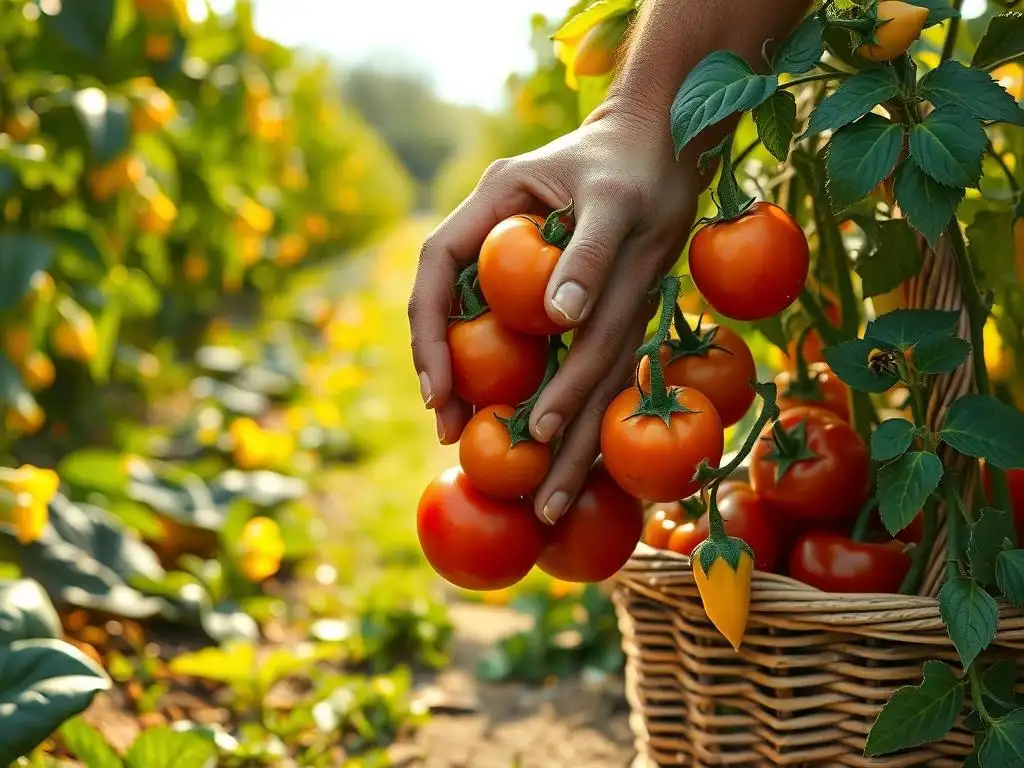
The Southeast's humid summers offer an abundance of delicious produce, but knowing when to harvest and how to preserve it is crucial for maximizing your garden's yield and enjoying its fruits (and vegetables!) throughout the year. Successful Southeast garden summer survival hinges on these key steps. This section focuses on optimizing your harvest and implementing effective preservation techniques.
Timing Your Harvest for Optimal Flavor and Quality
The timing of your harvest significantly impacts the taste and nutritional value of your produce. Harvesting too early results in bland, underdeveloped flavors, while harvesting too late can lead to tough, fibrous textures and reduced quality. Here's a guide to harvesting some common Southeast summer crops at their peak:
- Tomatoes: Harvest when they're fully colored and slightly soft to the touch. Avoid picking green tomatoes unless you plan to ripen them indoors.
- Cucumbers: Harvest young cucumbers when they are firm and crisp, usually 6-8 inches long, depending on the variety. Overripe cucumbers become bitter.
- Peppers: Harvest peppers when they reach their mature color, which varies depending on the type. Sweet bell peppers are typically harvested when fully colored, while hot peppers can be picked at different stages for varying levels of heat.
- Zucchini and Summer Squash: Harvest these when they are young and tender, usually 6-8 inches long. Larger squash can become tough and seedy.
- Beans: Harvest beans when the pods are full and plump but still tender. Overripe beans become tough and stringy.
The best time of day to harvest is generally in the morning after the dew has dried, as this minimizes the risk of disease transmission and allows the produce to cool down before storage. Remember to use clean tools and handle your produce carefully to avoid bruising. Proper harvesting techniques are crucial for your Southeast garden summer survival.
Preservation Techniques for Summer Produce: Canning, Freezing, and Drying
Preserving your summer harvest allows you to enjoy the bounty of your garden long after the growing season ends. Several methods are available, each with its own advantages and disadvantages.
| Preservation Method | Advantages | Disadvantages | Suitable Produce |
|---|---|---|---|
| Canning | Long shelf life, retains flavor and texture | Requires specialized equipment and careful processing | Tomatoes, pickles, jams, jellies, fruits, and vegetables |
| Freezing | Relatively simple, preserves nutrients | Can alter texture of some produce | Most fruits and vegetables |
| Drying | Long shelf life, requires minimal equipment | Can alter texture and flavor of some produce | Herbs, tomatoes, peppers, beans |
Proper preservation techniques are fundamental to extending the life of your harvest. Improper canning, for example, can lead to spoilage and foodborne illness. Always follow established guidelines and safety procedures when preserving your food. This is a crucial aspect of Southeast garden summer survival.
Extending the Growing Season in the Southeast: Fall Planting Strategies
While summer is the peak growing season in the Southeast, you can extend your harvest well into the fall by employing strategic planting techniques. Cooler temperatures and shorter days of autumn require careful consideration of plant selection and timing.
- Choosing the Right Plants: Opt for cool-season crops such as leafy greens (spinach, kale, lettuce), root vegetables (carrots, radishes, turnips), and brassicas (broccoli, cauliflower, cabbage). These thrive in the milder temperatures of autumn.
- Timing Your Planting: Plant these crops in late summer or early fall, allowing them sufficient time to mature before the first frost. Consult a local gardening calendar for specific planting dates in your area.
- Protecting Your Plants: As temperatures begin to drop, consider using row covers or other methods to protect your plants from frost damage. This will help extend your harvest well into the fall. This is a key component of your Southeast garden summer survival plan.
By understanding the nuances of fall planting, you can enjoy a continuous harvest from your garden, maximizing your yield and extending the benefits of your summer's hard work. This ensures a longer enjoyment of the fruits of your labor, and contributes to a successful Southeast garden summer survival strategy.
Southeast Garden Summer Survival: Sustainable Practices
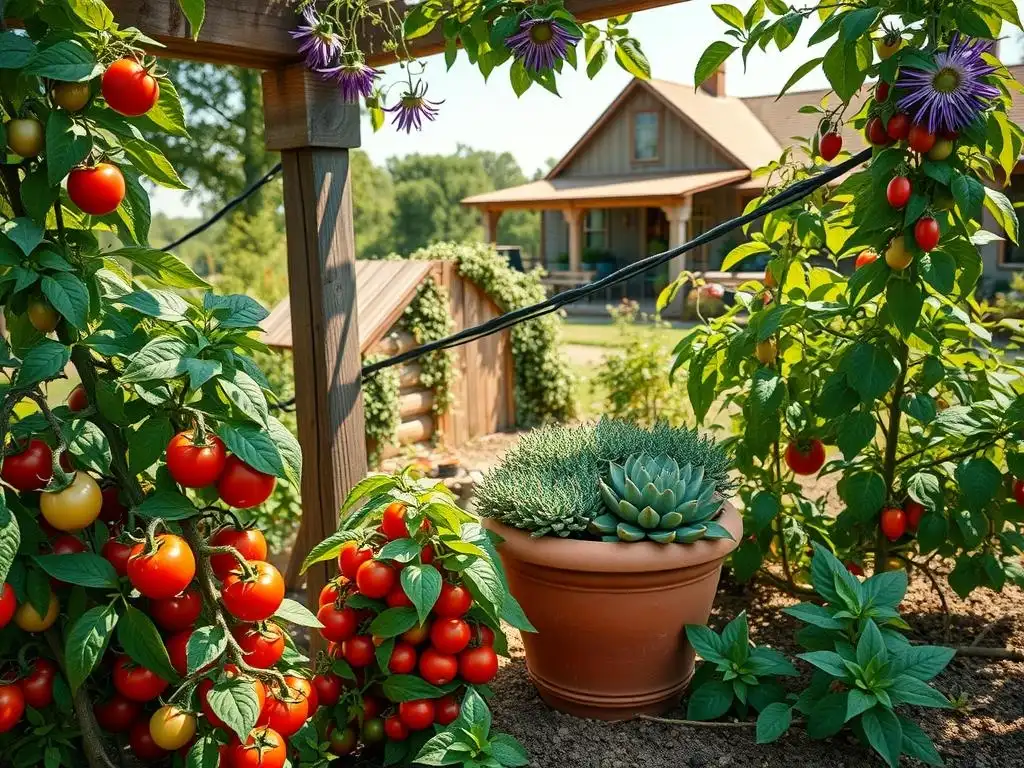
This section delves into practical, sustainable strategies for ensuring your Southeast garden thrives even during the hottest summer months. We'll explore water-wise gardening, the benefits of composting, and the importance of minimizing chemical use to create a resilient and productive ecosystem. Mastering these techniques is key to achieving a bountiful harvest, even under challenging summer conditions. Remember, a thriving Southeast garden in summer requires a proactive and environmentally conscious approach.
Water Conservation Techniques for Southeast Gardens
Conserving water is paramount in the Southeast's often-arid summers. Traditional watering methods can be inefficient and wasteful. Let's explore smarter approaches to keep your plants hydrated without depleting precious resources.
The most effective strategy is to transition to drip irrigation. This method delivers water directly to the roots, minimizing evaporation and runoff. Drip irrigation systems can be easily customized to suit the specific needs of different plants and soil types. For example, vegetables with shallow roots may require more frequent, shorter watering sessions than deep-rooted fruit trees. Consider installing a timer to automate watering schedules, ensuring consistent moisture delivery even when you're away.
Another crucial technique is mulching. Applying a layer of organic mulch, such as straw, shredded leaves, or wood chips, around your plants helps retain soil moisture, suppress weeds, and regulate soil temperature. This reduces the frequency of watering and helps prevent water stress, crucial for "Southeast garden summer survival". A 2-4 inch layer of mulch can significantly reduce water loss through evaporation.
Finally, choose drought-tolerant plants. Many native Southeast plants are naturally adapted to withstand periods of drought. Researching and selecting these varieties can significantly reduce your overall water needs, while still providing a beautiful and productive garden. Consider incorporating plants like coneflowers, yarrow, and native grasses, which require minimal watering once established. Careful plant selection is a foundational aspect of sustainable Southeast garden summer survival.
Composting and Soil Enrichment for Heat Tolerance
Healthy soil is the foundation of a thriving garden, especially during the intense heat of summer. Composting plays a vital role in creating a soil structure that is both fertile and resilient to high temperatures. By enriching your soil with compost, you bolster your plants' ability to withstand heat stress and maintain optimal growth.
Composting breaks down organic matter, such as kitchen scraps and yard waste, creating nutrient-rich humus. This humus improves soil structure, increasing its water retention capacity and aeration. Well-aerated soil allows for better root growth and oxygen uptake, enabling plants to access water and nutrients more efficiently, even under hot and dry conditions. The improved water retention capacity directly contributes to "Southeast garden summer survival".
Adding compost also introduces beneficial microorganisms to the soil. These microorganisms enhance nutrient cycling, making nutrients more readily available to plants. Furthermore, compost acts as a natural insulator, helping to moderate soil temperature fluctuations, preventing extreme temperature swings that can damage plant roots. A balanced approach to composting and soil enrichment is a key component of a thriving Southeast garden.
Minimizing Chemical Use and Promoting Biodiversity
Sustainable gardening emphasizes minimizing the use of synthetic pesticides and fertilizers. These chemicals can harm beneficial insects, disrupt soil ecosystems, and ultimately compromise the long-term health of your garden. Instead, focus on creating a diverse and resilient ecosystem that naturally resists pests and diseases.
Promoting biodiversity is crucial for "Southeast garden summer survival". A diverse garden attracts beneficial insects like ladybugs and lacewings, which prey on common garden pests. Planting a variety of flowers and herbs provides habitat and food sources for these beneficial creatures. Consider incorporating companion planting techniques; for example, planting basil near tomatoes can help repel pests.
Employ natural pest control methods such as using insecticidal soap or neem oil for targeted pest management. These methods are less harmful to the environment and beneficial insects than broad-spectrum chemical pesticides. Regularly inspect your plants for pests and diseases, and address any issues promptly before they escalate. Early detection and intervention are key to preventing widespread infestations. This proactive approach ensures a healthy and vibrant garden while respecting the environment.
Frequently Asked Questions
What are the biggest challenges for Southeast gardens during summer?
The biggest challenges are intense heat, high humidity, and frequent rainfall, which can lead to pest problems, disease, and water stress. Proper planning and preparation are key.
How can I protect my plants from the intense summer sun?
Provide afternoon shade using shade cloth or strategically placed taller plants. Mulching helps retain soil moisture and reduces soil temperature. Consider watering deeply but less frequently.
What are some effective pest control strategies for a Southeast summer garden?
Employ integrated pest management (IPM) techniques. This includes monitoring for pests, using beneficial insects, and resorting to organic pesticides only when necessary. Healthy plants are less susceptible to pests.
How often should I water my plants during the hot summer months?
Water deeply and less frequently, encouraging deep root growth. The goal is to wet the soil thoroughly, not just the surface. Check soil moisture before watering.
What are the best vegetables to grow in the Southeast during the summer?
Consider heat-tolerant varieties like okra, southern peas, squash, and eggplant. Choose disease-resistant cultivars and plant succession to ensure a continuous harvest.
Final Reflection: A Legacy of Lush Gardens in the Southern Heat
The relentless summer sun of the Southeast presents a formidable challenge to even the most seasoned gardener, but with the right knowledge and dedication, thriving gardens are not just a dream—they're a reality. This article has explored practical strategies for navigating the intense heat, from selecting drought-tolerant plants to mastering efficient watering techniques. These aren't just tips; they're keys to unlocking the potential of your garden, even in the face of seemingly insurmountable odds.
The impact of climate change on our gardening practices is undeniable, and the Southeast, with its already warm and humid climate, is feeling the effects acutely. The fight to maintain vibrant gardens in this environment is a microcosm of the larger struggle to adapt to a changing world. The earth laughs in flowers.
This quote, while seemingly simple, speaks volumes about the resilience of nature and the joy we find in nurturing it, even amidst adversity. My own garden, a testament to the principles outlined in this article, serves as a constant reminder of the power of perseverance and the beauty that can bloom even in the harshest conditions.
Now, I invite you to step outside and take a closer look at your own green space. Consider the challenges it faces, and how the strategies discussed here can help you overcome them. Don't be afraid to experiment, to learn from your mistakes, and to celebrate your successes. Your garden is a living testament to your dedication, a source of beauty and tranquility, and a vital part of the ecosystem. Let's work together to ensure that our Southeast gardens continue to flourish, even as the heat intensifies.
Unlock Your Garden's Summer Potential!
Thank you for joining us on this journey to a thriving Southeast garden! You've learned valuable tips to beat the heat and nurture your plants. Now it's time to put that knowledge into action.
- Start implementing a new technique from the article today—perhaps adjust your watering schedule or experiment with shade cloth. Even small changes can make a big difference!
- Share your gardening successes and challenges with our community in the comments below. Let's learn from each other!
- Consider trying a new, heat-tolerant plant variety next season. You might be surprised at what thrives in your garden!
Ready to see your garden flourish this summer? What's the first step you'll take to improve your garden's health and resilience in the heat?