
Planning Your First Garden: A StepbyStep Guide for Beginners

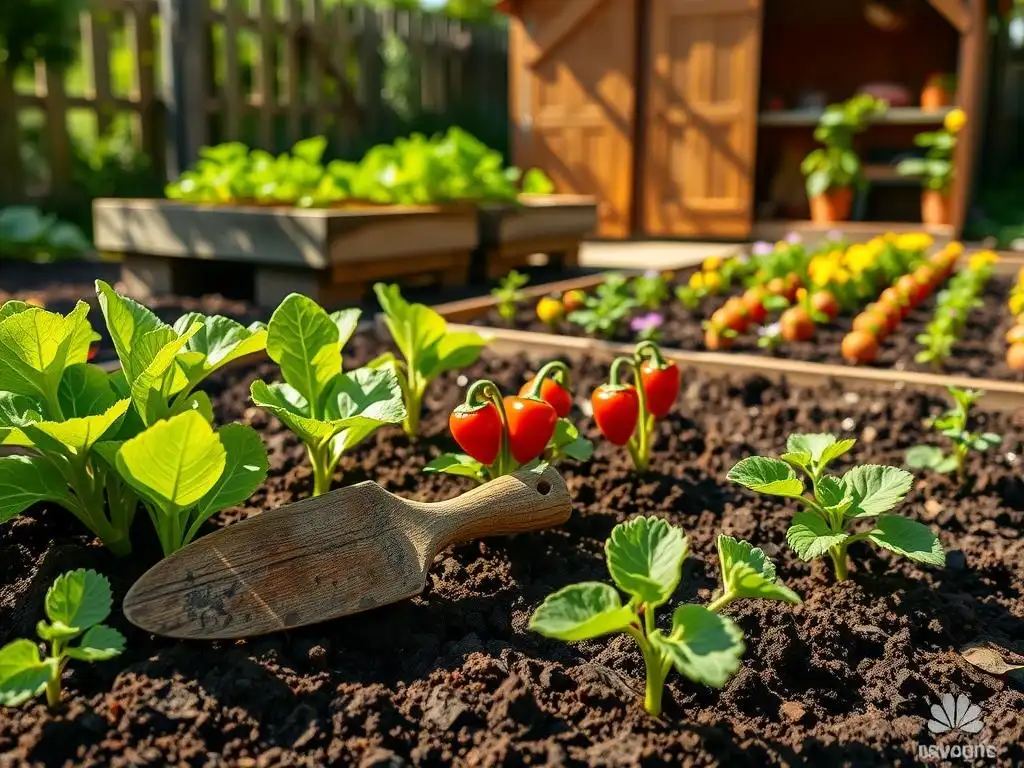
Welcome to CultivateYourFood, your guide to a thriving, sustainable garden! Ready to grow your own delicious fruits, vegetables, and herbs? Our comprehensive guide to beginner's organic garden planning will walk you through every step, from selecting the perfect seeds to harvesting your bountiful harvest. Discover the secrets to successful organic gardening and unlock the joy of cultivating your own food – let's get started!
- Choosing the Right Spot for Your Beginner's Organic Garden
- Designing Your Beginner's Organic Garden Layout
- Selecting Your First Organic Vegetables and Herbs
- Preparing the Soil for Your Beginner's Organic Garden
- Planting Your Organic Garden: A Step-by-Step Guide
- Ongoing Care for Your Beginner's Organic Garden
- Harvesting Your First Organic Harvest
-
Frequently Asked Questions
- What is the best time of year to start my beginner's organic garden?
- What are the essential tools needed for a beginner's organic garden?
- How much space do I need for a beginner's organic garden?
- What are some easy-to-grow organic vegetables for beginners?
- How do I control pests organically in my beginner's garden?
- Final Reflection: Cultivating Your Own Eden: A Journey Begins
- Unleash Your Inner Gardener: Grow Your First Harvest!
Choosing the Right Spot for Your Beginner's Organic Garden
Embarking on the journey of creating your first organic garden can be incredibly rewarding, offering fresh, healthy produce and a deeper connection with nature. This step-by-step guide is designed specifically for beginners, focusing on planning a successful and sustainable organic garden. We'll cover everything from selecting the perfect location to harvesting your bounty, emphasizing organic practices throughout.
Proper planning is key to a thriving garden, so let's dive into the crucial first steps of designing your beginner's organic garden, ensuring a bountiful harvest from the very start. Mastering the art of organic gardening begins with understanding the fundamental needs of your plants and strategically planning your garden layout. This ensures optimal growth and minimizes common challenges faced by novice gardeners.
We’ll explore the key aspects of site selection, soil preparation, and irrigation, providing you with the knowledge and confidence to cultivate your own flourishing organic garden. Remember, even a small space can yield a surprisingly large harvest with careful planning and consistent effort. Let's get started!
Sunlight Requirements for Organic Vegetable Gardening
Sunlight is arguably the most crucial factor in successful vegetable gardening. Most vegetables, especially those producing fruits, require at least six hours of direct sunlight daily. This translates to a location with minimal shade from buildings, trees, or other structures. Consider the sun's path throughout the day; a spot sunny in the morning might be shaded in the afternoon.
To determine the sunlight exposure in your potential garden areas, observe the area throughout the day for at least a week, noting the hours of direct sunlight. Use a sun tracking app or a simple sundial for increased accuracy. Different vegetables have varying sunlight needs. For example:
| Vegetable Type | Sunlight Requirements (hours/day) |
|---|---|
| Leafy Greens (Lettuce, Spinach) | 4-6 |
| Tomatoes, Peppers, Cucumbers | 6-8 |
| Root Vegetables (Carrots, Beets) | 6-8 |
Understanding these requirements allows you to strategically place sun-loving plants in the sunniest parts of your garden and shade-tolerant plants in less sunny areas. Remember that insufficient sunlight can lead to stunted growth, poor yields, and increased susceptibility to diseases.
Assessing Soil Quality for a Successful Organic Garden
Healthy soil is the foundation of any thriving organic garden. Before planting, you must assess your soil's quality. This involves determining its texture (sandy, silty, or clay), pH level, and nutrient content. Poor soil quality can severely limit plant growth, regardless of the amount of sunlight or water you provide.
Several simple methods can help you assess your soil:
- Texture Test: Take a handful of soil, add water, and try to form a ball. A sandy soil will crumble easily, a clay soil will form a firm ball, and a silty soil will fall apart easily.
- pH Test: Home soil testing kits are readily available at garden centers and online. These kits provide a quick and accurate measurement of your soil's pH level. Most vegetables prefer a slightly acidic to neutral pH (6.0-7.0).
- Visual Inspection: Examine the soil for its color and structure. Dark brown or black soil is generally rich in organic matter, while light-colored soil may be low in nutrients.
Amendments like compost, manure, or other organic matter can improve your soil's structure, drainage, and nutrient content. A soil test will guide you on the specific amendments needed to create the ideal growing conditions for your organic garden. Healthy soil is a long-term investment that pays dividends in abundant harvests.
Water Access and Irrigation for Your Beginner's Garden
Reliable access to water is crucial for a successful garden. Consider the proximity of a water source, such as a hose bib or a rain barrel. Depending on your location and climate, you'll need to determine the most effective irrigation system.
Here are some options:
- Soaker hoses: These deliver water directly to the roots, minimizing water waste and evaporation.
- Drip irrigation: Similar to soaker hoses, drip irrigation provides targeted watering, conserving water and preventing fungal diseases.
- Watering can: Suitable for small gardens, but can be time-consuming for larger areas.
Remember that overwatering can be just as harmful as underwatering. Observe your plants closely for signs of wilting or yellowing leaves, which indicate the need for watering. Regular watering, especially during dry spells, is essential for maintaining healthy plant growth and maximizing yields. The choice of irrigation system will depend on the size of your garden, your water source, and your budget. Proper watering is key to a thriving organic garden.
Designing Your Beginner's Organic Garden Layout
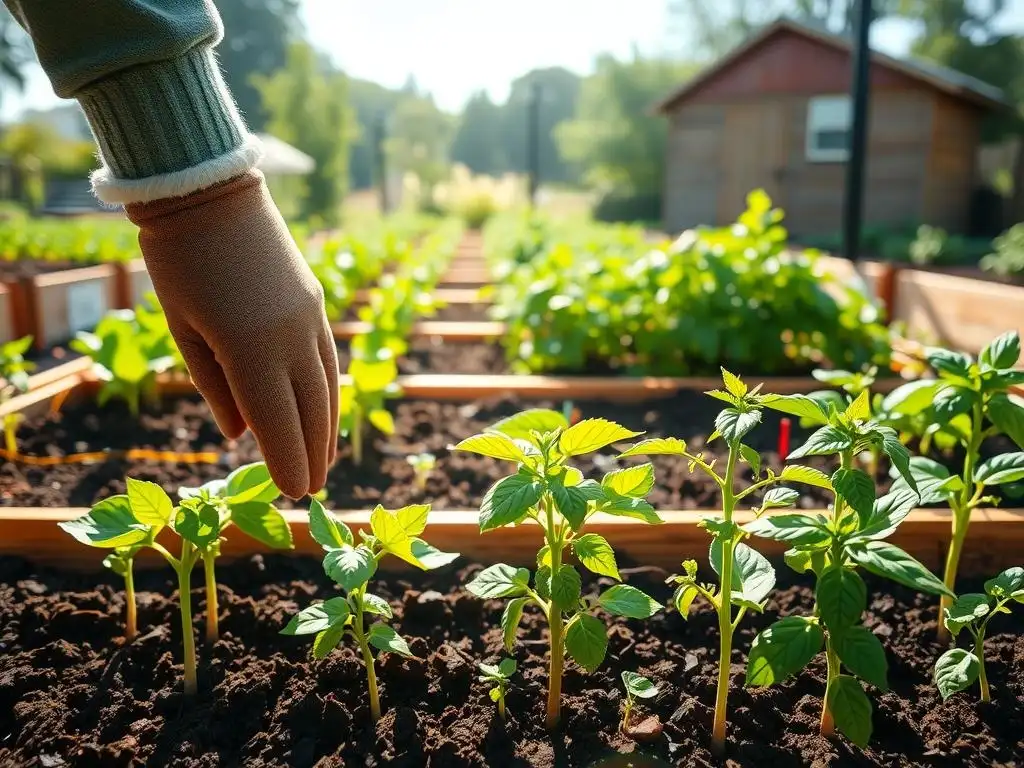
This section focuses on the crucial first step in creating a thriving beginner's organic garden: planning the layout. Effective design maximizes space, simplifies maintenance, and promotes healthy plant growth. Careful consideration of plant placement and garden structure will significantly impact your success in organic gardening. Remember, a well-planned garden is a happy garden! 🌱
Planning for Space Optimization in Small Organic Gardens
Even with limited space, you can cultivate a productive organic garden. Vertical gardening techniques are your best friend! Think trellises for climbing plants like cucumbers and tomatoes, hanging baskets for strawberries and herbs, and stacked planters for maximizing vertical space. Consider using raised beds, which allow for better soil drainage and easier access, even in small areas. These are particularly useful if you have poor soil quality in your yard.
For example, a 4ft x 8ft raised bed can comfortably hold several tomato plants, interspersed with basil and peppers. Using vertical supports for the tomatoes frees up valuable ground space for other crops. Efficient space utilization is key to success in a small organic garden.
Remember to accurately measure your available space before purchasing plants or materials. Sketching a rough plan on paper, even a simple one, will help you visualize the layout and ensure everything fits comfortably. Don't forget to account for walkways between your plants to allow for easy access during tending and harvesting.
Creating a Functional Layout for Easy Access and Maintenance
Designing for easy access and maintenance is essential, especially for beginners. Consider the following:
- Walkways: Leave adequate space between rows and beds (at least 2-3 feet) for easy movement. This will prevent you from accidentally damaging your plants while working.
- Sunlight: Most vegetables require at least 6 hours of direct sunlight daily. Orient your garden beds to maximize sun exposure. Observe the sun's path throughout the day to determine the best placement.
- Water access: Locate your garden near a water source to simplify watering. Consider installing a drip irrigation system for efficient and even watering, minimizing water waste.
- Soil type: Analyze your soil to determine its composition and amend it as needed before planting. Organic matter, like compost, significantly improves soil health.
- Accessibility: Ensure easy access to all parts of your garden from your house or a convenient location. This will make tending and harvesting much more enjoyable.
A well-organized layout will make your gardening experience less strenuous and more rewarding. Think about the workflow – from planting seeds to harvesting your crops – and design accordingly.
Choosing Companion Plants for a Thriving Organic Garden
Companion planting leverages the beneficial relationships between different plant species to improve growth and pest control, a key element of organic gardening. Certain plants repel pests, attract beneficial insects, or improve the soil conditions for their neighbors.
Here's a simple example: Marigolds planted near tomatoes repel nematodes and other pests that can damage tomato plants. Basil planted near tomatoes is said to enhance the flavor of the tomatoes. Similarly, carrots and onions are often planted together; the onions repel carrot root flies, while the carrots repel onion flies.
This practice minimizes the need for chemical pesticides and promotes biodiversity in your garden. Researching companion plant pairings specific to the vegetables you're growing can significantly enhance your yield and the overall health of your organic garden. Remember to consult reliable resources to ensure you're choosing compatible plants. Careful planning and selection of companion plants is a key aspect of successful beginner's organic garden planning.
Selecting Your First Organic Vegetables and Herbs
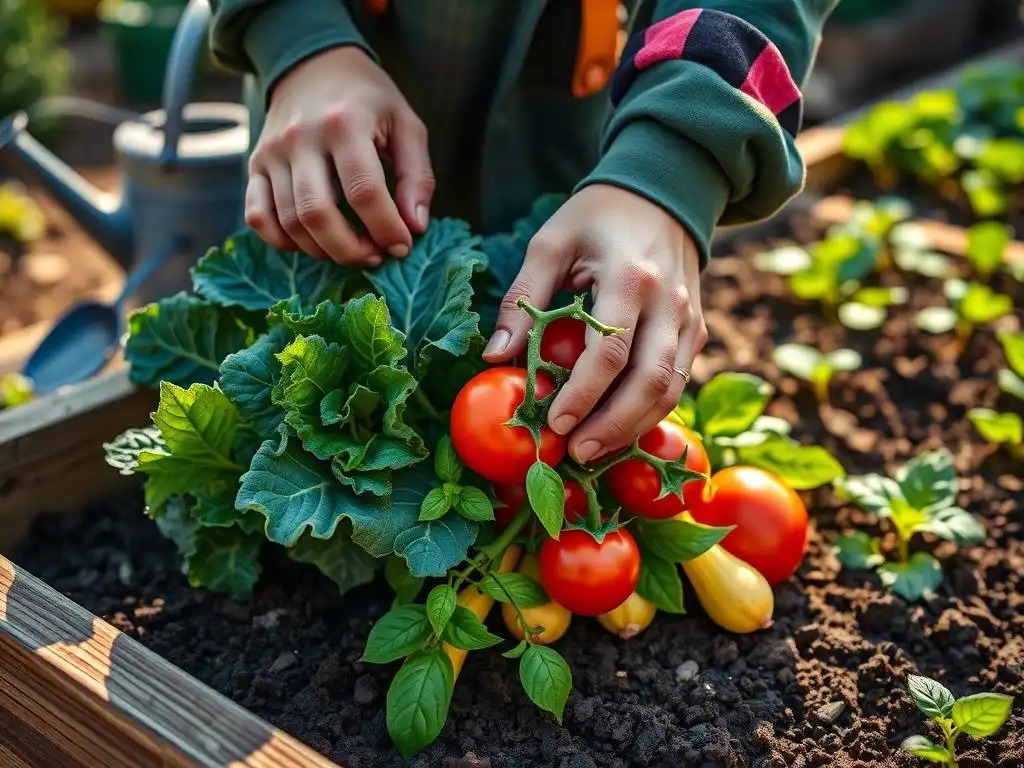
This section focuses on choosing the right plants for your beginner's organic garden planning. Success in your first gardening attempt significantly boosts your confidence and encourages continued sustainable practices. Selecting easy-to-grow varieties is crucial for a positive initial experience. We'll explore ideal vegetables and herbs perfect for novice organic gardeners.
Beginner-Friendly Organic Vegetables: Easy to Grow Options
Starting with easy-to-grow vegetables sets you up for success in your beginner's organic garden. These plants are relatively low-maintenance and forgiving of minor mistakes, perfect for building your gardening confidence. Here are some excellent choices:
- Lettuce: Various lettuce types, including loose-leaf and butterhead, are remarkably easy to grow. They require minimal space and thrive in cooler temperatures. You can even sow seeds directly into the ground or use containers. Harvesting is simple – just pick outer leaves as needed, allowing the plant to continue producing.
- Radishes: These fast-growing root vegetables are ideal for impatient gardeners! From seed to harvest, radishes typically mature within a month. They prefer loose, well-drained soil and consistent watering.
- Zucchini: This prolific producer can quickly take over a garden, but its ease of growth makes it a favorite among beginners. Zucchini plants are relatively pest-resistant and require full sun. Regular harvesting encourages more fruit production.
- Beans (Bush Beans): Bush beans are a great option because they don't require staking or trellising. They are relatively low maintenance and produce a good yield. Choose a variety that is suitable for your climate.
- Cherry Tomatoes: These smaller tomatoes are generally easier to grow than larger varieties and are less susceptible to some common tomato diseases. They need plenty of sunlight and regular watering.
Remember to consider your climate and growing season when choosing your vegetables. Consult a local gardening guide or your regional agricultural extension office for specific recommendations. Planning your planting schedule based on your region’s first and last frost dates is vital for successful organic vegetable gardening.
Choosing Organic Herbs for Your Kitchen Garden
Incorporating organic herbs into your beginner's organic garden plan adds culinary delight and fragrance to your outdoor space. Herbs are generally low-maintenance and resilient, making them perfect companions to your vegetable patch. Consider these options:
- Basil: A classic culinary herb, basil thrives in warm, sunny locations. Regular harvesting encourages bushier growth. It's relatively easy to grow from seed or start with seedlings.
- Cilantro/Coriander: This herb is a favorite for its distinct flavor. It prefers cooler temperatures and well-drained soil. It tends to bolt (flower and go to seed) quickly in hot weather, so plan your planting accordingly.
- Mint: A vigorous grower, mint needs plenty of space. It's best to plant it in a container to prevent it from taking over your garden. Mint is highly adaptable and thrives in various conditions.
- Chives: These perennial herbs are easy to grow and multiply readily. They can be harvested by snipping off the leaves as needed.
- Parsley: While parsley takes a little longer to mature than other herbs, it is a hardy and rewarding addition to the garden. Choose between flat-leaf or curly parsley depending on your preference.
Seed Starting vs. Seedlings: Which is Right for Your Organic Garden?
The choice between starting seeds indoors and buying seedlings depends on your time commitment and resources for your beginner's organic garden planning. Both methods have their pros and cons:
| Method | Advantages | Disadvantages |
|---|---|---|
| Seed Starting | More variety, cost-effective, earlier harvest (potentially), satisfying process | Requires more time and effort, higher risk of failure, specialized equipment (potentially) |
| Seedlings | Easier, faster, less risk of failure, immediate planting | Less variety, more expensive, potential for weaker plants if not handled properly |
Starting seeds indoors gives you more control over the growing process and allows you to choose from a wider variety of plants. However, it requires more time, space, and attention to detail. Buying seedlings is a quicker and simpler option, particularly for beginners, but you'll have less choice and may pay a higher price. Ultimately, the best method depends on your individual circumstances and preferences. Consider the time you have available and the level of commitment you are willing to undertake before making your decision. Happy gardening!
Preparing the Soil for Your Beginner's Organic Garden
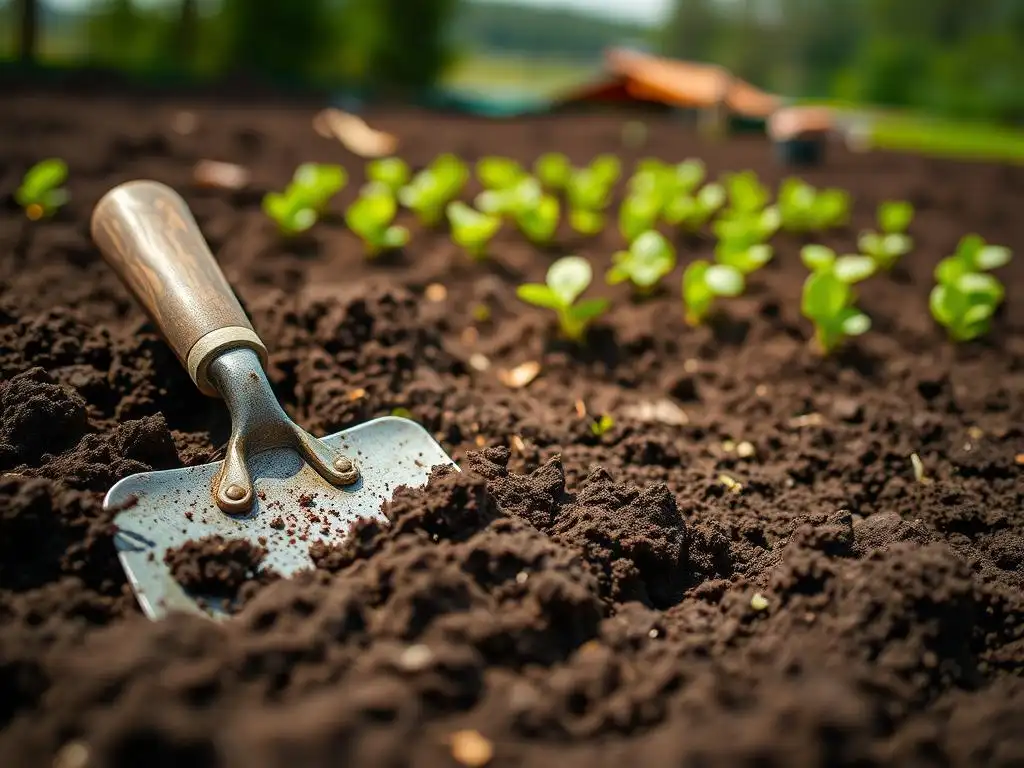
This section focuses on preparing your soil for a thriving, organic garden, a crucial step in successful beginner's organic garden planning. Healthy soil is the foundation of any bountiful harvest. We'll explore how to assess your soil's condition and amend it organically to create the perfect environment for your plants.
Testing and Amending Your Soil for Organic Gardening
Before you even think about planting seeds, you need to understand your soil. A simple soil test can reveal its pH level, nutrient content, and texture – vital information for successful beginner's organic garden planning. Many garden centers offer affordable soil testing kits, providing quick and easy results. Alternatively, you can send a sample to a local agricultural extension office for a more comprehensive analysis.
The results of your soil test will guide your soil amendment strategy. For example, if your soil is acidic (pH below 6.5), you might need to add lime to raise the pH. Conversely, if it's alkaline (pH above 7.5), you might use elemental sulfur to lower it. Remember, different plants thrive in different pH ranges, so tailor your amendments to your chosen plants.
Nutrient deficiencies are common, especially in depleted soils. Organic amendments, such as compost, aged manure, and cover crops, are ideal for naturally enriching your soil with essential nutrients. Compost is particularly valuable, adding organic matter that improves soil structure, aeration, and water retention. Avoid synthetic fertilizers, as they are counter to the principles of organic gardening. The goal is to build healthy soil over time, not just provide a quick fix. Organic matter improves soil structure which aids in water retention and drainage, crucial for beginner's organic garden planning.
Composting Basics for a Nutrient-Rich Organic Garden
Composting is a cornerstone of organic gardening, providing a rich, natural fertilizer that improves soil health. It's an environmentally friendly way to recycle kitchen and yard waste, reducing landfill waste and providing your garden with valuable nutrients. For beginner's organic garden planning, starting a compost bin is a smart move.
There are several methods for composting, from simple backyard piles to sophisticated compost tumblers. A basic compost pile requires a mix of "green" materials (nitrogen-rich, such as grass clippings and vegetable scraps) and "brown" materials (carbon-rich, such as dried leaves and twigs). Maintain a good balance between these materials for optimal decomposition. Keep the pile moist (but not soggy) and turn it regularly to aerate it.
The decomposition process generates heat, indicating that the composting is working effectively. A properly managed compost pile will break down over several months, yielding a dark, crumbly material rich in nutrients. This compost is then incorporated into your garden soil, improving its structure and fertility. Creating your own compost is a fundamental aspect of successful beginner's organic garden planning.
The benefits of composting extend beyond nutrient enrichment. It improves soil drainage and aeration, encouraging healthy root growth. It also suppresses soilborne diseases and pests, contributing to a healthier garden ecosystem.
Preventing Soil Erosion in Your Organic Garden
Soil erosion is a significant concern for any gardener, especially those just starting out. It's the process where topsoil is lost due to wind or water, depleting your soil of valuable nutrients and reducing its fertility. Preventing soil erosion is vital for the long-term success of your beginner's organic garden planning.
Several techniques help prevent soil erosion. Mulching is a highly effective method. Applying a layer of organic mulch (such as straw, wood chips, or shredded leaves) around your plants helps retain moisture, suppress weeds, and protect the soil from the impact of rain. The mulch also gradually decomposes, adding organic matter to your soil.
Cover cropping is another excellent strategy. Planting cover crops (like clover or rye) during fallow periods protects the soil from erosion while adding nutrients. These crops can be tilled into the soil before planting your main crops, enriching the soil with organic matter. Consider the climate and the specific needs of your garden when selecting a cover crop.
Proper planting techniques also minimize erosion. Avoid tilling excessively, as this can disrupt soil structure and leave it vulnerable to erosion. Instead, opt for no-till or minimal-till methods, which maintain soil integrity and protect against erosion. These practices are especially important in areas with slopes or exposed soil. By carefully planning your garden layout and implementing appropriate erosion control measures, you are laying the groundwork for a successful and sustainable organic garden.
Planting Your Organic Garden: A Step-by-Step Guide
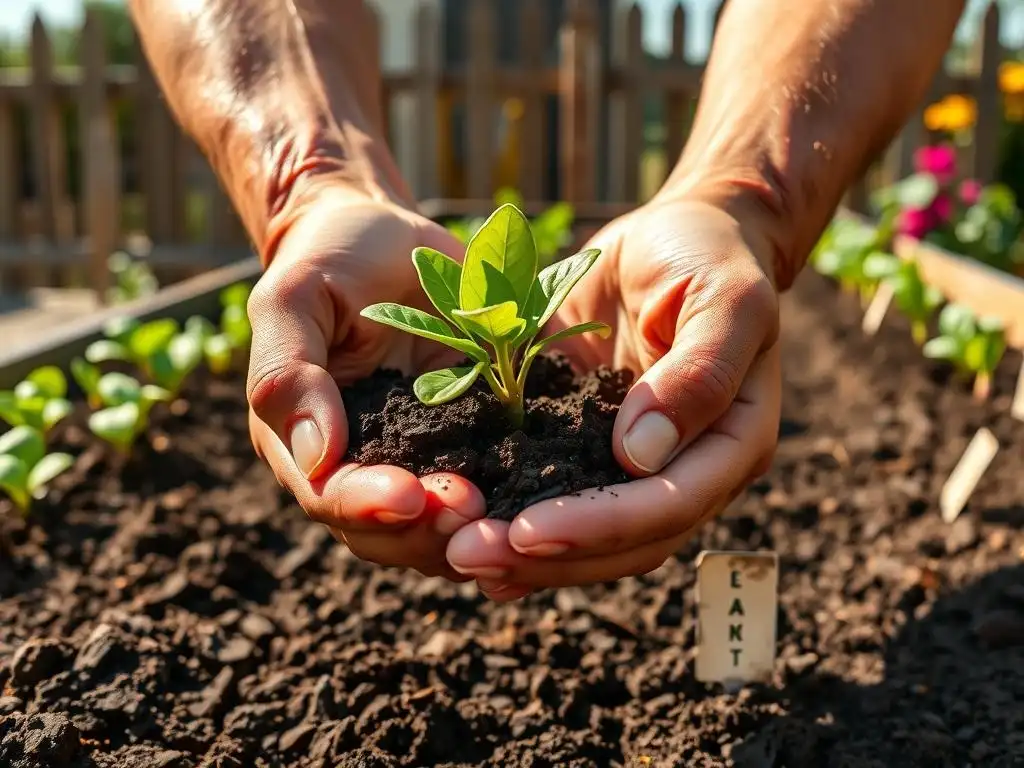
This section details the crucial steps involved in planting your beginner's organic garden, ensuring a bountiful harvest. We'll cover seed starting, seedling transplantation, and the essential watering techniques for optimal growth. Remember, patience and observation are key to successful organic gardening. Proper planning and execution significantly impact the yield and health of your plants.
Planting Seeds: Depth, Spacing, and Timing
Successfully planting seeds hinges on understanding depth, spacing, and timing. Each seed type has specific requirements. Planting too shallow exposes seeds to predation and desiccation; too deep, and they may not germinate. Similarly, overcrowding leads to competition for resources, stunting growth. Timing aligns with the seed's ideal temperature and sunlight needs.
Here's a table illustrating ideal planting depths and spacing for some common vegetables:
| Vegetable | Planting Depth (inches) | Spacing (inches) | Optimal Planting Time |
|---|---|---|---|
| Lettuce | 1/4 - 1/2 | 6 - 12 | Spring/Fall |
| Tomatoes | 1/2 - 1 | 18 - 24 | Spring |
| Carrots | 1/2 | 2 - 3 | Spring/Fall |
| Beans (Bush) | 1 - 1 1/2 | 4 - 6 | Spring |
| Peppers | 1/2 - 1 | 18 - 24 | Spring |
Remember to always refer to the seed packet for specific instructions. These are general guidelines. For example, while lettuce seeds are tiny and require shallow planting, tomato seeds are slightly larger and need a bit more depth. Proper spacing ensures each plant has enough room to develop its root system and foliage without competition.
Failing to provide adequate spacing can lead to smaller vegetables and increased susceptibility to disease. Finally, planting at the right time, considering your local climate and frost dates, is critical for successful germination and growth. Planting too early can result in frost damage; planting too late may mean a shorter growing season and reduced yield.
Planting Seedlings: Techniques for Success in Organic Gardening
Transplanting seedlings, whether you've started them indoors or purchased them, requires a gentle touch. Damaging the delicate roots can shock the plant, hindering its growth. Here's how to successfully transplant seedlings into your organic garden:
- Prepare the soil: Ensure your soil is loose and well-amended with compost. This provides essential nutrients and improves drainage.
- Dig the hole: Make a hole slightly larger than the seedling's root ball.
- Gently remove the seedling: Carefully remove the seedling from its container, avoiding disturbing the roots as much as possible. If the roots are root-bound (circling the container), gently loosen them.
- Plant the seedling: Place the seedling in the hole, ensuring the top of the root ball is level with the soil surface.
- Backfill and water: Gently backfill the hole with soil, firming it gently around the base of the plant. Water thoroughly.
- Mulch: Apply a layer of organic mulch (such as straw or shredded leaves) to retain moisture, suppress weeds, and regulate soil temperature.
Using organic potting mix for starting seeds indoors ensures a healthy start. When transplanting, gently handle the seedlings to minimize root disturbance. This reduces transplant shock and promotes faster establishment in the garden. Consistent watering after transplanting is crucial for the seedlings to establish themselves successfully. Observe your seedlings carefully for signs of stress, such as wilting, and adjust your watering accordingly. Remember, a healthy seedling transplant will quickly bounce back and start growing vigorously.
Watering Your Newly Planted Organic Garden
Consistent and appropriate watering is paramount for a thriving organic garden. Overwatering leads to root rot, while underwatering stunts growth. The best approach is to water deeply and less frequently, encouraging deep root development.
The key to successful watering is to water deeply but infrequently, encouraging strong root growth.
Here are some tips for watering your newly planted organic garden:
- Water deeply: Apply enough water to moisten the soil to a depth of several inches.
- Water less frequently: Aim for deep watering less frequently rather than shallow watering every day.
- Water in the morning: This allows the foliage to dry before nightfall, reducing the risk of fungal diseases.
- Monitor soil moisture: Check the soil moisture regularly by sticking your finger a few inches into the soil. Water when the top inch or two feels dry.
- Use mulch: Mulching helps retain soil moisture, reducing the frequency of watering.
The frequency of watering will depend on factors like weather conditions, soil type, and plant type. Clay soils retain water better than sandy soils, requiring less frequent watering. During hot, dry spells, you may need to water more frequently. Observe your plants carefully for signs of wilting or stress, which indicates a need for watering. Consistent monitoring and adjusting your watering schedule based on your plants' needs will ensure a healthy and productive organic garden. Remember, a well-watered garden is a happy garden! 🌱
Ongoing Care for Your Beginner's Organic Garden
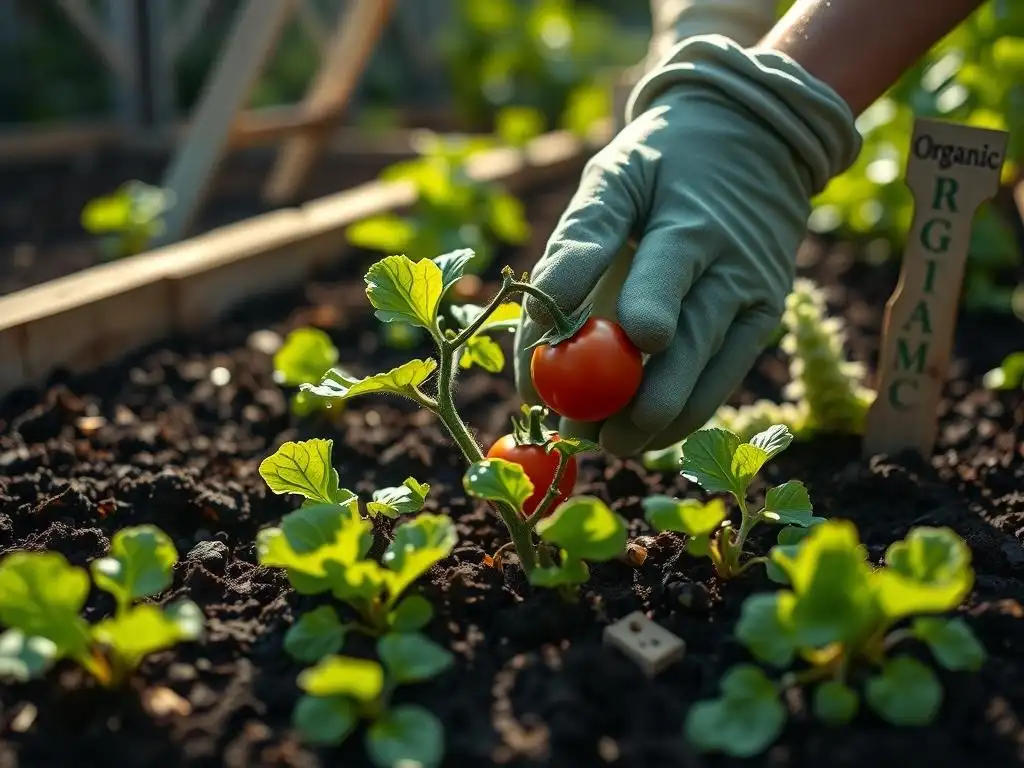
Planning your first organic garden is just the beginning! Consistent care is crucial for a thriving and productive harvest. This section focuses on maintaining the health and vitality of your plants using sustainable, organic practices, ensuring a bountiful yield while protecting the environment. Remember, successful organic gardening is a journey, not a sprint. Patience and consistent effort will be rewarded with delicious, healthy produce. This guide will help you navigate the ongoing care aspects of your beginner's organic garden planning.
Organic Weed Control Strategies
Weeds compete with your desired plants for water, nutrients, and sunlight. Effective weed control is essential for a healthy organic garden. Here are some proven organic strategies:
- Mulching: Applying a layer of mulch (straw, wood chips, or shredded leaves) around your plants suppresses weed growth by blocking sunlight. This also helps retain soil moisture and regulate temperature. Aim for a 2-3 inch layer. Regularly replenish the mulch as it decomposes.
- Hand Weeding: Regularly hand-weeding, especially early in the season, is effective, especially for small gardens. Focus on removing weeds before they go to seed. A hoe can also be helpful for removing weeds along the rows.
- Cover Cropping: Planting cover crops (like clover or rye) between your main crops helps prevent weeds from taking root. These crops also improve soil health. They can be incorporated into the soil as green manure before planting your main crops.
- Solarization: For stubborn weeds, solarization can be effective. This involves covering the soil with clear plastic during the hottest part of the summer. The heat trapped under the plastic kills weed seeds and some soilborne pathogens.
Natural Pest Control Methods for Your Organic Garden
Protecting your plants from pests organically requires vigilance and a proactive approach. Avoid harsh chemicals and opt for these natural pest control methods:
- Beneficial Insects: Attract beneficial insects like ladybugs and lacewings to your garden. These insects prey on many common garden pests, providing natural pest control. Planting flowers that attract them is a great strategy.
- Companion Planting: Certain plants repel pests when planted together. For example, marigolds deter nematodes and some other insects. Research companion planting combinations suitable for your specific crops.
- Physical Barriers: Use row covers to protect seedlings from pests like slugs and caterpillars. You can also handpick pests from your plants, especially in smaller gardens.
- Natural Sprays: Neem oil and insecticidal soap are effective organic pest control options. Always follow the instructions carefully and test a small area before applying it to the entire plant. Remember to rotate your pest control methods to prevent pest resistance.
Organic Fertilizing and Soil Enrichment
Healthy soil is the foundation of a thriving organic garden. Organic fertilizers provide essential nutrients without harming the environment. Here's how to enrich your soil organically:
- Composting: Composting kitchen scraps and yard waste creates a rich, nutrient-rich soil amendment. Compost improves soil structure, water retention, and provides slow-release nutrients.
- Manure: Well-rotted animal manure (cow, horse, chicken) is an excellent organic fertilizer. Ensure it's properly composted to avoid burning your plants. Apply it according to package instructions.
- Cover Crops (again!): As mentioned earlier, cover crops not only suppress weeds but also improve soil fertility by adding organic matter when tilled into the soil.
- Worm Castings: These are the excrement of earthworms and are a highly effective organic fertilizer rich in nutrients and beneficial microorganisms. They improve soil structure and aeration.
Remember to observe your garden regularly, addressing any issues promptly. By following these organic practices, you’ll nurture a healthy, productive, and environmentally friendly garden, ensuring a rewarding experience in your beginner's organic garden planning journey. 🌱
Harvesting Your First Organic Harvest
This section focuses on the exciting culmination of your hard work: harvesting the fruits (and vegetables!) of your labor. Successfully planning a beginner's organic garden involves not only planting and nurturing, but also knowing when and how to harvest for maximum yield and optimal flavor. Remember, patience is key – rushing the process can negatively impact the quality and quantity of your harvest.
Knowing When Your Organic Vegetables and Herbs are Ready
Determining harvest readiness varies greatly depending on the specific plant. Some signs are universal, however, indicating peak ripeness and optimal flavor. For instance, many vegetables reach maturity when their size and color match the descriptions on seed packets or plant tags. Look for vibrant hues; a dull or faded color often signifies over-ripeness.
For example, tomatoes should be deeply colored and slightly soft to the touch, exhibiting a rich aroma. Similarly, peppers are ready when they’ve reached their characteristic color (red, green, yellow, etc.) and have a firm, plump feel. Avoid harvesting peppers that are still green unless specifically indicated by the plant variety.
Herbs, on the other hand, often benefit from harvesting before they fully mature. Many herbs, like basil, parsley, and mint, are best harvested when young and tender, as their flavor intensifies as they mature. For best results, harvest regularly to encourage bushier growth and prevent flowering, which can sometimes make the leaves bitter. Harvesting techniques for herbs will be discussed further in the next section.
Proper Harvesting Techniques for Maximum Yield
Gentle handling is crucial to prevent damage to plants and ensure a plentiful harvest. Use sharp, clean tools to minimize bruising and the spread of disease. For example, use sharp pruning shears for herbs and vegetables with thicker stems. For delicate greens, use scissors or your fingers. Always harvest in the morning after the dew has dried to prevent the spread of fungal diseases.
Here’s a breakdown of techniques:
- Root Vegetables (carrots, beets, radishes): Carefully loosen the soil around the root with a garden fork before gently pulling or lifting them out. Avoid pulling too hard, which can damage the roots.
- Leafy Greens (lettuce, spinach): Harvest outer leaves first, leaving the inner leaves to continue growing. Avoid pulling up the entire plant unless you are harvesting the entire crop.
- Tomatoes: Gently twist or snap off ripe tomatoes from the vine. Avoid pulling or yanking, which can damage the plant.
- Herbs: Cut stems just above a leaf node to encourage bushier growth. Harvest only what you need, allowing the plant to continue producing.
The table below summarizes optimal harvesting times for some common organic garden vegetables:
| Vegetable | Harvest Time | Maturity Indicators |
|---|---|---|
| Lettuce | 4-6 weeks after sowing | Mature size, vibrant green color |
| Spinach | 4-6 weeks after sowing | Mature size, dark green color |
| Radishes | 3-4 weeks after sowing | Mature size, crisp texture |
| Carrots | 70-80 days after sowing | Mature size, smooth skin |
| Tomatoes | 60-80 days after sowing (varies by variety) | Deep color, slightly soft to the touch, rich aroma |
| Peppers | 60-90 days after sowing (varies by variety) | Characteristic color, firm, plump texture |
Remember to always inspect your harvest for any signs of pests or diseases before consumption.
Storing and Preserving Your Organic Harvest
Proper storage and preservation techniques are essential to extending the shelf life of your organic harvest. Different produce requires different methods.
Some vegetables, like carrots and beets, can be stored in a cool, dark, and dry place for several weeks. Others, like leafy greens, are best stored in the refrigerator in a sealed container or plastic bag to maintain freshness. To prevent wilting, wrap herbs in a damp paper towel before storing them in a plastic bag in the refrigerator.
For longer-term preservation, consider techniques like canning, freezing, or drying. Canning is ideal for preserving tomatoes, jams, and pickles. Freezing is a good method for preserving leafy greens and many other vegetables. Drying is suitable for herbs and certain vegetables.
Proper storage and preservation will not only extend the shelf life of your organic harvest but also ensure that you can enjoy the fruits of your labor throughout the year. This adds another layer of satisfaction to the process of planning and maintaining a beginner's organic garden. Enjoy the bounty! 🎉
Frequently Asked Questions
What is the best time of year to start my beginner's organic garden?
The best time depends on your climate and the specific plants you're growing. Generally, spring or early summer is ideal for many vegetables and herbs, allowing for a longer growing season. Check your local frost dates for optimal planting times.
What are the essential tools needed for a beginner's organic garden?
Essential tools include a garden trowel, hand rake, watering can, and hose. You'll also need seeds or seedlings, soil, and compost. Consider gloves and gardening shears as well.
How much space do I need for a beginner's organic garden?
Even a small space can be productive! Start with a small raised bed or a few containers on a balcony or patio. You can always expand later, as your gardening skills and confidence grow.
What are some easy-to-grow organic vegetables for beginners?
Lettuce, radishes, zucchini, and bush beans are excellent choices for beginners. These vegetables are relatively low-maintenance and offer quick results, boosting your confidence.
How do I control pests organically in my beginner's garden?
Beneficial insects, companion planting, and natural pest control methods like neem oil are effective organic pest control options. Avoid using harmful chemical pesticides. Regular inspection of your plants is crucial for early pest detection.
Final Reflection: Cultivating Your Own Eden: A Journey Begins
The simple act of planting a seed holds within it the potential for profound transformation, a truth increasingly relevant in our modern world. As we face challenges related to food security and environmental sustainability, the ability to cultivate even a small organic garden becomes not just a hobby, but a powerful act of self-reliance and connection to the natural world. This journey, as outlined in this guide, is one of empowerment, offering a tangible path towards a healthier, more sustainable future.
The impact of gardening extends far beyond the harvest; it cultivates patience, resilience, and a deep appreciation for the interconnectedness of life. It's a process of learning, adapting, and celebrating small victories, mirroring the cyclical nature of life itself. The glory of gardening: hands in the dirt, head in the sun, heart with nature. To nurture a garden is to feed not just the body, but the soul.
This quote perfectly encapsulates the transformative power of engaging with the earth, a power that resonates deeply within me and, I hope, with you as well.
Now, as you embark on your own gardening adventure, remember the lessons learned: plan carefully, choose wisely, and embrace the unexpected. Don't be afraid to experiment, to learn from your mistakes, and to revel in the simple joys of watching a seed sprout and a plant flourish. Your first organic garden is not just a plot of land; it's a testament to your commitment to a healthier lifestyle and a more sustainable world. Let it be a source of nourishment, both for your body and your soul. Go forth and cultivate your own Eden!
Unleash Your Inner Gardener: Grow Your First Harvest!
Thanks for joining us on this gardening journey! We hope you've gained the confidence and knowledge to start growing your own delicious food. Now it's time to put your newfound skills into practice.
- Get your hands dirty! Choose your first seeds or seedlings based on your climate and the advice we've shared, and start planting! This is your moment to experience the joy of nurturing life from seed to table.
- Share your gardening triumphs (and challenges!): Connect with our community on social media using #CultivateYourFood and share your progress pictures. Let's learn and grow together!
- Consider starting a gardening journal to track your progress, note successes and setbacks, and record your harvests. This simple practice can dramatically improve your gardening skills over time.
What unique challenges or exciting possibilities are you most looking forward to as you begin your gardening adventure?