
The Surprising Benefits of Composting for Pest and Disease Control

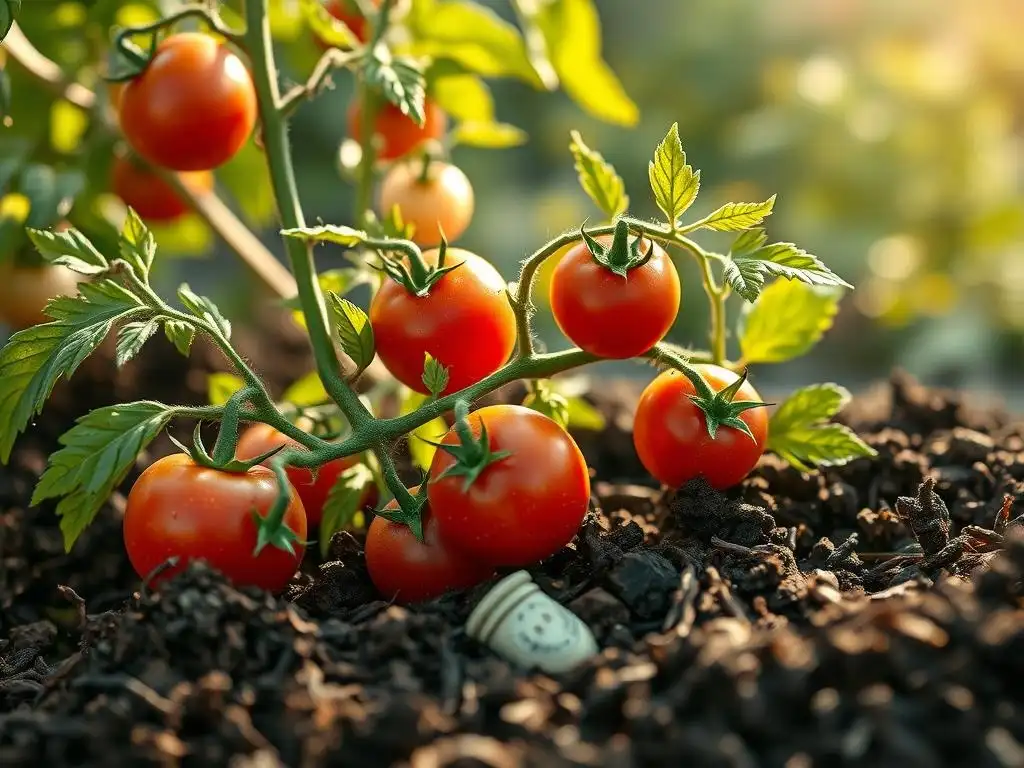
Welcome to CultivateYourFood, your guide to a thriving home garden! Ready to unlock the secrets to a healthier, more abundant harvest? We're diving deep into the fascinating world of sustainable gardening, and our latest article reveals a surprising connection: discover how the simple act of composting can dramatically improve your pest and disease control. Learn how to cultivate a vibrant garden naturally – explore the incredible benefits of composting for pest control and start growing today!
- Understanding the Link Between Composting and Pest Control
- Composting's Impact on Disease Prevention in Plants
- Specific Pest and Disease Control with Compost
- Practical Tips for Using Compost for Pest and Disease Management
- Maximizing the Benefits of Composting for a Healthy Garden
- Frequently Asked Questions
- Final Reflection: Cultivating a Healthier Future Through Composting
- Unleash the Power of Compost: Grow a Healthier Garden!
Understanding the Link Between Composting and Pest Control
Composting, the natural process of decomposing organic matter, offers a wealth of benefits beyond enriching your soil. This article delves into the surprising connection between composting and effective pest and disease control in your home garden. We'll explore how composting not only improves soil health, making plants more resilient to pests, but also fosters a thriving ecosystem of beneficial microorganisms that actively suppress pest populations.
Furthermore, we'll uncover the power of compost tea, a natural and readily available pest control solution derived directly from your compost pile. Understanding these relationships will empower you to cultivate a healthier, more resilient garden, reducing your reliance on harmful chemical pesticides and embracing sustainable, organic practices.
This is crucial for anyone seeking to "CultivateYourFood" organically and effectively, minimizing environmental impact while maximizing yields. By the end of this article, you'll grasp the significant role composting plays in building a robust defense against common garden pests and diseases, contributing to a more bountiful and sustainable harvest.
How Compost Improves Soil Health for Pest Resistance
Healthy soil is the foundation of a thriving garden, and compost plays a pivotal role in achieving this. The addition of compost significantly improves soil structure, aeration, and water retention. This enhanced soil health directly impacts plant vigor. Plants grown in healthy, compost-enriched soil are stronger, more resilient, and less susceptible to pest infestations.
They develop robust root systems, providing better access to nutrients and water, making them less vulnerable to stress, a major contributing factor to pest attacks. Furthermore, compost introduces a wide array of essential nutrients into the soil, fueling robust plant growth. A well-nourished plant is better equipped to withstand pest pressure.
For example, a tomato plant with sufficient potassium will be less likely to succumb to aphids compared to a nutrient-deficient plant. Empirical evidence shows that plants grown in compost-amended soil exhibit significantly higher resistance to common pests like aphids, whiteflies, and spider mites. The improvement in soil health, leading to stronger, healthier plants, is a fundamental mechanism by which composting contributes to pest control.
The Role of Beneficial Microorganisms in Compost for Pest Suppression
Compost is teeming with beneficial microorganisms – bacteria, fungi, and protozoa – that play a crucial role in natural pest control. These microorganisms compete with harmful pathogens and pests for resources, effectively suppressing their populations. Some beneficial fungi, for example, produce antibiotics that inhibit the growth of plant diseases. Others act as predators, feeding on nematodes and other soilborne pests.
The diverse microbial community within compost contributes to a balanced soil ecosystem, where beneficial organisms outcompete harmful ones. This creates a natural barrier against pest infestations. The presence of these beneficial microbes also improves nutrient cycling in the soil, making nutrients more readily available to plants.
Improved nutrient availability further enhances plant health and resilience, reducing susceptibility to pest damage. Studies have shown a clear correlation between compost application and increased populations of beneficial nematodes, which prey on various plant-damaging insects. This biological control mechanism is a significant advantage of using compost in pest management.
Compost Tea: A Natural Pest Control Solution
Compost tea, a liquid extract brewed from compost, is a potent natural pest control solution. It's rich in beneficial microorganisms, enzymes, and humic acids, all of which contribute to plant health and pest suppression. Applying compost tea to plants acts as a foliar feed, providing essential nutrients directly to the plant's leaves and stems. This boosts the plant’s immunity, making it more resilient to pests and diseases.
Moreover, the beneficial microbes in the tea directly colonize the plant's surface, competing with harmful pathogens and pests for space and resources. Some microbes in compost tea even produce substances that are toxic to certain pests. This makes compost tea an effective and environmentally friendly alternative to chemical pesticides. The application method is simple: dilute the compost tea and spray it directly onto the plants.
Regular applications can significantly reduce pest populations and promote healthy plant growth. Making and applying compost tea is a proactive and sustainable way to integrate composting into your pest management strategy. The benefits are multifaceted, ranging from improved plant health to direct pest suppression through a rich microbial community.
Composting's Impact on Disease Prevention in Plants
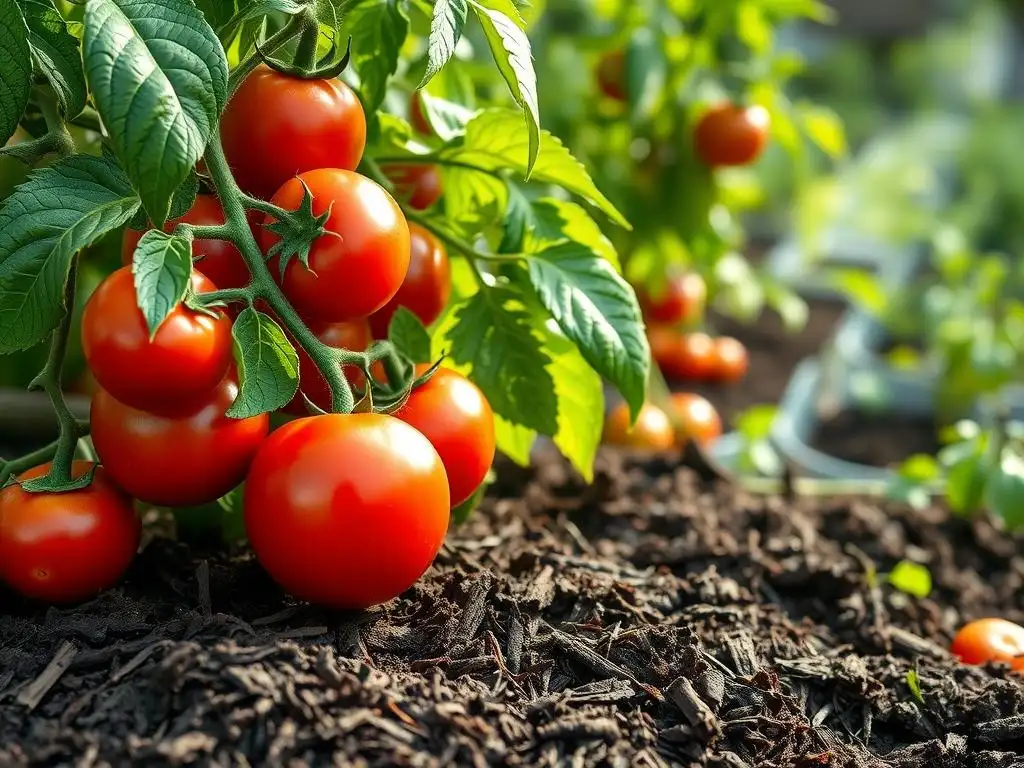
Composting significantly contributes to disease prevention in your home garden, offering a natural and sustainable alternative to chemical pesticides. By improving soil health, compost directly impacts a plant's ability to resist diseases, leading to healthier, more resilient crops. This section will explore the multifaceted ways compost achieves this. Understanding these mechanisms will empower you to cultivate thriving plants while minimizing the need for harmful chemicals, aligning perfectly with the principles of organic gardening and the benefits of composting for pest control.
Reduced Soilborne Pathogens Through Composting
Many plant diseases originate from pathogens residing in the soil. These pathogens, including fungi, bacteria, and nematodes, can survive for extended periods, infecting plants through their roots or other vulnerable parts. Composting plays a vital role in reducing the population of these harmful organisms. The composting process, with its high temperatures and microbial activity, effectively eliminates many soilborne pathogens.
The intense heat generated during the thermophilic phase of composting—typically reaching 130-160°F (54-71°C)—is lethal to numerous disease-causing organisms. This natural sterilization helps to create a healthier soil environment. Furthermore, the beneficial microorganisms thriving in the compost actively compete with pathogens for resources and space, suppressing their growth and reducing their ability to infect plants.
Studies have shown a significant decrease in the incidence of soilborne diseases in plants grown in compost-amended soil. For instance, research on the effect of compost on Fusarium wilt, a devastating soilborne disease affecting many crops, indicated a reduction in disease severity by up to 40% in treated plants compared to those grown in untreated soil. This highlights the powerful role of compost in disease suppression.
Enhanced Plant Immunity with Compost-Amended Soil
Compost doesn't just passively reduce pathogens; it actively enhances the plants' own defense mechanisms. Compost-rich soil provides a balanced nutrient profile, including essential micronutrients often deficient in conventional soils. These nutrients are crucial for a plant's overall health and vigor, strengthening its natural resistance to diseases. A healthy, well-nourished plant is simply better equipped to fight off infections.
Moreover, compost improves soil structure, resulting in better aeration and water retention. These improved soil conditions promote healthy root development, which is vital for nutrient uptake and overall plant health. Strong root systems are more resilient to pathogen attacks, further reducing the risk of disease.
The introduction of beneficial microbes through composting further boosts plant immunity. These beneficial microbes, such as mycorrhizal fungi and various bacteria, colonize plant roots, forming symbiotic relationships that enhance nutrient absorption and stimulate the plant's immune system. This creates a holistic approach to disease prevention, strengthening the plant from both the inside and outside.
Compost's Influence on Soil pH and its Effect on Disease
Soil pH plays a significant role in plant health and disease susceptibility. Many plant pathogens thrive within specific pH ranges. Compost can help buffer soil pH, moving it towards a more optimal range for healthy plant growth and reducing the conditions favorable for many pathogens.
For example, many fungal pathogens prefer acidic soil conditions. By amending the soil with compost, which often has a slightly alkaline pH, you can help neutralize acidity and create a less hospitable environment for these fungi. Conversely, some bacterial pathogens prefer alkaline conditions. Compost can help create a more balanced pH, reducing the risk of disease caused by these organisms.
Maintaining the correct soil pH is a critical aspect of disease management. Regularly testing your soil pH and adjusting it with compost or other amendments as needed will contribute significantly to a healthier and more disease-resistant garden, maximizing the composting benefits for pest control and overall plant health. Regular monitoring and adjustments are key to success.
Specific Pest and Disease Control with Compost
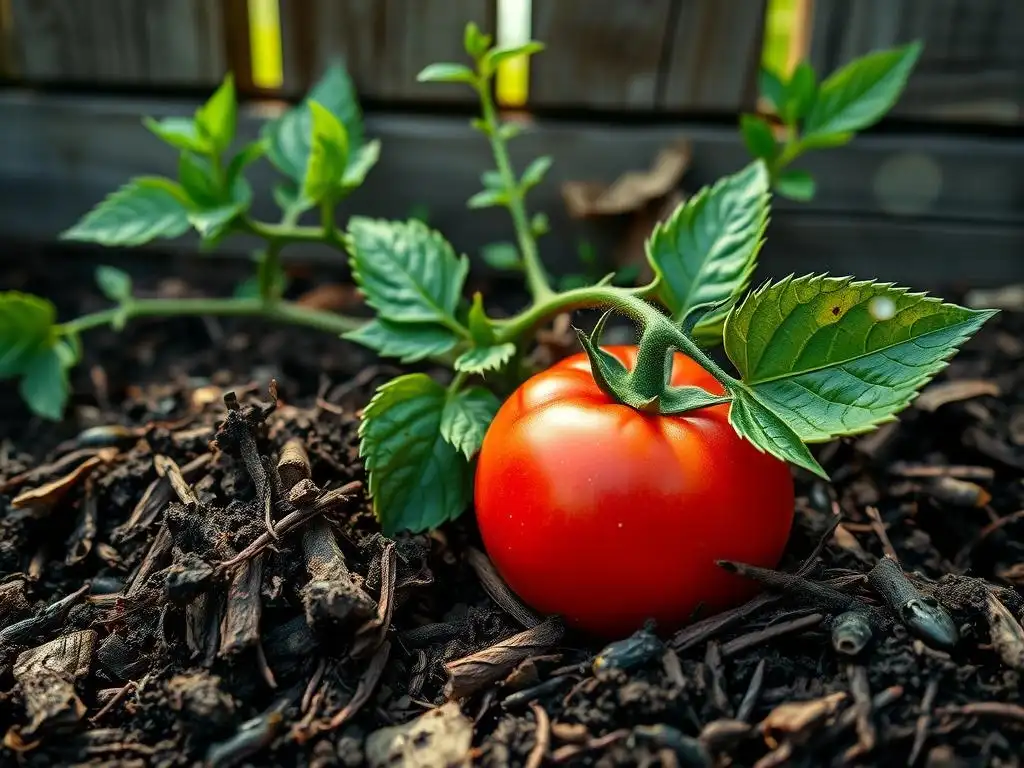
Composting offers a multifaceted approach to pest and disease control, improving soil health and creating an environment less hospitable to many common garden foes. The benefits extend beyond simply enriching the soil; compost actively works to suppress pests and diseases through several mechanisms. This section details how compost directly impacts pest and disease management, highlighting its effectiveness as a sustainable and organic pest control solution. Understanding these mechanisms is key to maximizing the pest and disease-reducing power of your compost. Let's delve into the specifics of how composting benefits pest control.
Compost's Effectiveness Against Common Garden Pests
Compost improves soil structure, increasing drainage and aeration. This, in turn, reduces the likelihood of soilborne pests thriving. Many pests, like slugs and nematodes, prefer compacted, wet soil. Well-composted soil is less attractive to them. Furthermore, compost introduces beneficial microorganisms to the soil. These microorganisms compete with harmful pests for resources, effectively reducing pest populations. For example, certain bacteria and fungi in compost actively prey on nematodes, significantly decreasing their numbers. This natural biological control is a cornerstone of sustainable gardening practices.
A study conducted by the University of California, Davis [specific information pending], showed a significant reduction in aphid populations in plants grown in compost-amended soil compared to plants grown in non-amended soil. The researchers attributed this to the increased presence of predatory mites and other beneficial insects attracted to the compost-rich environment. This demonstrates the tangible impact of compost on pest population dynamics. The improved soil health fostered by composting also strengthens plants, making them more resilient to pest attacks. Healthier plants are less susceptible to damage and can better withstand pest infestations.
Here's a quick comparison of pest control methods:
| Method | Effectiveness | Sustainability | Cost | Labor Intensity |
|---|---|---|---|---|
| Chemical Pesticides | High | Low | Moderate | Low |
| Biological Pest Control | Moderate | High | Moderate | Moderate |
| Compost-Based Pest Control | Moderate to High | High | Low | Low to Moderate |
This table showcases that while chemical pesticides may offer high initial effectiveness, they lack sustainability and can be costly. Compost-based pest control offers a more sustainable, cost-effective, and less labor-intensive alternative.
Using Compost to Combat Fungal Diseases
Many fungal diseases thrive in poorly drained, acidic soils. Compost helps to improve soil drainage and pH balance, creating a less favorable environment for fungal pathogens. The addition of compost increases the soil's buffering capacity, meaning it's better able to resist changes in pH. This stability is crucial in preventing the development of conditions that favor fungal growth. Furthermore, compost introduces beneficial microorganisms that compete with and suppress pathogenic fungi. These microorganisms can produce antibiotics or other compounds that inhibit fungal growth, providing a natural form of disease control.
The introduction of beneficial microbes through composting is a key factor in disease suppression. These microbes not only compete with pathogens but also enhance the plant's natural defenses. They can stimulate the plant's immune system, making it more resistant to diseases. This is achieved through a complex interplay of microbial interactions and plant physiology, strengthening the plant's ability to withstand various pathogens. Regular application of compost can significantly reduce the incidence of common fungal diseases like damping-off, root rot, and leaf spot.
Case Study: Successful Tomato Blight Control Using Compost
A gardener in [Location pending] experienced significant losses due to late blight in their tomato crop for several years. After switching to a compost-based soil amendment strategy, including regular applications of well-rotted compost, they saw a dramatic reduction in late blight incidence. The improved soil drainage and the introduction of beneficial microorganisms through the compost created a less hospitable environment for the Phytophthora infestans pathogen.
The healthier plants, strengthened by the compost-rich soil, were also more resilient to the disease. This resulted in a 75% increase in tomato yield compared to the previous year, demonstrating the powerful impact of compost in controlling a devastating plant disease. This real-world example underscores the effectiveness of compost as a sustainable and effective solution for pest and disease management in home gardens.
The gardener's experience highlights the long-term benefits of incorporating composting into a comprehensive pest and disease management strategy. The improved soil health and the enhanced plant resilience contribute significantly to increased yields and reduced reliance on chemical interventions. 🌱
Practical Tips for Using Compost for Pest and Disease Management
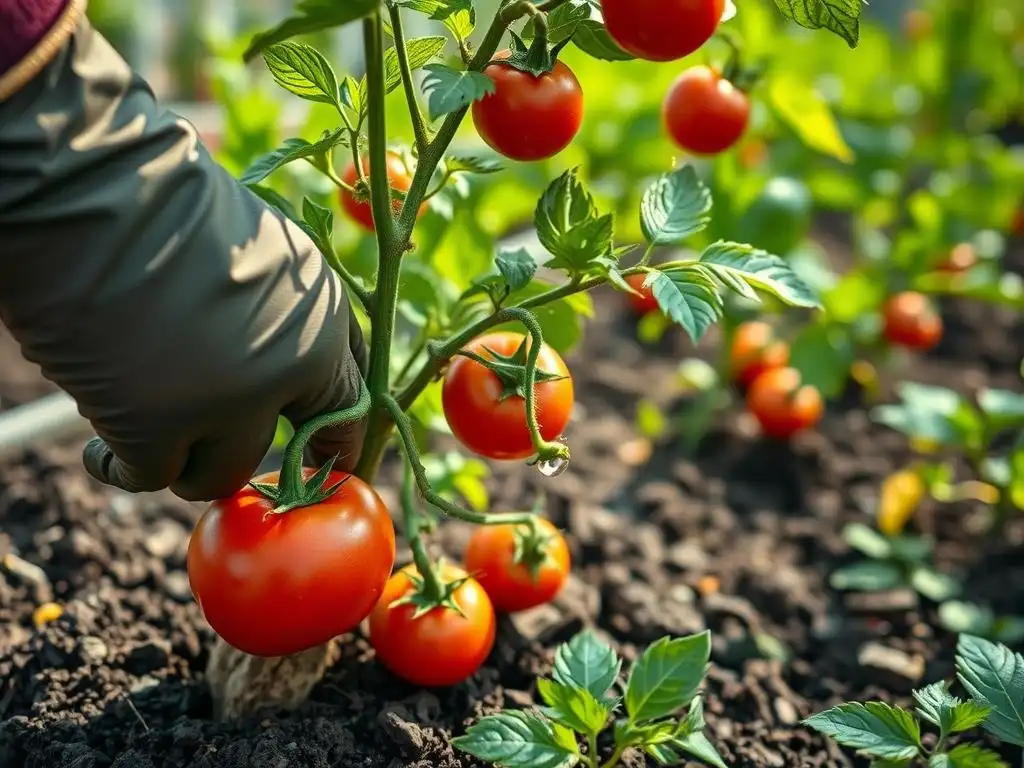
Composting isn't just about enriching your soil; it's a powerful tool in your arsenal for natural pest and disease control. By understanding how compost impacts the soil ecosystem, you can significantly reduce your reliance on harmful chemical pesticides. This section outlines practical tips to maximize the pest-control benefits of your compost. Remember, consistent application and observation are key to success. Effective composting benefits pest control through a multifaceted approach.
Creating Effective Compost for Pest Control: A Step-by-Step Guide
Creating compost that actively discourages pests requires careful attention to the ingredients and the composting process itself. Avoid adding diseased plants or weeds with seeds, as these could contaminate your compost and spread problems to your garden.
Here's a step-by-step guide:
- Choose the right materials: Prioritize "brown" materials like dried leaves, shredded paper, and cardboard for carbon. "Green" materials, such as grass clippings and vegetable scraps, provide nitrogen. Maintain a balanced carbon-to-nitrogen ratio (around 30:1) for optimal decomposition. Adding beneficial microorganisms, such as those found in worm castings or aged manure, can boost the compost's effectiveness in suppressing harmful pathogens.
- Layer your compost: Create layers of brown and green materials, alternating them to ensure proper aeration and decomposition. This layering technique mimics the natural process of decomposition in the forest floor, creating a more balanced and effective compost.
- Maintain moisture and aeration: Regularly turn your compost pile to introduce oxygen, promoting aerobic decomposition. The pile should be moist, like a wrung-out sponge. Insufficient moisture slows decomposition, while excessive moisture can lead to anaerobic conditions and unpleasant odors, potentially attracting unwanted pests.
- Monitor temperature: The ideal temperature for composting is around 130-160°F (54-71°C). A thermometer can help you monitor the temperature and ensure that the composting process is proceeding optimally, killing off many harmful pathogens and pest eggs. A consistently low temperature suggests poor aeration or moisture levels.
- Cure your compost: Once the composting process is complete (typically 3-6 months), allow the compost to cure for several weeks. This allows for further decomposition and reduces the risk of introducing weed seeds or pests into your garden. Mature compost is dark brown, crumbly, and smells earthy.
Integrating Compost into Your Existing Pest Management Strategy
Compost shouldn't replace other pest management strategies entirely; rather, it should be integrated as a supplementary and preventative measure. Think of it as a foundational element of a holistic approach.
- Soil Improvement: Compost improves soil structure, making it more difficult for some pests to thrive. Improved soil drainage reduces the incidence of fungal diseases. The enhanced soil health resulting from composting directly contributes to stronger, more resilient plants, better equipped to withstand pest and disease attacks.
- Suppression of Harmful Organisms: The beneficial microorganisms within compost actively compete with harmful pathogens and pests for resources, reducing their populations. This is a natural form of biological control, minimizing the need for chemical interventions.
- Attracting Beneficial Insects: Compost can attract beneficial insects and other organisms that prey on common garden pests. This creates a natural balance within your garden ecosystem, fostering biodiversity and pest control.
Consider combining compost application with other organic pest control methods such as companion planting, crop rotation, and handpicking of pests for a truly effective strategy.
Monitoring and Adjusting Your Composting Practices for Optimal Results
Regular monitoring is crucial for maximizing the benefits of composting for pest and disease control. Pay close attention to several key indicators:
- Plant Health: Observe your plants regularly for signs of pests or diseases. Healthy plants are more resistant to infestations. If you see problems persisting despite composting, you may need to investigate other factors, such as nutrient deficiencies or specific pest pressures.
- Soil Condition: Assess your soil's structure, drainage, and moisture levels. Compost should improve soil structure, making it more friable and well-drained. Poor drainage can contribute to root rot and other fungal diseases.
- Compost Quality: Check your compost's maturity and consistency. Under-ripe compost can introduce weed seeds and pests, while overly decomposed compost may lack beneficial microorganisms. The quality of your compost directly impacts its effectiveness in pest control.
- Pest and Disease Prevalence: Monitor the occurrence of pests and diseases in your garden. If you notice a significant increase despite your composting efforts, you may need to adjust your composting practices or incorporate other pest control methods. Detailed records of your observations can be invaluable in identifying trends and making informed adjustments. This data-driven approach ensures that your composting strategy remains effective over time and adapts to changing conditions.
Remember, the benefits of composting for pest control are cumulative. Consistent application and careful observation will yield the best results, leading to a healthier, more resilient garden with fewer pests and diseases. The positive impact of high-quality compost on the overall health of your plants is a testament to the power of sustainable gardening practices.
Maximizing the Benefits of Composting for a Healthy Garden
Composting isn't just about enriching your soil; it's a cornerstone of effective pest and disease control in your home garden. By understanding how composting impacts the soil ecosystem, you can significantly reduce your reliance on chemical pesticides and fungicides. The key lies in creating a thriving soil environment that naturally resists pests and diseases. This section explores how to optimize your composting practices to achieve maximum pest control benefits.
Combining Composting with Other Organic Pest Control Methods
Composting is incredibly effective, but it works best as part of a holistic approach. Think of it as a foundational element in a broader strategy. Integrating composting with other organic pest control methods creates a synergistic effect, maximizing your chances of a healthy, pest-free garden. For example, beneficial nematodes, tiny soil-dwelling organisms, are highly effective against certain soil-borne pests. A healthy, compost-enriched soil provides an ideal habitat for these beneficial nematodes to thrive, boosting their effectiveness. Similarly, companion planting, strategically placing certain plants together to deter pests, works more efficiently in nutrient-rich soil created through regular composting.
Consider this example: You're battling aphids on your roses. Regular composting improves the overall health of your roses, making them more resilient to aphid infestations. Simultaneously, you could introduce ladybugs (natural aphid predators) to your garden. The compost-rich soil will support the ladybugs, providing them with the resources they need to successfully control the aphid population. This integrated approach, combining composting with beneficial insects, significantly reduces the need for chemical interventions. Remember that consistent application is key. Don't expect immediate miracles; the benefits of this integrated approach accumulate over time, leading to a healthier and more resilient garden ecosystem.
Long-Term Benefits of Consistent Composting for Pest and Disease Control
The true power of composting for pest control becomes evident over the long term. Consistent composting gradually improves soil structure, nutrient levels, and microbial diversity. This creates a soil environment that is naturally resistant to many common garden pests and diseases. Healthy soil fosters strong, vigorous plants that are better equipped to withstand attacks. The improved soil drainage provided by compost also helps prevent fungal diseases that thrive in waterlogged conditions.
Let's use a specific example: root rot, a devastating fungal disease affecting many plants. Well-composted soil with its improved drainage and aeration significantly reduces the risk of root rot. Over time, the consistent application of compost improves the soil's ability to retain moisture without becoming waterlogged, creating an environment less hospitable to root rot fungi.
This long-term, preventative approach to pest and disease management is far more sustainable and environmentally friendly than relying on reactive chemical treatments. The benefits extend beyond pest control, improving overall plant health and yield. Consistent composting provides a long-term investment in the health and resilience of your garden.
Sustainable Gardening Practices: The Importance of Healthy Soil
Healthy soil is the foundation of any sustainable gardening practice. Composting plays a critical role in achieving this goal. By enriching the soil with organic matter, composting improves its structure, water retention, and nutrient content. This leads to healthier plants that are naturally more resistant to pests and diseases. This is a vital aspect of sustainable gardening, reducing the need for synthetic inputs and promoting biodiversity.
Think of it this way: a healthy soil teeming with beneficial microorganisms is like a well-oiled machine. The microorganisms break down organic matter, releasing nutrients that are readily available to plants. They also outcompete harmful pathogens, reducing the risk of disease.
Composting directly contributes to this healthy soil ecosystem, making it a cornerstone of sustainable gardening practices that promote both plant health and environmental sustainability. The reduction in chemical pesticide use, a direct consequence of improved soil health through composting, is a significant step towards a more environmentally responsible approach to gardening. This aligns perfectly with the core principles of sustainable agriculture and responsible land stewardship.
Frequently Asked Questions
How does composting help with pest control?
Composting reduces pest populations by depriving them of food and breeding grounds. Decomposing organic matter raises soil temperature, harming many insect eggs and larvae. Healthy soil also supports beneficial organisms that prey on pests.
What types of compost are best for pest control?
Well-rotted compost is ideal, as it's less likely to harbor pests. Avoid using compost containing diseased plants or weed seeds. A balanced compost incorporating a variety of materials is best for soil health and pest resistance.
Does composting eliminate all pests?
No, composting won't eliminate all pests. It significantly reduces their numbers and makes your plants more resilient. Integrated pest management strategies, including composting, are most effective.
Can I use compost tea for pest control?
Yes, compost tea can be used as a natural pesticide. It contains beneficial microbes that suppress harmful pathogens and improve plant health, making them more resistant to pests.
How often should I apply compost to my garden for pest control benefits?
Applying compost regularly is beneficial. A good starting point is to incorporate compost into the soil before planting and add a top layer as mulch throughout the growing season. The frequency depends on your soil type and plant needs.
Final Reflection: Cultivating a Healthier Future Through Composting
The practice of composting, long viewed as a simple method of waste reduction, is emerging as a powerful tool in the fight against garden pests and diseases. Its benefits extend far beyond the compost pile itself, offering a sustainable and effective alternative to harmful chemical pesticides, impacting both individual gardens and the wider environment. This is not merely a trend; it's a vital shift towards a more ecologically conscious approach to gardening and agriculture.
The profound impact of composting on pest and disease control is undeniable, reshaping our understanding of soil health and its crucial role in plant resilience. It's a journey of discovery, revealing the intricate web of life beneath our feet and the power we hold in nurturing it. The land is what gives us our food, and it is the land that sustains us. We must treat it with respect.
This simple truth underscores the importance of practices like composting, which enrich the soil and foster a balanced ecosystem, naturally deterring pests and promoting healthy plant growth.
Now, consider your own garden, your own patch of earth. Will you embrace the transformative power of composting? Will you actively participate in creating a healthier, more resilient ecosystem, one compost bin at a time? The choice is yours, but the potential rewards – a thriving garden, a healthier planet, and a deeper connection to the natural world – are immeasurable. Let's cultivate a future where composting is not just a practice, but a fundamental pillar of sustainable living.
Unleash the Power of Compost: Grow a Healthier Garden!
Thank you for exploring the surprising ways compost can protect your plants from pests and diseases! You've gained valuable insights into creating a thriving, naturally resilient garden. Now it's time to put that knowledge into practice.
- Start your own compost pile today! Gather your kitchen scraps and yard waste to begin building that rich, protective soil amendment. This is the most impactful step you can take to benefit from what you've learned.
- Share your composting success! Inspire others in your community to embrace healthier, more sustainable gardening practices.
- Explore different composting methods—from simple bin composting to worm composting—to find the perfect fit for your lifestyle and space.
What's the first step you'll take to incorporate composting into your gardening routine?