
Natural Soil Erosion Prevention Techniques for a Sustainable Garden

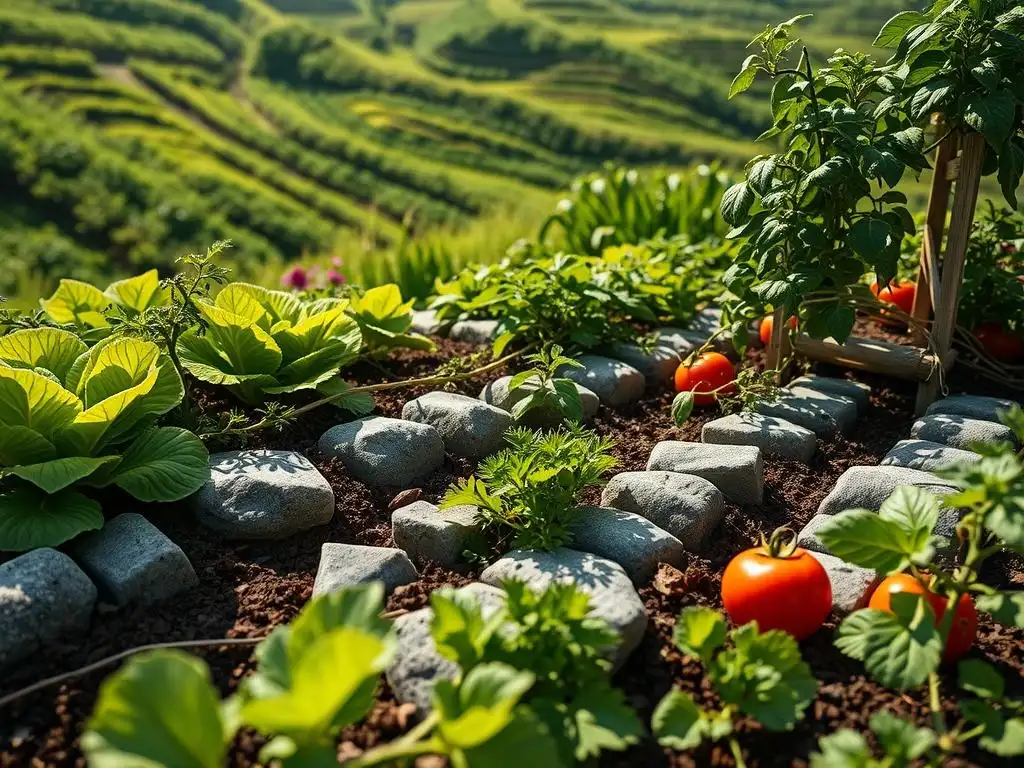
Welcome to CultivateYourFood, your guide to nurturing a thriving, sustainable garden! Are you ready to unlock the secrets to bountiful harvests while protecting our precious planet? Learn how simple, organic methods can dramatically improve your soil health and prevent soil erosion in your very own backyard. Discover practical techniques and valuable insights within our "Soil and Composting" section, starting with our in-depth article on effective soil erosion prevention. Let's cultivate a healthier future, one plant at a time.
- Understanding Soil Erosion in Your Organic Garden
- Effective Organic Methods to Prevent Soil Erosion
- Protecting Your Soil: Long-Term Strategies for Erosion Prevention in Your Organic Garden
- Successful Erosion Control Strategies in Different Garden Types
- Case Study: Sloped Terrain Garden in Sonoma County, California
-
Frequently Asked Questions
- What are the main causes of soil erosion in an organic garden?
- How can I prevent soil erosion naturally without using chemicals?
- What role does composting play in preventing soil erosion?
- Are there specific plants that help prevent soil erosion in my organic garden?
- How can I tell if my organic garden is suffering from soil erosion?
- Final Reflection: Cultivating a Legacy of Sustainable Soil
- Ready to Cultivate a Thriving, Erosion-Free Garden?
Understanding Soil Erosion in Your Organic Garden
Soil erosion, the gradual wearing away of topsoil, poses a significant threat to the health and productivity of any garden, especially those committed to organic and sustainable practices. This process, often insidious in its onset, can dramatically reduce yields, damage plant roots, and ultimately compromise the long-term viability of your homegrown food production. Understanding the causes and implementing effective prevention strategies is crucial for maintaining a thriving and fertile organic garden.
This article will explore natural, organic methods to prevent soil erosion, ensuring the continued health and sustainability of your precious growing space. We'll delve into recognizing the early warning signs, understanding the detrimental effects on your plants, and identifying the key factors contributing to erosion in home garden settings. By implementing these techniques, you can cultivate a resilient and productive garden that flourishes year after year, minimizing the environmental impact and maximizing your harvest.
Recognizing the Signs of Soil Erosion
The early stages of soil erosion can be subtle, easily overlooked by the casual observer. However, paying close attention to your garden can reveal telltale signs. Look for:
- Exposed soil: Bare patches of soil, especially on slopes or after heavy rainfall, are a clear indication of erosion. The topsoil, rich in organic matter and essential nutrients, is being washed or blown away.
- Gully formation: Small channels or gullies forming in the soil are a more advanced sign of erosion. These indicate significant water runoff carrying away large amounts of soil.
- Sedimentation: Noticeable accumulation of soil particles in low-lying areas of your garden or in nearby water bodies suggests erosion upstream.
- Reduced plant vigor: Plants struggling to thrive, exhibiting stunted growth or yellowing leaves, may be suffering from nutrient depletion caused by soil erosion. This is because topsoil contains the bulk of the readily available nutrients plants require.
- Changes in soil texture: The topsoil becomes lighter and less fertile, as the finer particles are removed, leaving behind heavier, less productive soil.
The Impact of Soil Erosion on Plant Health and Yields
Soil erosion has far-reaching consequences for the health and productivity of your organic garden. The loss of topsoil directly impacts plant health in several ways:
- Nutrient depletion: Topsoil is rich in organic matter and essential nutrients. Erosion removes these vital components, leaving plants nutrient-deficient and vulnerable to diseases and pests. This leads to reduced yields and smaller, less flavorful produce.
- Root damage: Exposed roots are more susceptible to damage from both weather extremes (drought and frost) and physical disturbances. Erosion can also destabilize the soil structure, making it difficult for roots to penetrate and access water and nutrients efficiently.
- Water retention issues: Topsoil plays a crucial role in water retention. Its loss leads to increased runoff, resulting in drier soil and reduced water availability for plants, especially during dry periods. This can stress plants and significantly reduce yields.
- Reduced biodiversity: A healthy topsoil supports a diverse ecosystem of beneficial microorganisms and soil organisms that contribute to nutrient cycling and overall soil health. Erosion disrupts this balance, leading to a less fertile and less resilient soil environment. The loss of this biodiversity further weakens the soil's ability to support healthy plant growth.
Factors Contributing to Soil Erosion in Home Gardens
Several factors contribute to soil erosion in home gardens. Understanding these factors is essential for implementing effective prevention strategies. These include:
- Heavy rainfall: Intense rainfall events can cause significant runoff, carrying away topsoil.
- Wind: Strong winds, particularly in exposed areas, can blow away loose soil particles.
- Lack of ground cover: Bare soil is highly susceptible to erosion. Plants and mulch provide protection against the impact of rain and wind.
- Slope: Gardens on slopes are more prone to erosion than those on level ground, as water flows more rapidly downhill.
- Improper irrigation: Overwatering or improper irrigation techniques can lead to increased runoff and erosion.
- Poor soil structure: Compacted soil lacks the porosity to absorb water efficiently, leading to increased runoff and erosion. Healthy soil structure is crucial for infiltration and water retention.
- Lack of organic matter: Soil with low organic matter content is less stable and more susceptible to erosion. Organic matter improves soil structure and water retention.
Effective Organic Methods to Prevent Soil Erosion
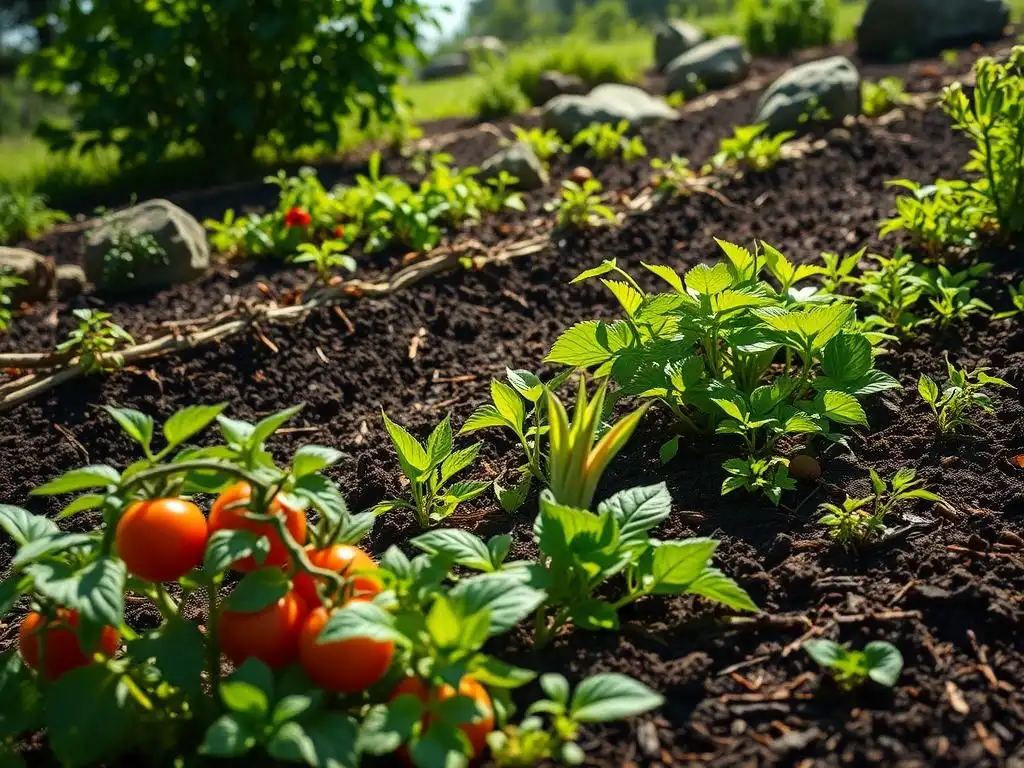
This section delves into practical, organic methods to prevent soil erosion in your home garden, crucial for maintaining a healthy and productive growing environment. We'll explore techniques that not only protect your soil but also enhance its overall health and fertility, aligning with sustainable gardening principles. Preventing soil erosion in your organic garden is key to long-term success, and these methods offer a natural and effective approach to achieving that goal.
Mulching Techniques for Erosion Control
Mulching is a cornerstone of organic soil erosion prevention. It involves covering the soil surface with a layer of organic material, creating a protective barrier against the erosive forces of wind and water. This simple yet powerful technique offers numerous benefits beyond erosion control, contributing significantly to improved soil health and water retention. Let's explore effective mulching strategies.
Using Organic Mulches: Straw, Wood Chips, and Compost
Several organic materials serve as excellent mulches. Straw, readily available and relatively inexpensive, provides excellent ground cover, effectively reducing water runoff and wind erosion. Wood chips, often a byproduct of tree trimming, offer long-lasting protection and slowly decompose, enriching the soil with organic matter over time. Compost, a rich mixture of decomposed organic materials, acts as both a mulch and a soil amendment, providing essential nutrients and improving soil structure. The best choice depends on your specific needs and available resources. Consider the decomposition rate; straw decomposes faster than wood chips.
Applying Mulch Effectively: Depth and Frequency
The effectiveness of mulching depends heavily on proper application. A mulch layer of 2-4 inches is generally recommended for optimal erosion control and moisture retention. Thinner layers may not provide sufficient protection, while excessively thick layers can smother plants. The frequency of mulch application depends on the type of mulch used and the rate of decomposition. Straw, for example, may need replenishing more frequently than wood chips. Regular inspection and replenishment are essential to maintain consistent coverage and prevent soil exposure.
Benefits Beyond Erosion Control: Improved Soil Health and Moisture Retention
Beyond erosion prevention, mulching significantly boosts soil health. The organic matter in the mulch gradually decomposes, adding vital nutrients to the soil, improving its structure, and enhancing its ability to retain moisture. This reduces the need for frequent watering, conserving water resources and promoting healthier plant growth. Reduced weed growth is another significant benefit, as the mulch suppresses weed germination and competition with your desired plants. This translates to less weeding and healthier plants.
Cover Cropping for Soil Stabilization
Cover cropping is another powerful organic technique for preventing soil erosion and enhancing soil health. This involves planting specific plants, known as cover crops, to protect the soil during periods when the main crops are not growing. These crops act as a living mulch, binding the soil together and preventing erosion. The choice of cover crop is crucial for maximizing benefits.
Choosing the Right Cover Crops for Your Climate and Soil Type
Selecting the appropriate cover crop is vital for success. Factors to consider include your climate, soil type, and the specific needs of your main crops. Some cover crops, like rye, are cold-hardy and thrive in colder climates, while others, such as sun hemp, prefer warmer temperatures. Soil type also influences cover crop selection; legumes, for instance, are excellent for improving nitrogen levels in nitrogen-deficient soils. Researching the best cover crops for your specific conditions is crucial for optimal results. Careful planning ensures the cover crop complements your garden's needs.
Planting and Managing Cover Crops: Timing and Techniques
The timing of planting and managing cover crops is crucial. They are typically planted after harvesting your main crops or during the off-season. The techniques for planting are similar to those for other plants, involving seed sowing or transplanting seedlings. Managing cover crops often involves mowing or tilling them into the soil before planting your next main crop. This adds organic matter to the soil and improves its structure, further preventing erosion. Proper timing ensures maximum benefit without interfering with your main crops.
Benefits of Cover Cropping: Nutrient Enrichment and Weed Suppression
Cover cropping offers numerous advantages beyond erosion control. Leguminous cover crops, like clover and vetch, fix atmospheric nitrogen into the soil, enriching it and reducing the need for nitrogen fertilizers. Cover crops also suppress weeds by competing for resources, reducing weed pressure and the need for herbicides. This contributes to a healthier and more sustainable garden ecosystem. The improved soil structure resulting from cover cropping enhances water infiltration and aeration, further promoting plant growth and overall garden health.
Contour Planting and Terracing for Sloped Gardens
Contour planting involves planting crops along the contours of the land, following the natural curves of the slope rather than straight rows uphill and downhill. This simple yet effective technique slows down the flow of water, reducing its erosive power. The water is absorbed more effectively into the soil, minimizing runoff. This method is particularly useful on gently sloping land where significant erosion is a concern.
Proper implementation requires careful planning and surveying of the land to accurately determine the contour lines. A slight miscalculation can negate the benefits, leading to concentrated water flow in unexpected areas. Therefore, accurate surveying is crucial for success. Experienced gardeners often use simple tools like a level to mark the contour lines before planting.
Designing Contour Planting Strategies for Effective Erosion Control
Designing an effective contour planting strategy requires careful consideration of several factors. The slope of the land is the most important factor, influencing the spacing of the contour lines. Steeper slopes require closer spacing to maximize water interception. The type of crop also plays a crucial role. Deep-rooted plants, such as trees or shrubs, are more effective at stabilizing the soil than shallow-rooted crops.
The choice of plants must also consider the specific microclimate of your garden. Some plants thrive in specific conditions, impacting the overall effectiveness of the system. Furthermore, the incorporation of cover crops between rows in contour planting further enhances soil stability and water retention, creating a more resilient system. Careful consideration of these factors leads to a more robust erosion control strategy.
Building Simple Terraces to Reduce Water Runoff
Terracing involves creating a series of level platforms or steps on a slope. These platforms intercept water runoff, greatly reducing its velocity and erosive force. Simple terraces can be constructed using readily available materials like logs, stones, or even stacked sod. The simplest method involves creating shallow ditches along the contour lines and piling soil or other materials to form a small retaining wall. This wall holds the soil in place, preventing soil loss.
The size and spacing of terraces depend on the slope of the land and the type of soil. Steeper slopes require more terraces, spaced closer together. Well-maintained terraces significantly reduce erosion and improve water management in sloped gardens. For instance, a terraced hillside garden in a region prone to heavy rains might see a significant reduction in soil loss compared to an unterraced one.
Maintaining Terraces and Preventing Damage
Maintaining terraces requires regular inspection and occasional repairs. Over time, erosion can damage the retaining walls, creating gaps that allow water to flow through. Regularly check for any signs of damage, such as cracks or erosion, and repair them promptly. Adding more soil or other materials to reinforce the walls as needed is crucial.
Additionally, planting vegetation on the terraces further stabilizes the soil and helps prevent erosion. Deep-rooted plants are especially beneficial in this context. Ignoring terrace maintenance can lead to significant soil erosion and compromise the effectiveness of the entire system. Regular maintenance ensures the long-term effectiveness of the terraces and protects your investment in the garden.
Implementing No-Till Gardening Practices
No-till gardening is a sustainable farming technique that minimizes soil disturbance. Instead of tilling the soil, gardeners plant directly into the existing soil, leaving the soil structure largely intact. This approach significantly reduces soil erosion by maintaining the soil's natural structure and aggregation. The undisturbed soil creates a protective layer that shields it from the impact of rainfall and wind. No-till gardening also enhances soil health, leading to improved water retention and nutrient availability. It is a more environmentally friendly approach to gardening, reducing the release of carbon dioxide from the soil.
Benefits of No-Till: Soil Structure Improvement and Erosion Prevention
The benefits of no-till gardening extend far beyond erosion prevention. By avoiding tillage, you preserve the soil's natural structure, creating a more porous and stable soil profile. This improved structure enhances water infiltration and reduces runoff, further minimizing erosion. The undisturbed soil also supports a healthier soil ecosystem, with thriving populations of beneficial microorganisms that enhance nutrient cycling and soil fertility. This positive feedback loop leads to a more resilient and productive garden. The reduced soil compaction associated with no-till techniques allows for better root penetration, leading to healthier and more vigorous plants.
Techniques for No-Till Gardening: Seed Starting and Transplanting
No-till gardening often involves direct seeding or transplanting seedlings into the existing soil. For direct seeding, you can use a variety of tools, such as a dibber or a seed drill, to create small holes or slits in the soil for planting seeds. Transplanting requires careful handling of seedlings to minimize root disturbance. Planting seedlings into pre-made holes or using a technique called “slit planting” helps to prevent damage to the surrounding soil. Mulching is crucial in no-till systems. It helps to suppress weeds, retain moisture, and regulate soil temperature. Choosing appropriate mulch material is vital for success.
Maintaining Soil Health in a No-Till System
Maintaining soil health in a no-till system requires careful attention to several factors. Regular addition of organic matter, such as compost or cover crops, is essential for maintaining soil fertility and structure. Cover crops are particularly beneficial as they protect the soil from erosion, improve soil fertility, and suppress weeds. Rotating crops helps to prevent the buildup of pests and diseases and maintains soil health over time.
Regular monitoring of soil health indicators, such as soil moisture and nutrient levels, is crucial for making informed decisions about soil management. Regular soil testing can be extremely beneficial in this regard. A healthy, thriving no-till garden is a testament to the power of sustainable gardening practices.
Protecting Your Soil: Long-Term Strategies for Erosion Prevention in Your Organic Garden
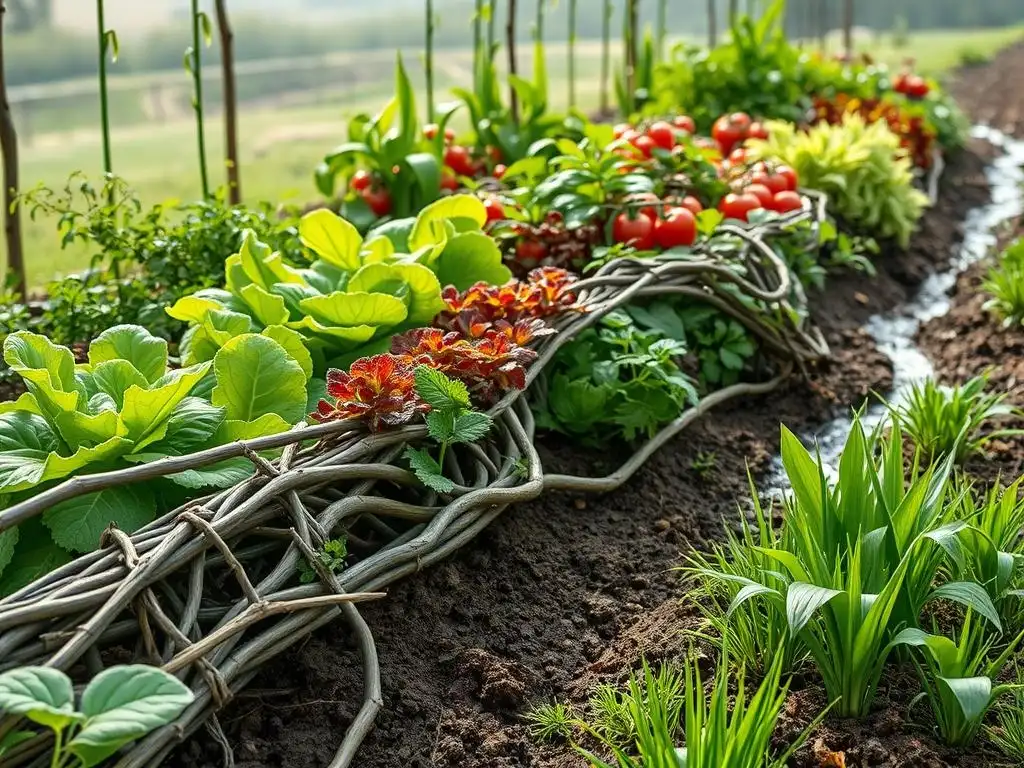
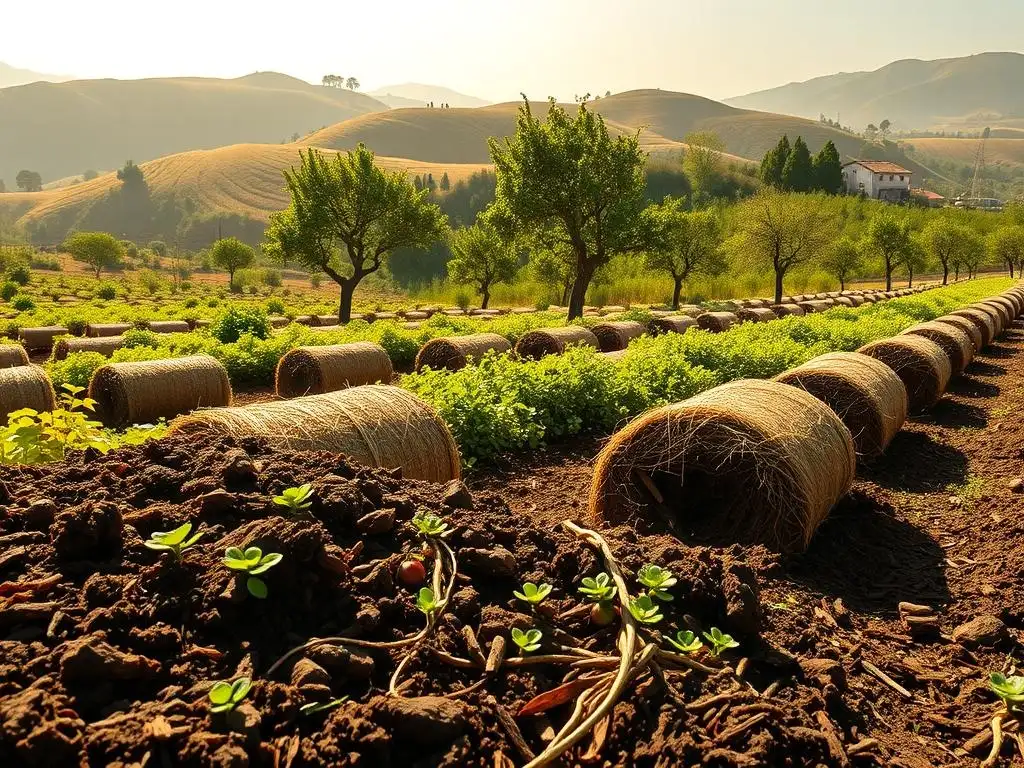
This section delves into proactive, long-term strategies to prevent soil erosion in your organic garden, ensuring soil health and sustainable yields for years to come. We'll explore techniques beyond immediate fixes, focusing on methods that build soil resilience and minimize the risk of erosion over the long haul. Preventing soil erosion is crucial for maintaining a thriving organic garden, and these strategies represent a significant investment in the future health of your soil.
Water Management: Efficient Irrigation and Drainage
Effective water management is paramount in preventing soil erosion. Uncontrolled water runoff is a major culprit in washing away topsoil, leading to nutrient loss and decreased garden productivity. Implementing efficient irrigation and drainage systems is key to mitigating this risk.
Consider these points for optimized water management:
- Drip irrigation: This method delivers water directly to the roots, minimizing surface runoff and evaporation. It's especially beneficial for preventing erosion on slopes. Using drip irrigation can reduce water consumption by up to 50% compared to traditional sprinkler systems.
- Mulching: Applying a thick layer of organic mulch (straw, wood chips, shredded leaves) around plants helps retain moisture, suppress weeds, and protect the soil surface from the impact of raindrops, thereby reducing erosion. A 3-4 inch layer is generally recommended.
- Terracing: On sloped land, creating terraces slows down water runoff, preventing it from carrying away soil. Terracing involves creating level platforms on the slope, effectively creating smaller, more manageable areas for planting. The construction of terraces can be labor-intensive but provides lasting erosion control.
- Proper drainage: Ensure that your garden has adequate drainage to prevent waterlogging. Standing water not only damages plants but also increases the risk of erosion. This might involve installing drainage ditches or amending heavy clay soils to improve water permeability.
Windbreaks and Shelterbelts for Erosion Control
Wind erosion is another significant threat to soil health, particularly in exposed areas. Strong winds can lift and carry away topsoil, leaving your garden vulnerable and reducing fertility. Establishing windbreaks and shelterbelts provides a natural defense against this type of erosion.
Windbreaks can be created using various methods:
- Planting rows of trees and shrubs: Strategically positioned trees and shrubs act as natural barriers, breaking the wind's force and reducing its erosive power. Evergreen species are particularly effective as they provide year-round protection. Consider species native to your region for optimal adaptation.
- Using physical barriers: In some cases, physical barriers like fences or hedges can be used to create windbreaks, especially for smaller gardens. However, these are often less aesthetically pleasing and may not provide the same level of environmental benefits as living windbreaks.
- Strategic garden layout: Designing your garden layout to minimize exposure to prevailing winds can also help. This might involve placing taller plants on the windward side to act as a natural shield.
Sustainable Gardening Practices: A Holistic Approach to Soil Conservation
Preventing soil erosion in an organic garden requires a holistic approach that encompasses numerous sustainable practices. These practices work synergistically to build soil health, increase its resistance to erosion, and promote long-term sustainability.
Here are some key sustainable practices to implement:
- No-till gardening: Avoiding tilling helps maintain soil structure, reducing its vulnerability to erosion. Tilling disrupts the soil's natural structure, making it more susceptible to wind and water erosion. No-till techniques, such as cover cropping and mulching, are essential for maintaining soil integrity.
- Cover cropping: Planting cover crops between main crops helps protect the soil from erosion, improves soil fertility, and suppresses weeds. Cover crops such as legumes add nitrogen to the soil, enriching it naturally. Rye, clover, and vetch are examples of effective cover crops.
- Crop rotation: Rotating crops helps maintain soil health and reduces the risk of erosion by diversifying root systems and preventing soil depletion. Different crops have different root structures and nutrient requirements, contributing to a more robust and resilient soil structure.
- Composting: Composting organic matter improves soil structure, water retention, and fertility, making the soil more resistant to erosion. Regular composting is a cornerstone of sustainable gardening and soil health. The addition of compost significantly improves soil aggregation and stability.
By implementing these long-term strategies and sustainable practices, you can effectively prevent soil erosion and cultivate a thriving organic garden that is both productive and environmentally responsible. Remember that preventing soil erosion is an ongoing process requiring consistent attention and commitment to sustainable gardening techniques. The benefits, however, are well worth the effort, leading to a healthier garden and a more sustainable future.
Successful Erosion Control Strategies in Different Garden Types
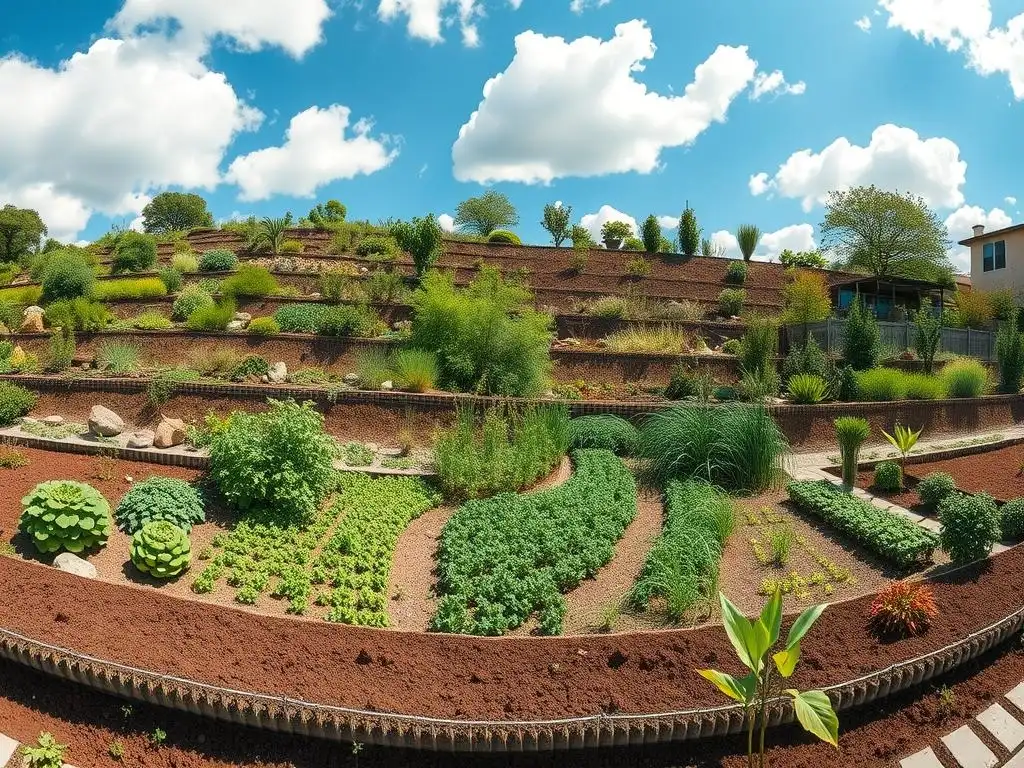
Preventing soil erosion is crucial for maintaining a healthy and productive organic garden. The best strategies, however, vary significantly depending on the specific characteristics of your garden. Factors such as slope, soil type, rainfall patterns, and wind exposure all play a vital role in determining the most effective erosion control measures.
Ignoring these factors can lead to significant soil loss, impacting nutrient levels and the overall health of your plants. This section will explore successful erosion control methods tailored to different garden types, emphasizing organic and sustainable practices. The goal is to help you prevent soil erosion in your organic garden, regardless of its unique challenges.
Successful Erosion Control Strategies in Different Garden Types
Effective soil erosion prevention in organic gardening relies on a multi-pronged approach. Here's a breakdown of strategies categorized by garden type:
- Flat Gardens: Even flat gardens can experience erosion, particularly during heavy rainfall. Employing techniques like cover cropping (using plants like rye or clover to protect the soil during fallow periods), mulching (using organic materials like straw or wood chips), and maintaining healthy soil structure through regular composting helps prevent runoff. Proper drainage systems can further minimize erosion risks.
- Sloped Gardens: Sloped gardens are particularly vulnerable to erosion. Terracing, contour gardening (planting along the contours of the slope), and creating swales (shallow channels that divert water) are essential. These techniques slow down water flow and reduce its erosive power. Planting vegetation with extensive root systems is also crucial to stabilize the soil. Consider using native plants adapted to your specific slope and climate.
- Wind-Exposed Gardens: Wind can significantly contribute to soil erosion, especially in arid or semi-arid regions. Windbreaks, created using hedges, shrubs, or even strategically placed fencing, are invaluable. Heavy mulching and the use of ground covers help protect the soil from the wind's abrasive effects. Selecting drought-tolerant plants minimizes the need for frequent watering, which can exacerbate erosion in windy conditions.
- Coastal Gardens: Coastal gardens face the combined challenges of wind, salt spray, and sometimes, intense rainfall. Using native, salt-tolerant plants is critical. Building berms (raised earth barriers) can provide protection from wind and waves. Mulching with organic matter helps retain moisture and protects the soil from the harsh conditions. Consider using erosion control blankets or mats in particularly vulnerable areas until vegetation becomes established.
Successfully implementing these strategies requires careful planning and observation. Regular monitoring of your garden's soil health and adjusting your practices as needed is key to long-term erosion prevention. Remember, a holistic approach focusing on improving overall soil health is crucial for preventing soil erosion in any organic garden.
Case Study: Sloped Terrain Garden in Sonoma County, California
A Sonoma County gardener facing significant erosion on their sloped vineyard successfully implemented a combination of techniques. They first terraced the steepest sections, creating level platforms for planting. Contour plowing was then used to create furrows that followed the contours of the land, slowing water runoff. They planted cover crops between the grapevines during the off-season, utilizing a mix of fava beans and rye to improve soil structure and prevent erosion.
Finally, they used a thick layer of composted mulch around the vines to further protect the soil from rain and wind. This multi-faceted approach resulted in a significant reduction in soil erosion and improved grapevine health. The success of this project highlights the importance of a tailored approach to prevent soil erosion in diverse settings.
Case Study: Wind-Exposed Coastal Garden in Oregon
A coastal garden in Oregon, exposed to strong winds and occasional heavy rainfall, faced serious erosion challenges. The gardener initially installed a windbreak using a mix of native shrubs and trees, strategically positioned to break the wind's force. They then used a combination of drought-tolerant ground covers, such as creeping thyme and seaside daisy, to stabilize the soil and prevent wind erosion.
A heavy layer of wood chip mulch was applied to retain moisture and further protect the soil. Regular monitoring and adjustments to the mulching and planting were crucial to ensure the long-term success of the erosion control measures. The careful selection of plants and the strategic use of windbreaks proved highly effective in preventing soil erosion in this challenging environment, demonstrating the adaptability of organic soil conservation methods.
Frequently Asked Questions
What are the main causes of soil erosion in an organic garden?
Soil erosion in organic gardens is primarily caused by wind and water, especially on slopes or in areas with poor soil structure. Lack of ground cover also significantly contributes to the problem.
How can I prevent soil erosion naturally without using chemicals?
Employ cover cropping to protect the soil. Use mulching techniques with organic materials like straw or wood chips. Terracing on slopes can also effectively reduce water runoff and erosion.
What role does composting play in preventing soil erosion?
Composting improves soil structure and water retention, making it more resistant to erosion. The added organic matter also helps bind soil particles together, increasing stability.
Are there specific plants that help prevent soil erosion in my organic garden?
Yes, planting deep-rooted plants and legumes helps improve soil structure and bind the soil. Cover crops like clover or rye are particularly effective at preventing erosion.
How can I tell if my organic garden is suffering from soil erosion?
Look for exposed soil, gullies or channels formed by water runoff, and a reduction in topsoil depth. You may also notice a decline in plant health due to nutrient loss.
Final Reflection: Cultivating a Legacy of Sustainable Soil
The fight against soil erosion isn't just about preserving our gardens; it's about securing the future of our food systems and the health of our planet. Ignoring this crucial issue means jeopardizing the very foundation upon which our agricultural practices and ecosystems depend. The techniques explored in this article – from cover cropping and mulching to terracing and contour planting – are not merely suggestions; they are essential tools in our collective effort to build a more sustainable future.
The impact of soil erosion extends far beyond the visible loss of topsoil. It affects biodiversity, water quality, and ultimately, our ability to feed a growing global population. The land is our mother. We must treat her with respect.
This simple yet profound statement underscores the deep connection we must foster with the earth, recognizing our responsibility to protect its resources for generations to come. The shift towards organic gardening practices, as highlighted throughout this article, represents a crucial step in this direction, moving away from harmful chemical interventions towards a more harmonious relationship with nature.
You now possess the knowledge to make a tangible difference. Consider the practices discussed here – the simple act of adding mulch, the strategic placement of plants, the thoughtful design of your garden beds – and integrate them into your own gardening practices. Start small, experiment, and observe the positive impact on your soil health. By embracing these sustainable techniques, you are not only nurturing your garden, but also contributing to a larger movement towards a healthier planet and a more secure future for all.
Ready to Cultivate a Thriving, Erosion-Free Garden?
Thank you for learning about natural soil erosion prevention! We hope you found the information valuable. Now let's put that knowledge to work.
Here's how to get started:
- Identify vulnerable areas: Begin by pinpointing the parts of your garden most at risk of erosion. Then, implement the most suitable solution—terracing, cover cropping, or mulching, for example—immediately. This is the first step towards a healthier garden.
- Share your experience! Tell us which method you chose and any unexpected results. Let's build a community of sustainable gardeners together.
- Explore other natural gardening techniques on our site to further improve your soil health and garden productivity.
Ready to transform your garden into a resilient ecosystem? What erosion prevention technique will you try first?