
Online Workshops: Organic Gardening for Healthy Families

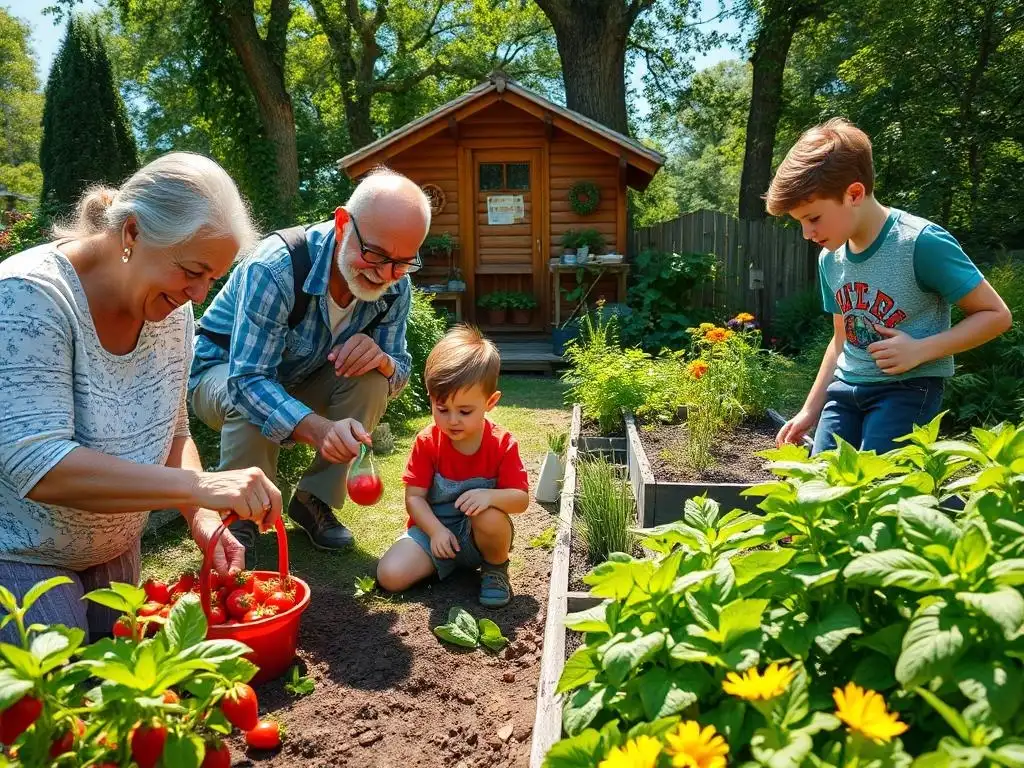
Ready to transform your backyard into a thriving haven of fresh, organic produce? At CultivateYourFood, we empower families to grow their own food sustainably. Discover the secrets to a bountiful harvest with our comprehensive guides, and learn more about our upcoming Organic gardening family workshops – a unique opportunity to connect with nature and cultivate a healthier lifestyle for you and your loved ones. Let's get growing!
- Finding the Best Organic Gardening Family Workshops Online
- Top Online Organic Gardening Workshops for Families in 2024
- Essential Skills Covered in Top Organic Gardening Family Workshops
- Choosing the Right Organic Gardening Workshop for Your Family
- Maximizing Your Family's Organic Gardening Success
- Frequently Asked Questions about Online Organic Gardening Workshops (FAQ)
-
Frequently Asked Questions
- What topics are covered in your online Organic Gardening for Healthy Families workshops?
- Are your workshops suitable for families with young children?
- What materials will I need for the workshops?
- How do I access the online workshops?
- What makes your workshops different from other organic gardening courses?
- Final Reflection: Cultivating a Greener Future, One Family at a Time
- Ready to Grow Your Green Thumb & Healthier Family Meals?
Finding the Best Organic Gardening Family Workshops Online
Cultivating a love for nature and healthy eating habits starts at home. This article explores the burgeoning world of online organic gardening workshops designed specifically for families, offering a convenient and engaging way to learn sustainable practices and grow your own food. We'll delve into the numerous benefits of choosing online courses, compare them to in-person classes, and guide you in finding the best fit for your family's needs and interests. Learning to garden organically isn't just about growing food; it's about fostering a connection with nature, teaching valuable life skills, and creating lasting family memories.
This guide will help you navigate the options available and empower you to start your family's organic gardening journey today. We'll cover everything from choosing the right curriculum to maximizing the learning experience for children of all ages. Let's get started on your path to a healthier, more sustainable lifestyle through organic gardening!
Why Choose Online Organic Gardening Courses for Families?
Online organic gardening courses offer unparalleled flexibility and convenience for busy families. Unlike traditional in-person classes, online workshops adapt to your schedule, eliminating the need for travel and childcare arrangements. This flexibility allows families to participate at their own pace, revisiting lessons as needed and fitting learning into their existing routines. Furthermore, the digital format often incorporates engaging multimedia elements, such as videos and interactive exercises, making learning fun and accessible for children.
Many online platforms also offer community features, connecting families with like-minded individuals and creating a supportive learning environment. The cost-effectiveness is another significant advantage; online courses often have lower fees than in-person classes, making organic gardening education more accessible to a wider range of families. Consider the following advantages:
- Flexibility: Learn at your own pace, anytime, anywhere.
- Convenience: No travel time or childcare hassles.
- Engaging Content: Multimedia elements keep children interested.
- Cost-Effective: Often more affordable than in-person classes.
- Community Building: Connect with other families and experts.
Benefits of Family-Friendly Organic Gardening Education
Teaching children about organic gardening provides numerous benefits beyond simply growing food. It fosters a deeper understanding of where food comes from, promoting healthy eating habits and reducing reliance on processed foods. The process of planting, nurturing, and harvesting encourages patience, responsibility, and appreciation for nature's cycles. Children develop valuable problem-solving skills as they learn to identify and address challenges in the garden, such as pest control or nutrient deficiencies.
Moreover, gardening can be a fantastic family bonding experience, creating shared memories and strengthening family relationships. The hands-on nature of gardening provides opportunities for learning about science, botany, and environmental sustainability. These are just a few of the many educational and developmental advantages of engaging your family in organic gardening. The benefits extend to:
- Improved nutrition and healthier eating habits.
- Development of responsibility and patience.
- Enhanced problem-solving and critical thinking skills.
- Strengthened family bonds and shared experiences.
- Increased environmental awareness and sustainability practices.
- A deeper appreciation for nature and its processes.
Comparing Online vs. In-Person Organic Gardening Classes
Choosing between online and in-person organic gardening classes depends on your family's specific needs and preferences. In-person classes offer the benefit of direct interaction with instructors and fellow participants, providing immediate feedback and a sense of community. Hands-on activities and demonstrations can be particularly valuable for visual learners. However, in-person classes require commitment to a fixed schedule and location, potentially limiting accessibility for busy families.
Online courses, on the other hand, offer unparalleled flexibility and convenience, but may lack the immediate interaction and hands-on experience of in-person classes. The best choice depends on your family's learning style, schedule, and budget. Consider the following table summarizing the key differences:
| Feature | Online Classes | In-Person Classes |
|---|---|---|
| Flexibility | High – Learn at your own pace, anytime | Low – Requires commitment to specific times & location |
| Convenience | High – No travel time, accessible from home | Low – Requires travel and potentially childcare |
| Interaction | Moderate – Online forums and instructor support | High – Direct interaction with instructor & peers |
| Hands-on | Limited – Depending on the course design | High – Direct participation in garden activities |
| Cost | Generally lower | Generally higher |
Choosing the right approach is crucial for a successful and enjoyable family gardening experience. Remember to consider your family's unique circumstances and preferences when making your decision.
Top Online Organic Gardening Workshops for Families in 2024
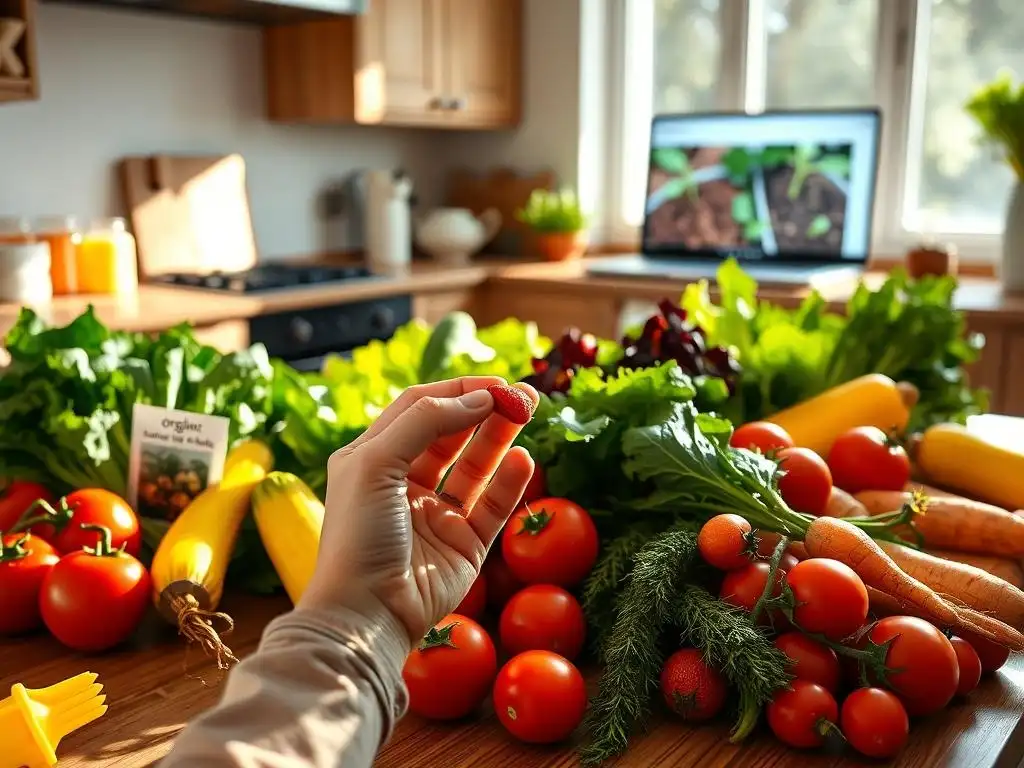
This section highlights some of the best online organic gardening workshops currently available for families in 2024, focusing on those that emphasize sustainable and organic practices. We've carefully selected workshops that cater to various skill levels and family needs, ensuring a fun and educational experience for everyone involved. Finding the right organic gardening family workshop can transform your family's relationship with food and nature.
"Grow Your Own Food" Workshop with [Expert Gardener Name/Company]
This comprehensive workshop offers a practical approach to organic gardening, perfect for families looking to grow their own fruits, vegetables, and herbs. The instructor, [Expert Gardener Name/Company], is a renowned expert with years of experience in sustainable agriculture. The focus is on hands-on learning and building confidence in organic gardening techniques.
Curriculum Overview: Seed Starting, Planting, and Harvesting Techniques
The "Grow Your Own Food" workshop covers a wide range of topics crucial for successful organic gardening. The curriculum includes detailed instructions and demonstrations on:
- Seed Starting: Learn the best methods for starting seeds indoors, including choosing the right containers, soil mix, and lighting. The workshop covers various seed starting techniques, from using seed trays to starting seeds directly in biodegradable pots. Participants will learn how to identify and prevent common seed starting problems.
- Planting Techniques: Master the art of planting seedlings and directly sowing seeds into the garden. Learn about optimal spacing, soil preparation, and companion planting to maximize yield and minimize pest issues. The workshop will cover different planting methods suitable for various vegetables and herbs.
- Harvesting Techniques: Discover the proper timing and techniques for harvesting different crops to ensure optimal flavor and nutritional value. Learn how to store harvested produce to extend its shelf life and reduce food waste. The workshop will also address post-harvest handling and preservation methods.
The workshop also incorporates practical exercises, Q&A sessions, and community discussions to foster a supportive learning environment. 🧑🌾
Affiliate Link to "Grow Your Own Food" Workshop
[Affiliate Link Placeholder - Specific link needed here]
Pricing and Scheduling Options
The "Grow Your Own Food" workshop is offered in various formats to suit different family schedules and budgets. Options include:
| Option | Price | Schedule |
|---|---|---|
| Self-Paced Course | $[Price] | Access anytime, complete at your own pace |
| Live Webinar | $[Price] | [Dates and Times Placeholder] |
| Family Package | $[Price] | Includes multiple accounts and bonus materials |
Detailed information on pricing and scheduling is available on the workshop's website.
The "Organic Veggie Patch" Online Course by [Instructor Name/Platform]
This course focuses specifically on growing a variety of vegetables organically. [Instructor Name/Platform] provides a structured learning experience, guiding families through the process of planning, planting, and maintaining a thriving organic vegetable garden. The emphasis is on practical, achievable results, even for beginner gardeners.
Focus on Vegetables: Techniques for Growing Popular Vegetables Organically
The "Organic Veggie Patch" course delves into the specifics of growing popular vegetables organically. The curriculum includes detailed information and practical tips on:
- Tomatoes: Learn about different tomato varieties, optimal growing conditions, and pest control strategies. The course covers techniques for supporting tomato plants and maximizing yield.
- Leafy Greens: Master the art of growing lettuce, spinach, kale, and other leafy greens organically. Learn about seed starting, transplanting, and harvesting techniques. The course addresses common challenges like insect infestations and nutrient deficiencies.
- Root Vegetables: Discover the secrets to growing carrots, potatoes, beets, and other root vegetables organically. Learn about soil preparation, planting depth, and harvesting methods. The course emphasizes soil health and nutrient management.
The course includes downloadable resources, such as planting guides and checklists, to assist families throughout the growing season.
Affiliate Link to "Organic Veggie Patch" Course
[Affiliate Link Placeholder - Specific link needed here]
Customer Reviews and Testimonials
This course was amazing! My kids and I learned so much, and we now have a beautiful organic vegetable garden. Highly recommend!
– [Customer Name]
The instructor was incredibly knowledgeable and supportive. The course was easy to follow, even for complete beginners.
– [Customer Name]
I love that this course focuses on practical techniques that are easy to implement in a home garden.
– [Customer Name]
[Additional Testimonials Placeholder - More reviews needed here] The course boasts a high average rating of [Rating] stars based on [Number] reviews. This positive feedback reflects the course's effectiveness and the valuable learning experience it provides.
"Kids & Garden" Interactive Workshop by [Organization Name]
This engaging online workshop, offered by [Organization Name], is specifically designed to introduce children to the wonders of organic gardening. It cleverly blends hands-on activities with age-appropriate learning, fostering a love for nature and sustainable practices from a young age. The curriculum is meticulously crafted to be both educational and entertaining, ensuring children actively participate and retain the knowledge gained.
The instructors are experienced educators and passionate gardeners who understand how to connect with children and make learning fun. They utilize a variety of interactive methods to keep children engaged, including videos, quizzes, and virtual field trips to organic farms. A key focus is on building a strong foundation in understanding where food comes from, the importance of healthy soil, and the benefits of organic farming practices for the environment and our health.
The workshop also emphasizes the importance of respecting nature and understanding the interconnectedness of all living things within an ecosystem. This holistic approach ensures children develop a deep appreciation for the natural world and the role they can play in protecting it. The positive feedback from past participants consistently highlights the workshop's success in sparking children's curiosity and inspiring them to become environmentally conscious gardeners.
Engaging Children in Organic Gardening: Fun Activities and Educational Games
The "Kids & Garden" workshop incorporates a variety of fun and engaging activities designed to make learning about organic gardening enjoyable for children. For example, children might participate in virtual seed-starting experiments, learning about the germination process and the conditions necessary for successful plant growth. Interactive games, such as identifying different types of vegetables or matching plants to their fruits, reinforce learning in a playful way.
The curriculum also includes virtual tours of organic gardens, allowing children to see real-world examples of successful organic gardening practices. These virtual tours often feature interviews with experienced organic gardeners, providing children with relatable role models and inspiring them to pursue their own gardening endeavors. Creative activities, like designing their own vegetable gardens on virtual platforms or creating artwork inspired by nature, further enhance the learning experience and encourage self-expression.
The workshop also incorporates storytelling and interactive quizzes to test children's understanding and keep them engaged throughout the sessions. The overall goal is to create a positive and memorable learning experience that fosters a lifelong love for organic gardening. This approach ensures children not only learn about organic gardening but also develop important skills such as observation, problem-solving, and teamwork.
Affiliate Link to "Kids & Garden" Workshop
[Affiliate Link Placeholder - Requires specific affiliate link from [Organization Name]] This space will contain a direct link to the "Kids & Garden" workshop, allowing readers to easily register and participate. The link will be provided by [Organization Name] upon confirmation of the affiliate partnership.
Suitable Ages and Learning Outcomes
The "Kids & Garden" workshop is ideally suited for children aged 6-12 years old. However, the content can be adapted to suit younger or older children, depending on their existing knowledge and interests. The workshop aims to achieve several key learning outcomes:
- Understanding of Organic Gardening Principles: Children will learn the basic principles of organic gardening, including soil health, composting, seed starting, and pest control.
- Practical Gardening Skills: Participants will gain practical skills in planting, watering, and caring for plants.
- Appreciation for Nature: The workshop fosters an appreciation for nature and the importance of biodiversity.
- Environmental Awareness: Children will learn about the environmental benefits of organic gardening and sustainable practices.
- Healthy Eating Habits: The workshop connects organic gardening to healthy eating habits, encouraging children to consume fresh, organically grown produce.
The workshop's interactive nature and focus on fun activities ensure children not only learn but also develop a lasting passion for organic gardening and sustainable living. This contributes to the overall goal of creating environmentally conscious and healthy families.
Essential Skills Covered in Top Organic Gardening Family Workshops
This section details the core skills typically covered in high-quality online organic gardening workshops designed for families. These workshops aim to empower families to grow their own food sustainably, fostering a connection with nature and promoting healthy eating habits. The focus is on practical, hands-on techniques suitable for all skill levels, emphasizing organic and sustainable practices. Understanding these core skills is crucial for successful organic gardening, regardless of your experience level. We'll explore key areas vital for cultivating a thriving, healthy garden.
Seed Starting Techniques for Beginners
Starting seeds indoors is a rewarding way to extend the growing season and increase the variety of plants in your garden. Many family-focused workshops begin with this fundamental skill. Successful seed starting relies on several key factors:
- Choosing the Right Seeds: Select high-quality, organic seeds from reputable suppliers. Look for descriptions indicating high germination rates. Consider heirloom varieties for their unique flavors and adaptability. Different seeds have different needs; some germinate quickly, while others require more time.
- Using the Proper Medium: A well-draining seed-starting mix is crucial. Avoid using garden soil, as it may contain pathogens or compacted soil that can hinder germination. A specialized seed-starting mix, often composed of peat moss, vermiculite, and perlite, provides optimal aeration and drainage.
- Providing Adequate Light and Temperature: Seedlings need sufficient light to thrive. A sunny windowsill might suffice for a small number of seedlings, but for larger quantities, grow lights are essential. Maintain consistent temperatures, usually between 65-75°F (18-24°C), depending on the specific plant species. Fluctuations in temperature can impede growth.
- Watering Techniques: Overwatering is a common mistake. Water only when the seed-starting mix feels slightly dry to the touch. Use a gentle watering can or spray bottle to avoid disturbing delicate seedlings. Consistent moisture, but not soggy conditions, is key.
- Hardening Off Seedlings: Before transplanting seedlings outdoors, gradually acclimate them to the outdoor environment through a process called hardening off. This involves gradually increasing their exposure to sunlight and wind over several days. This prevents transplant shock and improves survival rates.
Organic Soil Preparation and Management
Healthy soil is the foundation of a successful organic garden. Family workshops emphasize the importance of building and maintaining fertile, organic soil. This involves several key steps:
- Soil Testing: Understanding your soil's pH and nutrient levels is the first step. A soil test kit can provide this information, allowing you to amend your soil appropriately. Knowing your soil's composition allows for tailored nutrient additions.
- Composting: Composting kitchen scraps and yard waste creates nutrient-rich organic matter that improves soil structure, drainage, and water retention. Workshops often cover different composting methods, from simple backyard bins to vermicomposting (using worms). Proper composting significantly reduces waste and enriches the soil.
- Amendments: Based on the soil test results, you may need to add organic amendments like compost, aged manure, or cover crops to enhance soil fertility and structure. These amendments provide essential nutrients and improve soil health over time.
- Mulching: Applying a layer of mulch (such as straw, shredded leaves, or wood chips) helps retain moisture, suppress weeds, and regulate soil temperature. Mulching is a crucial practice for water conservation and weed control.
- Crop Rotation: Rotating crops annually helps prevent soil depletion and reduces pest and disease problems. Different plant families have different nutrient requirements and pest susceptibilities. Workshops will teach families about effective crop rotation strategies.
Natural Pest Control Methods for a Healthy Garden
Organic gardening prioritizes natural pest control methods over harmful synthetic pesticides. Family workshops equip participants with the knowledge and skills to manage pests effectively and sustainably:
- Beneficial Insects: Attracting beneficial insects, such as ladybugs and lacewings, can help control pest populations naturally. These insects prey on common garden pests, reducing the need for chemical interventions. Workshops often cover techniques for attracting and supporting beneficial insect populations.
- Companion Planting: Planting certain plant species together can deter pests and attract beneficial insects. For example, basil planted near tomatoes can repel tomato hornworms. Workshops cover effective companion planting strategies tailored to different crops.
- Handpicking and Physical Removal: For small infestations, handpicking pests or physically removing them from plants is an effective and environmentally friendly method. This is particularly useful for dealing with slugs, snails, and caterpillars.
- Natural Sprays: Workshops introduce safe and effective natural pest control sprays made from ingredients like neem oil, insecticidal soap, or diluted solutions of garlic or pepper. These sprays provide a non-toxic alternative to synthetic pesticides.
- Disease Prevention: Proper sanitation, good air circulation, and resistant plant varieties play a crucial role in preventing plant diseases. Workshops emphasize the importance of proactive disease prevention strategies. Maintaining healthy plants makes them less susceptible to pests and diseases.
Harvesting and Preserving Your Organic Produce
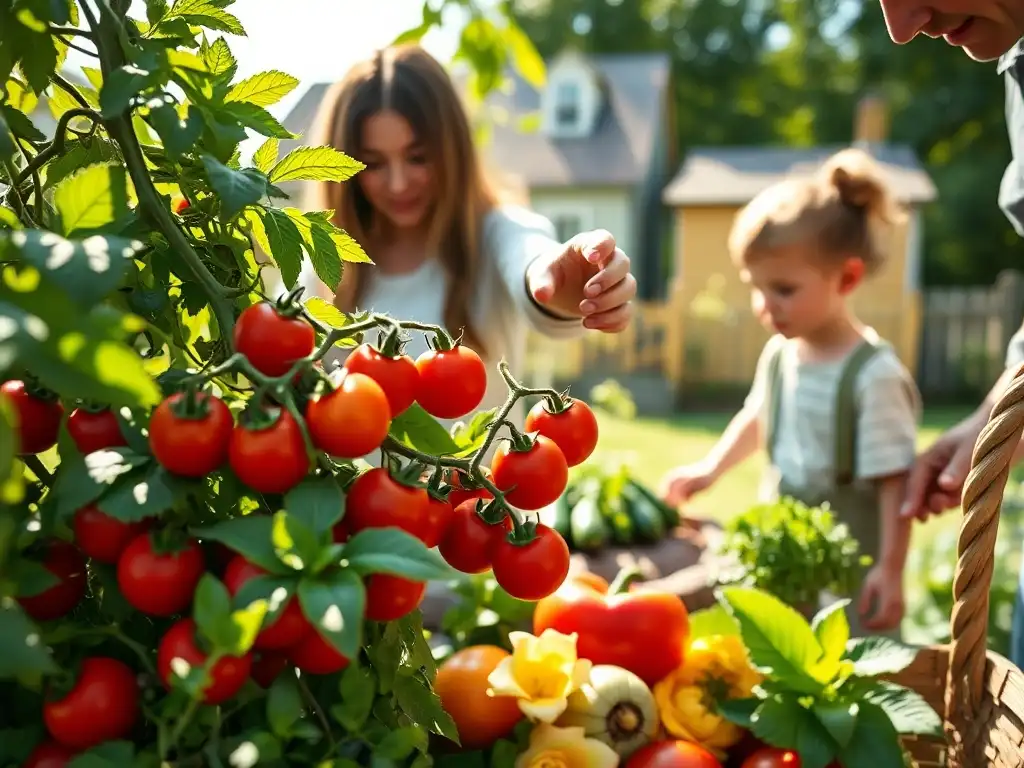
Harvesting your homegrown organic produce is a rewarding experience, but timing is crucial to ensure optimal flavor and nutritional value. Many fruits and vegetables have specific harvesting windows; for example, tomatoes should be picked when they're fully colored and slightly soft to the touch, while herbs are best harvested in the morning after the dew has dried. Learning to identify these key indicators is a fundamental skill taught in many organic gardening family workshops. These workshops often provide detailed guides and visuals to help participants master this crucial step.
Proper preservation techniques extend the enjoyment of your harvest far beyond the growing season. Workshops will typically cover various methods, including canning, freezing, drying, and fermenting. Canning, for instance, requires precise sterilization techniques to prevent spoilage and ensure food safety—a critical element covered extensively in reputable courses. Freezing is a simpler method suitable for many fruits and vegetables, preserving their nutritional value effectively.
Drying, often used for herbs and some fruits, concentrates flavors and extends shelf life considerably. Fermentation, a traditional preservation method, adds a unique dimension to your harvest and introduces participants to the world of lacto-fermentation and other techniques. Understanding these various methods allows families to maximize their harvest and enjoy the fruits (and vegetables!)
of their labor throughout the year. Successfully preserving your harvest is a key aspect of sustainable organic gardening, reducing food waste and maximizing the return on your gardening efforts. Many workshops emphasize the importance of proper storage after preservation to maintain quality and prevent spoilage.
Composting Basics for Sustainable Gardening
Composting is a cornerstone of sustainable organic gardening, transforming kitchen scraps and yard waste into nutrient-rich soil amendment. Organic gardening family workshops often dedicate significant time to this essential practice, covering everything from choosing the right composting method to understanding the decomposition process. Participants learn how to create a balanced compost pile by layering “browns” (carbon-rich materials like dried leaves and twigs) and “greens” (nitrogen-rich materials such as grass clippings and vegetable scraps). The correct ratio is crucial for efficient decomposition and avoiding unpleasant odors.
Beyond the basics of layering, workshops often explore different composting techniques, such as the traditional heap method, the three-bin system, and vermicomposting (using worms). Each method has its own advantages and disadvantages, depending on available space, the amount of material to be composted, and personal preferences. Understanding these differences empowers families to choose the most suitable approach for their home gardening setup.
Furthermore, workshops usually address troubleshooting common composting issues, such as unpleasant smells (often caused by an imbalance in the brown-to-green ratio or insufficient aeration) and slow decomposition (which can be addressed by improving aeration and moisture levels). Learning to effectively manage a compost pile is not only environmentally responsible but also significantly reduces the need for chemical fertilizers, contributing to a healthier garden and environment.
The resulting compost enriches the soil, improves water retention, and provides essential nutrients to plants, fostering healthier and more abundant harvests. Many workshops also cover the use of compost tea, a liquid fertilizer derived from compost, as a natural and effective way to supplement plant nutrition.
Choosing the Right Organic Gardening Workshop for Your Family
Finding the perfect online organic gardening workshop for your family can feel like searching for a needle in a haystack. But with a little careful consideration, you can select a program that will empower your family to grow healthy, delicious food together. This section will guide you through the key factors to evaluate when making your choice, ensuring a positive and enriching learning experience for everyone involved. Remember, the goal is to find a workshop that aligns with your family's needs and fosters a love for organic gardening.
Consider Your Family's Experience Level
Before enrolling, honestly assess your family's existing gardening knowledge and experience. Are you complete beginners, dipping your toes into the world of organic gardening for the first time? Or do you have some prior experience but want to deepen your understanding of specific organic techniques? The workshop's description should clearly indicate the target audience. For example, a workshop titled "Organic Gardening for Beginners: From Seed to Supper" is likely more suitable for novice families than one focusing on advanced composting strategies.
Many workshops cater to specific experience levels. Look for descriptions that use terms like "beginner-friendly," "intermediate," or "advanced." Some workshops might even offer different tracks or modules tailored to various skill sets, allowing family members of different experience levels to participate effectively. Don't be afraid to contact the workshop provider directly if you have questions about the suitability of the program for your family's unique circumstances. A responsive and helpful provider will gladly address your concerns.
Evaluate the Curriculum and Learning Objectives
A well-structured organic gardening workshop should have clear learning objectives and a well-defined curriculum. Examine the course outline carefully. Does it cover the fundamental principles of organic gardening, such as soil health, seed starting, pest control, and harvesting? Does it delve into specific techniques relevant to your climate and the types of plants you're interested in growing? A comprehensive curriculum will provide a strong foundation for your family's gardening journey.
Consider the balance between theory and practical application. While theoretical knowledge is important, a hands-on approach is crucial for successful organic gardening. Look for workshops that incorporate practical exercises, demonstrations, and opportunities for real-world application. For example, a workshop that guides you through building a compost bin or starting seeds indoors provides valuable practical skills. The inclusion of downloadable resources, such as printable checklists or plant guides, can also add significant value to the learning experience. The more practical elements a workshop includes, the better prepared your family will be to succeed in your own garden.
Check Reviews and Testimonials from Other Families
Before committing to a workshop, take the time to research reviews and testimonials from other families who have participated in the program. Online platforms, social media groups dedicated to organic gardening, and the workshop provider's website itself often contain valuable feedback. Pay close attention to comments regarding the instructor's teaching style, the clarity of the materials, the overall organization of the workshop, and the level of support provided.
Look for recurring themes in the reviews. Positive feedback consistently mentioning engaging instruction, helpful resources, and a supportive community suggests a high-quality program. Negative reviews, on the other hand, might highlight areas needing improvement. Consider the overall sentiment expressed by the majority of reviewers.
While individual experiences may vary, a preponderance of positive reviews is a strong indicator of a well-run and effective organic gardening workshop for families. Remember to critically evaluate reviews, considering the source and potential biases. A balanced perspective from various sources will give you the most accurate picture of the workshop's quality and suitability for your family.
Assess the Instructor's Credentials and Expertise
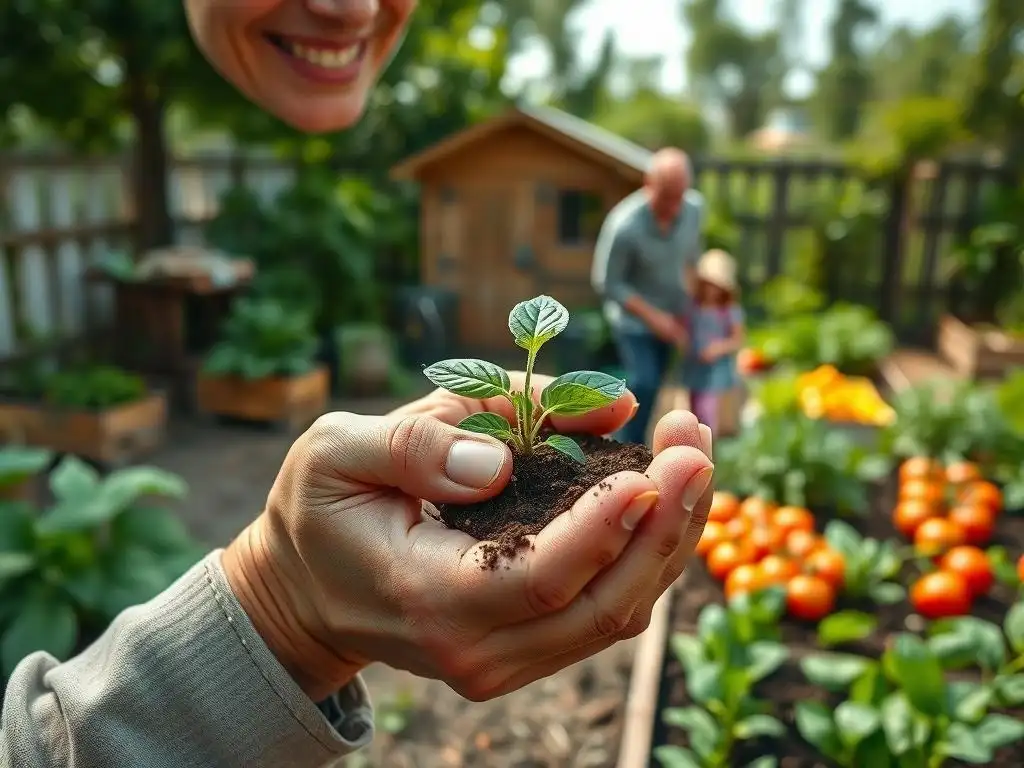
Choosing the right organic gardening workshop for your family hinges significantly on the instructor's qualifications. Don't just settle for any online course; delve into the instructor's background. Look for evidence of extensive experience in organic gardening practices. A certification in organic agriculture or permaculture is a strong indicator of expertise. Many reputable instructors will proudly display their credentials on their website or course platform.
Furthermore, consider the instructor's teaching style. Does their approach resonate with your family's learning preferences? Some instructors might favor a hands-on, practical approach, while others might lean more toward theoretical instruction. Reviews from previous participants can offer invaluable insights into the instructor's teaching effectiveness and overall course quality.
Reading testimonials can help you gauge whether the instructor is patient, knowledgeable, and able to effectively communicate complex concepts to a diverse audience, including families with children of varying ages. Look for mentions of their ability to adapt their teaching to different learning styles and age groups. A seasoned and certified instructor will likely be better equipped to handle the nuances of organic gardening and answer your family's specific questions effectively. Remember, investing time in researching the instructor is an investment in your family's learning journey.
Factor in Budget and Scheduling Constraints
Budgetary considerations are crucial when choosing an organic gardening workshop for your family. Online workshops vary significantly in price, ranging from free introductory courses to premium courses costing hundreds of dollars. Carefully compare the cost of different workshops against the value they offer. Consider the course content, the instructor's expertise, and the overall learning experience. A more expensive workshop might justify its cost through comprehensive materials, personalized feedback, or extended access to the instructor.
However, a less expensive option might still provide excellent value, especially for families on a tight budget. Don't forget to factor in additional costs such as purchasing seeds, tools, or other gardening supplies that might be required for the course. Scheduling flexibility is equally important. Family life is often unpredictable, so selecting a workshop that accommodates your family's schedule is essential.
Look for workshops that offer flexible learning options, such as self-paced courses or recorded sessions, allowing you to learn at your own convenience without rigid time constraints. Some workshops might offer live sessions, which may require a more committed time investment. Consider your family's availability and choose a format that best fits your lifestyle and avoids unnecessary stress. Ultimately, the best workshop will balance cost-effectiveness, comprehensive learning, and scheduling convenience.
Maximizing Your Family's Organic Gardening Success
This section focuses on strategies to ensure your family's organic gardening journey is not only productive but also enjoyable and rewarding. We'll explore practical techniques to boost yields and minimize common setbacks, all while fostering a strong connection with nature. Remember, successful organic gardening is a process of learning and adapting, and celebrating even small victories along the way!
Creating a Family Garden Plan
Before you even touch a shovel, a well-defined plan is crucial for a successful family gardening experience. This isn't about rigid blueprints; it's about collaborative family engagement. Start by brainstorming together! What vegetables, fruits, and herbs does everyone enjoy? Consider space limitations, sunlight exposure, and each family member's potential contributions.
A visual plan can be incredibly helpful. Consider using graph paper to sketch out your garden beds, noting the sun's path throughout the day. This helps determine the best location for sun-loving plants like tomatoes versus shade-tolerant greens like lettuce. You can even create a fun family chart assigning different gardening tasks to each member based on age and ability. For example, younger children can water plants, while older children can help with weeding or harvesting.
Here's a sample table to get you started:
| Family Member | Assigned Tasks | Estimated Time Commitment (weekly) |
|---|---|---|
| Mom | Planning, composting | 2 hours |
| Dad | Heavy lifting, soil prep | 3 hours |
| Child 1 (8 years) | Watering, weeding | 1 hour |
| Child 2 (12 years) | Harvesting, pest control | 1.5 hours |
Remember to account for succession planting – planting new crops as others are harvested to ensure a continuous supply of fresh produce throughout the growing season. This maximizes your garden's productivity and keeps the whole family engaged. Don't forget to factor in time for unexpected events, like pest infestations or unexpected weather changes. Flexibility is key!
Incorporating Fun and Educational Activities
Organic gardening offers a fantastic opportunity to blend education and entertainment for the whole family. Transform chores into engaging activities! Make it a family project to build raised garden beds or a compost bin, fostering teamwork and a sense of accomplishment.
Consider these fun educational activities:
- Seed Starting: Germinating seeds is a magical process that captures children's imaginations. Let them help plant seeds in small pots and watch them sprout. This teaches them about the life cycle of plants and the importance of patience.
- Nature Walks: Regular nature walks around your garden or local parks can be a great way to identify beneficial insects and learn about different plant species. This helps children understand the interconnectedness of the ecosystem.
- Gardening Journal: Encourage kids to keep a gardening journal, documenting their observations, challenges, and successes. This promotes scientific thinking and strengthens their writing skills. They can draw pictures of their favorite plants or record the weather conditions each day.
- Cooking with the Harvest: Involving the family in preparing meals using fresh produce from your garden adds another layer of engagement. This teaches children about healthy eating and where their food comes from. The joy of tasting the fruits (literally!) of your labor is incredibly rewarding.
Remember, the goal is to make gardening a fun and engaging family activity. The more everyone participates, the more successful and enjoyable your organic gardening journey will be. 🥕🍅🌶️
Troubleshooting Common Organic Gardening Challenges
Even with careful planning, organic gardening presents challenges. Knowing how to address these issues proactively minimizes frustration and maximizes your harvest.
- Pest Control: Organic pest control relies on natural methods like introducing beneficial insects (ladybugs for aphids), using insecticidal soap, or companion planting (planting certain plants together to deter pests). Regular monitoring is key to early detection and prevention.
- Disease Management: Proper spacing between plants promotes good air circulation, reducing the risk of fungal diseases. Rotating crops annually helps prevent soilborne diseases.
- Weed Control: Mulching helps suppress weeds while retaining soil moisture. Regular weeding is essential, but make it a family activity! Turn it into a game, seeing who can pull the most weeds.
- Nutrient Management: Composting is crucial for providing essential nutrients to your plants organically. Regular soil testing helps determine nutrient deficiencies and guide fertilization strategies.
Remember that organic gardening takes time and patience. Don't be discouraged by setbacks. Learn from your mistakes, adapt your techniques, and celebrate your successes. The rewards of growing your own healthy food are immeasurable, both for your family’s health and your family’s bond. This is a journey of learning and growth—for both you and your family!
Resources for Continued Learning and Support
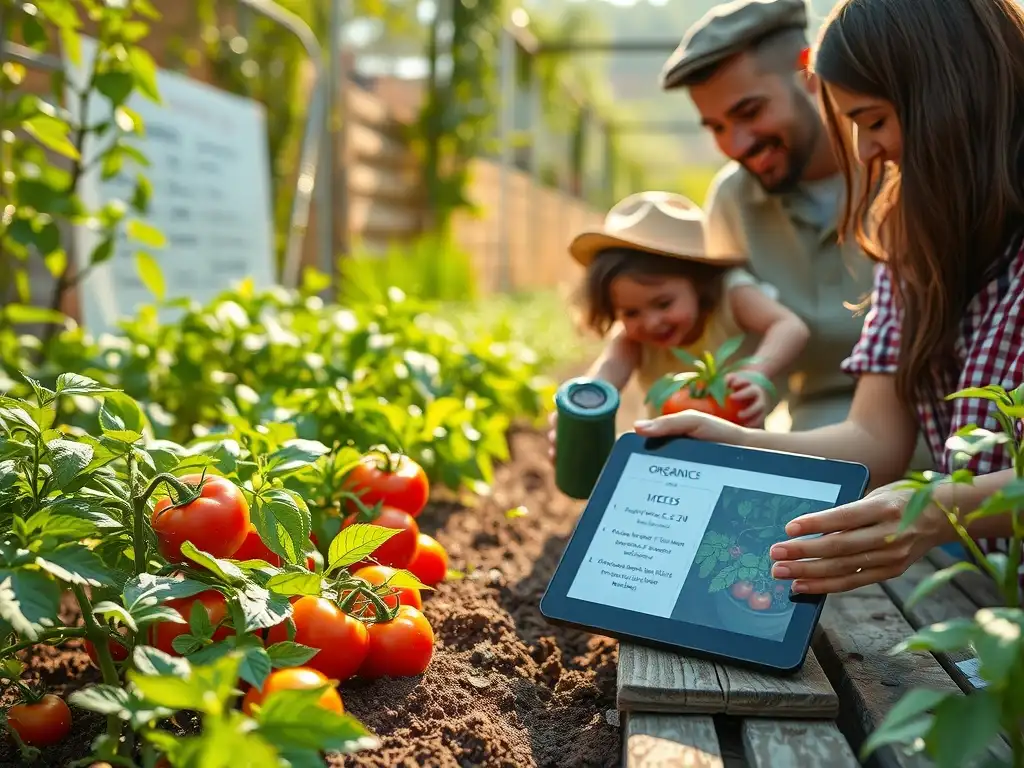
Engaging in organic gardening as a family is a rewarding journey, but it's also one that requires continuous learning and adaptation. To maximize your success and ensure your family garden flourishes, access to reliable resources is crucial. Beyond the initial workshop, consider supplementing your knowledge with a variety of tools and communities.
Many online platforms offer detailed guides and tutorials on specific organic gardening techniques. These resources often cover topics such as soil testing and amendment, companion planting for pest control, and efficient irrigation strategies. Look for platforms that provide step-by-step instructions with high-quality images or videos, ensuring clarity for both adults and children involved in the gardening process. Remember to cross-reference information from multiple sources to confirm best practices and avoid misinformation.
Joining online forums or social media groups dedicated to organic gardening can provide invaluable support. These communities offer a space to connect with experienced gardeners, ask questions, share successes and challenges, and learn from others' experiences. The collaborative nature of these groups can be particularly beneficial for families, fostering a sense of community and shared learning. Participating actively, asking thoughtful questions, and contributing your own insights will help you build valuable relationships and expand your knowledge base. Remember to be mindful of the information you receive; always verify advice from multiple sources before implementing it in your garden.
Consider subscribing to reputable organic gardening magazines or newsletters. These publications frequently feature articles on seasonal planting, pest management, and innovative gardening techniques. The structured format and expert advice presented in these materials can provide a deeper understanding of various organic gardening practices than less curated online resources. Look for publications that cater to families, offering activities and projects appropriate for children of different ages. This can make learning about organic gardening a fun and engaging family activity.
Building a Thriving and Sustainable Family Garden
Creating a thriving and sustainable family garden requires careful planning and consistent effort. It's not just about planting seeds and hoping for the best; it's about understanding the needs of your plants and creating an environment where they can flourish. This involves several key considerations.
First, soil health is paramount. Organic gardening emphasizes building healthy soil rich in nutrients and beneficial microorganisms. This involves regular composting, using organic fertilizers, and avoiding harmful chemicals. Composting kitchen scraps and yard waste is a great way to involve children in the process, teaching them about the cycle of life and the importance of reducing waste. Consider building a compost bin as a family project, fostering a sense of ownership and responsibility. Regular soil testing can help you understand your soil's nutrient levels and adjust your fertilization strategies accordingly.
Next, water conservation is crucial, especially in drier climates. Efficient irrigation techniques, such as drip irrigation or soaker hoses, minimize water waste and ensure your plants receive the water they need. Teaching children about the importance of water conservation can instill lifelong habits of responsible resource management. Incorporate rain barrels into your gardening system to collect rainwater for irrigation, reducing reliance on municipal water supplies.
Furthermore, pest and disease management requires a proactive approach. Organic gardening relies on natural methods of pest control, such as companion planting, beneficial insects, and organic pesticides. Learning to identify common garden pests and diseases is an important skill for every family gardener. Encourage children to participate in regular garden inspections, teaching them to identify and address problems early on. This can turn pest control into an engaging learning experience rather than a chore.
Finally, planning for the future is essential for a sustainable family garden. Choose plants that are well-suited to your local climate and soil conditions. Consider rotating crops annually to maintain soil fertility and prevent pest buildup. Develop a long-term plan for your garden, thinking about how you can expand and improve it over time. This long-term perspective will ensure your family garden continues to thrive for years to come, providing fresh, healthy produce for your family and fostering a connection with nature.
Frequently Asked Questions about Online Organic Gardening Workshops (FAQ)

This section addresses common questions about our online organic gardening workshops, designed to help families cultivate healthy food together. We aim to make organic gardening accessible and enjoyable for everyone, regardless of prior experience.
What if my family doesn't have a garden?
Many families believe that a large, dedicated garden space is a prerequisite for successful organic gardening. This is a misconception! Even without a traditional backyard garden, you can still participate fully in our workshops and enjoy the benefits of homegrown produce. Our workshops emphasize adaptable techniques for various spaces.
Here are some alternatives to a traditional garden:
- Container Gardening: Use pots, planters, and even repurposed containers to grow vegetables, herbs, and even some fruits on balconies, patios, or even windowsills. We'll provide guidance on selecting appropriate containers and suitable plants for container gardening during the workshops. 🍅
- Vertical Gardening: Maximize limited space by utilizing vertical gardening techniques. Think trellises, hanging baskets, and wall-mounted planters. We'll showcase effective vertical gardening methods suitable for various plant types. 🌱
- Community Gardens: Check if your community offers shared gardening plots. This is a great way to learn from experienced gardeners and share the workload, even if you lack space at home. 🤝
Remember, the most important thing is to start small and gradually expand your gardening efforts as your confidence and space allow. Our workshops are designed to empower you to find the perfect gardening solution for your family, regardless of your current setup.
Are these workshops suitable for all ages?
Absolutely! Our organic gardening family workshops are designed to be engaging and informative for all ages. We understand that families consist of individuals with diverse levels of gardening experience and physical abilities. Therefore, we incorporate age-appropriate activities and learning styles into our curriculum.
Here's how we cater to different age groups:
| Age Group | Activities & Adaptations |
|---|---|
| Young Children (3-7) | Simple tasks like watering, planting seeds, and observing plants. |
| Older Children (8-12) | More involved tasks like weeding, transplanting seedlings, and basic composting. |
| Teenagers & Adults | Comprehensive instruction on organic gardening practices, pest control, and harvesting. |
We encourage family participation, highlighting the collaborative aspects of gardening. Children learn valuable life skills, such as responsibility and patience, while adults gain practical knowledge and connect with nature. The workshops foster a fun, inclusive environment where everyone can contribute and learn.
What kind of equipment do I need?
You don't need expensive, specialized equipment to participate in our workshops. Most of the tools and materials you’ll need are readily available or can be easily sourced.
Here's a suggested list of essential equipment:
- Basic Gardening Tools: A trowel, hand rake, and garden gloves are sufficient to start. More advanced tools can be acquired gradually.
- Watering Can or Hose: Consistent watering is crucial for successful gardening.
- Containers (if applicable): Select containers suitable for your chosen plants and space. Ensure adequate drainage.
- Seed Starting Kit (optional): For those who want to start seeds indoors before transplanting.
- Organic Compost (optional): Enhances soil quality and promotes healthy plant growth.
Remember, you don't need to buy everything at once. Start with the basics, and gradually expand your collection as your gardening skills and needs evolve. We'll provide detailed guidance on improvising and utilizing readily available resources throughout the workshops. The focus is on organic gardening practices, not expensive equipment.
What is the level of commitment required?
Participating in our online organic gardening family workshops requires a time commitment that varies depending on the specific course. Generally, expect to dedicate approximately 2-3 hours per week for the duration of the workshop. This includes time for watching pre-recorded video lectures, completing practical exercises in your garden (or designated space), and engaging in online discussions with the instructor and fellow participants. Some workshops might involve more hands-on activities, potentially increasing the time commitment slightly.
We strive to make the learning experience manageable and enjoyable, even for busy families. We understand that life happens, and we offer flexible scheduling options whenever possible. Remember, the goal is to learn at your own pace and integrate organic gardening practices into your family's lifestyle gradually.
We encourage you to set realistic goals and prioritize your participation in a way that works best for your family's schedule. Don't feel pressured to do everything at once—small, consistent efforts yield significant results in organic gardening. 🌱
What if I have questions after the workshop?
We understand that questions may arise even after the workshop concludes. To ensure continued support and learning, we offer several options for post-workshop assistance. Firstly, many of our workshops include a dedicated online forum or community space where you can interact with the instructor and other participants. This platform allows for ongoing discussions, the sharing of experiences, and the seeking of clarification on concepts covered during the workshop.
Secondly, most instructors provide email support for a specified period after the workshop's completion. This allows you to reach out directly with your specific questions and receive personalized guidance. Finally, we often offer supplementary resources, such as downloadable guides and additional reading materials, to further deepen your understanding of organic gardening practices. We are committed to your success and strive to provide comprehensive support beyond the initial workshop sessions.
We believe that ongoing learning and community support are key to fostering a thriving organic garden and a healthy family lifestyle. So, don't hesitate to reach out—we're here to help you every step of the way! 👨👩👧👦
Frequently Asked Questions
What topics are covered in your online Organic Gardening for Healthy Families workshops?
Our workshops cover a wide range of topics, including soil preparation, seed starting, organic pest control, harvesting techniques, and composting. We also discuss sustainable gardening practices to benefit your family and the environment.
Are your workshops suitable for families with young children?
Absolutely! Our workshops are designed to be engaging and informative for all ages. We incorporate hands-on activities and age-appropriate explanations to make learning fun for the whole family.
What materials will I need for the workshops?
You'll need a basic gardening toolkit, including a trowel, small hand rake, and gardening gloves. A detailed list of necessary materials will be provided before the workshop starts, ensuring you have everything you need for a successful learning experience.
How do I access the online workshops?
Once registered, you'll receive a link and login details to access our online learning platform. The workshops are delivered through livestream video sessions, with recorded versions available for later viewing.
What makes your workshops different from other organic gardening courses?
Our workshops emphasize family participation and sustainable organic practices. We focus on creating a fun and educational experience for families, while teaching practical skills for growing healthy food at home. We also provide ongoing support and resources after the workshop concludes.
Final Reflection: Cultivating a Greener Future, One Family at a Time
The rise of online learning has democratized access to vital skills, and nowhere is this more impactful than in the realm of sustainable living. Learning to grow your own organic food isn't just a hobby; it's a powerful act of self-sufficiency, a commitment to healthier eating, and a vital step towards environmental stewardship in a world increasingly reliant on unsustainable agricultural practices.
The shift towards organic gardening, fueled by a growing awareness of the environmental and health impacts of conventional farming, is profoundly reshaping our relationship with food. This movement extends beyond simply growing vegetables; it fosters a deeper connection with nature, strengthens family bonds through shared experiences, and empowers individuals to take control of their food security. The best way to find yourself is to lose yourself in the service of others.
– Mahatma Gandhi. This quote resonates deeply, as the act of nurturing plants and sharing the bounty with loved ones fosters a sense of community and shared purpose, enriching our lives in ways that extend far beyond the garden itself.
Now, consider your own family. Imagine the satisfaction of harvesting your own tomatoes, the joy of children discovering the wonder of nature firsthand, and the pride in creating a healthier, more sustainable lifestyle for yourselves. Take the first step today. Explore the resources mentioned in this article, find a workshop that suits your family's needs, and begin cultivating your own patch of green. The journey towards a healthier, more sustainable future begins with a single seed, planted with intention and nurtured with love.
Ready to Grow Your Green Thumb & Healthier Family Meals?
Thank you for your interest in the joys and benefits of organic gardening! We hope you're inspired to cultivate a healthier, more sustainable lifestyle for your family. Now, let's get started!
- Begin planning your family garden now! Consider what you'd like to grow, where you'll plant it, and the resources you'll need. This is the crucial first step.
- Share your gardening experiences and questions with our community on the CultivateYourFood forum—we'd love to hear from you!
- Explore our extensive library of resources for advanced gardening techniques and recipes.
What are you most excited to grow in your garden this year, and why?