
The Impact of Rainwater Harvesting on Your Water Bill

Ready to transform your garden and your wallet? At CultivateYourFood, we empower you to grow your own delicious fruits, vegetables, and herbs using sustainable methods. Discover how simple changes, like harvesting rainwater, can drastically lower your water bill and contribute to a healthier, more eco-friendly lifestyle. Learn the secrets to bountiful harvests and sustainable gardening – your journey to a greener, more rewarding future starts now!
- Understanding Your Water Bill and its Components
- Harvest Rainwater Lower Water Bill: How Rainwater Harvesting Works
- Calculating Potential Savings with Rainwater Harvesting
- Implementing Rainwater Harvesting for Significant Savings
- Beyond the Water Bill: Additional Benefits of Rainwater Harvesting
- Harvest Rainwater Lower Water Bill: Getting Started Today
- Frequently Asked Questions
- Final Reflection: The Enduring Power of Rainwater Harvesting
- Unlock Your Water Savings Today!
Understanding Your Water Bill and its Components
Harvesting rainwater can significantly lower your water bill, offering both environmental and financial benefits. This article will explore how rainwater harvesting directly impacts your monthly expenses by reducing reliance on municipal water supplies. We'll delve into understanding your current water usage, identifying peak consumption periods, and ultimately showing how incorporating a rainwater harvesting system can lead to substantial savings.
This is particularly important for gardeners, who often represent a significant portion of household water usage. By understanding the components of your water bill and analyzing your consumption patterns, you can accurately assess the potential savings associated with rainwater harvesting, making an informed decision about implementing this sustainable practice. Let's explore how you can effectively utilize rainwater to cultivate your fruits, vegetables, and herbs while minimizing your environmental footprint and your expenses.
Deciphering Water Usage Charges
Your water bill is more than just a single number; it's a detailed breakdown of your water consumption and associated costs. Understanding this breakdown is crucial to accurately assessing the potential savings from rainwater harvesting. Typically, a water bill includes several key components:
- Base Charge: This is a fixed fee charged regardless of your water usage. It covers the infrastructure costs associated with water delivery and treatment.
- Consumption Charge: This is the variable portion of your bill, directly related to the amount of water you use. This is often tiered, meaning the price per unit of water increases as your consumption rises.
- Sewer Charge: This charge is often linked to your water consumption, reflecting the cost of treating wastewater. Rainwater harvesting can reduce your water consumption, potentially leading to lower sewer charges.
- Other Charges: This may include additional fees for services like meter reading or late payment penalties.
Analyzing these components helps you identify where your water usage is highest and where you can implement conservation measures, such as rainwater harvesting. For example, a high consumption charge during peak growing seasons could be significantly reduced by utilizing harvested rainwater for irrigation. Let's look at some real examples: A family of four in a dry climate might see a 30% reduction in their consumption charge by supplementing their garden watering with rainwater. Conversely, those in areas with plentiful rainfall could see even greater savings, potentially reducing their overall water bill by 40-50% or more.
Identifying Peak Water Usage Periods
To effectively utilize rainwater harvesting, it's essential to pinpoint periods of high water consumption. This often correlates with specific seasons or activities. For gardeners, the peak water usage period typically coincides with the warmest months when plants require more frequent watering. Analyzing your past water bills can reveal these peak periods.
| Month | Average Water Usage (gallons) | Notes |
|---|---|---|
| January | 2,500 | Low usage, minimal gardening activity |
| February | 2,800 | Slight increase, early spring planting |
| March | 3,500 | Increased gardening activity |
| April | 4,200 | Peak gardening season begins |
| May | 4,800 | Highest water consumption for the year |
| June | 4,500 | High usage, but slightly decreasing |
| July | 4,000 | Decreasing usage |
| August | 3,800 | Continued decrease |
| September | 3,200 | Significant decrease |
| October | 2,900 | Lower usage, fall gardening winding down |
| November | 2,700 | Minimal gardening activity |
| December | 2,600 | Lowest usage of the year |
By identifying these peak usage periods, you can strategically plan your rainwater harvesting system to maximize its impact during times of highest water demand. This targeted approach ensures that you're capturing and using rainwater precisely when you need it most.
Analyzing Your Current Water Consumption Patterns
Understanding your current water consumption patterns is crucial for projecting the potential savings from rainwater harvesting. This involves a careful review of your water bills, paying close attention to the trends and fluctuations in usage over time. Are there any recurring spikes in consumption? Can these spikes be attributed to specific activities, such as lawn watering or gardening?
The more detailed your analysis, the more accurate your projection of savings will be. Consider keeping a detailed log of your water usage, noting which activities consume the most water, to further refine your understanding of your household's water consumption habits. This detailed analysis will allow you to create a personalized plan for rainwater harvesting that optimally addresses your specific needs and results in the greatest possible reduction in your water bill.
Harvest Rainwater Lower Water Bill: How Rainwater Harvesting Works
Rainwater harvesting offers a powerful way to significantly reduce your reliance on municipal water supplies, leading to substantial savings on your water bill. By collecting and storing rainwater, you create a readily available resource for irrigating your garden, thus lessening the demand on your tap water. This sustainable practice not only benefits your wallet but also contributes to water conservation efforts, reducing strain on local water infrastructure.
The savings can be considerable, especially in regions with high water prices or during periods of drought. The exact amount you can save will depend on factors such as the size of your collection system, rainfall patterns in your area, and your garden's water needs. Let's delve into the specifics.
Collecting Rainwater: Different System Options
The first step in harvesting rainwater is to collect it effectively. Several systems cater to different needs and budgets. Simple systems might involve placing strategically positioned barrels beneath downspouts, while more elaborate setups could include interconnected gutters, larger tanks, and even underground reservoirs.
The choice of system depends on several factors:
- Roof size: A larger roof surface area naturally collects more rainwater.
- Rainfall patterns: Regions with abundant rainfall will require larger storage capacity.
- Garden size: The size of your garden directly influences the amount of water you'll need to collect.
- Budget: Simple systems are more affordable, while larger, more complex systems require a greater investment.
Here's a comparison of common rainwater collection systems:
| System Type | Description | Cost | Capacity | Maintenance |
|---|---|---|---|---|
| Simple Barrel System | Basic setup using barrels under downspouts. | Low | Low | Low |
| Gutter and Tank System | More complex system with integrated gutters and larger storage tanks. | Medium | Medium | Moderate |
| Underground Reservoir | Subterranean storage providing consistent water supply and temperature regulation. | High | High | High |
Choosing the right system involves careful consideration of these factors to ensure efficient and cost-effective rainwater harvesting. Remember to always check local regulations before installing any system.
Storing Rainwater: Tank Sizes and Materials
Once collected, rainwater needs proper storage. The size of the storage tank is crucial and depends on the factors mentioned previously. Common storage options include:
- Plastic tanks: Affordable, lightweight, and readily available in various sizes. However, they may degrade over time under exposure to UV radiation.
- Concrete tanks: Durable and long-lasting, offering excellent protection against UV damage. However, they are more expensive and require professional installation.
- Steel tanks: Strong and durable, but susceptible to rust unless properly coated.
Consider these factors when selecting a tank:
- Capacity: Choose a tank size that meets your garden's water needs, considering rainfall patterns and potential dry periods. Overestimating is generally better than underestimating.
- Material: Balance cost, durability, and maintenance requirements when choosing the tank material.
- Location: Ensure the tank is placed on stable ground, protected from direct sunlight (to minimize algae growth), and easily accessible for maintenance and water extraction.
Proper tank sizing is essential for efficient rainwater harvesting. Undersized tanks can lead to overflow during heavy rainfall, while oversized tanks might be unnecessarily expensive and occupy valuable space.
Filtering and Treating Harvested Rainwater for Irrigation
While rainwater is generally cleaner than municipal water, it's crucial to filter and treat it before using it for irrigation to prevent the introduction of contaminants into your garden. Simple filtration methods include using a mesh screen to remove debris, leaves, and insects. More advanced systems might involve using sand filters or UV sterilization to eliminate bacteria and other microorganisms.
The treatment level required depends on several factors:
- Roof material: Clean roofs (e.g., metal) generally produce cleaner water than those with moss or decaying organic matter.
- Surrounding environment: Areas with high levels of air pollution might require more rigorous filtration.
- Intended use: Water used for irrigation may require less stringent treatment than water used for drinking or food preparation.
The process of filtering and treating harvested rainwater helps ensure that the water you use to irrigate your garden is safe and beneficial for your plants, minimizing the risk of introducing diseases or harmful substances. Always prioritize water quality to maximize the benefits of rainwater harvesting for a thriving and healthy garden. 🌱
Calculating Potential Savings with Rainwater Harvesting
This section delves into the practical aspects of calculating how much you can save on your water bill by implementing a rainwater harvesting system. We'll explore methods to estimate your current water usage, determine your rainwater collection potential, and finally, project your potential savings. Remember, the actual savings will vary depending on factors like rainfall amounts, system efficiency, and your individual water consumption habits. Optimizing your rainwater harvesting for maximum "harvest rainwater lower water bill" impact requires careful planning and calculation.
Estimating Your Annual Water Usage
Before assessing the potential savings, accurately estimating your current annual water usage for gardening is crucial. This forms the baseline against which we'll measure the impact of rainwater harvesting. Many water companies provide detailed annual usage reports online; check your account to access this information. If this isn't available, meticulously track your water meter readings over a year, noting the amount used for irrigation specifically. This will usually be a significant portion of your total water bill.
Consider these factors when analyzing your water bill:
- Seasonal Variations: Water usage for gardening is highly seasonal. Expect higher consumption during drier months and lower usage during the rainy season. Analyzing monthly data provides a more accurate picture than just annual totals.
- Watering Methods: Different watering methods (e.g., sprinklers, drip irrigation, soaker hoses) have varying water efficiencies. Drip irrigation, for example, is significantly more efficient, reducing overall consumption.
- Plant Type and Density: The type and number of plants significantly influence water requirements. Water-intensive plants like tomatoes and peppers will naturally increase your consumption compared to drought-tolerant varieties.
To illustrate, let's say your annual water bill shows 10,000 gallons used for irrigation. This is our starting point for calculating potential savings. Remember to replace this with your own figures for accurate results.
Calculating Rainwater Collection Potential
Determining your rainwater collection potential involves assessing the size of your collection area (roof, for example) and the average annual rainfall in your region. You can find average annual rainfall data online through meteorological websites or your local water authority.
Let's assume you have a 500 square foot roof and an average annual rainfall of 40 inches. To calculate the potential rainwater harvest, we need to convert inches of rainfall to gallons.
Here's a simplified calculation:
- Convert square feet to square inches: 500 sq ft * 144 sq in/sq ft = 72,000 sq in
- Convert inches of rainfall to cubic inches: 72,000 sq in * 40 in = 2,880,000 cubic in
- Convert cubic inches to gallons: 2,880,000 cubic in / 231 cubic in/gallon ≈ 12,467 gallons
This calculation provides a theoretical maximum. In reality, you'll likely collect less due to factors like evaporation, runoff, and system inefficiencies. A realistic estimate might be 70-80% of the theoretical maximum. In our example, this translates to approximately 8727 - 9973 gallons of harvestable rainwater.
Projected Savings on Your Water Bill: A Case Study
Let's combine our estimations to project savings. Using our example from above:
- Annual irrigation water usage: 10,000 gallons
- Estimated harvestable rainwater: 9000 gallons (taking 80% efficiency into account)
- Water usage reduction: 9000 gallons (harvested) / 10,000 gallons (total) = 90% reduction
This 90% reduction translates to significant savings on your water bill. The exact monetary savings will depend on your water rate per gallon. If your water rate is $0.01 per gallon, the savings would be $90. However, the initial investment in a rainwater harvesting system needs to be considered alongside the long-term savings. Remember that this is just a case study; your actual savings will vary significantly based on your specific circumstances. Thorough planning and accurate estimations are key to maximizing the "harvest rainwater lower water bill" benefits.
Implementing Rainwater Harvesting for Significant Savings
Rainwater harvesting offers a powerful way to reduce reliance on municipal water supplies, directly impacting your water bill and promoting sustainable gardening practices. By collecting and storing rainwater, you create a readily available source for irrigating your fruits, vegetables, and herbs, minimizing the amount of tap water needed. This translates to substantial savings over time, especially in regions with water restrictions or high water prices.
The extent of these savings depends on several factors, including the size of your garden, the amount of rainfall in your area, and the efficiency of your rainwater harvesting system. Let's delve into the specifics.
Choosing the Right System for Your Needs
Selecting the appropriate rainwater harvesting system is crucial for maximizing its effectiveness and minimizing installation costs. Several factors influence this choice: the size of your garden, the average annual rainfall in your location, and your budget. Smaller gardens might benefit from simple systems like rain barrels, which are relatively inexpensive and easy to install. Larger gardens, however, may require more complex systems involving larger tanks, gutters, and filtration mechanisms.
Consider these points when making your decision:
- Rain Barrel Capacity: A single rain barrel might suffice for a small herb garden, but several barrels or a larger tank will be necessary for a larger vegetable patch. Think about the average rainfall during your growing season and choose a capacity that can adequately store enough water to sustain your plants.
- Filtration: While simple systems may not require filtration, more complex setups often benefit from filters to remove debris and sediment that could clog irrigation lines or harm plants. A simple mesh filter is often sufficient, but more advanced filtration systems might be necessary depending on your water quality needs.
- Water Storage: Underground tanks offer a more aesthetically pleasing solution and prevent algae growth, while above-ground tanks are easier to access and inspect. Choose a material that's durable and appropriate for your climate. Consider factors such as UV resistance and potential for freezing.
- Pumping Systems: If your storage tank is located below the level of your garden, a pumping system will be needed to distribute the water. The pump's capacity should match the water demand of your garden.
Careful planning and consideration of your specific needs will ensure you invest in a system that delivers optimal results and maximizes your "harvest rainwater lower water bill" efforts.
Installation and Maintenance Tips for Rainwater Harvesting Systems
Proper installation and regular maintenance are key to ensuring the longevity and efficiency of your rainwater harvesting system. A poorly installed system can lead to leaks, clogs, and reduced water collection, negating the potential savings.
Here are some essential tips:
- Gutter Installation: Ensure your gutters are clean and free of debris before connecting them to your collection system. Properly sloped gutters are crucial for efficient water flow.
- Downpipe Connection: The connection between your gutters and the storage tank should be secure and leak-proof. Use appropriate connectors and sealants to prevent water loss.
- Filter Placement: Install filters at strategic points to remove debris and prevent clogging. Regularly clean or replace filters as needed. This is critical for preventing the build-up of organic matter and maintaining water quality.
- Tank Maintenance: Inspect your tank regularly for leaks, cracks, or algae growth. Clean the tank periodically to remove sediment and maintain water quality. Consider adding a small amount of bleach to control algae growth. This preventative maintenance will extend the lifespan of your system and protect the health of your plants.
- Overflow Protection: Ensure your system has an overflow mechanism to prevent damage in case of heavy rainfall. This is a crucial safety measure to avoid flooding or damage to the system.
Long-Term Cost Savings and Return on Investment
The long-term financial benefits of rainwater harvesting are significant. While the initial investment in a system can vary depending on its complexity, the ongoing savings on your water bill can quickly offset these costs. Factors influencing the return on investment (ROI) include:
- Water Prices: Higher water prices in your region will lead to faster ROI.
- Rainfall: Areas with higher annual rainfall will experience greater savings.
- Garden Size: Larger gardens requiring more water will see a more substantial reduction in water bills.
Let's illustrate with a hypothetical example: Assume your current monthly water bill is $50, and by implementing a rainwater harvesting system, you reduce your water usage by 50%, resulting in a monthly savings of $25. With an initial investment of $500 for the system, the ROI would be achieved within 20 months (500/25 = 20). This is a simplified calculation, and actual savings may vary. However, it demonstrates the potential for substantial long-term cost savings and a positive return on investment over time.
This makes "harvest rainwater lower water bill" a highly effective strategy for the budget-conscious gardener committed to sustainability. Remember to factor in maintenance costs when calculating your ROI. Regular maintenance will ensure the long-term effectiveness of your system and protect your investment.
Beyond the Water Bill: Additional Benefits of Rainwater Harvesting
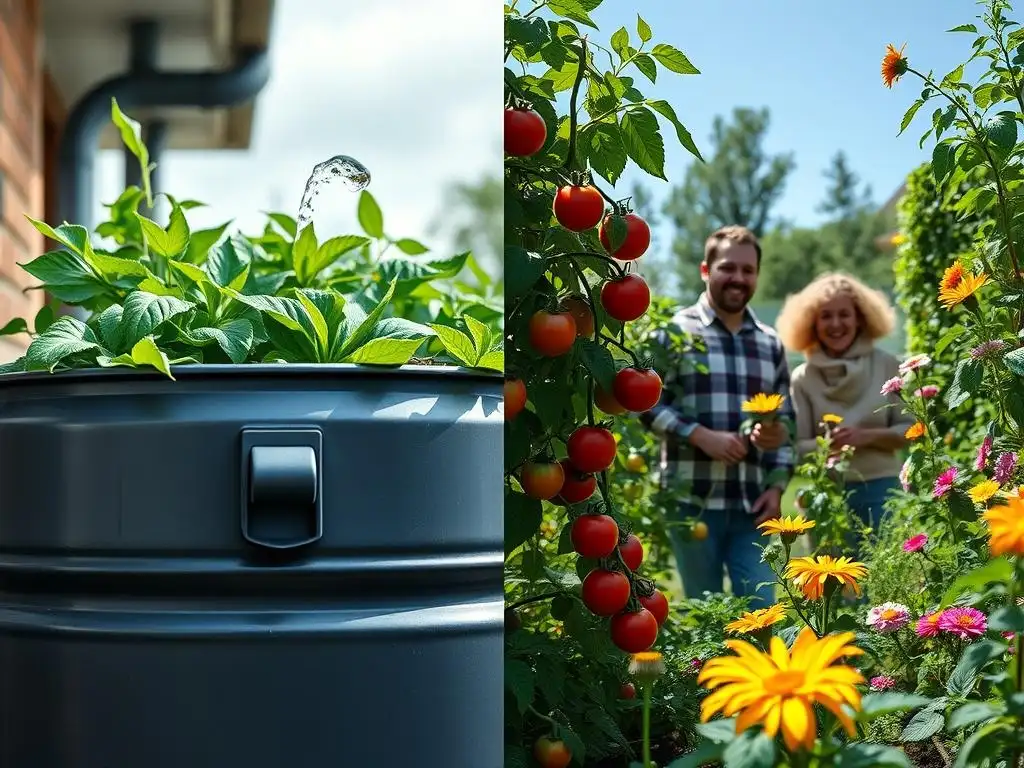
Harvesting rainwater offers significant financial advantages by lowering your water bill, but the benefits extend far beyond simple cost savings. This section explores the broader positive impacts of rainwater harvesting, focusing on environmental sustainability and improved garden health. Successfully implementing a rainwater harvesting system translates to a more sustainable and productive garden, contributing to a healthier planet and a more bountiful harvest.
Environmental Advantages of Rainwater Harvesting
Rainwater harvesting significantly reduces your reliance on municipal water supplies. Municipal water treatment and distribution are energy-intensive processes, contributing to greenhouse gas emissions. By using rainwater, you're directly lessening your carbon footprint and promoting a more environmentally friendly approach to gardening.
This contributes to water conservation efforts on a larger scale, reducing strain on local water resources, especially crucial in regions experiencing drought or water scarcity. The reduction in energy consumption associated with water treatment and transportation is a substantial, albeit often overlooked, benefit of rainwater harvesting. Furthermore, rainwater is naturally soft, lacking the harsh chemicals often found in treated tap water that can harm beneficial soil microorganisms and plants.
Consider this: a typical household might use [specific data pending] gallons of water per month for outdoor irrigation. Switching to rainwater harvesting could reduce this figure by [specific data pending] percent, resulting in considerable environmental gains. This translates to a significant reduction in both your water footprint and your carbon footprint. The environmental impact is amplified when considering the collective effect of many households adopting this sustainable practice.
Conserving Water Resources for Sustainable Gardening
Sustainable gardening hinges on responsible water management. Rainwater harvesting perfectly aligns with this principle. By collecting rainwater, you're essentially creating a reserve of water specifically tailored to your plants' needs. This eliminates the need for frequent watering with tap water, conserving a precious resource.
This is particularly valuable during periods of drought or water restrictions, ensuring your garden remains healthy and thriving even under challenging conditions. The consistent supply of rainwater minimizes stress on plants, leading to healthier growth and increased yields. Rainwater is also naturally filtered as it passes through the atmosphere, making it ideal for nourishing plants without the risk of introducing harmful chemicals or salts.
Moreover, using rainwater allows for more precise watering. You can install a drip irrigation system or soaker hoses connected to your rainwater collection system, ensuring water reaches the roots directly, minimizing water loss through evaporation. This targeted approach to watering is far more efficient than traditional methods, maximizing the use of every drop of collected rainwater and further contributing to water conservation.
Improving Soil Health with Rainwater Irrigation
Rainwater, unlike treated tap water, doesn't contain added chemicals like chlorine or fluoride. These chemicals can, over time, negatively impact soil health, harming beneficial microbes and altering soil pH. Rainwater, on the other hand, is naturally soft and slightly acidic, helping to improve soil structure and nutrient availability. This natural pH often benefits many plants, leading to healthier root systems and more vigorous growth. The absence of chlorine and other chemicals also protects the delicate balance of the soil ecosystem, fostering a thriving environment for beneficial microorganisms.
The improved soil health resulting from rainwater irrigation translates to healthier plants, increased yields, and a reduction in the need for chemical fertilizers. This creates a positive feedback loop: healthier soil leads to healthier plants, which in turn require less intervention and produce a more abundant harvest. This sustainable approach minimizes the environmental impact of your gardening practices while enhancing the overall health and productivity of your garden. The long-term benefits of using rainwater for irrigation far outweigh the initial investment in a rainwater harvesting system, ensuring a healthier garden and a lower water bill for years to come.
Harvest Rainwater Lower Water Bill: Getting Started Today
This section focuses on the practical steps you can take to begin harvesting rainwater and immediately start seeing reductions in your water bill. Implementing a rainwater harvesting system is a significant investment in long-term water savings and sustainable gardening practices. The initial outlay may seem substantial, but the cumulative savings over time often outweigh the upfront costs, especially considering rising water prices. Let's explore how to get started.
Assessing Your Property for Rainwater Harvesting
Before investing in a rainwater harvesting system, a thorough assessment of your property is crucial. This involves several key considerations that will directly impact the system's design, size, and ultimately, its effectiveness in lowering your water bill. The primary factors to evaluate include:
- Roof Size and Material: Larger roofs obviously collect more rainwater. The material also matters; metal roofs tend to be more efficient at shedding water than asphalt shingles, which can absorb some rainfall. Consider the slope of your roof; a steeper slope ensures faster runoff. A detailed measurement of your roof’s surface area is essential for calculating potential water collection.
- Available Space: You'll need sufficient space to store the collected rainwater. This could be in the form of above-ground tanks, underground cisterns, or a combination. Consider the aesthetics of the storage solution and its integration with your existing landscaping. Larger tanks generally offer greater storage capacity but require more space.
- Soil Type and Drainage: Understanding your soil's drainage characteristics is vital for designing an efficient system. Poor drainage could lead to waterlogging around the storage tank, potentially damaging the foundation or causing other issues. Consider the proximity of the storage tank to your garden beds to minimize the length of the distribution piping.
- Local Regulations: Check with your local authorities about any building permits or regulations concerning rainwater harvesting. Some areas may have restrictions on tank size or placement, and obtaining necessary permits before installation is crucial to avoid potential fines or legal complications. This is a critical step to ensure compliance and avoid future problems.
Finding Reliable Suppliers and Installers
Choosing the right suppliers and installers is paramount to ensure the longevity and efficiency of your rainwater harvesting system. A poorly designed or installed system can lead to leaks, inefficiencies, and ultimately, negate the potential water savings. Here's how to find trustworthy professionals:
- Request Multiple Quotes: Obtain at least three quotes from different suppliers and installers. This allows you to compare prices, system designs, and warranty offerings. Don't solely focus on the lowest price; consider the reputation and experience of the installer as well.
- Check References and Reviews: Thoroughly vet potential suppliers and installers by checking online reviews and requesting references from previous clients. Talking to past customers allows you to gauge their satisfaction and identify potential red flags.
- Verify Licensing and Insurance: Ensure that the chosen installer is properly licensed and insured to perform the work. This protects you from potential liability in case of accidents or damages during installation. This is a crucial aspect of protecting your investment.
- Clarify the Warranty: Understand the terms and conditions of the warranty offered on the system and its components. A comprehensive warranty can provide peace of mind and protect you from unexpected repair costs in the future. Pay close attention to the duration and coverage details.
Resources and Further Information on Rainwater Harvesting
For those seeking to delve deeper into the world of rainwater harvesting and its potential to significantly lower your water bill, several resources are available. These resources provide valuable information on various aspects of the process, from system design and maintenance to the long-term benefits of sustainable water management.
- Local Government Agencies: Many local government agencies offer resources and educational materials on rainwater harvesting, including guidelines for system installation and potential financial incentives or rebates. Explore your local council's website or contact them directly for more information.
- Environmental Organizations: Environmental organizations often provide valuable information and support for sustainable practices, including rainwater harvesting. They can offer guidance on choosing appropriate systems and best practices for water conservation.
- Online Forums and Communities: Online forums and communities dedicated to sustainable living and gardening can provide a wealth of practical advice and support from experienced rainwater harvesters. Engaging with these communities can provide valuable insights and solutions to potential challenges.
This detailed information should empower you to effectively harvest rainwater, significantly lowering your water bill and contributing to a more sustainable lifestyle. Remember, careful planning and selection of reliable professionals are crucial for success. 💧
Frequently Asked Questions
How does rainwater harvesting lower my water bill?
Rainwater harvesting reduces your reliance on municipal water for irrigation. By collecting and storing rainwater, you significantly decrease the amount of tap water needed for watering your garden, thus lowering your water bill. This translates to substantial savings over time.
What is the best way to collect rainwater?
The best method depends on your needs and space. Options include rain barrels, which are relatively inexpensive and easy to install, or more complex systems involving underground cisterns for larger-scale harvesting. Consider your roof size and rainfall amounts when choosing a system.
Is rainwater harvesting difficult to set up?
Not necessarily. Simple systems like rain barrels are relatively easy to install yourself with basic tools. More complex systems may require professional installation but still offer long-term cost savings and environmental benefits.
What can I use harvested rainwater for besides watering plants?
Harvested rainwater can be used for a variety of purposes, including toilet flushing, washing cars, and even cleaning. Always ensure the water is properly filtered and treated before using it for anything other than irrigation.
Are there any drawbacks to rainwater harvesting?
While beneficial, rainwater harvesting has limitations. Water quality can vary depending on your roof material and local air quality. You might need a filter to remove debris or contaminants. Also, consistent rainfall is necessary for effective harvesting.
Final Reflection: The Enduring Power of Rainwater Harvesting
The escalating cost of municipal water is undeniable, and the simple act of harvesting rainwater offers a powerful, sustainable solution. This isn't just about saving a few dollars on your monthly bill; it's about securing a more resilient future for ourselves and generations to come. The potential for significant water bill reduction, coupled with the environmental benefits, makes rainwater harvesting a compelling choice for homeowners and communities alike.
The shift towards water conservation is no longer a trend; it's a necessity. We've seen firsthand how drought and water scarcity impact communities worldwide, highlighting the urgent need for alternative water sources. The simple act of collecting rainwater resonates deeply with this growing awareness. Water is the driving force of nature.
– Leonardo da Vinci. This quote underscores the fundamental importance of water, and rainwater harvesting allows us to tap into this vital resource responsibly and efficiently, reducing our reliance on increasingly stressed municipal supplies.
Consider the impact you can make. Imagine the satisfaction of knowing you're reducing your environmental footprint while simultaneously lowering your water bill. This isn't just about saving money; it's about actively participating in a more sustainable future. Start small, research the options available in your area, and take the first step towards harnessing the power of rainwater. Your wallet and the planet will thank you.
Unlock Your Water Savings Today!
Thank you for exploring the world of rainwater harvesting! We hope you now understand its incredible potential to reduce your water bill and lessen your environmental impact. Ready to take the next step?
- Begin planning your own rainwater harvesting system: Start small—even a simple rain barrel can make a huge difference. Consider your roof size, water needs, and available space. Factor in things like your average rainfall and the size of your garden or lawn to determine the most appropriate system for your needs.
- Share this article with friends and family interested in conserving water and saving money. Let's build a community of sustainable living together!
- Explore local resources and incentives: Many communities offer support for water conservation projects. Check your local council website or contact your water utility company to see what's available in your area.
What rainwater harvesting solution will you implement first? Share your ideas in the comments below!