
SunLoving Herbs: CultivateYourFood's Guide to Growing Herbs in Intense Heat

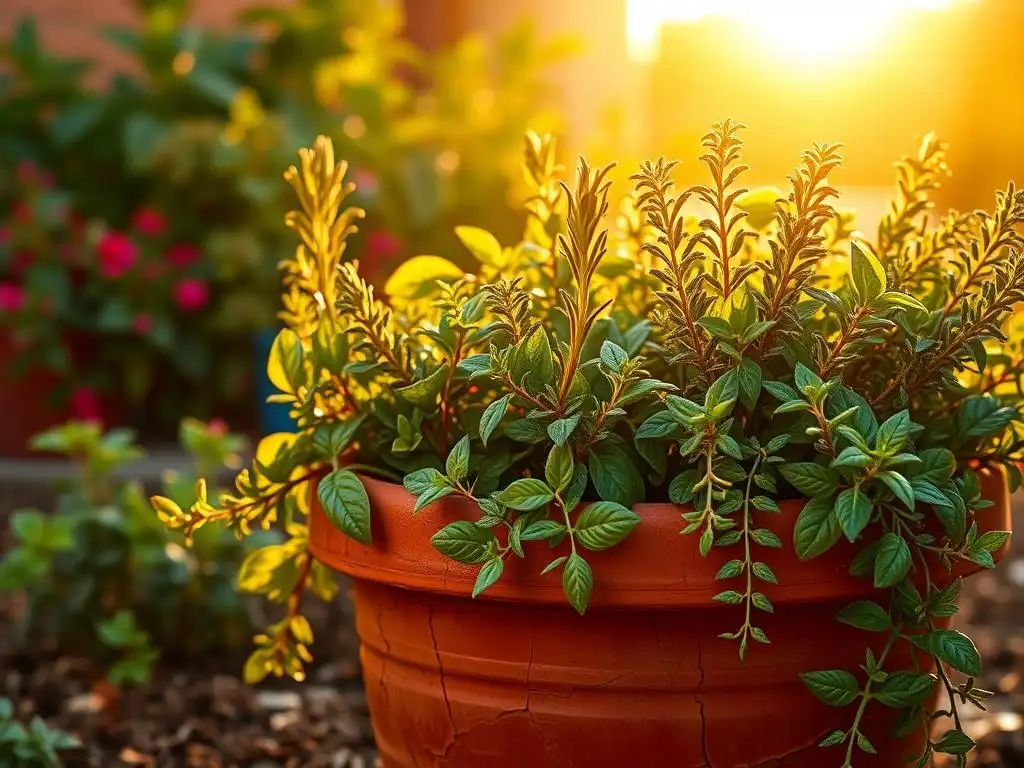
Welcome to CultivateYourFood, your guide to a thriving, sustainable garden! Are you ready to unlock the secrets to a bountiful harvest, even during the intense summer heat? Discover how to cultivate vibrant herbs and vegetables using organic methods, from planting to pest control. Learn the surprising techniques that will help your herbs flourish, no matter how scorching the sun. Let's dive into the world of resilient gardening – starting with our expert advice on growing herbs in intense summer heat.
- Understanding the Challenges of Growing Herbs in Intense Summer Heat
- Choosing the Best Location for Your Sun-Loving Herb Garden
- Essential Watering Techniques for Herbs in Intense Heat
- Soil Preparation and Nutrient Management for Thriving Herbs
- Pest and Disease Management in Hot and Dry Conditions
- Harvesting and Preserving Your Sun-Loving Herbs
- Troubleshooting Common Problems: Dealing with Heat Stress in Herbs
- Advanced Techniques for Growing Herbs in Extreme Heat
- Resources for Growing Herbs in Intense Summer Heat
- Frequently Asked Questions
- Final Reflection: Nurturing Life's Resilience in the Summer Sun
- Unleash Your Inner Herb Gardener: Grow a Sun-Kissed Harvest!
Understanding the Challenges of Growing Herbs in Intense Summer Heat
Summer's scorching sun brings joy to many, but for herb gardeners, intense heat can present significant challenges. Successfully cultivating fragrant and flavorful herbs during the hottest months requires understanding the specific needs of these plants and adapting your gardening practices accordingly. This comprehensive guide from CultivateYourFood will equip you with the knowledge and techniques to thrive, even when the mercury rises.
We’ll explore the effects of heat stress, guide you in selecting the right heat-tolerant herbs, and provide crucial advice on soil management to ensure your herb garden flourishes throughout the intense summer heat. This article will help you master the art of growing herbs in intense summer heat, allowing you to enjoy fresh, homegrown herbs all season long.
Learning to adapt your gardening strategies to the challenges posed by extreme heat is key to achieving a bountiful harvest, even during the most challenging summer months. Let's delve into the specifics of growing herbs in intense summer heat and unlock the secrets to a successful summer herb garden.
Heat Stress on Herb Plants: Recognizing the Symptoms
Intense summer heat can severely impact herb plants, leading to various stress symptoms. Recognizing these signs early is crucial for taking corrective action and preventing significant damage. Heat stress often manifests as wilting, even with adequate watering. Leaves may appear scorched or curled, exhibiting brown or yellowing edges. Growth can become stunted, and flowering and fruiting may be reduced or cease altogether.
Some herbs might even show signs of premature senescence, meaning they start to age and die earlier than expected. The severity of these symptoms depends on the herb species, the intensity of the heat, and the duration of exposure. For example, delicate herbs like cilantro and parsley are particularly vulnerable and may exhibit more pronounced symptoms compared to more resilient herbs like rosemary or thyme. 🌿
It's important to note that heat stress isn't always immediately apparent. Plants may initially show subtle signs, like slightly droopy leaves in the afternoon sun, which could easily be mistaken for simply needing watering. However, persistent wilting, discoloration, and stunted growth are clear indicators of a more serious problem.
Regular monitoring of your herb plants is essential for early detection and timely intervention. Regularly checking your herbs for these signs, paying close attention to their overall appearance and growth patterns, will allow you to address issues before they become critical. Remember, prevention is always better than cure when it comes to heat stress in your herb garden.
Selecting the Right Herbs for Hot Climates: Sun-Tolerant Varieties
Choosing the right herb varieties is paramount for success in hot climates. Not all herbs are created equal when it comes to heat tolerance. Some thrive under intense sun, while others wilt and struggle. Opting for sun-tolerant varieties is crucial for minimizing heat stress and maximizing your harvest. Here's a selection of herbs known for their resilience in intense summer heat:
| Herb | Heat Tolerance | Notes |
|---|---|---|
| Rosemary | High | Extremely drought-tolerant; prefers full sun |
| Thyme | High | Drought-tolerant; thrives in dry, hot conditions |
| Lavender | High | Extremely heat and drought-tolerant |
| Oregano | High | Drought-tolerant; prefers full sun |
| Sage | High | Drought-tolerant; prefers full sun |
| Basil (certain varieties) | Moderate | Some basil varieties are more heat-tolerant than others |
When selecting herbs, always check the plant tags or seed packets for information on heat tolerance. Look for descriptions indicating suitability for hot and dry climates. Furthermore, consider the specific microclimate of your garden. Areas with particularly intense afternoon sun might benefit from the most heat-tolerant varieties. Remember that even heat-tolerant herbs benefit from some protection during the hottest part of the day, especially during the peak summer months.
Soil Considerations for Hot Weather Herb Gardening: Drainage and Moisture Retention
The soil plays a vital role in helping herbs withstand intense summer heat. Proper soil drainage is crucial to prevent root rot, a common problem in hot, humid conditions. Well-draining soil allows excess water to escape, preventing waterlogging around the roots, which can lead to fungal diseases and root damage. On the other hand, maintaining adequate soil moisture is essential for preventing wilting and stress. The key is to strike a balance between good drainage and sufficient moisture retention.
Amend heavy clay soils with organic matter like compost to improve drainage and aeration. Sandy soils, which drain quickly, benefit from the addition of organic matter to increase their water-holding capacity. Mulching is another effective technique for managing soil moisture in hot weather. A layer of mulch helps retain soil moisture, suppress weeds, and regulate soil temperature, preventing extreme fluctuations.
Choose a mulch that suits your climate and gardening style. Organic mulches, such as straw or shredded bark, decompose over time, enriching the soil. Remember that consistent watering, especially during dry spells, is essential, even with well-draining soil and adequate mulching. Regular watering, coupled with proper soil management, is key to keeping your herbs healthy and thriving during the hottest months.
Choosing the Best Location for Your Sun-Loving Herb Garden
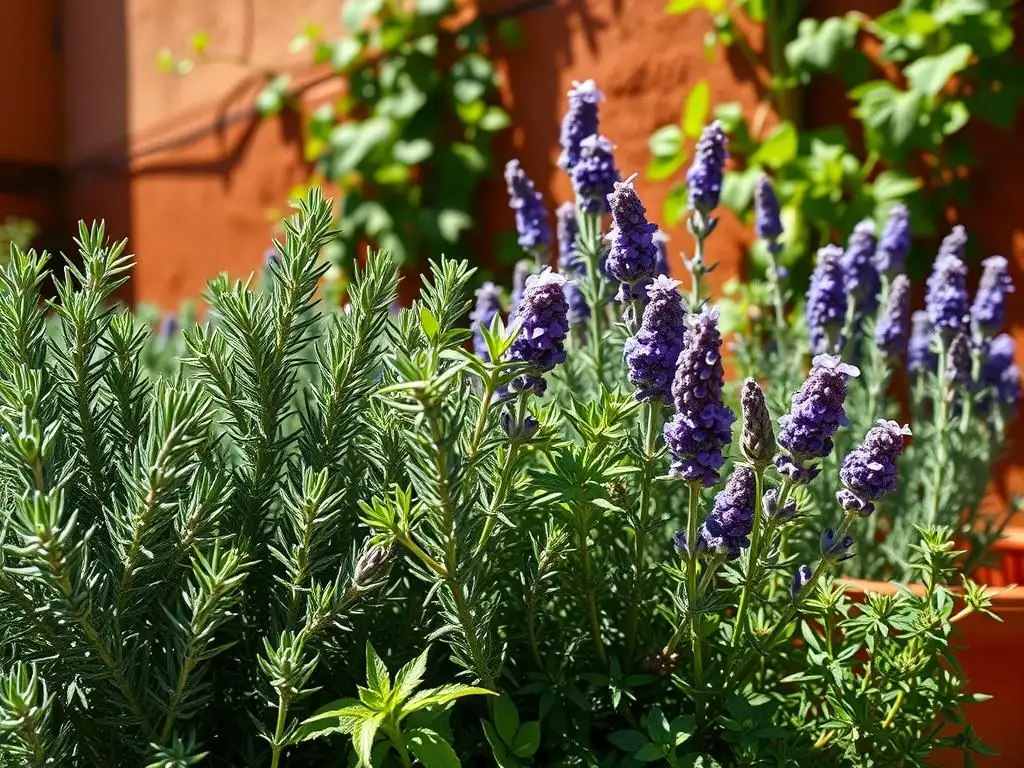
Choosing the optimal location for your sun-loving herb garden is crucial for success, especially during intense summer heat. The right spot will maximize growth while minimizing stress on your plants. Consider these factors when selecting a location to grow herbs in intense summer heat:
Optimizing Sunlight Exposure for Maximum Growth
Sunlight is the lifeblood of most herbs. Aim for at least 6-8 hours of direct sunlight daily. However, the intensity of that sunlight matters. While many herbs thrive in full sun, the scorching midday sun of a hot summer can be detrimental. Observe your yard throughout the day.
Note where the sun hits most intensely and for how long. Ideally, select a spot that receives the most intense sunlight in the morning and early afternoon, followed by some afternoon shade. This minimizes the risk of wilting and sunscald, common problems when growing herbs in intense summer heat. Consider using a sun tracking app or simply observing the sun's path for a few days to accurately assess sunlight exposure in various areas of your garden. Remember, even with ample sunlight, proper watering techniques are essential for healthy growth.
Protecting Herbs from the Afternoon Sun: Shade Strategies
Even with ideal morning sun, the intense afternoon heat can still stress your herbs. Several strategies can help mitigate this:
- Strategic Planting: Taller plants can provide natural shade for shorter herbs. Consider planting taller plants to the west of your herb garden.
- Artificial Shade: Simple structures like shade cloth or even strategically placed large pots can provide relief from the harsh afternoon sun. Adjust the level of shade depending on the specific needs of your herbs; some might tolerate more afternoon sun than others.
- Afternoon Shade from Structures: Existing structures like fences, buildings, or pergolas can be invaluable in providing natural, afternoon shade. If you're designing your garden from scratch, consider positioning it to take advantage of these natural shade providers.
Wind Protection: Reducing Heat Stress and Water Loss
Wind exacerbates heat stress by increasing evaporation from the soil and plant leaves. This can lead to rapid dehydration, especially in intense summer heat, making it even harder to grow herbs successfully. Protecting your herb garden from strong winds is crucial:
- Windbreaks: Plant taller shrubs or erect a small fence or windbreak to reduce wind speed around your herbs. Evergreen shrubs are particularly effective as windbreaks year-round.
- Garden Location: Choose a location sheltered from prevailing winds. Observe wind patterns in your yard to identify the most protected areas. Observe which areas are less affected by the wind during high-wind periods.
- Mulching: A thick layer of mulch helps retain soil moisture, reducing the impact of wind-induced water loss. This is a simple but highly effective way to maintain soil moisture and help your herbs withstand intense heat and wind. Consider organic mulches like straw or wood chips.
Remember, meticulous observation and careful planning are key to successfully growing herbs in intense summer heat. By focusing on these elements – sunlight management, shade strategies, and wind protection – you can create a thriving herb garden even in the most challenging conditions. With a little planning, you can enjoy a bountiful harvest despite the heat! 🪴
Essential Watering Techniques for Herbs in Intense Heat
Growing herbs successfully during intense summer heat hinges significantly on employing effective watering strategies. The key is to find the delicate balance between providing sufficient moisture for healthy growth and avoiding conditions that can lead to root rot or other water-related issues. Overwatering and underwatering are both detrimental to herb growth, especially in hot climates where evaporation rates are high. Let's delve into the specifics of achieving optimal hydration for your sun-loving herbs.
Watering Frequency and Depth: Avoiding Underwatering and Overwatering
The frequency and depth of watering depend on several factors, including the type of herb, soil type, pot size (if applicable), and the intensity of the heat. A general guideline is to water deeply but less frequently, encouraging the roots to grow deeper in search of moisture. This makes the plants more drought-tolerant in the long run. Shallow, frequent watering, on the other hand, only wets the topsoil, leading to shallow root systems vulnerable to heat stress and wilting.
For example, rosemary, known for its drought tolerance, might only need watering once a week during a heatwave, while basil, a more moisture-loving herb, might require watering every other day or even daily in extreme heat. Always check the soil moisture before watering. Stick your finger a couple of inches into the soil; if it feels dry, it's time to water. Water until you see water draining from the bottom of the pot (for container gardening) or until the soil is thoroughly moistened.
Avoid letting the soil completely dry out, especially for young plants. Signs of underwatering include wilting, leaf discoloration, and stunted growth. Conversely, overwatering can lead to yellowing leaves, root rot, and a musty smell emanating from the soil.
Observing your plants carefully is key to mastering this aspect of herb cultivation. Remember to adjust your watering schedule based on the weather conditions and your specific herbs' needs. Regular observation is key to preventing both underwatering and overwatering.
Mulching Strategies to Conserve Moisture
Mulching is a crucial technique for conserving soil moisture and reducing the frequency of watering, especially during hot spells. A layer of mulch acts as a barrier against direct sunlight, reducing evaporation from the soil surface. This helps keep the soil cooler and moister for longer periods. Suitable mulching materials include organic options like straw, shredded leaves, wood chips, or even composted manure. These materials also improve soil health over time by adding organic matter and enriching the soil structure.
The ideal mulch layer should be about 2-3 inches thick, leaving some space around the base of the plants to prevent rot. Avoid using mulch that is too thick, as this can hinder air circulation and potentially lead to fungal diseases. Regularly check the mulch layer for decomposition and replenish as needed.
The benefits of mulching extend beyond moisture retention; it also suppresses weed growth, reducing competition for water and nutrients. This is particularly beneficial during the hot summer months when weeds thrive and compete aggressively with your herbs for resources. Careful mulching significantly reduces the workload associated with frequent watering and weeding, making your herb garden more efficient and less demanding.
Drip Irrigation Systems for Efficient Watering
For larger herb gardens or those experiencing consistently high temperatures, a drip irrigation system can be an incredibly efficient and effective watering solution. Drip irrigation delivers water directly to the roots of the plants, minimizing water waste due to evaporation and runoff. This method is far more efficient than overhead watering, which can lead to significant water loss through evaporation, especially in hot and windy conditions. Furthermore, the consistent, slow release of water from drip systems helps to keep the soil evenly moist, reducing the risk of both underwatering and overwatering.
Drip irrigation systems are relatively easy to install and can be customized to suit various garden sizes and layouts. You can choose from various drip emitters with different flow rates to cater to the specific water needs of your different herbs. This targeted watering approach allows you to provide the precise amount of water each herb requires, optimizing water usage and promoting healthy growth.
Investing in a drip irrigation system can be a worthwhile investment for serious herb gardeners, especially those living in arid or semi-arid climates where conserving water is a priority. The system not only saves water but also saves time and effort compared to manual watering, especially beneficial during the busy summer months.
Using Water-Wise Containers for Herb Gardening
Choosing the right container can significantly impact your success in growing herbs during intense summer heat. Standard terracotta pots, while charming, are notorious for drying out quickly. Their porous nature allows for rapid evaporation, demanding frequent watering—a chore that can be overwhelming during a heatwave.
To mitigate this, consider self-watering containers or those made from materials that retain moisture better. Self-watering pots incorporate a reservoir at the bottom, allowing the plant to draw water as needed, reducing the frequency of watering. This is particularly beneficial for herbs like rosemary and thyme, which prefer drier conditions but still need consistent moisture.
Materials like plastic or glazed ceramic are far better choices than terracotta for hot climates. These materials are less porous, minimizing water loss through evaporation. However, even with these materials, proper drainage is crucial to prevent root rot, a common problem in hot, humid conditions. Ensure your containers have drainage holes to allow excess water to escape.
Overwatering is a common mistake, even with water-wise containers, so always check the soil moisture before watering. A simple finger test—inserting your finger a couple of inches into the soil—can help determine if watering is necessary. If the soil feels dry, it's time to water; if it's moist, wait a bit longer.
Consider the size and shape of your containers as well. Larger containers generally retain moisture better than smaller ones due to their greater volume. However, excessively large containers can lead to overwatering if you aren't careful.
The shape of the container also plays a role; wider, shallower containers will dry out faster than taller, narrower ones. Experiment to find the perfect balance for your herbs and climate. For example, basil, a thirsty herb, might thrive in a larger, self-watering container, while oregano, a more drought-tolerant option, might be content in a smaller, well-draining glazed ceramic pot.
Remember, observation is key; monitor your herbs closely and adjust your watering strategy as needed. The goal is to provide consistent moisture without overwatering, which can lead to fungal diseases and root rot, especially in the intense heat of summer. Careful container selection and mindful watering are vital components of successful herb gardening during the hottest months.
Soil Preparation and Nutrient Management for Thriving Herbs
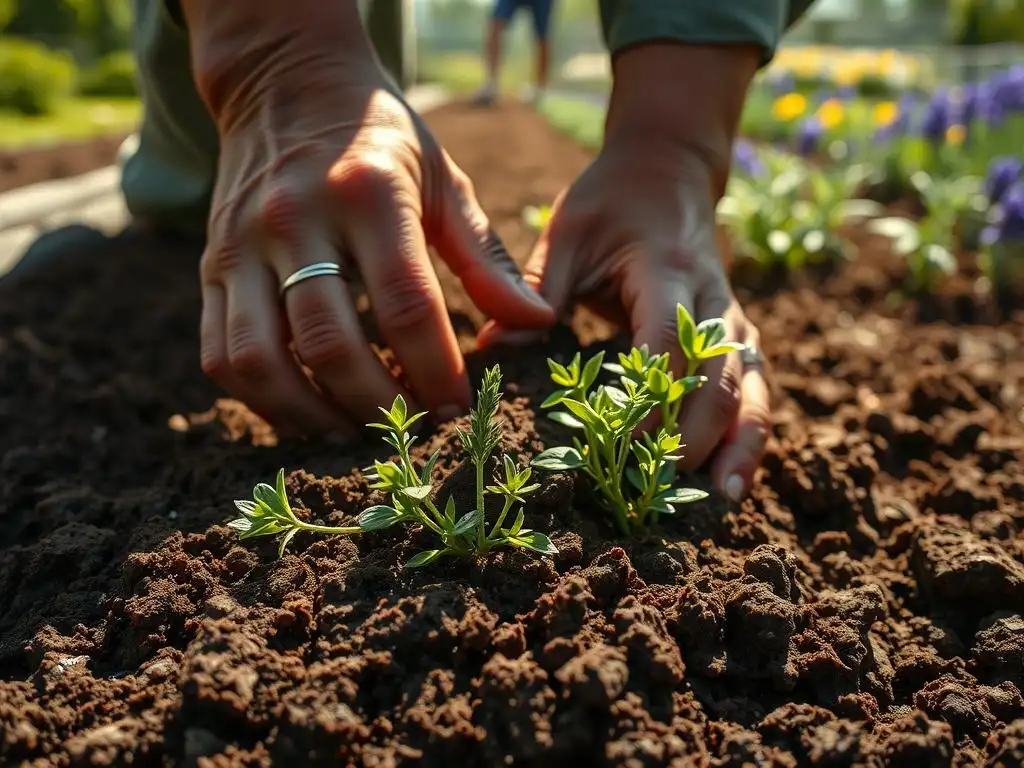
Growing herbs successfully in intense summer heat requires meticulous attention to soil preparation and nutrient management. The right soil conditions are crucial for ensuring your herbs can withstand the stress of high temperatures and thrive despite the challenges. This section will delve into the specifics of optimizing your soil for optimal herb growth, specifically addressing the needs of herbs during periods of intense heat. Understanding these nuances is key to achieving a bountiful harvest, even under challenging conditions. We'll focus on practical steps you can take to improve your soil, making it a supportive environment for your sun-loving herbs.
Preparing the Soil for Optimal Drainage and Aeration
Proper drainage and aeration are paramount, especially in hot climates. Heavy, clay soils retain too much water, leading to root rot – a significant problem for herbs under intense summer heat. Conversely, sandy soils drain too quickly, leaving roots dehydrated. The ideal soil structure for heat-tolerant herbs is loose and well-structured, allowing for efficient water drainage while retaining enough moisture to prevent wilting.
To improve drainage in heavy clay soils, incorporate generous amounts of organic matter such as compost, well-rotted manure, or coco coir. These amendments improve soil structure, creating air pockets that enhance aeration and water infiltration. Aim for a soil texture that feels crumbly and easily worked. For sandy soils, the addition of peat moss or composted bark can help retain moisture, providing a more consistent water supply to the roots.
Amendments should be mixed thoroughly into the top 6-8 inches of soil. Consider adding perlite or vermiculite to further enhance drainage and aeration, particularly in container gardens. Regular soil testing can help determine the specific needs of your soil and guide your amendment choices.
Selecting the Right Soil Mix for Container Gardening
Container gardening is an excellent option for growing herbs in hot climates, offering greater control over soil conditions. However, choosing the right soil mix is crucial. Standard potting soil often lacks the drainage and aeration necessary for optimal growth in hot weather. A well-draining potting mix specifically designed for containers is essential.
A good container mix typically consists of a blend of peat moss, perlite, vermiculite, and composted bark. The proportions can vary depending on the specific needs of the herbs being grown. Look for mixes labeled as "well-draining" or "cactus and succulent mix" as these generally offer good aeration and drainage. Avoid mixes that are heavy and compact, as these can lead to waterlogging and root problems. Before planting, always check the drainage by watering the pot and ensuring that water drains freely from the bottom. This simple test can prevent many potential problems down the line.
Organic Fertilization Strategies for Heat-Stressed Herbs
Heat stress can deplete soil nutrients, hindering herb growth. Regular fertilization with organic materials is vital to maintain healthy growth and vigor during the hot summer months. Avoid using synthetic fertilizers, which can burn plants under intense heat. Instead, opt for slow-release organic fertilizers like compost tea, worm castings, or bone meal.
Compost tea, rich in beneficial microbes, provides a gentle and readily available source of nutrients. Worm castings offer a balanced nutrient profile and improve soil structure. Bone meal is a good source of phosphorus, essential for root development and flowering. Apply fertilizers according to package instructions, remembering that less is often more, especially during periods of extreme heat.
Over-fertilizing can damage plants and lead to nutrient burn. Regularly monitor your herbs for signs of nutrient deficiency or excess, adjusting fertilization as needed. Observing your plants carefully and adapting your fertilization strategy accordingly is key to successful herb cultivation, even during the hottest months. This careful approach will ensure your herbs receive the necessary nutrients without overwhelming them, leading to a flourishing and healthy harvest.
Avoiding Over-fertilizing in Hot Weather
Over-fertilizing herbs, especially during intense summer heat, can be detrimental. High temperatures stress plants, making them less efficient at absorbing nutrients. An excess of fertilizer can lead to a salt buildup in the soil, further stressing the plant and potentially burning its roots.
This "fertilizer burn" manifests as wilting, browning leaf tips, and stunted growth – precisely the opposite of what you want in your thriving herb garden. Instead of promoting vigorous growth, over-fertilization in hot weather can lead to weak, susceptible plants more prone to diseases and pests. Remember that herbs, particularly those adapted to drier conditions, are often quite resilient and don't require heavy feeding.
Think of it like this: imagine giving a person already dehydrated a massive amount of water all at once – it can be overwhelming and even harmful. Similarly, a heat-stressed herb plant can't efficiently utilize excess nutrients. The result is a waste of fertilizer, and potentially damage to your precious herbs. A lighter hand with fertilizer during hot periods is key to success.
Instead of using high-strength fertilizers, consider using diluted solutions or opting for slow-release options that provide a gradual supply of nutrients. This prevents nutrient shock and allows the plants to absorb nutrients at a pace they can handle. Regular watering is also crucial to help plants absorb nutrients without experiencing salt stress.
Monitoring your plants closely is essential. Look for signs of over-fertilization, such as rapid, lush growth followed by wilting, yellowing leaves, or leaf burn. If you notice these symptoms, immediately flush the soil with plenty of water to leach out excess salts. In subsequent waterings, use less fertilizer or choose a lower-strength formula.
Always follow the instructions on your chosen fertilizer carefully. Remember, less is often more, especially when growing herbs in intense summer heat. Healthy, well-draining soil and consistent watering are far more important than excessive fertilizer. Prioritize providing your herbs with the best possible growing conditions, and they will reward you with an abundance of flavorful leaves.
Pest and Disease Management in Hot and Dry Conditions
Growing herbs successfully in intense summer heat requires a proactive approach to pest and disease management. High temperatures and dry conditions can stress plants, making them more vulnerable to infestations and fungal infections. This section details strategies for protecting your sun-loving herbs throughout the hottest months.
Understanding the specific challenges posed by these conditions is crucial for maintaining healthy and productive herb gardens. We'll explore common pests, effective organic control methods, and preventative measures against fungal diseases, all while keeping your sustainable gardening practices in mind. Remember, a healthy plant is less susceptible to pests and diseases, so proper watering and soil nutrition are fundamental first steps.
Common Pests Affecting Herbs in Hot Climates
Intense heat often attracts specific pests that thrive in dry, warm environments. Some of the most common culprits include:
- Aphids: These tiny sap-sucking insects cluster on tender new growth, causing stunted growth and leaf distortion. Their presence often attracts ants.
- Spider mites: These microscopic pests spin webs on the undersides of leaves, sucking plant juices and causing stippling and yellowing. Dry conditions exacerbate their proliferation.
- Whiteflies: These small, white, flying insects also feed on plant sap, leading to similar damage as aphids. They can be particularly problematic in greenhouses or enclosed spaces with limited air circulation.
- Leafhoppers: These jumping insects cause yellowing and stippling of leaves, sometimes transmitting plant viruses.
- Caterpillars: Various caterpillar species can defoliate herbs quickly, especially during periods of rapid growth.
The severity of infestation can vary depending on the specific herb and the overall health of the plant. Regular monitoring is key to early detection and intervention. Early detection of pests is crucial for minimizing damage and preventing widespread infestations. A simple visual inspection of your herb plants, especially the undersides of the leaves, should be a regular part of your garden routine.
Organic Pest Control Methods for Sun-Loving Herbs
Fortunately, there are many effective organic methods for controlling pests in your herb garden without resorting to harmful chemicals. These methods prioritize the health of your plants and the environment:
- Neem oil: A natural insecticide derived from the neem tree, effective against various soft-bodied insects like aphids and spider mites. Apply according to package instructions, ensuring thorough coverage.
- Insecticidal soap: Another effective option against soft-bodied insects. Again, follow label instructions carefully.
- Diatomaceous earth: This fine powder dehydrates and kills insects by disrupting their exoskeletons. It's a safe and effective option for many common herb pests.
- Beneficial insects: Introducing beneficial insects like ladybugs (which feed on aphids) and lacewings (which prey on spider mites) can provide natural pest control.
- Handpicking: For small infestations, handpicking pests and disposing of them is a simple and effective method.
- Water sprays: A strong stream of water can dislodge aphids and other soft-bodied insects from plants.
Remember to always follow the instructions on any organic pest control product you use. Regular monitoring and early intervention are essential for maximizing the effectiveness of these methods. Choose methods that best suit your specific needs and the types of pests affecting your herb garden. Consider rotating methods to prevent pest resistance.
Preventing and Managing Fungal Diseases in Hot Weather
While hot weather discourages some fungal diseases, excessive humidity from watering or infrequent air circulation can still create favorable conditions for others. Common fungal issues include:
- Powdery mildew: This fungal disease appears as a white, powdery coating on leaves, eventually causing leaf distortion and decline. It thrives in humid conditions and poor air circulation.
- Root rot: Poor drainage and overwatering can lead to root rot, a devastating fungal disease that can kill plants quickly.
- Leaf spot diseases: These diseases manifest as spots on leaves, which can range in color and size depending on the specific pathogen.
Prevention is crucial for managing fungal diseases. Ensure good air circulation around your herbs by spacing plants appropriately. Avoid overhead watering, opting for drip irrigation or watering at the base of the plants to keep foliage dry. Maintaining healthy plants through proper nutrition and watering is also key to disease resistance.
For existing infections, removing affected leaves and improving air circulation are often sufficient. In severe cases, a copper-based fungicide (following label instructions carefully) may be necessary. Remember, organic options are available and should be prioritized whenever possible for sustainable gardening practices. Proper sanitation and removal of infected plant material are crucial steps in preventing the spread of fungal diseases.
Identifying and Treating Common Herb Diseases
High temperatures and arid conditions prevalent during intense summer heat can stress herb plants, making them more susceptible to various diseases. Early detection is crucial for effective treatment. Many fungal diseases thrive in humid environments, even if the overall climate is dry. Look for signs like wilting, leaf spots, powdery mildew (a white, powdery coating on leaves), or discoloration.
Fungal infections often start on lower leaves and gradually move upwards. Bacterial diseases, on the other hand, can manifest as soft, mushy spots or wilting stems. Viral infections are less common but can cause stunted growth and mottled leaves. Regular inspection of your herbs is essential, paying close attention to the undersides of leaves and the base of the stems.
One common fungal disease affecting herbs in hot climates is powdery mildew. This is easily recognizable by the white, powdery coating on leaves, which eventually leads to leaf distortion and reduced growth. Effective treatment involves improving air circulation around the plants (pruning overcrowded growth), avoiding overhead watering which increases humidity, and applying a fungicide containing potassium bicarbonate or neem oil. Always follow the product instructions carefully. For more severe infestations, consider removing and destroying affected plant parts to prevent further spread. Remember to always sanitize your pruning tools to avoid cross-contamination.
Another prevalent issue is leaf spot diseases, caused by various fungi or bacteria. These diseases cause small, brown or black spots on the leaves, which can coalesce to form larger lesions. Severely affected leaves will eventually dry up and fall off. Good sanitation practices, such as removing fallen leaves and debris around the plants, are paramount in preventing leaf spot diseases. In addition to sanitation, applying a copper-based fungicide can help control the spread of these diseases. Again, strict adherence to the product instructions is vital.
Bacterial diseases are often harder to treat. They typically cause soft rots and wilting. Prevention is key; ensure good drainage to avoid waterlogged soil, which promotes bacterial growth. Avoid overhead watering to prevent the spread of bacteria through splashing water.
Unfortunately, once a bacterial infection is established, it’s often difficult to eradicate. In such cases, removing the affected plants might be necessary to prevent the disease from spreading to healthy plants. Rotating crops annually can also help reduce the risk of bacterial diseases in the following growing season. Proper plant spacing enhances airflow and reduces humidity, thus mitigating the risk of various diseases.
Harvesting and Preserving Your Sun-Loving Herbs
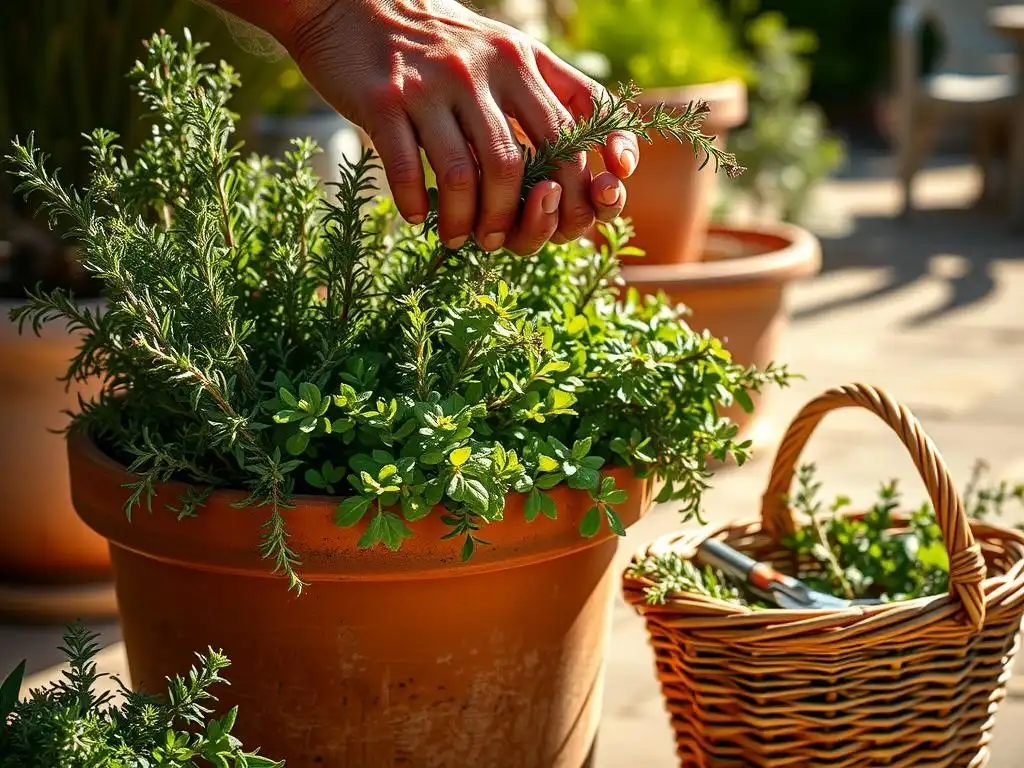
This section focuses on maximizing the yield and longevity of your sun-loving herbs, even during the intense summer heat. Proper harvesting techniques not only ensure you get the most flavorful herbs but also encourage vigorous regrowth, extending your harvest season. Preservation methods are crucial for enjoying the bounty of your summer herb garden throughout the year. Let's explore the best practices to achieve this.
Identifying the Optimal Harvesting Time for Different Herbs
Timing is everything when it comes to harvesting herbs. Harvesting at the right time maximizes flavor and aroma. The best time to harvest most herbs is generally in the morning after the dew has dried, as this is when their essential oil content is highest. However, specific herbs have slightly different optimal harvesting times:
- Basil: Harvest basil leaves regularly, pinching off the top sets of leaves to encourage bushier growth. Harvest before the plant flowers for the best flavor. You can harvest continuously throughout the growing season.
- Rosemary: Rosemary can be harvested throughout the year, but the best time is typically in late spring or early summer. Prune stems back to encourage new growth. You can harvest sprigs as needed.
- Thyme: Thyme can be harvested multiple times during the growing season. Harvest by snipping off the flowering tops or individual sprigs.
- Oregano: Harvest oregano just as the flowers begin to open. This ensures the highest concentration of essential oils and flavor.
- Lavender: Lavender should be harvested when the buds are fully open but before they start to turn brown. This typically happens in mid-summer.
The table below summarizes the ideal harvesting times for these herbs:
| Herb | Optimal Harvesting Time | Harvesting Method |
|---|---|---|
| Basil | Morning, before flowering | Pinch off top sets of leaves |
| Rosemary | Late spring/early summer, as needed | Prune stems |
| Thyme | Multiple times throughout the season | Snip flowering tops or individual sprigs |
| Oregano | When flowers begin to open | Cut stems just above the node |
| Lavender | Mid-summer, when buds are fully open | Cut stems just above the node |
Remember to always use sharp, clean shears or scissors to avoid damaging the plant. This minimizes stress and encourages healthy regrowth. Proper harvesting is key to successfully growing herbs in intense summer heat, ensuring a plentiful supply throughout the season.
Techniques for Harvesting Herbs to Promote Regrowth
Harvesting techniques significantly impact the health and productivity of your herb plants, especially during periods of intense heat. The goal is to harvest without stressing the plant, thereby promoting continued growth and yield. Here are some essential techniques:
- Pinch Harvesting: Ideal for basil and other bushy herbs, pinching off the top sets of leaves encourages branching and fuller growth. This method is less stressful on the plant than cutting.
- Cutting Stems: For herbs like rosemary, thyme, and oregano, cutting stems is more appropriate. Cut just above a node (the point where leaves or branches emerge) to encourage new growth from that point. Avoid cutting too close to the base of the plant.
- Selective Harvesting: Harvest only what you need, avoiding over-harvesting, which can weaken the plant, especially during hot weather. Leaving enough foliage allows the plant to continue photosynthesizing and producing energy.
- Regular Harvesting: Regular, small harvests are better than infrequent large harvests. This helps maintain a continuous supply of fresh herbs and prevents the plant from bolting (going to seed), which can negatively impact flavor and yield.
Proper harvesting techniques combined with adequate watering and fertilization will ensure your herb garden thrives even in the hottest summer months. This ensures a continuous supply of fresh herbs throughout the season.
Methods for Preserving Herbs for Long-Term Use: Drying and Freezing
Preserving your herbs extends their usability beyond the growing season. Drying and freezing are two common methods that help maintain the flavor and aroma of your herbs.
- Drying Herbs: Air drying is a simple and effective method. Bundle small bunches of herbs and hang them upside down in a cool, dark, and well-ventilated area. Alternatively, you can lay the herbs on a screen or tray in a single layer. Drying time varies depending on the herb and humidity, typically taking 1-3 weeks. Once completely dry, store the herbs in airtight containers in a cool, dark place.
- Freezing Herbs: Freezing preserves the color and flavor of herbs better than drying, but it can alter their texture slightly. Blanch the herbs briefly in boiling water before freezing to help maintain their color and prevent enzymatic browning. Then, chop the herbs and place them in ice cube trays filled with water or olive oil. Once frozen, transfer the cubes to freezer bags for longer storage. You can also freeze herbs directly in freezer bags after chopping them.
Choosing the right preservation method depends on the herb and your preferences. Both drying and freezing provide excellent ways to enjoy the flavors of your summer herb garden throughout the year, even after the growing season ends. Remember to label your containers with the type of herb and the date of preservation for optimal freshness.
Troubleshooting Common Problems: Dealing with Heat Stress in Herbs
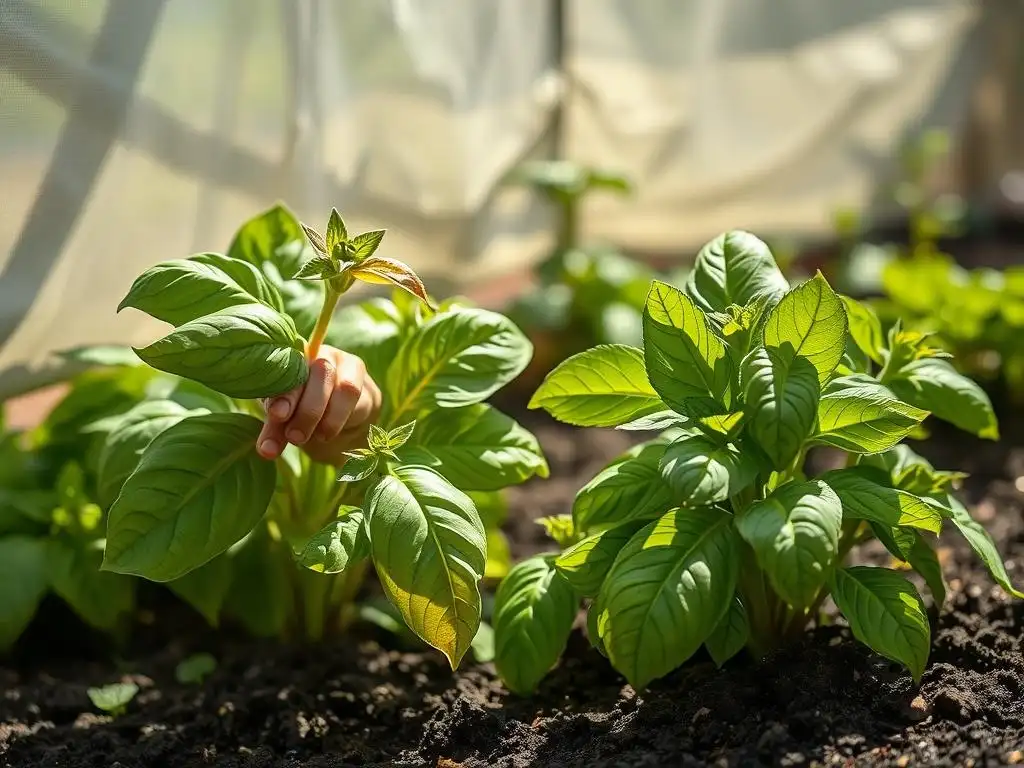
Growing herbs in intense summer heat presents unique challenges. Even sun-loving varieties can suffer from heat stress if not properly managed. This section focuses on identifying and resolving common problems encountered when cultivating herbs under extreme heat conditions, helping you achieve a bountiful harvest even during the hottest months. Successfully navigating these issues is key to answering the question: "How to grow herbs in intense summer heat?"
Dealing with Wilting and Leaf Scorch
Wilting and leaf scorch are common symptoms of heat stress in herbs. These issues arise when the plant loses water faster than it can absorb it through its roots. Intense sunlight can literally burn the leaves, causing browning and crispy edges. To combat this:
- Increase watering frequency: During periods of extreme heat, you may need to water your herbs twice a day, especially those planted in containers which dry out more quickly. Water deeply in the morning and again in the late afternoon to minimize water loss through evaporation. Avoid watering during the hottest part of the day.
- Provide shade during peak heat: Consider using shade cloth or strategically placing larger plants to provide some afternoon shade for more delicate herbs. Even a few hours of relief from the direct sun can make a significant difference.
- Mulch generously: A thick layer of organic mulch (e.g., straw, wood chips) around your plants helps retain soil moisture and keeps the roots cool. This reduces water evaporation and moderates soil temperature fluctuations.
- Monitor soil moisture: Don't rely solely on a schedule. Check the soil moisture regularly by sticking your finger a couple of inches into the soil. Water when the top inch feels dry.
- Choose heat-tolerant varieties: Opt for herb varieties known for their resilience to high temperatures. Research suggests that certain cultivars within each herb species are better adapted to intense heat than others. [Specific cultivar recommendations pending].
Addressing Nutrient Deficiencies in Hot Weather
Hot weather can exacerbate nutrient deficiencies in herbs. High temperatures can reduce nutrient availability in the soil and increase the plant's demand for essential nutrients. This can manifest as stunted growth, pale leaves, or yellowing. To address this:
- Regular fertilization: Use a balanced, slow-release fertilizer specifically formulated for herbs. Follow the manufacturer's instructions carefully, avoiding over-fertilizing, which can cause more harm than good. A soil test can help determine specific nutrient deficiencies.
- Composting: Incorporating compost into your soil improves its structure, water retention, and nutrient content. This provides a slow release of nutrients, ensuring your herbs have a constant supply even during periods of intense heat.
- Organic amendments: Consider using organic amendments such as seaweed extract or fish emulsion as foliar sprays to provide a boost of micronutrients. These can be particularly beneficial during heat stress.
- Monitor plant health: Regularly inspect your herbs for signs of nutrient deficiencies. Yellowing leaves, for example, might indicate a lack of nitrogen, while purple leaves could suggest a phosphorus deficiency. [Specific nutrient deficiency symptoms and solutions pending].
Preventing and Managing Root Rot in Hot, Humid Conditions
Hot, humid conditions create an ideal environment for root rot, a fungal disease that can quickly kill your herbs. Poor drainage and overwatering are major culprits. Prevention is key:
- Ensure proper drainage: Use well-draining potting mix for container-grown herbs, and amend heavy clay soils in garden beds with organic matter like compost or perlite to improve drainage.
- Avoid overwatering: Overwatering is a common cause of root rot, especially in hot and humid weather. Allow the soil to dry slightly between waterings, ensuring that the soil isn't constantly soggy.
- Air circulation: Good air circulation around your herbs helps to prevent the build-up of humidity, which can encourage fungal growth. Space plants appropriately, and prune to improve air flow.
- Sanitation: Remove any dead or decaying plant material promptly to prevent the spread of fungal pathogens. This includes removing fallen leaves and stems.
- Fungicides: In severe cases, you may need to use an organic fungicide to control root rot. However, prevention is always the best strategy. Always follow the product instructions carefully. [Specific organic fungicide recommendations pending]. 🌱
Advanced Techniques for Growing Herbs in Extreme Heat
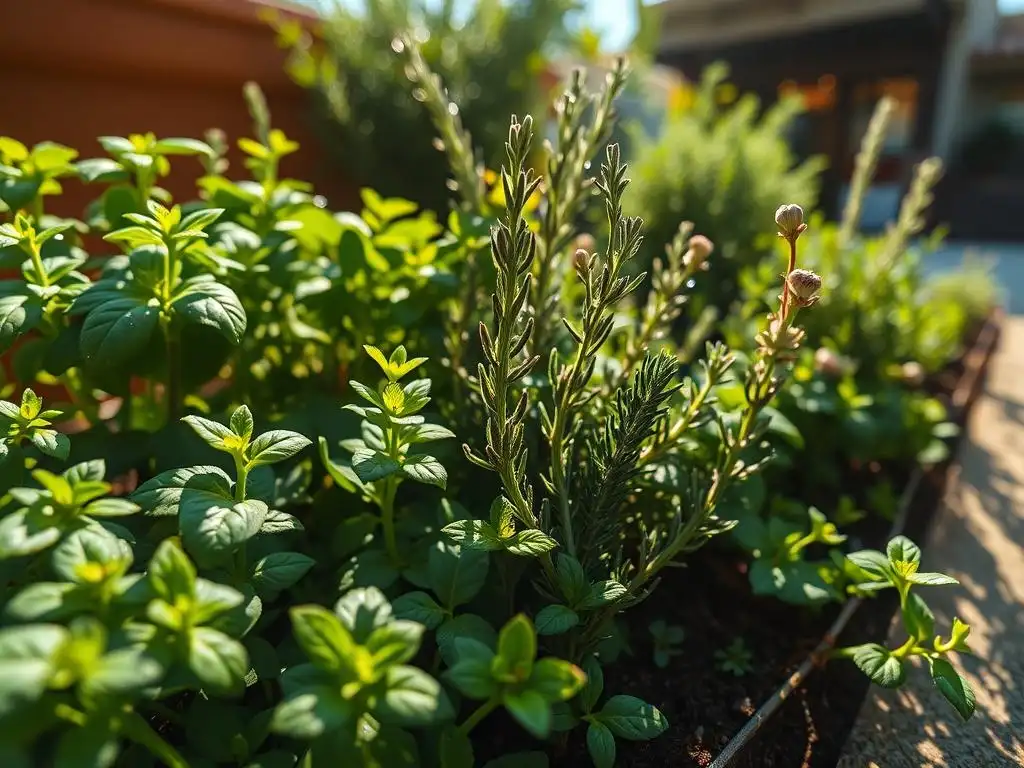
This section delves into advanced strategies for successfully cultivating herbs even during the most intense summer heat. These techniques go beyond basic sun protection and watering, offering solutions for gardeners seeking optimal yields in challenging climates. Mastering these methods will significantly improve your chances of a bountiful herb harvest, even when the mercury climbs. We'll explore how to leverage technology and create microclimates to beat the heat and grow thriving herbs.
Utilizing Hydroponics or Aquaponics for Hot Climate Herb Gardening
Hydroponics and aquaponics offer innovative approaches to herb cultivation, particularly beneficial in hot climates. These soilless systems provide superior control over environmental factors, mitigating the negative impacts of intense heat. Instead of relying on soil, which can quickly dry out and overheat, these systems deliver nutrients directly to the plant roots, maintaining consistent moisture and temperature.
Hydroponic systems, using nutrient-rich water solutions, allow for precise control over nutrient delivery and water temperature. This minimizes stress on the plants during heat waves. Many hydroponic systems are easily adaptable to hot climates, using techniques like recirculating systems to reduce water loss. Regular monitoring of nutrient levels and water temperature is crucial for optimal results. The system's design should also consider factors such as shading and airflow to further minimize heat stress.
Aquaponics, a symbiotic system combining hydroponics with aquaculture (fish farming), offers additional advantages. The fish waste provides a natural source of nutrients for the plants, reducing the need for chemical fertilizers. The water circulating through the system remains relatively cool due to the continuous flow and the fish's presence. This creates a naturally cooler environment for the herbs, making it an excellent choice for intense summer heat. However, aquaponics requires a larger initial investment and more ongoing maintenance compared to hydroponics.
Creating a Microclimate for Optimal Herb Growth
Creating a microclimate allows you to modify the immediate environment around your herbs, providing shelter from the harsh sun and wind while maintaining optimal growing conditions. This can involve a combination of techniques to create a cooler, more humid environment.
One effective strategy is to utilize strategically placed containers and structures. Dark-colored containers can absorb and radiate heat, so opting for light-colored pots can help reduce temperature fluctuations. Grouping plants together can also create a microclimate, offering mutual shade and increased humidity. Consider building raised beds or using trellises to provide shade and improve air circulation.
Furthermore, mulch plays a crucial role in microclimate creation. A thick layer of organic mulch, like straw or wood chips, helps retain soil moisture, reducing the frequency of watering and keeping the roots cool. This also suppresses weeds, further reducing competition for resources. Mulching is a simple yet highly effective technique for modifying the microclimate around your herbs and improving their resilience in intense heat. The type of mulch used can influence the effectiveness, so choose a material appropriate for your region and herb varieties.
Utilizing Shade Cloth and Other Protective Structures
Shade cloth provides a simple yet highly effective way to reduce the intensity of sunlight reaching your herbs during peak hours. This is especially crucial for herbs sensitive to extreme heat. The percentage of shade provided by the cloth is crucial; choosing the right percentage depends on the specific herb variety and the intensity of the sun in your location. Too much shade can hinder growth, while insufficient shade leaves plants vulnerable to heat stress.
Beyond shade cloth, other protective structures can be implemented. A simple greenhouse, even a small one, can help moderate temperature fluctuations and provide protection from wind. Consider using a greenhouse with adequate ventilation to prevent overheating. Alternatively, you can construct a simple shade structure using readily available materials such as bamboo or PVC pipes covered with shade cloth.
Remember that proper air circulation is key to prevent the build-up of humidity and potential fungal diseases within these structures. Regular monitoring of temperature and humidity levels within the enclosed spaces is essential for maintaining optimal growing conditions. Proper planning and construction of these structures are vital to ensuring effectiveness and long-term success in growing herbs during intense summer heat.
Resources for Growing Herbs in Intense Summer Heat
This section provides essential resources to help you successfully grow herbs in intense summer heat. We'll cover recommended varieties, reliable suppliers, and additional reading to further your knowledge and gardening success. Remember, even in the hottest climates, with the right planning and care, you can enjoy a bountiful harvest of fresh herbs.
Recommended Herb Varieties for Hot Climates
Certain herbs thrive in scorching temperatures. Choosing the right varieties is crucial for success in intense summer heat. Here are some excellent options known for their heat tolerance:
- Rosemary: This woody perennial is incredibly drought-tolerant and loves full sun. It's a fantastic choice for hot, dry climates and requires minimal watering once established. Rosemary also offers a strong, distinctive flavor that enhances many dishes.
- Thyme: Another hardy perennial, thyme thrives in full sun and well-drained soil. Its low-growing habit makes it ideal for rock gardens or containers. Numerous thyme varieties exist, each offering unique flavor profiles, from lemon thyme to caraway thyme.
- Oregano: This robust herb is highly adaptable and tolerates intense heat and drought conditions. Oregano's strong, slightly pungent flavor is a staple in Mediterranean and Italian cuisine.
- Sage: Sage is another excellent choice for hot climates. It prefers full sun and well-drained soil, and its silvery leaves are visually appealing as well as flavorful.
- Basil (certain varieties): While some basil varieties wilt easily in intense heat, others, such as Genovese basil and Thai basil, are more heat-tolerant. However, even these heat-tolerant varieties benefit from afternoon shade in extremely hot regions. Consider using a shade cloth during the hottest part of the day.
- Lavender: Known for its beautiful purple flowers and calming fragrance, lavender is extremely drought-tolerant and thrives in full sun. It's a perfect addition to a hot-climate herb garden, offering both culinary and ornamental value.
| Herb | Heat Tolerance | Water Needs | Soil Preference | Notes |
|---|---|---|---|---|
| Rosemary | Excellent | Low | Well-drained | Drought-tolerant, woody perennial |
| Thyme | Excellent | Low | Well-drained | Low-growing, many flavorful varieties |
| Oregano | Excellent | Moderate | Well-drained | Robust, adaptable |
| Sage | Excellent | Moderate | Well-drained | Silver leaves, strong flavor |
| Genovese Basil | Good | Moderate | Well-drained | More heat-tolerant than other basil types |
| Thai Basil | Good | Moderate | Well-drained | More heat-tolerant than other basil types |
| Lavender | Excellent | Low | Well-drained | Drought-tolerant, ornamental and culinary |
Remember to always check the specific needs of the herb variety you choose, as even within a species, there can be variations in heat tolerance.
Suppliers of Heat-Tolerant Herb Seeds and Plants
Finding reliable suppliers of high-quality seeds and plants is crucial for a successful herb garden. Look for suppliers specializing in heat-tolerant varieties and those that offer detailed information on their products. Consider checking local nurseries and garden centers, as they often carry plants well-suited to your specific climate. Many online retailers also offer a wide selection of heat-tolerant herb seeds and plants, often with detailed descriptions and growing guides. Always check reviews before ordering online to ensure the supplier's reliability. Researching local options will help you find plants already acclimated to your area’s climate and conditions.
Further Reading on Hot Climate Gardening
To expand your knowledge of gardening in hot climates, consider exploring these additional resources: [Specific information pending: List of relevant books, websites, and articles on hot climate gardening]. Learning about soil preparation, irrigation techniques, and other aspects of hot climate gardening will significantly increase your chances of success. Remember that understanding your specific microclimate – including sun exposure, wind patterns, and soil type – is crucial for tailoring your gardening practices to your unique situation. This deeper understanding will allow you to make informed decisions about plant selection, watering schedules, and overall garden maintenance.
Frequently Asked Questions
What herbs thrive in intense summer heat?
Several herbs tolerate intense heat well. Basil, rosemary, thyme, oregano, and lavender are excellent choices for hot, sunny locations. They often require less watering once established.
How much water do heat-tolerant herbs need?
While they tolerate heat, consistent watering is crucial, especially when newly planted. Aim for deep, infrequent watering to encourage deep root growth, rather than frequent shallow watering. Mulching helps retain soil moisture.
How can I protect my herbs from intense sun during peak hours?
Consider providing some afternoon shade, especially during the hottest part of the day. This could involve using shade cloth, strategically placing larger plants nearby, or simply moving pots to a less intense location.
What are the signs of heat stress in herbs?
Signs of heat stress include wilting, even after watering, leaf scorch, and stunted growth. If you notice these, provide more shade or water, and consider adjusting your watering schedule.
Can I still grow herbs successfully in containers during intense summer heat?
Yes, but choose containers that retain moisture well, such as terracotta or glazed ceramic. Regular watering is essential, and you may need to water more frequently than in the ground, especially in smaller containers.
Final Reflection: Nurturing Life's Resilience in the Summer Sun
The ability to cultivate thriving herb gardens, even under the relentless assault of intense summer heat, is not just a gardening skill; it's a testament to our capacity for resilience and adaptation. This guide has explored practical techniques – from strategic planting and watering to choosing the right sun-loving varieties – that empower us to overcome the challenges of extreme temperatures and bring the bounty of fresh herbs to our tables, even during the hottest months. This is more than just a hobby; it's a connection to the earth and a celebration of life's enduring strength.
The impact of understanding these techniques extends beyond the individual garden. It speaks to a growing awareness of the need for sustainable and resilient food systems in the face of climate change. The earth provides enough to satisfy every man's needs but not every man's greed.
- Mahatma Gandhi. This quote highlights the importance of mindful cultivation, not just for personal gain, but for responsible stewardship of our resources. As summers become increasingly hotter, the knowledge shared here becomes increasingly vital, not only for our own sustenance but for the health of our planet.
Now, consider your own space. Do you have a sunny corner yearning to be transformed? Perhaps a small balcony or even a windowsill? I invite you to take the lessons from this guide and apply them to your own environment. Experiment, learn, and discover the joy of nurturing life, even under the most challenging conditions. The reward – the taste of fresh basil, the aroma of rosemary, the vibrant green of thyme – is a testament to your own resilience and a delicious connection to the earth's bounty.
Unleash Your Inner Herb Gardener: Grow a Sun-Kissed Harvest!
Thank you for joining us on this journey into the world of heat-loving herbs! We hope you've gained valuable insights into cultivating these plants even in intense climates. Now it's time to put your knowledge into practice.
Here's what you can do next:
- Start your own herb garden today! Choose a couple of herbs that interest you from the article, and acquire some seeds or starter plants. Even a small pot on your balcony can be a rewarding project.
- Share your herb-growing experiences with our community in the comments below. Let's inspire each other with tips, tricks, successes, and even the occasional setback.
- Consider trying a companion planting technique mentioned in the article – you may be surprised by the positive results!
Ready to transform your outdoor space into a vibrant herb haven? What's the first sun-loving herb you'll plant?