
Sheet Mulching in the Fall: Prepare Your Garden for the Winter

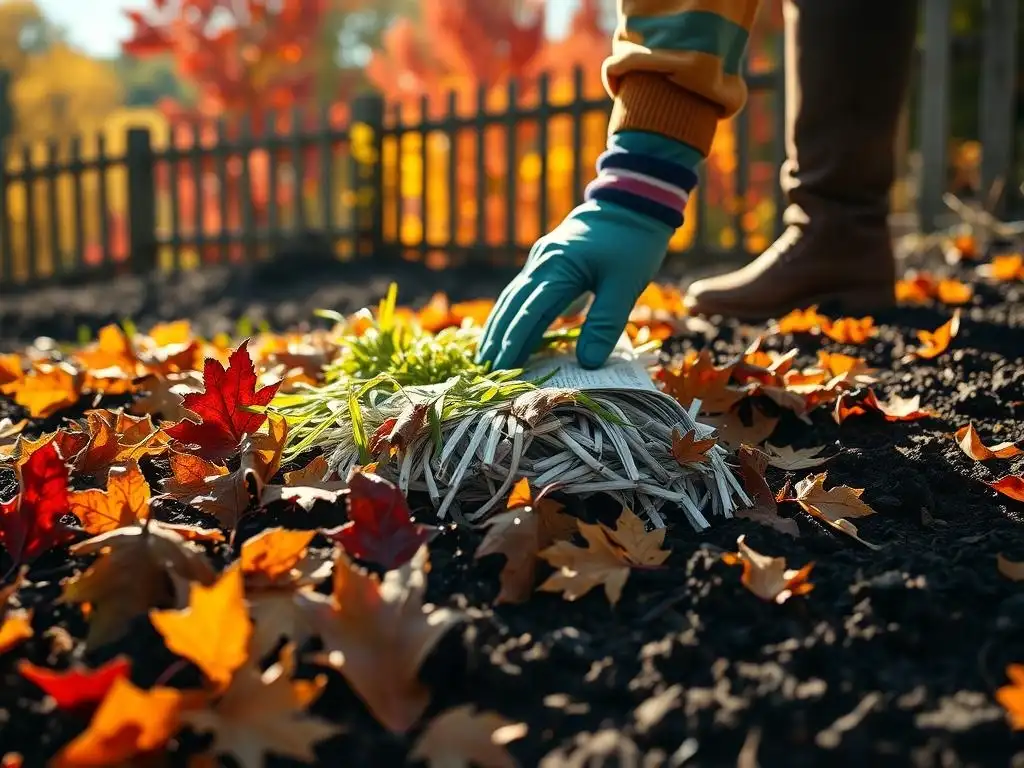
Ready to unlock the secrets to a bountiful harvest next year, even before winter sets in? At CultivateYourFood, we empower you to grow your own food organically and sustainably. Learn how fall sheet mulch garden prep can transform your garden into a thriving ecosystem, protecting your soil and setting the stage for an amazing spring planting. Discover the simple yet powerful techniques that will leave you amazed by the results – let's get started!
- Fall Sheet Mulch Garden Prep: Benefits and Advantages
-
Planning Your Fall Sheet Mulch: A Step-by-Step Guide
- Assessing Your Garden and Choosing Materials for Fall Sheet Mulching
- Gathering Your Supplies: Cardboard, Compost, Mulch, and More
- Preparing the Garden Bed for Fall Sheet Mulching: Clearing and Cleaning
- Layering Your Sheet Mulch: A Detailed Guide for Optimal Results
- Securing the Edges: Preventing Mulch Displacement During Winter
- Choosing the Right Materials for Fall Sheet Mulching
- Fall Sheet Mulching for Specific Plants and Vegetables
- Maintaining Your Sheet Mulch Through Winter
- Troubleshooting Common Fall Sheet Mulching Challenges
- Harvesting Your Fall Garden Before Sheet Mulching
- Frequently Asked Questions
- Final Reflection: Nurturing the Earth, Nurturing Ourselves
- Unleash Your Garden's Winter Potential!
Fall Sheet Mulch Garden Prep: Benefits and Advantages
Fall is the perfect time to prepare your garden for winter, and sheet mulching is a fantastic sustainable practice to achieve this. This method, also known as lasagna gardening, involves layering organic materials directly onto your garden beds, creating a rich, nutrient-laden environment that protects your soil and plants throughout the cold months.
This article will explore the numerous benefits of fall sheet mulching, focusing on how it improves soil health, protects plants from harsh winter conditions, and enhances water retention while reducing erosion. By understanding these advantages, you'll be well-equipped to implement this effective and environmentally friendly gardening technique to cultivate a thriving garden next spring.
This guide will provide you with all the information you need to successfully implement a fall sheet mulch, ensuring your garden is primed for a bountiful harvest in the following season. We’ll delve into the specifics of creating a successful sheet mulch, helping you achieve optimal results and prepare your garden for the coming winter months using this effective "fall sheet mulch garden prep" method.
Boosting Soil Health with Fall Sheet Mulching
Sheet mulching significantly improves soil health in several ways. The layers of organic matter, such as cardboard, compost, and leaves, decompose slowly over the winter, enriching the soil with essential nutrients. This process improves soil structure, creating better drainage and aeration. The added organic matter also increases the soil's water-holding capacity, reducing the need for frequent watering in the spring. Furthermore, sheet mulching suppresses weeds by blocking sunlight and creating a less hospitable environment for weed seeds.
The process improves soil fertility, making it richer and more productive for the next growing season. A well-constructed sheet mulch can increase the number of beneficial microorganisms in the soil, leading to healthier plant growth. Think of it as giving your garden a delicious, nutritious meal that fosters vibrant growth! 🌱
Protecting Plants from Winter's Harsh Conditions
Winter's harsh conditions, including frost, freezing temperatures, and strong winds, can severely damage or even kill plants. A fall sheet mulch acts as a protective blanket, insulating the soil and preventing extreme temperature fluctuations. This insulation helps protect sensitive plant roots from frost damage, increasing their chances of survival through the winter.
The layer of organic material also provides a buffer against strong winds, reducing the risk of windburn. By maintaining a consistent soil temperature, the sheet mulch creates a more favorable environment for beneficial soil organisms to thrive throughout the winter, ensuring they're ready to work their magic when spring arrives. This protection is particularly beneficial for overwintering crops or plants that are sensitive to cold temperatures.
Enhancing Water Retention and Reducing Erosion
One of the significant advantages of sheet mulching is its ability to improve water retention and reduce erosion. The layers of organic matter in the sheet mulch act like a sponge, absorbing and retaining moisture. This reduces the need for frequent watering in the spring, conserving water and saving you time and effort. Furthermore, the mulch layer helps prevent soil erosion by protecting the soil from wind and rain.
This is especially important in areas with sloping gardens or during periods of heavy rainfall. The improved soil structure resulting from sheet mulching also contributes to reduced erosion by increasing the soil's ability to absorb water and resist runoff. This leads to healthier plants and a more sustainable garden overall. By minimizing water loss and soil erosion, you create a more resilient and productive garden environment.
Suppressing Weeds for a Spring Head Start
Sheet mulching in the fall offers a significant advantage: powerful weed suppression. By layering cardboard or newspaper, then a generous layer of organic matter like compost and wood chips, you effectively smother existing weeds, preventing them from germinating in the spring. This translates to less time spent weeding in the busy spring gardening season. Imagine the difference – instead of battling stubborn weeds, you can focus your energy on planting and nurturing your desired crops.
The decomposition process of the organic layers also releases nutrients gradually, enriching the soil and further reducing the need for chemical fertilizers, a key component of sustainable gardening practices. This method is particularly effective for persistent weeds like dandelions and bindweed, which can quickly overrun a garden bed if left unchecked. A well-executed fall sheet mulch effectively starves these weeds of sunlight and air, preventing their resurgence in the spring, leading to a healthier and more productive garden. The benefit extends beyond weed control; the improved soil structure resulting from sheet mulching also improves water retention, further reducing the need for frequent watering, a significant factor in drought-prone areas.
This makes fall sheet mulching a particularly valuable technique for gardeners aiming for sustainable and efficient garden management. The time saved on weed control alone is a huge benefit, allowing gardeners more time to enjoy the fruits (and vegetables!) of their labor.
Planning Your Fall Sheet Mulch: A Step-by-Step Guide
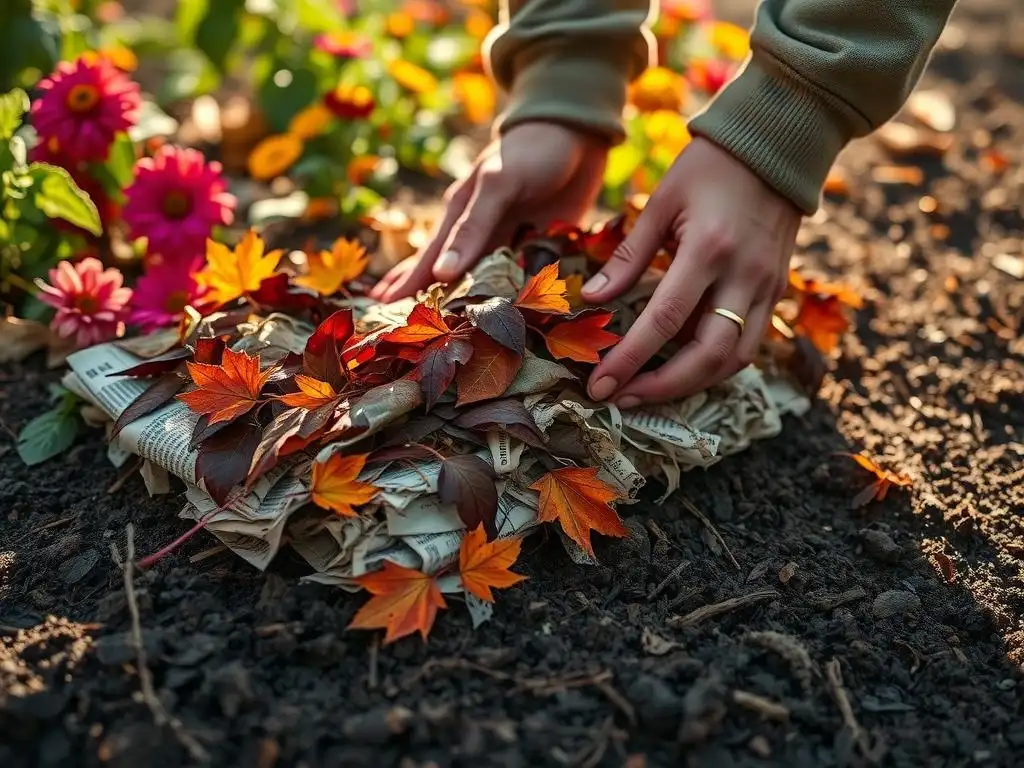
This section details the crucial planning phase for successful fall sheet mulching, a key element of fall sheet mulch garden prep. Proper planning ensures a thriving garden next spring. We'll cover assessing your garden's needs, gathering the right materials, and preparing the bed for optimal results. This method minimizes soil disturbance, improves soil health, and suppresses weeds, all while preparing your garden for winter's embrace.
Assessing Your Garden and Choosing Materials for Fall Sheet Mulching
Before you even think about grabbing your cardboard, take stock of your garden. What are you planting next spring? Knowing your future crops influences your material choices. For example, heavy feeders like tomatoes and peppers benefit from richer compost layers. Consider your soil type. Clay soils need more bulky organic matter to improve drainage, while sandy soils benefit from materials that retain moisture. Observe your existing weeds. Persistent weeds might require a thicker layer of cardboard to suppress growth.
Here's a breakdown of material selection:
- Cardboard: Choose uncoated, unwaxed cardboard. Avoid glossy or colored cardboard, as these contain chemicals that can hinder decomposition. Pizza boxes are often a great source, but be sure to remove any tape or greasy labels.
- Compost: Aim for a well-rotted compost, rich in nutrients. The darker the color, generally the better decomposed it is. This provides the foundation for your sheet mulch. Consider adding aged manure for extra nutrients if your soil is lacking.
- Mulch: Choose a mulch suitable for your climate and plant needs. Shredded leaves are an excellent, readily available option in the fall. Wood chips, straw, or even grass clippings (ensure they are free of weed seeds!) can also work well. The mulch acts as a protective layer and helps retain moisture.
- Nitrogen-rich materials: Consider adding materials such as coffee grounds or grass clippings to boost nitrogen levels in your compost. This is especially important if you are using a lot of carbon-rich materials like wood chips.
Remember, the goal is layering materials to create a nutrient-rich environment that will break down over winter, improving soil structure and fertility. A successful fall sheet mulch garden prep depends on careful material selection.
Gathering Your Supplies: Cardboard, Compost, Mulch, and More
Now that you've planned your materials, it's time to gather them. The quantity depends on the size of your garden bed. A good rule of thumb is to have enough cardboard to completely cover the area, a generous layer of compost (at least 4-6 inches), and a thick layer of mulch (at least 2-4 inches).
Here’s a checklist to ensure you're fully prepared:
- [ ] Sufficient uncoated cardboard boxes
- [ ] Well-rotted compost (consider several wheelbarrows full for a standard-sized bed)
- [ ] Chosen mulch (leaves, straw, wood chips, etc.)
- [ ] Heavy-duty gloves 🧤
- [ ] A garden fork or shovel 🫙
- [ ] A sturdy tarp (optional, for easier transport of materials)
This careful preparation saves you time and effort later on. Gathering everything beforehand ensures a smooth and efficient sheet mulching process. Don't forget the importance of comfortable, protective clothing!
Preparing the Garden Bed for Fall Sheet Mulching: Clearing and Cleaning
Before laying down your sheet mulch, thoroughly clear the garden bed. Remove all existing plants, including weeds. Use a garden fork or shovel to loosen the top layer of soil slightly, but avoid deep tilling. This facilitates decomposition and allows the sheet mulch to integrate more effectively with the existing soil.
Pay close attention to persistent weeds. These require extra care. You might need to remove their roots manually to prevent regrowth. For especially stubborn weeds, consider using a weed barrier fabric under the cardboard, acting as an extra layer of protection during the decomposition process. A clean garden bed is the foundation for a successful fall sheet mulch garden prep. This step is crucial for minimizing weed competition and maximizing the benefits of your sheet mulch. Remember, a little extra effort now translates to a healthier garden next spring!
Layering Your Sheet Mulch: A Detailed Guide for Optimal Results
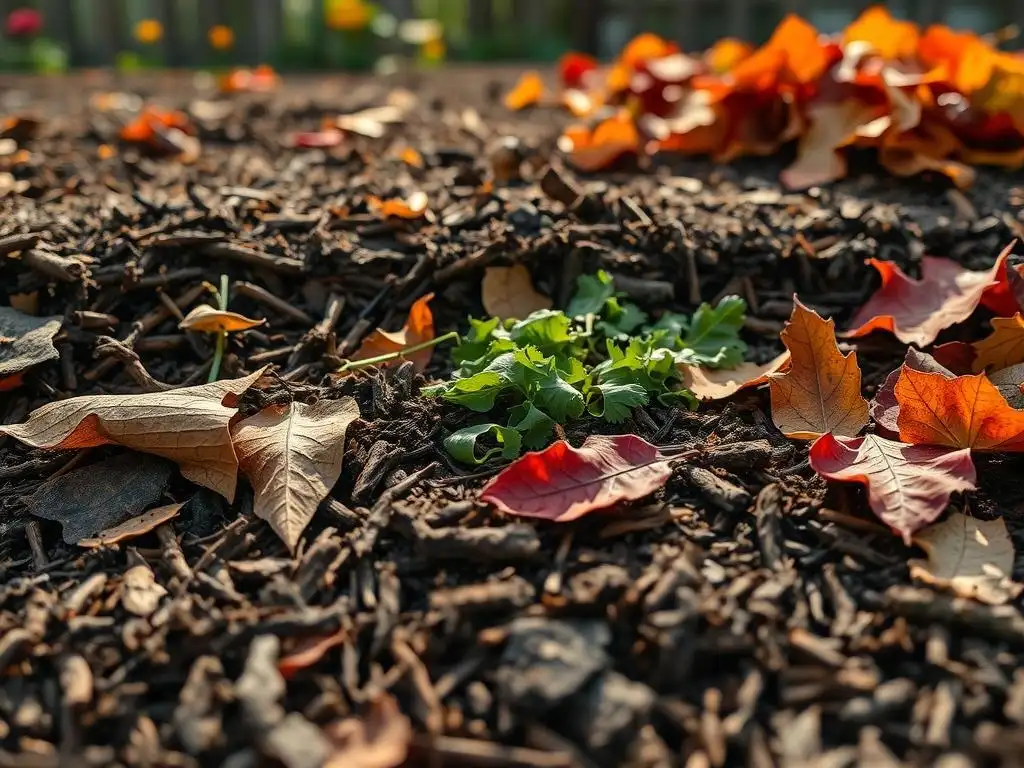
Creating a successful fall sheet mulch involves careful layering. The goal is to mimic nature's decomposition process, creating a rich, fertile soil layer over winter. Think of it as building a lasagna for your garden! Each layer plays a crucial role in the overall effectiveness of the sheet mulch.
The base layer typically consists of cardboard or several layers of newspaper, ensuring complete weed suppression. Avoid glossy or colored inks, as these can contain harmful chemicals. Overlapping the cardboard or newspaper sheets is essential to prevent weed regrowth. Next, add a layer of "brown" materials, such as dried leaves, straw, or shredded paper. These provide carbon-rich material, vital for decomposition and soil structure improvement. Aim for a layer approximately 4-6 inches thick. This layer helps retain moisture and insulates the soil.
The next layer, often referred to as the "green" layer, consists of nitrogen-rich materials. This might include grass clippings, vegetable scraps, or even coffee grounds. A 2-3 inch layer is sufficient. This layer speeds up decomposition, providing nutrients for the soil. Avoid adding diseased plants or weeds to prevent the spread of pathogens. Consider adding a layer of compost (approximately 1-2 inches) to further enrich the soil with beneficial microbes and nutrients.
The final layer is optional but highly beneficial: a layer of mulch. Wood chips, shredded bark, or even more straw can help retain moisture, moderate soil temperature, and suppress weed growth. A 2-4 inch layer is generally sufficient. This top layer protects the underlying layers from being washed away by rain and prevents the mulch from drying out too quickly.
Remember to avoid using treated wood, as the chemicals can leach into the soil. The entire process creates a rich, nutrient-dense soil profile ready to support vigorous plant growth in the spring. Consistent layering is key for successful fall sheet mulching.
Securing the Edges: Preventing Mulch Displacement During Winter
Wind and heavy rains can displace your carefully crafted sheet mulch, reducing its effectiveness and potentially spreading unwanted materials. Securing the edges is crucial, especially in exposed areas. Several techniques can be used to prevent this displacement and ensure your fall sheet mulch remains intact throughout the winter.
One effective method is to use heavy-duty landscape pins or stakes to secure the edges of the cardboard or newspaper base layer. Place these pins every 2-3 feet along the perimeter. This helps hold the base layer in place, preventing the entire sheet mulch from blowing away. Another option is to use rocks or bricks to weigh down the edges. This is particularly useful in windy areas or for larger sheet mulching projects. Strategically placed rocks or bricks along the perimeter will add significant weight, anchoring the mulch effectively.
For a more natural approach, consider using living stakes. Plant fast-growing, sturdy plants like willow or bamboo along the edges of the sheet mulch. Over time, these plants will create a natural barrier, holding the mulch in place. This method requires more time and planning but offers a long-term, environmentally friendly solution.
Regularly check your sheet mulch throughout the winter, especially after periods of high winds or heavy rainfall. Addressing any displacement promptly will ensure its continued efficacy. Remember that a well-secured sheet mulch provides optimal protection for your soil and sets the stage for a bountiful harvest in the spring. The effort invested in securing the edges is a small price to pay for the significant benefits of fall sheet mulching.
Choosing the Right Materials for Fall Sheet Mulching
Choosing the right materials is crucial for a successful fall sheet mulch. The goal is to create a nutrient-rich layer that suppresses weeds, retains moisture, and improves soil health over the winter, all while minimizing environmental impact. This section will guide you through selecting the key components: cardboard, compost, and mulch. Remember, the success of your fall sheet mulch garden prep hinges on these choices.
Selecting Appropriate Cardboard for Sheet Mulching
Cardboard forms the base layer of your sheet mulch, suppressing weeds and providing a foundation for the subsequent layers. Not all cardboard is created equal, however. Avoid cardboard that's:
- Glossy or waxed: These coatings prevent decomposition and can hinder nutrient release. Think cereal boxes or those with laminated surfaces.
- Colored or printed with inks containing heavy metals: While many inks are now plant-based, it's best to err on the side of caution. Choose plain brown cardboard whenever possible.
- Contaminated with food residue or chemicals: Avoid pizza boxes or those that have contained hazardous materials.
Ideally, you should source cardboard from local businesses. Many grocery stores and other retailers are happy to donate their used cardboard. Look for sturdy, uncoated boxes that are free from stains and contaminants. The thicker the cardboard, the better it will suppress weeds. Prioritize quality over quantity in this crucial step of your fall sheet mulch garden prep.
Sourcing High-Quality Compost for Soil Enrichment
Compost is the heart of your sheet mulch, providing essential nutrients to enrich your soil. The quality of your compost directly impacts the success of your fall sheet mulch garden prep. Aim for a dark, crumbly compost that smells earthy rather than foul. A good compost should contain a balanced mix of organic matter, including:
- Brown materials: Dead leaves, twigs, straw, and shredded paper provide carbon.
- Green materials: Grass clippings, vegetable scraps, and coffee grounds provide nitrogen.
Avoid using compost that contains:
- Weed seeds: This could defeat the purpose of weed suppression.
- Pathogens or disease-causing organisms: These can harm your plants.
- Large pieces of undecomposed material: These can create uneven layers and hinder decomposition.
The ideal compost for fall sheet mulching is mature and well-rotted, ensuring a consistent nutrient release throughout the winter months. Consider making your own compost using a backyard compost bin or procuring high-quality compost from a local supplier as part of your fall sheet mulch garden prep.
Choosing the Best Mulch for Your Climate and Soil Type
The top layer of your sheet mulch – the mulch itself – protects the compost and cardboard from the elements, regulates soil temperature, and helps retain moisture. The best mulch for your fall sheet mulch garden prep will depend on your specific climate and soil type. Consider these factors:
| Mulch Type | Pros | Cons | Best Suited For |
|---|---|---|---|
| Straw | Excellent weed suppression, readily available | Can be blown away by wind, can harbor pests | Most climates, good for general use |
| Wood Chips | Good weed suppression, long-lasting | Can tie up nitrogen initially | Most climates, good for long-term use |
| Shredded Leaves | Free and readily available, good insulation | Can mat down, may contain weed seeds | Cooler climates, good for insulation |
| Aged Manure | Nutrient-rich, improves soil structure | Can be expensive, may contain weed seeds | Most climates, especially for nutrient boost |
Remember to choose a mulch that is free from weed seeds and other contaminants. A well-chosen mulch will significantly enhance the effectiveness of your fall sheet mulch garden prep, contributing to a healthy and productive garden in the spring. Consider the long-term benefits and choose wisely!
Utilizing Nitrogen-Rich Materials to Boost Soil Fertility
Nitrogen is a crucial nutrient for healthy plant growth, and incorporating nitrogen-rich materials into your fall sheet mulch is essential for building fertile soil over the winter. These materials decompose quickly, releasing nitrogen into the soil and feeding beneficial microorganisms. A balanced approach is key; too much nitrogen can lead to unwanted weed growth, while too little will hinder spring growth.
One excellent source of nitrogen is well-composted manure. Horse, cow, and chicken manure all offer varying levels of nitrogen, but ensure it's fully composted to avoid burning your plants. Properly composted manure will be dark brown or black, crumbly, and have little to no odor. Using uncomposted manure is a common mistake and can lead to nutrient imbalances and even damage to your plants.
Another readily available nitrogen source is grass clippings. However, it's crucial to use grass clippings from areas untreated with pesticides or herbicides. Freshly cut grass can also compact and become anaerobic, hindering decomposition. Ideally, allow the clippings to dry slightly before incorporating them into your sheet mulch. The drying process reduces the risk of compaction and prevents unwanted fungal growth.
Legumes, like clover or alfalfa, are another fantastic option. These plants naturally fix nitrogen from the atmosphere, making them an excellent addition to your sheet mulch. Consider incorporating them as a cover crop in the weeks leading up to sheet mulching, then incorporating the plants directly into the sheet mulch layer. This provides a slow-release nitrogen source throughout the winter months. Remember to avoid using diseased plants.
Finally, consider using seaweed. Rich in nitrogen and other essential nutrients, seaweed is a fantastic natural fertilizer. If you have access to fresh seaweed, this can be a powerful addition. However, ensure that you use it responsibly and sustainably. Using too much seaweed can lead to salt buildup, so moderation is key. Always check the origin of the seaweed to ensure it is not contaminated. Even dried seaweed can be effective, though the nitrogen release will be slower. The benefits of seaweed extend beyond nitrogen; it also provides valuable trace minerals and enhances soil structure.
Fall Sheet Mulching for Specific Plants and Vegetables
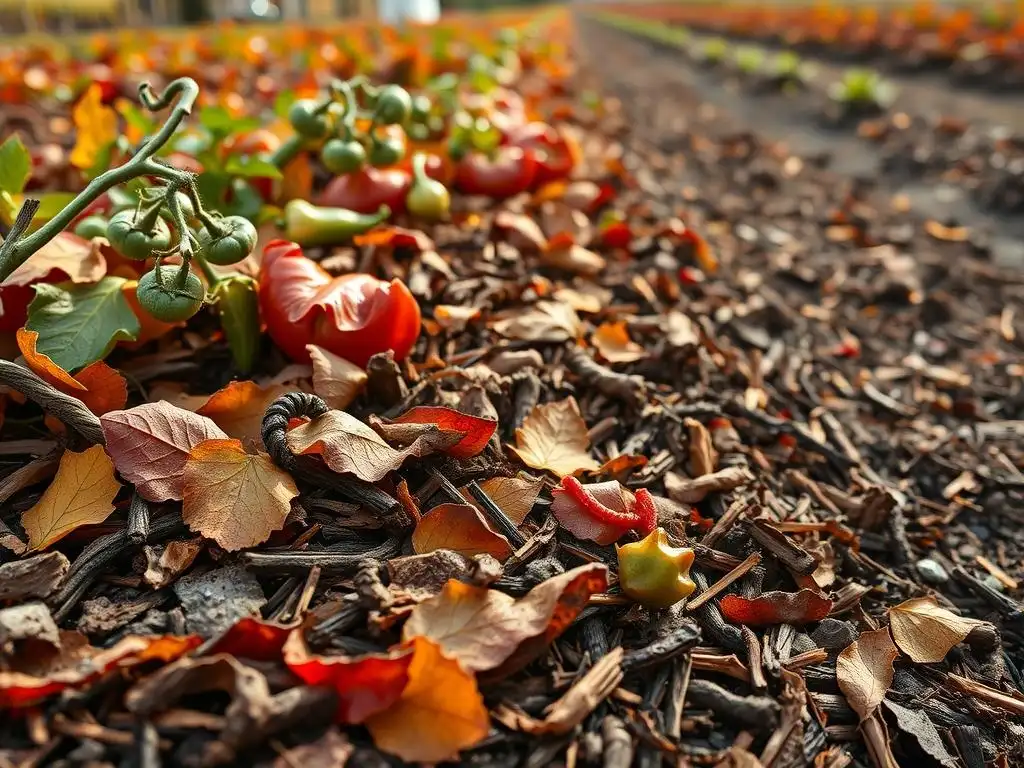
This section details the application of fall sheet mulching to various vegetables and plants, optimizing your garden's preparation for the winter months. Remember, the success of sheet mulching hinges on proper layering and material selection. Improperly executed sheet mulching can lead to pest infestations or nutrient imbalances, undermining the benefits of the technique. Therefore, paying close attention to detail is crucial for achieving a successful "fall sheet mulch garden prep".
Preparing Vegetable Beds for Winter with Sheet Mulching
Preparing vegetable beds for winter using sheet mulching involves a strategic layering process designed to nourish the soil and suppress weeds while protecting beneficial microorganisms. The process significantly reduces the need for spring tillage, minimizing soil disturbance and preserving its structure. For example, a typical bed preparation for brassicas (like kale and cabbage) or root vegetables (like carrots or parsnips that will overwinter) might look like this:
- Clear the bed: Remove all existing plants and debris. Dispose of diseased plants properly to prevent the spread of pathogens.
- Layer 1 (Brown): Start with a layer of dried brown materials, such as shredded leaves, straw, or dried grass clippings (approximately 2-4 inches). This provides a base layer of carbon and helps retain moisture.
- Layer 2 (Green): Add a layer of green materials, such as grass clippings, vegetable scraps (avoid diseased plants), or cover crops like clover (approximately 2-4 inches). This layer introduces nitrogen and other nutrients.
- Layer 3 (Brown): Add another layer of brown material (similar to Layer 1), roughly 2-4 inches thick. This helps to balance the carbon-nitrogen ratio and further suppress weeds.
- Optional Layer 4: A thin layer (1-2 inches) of compost can be added for extra nutrients. This is particularly useful for nutrient-hungry crops.
- Optional Layer 5: For colder climates, add a final layer of mulch, such as straw or wood chips, to insulate the soil and protect it from extreme temperatures.
Remember to avoid using materials contaminated with weed seeds or diseased plants. The goal is to create a nutrient-rich environment that suppresses weeds and promotes healthy soil biology over the winter months. Consistent moisture is key; water thoroughly after layering, especially if conditions are dry.
Protecting Fruit Trees and Bushes with Fall Sheet Mulching
Fruit trees and bushes benefit significantly from fall sheet mulching. This method helps retain soil moisture, suppresses weeds that compete for nutrients, and provides insulation against harsh winter conditions. The layering process is similar to that for vegetable beds, but the scale will be larger.
The key difference lies in the placement of the mulch around the base of the tree or bush. Ensure a buffer zone of several inches between the mulch and the trunk to prevent rot. A well-prepared sheet mulch around a fruit tree might include:
- A generous layer of shredded leaves or wood chips to suppress weeds and retain moisture.
- A layer of compost to enrich the soil and provide essential nutrients.
- A final layer of coarser mulch, such as wood chips or straw, to provide insulation and prevent soil erosion.
For particularly young or vulnerable trees, consider adding a protective layer of burlap or other frost protection material on top of the sheet mulch during periods of extreme cold. This adds an extra layer of protection against winter damage. Regular monitoring for pest activity and disease is crucial even with sheet mulching.
Sheet Mulching for Berry Plants and Herbs
Berry plants and many herbs thrive with fall sheet mulching. The layering process is similar to that described above, but the scale is smaller, adapted to the size of the plants. For example, strawberry plants benefit from a lighter sheet mulch to prevent smothering. Consider using a thinner layer of straw or shredded leaves as a top layer to retain moisture and protect the plants from frost.
Herbs such as rosemary, thyme, and lavender, which are relatively hardy, can tolerate a slightly thicker layer of mulch for winter protection. However, avoid excessive layering that could lead to rot or moisture buildup. Remember to leave sufficient space around the plants to ensure good air circulation.
The successful application of sheet mulching requires careful consideration of the specific needs of each plant. Regular observation of your garden throughout the winter months will help you fine-tune your technique for future seasons, optimizing your "fall sheet mulch garden prep" for maximum yield and soil health. Remember that consistent monitoring and adjustments are key to achieving the best results. 🌱
Maintaining Your Sheet Mulch Through Winter
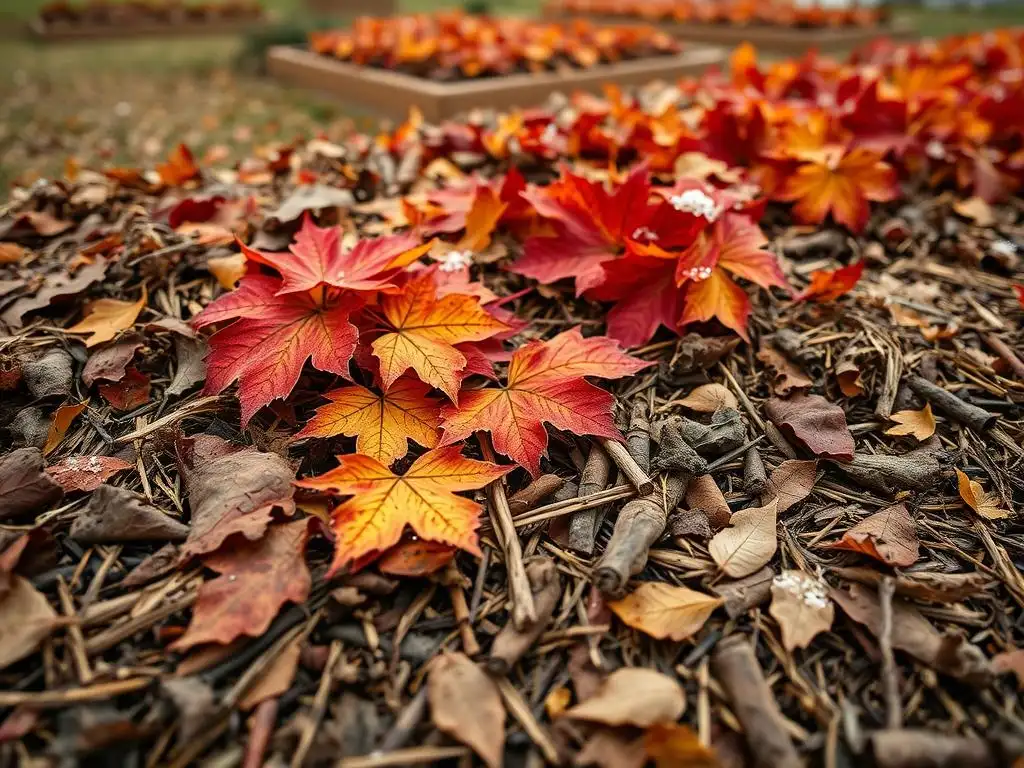
This section focuses on preserving the integrity and effectiveness of your fall sheet mulch throughout the winter months, ensuring a thriving garden come spring. Proper maintenance minimizes disruption and maximizes the benefits of your hard work. Successful fall sheet mulch garden prep involves proactive winter care.
Addressing Potential Issues: Pests, Animals, and Erosion
Winter presents unique challenges to your sheet mulch. While the layers offer significant protection, certain pests, animals, and environmental factors can still cause problems. Let's address these potential issues proactively.
Pests: While many insect pests are dormant during winter, some, like slugs and snails, might find refuge within the moist layers of your sheet mulch. While a heavy layer of mulch usually deters them, monitor for signs of activity, particularly in milder winters. Consider adding a thin layer of diatomaceous earth to the top layer in areas prone to slug and snail infestation. This natural insecticide is effective and environmentally friendly.
Animals: Rodents, such as mice and voles, may seek shelter and food within the sheet mulch. To deter them, avoid using materials that attract them, such as heavily seeded compost. Consider using hardware cloth or chicken wire to protect particularly vulnerable areas, especially around newly planted seeds or bulbs. Avoid leaving exposed food scraps near your sheet mulch beds.
Erosion: Heavy rains and strong winds can potentially disrupt your sheet mulch, especially on slopes. Ensure your sheet mulch is thick enough to resist erosion. A well-established layer of organic material will hold together better than a thin one. In particularly exposed areas, consider adding heavier materials like straw bales or large pieces of wood to anchor the mulch. Consider adding additional mulch in the spring if erosion becomes a noticeable problem.
Monitoring Moisture Levels and Making Adjustments as Needed
Maintaining appropriate moisture levels is crucial for the success of your sheet mulch throughout the winter. While excess moisture can lead to rotting and pest problems, insufficient moisture can hinder decomposition and nutrient release.
Regularly check the moisture content of your sheet mulch, especially during periods of prolonged dry spells or heavy rainfall. Use a soil moisture meter or simply dig down a few inches to assess the dampness. If the mulch is too dry, consider lightly watering it, especially during periods of low rainfall.
Conversely, if the mulch is excessively wet, you might need to add more carbon-rich materials like dry leaves or shredded paper to improve drainage and aeration. This is a crucial step in successful "fall sheet mulch garden prep" for spring planting. Remember, a balance is key—aim for consistently moist but not soggy conditions.
A well-maintained sheet mulch will provide a consistent moisture level throughout the winter, minimizing the need for frequent adjustments. However, regular monitoring is recommended, especially in areas with fluctuating weather patterns. This proactive approach helps maintain optimal conditions for decomposition and nutrient cycling.
Preparing for Spring Planting After Winter Sheet Mulching
Once winter ends and the ground thaws, your sheet mulch will have undergone significant decomposition, creating a rich and fertile soil bed ready for spring planting. However, a few steps will further enhance your success.
Before planting, gently till or loosen the top layer of the sheet mulch to incorporate it into the soil below. Avoid tilling too deeply, as you want to maintain the integrity of the underlying layers. This will allow for better aeration and root penetration. The decomposed materials will have created a rich, dark soil, perfect for your spring plantings.
Observe the texture of the soil. If it appears too dense or compacted, consider incorporating additional compost or other organic matter to improve its structure. Also, check the pH levels, adjusting as needed with appropriate amendments.
Finally, carefully plant your seedlings or seeds, ensuring proper spacing and depth. A successful winter sheet mulch will significantly reduce the need for additional fertilizers and amendments, providing your plants with a nutrient-rich environment for vigorous growth. Proper "fall sheet mulch garden prep" significantly simplifies spring planting, resulting in a healthier and more bountiful harvest.
Troubleshooting Common Fall Sheet Mulching Challenges
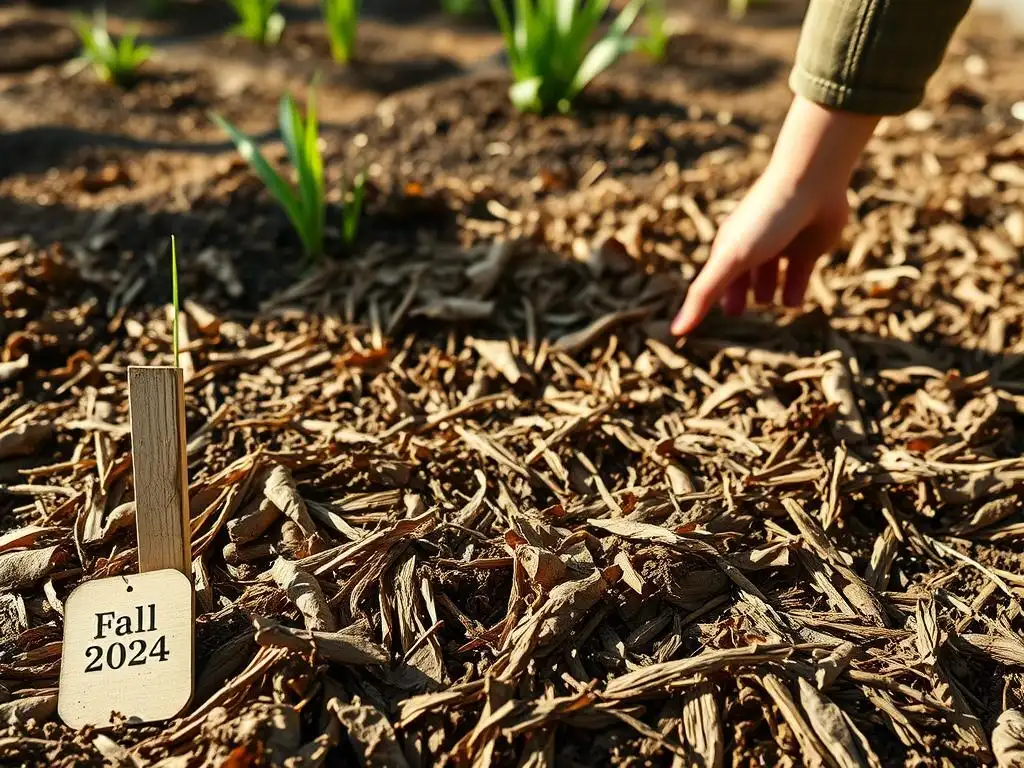
Sheet mulching in the fall offers numerous benefits for your garden, preparing it for a healthy spring. However, like any gardening technique, challenges can arise. Addressing these issues promptly ensures the success of your fall sheet mulch garden prep. Let's explore some common problems and their solutions.
Dealing with Unexpected Pests or Animal Damage
Fall is a time of increased activity for various garden pests and animals seeking shelter or food before winter. While sheet mulching generally discourages many pests by disrupting their habitat, some resilient creatures might still cause problems.
Unexpected pest infestations can be mitigated with careful planning and proactive measures. For example, slugs and snails might find the moist environment under the mulch appealing. To address this, consider incorporating diatomaceous earth into your mulch layers. This natural powder acts as an abrasive to their soft bodies, deterring them from entering the sheet mulch.
Additionally, monitoring the mulch regularly for signs of rodent activity—like gnawed materials or burrows—is crucial. If you notice such signs, you may need to use protective measures such as wire mesh barriers around vulnerable plants or areas. Remember, the goal is to create a balanced ecosystem that minimizes harm to beneficial insects and wildlife while protecting your garden from damaging pests.
Animals like squirrels or rabbits might also see your sheet mulch as an ideal wintering spot or a readily available source of food. Protecting your plants from these creatures requires physical barriers, such as chicken wire or sturdy netting placed around the perimeter of the sheet mulch. This prevents them from accessing the valuable organic matter and young plants within. Addressing this problem early on is vital to protect your investment and the integrity of your fall sheet mulch garden prep.
Correcting Issues with Water Retention or Drainage
Proper water management is vital for successful sheet mulching. Too much or too little water can negatively impact the decomposition process and the health of the soil beneath. The ideal situation involves consistent moisture, but without waterlogging.
Poor drainage can lead to anaerobic conditions, hindering decomposition and potentially harming plant roots. If you notice water pooling on top of your sheet mulch, it indicates poor drainage. You might need to improve drainage by adding more porous materials to the mulch layers, such as wood chips or shredded leaves, which allow for better water percolation. Alternatively, consider creating raised beds or improving the overall slope of the garden area to facilitate better water runoff.
Conversely, if the mulch dries out too quickly, it suggests poor water retention. This can be addressed by adding more moisture-retentive materials like compost or well-rotted manure to your sheet mulch layers. Regular monitoring and adjustments to the watering schedule are also necessary, ensuring your sheet mulch maintains a consistently moist, but not waterlogged, environment. This careful balancing act is key to a successful fall sheet mulch garden prep.
Addressing Problems with Mulch Decomposition and Nutrient Release
The decomposition of the organic layers in your sheet mulch is crucial for soil enrichment and nutrient release. However, decomposition rates can vary depending on factors like temperature, moisture levels, and the type of materials used.
Slow decomposition can be a sign of several issues. Cold temperatures can significantly slow down microbial activity, which is essential for decomposition. To counteract this, ensure your mulch layers are adequately moist, as moisture helps maintain a warmer temperature within the mulch.
The carbon-to-nitrogen ratio of your materials also plays a significant role. If you've used a high-carbon material like dry leaves, you may need to add more nitrogen-rich materials like compost or manure to balance the ratio and accelerate decomposition. On the other hand, overly rapid decomposition might lead to excessive heat generation, potentially harming beneficial organisms.
This often occurs when the mulch is too wet or contains excessive amounts of nitrogen-rich materials. In such cases, you might need to aerate the mulch by carefully turning it over or adding more carbon-rich materials to slow down the decomposition rate. Regular observation and adjustments based on your specific conditions are critical for successful nutrient release and optimal fall sheet mulch garden prep.
Harvesting Your Fall Garden Before Sheet Mulching
Before you begin the rewarding process of sheet mulching your garden for the winter, it's crucial to harvest any remaining crops. This ensures you maximize your yield and prevents rotting vegetables from contaminating your mulch layers. Proper harvesting also helps to keep your garden clean and ready for the next growing season. Efficient fall sheet mulch garden prep requires careful attention to this stage.
Harvesting Late-Season Vegetables and Herbs
Late-season vegetables and herbs often benefit from a bit of extra care during harvesting. Consider the following:
- Timing is Key: Don't wait until the first frost! Many cold-hardy vegetables, like kale and Brussels sprouts, can actually improve in flavor after a light frost. However, prolonged freezing temperatures will damage them. Monitor weather forecasts closely.
- Gentle Handling: Handle your harvested vegetables and herbs gently to minimize bruising and damage. This ensures longer shelf life and better quality.
- Proper Storage: Different vegetables and herbs require different storage methods. Some, like carrots and beets, can be stored in cool, dark, and slightly damp areas. Others, like basil, might freeze better. Research the best storage method for each harvested item.
- Seed Saving: If you're interested in saving seeds from your plants for next year, now is the time to collect them. Allow the seed heads to fully dry on the plant before collecting. Proper seed saving can be a significant way to reduce your gardening costs in the future and further enhance your sustainable practices.
Preparing Your Garden for Winter's Rest
Once harvesting is complete, several steps can enhance your garden's preparation for winter, maximizing the benefits of your fall sheet mulch garden prep.
- Clear the Debris: Remove all remaining plant debris, including spent plants, weeds, and any fallen leaves not intended for the mulch. This prevents disease and pest problems in the spring. Compost any healthy plant material. Remember, composting is a crucial part of sustainable gardening.
- Assess Soil Conditions: Before applying your sheet mulch, take a moment to assess your soil. Is it compacted? Does it need additional amendments? Addressing these issues now will improve the effectiveness of your sheet mulch. Consider adding compost or other organic matter to improve soil structure and fertility.
- Weed Control: Thoroughly remove persistent weeds before layering your sheet mulch. While sheet mulching suppresses weeds, existing, deep-rooted weeds may still survive. This is a critical step to ensure your sheet mulch is as effective as possible. You don't want to be feeding weeds over winter!
Remember, a well-prepared garden is essential for a successful sheet mulching project. By following these steps, you'll set the stage for a thriving garden next spring. Your fall sheet mulch garden prep will pay off with healthier plants and a richer harvest in the coming year. Happy gardening!
Frequently Asked Questions
What is sheet mulching?
Sheet mulching is a no-till gardening method where layers of organic materials are laid directly onto the soil surface to suppress weeds, improve soil health, and prepare for planting the following season. It's a great way to prepare your garden for winter.
Why sheet mulch in the fall?
Fall is the ideal time because the decomposition process is accelerated by moisture and warmth. This prepares your soil for spring planting, enriching it over the winter months. It also helps to suppress winter weeds.
What materials do I need for fall sheet mulching?
You'll need cardboard or newspaper (to smother weeds), brown materials (like dried leaves, straw, or shredded wood), green materials (like grass clippings or compost), and optionally, a top layer of mulch.
How long does it take for a sheet mulch to decompose?
Decomposition time depends on the materials used and the climate, but you can generally expect significant breakdown by spring. You might still find some larger pieces remaining, which will further break down over time.
Is sheet mulching suitable for all plants?
Yes, sheet mulching is beneficial for most plants. However, it's especially useful for preparing the soil for spring planting and improving the soil structure for vegetables, fruits, and herbs. The method is adaptable to various plants depending on your specific needs.
Final Reflection: Nurturing the Earth, Nurturing Ourselves
The practice of fall sheet mulching isn't just about preparing a garden for winter; it's about fostering a deeper connection with the natural rhythms of the earth and building a more sustainable future. This simple act of layering organic matter directly impacts soil health, reduces waste, and ultimately contributes to a more resilient and productive garden year after year. The benefits extend far beyond the immediate visual improvements.
The profound impact of sheet mulching goes beyond the immediate gratification of a thriving garden. It's a tangible demonstration of our ability to work with nature, rather than against it. This mindful approach to gardening resonates deeply with a growing awareness of environmental responsibility. As Wendell Berry so eloquently stated, The health of the land is the health of the people.
This philosophy underpins the entire practice of sheet mulching, highlighting the interconnectedness between our actions and the well-being of our planet.
Now, consider your own garden, your own space. What small act of stewardship can you undertake this fall? Will you embrace the simplicity and power of sheet mulching to enrich your soil and, in turn, enrich your life? The rewards are not only bountiful harvests but also a deeper appreciation for the cyclical nature of life and the profound satisfaction of nurturing something beautiful and sustainable. Let this fall be the season you begin to cultivate a more harmonious relationship with the earth, one layer of mulch at a time.
Unleash Your Garden's Winter Potential!
Thank you for exploring the benefits of fall sheet mulching! You've learned a powerful technique to enrich your soil and prepare your garden for a bountiful spring harvest. Ready to put your new knowledge into practice?
- Get started! Begin your sheet mulching project this weekend. Gather your materials and transform your garden beds. This crucial first step will pave the way for a healthier, more vibrant garden next year.
- Share your success! Post pictures of your progress on social media and tag #CultivateYourFood – let's inspire each other!
- Consider keeping a journal to document your process – noting the materials used and any observations about changes in your garden. This information will be invaluable for planning next year's garden.
What exciting results from sheet mulching are you most looking forward to seeing in your garden this winter?