
Hydroponics vs. Aquaponics: Which System is Right for Your Home Garden?

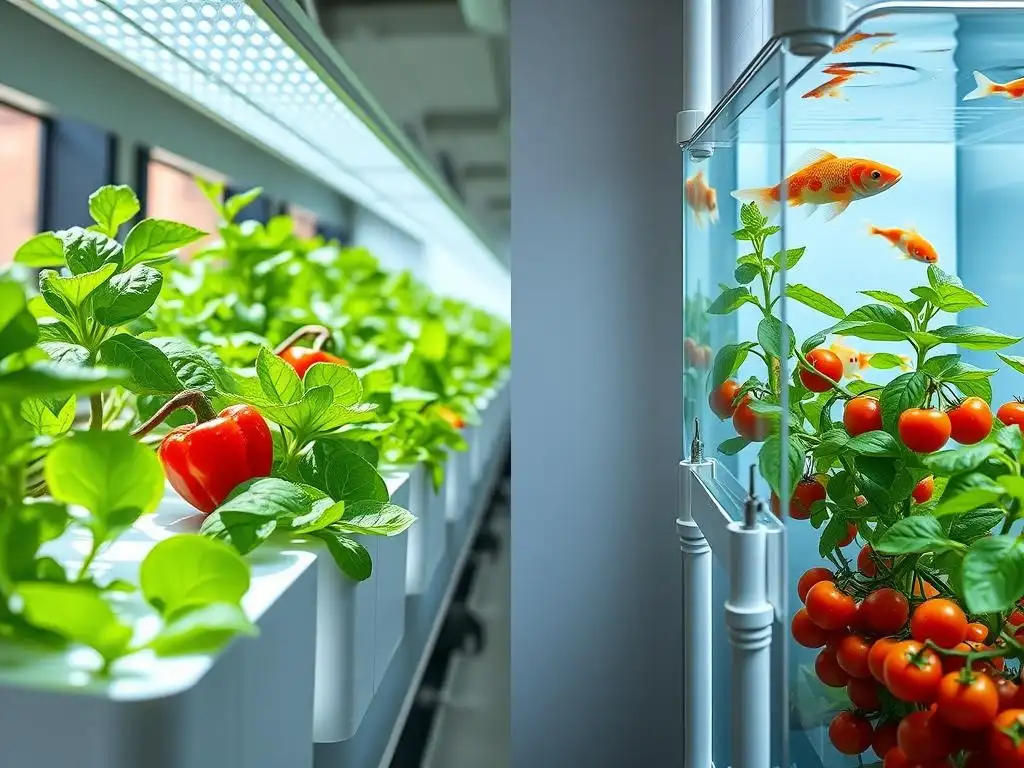
Welcome to CultivateYourFood, your guide to a thriving, sustainable home garden! Are you ready to unlock the secrets of bountiful harvests, even in the heart of the city? We'll explore the exciting world of urban farming, and today, we're diving deep into the debate: Hydroponics vs. Aquaponics. Discover which system – and specifically, which best home hydroponics system – is the perfect fit for your space and aspirations. Let's grow together!
- Understanding Hydroponic Systems for Home Use
- Exploring Aquaponic Systems for Home Gardens
- Hydroponics vs. Aquaponics: A Detailed Comparison
- Choosing the Best System for Your Needs
- Best Home Hydroponics System: Final Recommendations
- Frequently Asked Questions
- Final Reflection: Cultivating Your Ideal Home Garden
- Unlock Your Urban Oasis: Start Growing Today!
Understanding Hydroponic Systems for Home Use
Choosing the best home hydroponics system can feel overwhelming, but understanding the fundamentals of hydroponics and aquaponics is the first step towards a bountiful, home-grown harvest. This article will delve into the key differences between hydroponics and aquaponics, helping you determine which system best suits your needs and space, ultimately guiding you towards the best home hydroponics system for your urban garden. We'll explore the mechanics of each system, highlighting their advantages and disadvantages to empower you to make an informed decision.
The goal is to equip you with the knowledge to cultivate your food efficiently and sustainably, regardless of whether you choose the vibrant world of hydroponics or the symbiotic relationship of aquaponics. This guide focuses on achieving optimal growth and yield within the confines of a home environment, prioritizing practicality and ease of maintenance for the aspiring urban farmer.
What is Hydroponics and How Does it Work?
Hydroponics, derived from the Greek words "hydro" (water) and "ponos" (labor), is a method of growing plants without soil. Instead, plants are cultivated in a nutrient-rich water solution, offering several advantages over traditional soil-based gardening, especially in urban settings. The process involves delivering essential nutrients directly to the plant's roots, bypassing the need for soil as a medium. This allows for precise control over nutrient levels, leading to faster growth and higher yields.
Several methods exist within hydroponics, each with its own setup and requirements. These include:
- Deep Water Culture (DWC): Plants are suspended with their roots submerged in an oxygenated nutrient solution. This is a relatively simple and affordable method, ideal for beginners.
- Nutrient Film Technique (NFT): A thin film of nutrient solution continuously flows over the roots, providing constant access to oxygen and nutrients. This method is known for its efficiency and high yields.
- Drip System: Nutrient solution is delivered directly to the roots through a drip irrigation system. This allows for precise control of nutrient delivery and water usage.
- Wick System: A wick draws nutrient solution from a reservoir to the plant's roots. This is a passive system, requiring minimal maintenance but potentially limiting growth due to less frequent nutrient delivery.
Understanding these different techniques is crucial in selecting the best home hydroponics system for your specific needs and space constraints. The choice depends on factors such as the available space, your technical expertise, and the types of plants you wish to cultivate.
Best Home Hydroponic Systems: Types and Considerations
Selecting the "best" home hydroponics system depends entirely on your individual circumstances. Factors to consider include:
- Space: How much space do you have available? Some systems are more compact than others. DWC systems, for example, can be quite compact, while larger NFT systems require more horizontal space.
- Budget: The initial investment varies significantly across different hydroponic systems. DWC systems are generally more affordable than more complex systems like NFT.
- Technical Skill: Some systems are easier to maintain than others. Beginners may find DWC or wick systems easier to manage.
- Plant Type: Different hydroponic systems are better suited to different types of plants. Research which system works best for the specific plants you want to grow.
| System Type | Space Requirement | Complexity | Cost | Ideal for Beginners? |
|---|---|---|---|---|
| Deep Water Culture | Low | Low | Low | Yes |
| Nutrient Film Tech | Medium to High | Medium | Medium | No |
| Drip System | Medium to High | Medium to High | Medium to High | No |
| Wick System | Low | Low | Low | Yes |
This table provides a general overview; specific models within each system type will vary. Thorough research is crucial before making a purchase. Remember to factor in ongoing costs such as nutrient solutions and electricity (for systems requiring pumps).
Advantages of Hydroponic Gardening at Home
Hydroponic gardening offers numerous advantages over traditional soil-based methods, particularly for urban dwellers:
- Space Efficiency: Hydroponic systems can be significantly more space-efficient than traditional gardens, making them ideal for apartments, balconies, or small yards.
- Faster Growth: Plants typically grow faster in hydroponic systems due to the consistent supply of nutrients and water.
- Higher Yields: Hydroponic systems often produce higher yields compared to traditional gardening, maximizing your harvest in a limited space.
- Water Conservation: Hydroponics uses significantly less water than traditional gardening, as the water is recirculated.
- Pest and Disease Control: The controlled environment of hydroponics makes it easier to manage pests and diseases.
- Year-Round Growing: Hydroponic systems can be used year-round, regardless of weather conditions, allowing for continuous harvests.
The benefits of hydroponics make it an attractive option for anyone looking to grow their own food sustainably and efficiently, even within the limitations of an urban environment. Choosing the best system requires careful consideration of your individual needs and resources. The next section will compare hydroponics to aquaponics.
Disadvantages of Hydroponic Gardening at Home
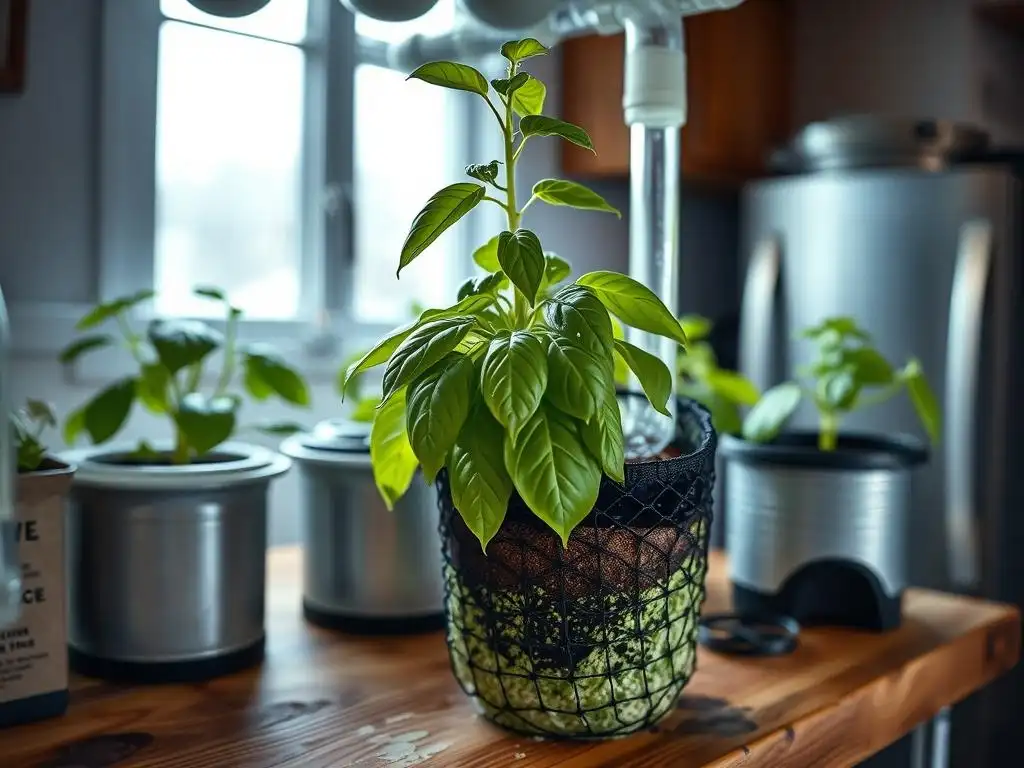
While hydroponics offers many advantages for home gardeners, it's crucial to acknowledge its drawbacks. One significant disadvantage is the higher initial investment. Setting up a hydroponic system, especially a sophisticated one, can be considerably more expensive than traditional soil-based gardening. This includes the cost of specialized equipment like pumps, timers, nutrient solutions, and grow lights – essential components for a successful hydroponic setup. Furthermore, the ongoing costs associated with electricity for pumps and lights, as well as the regular purchase of nutrient solutions, can add up over time. This makes hydroponics less accessible to those on a tight budget.
Another challenge is the increased risk of nutrient deficiencies and imbalances. Unlike soil, which naturally buffers against fluctuations, hydroponic systems require precise nutrient management. An incorrect nutrient mix can lead to stunted growth, nutrient burn, or even plant death. Regular testing of the nutrient solution and careful monitoring are crucial to prevent these issues, adding complexity and potentially requiring additional expertise. This need for meticulous monitoring is a key difference from the more forgiving nature of traditional soil gardening.
Finally, hydroponic systems are more susceptible to disease outbreaks. The close proximity of plants in a hydroponic system can facilitate rapid spread of diseases, and the lack of soil-borne beneficial microorganisms makes plants more vulnerable. Maintaining a clean and sterile environment is paramount to prevent disease, requiring diligent cleaning and sanitization procedures. This demands more time and effort compared to traditional gardening methods, where the soil itself can offer some natural disease resistance. Ignoring proper sanitation can result in significant crop losses.
Setting up a Basic Hydroponic System: A Step-by-Step Guide
Establishing a basic hydroponic system at home is achievable with careful planning and execution. Let's outline a straightforward method using the Deep Water Culture (DWC) technique, a popular and relatively simple method for beginners. This method involves suspending plant roots in an oxygenated nutrient solution.
Step 1: Gather your materials. You'll need: a large container (food-grade bucket), net pots (to hold plants), an air pump and airstone (for oxygenation), a grow light (LED or fluorescent), a nutrient solution reservoir, and nutrient solution (tailored to your chosen plants). Remember to choose a container large enough to accommodate your plants' root systems as they grow. The size of the air pump should be appropriate for the size of your reservoir. High-quality grow lights are crucial for optimal plant growth.
Step 2: Prepare your container. Clean your container thoroughly with a mild bleach solution (1 part bleach to 10 parts water) and rinse well to remove any residue. This step is crucial for preventing the growth of harmful bacteria and algae. Drill holes in the lid of your container to accommodate the net pots. Ensure the holes are appropriately sized for a secure fit.
Step 3: Assemble the system. Place the airstone at the bottom of your container, connect it to the air pump, and fill the container with your nutrient solution. Insert the net pots into the holes you drilled in the lid. Plant your seedlings into the net pots, ensuring the roots are submerged in the nutrient solution. Position your grow light above your plants at an appropriate distance to prevent burning.
Step 4: Monitor and adjust. Regularly monitor the nutrient solution levels and pH, adjusting as needed. Replenish the nutrient solution as it's consumed by the plants. Observe your plants for signs of nutrient deficiencies or diseases and take corrective action promptly. Maintaining a consistent environment is key to success. Regularly check the air pump to ensure it's functioning correctly and providing adequate oxygenation. This ongoing maintenance is crucial for healthy plant growth. Remember to always follow the instructions on your chosen nutrient solution. The best home hydroponics system is one that is well-maintained and monitored.
Exploring Aquaponic Systems for Home Gardens
What is Aquaponics and How Does it Differ from Hydroponics?
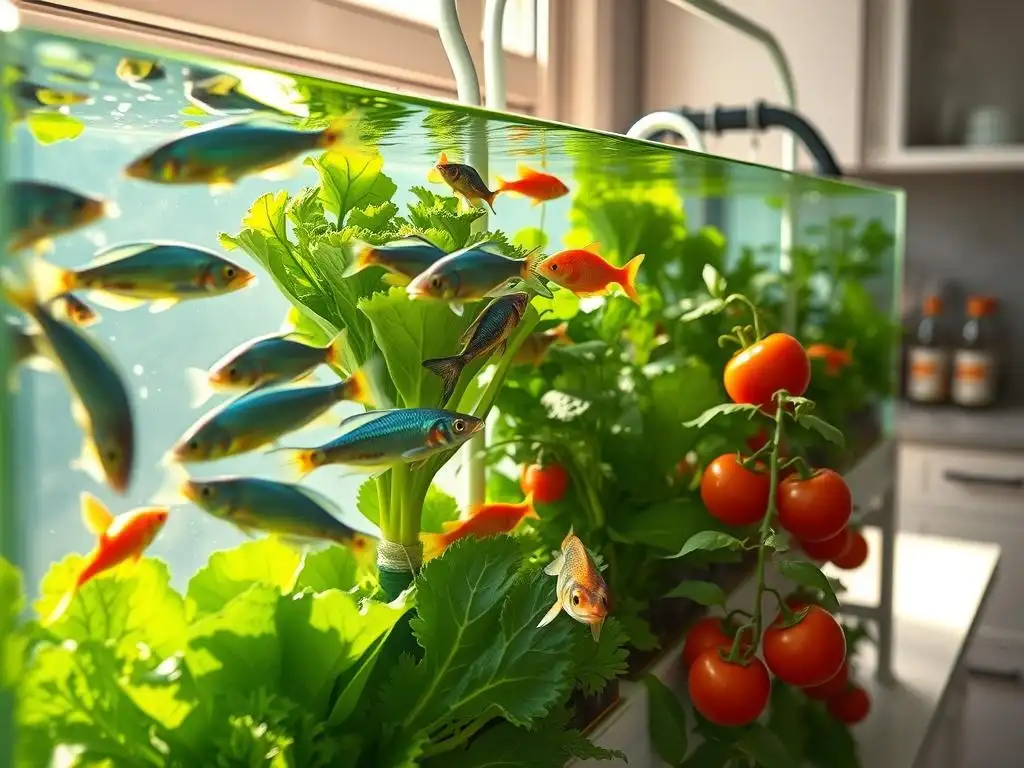
Aquaponics combines aquaculture (raising fish) with hydroponics (growing plants without soil). Unlike purely hydroponic systems which rely solely on nutrient solutions, aquaponics utilizes the waste produced by fish (ammonia, nitrites, and nitrates) as a natural fertilizer for the plants. This symbiotic relationship creates a closed-loop system where fish provide nutrients, plants filter the water, and the cleaned water is recirculated back to the fish.
This contrasts sharply with hydroponics, which requires the careful monitoring and regular replacement of nutrient solutions. The key difference lies in the source of nutrients: synthetic in hydroponics, and naturally derived from fish waste in aquaponics. A well-maintained aquaponic system requires less frequent nutrient additions, mimicking a natural ecosystem.
Think of it as a miniature, self-sustaining ecosystem right in your home. The bacterial colonies within the system play a critical role in converting fish waste into usable plant nutrients – a natural biofiltration process. This process requires understanding the nitrogen cycle and maintaining optimal water parameters for both fish and plants.
Benefits of Aquaponic Home Gardening
Aquaponics offers several advantages for the home gardener seeking a sustainable and efficient growing method. One key benefit is the reduced need for fertilizers and pesticides. The fish waste provides a natural, readily available nutrient source, minimizing the environmental impact associated with synthetic fertilizers. This contributes to a more eco-friendly approach to home gardening, aligning with the overall ethos of sustainable practices.
Furthermore, aquaponics often boasts higher yields compared to traditional soil-based gardening, due to the consistent and readily available nutrient supply and optimal root environment. The system also conserves water significantly because of the recirculating nature of the water flow. This is particularly beneficial in water-scarce regions or for environmentally conscious individuals. Another advantage is the potential for diverse harvests.
You can cultivate a variety of leafy greens, herbs, and even some fruiting plants alongside your fish, creating a diverse and productive home garden. The integration of fish farming adds a unique dimension, providing a sustainable source of protein alongside your fresh produce. Finally, aquaponics can be incredibly rewarding, offering a unique and engaging gardening experience.
Drawbacks of Aquaponic Home Gardening
While aquaponics offers many advantages, it's crucial to acknowledge potential challenges. The initial setup cost can be higher than a basic hydroponic system, requiring specialized equipment such as tanks, pumps, and filters. The system also demands more hands-on management and monitoring compared to traditional gardening. Maintaining the delicate balance of the ecosystem requires regular testing of water parameters (pH, ammonia, nitrite, nitrate levels) and careful attention to fish health.
A sudden disease outbreak among the fish can quickly destabilize the entire system, resulting in plant loss. This necessitates a good understanding of fish husbandry and disease prevention. Moreover, the space requirements can be significant, especially for larger systems. Aquaponics may not be suitable for individuals with limited indoor or outdoor space.
Troubleshooting issues can also be more complex than in hydroponics due to the interconnectedness of the fish and plant components. Finally, finding reliable sources for healthy fish and ensuring the system is properly sized for both the fish and plants are crucial for success. Careful planning and research are essential before embarking on an aquaponic home garden.
Setting up a Simple Aquaponic System: A Beginner's Guide
Setting up a small-scale aquaponic system at home is surprisingly achievable, even for beginners. The key is to start small and understand the fundamental principles. A simple system typically involves a fish tank, a grow bed (which can be as simple as a plastic container with holes), and a pump to circulate the water.
You'll need to carefully select a tank size appropriate for the number of fish you plan to keep; overcrowding can lead to ammonia buildup and compromise the entire system. Remember, the size of your grow bed will also be determined by the number of plants you intend to cultivate. Larger systems naturally require more space and a more robust setup.
Choosing the right materials is crucial. Food-grade containers are essential to avoid leaching harmful chemicals into the water. The pump should be appropriately sized for the volume of water you're circulating; a pump that's too weak will lead to poor water flow, affecting oxygenation and nutrient distribution. Conversely, an overly powerful pump can stress the fish.
Consider the ease of cleaning and maintenance when selecting your components; a system that's difficult to clean will quickly become a breeding ground for bacteria and algae. Regular water testing is paramount to monitor ammonia, nitrite, and nitrate levels – essential indicators of the system's health. Kits are available that simplify this process.
The initial setup requires careful planning. First, you’ll need to establish your fish tank, ensuring it's level and stable. Then, set up your grow bed, making sure the holes are sized correctly to support the chosen growing medium (clay pebbles, gravel, or even coconut coir are popular choices) while preventing clogging. Finally, connect the pump, ensuring a smooth and efficient water flow from the tank to the grow bed and back.
Before introducing fish, you need to cycle the system. This involves allowing the beneficial bacteria to establish themselves, which is crucial for converting fish waste into plant nutrients. This process typically takes several weeks and involves monitoring water parameters closely.
Choosing the Right Fish Species for Your Aquaponic System
Selecting the appropriate fish species is critical for a successful aquaponic system. The ideal fish should be hardy, relatively easy to care for, and compatible with the size of your system. Overstocking can quickly lead to ammonia spikes, which are lethal to both fish and plants. Choosing a species that is appropriate for your climate is also vital, as some species thrive better in warmer or cooler temperatures.
Popular choices for beginners often include tilapia, which are known for their hardiness and fast growth. However, tilapia can be aggressive and territorial, so tank size and population density need to be meticulously planned. Another popular option is goldfish, which are relatively low-maintenance and tolerant of a range of water conditions.
However, their waste production is lower, meaning plant growth might be slower. Less common but equally viable choices include certain types of catfish. Researching the specific needs of your chosen species is crucial; factors such as their oxygen requirements, preferred water temperature, and growth rate all impact the design and management of your system.
It's essential to consider the fish's waste production in relation to the size of your grow bed. Too many fish in a small system will overwhelm the system's ability to process the waste, leading to ammonia build-up and potential system failure. Conversely, too few fish may not produce enough nutrients to support healthy plant growth.
Understanding the balance between fish biomass and plant biomass is key to a thriving aquaponic system. Always start with a smaller number of fish and gradually increase the population as you gain experience and observe the system's performance. Regular observation and water testing remain essential to ensure the health and well-being of your fish and the overall success of your aquaponic system.
Hydroponics vs. Aquaponics: A Detailed Comparison
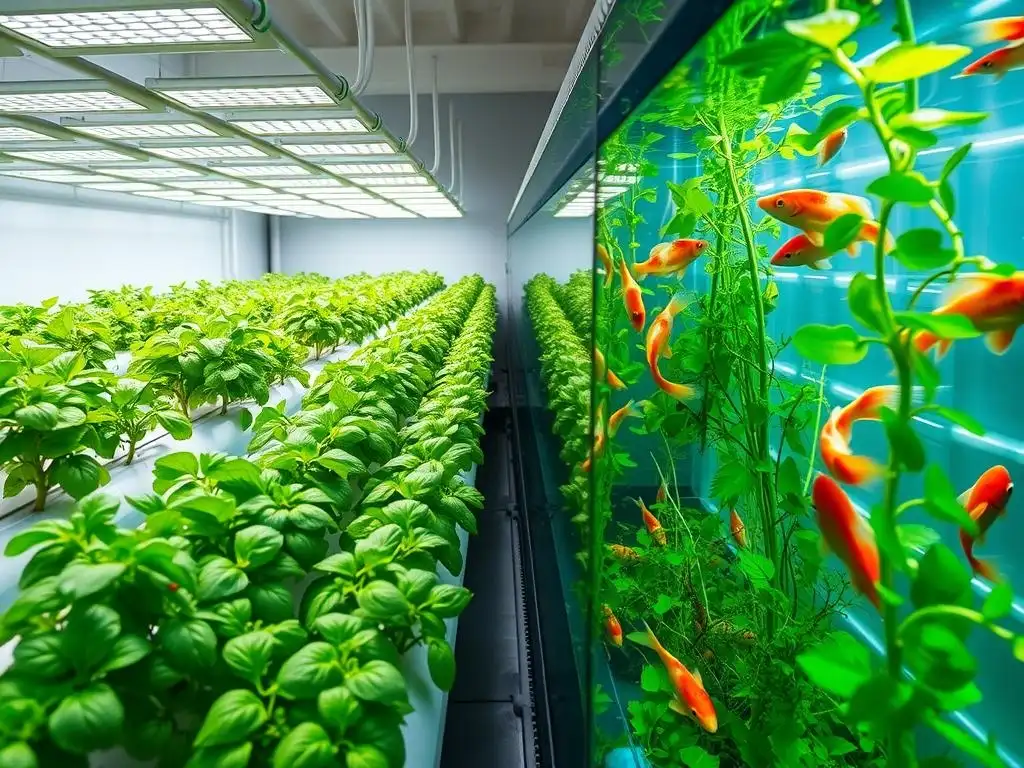
This section dives deep into the practical differences between hydroponics and aquaponics, focusing on key factors to help you determine the best home hydroponics system—or aquaponics system—for your needs and space. We'll analyze space requirements, initial investment costs, and the ongoing maintenance commitment of each method. Understanding these distinctions is crucial for successful urban farming.
Space Requirements: Hydroponics vs. Aquaponics
Aquaponics systems inherently require more space than hydroponic setups. This is because aquaponics integrates a fish tank into the system, significantly increasing the footprint. A basic aquaponics setup might need a minimum of 4ft x 2ft x 2ft to accommodate the fish tank and grow beds, whereas a comparable hydroponic system could easily be housed in a much smaller area, perhaps 2ft x 1ft x 2ft, depending on the chosen hydroponic method (Deep Water Culture, Nutrient Film Technique, etc. ).
Consider the following table illustrating typical space needs:
| System Type | Minimum Space Requirements (approx.) | Considerations |
|---|---|---|
| Hydroponics (DWC) | 2ft x 1ft x 2ft | Highly adaptable to vertical space; great for small spaces. |
| Hydroponics (NFT) | 4ft x 1ft x 1.5ft | Requires more length than DWC but is still relatively compact. |
| Aquaponics | 4ft x 2ft x 2ft (or larger) | Fish tank size dramatically impacts overall space needs. |
The best home hydroponics system for limited space will likely be a smaller, vertically oriented hydroponic setup, utilizing methods like DWC or vertical NFT systems. Aquaponics, while offering a closed-loop ecosystem, demands a more substantial commitment to space.
Initial Investment Costs: Hydroponics vs. Aquaponics
Setting up a hydroponic system generally involves a lower initial investment than aquaponics. Hydroponics primarily requires a growing medium (like clay pebbles), a nutrient solution reservoir, a pump, and grow trays. The costs vary depending on the scale and sophistication of the system you choose. A basic DIY setup can be relatively inexpensive, while more advanced systems with automated controls can be significantly more costly.
Aquaponics, on the other hand, requires a substantially larger initial investment. In addition to the hydroponic components, you need a fish tank, a filtration system (often more complex than hydroponic systems), and fish. The cost of the fish tank alone can be considerable, and the cost of the filtration system is a major expense that greatly impacts the total cost of the setup. You also need to factor in the cost of fish food and potential veterinary care.
Here's a simplified cost comparison (note: these are estimates and can vary widely based on system size and quality of components):
| System Type | Estimated Initial Cost Range |
|---|---|
| Hydroponics | $50 - $500+ |
| Aquaponics | $200 - $2000+ |
The best home hydroponics system from a cost perspective might be a simpler, DIY system, while the initial investment in aquaponics will likely be higher.
Maintenance and Time Commitment: Hydroponics vs. Aquaponics
Both hydroponics and aquaponics demand regular maintenance, but the nature and frequency differ. Hydroponic systems require monitoring and replenishing the nutrient solution, cleaning the system to prevent algae growth, and adjusting pH levels. The time commitment is moderate, typically requiring 15-30 minutes of daily attention.
Aquaponics systems require a more significant time commitment due to the added complexity of managing the fish tank. This includes monitoring water parameters (pH, ammonia, nitrite, nitrate), cleaning the filtration system, feeding the fish, and potentially dealing with fish diseases. Daily maintenance can easily consume 30-60 minutes or more, depending on the system size and fish population. Neglecting maintenance in aquaponics can lead to more serious consequences, including fish death and system failure.
Considering the maintenance demands, the best home hydroponics system for a busy individual might prioritize ease of maintenance, such as a self-watering system with automated nutrient delivery. Aquaponics, while rewarding, requires a greater commitment to daily care.
Yield and Productivity: Hydroponics vs. Aquaponics
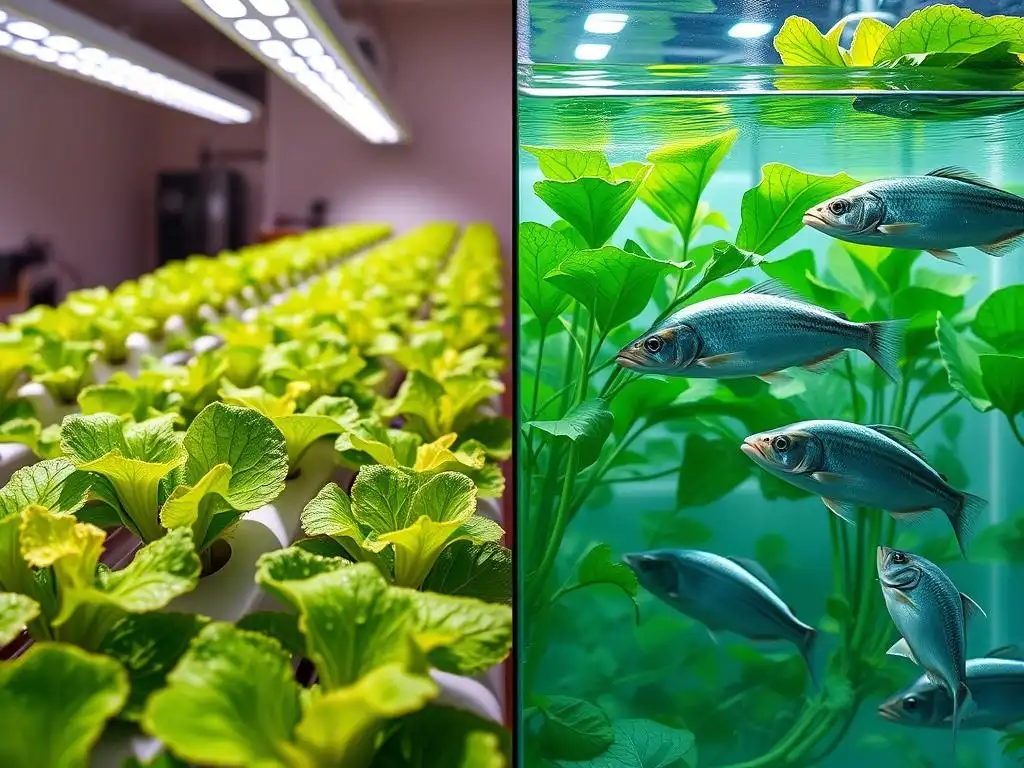
Hydroponic systems, when properly managed, generally boast higher yields compared to aquaponic systems. This is primarily because hydroponics focuses solely on plant growth, optimizing nutrient delivery and environmental conditions directly for the plants. The entire system is dedicated to maximizing plant output. Nutrient solutions are precisely controlled, ensuring plants receive the ideal balance of nutrients at each growth stage.
This precision translates to faster growth rates and ultimately, higher yields per square foot. For example, a well-designed hydroponic system can produce significantly more lettuce heads in a given timeframe than a comparable-sized aquaponic setup. However, the yield in hydroponics is highly dependent on the expertise of the grower and the precision of the system's maintenance. A poorly managed hydroponic system can easily underperform.
Aquaponics, on the other hand, integrates fish farming, which adds a layer of complexity. While aquaponics offers a sustainable and closed-loop system, the fish waste, which provides nutrients for the plants, is not as precisely controlled as a hydroponic nutrient solution. This can lead to nutrient imbalances, affecting plant growth and potentially reducing yields. Furthermore, the space dedicated to fish tanks within an aquaponic system reduces the area available for plant growth.
While aquaponics can still produce substantial yields, they typically fall short of the potential of a well-maintained hydroponic system, especially when considering yield per unit area. The productivity is also influenced by the species of fish, their growth rate, and the overall health of the aquaponic ecosystem. A healthy balance between fish and plants is crucial for optimal productivity in aquaponic systems.
Environmental Impact: Hydroponics vs. Aquaponics
Both hydroponics and aquaponics offer significant environmental advantages over traditional soil-based agriculture. However, their environmental impacts differ.
Hydroponics, while reducing water consumption compared to traditional farming, still requires a significant amount of water for nutrient solution preparation and system maintenance. The energy consumption for pumps, lighting (especially in indoor systems), and climate control can also be substantial, contributing to a carbon footprint. Furthermore, the disposal of nutrient solutions, if not managed properly, can pose environmental challenges. However, the use of recycled water and renewable energy sources can significantly mitigate these negative aspects. A well-designed hydroponic system, using energy-efficient components and water recycling, can have a considerably smaller environmental footprint.
Aquaponics, being a closed-loop system, boasts significantly lower water consumption than both hydroponics and traditional agriculture. The system’s self-sustaining nature reduces the need for external fertilizers and pesticides. This closed-loop system minimizes water waste and pollution, making it a more environmentally friendly choice. However, the fish component introduces potential risks.
Potential issues include disease outbreaks requiring medication, which could impact the system’s ecological balance and surrounding environment. Careful management of fish health and waste is essential for minimizing the environmental impact. Choosing appropriate fish species and maintaining optimal water quality are crucial for environmental sustainability in aquaponics. The overall environmental impact of both systems depends greatly on the specific design, management practices, and scale of operation.
Choosing the Best System for Your Needs
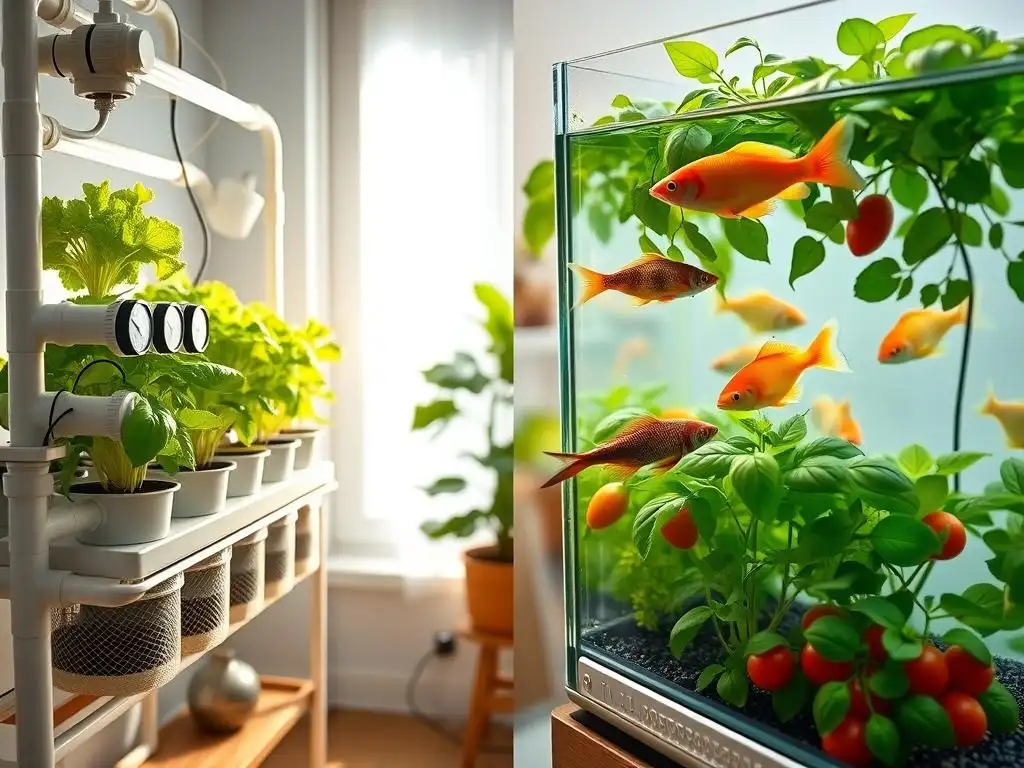
This section helps you determine whether hydroponics or aquaponics is the best "best home hydroponics system" for your specific circumstances. The ideal system depends heavily on your available resources, gardening experience, and the types of plants you wish to cultivate. Let's explore the key factors to consider.
Evaluating Your Space and Resources
The first step in choosing between hydroponics and aquaponics involves a realistic assessment of your available space and resources. Hydroponic systems, while diverse, generally require less space than aquaponic systems, which need room for both the plant growth area and a fish tank.
Consider these points:
- Space: Deep water culture (DWC) hydroponic systems are compact, suitable even for small apartments. Nutrient film technique (NFT) systems require more length but less height. Aquaponics, conversely, requires significantly more space due to the incorporation of a fish tank, filtration system, and potentially a larger grow bed. A small balcony might comfortably accommodate a DWC system, while a larger aquaponic setup would necessitate a dedicated indoor space or a sizeable outdoor area.
- Water: Both systems require a reliable water source, but aquaponics demands more water due to the fish tank and the need for frequent water changes. Hydroponics allows for more precise water management and often uses less water overall, especially with systems that incorporate water recycling features. Consider the cost and availability of water in your area.
- Initial Investment: The initial setup cost for a hydroponic system can vary greatly depending on the complexity and size of the chosen system. Simpler DIY systems may be cheaper than purchasing a pre-assembled unit. Aquaponics typically requires a larger upfront investment due to the need for a fish tank, filtration system, and potentially additional pumps and equipment.
- Time Commitment: While both systems demand regular maintenance, aquaponics generally requires more hands-on attention. Monitoring water quality, fish health, and nutrient levels in an aquaponic system is more complex and time-consuming than managing a hydroponic system.
Considering Your Gardening Goals and Experience Level
Your gardening goals and experience significantly influence the best system for you. Are you a seasoned gardener looking for a high-yield system, or a beginner seeking a manageable and rewarding experience?
- Beginner-friendliness: Simple hydroponic systems, like DWC, are relatively easy to set up and maintain, making them ideal for beginners. Aquaponics, with its added complexity of managing a fish tank and biological filtration, presents a steeper learning curve.
- Yield: Both hydroponics and aquaponics can produce high yields, but aquaponics might offer slightly lower yields per unit area compared to optimized hydroponic systems. This is because a portion of the space is dedicated to the fish tank. However, aquaponics offers the added benefit of fish production.
- Sustainability: Both systems can be sustainable, but aquaponics has an inherent advantage in terms of waste reduction. Fish waste provides nutrients for the plants, minimizing the need for synthetic fertilizers. Hydroponics can also be sustainable, particularly when using recycled water and organic nutrients.
- Automation: Both systems can be partially or fully automated, reducing the time commitment required for maintenance. Automated systems often involve sensors, pumps, and controllers, increasing the initial investment but ultimately saving time and effort.
Selecting the Right Plants for Your Chosen System
Plant selection is crucial for success in both hydroponics and aquaponics. Certain plants thrive in these systems, while others are less suitable.
- Hydroponics: Leafy greens like lettuce, spinach, and kale are excellent choices for hydroponic systems. Herbs such as basil, mint, and parsley also perform well. Some fruiting plants, such as strawberries and tomatoes, can be successfully grown hydroponically, but may require more attention and specialized systems.
- Aquaponics: Hardy and fast-growing plants that tolerate fluctuating nutrient levels are best suited for aquaponics. Leafy greens are again a good choice, alongside certain fruiting vegetables like tomatoes and peppers. It's crucial to select plants that are compatible with the type of fish being used in the system. Avoid plants that are overly sensitive to nutrient fluctuations or require extremely specific growing conditions.
- Compatibility: Research specific plant requirements before selecting plants for your system. Consider factors such as pH tolerance, nutrient needs, and growth habits. Choosing compatible plants is crucial for maximizing yield and minimizing issues.
Remember, careful planning and research are essential for achieving success with either a hydroponic or aquaponic system. By carefully considering your space, resources, experience level, and plant selection, you can choose the "best home hydroponics system" that best suits your needs and goals. Happy growing!
Long-Term Sustainability and Scalability
Long-term sustainability is a crucial factor when choosing between hydroponics and aquaponics for your home garden. Hydroponic systems, while offering excellent control over nutrient delivery, often rely on commercially produced fertilizers. The continuous purchase of these fertilizers can become a significant ongoing expense, impacting the system's overall sustainability. Furthermore, the disposal of nutrient-rich wastewater can pose an environmental concern if not managed properly.
Consider the availability and cost of fertilizers in your area, and research environmentally friendly options to minimize your ecological footprint. Some hydroponic systems are designed for easy expansion, allowing you to scale up production as your needs grow. However, this scalability often comes at a cost, requiring additional space, equipment, and potentially higher energy consumption.
Aquaponics, on the other hand, boasts a higher degree of inherent sustainability. The symbiotic relationship between fish and plants reduces the need for external fertilizers, as fish waste provides a natural nutrient source for the plants. This closed-loop system minimizes waste and reduces reliance on external inputs.
However, aquaponic systems require a greater initial investment in time and resources to establish a balanced ecosystem. The success of an aquaponic system hinges on maintaining a delicate biological balance, which can be challenging for beginners and requires careful monitoring of water parameters. Scalability in aquaponics is also possible, but it often necessitates a more significant increase in infrastructure and a more complex system management compared to hydroponics.
Consider the long-term maintenance commitment and potential challenges of managing a living ecosystem before choosing an aquaponic system. The initial investment might be higher, but the long-term savings in fertilizer and reduced environmental impact can be substantial for the environmentally conscious home gardener seeking a truly sustainable "best home hydroponics system".
Best Home Hydroponics System: Final Recommendations
Choosing the best home hydroponics system depends heavily on your experience level, available space, budget, and the types of plants you intend to grow. This section offers guidance to help you navigate the options and select a system that aligns with your needs and goals. We'll explore key factors to consider and present some top picks for both beginners and experienced growers, keeping in mind the principles of sustainable and organic practices vital to CultivateYourFood's ethos. Remember, the ideal system balances ease of use, efficiency, and yield.
Factors to Consider When Choosing a System
Several critical factors influence the selection of the best home hydroponics system for you. Careful consideration of these aspects will prevent frustration and ensure a successful growing experience.
- Space Constraints: Hydroponic systems range dramatically in size. Deep water culture (DWC) systems can be compact, ideal for small apartments, while larger NFT (Nutrient Film Technique) systems require more floor space. Consider your available area before committing to a specific setup. Measure your space carefully and account for the system's footprint, as well as any necessary access for maintenance.
- Budget: The initial investment in a hydroponic system varies considerably. Simple DIY systems can be surprisingly affordable, while sophisticated, automated systems can be quite expensive. Determine your budget upfront to narrow down your options. Remember to factor in the ongoing costs of nutrients, electricity (for some systems), and replacement parts.
- Technical Proficiency: Some hydroponic systems are easier to maintain than others. Beginner-friendly systems often feature simpler designs and require less technical expertise. More advanced systems, while offering greater control and potentially higher yields, demand a greater understanding of hydroponics principles and more hands-on maintenance.
- Plant Type: Different hydroponic systems are better suited to specific types of plants. For instance, leafy greens often thrive in NFT systems, while fruiting plants may benefit from a DWC or ebb and flow system. Research the specific needs of your chosen plants to select a compatible system.
- Water Usage: Hydroponics, while generally more efficient than traditional soil-based gardening, still requires water. Consider water conservation measures and choose a system that minimizes water waste. Explore options with automated water level control or drip irrigation for efficiency.
| Factor | Considerations |
|---|---|
| Space | Apartment-sized vs. larger systems; space for maintenance access |
| Budget | Initial cost, ongoing nutrient and electricity expenses, replacement parts |
| Technical Skill | Beginner-friendly vs. advanced systems; required maintenance and troubleshooting |
| Plant Type | System compatibility with chosen plants (leafy greens, fruits, vegetables) |
| Water Usage | Water conservation features; automated control or drip irrigation |
Top Picks for Beginners
For those new to hydroponics, simplicity and ease of use are paramount. These systems provide a gentle introduction to the world of soilless cultivation, allowing you to build confidence and experience before venturing into more complex setups.
- Wick System: This passive system is incredibly simple, requiring minimal maintenance. It’s perfect for beginners wanting to get their feet wet (pun intended!) with hydroponics. The wick draws nutrient solution directly to the plant roots, minimizing the need for active intervention. Ideal for smaller plants.
- Deep Water Culture (DWC): DWC systems are relatively easy to set up and maintain, making them a popular choice for beginners. The plants' roots hang in a nutrient-rich water reservoir, providing consistent access to essential nutrients and oxygen. This system is suitable for a variety of plants.
Remember to prioritize selecting high-quality components, such as nutrient-rich solutions and sturdy growing containers, even for beginner systems. This ensures a successful start and minimizes future issues. Start small, learn the basics, and then gradually expand your operations as your confidence and experience grow.
Advanced Systems for Experienced Growers
Once you've mastered the basics, you might consider more advanced systems offering greater control and potentially higher yields. These systems demand more technical expertise and often involve a higher initial investment.
- Nutrient Film Technique (NFT): NFT systems provide a continuous flow of nutrient-rich solution over the plant roots, ensuring optimal nutrient uptake. This system is more complex to set up and maintain but can yield significantly higher results. Careful monitoring and adjustments are crucial for successful NFT cultivation.
- Aeroponics: Aeroponics systems suspend plant roots in the air, misting them with a nutrient solution at regular intervals. This method maximizes oxygen exposure to the roots, promoting rapid growth and high yields. Aeroponics requires precise control over the misting system and environment, making it a challenging but rewarding system for experienced growers.
- Automated Systems: Sophisticated automated systems offer precise control over environmental factors like temperature, humidity, and nutrient delivery. These systems often incorporate sensors, timers, and automated pumps, simplifying maintenance and optimizing plant growth. However, they represent a significant financial investment and require a strong understanding of hydroponics.
Choosing the "best" system is a personal journey. Carefully consider the factors discussed, weigh your experience, and select a system that aligns with your goals and capabilities. Happy growing!
Frequently Asked Questions
What is the difference between hydroponics and aquaponics?
Hydroponics uses nutrient-rich water without fish, while aquaponics combines hydroponics with fish farming. Fish waste provides nutrients for the plants in aquaponics, creating a closed-loop system. Choosing between them depends on your experience level and space.
What are the benefits of using a home hydroponics system?
Home hydroponics offers faster growth rates, higher yields in smaller spaces, and reduced water usage compared to traditional gardening. It also allows for year-round growing, regardless of weather conditions, and minimizes pest issues.
What is the best home hydroponics system for beginners?
The "best" system depends on your space and budget. Wick systems and deep water culture (DWC) are generally considered easiest for beginners due to their simplicity and low maintenance. Research different types before deciding.
How much space do I need for a home hydroponics system?
Space requirements vary greatly depending on the system size and type. Small systems can fit on a windowsill, while larger ones may require a dedicated room or area. Consider your available space before choosing a system.
Is hydroponics more expensive than traditional gardening?
The initial investment for a hydroponics setup can be higher than traditional gardening, but you may save money in the long run due to higher yields and reduced water/fertilizer costs. The overall cost-effectiveness depends on factors such as system size and type.
Final Reflection: Cultivating Your Ideal Home Garden
The quest for sustainable and efficient food production is more relevant today than ever before, and home hydroponics and aquaponics offer compelling solutions. The growing global population, coupled with concerns about climate change and food security, makes mastering these techniques not just a hobby, but a potential contribution to a more resilient future. Choosing between hydroponics and aquaponics, as explored in this article, is the first step towards embracing this exciting possibility.
The shift towards localized food production, fueled by a growing awareness of environmental impact and a desire for fresher, healthier food, is profoundly reshaping our relationship with the land. The future of food is not just about what we eat, but how we grow it.
This quote perfectly encapsulates the transformative potential of hydroponics and aquaponics, allowing individuals to take control of their food source and contribute to a more sustainable food system. The journey from understanding the nuances of nutrient film techniques to appreciating the symbiotic relationship in aquaponic systems has been a fascinating exploration of both technology and nature's ingenuity.
Now, it's your turn. Consider the unique needs of your space, your lifestyle, and your goals. Do you prioritize simplicity and efficiency, leaning towards a hydroponic setup? Or are you drawn to the self-sustaining elegance and potential for increased biodiversity offered by aquaponics? Whichever path you choose, remember that the journey of cultivating your own food is a rewarding one, filled with learning, growth, and the profound satisfaction of nurturing life from seed to harvest. Embrace the challenge, experiment, and discover the best home gardening system for you.
Unlock Your Urban Oasis: Start Growing Today!
Thanks for exploring the world of hydroponics and aquaponics with us! You've gained the knowledge to choose the perfect system for your home garden. Ready to take the next step?
- Design your ideal setup: Carefully plan your hydroponic or aquaponic system, considering available space, your budget, and the types of plants you wish to cultivate. This initial planning is crucial for a thriving home garden.
- Share your vision: Post a picture of your system design or ask questions on our CultivateYourFood community forum! Let's share ideas and inspire each other to grow more food at home.
- Gather essential supplies: Research the necessary materials, including grow lights, nutrient solutions, and pumps. If you're building an aquaponic system, remember to factor in the needs of your fish. Check online forums and local garden centers for resources.
Ready to transform your home into a vibrant, self-sustaining food source? What's the first step you'll take to build your ideal home garden?