
Gardening with a Purpose: Using Heirloom Varieties to Promote Food Security

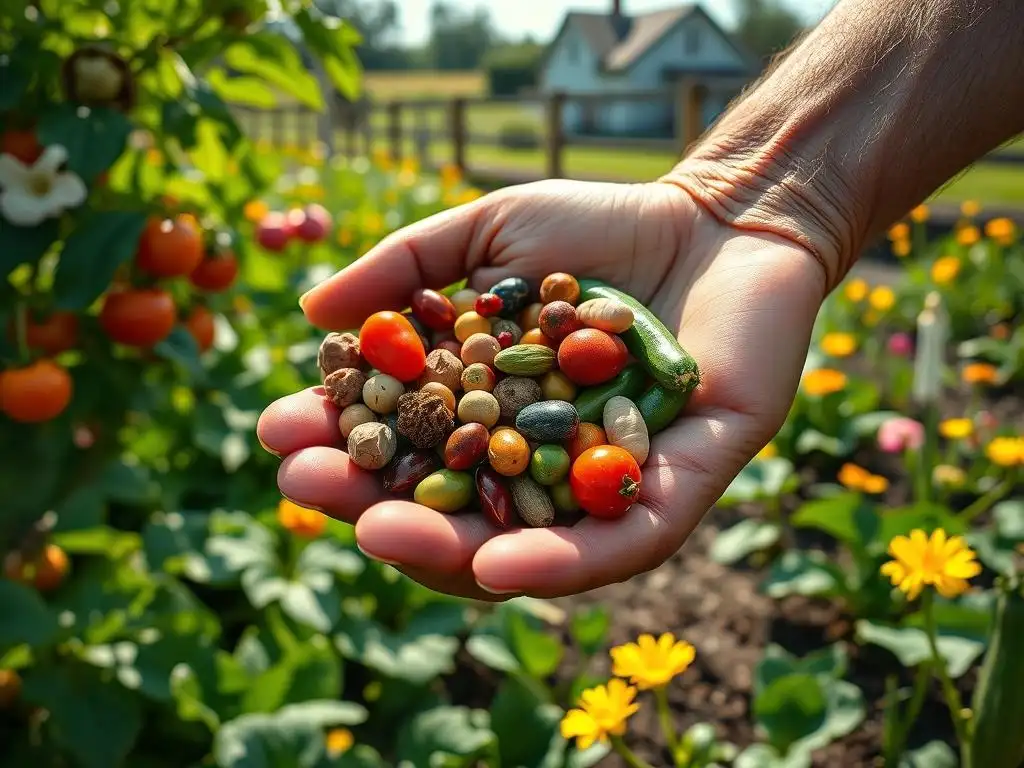
Welcome to CultivateYourFood, your guide to a more sustainable and fulfilling life through home gardening! Are you ready to discover the incredible benefits of growing your own food, using time-tested methods? We delve into the fascinating world of Heirloom seeds food security gardening, exploring how choosing heirloom varieties can contribute to a more resilient and secure food future for you and your community. Uncover the secrets to successful harvests and learn how to cultivate vibrant fruits, vegetables, and herbs—all while embracing organic and sustainable practices. Let's begin your journey towards a greener, healthier, and more self-sufficient lifestyle!
- Understanding Heirloom Seeds and Food Security
- Selecting the Right Heirloom Varieties for Your Garden
- Planting and Growing Heirloom Vegetables: A Step-by-Step Guide
- Harvesting and Preserving Your Heirloom Harvest
- Heirloom Seeds and the Future of Food Security
-
Frequently Asked Questions
- What are heirloom seeds, and why are they important for food security?
- How do heirloom seeds contribute to sustainable gardening practices?
- Are heirloom seeds more difficult to grow than hybrid seeds?
- Where can I find reliable sources for heirloom seeds?
- How can I save heirloom seeds for future planting?
- Final Reflection: Cultivating a Legacy of Food Security
- Unlock Your Garden's Potential: Grow Heirloom, Grow Abundance
Understanding Heirloom Seeds and Food Security
Cultivating your own food offers unparalleled satisfaction and contributes to a more sustainable lifestyle. But beyond the personal rewards, growing your food, particularly using heirloom varieties, plays a crucial role in strengthening food security, both on a personal and a community level. This article delves into the vital connection between heirloom seeds and food security, exploring the unique characteristics of heirloom varieties and their potential to build resilience against the challenges of modern agriculture and a changing climate.
We'll examine how utilizing heirloom seeds can contribute to a more robust and sustainable food system, empowering individuals and communities to take control of their food sources. The benefits extend beyond simply having fresh produce; it's about safeguarding biodiversity, preserving cultural heritage, and ensuring access to nutritious food for generations to come. This is gardening with a purpose – a powerful act of self-sufficiency and community building.
Defining Heirloom Seeds: A Deep Dive into Genetic Diversity
Heirloom seeds represent a treasure trove of genetic diversity. Unlike modern hybrid varieties, which are often the result of crossbreeding for specific traits like uniformity and high yields, heirloom seeds are open-pollinated. This means they can be saved and replanted year after year, maintaining their unique genetic characteristics. This open-pollination leads to a wider range of flavors, textures, and nutrient profiles compared to their hybrid counterparts.
Furthermore, this genetic diversity is critical for adaptation. Heirloom varieties often exhibit a greater resilience to pests and diseases, and some possess inherent tolerance to specific environmental conditions. They are a testament to the wisdom of generations of gardeners who carefully selected and preserved the seeds that thrived in their local environments, creating a rich legacy of agricultural knowledge.
The preservation of these seeds is not just about preserving a plant; it’s about preserving a history, a culture, and a vital piece of our agricultural heritage. Many heirloom varieties possess unique characteristics that are not found in commercially produced seeds, making them a valuable asset for both home gardeners and larger-scale sustainable agricultural practices. Consider the wide array of tomato varieties, each with its distinct flavor profile and growing requirements – a testament to the rich biodiversity found within heirloom seeds.
The Role of Heirloom Varieties in Sustainable Agriculture
The integration of heirloom seeds into sustainable agricultural practices offers numerous advantages. Their inherent resilience to pests and diseases reduces or eliminates the need for harmful chemical pesticides, contributing to a healthier environment and safer food. The reduced reliance on synthetic fertilizers, often a consequence of the inherent hardiness of heirloom varieties, further minimizes the environmental impact of food production.
Furthermore, the ability to save and replant seeds reduces dependence on commercial seed companies, fostering greater self-sufficiency and reducing the economic pressures associated with purchasing seeds annually. This aspect is particularly crucial for small-scale farmers and home gardeners, empowering them to control their food production more effectively.
Studies have shown that diverse cropping systems, incorporating heirloom varieties, can enhance soil health and biodiversity, leading to more fertile and resilient agricultural lands. This contributes to a more sustainable and environmentally responsible approach to food production, benefiting both the environment and the communities that rely on it.
Building Resilience: Heirloom Seeds and Food Security in Changing Climates
In the face of climate change and increasingly unpredictable weather patterns, the importance of heirloom seeds in ensuring food security becomes even more pronounced. Many heirloom varieties have adapted over centuries to specific regional climates and conditions, exhibiting a remarkable tolerance to extreme weather events such as droughts, floods, and heat waves. This inherent resilience makes them a valuable asset in mitigating the risks associated with climate change and ensuring a more stable food supply.
Their genetic diversity provides a wider range of options for adapting to changing environmental conditions, offering a buffer against crop failures and ensuring continued food production even in the face of adversity. Furthermore, the ability to save and share seeds within communities strengthens local food systems, building resilience at a grassroots level. This decentralized approach to seed preservation and distribution reduces vulnerability to disruptions in the global seed supply chain, ensuring continued access to essential food crops.
The preservation and utilization of heirloom seeds represent a crucial strategy for building a more resilient and sustainable food system capable of withstanding the challenges of a changing world. This is not merely about growing food; it’s about safeguarding our future.
Selecting the Right Heirloom Varieties for Your Garden
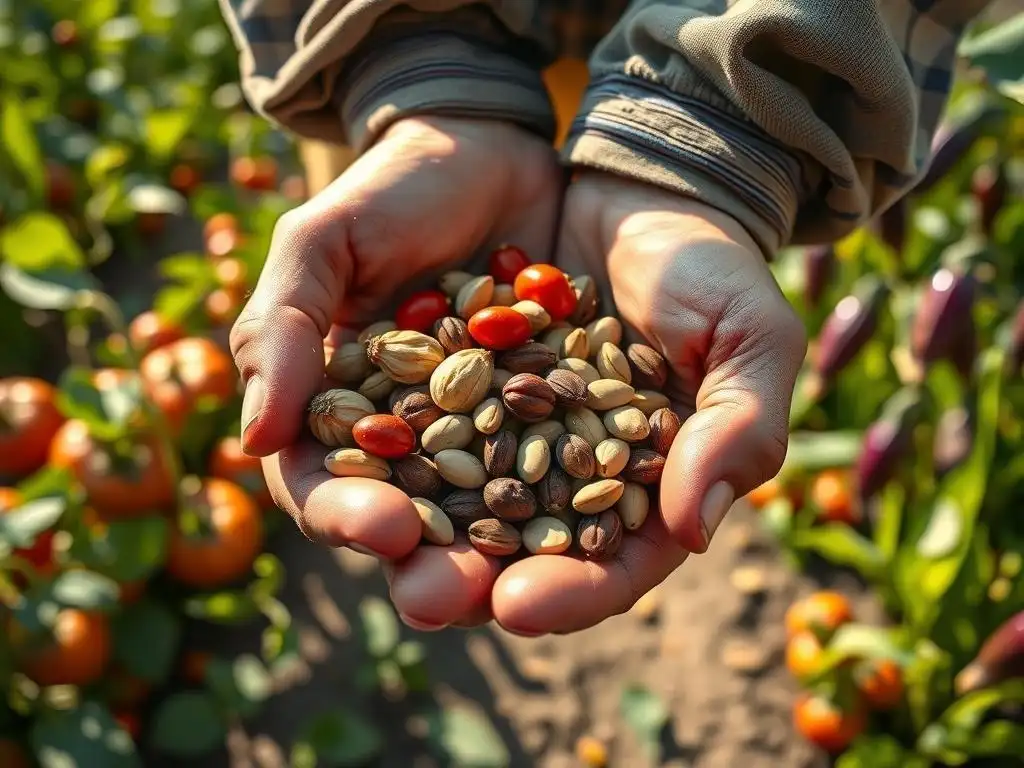
This section delves into the crucial process of selecting heirloom varieties best suited for your specific gardening context. Successfully cultivating heirloom plants hinges on understanding your environment and aligning your choices accordingly. Ignoring these factors can lead to disappointing yields and a less rewarding gardening experience. Remember, the beauty of heirloom seeds food security gardening lies in its adaptability, but informed selection is key.
Choosing Heirloom Seeds for Your Local Climate and Soil
Understanding your local climate is paramount when choosing heirloom seeds. Heirloom varieties, while adaptable, still possess specific climate preferences. For example, certain tomato varieties thrive in hot, sunny climates, while others excel in cooler, more temperate regions. Similarly, soil type plays a vital role. Some heirloom varieties prefer well-drained sandy loam, while others flourish in heavier clay soils. Before purchasing any seeds, carefully research the specific needs of each variety. Consult seed catalogs or online resources that provide detailed information on growing conditions. Consider these factors:
- Hardiness Zones: Determine your USDA Plant Hardiness Zone to narrow down suitable varieties. This zone indicates the average annual minimum temperature in your area.
- Sunlight Requirements: Note the sunlight requirements (full sun, partial shade, full shade) for each variety and ensure your garden provides adequate exposure.
- Soil pH: Test your soil's pH level. Many heirloom varieties have specific pH preferences, impacting nutrient uptake and overall plant health. Amend your soil as needed to reach the optimal pH range for your chosen varieties.
- Days to Maturity: Pay close attention to the days to maturity listed on the seed packet. This indicates the time from planting to harvest. Choose varieties that mature within your growing season. For shorter seasons, select early-maturing varieties.
Consider creating a simple table to organize your research:
| Heirloom Variety | Hardiness Zone | Sunlight Requirement | Soil pH Preference | Days to Maturity | Notes |
|---|---|---|---|---|---|
| Brandywine Tomato | 4-9 | Full Sun | 6.0-6.8 | 75-85 | Large, flavorful fruit |
| Cherokee Purple Tomato | 4-10 | Full Sun | 6.0-7.0 | 75-80 | Dark purple, rich flavor |
| Black Krim Tomato | 4-10 | Full Sun | 6.0-7.0 | 75-80 | Deep red-brown, intense flavor |
| [Variety Name Pending] | [Information Pending] | [Information Pending] | [Information Pending] | [Information Pending] | [Information Pending] |
This meticulous approach ensures your chosen heirloom seeds have the best chance of thriving in your garden.
Assessing Your Garden Space and Planting Needs
Effective heirloom seeds food security gardening requires realistic assessment of available space and planting needs. Don't overcrowd your plants; proper spacing is crucial for optimal growth and yield. Consider the mature size of each variety, accounting for both height and width. Research the specific spacing recommendations for each heirloom variety you select. Overcrowding leads to competition for resources, resulting in smaller fruits or vegetables and increased susceptibility to diseases.
- Plant Spacing: Follow the recommended spacing guidelines for each variety. This information is typically found on seed packets or online resources.
- Garden Layout: Plan your garden layout carefully, considering the mature size of your plants and their sunlight requirements. Tall plants should not shade smaller ones.
- Vertical Gardening: Maximize space by utilizing vertical gardening techniques such as trellises or stakes for climbing plants. This is particularly beneficial for space-constrained gardens.
- Succession Planting: Extend your harvest by practicing succession planting. This involves planting seeds or seedlings at intervals to ensure a continuous supply of fresh produce throughout the growing season.
Remember, efficient space utilization is a key element of successful gardening, especially when aiming for food security.
Matching Heirloom Varieties to Your Culinary Preferences and Needs
The joy of heirloom seeds food security gardening extends beyond simply growing food; it's about cultivating varieties that align with your culinary preferences and needs. Consider the flavors, textures, and uses of each heirloom variety before making your selection. Do you prefer sweet tomatoes, tangy peppers, or crunchy cucumbers? Think about the recipes you enjoy and choose varieties that best complement your culinary style.
- Flavor Profiles: Research the flavor profiles of different heirloom varieties. Some are known for their sweetness, others for their acidity or spiciness.
- Culinary Uses: Consider how you intend to use the produce. Certain varieties are better suited for canning, freezing, or fresh eating.
- Variety: Select a diverse range of heirloom varieties to ensure a varied and interesting harvest. This also enhances your food security by reducing reliance on a single crop.
- Preservation Methods: Choose varieties known for their suitability for canning, freezing, or drying, extending the lifespan of your harvest and bolstering your food security efforts.
By thoughtfully considering your culinary preferences and needs, you transform your garden into a source of delicious and nutritious food, reinforcing the principles of heirloom seeds food security gardening. Enjoy the process!
Planting and Growing Heirloom Vegetables: A Step-by-Step Guide
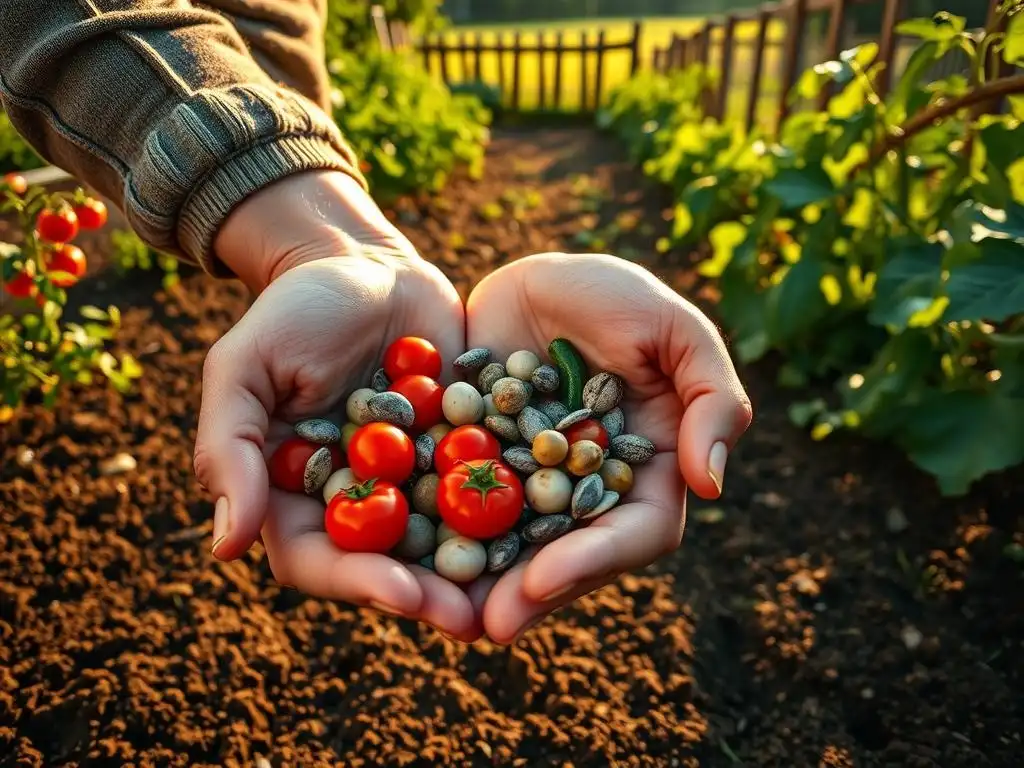
This section delves into the practical aspects of cultivating heirloom vegetables, focusing on techniques that maximize yield and preserve the unique genetic heritage of these valuable seeds. Successfully growing heirloom varieties requires attention to detail, understanding their specific needs, and employing sustainable gardening practices. Remember, the benefits extend beyond a bountiful harvest; you're actively contributing to food security by preserving biodiversity and reducing reliance on commercially produced seeds.
Preparing the Soil for Heirloom Seed Planting
Preparing the soil is paramount for successful heirloom vegetable cultivation. Heirloom varieties, often adapted to specific soil conditions over generations, respond best to rich, well-drained soil. Avoid compacted soil, as it hinders root development and can lead to stunted growth. Here's a detailed approach:
- Soil Testing: Before planting, conduct a soil test to determine its pH level and nutrient content. Heirloom varieties have varied nutrient requirements; knowing your soil's composition allows for tailored fertilization. Ideally, aim for a slightly acidic to neutral pH (6.0-7.0).
- Soil Amendment: Amend your soil with organic matter. Compost is ideal, adding essential nutrients and improving soil structure. Aged manure also works well, but ensure it's properly composted to avoid burning young seedlings. The amount of amendment depends on your soil's initial condition; a heavy clay soil might require a larger quantity than a sandy loam.
- Tilling and Weeding: Thoroughly till the soil to a depth of at least 12 inches, removing any weeds, rocks, or debris. This ensures proper aeration and root penetration. Consider using a broadfork to minimize soil compaction compared to a traditional tiller.
- Mulching: After planting, apply a layer of mulch (straw, wood chips, or shredded leaves) to retain moisture, suppress weeds, and regulate soil temperature. This is particularly beneficial for heirloom varieties, which can be more sensitive to fluctuating conditions than hybrid counterparts.
Sowing Heirloom Seeds: Techniques for Optimal Germination
Sowing heirloom seeds requires a gentle hand and careful consideration of their unique germination needs. Unlike commercially produced seeds, heirloom seeds often have lower germination rates and may require more specialized techniques.
- Seed Starting Indoors (Optional): For varieties with a longer growing season or those needing a head start, start seeds indoors 6-8 weeks before the last expected frost. Use seed-starting mix, not garden soil, to avoid damping-off disease.
- Direct Sowing: Many heirloom varieties can be directly sown into the prepared garden bed. Follow the seed packet instructions carefully, as planting depth and spacing vary significantly between varieties. Generally, smaller seeds require shallower planting than larger ones.
- Seed Depth and Spacing: Planting too deep can hinder germination, while planting too shallow leaves seeds vulnerable to drying out. Adequate spacing allows for optimal growth and prevents overcrowding, crucial for maximizing yield and preventing disease.
- Watering: Consistent moisture is key to successful germination. Water gently, avoiding disturbing the seeds. Use a watering can with a rose head or a gentle soaker hose. Avoid overhead watering, which can wash away seeds or promote fungal diseases.
Providing Optimal Care for Heirloom Vegetable Growth
Once established, heirloom vegetables require ongoing care to thrive. Consistent monitoring and attention to detail are crucial for a successful harvest.
- Watering: Water deeply and regularly, especially during dry spells. Consistent moisture is essential for healthy growth and fruit production. Mulching helps retain soil moisture, reducing the frequency of watering.
- Fertilizing: Heirloom varieties may benefit from supplemental feeding, particularly during periods of rapid growth. Use an organic fertilizer, following the package instructions carefully. Avoid over-fertilizing, which can lead to excessive foliage at the expense of fruit production.
- Pest and Disease Control: Employ integrated pest management (IPM) techniques to minimize the use of chemical pesticides. This includes practices like crop rotation, companion planting, and the introduction of beneficial insects. Regularly inspect plants for signs of pests or diseases and address problems promptly.
- Support Structures: Some heirloom varieties require support structures, such as stakes or trellises, to prevent the plants from sprawling and to improve air circulation. This reduces the risk of fungal diseases.
- Harvesting: Harvest heirloom vegetables at their peak ripeness to ensure optimal flavor and quality. Regular harvesting encourages continued production in many varieties. Remember to save seeds from your best plants for future generations! 🍅🌱
This detailed approach to planting and growing heirloom vegetables ensures a bountiful harvest while contributing to the preservation of valuable genetic diversity and enhancing your food security. Remember that careful observation and adaptation to your specific conditions are key to success in heirloom gardening.
Protecting Your Heirloom Crops from Pests and Diseases using Organic Methods
Protecting your precious heirloom vegetables from pests and diseases is crucial for ensuring a bountiful harvest. Given the often-limited availability of heirloom seeds, losing a crop to pests or disease can be particularly devastating. Therefore, prioritizing organic pest and disease management is paramount for heirloom gardening focused on food security. This approach not only safeguards your plants but also protects the environment and your family's health.
Organic pest control relies on preventative measures and natural solutions rather than harsh chemicals. Preventative measures include proper crop rotation—a cornerstone of sustainable gardening—to disrupt pest life cycles. Rotating your heirloom crops annually helps prevent the buildup of pests and diseases specific to certain plant families. For example, avoid planting tomatoes in the same location year after year, opting instead for a different family, like legumes, in the subsequent season.
Careful observation is another crucial preventative measure. Regularly inspect your plants for signs of pests or diseases. Early detection allows for timely intervention, preventing minor infestations from escalating into major problems. Look for unusual leaf discoloration, wilting, holes in leaves, or the presence of insects. A magnifying glass can be helpful in identifying smaller pests.
Once a problem is identified, a range of organic solutions can be implemented. These include using beneficial insects, such as ladybugs, which prey on aphids and other common garden pests. Introducing these natural predators can effectively control pest populations without resorting to harmful pesticides. You can purchase beneficial insects online or from local garden centers.
Another effective organic method is companion planting. Certain plants, when planted together, can repel pests or attract beneficial insects. For instance, basil planted near tomatoes can deter tomato hornworms, while marigolds can repel nematodes and other soil-borne pests. Researching companion planting combinations suitable for your specific heirloom varieties is highly recommended.
Finally, maintaining healthy soil is fundamental to disease resistance. Healthy soil, rich in organic matter, provides plants with the nutrients they need to thrive and resist diseases. Composting kitchen scraps and yard waste is an excellent way to build healthy soil and improve its ability to support robust plant growth. This practice directly contributes to food security by ensuring the soil's long-term health and productivity.
Regular soil testing can help you understand your soil's needs and make informed decisions about amendments. Remember, healthy soil equals healthy plants, leading to a successful heirloom harvest. Prioritizing organic methods ensures the sustainability of your heirloom garden and strengthens your contribution to food security.
Harvesting and Preserving Your Heirloom Harvest
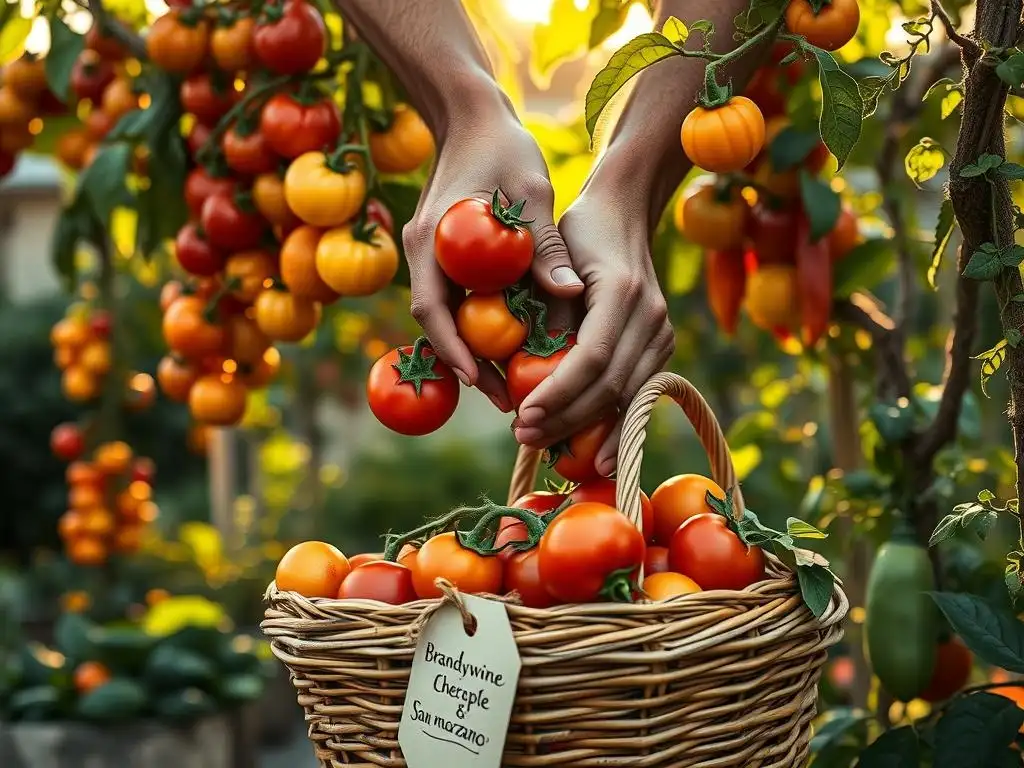
This section focuses on maximizing the yield and longevity of your heirloom vegetable harvest. Proper harvesting and preservation techniques are crucial for ensuring food security, especially when relying on heirloom varieties which may have shorter shelf lives or less readily available commercial preservation methods compared to modern hybrids.
Knowing When to Harvest Your Heirloom Vegetables for Peak Flavor and Nutrition
Harvesting at the optimal time is paramount for both flavor and nutritional value. Heirloom varieties, due to their diverse genetic makeup, often have slightly different maturity periods compared to modern hybrids. Therefore, careful observation is key. Don't rely solely on calendar dates; instead, focus on visual cues.
For example, tomatoes are ready when they exhibit deep color, a slight give when gently squeezed, and a fragrant aroma. Similarly, peppers are ready when their skin is fully colored and firm to the touch. Cucumbers are usually harvested when they reach the desired size specified for the variety, and are firm and not overly watery. Knowing the specific characteristics of your chosen heirloom varieties is vital for achieving optimal harvest times. This often involves consulting seed packets or online resources dedicated to specific heirloom cultivars.
Here's a table summarizing some common heirloom vegetables and their harvest indicators:
| Vegetable | Harvest Indicator | Additional Notes |
|---|---|---|
| Tomatoes | Deep color, slight give when squeezed, fragrant | Vary greatly in size and ripening time between varieties |
| Peppers | Fully colored skin, firm to the touch | Some varieties may need to be allowed to fully dry on the vine |
| Cucumbers | Desired size, firm, not overly watery | Regular harvesting encourages continued production |
| Beans (green beans) | Bright green, crisp, tender | Harvest when pods are plump but not over-mature |
| Squash (summer) | Tender skin, easily pierced with a fingernail | Harvest before the skin hardens |
| Squash (winter) | Hard skin, deep color | Harvest after the first frost |
Remember that even slight variations in harvest time can significantly impact the final product's quality. Harvesting too early might result in poor flavor and reduced nutritional value, while harvesting too late can lead to overripe, damaged, or less palatable produce.
Preservation Techniques for Heirloom Vegetables: Maximizing Shelf Life
Preserving your heirloom harvest extends its usability and contributes significantly to food security. Several techniques can be employed, each offering unique advantages and challenges. The best method often depends on the specific vegetable and your available resources.
Canning: A time-tested method for preserving many vegetables, canning involves heat processing to eliminate harmful bacteria and enzymes, extending shelf life considerably. However, it requires careful attention to detail to ensure safety and prevent spoilage. Proper sterilization of jars and adherence to specific processing times are crucial.
Freezing: Freezing is a convenient method for preserving many vegetables, preserving much of their nutritional value. Blanching (briefly boiling) vegetables before freezing helps retain color, texture, and flavor. However, some vegetables, such as leafy greens, might not freeze well and lose their texture.
Drying: Air drying or dehydrating is ideal for certain vegetables like tomatoes, peppers, and beans. This method reduces moisture content, inhibiting microbial growth. Dried vegetables can be stored for extended periods and rehydrated when needed. However, proper drying is necessary to prevent mold growth.
Root Cellaring: This traditional method involves storing root vegetables like carrots, beets, and potatoes in a cool, dark, and humid environment. Proper ventilation and temperature control are crucial to prevent spoilage. This method is particularly suitable for heirloom varieties which often possess robust storage characteristics.
Choosing the appropriate preservation technique depends on factors like the type of vegetable, your available resources, and your personal preferences. Experimentation and research specific to your heirloom varieties will lead to the most successful preservation strategies.
Sharing your heirloom harvest extends beyond personal consumption; it's a powerful tool for building community and enhancing food security at a broader level. Several initiatives can facilitate this sharing:
- Seed Swaps: Participating in or organizing seed swaps allows for the exchange of heirloom seeds within the community, promoting biodiversity and preserving genetic diversity. This fosters collaboration and knowledge sharing amongst gardeners.
- Community Gardens: Contributing to or establishing community gardens offers opportunities to share the bounty of your harvest with others, especially those with limited access to fresh produce. This collaborative approach strengthens community bonds while improving food security within the neighborhood.
- Local Food Banks and Pantries: Donating excess heirloom produce to local food banks and pantries directly addresses food insecurity within the community. This act of generosity provides nutritious food to those in need.
- Farmers' Markets: Selling or bartering your heirloom produce at local farmers' markets supports local economies and provides access to unique and flavorful varieties for consumers. This also educates the community about the benefits of heirloom varieties.
By actively participating in such initiatives, you contribute to a more resilient and equitable food system, highlighting the crucial role of heirloom seeds in promoting food security not just for yourself, but for your entire community. The sharing of knowledge and resources, coupled with the sharing of the harvest itself, creates a powerful network of support and strengthens the overall food security of the region. 🥕🍅🌶️
Heirloom Seeds and the Future of Food Security
Heirloom seeds, representing generations of open-pollinated plant varieties, play a crucial role in bolstering food security, particularly in the face of climate change and dwindling biodiversity. Unlike hybrid seeds, which are often patented and require annual repurchasing, heirloom seeds can be saved and replanted year after year, ensuring a consistent and reliable food source for families and communities. This self-sufficiency is paramount in regions with limited access to commercial seed supplies or where economic instability threatens access to food.
The ability to save seeds translates directly into long-term cost savings and increased resilience against external factors impacting food availability. Furthermore, the genetic diversity inherent in heirloom varieties makes them better adapted to various environmental conditions, including fluctuating temperatures, changing rainfall patterns, and the emergence of new pests and diseases.
This inherent adaptability is a significant advantage over commercially produced hybrids, which may be more susceptible to environmental stress. The focus on heirloom seeds, therefore, represents a proactive approach to building robust and sustainable food systems.
The Importance of Seed Saving for Long-Term Food Security
Seed saving is an ancient practice that is experiencing a resurgence in popularity, driven by growing concerns about food security and the environmental impact of industrial agriculture. The process involves carefully selecting the best plants from a crop, allowing them to produce seeds, and then storing those seeds for the following growing season. This simple act has profound implications for long-term food security. It reduces reliance on commercial seed companies, fostering independence and resilience within communities.
Consider a scenario where a natural disaster disrupts supply chains: families with saved heirloom seeds can continue to grow their food, minimizing the impact of the disruption. Moreover, seed saving promotes the conservation of valuable genetic resources. Each saved seed represents a unique genetic combination, contributing to the overall genetic diversity of the plant population. This diversity is crucial for adapting to changing environmental conditions and resisting pests and diseases.
The practice is not without its challenges; it requires knowledge, careful selection, and proper storage techniques to maintain seed viability. However, the benefits far outweigh the challenges, especially when considering the long-term implications for food security. Resources like seed saving workshops and online communities provide valuable support and knowledge for beginners. Learning this skill empowers individuals and communities, building a stronger foundation for food sovereignty.
Contributing to the Preservation of Genetic Diversity through Heirloom Gardening
Heirloom gardening is more than just a hobby; it's an active contribution to the preservation of plant genetic diversity. The vast array of heirloom varieties, each with its unique characteristics and adaptations, represents a valuable genetic library. These varieties have evolved over generations, adapting to specific climates, soil types, and pest pressures.
Maintaining this diversity is crucial for long-term food security, as it provides a wider range of options to choose from when facing challenges like climate change or disease outbreaks. For example, an heirloom tomato variety might possess resistance to a particular blight that affects commercially grown tomatoes. By growing and saving heirloom seeds, gardeners are actively participating in the conservation of this invaluable genetic resource.
This active participation goes beyond individual gardens; it contributes to a larger effort to safeguard biodiversity and ensure the long-term availability of diverse food sources. Organizations dedicated to preserving heirloom seeds play a crucial role in this process, often providing access to rare varieties and supporting seed saving initiatives. The act of planting and nurturing heirloom varieties is a direct contribution to the resilience of our food systems.
Heirloom Gardening: A Path Towards Sustainable and Resilient Food Systems
Heirloom gardening offers a compelling pathway towards creating more sustainable and resilient food systems. By prioritizing open-pollinated varieties and practicing seed saving, gardeners reduce their reliance on industrial agriculture's intensive inputs, such as synthetic fertilizers and pesticides. This reduces the environmental footprint associated with food production, contributing to a healthier planet.
Furthermore, heirloom varieties often exhibit greater adaptability to local conditions, reducing the need for extensive irrigation or specialized inputs. This adaptability is particularly important in the face of climate change, where unpredictable weather patterns can significantly impact crop yields. The focus on local, adapted varieties also strengthens local food systems, reducing transportation costs and emissions associated with long-distance food transport.
Heirloom gardening isn't just about growing food; it's about building community, fostering ecological awareness, and creating a more sustainable and resilient relationship with our food sources. It's a powerful demonstration of how individual actions can contribute to a larger, more sustainable food future, aligning perfectly with the principles of "Heirloom seeds food security gardening". The practice promotes self-sufficiency, biodiversity, and environmental stewardship, all crucial components of a truly sustainable food system.
Frequently Asked Questions
What are heirloom seeds, and why are they important for food security?
Heirloom seeds are open-pollinated varieties that have been passed down through generations. They contribute to food security by promoting biodiversity, adaptability, and long-term resilience in food systems. Using them helps prevent dependence on a limited number of commercial varieties.
How do heirloom seeds contribute to sustainable gardening practices?
Heirloom seeds support sustainable gardening because they often require fewer chemical inputs. Their natural resilience reduces the need for pesticides and herbicides, promoting healthier soil and ecosystems. They also encourage local seed saving, reducing reliance on large corporations.
Are heirloom seeds more difficult to grow than hybrid seeds?
Not necessarily. While some heirloom varieties may have specific needs, many are relatively easy to grow. Successful cultivation depends on understanding the specific needs of the chosen variety and providing appropriate care, just like with any seed. Research the specific variety before planting.
Where can I find reliable sources for heirloom seeds?
Many online retailers and local seed companies offer heirloom seeds. Look for reputable sources that clearly state the variety's characteristics and origin. Joining seed-saving networks or attending local farmers' markets can also be helpful resources.
How can I save heirloom seeds for future planting?
Seed saving involves carefully selecting the best plants, allowing them to fully mature, and then properly drying and storing the seeds in a cool, dry, and dark place. Research specific techniques for the particular plant, as methods vary depending on the type of seed. This practice promotes long-term food security and biodiversity.
Final Reflection: Cultivating a Legacy of Food Security
The resurgence of heirloom seed gardening is not merely a nostalgic trend; it's a vital strategy for building resilient and sustainable food systems. In a world grappling with climate change, economic instability, and increasingly fragile supply chains, the ability to grow diverse, adaptable crops from heirloom seeds represents a powerful tool for ensuring food security, both on a personal and community level. This is more than just growing tomatoes; it's about reclaiming our relationship with the land and securing our future.
The enduring power of heirloom varieties lies not only in their unique flavors and genetic diversity but also in the stories they carry. They represent a connection to the past, a testament to generations of farmers who carefully selected and preserved these seeds, adapting them to specific environments and climates. This legacy of resilience is something we must actively protect and nurture. The seeds we plant today will determine the harvest of tomorrow.
This simple truth underscores the profound responsibility we have to safeguard heirloom seeds and share their potential with others.
Consider the seeds you plant, not just as a source of food, but as a symbol of hope and self-reliance. Embrace the challenge of growing your own heirloom varieties, learn from the wisdom of past generations, and share your knowledge with others. By actively participating in the preservation and propagation of heirloom seeds, you become a vital link in a chain that stretches back centuries and forward into a future where food security is not a privilege, but a right for all. Let us cultivate a legacy of abundance, resilience, and shared responsibility, one seed at a time.
Unlock Your Garden's Potential: Grow Heirloom, Grow Abundance
Thank you for exploring the world of heirloom gardening and its vital role in food security! You've discovered the incredible benefits these unique seeds offer – now it's time to put that knowledge into practice.
Here are a few ways to get started:
- Begin your heirloom gardening journey today! Select a few heirloom varieties suited to your climate and preferences, then order seeds online or from a local supplier. This is your first step towards a more sustainable and resilient food system. Consider starting with varieties known for their ease of growth in your region.
- Share your newfound passion! Inspire a friend or family member to join you in growing their own food by sharing the importance of heirloom seeds.
- Join the CultivateYourFood community! Share your gardening experiences and photos on our social media channels to connect with a thriving network of fellow heirloom gardeners.
What heirloom variety are you most excited to grow this season, and why?