
Crop Rotation for Beginners: A Guide to Understanding Plant Needs

Welcome to CultivateYourFood, your guide to a greener, more bountiful life! Ready to unlock the secrets to thriving homegrown fruits, vegetables, and herbs? We believe everyone can cultivate their own food, sustainably and organically. Dive into our Advanced Techniques section and discover the transformative power of crop rotation with our comprehensive Beginner's guide crop rotation. Learn how this simple yet profound practice can revolutionize your garden's health and yield – the results might just surprise you!
- Why Crop Rotation is Essential for Healthy Soil and Bountiful Harvests
- Understanding Plant Families and Their Nutritional Needs
- Planning Your Crop Rotation Plan: A Step-by-Step Guide
- Common Mistakes to Avoid When Implementing Crop Rotation
- Maintaining Your Crop Rotation System: Tips for Long-Term Success
- Resources and Further Learning: Expanding Your Crop Rotation Knowledge
- Frequently Asked Questions
- Final Reflection: Cultivating a Sustainable Future, One Rotation at a Time
- Unlock Your Garden's Potential: Start Rotating Today!
Why Crop Rotation is Essential for Healthy Soil and Bountiful Harvests
Crop rotation, a cornerstone of sustainable gardening, is far more than just switching up your planting arrangement each year. It's a fundamental practice that significantly impacts the long-term health of your soil and the abundance of your harvests. This beginner's guide to crop rotation will equip you with the knowledge to understand plant needs and implement this powerful technique in your own garden, leading to healthier plants, richer soil, and a more sustainable growing experience.
We’ll explore the benefits of crop rotation, focusing on how it improves soil health, prevents diseases, and optimizes nutrient availability. By understanding the principles behind crop rotation, you'll be well on your way to cultivating a thriving and productive garden year after year.
This guide is specifically designed for beginners, making the process accessible and straightforward, even for those with limited gardening experience. Let's delve into the details and discover how this simple yet effective technique can revolutionize your home gardening journey.
The Benefits of Crop Rotation for Beginners: Improved Soil Health
Implementing crop rotation offers numerous advantages, particularly for beginners. One of the most significant benefits is improved soil health. Different plant families have varying nutrient requirements and impact the soil in different ways. For example, legumes (like beans and peas) are nitrogen-fixing plants; they enrich the soil with nitrogen, a crucial nutrient for plant growth. By rotating legumes with other crops, you avoid depleting the soil of nitrogen and improve its overall fertility. Furthermore, different plants have different root structures.
Some plants have deep roots that break up compacted soil, improving drainage and aeration. Others have shallow roots that help retain moisture near the surface. Strategic rotation of these various root systems ensures a balanced soil structure, preventing compaction and improving water infiltration. This leads to healthier, more vibrant plants and increased yields. Think of it as giving your soil a balanced diet and regular exercise! 🥕💪
Preventing Soil-Borne Diseases Through Crop Rotation Techniques
Soil-borne diseases are a common problem for gardeners, often leading to stunted growth and crop failure. Many pathogens, such as fungi and nematodes, survive in the soil for extended periods, infecting susceptible plants. Crop rotation is a highly effective method for managing these diseases. By rotating your crops, you disrupt the life cycle of these pathogens. For example, if you had a problem with a fungal disease affecting tomatoes one year, planting a non-susceptible crop like legumes or brassicas (cabbage, broccoli, etc.)
in the same location the following year will significantly reduce the chances of the disease recurring. This is because the pathogen will not find a suitable host plant to infect. This simple yet effective strategy drastically reduces disease pressure and creates a more resilient garden ecosystem. This is a crucial aspect of sustainable gardening, minimizing the need for chemical interventions. 🌱🛡️
Enhancing Nutrient Availability with Strategic Crop Sequencing
Different plant families have varying nutrient needs. Some plants are heavy feeders, requiring significant amounts of specific nutrients, while others are lighter feeders. Crop rotation allows you to strategically sequence your crops to balance nutrient uptake and prevent depletion of specific elements. For example, heavy feeders like tomatoes and peppers deplete the soil of potassium and phosphorus.
Following these crops with lighter feeders, or those that add nutrients back into the soil, helps maintain a balanced nutrient profile. Careful planning of your crop rotation ensures that you are not repeatedly depleting the same nutrients, leading to healthier soil and more productive plants. This holistic approach to gardening ensures long-term sustainability and helps to avoid the need for excessive fertilizer applications, ultimately benefitting both your plants and the environment. ♻️🌿
Reducing Pest and Weed Problems with Smart Crop Rotation
Crop rotation is a powerful tool in the fight against pesky pests and persistent weeds. By strategically changing the types of plants you grow in a particular area each year, you disrupt the life cycles of many common garden pests. For example, many insects are specialized feeders, meaning they only thrive on specific plant families. Rotating crops from different families prevents the buildup of these insects.
Imagine a continuous planting of tomatoes: tomato hornworms will likely become a significant problem. However, if you follow tomatoes with a completely different plant family, like beans or legumes, the hornworms will lack their preferred food source and their population will decrease significantly. This is a natural and effective form of pest control that minimizes the need for harmful pesticides.
Furthermore, certain plants can help suppress weed growth. Some plants have allelopathic properties, meaning they release chemicals into the soil that inhibit the growth of other plants, including weeds. For instance, planting marigolds between rows of vegetables can help deter nematodes and other soilborne pests, while simultaneously suppressing weed growth. By strategically incorporating these "suppressor" plants into your rotation plan, you can significantly reduce weed pressure, lessening the need for herbicides and promoting healthier soil.
This integrated approach to pest and weed management is both environmentally friendly and beneficial for your overall crop yields. Careful planning and observation are key to leveraging the benefits of crop rotation for natural pest and weed control. Over time, you’ll learn which plant combinations work best in your specific environment and soil conditions.
The effectiveness of crop rotation in pest and weed management also depends on the length of your rotation cycle. Longer rotations (e.g., 4-5 years) generally offer better control than shorter ones. This extended time allows for a more complete disruption of pest and weed life cycles. However, it's important to balance the length of your rotation with practical considerations, such as your available land and gardening goals.
A well-designed rotation plan should be tailored to your specific needs and circumstances. Remember to keep detailed records of your planting plans to track the effectiveness of your rotations and make adjustments as needed. Through careful observation and record-keeping, you can refine your crop rotation strategy over time to achieve optimal results. This iterative process is crucial for maximizing the benefits of crop rotation and achieving a thriving, pest- and weed-resistant garden.
Understanding Plant Families and Their Nutritional Needs
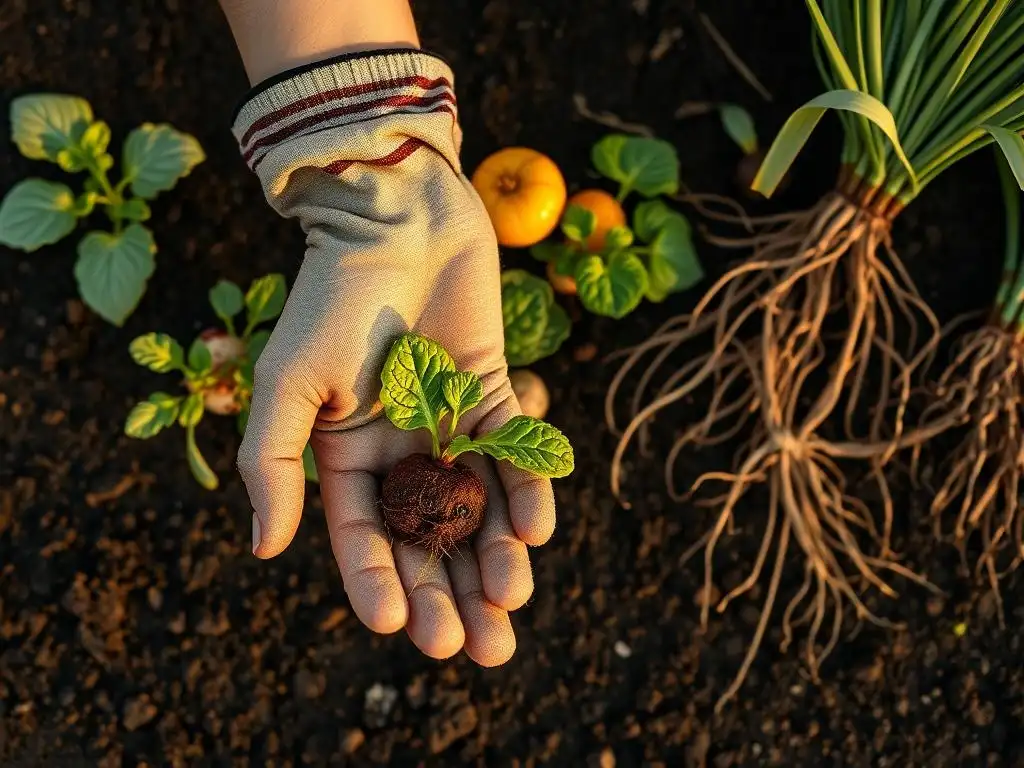
This section delves into the crucial relationship between plant families and their nutrient requirements, a cornerstone of successful crop rotation. Understanding these needs is paramount for beginners aiming to implement effective and sustainable gardening practices. Ignoring these family-specific needs can lead to nutrient depletion and reduced yields in subsequent planting seasons. Let's explore the diverse nutritional demands of common plant families.
Identifying Different Plant Families: Legumes, Brassicas, Solanaceae, etc.
Effective crop rotation hinges on recognizing the diverse nutritional needs of different plant families. Grouping plants by family allows us to better predict their impact on soil health. Here are some key examples:
- Legumes (Fabaceae): This family, including beans, peas, and clover, are nitrogen-fixing superstars. They possess a symbiotic relationship with soil bacteria ( Rhizobium), converting atmospheric nitrogen into a usable form for themselves and enriching the soil for subsequent crops. This significantly reduces the need for nitrogen fertilizers, a key component of sustainable gardening. Their deep root systems also improve soil structure.
- Brassicas (Brassicaceae): This family encompasses cabbage, broccoli, cauliflower, kale, and Brussels sprouts. They are heavy feeders, particularly demanding sulfur, potassium, and boron. Over-planting brassicas in the same area year after year can deplete these nutrients, leading to smaller, less vigorous plants.
- Solanaceae (Nightshades): This diverse family includes tomatoes, peppers, potatoes, and eggplants. They generally require well-drained soil rich in phosphorus and potassium. Like brassicas, they are heavy feeders and can deplete soil nutrients if not rotated properly.
- Cucurbits (Cucurbitaceae): This family contains pumpkins, squash, cucumbers, and melons. They are relatively heavy feeders and benefit from nutrient-rich soil, though their needs are less extreme than those of brassicas or solanaceae. They require well-drained soil and adequate potassium.
The table below summarizes the general nutrient needs of these families:
| Plant Family | Primary Nutrient Needs | Soil Improvement Benefits |
|---|---|---|
| Legumes | Nitrogen | Nitrogen fixation, improved soil structure |
| Brassicas | Sulfur, Potassium, Boron | |
| Solanaceae | Phosphorus, Potassium | |
| Cucurbits | Potassium, overall nutrients |
Understanding these differences is crucial for planning a successful crop rotation strategy.
Nutrient Depletion: How Different Plants Affect Soil Nutrients
Different plant families extract nutrients from the soil at varying rates and in different proportions. This unequal uptake can lead to nutrient imbalances over time, impacting the health and yield of subsequent crops. For example, continuous planting of heavy feeders like brassicas can deplete sulfur and potassium levels, making it difficult for following crops to thrive. Conversely, legumes can help to replenish nitrogen levels, setting the stage for healthier growth of crops that require this nutrient, like corn or leafy greens.
Ignoring this dynamic can result in reduced yields, increased susceptibility to pests and diseases, and a general decline in soil health. Careful planning, considering the specific nutrient needs of each plant family, is key to maintaining soil fertility and maximizing crop yields. Regular soil testing can further inform your understanding of nutrient levels and guide your crop rotation strategy.
Matching Plants to Soil Types: Optimizing Nutrient Uptake
Soil type significantly impacts a plant's ability to access nutrients. Sandy soils, for example, drain quickly, leading to nutrient leaching. Clay soils can retain water and nutrients but can become compacted, hindering root growth and nutrient uptake. Matching plant families to appropriate soil types is crucial for optimizing nutrient uptake and overall plant health.
Legumes, with their deep taproots, are well-suited to heavier clay soils, while lighter feeders may thrive in sandy soils where nutrient availability is less consistent. Careful observation of your soil type and the nutrient requirements of different plant families will enable you to make informed decisions about plant placement within your crop rotation plan. Consider amending your soil with organic matter like compost to improve its structure and water retention capabilities, further enhancing nutrient availability for all your plants. This holistic approach ensures the long-term health and productivity of your garden.
Planning Your Crop Rotation Plan: A Step-by-Step Guide
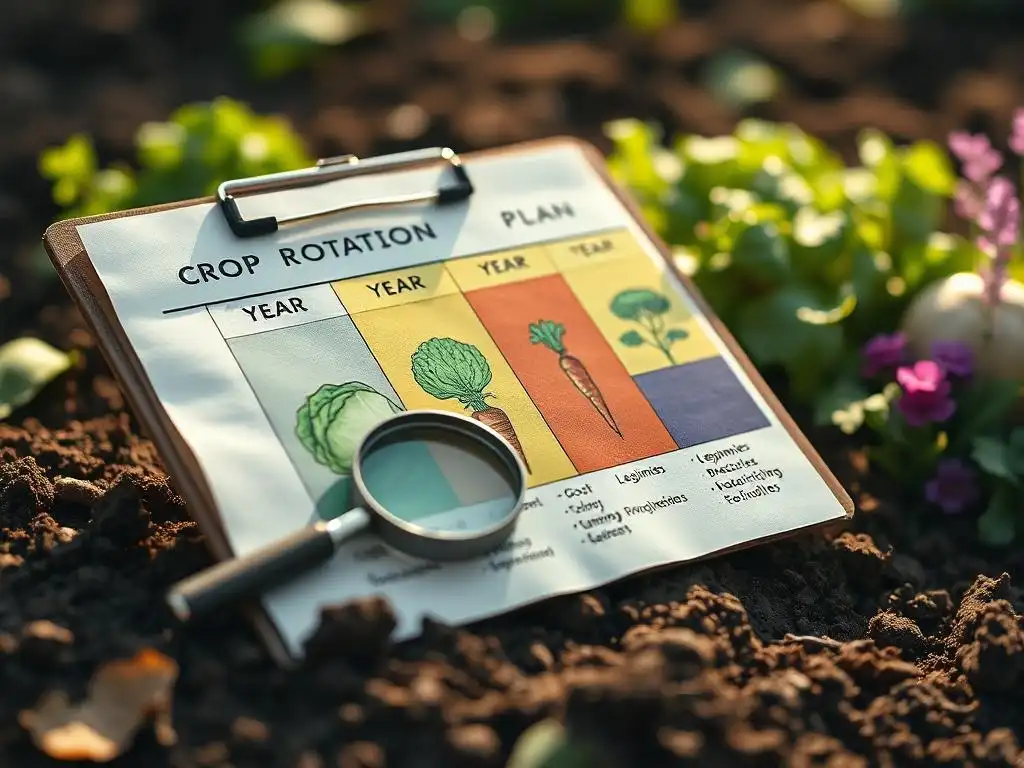
This section provides a practical, step-by-step guide for beginners to plan their crop rotation strategy. Effective crop rotation is crucial for maximizing yields, improving soil health, and minimizing pest and disease problems. This beginner's guide to crop rotation will walk you through the essential steps.
Assessing Your Garden Space and Soil Conditions
Before you even think about which plants to grow, understanding your garden's limitations and strengths is paramount. This involves a thorough assessment of your garden space and soil conditions. Accurate assessment is key to successful crop rotation for beginners.
First, measure your garden's dimensions. Knowing the exact square footage will help you determine how many plants you can realistically grow and how to arrange them for optimal sunlight exposure and spacing. Consider the orientation of your garden relative to the sun; south-facing gardens generally receive the most sunlight.
Next, conduct a soil test. This is arguably the most crucial step. A soil test will reveal your soil's pH level, nutrient content (nitrogen, phosphorus, potassium – NPK), and overall composition. You can purchase home soil testing kits or send a sample to a local agricultural extension office for professional analysis.
The results will guide your crop selection, as different plants have varying nutrient requirements and pH preferences. For example, tomatoes prefer slightly acidic soil (pH 6.0-6.8), while blueberries thrive in highly acidic conditions (pH 4.5-5.5). Knowing your soil's characteristics allows you to choose crops that will flourish in your specific environment.
Finally, observe your garden's drainage. Poor drainage can lead to root rot and other plant diseases. If your garden tends to retain water, consider amending your soil with organic matter like compost to improve drainage and aeration. Conversely, if your soil is too sandy and drains too quickly, adding organic matter will help it retain moisture. A well-drained garden is essential for a successful crop rotation plan.
Choosing Compatible Crops for Your Rotation Plan
Crop rotation involves strategically sequencing different plant families in the same garden plot over several years. This minimizes the build-up of pests and diseases associated with specific plant families and helps maintain soil fertility. Understanding plant families is crucial for a successful beginner's guide to crop rotation.
Here's a simplified example of crop families and their rotation compatibility:
| Plant Family | Example Crops | Nutrient Needs | Pest & Disease Susceptibility |
|---|---|---|---|
| Brassicaceae (Crucifers) | Broccoli, Cabbage, Kale, Mustard | High nitrogen | Flea beetles, clubroot |
| Solanaceae (Nightshades) | Tomatoes, Peppers, Eggplant | Moderate nitrogen, high potassium | Blight, aphids |
| Fabaceae (Legumes) | Beans, Peas, Clover | Nitrogen-fixing | Relatively low |
| Cucurbitaceae (Gourds) | Cucumbers, Squash, Melons | Moderate nitrogen, potassium | Powdery mildew, vine borers |
| Asteraceae (Compositae) | Lettuce, Sunflower, Artichoke | Moderate nutrients | Various, depending on the species |
The key is to avoid planting crops from the same family in the same location year after year. For instance, after growing broccoli (Brassicaceae) one year, avoid planting other brassicas in that same spot the following year. Instead, plant a crop from a different family, such as legumes (Fabaceae) which will help replenish nitrogen in the soil. This prevents the build-up of soilborne diseases and pests specific to that family. This is a core concept in any beginner's guide to crop rotation.
Creating a Simple 3-Year Crop Rotation Schedule for Beginners
A three-year rotation is a good starting point for beginners. This provides sufficient time to observe the effects of rotation and to adjust your plan as needed. Remember, flexibility is key!
Here’s a sample 3-year rotation plan:
Year 1: Heavy feeders (e.g., tomatoes, peppers, eggplant) – Solanaceae family. These plants require lots of nutrients.
Year 2: Nitrogen-fixing legumes (e.g., beans, peas) – Fabaceae family. These plants improve soil fertility by adding nitrogen.
Year 3: Light feeders (e.g., leafy greens, root vegetables) – Brassicaceae, Asteraceae, etc. These plants require fewer nutrients and can benefit from the improved soil from the previous year.
Remember to rotate the location of each plant family each year. Don't just repeat the same family in a different area; rotate the entire sequence across your garden beds. This diversified approach is essential for successful crop rotation and is a vital part of a beginner's guide to crop rotation. By meticulously following this plan, you'll observe improvements in soil health, pest resistance, and overall yields over time. Enjoy your bountiful harvest! 🌱
Adapting Crop Rotation for Small Gardens and Containers
Rotating crops in small gardens and containers presents unique challenges, but it's absolutely achievable! The key is to think creatively and maximize space. Instead of dedicating large areas to single crops, consider intercropping—planting different crops together in the same space. This strategy not only saves space but also enhances biodiversity and can improve soil health. For example, you could plant low-growing lettuce between rows of taller tomatoes. The lettuce shades the soil, reducing weed growth and moisture loss, while the tomatoes provide some shade for the lettuce. This symbiotic relationship benefits both plants.
Another vital aspect is understanding the growth habits of your chosen plants. Compact varieties of vegetables and herbs are your best friends in a small space. Look for bush beans instead of pole beans, and choose compact tomato varieties. Similarly, selecting herbs that don't sprawl too much will prevent overcrowding and ensure adequate sunlight for all plants. Remember to check the mature size of each plant before planting to ensure they have enough room to grow without competing for resources. A well-thought-out layout is essential for success.
Container gardening offers even more flexibility in crop rotation. Since you can move containers, you can easily rotate crops within a smaller area. For instance, you can move containers of heavy feeders (like tomatoes) to a different location each year, allowing the soil in the previous location to recover. This eliminates the need for extensive soil amendments and ensures better nutrient availability for the next crop.
Furthermore, you can tailor the soil mix in each container to suit the specific needs of the plant. This precise control allows you to optimize nutrient content and pH levels, which is particularly helpful when rotating crops with diverse nutritional requirements. Consider using a different container size for different plants, allowing you to optimize space and prevent overcrowding.
Small herbs can share a larger pot, while larger vegetables require individual containers. This dynamic approach allows for efficient use of space, even in a small area. Planning ahead and considering these elements will make crop rotation in small spaces remarkably effective.
Common Mistakes to Avoid When Implementing Crop Rotation
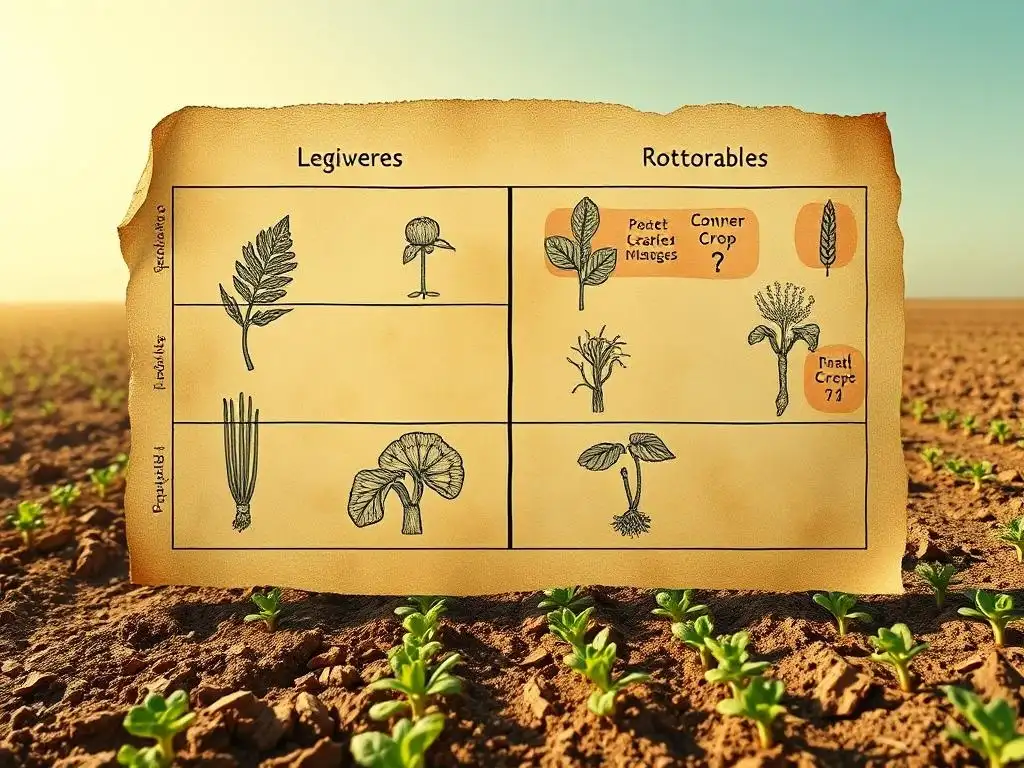
This section focuses on the pitfalls many beginners encounter when starting a crop rotation plan. Avoiding these common mistakes will significantly improve your chances of success and maximize the benefits of this sustainable gardening practice. A successful beginner's guide crop rotation strategy requires attention to detail and a proactive approach. Let's delve into some crucial areas where many gardeners stumble.
Overlooking Soil Testing and Analysis
One of the most significant errors new crop rotators make is neglecting regular soil testing. A beginner's guide crop rotation shouldn't be implemented blindly. Soil testing provides invaluable insights into your soil's composition, pH levels, and nutrient deficiencies. Different plant families have varying nutrient requirements. For example, heavy feeders like brassicas (broccoli, cabbage, kale) deplete soil nutrients more rapidly than legumes (peas, beans). Without understanding your soil's baseline, you can't effectively plan a rotation that replenishes vital nutrients and prevents imbalances.
Ignoring soil analysis leads to several problems:
- Nutrient Deficiencies: Plants may struggle to thrive due to a lack of essential nutrients, resulting in stunted growth and reduced yields. This is especially true if you repeatedly plant nutrient-hungry crops in the same area.
- pH Imbalances: Incorrect pH can hinder nutrient uptake, even if the nutrients are present in the soil. Some plants prefer acidic soil, while others thrive in alkaline conditions. Soil testing helps you identify and adjust your soil pH accordingly.
- Pest and Disease Problems: Certain soil conditions can exacerbate pest and disease issues. Knowing your soil's health allows for preventative measures and informed decisions regarding crop selection.
Regular soil testing, ideally before each planting season, allows for proactive adjustments to your crop rotation plan, optimizing soil health and plant growth. Consider professional soil testing services for accurate and detailed results. This proactive approach is a cornerstone of a successful beginner's guide crop rotation.
Ignoring Plant Family Relationships
Understanding plant families is critical for effective crop rotation. Plants within the same family often share similar nutrient requirements and are susceptible to the same pests and diseases. Planting members of the same family consecutively increases the risk of nutrient depletion and the build-up of soilborne pathogens. This can lead to reduced yields and increased susceptibility to disease in subsequent plantings.
For example, repeatedly planting tomatoes (Solanaceae family) in the same area increases the risk of soilborne diseases like verticillium wilt. Similarly, continuous planting of brassicas can lead to clubroot, a devastating fungal disease. A well-structured beginner's guide crop rotation strategically alternates plant families to break these disease cycles and prevent nutrient depletion.
Here's a simplified example of a three-year crop rotation plan considering plant families:
| Year 1 | Year 2 | Year 3 |
|---|---|---|
| Legumes (peas) | Brassicas (broccoli) | Solanaceae (tomatoes) |
| Root vegetables (carrots) | Alliums (onions) | Leafy greens (lettuce) |
This example demonstrates the importance of diversity. Notice how each year features different plant families, minimizing the risk of disease and nutrient depletion.
Neglecting Crop Diversity in Your Rotation Plan
A successful crop rotation plan incorporates a diverse range of crops with varying growth habits, nutrient requirements, and root systems. Monoculture (growing the same crop repeatedly) depletes soil nutrients and makes plants more vulnerable to pests and diseases. A diversified approach enhances soil health and improves overall garden productivity.
Consider incorporating:
- Legumes: These nitrogen-fixing plants enrich the soil with nitrogen, a crucial nutrient for many plants. They are excellent additions to any beginner's guide crop rotation.
- Cover Crops: These plants, like clover or rye, improve soil structure, suppress weeds, and prevent erosion.
- Root Vegetables: Their deep roots improve soil aeration and drainage.
- Leafy Greens: They contribute organic matter to the soil as they decompose.
A diverse rotation also benefits soil biodiversity, encouraging beneficial microorganisms and improving soil structure. This leads to healthier plants, better yields, and a more sustainable gardening approach. Remember, a beginner's guide crop rotation is about more than just preventing disease; it's about building a thriving soil ecosystem. The more diverse your planting plan, the more resilient your garden will be.
Failing to Maintain Soil Health Through Other Practices
Crop rotation is a powerful tool, but it's not a magic bullet. A successful crop rotation strategy relies heavily on maintaining overall soil health through a variety of practices. Simply rotating crops without addressing other crucial aspects of soil management can lead to disappointing results. Ignoring these other elements undermines the benefits of crop rotation and can even negate its positive effects.
For example, neglecting soil testing is a common mistake. Regular soil testing reveals crucial information about nutrient levels, pH balance, and potential deficiencies. This data is essential for tailoring fertilization and amendment strategies to the specific needs of your crops and preventing nutrient imbalances that can hinder growth, regardless of the rotation schedule. Without knowing your soil's composition, you're essentially rotating crops blindly, hoping for the best. This approach is inefficient and likely to yield suboptimal results. Investing in a professional soil test or using at-home testing kits is a small price to pay for the valuable information gained.
Furthermore, failing to incorporate sufficient organic matter is another significant oversight. Organic matter, such as compost, improves soil structure, water retention, and nutrient availability. It acts as a natural fertilizer and enhances the overall health and vitality of the soil. Without sufficient organic matter, even the most meticulously planned crop rotation may struggle to deliver its full potential. Adding compost, aged manure, or other organic materials is crucial for long-term soil health and should be considered an integral part of any crop rotation plan, not an optional add-on.
Finally, neglecting pest and disease management can significantly impact crop success. While crop rotation helps to break pest and disease cycles, it's not a complete solution. Regular monitoring for pests and diseases, along with proactive measures like companion planting and biological controls, are crucial for maintaining healthy crops.
Ignoring pest and disease issues allows problems to fester, potentially affecting the entire rotation and undermining the benefits of the planned sequence. A well-rounded approach that combines crop rotation with integrated pest management strategies is the most effective way to protect your garden from pests and diseases. Ignoring this aspect significantly diminishes the effectiveness of your crop rotation efforts.
Maintaining Your Crop Rotation System: Tips for Long-Term Success
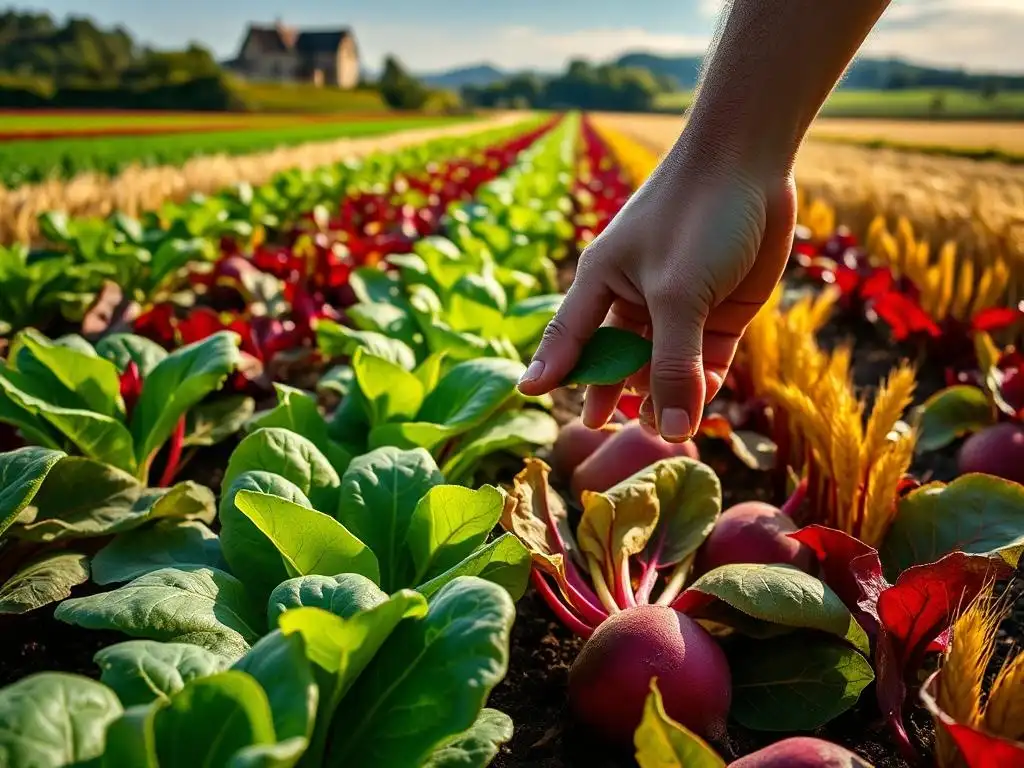
This section focuses on the long-term maintenance of your crop rotation plan, ensuring continued success and healthy yields year after year. A well-maintained system minimizes pest and disease problems, optimizes nutrient availability, and builds soil health, all crucial aspects for a beginner's guide to crop rotation. Consistent monitoring and proactive adjustments are key.
Monitoring Soil Health and Making Adjustments
Regular soil testing is paramount for understanding your soil's nutritional needs and identifying any imbalances. A beginner's guide to crop rotation should emphasize the importance of this crucial step. Testing should ideally be conducted annually, or even twice yearly in more intensive gardening situations.
Look for comprehensive tests that assess not just macronutrients (nitrogen, phosphorus, potassium), but also micronutrients (like zinc, iron, and manganese) and soil pH. Soil pH significantly impacts nutrient availability; many plants thrive within a specific pH range. For example, blueberries prefer acidic soil (pH 4.5-5.5), while most vegetables prefer slightly acidic to neutral soil (pH 6.0-7.0).
Consider these indicators of poor soil health:
- Poor plant growth: Stunted growth, yellowing leaves (chlorosis), and reduced yields are clear signs of nutrient deficiencies or imbalances.
- Increased pest and disease problems: Weakened plants are more susceptible to pests and diseases. This often indicates a need for improved soil health.
- Compacted soil: Difficult to work with, compacted soil restricts root growth and water infiltration.
- Erosion: Loss of topsoil indicates a need for improved soil management practices, such as cover cropping.
Based on your test results, you can make targeted adjustments to your crop rotation plan. This might involve:
- Adjusting planting schedules: Rotating crops with different nutrient needs can help balance soil fertility.
- Adding organic amendments: Compost, manure, and other organic materials can replenish nutrients and improve soil structure.
- Implementing cover crops: Cover crops can help improve soil health, prevent erosion, and suppress weeds. We'll discuss this further in the next section.
Using Cover Crops to Enhance Soil Fertility
Cover crops are plants grown specifically to improve soil health, rather than for harvest. They are a vital component of a successful, long-term crop rotation strategy for beginners. These plants add organic matter, prevent erosion, suppress weeds, and fix nitrogen in the soil. Choosing the right cover crop is crucial. Some popular options include:
- Legumes (e.g., clover, alfalfa, vetch): Legumes fix atmospheric nitrogen, enriching the soil and reducing the need for nitrogen fertilizers. This is particularly beneficial for nitrogen-hungry crops like leafy greens and tomatoes.
- Grasses (e.g., rye, oats, barley): Grasses improve soil structure, prevent erosion, and suppress weeds. Their roots help break up compacted soil, improving drainage and aeration.
- Brassicas (e.g., mustard, radish): Brassicas help break down soil-borne pathogens and improve soil tilth.
The benefits extend beyond nutrient cycling. Cover crops act as a natural mulch, suppressing weeds and reducing the need for herbicides. They also help improve water infiltration and retention, reducing the frequency of irrigation. Remember to terminate cover crops before planting your main crops, typically by tilling them under or using a herbicide approved for organic gardening.
Integrating Organic Amendments to Improve Soil Structure
Organic amendments are essential for building and maintaining healthy soil structure. They improve soil aeration, drainage, water retention, and nutrient availability. For beginners, understanding the benefits of different amendments is crucial. Common options include:
| Amendment | Benefits | Application Method |
|---|---|---|
| Compost | Improves soil structure, adds nutrients, enhances water retention | Spread evenly over the soil and till in lightly. |
| Manure (well-rotted) | Adds nutrients, improves soil structure, enhances water retention | Spread evenly over the soil and till in lightly. |
| Cover Crop Residue | Adds organic matter, improves soil structure, suppresses weeds | Till under or leave on the surface as mulch. |
| Peat Moss | Improves soil drainage and aeration, increases water retention | Mix into the soil before planting. |
The amount of amendment needed depends on your soil's condition and the type of amendment used. Always follow package instructions or consult with a local agricultural extension office for guidance. Remember that consistency is key. Regularly incorporating organic amendments into your soil will improve its long-term health and productivity, leading to healthier and more abundant harvests. This is a critical aspect for any beginner's guide to crop rotation. By following these tips, you can ensure the longevity and effectiveness of your crop rotation system, leading to a thriving and sustainable garden. 🌱
Dealing with Pests and Diseases in a Crop Rotation System
Crop rotation is a powerful tool in the fight against pests and diseases. By strategically changing the location of different plant families, you disrupt the life cycle of many common garden pests and pathogens. Many pests and diseases are specialized, meaning they thrive on specific plant species or families. Rotating crops prevents the buildup of these organisms in the soil, reducing the risk of infestations and outbreaks.
For example, continuous planting of tomatoes can lead to a build-up of soilborne diseases like fusarium wilt. However, by rotating tomatoes with non-susceptible plants like legumes (beans, peas) or brassicas (cabbage, broccoli), you significantly reduce the chances of future infections. The legumes, in particular, can even improve soil health, further bolstering disease resistance.
Understanding the specific pests and diseases common to your region and the plants you grow is crucial. Research the life cycles of these organisms to determine how crop rotation can best disrupt them. For instance, some pests overwinter in the soil or on plant debris. Rotating crops helps to starve these pests by removing their preferred host plants. Similarly, many diseases survive in the soil, and rotating crops prevents the build-up of inoculum, the infectious material that causes disease. This proactive approach reduces the reliance on chemical pesticides and fungicides, aligning with sustainable and organic gardening practices.
Careful observation of your plants is essential. Early detection of pests or diseases allows for timely intervention, minimizing the damage. Implementing a robust crop rotation plan, combined with regular monitoring, will significantly improve your chances of a healthy and productive garden. Remember to keep detailed records of your crop rotation schedule, noting any pest or disease occurrences. This information will be invaluable for future planning and refining your rotation strategy.
Consider rotating not only the types of plants but also the varieties within each plant family. This added layer of complexity can further confuse pests and diseases, making it harder for them to establish themselves. This approach to integrated pest management (IPM) is a cornerstone of successful organic gardening. Ultimately, a well-planned crop rotation system minimizes the need for external interventions, leading to healthier plants and a more sustainable garden.
Resources and Further Learning: Expanding Your Crop Rotation Knowledge
This section provides resources to deepen your understanding of crop rotation and take your gardening skills to the next level. Whether you're a complete beginner looking for extra support or an experienced gardener seeking advanced techniques, you'll find valuable information here. Successfully implementing crop rotation requires ongoing learning and community engagement. Let's explore the best ways to continue your journey.
Recommended Books and Online Resources on Crop Rotation
Choosing the right resources can significantly impact your success with crop rotation. For beginners, a clear and concise guide is crucial. For more experienced gardeners, delving into advanced techniques and specific plant family needs is essential. Here are some starting points:
- Beginner-Friendly Books: Look for books with titles like "Organic Gardening for Beginners" or "The Complete Idiot's Guide to Gardening." These often dedicate sections to crop rotation, explaining the basic principles in an accessible way. Many include helpful charts and diagrams illustrating compatible plant families.
- Advanced Crop Rotation Resources: For those ready to move beyond the basics, consider books focusing specifically on crop rotation or sustainable farming practices. These often delve into the scientific reasons behind crop rotation, offering deeper insights into soil health and nutrient cycling. Look for keywords like "soil fertility," "sustainable agriculture," and "integrated pest management" in the title or description.
- Online Forums and Communities: Online gardening communities offer a wealth of practical advice and peer support. Search for forums dedicated to organic gardening or sustainable agriculture; you'll find discussions on crop rotation strategies, troubleshooting common problems, and sharing experiences. Engage with the community by asking questions and sharing your own progress. This active participation significantly enhances the learning process.
- University Extension Websites: Many universities offer extensive online resources on sustainable agriculture and horticulture. These websites frequently feature research-based articles and guides on crop rotation tailored to specific regions and climates. This is a great source for evidence-based information and regional best practices.
Local Gardening Groups and Communities for Support and Advice
Connecting with your local gardening community offers invaluable support and practical advice. This is especially crucial for beginners navigating the complexities of crop rotation. Here's why local engagement is so important:
- Sharing Experiences and Knowledge: Local gardening groups provide a platform to exchange experiences, learn from others' successes and mistakes, and receive personalized guidance based on your specific climate and soil conditions. This collaborative learning environment speeds up your progress and minimizes potential pitfalls.
- Access to Local Expertise: Many groups include experienced gardeners who can offer tailored advice based on your region's unique challenges and opportunities. They can recommend locally adapted plant varieties and suggest best practices for your specific area.
- Building a Supportive Network: Gardening can be challenging, and having a supportive network of fellow enthusiasts can make a significant difference. Sharing your successes and challenges provides motivation and strengthens your commitment to sustainable gardening practices.
- Seed Swapping and Plant Sharing: Some groups organize seed swaps and plant sharing events, providing opportunities to access a wider variety of plants and expand your gardening repertoire. This fosters a sense of community and provides access to unique and sometimes hard-to-find varieties.
Advanced Crop Rotation Techniques for Experienced Gardeners
Once you've mastered the basics, you can explore advanced crop rotation techniques to optimize your garden's productivity and soil health. These techniques require a deeper understanding of plant families, nutrient cycling, and pest management.
- Cover Cropping: Integrating cover crops into your rotation enhances soil health, suppresses weeds, and improves nutrient availability. Different cover crops offer varied benefits; some fix nitrogen, while others improve soil structure. Understanding the specific needs and benefits of different cover crops is crucial for effective implementation.
- Relay Cropping: This technique involves planting a fast-growing crop alongside a slower-growing one. The fast-growing crop is harvested early, leaving space for the slower-growing one to mature. It increases overall yield and efficiently utilizes space and resources.
- Intercropping: Intercropping involves planting different crops together in the same space. Careful selection of compatible crops can enhance growth, improve pest control, and optimize resource use. However, understanding the specific needs of each crop and their compatibility is crucial to avoid competition for resources.
- Precision Soil Testing: Regular and precise soil testing allows for a tailored nutrient management strategy, optimizing the effectiveness of your crop rotation plan. Understanding nutrient deficiencies and excesses helps you choose the right crops for each rotation cycle. This data-driven approach maximizes soil health and crop yields.
By consistently learning and adapting your approach, you'll become a master of crop rotation, cultivating healthy soil and abundant harvests year after year. Remember, sustainable gardening is a journey, not a destination! 🌱
Frequently Asked Questions
What is crop rotation, and why is it important for beginners?
Crop rotation is the practice of planting different types of crops in the same area in sequenced seasons. It's crucial for improving soil health, preventing pest and disease buildup, and enhancing nutrient availability for your plants.
How do I plan a simple crop rotation schedule for my garden?
Start with a basic four-year rotation grouping plants into families (e.g., legumes, brassicas, roots). Consider your climate and the specific needs of your chosen plants. A simple chart can help you visualize your plan.
What are the benefits of crop rotation for my vegetables?
Rotating crops helps reduce soilborne diseases and pests, improve soil structure and fertility, and increase yields over time. It also minimizes the need for synthetic fertilizers and pesticides.
Which plants are good companions for crop rotation?
Legumes (like beans and peas) are excellent for nitrogen fixation, improving soil health for subsequent crops. Consider pairing heavy feeders with lighter feeders to balance nutrient depletion. Consult resources like the CultivateYourFood website for more specific pairings.
Are there any common mistakes beginners make with crop rotation?
A common mistake is not understanding plant families and their specific needs. Another is failing to plan ahead, leading to inconsistent planting schedules. Finally, neglecting to amend the soil regularly can hinder the benefits of rotation.
Final Reflection: Cultivating a Sustainable Future, One Rotation at a Time
Understanding the principles of crop rotation isn't just a gardening technique; it's a fundamental step towards building a more resilient and sustainable food system. The practices outlined in this beginner's guide are more relevant than ever, in a world facing increasing challenges related to soil health, pest management, and climate change. Ignoring these principles risks jeopardizing our ability to produce healthy, abundant crops for generations to come.
The impact of crop rotation extends far beyond the individual garden or farm. It's a practice that weaves itself into the very fabric of our relationship with the land, influencing biodiversity, reducing our reliance on synthetic inputs, and ultimately, contributing to a healthier planet. As the saying goes, The best time to plant a tree was 20 years ago. The second best time is today.
This holds true for adopting crop rotation – even small changes can make a significant difference in the long run, fostering a deeper connection with the natural world and the food we consume.
Now, consider your own space, whether it's a small balcony garden or a sprawling backyard. What steps can you take today to incorporate even the simplest principles of crop rotation? Experiment with different plant families, observe the changes in your soil, and learn from your successes and failures. Remember, the journey towards sustainable gardening is a continuous process of learning and adaptation. Embrace the challenge, and you'll be rewarded with healthier plants, richer soil, and a profound sense of connection to the earth that sustains us all.
Unlock Your Garden's Potential: Start Rotating Today!
Thanks for exploring the world of crop rotation! You've learned how strategically rotating your plants can lead to healthier soil and bigger harvests. Ready to put this knowledge into action?
- Begin planning your next planting season using the crop rotation principles discussed in this article. This is the first step towards healthier plants! Consider sketching a simple garden map to visualize your rotation.
- Share your experience! Tell us about your current planting strategy and what you've learned from this guide on our CultivateYourFood community forum. Let's grow together!
- Experiment with companion planting to further enhance your garden's success. This can be a rewarding next step in your gardening journey.
What's the first plant you'll rotate in your garden this year? Let us know in the comments below!