
The Most Ergonomic Gardening Tools for PainFree Gardening

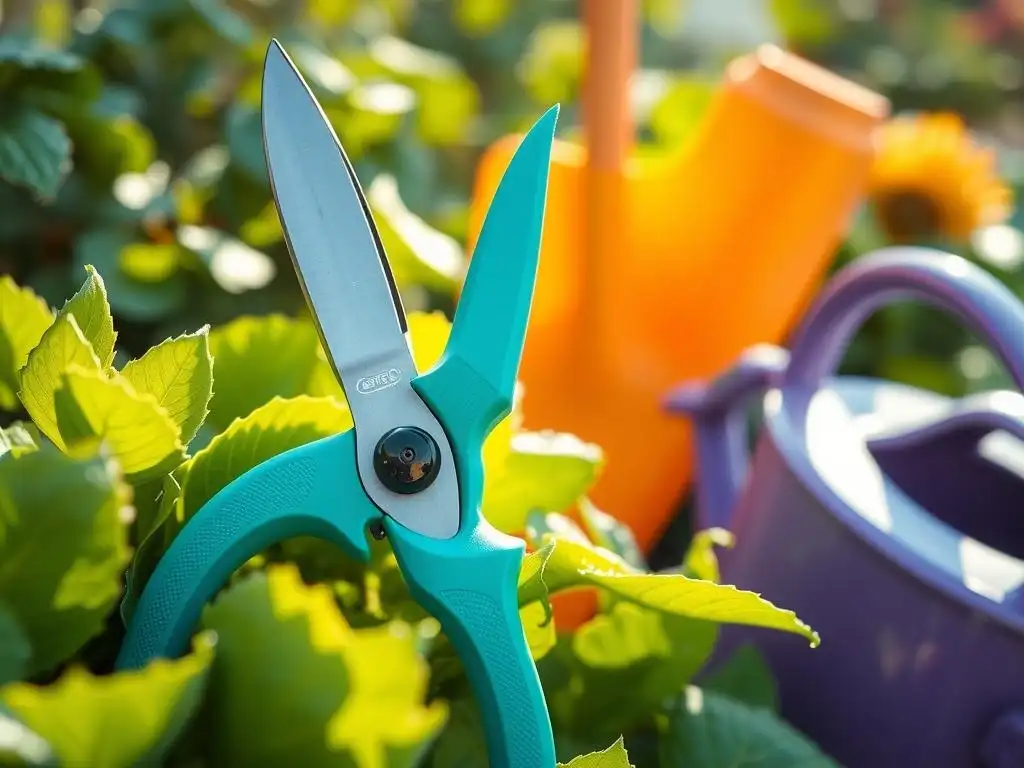
Ready to transform your backyard into a thriving oasis? At CultivateYourFood, we believe everyone can enjoy the rewards of homegrown goodness. But gardening shouldn't mean aches and pains! That's why we're diving into the world of ergonomic gardening tools, reviewing the best options to help you cultivate your food with ease and comfort. Discover how the right tools can make all the difference in your sustainable gardening journey, and get ready to reap a bountiful harvest without the backache. Let's get started!
- Understanding the Importance of Ergonomic Gardening Tools
-
Ergonomic Gardening Tools Review: Top Picks for CultivateYourFood Readers
- Best Ergonomic Hand Trowels for Easy Planting and Weeding
- Top-Rated Ergonomic Gardening Gloves for Enhanced Grip and Protection
- Ergonomic Pruning Shears for Effortless Trimming and Cutting
- Ergonomic Kneeling Pads and Garden Kneelers for Comfortable Kneeling
- Ergonomic Wheelbarrows and Garden Carts for Efficient Transport
- Ergonomic Long-Handled Tools: Rakes, Hoes, and Cultivators
- Choosing the Right Ergonomic Gardening Tools for Your Needs
- Maintaining Your Ergonomic Gardening Tools
- Ergonomic Gardening Techniques to Complement Your Tools
- Frequently Asked Questions
- Final Reflection: Cultivating Comfort, Harvesting Joy
- Unleash Your Pain-Free Gardening Potential!
Understanding the Importance of Ergonomic Gardening Tools
Gardening, while a rewarding hobby offering fresh produce and a connection to nature, can unfortunately lead to significant physical strain and injuries if not approached with proper tools and techniques. Backaches, shoulder pain, and hand fatigue are common complaints among avid gardeners, often stemming from the repetitive motions and awkward postures involved in planting, weeding, and harvesting.
This article serves as a comprehensive review of ergonomic gardening tools, focusing on how they can alleviate these common issues and help you cultivate your food sustainably and pain-free. We'll explore the specific benefits of ergonomic design for various body parts, highlighting the long-term health advantages of investing in these specialized tools.
Choosing the right tools isn't just about efficiency; it's about protecting your well-being and ensuring you can enjoy your garden for years to come. This review will help you navigate the market of ergonomic gardening tools and choose the best options for your needs, allowing you to truly cultivate your food with comfort and ease.
Reducing Strain and Preventing Injuries in Gardening
Many traditional gardening tools are designed without much consideration for the human body. This leads to awkward postures, repetitive strain, and ultimately, injuries. For example, using a standard shovel for extended periods can put significant stress on your back and knees. Similarly, using hand trowels with uncomfortable handles can lead to wrist pain and carpal tunnel syndrome. Ergonomic gardening tools, however, are designed to minimize these problems. They often feature:
- Extended handles: These reduce bending and reaching, protecting your back and knees.
- Padded grips: These provide comfort and reduce hand fatigue, preventing blisters and calluses.
- Lightweight materials: These reduce the overall strain on your body, making gardening less tiring.
- Optimized weight distribution: This prevents muscle imbalances and reduces the risk of injury.
- Angled handles: These allow for more natural hand positioning, reducing wrist strain.
By incorporating these design elements, ergonomic tools significantly reduce the risk of common gardening injuries such as muscle strains, sprains, and tendonitis. The difference between using a standard shovel and an ergonomic one can be dramatic, particularly for individuals who garden frequently or for extended periods.
The Benefits of Ergonomic Design for Back, Shoulders, and Hands
The benefits of ergonomic gardening tools are particularly pronounced when considering the impact on specific body parts:
- Back: Long-handled tools, such as ergonomic spades and cultivators, allow you to work while standing upright, significantly reducing strain on your lower back. This is crucial for preventing back pain and potential long-term problems like herniated discs.
- Shoulders: The reduced need for reaching and twisting minimizes shoulder strain. This is especially beneficial for individuals prone to shoulder pain or those with pre-existing conditions such as rotator cuff injuries.
- Hands: Padded grips and ergonomically designed handles reduce pressure points and lessen the risk of developing hand fatigue, carpal tunnel syndrome, and arthritis. The use of tools with cushioned handles can make a significant difference in comfort and reduce pain associated with repetitive gripping.
Long-Term Health Advantages of Using Ergonomic Tools
Investing in ergonomic gardening tools offers significant long-term health advantages, allowing you to enjoy your hobby for many years to come. By preventing injuries and reducing strain, these tools contribute to:
- Increased mobility and flexibility: Avoiding gardening-related injuries helps maintain your overall mobility and flexibility, improving your quality of life beyond the garden.
- Reduced pain and discomfort: The immediate and long-term reduction in pain and discomfort allows you to garden more frequently and with greater enjoyment. This is particularly important for individuals with pre-existing conditions.
- Improved overall health and well-being: By making gardening a more comfortable and less strenuous activity, ergonomic tools contribute to your overall physical and mental well-being. The ability to continue gardening without pain is a significant factor in maintaining a healthy and active lifestyle.
Choosing ergonomic gardening tools is an investment in your health and happiness. The initial cost is easily offset by the long-term benefits of pain-free gardening and the ability to enjoy this rewarding hobby for years to come. It's a small price to pay for a lifetime of comfortable gardening.
Ergonomic Gardening Tools Review: Top Picks for CultivateYourFood Readers
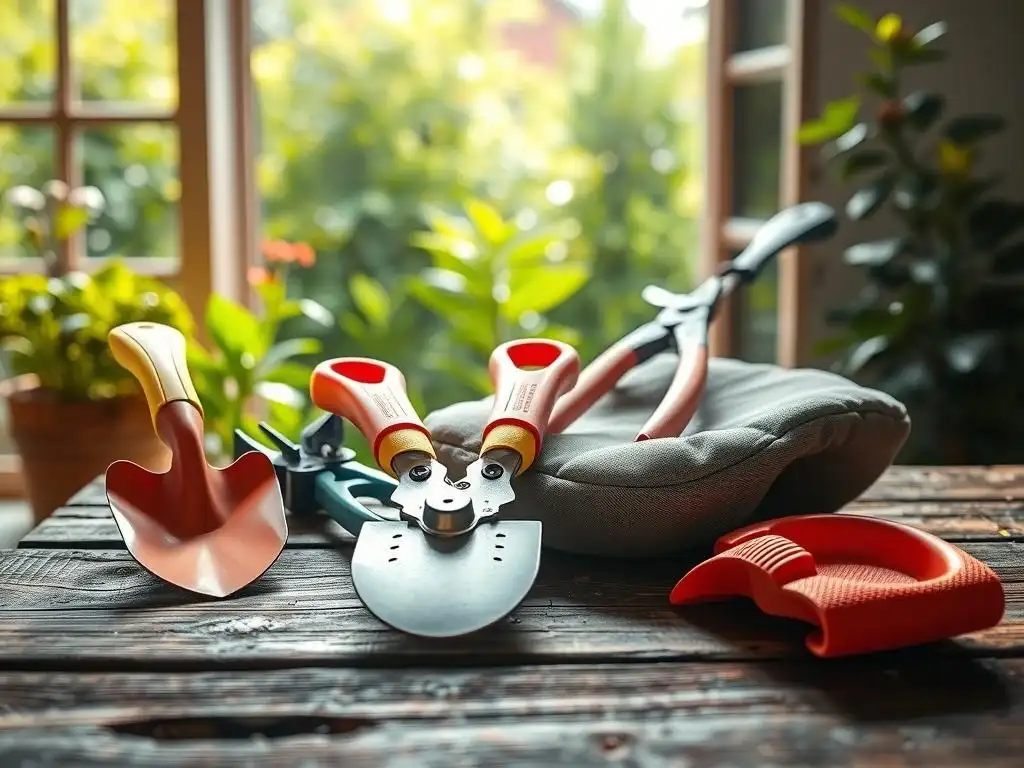
This section provides an in-depth review of ergonomic gardening tools, focusing on those that minimize strain and maximize comfort during your gardening activities. We've selected top-performing tools based on user reviews, expert recommendations, and our commitment to sustainable and organic gardening practices. Choosing the right tools can significantly reduce the risk of back pain, wrist strain, and other common gardening injuries, allowing you to enjoy your hobby for years to come. Remember, investing in quality ergonomic tools is an investment in your long-term gardening enjoyment.
Best Ergonomic Hand Trowels for Easy Planting and Weeding
Selecting the right hand trowel can make a world of difference in the ease and comfort of planting and weeding. A poorly designed trowel can quickly lead to wrist pain and fatigue. Look for trowels with the following ergonomic features:
- D-shaped handles: These handles provide a more natural grip and reduce wrist twisting, minimizing strain.
- Long handles: Longer handles leverage your body weight, reducing the force needed for digging and weeding.
- Lightweight materials: Aluminum or lightweight, high-strength plastics are preferable to heavy steel.
- Comfortable grip: Look for handles with textured surfaces or cushioned grips to improve control and reduce slippage.
Here's a comparison of two top contenders:
| Feature | Trowel A (Example) | Trowel B (Example) |
|---|---|---|
| Handle Material | Fiberglass | Aluminum |
| Handle Shape | D-shaped | D-shaped |
| Handle Length | 12 inches | 14 inches |
| Blade Material | Stainless Steel | Stainless Steel |
| Weight | 0.5 lbs | 0.6 lbs |
| Price | $[Price Pending] | $[Price Pending] |
Choosing the best trowel depends on your individual needs and preferences. Consider the soil type you're working with and the size of your planting area. For example, a longer handle might be preferable for larger gardens or for those with limited mobility.
Top-Rated Ergonomic Gardening Gloves for Enhanced Grip and Protection
Protecting your hands is crucial for comfortable and safe gardening. Ergonomic gardening gloves offer enhanced grip, padding, and support, reducing the risk of blisters, cuts, and strains. Key features to look for include:
- Reinforced palms and fingertips: These areas experience the most wear and tear, so reinforcement is essential for longevity and protection.
- Breathable materials: Gloves made from breathable fabrics, like cotton or a blend of cotton and synthetic materials, will help keep your hands cool and dry.
- Good dexterity: While protection is important, you also need to be able to maintain a good level of dexterity for tasks like planting seeds or weeding.
- Padding and cushioning: Well-padded gloves will absorb shocks and vibrations, reducing hand fatigue.
When choosing ergonomic gardening gloves, consider the tasks you'll be performing. For delicate work, choose gloves with thin, flexible materials. For heavier tasks, thicker gloves with added padding will offer better protection. Don't hesitate to try on different styles to find the best fit for your hands. A proper fit is key to comfort and preventing hand fatigue.
Ergonomic Pruning Shears for Effortless Trimming and Cutting
Pruning shears are essential for maintaining healthy plants, but using poorly designed shears can lead to hand and wrist pain. Ergonomic pruning shears are designed to reduce strain by incorporating features such as:
- Shock absorption: Some shears feature shock-absorbing mechanisms to reduce the impact on your hands and wrists.
- Leverage: The design of the handles should provide optimal leverage, making it easier to cut through branches without excessive force.
- Comfortable grips: Similar to trowels and gloves, look for comfortable, non-slip grips to ensure a secure and comfortable hold.
- Lightweight design: Lightweight materials reduce fatigue during prolonged use.
Consider the type of pruning you'll be doing. Bypass pruners are best for clean cuts on smaller branches, while anvil pruners are better suited for thicker branches. Choosing the right type of pruner, combined with an ergonomic design, will ensure a more comfortable and efficient pruning experience. Remember, sharp blades are crucial for efficient cutting and prevent excessive force. Regular sharpening will prolong the lifespan of your shears and reduce the effort required for pruning.
Ergonomic Kneeling Pads and Garden Kneelers for Comfortable Kneeling
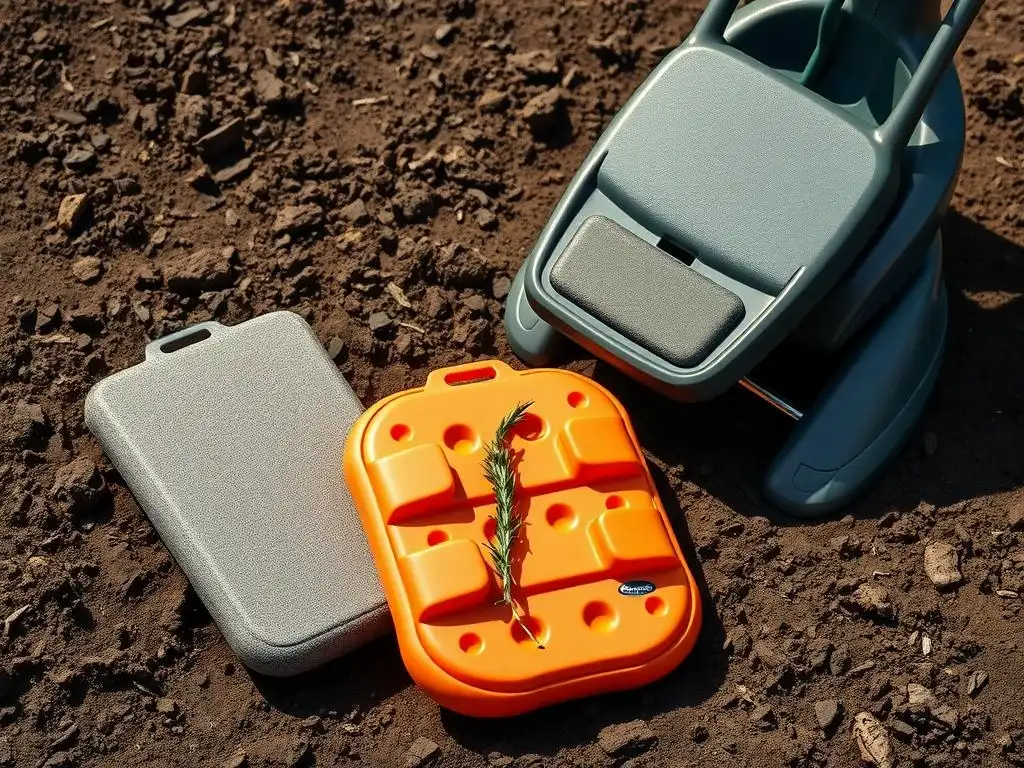
Gardening often involves a lot of kneeling, which can put significant strain on your knees and back. Ergonomic kneeling pads and kneelers are designed to alleviate this pressure. High-quality pads are typically made from thick, comfortable foam or gel, providing excellent cushioning and support. Look for features like a waterproof surface for easy cleaning, and consider the pad's dimensions to ensure it provides adequate support for your knees and shins.
Some advanced models even incorporate features like built-in handles for easy transport and storage, or adjustable straps for a personalized fit. Remember to check user reviews to see what other gardeners have to say about the pad's durability and comfort level over extended periods of use. Investing in a good kneeling pad can significantly reduce knee pain and allow you to spend more time enjoying your garden without discomfort.
Many gardeners find that rotating between kneeling and standing throughout their gardening session helps prevent fatigue and injury. Consider the size of your garden and the amount of kneeling you anticipate doing before selecting a kneeling pad. A larger pad might be more comfortable for extended use.
Ergonomic Wheelbarrows and Garden Carts for Efficient Transport
Moving soil, compost, and harvested produce can be strenuous. Ergonomic wheelbarrows and garden carts are designed to make this task easier on your body. Look for features like pneumatic tires (air-filled tires) for smoother movement over uneven terrain, and consider the wheelbarrow's overall weight and maneuverability. A lighter wheelbarrow will be easier to handle, especially when loaded.
Some models incorporate ergonomic handles that reduce strain on your wrists and back. The design of the handles should allow for a comfortable grip and minimize twisting motions. Additionally, consider the wheelbarrow's capacity; choose one that is appropriate for the size and weight of the materials you'll be transporting. Overloading a wheelbarrow can lead to back injuries and strain.
A well-designed garden cart can make a substantial difference in reducing fatigue, particularly when carrying heavier loads or working on larger gardens. Consider options with multiple wheels for enhanced stability and maneuverability. For larger gardens, a wagon-style cart could be a much better option than a wheelbarrow.
Ergonomic Long-Handled Tools: Rakes, Hoes, and Cultivators
Long-handled tools like rakes, hoes, and cultivators require less bending and stooping, reducing strain on your back and knees. However, the design of the handles is crucial for ergonomics. Look for tools with D-shaped or curved handles that allow for a comfortable grip and reduce wrist strain. The length of the handle should be appropriate for your height, allowing you to work comfortably while maintaining good posture.
Avoid tools with excessively long or short handles. The weight and balance of the tool are also important considerations. A tool that's too heavy or poorly balanced can lead to fatigue and injury. Consider the material of the tool's head.
For example, a lightweight aluminum rake head will be easier on your arms than a heavier steel one. When choosing ergonomic long-handled tools, prioritize those with features that promote upright posture and minimize awkward twisting motions. This will significantly reduce the risk of back pain and other musculoskeletal issues commonly associated with gardening. Regularly check your tools for wear and tear, ensuring they remain balanced and comfortable to use.
Choosing the Right Ergonomic Gardening Tools for Your Needs
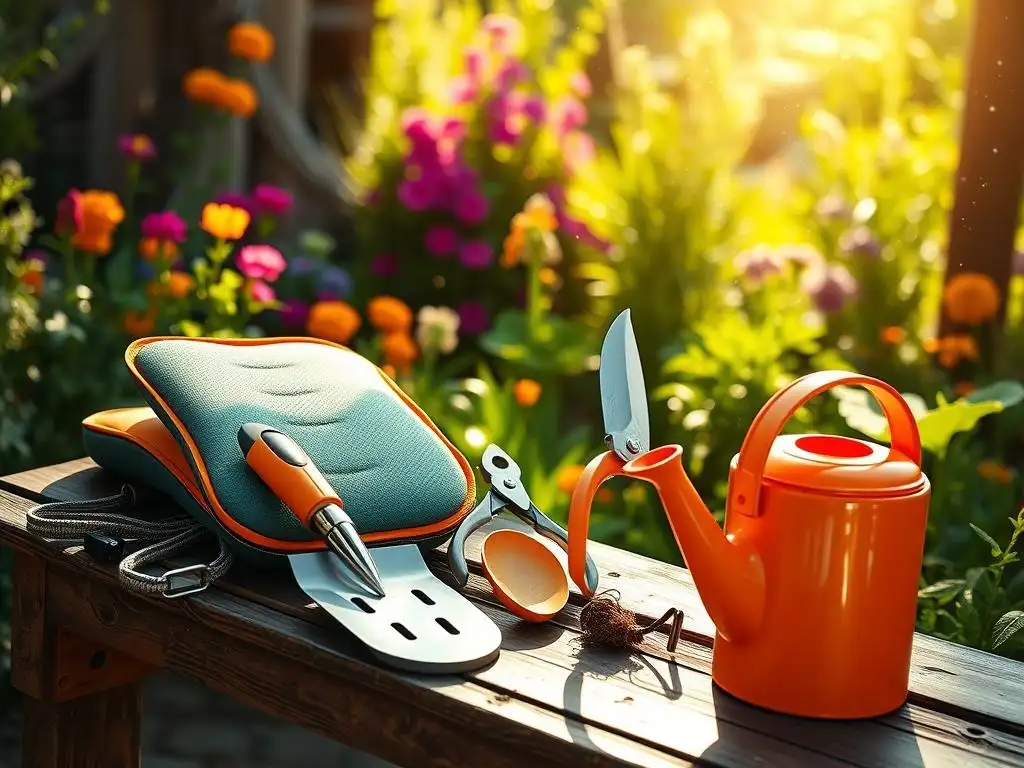
This section focuses on selecting ergonomic gardening tools that perfectly match your individual needs and gardening style. Choosing the right tools is crucial for preventing injuries and ensuring a comfortable, enjoyable gardening experience. Ignoring this aspect can lead to unnecessary strain, pain, and ultimately, a less rewarding hobby. Remember, the best ergonomic gardening tool is the one that works best for you.
Assessing Your Gardening Style and Physical Limitations
Before diving into specific tool features, honestly assess your gardening style and physical capabilities. Are you a casual gardener tending a small herb garden, or are you cultivating a larger vegetable patch? Do you have any pre-existing conditions like arthritis, back pain, or carpal tunnel syndrome? Understanding your limitations is paramount in selecting tools that minimize strain.
For example, someone with arthritis might benefit from tools with lightweight, cushioned grips and easy-to-operate mechanisms. A gardener with back problems will want to prioritize tools that reduce bending and reaching, perhaps opting for long-handled tools or kneeling aids. Those with limited hand strength should look for tools with larger, ergonomic handles that provide a comfortable and secure grip. Consider these questions:
- How much time do you spend gardening each week?
- What types of gardening tasks do you perform most frequently (e.g., digging, weeding, planting)?
- What are your physical limitations, if any?
- What is your budget for ergonomic gardening tools?
A thorough self-assessment will greatly influence your tool selection process, guiding you towards tools designed to support your specific needs and prevent discomfort. Don't hesitate to consult a physical therapist or occupational therapist for personalized recommendations if you have significant physical limitations.
Considering Tool Weight, Handle Length, and Grip Size
The weight, handle length, and grip size of ergonomic gardening tools are critical factors affecting comfort and preventing strain. Heavier tools increase fatigue and the risk of injury, especially during prolonged use. Handle length is crucial for maintaining proper posture; excessively short handles force bending, while excessively long handles can cause awkward reaching and strain. Finally, the grip size must accommodate your hand comfortably, providing secure handling without causing cramping or pinching.
Let's illustrate with examples:
| Feature | Ideal Characteristics | Negative Consequences of Poor Choice |
|---|---|---|
| Tool Weight | Lightweight, yet sturdy enough for the intended task | Muscle fatigue, back pain, injury |
| Handle Length | Appropriate for your height and the gardening task | Back pain, awkward posture |
| Grip Size | Comfortable and secure fit for your hand size | Hand cramps, blisters, reduced control |
Ideally, you should test tools before purchasing them to ensure a comfortable fit. If this isn't possible, carefully review manufacturer specifications and customer reviews paying close attention to user feedback regarding weight, handle length, and grip size.
Selecting Materials: Durability and Comfort in Ergonomic Tools
The material of your ergonomic gardening tools directly impacts their durability, comfort, and overall lifespan. High-quality materials are crucial for ensuring long-term use and reducing the need for frequent replacements. Furthermore, the material should be comfortable to hold, even during extended use. Consider these aspects:
- Handles: Look for handles made from materials like wood, fiberglass, or cushioned synthetic materials. Wood offers a comfortable grip and is often durable, while fiberglass provides lightweight strength. Cushioned grips absorb shock and vibration, reducing hand fatigue.
- Tool Heads: The material of the tool head should be chosen based on the task. For example, stainless steel is durable and resistant to rust for digging tools, while aluminum might be preferred for its lighter weight in some applications.
- Overall Construction: Choose tools constructed with robust joints and fasteners to prevent breakage and ensure longevity. Look for tools with a well-balanced design that minimizes stress on your joints and muscles.
Investing in high-quality, durable ergonomic gardening tools is a wise investment in your long-term gardening enjoyment and physical well-being. Remember, choosing the right tools isn't just about convenience; it's about protecting your health and ensuring many years of pain-free gardening.
Budget-Friendly Options for Ergonomic Gardening Equipment
Finding ergonomic gardening tools doesn't necessitate breaking the bank. Many affordable options provide excellent support and reduce strain, allowing you to cultivate your food sustainably without compromising your physical well-being. The key is to look for clever designs that incorporate ergonomic principles without relying on expensive materials.
For example, consider lightweight, yet sturdy, aluminum or fiberglass handled tools. These materials offer a good balance of strength and weight reduction compared to heavier steel options. Look for tools with cushioned grips, even if they are made from simple, but effective, foam or rubber. These grips significantly improve comfort and reduce hand fatigue during prolonged use. You can often find these features in basic trowels, hand rakes, and cultivators at most garden centers or online retailers.
Don't underestimate the power of simple modifications. A simple pair of gardening gloves with good padding can make a world of difference in protecting your hands from blisters and calluses. Similarly, a kneeling pad, even a simple foam one, can prevent knee pain during weeding or planting. These inexpensive additions can dramatically improve your gardening experience and prevent long-term injuries.
Remember to prioritize functionality over flashy features. A simple, well-designed trowel with a comfortable grip will serve you better than a complex, expensive tool that's uncomfortable to use. Focus on the core ergonomic aspects—weight distribution, grip size and shape, and overall tool length—and you'll find plenty of affordable options that will help you cultivate your garden pain-free.
Investing in a few high-quality, budget-friendly tools is often more practical than buying a whole set of expensive tools that may not all be necessary or comfortable for you. Start with the essentials—a trowel, hand rake, and cultivator—and expand your collection as needed. This approach allows you to build a functional and ergonomic gardening toolkit without overspending.
Maintaining Your Ergonomic Gardening Tools
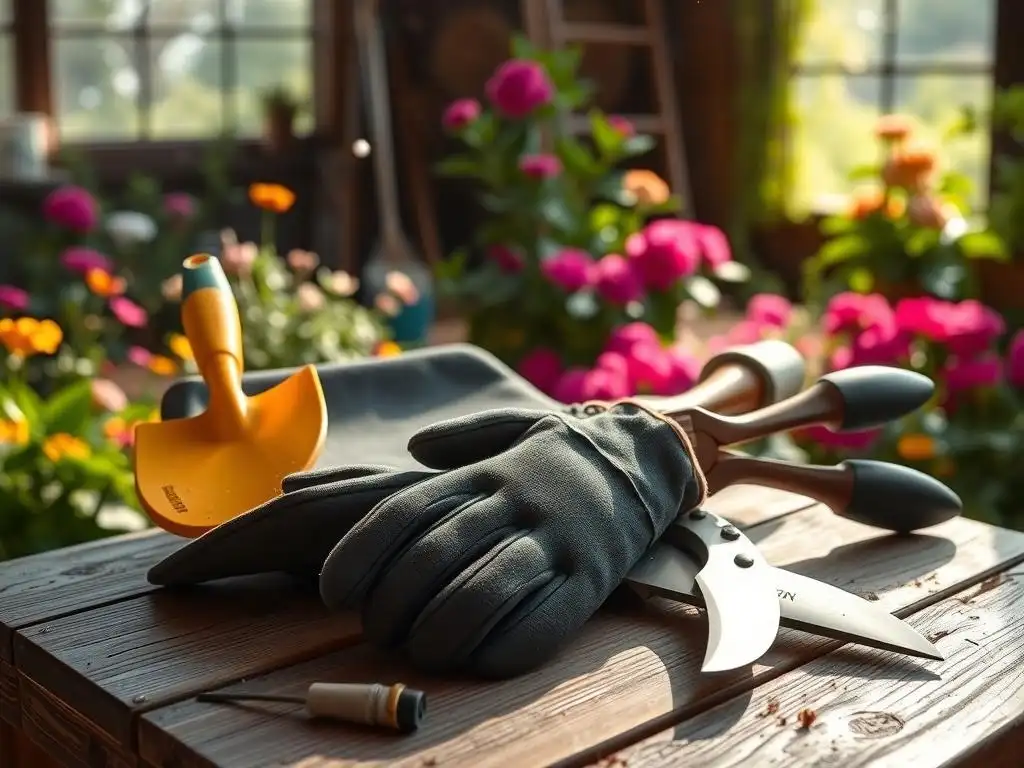
Maintaining your ergonomic gardening tools is crucial not only for extending their lifespan but also for ensuring continued comfort and efficiency during your gardening sessions. Neglecting maintenance can lead to premature wear, reduced performance, and even potential injuries. This section provides detailed guidance on best practices for maintaining the longevity and effectiveness of your ergonomic investments. Proper care translates directly to a more enjoyable and productive gardening experience, minimizing strain and maximizing yield.
Cleaning and Storage Tips for Extended Tool Lifespan
Regular cleaning is paramount for preventing rust, corrosion, and the buildup of soil and plant debris that can dull blades and compromise tool functionality. After each use, take a few minutes to clean your tools. Start by removing loose soil and plant matter using a stiff brush or compressed air. For stubborn residue, a mild soapy water solution works wonders. Avoid harsh chemicals, as these can damage the tool's finish and potentially harm beneficial soil microorganisms.
- Specific Cleaning Techniques:
- For metal tools: Wipe down with a lightly oiled cloth after cleaning to prevent rust. A light coating of vegetable oil is ideal.
- For wooden handles: Wipe clean and occasionally treat with linseed oil to maintain moisture and prevent cracking.
- For plastic tools: Wash with soap and water and allow to air dry completely.
Proper storage is just as vital as cleaning. Dampness is the enemy of many gardening tools. Store your tools in a dry, well-ventilated area, preferably away from direct sunlight. Consider using a tool rack or hanging system to keep tools organized, prevent damage from bumping or rubbing, and improve airflow. This prevents the accumulation of moisture and the growth of mold or mildew. A well-organized shed or garage is ideal; however, even a designated corner in a utility room can be effective.
Regular Inspection and Repair of Ergonomic Gardening Tools
Regular inspection of your ergonomic gardening tools helps identify minor issues before they escalate into major problems. This proactive approach prevents costly repairs or replacements. Examine your tools for loose handles, bent shafts, cracked plastic components, or dull blades. Pay close attention to the joints and connections of your tools. A loose handle, for example, can significantly impact the tool's functionality and increase the risk of injury.
- Addressing Common Issues:
- Loose Handles: Tighten screws or bolts, or consider using epoxy adhesive for a more permanent fix. If the handle is severely damaged, replacement may be necessary.
- Bent Shafts: Gentle bending may correct minor bends, but severely bent shafts usually require replacement.
- Cracked Plastic: Small cracks can often be repaired with plastic welding compound, but extensive damage necessitates a replacement.
- Dull Blades: Sharpening (as detailed in the next section) is necessary, but severe damage might require blade replacement.
Remember to consult the manufacturer's instructions for specific repair recommendations. Don't hesitate to seek professional assistance for complex repairs to avoid further damage. Investing in quality tools and maintaining them properly significantly extends their useful lifespan and reduces the long-term cost of replacing them frequently.
Sharp blades are essential for efficient and safe gardening. Dull blades require more force, increasing the risk of injury and making tasks more strenuous. Regular sharpening significantly improves the performance of your ergonomic tools, reducing strain on your hands and body. The frequency of sharpening depends on the tool and the intensity of use; however, a good rule of thumb is to sharpen after every few uses or when you notice a decrease in cutting efficiency.
- Sharpening Methods:
- Hand sharpening: Use a high-quality sharpening stone, following the manufacturer's instructions for your specific tool.
- Electric sharpeners: These can be efficient, but ensure you choose a model appropriate for your tools.
Replacing worn parts, such as handles, blades, or other components, is vital for maintaining tool performance and safety. Don't attempt to use tools with severely damaged parts; replacing them is crucial for preventing injuries and maintaining efficiency. Always purchase replacement parts from reputable suppliers to ensure compatibility and quality. Remember, a well-maintained ergonomic gardening tool will significantly enhance your gardening experience and contribute to a healthier and more productive hobby. Investing time and effort in maintaining your tools is an investment in your well-being and the success of your garden.
Ergonomic Gardening Techniques to Complement Your Tools
Even the best ergonomic gardening tools will only be as effective as your gardening techniques. Proper posture, planned movements, and mindful breaks are crucial for preventing injuries and maximizing your enjoyment of gardening. This section focuses on optimizing your body mechanics while using ergonomic tools to achieve a truly pain-free gardening experience. Remember, the goal is to cultivate your food sustainably and comfortably.
Proper Posture and Body Mechanics While Gardening
Maintaining correct posture is paramount to avoiding back pain, neck strain, and other common gardening ailments. Think of your body as a well-oiled machine; proper alignment keeps everything working smoothly. Here's a breakdown of key considerations:
- Stand tall: Avoid hunching over. Keep your back straight, shoulders relaxed, and core engaged. Imagine a string gently pulling you upwards from the crown of your head.
- Bend your knees: When reaching down, bend at the knees and hips, keeping your back straight. Avoid twisting your torso. This protects your spine from excessive strain.
- Lift with your legs: When lifting heavy objects, use your leg muscles to do the work. Keep the object close to your body and avoid sudden jerky movements. Remember to lift using your legs, not your back.
- Use your whole body: Distribute the workload across your entire body. Don't rely solely on your arms or back for strenuous tasks. Engage your core and leg muscles to maintain balance and stability.
- Avoid repetitive strain: Repetitive movements, such as weeding or digging, can lead to cumulative trauma disorders. Vary your tasks and take regular breaks to avoid overusing any single muscle group. This is especially important when using even the most ergonomic tools.
Consider incorporating these techniques when using your ergonomic tools. For instance, when using an ergonomic hoe, maintain a straight back while using your legs and core to power the movements. This approach will significantly reduce strain on your back and shoulders.
Taking Breaks and Avoiding Overexertion
Even with the best tools and techniques, prolonged gardening can lead to fatigue and injury. Scheduling regular breaks is essential for preventing overexertion and maintaining a healthy gardening practice. Think of breaks as an investment in your long-term gardening success.
- Frequency: Aim for a 5-10 minute break every hour of gardening, or more frequently if you feel fatigued.
- Activities: During breaks, stretch your muscles, hydrate with water, and simply rest. Consider light stretching exercises focusing on your back, shoulders, and legs. A short walk around the garden can also help to improve circulation and reduce muscle stiffness.
- Listen to your body: Don't push yourself too hard. If you experience pain, stop immediately and rest. Ignoring pain signals can lead to more serious injuries. Pain is your body's way of saying, "Take a break!"
- Hydration: Dehydration can exacerbate muscle fatigue and cramps. Keep a water bottle handy and drink regularly throughout your gardening session.
The benefits of regular breaks extend beyond injury prevention. Breaks allow you to assess your progress, plan your next steps, and simply appreciate the beauty of your growing garden. A well-timed break can be just as important to the success of your gardening project as the tools themselves.
Planning Your Garden Layout for Efficient Movement
Strategic garden planning can significantly reduce the strain on your body. A well-designed layout minimizes unnecessary bending, reaching, and walking, making gardening a more efficient and comfortable experience.
- Accessibility: Place frequently accessed areas, such as planting beds and composting bins, within easy reach. Avoid placing heavy items in awkward locations.
- Raised beds: Raised beds reduce bending and strain on your back. They also improve drainage and soil aeration.
- Pathways: Create clear pathways between different sections of your garden to avoid unnecessary walking and twisting. Wide, level paths are ideal.
- Tool storage: Keep your ergonomic gardening tools within easy reach to minimize unnecessary movement. Consider a rolling tool cart for easy transport.
- Vertical gardening: Utilize vertical gardening techniques to maximize space and reduce bending. Vertical gardens are especially helpful for growing vining plants like tomatoes and cucumbers.
By carefully planning your garden layout, you can create a gardening environment that is both productive and ergonomic. This mindful approach complements the use of ergonomic tools, ensuring a more sustainable and enjoyable gardening experience. Remember, a well-planned garden is a healthy garden, both for you and your plants.
Frequently Asked Questions
What makes a gardening tool ergonomic?
Ergonomic gardening tools are designed to reduce strain and discomfort during gardening. They feature features like padded handles, balanced weight distribution, and optimal grip sizes to minimize stress on your hands, wrists, back, and shoulders.
Are ergonomic gardening tools worth the investment?
Absolutely! While they might cost more upfront, ergonomic tools prevent injuries, increase efficiency, and allow you to garden longer and more comfortably, ultimately saving you money and time in the long run.
What types of ergonomic gardening tools are available?
Many tools are available, including ergonomic trowels, hand rakes, hoes, shears, and kneeling pads. Look for tools specifically designed with ergonomic features in mind. Consider your specific needs when choosing tools.
Where can I find reviews of ergonomic gardening tools?
You can find reviews on various websites, including online retailers and gardening blogs. Look for reviews that focus on the tool's comfort, ease of use, and durability. Sites like CultivateYourFood offer helpful resources.
How do I know which ergonomic gardening tools are right for me?
Consider your physical limitations and gardening style. Try out different tools if possible, paying attention to how they feel in your hands and how they perform during various gardening tasks. Read reviews and seek recommendations from other gardeners.
Final Reflection: Cultivating Comfort, Harvesting Joy
The pursuit of ergonomic gardening tools isn't merely a trend; it's a vital step towards making the simple joy of gardening accessible to everyone. Ignoring the physical demands of gardening can lead to chronic pain and limit our ability to connect with nature, a connection increasingly crucial for our well-being in a fast-paced world. This is a reality that affects millions, and finding the right tools can be the difference between a fulfilling hobby and a painful experience.
The impact of accessible, ergonomic gardening extends far beyond individual comfort. It allows older generations to continue nurturing their green spaces, empowers individuals with physical limitations to participate in this rewarding activity, and promotes a more inclusive and sustainable approach to gardening as a whole. Gardening is not just a hobby; it's a way of life, a connection to the earth, and a source of immense satisfaction.
This quote perfectly encapsulates the importance of ensuring that everyone can experience these benefits, regardless of their physical capabilities.
Now, consider your own gardening practices. Are you using tools that support your body's natural movements? Do you prioritize comfort and efficiency in your approach? Take some time to reflect on your current tools and techniques. Perhaps it's time to invest in an upgrade, to choose tools that prioritize your well-being, allowing you to cultivate not only beautiful gardens, but also a healthier, happier you. The journey to pain-free gardening is a journey towards a more fulfilling and joyful connection with the natural world.
Unleash Your Pain-Free Gardening Potential!
Thanks for exploring the world of ergonomic gardening with us! We hope you've discovered tools that will help you cultivate your garden and enhance your well-being with less strain. Ready to take the next step?
- Invest in your comfort: Order your favorite ergonomic gardening tools today! Don't let aches and pains prevent you from enjoying your garden. Imagine the difference a comfortable gardening experience can make!
- Share your experience: Tell us which tool you're most excited to use in the comments below! Let's build a supportive community of pain-free gardeners.
- Challenge a friend: Nominate a fellow gardener to discover the joy of ergonomic tools and share this article. Let's spread the word about comfortable and enjoyable gardening!
What's your favorite ergonomic gardening tip, and which tool are you most excited to use? Let's discuss!