
Frost Protection for Southeast Gardens: Safeguarding Your Plants from Cold

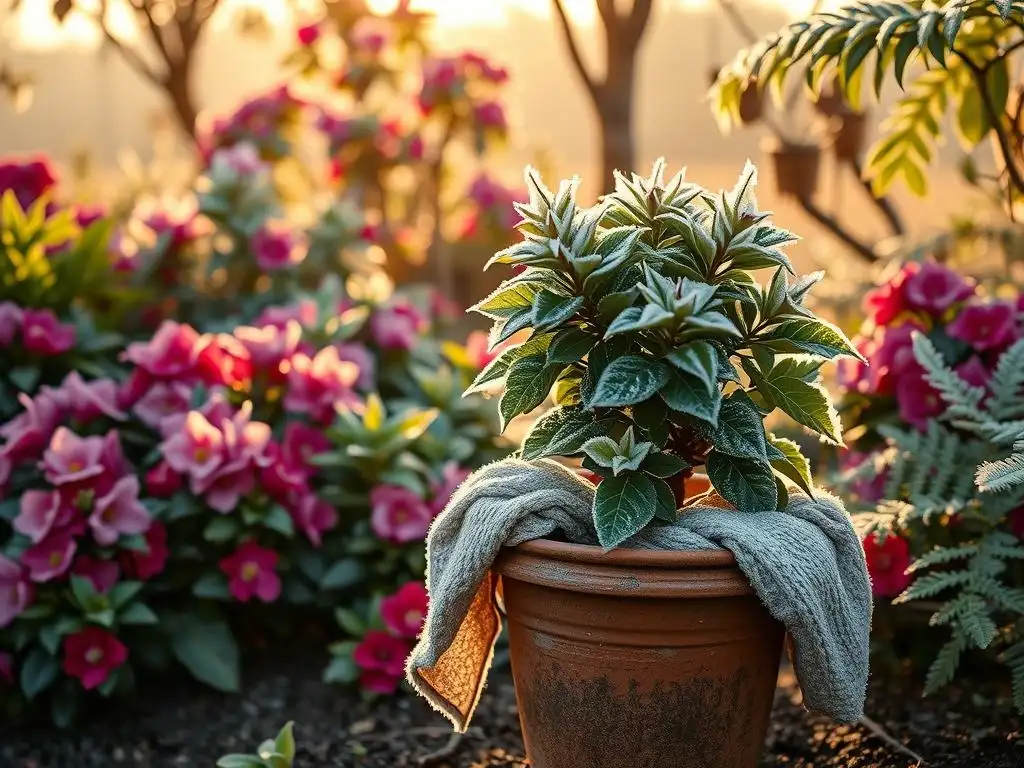
Ready to unlock the secrets of a thriving home garden, even in the face of unexpected frost? CultivateYourFood is your guide to sustainable and organic gardening. This season, protect your precious plants and maximize your harvest with our expert advice on Southeast garden frost protection. Learn how to safeguard your fruits, vegetables, and herbs from the damaging effects of cold weather and keep your garden flourishing all year round. Discover the essential techniques and strategies now – your bountiful harvest awaits!
- Understanding Southeast Freeze Risks and Your Microclimate
- Effective Frost Protection Strategies for Southeast Gardens
- Advanced Frost Protection Techniques for the Southeast Gardener
- Protecting Specific Plants from Frost Damage in the Southeast
- Post-Frost Assessment and Recovery Strategies
-
Frequently Asked Questions
- What is the biggest threat to Southeast gardens during colder months?
- What are some common frost protection methods for Southeast gardens?
- When should I start thinking about frost protection in the Southeast?
- How can I protect specific plants, like tomatoes, from frost?
- What role does mulching play in frost protection?
- Final Reflection: Protecting Our Shared Green Spaces
- Ready to Shield Your Garden from Winter's Chill?
Understanding Southeast Freeze Risks and Your Microclimate
Protecting your Southeast garden from frost is crucial for a successful harvest. The Southeast United States experiences a wide range of microclimates, meaning frost risk varies significantly even within short distances. This article will equip you with the knowledge and strategies to effectively safeguard your precious plants from unexpected cold snaps, ensuring a bountiful yield despite the region's unpredictable weather patterns. We'll explore how to identify your specific microclimate, assess your risk, and protect vulnerable plants from frost damage, all while employing sustainable and organic practices.
Understanding these factors is key to preventing significant losses and maintaining a thriving, healthy garden throughout the growing season. Let's delve into the specifics of protecting your investment and enjoying the fruits (and vegetables!) of your labor.
Identifying Your Specific Southeast Microclimate and Frost Pockets
The Southeast's diverse topography creates significant variations in temperature and frost risk. Coastal areas generally experience milder winters than inland regions, while valleys and low-lying areas are often prone to frost pockets – areas where cold air settles, leading to more intense and prolonged freezing temperatures. Understanding your specific microclimate is the first step in effective frost protection.
Consider these factors when assessing your garden's microclimate:
- Elevation: Higher elevations tend to experience colder temperatures than lower elevations.
- Proximity to water: Bodies of water, such as lakes and rivers, can moderate temperatures and reduce frost risk.
- Topography: Valleys and low-lying areas are more susceptible to frost pockets. North-facing slopes also tend to be colder.
- Surrounding vegetation: Large trees or buildings can cast shadows and reduce sunlight exposure, leading to colder temperatures.
- Soil type: Well-drained soils tend to warm up faster than poorly drained soils.
To pinpoint your microclimate's frost risk, consider using a minimum/maximum thermometer specifically placed within your garden. Comparing your readings to local weather reports can provide a more accurate picture of your specific frost risk. Furthermore, observe your garden's behavior during previous cold snaps; noting which areas were affected first and most severely will help identify frost pockets. Remember, even small differences in elevation or exposure can significantly impact frost risk.
Assessing Freeze Risk in Your Southeast Garden: Predicting and Preventing Damage
Predicting frost is crucial for proactive protection. Utilize a combination of local weather forecasts, your own microclimate observations (as detailed above), and potentially a frost prediction app or website to stay informed. Early warning allows you to implement preventative measures before significant damage occurs.
Once you've identified your frost risk, you can implement various protection strategies. These range from simple covering techniques to more involved methods depending on the severity of the predicted frost:
| Protection Method | Effectiveness (Mild Frost) | Effectiveness (Severe Frost) | Sustainability Level |
|---|---|---|---|
| Covering plants | High | Moderate | High |
| Using row covers | High | Moderate | High |
| Applying mulch | Moderate | Low | High |
| Relocating sensitive plants | High | High | Moderate |
| Using frost blankets | High | High | Moderate |
| Irrigation (drip or overhead) | Moderate | Low | Moderate |
Remember, the effectiveness of each method depends on the severity of the frost and the specific plants involved. Combining several methods often provides the best protection, particularly during severe cold snaps.
Common Southeast Plants Vulnerable to Frost Damage
Many popular Southeast garden plants are susceptible to frost damage. Knowing which plants are most vulnerable allows for targeted protection efforts. Here are some examples:
- Vegetables: Tomatoes, peppers, squash, cucumbers, beans, and eggplant are particularly sensitive.
- Herbs: Basil, cilantro, and parsley are easily damaged by frost.
- Flowers: Many flowering annuals and tender perennials are vulnerable. Specific examples vary greatly. [Specific examples of vulnerable flowers pending]
- Fruits: Citrus trees, strawberries, and blueberries can suffer significant damage.
By carefully monitoring weather forecasts, understanding your microclimate, and implementing appropriate protection methods, you can significantly reduce the risk of frost damage and ensure a healthy and productive Southeast garden, year after year. 🌱
Effective Frost Protection Strategies for Southeast Gardens
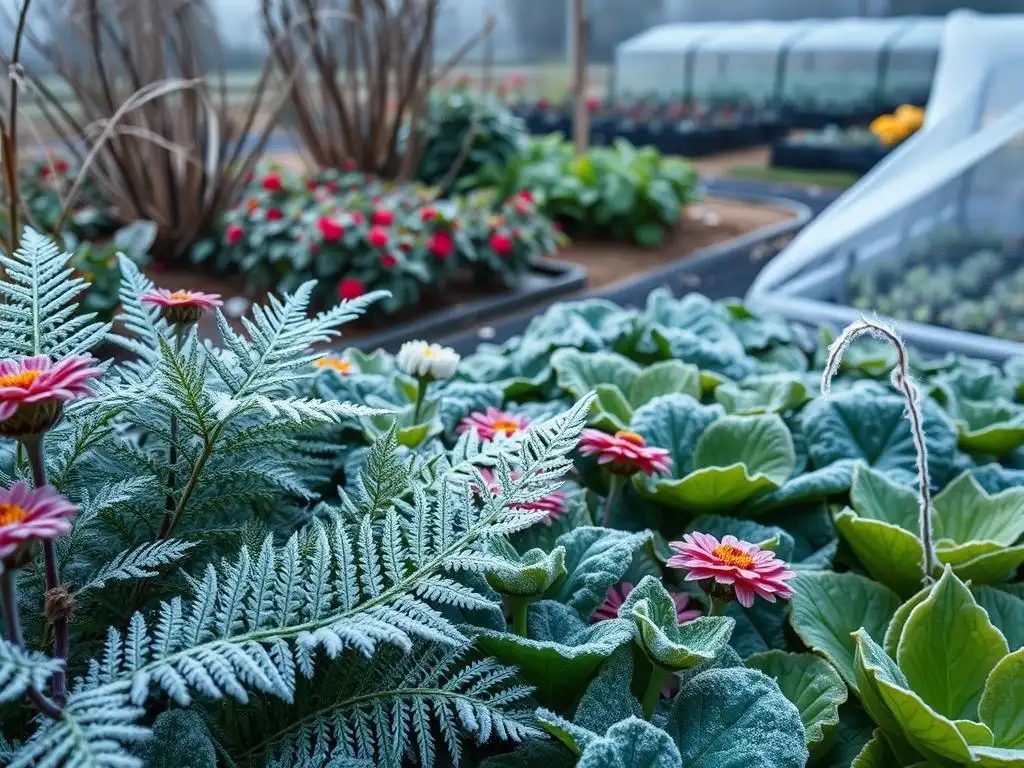
Protecting your precious Southeast garden from unexpected frost is crucial for a successful harvest. While the Southeast enjoys a generally mild climate, unpredictable cold snaps can inflict significant damage on tender plants. This section details effective and sustainable frost protection strategies tailored specifically to the unique challenges of Southeast gardening. Understanding the nuances of frost protection in this region is key to maximizing your yield and minimizing losses. We'll explore various techniques, emphasizing simplicity and effectiveness. Remember, early preparation is paramount in mitigating frost damage.
Row Covers and Cloches: Simple and Effective Protection
Row covers and cloches are inexpensive and readily available options offering excellent frost protection for a variety of plants. These lightweight fabrics create a microclimate around your plants, trapping heat radiated from the soil and preventing temperature drops. The effectiveness of row covers and cloches is significantly enhanced when combined with other frost protection methods, such as watering deeply the day before a predicted freeze. This ensures the soil retains more heat.
Several factors influence the choice between row covers and cloches. Row covers, typically made of spun-bonded polypropylene, are lightweight, breathable fabrics that can cover entire rows of plants. They're ideal for larger areas and crops like lettuce, spinach, and strawberries. Their breathability prevents excessive moisture buildup, reducing the risk of fungal diseases.
Cloches, on the other hand, are individual covers, often made of clear plastic or glass, placed over individual plants or small groups of plants. They are particularly useful for protecting more delicate plants, seedlings, or plants that require more targeted protection. While offering excellent insulation, cloches can trap moisture, so good ventilation is essential.
Using Floating Row Covers for Optimal Frost Protection
Floating row covers provide superior protection compared to simply draping the fabric over plants. This method involves suspending the row cover above the plants using hoops or supports, creating an air gap that further enhances insulation while still allowing for air circulation. This air gap prevents the fabric from touching the plants, minimizing the risk of damage and promoting better air flow.
The effectiveness of floating row covers is further enhanced by using a heavier weight fabric and by ensuring a sufficient height between the cover and the plants. A taller air gap provides greater insulation. The height required depends on the predicted temperature drop and the specific plants being protected. For example, taller plants will require a greater air gap than smaller ones. Consider the following table for selecting appropriate row cover weights for different temperature drops:
| Predicted Temperature Drop (°F) | Recommended Row Cover Weight (oz/sq yd) |
|---|---|
| 5-10°F | 0.5 - 1.0 |
| 10-15°F | 1.0 - 1.5 |
| 15-20°F | 1.5 - 2.0 |
Remember to remove floating row covers during the day when temperatures rise to allow for proper sunlight and ventilation, preventing moisture build-up and potential diseases.
Utilizing Cloches for Localized Frost Protection
Cloches are especially useful for protecting individual plants or small groups, offering a highly localized approach to frost protection. Their effectiveness depends on several factors, including the material of the cloche, its size, and the level of ventilation. Clear plastic cloches provide excellent insulation, but adequate ventilation is critical to prevent condensation and potential disease problems. Glass cloches offer similar insulation but are heavier and more expensive.
For optimal results, consider the following:
- Material: Opt for clear plastic or glass to maximize light transmission while still providing insulation.
- Size: Choose a cloche that is appropriately sized for the plant(s) being protected. Overly large cloches can be less effective.
- Ventilation: Ensure adequate ventilation, especially during warmer periods, to prevent moisture buildup. This can be achieved through small vents or by slightly lifting one edge of the cloche.
- Placement: Ensure the cloche is placed securely to prevent it from being blown away by wind. Weighing down the base with stones or bricks can be helpful.
Proper use of cloches can significantly reduce frost damage to individual plants, especially those that are more sensitive to cold temperatures. Remember to monitor the plants closely and adjust the ventilation as needed based on weather conditions. Consistent monitoring is key to successful cloche utilization. 🌱
Mulching: Protecting Soil and Plant Roots from Frost
Mulching is a cornerstone of frost protection, especially in Southeast gardens where fluctuating temperatures can be challenging. A thick layer of mulch acts as an insulating blanket, preventing the soil from losing heat rapidly at night. This is crucial because cold soil can draw heat away from plant roots, leading to frost damage even if the air temperature isn't extremely low. Effective mulching materials include straw, shredded leaves, pine needles, and wood chips. Avoid using fresh grass clippings, as they can mat down and become less effective, potentially even harboring diseases.
The ideal mulch depth for frost protection varies depending on the severity of the expected frost and the type of mulch used. Generally, a 3-4 inch layer is a good starting point for most situations. However, in areas prone to severe frosts, you might want to increase this to 5 or even 6 inches. Remember to apply the mulch around the base of your plants, taking care not to pile it directly against the stems, which could lead to rotting. For particularly sensitive plants, you might consider adding a layer of row cover over the mulch for additional protection.
Choosing the right mulch is also important. Straw is a popular choice due to its excellent insulation properties and readily available nature. Shredded leaves provide similar benefits and are a sustainable option, especially if you have your own compost pile. Pine needles offer excellent drainage and are a good choice for plants that don't like overly wet soil. Wood chips break down more slowly, providing long-term soil improvement in addition to frost protection.
Regardless of your choice, ensure the mulch is free of weeds and pests before applying it to your garden. Regularly check the mulch layer after a frost event to ensure it remains effective and hasn't been significantly disturbed. Reapplying mulch as needed will maintain its protective barrier against future cold snaps. Careful mulching practices are an essential component of successful Southeast garden frost protection, safeguarding your precious plants from the damaging effects of unexpected cold.
Advanced Frost Protection Techniques for the Southeast Gardener
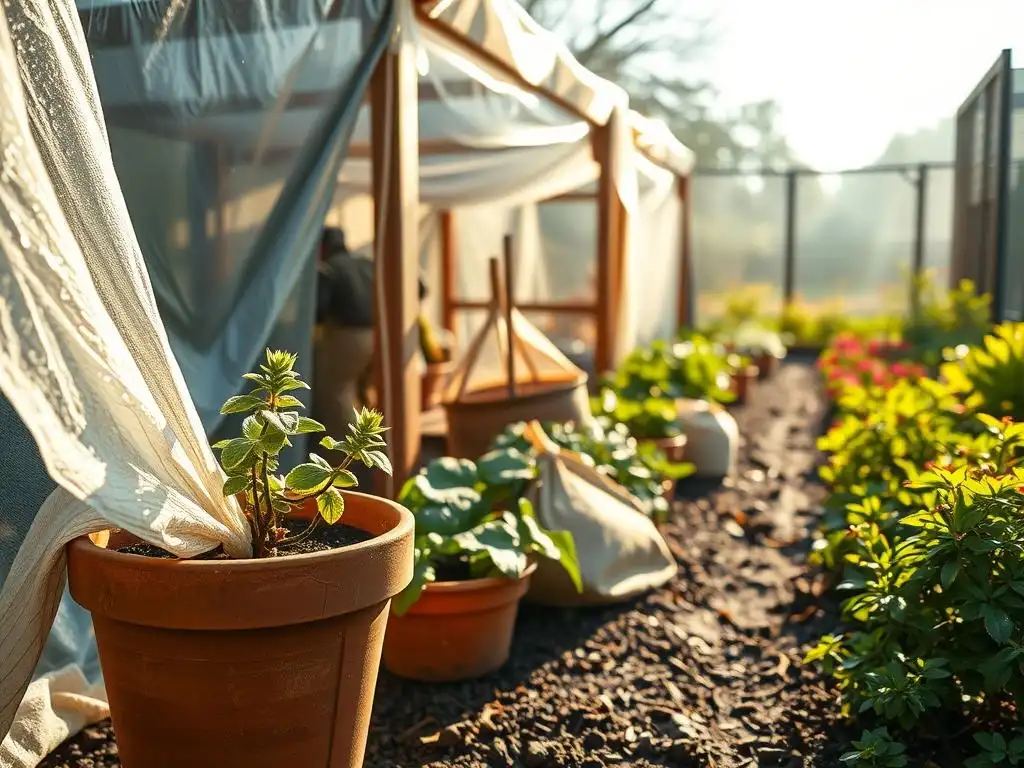
Southeast garden frost protection requires a multifaceted approach, especially given the region's unique microclimates and unpredictable weather patterns. While basic methods like covering plants suffice for light frosts, more advanced techniques are crucial for protecting valuable crops during severe cold snaps. This section explores several sophisticated strategies to safeguard your Southeast garden from damaging frost.
Water Irrigation for Frost Protection: How it Works
Water, surprisingly, acts as a powerful insulator against frost. The principle behind water irrigation for frost protection lies in the release of latent heat. As water freezes, it releases heat energy into the surrounding environment, preventing the temperature of the plant's immediate surroundings from dropping below freezing. This is particularly effective for protecting delicate blossoms and young seedlings.
The process involves lightly irrigating your plants during the coldest hours of the night, ideally just before the expected frost. A gentle, slow drip or spray system is preferred to avoid damaging plants with heavy water pressure. This creates a thin layer of ice that acts as an insulating barrier, preventing the plant tissues from freezing. It's crucial to not use this method if freezing rain or sleet is predicted, as the added weight of ice could damage the plants.
Effective water irrigation requires careful planning and execution. The amount of water needed depends on several factors including the intensity of the frost, plant type, and soil conditions. Overwatering can lead to root rot, while under-watering won't provide adequate protection. Experimentation and observation are key to mastering this technique, ensuring you find the optimal balance for your specific garden. Consider monitoring soil moisture levels to fine-tune your irrigation strategy.
Creating a Frost-Free Zone Using Microclimates and Barriers
Southeast gardens often experience variations in temperature due to topography and local conditions. Capitalizing on these microclimates is a powerful way to improve frost protection. South-facing slopes, for instance, generally experience warmer temperatures than north-facing ones. Planting frost-sensitive crops in these warmer areas can dramatically reduce their risk of damage.
Furthermore, creating physical barriers such as walls, fences, or even strategically placed shrubs can help to trap warm air and protect plants from cold winds. These barriers act as windbreaks, reducing the chilling effect of the wind and creating a more stable microclimate. Consider using materials that absorb and radiate heat, such as dark-colored brick or stone, to further enhance the effect.
The effectiveness of this technique depends on the design and placement of the barriers. Tall, solid barriers are generally more effective than low, porous ones. The orientation of the barrier relative to the prevailing wind direction is also crucial. Careful planning and observation are essential to maximize the benefits of using microclimates and barriers for Southeast garden frost protection. Consider using a combination of natural and man-made barriers for optimal results. For example, planting evergreen shrubs along the northern edge of your garden can provide a natural windbreak.
Utilizing Heat Lamps and Other Supplemental Heating Options
For particularly valuable or sensitive plants, supplemental heating can provide a crucial layer of frost protection. Heat lamps, specifically designed for plant use, offer a direct source of warmth, preventing freezing temperatures in the immediate vicinity. These lamps are relatively inexpensive and easy to use, making them a popular choice for many gardeners.
However, it’s important to use heat lamps responsibly. They consume significant energy, and improper use can lead to fire hazards. Always follow the manufacturer's instructions carefully, and never leave them unattended. Furthermore, they only provide localized warmth, meaning they may not be suitable for protecting large areas of the garden.
Other supplemental heating options include frost blankets, which offer a more passive form of protection, and low-voltage electric heating cables, which can be buried in the soil to gently warm the root zone. The choice of method depends on the size of the area to be protected, the level of frost protection required, and the budget available. Remember to always prioritize safety when using any form of supplemental heating.
Regularly inspect the equipment for any signs of damage or malfunction. Consider using a timer to control the operation of heat lamps and electric heating cables to optimize energy efficiency and safety.
Employing Cold Frames for Extended Frost Protection
Cold frames offer a significant advantage over simple row covers for extending frost protection in your Southeast garden. These structures, essentially miniature greenhouses, create a microclimate that significantly moderates temperature fluctuations. The transparent cover allows sunlight to penetrate, warming the soil and plants within, while simultaneously trapping the heat radiating from the earth and plants themselves.
This trapped heat acts as a buffer against the plummeting temperatures of a frost event. Properly constructed and managed cold frames can extend the growing season by several weeks, protecting tender seedlings and extending the harvest of frost-sensitive crops like lettuce, spinach, and kale well into the fall and even early winter in some milder Southeast microclimates.
The effectiveness of a cold frame is directly related to its design and construction. A well-insulated frame, perhaps constructed with double-paned glazing or incorporating layers of insulating material like straw bales or rigid foam, will provide far superior protection than a simple, single-pane design. The orientation of the cold frame is also crucial; positioning it to maximize sun exposure during the day is essential for optimal heating. Furthermore, proper ventilation is key.
While trapping heat is the primary function, excessive humidity can lead to fungal diseases. Therefore, incorporating vents or the ability to easily remove the cover on warmer days is vital to maintaining a healthy environment for your plants. Proper ventilation also prevents overheating on sunny days, which can be just as damaging as freezing temperatures.
Consider the size and placement of your cold frame carefully. A larger cold frame will offer more protection and space, but it also requires more materials and effort to construct. Smaller frames are more manageable but may require more frequent monitoring, particularly during extended periods of cold weather.
Placement should take into account sun exposure, prevailing winds, and proximity to water sources. A location sheltered from strong winds will significantly improve the cold frame's effectiveness in minimizing heat loss. Remember that even with a cold frame, monitoring temperatures within the structure is essential, especially during severe frost events.
Supplemental heating, such as low-wattage electric heating mats or simple candles (used cautiously and with proper ventilation), can be employed during exceptionally cold nights to provide additional protection. The use of a thermometer inside the frame is strongly recommended to monitor conditions effectively. Careful planning and maintenance will ensure that your cold frames provide reliable frost protection for your precious Southeast garden plants.
Protecting Specific Plants from Frost Damage in the Southeast

Southeastern gardens, while blessed with a generally warm climate, are not immune to the occasional frost. Knowing how to protect your specific plants is crucial for maintaining a thriving garden. This section details frost protection strategies tailored to different plant types common in the Southeast. Proper preparation and timely action are key to minimizing frost damage and ensuring a bountiful harvest. Effective Southeast garden frost protection requires understanding your individual plant's vulnerability and implementing appropriate safeguards.
Protecting Citrus Trees and Other Fruit Trees from Frost
Citrus trees, like oranges, lemons, and grapefruits, are particularly susceptible to frost damage. Their delicate blossoms and young fruit are easily injured by freezing temperatures. The most effective Southeast garden frost protection for citrus involves a multi-pronged approach:
- Water deeply before a frost: Moist soil retains heat more effectively than dry soil, offering a degree of insulation to the roots. This is a crucial step for minimizing cold stress on the tree. Deep watering should be done a day or two before the anticipated frost.
- Use row covers: Row covers, lightweight fabrics that allow sunlight to penetrate while providing insulation, can be draped over the entire tree or just the most vulnerable parts. Ensure proper ventilation to prevent condensation buildup.
- Employ windbreaks: Wind exacerbates frost damage by increasing heat loss. Strategically placed windbreaks, such as burlap screens or even evergreen shrubs, can significantly reduce wind chill and provide a more sheltered microclimate for your citrus trees.
- Mulching: A thick layer of organic mulch around the base of the tree helps insulate the roots and maintain soil temperature. This is a preventative measure that is beneficial year-round, but especially valuable during periods of potential frost.
- Consider tree wraps: For young, less established trees, wrapping the trunk with burlap or other insulating material can protect the bark from freezing temperatures.
Protecting Vegetable Plants in the Southeast from Frost
Vegetable plants exhibit varying degrees of frost tolerance. Some, like kale and spinach, actually thrive in cooler temperatures, while others, like tomatoes and peppers, are extremely vulnerable. Effective Southeast garden frost protection for vegetables includes:
| Vegetable Type | Frost Tolerance | Protection Methods |
|---|---|---|
| Tomatoes, Peppers | Low | Row covers, relocation indoors, cold frames |
| Lettuce, Spinach | Moderate | Row covers, light mulching |
| Kale, Broccoli | High | Minimal protection needed, possibly light mulching |
| Cucumbers, Squash | Low | Row covers, cold frames, potential harvest before frost |
Remember to monitor weather forecasts carefully. For particularly vulnerable plants, consider harvesting before a hard frost or relocating them temporarily to a protected area.
Protecting Herbs and Flowers from Frost in the Southeast
Herbs and flowers respond differently to frost. Many herbs, such as rosemary and thyme, are quite hardy, while others, like basil and cilantro, are not. The most effective Southeast garden frost protection for these plants involves:
- Moving potted plants indoors: This is the easiest method for protecting delicate herbs and flowers. Bring them indoors to a frost-free location before temperatures drop below freezing.
- Utilizing cold frames: Cold frames create a microclimate that's warmer than the surrounding environment. This is particularly useful for protecting more sensitive plants.
- Using cloches: Cloches, small bell-shaped covers, can be placed over individual plants or small groups of plants to provide localized protection.
- Mulching: Applying a layer of mulch around the base of the plants helps to insulate the soil and protect roots from freezing.
Remember that even a light frost can damage tender new growth. By taking proactive measures, you can significantly reduce the risk of frost damage and preserve the beauty and bounty of your Southeast garden. Careful monitoring of weather reports and understanding your plant's specific needs are essential components of successful frost protection strategies.
Post-Frost Assessment and Recovery Strategies
After a frost event in your Southeast garden, a thorough assessment is crucial for effective recovery. Don't rush into action; take time to carefully evaluate the extent of the damage. This careful observation will guide your recovery efforts and help you prevent further losses. Remember, even seemingly minor damage can impact the plant's long-term health and productivity. The severity of the damage depends on several factors including the intensity and duration of the frost, the plant species, and the plant's overall health prior to the frost.
Assessing Frost Damage in Your Southeast Garden
Begin by walking through your garden, carefully examining each plant. Look for telltale signs of frost damage. These include wilted or blackened leaves, soft or mushy stems, and discoloration. Tender leaves and blossoms are usually the first to show damage. Some plants, like tomatoes and peppers, might exhibit a slightly shriveled appearance, while others, like leafy greens, may exhibit a water-soaked or blackened look. Document your findings. Consider taking photographs to track the progress of the damage and the effectiveness of your recovery efforts. A detailed record will prove invaluable for future frost protection planning.
Pay close attention to the severity of the damage. Is it superficial, affecting only the leaves, or is it more extensive, affecting the stems and possibly the roots? Knowing the depth of the damage helps determine the appropriate course of action. For example, superficial damage might only require some pruning, while severe damage might necessitate more drastic measures, such as removing the affected parts entirely. Remember that some plants are more resilient than others. Herbs, for instance, often bounce back more easily than fruiting vegetables.
Create a simple chart to organize your observations. Include columns for plant type, location in the garden, estimated percentage of damage (e.g., 10%, 50%, 100%), and any immediate observations (e.g., "leaves wilted," "stems blackened," "fruit damaged"). This will help you prioritize your recovery efforts and track the progress of your plants over time. For example:
| Plant Type | Location | % Damage | Notes |
|---|---|---|---|
| Tomato | South Bed | 20% | Leaves slightly wilted, fruit unharmed |
| Peppers | West Bed | 5% | Minimal leaf damage |
| Lettuce | North Bed | 80% | Extensive leaf damage, possibly lost |
| Basil | East Bed | 10% | Minor leaf damage, expected recovery |
Reviving Frost-Damaged Plants: Tips and Techniques
Once you've assessed the damage, you can begin the recovery process. The key is to act gently and avoid any further stress on the already weakened plants. Start by removing any severely damaged plant parts. Use clean, sharp pruning shears to make clean cuts, preventing the spread of disease. Remove any dead or blackened leaves and stems. This will help improve air circulation and prevent the growth of harmful fungi. For plants with only minor damage, simply removing the damaged leaves might be sufficient.
Watering is crucial during the recovery phase. However, avoid overwatering, which can lead to root rot. Water deeply but less frequently, allowing the soil to dry slightly between waterings. Using a gentle spray nozzle will help prevent further damage to the delicate leaves. A well-watered plant is better equipped to recover from frost damage. Consider mulching around the plants to help retain moisture and regulate soil temperature.
For plants that have suffered significant damage, you might need to provide additional support. Staking or caging can help prevent further damage from wind or heavy rain. Avoid fertilizing immediately after a frost, as this can stress the plants further. Wait until new growth appears before resuming your regular fertilization schedule. Patience is key. It may take several weeks for your plants to fully recover.
Preventing Future Frost Damage: Long-Term Solutions for Your Southeast Garden
Preventing future frost damage requires a multifaceted approach that combines short-term and long-term strategies. Understanding your microclimate is the first step. Certain areas in your garden might be more susceptible to frost than others. Observe which areas were most affected by the frost and consider adjusting your planting layout accordingly. For example, you might want to plant more frost-sensitive plants in sheltered locations, such as near walls or fences.
Consider using frost protection methods proactively. This includes using row covers, cloches, or even simple sheets to protect your plants during cold snaps. These methods create a microclimate around the plants, preventing the temperature from dropping too low. Remember to remove these covers during the day to allow for adequate sunlight and ventilation. Knowing when frost is likely is also crucial. Monitor weather forecasts closely and take action as soon as a frost warning is issued.
Planting cold-hardy varieties is another important preventative measure. Research plant varieties that are known for their cold tolerance. This will ensure that your garden is better equipped to withstand occasional frosts.
Consider rotating your crops to improve soil health and reduce the risk of pest and disease issues, which can weaken plants and make them more susceptible to frost damage. A healthy plant is far more likely to survive a frost than a stressed or diseased one. By combining these strategies, you can significantly reduce the risk of frost damage and protect your Southeast garden from the damaging effects of cold temperatures.
Frequently Asked Questions
What is the biggest threat to Southeast gardens during colder months?
The biggest threat is frost, which can severely damage or kill sensitive plants. Protecting your plants from freezing temperatures is crucial for a successful harvest.
What are some common frost protection methods for Southeast gardens?
Several methods exist, including row covers, cloches, mulching, and watering plants deeply before the expected frost. Choose the method best suited to your plants and garden setup.
When should I start thinking about frost protection in the Southeast?
You should begin considering frost protection once temperatures consistently drop below 40°F (4°C), especially in areas prone to early or late frosts. Monitor weather forecasts closely.
How can I protect specific plants, like tomatoes, from frost?
For tender plants like tomatoes, consider using individual cloches or bringing potted plants indoors to a frost-free location. Row covers are also effective for larger tomato plants.
What role does mulching play in frost protection?
Mulching helps insulate the soil and protect plant roots from freezing temperatures. Apply a layer of organic mulch, such as straw or shredded leaves, around the base of your plants.
The vulnerability of Southeast gardens to unexpected frost is a stark reminder of the delicate balance between nature and our cultivated landscapes. Ignoring the threat of frost can mean the loss of precious plants, hours of painstaking work, and a significant blow to the beauty and bounty of our gardens. This vulnerability, however, also presents an opportunity for connection, learning, and collective action.
The impact of frost extends beyond the individual garden; it affects the overall aesthetic and ecological health of our communities. The vibrant colors and diverse plant life that characterize the Southeast are a source of joy and pride, contributing to our collective well-being. Protecting our gardens from frost is not merely a practical task; it's an act of stewardship, a commitment to preserving the beauty and biodiversity that enriches our lives. The earth laughs in flowers.
- Ralph Waldo Emerson. This simple quote speaks volumes about the profound connection between nature's beauty and our own emotional well-being, a connection easily threatened by unexpected frost.
Now, consider your own garden, your own patch of green. What steps can you take to ensure its protection? This article has provided you with the knowledge; now, it's time to put that knowledge into action. Embrace the challenge of frost protection, not as a burden, but as an opportunity to deepen your connection with nature and to contribute to the vibrant tapestry of our shared Southeast gardens. Let's work together to ensure that the laughter of the earth, expressed in the vibrant blooms of our gardens, continues to resonate for years to come.
Ready to Shield Your Garden from Winter's Chill?
Thank you for learning how to protect your Southeast garden from frost! We hope you feel confident in keeping your plants healthy, even in freezing temperatures. Now it's time to put your knowledge to the test.
- Prioritize protecting your most vulnerable plants: Identify your cold-sensitive plants and use the protection methods discussed, from simple covers to more advanced techniques. This is crucial for a successful winter garden.
- Share your frost protection successes (or challenges!) with our community in the comments below! Let's learn from one another.
- Consider trying a new frost protection method next year: Experiment to discover what works best in your garden.
What innovative frost protection strategies will you use to safeguard your garden this winter?