
Succession Planting in Square Foot Gardens: Continuous Harvests Throughout the Season

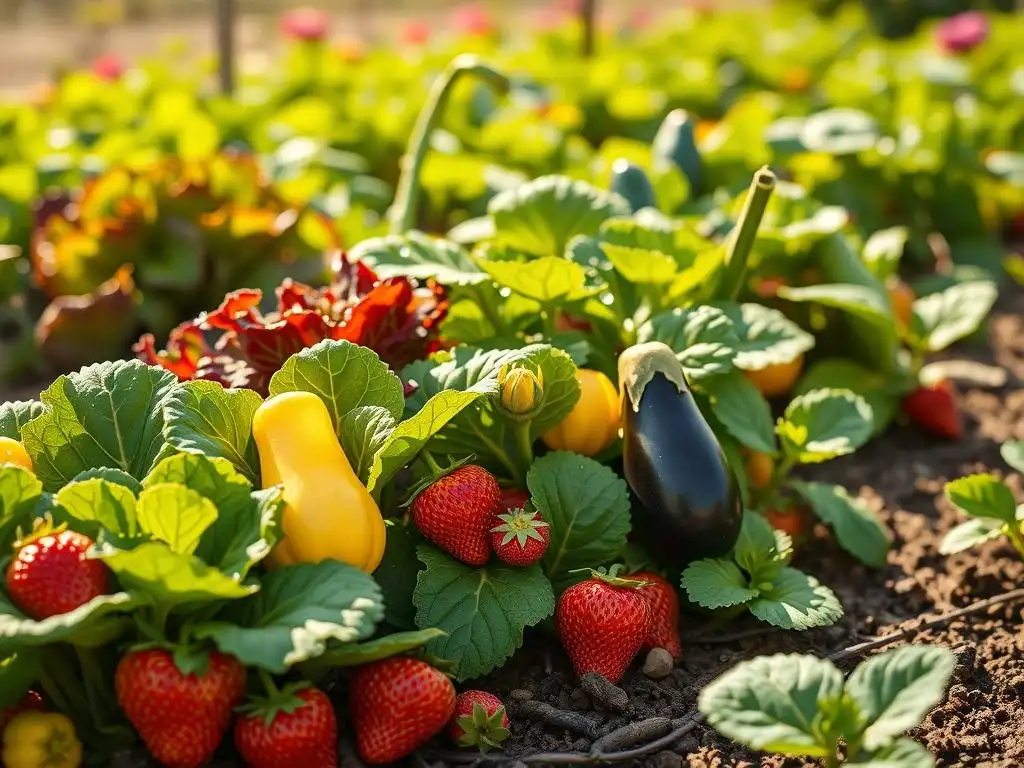
Ready to unlock the secret to a bountiful harvest all season long? At CultivateYourFood, we empower you to grow your own delicious fruits, vegetables, and herbs using sustainable, organic methods. Discover the power of square foot garden succession planting, an advanced technique that guarantees a continuous supply of fresh produce from your home garden. Dive in and learn how to transform your space into a thriving ecosystem of flavor!
- Understanding Square Foot Garden Succession Planting
-
Frequently Asked Questions
- What is succession planting?
- Why is succession planting beneficial for square foot gardens?
- What crops are best suited for succession planting in a square foot garden?
- How do I plan a succession planting schedule for my square foot garden?
- What are some challenges of succession planting, and how can I overcome them?
- Final Reflection: A Harvest of Abundance: Sustaining the Square Foot Garden
- Unleash Your Garden's Potential: A Continuous Harvest Awaits!
Understanding Square Foot Garden Succession Planting
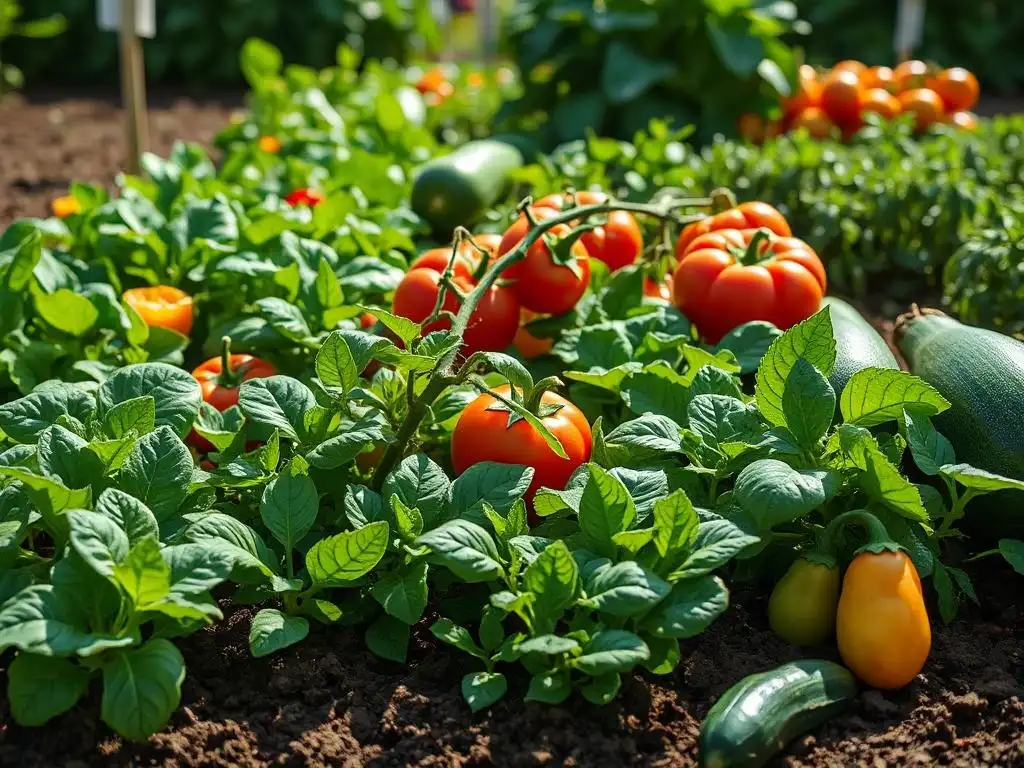
Succession planting in square foot gardening is a powerful technique to maximize your harvest and enjoy a continuous supply of fresh produce throughout the growing season. Unlike traditional gardening methods that rely on single plantings with long harvest windows, this strategy involves strategically planting fast-growing and slow-growing crops in sequence within the same square foot plots.
This approach ensures that as one crop finishes its cycle, another is ready to take its place, leading to a more efficient use of space and a near-constant stream of delicious homegrown food. This guide will explore the principles and practical applications of succession planting in your square foot garden, helping you achieve bountiful harvests all summer long.
We'll cover everything from choosing the right plant combinations to optimizing your planting schedule for optimal yields. Mastering this technique will transform your square foot garden from a seasonal endeavor into a year-round source of fresh, organic produce.
Choosing the Right Crops for Succession Planting
Successful succession planting hinges on selecting crops with varying growth cycles. You need a mix of fast-maturing varieties that fill gaps left by slower-growing plants. Consider factors like days to maturity (DTM) listed on seed packets. For example, you might plant fast-growing lettuce or radishes between rows of slower-growing tomatoes or peppers. This ensures you have a continuous harvest while maximizing space utilization. Careful planning is essential; understanding the specific needs of each plant—sunlight, water requirements, and spacing—is crucial for success.
Here's a sample plan illustrating the concept:
| Crop | Days to Maturity (approx.) | Planting Time | Harvest Time | Notes |
|---|---|---|---|---|
| Radishes | 25-30 days | Early Spring | Late Spring | Fast-growing, excellent for early succession |
| Lettuce | 40-50 days | Early Spring | Early Summer | Can be planted multiple times throughout the season |
| Bush Beans | 50-60 days | Late Spring | Early Summer/Mid-Summer | Relatively fast-growing, good for succession |
| Zucchini | 55-70 days | Late Spring | Summer | Space-intensive, plan accordingly |
| Tomatoes | 60-80+ days | Late Spring/Early Summer | Late Summer/Fall | Slow-growing, requires more space |
Creating a Succession Planting Schedule
Developing a precise planting schedule is key to maximizing your harvests. This involves meticulously tracking the days to maturity for each crop and planning subsequent plantings to ensure continuous production. Consider using a garden journal or a digital calendar to keep track of your planting and harvesting dates.
Remember to factor in the specific climate in your region, as temperature and sunlight significantly influence growth rates. Adjust your planting schedule as needed based on weather conditions and the performance of your crops. Don't be afraid to experiment and learn from your experiences; each season offers valuable lessons for refining your succession planting technique.
Dealing with Pests and Diseases in a Succession Planting System
While succession planting offers numerous benefits, it also presents some challenges. The continuous presence of plants in the same area increases the risk of pest and disease buildup. Implementing proactive pest and disease management strategies is crucial. This could involve crop rotation (even within a square foot garden, you can rotate different plant families), using companion planting techniques to deter pests, and employing organic pest control methods.
Regular inspection of your plants for signs of infestation or disease is also essential for early intervention. Early detection and prompt action can prevent widespread problems and maintain the health of your garden. A healthy soil teeming with beneficial microorganisms is also key to building resilience against pests and diseases.
Harvesting and Maintaining Your Square Foot Garden
Harvesting frequently is essential in a succession planting system. Regular harvests prevent overcrowding, encourage further growth, and ensure you're enjoying the freshest produce possible. As you harvest crops, immediately plant their replacements to maintain a continuous flow of vegetables. Remember to keep your square foot garden well-maintained by weeding regularly, watering as needed, and mulching to conserve moisture and suppress weeds. Continuous monitoring and adjustments are necessary to optimize your garden's productivity throughout the season. Regular soil testing and fertilization will also ensure your plants have the nutrients they need for optimal growth and yield.
Frequently Asked Questions
What is succession planting?
Succession planting is a gardening technique where you plant new crops in the same spot as soon as the previous ones are harvested. This ensures a continuous supply of fresh produce throughout the growing season. It maximizes space and yield in your garden.
Why is succession planting beneficial for square foot gardens?
Square foot gardening, with its intense planting density, benefits greatly from succession planting. It allows you to maximize the limited space and get multiple harvests from the same area, increasing your overall yield.
What crops are best suited for succession planting in a square foot garden?
Many fast-growing crops like lettuce, radishes, spinach, and herbs are ideal for succession planting. Choose varieties with different maturity times to ensure a continuous harvest. Consider the space requirements of each plant.
How do I plan a succession planting schedule for my square foot garden?
Start by creating a planting chart outlining the planting dates and harvest times of your chosen crops. Factor in the days to maturity for each plant, and plan to sow new seeds or seedlings as soon as the previous crop is harvested.
What are some challenges of succession planting, and how can I overcome them?
Challenges include pest and disease control, and maintaining soil fertility. Use crop rotation to minimize pest problems and compost or other organic matter to replenish nutrients in the soil. Careful planning helps mitigate these issues.
Final Reflection: A Harvest of Abundance: Sustaining the Square Foot Garden
The principles of succession planting in square foot gardens aren't just about maximizing yield; they're about building a resilient and sustainable food system, one small plot at a time. In a world increasingly concerned with food security and environmental impact, understanding how to cultivate continuous harvests is more crucial than ever. This simple yet powerful technique offers a tangible path towards greater self-sufficiency and a deeper connection with the natural world.
The beauty of succession planting lies not only in its practicality but also in its inherent rhythm. It's a dance between planning and adaptation, a constant cycle of sowing, growing, and harvesting that mirrors the natural ebb and flow of the seasons. The glory of gardening: hands in the dirt, head in the sun, heart with nature. To nurture a garden is to feed not just the body, but the soul.
This quote perfectly encapsulates the profound satisfaction derived from tending a thriving square foot garden, especially when employing the strategic art of succession planting. It's a testament to the power of mindful cultivation and the rewards of patience and observation.
Now, it's your turn. Consider how you can incorporate the principles of succession planting into your own garden, no matter its size. Experiment with different varieties, observe your microclimate, and learn from each planting cycle. Embrace the challenge, celebrate the successes, and remember that even a small square foot garden, meticulously planned and nurtured, can yield a bountiful harvest – both literally and metaphorically – throughout the entire growing season. Let this be your inspiration to cultivate not just vegetables, but also a deeper connection with the earth and a more sustainable way of life.
Unleash Your Garden's Potential: A Continuous Harvest Awaits!
Thank you for exploring the world of succession planting in square-foot gardens! We hope you feel empowered to create a garden that yields abundant harvests all season long. Ready to get started?
- Plan Ahead: Begin planning your next succession planting now. Consider which crops will follow your current plantings and start those seeds or prepare seedlings immediately.
- Share Your Success: Post a photo of your thriving square-foot garden on social media using #SuccessionPlanting and #SquareFootGardening – let's inspire others!
- Join the Community: What's your favorite fast-growing crop for succession planting? Share your tips and experiences in the comments below!
What exciting new flavors will you be enjoying this year thanks to the power of succession planting?