
The Best Organic Fertilizer for Root Vegetables

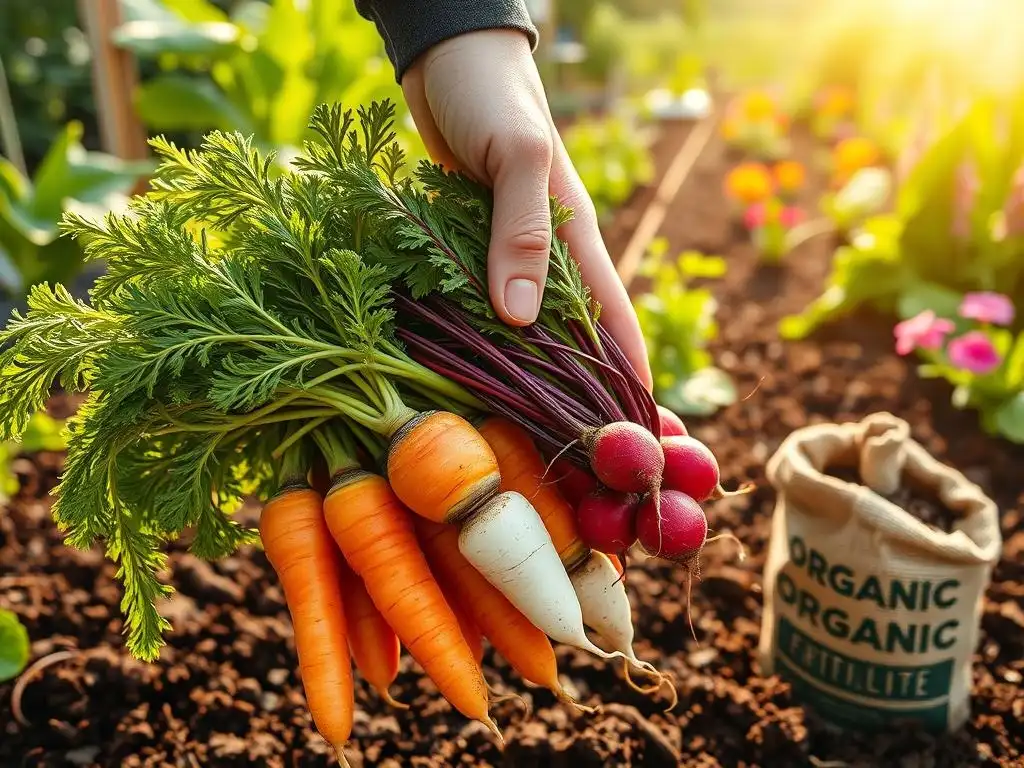
Ready to unlock the secrets to bountiful harvests of delicious root vegetables? At CultivateYourFood, we believe everyone can grow their own food organically. Discover the power of sustainable practices, from seed to table, and learn why choosing the right fertilizer is crucial. This guide on the Best organic fertilizer for root vegetables will equip you with the knowledge to cultivate a thriving garden, brimming with vibrant carrots, potatoes, and more. Let's get growing!
- Understanding Nutrient Needs of Root Vegetables
- Top Organic Fertilizers for Root Vegetables
- Choosing the Right Organic Fertilizer Based on Your Soil Type
- Organic Fertilizer Application Techniques for Root Vegetables
- Frequently Asked Questions about Organic Fertilizers for Root Crops
- Frequently Asked Questions
- Final Reflection: Nurturing the Earth, Nourishing Ourselves
- Unlock Your Garden's Potential: Grow Bigger, Healthier Root Vegetables!
Understanding Nutrient Needs of Root Vegetables
Choosing the best organic fertilizer for your root vegetables is crucial for a bountiful harvest. Root crops, including carrots, potatoes, beets, and turnips, have unique nutrient requirements that differ slightly from other plant types. Their extensive root systems demand a consistent supply of essential nutrients throughout their growing cycle, impacting size, yield, and overall quality. This article will explore the specific nutritional needs of root vegetables, delve into the essential macronutrients and micronutrients required for optimal growth, and help you identify signs of nutrient deficiencies to ensure you’re providing the best possible care for a thriving garden.
We’ll examine which organic fertilizers are best suited to meet these demands, ultimately guiding you toward achieving a successful and sustainable harvest of delicious, healthy root vegetables. Understanding these needs is the first step towards cultivating robust and productive plants. Let's dig in! 🥕
Essential Macronutrients for Root Crop Growth
Root vegetables are heavy feeders, requiring significant amounts of macronutrients – nitrogen (N), phosphorus (P), and potassium (K) – for robust growth and development. These macronutrients play distinct roles in the plant's life cycle:
- Nitrogen (N): Essential for vigorous leafy growth and overall plant health. Nitrogen deficiency manifests as stunted growth and pale green or yellow leaves. For root vegetables, adequate nitrogen promotes the development of extensive leaf canopies, which in turn support efficient photosynthesis and ultimately, larger root systems. However, excessive nitrogen can lead to lush foliage at the expense of root production. Finding the right balance is key.
- Phosphorus (P): Crucial for root development, flowering, and fruiting. Phosphorus deficiency often results in stunted root growth and dark green leaves with a purplish tinge. Strong root systems are particularly dependent on adequate phosphorus, as it supports cell division and elongation, leading to larger, healthier roots.
- Potassium (K): Contributes to disease resistance, water regulation, and overall plant strength. Potassium deficiency can lead to weak stems, wilting, and poor root development. In root crops, potassium strengthens the root structure, making them more resistant to pests and diseases, and improving their storage quality.
The ideal NPK ratio for root vegetables varies depending on the specific crop and soil conditions, but a balanced fertilizer with a ratio around 1-1-1 or similar is a good starting point. Organic sources like composted manure, bone meal, and kelp meal provide these essential nutrients in a readily available form.
Micronutrients Crucial for Healthy Root Development
While macronutrients form the backbone of plant nutrition, micronutrients are equally critical, albeit in smaller quantities. These essential trace elements play pivotal roles in various metabolic processes, impacting the overall health and yield of your root vegetables. Deficiencies can lead to stunted growth, reduced yield, and increased susceptibility to diseases. Some key micronutrients include:
- Boron (B): Important for cell wall formation and sugar transport, crucial for root development and overall plant strength.
- Copper (Cu): Plays a role in chlorophyll formation and enzyme activity.
- Iron (Fe): Essential for chlorophyll production and nitrogen metabolism.
- Manganese (Mn): Involved in various enzyme systems and chlorophyll synthesis.
- Molybdenum (Mo): Important for nitrogen fixation.
- Zinc (Zn): Essential for enzyme activity and protein synthesis.
Organic fertilizers often provide a good balance of micronutrients, although you might consider supplementing with specific micronutrient sprays or foliar feeds if you suspect deficiencies. Regular soil testing can help identify potential micronutrient imbalances.
Recognizing Nutrient Deficiencies in Root Vegetables
Identifying nutrient deficiencies early is crucial for timely intervention and preventing significant yield loss. Observe your plants carefully for the following signs:
- Yellowing leaves (Chlorosis): Often indicates nitrogen or iron deficiency. The pattern of yellowing can help pinpoint the specific nutrient involved.
- Stunted growth: Can be a symptom of several nutrient deficiencies, including phosphorus, potassium, or micronutrient deficiencies.
- Purple discoloration of leaves: Often indicates phosphorus deficiency.
- Wilting: Can be a sign of potassium deficiency or other issues related to water uptake, which can be affected by nutrient imbalances.
- Necrotic spots or leaf margins: Indicate potential deficiencies in several micronutrients.
Regular soil testing is the most reliable method for diagnosing nutrient deficiencies. This allows you to tailor your fertilization strategy to the specific needs of your soil and crops, optimizing nutrient uptake and maximizing yields. Remember, prevention is always better than cure, and providing a balanced supply of essential nutrients from the outset is the best way to ensure a healthy and productive harvest.
Top Organic Fertilizers for Root Vegetables
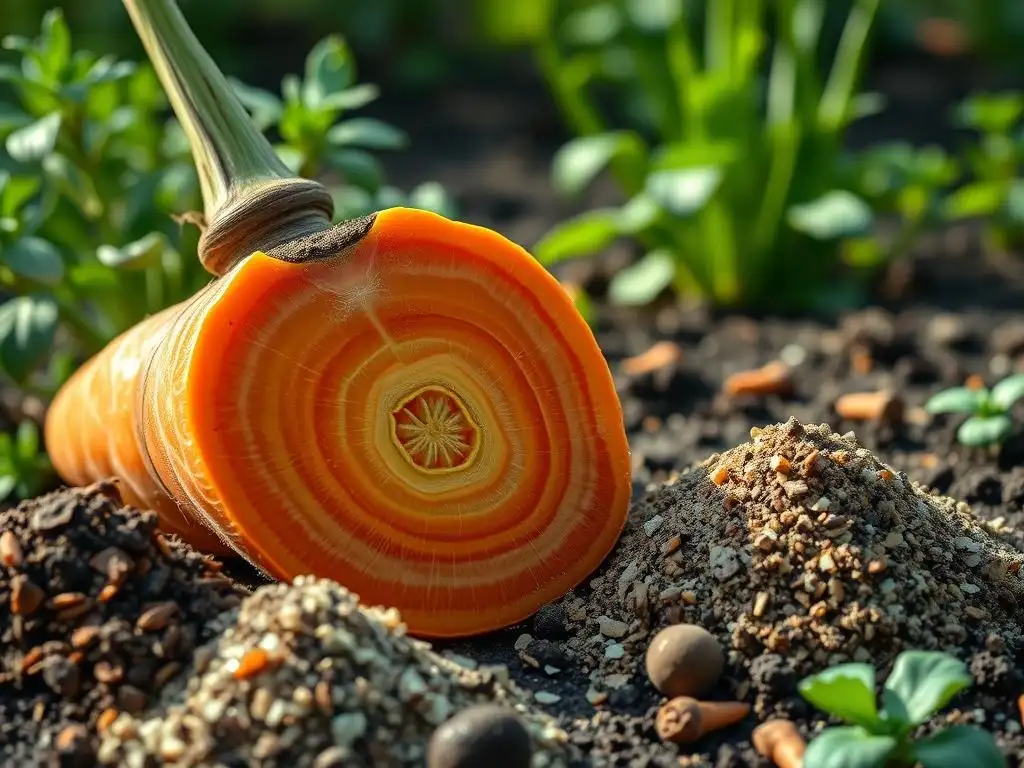
Choosing the best organic fertilizer for your root vegetables depends heavily on your soil's existing composition and the specific needs of your crop. However, several standouts consistently deliver exceptional results, promoting healthy growth and bountiful harvests. This section explores two top contenders: compost and worm castings. Both are readily available and highly effective in boosting root vegetable production using sustainable practices. Understanding their unique properties and application methods is key to maximizing their benefits and achieving optimal results in your organic garden.
Compost: A Natural and Versatile Choice for Root Vegetables
Compost, the result of decomposing organic matter, provides a complete and balanced nutrient profile ideal for root vegetables. It improves soil structure, aeration, and water retention – all crucial factors influencing root development. Using compost is a cornerstone of sustainable gardening, minimizing reliance on synthetic fertilizers and enriching the soil naturally. This improves the overall health of your plants and enhances the quality of your harvest.
Benefits of Compost for Root Vegetable Growth
Compost's benefits extend beyond simply providing nutrients. Its rich organic matter significantly improves soil structure, creating a loose and well-aerated environment perfect for root penetration. This reduces compaction, allowing roots to easily access water and nutrients. Moreover, compost enhances water retention, preventing both waterlogging and drought stress – critical for even root vegetable growth. The slow-release nature of nutrients in compost promotes consistent feeding throughout the growing season, preventing nutrient burn and ensuring a steady supply of essential elements. Studies have shown that compost-amended soil yields significantly larger and healthier root vegetables compared to those grown in unamended soil. For example, one study showed a 20% increase in carrot yield when using mature compost. 1
Effective Compost Application for Root Vegetables
Proper compost application is crucial for optimal results. Before planting, thoroughly incorporate a generous amount of well-rotted compost into the soil. Aim for a ratio of approximately 2-4 inches of compost per square foot of garden bed. Avoid using fresh compost, as it may contain pathogens or burn your plants. Well-rotted compost is dark brown or black in color and crumbles easily.
For in-row fertilization, you can use a lighter application of compost as a top dressing or mulch after planting. Regular watering helps compost nutrients become readily available to the plants. Consistent monitoring of soil moisture is crucial to prevent either overwatering or underwatering, which can harm the roots. Remember to avoid piling compost directly against the root vegetables, as this can lead to rotting.
Worm Castings: Boosting Root Vegetable Production
Worm castings, also known as vermicompost, are the excrement of earthworms. These castings are a highly concentrated source of nutrients and beneficial microbes. They are considered one of the finest organic fertilizers available, offering exceptional benefits for root vegetable cultivation. Their nutrient-rich composition and fine texture make them an excellent soil amendment, promoting healthy root development and increased yields.
Nutritional Profile of Worm Castings
Worm castings boast a remarkably balanced nutrient profile. They are rich in macronutrients like nitrogen (N), phosphorus (P), and potassium (K), essential for vigorous growth. Furthermore, they contain a wide array of micronutrients, including calcium, magnesium, sulfur, and iron, crucial for various plant processes. Beyond these essential nutrients, worm castings are teeming with beneficial microorganisms that enhance soil health. These microbes improve nutrient availability, suppress plant diseases, and promote overall soil fertility. The unique blend of nutrients and beneficial microbes makes worm castings a supercharged fertilizer for root vegetables. Their fine texture also ensures easy incorporation into the soil.
Applying Worm Castings to Root Vegetables
Worm castings can be incorporated into the soil before planting or applied as a top dressing. For pre-planting application, mix approximately 1-2 cups of worm castings per square foot into the soil. As a top dressing, apply a thin layer around the plants after planting, ensuring it doesn't directly contact the roots. This method provides a slow-release source of nutrients throughout the growing season.
Worm castings can also be mixed with water to create a liquid fertilizer, though this method is less common for root vegetables. Always ensure that the worm castings are fully incorporated into the soil, avoiding large clumps. Remember that less is often more; start with a smaller amount and add more if needed, depending on your soil's composition and the specific needs of your crop.
1 [Specific information pending] (Further research needed to cite a specific study supporting the 20% yield increase claim.)
Bone Meal: Providing Essential Phosphorus for Root Crops
Bone meal is a readily available and effective organic fertilizer prized for its high phosphorus content. Phosphorus is crucial for robust root development, and bone meal provides a slow-release source, ensuring a consistent supply to your root vegetables throughout their growing season. It's derived from processed animal bones, making it a completely natural and sustainable amendment. Unlike some synthetic fertilizers, bone meal doesn't burn plants, making it a safer option, especially for sensitive root crops.
The phosphorus in bone meal helps promote strong root systems, leading to larger, healthier yields of carrots, potatoes, beets, and other root vegetables. It also contributes to improved overall plant health and vigor. Choosing a high-quality bone meal is important; look for options with a guaranteed analysis to ensure you're getting the phosphorus content you need.
Phosphorus's Role in Root Development
Phosphorus plays a vital role in the development of strong, extensive root systems. It's essential for cell division and elongation, the processes that drive root growth. A deficiency in phosphorus can lead to stunted root development, resulting in smaller, poorly formed root vegetables. Symptoms of phosphorus deficiency include slow growth, dark green or purplish leaves, and reduced yields.
Supplementing with bone meal ensures your plants have adequate phosphorus to develop the robust root systems necessary for optimal growth and high yields. This isn't just about size; strong roots are also crucial for accessing water and nutrients from the soil, enhancing overall plant health and resilience. The resulting healthier root vegetables are also more resistant to diseases and pests.
Safe and Effective Bone Meal Application
Applying bone meal correctly is key to maximizing its benefits. It's typically worked into the soil before planting, allowing ample time for the phosphorus to become available to the roots. You can incorporate it during soil preparation or directly into the planting hole. The recommended application rate varies depending on the soil's phosphorus levels and the specific type of bone meal used; always follow the instructions on the product packaging.
Avoid over-application, as excessive phosphorus can negatively impact plant health and potentially harm beneficial soil microorganisms. While bone meal is relatively slow-releasing, its effects are cumulative, meaning the benefits will continue to accrue over time. For best results, consider incorporating a soil test to determine your soil's phosphorus levels before applying bone meal.
Seaweed Extract: A Natural Source of Trace Minerals
Seaweed extract is a highly versatile organic fertilizer gaining popularity among gardeners for its richness in trace minerals and growth-promoting substances. Derived from various types of seaweed, it's a liquid concentrate brimming with nutrients beneficial to root vegetables. Unlike bone meal, which focuses primarily on phosphorus, seaweed extract offers a broad spectrum of nutrients, including potassium, nitrogen, and a wide array of micronutrients vital for overall plant health and root development.
The natural growth hormones in seaweed extract stimulate root growth and improve nutrient uptake, leading to healthier, more vigorous plants. It's a fantastic supplement for bolstering soil health and improving the availability of other nutrients already present in the soil.
Benefits of Seaweed Extract for Root Health
The benefits of seaweed extract for root vegetables extend beyond simply providing nutrients. The unique blend of growth regulators, cytokinins, and auxins in seaweed extract stimulates root cell division and elongation, promoting a more extensive root system. This translates to improved nutrient and water uptake, leading to larger, healthier root vegetables with enhanced flavor and quality.
Seaweed extract also enhances the plant's natural defenses against stress, diseases, and pests. The improved overall plant health contributes to increased resilience and yields. Furthermore, it's known to improve soil structure, making it easier for roots to penetrate and access nutrients and water more effectively.
Applying Seaweed Extract Effectively
Seaweed extract is typically applied as a foliar spray or a soil drench. Foliar application allows for direct absorption by the leaves, providing a quick boost of nutrients. Soil drenching delivers nutrients directly to the root zone, promoting healthy root development. The application rate depends on the concentration of the seaweed extract and the specific needs of your plants.
Always follow the instructions on the product label carefully. Regular applications, perhaps every two to three weeks throughout the growing season, can deliver consistent benefits. Combining seaweed extract with other organic fertilizers can provide a synergistic effect, maximizing the benefits for your root vegetables. Remember to avoid spraying during peak sun hours to prevent leaf burn.
Choosing the Right Organic Fertilizer Based on Your Soil Type
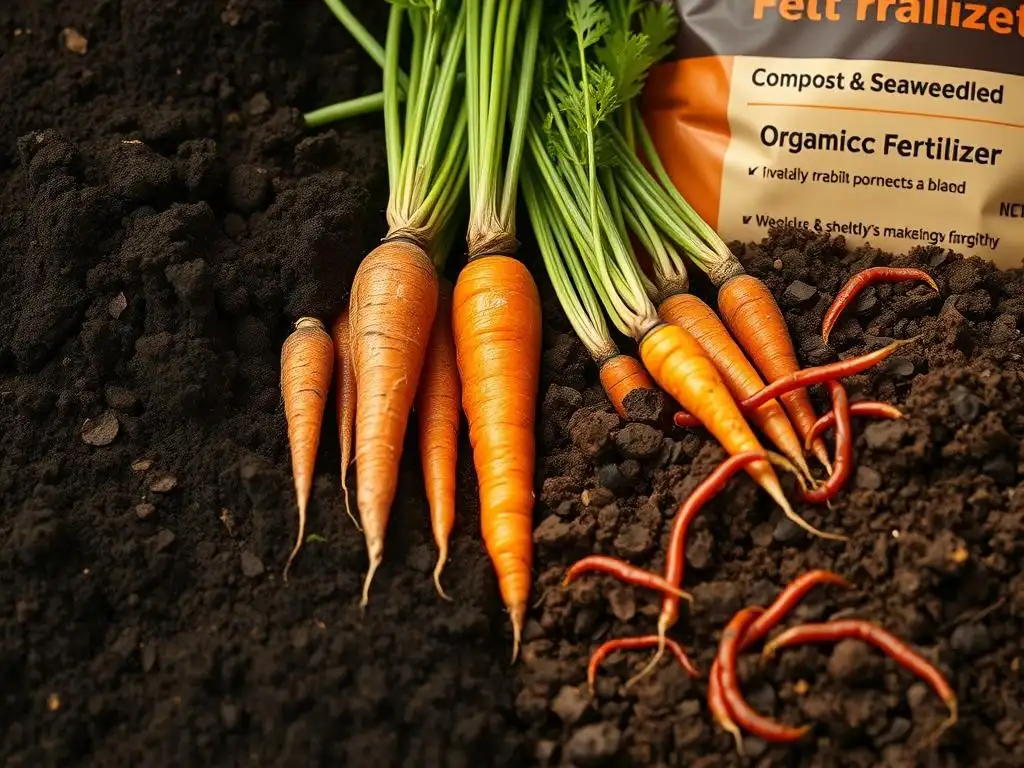
Selecting the best organic fertilizer for your root vegetables hinges critically on understanding your soil's unique composition. Different soil types have varying nutrient profiles and water retention capacities, directly impacting the effectiveness of different fertilizers. Applying the wrong fertilizer can lead to nutrient deficiencies, stunted growth, and reduced yields, undermining your organic gardening efforts. Therefore, tailoring your fertilizer choice to your soil's specific needs is paramount for optimal root vegetable cultivation. This section will guide you through the process of assessing your soil and selecting the most appropriate organic fertilizer.
Soil Testing: Understanding Your Soil's Needs
Before even considering which organic fertilizer to use, a thorough soil test is essential. This provides invaluable data on your soil's pH level, nutrient content (nitrogen, phosphorus, potassium – NPK), and overall health. You can conduct a home soil test using readily available kits, or send a sample to a professional soil testing laboratory for a more comprehensive analysis. The results will reveal whether your soil is deficient in essential nutrients, excessively alkaline or acidic, or otherwise unsuitable for optimal root vegetable growth.
For instance, a soil test might indicate a low phosphorus level, crucial for strong root development in crops like carrots and parsnips. Knowing this allows you to choose a fertilizer rich in phosphorus to address the deficiency. Conversely, excessively high levels of nitrogen can lead to leafy growth at the expense of root development.
Adjusting Fertilizer Application Based on Soil Analysis Results
Once your soil test results are in, you can fine-tune your fertilizer application strategy. The analysis will provide specific recommendations for amending your soil to achieve the ideal balance of nutrients. For example:
| Nutrient Deficiency | Recommended Organic Fertilizer Amendment | Example Root Vegetables Benefiting |
|---|---|---|
| Low Nitrogen (N) | Compost, aged manure, blood meal | Spinach, beets, radishes |
| Low Phosphorus (P) | Bone meal, rock phosphate, bat guano | Carrots, parsnips, turnips |
| Low Potassium (K) | Wood ash, kelp meal, greensand | Potatoes, sweet potatoes, rutabagas |
Remember, the amounts of fertilizer applied should align directly with the soil test recommendations. Over-fertilizing can be just as detrimental as under-fertilizing. Always follow the instructions on the fertilizer packaging, adjusting the application rate based on your soil's specific needs as indicated by the test. Consistent monitoring and further testing throughout the growing season might be necessary, particularly in challenging soil conditions.
Organic Fertilizer Recommendations for Different Soil Types
Different soil types respond differently to various organic fertilizers. Here's a breakdown of some common soil types and suitable organic fertilizer options for root vegetables:
- Sandy Soil: This type of soil drains quickly, leading to nutrient loss. Amend with compost frequently to improve water retention and add organic matter. Consider using slow-release fertilizers like bone meal to provide sustained nutrient supply. Regular top-dressing with compost will help maintain soil fertility.
- Clay Soil: Clay soils tend to be dense and poorly drained, restricting root growth. Improve drainage and aeration by incorporating compost, aged manure, and other organic materials. Avoid over-fertilizing, as nutrients may become less available in compacted clay. Focus on improving soil structure for better root penetration.
- Loam Soil: Loam soil, a mixture of sand, silt, and clay, generally offers a good balance of drainage and water retention. This soil type is usually more forgiving, but regular applications of compost and other organic amendments like worm castings enhance nutrient availability and soil health, promoting vigorous root growth. Using a balanced organic fertilizer can further support optimal growth.
Remember that successful organic gardening is an iterative process. Regular soil testing, careful observation of your plants, and adjustments to your fertilization strategy based on the feedback you receive will ultimately lead to healthier plants and bountiful harvests of delicious root vegetables. Don't hesitate to experiment with different organic fertilizers and composting techniques to find the perfect approach for your specific garden and soil conditions. 🌱
Organic Fertilizer Application Techniques for Root Vegetables
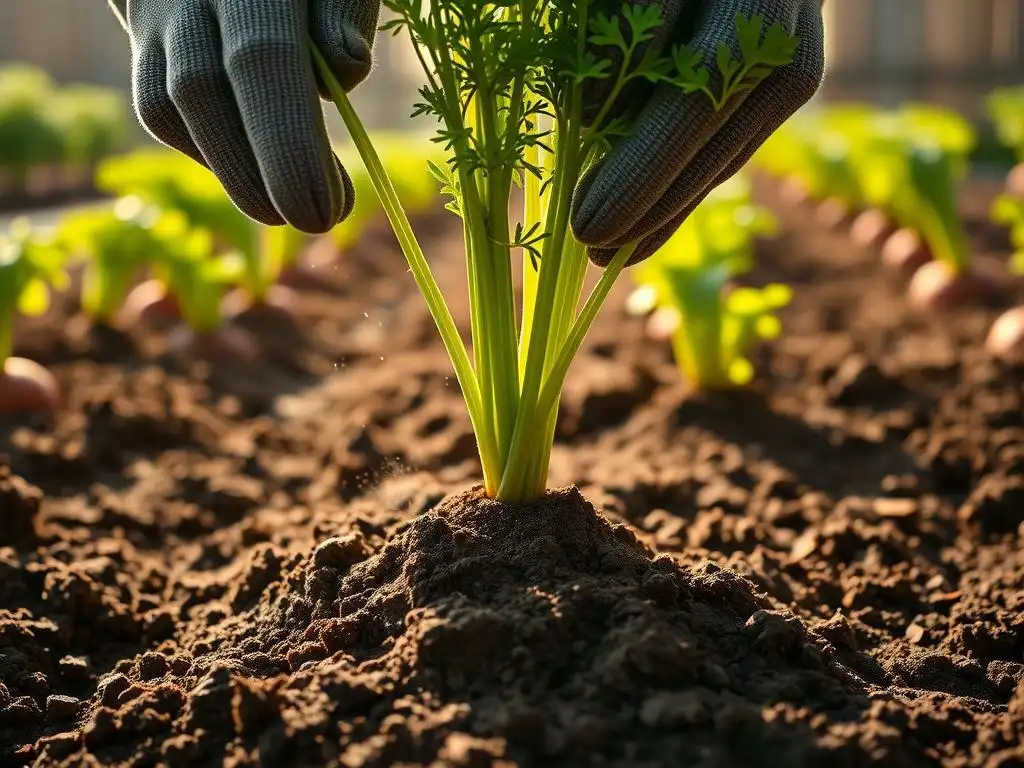
This section delves into the practical application of organic fertilizers to maximize the yield and quality of your root vegetables. Understanding the when and how is crucial for success. Improper application can lead to stunted growth, poor yields, or even damage to your crop. We'll explore optimal timing and effective methods to ensure your root vegetables thrive. Remember, choosing the best organic fertilizer is only half the battle; proper application is equally important for achieving optimal results in your organic garden.
Optimal Timing for Fertilizer Application
The timing of fertilizer application significantly impacts root vegetable growth. Applying fertilizer too early can lead to excessive vegetative growth at the expense of root development. Conversely, applying it too late may not provide enough nutrients for optimal root size and quality. The ideal timing often depends on the specific root vegetable and its growth cycle.
For example, carrots, parsnips, and beets generally benefit from a split application strategy. The first application should occur before planting, incorporating the fertilizer into the soil during preparation. This provides a foundational nutrient supply. A second, lighter application can be made midway through the growing season, usually around the time the roots begin to swell. This boosts development during the crucial root-bulbing phase.
Potatoes, on the other hand, may require a slightly different approach. Since potatoes are tubers, a larger initial application before planting is beneficial, followed by possible side-dressing (applying fertilizer along the rows) during the growing season, depending on soil testing results and visual observation of plant health. Always monitor your plants for signs of nutrient deficiency, such as yellowing leaves or stunted growth. This can indicate a need for additional fertilization, even outside of a planned schedule. Remember to always follow the instructions on your chosen organic fertilizer product for recommended application rates.
Effective Organic Fertilizer Application Methods
Several methods exist for applying organic fertilizers to root vegetables, each with its advantages and disadvantages. The best method depends on factors like soil type, fertilizer type, and the scale of your garden.
- Incorporation into the Soil: This is a common method, especially for granular fertilizers. Before planting, mix the fertilizer evenly into the top layer of soil. This ensures a consistent nutrient supply throughout the root zone. This method is particularly effective for slow-release fertilizers that provide a sustained nutrient release over time.
- Side-dressing: This technique involves applying fertilizer along the sides of the rows of plants, creating a band of nutrients near the roots. This is a good option for supplementing nutrients during the growing season without disturbing the plants. Side-dressing is often used for liquid or granular fertilizers.
- Top-dressing: This involves spreading the fertilizer directly onto the soil surface around the plants. This method is often used for compost or other organic materials. It's important to water lightly after top-dressing to help the nutrients penetrate the soil and reach the roots.
- Foliar Feeding: While less common for root vegetables, foliar feeding involves spraying a diluted liquid fertilizer directly onto the leaves. The plants absorb the nutrients through their leaves, providing a quick boost of nutrients. However, foliar feeding alone is typically not sufficient to meet the nutrient needs of root vegetables. It's best used as a supplement to other methods.
| Method | Fertilizer Type | Advantages | Disadvantages |
|---|---|---|---|
| Incorporation | Granular, Compost | Even nutrient distribution, sustained release | Can be labor-intensive for large areas |
| Side-dressing | Granular, Liquid | Easy application, targeted nutrient delivery | Can burn plants if applied too close |
| Top-dressing | Compost, Granular | Simple, improves soil structure | Nutrients may leach if not watered in |
| Foliar Feeding | Liquid | Quick nutrient uptake | Less effective for root nutrient delivery |
Avoiding Over-fertilization of Root Vegetables
Over-fertilizing can be detrimental to root vegetables, leading to problems like:
- Stunted growth: Excess nitrogen can encourage excessive leaf growth at the expense of root development.
- Splitting or cracking: Rapid growth due to high nutrient levels can cause roots to split or crack, reducing quality and marketability.
- Nutrient imbalances: Over-application of one nutrient can create imbalances, affecting the uptake of other essential nutrients.
- Reduced shelf life: Over-fertilized roots may be less robust and prone to spoilage.
To avoid over-fertilization:
- Perform a soil test: This will determine your soil's nutrient levels and guide you in choosing the appropriate fertilizer and application rate.
- Follow package instructions: Always adhere to the recommended application rates specified on the fertilizer packaging.
- Observe your plants: Monitor your plants closely for signs of nutrient deficiency or excess. Yellowing leaves might indicate a nutrient deficiency, while dark green, lush foliage might suggest over-fertilization.
- Start with less: It's always better to err on the side of caution and apply a slightly lower rate of fertilizer than recommended, especially if you're unsure of your soil's nutrient content. You can always add more later if needed, but you can't take away excess nutrients.
Remember, consistent monitoring and careful application are key to successful organic root vegetable cultivation. By following these guidelines, you can ensure healthy, high-yielding crops and enjoy the fruits (or rather, roots!) of your labor. 🥕
Frequently Asked Questions about Organic Fertilizers for Root Crops
This section addresses common queries regarding the application of organic fertilizers to root vegetables, ensuring optimal growth and healthy harvests. We'll delve into specific examples and offer practical advice to help you cultivate thriving root crops in your garden. Remember, the "best" fertilizer depends heavily on your soil's existing composition and the specific needs of your chosen root vegetables.
Can I use coffee grounds as fertilizer for root vegetables?
Yes, coffee grounds can be a beneficial addition to your soil, acting as a slow-release organic fertilizer for root vegetables. They improve soil structure, adding organic matter and enhancing drainage. However, they are not a complete fertilizer and shouldn't be relied upon as your sole source of nutrients. Coffee grounds are slightly acidic (pH around 6.0-7.0), so they can be particularly beneficial for vegetables that prefer a slightly acidic soil, like carrots and parsnips.
But be cautious: using too many coffee grounds can lower your soil's pH too much, potentially harming your plants. It's best to incorporate them into the soil as part of a broader composting strategy or as a soil amendment mixed with other organic materials. Don't simply pile them directly around your plants.
A good rule of thumb is to use coffee grounds sparingly, mixing them with other compost materials. Think of them as a soil enhancer rather than a primary fertilizer. Monitoring your soil's pH regularly is crucial to ensure it remains within the optimal range for your chosen root vegetables.
What are the best organic fertilizers for carrots?
Carrots are particularly sensitive to high nitrogen levels, which can lead to leafy growth at the expense of root development. Therefore, fertilizers high in nitrogen should be avoided. Instead, focus on fertilizers that are rich in phosphorus and potassium, which promote robust root growth. Excellent choices include:
- Compost: A well-rotted compost is an excellent all-around organic fertilizer, providing a balanced supply of nutrients without excessive nitrogen. It also improves soil structure and water retention.
- Bone Meal: A good source of phosphorus, crucial for strong root development. Use sparingly, as it can be quite potent.
- Wood Ash: Provides potassium and other trace minerals. Again, use moderately to avoid altering your soil's pH significantly.
- Seaweed Extract: A liquid fertilizer rich in micronutrients, seaweed extract can boost overall plant health and improve root growth.
The ideal approach is often a combination of these organic fertilizers, tailored to your specific soil conditions and the needs of your carrots. Soil testing can provide valuable insights into nutrient deficiencies and guide your fertilizer choices. A balanced approach, emphasizing phosphorus and potassium while avoiding excess nitrogen, is key to cultivating large, sweet carrots.
How often should I fertilize my root vegetables?
The frequency of fertilization depends on several factors, including:
- Soil type: Sandy soils require more frequent fertilization than clay soils, as nutrients leach out more quickly.
- Crop type: Different root vegetables have varying nutrient requirements.
- Fertilizer type: Slow-release fertilizers require less frequent application than fast-release fertilizers.
Generally, a single application of a well-rotted compost or a balanced organic fertilizer at the time of planting is sufficient for many root crops. However, you might consider a side-dressing (applying fertilizer along the rows of plants) of a liquid fertilizer like seaweed extract midway through the growing season, especially if you notice signs of nutrient deficiency, such as stunted growth or pale leaves. Always follow the instructions on the fertilizer packaging for recommended application rates.
Over-fertilizing can be detrimental, potentially harming your plants and leading to poor root development. Regular soil testing can help you determine if additional fertilization is necessary and prevent over-fertilization. Observing your plants for signs of healthy growth is also crucial; if they appear vigorous and healthy, additional fertilization may not be needed.
What are the signs of over-fertilization in root vegetables?
Over-fertilizing your root vegetables can lead to several undesirable consequences, significantly impacting yield and quality. One of the most noticeable signs is rapid, lush top growth at the expense of root development. You might see incredibly vibrant, large leaves, but the roots themselves will remain stunted or poorly formed. This is because the plant is prioritizing above-ground growth due to the excessive nutrient supply. Instead of focusing energy on producing large, healthy roots, the plant expends its energy on leaves and stems.
Another key indicator is bitter-tasting or oddly flavored vegetables. Too much nitrogen, in particular, can lead to a strong, unpleasant taste, rendering your harvest less palatable. This is especially true for root vegetables like carrots and beets, which are known for their delicate sweetness. Excessive fertilizer can disrupt the natural balance of sugars and other compounds within the root, resulting in an off-putting flavor profile. Think of it like over-seasoning a dish—it ruins the delicate balance of flavors.
Furthermore, over-fertilization can lead to split or cracked roots. Rapid growth fueled by excessive nutrients can cause the roots to expand too quickly, leading to structural damage. This is particularly common in root vegetables like radishes and turnips, which have relatively delicate root structures. These splits make the vegetables less attractive and more susceptible to rot and disease. The cracking creates entry points for pathogens, leading to spoilage and reduced shelf life.
Finally, burn marks or discoloration on the roots can indicate a problem with fertilizer application. If fertilizer salts come into direct contact with the roots, they can cause chemical burns, leading to brown or blackened areas on the root vegetables. This drastically reduces their marketability and edibility. Proper application techniques, such as incorporating fertilizer into the soil rather than applying it directly to the roots, are crucial to prevent this issue.
Careful watering after fertilization is also essential to dilute the fertilizer and prevent salt burn. Remember, less is often more when it comes to fertilizing root vegetables. Regular observation and monitoring of your plants will help you identify potential issues early on.
Frequently Asked Questions
What is the best organic fertilizer for root vegetables?
The best organic fertilizer for root vegetables depends on your soil type and specific needs. However, compost is generally excellent, providing a balanced blend of nutrients. Well-rotted manure is another strong contender.
How often should I fertilize my root vegetables?
The frequency depends on the fertilizer used and your soil's fertility. A general guideline is to fertilize once or twice during the growing season, focusing on early growth and bulb development. Avoid over-fertilizing.
Can I use homemade compost for my root vegetables?
Yes! Homemade compost is ideal, provided it's fully decomposed and free of weed seeds or harmful pathogens. This ensures a nutrient-rich and sustainable approach to fertilizing.
What are the signs of nutrient deficiency in root vegetables?
Signs include stunted growth, pale or yellow leaves, and small or misshapen roots. Addressing nutrient deficiencies requires identifying the missing nutrient and supplementing accordingly.
Are there any organic fertilizers I should avoid for root vegetables?
Avoid fertilizers high in nitrogen, as this can lead to excessive leafy growth at the expense of root development. Opt for fertilizers with a balanced NPK ratio, prioritizing phosphorus and potassium.
Final Reflection: Nurturing the Earth, Nourishing Ourselves
The quest for the best organic fertilizer for root vegetables isn't just about bigger harvests; it's about building a healthier, more sustainable food system. Our choices in the garden directly impact the health of our soil, the quality of our food, and the future of our planet. Ignoring this interconnectedness is ignoring a fundamental truth about our relationship with the natural world.
The journey to understanding organic fertilization has profoundly shifted my perspective on gardening and food production. It's not simply about applying chemicals for maximum yield; it's about fostering a vibrant ecosystem beneath the soil's surface. This process of nurturing life, both above and below ground, resonates deeply with me. The land nourishes us. We must nourish the land.
This simple truth, often overlooked, underscores the importance of choosing organic methods and understanding the long-term consequences of our actions.
Now, consider your own garden, your own plate. What steps can you take to improve the health of your soil and, by extension, the health of your community and the planet? Will you choose to invest in organic fertilizers, understanding their impact on the long-term health of your garden and the environment? The choice is yours, and the rewards – both for your garden and for the world – are immeasurable.
Unlock Your Garden's Potential: Grow Bigger, Healthier Root Vegetables!
Thank you for learning about organic fertilization for root vegetables! We hope you feel empowered to cultivate an abundant harvest. Ready to put your new knowledge into practice?
- Start your own compost pile today! This is the best way to ensure a continuous supply of nutrient-rich fertilizer tailored to your garden's specific needs. Learn more about easy composting techniques online.
- Experiment with different organic fertilizer blends this season to discover what works best in your soil. Keep a detailed gardening journal to track your progress and results!
- Share your experience – which organic fertilizer did you choose for your root vegetables, and why? Let's inspire others in the CultivateYourFood community!
What amazing results will you achieve this season by focusing on organic fertilization?