
Smart Watering Solutions: Choosing the Right System for Your Garden's Needs

Welcome to CultivateYourFood, your guide to a thriving, sustainable home garden! Ready to unlock the secrets to bountiful harvests? We're diving deep into the world of efficient and effective gardening, and our latest article on the Best Garden Watering System will revolutionize how you nurture your fruits, vegetables, and herbs. Discover the perfect setup for your needs and transform your gardening experience – let's get growing!
- Understanding Your Watering Needs: Assessing Your Garden for Optimal Irrigation
- Best Garden Watering System Options: A Comparative Review
- Choosing the Best Garden Watering System for Your Budget and Needs
- Optimizing Water Usage: Conservation Tips for Sustainable Gardening
- Conclusion: Selecting the Perfect Watering Solution for a Thriving Garden
- Frequently Asked Questions
- Final Reflection: Cultivating a Sustainable Future, One Drop at a Time
- Unlock Your Garden's Full Potential: Get Growing!
Understanding Your Watering Needs: Assessing Your Garden for Optimal Irrigation
Choosing the best garden watering system is crucial for a thriving and sustainable home garden. This guide will help you navigate the various options available, ensuring you select a system that perfectly matches your specific garden's needs and promotes healthy plant growth using environmentally conscious practices. We'll explore factors like soil type, sunlight exposure, plant water requirements, and garden size to help you make an informed decision and achieve optimal irrigation for your fruits, vegetables, and herbs.
Finding the perfect balance between efficient water usage and healthy plant growth is key to successful organic gardening, and this article provides the information you need to achieve just that. Let's delve into the specifics to help you find the best garden watering system for your unique situation. 🌱
Evaluating Soil Type and Drainage for Efficient Watering Systems
Understanding your soil is paramount when selecting a watering system. Different soil types retain water differently, impacting how frequently and how much water your plants need.
- Sandy soils: These soils drain quickly, requiring more frequent watering, but often in smaller amounts. Drip irrigation or soaker hoses are excellent choices for sandy soils as they deliver water directly to the plant roots, minimizing water loss through evaporation. A well-designed system for sandy soil will prevent runoff and ensure consistent moisture.
- Clay soils: Clay soils retain water well, potentially leading to overwatering if not managed properly. A less frequent watering schedule with a system allowing for controlled water delivery is ideal. Consider using a drip irrigation system with pressure regulators to prevent waterlogging and promote healthy root development. Proper soil amendment, such as adding compost, can improve drainage in clay soils.
- Loamy soils: Loamy soils represent a happy medium, offering good drainage and water retention. They generally require a moderate watering schedule and are adaptable to a wider range of irrigation systems, including drip irrigation, sprinkler systems, and even soaker hoses.
Choosing the right irrigation system based on your soil type will significantly impact water efficiency and plant health. Poor drainage can lead to root rot, while insufficient watering can stunt growth. Careful consideration of your soil's characteristics is essential for selecting the best garden watering system.
Sunlight Exposure and Plant Water Requirements: Tailoring Irrigation to Your Plants
Sunlight exposure directly affects how quickly soil dries out. Plants in full sun will require more frequent watering than those in shade. Furthermore, different plants have varying water requirements.
| Plant Type | Sunlight Exposure | Water Requirement | Suitable Irrigation System |
|---|---|---|---|
| Tomatoes | Full Sun | High | Drip irrigation, soaker hoses |
| Lettuce | Partial Shade | Moderate | Drip irrigation, sprinkler system |
| Herbs (Basil, Mint) | Full Sun | Moderate to High | Drip irrigation, soaker hoses |
| Zucchini | Full Sun | High | Drip irrigation, soaker hoses |
Understanding these individual needs allows you to create a customized watering plan. For example, a combination of drip irrigation for thirsty plants in sunny areas and a sprinkler system for less demanding plants in shadier spots might be the best garden watering system for your specific layout.
Garden Size and Layout: Choosing the Right Irrigation System Scale
The size and layout of your garden significantly influence the type and scale of irrigation system you need.
- Small gardens: For smaller gardens, a simple soaker hose system or a manually operated watering can might suffice. These low-cost options often provide sufficient coverage and control for smaller plots.
- Medium-sized gardens: Medium-sized gardens benefit from more sophisticated systems like drip irrigation with multiple zones. This allows for targeted watering based on plant needs and sunlight exposure within different areas of the garden.
- Large gardens: Large gardens may require more extensive systems involving multiple drip lines, sprinkler zones, and potentially an automated timer or controller for efficient and convenient management of water distribution. The complexity of the system should reflect the size and layout of your garden for optimal results.
Choosing a system that's appropriately sized for your garden will ensure efficient water usage and prevent over- or under-watering. Overly complex systems for small gardens are unnecessary, while undersized systems for large gardens will prove inefficient and potentially harmful to your plants. Therefore, a careful assessment of your garden's dimensions is crucial for selecting the best garden watering system.
Best Garden Watering System Options: A Comparative Review
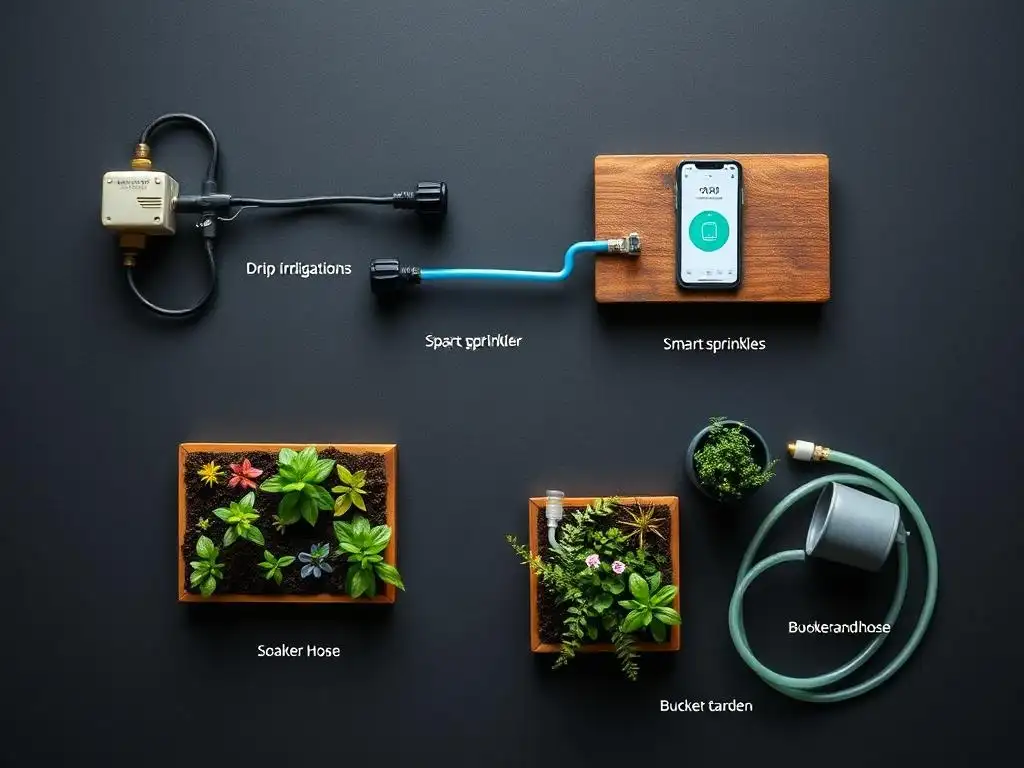
This section dives deep into the best garden watering system options available, comparing their features, benefits, and drawbacks to help you choose the perfect system for your unique gardening needs. Finding the best garden watering system can significantly improve your gardening success, leading to healthier plants and increased yields. We'll explore various systems, focusing on their suitability for different garden sizes and plant types. Remember, selecting the right system is crucial for efficient water use and optimal plant growth.
Drip Irrigation Systems: Advantages, Disadvantages, and Top Picks
Drip irrigation, a highly efficient method, delivers water directly to the roots of your plants. This targeted approach minimizes water waste and reduces the risk of fungal diseases often associated with overhead watering. It's particularly beneficial for vegetables, herbs, and delicate plants. The "best" system depends greatly on your garden's size and layout.
Pros and Cons of Drip Irrigation for Vegetables and Herbs
| Feature | Pros | Cons |
|---|---|---|
| Water Efficiency | Significantly reduces water waste compared to other methods. | Initial setup can be time-consuming and require some technical skill. |
| Plant Health | Minimizes leaf wetness, reducing fungal diseases. | Potential for clogging if not properly maintained. |
| Cost | Can range from affordable to expensive depending on system complexity. | Requires a water source with sufficient pressure. |
| Flexibility | Adaptable to various garden layouts and plant spacing. | Can be more expensive than soaker hoses for smaller gardens. |
A well-designed drip irrigation system can drastically improve the health and yield of your vegetable and herb garden. For example, consistent drip irrigation can lead to a 20-30% increase in tomato yield compared to traditional methods. However, improper installation or maintenance can lead to clogged lines and uneven water distribution, negating its benefits.
Best Drip Irrigation Systems for Small Gardens
For smaller gardens (under 500 sq ft), simpler, self-contained drip irrigation kits are ideal. These typically include a timer, tubing, and emitters, making setup straightforward. Look for kits with adjustable emitters for precise water control and easy customization based on plant needs. Consider the spacing of your plants when choosing the emitter spacing on the tubing.
Setting up a Drip Irrigation System: A Step-by-Step Guide
- Planning: Map out your garden, noting plant locations and water requirements.
- Materials: Gather necessary components: timer, tubing, emitters, connectors, and stakes.
- Installation: Lay out the main tubing, then branch out to individual plants using smaller tubing and emitters.
- Testing: Turn on the system and check for leaks or clogs. Adjust emitters as needed.
- Maintenance: Regularly flush the system to prevent clogging.
Proper installation is key to successful drip irrigation. Neglecting this step can lead to uneven watering and wasted resources. Remember to check your local building codes for any regulations on water usage and irrigation systems.
Advanced Drip Irrigation for Large Gardens and Orchards
Larger gardens and orchards may benefit from more sophisticated drip irrigation systems incorporating pressure regulators, filtration systems, and potentially, subsurface drip irrigation for even more efficient water delivery and reduced evaporation. These systems often require professional installation. Consider consulting with a landscape irrigation specialist for larger-scale projects. This level of precision irrigation can significantly increase yields and reduce labor costs in the long run.
Soaker Hose Irrigation: A Simple and Effective Solution
Soaker hoses offer a simpler, more affordable alternative to drip irrigation, perfect for smaller gardens or areas requiring less precise water distribution. They deliver water slowly and evenly along their length, gradually saturating the soil.
Pros and Cons of Soaker Hoses for Efficient Watering
Soaker hoses are remarkably efficient, reducing water waste compared to overhead sprinklers. However, they might not be ideal for all plants or garden layouts. Their simplicity and ease of use make them a popular choice for home gardeners.
| Feature | Pros | Cons |
|---|---|---|
| Water Efficiency | Reduces water waste compared to overhead watering. | Can be prone to clogging, especially with hard water. |
| Ease of Use | Easy to install and maintain. | Water distribution may not be as precise as drip irrigation. |
| Cost | Generally more affordable than drip irrigation systems. | May not be suitable for all types of soil or plant spacing. |
| Durability | Can be susceptible to damage from rodents or sharp objects. | Requires relatively flat terrain for optimal water distribution. |
Best Soaker Hoses for Different Garden Sizes
Choosing the right length and material is crucial for optimal performance. For small gardens, shorter hoses are sufficient, while larger gardens might require multiple hoses connected together.
Choosing the Right Soaker Hose Material and Length
Consider the material: rubber soaker hoses are durable and long-lasting, while porous plastic hoses are more affordable but may have a shorter lifespan. The length should be determined by the area you need to water. Always ensure adequate overlap between hoses for consistent coverage. Proper hose selection is key to achieving even watering and maximizing the life of your soaker hose. Remember to consider the water pressure in your system when selecting a soaker hose. High pressure may damage a thin-walled hose.
Sprinkler Systems: Automated Watering for Larger Gardens
Sprinkler systems offer a convenient and efficient way to water larger gardens, lawns, and landscapes. They deliver water evenly across a wide area, minimizing the need for manual watering. This automated approach saves considerable time and effort, particularly beneficial for those with busy schedules or larger properties. The initial investment can be higher than some other methods, but the long-term benefits often outweigh the upfront cost.
Choosing the right sprinkler system depends on several factors, including the size and layout of your garden, the type of plants you're growing, and your budget. Consider the water pressure in your area, as this will influence the type of sprinkler heads you can effectively use. Proper installation is crucial for optimal performance and to prevent water waste. A poorly installed system can lead to uneven watering, resulting in dry spots or waterlogged areas.
Types of Sprinkler Systems: Rotary, Impact, and Pop-up Sprinklers
There are several types of sprinkler systems available, each with its own advantages and disadvantages. Rotary sprinklers rotate to cover a circular area, ideal for open spaces. They offer good coverage and are relatively inexpensive. Impact sprinklers use a spinning arm to throw water, providing a powerful spray suitable for larger areas. However, they can be less efficient than rotary sprinklers and may not be suitable for all plant types.
Pop-up sprinklers are a more discreet option, retracting into the ground when not in use. They're great for lawns and gardens where you want a neat, unobtrusive watering system. They offer precise watering and are widely used in residential and commercial settings. The choice depends on factors like garden size, plant type, and aesthetic preferences.
Pros and Cons of Sprinkler Systems for Various Garden Types
Sprinkler systems excel in watering large, open areas like lawns and expansive vegetable gardens. However, they may not be the best choice for smaller, more intricate gardens with closely spaced plants. The even water distribution can lead to overwatering of delicate plants or those needing more precise watering.
For example, a sprinkler system might not be ideal for a densely planted herb garden, where targeted watering is more effective. On the other hand, for a large vegetable patch or a sprawling lawn, a well-designed sprinkler system can be a lifesaver, ensuring consistent moisture levels. The choice depends on the specific needs of your garden and the types of plants you're cultivating.
Best Sprinkler Systems for Different Garden Sizes and Budgets
The best sprinkler system depends largely on garden size and budget. Smaller gardens might benefit from a simple DIY kit with a few sprinkler heads, while larger properties may require a more complex system with multiple zones and a timer. Budget-conscious gardeners can opt for basic systems with manual timers, while those seeking greater convenience and efficiency may choose automated systems with weather sensors and smart controllers.
High-end systems offer advanced features like soil moisture sensors for optimized watering, but they come with a higher price tag. Consider the long-term cost of water usage alongside the initial investment to make an informed decision. Researching different brands and comparing features is crucial before making a purchase.
Programming Sprinkler Systems for Optimized Water Usage
Programming your sprinkler system correctly is key to maximizing efficiency and conserving water. Avoid overwatering by adjusting watering times based on weather conditions, soil type, and plant needs. Many systems allow for customized schedules, enabling you to water different zones at different times, depending on their individual requirements.
For example, a vegetable garden may need more frequent watering than a lawn. Utilizing rain sensors can prevent unnecessary watering during periods of rainfall, further conserving water and reducing your water bill. Regularly checking and maintaining your sprinkler system helps ensure its continued efficient operation and prevents water waste due to leaks or malfunctions.
Smart Irrigation Controllers: Automating Your Watering Schedule
Smart irrigation controllers represent a significant advancement in garden watering technology. These devices offer automated control over your watering schedule, allowing for precise adjustments based on various factors like weather conditions, soil moisture levels, and even plant type. By integrating with weather sensors and soil moisture probes, they can significantly reduce water waste and optimize water usage for healthier plants and a lower water bill. They offer features such as customizable watering schedules, remote control via smartphone apps, and integration with other smart home devices.
Benefits of Smart Irrigation Controllers for Water Conservation
Smart irrigation controllers offer numerous benefits for water conservation. Their ability to adjust watering schedules based on real-time weather data prevents unnecessary watering during rain or periods of high humidity. Soil moisture sensors provide accurate information about soil moisture levels, preventing overwatering and promoting healthier root systems. This precise control minimizes water waste, resulting in significant savings on your water bill and contributing to responsible water management. Furthermore, the efficient use of water leads to healthier plants, reducing the need for supplemental watering and fertilizers.
Top Smart Irrigation Controllers with Water-Saving Features
Several top-tier smart irrigation controllers stand out for their water-saving features. Look for controllers with advanced features like rain sensors, soil moisture sensors, and evapotranspiration calculations. These features allow for precise control over watering, ensuring that plants receive only the necessary amount of water, preventing both drought stress and waterlogging. Some models offer advanced analytics, allowing you to track your water usage and identify areas for improvement. When choosing a controller, consider factors like the number of zones you need to control, the level of automation you desire, and the compatibility with existing systems.
Integrating Smart Controllers with Weather Sensors for Precise Watering
Integrating smart irrigation controllers with weather sensors takes water conservation to the next level. These sensors monitor local weather conditions, including rainfall, temperature, and humidity. The controller then uses this data to adjust the watering schedule accordingly, preventing unnecessary watering during periods of rain or high humidity. This integration ensures that plants receive the optimal amount of water, preventing both under-watering and over-watering. This feature significantly reduces water waste and contributes to more sustainable gardening practices, leading to healthier plants and a smaller environmental footprint. The precision offered by this integration enhances the overall efficiency of the irrigation system.
Choosing the Best Garden Watering System for Your Budget and Needs
This section focuses on helping you select the best garden watering system that aligns with your financial resources and gardening requirements. The ideal system isn't just about functionality; it's about finding the sweet spot between performance, cost, and long-term practicality. We'll explore various options, highlighting their strengths and weaknesses to guide your decision. Remember, the "best" system is subjective and depends entirely on your specific needs and resources.
Comparing Costs and Features of Different Irrigation Systems
Choosing the right irrigation system involves careful consideration of various factors, primarily cost and features. Let's compare three popular options: drip irrigation, soaker hoses, and sprinkler systems.
| Irrigation System | Initial Cost | Maintenance Cost | Water Efficiency | Labor Intensity | Best Suited For |
|---|---|---|---|---|---|
| Drip Irrigation | 💰💰 (Medium-High) | 💧 (Low) | 💧💧💧💧 (High) | 👨🔧 (Medium) | Vegetables, Flowers |
| Soaker Hoses | 💰 (Low) | 💧 (Low) | 💧💧 (Medium) | 👨🔧 (Low) | Flower beds, shrubs |
| Sprinkler Systems | 💰💰💰 (High) | 💧💧 (Medium-High) | 💧 (Low) | 👨🔧 (High) | Lawns, large areas |
Note: 💰 represents cost level (💰=Low, 💰💰=Medium, 💰💰💰=High) and 💧 represents water efficiency (💧=Low, 💧💧=Medium, 💧💧💧💧=High). The labor intensity reflects the time and skill needed for installation and maintenance.
Drip irrigation, while initially more expensive, offers superior water efficiency, minimizing water waste and reducing your water bill over time. Soaker hoses provide a good balance between cost and efficiency, perfect for smaller gardens. Sprinkler systems are best for large areas but are less water-efficient and require more maintenance.
DIY vs. Professional Installation: A Cost-Benefit Analysis
Deciding between DIY and professional installation significantly impacts the overall cost and efficiency of your best garden watering system. A DIY approach can save money upfront, but requires time, skill, and the right tools. Professional installation guarantees a properly functioning system, but adds to the initial expense.
DIY Installation:
- Pros: Lower initial cost, greater control over design and materials.
- Cons: Requires time, effort, and potential for errors leading to inefficient watering or system malfunctions. May necessitate purchasing specialized tools.
Professional Installation:
- Pros: Ensures proper installation, minimizing errors and maximizing efficiency. Often includes a warranty. Saves time and effort.
- Cons: Higher initial cost. Less control over design choices.
Consider your DIY skills and the complexity of the chosen system. A simple soaker hose system is easily installed DIY, while a complex drip irrigation system for a large garden might benefit from professional expertise. Weigh the cost savings against the potential time investment and risk of errors before making your decision.
Long-Term Maintenance and Repair Considerations for Each System
Long-term maintenance is crucial for maximizing the lifespan and efficiency of your best garden watering system. Regular maintenance minimizes repairs and prolongs the system's usability.
- Drip Irrigation: Requires occasional flushing to clear clogs. Check emitters and tubing for leaks or damage. Consider replacing worn-out components every few years.
- Soaker Hoses: Check for leaks and punctures. Replace hoses as needed. Avoid kinks and sharp bends that can restrict water flow.
- Sprinkler Systems: Regular inspections are necessary to identify and repair leaks, clogged nozzles, and damaged pipes. Winterization might be needed in colder climates to prevent freeze damage.
Proper maintenance significantly reduces the long-term cost associated with repairs and replacements. Regularly scheduled maintenance, even for simple systems, ensures optimal performance and extends the life of your irrigation system, ultimately making it a more cost-effective choice in the long run. Ignoring maintenance can lead to significant repair costs and potential system failure. Creating a simple maintenance schedule tailored to your specific system will save you time, money, and frustration in the long run.
Optimizing Water Usage: Conservation Tips for Sustainable Gardening
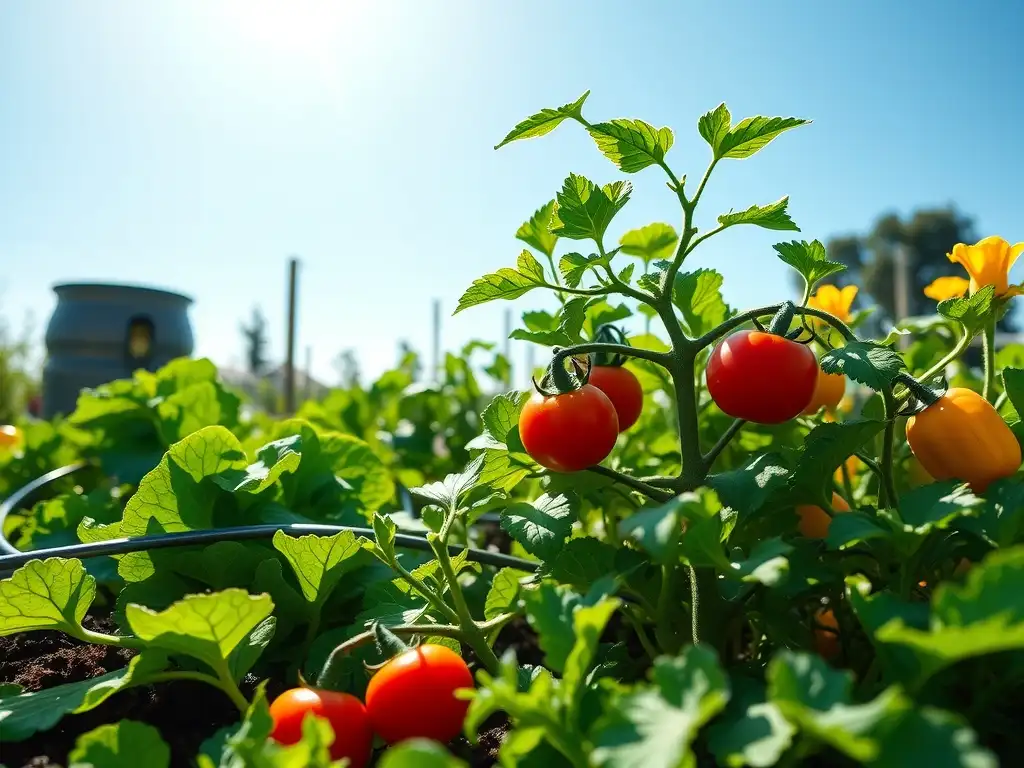
Efficient water management is crucial for a thriving and sustainable garden. The "best garden watering system" isn't just about the equipment; it's about a holistic approach that minimizes waste and maximizes plant health. This section focuses on practical strategies to conserve water, ensuring your garden flourishes even with limited resources. Remember, responsible water use is key to environmentally friendly gardening.
Water-Wise Gardening Practices: Reducing Water Consumption
Beyond choosing the right irrigation system, several simple practices can significantly reduce water consumption. These methods complement any watering system and contribute to a more sustainable gardening approach.
One effective strategy is to water deeply and less frequently. Instead of shallow, daily watering that encourages shallow root growth, water thoroughly until the soil is moist several inches down. This encourages deeper root systems, making plants more drought-tolerant over time. This approach is particularly beneficial for established plants.
Another crucial aspect is watering during the coolest parts of the day, ideally early morning or late evening. This minimizes evaporation, ensuring more water reaches the roots and less is lost to the atmosphere. Avoid watering during the hottest part of the day when evaporation rates are highest.
Regularly check your soil moisture before watering. Using a moisture meter or simply digging your finger a few inches into the soil can help you determine if your plants actually need watering. Overwatering can be just as damaging as underwatering.
Finally, consider collecting rainwater. Rain barrels are a fantastic way to supplement your watering needs, providing a free and sustainable source of water for your plants. This reduces your reliance on municipal water supplies and helps conserve precious resources. Many municipalities even offer rebates or incentives for installing rain barrels.
Selecting Drought-Tolerant Plants for Water Efficiency
Choosing plants adapted to your local climate is a cornerstone of water-wise gardening. Selecting drought-tolerant varieties significantly reduces your watering needs. These plants are naturally equipped to withstand periods of dryness, minimizing water stress and the need for frequent irrigation.
Researching native plants is a great starting point. Native species are already adapted to your region's climate and soil conditions, requiring less water and maintenance than non-native alternatives. Many local nurseries and garden centers can provide recommendations for suitable drought-tolerant plants.
Consider the sun exposure and soil type in your garden when making selections. Some drought-tolerant plants prefer full sun, while others thrive in partial shade. Understanding these preferences ensures you select plants that will flourish in your specific garden conditions.
Here's a simplified table showcasing examples of drought-tolerant plants:
| Plant Type | Example Species | Sun Exposure | Soil Type |
|---|---|---|---|
| Herbs | Lavender, Rosemary, Thyme | Full Sun | Well-drained |
| Flowers | Coneflowers, Salvia, Sedum | Full Sun to Part Shade | Well-drained |
| Vegetables | Peppers, Tomatoes (some varieties) | Full Sun | Well-drained |
| Ground Covers | Creeping Thyme, Sedum | Full Sun to Part Shade | Well-drained |
Utilizing Mulch and Soil Amendments to Improve Water Retention
Mulching and soil amendments play a crucial role in optimizing water retention in your garden. A well-maintained soil structure is key to efficient water usage.
Applying a layer of organic mulch, such as wood chips, straw, or shredded leaves, helps retain soil moisture by reducing evaporation. The mulch acts as a barrier, preventing direct sunlight from reaching the soil surface and drying it out. It also helps regulate soil temperature, preventing extreme fluctuations that can stress plants. Aim for a mulch layer of 2-3 inches.
Soil amendments, such as compost and peat moss, improve soil structure and water-holding capacity. These materials enhance soil aeration and drainage while increasing its ability to retain moisture. Adding compost regularly improves soil health and reduces the need for excessive watering.
Proper soil preparation before planting is also essential. Loosening compacted soil allows for better water infiltration and root penetration, leading to more efficient water uptake by plants. This reduces runoff and maximizes the effectiveness of your watering efforts. Consider using a garden fork or tiller to loosen the soil before planting. The benefits of improved water retention translate to healthier plants and reduced water usage, making it a vital aspect of any "best garden watering system" strategy.
Conclusion: Selecting the Perfect Watering Solution for a Thriving Garden
Choosing the best garden watering system is crucial for a thriving and sustainable garden. The ideal system depends heavily on your specific needs and circumstances. Factors like garden size, plant types, your budget, and available water resources all play a significant role in determining the most effective and efficient solution. Don't rush the decision!
Carefully weigh the pros and cons of each system type, considering your long-term goals for your garden. A well-planned irrigation system will not only save you time and water but also contribute to healthier, more productive plants. Remember, a little upfront planning can lead to significant rewards in terms of yield and ease of gardening.
Investing in the right system is an investment in the success of your garden. This approach to smart watering ensures a healthier, more sustainable, and ultimately more rewarding gardening experience. The satisfaction of nurturing your plants with a well-designed system is unparalleled.
Recap of Key Considerations for Choosing an Irrigation System
Before making your final decision on which best garden watering system to implement, let's recap the key factors we've discussed:
- Garden Size and Layout: A small, easily accessible garden might thrive with a simple soaker hose system. Larger, more complex gardens might benefit from a more sophisticated drip irrigation system or even a sprinkler system. Consider the shape and topography of your garden. A hilly garden might require a system designed to handle uneven terrain.
- Plant Types: Different plants have different watering needs. Some plants prefer consistent moisture, while others are more drought-tolerant. Choose a system that can provide the appropriate level of watering for each plant type in your garden. A drip irrigation system, for example, offers precise water delivery, making it ideal for plants with specific watering requirements.
- Water Source and Pressure: Ensure your chosen system is compatible with your water source and pressure. If you have low water pressure, you might need a system with a pressure booster. Consider the availability of a reliable water source.
- Budget: Irrigation systems range in price from very affordable to quite expensive. Set a realistic budget before you start shopping. Remember that a higher initial investment can often translate to lower long-term costs in terms of water and time savings.
- Maintenance Requirements: Some systems require more maintenance than others. Consider your time commitment and willingness to perform regular maintenance tasks. A well-maintained system will last longer and perform better.
This careful consideration will ensure you select a system that aligns perfectly with your individual gardening needs and preferences. Choosing the right system is a key step toward achieving a flourishing and sustainable garden.
Resources for Further Learning and Support
Once you've selected your best garden watering system, remember that ongoing learning and support are crucial for maximizing its effectiveness and longevity. While this article provides a comprehensive overview, exploring additional resources can further enhance your gardening expertise.
Consider seeking out:
- Local gardening clubs or workshops: These provide opportunities for hands-on learning and networking with experienced gardeners. You can exchange tips, troubleshoot problems, and gain valuable insights.
- Online forums and communities: Many online platforms dedicated to gardening offer valuable advice and support from fellow gardeners.
- Manufacturer's instructions and support: Always refer to the manufacturer's instructions for your specific system. Most manufacturers offer customer support and troubleshooting guides.
Remember, cultivating a successful garden is a journey, not a destination. Embrace the learning process, and don't hesitate to seek assistance when needed. With the right tools and knowledge, you can create a thriving garden that brings you joy for years to come. Happy gardening! 🌱
Frequently Asked Questions
What is the best garden watering system?
There's no single "best" system; the ideal choice depends on your garden's size, layout, and your budget. Consider factors like drip irrigation for efficiency, sprinkler systems for larger areas, or soaker hoses for ease of use. Ultimately, the best system is one that meets your specific needs.
How much does a good garden watering system cost?
Prices vary greatly depending on the system's size and complexity. Simple soaker hose systems can cost under $50, while more sophisticated drip irrigation systems with timers can cost several hundred dollars. Consider your budget and the scale of your garden when choosing.
What are the benefits of using a smart watering system?
Smart systems offer significant advantages, including water conservation through precise control, convenience via automated scheduling, and potentially lower water bills. They often incorporate sensors to monitor soil moisture and adjust watering accordingly.
How do I choose the right type of watering system for my garden?
Consider your garden's size and plant types. Drip irrigation is ideal for vegetables and flowers, while sprinklers are better for lawns. Soaker hoses are simple and effective for smaller areas. Think about your budget and desired level of automation as well.
Is installing a garden watering system difficult?
Installation complexity varies depending on the system. Simple soaker hoses are easy to install yourself. More complex drip irrigation systems might require some plumbing knowledge or professional installation, especially for larger gardens with intricate layouts. Consider your DIY skills before choosing a system.
Final Reflection: Cultivating a Sustainable Future, One Drop at a Time
The quest for the best garden watering system isn't merely about convenience; it's a crucial step towards responsible water stewardship in a world facing increasing water scarcity. The choices we make, from simple soaker hoses to sophisticated smart systems, directly impact our environment and the health of our gardens. This is no longer a luxury, but a necessity.
The shift towards smart irrigation reflects a growing awareness of our interconnectedness with the natural world. We're moving beyond simply watering our plants to actively managing our water consumption, a change that resonates deeply with the growing movement towards sustainable living. The land nourishes us. We must nourish the land in return.
This simple truth underscores the importance of choosing a watering system that respects both our gardens and our planet's precious resources.
Consider the impact of your watering choices. Will you opt for a system that conserves water and minimizes waste, or will you continue with outdated methods that contribute to water stress? The power to create a thriving, sustainable garden lies in your hands. Choose wisely, and watch your garden flourish while contributing to a healthier future for all.
Unlock Your Garden's Full Potential: Get Growing!
Thanks for learning about smart watering solutions! We hope you feel confident choosing the right system to nurture a thriving garden. Ready to put your new knowledge into action?
- Design your ideal smart watering setup: Begin by sketching your garden's layout, considering each plant's unique needs—water pressure, sunlight, and soil type. Careful planning is key to success!
- Find compatible equipment at local retailers: Compare prices and features of available smart watering systems. Don't hesitate to ask questions!
- Share your progress (or challenges!) with our community by leaving a comment below. Let's inspire each other to create flourishing gardens!
What's your first step to upgrading your watering system?