
The Power of Beneficial Insects: Natural Pest Control Allies

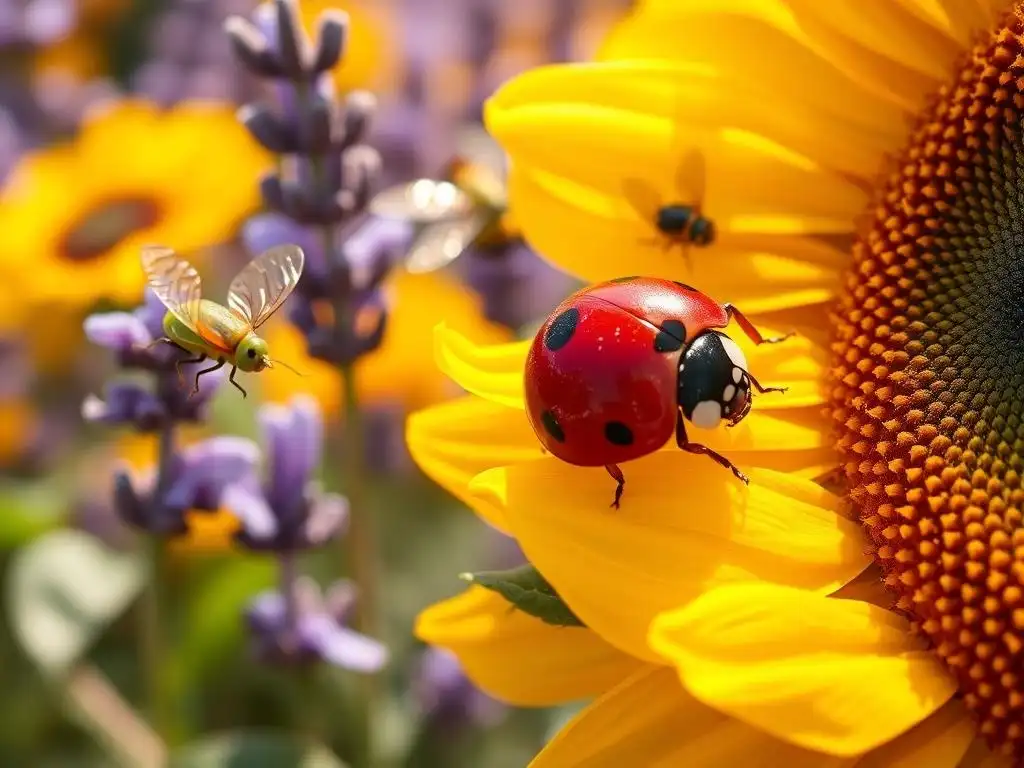
Ready to transform your garden into a thriving ecosystem? At CultivateYourFood, we empower you to grow your own delicious fruits, vegetables, and herbs organically. Discover the secrets to a bountiful harvest without harmful chemicals, starting with our exploration of beneficial insects pest control garden. Learn how these tiny allies can revolutionize your approach to pest management and unlock the true potential of your homegrown paradise. Let's cultivate a healthier, more sustainable future, together.
- Understanding Beneficial Insects for Pest Control in Your Garden
- Common Garden Pests and Their Natural Enemies
- Creating a Thriving Ecosystem for Beneficial Insects
- Monitoring and Evaluating Your Beneficial Insect Population
- Beyond Beneficial Insects: Other Natural Pest Control Methods
- Maintaining a Healthy Balance: Long-Term Pest Control Strategies
-
Frequently Asked Questions
- What are beneficial insects?
- How do I attract beneficial insects to my garden?
- Which beneficial insects are most effective against common garden pests?
- Are there any risks associated with using beneficial insects for pest control?
- How can I tell the difference between beneficial insects and garden pests?
- Final Reflection: Nurturing a Thriving Ecosystem, One Beneficial Insect at a Time
- Unleash Your Garden's Natural Defenders!
Understanding Beneficial Insects for Pest Control in Your Garden
Cultivating a thriving garden often involves a delicate balancing act between nurturing desired plants and managing unwanted pests. While chemical pesticides might seem like a quick solution, they can harm beneficial insects, disrupt the natural ecosystem, and even contaminate your harvest. This article explores the power of beneficial insects – nature's own pest control allies – offering a sustainable and effective approach to protecting your fruits, vegetables, and herbs.
We'll delve into identifying key beneficial insects, creating habitats to attract them, and understanding their crucial role within an integrated pest management (IPM) strategy. By embracing these natural methods, you can cultivate a healthier, more resilient garden while minimizing environmental impact and ensuring a safer, more delicious harvest. This approach aligns perfectly with the principles of organic gardening, promoting biodiversity and ecological balance in your garden ecosystem.
Learning to harness the power of beneficial insects is a cornerstone of sustainable gardening practices, allowing you to cultivate your food in harmony with nature. Let's explore how you can invite these tiny but mighty helpers into your garden.
Identifying Key Beneficial Insects: Ladybugs, Lacewings, and More
Many insects play a vital role in keeping pest populations in check. Identifying these beneficial insects is the first step towards effectively utilizing them in your garden's pest management strategy. Some of the most common and effective beneficial insects include:
- Ladybugs (Coccinellidae): These iconic beetles are voracious predators of aphids, mealybugs, and other soft-bodied insects. A single ladybug can consume hundreds of aphids in its lifetime! Their bright red and black coloring serves as a warning to potential predators.
- Lacewings (Neuroptera): Both the adult and larval stages of lacewings are beneficial predators. Larvae, often called aphid lions, are particularly effective at consuming aphids and other small insects. Adults feed on nectar and pollen, contributing to pollination.
- Praying Mantises (Mantodea): These striking insects are ambush predators, patiently waiting to snatch up a variety of pests, including caterpillars, flies, and even grasshoppers. Their powerful forelegs are perfectly adapted for capturing prey.
- Hoverflies (Syrphidae): While some hoverflies can be pests, many species are beneficial, with their larvae feeding on aphids. Adult hoverflies are important pollinators, contributing to the overall health of your garden.
- Ground Beetles (Carabidae): These nocturnal beetles are ground dwellers, feeding on slugs, snails, and other soil-dwelling pests. They are often overlooked but play a significant role in controlling pests that damage roots and foliage at ground level.
Understanding the specific prey of each beneficial insect helps you tailor your approach to managing specific pests in your garden. For example, if you're battling a severe aphid infestation, attracting ladybugs and lacewings will be particularly beneficial. The presence of diverse beneficial insects indicates a healthy and balanced garden ecosystem.
Attracting Beneficial Insects to Your Garden: Creating a Habitat
Attracting beneficial insects to your garden requires creating a welcoming habitat that provides food, shelter, and nesting sites. This involves adopting several key strategies:
- Plant diverse flowers: Many beneficial insects rely on nectar and pollen from flowers for food. Include a variety of flowering plants that bloom throughout the growing season to provide a continuous food source. Consider plants like dill, fennel, yarrow, and goldenrod.
- Provide shelter: Beneficial insects need places to hide from predators and harsh weather conditions. Leaving some areas of your garden slightly unkempt, with leaf litter and brush piles, can provide valuable shelter. You can also install insect hotels or bee houses.
- Avoid pesticides: Chemical pesticides indiscriminately kill both beneficial and harmful insects. Opt for natural pest control methods whenever possible to protect your beneficial insect allies.
- Use organic mulch: Organic mulch not only improves soil health but also provides habitat for ground-dwelling beneficial insects.
- Water sources: Provide a shallow dish of water with pebbles or stones to prevent insects from drowning.
Creating a diverse and welcoming environment will attract a wider range of beneficial insects, leading to a more robust and resilient pest control system. Remember, a healthy garden ecosystem is a self-regulating system; the more diverse the beneficial insects, the better the natural pest control.
The Role of Beneficial Insects in Integrated Pest Management (IPM)
Integrated Pest Management (IPM) is a holistic approach to pest control that emphasizes prevention and minimizes the use of synthetic pesticides. Beneficial insects are a crucial component of a successful IPM strategy. By understanding the roles these insects play, you can create a more balanced and sustainable garden ecosystem.
IPM involves:
- Monitoring: Regularly inspect your plants for signs of pests and beneficial insects.
- Prevention: Employ cultural practices like crop rotation, companion planting, and proper sanitation to prevent pest problems.
- Biological Control: Utilize beneficial insects and other natural predators to control pest populations.
- Chemical Control (as a last resort): Only use chemical pesticides if other methods fail and the infestation poses a significant threat.
Beneficial insects are the cornerstone of biological control within an IPM framework. They offer a sustainable and environmentally friendly way to manage pests, promoting a healthier garden and reducing reliance on harmful chemicals. By incorporating these strategies, you can effectively utilize beneficial insects to create a thriving, pest-resistant garden that aligns with organic principles and promotes ecological balance.
Common Garden Pests and Their Natural Enemies
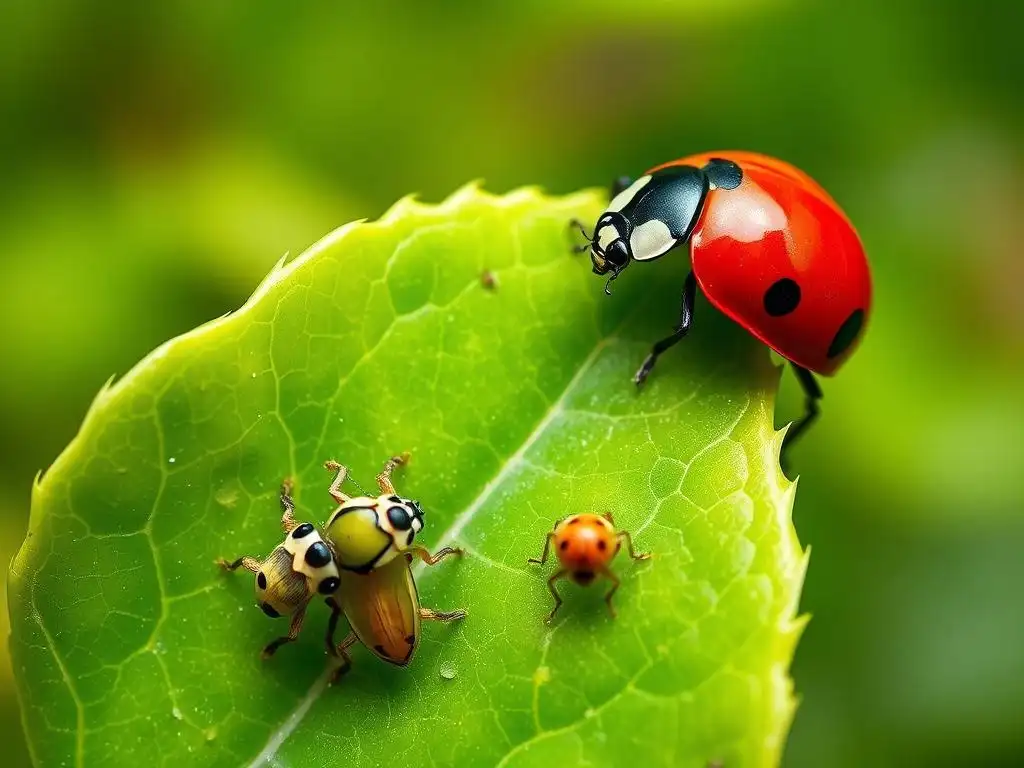
This section delves into the fascinating world of beneficial insects and their crucial role in organic pest control. Understanding the natural predators of common garden pests is key to successfully cultivating a thriving and healthy garden without resorting to harmful chemical pesticides. Effective "beneficial insects pest control garden" strategies rely on attracting and supporting these natural allies.
Aphids and Their Predators: Ladybugs, Lacewings, and Hoverflies
Aphids, those tiny sap-sucking insects, are a common nuisance in many gardens. They weaken plants, causing stunted growth and leaf curling. Fortunately, several beneficial insects readily consume aphids, offering a natural and effective control method.
- Ladybugs (Coccinellidae): These iconic beetles are voracious aphid predators, both in their larval and adult stages. A single ladybug larva can consume up to 50 aphids per day! Adult ladybugs are equally efficient, consuming hundreds of aphids throughout their lifespan. Attracting ladybugs to your garden involves planting flowers that provide nectar and pollen, such as dill, fennel, and yarrow.
- Lacewings (Chrysopidae): Lacewing larvae, also known as aphid lions, are incredibly effective aphid hunters. Their distinctive appearance—elongated bodies with prominent mandibles—is a testament to their predatory prowess. A single lacewing larva can consume hundreds of aphids before pupating. Providing shelter, such as leaf litter or brush piles, encourages lacewings to establish themselves in your garden.
- Hoverflies (Syrphidae): While adult hoverflies feed on nectar and pollen, their larvae are voracious aphid predators. Hoverfly larvae resemble small caterpillars and blend seamlessly into aphid colonies. They are particularly effective in controlling large aphid infestations. Planting a variety of flowering plants will attract hoverflies to your garden.
The effectiveness of these predators depends on several factors, including the size of the aphid infestation and the overall health of the garden ecosystem. Regular monitoring and the implementation of integrated pest management (IPM) techniques are crucial for maximizing the impact of beneficial insects. Early detection of aphid infestations is key to preventing large-scale damage.
Whiteflies and Their Control: Minute Pirate Bugs and Parasitic Wasps
Whiteflies, tiny white insects that cluster on the undersides of leaves, are another common garden pest. They suck plant sap, leading to yellowing leaves and reduced plant vigor. Fortunately, several beneficial insects effectively control whitefly populations.
- Minute Pirate Bugs (Orius insidiosus): These tiny predators are highly effective against whiteflies, as well as other small insects. They pierce and suck the fluids from their prey, causing rapid mortality. Minute pirate bugs are particularly useful in greenhouses and other enclosed spaces.
- Parasitic Wasps (Encyrtidae, Aphelinidae): Certain species of parasitic wasps lay their eggs inside whitefly nymphs, effectively killing them. These wasps are incredibly efficient at controlling whitefly populations and are often used in biological control programs. Maintaining a diverse garden ecosystem is essential for attracting and supporting these beneficial insects.
Controlling whiteflies often requires a multi-pronged approach, combining the use of beneficial insects with cultural practices such as regular pruning and proper plant spacing. Early detection and prompt action are essential to preventing a large-scale infestation.
Spider Mites and Their Natural Enemies: Predatory Mites and Certain Insects
Spider mites, microscopic arachnids, are a common pest that can quickly infest plants, causing stippling and webbing on leaves. These pests are particularly problematic during dry and hot weather. However, several beneficial insects and mites can help keep spider mite populations in check.
- Predatory Mites (Phytoseiidae): These tiny mites are highly effective predators of spider mites. They actively seek out and consume spider mites, significantly reducing their population. Introducing predatory mites into your garden is a common biological control method for managing spider mites.
- Certain Insects: Some insects, such as certain species of ladybugs and lacewings, also prey on spider mites, although their effectiveness may vary depending on the species and the severity of the infestation.
Managing spider mites often involves a combination of methods, including the introduction of predatory mites, maintaining proper plant hygiene, and adjusting watering practices to avoid dry conditions that favor spider mite proliferation. Regular monitoring is crucial for early detection and timely intervention. A healthy garden ecosystem, rich in biodiversity, provides the best environment for these natural enemies to thrive and keep spider mite populations under control.
Cabbage Worms and Other Caterpillars: Parasitoid Wasps and Bacillus thuringiensis (Bt)
Cabbage worms, those voracious eaters of brassica leaves, are a common nemesis for home gardeners. These caterpillars, often the larvae of white butterflies, can decimate a cabbage crop in a matter of days. Fortunately, nature provides effective control methods, minimizing the need for harmful chemical pesticides. Two excellent strategies for managing cabbage worms and other similar caterpillars are the utilization of beneficial insects, specifically parasitoid wasps, and the application of Bacillus thuringiensis (Bt).
Parasitoid wasps are tiny insects that lay their eggs inside or on the bodies of caterpillars. The wasp larvae then develop inside the host, eventually killing the caterpillar. Different wasp species target different caterpillar species, making them incredibly effective at controlling specific pests. For cabbage worms, certain species of Trichogramma wasps are particularly effective.
These wasps are readily available commercially and can be released into your garden to help keep caterpillar populations in check. The key to success with parasitoid wasps is to introduce them early in the growing season, before significant caterpillar damage occurs. Regular monitoring of your plants for wasp activity will indicate the success of this beneficial insect introduction. Remember to avoid using broad-spectrum insecticides, as these will kill both the pests and the beneficial wasps.
Bacillus thuringiensis (Bt) is a naturally occurring bacterium that produces toxins lethal to many types of caterpillars, including cabbage worms. Bt is available commercially as a spray or dust and is considered a safe and effective biological control agent. It works by disrupting the caterpillar's digestive system, leading to starvation and death. The beauty of Bt is its specificity; it primarily targets caterpillars, minimizing harm to other beneficial insects like pollinators and predatory insects.
When using Bt, it's crucial to follow the product instructions carefully, ensuring proper application and dosage. Repeated applications may be necessary, especially during periods of high caterpillar activity. While effective, Bt is not a long-term solution, and its efficacy can be reduced by factors like rainfall and sunlight.
Therefore, integrating Bt with other pest control methods, like using beneficial insects and practicing good garden hygiene, provides a more comprehensive and sustainable approach to pest management. This integrated approach ensures resilience against pest infestations and promotes a healthy, thriving garden ecosystem. The combined approach of biological control, such as parasitoid wasps and Bt, exemplifies the principles of sustainable and organic pest control for your garden, minimizing environmental impact while maximizing crop protection.
Creating a Thriving Ecosystem for Beneficial Insects
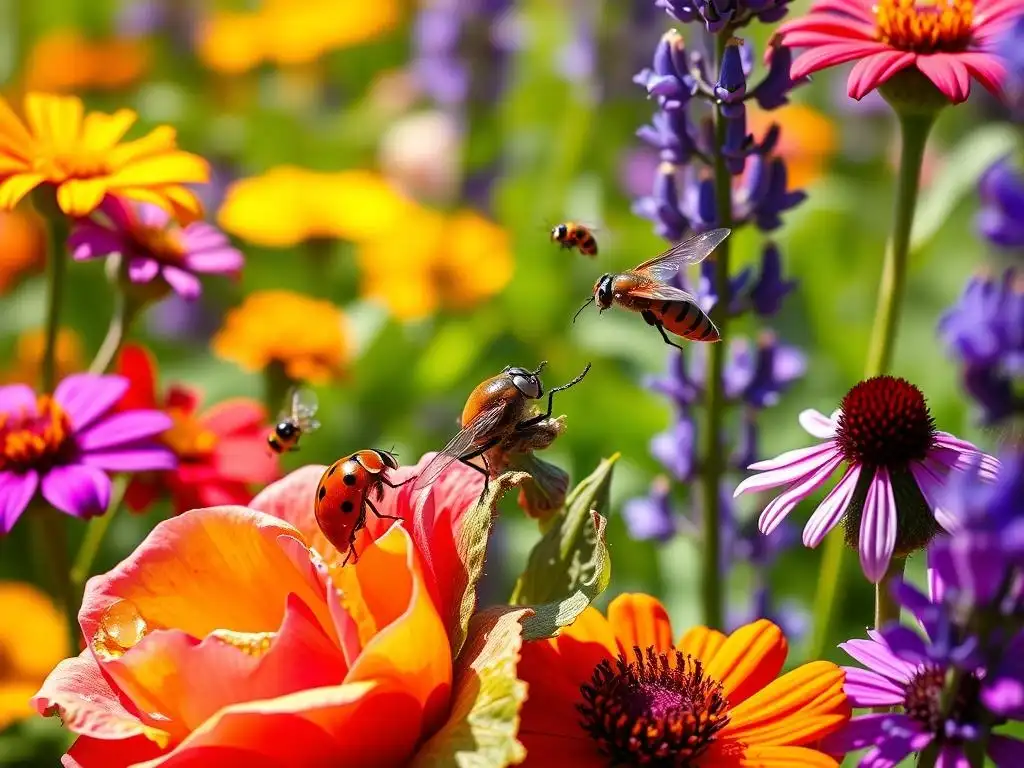
This section delves into the crucial first step in harnessing the power of beneficial insects for natural pest control in your garden: creating an environment where they want to live and thrive. Think of it as building an insect-friendly apartment complex, complete with amenities and security! A healthy ecosystem isn't just about attracting beneficial insects; it's about ensuring their survival and reproduction, leading to a sustained population ready to defend your plants. This approach to beneficial insects pest control is fundamental to organic gardening success.
Planting Beneficial Insect-Attracting Flowers and Herbs
The cornerstone of any successful beneficial insect program is providing a diverse range of flowering plants and herbs. Different beneficial insects have different preferences. Some examples are shown in the table below:
| Beneficial Insect | Preferred Plants |
|---|---|
| Ladybugs (Coccinellidae) | Dill, fennel, yarrow, tansy |
| Lacewings (Chrysopidae) | Queen Anne's Lace, cosmos, angelica |
| Hoverflies (Syrphidae) | Alyssum, goldenrod, sunflowers |
| Parasitic Wasps (various) | Many flowering plants, especially umbellifers |
Planting these in clusters, rather than scattering them individually, creates a more attractive habitat. Consider the timing, too; choose plants with staggered bloom times to ensure a continuous food source throughout the growing season. This consistent food supply is vital for maintaining a strong population of beneficial insects for effective pest control. Remember, a healthy, diverse planting strategy is a key component of a successful beneficial insects pest control garden. Think of it as offering a buffet, rather than a single dish!
Providing Water Sources for Beneficial Insects
Just like any other living creature, beneficial insects need a reliable water source. However, a simple bowl of water can be dangerous; insects can drown. The solution? Create shallow, accessible water sources. A simple method is to place pebbles or marbles in a shallow dish filled with water.
The insects can land on the pebbles to drink without the risk of submersion. You can also use a mister to provide moisture, especially during hot and dry spells. This simple addition can significantly impact the survival rate of your beneficial insect population, enhancing their effectiveness in your beneficial insects pest control efforts. Remember, a well-hydrated beneficial insect is a more effective predator!
Avoiding Harmful Pesticides: Protecting Beneficial Insects
This is perhaps the most critical aspect of fostering beneficial insects. The use of broad-spectrum insecticides indiscriminately kills both pest insects and beneficial insects. This negates the entire purpose of attracting them in the first place! Instead of relying on chemical solutions, focus on preventative measures such as crop rotation, companion planting, and hand-picking pests when infestations are small.
If you must use any pest control method, opt for targeted treatments that affect only specific pests, minimizing harm to beneficial insects. Remember, a healthy, thriving population of beneficial insects is your best defense against pests, offering a much more sustainable and environmentally friendly approach to beneficial insects pest control than any chemical pesticide. 🐛🌿
Building Insect Hotels and Shelters
Providing shelter is crucial for attracting beneficial insects to your garden. Many beneficial insects, like ladybugs and lacewings, need places to overwinter or lay their eggs. Building or purchasing insect hotels offers a simple yet effective solution. These structures provide a variety of microhabitats, attracting a wider range of beneficial species. A well-designed insect hotel might include:
- Hollow stems: Bundles of hollow plant stems (like bamboo or elderberry) offer ideal nesting sites for solitary bees and other insects. Ensure the stems are various diameters to accommodate different species. Clean, dry stems are essential to prevent the growth of mold and fungi that could harm the insects.
- Pine cones: Loosely packed pine cones provide shelter and hiding places for small insects and their larvae. Their rough texture also helps to retain moisture, offering a more humid environment for certain species.
- Wood blocks with drilled holes: Pieces of untreated wood with holes of varying sizes drilled into them are perfect for nesting solitary bees. The holes should be deep enough to allow for egg-laying and larval development. Avoid using treated wood, as the chemicals can be harmful to insects.
- Bricks and stones: These provide shelter for ground-dwelling insects and create microclimates within the insect hotel. Leaving gaps between them allows for ventilation and movement.
- Leaf litter: A layer of leaf litter at the base of the insect hotel provides a moist, sheltered environment for ground-dwelling insects and their larvae. This also helps to maintain humidity within the structure.
The placement of your insect hotel is also important. Ideally, position it in a sunny, sheltered spot, away from strong winds and direct rainfall. Avoid placing it directly on the ground; elevate it slightly to prevent moisture damage and provide better access for insects.
Regularly inspect your insect hotel, and replace any damaged or decaying materials to maintain its effectiveness. Consider adding a roof to protect it from harsh weather conditions, extending its lifespan and usefulness. Remember, a thriving insect hotel is a testament to a thriving garden ecosystem, actively contributing to natural pest control.
A well-maintained insect hotel can significantly increase the beneficial insect population in your garden, leading to a healthier and more productive environment. The diversity of shelters will attract a wider variety of insects, increasing the effectiveness of your natural pest control strategy. Consider the specific needs of the beneficial insects you wish to attract when designing or purchasing your insect hotel to maximize its effectiveness.
Monitoring and Evaluating Your Beneficial Insect Population
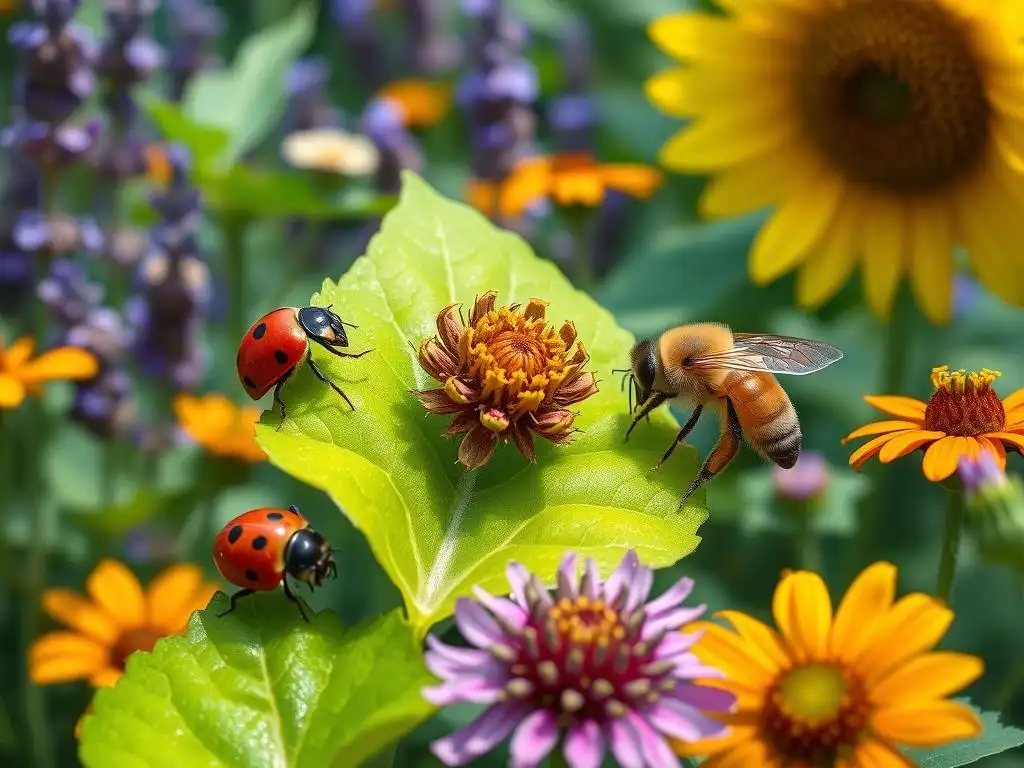
Effective beneficial insect pest control in your garden relies heavily on understanding the dynamics of your insect community. Simply releasing beneficial insects isn't enough; you need to actively monitor their populations and the overall health of your garden ecosystem. Regular monitoring allows for timely intervention, preventing pest outbreaks before they escalate and minimizing the need for harsh chemical treatments. This proactive approach is crucial for maintaining a thriving, balanced garden ecosystem, a cornerstone of successful organic gardening. Remember, the goal isn't eradication of all insects, but rather maintaining a healthy ratio of beneficial insects to pests.
Observing Insect Activity in Your Garden
Regular observation is the cornerstone of successful beneficial insect pest control. Spend at least 15-20 minutes each week walking through your garden, paying close attention to the plants. Look for signs of both beneficial insects and pests. Keep a small notebook or use a gardening app to record your findings. Note the types of insects you see, their approximate numbers, and the plants they're interacting with. Consider the time of day; some insects are more active at dawn or dusk.
Here's a helpful checklist for your observations:
- ✅ Ladybugs: Are they present on plants infested with aphids? Note the number of ladybugs and the severity of the aphid infestation.
- ✅ Lacewings: Observe the number of lacewing larvae (aphid-eating) and adult lacewings. Their presence indicates a healthy ecosystem.
- ✅ Praying Mantises: Note their location and the size of the mantises. Larger mantises consume larger prey.
- ✅ Hoverflies: These beneficial insects often mimic bees but have a distinctive hovering flight pattern. Count them and assess their distribution across your plants.
- ✅ Parasitic Wasps: These tiny wasps are difficult to spot but their presence is crucial. Look for signs of parasitism on pest insects (e.g., cocoons on caterpillars).
This detailed record-keeping will help you track changes in your beneficial insect populations over time, allowing you to identify potential problems early on. Remember to also note environmental factors like temperature, rainfall, and recent pesticide use (even organic ones), as these can influence insect populations.
Identifying Signs of Pest Infestation
Even with a healthy population of beneficial insects, some pest infestations are inevitable. Early detection is key to preventing widespread damage. Regularly inspect your plants for the following signs:
| Pest Type | Signs of Infestation | Impact on Plants |
|---|---|---|
| Aphids | Small, soft-bodied insects clustered on stems and leaves | Stunting, leaf curling, honeydew production |
| Spider Mites | Fine webbing on leaves, stippling or discoloration | Leaf yellowing, stunted growth |
| Whiteflies | Small, white, winged insects on undersides of leaves | Leaf yellowing, sticky honeydew |
| Caterpillars | Holes in leaves, chewed foliage, droppings (frass) | Defoliation, damage to stems and buds |
| Cabbage White Butterflies | Presence of butterflies and their characteristic eggs and caterpillars on plants | Damage to leaves and potential crop loss |
The presence of these pests doesn't automatically mean failure. Instead, it provides valuable information. A minor infestation, coupled with a healthy beneficial insect population, may resolve itself naturally. However, a severe infestation, despite the presence of beneficial insects, might require supplementary intervention.
Adjusting Your Approach Based on Observations
Your observations dictate the next steps. If beneficial insect populations are low, consider supplemental releases or habitat improvements (planting nectar-rich flowers). If you notice a significant pest infestation despite a healthy beneficial insect population, consider these options:
- Handpicking: Manually remove pests from plants, particularly effective for small infestations.
- Water sprays: Strong jets of water can dislodge many soft-bodied insects.
- Neem oil: A natural insecticide effective against many common garden pests. Use as directed.
- Diatomaceous earth: A naturally occurring substance that can dehydrate and kill many insects.
Remember, the key to success with beneficial insects is a holistic approach. Regular monitoring, careful observation, and informed adjustments based on your findings will create a thriving, pest-resistant garden, embodying the principles of organic gardening and promoting a healthy ecosystem. 🐛 This allows you to effectively utilize beneficial insects for pest control in your garden, minimizing the need for harsh chemicals.
Beyond Beneficial Insects: Other Natural Pest Control Methods
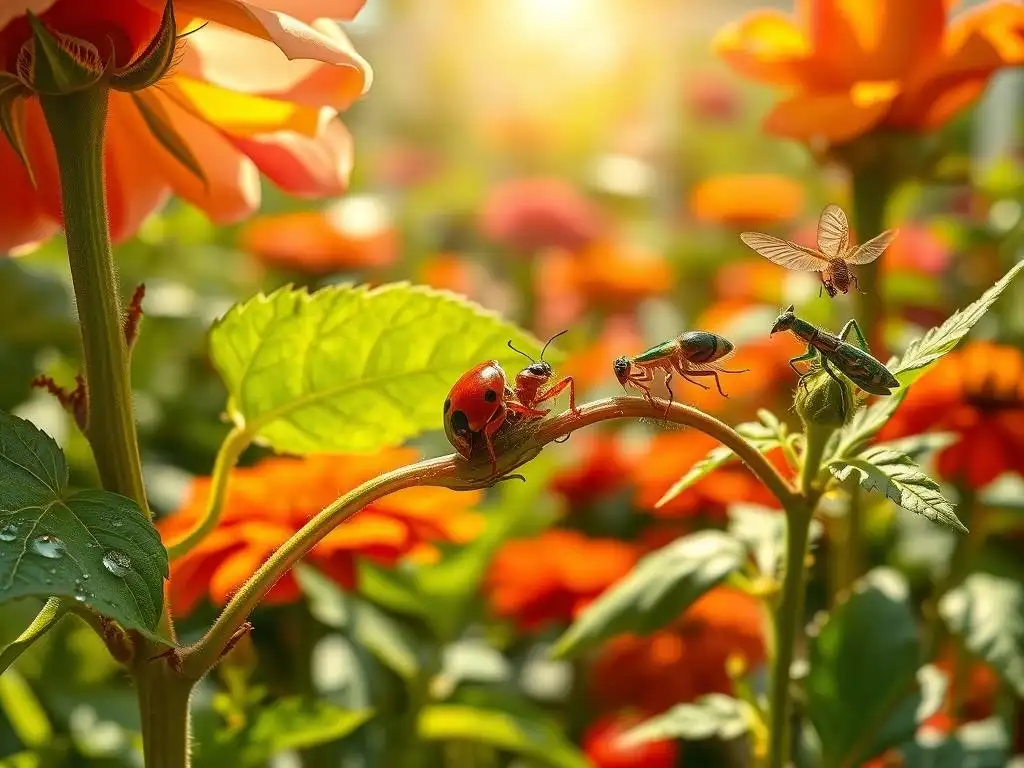
While beneficial insects are powerful allies in the fight against garden pests, a truly robust organic pest control strategy utilizes a multifaceted approach. Relying solely on beneficial insects can leave your garden vulnerable, especially during periods of low insect activity or when pest populations explode. Therefore, integrating other natural methods alongside beneficial insect attraction and conservation is crucial for long-term success in maintaining a healthy and thriving garden.
This section explores several complementary strategies that, when combined with beneficial insect management, create a resilient and effective pest control system. Effective "beneficial insects pest control garden" strategies require a holistic approach.
Companion Planting for Pest Control
Companion planting leverages the synergistic relationships between different plant species. Certain plants repel or attract pests, while others improve the overall health and vigor of your crops, making them less susceptible to pest infestations. This practice is a cornerstone of organic gardening and significantly contributes to natural pest control.
For example, planting marigolds near tomatoes can deter nematodes and other soilborne pests. Similarly, basil planted near peppers and tomatoes can repel aphids and whiteflies. Strong-smelling herbs like rosemary, mint, and lavender can also act as natural insect repellents, creating a less hospitable environment for many common garden pests.
The effectiveness of companion planting varies depending on the specific plant combinations and the local environment. However, even a modest integration of companion plants can contribute significantly to reducing pest pressure. Careful planning and research are key to maximizing the benefits of this natural pest control method. Remember to consider the spatial needs of each plant to avoid overcrowding and ensure optimal growth for all your crops. Experimentation and observation are vital for determining the best companion planting combinations for your specific garden setting. Consider keeping a detailed garden journal to track the effectiveness of different pairings.
Using Diatomaceous Earth and Neem Oil
Diatomaceous earth (DE) and neem oil are two widely used organic pest control products that offer different mechanisms of action. DE is a naturally occurring sedimentary rock composed of fossilized diatoms. Its sharp edges can pierce the exoskeletons of soft-bodied insects like slugs, snails, and aphids, leading to dehydration and death. It's a relatively safe and effective option for controlling these pests, but it's important to apply it consistently, as its effectiveness is reduced by moisture.
Neem oil, derived from the neem tree, acts as a natural insecticide and fungicide. It disrupts the insect life cycle, affecting feeding, reproduction, and molting. Neem oil is effective against a broader range of pests than DE, including aphids, whiteflies, and spider mites. However, it's crucial to follow the application instructions carefully and avoid using it during hot, sunny periods, as it can damage plants. Remember that neem oil is best used as a preventative measure or in the early stages of an infestation.
| Product | Mechanism of Action | Target Pests | Application Notes |
|---|---|---|---|
| Diatomaceous Earth | Physical abrasion, dehydration | Slugs, snails, aphids, ants | Apply consistently, avoid moisture |
| Neem Oil | Disrupts insect life cycle (feeding, reproduction) | Aphids, whiteflies, spider mites, various others | Follow instructions, avoid hot, sunny conditions |
Implementing Cultural Pest Control Practices
Cultural pest control focuses on creating a garden environment that is inherently less hospitable to pests. This involves a range of practices that promote plant health and resilience, making them less susceptible to pest damage. This proactive approach is crucial for preventing pest infestations before they even begin. Several key cultural practices contribute to a healthy garden ecosystem which is less attractive to pests.
Strong, healthy plants are better equipped to withstand pest attacks. Proper fertilization, adequate watering, and appropriate spacing between plants all contribute to plant vigor. Regular weeding removes competition for resources and helps maintain air circulation, reducing the risk of fungal diseases that can weaken plants and attract pests. Rotating crops annually helps break pest cycles and prevent the buildup of diseases in the soil.
Finally, proper sanitation, including the removal of plant debris and fallen leaves, eliminates overwintering sites for pests. Careful observation of your garden is important; identifying and addressing problems early can save your crops from severe damage. The adage “an ounce of prevention is worth a pound of cure” perfectly encapsulates the power of cultural pest control.
Maintaining a Healthy Balance: Long-Term Pest Control Strategies
This section delves into the crucial strategies for establishing a robust and resilient garden ecosystem that naturally resists pest infestations. Relying solely on immediate pest control solutions often leads to a vicious cycle, requiring ever-increasing intervention. A holistic approach, focusing on preventative measures and fostering a thriving garden environment, is far more effective in the long run for beneficial insects pest control garden. Think of it as building an army of natural defenders against unwanted guests.
The Importance of Biodiversity in Pest Management
Biodiversity is the cornerstone of a healthy and pest-resistant garden. A diverse range of plants attracts a wider array of beneficial insects, creating a complex food web that naturally regulates pest populations. Monoculture—planting large areas with a single crop—is a recipe for disaster, offering an easy feast for pests and limiting the habitat for beneficial insects. Instead, cultivate a variety of plants, including flowering plants, herbs, and vegetables. This provides diverse food sources and shelter for beneficial insects throughout the growing season.
For example, planting a mix of marigolds, dill, and basil alongside your tomatoes not only adds visual appeal but also attracts beneficial insects like ladybugs and lacewings, which prey on aphids and other common tomato pests. The more diverse your planting, the more resilient your garden will be against pest outbreaks. Consider the following strategies to boost biodiversity:
- Plant companion plants: Research plants known to repel or attract beneficial insects for specific crops.
- Create habitat diversity: Incorporate different plant heights, textures, and flowering times to provide varied habitats.
- Avoid broad-spectrum pesticides: These kill both beneficial and harmful insects, disrupting the natural balance.
Regular Garden Maintenance and Sanitation
Regular garden maintenance plays a critical role in preventing pest infestations. This isn't just about aesthetics; it's about proactively removing conditions that attract pests. A clean and well-maintained garden is a less hospitable environment for pests.
- Remove weeds: Weeds compete with your crops for resources and can harbor pests. Regular weeding is essential, especially near valuable plants.
- Clean up debris: Fallen leaves, dead plants, and other debris provide ideal breeding grounds for pests. Remove and compost these materials regularly. This simple act significantly reduces the overwintering sites for many pest species.
- Proper watering: Avoid overhead watering, which can spread fungal diseases and create damp conditions favorable to certain pests. Opt for drip irrigation or soaker hoses to minimize leaf wetness.
- Crop rotation: Rotating your crops annually helps to break pest cycles and prevent the buildup of soilborne diseases. This simple technique can dramatically reduce pest pressure over time.
Sustainable Practices for a Healthy Garden Ecosystem
Sustainable practices are fundamental to long-term pest control and maintaining a thriving garden ecosystem. These practices support the natural balance of the garden and minimize reliance on harmful chemical interventions. They're key to creating a truly flourishing and pest-resistant garden.
Consider these key components:
- Composting: Composting not only enriches your soil but also helps break down organic matter that could harbor pests. The resulting compost provides valuable nutrients and improves soil health, making your plants stronger and more resistant to pests.
- Soil health: Healthy soil is the foundation of a healthy garden. Improve soil health through organic amendments like compost and cover crops, which support beneficial soil organisms that help regulate pests.
- Water conservation: Efficient water management reduces stress on plants, making them less susceptible to pest infestations. Water deeply and less frequently to encourage deep root growth.
- Integrated Pest Management (IPM): IPM is a holistic approach that emphasizes prevention, monitoring, and targeted control. It utilizes a combination of strategies, including biological control (beneficial insects), cultural control (garden sanitation), and minimal chemical intervention only when absolutely necessary. This approach minimizes environmental impact while effectively managing pests.
By implementing these long-term strategies, you'll create a garden ecosystem that thrives, minimizing the need for harmful pesticides and maximizing the power of beneficial insects for natural pest control. This approach ensures a healthier garden and a more sustainable way of cultivating your food.
Frequently Asked Questions
What are beneficial insects?
Beneficial insects are predators and parasitoids that help control pest populations in your garden. They naturally feed on common garden pests, reducing the need for harmful chemical pesticides. This promotes a healthier, more balanced ecosystem.
How do I attract beneficial insects to my garden?
Attract beneficial insects by planting a diverse range of flowering plants, providing water sources, and avoiding the use of broad-spectrum insecticides. Native plants are especially effective. Creating a habitat that suits them is key.
Which beneficial insects are most effective against common garden pests?
Different beneficial insects target different pests. Ladybugs eat aphids, lacewings consume many soft-bodied insects, and parasitic wasps control caterpillars. Research the specific pests in your garden to select the most appropriate beneficial insects.
Are there any risks associated with using beneficial insects for pest control?
The risks are minimal. Beneficial insects rarely cause harm to plants or people. However, introducing non-native species could disrupt the local ecosystem, so choose native beneficial insects whenever possible.
How can I tell the difference between beneficial insects and garden pests?
Some beneficial insects and pests may look similar. Research images of both to learn to identify them. Beneficial insects usually prey on or parasitize other insects, while pests directly damage plants. Focus on their behavior and diet to tell them apart.
Final Reflection: Nurturing a Thriving Ecosystem, One Beneficial Insect at a Time
The resurgence of interest in natural pest control methods underscores a growing awareness: our gardens are not isolated entities, but intricate ecosystems demanding a holistic approach. Ignoring the vital role of beneficial insects in maintaining this balance is not only detrimental to our plants but also to the larger environment we inhabit. The future of sustainable gardening hinges on understanding and embracing this interconnectedness.
The shift towards embracing beneficial insects represents more than just a change in gardening practices; it's a reflection of a broader societal shift towards environmental consciousness. We are increasingly recognizing the interconnectedness of all living things and the profound impact our actions have on the delicate balance of nature. We do not inherit the earth from our ancestors, we borrow it from our children.
This sentiment perfectly encapsulates the responsibility we have to cultivate healthy ecosystems, starting right in our own backyards. The simple act of attracting ladybugs, lacewings, or praying mantises is a powerful step towards a more sustainable future.
You now possess the knowledge to transform your garden from a battleground against pests into a thriving ecosystem. Consider the potential: a vibrant garden teeming with life, requiring less intervention and yielding healthier, more flavorful produce. This is not merely a gardening technique; it's a philosophy of harmonious coexistence. Start small, research the beneficial insects native to your region, and watch as your garden flourishes, a testament to the power of nature's own pest control. Embrace the beauty and efficiency of beneficial insects – your garden, and the planet, will thank you.
Unleash Your Garden's Natural Defenders!
Thanks for exploring the fascinating world of beneficial insects! You've discovered how these tiny creatures can revolutionize your pest control, saving you time, money, and protecting the environment. Ready to put this knowledge into action?
- Attract beneficial insects: Begin by planting a diverse range of flowering plants that provide nectar and pollen—such as calendula, dill, and yarrow. This is the first step towards a thriving, pest-resistant garden.
- Consider building a small insect hotel to provide shelter and encourage beneficial insects to stay.
- Share your knowledge with fellow gardeners! Inspire others to embrace natural pest control.
What's the first plant you'll add to attract beneficial insects to your garden?