
Growing Fava Beans: A Comprehensive Guide

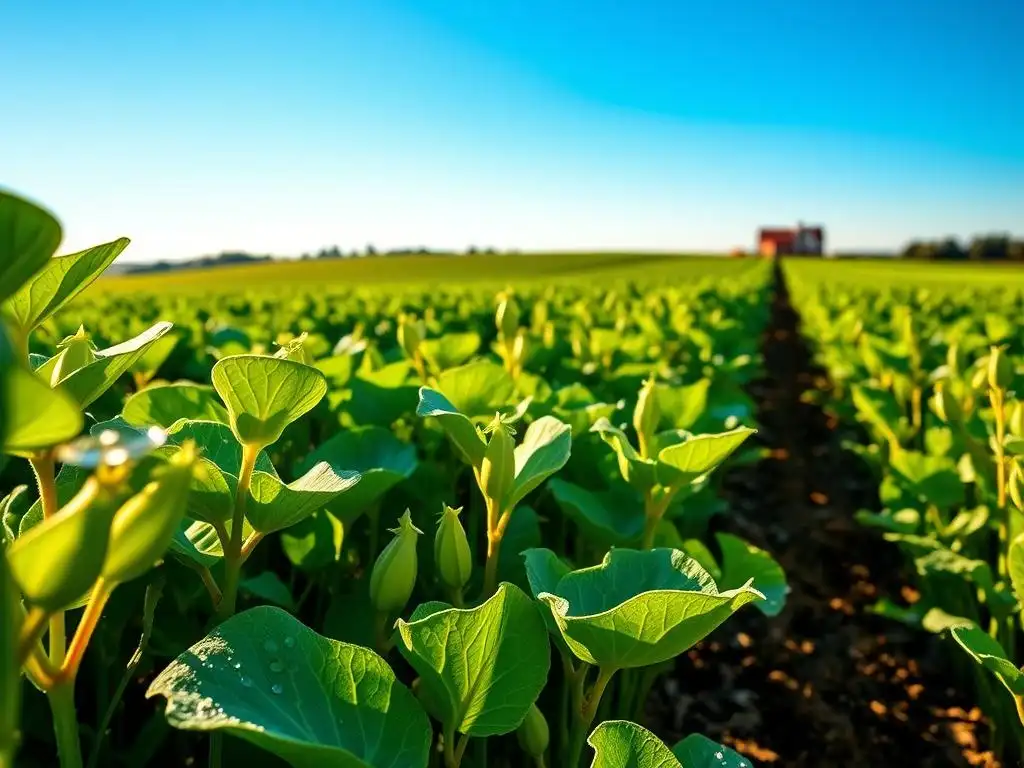
Welcome to CultivateYourFood, your guide to a thriving, sustainable garden! Ready to experience the unparalleled satisfaction of harvesting your own fresh produce? Then dive into our comprehensive Organic fava bean growing guide, your key to unlocking a bountiful harvest of delicious and nutritious fava beans. Discover the secrets to successful planting, pest control, and composting – all while embracing organic principles. Let's cultivate your food together!
- Understanding Fava Beans: Varieties and Climate Considerations
- Sowing Fava Bean Seeds: A Step-by-Step Guide
- Organic Fava Bean Care: Nurturing Your Crop
- Harvesting and Storing Your Fava Bean Crop
- Recipes and Culinary Uses of Fava Beans
- Troubleshooting Common Fava Bean Growing Problems
- Frequently Asked Questions
- Final Reflection: Sowing Seeds of Sustainability, One Fava Bean at a Time
- Unleash Your Inner Gardener: Grow Delicious Fava Beans!
Understanding Fava Beans: Varieties and Climate Considerations
Fava beans, also known as broad beans, are a delicious and nutritious legume offering a rewarding experience for home gardeners committed to sustainable and organic practices. This comprehensive guide will equip you with the knowledge and techniques needed to successfully cultivate these versatile beans, from selecting the right variety to harvesting a bountiful crop.
We'll explore organic growing methods, focusing on maximizing yield and minimizing environmental impact. This guide is perfect for both beginner and experienced gardeners looking to enhance their organic vegetable garden with the addition of these protein-rich legumes.
Learning to grow organic fava beans not only provides you with a healthy and flavorful food source but also contributes to a more sustainable and environmentally friendly lifestyle. We'll cover everything from choosing the right variety for your climate to understanding optimal soil conditions and pest control, ensuring you have all the information necessary to achieve a thriving fava bean patch.
Choosing the Right Fava Bean Variety for Your Region
Selecting the appropriate fava bean variety is crucial for a successful harvest. Different varieties possess varying characteristics regarding maturity time, size, and resistance to pests and diseases. Consider your region's climate and growing season when making your choice. For instance, some varieties are better suited to cooler climates, while others thrive in warmer temperatures.
Here's a simplified table to help you navigate some common variety considerations:
| Variety Name | Maturity Time (Days) | Climate Suitability | Notable Characteristics |
|---|---|---|---|
| 'Imperial' | 70-80 | Cool, short seasons | Large beans, good for fresh eating and freezing |
| 'White Windsor' | 75-90 | Cool, short seasons | White beans, excellent flavor, good for drying |
| 'Aquadulce Claudia' | 80-90 | Mild, longer seasons | Sweet, tender beans, ideal for fresh consumption |
| [Variety Name Pending] | [Days Pending] | [Climate Pending] | [Characteristics Pending] |
Remember to check with your local seed supplier for varieties best adapted to your specific region. They can provide valuable insights based on local conditions and growing experiences. Choosing a locally adapted variety often translates to better disease resistance and overall yield.
Optimal Climate and Soil Conditions for Fava Bean Cultivation
Fava beans are relatively cold-hardy and can tolerate light frost. However, they prefer cool growing conditions and well-drained soil. Ideal temperatures range from 15-21°C (59-70°F). Extremely hot temperatures can negatively impact flowering and pod development. 🌱
The soil should be rich in organic matter, slightly acidic to neutral (pH 6.0-7.0), and well-drained to prevent waterlogging, which can lead to root rot. Before planting, amend the soil with compost or other organic materials to improve its structure and fertility. Regular soil testing can help you monitor its pH and nutrient levels, allowing for adjustments as needed. A soil test will also help determine if you need to supplement with specific nutrients.
Sunlight Requirements and Soil Preparation for a Successful Harvest
Fava beans require at least six hours of direct sunlight per day for optimal growth. Choose a sunny location in your garden that receives ample sunlight throughout the day. ☀️
Soil preparation is crucial for successful fava bean cultivation. Begin by clearing the area of weeds and debris. Then, till or loosen the soil to a depth of at least 12 inches to ensure proper root penetration. Incorporate a generous amount of compost or well-rotted manure into the soil to improve its fertility and drainage.
This organic matter will also help retain moisture, crucial during dry periods. Proper soil preparation sets the stage for healthy growth and a bountiful harvest. Remember that consistent soil moisture is key, especially during germination and pod development. Avoid overwatering, however, as this can lead to fungal diseases.
Sowing Fava Bean Seeds: A Step-by-Step Guide
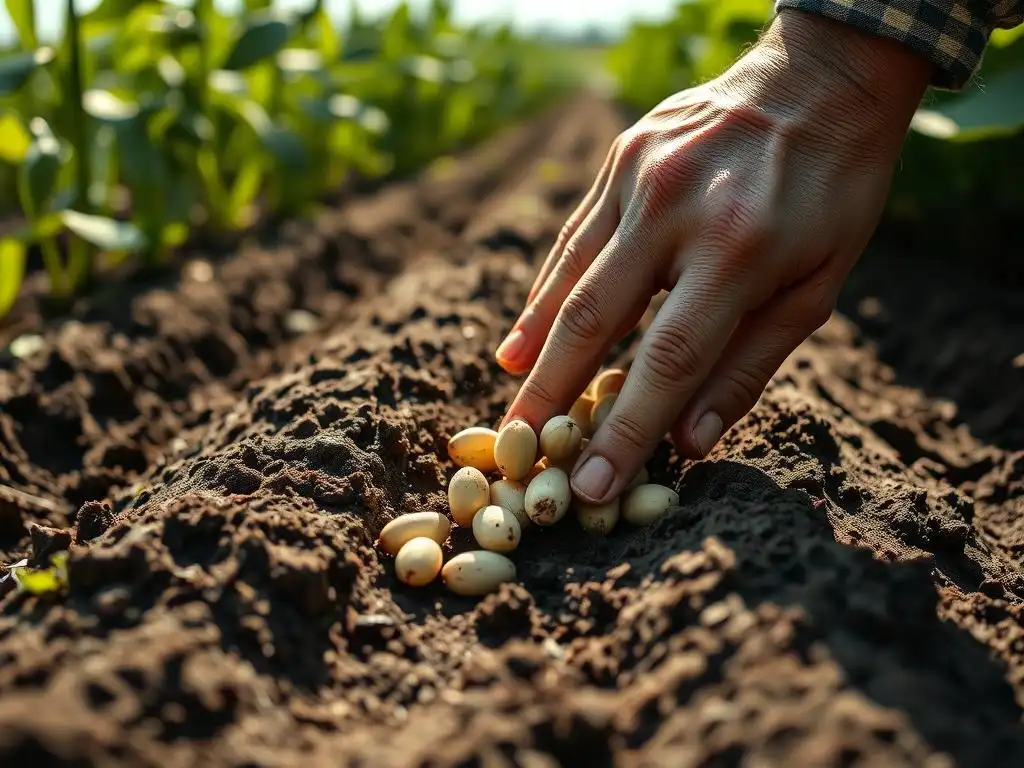
This section details the process of sowing fava bean seeds, crucial for a successful organic fava bean growing experience. We'll cover optimal timing, seed preparation, and the choice between direct sowing and starting indoors. Remember, consistent soil moisture is key throughout the entire growing process.
Timing Your Fava Bean Planting for Optimal Growth
The success of your organic fava bean crop hinges significantly on planting timing. Fava beans are cool-season crops, thriving in temperatures between 50-65°F (10-18°C). Planting too early risks frost damage, while planting too late can lead to reduced yields as the beans struggle with summer heat.
Generally, the ideal time to sow fava beans is in the fall (for a spring harvest) or early spring (for a summer harvest), depending on your climate zone. In regions with mild winters, fall planting allows for an earlier harvest the following spring. However, in areas prone to harsh winters, early spring planting is recommended. Check your local frost dates to determine the best planting window for your specific location. This is crucial for maximizing your organic fava bean yield. Always consider the last expected frost date as your guideline.
Remember, soil temperature is a more reliable indicator than air temperature. The soil should be consistently above 40°F (4°C) before sowing. Using a soil thermometer can be invaluable for accurate assessment. Proper timing is essential for successful organic fava bean cultivation.
Seed Preparation Techniques for Enhanced Germination
While fava bean seeds are relatively hardy, pre-sowing preparation can significantly improve germination rates and overall plant vigor. This step is particularly beneficial when using older seeds or those stored for extended periods.
One effective technique is soaking the seeds in water for 12-24 hours before planting. This helps to soften the seed coat, facilitating quicker water uptake and germination. Ensure the water is at room temperature. Avoid using hot water, as this can damage the seeds.
Another method involves scarification, gently nicking the seed coat with a file or sandpaper. This helps to break the hard outer layer, promoting faster germination. Be careful not to damage the embryo inside the seed. This technique is particularly useful for older seeds or those that have been stored improperly. Remember, a light nick is sufficient; avoid excessive abrasion.
Proper seed preparation, combined with suitable soil conditions and consistent moisture, significantly boosts the chances of a thriving organic fava bean harvest. This simple step can make a significant difference in the overall success of your fava bean cultivation.
Direct Sowing vs. Starting Seeds Indoors: A Comparative Analysis
Choosing between direct sowing and starting seeds indoors depends on several factors, including your climate, the available space, and your desired harvest time.
Direct sowing is generally simpler and less labor-intensive. Simply sow the seeds directly into the prepared soil at the appropriate depth (about 1-2 inches). This method is ideal for regions with mild climates and longer growing seasons. However, direct sowing may lead to a slightly later harvest compared to starting seeds indoors.
Starting seeds indoors provides more control over the germination process and allows for an earlier harvest. Seeds are sown in seed trays or pots filled with a well-draining seed-starting mix. This method is particularly useful in colder climates or when aiming for an early harvest. However, it requires more time and effort, including transplanting the seedlings outdoors once they've developed a few true leaves and the risk of damaging the delicate seedlings during transplanting.
The table below summarizes the key differences:
| Method | Advantages | Disadvantages |
|---|---|---|
| Direct Sowing | Simple, less labor-intensive, less risk of transplant shock | Later harvest, susceptible to pests and weather |
| Starting Indoors | Earlier harvest, better control over germination, higher germination rate | More labor-intensive, risk of transplant shock |
Ultimately, the best method depends on your specific circumstances and preferences. Consider your climate, available resources, and desired harvest time when making your decision. Choose the method that best suits your organic fava bean growing strategy.
Proper Seed Depth and Spacing for Healthy Fava Bean Plants
Planting fava bean seeds at the correct depth and spacing is crucial for optimal germination and plant development. Too shallow, and the seeds may dry out before establishing roots; too deep, and they may not have the energy to break through the soil surface. Similarly, overcrowding leads to competition for resources, resulting in smaller, less productive plants.
The ideal depth for planting fava bean seeds is generally between 1-2 inches (2.5-5 cm). This allows for sufficient soil cover to retain moisture while still enabling the seedling to easily emerge. However, soil type can influence this slightly. In heavier clay soils, a slightly shallower planting depth might be beneficial, while in lighter, sandy soils, a slightly deeper planting might be necessary. Always check the moisture level of your soil before planting; dry soil may require slightly deeper planting to ensure moisture retention.
Spacing is equally important. Fava beans are relatively large plants and require adequate space to develop their full potential. For optimal growth, aim for a spacing of 6-12 inches (15-30 cm) between individual plants within a row. The spacing between rows should be approximately 18-24 inches (45-60 cm) to allow for easy access for weeding, harvesting, and overall plant management. This wider spacing also improves air circulation, reducing the risk of fungal diseases.
Remember, larger varieties of fava beans will necessitate greater spacing. Closely monitor your plants throughout the growing season and adjust your spacing if necessary. If you notice overcrowding, consider thinning out some plants to allow those remaining to thrive. This seemingly harsh action will actually increase your overall yield in the long run by promoting healthier, more robust plants. Careful planning and precise planting are key elements in a successful organic fava bean harvest.
Organic Fava Bean Care: Nurturing Your Crop
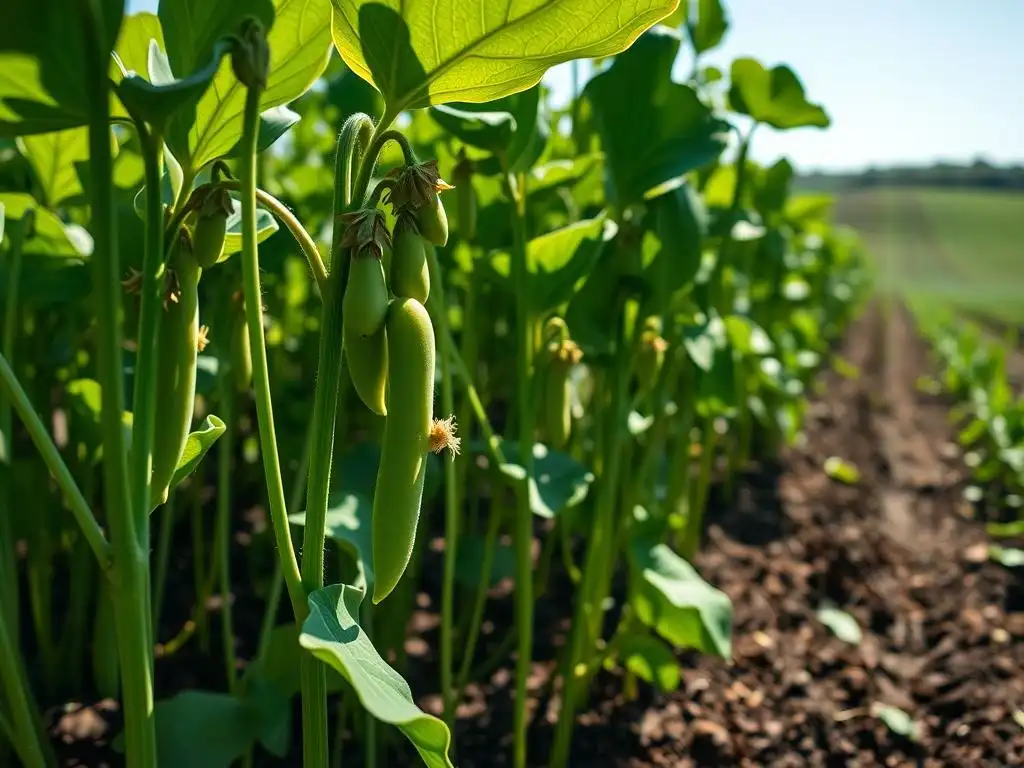
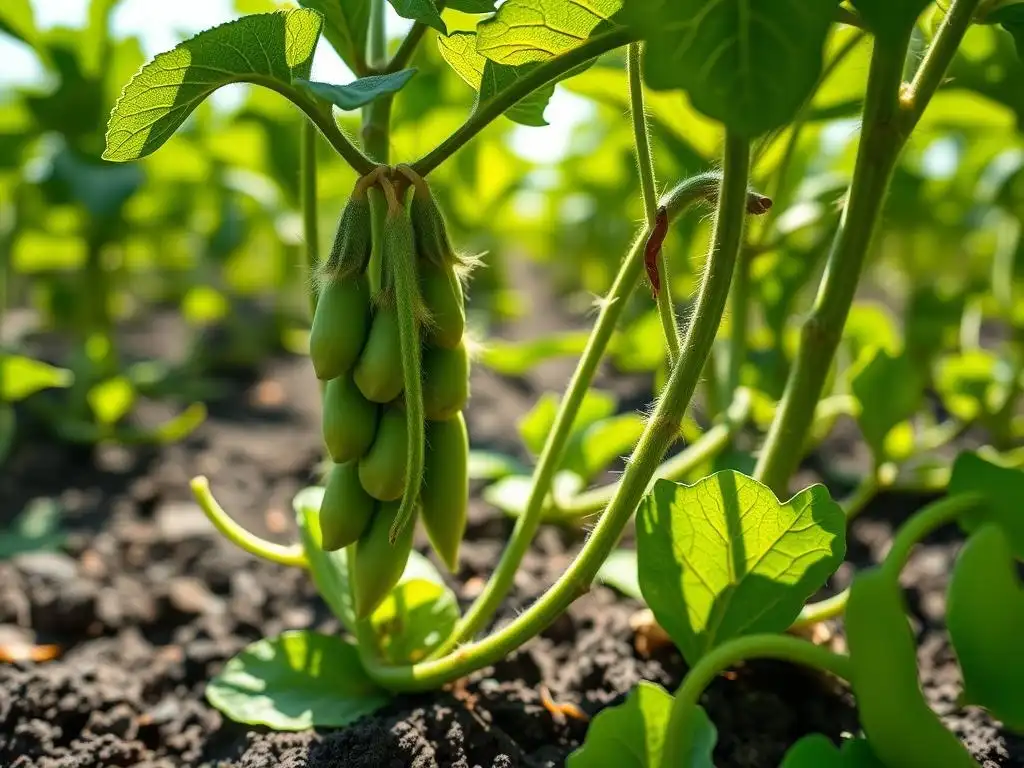
This section delves into the specific care requirements for cultivating thriving and healthy organic fava beans. We'll explore optimal watering techniques, essential nutrient provision through organic fertilization, and effective strategies for managing common pests and diseases without resorting to harmful synthetic chemicals. Remember, consistent care is key to a bountiful harvest of these delicious and nutritious legumes. This organic fava bean growing guide emphasizes sustainable practices for a healthy plant and a healthy planet.
Watering Techniques for Healthy Fava Bean Growth
Consistent moisture is crucial for fava bean growth, especially during germination and pod development. Overwatering, however, can lead to root rot, a common problem for many legumes. The ideal watering strategy involves maintaining evenly moist soil, but not waterlogged. Aim for deeply watering the soil less frequently rather than shallow watering daily.
This encourages deeper root growth, making your plants more resilient to drought conditions later in the season. The frequency of watering will depend heavily on your climate and soil type. Clay soils retain more moisture than sandy soils, requiring less frequent watering. Observe your soil; if the top inch or two feels dry to the touch, it's time to water.
Consider using a moisture meter to gauge soil moisture levels accurately. Mulching around your plants also helps retain soil moisture, reducing the frequency of watering and suppressing weed growth – a win-win for your organic fava bean cultivation. A good mulch choice could be straw or shredded leaves. Remember, consistent moisture is key to a successful organic fava bean harvest.
Essential Nutrients and Organic Fertilization Strategies
Fava beans are relatively low-maintenance plants, but supplementing their nutrient needs with organic fertilizers can significantly boost yields and improve plant health. Before planting, enrich your soil with compost. Compost adds essential nutrients, improves soil structure, and enhances water retention. A soil test before planting can reveal any nutrient deficiencies specific to your garden.
Based on the results, you can amend the soil with additional organic matter like well-rotted manure or specific organic fertilizers. During the growing season, a side-dressing of a balanced organic fertilizer, such as fish emulsion or seaweed extract, can provide additional nitrogen and other essential nutrients. Avoid over-fertilizing, as this can lead to excessive vegetative growth at the expense of flower and pod production.
Remember to follow the instructions on the fertilizer packaging carefully. Observing your plants for signs of nutrient deficiency (yellowing leaves, stunted growth) will help you adjust your fertilization strategy accordingly. Prioritizing soil health through organic practices is vital for successful and sustainable organic fava bean growing.
Pest and Disease Management in Organic Fava Bean Cultivation
While fava beans are relatively pest-resistant, several insects and diseases can impact their growth. Common pests include aphids, bean beetles, and spider mites. Organic pest control strategies include:
- Physical removal: Handpicking pests or using a strong stream of water to dislodge them.
- Beneficial insects: Introducing ladybugs or lacewings, natural predators of many common fava bean pests.
- Neem oil: A natural insecticide that effectively controls many soft-bodied insects. Always follow label instructions.
- Row covers: Protecting young plants from pests with row covers, especially during vulnerable stages of growth.
Common diseases include fungal infections like powdery mildew and root rot. Organic disease management focuses on preventative measures such as:
- Crop rotation: Rotating fava beans with other crops to disrupt disease cycles.
- Good air circulation: Ensuring proper spacing between plants to improve air circulation and reduce humidity, which can favor fungal growth.
- Disease-resistant varieties: Choosing disease-resistant fava bean varieties can minimize disease issues.
- Composting infected plant material: Properly composting diseased plants helps prevent the spread of pathogens in your garden.
By combining these organic pest and disease management techniques, you can successfully cultivate a healthy fava bean crop without relying on harmful synthetic pesticides or fungicides. Remember, a proactive approach is key to maintaining a healthy and productive organic fava bean patch. This holistic approach is integral to a successful organic fava bean growing guide.
Weed Control Methods for Fava Bean Plants
Maintaining a weed-free environment around your fava bean plants is crucial for their healthy growth and optimal yield. Weeds compete with your fava beans for essential nutrients, water, and sunlight, potentially stunting their development and reducing your harvest. Effective weed control is therefore an integral part of organic fava bean cultivation.
Several methods can be employed to manage weeds organically, each with its own advantages and disadvantages. One of the most effective approaches is mulching. Applying a layer of organic mulch, such as straw, wood chips, or shredded leaves, around your fava bean plants suppresses weed growth by blocking sunlight and retaining soil moisture. This method also helps to regulate soil temperature, creating a more favorable environment for your beans. Remember to leave some space around the plants to avoid smothering them. The thickness of the mulch layer should be around 2-3 inches.
Another effective organic weed control strategy involves hand weeding. While more labor-intensive, hand weeding allows for precise removal of weeds without harming the fava bean plants. Regular hand weeding, ideally every 1-2 weeks, is especially important during the early stages of growth when the fava bean plants are still small and vulnerable. This diligent approach prevents weeds from establishing themselves and competing with your crop. Always remove weeds before they go to seed to prevent further spread.
Furthermore, consider the use of cover crops. Planting cover crops like clover or vetch between rows of fava beans can help suppress weeds by creating a dense ground cover. These cover crops also improve soil health by adding organic matter and fixing nitrogen, which is beneficial for your fava bean plants. Remember to plant cover crops strategically, ensuring they don't compete excessively with your main crop for resources. You can incorporate cover crops into your crop rotation strategy for long-term weed management.
Finally, maintaining healthy soil is crucial for preventing weed growth. Healthy soil, rich in organic matter, is less susceptible to weed infestation. Regular composting and adding organic matter to the soil will improve its overall health and resilience to weeds. This proactive approach supports strong, healthy fava bean plants that are more capable of outcompeting weeds naturally.
Regular soil testing can help you identify any deficiencies and adjust your soil management practices accordingly. The goal is to create a thriving ecosystem where your fava beans flourish and weeds are minimized naturally. This holistic approach ensures a bountiful harvest while adhering to organic growing principles.
Harvesting and Storing Your Fava Bean Crop
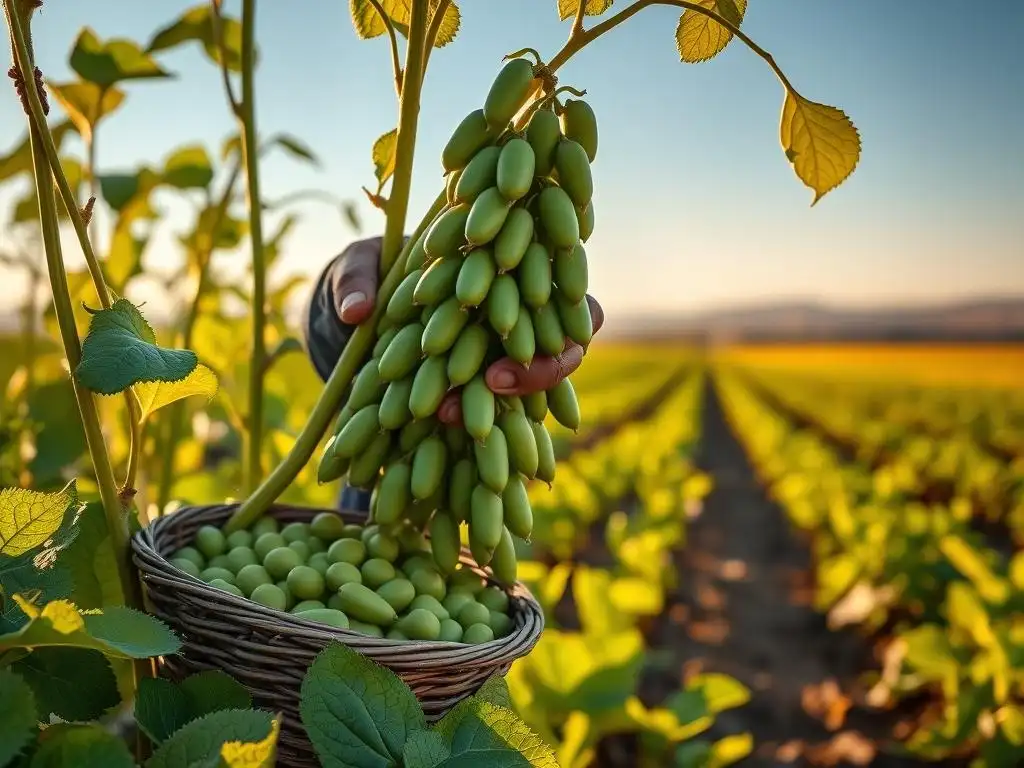
This section focuses on the crucial final stages of your organic fava bean journey: harvesting and storage. Proper harvesting techniques and storage methods significantly impact the quality and longevity of your fava bean crop, ensuring you can enjoy the fruits (or rather, beans!) of your labor for as long as possible. We'll explore how to identify mature beans, effective harvesting techniques, and optimal post-harvest handling to maximize your yield. This guide will help you achieve the best possible results from your organic fava bean growing efforts.
Recognizing the Signs of Mature Fava Beans: A Visual Guide
Knowing when to harvest your fava beans is key to obtaining the best flavor and texture. Immature beans will be small, pale, and watery, lacking the rich, earthy flavor of mature beans. Conversely, overripe beans can become tough and mealy. Here's a visual guide to help you identify the perfect harvesting window:
- Pod Color: Mature fava bean pods will typically turn a dark, rich green or even slightly yellowish-brown, depending on the variety. Avoid harvesting pods that are still bright, light green.
- Pod Size and Firmness: Mature pods will feel firm and plump to the touch. They should be fully developed and not easily squished.
- Bean Size and Development: The beans inside the pods should be fully developed and plump. They should be a vibrant green or creamy white, depending on the variety, and relatively large within the pod.
- Seed Hardness: Gently squeeze a bean; a mature bean will feel firm and have a noticeable hardness.
Remember, the exact appearance of mature fava beans can vary slightly depending on the specific cultivar you're growing. Always refer to the seed packet's information for variety-specific details. It's often helpful to harvest a small test batch to gauge ripeness before harvesting the entire crop. This allows you to fine-tune your timing for optimal results. Careful observation and a little practice will make you a fava bean harvesting expert in no time!
Harvesting Techniques for Optimal Bean Quality
Harvesting fava beans requires a gentle touch to avoid damaging the pods or beans. Follow these steps for optimal quality:
- Timing: Harvest fava beans in the morning after the dew has dried to minimize moisture and potential fungal growth.
- Method: Gently snap or cut the pods from the plant using sharp scissors or pruning shears. Avoid pulling forcefully, as this can damage the plant and reduce future yields.
- Handling: Place harvested pods carefully into a container to prevent bruising or damage. Avoid overcrowding the container.
- Selection: Inspect the harvested pods and discard any that show signs of damage, disease, or insect infestation. This is crucial for maintaining the quality of your organic harvest.
Post-Harvest Handling and Storage Methods for Fava Beans
Proper post-harvest handling is crucial for preserving the quality and extending the shelf life of your organically grown fava beans. Here are some effective methods:
- Shelling: Shell the fava beans as soon as possible after harvesting. This prevents moisture buildup within the pods, reducing the risk of spoilage.
- Cleaning: Remove any debris or damaged beans. Rinse the beans gently in cool water to remove any remaining dirt or soil.
- Short-Term Storage (Fresh): Store shelled fava beans in a single layer on a paper towel-lined container in the refrigerator. They will stay fresh for approximately 3-5 days.
- Freezing: Freezing is an excellent method for long-term storage. Blanch the beans briefly in boiling water for about 1-2 minutes, then immediately plunge them into ice water to stop the cooking process. Drain thoroughly, spread them out on a baking sheet to freeze individually, and then transfer them to freezer bags for longer storage. Frozen fava beans can last for up to 6-12 months. 🎉
- Drying: For long-term storage, you can also dry fava beans. Spread them thinly on a screen or tray in a well-ventilated, dry area. Allow them to dry completely, turning them occasionally. Once fully dried, store them in airtight containers in a cool, dark, and dry place. Dried fava beans can last for several months, if stored properly.
By following these harvesting and storage guidelines, you can enjoy the delicious bounty of your organic fava bean harvest for months to come! Remember, consistent attention to detail throughout the process will contribute significantly to the overall success of your fava bean cultivation.
Preserving Your Fava Bean Harvest: Freezing, Drying, and Canning
Preserving your bountiful fava bean harvest is crucial to enjoying their deliciousness year-round. Several methods allow you to savor the fruits (or rather, beans!) of your labor long after the growing season ends. Freezing, drying, and canning each offer unique advantages and require slightly different techniques. Let's explore each method in detail to help you choose the best approach for your organic fava beans.
Freezing is a convenient method for preserving the vibrant green color and fresh flavor of your fava beans. First, you'll need to blanch the beans. This involves briefly boiling them in water, then immediately plunging them into ice water to stop the cooking process. Blanching helps retain their color and texture and also inactivates enzymes that can cause deterioration during freezing.
After blanching, thoroughly dry the beans before packaging them into freezer-safe bags or containers. Label each package with the date for optimal freshness tracking. Frozen fava beans generally maintain their quality for up to 12 months. Remember to use them within that timeframe for the best taste and texture.
Drying fava beans is another excellent long-term preservation method, resulting in a product with a longer shelf life than frozen beans. Air drying is a simple technique requiring good ventilation and low humidity. Spread the cleaned and shelled fava beans in a single layer on trays or screens in a well-ventilated area, avoiding direct sunlight which can degrade their nutritional value. This process can take several days to weeks, depending on the humidity and temperature.
Alternatively, you can use a food dehydrator to speed up the drying process significantly. Properly dried fava beans should be brittle and easily crumble. Store them in airtight containers in a cool, dry, and dark place. Dried fava beans can last for up to a year or even longer under ideal storage conditions.
Canning, while requiring more preparation and specialized equipment, offers a long shelf life and preserves the beans' texture and flavor remarkably well. This method involves packing the blanched fava beans into sterilized jars, adding a suitable canning liquid (such as water or a light brine), and processing them in a pressure canner to eliminate harmful bacteria and ensure safe storage. Proper canning techniques are crucial to avoid spoilage and potential foodborne illnesses. Following established guidelines from reputable sources, such as the National Center for Home Food Preservation, is essential for successful and safe canning.
Successfully canned fava beans can last for several years if stored properly in a cool, dark, and dry place. Remember to always check the seals on your jars before storing them. Improperly sealed jars should be discarded.
Recipes and Culinary Uses of Fava Beans
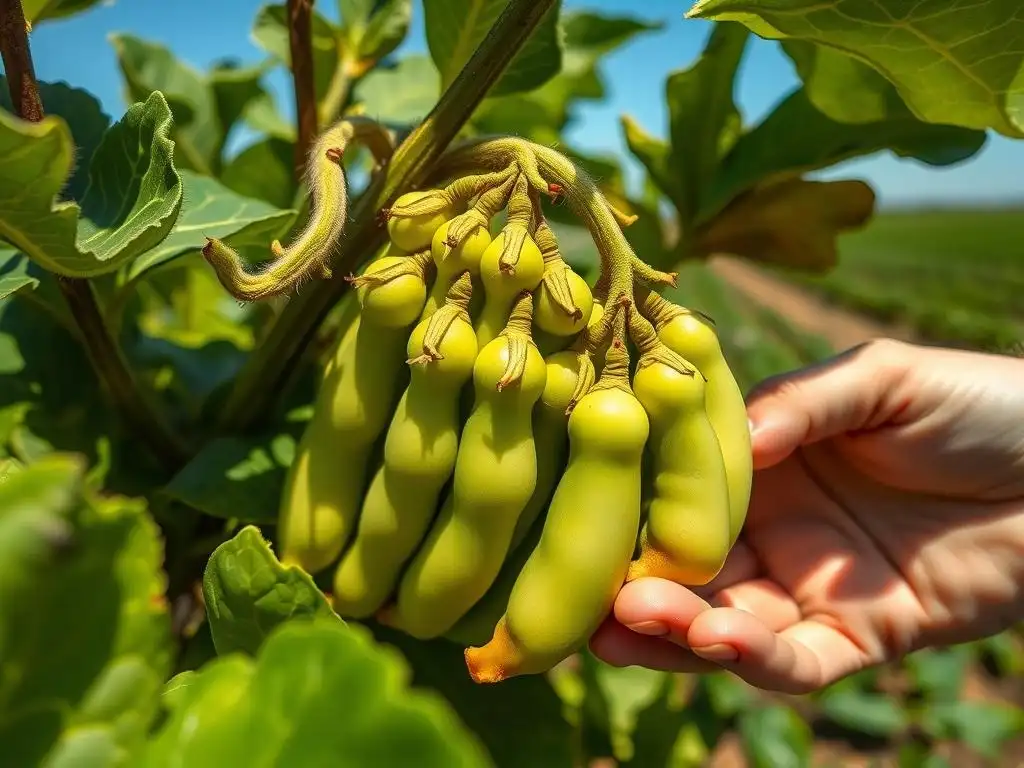
Fava beans, also known as broad beans, are a versatile legume with a rich history in culinary traditions worldwide. Their unique flavor profile, ranging from subtly sweet to earthy depending on the variety and preparation, makes them a delightful addition to a wide array of dishes. This section explores simple and delicious ways to incorporate these nutritious beans into your home cooking, showcasing their adaptability and deliciousness. We'll explore both fresh and dried fava bean preparations, highlighting the best methods to maximize their flavor and texture. This organic fava bean growing guide wouldn't be complete without culinary insights!
Simple and Delicious Fava Bean Recipes for Home Cooks
For those new to cooking with fava beans, starting with simple preparations is key. The following recipes highlight the ease and deliciousness of incorporating this nutritious legume into your everyday meals. Remember to properly prepare the beans before cooking, which usually involves shelling and blanching to remove the tough outer skin.
- Fava Bean Salad: A refreshing and light salad can be made by combining cooked fava beans with chopped cucumber, tomatoes, red onion, fresh parsley, and a lemon vinaigrette. The simple dressing allows the natural sweetness of the beans to shine through. Consider adding feta cheese for a salty, tangy contrast.
- Fava Bean Dip: A creamy and flavorful dip can be easily prepared by blending cooked fava beans with tahini, lemon juice, garlic, and a touch of olive oil. Serve with pita bread, vegetables, or crackers for a healthy and satisfying snack or appetizer. This is a fantastic way to utilize leftover cooked beans.
- Fava Bean and Pasta: Adding cooked fava beans to your favorite pasta dish provides a boost of protein and fiber. Toss them with your favorite pasta sauce, some wilted spinach, and grated Parmesan cheese for a hearty and nutritious meal. Experiment with different pasta shapes and sauces to find your perfect combination.
- Fava Bean Soup: A warm and comforting soup can be created by combining fava beans with vegetable broth, carrots, celery, and potatoes. Season with herbs like thyme or rosemary for an extra layer of flavor. Pureeing a portion of the soup creates a creamier texture.
Nutritional Benefits and Health Properties of Fava Beans
Beyond their culinary versatility, fava beans offer a wealth of nutritional benefits, making them a valuable addition to a healthy diet. They are an excellent source of dietary fiber, which aids digestion and promotes gut health. Furthermore, fava beans are packed with protein, providing essential amino acids crucial for muscle building and repair. The beans are also a good source of various vitamins and minerals, including folate, iron, and manganese. Let's delve deeper into the specific health advantages of incorporating these beans into your regular meals.
This organic fava bean growing guide underscores the importance of understanding the nutritional value of your harvest. The high fiber content contributes to feelings of fullness, potentially aiding in weight management. The presence of folate is particularly beneficial for pregnant women, supporting fetal development. The iron content helps to prevent anemia, while manganese contributes to bone health and metabolism. Including fava beans in your diet is a simple yet powerful way to boost your overall well-being. Enjoy the deliciousness and health benefits of your homegrown, organic fava beans!
Troubleshooting Common Fava Bean Growing Problems
Growing organic fava beans, while rewarding, can present some challenges. This section provides practical solutions to common problems, ensuring a bountiful harvest even for novice gardeners. Understanding the root causes of issues is crucial for effective organic pest and disease management. Remember, prevention is key, and implementing sustainable practices from the outset minimizes the likelihood of problems. Let's delve into the most frequent hurdles faced by organic fava bean cultivators.
Diagnosing and Solving Common Fava Bean Diseases
Fava beans, like other legumes, are susceptible to certain diseases. Early detection and appropriate action are vital for minimizing damage and preventing widespread infection. Organic approaches focus on strengthening plant health and using natural remedies.
Several fungal diseases can affect fava beans. Choanephora cucurbitarum can cause a rot, particularly in wet conditions. Symptoms include water-soaked lesions on leaves, stems, and pods. Improving air circulation by spacing plants correctly and avoiding overhead watering can significantly reduce the risk. If infection occurs, removing affected plants promptly and practicing crop rotation are crucial.
Another common fungal issue is Fusarium wilt. This soilborne fungus attacks the plant's vascular system, causing wilting and yellowing of leaves. Unfortunately, there's no cure for Fusarium wilt once it's established. Prevention is paramount. This includes using disease-free seeds, rotating crops (avoiding planting fava beans in the same location for several years), and ensuring good soil drainage. Healthy soil teeming with beneficial microbes can also help suppress the fungus.
Viral diseases, while less common, can also affect fava beans. These are usually spread by insects. Implementing a robust pest control strategy (discussed below) is essential in preventing viral infections. Unfortunately, there are no effective organic treatments for viral diseases once they've infected the plants; removal of infected plants is the best course of action.
Addressing Pest Infestations in Your Fava Bean Patch
Various pests can target fava beans throughout their growing cycle. Organic pest management strategies emphasize prevention and utilizing natural control methods. Regular monitoring is crucial for early detection and timely intervention.
Aphids are a common problem, sucking sap from leaves and causing stunted growth. Strong blasts of water can dislodge aphids; introducing beneficial insects like ladybugs, lacewings, or parasitic wasps can help control their populations naturally. Companion planting with strong-smelling herbs like rosemary or mint can also deter aphids.
Bean weevils are another significant pest, laying eggs in developing pods. These weevils can severely reduce yields. Careful seed selection and storage (using airtight containers in a cool, dry place) are essential preventive measures. Handpicking infested pods and destroying them can help limit the spread. Rotating crops can also disrupt the weevil's life cycle.
Other common pests include slugs and snails, which can damage leaves and stems. Creating barriers around plants using crushed eggshells or diatomaceous earth can deter them. Handpicking at night is also an effective method. Remember that introducing beneficial nematodes can help control the population of these pests naturally.
Dealing with Nutrient Deficiencies in Fava Bean Plants
Fava beans, like all plants, require specific nutrients for optimal growth. Nutrient deficiencies can manifest in various ways, impacting yield and overall plant health. Organic gardeners rely on soil testing and natural amendments to address these imbalances.
Nitrogen deficiency is a common issue, often showing as yellowing of older leaves. Adding compost or other organic matter rich in nitrogen, such as well-rotted manure, can naturally replenish nitrogen levels in the soil. Cover cropping with nitrogen-fixing plants like clover before planting fava beans can also improve soil fertility.
Phosphorus deficiency can lead to stunted growth and dark green leaves. Using bone meal or rock phosphate as organic sources of phosphorus can rectify this deficiency. These slow-release fertilizers provide a steady supply of phosphorus over time.
Potassium deficiency is less common but can manifest as yellowing and browning of leaf margins. Wood ash, a natural source of potassium, can be incorporated into the soil to address this issue, but it's important to apply in moderation. Regular soil testing helps determine the optimal nutrient levels, ensuring healthy and productive fava bean plants. Remember that healthy soil is the foundation of successful organic gardening. 🌱
Frequently Asked Questions
What is the best time to plant fava beans?
Fava beans should be planted in the fall or early spring, depending on your climate. Fall planting allows for overwintering, while spring planting requires warmer soil temperatures.
How far apart should I space my fava bean plants?
Space fava bean plants approximately 6-12 inches apart, depending on the variety. This allows for adequate air circulation and prevents overcrowding.
What type of soil do fava beans prefer?
Fava beans thrive in well-drained, fertile soil that is slightly acidic to neutral (pH 6.0-7.0). Amend heavy clay soils with compost to improve drainage.
How do I control pests and diseases in my fava bean plants?
Practice crop rotation, remove weeds, and monitor for pests like aphids. Organic pest control methods such as neem oil can be effective.
When are fava beans ready to harvest?
Fava beans are ready to harvest when the pods are plump and full. You can harvest them as immature beans for use as snap beans or allow them to mature for dry bean harvesting.
Final Reflection: Sowing Seeds of Sustainability, One Fava Bean at a Time
The resurgence of interest in organic gardening, coupled with a growing awareness of food security, makes understanding sustainable food production more critical than ever. Growing your own food, even on a small scale, offers a powerful connection to the land and a tangible contribution to a healthier planet. Fava beans, with their nutritional value and ease of cultivation, represent a perfect entry point into this rewarding journey.
The simple act of nurturing a fava bean plant from seed to harvest is a profound experience, connecting us to ancient agricultural practices while simultaneously addressing modern concerns. It's a reminder of the interconnectedness of our actions and their impact on the environment. The earth laughs in flowers.
– Ralph Waldo Emerson. This quote beautifully encapsulates the joy and satisfaction derived from cultivating life, and the fava bean, with its vibrant blooms and bountiful harvest, embodies this sentiment perfectly. The knowledge gained from this guide, applied diligently, can contribute to a more sustainable and resilient food system.
Now, consider your own garden, balcony, or even a window box. What small step can you take today to cultivate a more sustainable future? Perhaps it's planting a single fava bean, or perhaps it's sharing this knowledge with a friend. No matter the scale, your contribution matters. Embrace the opportunity to connect with nature, nourish your body with wholesome food, and contribute to a healthier planet, one fava bean at a time.
Unleash Your Inner Gardener: Grow Delicious Fava Beans!
Thank you for exploring the world of fava bean cultivation! We hope you feel confident and inspired to grow your own abundant harvest. Ready to get started?
- Start planting your fava bean seeds today! Prepare your soil, choose a suitable planting location, and get those seeds in the ground – you'll be amazed at how quickly they sprout.
- Share your fava bean growing experience! Join our CultivateYourFood community forum and tell us about your planting process and any challenges you encountered. Let's learn from each other!
- Consider trying different fava bean varieties next season – a world of flavors awaits you!
What delicious fava bean recipe will you create with your homegrown harvest?