
A Gardener's Guide to Composting: Everything You Need to Know

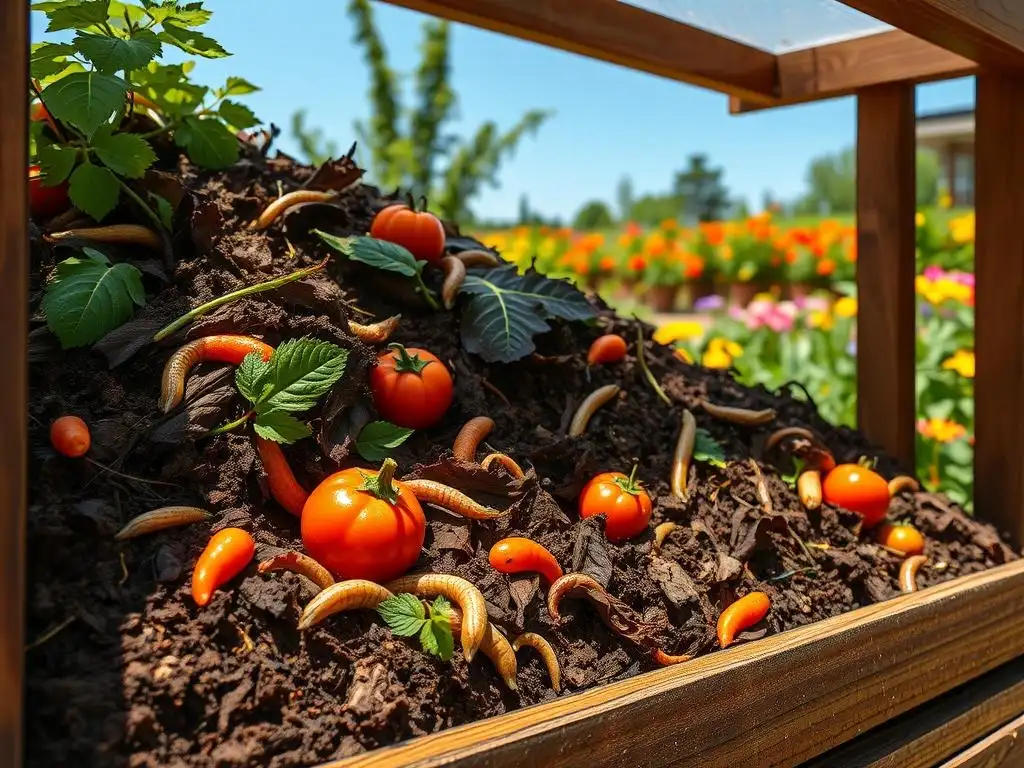
Welcome to CultivateYourFood, your guide to a greener, more fulfilling life through homegrown goodness! Are you ready to transform your kitchen scraps into nutrient-rich soil? Then dive into our comprehensive guide on the best home composting methods, a cornerstone of sustainable gardening. Discover how simple and rewarding it is to cultivate your own fruits, vegetables, and herbs, while minimizing your environmental impact. Let's get started on your journey towards a thriving, organic garden!
- Understanding the Benefits of Home Composting: Your Best Home Composting Guide
- Choosing the Right Composting Method for Your Needs
- What to Compost: A Comprehensive Guide to Compostable Materials
- The Composting Process: From Start to Finish
- Harvesting and Using Your Compost: Enriching Your Garden Soil
- Advanced Composting Techniques for the Experienced Gardener
- Making Your Home Composting System Sustainable: A Best Home Composting Guide
- Frequently Asked Questions
- Final Reflection: Cultivating a Sustainable Future, One Compost Bin at a Time
- Unlock Your Garden's Potential: Start Composting Today!
Understanding the Benefits of Home Composting: Your Best Home Composting Guide
Home composting is more than just a trendy gardening practice; it's a fundamental step towards sustainable living and a bountiful harvest. This comprehensive guide will equip you with the knowledge and techniques to establish a thriving compost system in your own backyard, transforming kitchen scraps and yard waste into a valuable resource for your garden. We'll explore the numerous benefits of composting, from enriching your soil and reducing waste to minimizing your environmental footprint.
This guide aims to be your ultimate resource, answering all your questions and helping you become a composting expert, making it the best home composting guide you'll ever need. Let's delve into the rewarding world of home composting and discover how it can revolutionize your gardening practices.
Why Compost? Improving Soil Health and Reducing Waste
Composting offers a multitude of advantages for both your garden and the environment. Firstly, it significantly improves soil health. Compost acts as a natural soil amendment, enhancing its structure, aeration, and water retention capacity. This leads to healthier, more vigorous plants with increased resistance to diseases and pests. The organic matter in compost also provides essential nutrients for plant growth, reducing the need for synthetic fertilizers. Secondly, composting drastically reduces the amount of organic waste sent to landfills. Landfills contribute significantly to greenhouse gas emissions, and by composting at home, you actively participate in mitigating this environmental problem. Consider this: the average household generates a considerable amount of organic waste weekly – fruit and vegetable scraps, coffee grounds, eggshells – all perfect ingredients for your compost pile! By diverting this waste from landfills, you’re making a tangible difference. Think of it as a win-win: healthier plants and a healthier planet!
Nutrient-Rich Compost: Feeding Your Plants Naturally
Compost is a powerhouse of nutrients, providing your plants with a slow-release source of essential elements. Unlike synthetic fertilizers, which can burn plant roots and harm beneficial soil organisms, compost nourishes the soil gradually. This gradual release ensures that plants receive the nutrients they need throughout their growing cycle, promoting healthy growth and abundant yields. The rich organic matter in compost improves the soil's ability to retain moisture and nutrients, reducing the frequency of watering and fertilization.
A healthy soil teeming with beneficial microbes, fostered by compost, is more resilient to drought and disease. Analyzing the nutrient content of your compost can be done through soil testing kits available at most garden centers, providing a detailed understanding of its composition and how to best utilize it to support specific plant needs. The resulting nutrient-rich soil contributes to healthier and more robust plants.
Environmental Impact: Reducing Landfill Waste and Carbon Footprint
The environmental benefits of home composting extend beyond simply diverting waste from landfills. Landfills are a major source of methane, a potent greenhouse gas. By composting organic waste, you significantly reduce methane emissions. Furthermore, the process of composting itself sequesters carbon in the soil, further mitigating climate change.
The reduced need for synthetic fertilizers, often manufactured using energy-intensive processes, also contributes to a smaller carbon footprint. In fact, studies have shown that widespread adoption of home composting could significantly reduce greenhouse gas emissions at a community level. By choosing home composting, you are actively participating in a sustainable lifestyle that benefits both your garden and the planet. The positive environmental impact of home composting is undeniable, making it a responsible and rewarding practice for environmentally conscious gardeners.
Choosing the Right Composting Method for Your Needs
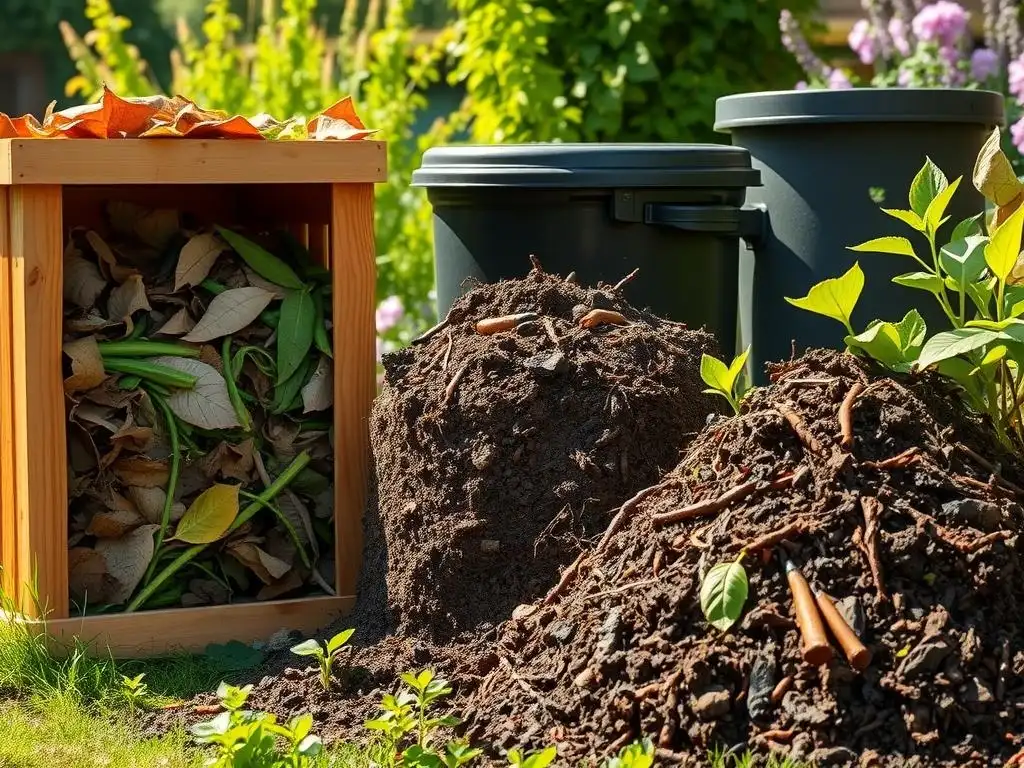
Choosing the right composting method is crucial for successful home composting and depends largely on your available space, the amount of organic waste you generate, and your personal preferences. This section will explore three popular methods: bin composting, heap composting, and vermicomposting, helping you determine which best suits your needs and lifestyle for achieving the best home composting results. Understanding the nuances of each technique will allow you to optimize your composting process and create nutrient-rich soil amendments. The best home composting guide will always emphasize choosing a method that's practical and sustainable for your specific situation.
The Bin Composting Method: A Step-by-Step Guide for Beginners
Bin composting is a popular choice for beginners due to its structure and ease of management. It involves using a designated container, often made of wood, plastic, or even repurposed materials, to contain your compost. This structured approach helps maintain optimal moisture levels and aeration, crucial factors for successful decomposition.
Several steps are involved in this method:
- Choosing your bin: Select a bin with adequate ventilation—look for pre-drilled holes or ensure you can create them yourself. Size depends on your waste generation; a larger bin is needed for larger households or gardens.
- Layering your materials: Begin with a layer of coarse brown materials (such as dried leaves or twigs) for good drainage and aeration. This is followed by alternating layers of "green" (nitrogen-rich) materials like grass clippings, fruit and vegetable scraps, and coffee grounds, and "brown" (carbon-rich) materials. Maintain a roughly equal ratio of green to brown.
- Maintaining moisture: Regularly check the moisture level. The compost should be as moist as a wrung-out sponge. Add water if it's too dry.
- Turning the compost: Regular turning (every few days to a week, depending on the weather) is essential for aeration and speeds up the decomposition process. A pitchfork or compost turner is ideal for this task.
- Monitoring the process: Observe the temperature; a consistently warm compost pile indicates successful decomposition. If the pile becomes too wet or smelly, adjust the ratio of green to brown materials and improve aeration.
This structured approach ensures effective decomposition, resulting in nutrient-rich compost within 6-12 months, depending on various factors like temperature and moisture. The bin composting method offers a manageable and efficient way to reduce kitchen and garden waste, contributing to a more sustainable lifestyle. It's often considered one of the easiest ways to achieve the best home composting results for beginners.
The Compost Heap Method: A Simple and Effective Approach
The compost heap method, also known as the pile method, is the simplest and most natural way to compost. It involves creating a pile of organic materials directly on the ground. This method requires less upfront investment than bin composting but requires more attention to moisture and turning, especially in drier climates.
This approach is ideal for those with ample space and who prefer a more hands-off approach. However, it’s important to note that the decomposition process may be slower compared to bin composting, and managing moisture and aeration can be challenging. Successful heap composting requires careful attention to the carbon-to-nitrogen ratio, similar to bin composting. The lack of a defined structure means that monitoring and adjusting the pile's contents are crucial for optimal decomposition.
| Material | Nitrogen (Green) | Carbon (Brown) |
|---|---|---|
| Grass clippings | ✅ | |
| Fruit/vegetable scraps | ✅ | |
| Coffee grounds | ✅ | |
| Dried leaves | ✅ | |
| Twigs | ✅ | |
| Shredded paper | ✅ |
The heap method is a great option for larger quantities of organic waste. However, it's important to consider potential aesthetic concerns and the need for regular turning to prevent unpleasant odors and ensure proper decomposition. This method, while simple, requires consistent monitoring and management to yield the best results.
Vermicomposting: Using Worms to Create Rich Compost
Vermicomposting, also known as worm composting, uses red wiggler worms ( Eisenia fetida) to decompose organic waste. This method is particularly effective for smaller spaces and produces a high-quality, nutrient-rich compost known as vermicast. This is a more advanced method but offers unique advantages.
This method requires a worm bin, typically a plastic container with drainage holes. The worms are introduced to the bin, along with bedding materials such as shredded newspaper or coconut coir. Organic waste is added regularly, and the worms do the work of breaking down the materials. The resulting vermicast is exceptionally rich in nutrients and beneficial microorganisms.
Vermicomposting offers several advantages:
- Smaller footprint: Ideal for apartments or homes with limited space.
- Faster decomposition: Worms significantly accelerate the composting process.
- High-quality compost: Vermicast is considered a superior compost due to its nutrient density and beneficial microorganisms.
- Reduced odors: Proper management minimizes unpleasant smells.
However, vermicomposting requires a greater understanding of worm care and maintenance. Overfeeding can lead to issues, and maintaining the correct moisture and temperature is crucial for the worms' survival and optimal composting. While more involved, vermicomposting produces exceptionally high-quality compost ideal for even the most discerning gardener seeking the best home composting guide.
Choosing the Best Composting System for Your Space and Lifestyle
Choosing a composting system that suits your lifestyle and available space is crucial for long-term success. A large backyard offers different options than a small balcony or apartment. Let's explore the most popular choices and their suitability for various situations.
Consider the size of your garden and the amount of organic waste you generate. A family of four producing significant amounts of kitchen scraps and yard waste will need a larger system than a single person with a small herb garden. For example, a large-capacity compost bin, perhaps a three-bin system allowing for staged decomposition, would be ideal for a larger household. This allows for efficient separation of "green" and "brown" materials and ensures a consistent supply of finished compost.
Conversely, apartment dwellers or those with limited space might find a countertop composter or a worm composting bin more practical. Countertop composters are small, enclosed units designed for kitchen waste, minimizing odors and attracting fewer pests. They are perfect for generating smaller amounts of compost for potted plants. Worm composting, or vermicomposting, uses worms to break down organic matter in a relatively small, contained system, also ideal for small spaces.
Your lifestyle also plays a significant role. Are you a dedicated gardener with ample free time? Or do you have a busier schedule? A traditional compost pile requires regular turning and maintenance, which may not be feasible for everyone. On the other hand, a passive composting system, like a compost tumbler, requires less hands-on effort. These tumblers allow for easy mixing of materials and faster decomposition, making them suitable for busy individuals.
Finally, aesthetics matter! Choose a system that complements your garden's design. While some compost bins are quite utilitarian, others are designed to blend seamlessly into the landscape. Consider the visual impact of your chosen system on your outdoor space. A well-integrated compost bin can be an attractive addition to the garden rather than an eyesore. Think about materials like cedar or stained wood to enhance the aesthetic appeal. The best home composting guide emphasizes not just functionality but also the harmonious integration of the composting process into your lifestyle and outdoor space.
What to Compost: A Comprehensive Guide to Compostable Materials
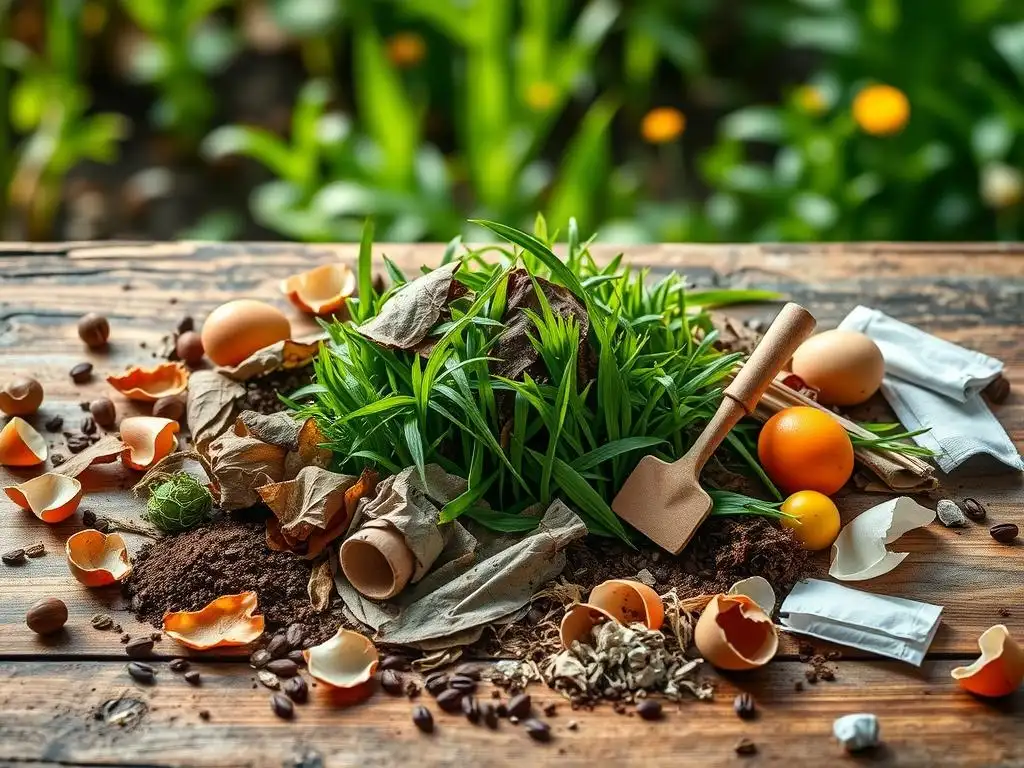
This section delves into the specifics of what materials are suitable for your home compost bin, aiming to create the best home composting experience. Understanding which materials break down effectively is crucial for successful composting. We'll explore suitable options and those you should definitely avoid.
Suitable Materials: Fruits, Vegetables, Yard Waste, and More
The foundation of a thriving compost pile lies in a diverse mix of "browns" and "greens." "Greens" are nitrogen-rich materials, while "browns" are carbon-rich. Striking the right balance is key to efficient decomposition. Here's a breakdown of excellent green and brown options for your home compost:
Green Materials (Nitrogen-Rich):
- Fruit and Vegetable Scraps: Apple cores, banana peels, carrot tops – these are readily decomposable and provide essential nitrogen. Even slightly spoiled fruits and vegetables can be included, but avoid anything moldy or rotting excessively.
- Coffee Grounds and Tea Bags: These add nitrogen and beneficial microbes to your compost. Remove staples from tea bags before adding them.
- Grass Clippings: Freshly cut grass is an excellent source of nitrogen, but use it sparingly to avoid creating an overly wet and smelly pile.
- Seaweed: A fantastic addition, rich in nutrients and minerals. Ensure it's clean and free of debris.
- Manure (Herbivore): Horse, cow, and sheep manure are excellent additions, providing both nitrogen and beneficial microorganisms. Always ensure it's well-aged and free of parasites or pathogens.
Brown Materials (Carbon-Rich):
- Dried Leaves: An abundant and readily available source of carbon, especially in the fall. Shredding them will accelerate decomposition.
- Shredded Paper and Cardboard: Uncoated, uncolored paper and cardboard are great additions. Avoid glossy or waxed materials.
- Sawdust (Untreated): Untreated sawdust from hardwoods is a good carbon source. Avoid sawdust treated with chemicals or preservatives.
- Straw and Hay: Excellent carbon sources, particularly useful for aerating the compost pile. Avoid hay that has been treated with herbicides or pesticides.
- Wood Chips (Untreated): Similar to sawdust, use untreated wood chips for optimal results.
Remember to chop larger materials into smaller pieces to speed up the decomposition process. This improves airflow and facilitates the work of beneficial microorganisms. Think about creating a balanced ratio of browns and greens; a good starting point is aiming for a 2:1 or 3:1 ratio of browns to greens.
Materials to Avoid: Meat, Dairy, Oily Foods, and Disease-Infected Plants
While many kitchen and garden wastes are welcome in your compost, some materials can attract pests, create foul odors, or hinder the decomposition process. It's crucial to avoid these items to maintain a healthy and efficient composting system:
- Meat, Fish, and Bones: These attract unwanted pests and can create unpleasant odors. They decompose slowly and may not break down completely.
- Dairy Products: Milk, yogurt, and cheese attract pests and create a foul smell. They also attract unwanted pests.
- Oily Foods: Cooking oil and greasy foods can repel beneficial microorganisms and create a slimy, unpleasant mess.
- Diseased Plants: Plants infected with diseases or pests should be avoided to prevent spreading the infection to healthy plants. Dispose of them appropriately – burning or double-bagging for trash disposal are options.
- Pet Waste: Dog and cat waste contain harmful pathogens that should not be added to compost intended for garden use.
- Chemical-Treated Materials: Avoid any materials treated with pesticides, herbicides, or other chemicals. These can harm beneficial microorganisms and contaminate your compost.
By carefully selecting your compost materials, you significantly increase the chances of creating nutrient-rich compost for your garden, contributing to a truly best home composting setup.
Optimizing Your Compost Mix: Achieving the Right Balance
Achieving the optimal balance between "greens" and "browns" is crucial for successful composting. An imbalance can lead to several issues:
- Too many greens: A pile with too much nitrogen can become overly wet, slimy, and smelly, attracting pests. Decomposition slows down due to anaerobic conditions.
- Too many browns: A pile with too much carbon can become dry and decompose slowly. The process may stall, resulting in a less effective compost.
To maintain a balanced mix:
- Monitor Moisture: The compost should be moist, like a wrung-out sponge. Add water if it's too dry, and add more browns if it's too wet.
- Layer Materials: Alternating layers of greens and browns helps maintain proper aeration and decomposition.
- Turn Regularly: Turning the compost pile aerates it, speeding up decomposition and preventing anaerobic conditions (lack of oxygen). Aim to turn it at least once a week.
- Observe the Process: Pay attention to the color, texture, and smell of your compost. Adjust the mix as needed based on your observations.
By following these guidelines, you'll be well on your way to creating high-quality compost, maximizing the benefits of your home composting system, and achieving the best home composting guide results. Remember, patience and observation are key to success. Happy composting!
The Composting Process: From Start to Finish
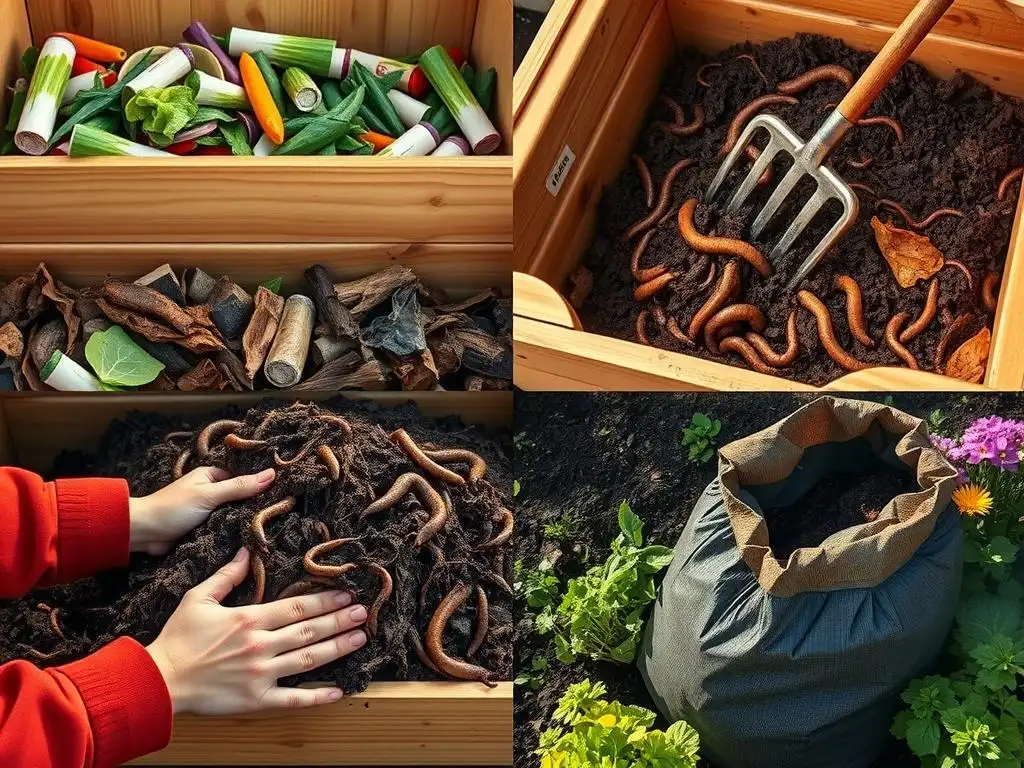
This section details the journey of organic matter from kitchen scraps and yard waste to nutrient-rich compost, ready to enrich your garden soil. Understanding this process is crucial for achieving the best results and maximizing the benefits of home composting, making this guide your best home composting guide resource. We'll cover everything from building your bin to the final product, ensuring you're equipped to create high-quality compost for a thriving garden. This is key to reducing waste and embracing sustainable gardening practices.
Building Your Compost Bin or Heap: Essential Steps and Materials
Creating a suitable environment for composting is the first step towards success. You have several options: a purchased bin (ranging from simple plastic models to elaborate wooden structures), a repurposed container (like a large plastic bin with holes drilled), or even a simple pile directly on the ground. Regardless of your choice, certain principles apply.
A well-built compost bin promotes proper aeration, essential for microbial activity. This activity is the engine of decomposition. Insufficient oxygen leads to anaerobic decomposition, producing foul odors and less effective compost.
- Materials for a DIY Bin: For a wooden bin, you'll need untreated lumber (avoid pressure-treated wood, as the chemicals can harm plants), screws or nails, and a saw. For a simple pile, you'll need a designated area in your garden, preferably shaded and protected from heavy rain.
- Essential Features: Regardless of the bin type, ensure adequate ventilation through gaps or slats in the sides. The size should accommodate the volume of waste you generate. A bin around 1 cubic yard is a good starting point for many home gardeners.
- Location Considerations: Position your bin in a convenient location, close to your kitchen and garden, but not too close to the house to avoid attracting pests. Shaded areas are preferable to prevent the pile from drying out too quickly.
Layering Your Compost: The Importance of Carbon and Nitrogen Balance
The key to successful composting lies in maintaining a balanced ratio of carbon-rich ("browns") and nitrogen-rich ("greens") materials. This balance fuels the microbial decomposition process. An imbalance can lead to slow decomposition or unpleasant odors.
| Material Category | Examples | Carbon-to-Nitrogen Ratio (C:N) |
|---|---|---|
| Browns | Dried leaves, twigs, shredded paper, straw | High (30:1 to 40:1) |
| Greens | Grass clippings, fruit/vegetable scraps, coffee grounds | Low (10:1 to 20:1) |
The ideal ratio is approximately 30:1, but you don't need to be exact. Aim for a mix of browns and greens. Think of it like a layered cake: a layer of browns, a layer of greens, and repeat. This approach ensures even decomposition throughout the pile. Regular monitoring and adjustment of the layers will lead to optimal results. Don't be afraid to experiment and find the best layering technique that works for your waste materials.
Maintaining Your Compost Pile: Turning, Watering, and Monitoring
Once your compost bin is established, consistent maintenance is critical for a successful composting process. This involves regular turning, watering, and monitoring of the pile.
- Turning: Turning, or aerating, your compost pile introduces oxygen, which is vital for aerobic decomposition. Aim to turn the pile every 2-3 weeks, or more often in hot weather. Use a pitchfork or garden spade to thoroughly mix the materials. This process speeds up decomposition and prevents anaerobic conditions.
- Watering: Maintain a consistently moist pile, similar to a wrung-out sponge. Too dry, and decomposition slows; too wet, and it becomes anaerobic and smelly. Water the pile if it feels dry to the touch.
- Monitoring: Regularly check your compost pile for temperature, moisture, and odor. A healthy compost pile will generate heat during decomposition. A warm pile (around 130-160°F or 54-71°C) indicates active decomposition. Unpleasant odors often indicate anaerobic conditions, which you can usually correct by turning and aerating the pile. Over time, the pile will shrink and darken, indicating successful decomposition. You'll know it's ready when it resembles dark, crumbly soil with a pleasant earthy smell. This is your reward for following this best home composting guide!
Troubleshooting Common Composting Problems: Dealing with Odors and Pests
Composting, while a rewarding process, can sometimes present challenges. Understanding how to troubleshoot common problems is crucial for maintaining a healthy and efficient compost pile. Two of the most frequent issues are unpleasant odors and pest infestations. Let's examine how to address them effectively.
Dealing with unpleasant odors is often a sign of an imbalance in your compost. A foul smell, often described as rotten eggs, typically indicates anaerobic conditions – meaning there isn't enough oxygen reaching the organic matter. This happens when the pile is too compacted, too wet, or lacks sufficient brown materials (carbon-rich materials like dry leaves and twigs) to balance the green materials (nitrogen-rich materials like grass clippings and vegetable scraps). To remedy this, you need to aerate your compost pile.
This can be done by turning the pile regularly, using a pitchfork or garden fork to loosen and mix the materials. Ensure you're adding enough brown materials to create a good carbon-to-nitrogen ratio, aiming for a roughly 30:1 ratio. Also, check the moisture level. Your compost should feel like a damp sponge; if it's too wet, add more brown materials and allow for better drainage.
Pests, such as fruit flies, rodents, and other insects, can also be a nuisance. Fruit flies are often attracted to overly ripe or fermenting fruit scraps. To minimize fruit fly attraction, bury fruit scraps deep within the pile, or chop them into smaller pieces to increase decomposition speed. Alternatively, you could compost fruit scraps separately in a sealed container to prevent fruit flies from accessing them and then add the completely decomposed material to your main compost pile.
Rodents, on the other hand, are attracted to the readily available food source. Keeping your compost pile contained within a bin with small openings helps deter larger animals. Furthermore, ensuring your compost is well-aerated and decomposing actively reduces the appeal to rodents.
Regular turning of the compost helps to prevent pest infestations by maintaining a consistent temperature and actively decomposing organic matter. This reduces the availability of food and nesting sites for pests. Using a covered compost bin, while still allowing for airflow, is another effective preventative measure.
Addressing these issues proactively ensures a smooth and efficient composting process. By understanding the causes of odors and pest infestations and taking the appropriate steps, you can maintain a healthy and productive compost system that contributes to a thriving and sustainable garden. Remember, a well-managed compost pile is a key component of successful organic gardening, and addressing these problems promptly will help prevent larger issues down the line. Prevention is key—regular monitoring and maintenance are far easier than addressing significant problems later on.
Harvesting and Using Your Compost: Enriching Your Garden Soil
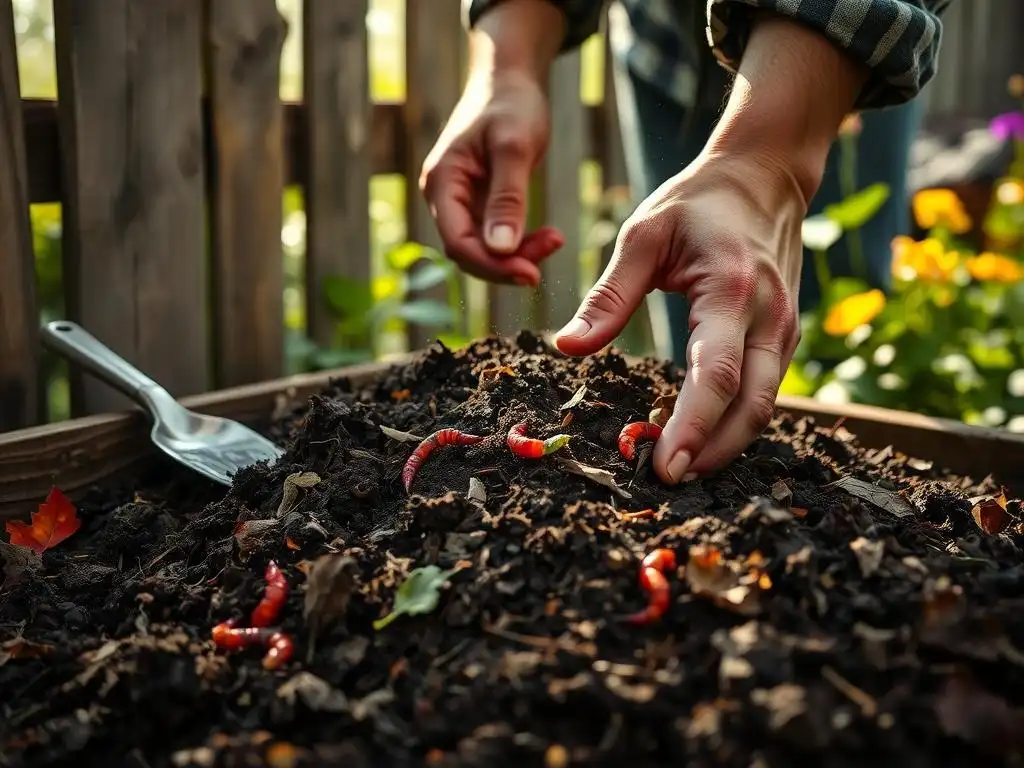
This section focuses on the final, rewarding stage of composting: harvesting and utilizing your nutrient-rich compost to enhance your garden's soil health. Successfully creating compost is only half the battle; knowing when and how to use it effectively is crucial for maximizing its benefits. This guide will equip you with the knowledge to transform your homemade compost into thriving plants. This is a key step in achieving the best home composting experience.
Knowing When Your Compost is Ready: Signs of Successful Decomposition
Determining when your compost is ready requires careful observation. Avoid prematurely harvesting under-decomposed material, which can harbor weed seeds and harmful pathogens. Conversely, leaving compost too long can lead to nutrient loss. Several key indicators signal readiness:
- Dark, rich color: Mature compost will have a dark brown or black hue, signifying the breakdown of organic matter. A lighter color suggests incomplete decomposition.
- Crumbly texture: The compost should resemble loose soil, easily crumbling between your fingers. Clumpy or matted material needs more time.
- Earthy smell: A pleasant, earthy aroma indicates successful decomposition. Unpleasant odors, such as ammonia or sulfur, suggest anaerobic conditions (lack of oxygen) and require adjustments to your composting method.
- Absence of recognizable materials: You shouldn't be able to easily identify the original ingredients. Large pieces of food scraps or yard waste indicate the need for more time and/or increased turning.
- Temperature stability: The compost pile's temperature should have stabilized, indicating the end of the active decomposition phase. Initially, the pile will be quite warm, due to microbial activity.
A simple test: Grab a handful of compost. If it crumbles easily and smells earthy, it's likely ready. If it's still wet, clumpy, or smells foul, it needs more time. Remember, patience is key in the composting process. Rushing this stage can negatively impact the quality of your final product and your garden's health. This attention to detail is critical for achieving the best home composting results.
How to Harvest and Store Your Compost: Preparing for Use
Once your compost is ready, carefully harvest it using a garden fork or shovel. Avoid disturbing the bottom layers which may still be decomposing. Sieving the compost through a screen removes larger, undecomposed pieces, leaving behind a fine, usable product. You can then store the harvested compost in a dry, covered area to prevent it from becoming too dry or wet.
Proper storage helps retain its beneficial properties until you're ready to use it. Consider using airtight containers or large plastic bags to keep the moisture consistent. This step is often overlooked but is crucial for maintaining the quality of your compost. Proper storage can be the difference between a successful amendment and a disappointing one.
Using Compost to Improve Your Garden Soil: Application Techniques
Applying compost to your garden soil is straightforward, but proper technique is crucial to maximize its benefits. The best home composting guide emphasizes that enriching your soil is not just about adding compost; it's about integrating it effectively.
Here are some effective methods:
- Topdressing: Spread a layer of compost over the surface of your garden beds. This is a simple method that gradually enriches the soil as it decomposes. It's particularly effective for established plants.
- Incorporating into the soil: Mix compost directly into the soil before planting. This method is ideal for new gardens or when preparing planting beds. Use a garden fork or tiller to thoroughly mix the compost into the soil to a depth of 6-8 inches. This deep integration provides immediate nutrients and improves soil structure.
- Side-dressing: Apply compost along the sides of established plants. This method delivers nutrients directly to the plant's root zone. Be careful not to pile the compost directly against the stems to prevent rot.
- Mulching: Use compost as a mulch around your plants. This helps retain moisture, suppresses weeds, and regulates soil temperature. It also gradually releases nutrients into the soil as it decomposes.
Remember to consider the type of soil you have and the needs of your plants when determining the appropriate amount of compost to use. Excessive amounts can be detrimental, so start with a moderate amount and observe your plants' response. A well-balanced approach, combined with the right technique, will lead to a healthier, more productive garden. This careful application is paramount for achieving the best home composting guide results.
Compost Tea: A Liquid Fertilizer for Your Plants
Compost tea is a liquid fertilizer brewed from compost, offering a potent boost of nutrients for your plants. It's a fantastic way to utilize your compost in a readily available form, delivering essential microbes directly to your garden's roots. Creating compost tea is relatively simple, and the benefits are significant, leading to healthier, more vigorous plant growth. You can significantly improve soil health and increase yields by incorporating this practice into your gardening routine. The process involves steeping compost in water, allowing beneficial microorganisms to multiply and create a nutrient-rich solution.
This liquid gold is brimming with beneficial bacteria, fungi, and other microorganisms that enhance nutrient uptake in plants. These microbes improve soil structure, making it easier for roots to access water and nutrients. Furthermore, the tea acts as a natural pesticide and fungicide, helping to protect your plants from common garden pests and diseases. The application method is straightforward; you simply dilute the tea and apply it to your plants' roots or as a foliar spray. This ensures that your plants receive a concentrated dose of essential nutrients and beneficial microbes.
Unlike chemical fertilizers that can disrupt the soil ecosystem, compost tea works in harmony with nature. It promotes biodiversity in the soil, strengthening the overall health of your garden. This sustainable approach to fertilization is not only environmentally friendly but also cost-effective, as it utilizes your existing compost resources. By creating your own compost tea, you're actively participating in a closed-loop system, minimizing waste and maximizing the benefits of your home composting efforts.
The resulting vibrant, healthy plants are a testament to the effectiveness of this natural fertilizer. Remember to always use fresh, high-quality compost to achieve the best results. Avoid using compost that smells foul or exhibits signs of mold, as this could introduce harmful organisms to your garden. The key to successful compost tea brewing is maintaining proper aeration and avoiding overly high temperatures, which could kill the beneficial microbes.
Advanced Composting Techniques for the Experienced Gardener
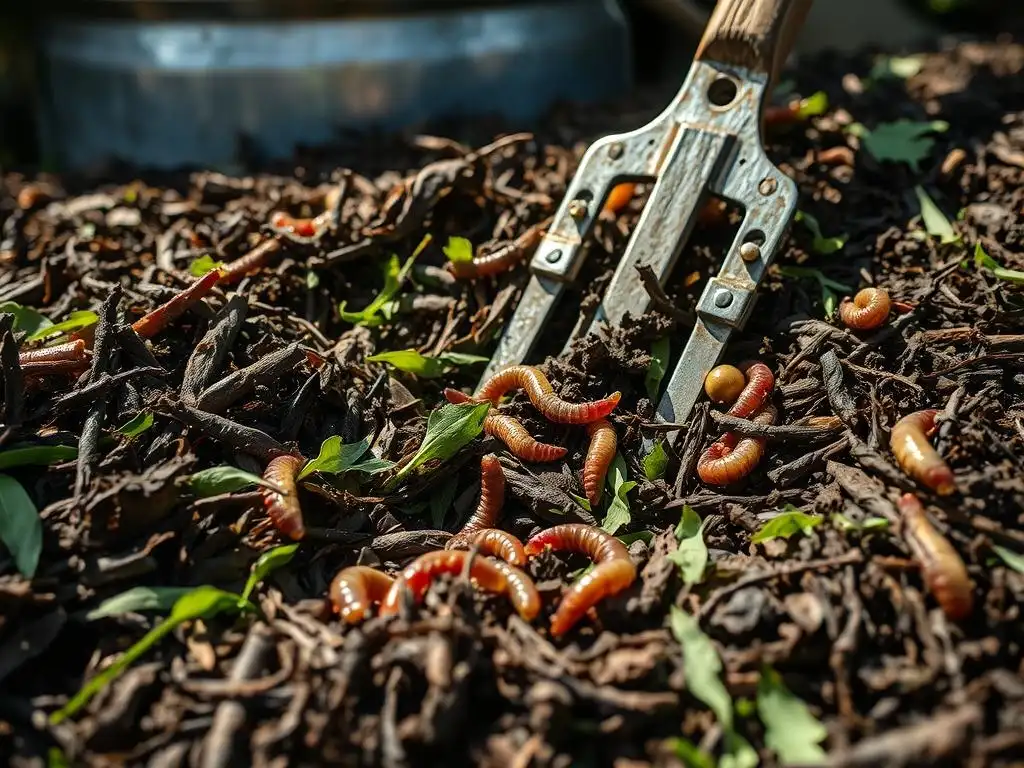
This section delves into more sophisticated composting methods suitable for gardeners who have mastered the basics and are looking to optimize their composting process. We'll explore techniques that accelerate decomposition, handle challenging materials, and introduce a unique approach to food waste management. Mastering these advanced techniques will elevate your home composting game, leading to richer, healthier compost for your garden. This is your guide to becoming a true composting expert, earning you the title of the "best home composting guide" follower!
Accelerated Composting Methods: Speeding Up the Decomposition Process
Achieving rapid decomposition is key to maximizing the efficiency of your composting system. Several methods can significantly accelerate the process, resulting in nutrient-rich compost in a shorter timeframe. One effective strategy is to maintain the ideal temperature range within your compost pile. A consistently warm pile (around 130-160°F or 54-71°C) fosters rapid microbial activity, speeding up decomposition.
This can be achieved through careful layering of materials—alternating "greens" (nitrogen-rich) and "browns" (carbon-rich)—and regular turning of the pile. Turning aerates the compost, introducing oxygen that fuels microbial activity. Aim for turning the pile at least once a week, more frequently in hotter climates.
Another crucial element is moisture content. The compost should be as moist as a wrung-out sponge. Too dry, and decomposition slows; too wet, and it becomes anaerobic, leading to foul odors and less effective composting. Regularly monitor and adjust moisture levels by adding water when necessary. Consider using a compost thermometer to closely monitor the temperature and ensure optimal conditions for accelerated composting. This precise control significantly impacts the time it takes to produce high-quality compost, making this a key component of any "best home composting guide."
Bokashi Composting: A Unique Method for Food Waste
Bokashi composting offers a distinct approach to managing food waste, especially for items that typically present challenges in traditional composting. This method involves fermenting food scraps using effective microorganisms (EM), a mixture of beneficial bacteria, yeasts, and other microorganisms. These microorganisms break down organic matter anaerobically, meaning in the absence of oxygen. This process results in a fermented, slightly acidic material that is rich in nutrients. The Bokashi process is particularly useful for handling food scraps like meat, dairy, and oily foods, which can attract pests and create unpleasant odors in traditional composting systems.
The process typically involves layering food waste in a sealed container and sprinkling it with the EM mixture. The container is then left to ferment for several weeks, during which the microorganisms break down the organic matter. After fermentation, the Bokashi material can be added to your main compost pile or buried directly in the garden.
The benefits include reduced odors, minimal pest attraction, and the production of a valuable soil amendment. This method represents a valuable addition to your composting toolkit, allowing you to efficiently manage a broader range of food scraps while enhancing the overall effectiveness of your "best home composting guide" approach.
Composting Different Materials: Handling Challenging Items Effectively
Not all organic materials decompose at the same rate. Some items require special attention to ensure successful composting and avoid issues like attracting pests or creating unpleasant smells. For instance, dealing with woody materials like branches and twigs requires pre-processing. Larger pieces should be shredded or chopped into smaller pieces to accelerate decomposition. Similarly, diseased plants should be avoided, as they can spread pathogens. If you must include them, ensure they are thoroughly composted at high temperatures to kill any harmful microorganisms.
Dealing with grass clippings requires careful management, as they can become too wet and compact, hindering aeration. Mixing them with drier "brown" materials helps maintain a balanced moisture level. Likewise, dairy products, meat scraps, and oily foods can attract unwanted pests and create foul odors if not properly managed.
Bokashi composting, as discussed earlier, is a highly effective method for managing these materials. Understanding how to handle these more challenging materials effectively is a crucial aspect of creating a robust and efficient composting system, making it a key component of any aspiring "best home composting guide" resource. Careful attention to these details will enhance your composting success and minimize potential problems.
Making Your Home Composting System Sustainable: A Best Home Composting Guide
This section delves into the specifics of creating a truly sustainable home composting system. We'll move beyond the basics and explore strategies for minimizing waste and maximizing the efficiency of your composting process, aligning perfectly with the principles of sustainable gardening and earning you the title of a true composting expert. This is your guide to achieving the best home composting experience possible.
Minimizing Waste and Maximizing Efficiency
Creating a truly efficient composting system hinges on minimizing waste and maximizing the breakdown of organic materials. This involves careful consideration of what you add to your compost pile and how you manage it. Let's break it down:
- Strategic Material Selection: Not all organic matter decomposes at the same rate. A balanced mix is key. Aim for a carbon-to-nitrogen ratio of approximately 30:1. This means incorporating "browns" (carbon-rich materials like dried leaves, shredded paper, and twigs) and "greens" (nitrogen-rich materials like grass clippings, vegetable scraps, and coffee grounds) in the right proportions. Too many greens can lead to foul odors and slow decomposition. Too many browns can result in a slow, sluggish process.
- Size Matters: Smaller pieces decompose faster. Chop up larger materials like branches and stems before adding them to your compost pile. This increases surface area, accelerating microbial activity. Think of it like this: a large piece of wood takes much longer to rot than wood chips.
- Moisture Control: Maintaining the right moisture level is crucial. Your compost should feel like a wrung-out sponge. Too dry, and decomposition slows; too wet, and it becomes anaerobic (lacking oxygen), leading to unpleasant smells and potentially harmful pathogens. Regularly check and adjust moisture levels by adding water or turning the pile.
- Aeration is Key: Oxygen is essential for aerobic decomposition, the process that produces nutrient-rich compost. Regular turning of your compost pile—at least once a week—introduces air, promoting efficient breakdown and preventing anaerobic conditions. You can use a pitchfork or a compost aerator for this task.
- Layering Techniques: Consider layering your browns and greens. Alternating layers can improve aeration and help maintain the optimal carbon-to-nitrogen ratio. This technique mimics natural decomposition processes found in forests.
Environmental Considerations and Sustainable Practices for Composting
Beyond efficient decomposition, a sustainable composting system considers its broader environmental impact. This means minimizing your environmental footprint and maximizing the benefits of your compost.
- Reducing Greenhouse Gas Emissions: Composting significantly reduces methane emissions, a potent greenhouse gas produced when organic waste decomposes in landfills. By composting at home, you actively contribute to mitigating climate change. Think of it as a small but significant act of environmental stewardship.
- Conserving Water Resources: Composting reduces the need for chemical fertilizers, which often require significant water resources for production and application. Compost improves soil structure, increasing its water retention capacity, which means less watering is needed for your plants. This is particularly important in regions facing water scarcity.
- Protecting Soil Health: Compost enriches the soil with essential nutrients, improving its fertility and structure. This reduces the need for synthetic fertilizers, which can harm the soil ecosystem and contaminate water sources. Healthy soil is the foundation of sustainable agriculture and gardening. This reduces reliance on potentially harmful chemical fertilizers.
- Pest and Disease Management: Compost, when properly managed, can help suppress soilborne diseases and pests. The beneficial microorganisms in compost outcompete harmful pathogens, creating a healthier soil environment for your plants. This contributes to a more natural and sustainable pest control strategy.
By following these guidelines, you'll not only create nutrient-rich compost but also contribute to a more sustainable and environmentally friendly gardening practice. Your commitment to the best home composting guide will pay dividends in a healthier garden and a healthier planet. 🌎
Frequently Asked Questions
What is composting, and why should I do it?
Composting is a natural process that transforms organic waste like fruit and vegetable scraps, yard waste, and coffee grounds into a nutrient-rich soil amendment called compost. It's beneficial because it reduces landfill waste, enriches your soil, and helps your plants thrive.
What are the different types of composting methods?
There are several methods, including heap composting (a simple pile), bin composting (using a container), and vermicomposting (using worms). The best method depends on your space, resources, and the amount of waste you generate.
What materials can I compost?
You can compost "brown" materials like dried leaves and twigs, and "green" materials like grass clippings and food scraps. Avoid composting meat, dairy, oily foods, and diseased plants. A good balance of browns and greens is key for successful composting.
How long does it take to make compost?
The composting process takes anywhere from a few weeks to several months, depending on factors like the size of your pile, the method you're using, and the ambient temperature. Turning the pile regularly speeds up the process.
How do I use my finished compost?
Finished compost is a dark, crumbly material that's easy to incorporate into your garden soil. Simply mix it into your soil before planting, or use it as a top dressing to feed your plants. It improves soil structure, fertility, and water retention.
Final Reflection: Cultivating a Sustainable Future, One Compost Bin at a Time
The practice of home composting, once a niche hobby, is rapidly becoming a vital component of sustainable living in the face of growing environmental concerns. It's no longer just about enriching your garden soil; it's about actively participating in a global shift towards reducing waste and fostering a healthier planet. The simple act of transforming kitchen scraps and yard waste into nutrient-rich compost is a powerful statement about our commitment to a more responsible future.
The journey from overflowing trash cans to thriving compost heaps has been a deeply rewarding one for me, teaching me patience, observation, and the profound interconnectedness of nature. We do not inherit the earth from our ancestors, we borrow it from our children.
This quote perfectly encapsulates the responsibility we have to leave the world a better place than we found it, and composting is a tangible way to contribute to that legacy. Witnessing the transformation of organic matter into life-giving compost is a constant reminder of the cyclical nature of life and the power of responsible stewardship.
Now, it's your turn. Consider the impact of your own waste production. Take the first step, however small, towards creating a more sustainable lifestyle. Start a compost bin, even if it's just a small one under your kitchen sink. Learn from the earth, observe its processes, and allow yourself to be inspired by the simple magic of transformation. By embracing the principles of composting, you are not only enriching your garden, but also enriching your life and contributing to a healthier planet for generations to come.
Unlock Your Garden's Potential: Start Composting Today!
Thanks for learning about the magic of composting! You now have the knowledge to transform kitchen scraps and yard waste into nutrient-rich soil. Ready to put your new skills to work?
- Begin composting today! Find a bin—even a simple bucket will do—start collecting organic materials, and watch your garden thrive. This is the first step to a healthier, more sustainable garden.
- Share your composting experiences with our community! Let's connect and learn from each other. Post a picture of your compost pile or share your tips in the comments below.
- Explore different composting methods—from simple heaping to worm composting—to find what best suits your lifestyle and space.
What will you add to your compost pile first? Let's hear it!