
Transform Your Yard with Hugelkultur: A StepbyStep Guide to Building a Mound

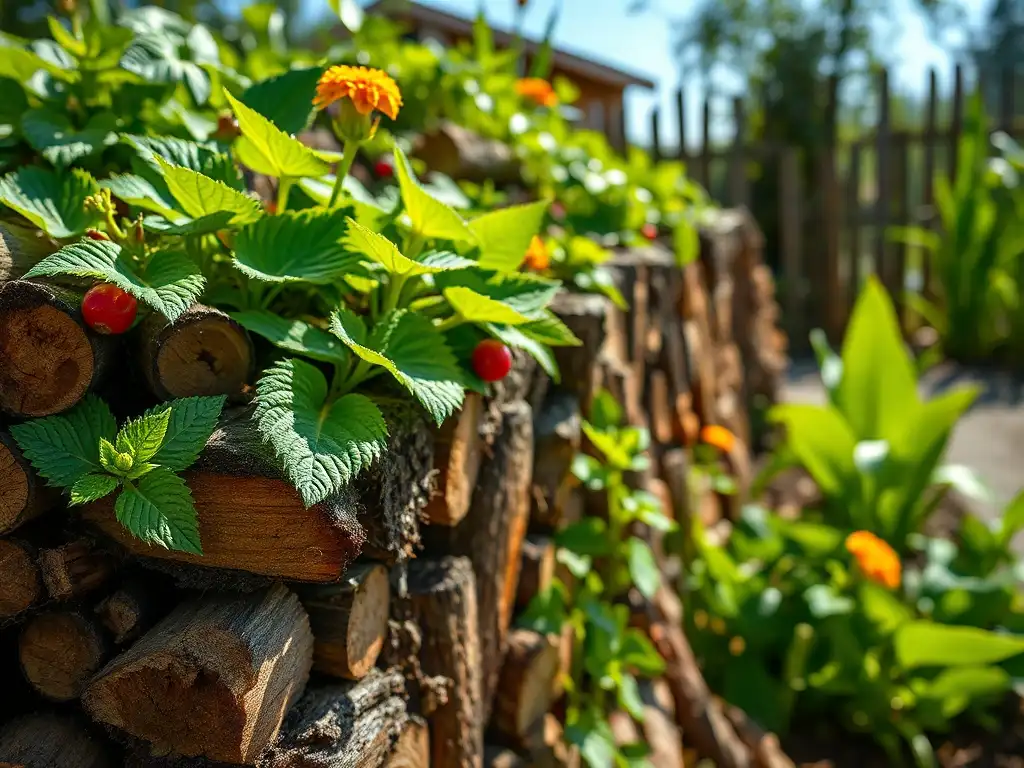
Ready to unlock the secrets of bountiful harvests and vibrant, sustainable gardening? At CultivateYourFood, we empower you to grow your own food organically. This isn't just about planting seeds; it's about nurturing a thriving ecosystem. Discover how to dramatically improve your soil fertility and create an incredibly productive garden with our Advanced Techniques guide on building hugelkultur garden mounds. Prepare to be amazed by the results – let's get started!
- Planning Your Hugelkultur Mound: Site Selection and Design
- Gathering Materials for Your Hugelkultur Mound
-
Building Your Hugelkultur Mound: A Step-by-Step Guide
- Step 1: Laying the Foundation: Preparing the Ground for Your Hugelkultur Mound
- Step 2: Creating the Wood Layer: Building the Core of Your Hugelkultur Mound
- Step 3: Adding Organic Layers: Incorporating Compost, Leaves, and Other Materials
- Step 4: Shaping Your Mound: Achieving the Desired Height and Slope
- Step 5: Covering and Mulching: Protecting Your Hugelkultur Mound and Retaining Moisture
-
Maintaining Your Hugelkultur Mound for Optimal Growth
- Watering Your Hugelkultur Garden: Balancing Moisture and Preventing Waterlogging
- Fertilizing Your Hugelkultur: Supplementing Nutrients for Healthy Plant Growth
- Weed Control in Hugelkultur: Managing Unwanted Vegetation in Your Mound
- Monitoring Your Hugelkultur Mound: Observing Decomposition and Soil Health
- Harvesting from Your Hugelkultur Mound: Maximizing Yields
- Troubleshooting Common Hugelkultur Issues
- The Benefits of Hugelkultur: Improved Soil Health and Water Retention
- Frequently Asked Questions
- Final Reflection: Cultivating a Sustainable Future, One Hugelkultur Mound at a Time
- Unleash Your Garden's Potential: Build Your Hugelkultur Mound Today!
Planning Your Hugelkultur Mound: Site Selection and Design
Transforming your yard into a thriving, water-wise garden is easier than you think with Hugelkultur! This innovative gardening technique uses decaying wood to create raised garden beds, improving soil structure, water retention, and overall soil health. This step-by-step guide will walk you through building your own Hugelkultur mound, focusing on sustainable and organic practices to help you build a flourishing garden that benefits both your plants and the environment.
We'll cover everything from choosing the perfect location and assessing your soil to designing the ideal shape and size for your mound, ensuring optimal sunlight and drainage. Get ready to learn how to build hugelkultur garden mounds and unlock the secrets to a more productive and eco-friendly garden! 🎉
Choosing the Ideal Location for Your Hugelkultur Garden
Selecting the right spot for your Hugelkultur mound is crucial for its success. Consider these key factors:
- Sunlight: Hugelkultur mounds need at least 6-8 hours of direct sunlight daily for optimal plant growth. Observe your yard throughout the day to identify areas receiving ample sunlight.
- Water Drainage: While Hugelkultur improves water retention, excessively soggy soil can harm plants. Choose a location with good drainage to prevent waterlogging. Areas with a slight slope are usually ideal.
- Accessibility: Consider how easily you'll be able to access your mound for planting, weeding, and harvesting. Choose a location that is convenient and safe to work in.
- Proximity to Water Source: Having a nearby water source will make watering your mound much easier, especially during dry periods.
- Wind Protection: If your area is prone to strong winds, consider placing your mound in a sheltered location to protect your plants from damage.
Remember, careful site selection is an investment in the long-term health and productivity of your Hugelkultur garden. Take your time and choose wisely!
Assessing Your Soil Conditions for Optimal Hugelkultur Success
Before you begin construction, take the time to analyze your existing soil. Understanding your soil type will help you determine any necessary amendments to optimize your Hugelkultur mound's performance. Consider these aspects:
- Soil Texture: Is your soil sandy, silty, clay-like, or a combination? This impacts drainage and water retention. Sandy soils drain quickly, while clay soils retain water excessively. Hugelkultur can improve both!
- Soil pH: The ideal pH range for most garden plants is between 6.0 and 7.0. A soil test will reveal your current pH, allowing you to amend accordingly before building your mound.
- Nutrient Content: A soil test can also determine the nutrient levels in your soil. Adding compost or other organic matter during mound construction can supplement any deficiencies.
- Existing Vegetation: Remove any existing vegetation, weeds, or debris from the chosen area before beginning construction. This prevents unwanted competition for nutrients and resources.
By understanding your soil's characteristics, you can create a Hugelkultur mound perfectly tailored to the needs of your plants, maximizing their growth potential. Don't skip this crucial step!
Designing Your Mound: Size, Shape, and Orientation for Sunlight and Drainage
The size and shape of your Hugelkultur mound depend on your space and gardening goals. Consider these points when designing your mound:
- Size: Start small if you're new to Hugelkultur. A smaller mound is easier to manage and allows you to gain experience before building larger structures. Consider the types and quantities of plants you intend to grow.
- Shape: Rectangular mounds are often easiest to build and maintain. However, you can also create circular or other shapes depending on your preference and available space.
- Orientation: Orient your mound to maximize sunlight exposure. The longest side should face south (in the Northern Hemisphere) to receive the most sunlight throughout the day.
- Drainage: Ensure your mound has a slight slope to facilitate drainage, preventing waterlogging. Avoid building your mound in a low-lying area prone to water accumulation.
Careful planning in this stage ensures your Hugelkultur mound will be both functional and aesthetically pleasing. Consider sketching your design beforehand to visualize the final product. Remember, a well-designed mound is the foundation for a thriving Hugelkultur garden!
Gathering Materials for Your Hugelkultur Mound
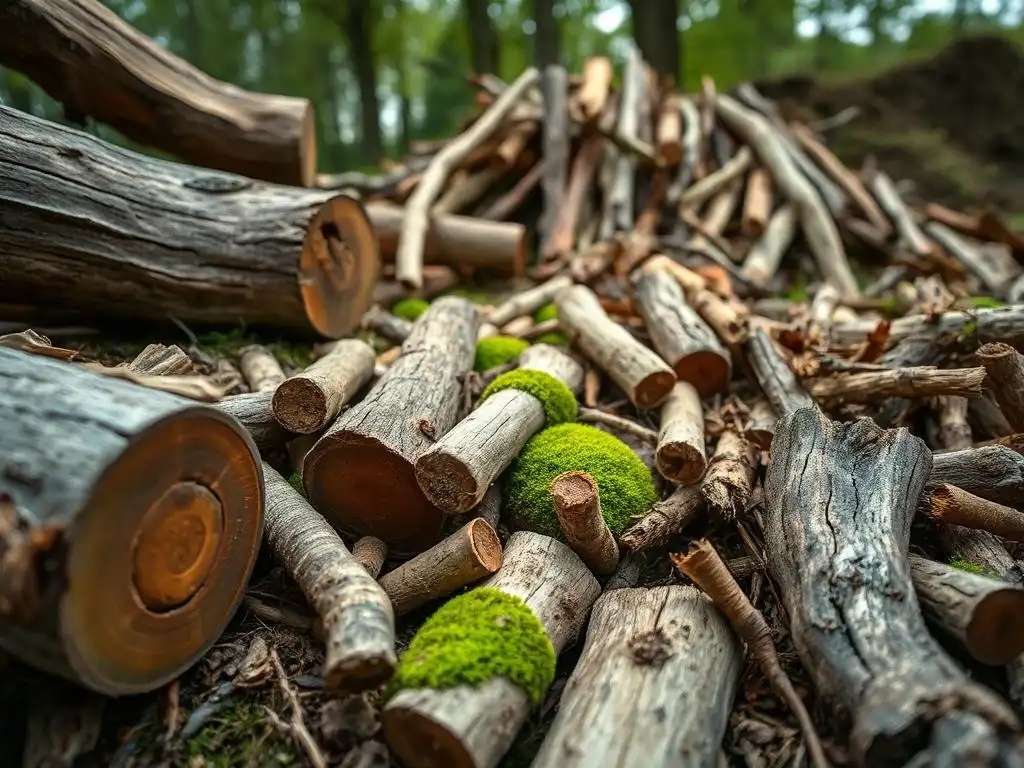
Building a successful hugelkultur mound relies heavily on the quality and quantity of your materials. Choosing the right components and preparing them correctly will significantly impact the long-term health and productivity of your garden. This section will guide you through the process of sourcing and preparing the essential materials for your hugelkultur mound, ensuring you build a thriving, water-retentive, and nutrient-rich garden bed.
Remember, the key to a successful hugelkultur mound is a diverse mix of organic materials that will decompose at varying rates, providing a sustained release of nutrients over time. This approach minimizes the need for external fertilizers and promotes healthy soil. Let's dive into the specifics.
Sourcing Wood for Your Hugelkultur: Types of Wood and Decomposition Rates
The foundation of any hugelkultur mound is wood. The type of wood you choose will influence the decomposition rate and the nutrients released into the soil. Avoid using treated lumber – the chemicals are harmful to soil health and plants. Instead, opt for untreated wood sources.
Here's a breakdown of wood types and their decomposition rates:
| Wood Type | Decomposition Rate | Nutrient Contribution | Considerations |
|---|---|---|---|
| Softwoods (Pine, Fir) | Fast | Moderate | Easier to break down, good for initial nutrient boost |
| Hardwoods (Oak, Maple) | Slow | High | Slower release of nutrients, long-term benefits |
| Branches & Twigs | Moderate to Fast | Moderate | Ideal for creating a well-drained structure |
Remember to consider the size and type of wood you're using. Larger pieces will decompose more slowly, providing a longer-lasting water reservoir and structure for the mound. Smaller pieces will decompose faster, contributing nutrients earlier in the process. A good mix of both is ideal. Aim for a variety of sizes to ensure a balanced decomposition process. Think of it like a layered lasagna – a variety of ingredients makes for a more delicious and nutritious meal, and the same applies to your hugelkultur mound.
Collecting Other Organic Materials: Branches, Leaves, and Compost
While wood forms the core structure, other organic materials enrich the nutrient profile and improve soil texture. These materials should be added in layers, alternating with the wood to create a well-aerated and decomposing mass.
- Branches and Twigs: These provide additional structure and air pockets within the mound, promoting healthy decomposition. Smaller branches decompose faster than larger ones, adding to the diverse decomposition rates within the mound. Consider collecting these from pruning sessions or responsibly sourced wood scraps.
- Leaves: A plentiful and readily available resource, leaves add organic matter and help retain moisture. A thick layer of leaves can also suppress weeds. Collect them in the fall or from nearby trees. Avoid using diseased leaves.
- Compost: Incorporating finished compost adds a significant boost of nutrients and beneficial microbes to your hugelkultur mound. This speeds up the decomposition process and creates a rich, fertile growing medium from the start. Aim for a well-rotted compost for optimal results.
- Grass Clippings: (Use caution!) If you choose to add grass clippings, use them sparingly and make sure they are not treated with herbicides or pesticides. They decompose quickly and can create anaerobic conditions if added in excessive amounts.
The quantity of these materials will depend on the size of your hugelkultur mound. Remember to balance the materials to ensure a well-structured and nutrient-rich mound.
Preparing Your Materials: Cleaning and Sizing for Efficient Decomposition
Before constructing your hugelkultur mound, preparing your materials is crucial for efficient decomposition and to prevent pest or disease problems.
- Wood: Remove any bark from the wood. Bark decomposes much slower than the wood itself, and can hinder the decomposition process. Cut larger pieces into smaller, more manageable sizes to speed up decomposition. The ideal size depends on the type of wood and your desired decomposition rate.
- Branches and Twigs: These can often be used as-is, but removing any leaves or other debris will help prevent the spread of disease.
- Leaves: Ensure the leaves are dry before adding them to the mound. Wet leaves can compact and create anaerobic conditions.
- Compost: Well-rotted compost is ready to use. However, if you have some partially decomposed compost, ensure it's mixed well with other materials to prevent anaerobic pockets.
Proper preparation ensures faster decomposition and a more uniform nutrient release throughout the life of your hugelkultur mound. This pre-emptive step contributes to a healthier and more productive garden. Consider using gloves and protective eyewear during the preparation process, especially when handling larger pieces of wood. Remember, safety first!
Building Your Hugelkultur Mound: A Step-by-Step Guide
This section provides a detailed, step-by-step guide on how to successfully build your own hugelkultur garden mounds. This technique, ideal for improving water retention and soil health, offers a sustainable and organic approach to gardening. Remember to always prioritize safety when handling tools and materials. Let's get started!
Step 1: Laying the Foundation: Preparing the Ground for Your Hugelkultur Mound
Before you begin piling wood and organic matter, careful site preparation is crucial for a thriving hugelkultur mound. The success of your hugelkultur garden depends heavily on this initial step. Choosing the right location and adequately preparing the ground will significantly impact your mound's long-term health and productivity.
First, select a location that receives at least six hours of sunlight daily. Consider the proximity to water sources for easy irrigation, and assess the drainage of the area. Poor drainage can lead to waterlogging and hinder the decomposition process. A slightly sloped area can be beneficial for drainage.
Next, clear the area of existing vegetation, rocks, and debris. Remove any weeds or grass thoroughly to prevent competition with your future plants. You might need to till the soil lightly to loosen it, but avoid over-tilling, as this can damage the soil structure. The goal is to create a level base for your mound.
The size of this base will determine the size of your final hugelkultur mound; plan accordingly based on your space and gardening needs. For example, a small mound might be suitable for herbs, while a larger one could support a wider variety of vegetables. Accurate measurements are key to building a structurally sound and aesthetically pleasing mound.
Finally, consider the soil type. Amend heavy clay soils with organic matter to improve drainage and aeration. Sandy soils may benefit from the addition of compost or other water-retaining materials to increase water retention. This initial soil amendment will help ensure your mound has a good foundation for successful decomposition and plant growth. Remember to document your soil type and any amendments made for future reference.
Step 2: Creating the Wood Layer: Building the Core of Your Hugelkultur Mound
The wood layer forms the heart of your hugelkultur mound. The choice of wood and its arrangement significantly influence the mound's longevity and its ability to retain moisture and nutrients. Avoid using treated lumber, as the chemicals can leach into the soil and harm plants.
Use a variety of wood sizes, from large logs and branches to smaller twigs and wood chips. Larger pieces decompose more slowly, providing long-term structure and aeration. Smaller pieces decompose faster, contributing to nutrient release in the early stages. A mix of both ensures a balanced decomposition process. Consider using a mix of hardwoods and softwoods for optimal results. Hardwoods decompose more slowly, providing a longer-lasting structure.
Arrange the wood in layers, creating a stable base. Avoid creating large gaps that could compromise the structural integrity of your mound. Lay the largest pieces at the bottom, gradually decreasing the size as you move upwards. This layered approach ensures proper drainage and prevents the mound from collapsing. Aim for a consistent wood layer thickness throughout the mound. While there isn't a strict measurement, a substantial layer is crucial for long-term water retention.
Remember to compact the wood layers slightly to create a firm foundation. This prevents settling and ensures a stable structure for the subsequent layers. You can use a shovel or your feet to gently compact the wood as you build. This step is vital for the overall stability of the hugelkultur mound. A well-compacted wood layer will prevent the mound from sinking or becoming uneven over time.
Step 3: Adding Organic Layers: Incorporating Compost, Leaves, and Other Materials
Once the wood layer is complete, it's time to add organic materials to enrich the soil and further enhance water retention. This step is crucial for providing the nutrients necessary for healthy plant growth. A diverse mix of organic materials will accelerate the decomposition process and create a fertile environment.
Begin by adding a layer of compost. Compost provides essential nutrients and beneficial microorganisms that promote decomposition. Use a good quality compost, rich in organic matter. The thickness of this layer should be substantial, ideally several inches. A rich compost layer will provide a significant boost to the mound's fertility.
Next, add layers of other organic materials, such as leaves, grass clippings, straw, and shredded paper. These materials contribute to the overall volume of the mound and further enhance water retention. Avoid using diseased plants or materials that might introduce pests or diseases. A diverse range of organic materials will create a thriving ecosystem within the mound.
Finally, cover the organic layers with a layer of topsoil. This provides a suitable growing medium for your plants. The thickness of the topsoil layer should be sufficient to support the roots of your chosen plants. The topsoil layer should be well-mixed with the underlying organic materials to ensure proper nutrient distribution. Consider adding additional compost to the topsoil layer for extra nutrients.
Remember to water the mound thoroughly after completing the layers. This helps to initiate the decomposition process and settle the materials. The initial watering is crucial for establishing a healthy environment within the mound. Regular watering during the initial establishment phase will accelerate the decomposition process and support plant growth. The completed mound should have a gently sloping surface to facilitate proper drainage.
Step 4: Shaping Your Mound: Achieving the Desired Height and Slope
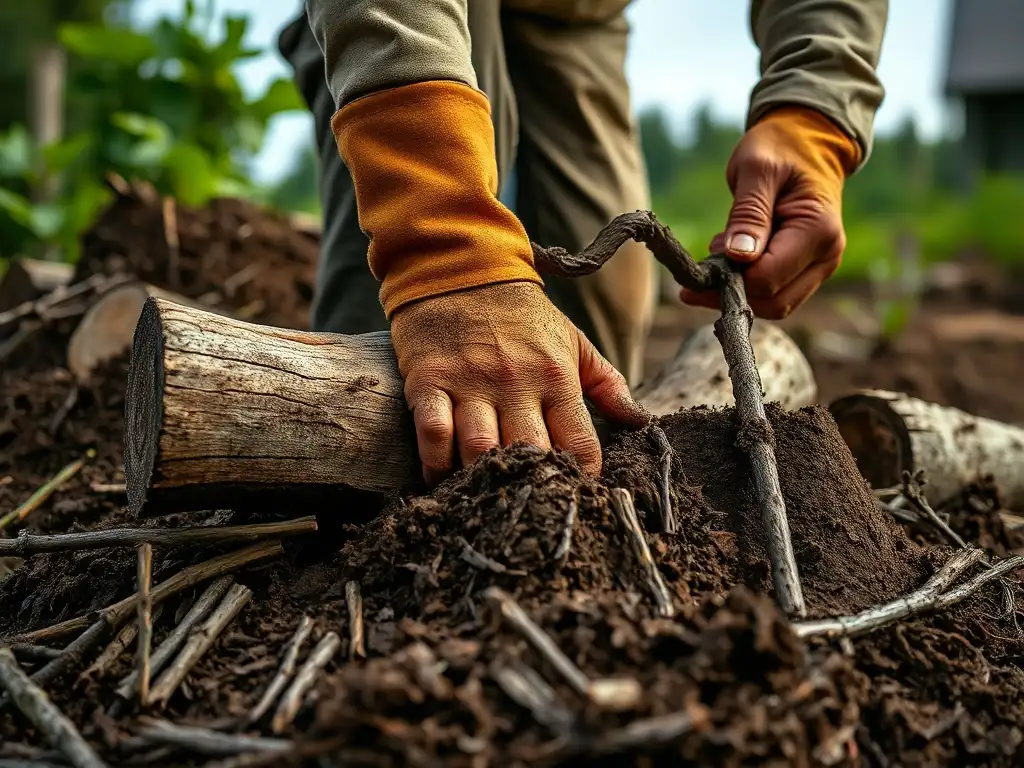
Once you've layered your woody material, it's time to shape your hugelkultur mound. The ideal height and slope depend on several factors, including your soil type, the prevailing winds in your area, and the types of plants you intend to cultivate. Generally, a mound height of 1-3 feet is suitable for most applications. Taller mounds can offer better drainage in heavy clay soils, while shorter mounds might be preferable in areas with strong winds to prevent erosion. The slope should be gradual, allowing for easy access and preventing water runoff.
Consider the sun exposure as well. A gently sloping south-facing mound (in the Northern Hemisphere) will maximize sunlight exposure for your plants. Conversely, a more gradual slope might be necessary on a north-facing mound to compensate for less sunlight.
Use a shovel or rake to gently shape the mound, ensuring even distribution of the wood and soil layers. Avoid creating sharp angles or steep slopes, as this can lead to instability and erosion. Remember, the goal is to create a gently rounded shape that promotes water retention and even plant growth.
Take your time with this step; a well-shaped mound will significantly impact the success of your hugelkultur garden. A slightly uneven surface can even benefit the garden by creating microclimates and providing diverse growing conditions for various plants. You can also use a garden level to ensure the mound is as level as possible if you want a more uniform planting area.
Step 5: Covering and Mulching: Protecting Your Hugelkultur Mound and Retaining Moisture
After shaping your mound, it's crucial to cover it with a thick layer of mulch to protect the underlying wood and retain moisture. This mulch layer serves several important functions. Firstly, it suppresses weed growth, reducing competition for nutrients and water. Secondly, it helps to regulate soil temperature, preventing extreme fluctuations that can harm plant roots. Finally, it significantly improves water retention, a key benefit of hugelkultur.
A good mulch layer should be at least 4-6 inches deep. Suitable mulching materials include straw, wood chips, shredded leaves, and compost. Avoid using freshly cut grass clippings, as they can compact and smother the mound. Distribute the mulch evenly over the entire surface of the mound.
You can use a rake or your hands to spread the mulch, ensuring complete coverage. Consider adding a layer of compost on top of the mulch to provide additional nutrients to the soil. This combination of mulch and compost creates a fertile and moisture-retentive environment, creating ideal conditions for your plants to thrive.
Remember to replenish the mulch layer periodically, especially after heavy rains or strong winds, to maintain its effectiveness. This step is crucial for long-term success of your hugelkultur mound, ensuring a healthy and productive garden for years to come. The added benefit of a well-mulched mound is that it looks visually appealing, blending seamlessly into the landscape.
Maintaining Your Hugelkultur Mound for Optimal Growth
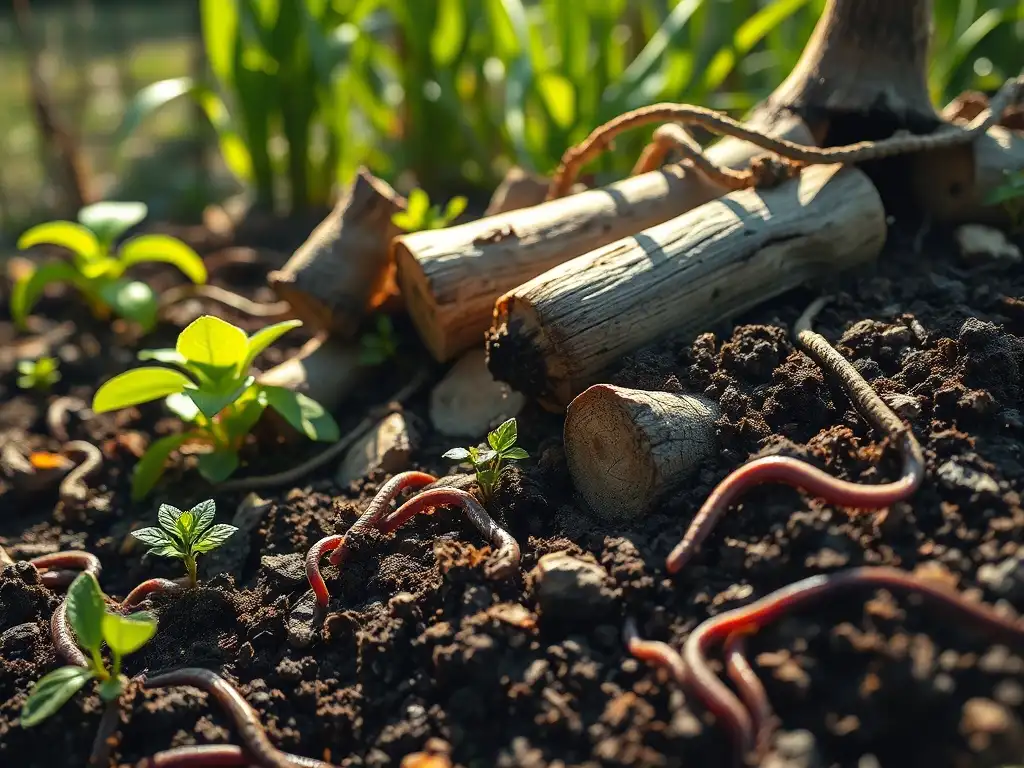
Building a hugelkultur mound is just the first step towards a thriving, sustainable garden. Proper maintenance is crucial for ensuring your mound provides optimal growing conditions for years to come. This section details key maintenance practices to keep your hugelkultur garden flourishing. We will explore watering techniques, fertilization strategies, and weed control methods specific to this unique gardening approach. By following these tips, you'll maximize the benefits of your hugelkultur mound and enjoy abundant harvests.
Watering Your Hugelkultur Garden: Balancing Moisture and Preventing Waterlogging
Efficient watering is vital for a successful hugelkultur garden. The decaying wood within the mound acts as a natural water reservoir, reducing the frequency of watering compared to traditional gardens. However, overwatering can lead to waterlogging, hindering root development and potentially causing root rot. The key is to strike a balance.
The best approach involves monitoring soil moisture regularly. Stick your finger a few inches into the soil; if it feels dry, it's time to water. Deep, infrequent watering is preferred to shallow, frequent watering. This encourages deep root growth, taking advantage of the hugelkultur's water retention capabilities. Aim to water deeply but less often, allowing the soil to dry slightly between waterings. The frequency will depend on factors like climate, plant type, and soil composition. In drier climates, you might need to water more frequently, while in humid areas, watering may be less necessary.
Consider using a soaker hose or drip irrigation system for efficient water delivery. These methods minimize water waste and ensure even moisture distribution throughout the mound. Avoid overhead watering, as this can lead to soil compaction and fungal diseases. Regular observation of your plants is key; wilting leaves indicate a need for watering, while overly saturated soil may require drainage improvements.
Fertilizing Your Hugelkultur: Supplementing Nutrients for Healthy Plant Growth
While the decaying wood in your hugelkultur mound provides a slow-release source of nutrients, supplementing with additional fertilizer can enhance plant growth and yield. The decomposition process releases nutrients gradually over time, but the initial burst of nutrients might not be sufficient for all plant needs, especially for heavy feeders.
The type of fertilizer you choose depends on your specific plants and soil testing results. A soil test will reveal any nutrient deficiencies, allowing you to tailor your fertilization strategy accordingly. Compost tea, a liquid fertilizer made from composted organic matter, is an excellent choice for hugelkultur gardens. It's rich in beneficial microbes and provides a gentle, readily available source of nutrients.
You can also use other organic fertilizers like well-rotted manure or bone meal. Always follow the fertilizer instructions carefully, as over-fertilizing can harm your plants. Remember, the goal is to supplement the nutrients already provided by the decaying wood, not to overwhelm the system. Apply fertilizer according to the needs of your specific plants. Some plants are heavy feeders and will require more frequent fertilization than others.
Weed Control in Hugelkultur: Managing Unwanted Vegetation in Your Mound
Weed control in a hugelkultur mound requires a slightly different approach compared to traditional gardening. The mound's unique structure and the decaying wood can present challenges. However, with proactive measures, you can effectively manage weeds and maintain a healthy growing environment.
Mulching is a highly effective weed control method for hugelkultur. A thick layer of mulch, such as straw or wood chips, suppresses weed growth by blocking sunlight and preventing weed seeds from germinating. This also helps retain soil moisture and regulate soil temperature. Regularly remove any weeds that do manage to emerge. Hand weeding is often the most effective method, especially in the early stages of the mound's development. Avoid using herbicides, as these can harm beneficial soil organisms and contaminate your garden.
Consider planting a ground cover between your main crops. Ground covers can help suppress weeds and improve soil health. Choose ground covers that are compatible with your chosen plants and the overall composition of your hugelkultur mound. Careful planning and consistent maintenance are key to keeping weeds under control in your hugelkultur garden. Regular monitoring, prompt removal of weeds, and proactive mulching will significantly reduce weed pressure and promote healthy plant growth in your hugelkultur mound.
Monitoring Your Hugelkultur Mound: Observing Decomposition and Soil Health
Monitoring your hugelkultur mound is crucial for ensuring its long-term success and maximizing its benefits for your plants. Regular observation allows you to identify potential problems early on and adjust your management strategies accordingly. The decomposition process within the mound is dynamic, and understanding its stages is key to maintaining a healthy and productive garden.
Initially, you'll notice a significant amount of heat generated as the wood decomposes. This is a natural process, and the warmth can help extend the growing season, especially in cooler climates. However, excessively high temperatures can be detrimental to plant roots. Using a simple soil thermometer, check the temperature at different depths within the mound, particularly during the first year. If temperatures consistently exceed 140°F (60°C), you may need to add more compost or mulch to help regulate the heat. Remember to monitor the temperature throughout the year as the decomposition rate varies with seasonal changes.
Beyond temperature, pay close attention to the moisture levels within the mound. Hugelkultur is designed to improve water retention, but excessive moisture can lead to waterlogging and root rot. Conversely, excessively dry conditions can hinder decomposition and negatively impact plant growth. Regularly check the moisture content by feeling the soil – it should be moist but not soggy.
Adjust watering based on your local climate and rainfall patterns. During dry periods, consider using a soaker hose or drip irrigation system to deliver water directly to the base of plants, avoiding surface runoff. Mulching the surface of the mound with organic matter like straw or shredded leaves can further help retain moisture and regulate temperature.
Soil health is another critical aspect to monitor. As the wood decomposes, it releases nutrients that enrich the soil. However, the decomposition process can also alter the soil's pH. Regular soil testing, ideally twice a year (spring and fall), will help determine if your soil's pH is within the optimal range for your chosen plants. Adjustments can be made by adding lime to increase pH or sulfur to decrease it, based on the test results.
Observe the overall soil structure as well. A healthy hugelkultur mound should have a well-structured soil that is rich in organic matter, allowing for good aeration and drainage. If you notice compaction or poor drainage, consider adding more compost or other organic amendments to improve soil structure. The addition of beneficial microbes through compost tea can further enhance soil health and nutrient cycling.
Finally, keep an eye out for any signs of pest or disease problems. Regularly inspect your plants for any signs of damage or infestation. Early detection is crucial for effective pest and disease management, allowing for prompt intervention before significant harm is done. Employing integrated pest management strategies, which prioritize preventative measures and utilize natural pest control methods, is essential for maintaining a healthy and sustainable hugelkultur garden. This might involve companion planting, introducing beneficial insects, or using organic pest control products. Careful observation and prompt action will ensure your hugelkultur mound continues to thrive for years to come.
Harvesting from Your Hugelkultur Mound: Maximizing Yields
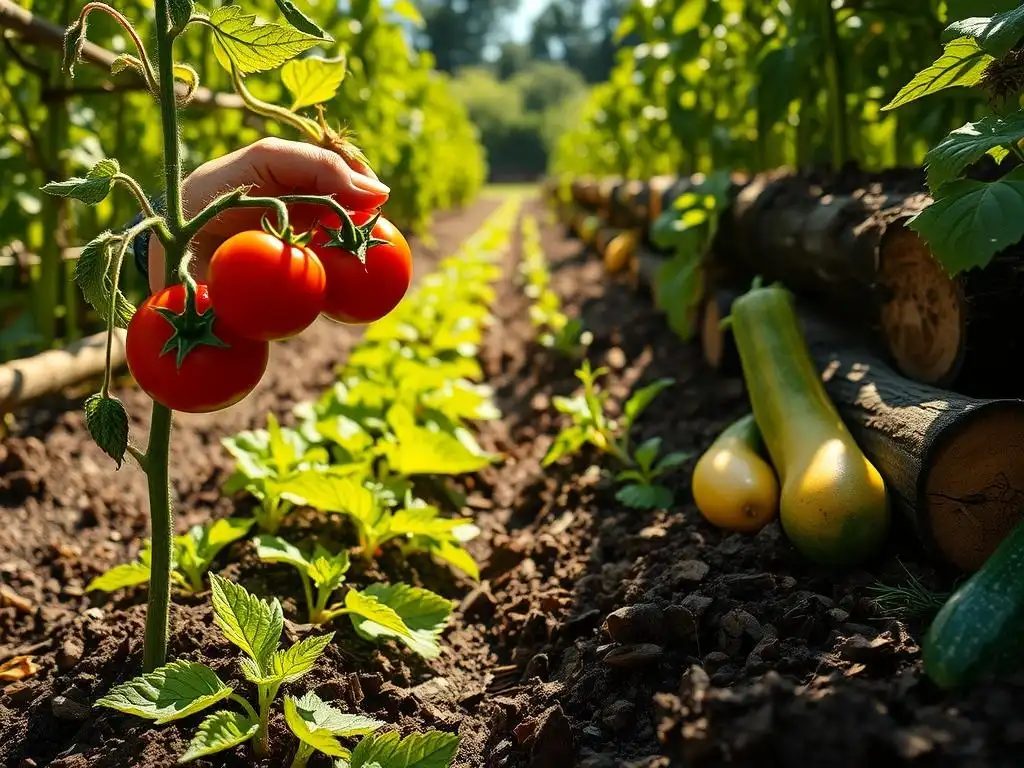
Building a hugelkultur mound is a significant investment of time and effort, but the rewards—in terms of increased yields and improved soil health—are substantial. Understanding how to effectively harvest from your hugelkultur garden is crucial to maximizing your return. This section will explore optimal harvesting techniques and strategies to ensure you reap the benefits of your hard work. Proper harvesting not only provides you with abundant produce but also contributes to the long-term health and productivity of your mound. We'll delve into planning, techniques, and season extension strategies specifically tailored for hugelkultur gardening.
Planning for Hugelkultur Harvesting: Choosing Suitable Crops and Planting Times
Careful planning is key to successful hugelkultur harvesting. The unique properties of a hugelkultur mound—its excellent drainage, water retention, and thermal properties—influence the selection of suitable crops and their planting times. Certain crops thrive in the warm, well-drained environment created by the mound, while others may struggle.
For example, root vegetables like carrots and potatoes often perform exceptionally well in hugelkultur due to the loose, well-aerated soil. However, planting them too close to the core of the mound, where decomposition is most active, might lead to uneven growth. Conversely, crops with shallow root systems, such as lettuce and spinach, might benefit from planting on the mound's edges where the soil is less impacted by the decomposition process.
The mound's thermal properties also affect planting times. The decomposition process generates heat, which can extend the growing season, allowing you to start planting earlier in the spring and harvest later into the fall. However, this heat can also be detrimental to certain heat-sensitive crops if planted too early. Understanding the specific thermal profile of your mound through monitoring soil temperature is crucial for making informed planting decisions. Consider using a soil thermometer to track temperature fluctuations throughout the year.
Planning your planting scheme with these factors in mind will significantly impact your harvest. Consider creating a planting schedule that takes into account the mound's thermal profile and the specific needs of each crop. This will help you optimize your yields and ensure a consistent supply of fresh produce throughout the growing season.
Harvesting Techniques for Hugelkultur: Best Practices for Different Crops
Harvesting from a hugelkultur mound requires a slightly different approach compared to traditional gardening. The loose, well-drained soil of the mound requires gentle handling to avoid damage to roots and plants. Different crops require different harvesting techniques:
| Crop Type | Harvesting Technique | Considerations |
|---|---|---|
| Root Vegetables | Carefully dig around the plant to avoid damaging the roots. | Avoid using sharp tools near the roots. Harvest when fully mature. |
| Leafy Greens | Cut leaves at the base, leaving the root system intact. | This allows for continuous harvesting from the same plant. |
| Vining Plants (e.g., cucumbers, squash) | Harvest fruits as they ripen. Support vines to prevent damage. | Regular harvesting encourages further fruiting. |
| Berries | Gently pick ripe berries, avoiding pulling or bruising. | Harvest frequently to maximize yield and prevent overripe berries from spoiling. |
Remember to always use clean and sharp tools for harvesting to minimize the risk of disease spread. Regular monitoring of your crops is essential for identifying ripe produce and preventing losses due to overripening or pest damage. A well-maintained hugelkultur mound will reward you with an abundant harvest, provided you employ the appropriate harvesting techniques.
Extending the Growing Season with Hugelkultur: Utilizing the Mound's Thermal Properties
One of the significant advantages of hugelkultur is its ability to extend the growing season. The decomposition process within the mound generates heat, warming the soil and creating a microclimate that's warmer than the surrounding area. This allows you to plant earlier in the spring and harvest later in the fall, significantly increasing your overall yield.
This extended growing season is particularly beneficial for heat-loving crops like tomatoes, peppers, and melons. By planting these crops on your hugelkultur mound, you can get an earlier start and potentially harvest for a longer period. Conversely, you can also protect more sensitive crops from early frosts by planting them on the mound, as the soil retains heat longer.
To maximize the thermal benefits of your hugelkultur mound, consider using a soil thermometer to monitor temperature fluctuations. This will help you determine the optimal planting times for various crops and avoid potential damage from extreme temperatures. Moreover, mulching the surface of your mound with organic materials can further help regulate temperature and retain moisture, extending the growing season even further. Careful observation and adjustments based on your specific climate and crop choices will allow you to fully harness the thermal benefits of your hugelkultur mound and achieve impressive yields throughout an extended growing season. 🌱
Troubleshooting Common Hugelkultur Issues
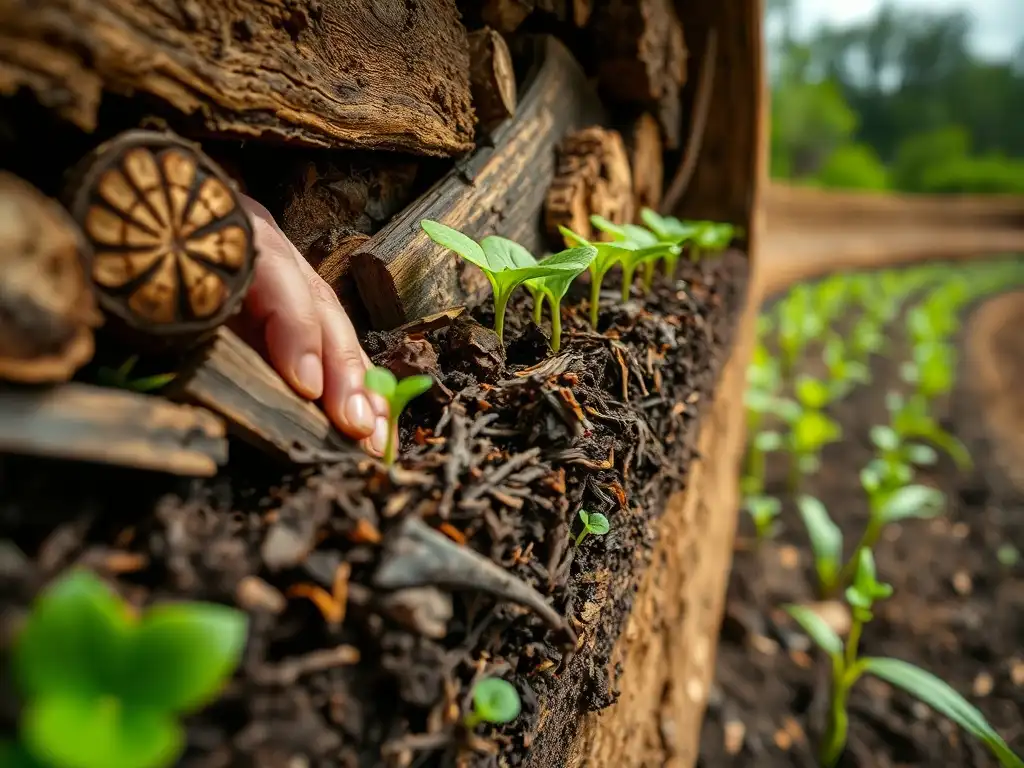
Building a hugelkultur garden mound offers numerous benefits, from improved water retention and soil fertility to enhanced drainage and reduced weed growth. However, like any gardening method, challenges can arise. Understanding and proactively addressing potential problems is crucial for the long-term success of your hugelkultur bed. This section will equip you with the knowledge to overcome common hurdles and maintain a thriving hugelkultur garden.
Addressing Common Problems: Dealing with Pests, Diseases, and Drainage Issues
Hugelkultur, while beneficial, isn't immune to pest infestations and diseases. The decaying wood provides a haven for some organisms, while the rich, moist environment can encourage fungal growth if not properly managed. Proper planning and preventative measures are key to minimizing these issues.
One common problem is attracting unwanted insects. While beneficial insects also thrive in hugelkultur beds, monitoring for pests like slugs, snails, aphids, and certain beetle larvae is essential. Regular inspection of your plants allows for early detection. Implementing preventative measures like companion planting (using plants that repel pests) and introducing beneficial nematodes can significantly reduce pest pressure. For example, planting marigolds near susceptible vegetables can deter nematodes and other harmful insects.
Another potential issue is fungal diseases. The high moisture content in a hugelkultur bed can favor the development of fungal pathogens, especially if the wood used isn't properly seasoned. Ensuring good air circulation around your plants by avoiding overcrowding is crucial. Mulching the surface with straw or other organic materials can help regulate moisture levels and prevent fungal spores from spreading. In cases of severe fungal infection, pruning affected plant parts and using organic fungicides might be necessary. Always identify the specific disease before applying any treatment.
Drainage is another vital aspect to consider. While hugelkultur excels at water retention, poor drainage can lead to root rot and other problems. Before building your mound, assess your soil's drainage capacity. If your soil is particularly clay-heavy, you might need to incorporate more coarse materials like gravel into the base of your hugelkultur bed to enhance drainage. Avoid overwatering, as this can exacerbate drainage problems.
| Problem | Solution | Prevention |
|---|---|---|
| Pest Infestation | Regular inspection, companion planting, beneficial nematodes, organic pesticides | Proper site selection, healthy plants, maintaining balanced ecosystem |
| Fungal Disease | Good air circulation, proper mulching, organic fungicides, pruning affected parts | Choosing well-seasoned wood, avoiding overcrowding, managing moisture levels |
| Poor Drainage | Incorporate gravel, avoid overwatering, amend soil with organic matter | Assess soil drainage before building, create proper mound shape |
Remember, proactive management is key to a healthy hugelkultur garden. Regular monitoring and timely intervention can prevent small problems from escalating into significant issues. A well-maintained hugelkultur bed will reward you with bountiful harvests for years to come. Early detection and swift action are crucial for successful hugelkultur gardening.
Maintaining Soil Health in Your Hugelkultur: Long-Term Care and Management
The long-term success of your hugelkultur garden depends heavily on maintaining healthy soil. While the initial construction provides a significant boost to soil fertility, ongoing care is necessary to sustain its benefits. This involves several key practices.
Firstly, regular composting is essential. As the wood decomposes, nutrients are released into the soil. However, this process is gradual. Supplementing with compost tea or other organic fertilizers ensures a consistent supply of nutrients, especially nitrogen, which is often depleted during decomposition. Adding compost regularly helps maintain a balanced nutrient profile and supports healthy plant growth. Consider using a variety of compost materials to ensure a diverse range of beneficial microorganisms in your soil.
Secondly, regular monitoring of soil moisture is crucial. Hugelkultur excels at water retention, but excessive moisture can be detrimental. During dry periods, supplemental watering might be necessary, but avoid overwatering. During wet periods, ensure adequate drainage to prevent waterlogging. Using a soil moisture meter can help you track moisture levels accurately. This helps ensure that your plants receive the optimal amount of water without experiencing water stress or root rot.
Thirdly, consider soil testing periodically. This provides valuable insights into the nutrient levels in your soil. Based on the results, you can adjust your fertilization strategy to ensure your plants receive the necessary nutrients for optimal growth and yield. Soil testing helps you proactively address any nutrient deficiencies before they impact plant health. Regular testing and adjustments are vital for long-term soil health.
Further Tips for Long-Term Hugelkultur Management
- Avoid walking directly on the mound to prevent soil compaction.
- Mulch the surface regularly to help retain moisture and suppress weeds.
- Rotate your crops annually to prevent nutrient depletion and pest buildup.
- Consider adding cover crops during fallow periods to improve soil structure and fertility.
By implementing these long-term care practices, you can ensure that your hugelkultur garden remains a productive and thriving ecosystem for years to come. Remember that consistent monitoring and proactive adjustments are key to maximizing the benefits of this sustainable gardening technique. The payoff for this effort is a rich, healthy soil that supports vigorous plant growth and abundant harvests.
The Benefits of Hugelkultur: Improved Soil Health and Water Retention
Hugelkultur, a gardening technique originating in Central Europe, offers significant advantages over traditional gardening methods. By building mounds using decaying wood, you create a dynamic ecosystem that improves soil structure, enhances water retention, and boosts fertility – all crucial aspects for sustainable and thriving gardens. This section delves into the specific benefits of hugelkultur, focusing on its impact on soil health and water management, which are key factors in successful "Build hugelkultur garden mounds" projects. Understanding these benefits is crucial for appreciating the long-term advantages of this innovative gardening technique.
Enhanced Water Retention and Drought Resistance in Hugelkultur Gardens
One of the most significant advantages of hugelkultur is its exceptional water retention capabilities. The decaying wood within the mound acts like a giant sponge, absorbing and holding rainwater. This is particularly beneficial during dry spells. The wood slowly decomposes, releasing water gradually into the surrounding soil, providing a consistent source of moisture for plants even during periods of drought.
This reduces the need for frequent watering, saving you time and water resources. Studies have shown that hugelkultur beds can retain up to 30% more water than conventional garden beds, significantly increasing drought resistance for your plants 🌱. This enhanced moisture retention is a key factor contributing to the overall success and productivity of your hugelkultur garden. The consistent moisture supply minimizes stress on plants, leading to healthier growth and higher yields.
Consider this example: a conventional garden bed might require watering every other day during a heatwave. A hugelkultur bed, however, might only need watering once a week, or even less, depending on the climate and plant species. This difference is substantial, especially in areas prone to drought.
Improved Soil Fertility and Nutrient Availability in Hugelkultur Mounds
The decaying wood in a hugelkultur mound doesn't just improve water retention; it also significantly enhances soil fertility. As the wood breaks down, it releases essential nutrients like nitrogen, phosphorus, and potassium directly into the soil, providing a continuous supply of nourishment for your plants. This natural fertilization process reduces or eliminates the need for chemical fertilizers, promoting organic and sustainable gardening practices.
Moreover, the decaying wood improves soil structure, creating a more porous and aerated environment that facilitates better root growth and nutrient uptake. The increased organic matter also enhances the soil's ability to retain nutrients, preventing leaching and maximizing their availability to plants.
The composition of the wood used also plays a role. Hardwoods decompose more slowly, providing a longer-lasting source of nutrients. A well-built hugelkultur mound can provide sustained fertility for many years, significantly reducing the need for external inputs. This long-term nutrient release is a key advantage over methods relying solely on annual fertilization. We need more data on the precise nutrient release rates of different wood types to further refine these recommendations [specific information pending].
Long-Term Sustainability and Reduced Reliance on External Inputs in Hugelkultur
Hugelkultur promotes long-term sustainability by reducing your reliance on external inputs such as water, fertilizers, and pesticides. The improved water retention minimizes the need for frequent watering, conserving water resources and reducing your carbon footprint. The slow release of nutrients from the decaying wood minimizes or eliminates the need for chemical fertilizers, promoting a healthier soil ecosystem and reducing pollution.
Furthermore, the improved soil structure and increased organic matter contribute to healthier plants, making them more resistant to pests and diseases, thus reducing the need for pesticides. This integrated approach to gardening creates a self-sustaining system that requires minimal intervention, aligning perfectly with sustainable and organic gardening principles.
The long-term benefits of hugelkultur extend beyond the immediate improvements in soil health and water retention. By creating a resilient and self-regulating ecosystem, hugelkultur contributes to a more sustainable and environmentally friendly approach to gardening. The reduced reliance on external inputs translates to lower costs and reduced environmental impact, making it an attractive option for environmentally conscious gardeners seeking to "Build hugelkultur garden mounds" effectively. Building a hugelkultur mound is a one-time investment that yields long-term rewards in terms of improved soil health, reduced water consumption, and enhanced plant growth.
Frequently Asked Questions
What is Hugelkultur?
Hugelkultur is a gardening technique using buried wood to create raised garden beds. This method improves soil drainage, fertility, and water retention over time, leading to healthier plants.
Why build a Hugelkultur garden mound?
Building a Hugelkultur mound offers several advantages: improved soil structure, increased water retention, enhanced fertility, and reduced need for watering and fertilizing. It's also a great way to use up wood waste.
What kind of wood is best for Hugelkultur?
Use hardwoods that are not treated or painted. Avoid softwoods like pine or cedar, as they decompose too quickly. Consider using branches, logs, and other woody debris.
How big should my Hugelkultur mound be?
The size depends on your needs and space. Start with a smaller mound if you're unsure, and you can always build more later. Consider the size of the plants you plan to grow.
How long does it take for a Hugelkultur mound to settle?
It takes several months for the wood to decompose and the mound to settle completely. You can plant right away, but expect some settling and potential adjustments needed during the first year.
Final Reflection: Cultivating a Sustainable Future, One Hugelkultur Mound at a Time
The principles of Hugelkultur, far from being a quaint gardening technique, offer a potent solution to modern challenges in sustainable living. Building these raised garden beds isn't just about creating fertile ground; it's about actively participating in a more environmentally conscious way of life, reducing waste and maximizing resource utilization. This method offers a tangible path towards a greener future, one mound at a time.
The impact of Hugelkultur extends beyond the individual garden; it speaks to a larger cultural shift towards mindful resource management and a deeper connection with the natural world. The simple act of building a mound becomes a powerful statement about our responsibility to the planet. We do not inherit the earth from our ancestors, we borrow it from our children.
This quote perfectly encapsulates the long-term vision inherent in Hugelkultur – a legacy of fertile land and sustainable practices passed down through generations. It's a practice that encourages us to think beyond immediate gratification and consider the lasting impact of our actions.
Now, consider your own space. Imagine the possibilities: a thriving garden bursting with life, built from materials that would otherwise be discarded. You have the power to transform your yard, not just aesthetically, but also ecologically. Take the knowledge gained from this guide, and begin your own Hugelkultur journey. Embrace the challenge, celebrate the process, and witness the remarkable results – a bountiful harvest and a deeper connection to the earth. Let your garden become a testament to sustainable living, a vibrant example of what's possible when we choose to work with nature, not against it.
Unleash Your Garden's Potential: Build Your Hugelkultur Mound Today!
Thank you for learning about Hugelkultur! You now have the knowledge to create a thriving, water-efficient garden. Ready to put your skills to the test?
- Start building your Hugelkultur mound this weekend! Gather your materials and follow the steps in this article; you'll be amazed by the results.
- Share your progress (and any questions!) with our community on the CultivateYourFood forum. We love seeing your creations!
- Explore other sustainable gardening techniques on our website to further enhance your garden's productivity and beauty.
What unique touch will you add to your Hugelkultur mound to make it truly special?