
Compact Tomato Varieties: Ideal Choices for Small Gardens

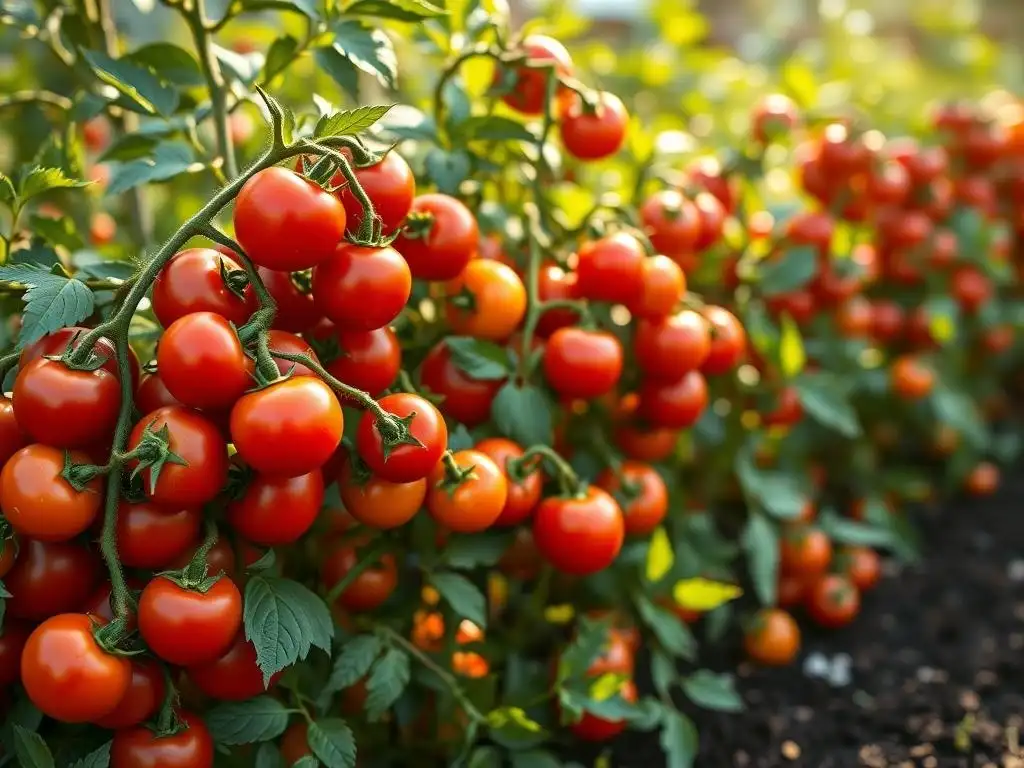
Ready to transform your small space into a vibrant, productive garden? At CultivateYourFood, we empower you to grow your own delicious fruits, vegetables, and herbs organically. Discover the secrets to a bountiful harvest, even with limited space. This season, let's explore the best compact tomato varieties—perfect for maximizing yields in smaller gardens. Learn how to select, plant, and care for these amazing plants and get ready to taste the freshest tomatoes you've ever had!
- Best Compact Tomato Varieties for Small-Space Gardening
- Understanding the Growth Habits of Dwarf and Determinate Tomatoes
- Planting and Caring for Compact Tomatoes in Small Spaces
- Harvesting and Enjoying Your Compact Tomato Crop
- Frequently Asked Questions
- Final Reflection: Cultivating Abundance in Confined Spaces
- Unleash Your Inner Gardener: Grow Juicy Tomatoes in Any Space!
Best Compact Tomato Varieties for Small-Space Gardening
Growing delicious, homegrown tomatoes doesn't require a sprawling backyard. Even those with limited space can enjoy the rewards of cultivating these vibrant fruits thanks to the abundance of compact tomato varieties specifically bred for smaller gardens, containers, and raised beds. This guide explores the best compact tomato varieties, focusing on high-yield cultivars ideal for maximizing production in limited areas. We'll delve into the key factors to consider when selecting the perfect compact tomato for your specific needs and growing conditions, helping you choose the varieties that will thrive in your small space and provide a bountiful harvest.
We'll cover everything from the top space-saving cultivars to essential considerations for successful cultivation, ensuring you're well-equipped to cultivate a successful tomato crop, even with limited space. Get ready to experience the joy of homegrown tomatoes, regardless of your garden size! 🍅
Top 5 Space-Saving Tomato Cultivars for Containers and Raised Beds
Choosing the right compact tomato variety is crucial for maximizing yield in a small garden. Here are five excellent options known for their space-saving nature and delicious fruits:
- Tiny Tim: This incredibly compact indeterminate variety produces a large number of small, cherry-like tomatoes perfect for salads or snacking. It's exceptionally well-suited for containers and thrives in full sun.
- Patio Choice Red: A determinate variety, Patio Choice Red offers a reliable yield of medium-sized red tomatoes. Its compact growth habit makes it ideal for small spaces, and it's relatively low-maintenance.
- Roma VF: While not as drastically compact as others, Roma VF offers a determinate growth habit and produces plentiful quantities of its classic, plum-shaped tomatoes perfect for sauces and preserving.
- Sweet Million: This prolific indeterminate variety yields an abundance of sweet, cherry-sized tomatoes. Though slightly larger than Tiny Tim, it remains compact enough for containers or smaller garden beds.
- Tumbling Tom Red: This unique variety is specifically designed for hanging baskets or containers, producing a cascade of red cherry tomatoes. Its trailing habit makes it a visually appealing and productive choice for vertical gardening.
High-Yielding Compact Tomato Plants: Maximizing Production in Limited Space
Even in small spaces, you can achieve a substantial tomato harvest by selecting high-yielding compact varieties and optimizing your growing techniques. Factors such as sunlight exposure, soil quality, watering, and fertilization all play a crucial role. Proper spacing is also key; overcrowding can hinder growth and reduce yield. Consider using trellises or cages to support the plants and improve air circulation, preventing fungal diseases. Regular pruning and deadheading also promote better fruit production.
Remember, consistent care and attention translates directly to a greater yield, even in a limited space. Proper soil preparation, including the addition of compost or other organic matter, will also significantly improve the health and productivity of your plants. This ensures nutrient-rich soil that fosters strong growth and abundant fruit production. Regular monitoring for pests and diseases is also vital for maintaining a healthy crop.
Choosing the Right Compact Tomato: Factors to Consider for Your Garden
Selecting the perfect compact tomato variety goes beyond simply choosing a small plant. Several factors should influence your decision:
| Factor | Description | Importance |
|---|---|---|
| Plant Size/Habit | Determinate (bushy, limited growth) vs. Indeterminate (vining, continuous growth). Consider available space. | Crucial for fitting the plant within your space constraints. |
| Sunlight Needs | Most tomatoes require at least 6 hours of direct sunlight daily. | Essential for optimal fruit production. |
| Tomato Size/Type | Cherry, grape, plum, or larger varieties. Consider your culinary uses. | Influences your harvest and how you'll use the tomatoes. |
| Disease Resistance | Choosing disease-resistant varieties can minimize the need for chemical treatments and increase your success rate. | Important for organic gardening and simplifies maintenance. |
| Your Climate | Consider the average temperatures and growing season length in your area. | Helps you select varieties that will thrive in your local conditions. |
By carefully considering these factors and selecting the right compact tomato variety, even the smallest garden can become a productive and rewarding space. Remember that even a small space can yield a satisfying harvest with proper planning and care! 🎉
Understanding the Growth Habits of Dwarf and Determinate Tomatoes
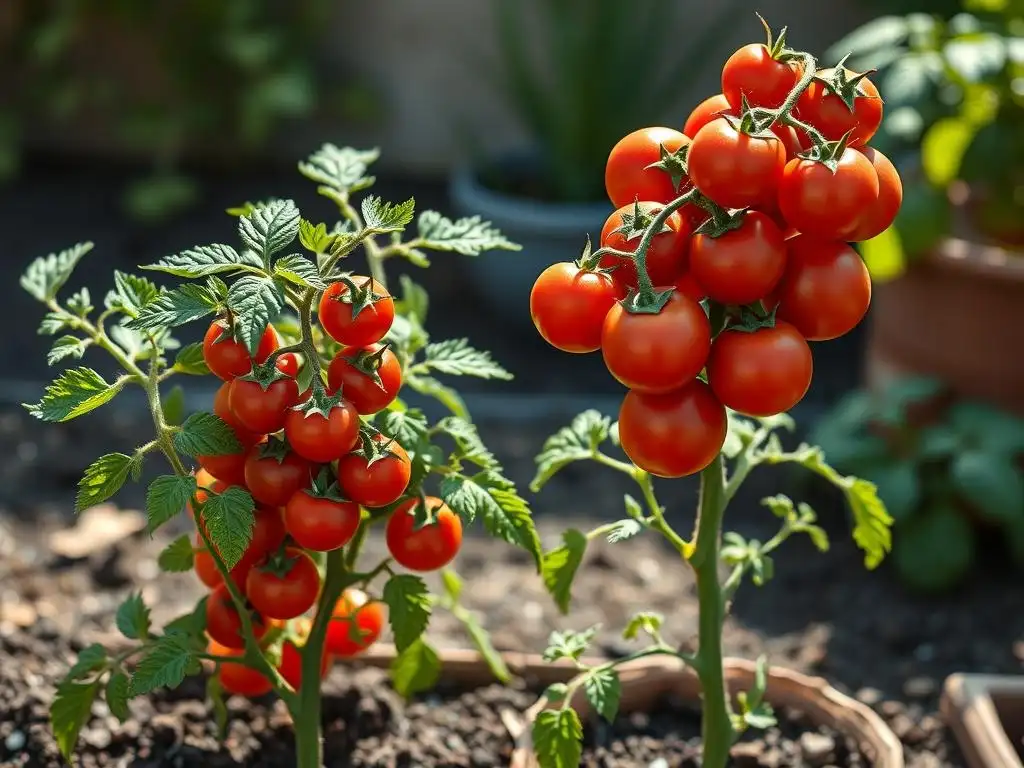
Choosing the best compact tomato varieties for your small garden hinges on understanding the growth habits of different tomato types. While the terms "dwarf" and "determinate" are often used interchangeably, there are subtle but important distinctions. Both produce a more compact plant than their indeterminate counterparts, making them excellent choices for limited space. However, their growth patterns differ slightly.
This section will clarify these differences to help you make informed decisions when selecting tomato plants for your garden. We'll explore the key characteristics of each type, highlighting their strengths and weaknesses to guide you toward the optimal choice for your specific needs and growing conditions. Successful cultivation relies heavily on understanding these fundamental plant characteristics. Let's delve deeper into the specifics.
Dwarf Tomato Varieties: Size, Yield, and Ideal Growing Conditions
Dwarf tomato plants are bred specifically for their incredibly compact size. They typically remain under 2 feet tall, making them ideal for containers, raised beds, or even window boxes. While their overall size is significantly smaller than indeterminate varieties, they still offer a respectable yield, especially when provided with proper care and optimal growing conditions.
Several factors influence the yield of dwarf tomatoes. Sunlight is paramount; dwarf tomatoes, like all tomatoes, require at least 6-8 hours of direct sunlight daily. Nutrient-rich soil is also crucial for healthy growth and fruit production. Regular watering, avoiding both overwatering and underwatering, is essential for consistent fruit development. Finally, proper fertilization, using an organic tomato fertilizer, can significantly boost yields.
Here's a table summarizing the key characteristics of some popular dwarf tomato varieties:
| Variety Name | Mature Height (approx.) | Fruit Size | Yield | Ideal Growing Conditions |
|---|---|---|---|---|
| Tiny Tim | 1-1.5 feet | Small, round | Abundant, early season | Containers, raised beds |
| Patio Princess | 1.5-2 feet | Medium, round | Moderate to abundant | Containers, small gardens |
| Bush Early Girl | 2-3 feet (slightly larger) | Medium, round | Abundant | Full sun, well-drained soil |
Remember that these are approximate figures; actual results can vary based on environmental factors and cultivation techniques. Careful consideration of these factors is key to maximizing your harvest. Choosing a variety that aligns with your available space and sunlight is paramount to a successful growing season.
Determinate Tomato Varieties: A Comparison to Indeterminate Types for Small Gardens
Determinate tomatoes, unlike indeterminate varieties, have a defined growth cycle. They reach a certain height and then stop growing, producing most of their fruit within a relatively short period. This concentrated fruiting makes them excellent for small gardens because they don't sprawl uncontrollably, unlike their indeterminate counterparts which continue to grow and require more staking or caging.
While determinate tomatoes are generally more compact than indeterminate types, they aren't as small as dwarf varieties. They typically range from 2 to 4 feet tall, depending on the specific cultivar. This still allows for efficient space utilization in smaller gardens, especially when planted in raised beds or containers. The concentrated fruiting pattern also simplifies harvesting, making it more convenient for gardeners with limited time.
Here's a comparison table highlighting the key differences between determinate and indeterminate tomatoes, focusing on their suitability for small-space gardening:
| Feature | Determinate Tomatoes | Indeterminate Tomatoes | Best for Small Spaces? |
|---|---|---|---|
| Growth Habit | Defined, bushy, stops growing | Indefinite, vining, continues growing | Yes |
| Fruiting Pattern | Concentrated, all at once | Continuous, over a longer period | Yes |
| Space Requirements | Moderate, relatively compact | High, requires more space | No |
| Harvesting | Easier, concentrated harvest | More spread out, ongoing harvest | Yes |
| Ideal for Small Gardens | Excellent Choice | Not ideal unless heavily pruned | ✅ |
The compact nature and concentrated harvest of determinate tomatoes make them a superior choice for small-space gardening compared to their indeterminate counterparts. Remember to always check the specific mature size of any variety before purchasing to ensure it fits your available space. Careful planning ensures a bountiful harvest, even in a limited garden.
Planting and Caring for Compact Tomatoes in Small Spaces
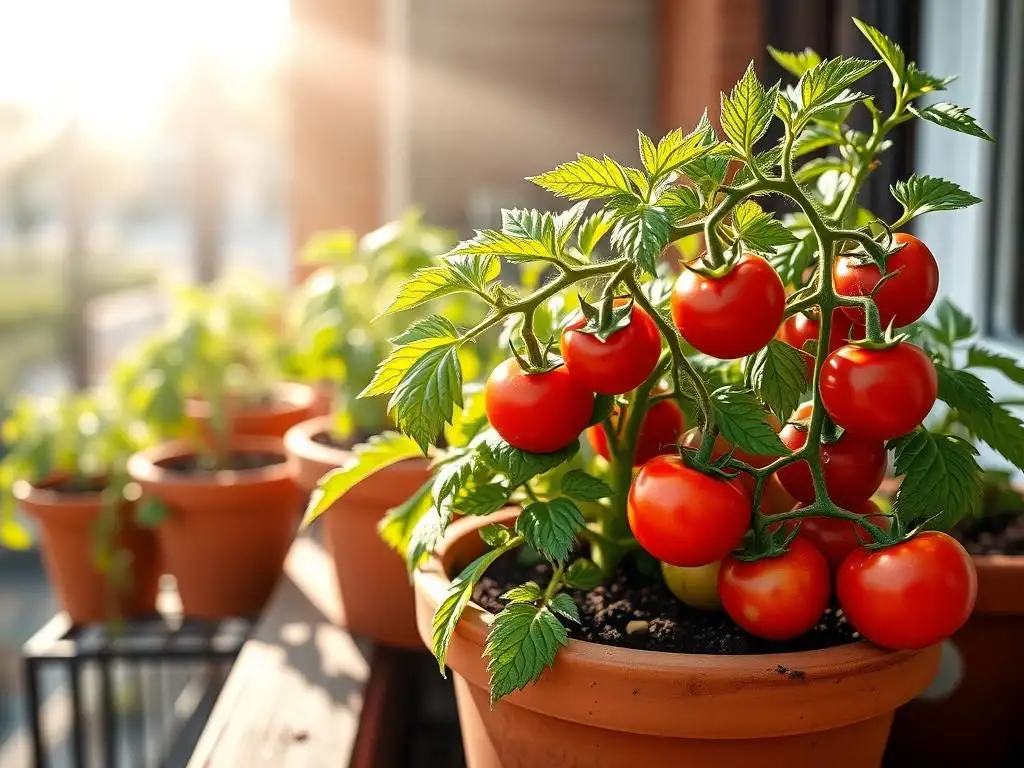
This section focuses on the practical aspects of growing compact tomato varieties successfully in limited spaces. We'll delve into the specifics of providing optimal growing conditions to maximize yield and fruit quality. Remember, even though these are compact varieties, they still need proper care to thrive.
Optimal Potting Mix and Container Size for Compact Tomatoes
Choosing the right potting mix and container size is crucial for the health and productivity of your compact tomato plants. A well-draining potting mix is paramount; avoid using garden soil directly, as it can become compacted and retain too much water, leading to root rot. A good mix will typically consist of peat moss, vermiculite, and perlite, ensuring excellent aeration and drainage. 1
The size of the container is equally important. While compact tomatoes are designed for smaller spaces, cramming them into excessively small pots will restrict root development and limit their growth potential. Aim for containers at least 5 gallons in volume, ideally larger if space allows. Larger containers retain moisture more effectively, reducing the frequency of watering. Consider using containers made of breathable materials like terracotta, which allows for better air circulation around the roots and helps prevent waterlogging.
Sunlight Requirements and Watering Tips for Compact Tomato Plants
Compact tomatoes, like their larger counterparts, are sun-worshippers. They need at least 6-8 hours of direct sunlight daily to produce a bountiful harvest. Less sunlight will result in fewer tomatoes and potentially weaker plants. Position your containers in the sunniest spot in your garden or on your patio. If you're dealing with particularly hot climates, consider providing some afternoon shade to prevent scorching.
Watering is another critical aspect of compact tomato care. Overwatering can lead to root rot, while underwatering can stress the plants and reduce fruit production. The best approach is to water deeply but infrequently, allowing the top inch or two of soil to dry out between waterings. Use your finger to check the soil moisture before watering. During hotter periods, you may need to water more frequently. Consistent moisture is key, but avoid letting the plants sit in soggy soil. Consider using a self-watering system or drip irrigation for efficient and consistent moisture delivery.
Fertilizing Compact Tomatoes for Abundant Fruit Production
Proper fertilization is essential for maximizing the yield of your compact tomato plants. These plants are heavy feeders, requiring a regular supply of nutrients throughout their growing season. Start with a balanced, slow-release fertilizer at planting time, following the package instructions carefully. A fertilizer with a higher phosphorus content (the middle number in the NPK ratio) will encourage blooming and fruit set. 2
Supplement the slow-release fertilizer with regular applications of liquid fertilizer every 2-3 weeks during the growing season. A balanced liquid fertilizer, or one specifically formulated for tomatoes, is ideal. Avoid over-fertilizing, as this can burn the roots and harm the plants. Observe your plants carefully; if they exhibit signs of nutrient deficiency (e.g., yellowing leaves), adjust your fertilization strategy accordingly. Consider using organic fertilizers like compost tea or worm castings to provide a slow and steady release of nutrients, promoting healthy soil and robust plant growth. Regular soil testing can help determine nutrient levels and guide your fertilization decisions.
1 Specific recommendations for optimal potting mix ingredients may vary depending on local conditions and plant variety. 2 The NPK ratio refers to the percentage of Nitrogen (N), Phosphorus (P), and Potassium (K) in the fertilizer. A balanced fertilizer generally has a similar ratio for all three nutrients.
Pest and Disease Control for Compact Tomatoes in Small Gardens
Compact tomato plants, while offering the convenience of space-saving cultivation, are still susceptible to common tomato pests and diseases. Proactive pest and disease management is crucial for a successful harvest. Ignoring these issues can lead to significantly reduced yields or even complete crop failure. Therefore, regular monitoring and preventative measures are key to maintaining healthy plants.
One of the most prevalent issues is early blight, a fungal disease that manifests as brown spots on leaves, often progressing to defoliation. Early blight thrives in humid conditions and can be particularly aggressive in compact plantings where air circulation is limited. Implementing good sanitation practices, such as removing infected leaves promptly and disposing of them properly (avoiding composting infected material), is critical. Rotating your tomato crops annually also helps to break the disease cycle.
Furthermore, choosing disease-resistant varieties can significantly reduce the risk of early blight infestations. Consider varieties specifically bred for resistance to early blight and other common fungal diseases. This proactive approach is often more effective than reactive treatments.
Another common problem is blossom-end rot, a physiological disorder characterized by dark, leathery spots at the blossom end of the fruit. This is often caused by inconsistent watering, leading to calcium deficiency. Maintaining consistent soil moisture, avoiding both overwatering and underwatering, is vital for preventing blossom-end rot. Mulching can also help regulate soil moisture levels and reduce fluctuations. Regular soil testing can help determine if calcium levels are indeed low, allowing for targeted supplementation if necessary.
Insect pests, such as aphids, whiteflies, and tomato hornworms, can also significantly impact compact tomato yields. Regular inspection of plants is essential for early detection. Manually removing pests, especially hornworms, can be effective for small infestations. Introducing beneficial insects, such as ladybugs, can help control aphid populations naturally.
For larger infestations, insecticidal soap or neem oil can be effective, but always follow label instructions carefully and consider the potential impact on beneficial insects and pollinators. Remember to always prioritize integrated pest management (IPM) strategies, which combine preventative measures, biological controls, and minimal pesticide use. This holistic approach minimizes environmental impact while maximizing crop protection. Effective pest and disease management is an ongoing process; consistent observation and proactive intervention are essential for healthy and productive compact tomato plants.
Harvesting and Enjoying Your Compact Tomato Crop
Recognizing When Compact Tomatoes are Ripe and Ready for Harvesting
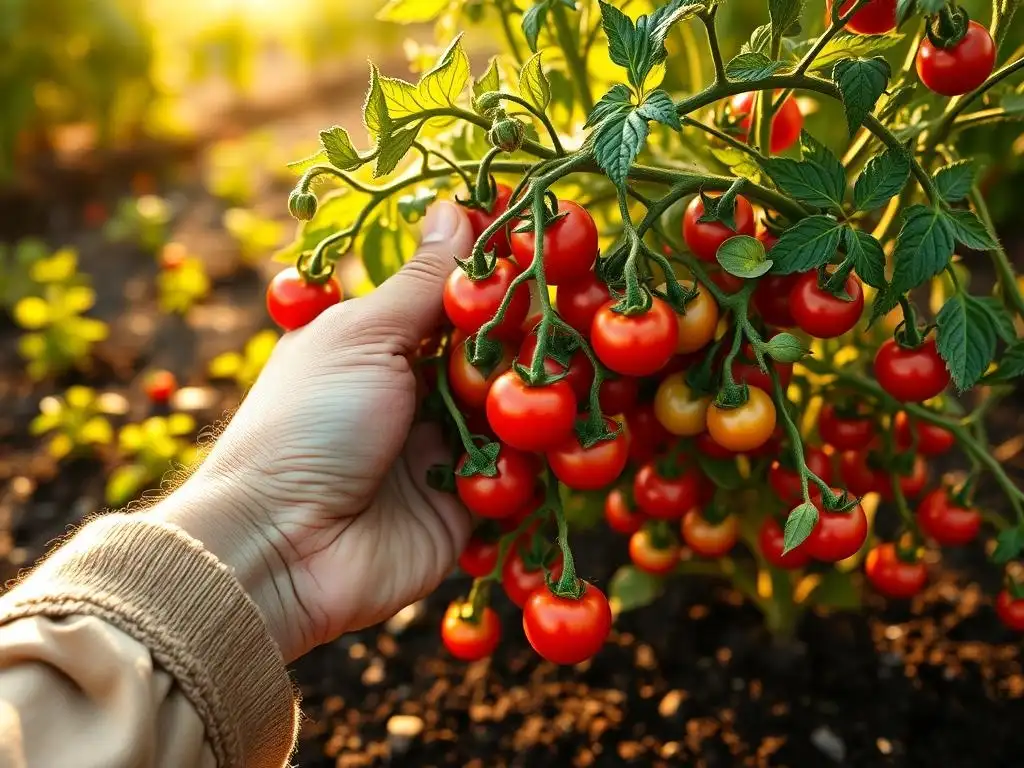
Knowing when your compact tomatoes are ripe is crucial for maximizing flavor and preventing spoilage. Unlike some larger varieties, compact tomatoes often ripen more quickly, so regular checks are essential. Look for a deep, rich color characteristic of the specific variety you've planted. For example, a red tomato should be a vibrant, almost glowing red, not just a pale pinkish hue. Similarly, yellow tomatoes should be a deep golden yellow, and orange tomatoes a rich, saturated orange. The skin should be firm, but give slightly to gentle pressure. Avoid tomatoes that are soft or have blemishes.
A ripe compact tomato will also have a pleasant aroma. Sniff the tomato near the stem; a sweet, slightly tangy smell is a good indicator of ripeness. Avoid tomatoes that have a sour or fermented odor, as this suggests spoilage. Harvesting at the peak of ripeness ensures the best flavor and texture.
Remember that even compact varieties can produce a substantial yield, so be prepared for regular harvests throughout the growing season. Consider placing a small basket or container near your plants to easily collect the ripe fruits. This will also help you monitor the ripening process more effectively. Harvesting frequently encourages further fruit production, keeping your plants productive for longer.
Tips for Storing and Preserving Your Homegrown Compact Tomatoes
Proper storage and preservation are key to extending the enjoyment of your homegrown compact tomato harvest. Immediately after harvesting, gently wipe the tomatoes clean with a soft cloth to remove any dirt or debris. Avoid washing them until just before use to prevent premature spoilage. Store ripe tomatoes at room temperature, away from direct sunlight, for optimal flavor and texture. They should be kept in a single layer to prevent bruising. If you have an abundance of tomatoes, you can preserve them using several methods.
One simple method is to make tomato sauce or paste. This allows you to preserve the flavor of your tomatoes for later use in soups, stews, or pasta dishes. Freezing is another excellent option. Simply blanch the tomatoes briefly in boiling water, then cool them in an ice bath before peeling and chopping. Place the chopped tomatoes in freezer bags, removing as much air as possible, and freeze for later use.
Properly frozen tomatoes can last for several months, retaining their flavor and nutritional value. Another option is canning, which requires proper sterilization techniques to ensure food safety. Canning allows you to preserve your tomatoes for an even longer period. Experiment with different preservation methods to find what best suits your needs and available resources.
Delicious Recipes and Culinary Uses for Compact Tomato Varieties
Compact tomatoes, despite their smaller size, offer a burst of flavor perfect for a wide range of culinary applications. Their concentrated sweetness and intense flavor make them ideal for fresh eating, salads, sandwiches, and salsas. Their smaller size also makes them perfect for cherry tomato salads, where their vibrant color adds visual appeal.
Consider using your compact tomatoes in bruschetta. Simply roast or grill halved tomatoes with garlic and herbs, then top toasted bread slices for a simple yet elegant appetizer. Their sweetness also pairs well with creamy cheeses like mozzarella or goat cheese. You can also add them to pasta sauces, where their intense flavor will complement other ingredients. For a simple yet delicious side dish, try roasting your compact tomatoes with a drizzle of olive oil, salt, and pepper.
The roasting process intensifies their flavor and creates a slightly caramelized texture. Don't be afraid to experiment with different recipes and find your favorite ways to enjoy your homegrown compact tomato harvest. The possibilities are endless! Remember to always prioritize using your tomatoes at their peak ripeness for the best flavor and texture. Enjoy the fruits of your labor!
Frequently Asked Questions
What are the best compact tomato varieties for small spaces?
Several excellent compact tomato varieties thrive in small gardens. Patio Choice, Tiny Tim, and Tumbling Tom are popular choices known for their high yields and bushy growth habit.
How much space do compact tomato plants need?
Compact tomato varieties typically require 2-3 square feet per plant. However, ensure adequate spacing for air circulation to prevent disease. Consider the mature size specified on the seed packet.
Do compact tomatoes produce as many fruits as larger varieties?
While they may not yield as many tomatoes as larger indeterminate varieties, compact tomatoes still offer a substantial harvest relative to their size. You'll get a good amount of delicious fruit in a smaller space.
What are the best ways to care for compact tomato plants?
Compact tomatoes benefit from consistent watering, regular fertilization, and support structures like cages or stakes, even though they are more compact. Pruning suckers can also improve fruit production.
Are compact tomato varieties suitable for container gardening?
Yes, many compact tomato varieties are perfect for containers. Choose a pot at least 5 gallons in size and ensure it has adequate drainage. Consider self-watering containers for easier maintenance.
Final Reflection: Cultivating Abundance in Confined Spaces
The quest for delicious, homegrown tomatoes needn't be confined to sprawling gardens. Even the smallest balcony or patio can yield a bountiful harvest with the right compact tomato varieties. This article has explored a range of options, highlighting their unique characteristics and suitability for different growing conditions, proving that space shouldn't limit our connection to nature's bounty.
The enduring appeal of the homegrown tomato transcends mere culinary pleasure; it's a deeply personal connection to the earth, a tangible link to the cycle of life and growth. The glory of gardening: hands in the dirt, head in the sun, heart with nature. To nurture a garden is to feed not just the body, but the soul.
This quote perfectly encapsulates the profound satisfaction derived from cultivating even a small patch of tomatoes, a feeling amplified by the success of choosing the right compact variety. The impact of this simple act extends beyond the individual, fostering a deeper appreciation for sustainable food systems and the joy of self-sufficiency.
Now, consider your own space. Do you have a sunny corner, a window box, or even just a large pot? Imagine the vibrant red, the juicy sweetness, the satisfying burst of flavor from a tomato you nurtured from seed to ripeness.
Don't let limited space limit your dreams of a thriving garden. Choose a compact tomato variety that speaks to you, get your hands dirty, and experience the transformative power of cultivating your own food. The rewards are far greater than just a delicious tomato; they're a harvest of connection, satisfaction, and a renewed appreciation for the simple wonders of nature.
Unleash Your Inner Gardener: Grow Juicy Tomatoes in Any Space!
Thanks for exploring the world of compact tomato varieties with us! You now have the knowledge to grow delicious tomatoes even in the smallest of gardens. Ready to get started?
- Plant your perfect tomato today! Choose your favorite compact variety and get those seedlings in the ground (or a pot! ).
- Share your tomato journey! Post a picture of your thriving plants on social media using #CompactTomatoChallenge – let's inspire each other.
- Explore other space-saving gardening solutions on CultivateYourFood.org – we have tons of ideas to help you maximize your growing space.
What exciting compact tomato variety will you choose to grow this season?