
Citrus Sensations: Choosing Containers for Growing Lemon and Lime

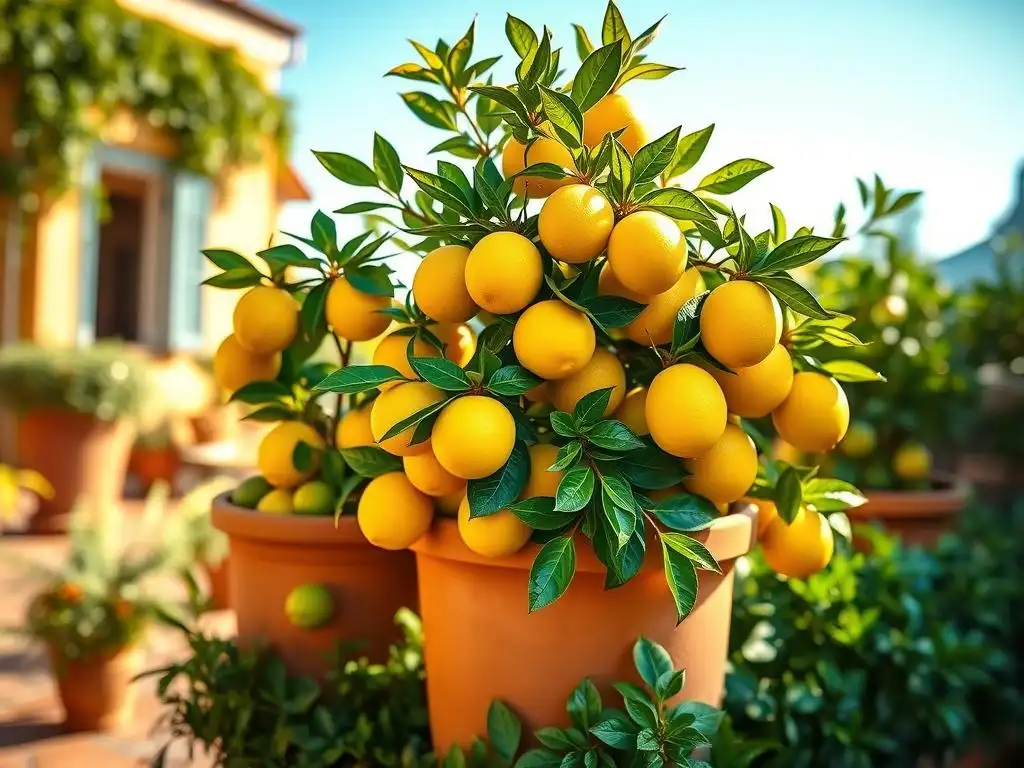
Ready to transform your backyard (or even balcony!) into a vibrant citrus grove? At CultivateYourFood, we empower you to grow your own delicious fruits and vegetables organically. Discover the secrets to a bountiful harvest with our expert guide on choosing the best containers for growing lemon and lime, and unlock the joy of homegrown citrus. Let's delve into the world of container gardening and cultivate your own slice of paradise!
-
Best Containers for Growing Lemon and Lime Trees: A Comprehensive Guide
- Selecting the Right Size: Pot Capacity for Lemon and Lime Growth
- Material Matters: Choosing Between Plastic, Terracotta, and Wood Containers for Citrus
- Drainage and Aeration: Essential Factors for Healthy Citrus Root Systems
- Container Features: Considering Shape, Weight, and Mobility for Your Citrus Trees
- Optimizing Your Lemon and Lime Container Garden: Soil and Placement
- Maintaining Your Containerized Lemon and Lime Trees: Watering and Fertilizing
- Troubleshooting Common Issues: Addressing Problems in Containerized Citrus
- Harvesting Your Citrus Bounty: Enjoying the Fruits of Your Labor
- Beyond the Basics: Advanced Container Gardening Tips for Citrus
-
Frequently Asked Questions
- What are the best container types for growing lemon and lime trees?
- How big should the container be for my lemon or lime tree?
- What kind of soil is best for growing citrus in containers?
- How often should I water my lemon or lime tree in a container?
- Can I grow lemon and lime trees in containers all year round?
- Final Reflection: The Bountiful Harvest Begins with the Right Pot
- Unleash Your Inner Citrus Grower!
Best Containers for Growing Lemon and Lime Trees: A Comprehensive Guide
Cultivating your own zesty lemons and limes at home is a rewarding experience, bringing the vibrant flavors of the Mediterranean to your doorstep. But successfully growing these citrus trees in containers requires careful consideration of the pot itself. Choosing the right container is crucial for the health and productivity of your lemon and lime trees, impacting everything from root development to overall yield.
This comprehensive guide will delve into the key factors to consider when selecting the best containers for growing lemon and lime, helping you choose the perfect vessel to nurture your citrus plants and enjoy a bountiful harvest. We'll explore the optimal size, the best materials, and the importance of proper drainage and aeration – ensuring your citrus trees thrive in their containerized environment. This guide will help you confidently select the perfect container, maximizing your chances of success in growing these beloved fruits at home.
Let's get started on your journey to homegrown citrus bliss! 🍋🍊
Selecting the Right Size: Pot Capacity for Lemon and Lime Growth
The size of your container directly impacts the growth and health of your lemon and lime trees. Choosing a pot that's too small will restrict root development, leading to stunted growth and reduced fruit production. Conversely, a pot that's too large can retain excessive moisture, increasing the risk of root rot. So, how do you find the sweet spot?
For young lemon and lime trees (under 3 years old), a 10-15 gallon container is generally sufficient. As the tree matures and its root system expands, you'll need to gradually upgrade to larger containers. A mature lemon or lime tree will thrive in a container ranging from 20-50 gallons, depending on the variety and desired size.
Remember to always check the root system – if roots are circling the bottom of the pot (a condition known as root-bound), it's time for a larger container. Regularly assessing your tree's root growth is key to ensuring it has enough space to flourish. Consider using a container with a diameter at least 12 inches for a young tree, increasing this measurement as your tree grows.
Material Matters: Choosing Between Plastic, Terracotta, and Wood Containers for Citrus
The material of your container plays a significant role in its ability to retain moisture and regulate temperature. Each material has its own advantages and disadvantages:
| Material | Advantages | Disadvantages |
|---|---|---|
| Plastic | Lightweight, inexpensive, durable, retains moisture effectively | Can overheat in direct sunlight, less aesthetically pleasing |
| Terracotta | Porous, allows for good aeration, aesthetically pleasing, helps regulate temperature | More expensive, can dry out quickly, prone to cracking and breakage |
| Wood | Aesthetically pleasing, durable, good insulation | More expensive, requires regular maintenance, can rot if not treated properly |
Choosing the right material depends on your climate and personal preferences. In hot climates, terracotta's porous nature can be beneficial, as it allows for better evaporation and prevents overheating. However, in colder climates, plastic or wood containers offer better insulation and protection against frost damage. Remember to consider the weight of the container, especially as the tree and soil get heavier.
Drainage and Aeration: Essential Factors for Healthy Citrus Root Systems
Proper drainage and aeration are absolutely critical for the health of your lemon and lime trees. Citrus trees are susceptible to root rot if their roots sit in waterlogged soil. Therefore, your chosen container must have drainage holes to allow excess water to escape. The number and size of these holes will depend on the size of the container. Larger containers will require more and larger drainage holes.
Furthermore, good aeration is essential for healthy root growth. The container's material can affect aeration. Porous materials like terracotta allow for better air circulation than non-porous materials like plastic. You can improve aeration in any container by adding a layer of gravel or broken pottery shards to the bottom before adding the potting mix.
This helps to create air pockets in the soil, promoting healthy root development and preventing waterlogging. Regularly checking the soil moisture and avoiding overwatering are also crucial for maintaining proper drainage and aeration. A well-draining container and soil are key to preventing root rot and ensuring a healthy, productive citrus tree.
Container Features: Considering Shape, Weight, and Mobility for Your Citrus Trees
Choosing the right container involves more than just size; the shape, weight, and mobility of the container significantly impact your lemon and lime tree's growth and your gardening experience. Let's delve into the specifics.
The shape of your container influences root development and overall tree structure. Wider containers, for instance, encourage more lateral root growth, providing a wider base for your tree. This is generally preferable for lemon and lime trees, which can become quite heavy with fruit.
Conversely, taller, narrower containers might lead to more downward root growth, potentially making the tree more prone to tipping over, especially in windy conditions. Consider the mature size of your tree and choose a container shape that accommodates its projected root system. A square or rectangular container often provides a good balance of root spread and stability.
Weight is another crucial factor. Lemon and lime trees, when mature and laden with fruit, can become surprisingly heavy. You'll need a sturdy container that can handle this weight without cracking or breaking. Heavy-duty plastic, fiberglass, or even wooden containers (treated to prevent rot) are better choices than lightweight plastic pots that could easily topple over. The weight of the container itself also matters; a heavier container provides greater stability, especially when the tree is full-grown.
Finally, mobility is a practical consideration. You might need to move your container for sun exposure, protection from harsh weather, or simply for aesthetic reasons. If mobility is important, choose a container with good drainage holes and consider using a rolling base or plant dolly. Remember, the heavier the container and the larger the tree, the more challenging it will be to move.
Weigh the convenience of mobility against the stability offered by heavier, less mobile containers. For larger trees, a permanently placed, sturdy container might be the best solution. This careful consideration of shape, weight, and mobility will ensure you select the best containers growing lemon lime that meet both your tree's needs and your gardening preferences.
Optimizing Your Lemon and Lime Container Garden: Soil and Placement
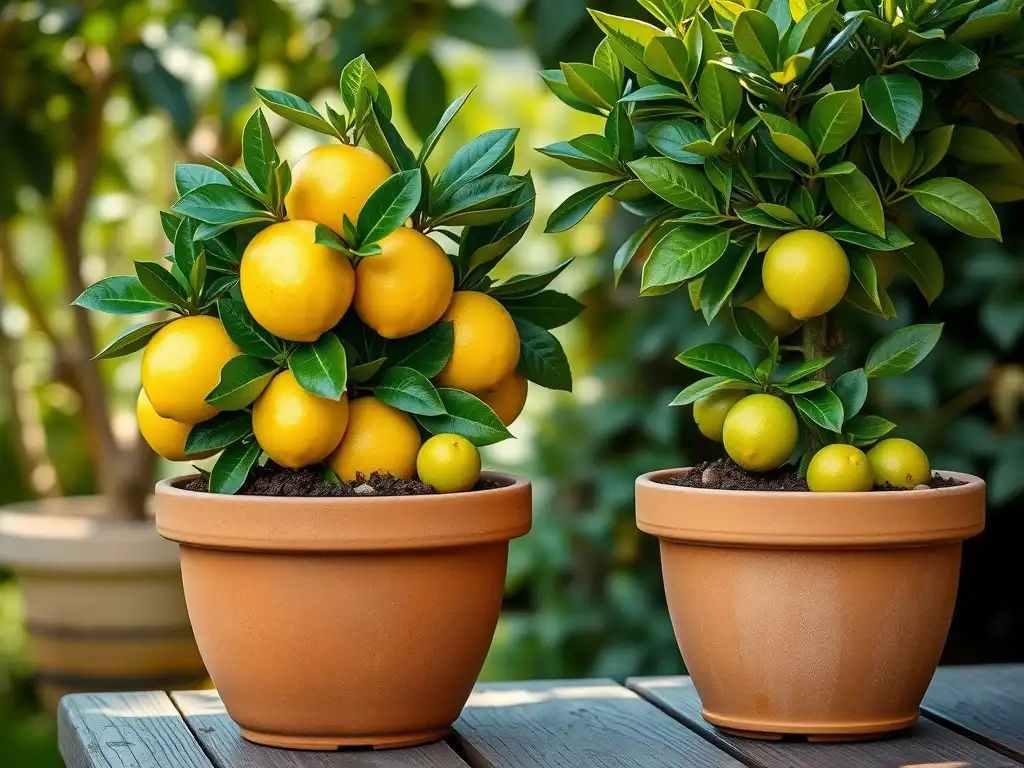
Choosing the right container is only half the battle when it comes to successfully growing lemon and lime trees. Optimal growth hinges significantly on the soil you use and the placement of your container. Let's delve into the specifics.
Soil Selection: Creating the Perfect Growing Medium for Citrus in Containers
Lemon and lime trees thrive in well-draining, slightly acidic soil rich in organic matter. Avoid heavy clay soils which retain too much water, leading to root rot, a common citrus killer. A poorly draining soil can also lead to nutrient deficiencies as essential minerals are leached away. The ideal soil pH for citrus is between 6.0 and 7.0.
To create the perfect growing medium, consider a blend of the following:
- High-quality potting mix: This provides a good base with excellent drainage and aeration. Look for mixes specifically formulated for citrus or acid-loving plants.
- Compost: Adds vital nutrients and improves soil structure, enhancing water retention while maintaining drainage. Aim for a compost that's well-rotted and free of weed seeds.
- Perlite or vermiculite: These inorganic materials further improve drainage and aeration, preventing waterlogging and ensuring healthy root development. A ratio of 1:1:1 (potting mix: compost: perlite/vermiculite) often works well.
Remember, using the best containers growing lemon lime is enhanced by the quality of the soil. Regular soil testing can help you monitor pH levels and nutrient content, allowing for adjustments as needed. This proactive approach ensures your citrus trees receive the optimal growing conditions.
Sunlight Requirements: Ensuring Adequate Light for Lemon and Lime Trees
Sunlight is crucial for the health and productivity of your lemon and lime trees. These sun-loving plants need at least six to eight hours of direct sunlight daily to thrive. Less sunlight can lead to weak growth, reduced flowering, and a lower yield of fruit. Consider the orientation of your container and the amount of shade cast by nearby structures or trees.
The ideal location offers ample morning sun, which warms the soil and encourages photosynthesis. Afternoon sun is also beneficial, but excessive heat can stress the trees, especially during the hottest part of the day. In particularly hot climates, some afternoon shade may be beneficial. Observe your plants carefully. Signs of sun stress include wilting leaves, yellowing foliage, and stunted growth.
Protecting Your Citrus: Shielding from Harsh Weather and Pests
Even with the best containers growing lemon lime, environmental factors can significantly impact your citrus trees. Protecting them from harsh weather conditions and common pests is vital for a bountiful harvest.
- Winter Protection: In colder climates, your containerized citrus trees will need protection from frost and freezing temperatures. Move containers to a sheltered location, such as a garage or unheated greenhouse, or wrap the containers with insulating materials. Consider using frost cloths to protect the foliage.
- Pest and Disease Control: Citrus trees are susceptible to various pests and diseases. Regularly inspect your trees for signs of infestation, such as aphids, scale insects, or citrus canker. Implement preventative measures, such as using insecticidal soap or neem oil, and promptly address any issues you detect. Good sanitation practices, including removing fallen leaves and fruit, can also help prevent the spread of diseases. Early detection and intervention are key to preventing significant damage.
Using the right soil, providing adequate sunlight, and implementing protection strategies are essential components for maximizing the growth and fruit production of your lemon and lime trees in containers. Remember that consistent monitoring and proactive care will ensure a healthy and productive citrus garden.
Maintaining Your Containerized Lemon and Lime Trees: Watering and Fertilizing
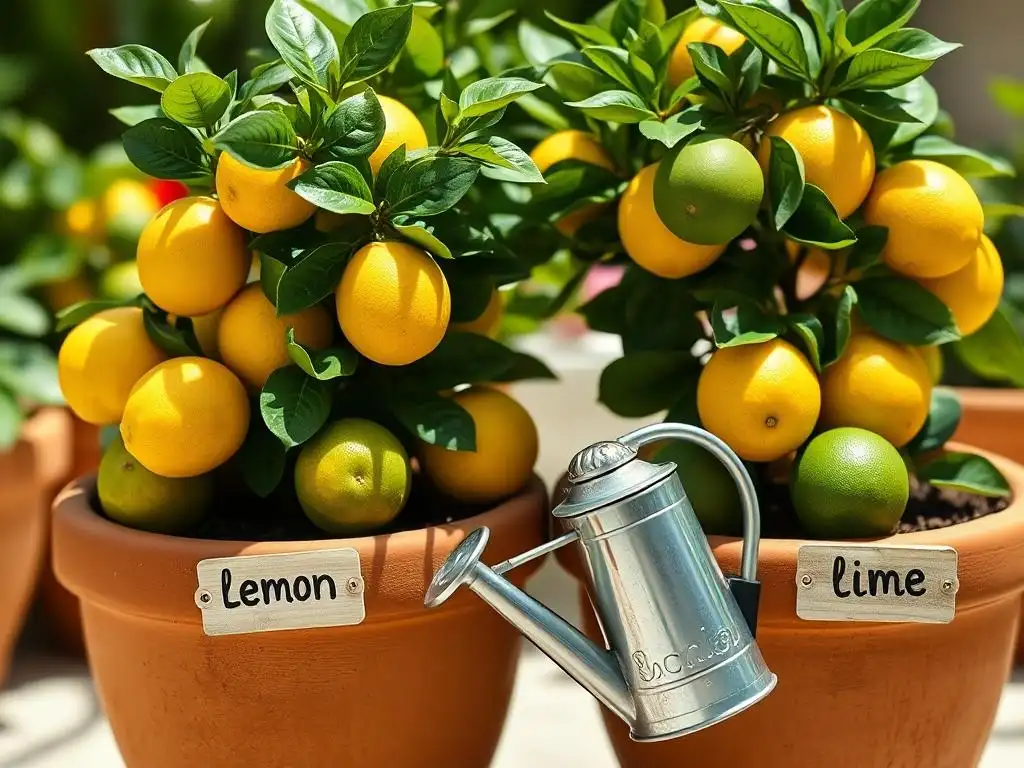
Growing vibrant lemon and lime trees in containers requires diligent care, especially when it comes to watering and fertilizing. These citrus beauties are thirsty plants, demanding consistent moisture and a balanced nutrient supply for optimal growth and fruit production. Finding the sweet spot – avoiding both underwatering and overwatering – is crucial for success. This section will guide you through effective watering techniques and fertilizer selection for your containerized citrus.
Watering Techniques: Providing Consistent Moisture for Healthy Growth
Consistent moisture is key to the health of your container-grown lemon and lime trees. Underwatering leads to stressed plants, wilting leaves, and reduced fruit production. Conversely, overwatering can cause root rot, a fatal condition for your citrus trees. The best approach is to monitor the soil moisture regularly. Instead of following a rigid watering schedule, let the soil be your guide.
Here's how to assess soil moisture and water effectively:
- Finger Test: Stick your finger about an inch into the soil. If it feels dry, it's time to water. If it's still moist, wait a day or two.
- Moisture Meter: A soil moisture meter provides a more precise reading. These handy tools are readily available at garden centers.
- Watering Thoroughly: When you water, ensure the water penetrates the entire root ball. Water until you see drainage from the bottom of the container. This leaches out excess salts that can build up in the soil.
- Avoid Overhead Watering: Overhead watering can lead to fungal diseases. Water at the base of the plant, avoiding wetting the foliage.
- Consider Drainage: Use containers with drainage holes to prevent waterlogging. A layer of gravel or broken pottery shards at the bottom of the pot enhances drainage.
The frequency of watering will depend on several factors, including the size of the container, the type of potting mix, the ambient temperature, and the sunlight exposure. During hot and dry periods, you might need to water daily, while in cooler, wetter weather, watering every few days might suffice. Remember that the best containers growing lemon lime also consider drainage and material to assist in moisture regulation.
Fertilizer Selection: Choosing the Right Nutrients for Lemon and Lime Trees
Lemon and lime trees are heavy feeders, requiring regular fertilization to thrive and produce abundant fruit. Choosing the right fertilizer is crucial for providing the essential nutrients they need for healthy growth and development.
Citrus trees benefit from a balanced fertilizer high in nitrogen (N), phosphorus (P), and potassium (K), often represented by an NPK ratio such as 10-10-10 or 8-8-8. However, the specific needs may vary depending on the growth stage of the tree and the soil composition.
- Types of Fertilizer: Several fertilizer options are suitable for citrus trees, including granular, liquid, and slow-release fertilizers. Granular fertilizers are applied to the soil surface, while liquid fertilizers are mixed with water and applied directly to the soil. Slow-release fertilizers provide a gradual release of nutrients over time, reducing the frequency of application.
- Application: Follow the fertilizer's instructions carefully regarding application rate and frequency. Over-fertilizing can harm your plants, while under-fertilizing can lead to nutrient deficiencies.
- Organic Options: Organic fertilizers, such as composted manure or fish emulsion, provide essential nutrients while improving soil health. These options align well with sustainable gardening practices.
- Micronutrients: Don't forget the micronutrients! Citrus trees also require trace amounts of other nutrients like iron, zinc, and manganese. You can supplement these through specialized citrus fertilizers or soil amendments.
Regular fertilization, combined with proper watering, will significantly contribute to the health and productivity of your containerized lemon and lime trees. Remember that consistent care, paying attention to the unique needs of your plants, is key to success. This careful nurturing will be rewarded with the fragrant blossoms and delicious fruits of your labor. 🍋🍊
Pruning and Shaping: Maintaining Optimal Size and Yield for Your Citrus Plants
Pruning your containerized lemon and lime trees is essential for maintaining their size, shape, and fruit production. Regular pruning helps to remove dead or diseased branches, improve air circulation, and encourage new growth. Proper pruning also helps to direct the growth of the tree, promoting a balanced structure and maximizing sunlight penetration to the interior of the plant.
- Timing: The best time to prune citrus trees is during the dormant season, typically in late winter or early spring, before new growth begins.
- Tools: Use sharp, clean pruning shears or loppers to make clean cuts. Avoid tearing or crushing the branches, which can invite disease.
- Techniques: Remove any dead, diseased, or damaged branches. Thin out crowded branches to improve air circulation and sunlight penetration. You can also shape the tree to maintain a desired size and form. For container-grown trees, keeping the plant compact is often beneficial.
- Sanitation: After pruning, sanitize your tools with rubbing alcohol or a bleach solution to prevent the spread of diseases.
Regular pruning, combined with proper watering and fertilization, will contribute to the long-term health and productivity of your container-grown lemon and lime trees. Remember, these practices are crucial for achieving the best containers growing lemon lime and maintaining their vigor for years to come. The fruits of your labor – literally – will be well worth the effort!
Troubleshooting Common Issues: Addressing Problems in Containerized Citrus
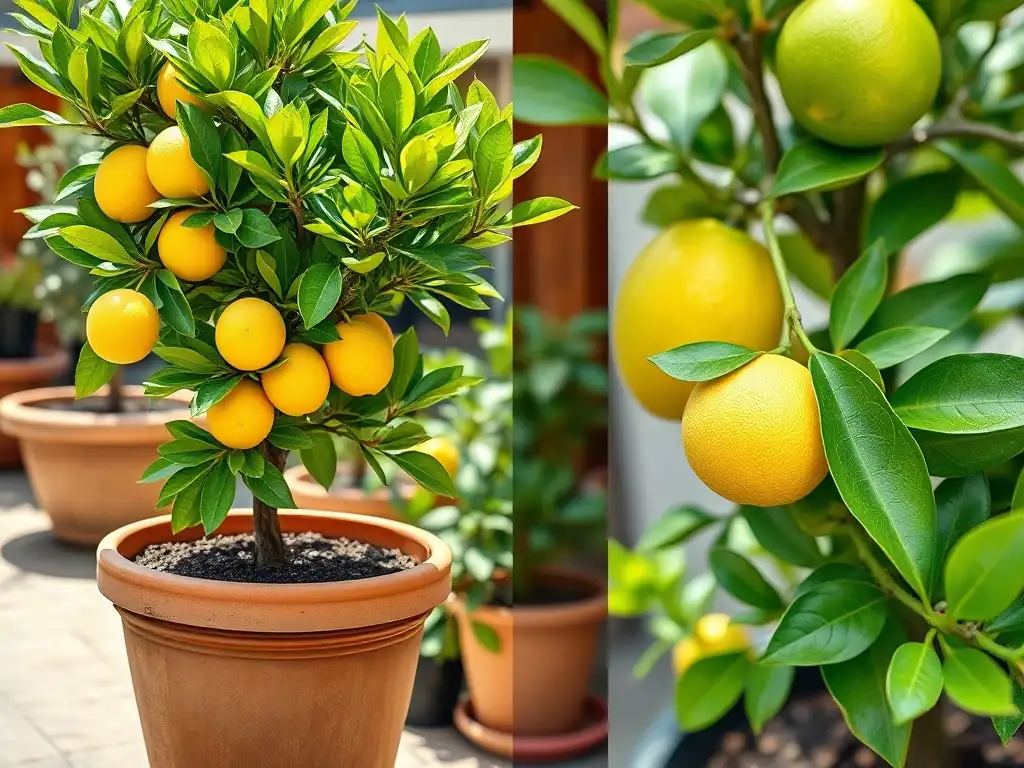
Growing lemons and limes in containers offers a rewarding experience, but it also presents unique challenges. Understanding and addressing common issues proactively is crucial for a thriving citrus harvest. This section focuses on diagnosing and resolving problems frequently encountered when cultivating these delightful fruits in pots. Choosing the best containers growing lemon lime involves not just selecting the right size and material, but also anticipating and mitigating potential difficulties.
Common Problems: Diagnosing and Solving Issues in Container-Grown Lemons and Limes
Container-grown citrus trees, while convenient, are more susceptible to certain problems than their in-ground counterparts. Nutrient deficiencies, improper watering, and temperature fluctuations are common culprits. Let's examine each in detail.
Nutrient deficiencies manifest in various ways. Yellowing leaves, for example, can indicate a lack of nitrogen or iron. Stunted growth and poor fruit production often point to insufficient phosphorus or potassium. Addressing these requires a tailored approach. Regular soil testing is invaluable. Based on the results, you can amend the soil with organic fertilizers like compost tea or specific nutrient supplements formulated for citrus trees. Consider using a slow-release fertilizer to provide a consistent supply of nutrients throughout the growing season. Remember, over-fertilizing can be just as detrimental as under-fertilizing, potentially leading to root burn.
Improper watering is another frequent issue. Overwatering leads to root rot, a fatal condition characterized by wilting leaves and a foul odor emanating from the soil. Underwatering, on the other hand, results in dry, brittle leaves and stunted growth. The key is to achieve a balance. Water thoroughly when the top inch of soil feels dry, ensuring the water drains freely from the bottom of the container. Use well-draining potting mix specifically designed for citrus to avoid waterlogging. Consider using self-watering containers or installing a drip irrigation system for more consistent moisture levels.
Temperature fluctuations pose a significant challenge, especially for those living in climates with extreme temperature swings. Citrus trees are sensitive to both frost and extreme heat. Protecting your plants from frost is critical. Consider moving your containers indoors or covering them with frost blankets during cold snaps. During heat waves, provide shade to prevent sunscald and ensure adequate watering to prevent drought stress.
Proper container selection plays a vital role in mitigating these issues. Choosing the best containers for growing lemon and lime involves selecting pots with adequate drainage and sufficient size to accommodate the tree's root system as it grows. Larger containers retain moisture better, reducing the frequency of watering, but ensure drainage is always excellent.
Pest and Disease Management: Organic Solutions for Containerized Citrus
Containerized citrus trees are vulnerable to various pests and diseases. Employing proactive and organic pest and disease management strategies is essential for maintaining healthy plants. This often involves a combination of preventative measures and targeted treatments.
Preventative measures include maintaining good hygiene. Regularly inspect your plants for signs of pests or diseases. Remove any affected leaves or branches promptly. Ensure proper air circulation around the plants to discourage fungal growth. Choose disease-resistant citrus varieties whenever possible. The selection of the best containers growing lemon lime also plays a role here, as well-draining pots minimize the risk of fungal diseases.
Organic pest control options abound. Introducing beneficial insects such as ladybugs or lacewings can help control aphid and scale infestations. Neem oil is a versatile and effective organic pesticide that combats a wide range of pests. For fungal diseases, consider using a copper-based fungicide or a diluted solution of baking soda and water. Always follow the instructions on the product label carefully.
Remember, early detection and prompt action are key to successfully managing pests and diseases organically. Regular monitoring is crucial to prevent infestations and outbreaks from escalating. A proactive approach is far more effective and less disruptive than reactive measures. Maintaining the overall health of the plant through proper nutrition and watering is also a strong preventative measure.
Harvesting Your Citrus Bounty: Enjoying the Fruits of Your Labor
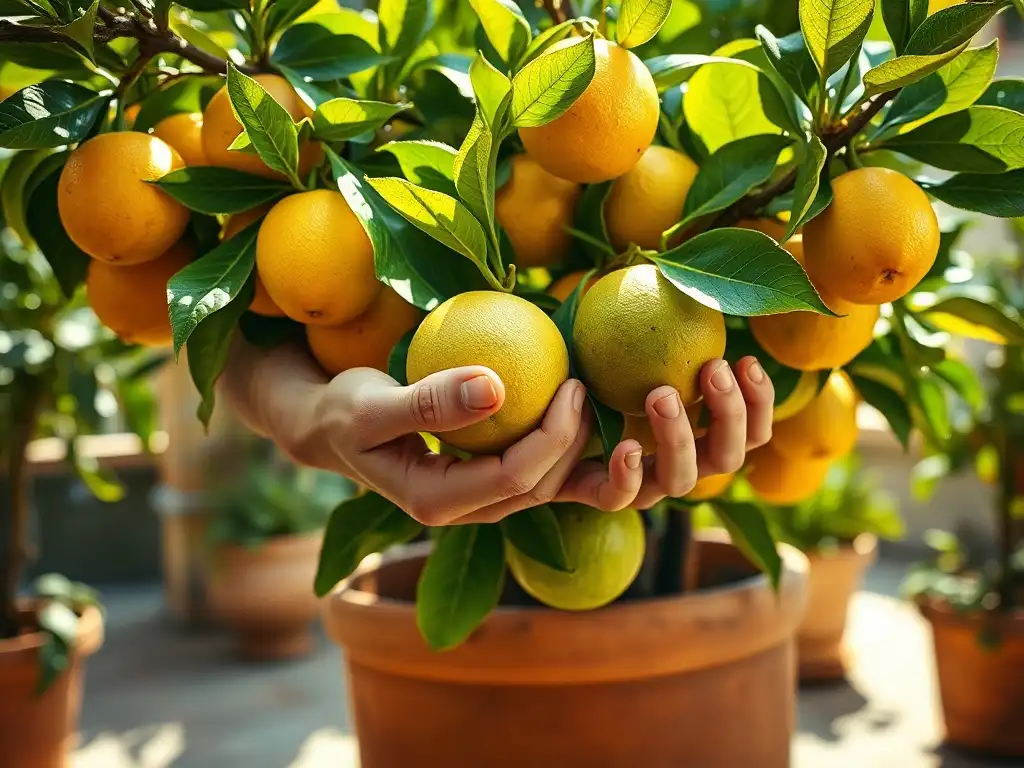
This section focuses on the rewarding culmination of your citrus-growing journey: harvesting your delicious lemons and limes. Proper harvesting techniques significantly impact the quality and longevity of your fruit, maximizing your yield and ensuring you enjoy the fruits (pun intended!) of your labor for as long as possible. Understanding the optimal harvest time and employing the right methods are crucial for cultivating a successful and bountiful citrus harvest. Remember, patience is key; healthy trees will reward you with abundant harvests year after year.
Harvesting Techniques: Knowing When and How to Harvest Lemons and Limes
Knowing when to harvest is half the battle. Lemons and limes generally reach maturity in 6-12 months, depending on the variety and growing conditions. However, the best indicator of ripeness is color. Lemons typically turn a bright yellow, while limes transition to a vibrant green (though some varieties may turn yellow). However, color isn't the only factor. A ripe lemon or lime will also feel firm to the touch, with a slightly heavy weight for its size. Avoid picking fruits that are still green and hard, as they will lack flavor and aroma.
Here's a step-by-step guide to harvesting your citrus:
- Gentle Handling: Always use clean hands or gardening gloves to prevent the spread of disease. Gently grasp the fruit with one hand and twist it carefully until it separates from the branch. Avoid pulling or yanking, which can damage the tree or neighboring branches.
- Using Pruning Shears: For stubborn fruits, use clean, sharp pruning shears to make a clean cut at the stem. This minimizes damage to the tree and prevents the spread of diseases.
- Inspecting the Fruit: After harvesting, inspect each fruit for any signs of damage or disease. Discard any damaged or unhealthy fruits to prevent the spread of problems to the rest of your crop.
- Frequency of Harvesting: Harvesting should be done regularly, typically every 1-2 weeks, depending on the rate of fruit production. This prevents overcrowding on the branches and encourages continuous fruiting.
Storing Your Harvest: Preserving the Freshness of Your Citrus Fruits
Proper storage is essential to prolong the shelf life of your freshly harvested lemons and limes. Improper storage can lead to rapid spoilage and reduce the quality of your fruit. Here are some tips to keep your citrus fresh and flavorful for as long as possible:
- Room Temperature Storage: For short-term storage (up to a week), keep your citrus fruits at room temperature in a cool, dark, and well-ventilated area. Avoid stacking them on top of each other, as this can bruise the fruit and accelerate spoilage.
- Refrigerator Storage: For longer storage (up to several weeks), place your citrus fruits in a perforated plastic bag in the refrigerator’s crisper drawer. The perforated bag allows for proper airflow, preventing moisture buildup and mold growth.
- Freezing Citrus: To extend the shelf life even further, you can freeze your citrus fruits. You can freeze them whole, juiced, or zested. Freezing citrus juice is a great way to preserve the flavor for use in drinks, sauces, and other recipes throughout the year. Remember to label and date your frozen citrus for easy identification.
| Storage Method | Shelf Life | Notes |
|---|---|---|
| Room Temperature | Up to 1 week | Cool, dark, well-ventilated area. Avoid stacking. |
| Refrigerator | Up to several weeks | Perforated plastic bag in crisper drawer. |
| Freezing | Several months | Whole, juiced, or zested. Label and date for easy identification. |
Remember, the best containers for growing lemon and lime trees are those that provide adequate drainage, sunlight, and space for the roots to grow. Harvesting and storing your citrus properly ensures you can enjoy the delicious fruits of your labor for weeks or even months! 🍋🍊
Beyond the Basics: Advanced Container Gardening Tips for Citrus
Choosing the right container is just the first step in successfully growing lemons and limes at home. Optimizing your container gardening technique involves understanding the unique needs of citrus trees and proactively addressing potential challenges. This section delves into advanced practices to ensure healthy, productive citrus plants. Finding the best containers growing lemon lime requires more than just size; it's about understanding the long-term needs of your trees and selecting accordingly.
Up-Potting Your Citrus: Moving to Larger Containers as Your Trees Grow
Citrus trees, especially lemons and limes, are vigorous growers. Confining them to a small container for too long will restrict root development, leading to stunted growth and reduced fruit production. Up-potting – moving your citrus tree to a larger container – is crucial for its long-term health and yield. The optimal timing is typically during the spring, just before the new growth cycle begins. However, if you notice significant root-binding (roots circling the bottom of the pot), it's time to up-pot regardless of the season.
When up-potting, select a container only slightly larger than the previous one – approximately 2-3 inches in diameter increase. A dramatic jump in size can lead to excessive moisture retention, increasing the risk of root rot. The new container should have adequate drainage holes to prevent waterlogging. Gently remove the tree from its current container, loosen any circling roots, and place it in the new pot with fresh, well-draining potting mix.
Ensure the top of the root ball is level with the soil surface. Remember, consistent monitoring of your citrus's growth will help you determine the right time for future up-potting. Failing to up-pot can significantly hinder the plant's ability to thrive, impacting its overall health and fruit production. This is a critical step in achieving optimal results when aiming for the best containers growing lemon lime.
Overwintering Citrus Trees in Containers: Protecting Your Plants During Cold Weather
Citrus trees are sensitive to frost and freezing temperatures. If you live in a region with cold winters, protecting your container-grown lemon and lime trees is essential for their survival. The key is to provide insulation and prevent the roots from freezing. This is especially important for those seeking the best containers growing lemon lime in colder climates.
Several strategies can be employed:
- Moving containers indoors: This offers the best protection. A bright, sunny location, ideally a sunroom or garage, is ideal. However, monitor for pests and diseases that might thrive in the warmer, indoor environment.
- Providing insulation: Wrapping the containers with bubble wrap, burlap, or other insulating materials helps protect the roots from freezing temperatures. You can also place the containers in a sheltered area, such as against a south-facing wall.
- Using a cold frame: A cold frame provides a microclimate that's warmer than the surrounding air, offering additional protection.
- Mulching: Applying a thick layer of mulch around the base of the plant helps insulate the roots and retain moisture.
Remember that even with these precautions, extremely cold snaps can damage or kill your citrus trees. Regular monitoring of temperatures and the condition of your plants is crucial during the winter months. Early detection of any problems allows for timely intervention and increases the chances of your citrus plants surviving the winter and thriving in the spring. Careful overwintering is a key component of achieving success when searching for the best containers growing lemon lime for your specific climate.
Frequently Asked Questions
What are the best container types for growing lemon and lime trees?
Many containers work! Look for large pots (at least 15 gallons) with good drainage. Terracotta is excellent for breathability, but plastic is also a viable option.
How big should the container be for my lemon or lime tree?
The size depends on the tree's maturity. A young tree might do fine in a 15-gallon pot, but mature trees need much larger containers (25 gallons or more). Rootbound trees will struggle.
What kind of soil is best for growing citrus in containers?
Use a well-draining potting mix specifically formulated for citrus trees. Avoid garden soil, as it's too dense and can retain too much water. Consider adding organic matter to improve drainage and aeration.
How often should I water my lemon or lime tree in a container?
Watering frequency depends on factors like climate, pot size, and plant size. Generally, aim for consistent moisture but avoid soggy soil. Check the soil regularly; when the top inch feels dry, it's time to water.
Can I grow lemon and lime trees in containers all year round?
Yes, but you might need to overwinter them in a protected location if you live in a cold climate. Bring them indoors or into a greenhouse to prevent frost damage during winter months.
Final Reflection: The Bountiful Harvest Begins with the Right Pot
Choosing the perfect container is not merely a practical step in growing citrus; it's the foundation upon which a thriving, fruitful tree is built. The right pot ensures healthy root development, optimal drainage, and ultimately, a bountiful harvest of zesty lemons and limes, enriching your home and palate. This seemingly small detail holds the key to success in cultivating these sun-kissed fruits.
The journey of growing citrus in containers is a testament to our ability to connect with nature, even within the confines of urban life. It's a rewarding experience that transcends the simple act of gardening; it's about nurturing life, witnessing growth, and savoring the fruits of your labor. The glory of gardening: hands in the dirt, head in the sun, heart with nature. To nurture a garden is to feed not just the body, but the soul.
This quote perfectly encapsulates the profound satisfaction derived from successfully growing your own citrus.
Now, armed with the knowledge of selecting the best container for your lemon or lime tree, it's time to embark on your own citrus adventure. Consider the advice shared within this article, choose your perfect pot, and watch as your little tree flourishes. Remember, the journey is as rewarding as the destination – the vibrant green leaves, the fragrant blossoms, and ultimately, the juicy, sun-ripened fruit you'll enjoy. Let your citrus journey begin!
Unleash Your Inner Citrus Grower!
Congratulations on taking the first step into the rewarding world of container-grown citrus! You've learned how to select the perfect pot for your lemon or lime tree and are ready to brighten your space with a touch of sunshine.
- Get started today! Gather your chosen pot, fresh potting soil, and plant your citrus tree. Watch it flourish!
- Share your success! Post a picture of your new citrus tree on social media using #CultivateYourCitrus and inspire others.
- Expand your gardening horizons! Consider growing other fruits and vegetables using the skills you've gained. The possibilities are endless!
Ready to create your own citrus oasis? Which variety will you plant first?