
How to Plant Fruit Trees on a Slope: Preventing Erosion and Promoting Growth

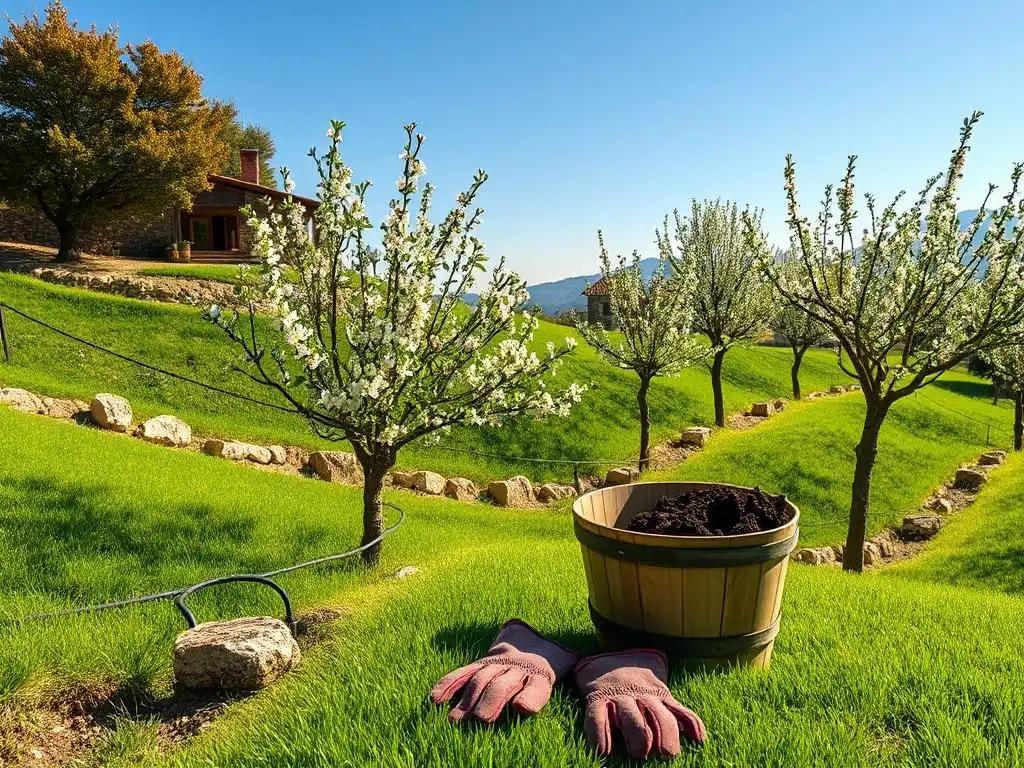
Ready to transform your sloping land into a bountiful orchard? At CultivateYourFood, we empower you to grow your own delicious fruits, vegetables, and herbs organically. Discover the secrets to successful gardening, from seed to harvest, with sustainable practices that are kind to the planet. This guide on planting fruit trees on sloping land will equip you with the knowledge to prevent erosion and nurture thriving trees—let's get started!
- Assessing Your Sloping Land for Fruit Tree Planting
- Preparing the Sloping Land for Fruit Tree Planting
- Planting Fruit Trees on a Slope: A Step-by-Step Guide
- Post-Planting Care for Fruit Trees on Slopes
- Long-Term Management of Fruit Trees on Slopes
- Maintaining Soil Health on Sloping Land for Fruit Tree Success
-
Frequently Asked Questions
- What's the biggest challenge when planting fruit trees on a slope?
- How can I prevent erosion when planting on a slope?
- What type of fruit trees are best suited for sloping land?
- What are some crucial steps for planting fruit trees on a slope?
- Are there any special considerations for maintaining fruit trees on a slope?
- Final Reflection: Cultivating Abundance on Sloping Ground
- Unlock Your Hillside Orchard: Start Planting Today!
Assessing Your Sloping Land for Fruit Tree Planting
Planting fruit trees on sloping land presents unique challenges and opportunities. While the slope itself might seem like an obstacle, with careful planning and execution, it can be transformed into a thriving orchard. This guide will walk you through the essential steps of assessing your sloping land to determine its suitability for fruit tree planting, focusing on erosion prevention and maximizing tree growth. We'll cover everything from evaluating the steepness of your slope and soil conditions to identifying ideal sun exposure and microclimates, ultimately ensuring a successful and sustainable fruit tree planting project.
Understanding these factors is crucial for maximizing your chances of success and minimizing the environmental impact of your orchard. Successfully planting fruit trees on a slope requires a proactive approach to soil conservation and a keen eye for the subtle nuances of your land's microclimate. Let's delve into the specifics.
Evaluating Slope Steepness and Soil Conditions for Fruit Tree Success
The steepness of your slope significantly impacts your planting strategy. Steeper slopes are more prone to erosion, requiring more extensive soil preparation and potentially different tree varieties. Before you even think about planting, you need a thorough assessment. This involves:
- Visual Inspection: Walk the slope, noting its overall gradient. Are there any particularly steep sections? Are there areas of significant erosion already present? Note the presence of any rocks or large debris that might interfere with planting.
- Slope Measurement: Use a clinometer or a simple level and measuring tape to determine the precise angle of the slope. This will help you select appropriate erosion control measures and planting techniques. Slopes exceeding [Specific angle pending] degrees often require more intensive terracing or other soil stabilization methods.
- Soil Type Analysis: The soil type is critical. Examine the soil's texture (sandy, silty, clay), its drainage properties (well-drained, poorly drained), and its organic matter content. Clay soils, for example, retain more water but can be prone to compaction and erosion. Sandy soils drain quickly, potentially leading to drought stress for your trees. A soil test (discussed further below) will provide more precise information.
- Erosion Assessment: Look for signs of existing erosion like gullies, rills, or exposed soil. These indicate areas requiring immediate attention and possibly more extensive soil stabilization. The severity of erosion will influence the choice of your erosion control strategies.
Identifying Ideal Sun Exposure and Microclimates on Slopes
Sunlight is crucial for fruit tree growth. Slopes often experience variations in sun exposure throughout the day. Understanding these variations is essential for selecting the right fruit tree varieties and optimizing their placement.
- Sun Exposure Mapping: Observe your slope throughout the day, noting areas that receive full sun, partial shade, and full shade. Consider the sun's path throughout the year – winter sun angles are lower than summer angles. This will help you determine which areas are most suitable for sun-loving fruit trees and which might be better suited for shade-tolerant varieties.
- Microclimate Assessment: Slopes often create microclimates. South-facing slopes tend to be warmer and drier than north-facing slopes. This impacts the types of fruit trees that will thrive in each location. Consider factors such as wind exposure, frost pockets, and the proximity to water sources. These microclimates can significantly influence your tree selection and overall orchard design.
- Wind Protection: Strong winds can damage young trees and reduce fruit yields. Identify areas sheltered from prevailing winds. Planting windbreaks (rows of shrubs or taller trees) can help mitigate wind damage.
Soil Testing and Amendment for Optimal Fruit Tree Growth on Slopes
Before planting, a soil test is essential to determine the soil's pH, nutrient levels, and overall health. This information guides soil amendments necessary to support healthy fruit tree growth.
- Soil Sampling: Collect multiple soil samples from different areas of your slope, representing a range of soil conditions. Follow the instructions provided by your local agricultural extension office or soil testing laboratory for proper sampling techniques. This ensures a representative analysis of your soil's characteristics.
- Laboratory Analysis: Send your samples to a reputable soil testing laboratory. The results will provide detailed information about your soil's pH, nutrient levels (nitrogen, phosphorus, potassium), and organic matter content. This detailed analysis is crucial for informed decision-making.
- Soil Amendment: Based on the soil test results, amend your soil accordingly. This might involve adding organic matter (compost, manure) to improve soil structure and fertility, adjusting the pH with lime or sulfur, and supplementing essential nutrients. Correcting soil deficiencies before planting will significantly enhance your trees' chances of success. Amendments should be incorporated into the soil well before planting to allow time for proper integration. 🍎
Preparing the Sloping Land for Fruit Tree Planting
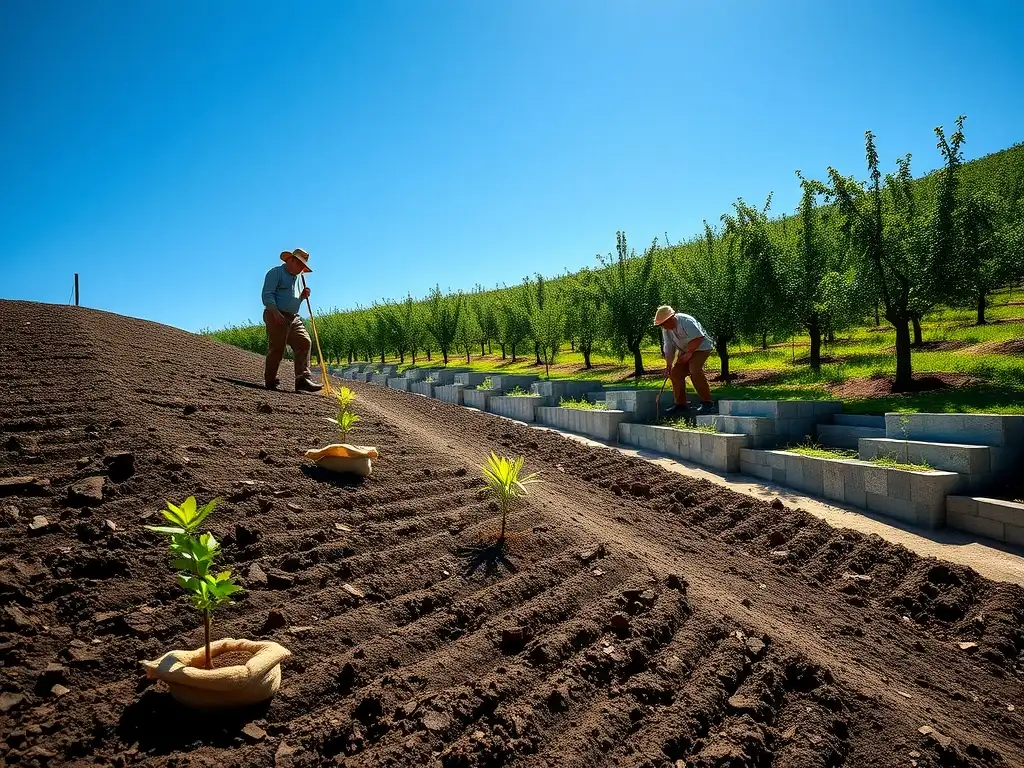
This section delves into the crucial preparatory steps for successfully planting fruit trees on sloping land. Ignoring proper preparation can lead to significant challenges, including soil erosion, poor drainage, and ultimately, tree failure. We'll focus on techniques to mitigate these risks and set the stage for thriving fruit trees. Effective planning is paramount when planting fruit trees on sloping land, ensuring long-term success and a bountiful harvest. This detailed guide will provide you with the knowledge and techniques necessary for successful fruit tree planting, even on challenging slopes.
Erosion Control Techniques: Terracing and Contour Planting for Fruit Trees
Erosion is a significant concern when planting fruit trees on slopes. Heavy rains can wash away topsoil, depriving trees of essential nutrients and damaging their root systems. Two primary techniques, terracing and contour planting, are highly effective in minimizing erosion and maximizing water retention.
Terracing involves creating a series of level platforms or steps on the slope. This reduces the steepness of the incline, slowing down water runoff and preventing soil erosion. The size and spacing of terraces depend on the slope's gradient and the type of soil. For instance, a steeper slope might necessitate narrower terraces with sturdy retaining walls, perhaps constructed from readily available materials like stacked stones or timber. Smaller terraces are generally better for steeper slopes.
Contour planting, on the other hand, involves planting trees along the contour lines of the slope—lines of equal elevation. This creates a natural barrier against water runoff, allowing water to infiltrate the soil more effectively. When combined with terracing, contour planting provides even greater erosion control. The trees themselves act as a living barrier, further protecting the soil from the effects of rainfall.
Consider this example: Imagine a slope with a significant incline. Instead of planting trees directly down the slope, contour planting would involve planting them in horizontal rows, following the natural contours. This method slows water flow, allowing for better absorption and reducing erosion significantly. Combining contour planting with terraces creates a highly effective system for protecting the soil and ensuring a healthy environment for your fruit trees. Proper implementation of these techniques is crucial for successful fruit tree planting on sloping land.
Selecting Appropriate Fruit Tree Rootstocks for Sloping Terrain
The rootstock you choose significantly influences your fruit tree's ability to withstand the challenges of sloping terrain. Rootstocks with strong, extensive root systems are better suited to anchoring trees on slopes and preventing them from being uprooted by wind or heavy rain. Selecting the right rootstock is a crucial step in successful fruit tree cultivation, particularly on slopes.
Different rootstocks exhibit varying degrees of drought tolerance and adaptability to different soil types. For example, some rootstocks are better suited to shallow, rocky soils, while others thrive in deeper, more fertile soils. Understanding the specific soil conditions on your slope is crucial for making the right choice. Researching rootstocks specifically known for their resilience and deep root systems is vital.
Consider the following factors when selecting rootstocks:
| Rootstock Feature | Importance on Sloping Land | Example Rootstocks (More information pending) |
|---|---|---|
| Root System Depth | Crucial for anchoring and water uptake | [Specific rootstocks pending] |
| Drought Tolerance | Essential in areas with limited water availability | [Specific rootstocks pending] |
| Soil Adaptability | Necessary for thriving in various soil types and conditions | [Specific rootstocks pending] |
| Disease Resistance | Prevents losses due to common fruit tree diseases | [Specific rootstocks pending] |
Choosing the appropriate rootstock is a critical decision for successful fruit tree planting on sloping land. Prioritize root systems that are known for their strong anchoring capabilities and adaptability to the specific conditions of your slope.
Creating Planting Holes and Soil Preparation on Slopes
Preparing planting holes on a slope requires extra care to ensure proper drainage and prevent soil erosion. Simply digging a hole and planting won't suffice; the method needs to account for the slope's unique challenges.
The size and shape of the planting hole should accommodate the root system and prevent water runoff. Digging a slightly larger hole than necessary allows for better soil aeration and root expansion. Moreover, creating a slightly raised mound within the hole can further improve drainage, particularly in clay soils. This mound provides a slight elevation for the tree's roots, preventing them from sitting in standing water.
Soil preparation is equally important. Amend the soil with organic matter, such as compost or well-rotted manure, to improve its structure and water retention. This is especially crucial on slopes, where topsoil is more susceptible to erosion. Furthermore, consider using soil retaining structures around the base of the planting hole, such as small berms or rocks, to further prevent erosion.
These measures will not only enhance drainage but also provide vital nutrients to support the young tree's development. Careful soil preparation is essential for the long-term health and productivity of your fruit trees. Planting fruit trees on sloping land requires careful consideration of soil preparation and planting hole construction to guarantee their success.
Planting Fruit Trees on a Slope: A Step-by-Step Guide
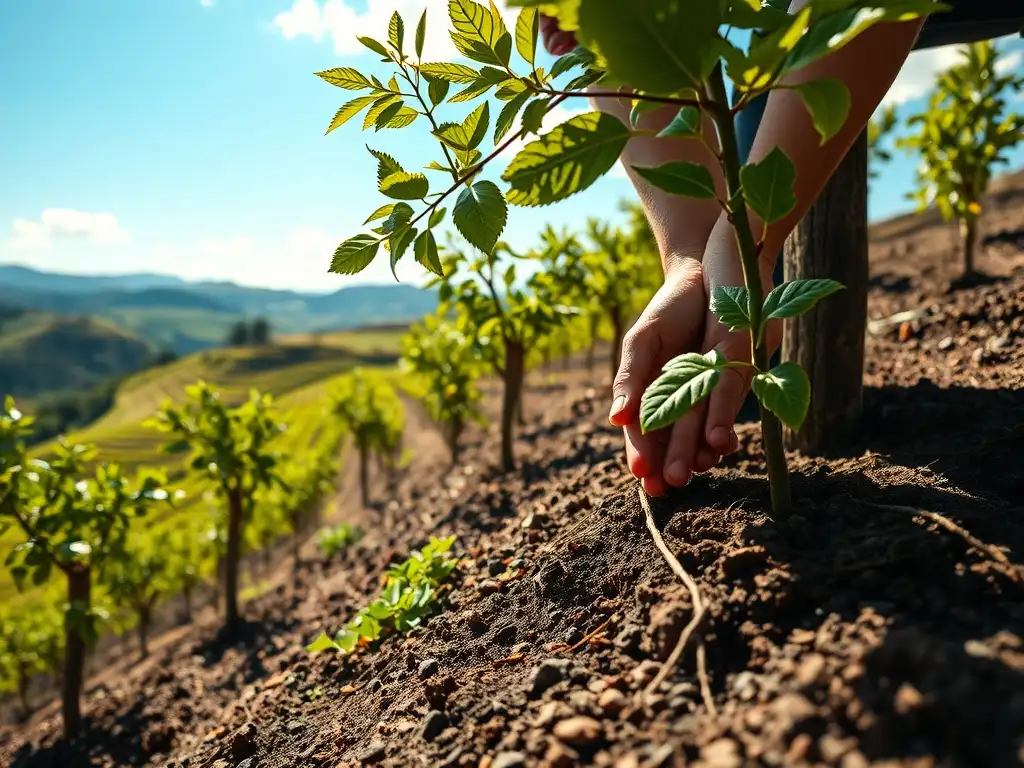
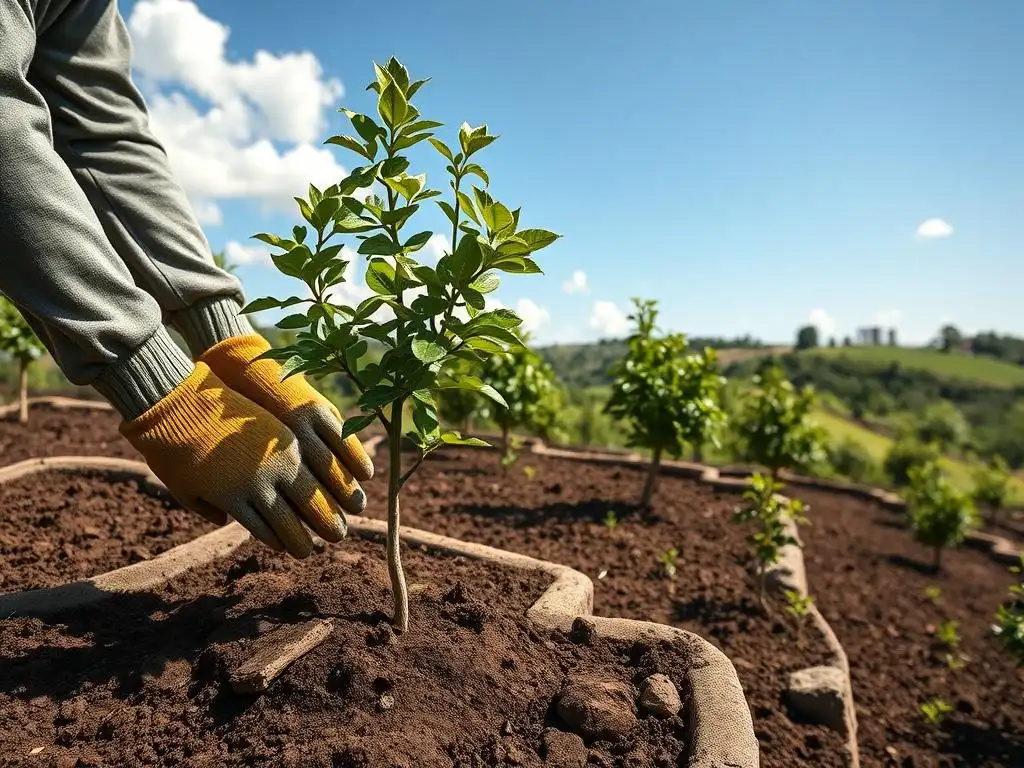
This section provides a detailed, step-by-step guide on planting fruit trees on sloping land, focusing on techniques to minimize erosion and maximize tree health and fruit production. Successfully planting fruit trees on slopes requires careful planning and execution, differing significantly from planting on level ground. We'll cover crucial aspects to ensure your orchard thrives.
Selecting the Right Fruit Tree Varieties for Sloping Land
Choosing the right fruit tree variety is paramount when planting on a slope. Certain varieties are better suited to handle the unique challenges presented by sloping terrain, such as increased water runoff and soil erosion. Consider these factors:
- Root systems: Trees with extensive and deep root systems are generally more resistant to being uprooted by wind or water runoff. Look for varieties known for their strong root development. For example, some apple varieties are known for their robust root systems, providing better anchoring on slopes. Conversely, trees with shallow, spreading root systems might be less suitable.
- Drought tolerance: Slopes often experience faster water drainage, leading to drier conditions. Selecting drought-tolerant varieties will reduce the frequency of watering and ensure the trees' survival during dry spells. Certain plum and peach varieties are known for their resilience to drought.
- Wind resistance: Slopes are more exposed to wind, which can damage young trees. Choosing varieties with naturally strong branches and a compact growth habit will improve their wind resistance.
- Size at maturity: Consider the mature size of the tree relative to the slope's angle and the available space. Overgrown trees can destabilize the slope. Smaller, more compact varieties are often preferable in these situations.
The selection process should also consider the specific microclimate of your slope. Sun exposure, prevailing winds, and soil type will influence the success of different varieties. Consult local nurseries and agricultural extension services for recommendations tailored to your specific location and slope conditions. They can provide invaluable insights into which varieties thrive best in your region's soil and climate.
Planting Fruit Trees on Slopes: A Detailed Planting Guide
Planting fruit trees on slopes requires careful technique to prevent soil erosion and ensure the trees establish strong root systems. Here's a detailed planting guide:
- Site Preparation: Before planting, thoroughly prepare the planting site. This involves clearing the area of weeds, rocks, and debris. For steeper slopes, consider creating level planting areas or terraces to improve soil retention and prevent erosion. This might involve constructing small retaining walls or using contour plowing techniques.
- Soil Amendment: Amend the soil with organic matter, such as compost or well-rotted manure, to improve soil structure, water retention, and drainage. This is crucial on slopes prone to erosion. The improved soil structure will help prevent runoff and provide better support for the tree's root system.
- Planting the Tree: Dig a hole slightly larger than the root ball. Gently remove the tree from its container, loosening any circling roots. Plant the tree at the same depth it was growing in the container, ensuring the graft union (the point where the scion is grafted onto the rootstock) is above the soil line. Backfill the hole with amended soil, firmly packing it around the roots to eliminate air pockets.
- Watering: Water thoroughly after planting, ensuring the soil is saturated. Use a soaker hose or drip irrigation to minimize water runoff on slopes. Regular watering, especially during dry periods, is crucial for the establishment of young trees.
- Erosion Control: Implement erosion control measures around the newly planted trees. This could include using mulch, such as wood chips or straw, to cover the soil surface. Mulch helps retain moisture, suppress weeds, and prevent soil erosion. Consider also planting ground cover plants around the trees to further stabilize the soil.
Proper planting techniques are vital for the long-term health and productivity of your fruit trees on a slope. Neglecting these steps can lead to significant challenges, including soil erosion, tree instability, and reduced fruit yields.
Proper Spacing and Arrangement of Fruit Trees on Slopes
The spacing and arrangement of fruit trees on slopes are critical for maximizing sunlight exposure, minimizing competition for resources, and preventing erosion. Unlike level ground, careful consideration of the slope's angle and orientation is essential.
- Contour Planting: Planting along the contour lines of the slope, following the natural curves of the land, is highly recommended. This method helps reduce water runoff and soil erosion. Trees planted along the contour act as natural barriers, slowing down the flow of water.
- Spacing: The appropriate spacing between trees depends on the mature size of the chosen variety and the slope's steepness. On steeper slopes, wider spacing might be necessary to prevent overcrowding and competition for resources. Adequate spacing also allows for easier access for maintenance and harvesting.
- Terracing: For very steep slopes, creating terraces can significantly improve the planting conditions. Terraces create level planting areas, reducing erosion and providing better support for the trees. However, terracing can be labor-intensive and may not be feasible for all slopes.
Careful planning and execution of these techniques are crucial for successful fruit tree cultivation on sloping land. Remember to always consult with local agricultural experts to ensure you are using the best practices for your specific terrain and climate. Proper spacing and arrangement are key components in "planting fruit trees sloping land" successfully.
Post-Planting Care for Fruit Trees on Slopes
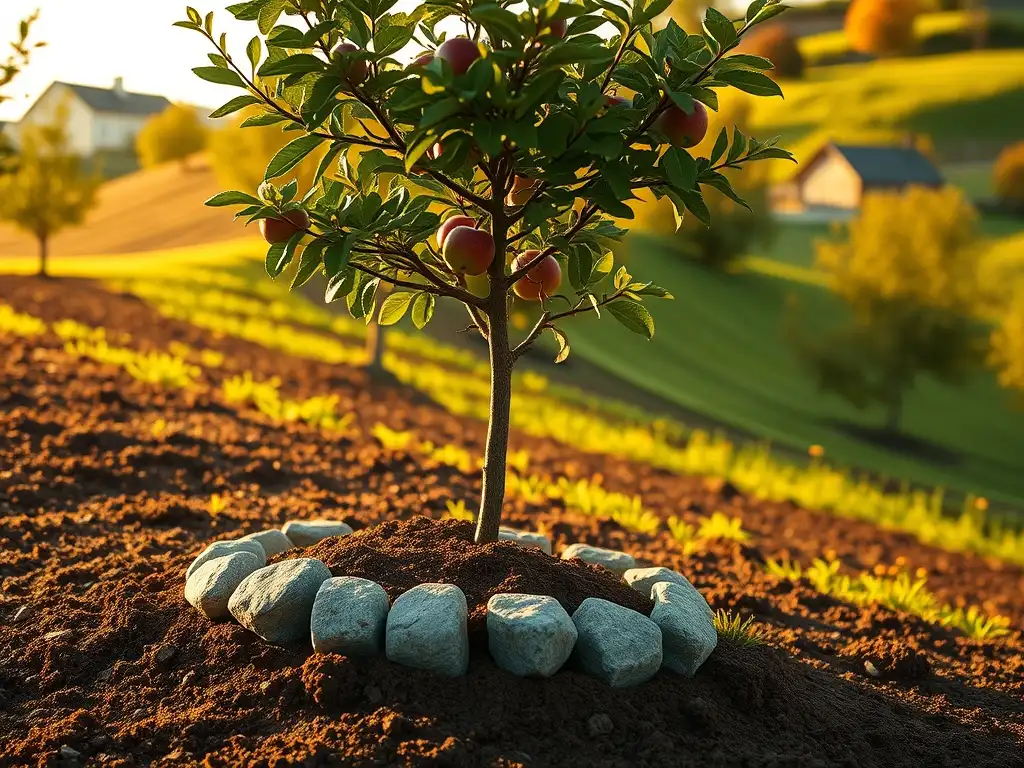
Post-planting care for fruit trees on slopes is crucial for their establishment and long-term health. The sloping terrain presents unique challenges, primarily erosion and water runoff, which can destabilize young trees and deprive them of essential nutrients. Careful attention to watering, mulching, and structural support is paramount for successful cultivation.
This section delves into the specific techniques necessary to nurture your fruit trees in a sloping environment, maximizing their chances of thriving and yielding a bountiful harvest. Effective strategies for planting fruit trees on sloping land are key to long-term success. Remember, proper care translates directly into a healthier, more productive orchard.
Watering Techniques for Fruit Trees on Slopes: Preventing Runoff and Erosion
Efficient watering on slopes is key to preventing erosion and ensuring the young trees receive adequate hydration. Simply letting water run down the slope results in significant water loss and soil displacement. Several techniques can mitigate this issue:
- Basin irrigation: Create a small basin around the base of each tree to capture water. This simple method ensures that the water soaks into the soil rather than running off. The size of the basin should be adjusted to the size of the tree's root system; larger trees require larger basins.
- Drip irrigation: This method delivers water directly to the root zone, minimizing runoff and evaporation. A drip irrigation system can be tailored to the specific needs of your slope, directing water precisely where it's needed most. This method is particularly efficient for water conservation on sloping land where planting fruit trees requires careful consideration.
- Soaker hoses: Similar to drip irrigation, soaker hoses slowly release water along their length, providing consistent moisture to the root zone. They are a cost-effective alternative to drip irrigation systems, especially for smaller orchards.
- Mulching: (This point is further elaborated in the next section, but it is crucial to note that mulching plays a significant role in water retention and erosion control, complementing efficient watering techniques.)
Remember to monitor soil moisture regularly, adjusting watering schedules based on rainfall and weather conditions. Overwatering can lead to root rot, while underwatering can stress the trees and hinder their growth. Finding the right balance is crucial for successful fruit tree cultivation on sloping land.
Mulching and Soil Management to Prevent Erosion and Promote Growth
Mulching is an essential practice for fruit trees planted on slopes. It serves multiple purposes:
- Erosion control: A thick layer of mulch, such as wood chips, straw, or shredded bark, acts as a barrier against soil erosion caused by rainfall and wind. This is crucial on slopes where soil is more susceptible to being washed away.
- Moisture retention: Mulch helps retain soil moisture, reducing the frequency of watering and minimizing water runoff. This is particularly beneficial during dry periods.
- Weed suppression: Mulch suppresses weed growth, reducing competition for nutrients and water. This also helps prevent erosion by stabilizing the soil.
- Soil improvement: As the mulch decomposes, it improves soil structure, adding organic matter and enhancing drainage.
The type and depth of mulch will vary depending on the specific site conditions and the type of fruit tree. Generally, a 2-4 inch layer of mulch is recommended, extending several feet beyond the tree's drip line. Avoid piling mulch directly against the tree trunk, as this can create a breeding ground for pests and diseases. Regularly replenish the mulch layer as it decomposes to maintain its effectiveness. Effective soil management is vital when planting fruit trees on sloping land.
Supporting Young Fruit Trees on Slopes: Staking and Guy Wires
Young fruit trees planted on slopes are particularly vulnerable to wind damage and instability. Providing adequate support is crucial to ensure their survival and proper growth. Several methods can be used:
- Staking: Driving a sturdy stake into the ground near the tree and securing the trunk with soft ties prevents the tree from being uprooted or blown over by strong winds. This is especially important during the first few years after planting.
- Guy wires: For added stability, especially on steep slopes, guy wires can be attached to the tree trunk and anchored to stakes driven into the ground at a distance. Guy wires provide strong support against wind and prevent the tree from leaning.
The choice between staking and guy wires depends on the slope's steepness and the prevailing wind conditions. In some cases, a combination of both methods may be necessary. Always use soft materials, such as rubber or cloth, to protect the tree's bark from damage. Regularly inspect the supports and adjust them as needed to ensure the tree remains securely anchored. Proper support is a key element of successfully planting fruit trees on sloping land.
Long-Term Management of Fruit Trees on Slopes
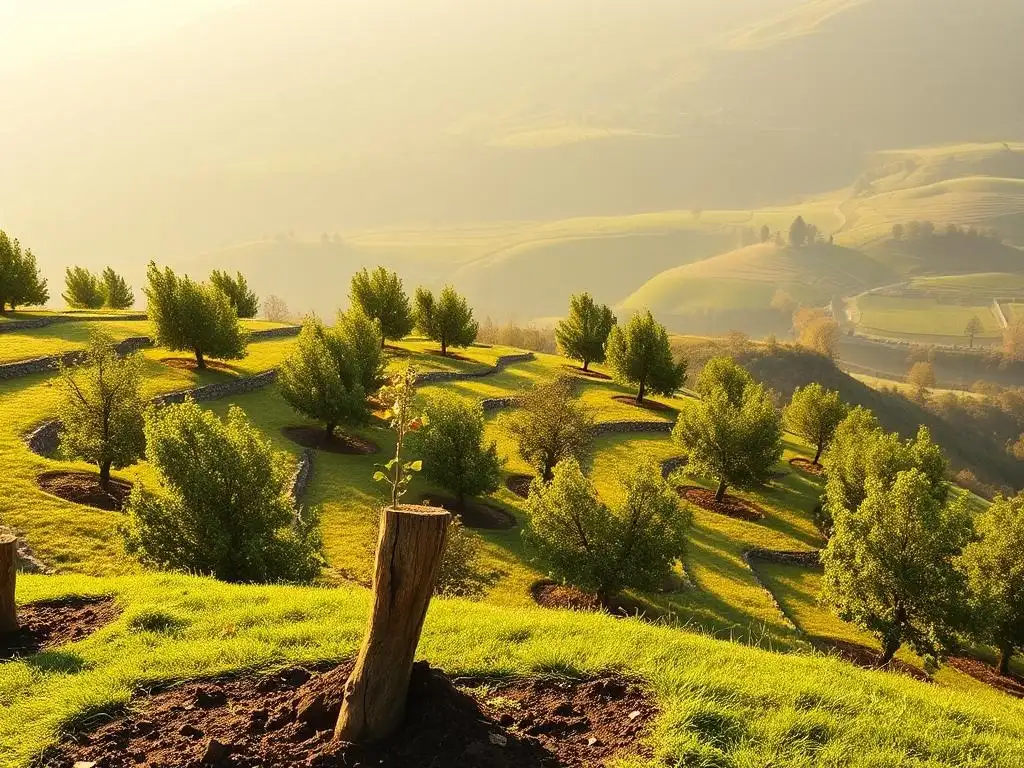
Successful fruit tree cultivation on slopes demands a long-term perspective, extending beyond the initial planting. Continuous monitoring and proactive management are crucial for maximizing yields and preserving soil health. This section focuses on key strategies for ensuring the longevity and productivity of your fruit trees on sloping land. Ignoring these aspects can lead to reduced yields, soil erosion, and ultimately, tree failure. Proper long-term management is key to achieving a bountiful and sustainable orchard, even on challenging terrain.
Pruning and Training Fruit Trees on Slopes for Optimal Growth
Pruning and training are essential for maintaining the health and productivity of fruit trees, especially on slopes. The unique challenges presented by sloping land necessitate a tailored approach. Incorrect pruning can exacerbate erosion, while improper training can lead to instability and reduced fruit production.
Proper pruning techniques for sloped land prioritize maintaining a strong, balanced structure that can withstand the forces of gravity and wind. This involves strategically removing competing branches, shaping the tree to follow the contour of the slope, and creating an open center to allow for better air circulation and sunlight penetration. Consider the direction of the slope when deciding where to focus your pruning efforts. For example, on a south-facing slope, you may need to prune branches that extend too far south to reduce the risk of sunscald.
Training young trees is crucial in establishing a strong framework. Techniques like espalier or other forms of controlled growth can be particularly beneficial on slopes, helping to prevent the tree from becoming top-heavy and unstable. Regular monitoring and adjusting of support structures, like stakes or trellises, are necessary to ensure the tree's stability and alignment with the slope.
This ensures that the tree's weight is distributed evenly, minimizing the risk of damage or uprooting. Remember that the training techniques will vary depending on the species of fruit tree. For example, apples often benefit from a central leader system, while peaches might respond better to an open-center system.
Pest and Disease Management for Fruit Trees on Slopes
Sloping land can present unique challenges for pest and disease management in fruit trees. The topography can affect microclimates, creating areas more susceptible to certain pests and diseases. Proper monitoring and proactive strategies are crucial for minimizing damage and maintaining healthy trees.
Pest and disease pressure can be intensified on slopes due to factors like increased exposure to wind and sun, altered drainage, and changes in soil moisture. Regular inspection of your trees is vital. Pay close attention to leaves, branches, and fruit for any signs of infestation or disease. Early detection is key to effective treatment. The use of organic pest control methods is recommended for a sustainable approach. This could include introducing beneficial insects, using traps, or applying organic sprays. The specific methods will vary depending on the pest or disease affecting your trees.
It is crucial to be aware that the effectiveness of certain pest and disease management techniques can be affected by the slope's angle and orientation. For example, the application of foliar sprays might be less effective on steeper slopes due to runoff. Therefore, consider adjusting your methods accordingly. Careful consideration of the slope's impact on microclimate and drainage is paramount in designing a successful pest and disease management strategy. Proper soil management practices also play a key role in disease prevention. Maintaining healthy soil enhances the trees' resilience against pathogens.
Harvesting Fruit Trees on Slopes: Safe and Efficient Techniques
Harvesting fruit from trees on slopes requires extra caution and planning to ensure both safety and efficiency. The uneven terrain increases the risk of accidents, while the slope's angle can make access to fruit challenging. Adopting safe and efficient techniques is therefore paramount.
Safety should be the top priority. Always wear appropriate footwear with good traction to prevent slips and falls. Consider using safety harnesses or ropes, especially when working on steeper slopes. Never overreach or strain yourself; use ladders or other equipment as needed to access fruit safely. Working with a partner can provide additional support and safety.
Efficient harvesting techniques are essential to minimize time and effort. Use appropriate tools such as picking poles or ladders that are suitable for the slope and the type of fruit. Plan your harvesting route carefully to minimize unnecessary movement and strain. Consider using containers or baskets that are easy to carry and maneuver on the uneven terrain.
You might also consider using a system of pathways or steps to aid in safe and efficient access. The timing of your harvest will also be influenced by the slope's microclimate. For example, the sun exposure on a south-facing slope may cause fruit to ripen faster. Proper planning and the use of appropriate tools and safety measures are key to a successful and safe harvest.
Maintaining Soil Health on Sloping Land for Fruit Tree Success
Maintaining healthy soil is paramount when planting fruit trees on sloping land. Erosion is a significant threat, stripping away topsoil and vital nutrients, hindering tree establishment and long-term productivity. Therefore, strategies focusing on soil conservation and enhancement are crucial for successful fruit tree cultivation on slopes.
This involves a multifaceted approach encompassing sustainable soil management, strategic use of cover crops, and the implementation of organic pest and disease control methods. Ignoring these aspects can lead to poor tree growth, reduced yields, and ultimately, project failure. The success of your fruit trees is directly tied to the health and stability of the soil they are rooted in.
Sustainable Soil Management Practices for Fruit Trees on Slopes
Sustainable soil management on slopes requires a shift from conventional practices to techniques that minimize soil disturbance and maximize water retention. Contour planting, where trees are planted along the contour lines of the slope, is a cornerstone of this approach. This method intercepts runoff, reducing erosion and allowing water to infiltrate the soil more effectively. Furthermore, the creation of swales – shallow channels dug along the contours – further enhances water retention and prevents water from flowing downhill and carrying precious topsoil with it.
Another vital practice is mulching. Applying a generous layer of organic mulch, such as wood chips or straw, around the base of the young fruit trees helps suppress weeds, retains soil moisture, regulates soil temperature, and gradually improves soil structure as it decomposes. The mulch acts as a protective barrier, shielding the soil from the erosive forces of rain and wind.
Regularly assessing and replenishing the mulch layer is crucial, especially during periods of heavy rainfall or strong winds. This preventative measure is vital for long-term soil health and tree success, especially on slopes prone to erosion. Consider using a mix of mulch materials for enhanced nutrient release and soil improvement over time.
Utilizing Cover Crops to Prevent Erosion and Enhance Soil Fertility on Slopes
Cover crops play a vital role in preventing erosion and improving soil health on sloping land. These plants, grown specifically to improve soil conditions rather than for harvest, create a living mulch that protects the soil surface from the elements. Leguminous cover crops, such as clover or vetch, are particularly beneficial as they fix nitrogen from the atmosphere, enriching the soil and reducing the need for synthetic fertilizers. The extensive root systems of cover crops also improve soil structure, increasing water infiltration and reducing runoff.
Choosing the right cover crop is essential. Consider the specific climate, soil type, and slope angle when selecting suitable species. Planting a mix of cover crops can further enhance soil health and provide a more resilient cover against erosion.
Remember to terminate the cover crop before it competes with your fruit trees for resources, typically by mowing or incorporating it into the soil. The decaying plant matter adds organic matter, enhancing soil fertility and providing a slow-release source of nutrients for your fruit trees. This method reduces the need for synthetic fertilizers, aligning perfectly with sustainable and organic gardening practices.
Implementing Organic Pest and Disease Control Methods for Fruit Trees on Slopes
Maintaining the health of your fruit trees on slopes necessitates a robust organic pest and disease management strategy. Avoid synthetic pesticides, which can harm beneficial insects and contaminate the soil and surrounding environment. Instead, employ integrated pest management (IPM) techniques that prioritize preventative measures and minimize the use of any intervention.
This approach involves regular monitoring for pests and diseases, promptly addressing any issues before they escalate. Natural predators, such as ladybugs and lacewings, can help control pest populations. Encouraging their presence through the creation of a diverse habitat is crucial. Furthermore, using organic pest control methods, such as neem oil or insecticidal soap, can target specific pests with minimal environmental impact.
Proper sanitation, including removing fallen leaves and fruit, helps reduce the overwintering sites for pests and diseases. Remember, a healthy tree is less susceptible to pests and diseases, so focusing on strong tree establishment through proper soil management and nutritional care is the first line of defense against problems. Regular observation and timely action are key to maintaining healthy, productive fruit trees on sloping land.
Frequently Asked Questions
What's the biggest challenge when planting fruit trees on a slope?
The biggest challenge is soil erosion. Water runoff can easily wash away topsoil and newly planted trees, hindering their establishment and growth. Proper planning and techniques are crucial.
How can I prevent erosion when planting on a slope?
Use terracing or contour planting to create level areas for planting. Mulching heavily around the trees helps retain moisture and prevent soil erosion. Consider using erosion control blankets for added protection.
What type of fruit trees are best suited for sloping land?
Trees with strong root systems are ideal. Consider dwarf or semi-dwarf varieties, as they are less susceptible to wind damage and easier to manage on slopes. Research varieties suitable for your specific climate and soil type.
What are some crucial steps for planting fruit trees on a slope?
Proper site preparation is key, including soil testing and amendment. Dig appropriately sized planting holes and ensure proper drainage. Staking the trees is essential to provide stability, especially on steeper slopes.
Are there any special considerations for maintaining fruit trees on a slope?
Irrigation is crucial, as slopes tend to drain quickly. Regular mulching helps retain moisture and suppress weeds. Consider using drip irrigation for efficient water use and reduced erosion.
Final Reflection: Cultivating Abundance on Sloping Ground
The art of planting fruit trees on sloping land isn't merely about securing a harvest; it's about fostering a harmonious relationship between human ambition and the natural world. Successfully navigating the challenges of erosion and uneven terrain translates to a deeper understanding of sustainable practices and the interconnectedness of our actions with the environment. This knowledge is more crucial now than ever, as climate change intensifies and the need for resilient food systems becomes paramount.
The journey of planting a fruit tree, especially on a slope, mirrors the journey of life itself – requiring patience, careful planning, and a willingness to adapt to unforeseen circumstances. The rewards, however, are immeasurable. The simple act of nurturing a sapling into a mature tree bearing fruit speaks volumes about our capacity for growth and resilience. The best time to plant a tree was 20 years ago. The second best time is today.
This timeless proverb underscores the enduring relevance of sustainable land management practices, reminding us that even small actions can have a profound impact on the future.
Consider the lessons learned within these pages. Think about the specific challenges your own land presents, and how the techniques discussed here can be adapted to your unique situation. Don't be afraid to experiment, to learn from your mistakes, and to embrace the natural rhythms of the land. The fruit of your labor, both literally and figuratively, will be a testament to your dedication and a source of nourishment for years to come. Begin your own journey towards cultivating abundance – one fruit tree at a time.
Unlock Your Hillside Orchard: Start Planting Today!
Thank you for learning about planting fruit trees on slopes! You now have the knowledge to create a thriving orchard that also helps prevent erosion. Ready to put your new skills to practice?
- Begin your hillside planting project: Plan the layout of your trees using the techniques described in this article. This is the most important first step! Grab your shovel and get started.
- Share your hillside planting journey: Tell us about your experience – which fruit trees did you choose? We'd love to see photos on our CultivateYourFood community forum!
- Explore additional resources: Learn more about soil conservation practices on our website for further tips and insights on sustainable hillside gardening.
What unique challenges are you facing in your hillside planting project, and how do you plan to overcome them?